
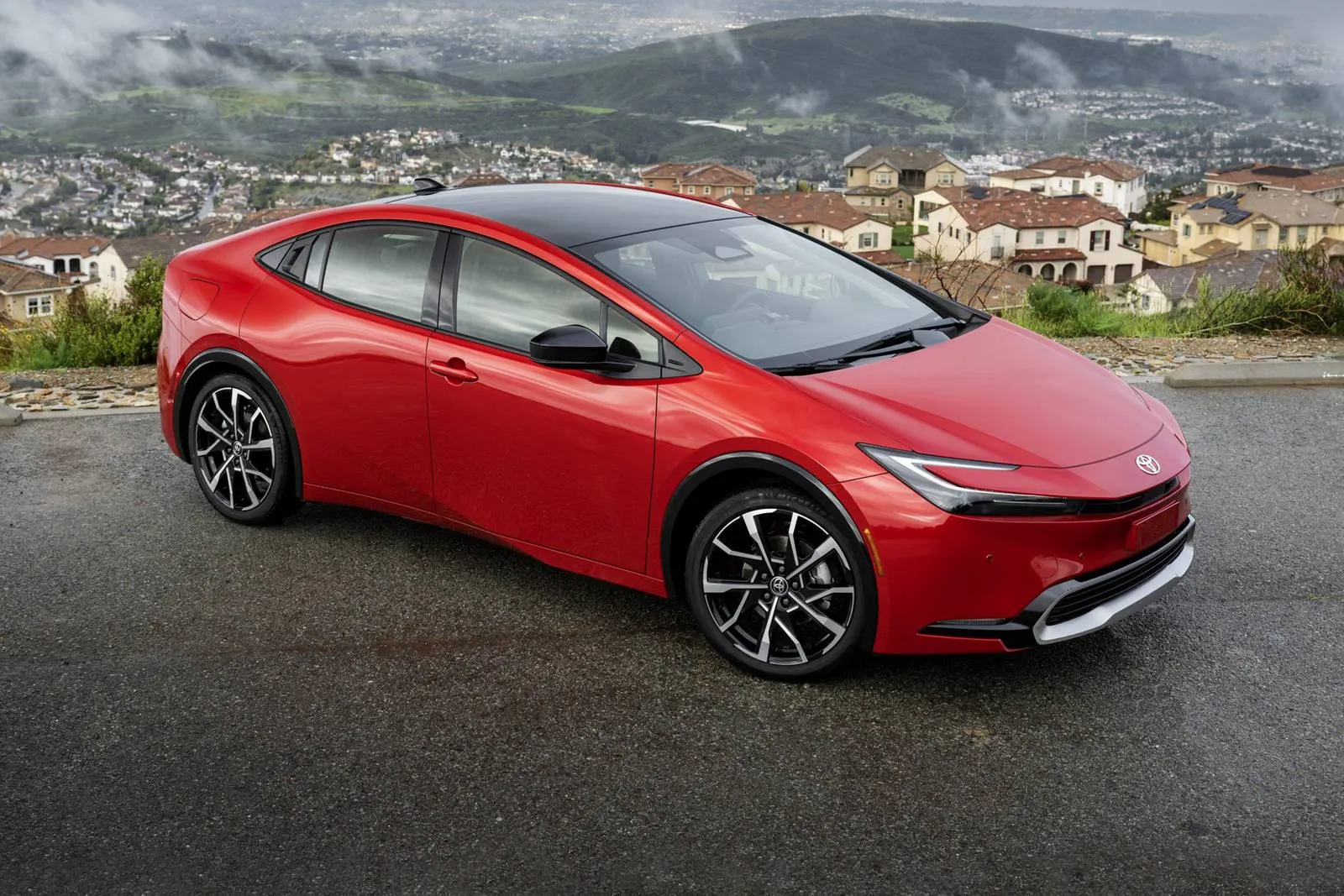
Earning income behind the wheel places demands on a vehicle that far exceed typical personal use. Long hours, constant stop-and-go traffic, frequent idling, and daily mileage accumulation expose weaknesses quickly. A car that feels perfectly adequate for casual commuting can become expensive and unreliable once it is driven eight to ten hours a day.
That reality explains why experienced delivery and rideshare drivers place durability and operating costs far above styling or novelty. High-mileage work rewards cars built with conservative engineering, proven drivetrains, and service simplicity.
Fuel economy matters, yet repair frequency and downtime matter just as much. A vehicle sitting in a shop cannot generate income, regardless of how efficient it may be on paper. Comfort also plays a quiet role, since drivers spend more time inside their cars than in their living rooms during a typical workweek.
This guide focuses on vehicles with established records of surviving 250,000 miles and beyond when serviced properly. Each model listed has demonstrated strong reliability data, predictable ownership costs, and broad parts availability.
None of these vehicles depends on experimental technology or fragile performance components. Instead, they rely on engineering approaches refined through years of real-world use.
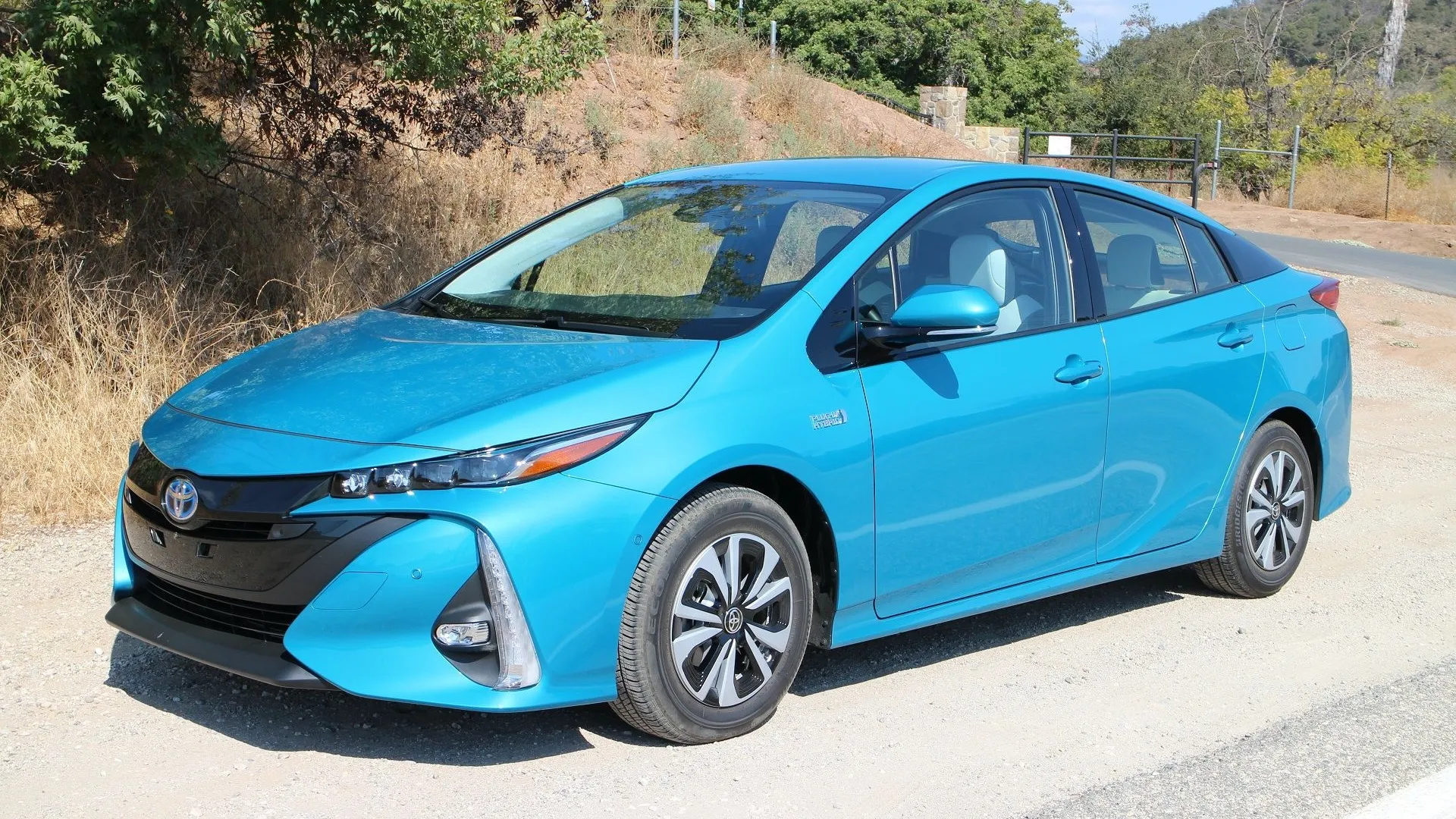
1. Toyota Prius
Longevity defines the Toyota Prius in ways that matter deeply to professional drivers. Built around a hybrid system refined across multiple generations, this car thrives in the exact conditions that challenge conventional vehicles. Urban routes, extended idling, and repeated braking cycles align perfectly with the Prius design philosophy. Electric assist reduces engine load, while regenerative braking limits wear on friction components.
Powertrain durability stands as a central strength. Toyota’s hybrid transaxle eliminates many traditional failure points associated with automatic transmissions. No belts, no clutches, and fewer heat-related stresses translate into lower repair frequency across extreme mileage ranges. Fleet data repeatedly shows Prius examples crossing 300,000 miles without internal drivetrain repairs when basic service schedules are followed.
Fuel savings create a steady financial advantage. Real-world drivers often report combined mileage in the high forties or low fifties, even with aggressive daily usage. That efficiency compounds over the years, especially for drivers covering 40,000 miles or more annually. Lower fuel spend provides breathing room for other operating costs, such as tires and insurance.
Interior comfort favors function over luxury. Seats remain supportive during extended moves, visibility stays excellent in dense traffic, and cabin layouts prioritize simplicity. Cargo flexibility in the hatchback design supports food delivery, parcel work, and airport luggage duties without forcing drivers into larger vehicles.
Parts availability represents another advantage. Prius components are stocked widely across independent shops and dealership networks. Battery replacement concerns are often overstated, as modern hybrid packs frequently last well beyond 200,000 miles. When replacement becomes necessary, aftermarket options keep costs manageable.
Drivers seeking predictable expenses, minimal downtime, and exceptional fuel efficiency continue to gravitate toward the Prius as a long-term income platform.
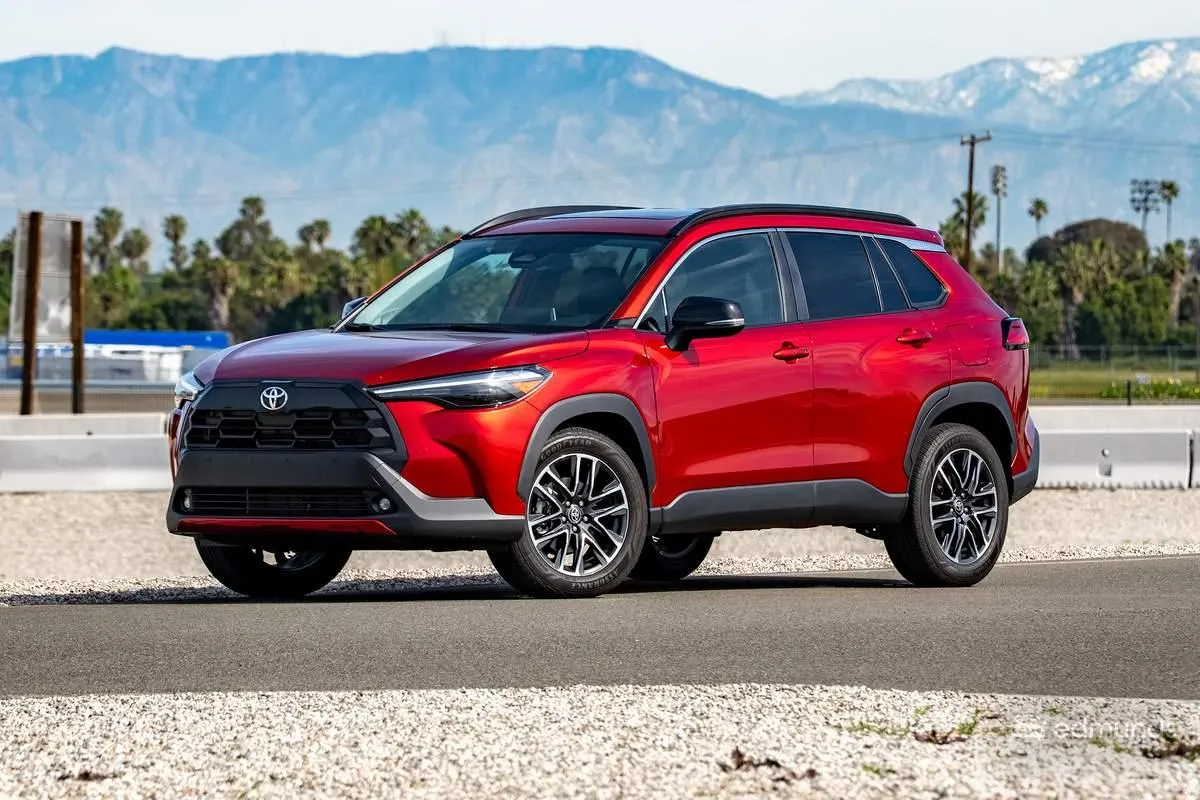
2. Toyota Corolla
Consistency has carried the Toyota Corolla through decades of heavy use, and high-mileage driving only reinforces its strengths. This compact sedan approaches reliability through simplicity rather than innovation, favoring proven mechanical layouts and conservative tuning. For delivery and rideshare drivers, that approach reduces surprises.
Engine durability remains a defining trait. Naturally aspirated four-cylinder engines avoid turbo-related heat and pressure stresses. Routine oil changes and basic cooling system care allow many Corollas to operate reliably well past 250,000 miles. Transmission behavior remains predictable, especially in models equipped with conventional automatics rather than early CVT designs.
Operating costs stay low due to exceptional parts availability. Every service item, from brake pads to suspension components, benefits from massive production volume. Independent repair shops carry Corolla experience by default, reducing diagnostic time and labor expense. That accessibility matters when quick repairs determine weekly income.
Fuel efficiency supports steady earnings without demanding premium fuel or specialized maintenance. Drivers regularly achieve mid-thirties mileage in mixed use. Highway-focused routes often exceed those figures, especially in later model years with refined engine management.
Cabin design emphasizes durability over flair. Controls resist wear, seats hold their shape, and interior materials tolerate constant entry and exit. For rideshare drivers, rear seat space remains adequate for passengers without pushing the vehicle into a larger cost category.
Resale stability adds another layer of financial security. Even at high mileage, Corollas retain value better than most competitors. That retained value allows drivers to recover part of their investment when upgrading vehicles. Drivers who prioritize low-stress ownership and predictable outcomes often view the Corolla as a dependable work partner rather than a disposable tool.
Also Read: 10 Pro Tips That Help a Chevy Bolt EV Stay Reliable
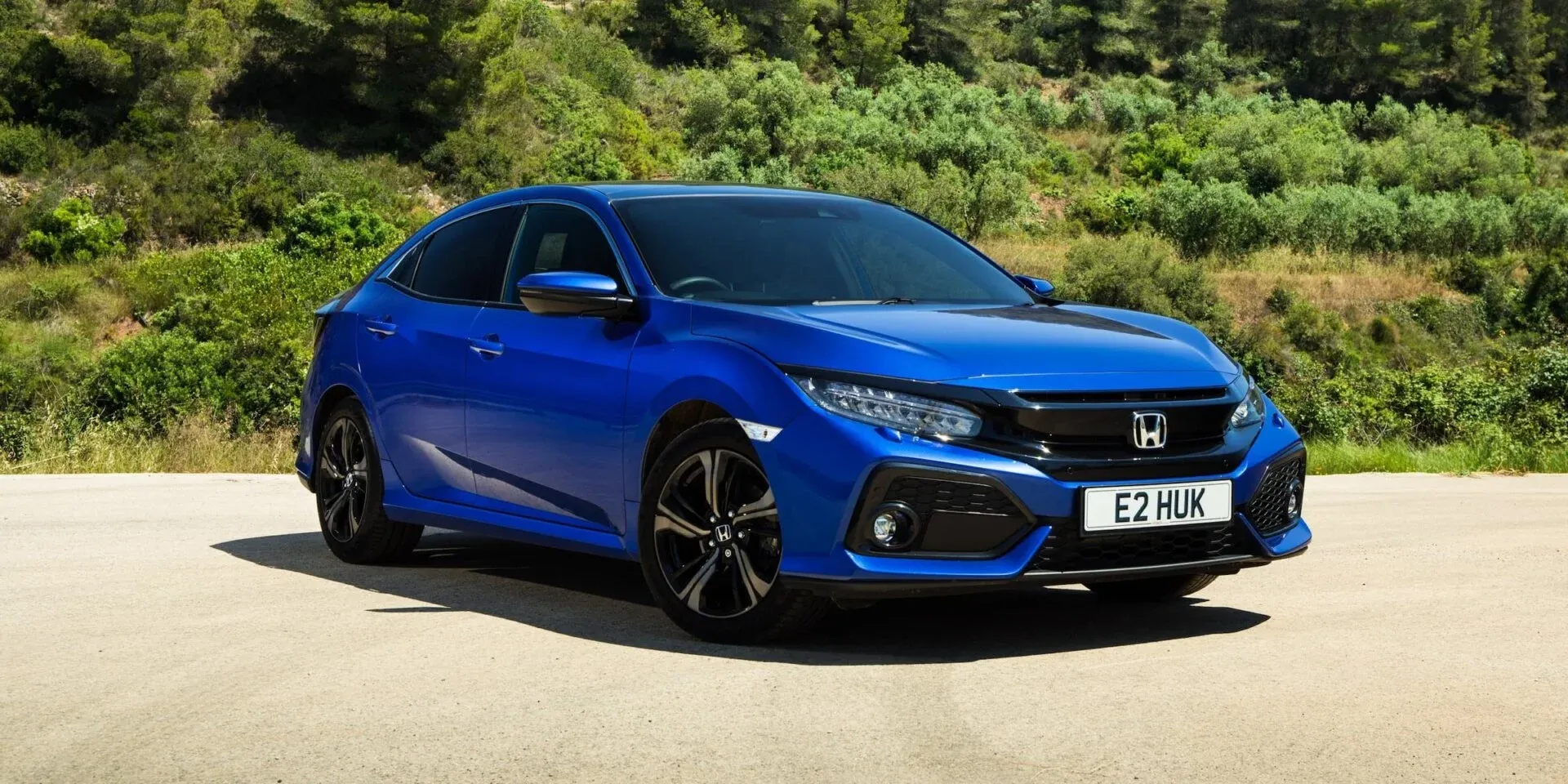
3. Honda Civic
Energy and efficiency combine effectively in the Honda Civic, making it a favorite among drivers who want reliability without sacrificing responsiveness. Long-standing engineering principles guide its design, producing a car that tolerates heavy daily use while remaining engaging to drive during long moves.
Honda’s four-cylinder engines earn respect for durability. Timing chains replace belts, reducing scheduled service demands. Internal components operate under moderate stress levels, promoting extended service life. Many Civics accumulate high mileage without internal engine repairs when oil quality and cooling systems receive proper attention.
Transmission choices influence ownership experience. Conventional automatics and manual gearboxes deliver exceptional durability records. Later CVT versions perform well when fluid service intervals are respected, especially under delivery workloads that involve frequent acceleration cycles.
Fuel economy supports profitability. Mixed driving often returns mileage in the low to mid-thirties, with highway use pushing higher figures. That efficiency reduces daily operating expenses without requiring hybrid systems or specialized servicing. Interior ergonomics favor extended use.
Driver seating positions support long hours, visibility remains strong, and control layouts feel intuitive. Ride quality balances firmness with comfort, reducing fatigue during prolonged moves. Parts supply remains extensive due to Civic popularity across multiple markets. Suspension components, sensors, and braking systems remain affordable and widely stocked.
That availability minimizes downtime during repairs. Civic ownership appeals to drivers who appreciate mechanical transparency and predictable behavior. High mileage operation suits this model well, rewarding consistency rather than constant intervention.
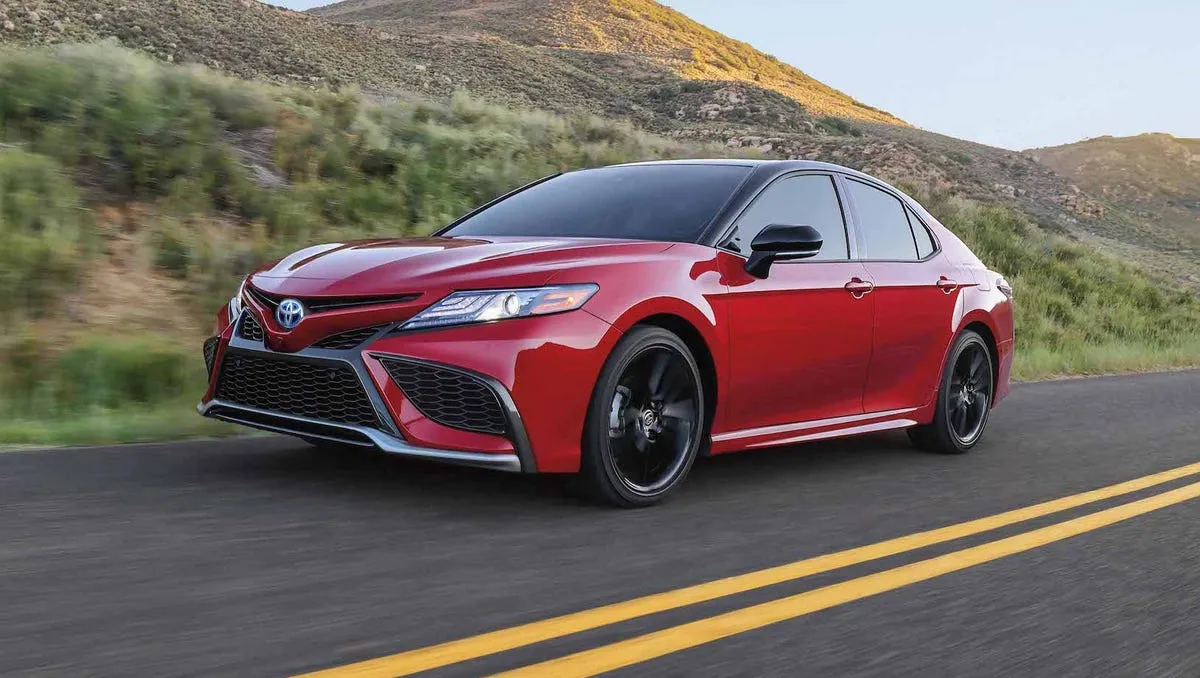
4. Toyota Camry
The balance between space, endurance, and cost control defines the Toyota Camry as a dependable choice for professional driving duties. This midsize sedan provides the interior room expected by passengers while maintaining operating expenses that remain sensible for drivers covering long daily distances.
Its long presence in the market has allowed engineering refinements to mature, creating a vehicle that responds well to sustained usage. Engine availability supports different driving priorities. Four-cylinder versions emphasise fuel efficiency and reduced service demands, making them attractive for drivers focused on economy.
V6 variants introduce stronger acceleration for highway work while retaining a reputation for durability built on engine families refined across decades. Both options deliver consistent performance when subjected to extended mileage schedules. Ride quality plays an important role during long moves.
Suspension calibration absorbs road imperfections without excessive softness, protecting occupants from fatigue. Rear seat space allows adult passengers to travel comfortably, supporting positive ride experiences during frequent trips. This comfort level proves useful in professional passenger service settings.
Fuel consumption remains competitive despite the vehicle’s size. Four-cylinder models regularly achieve figures that rival smaller sedans, especially during steady speed driving. This efficiency limits daily fuel expenditure while preserving the benefits of a larger cabin. Even V6 versions maintain reasonable consumption when driven responsibly.
Service access contributes strongly to ownership satisfaction. Camry mechanical components are familiar to technicians across the country. Routine servicing rarely involves extended diagnostic time, which reduces labour costs. Parts availability benefits from high production volumes, encouraging competitive pricing across original and aftermarket suppliers.
Interior construction supports repeated use. Seat materials withstand frequent entry and exit, while control surfaces resist premature wear. Climate systems maintain consistent performance, supporting comfort in varied weather conditions. These qualities limit cosmetic deterioration during years of professional use.
Drivers who require a vehicle capable of combining passenger comfort with dependable long-term operation often view the Camry as a practical solution. Its blend of proven engineering, accessible servicing, and interior resilience allows it to perform reliably across demanding schedules.
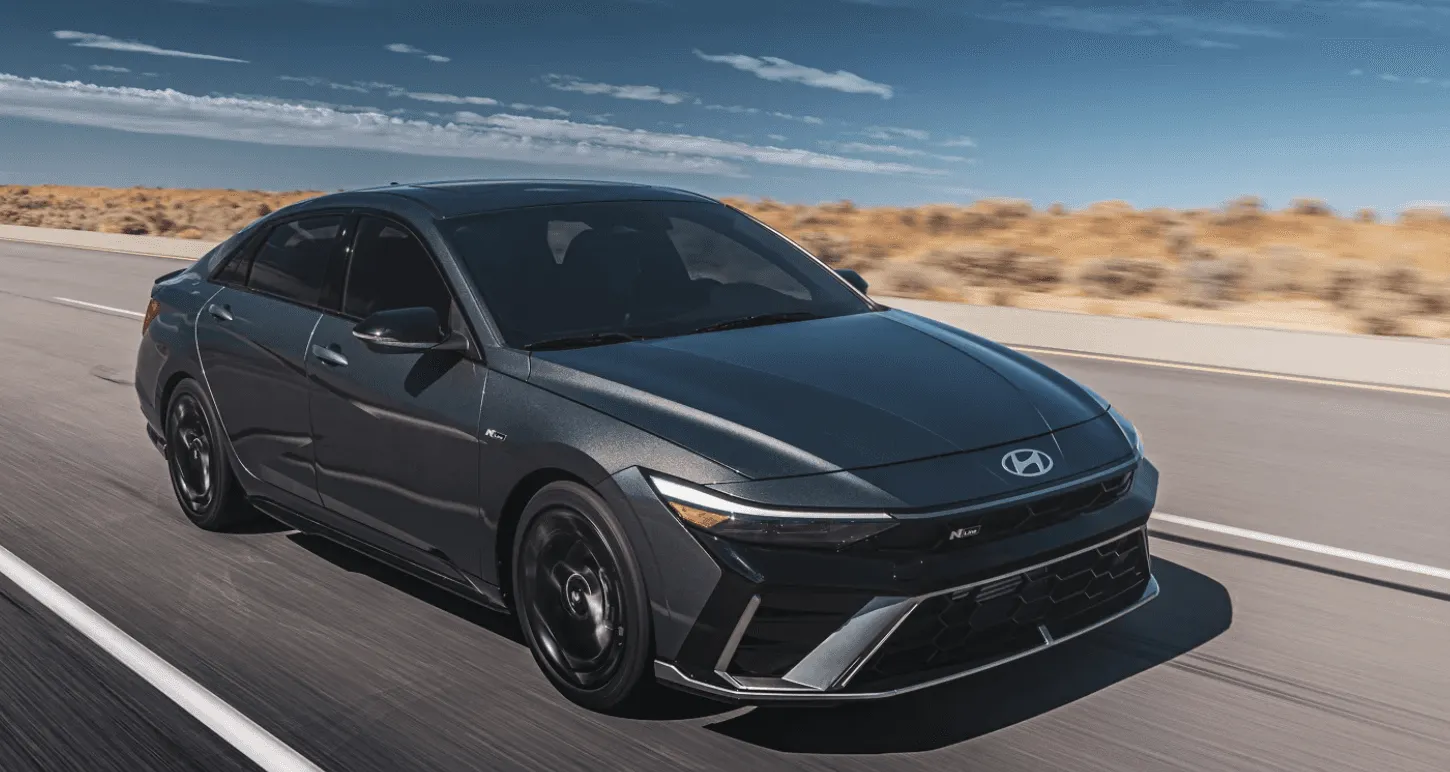
5. Hyundai Elantra
Modern styling combined with steady engineering improvement positions the Hyundai Elantra as a capable option for high-mileage driving. This compact sedan has advanced considerably through recent generations, addressing earlier reliability concerns while maintaining affordability. Its current form supports drivers who require efficiency without sacrificing comfort or usability.
Engine design reflects a focus on simplicity. Naturally aspirated petrol units favour predictable performance and manageable service routines. With regular oil changes and basic cooling system care, these engines sustain prolonged daily operation without persistent mechanical complaints. This reliability profile suits drivers who depend on consistent vehicle availability.
Fuel efficiency remains a central strength. Mixed driving frequently produces mileage results in the mid to high thirties, supporting reduced fuel spending across long moves. Urban routes benefit from lightweight construction, while highway travel remains composed and economical.
Warranty provisions offer additional reassurance, particularly for buyers selecting newer used examples. Extended factory coverage often transfers partially to subsequent owners, reducing exposure during early ownership. This support lowers financial risk during the initial period of professional use.
Interior layout prioritises ease of use. Controls follow logical placement, reducing distraction during frequent stops. Seating comfort supports extended driving sessions, while cabin dimensions accommodate passengers adequately without inflating insurance costs. Modern infotainment systems enhance convenience without unnecessary complication.
Parts availability continues to expand as the Elantra’s market presence grows. Independent workshops increasingly stock common components, reducing wait times during repairs. Technician familiarity improves with each model year, streamlining service procedures and lowering labour expense.
Drivers seeking a compact sedan with improved durability records often consider the Elantra a practical companion for long-distance work. Attentive maintenance rewards owners with dependable service, steady efficiency, and comfort suited to daily professional driving demands.
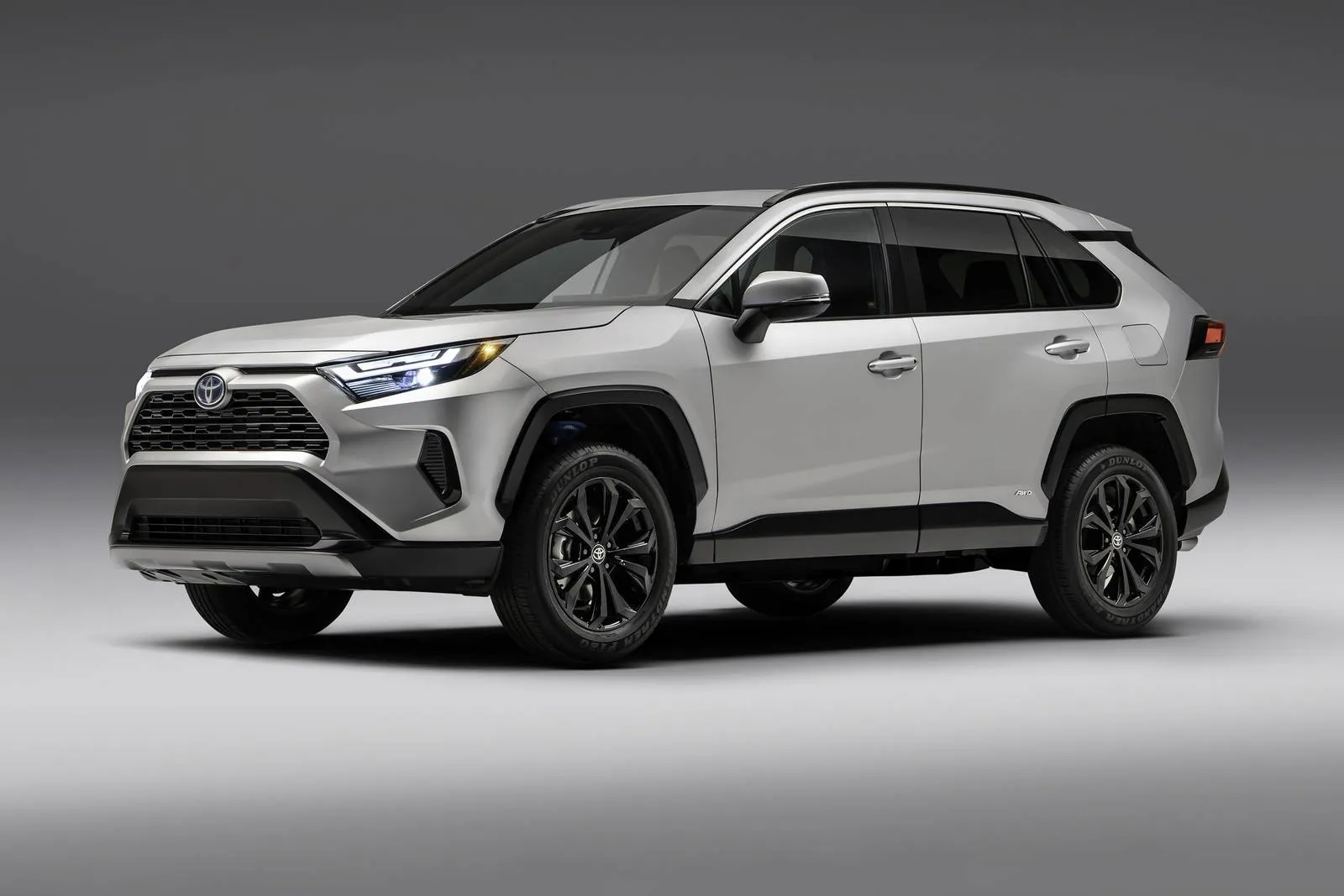
6. Toyota RAV4 Hybrid
Steady income driving often rewards vehicles that balance space, durability, and efficiency, and the Toyota RAV4 Hybrid fits that profile with unusual consistency. Delivery drivers benefit immediately from its cargo flexibility, while rideshare drivers appreciate passenger comfort without stepping into full-size vehicle expenses.
This model operates confidently under daily mileage accumulation that would quickly expose weaknesses in less proven designs. Hybrid engineering plays a central role in long-term dependability. Toyota’s hybrid system reduces strain on the gasoline engine during low-speed operation, traffic congestion, and frequent stops.
Electric assistance handles much of the workload in city conditions, while regenerative braking reduces wear on pads and rotors. These design choices extend service intervals and lower repair frequency across high mileage usage. Fuel efficiency supports profitability even as mileage climbs.
Many drivers report combined mileage in the high thirties or low forties, a strong result for a compact sport utility vehicle. That efficiency allows drivers to handle longer routes without constant fuel stops, saving both time and money during extended moves.
Ride quality remains composed across varied road conditions. Suspension tuning absorbs uneven pavement effectively, reducing fatigue during long hours. Cabin insulation limits road noise, creating a calmer environment for both drivers and passengers. Seating comfort supports extended use without excessive firmness or softness.
Maintenance access remains straightforward. Engine bay layouts allow routine service without excessive disassembly, and hybrid components have demonstrated long service life across multiple Toyota platforms. Independent repair shops increasingly handle hybrid service confidently, reducing reliance on dealerships.
Parts availability mirrors that of other high-volume Toyota models. Suspension components, braking hardware, sensors, and interior trim pieces remain widely stocked. That availability minimizes downtime, which directly supports consistent income generation.
Drivers seeking a vehicle capable of carrying packages, groceries, or multiple passengers while sustaining heavy mileage often find the RAV4 Hybrid delivers a dependable blend of efficiency and resilience.
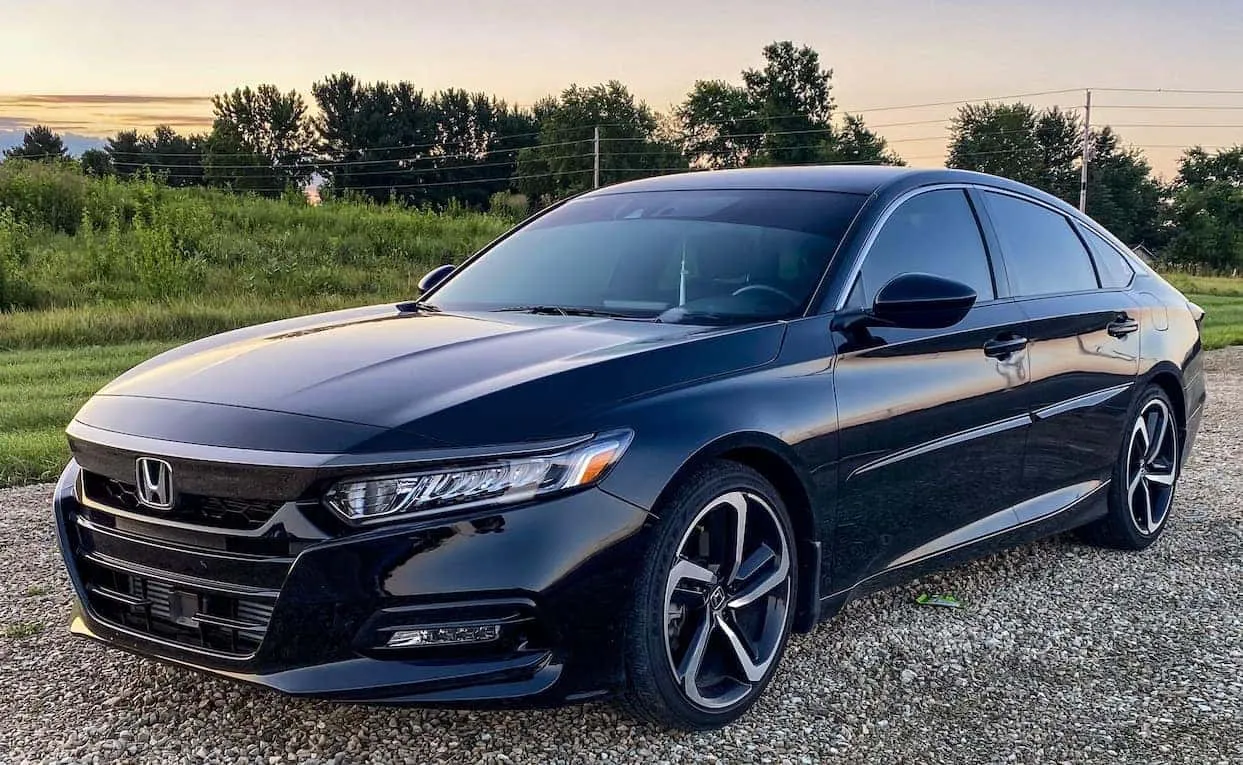
7. Honda Accord
Quiet confidence defines the Honda Accord as a high-mileage work vehicle. This midsize sedan supports long daily moves through a combination of interior space, mechanical durability, and predictable service requirements. Drivers covering extensive highway and city miles often choose it for its balanced nature.
Engine reliability anchors its reputation. Honda’s four-cylinder engines favor long service life through conservative tuning and durable internal components. Timing chains reduce scheduled service tasks, while naturally aspirated designs avoid turbo-related heat stress. With proper oil care, many Accords exceed 300,000 miles without internal engine repairs.
Fuel economy remains competitive despite size. Highway-focused routes regularly produce mileage in the mid-thirties. City driving maintains respectable efficiency, especially in later model years with refined fuel management. That balance helps drivers manage operating expenses across varied driving conditions.
Interior comfort plays a meaningful role in driver satisfaction. Seat support reduces fatigue during extended use, while rear seat space enhances passenger comfort for rideshare applications. Controls feel intuitive, limiting distraction during dense traffic.
Service familiarity benefits owners directly. Repair shops nationwide possess deep experience with Accord platforms, shortening diagnostic time and labor expense. Parts pricing remains reasonable due to high production volume and strong aftermarket competition.
Ride quality supports consistent daily use. Suspension systems absorb road imperfections without feeling disconnected. Steering response remains predictable, promoting relaxed control during long moves. Drivers prioritizing comfort, reliability, and steady operating costs often view the Accord as a dependable income tool rather than a luxury purchase.

8. Ford Fusion Hybrid
Efficiency combined with interior space defines the Ford Fusion Hybrid as a practical option for drivers whose work demands long hours on the road. This sedan delivers a calm driving character that suits extended urban and suburban routes, while its hybrid system supports reduced fuel consumption without reducing passenger comfort. The Fusion Hybrid appeals to drivers who value steady operation and predictable ownership costs.
Hybrid operation brings measurable benefits during daily use. Electric assistance reduces reliance on the petrol engine during low-speed movement, easing mechanical strain during traffic-heavy driving. Regenerative braking captures energy during deceleration, lowering dependence on traditional braking components.
As a result, brake pads and rotors typically last longer than those on non-hybrid sedans used under similar conditions. This reduction in wear lowers routine service frequency across high-mileage ownership. Fuel efficiency supports consistent income generation.
Many drivers report combined mileage figures in the low forties, particularly on routes dominated by city driving. This level of efficiency reduces fuel expenditure without forcing drivers into smaller vehicles with limited cabin space. Savings accumulate steadily during daily operation, making the Fusion Hybrid financially appealing for professional use.
Interior design supports long-term occupancy. Seating remains supportive during extended moves, visibility assists driver awareness in busy environments, and trunk space accommodates luggage, groceries, or delivery items comfortably. Cabin noise remains subdued, reducing fatigue during prolonged driving sessions. These qualities contribute to a calmer workday for both driver and passengers.
Service considerations remain manageable. Hybrid components share design principles with other established systems, and parts availability has improved as adoption has increased. Independent workshops now service Fusion Hybrid models with growing confidence, reducing dependence on main dealerships and limiting downtime during repairs. Routine servicing remains familiar and accessible.
Ride comfort balances softness and control effectively. Suspension tuning absorbs uneven pavement while maintaining stability at higher speeds. This balance supports long-distance driving without excessive physical strain. Drivers seeking a hybrid sedan outside traditional import brands often find the Fusion Hybrid capable of reliable service across demanding daily schedules.
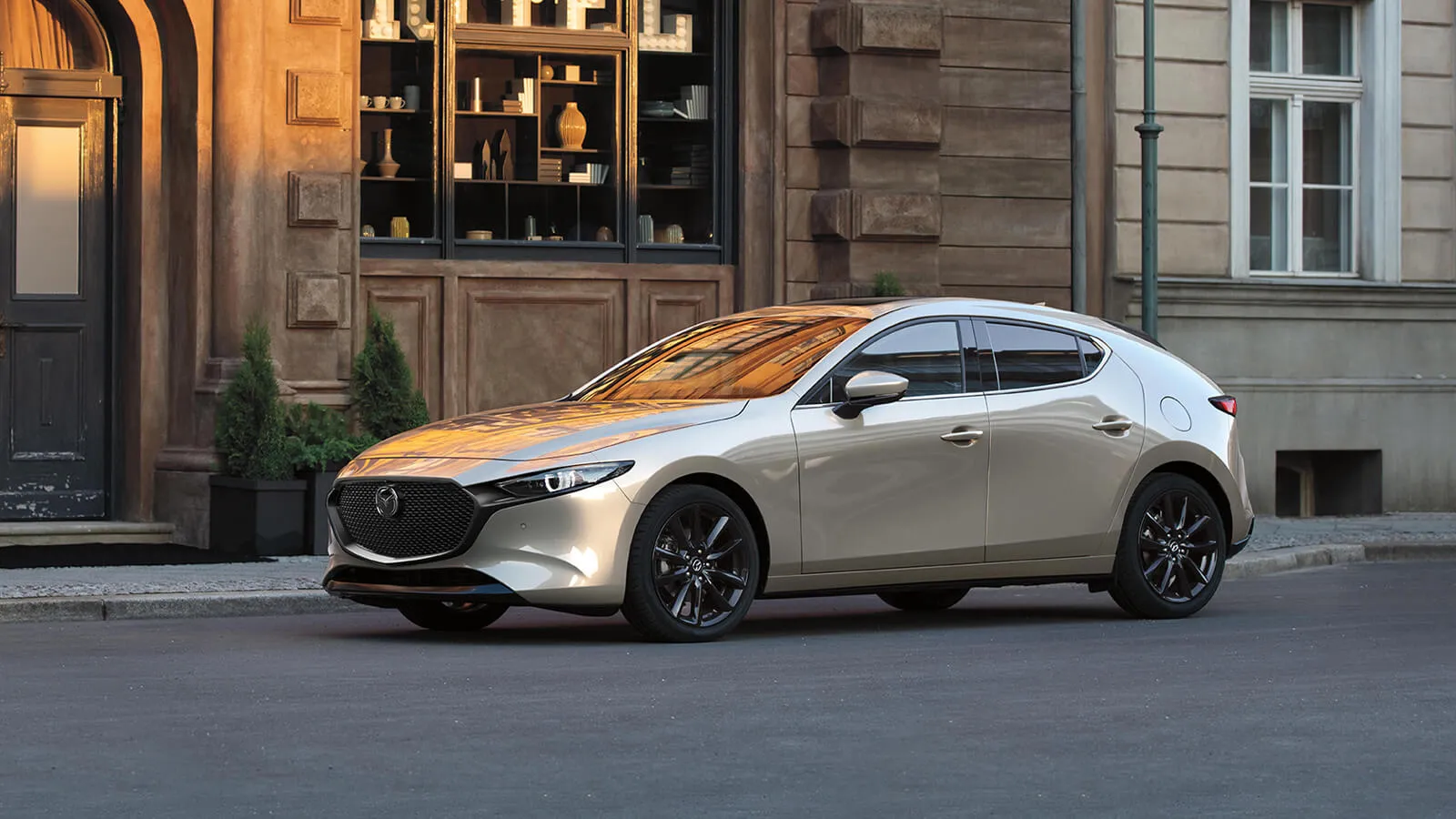
9. Mazda3
Precision paired with durability defines the Mazda3 as a compact sedan suited to sustained high-mileage driving. Its design reflects a focus on mechanical simplicity and driver engagement, qualities that support dependable performance over extended service life. Many drivers appreciate its ability to deliver consistent operation without unnecessary mechanical demands.
Engine design prioritises longevity. Naturally aspirated powerplants avoid turbocharger-related stress, while Skyactiv engineering focuses on efficient combustion and reduced internal friction. These engines respond well to regular servicing, allowing them to maintain reliability even under frequent daily use. Simplicity remains a strength in long-term ownership.
Fuel efficiency supports daily operating needs. Mixed driving often returns mileage figures in the low to mid-thirties, with highway use producing even higher results. This efficiency reduces fuel expenditure without introducing hybrid system complications. Drivers benefit from predictable consumption across varied routes.
Interior craftsmanship reflects attention to durability. Materials resist wear from frequent entry and exit, controls maintain responsiveness, and seating supports long driving periods. Compact dimensions assist manoeuvrability in urban settings, making the Mazda3 suitable for delivery work in tight environments. Passengers experience a comfortable ride without excessive interior bulk.
Maintenance accessibility supports cost control. Routine service procedures remain straightforward, and parts availability continues expanding as market presence grows. Independent workshops increasingly possess Mazda-specific experience, reducing delays and limiting labour costs. Ownership remains practical for drivers without specialised service access.
Ride quality balances firmness with comfort. Suspension tuning limits excessive movement while maintaining compliance over uneven surfaces. Steering feedback remains consistent, enhancing driver confidence during long hours behind the wheel.
Drivers who value dependable engineering combined with engaging road manners often consider the Mazda3 a reliable companion for sustained daily driving.
Also Read: 10 Storage Tips to Protect a Mazda CX-5 from Sun Damage
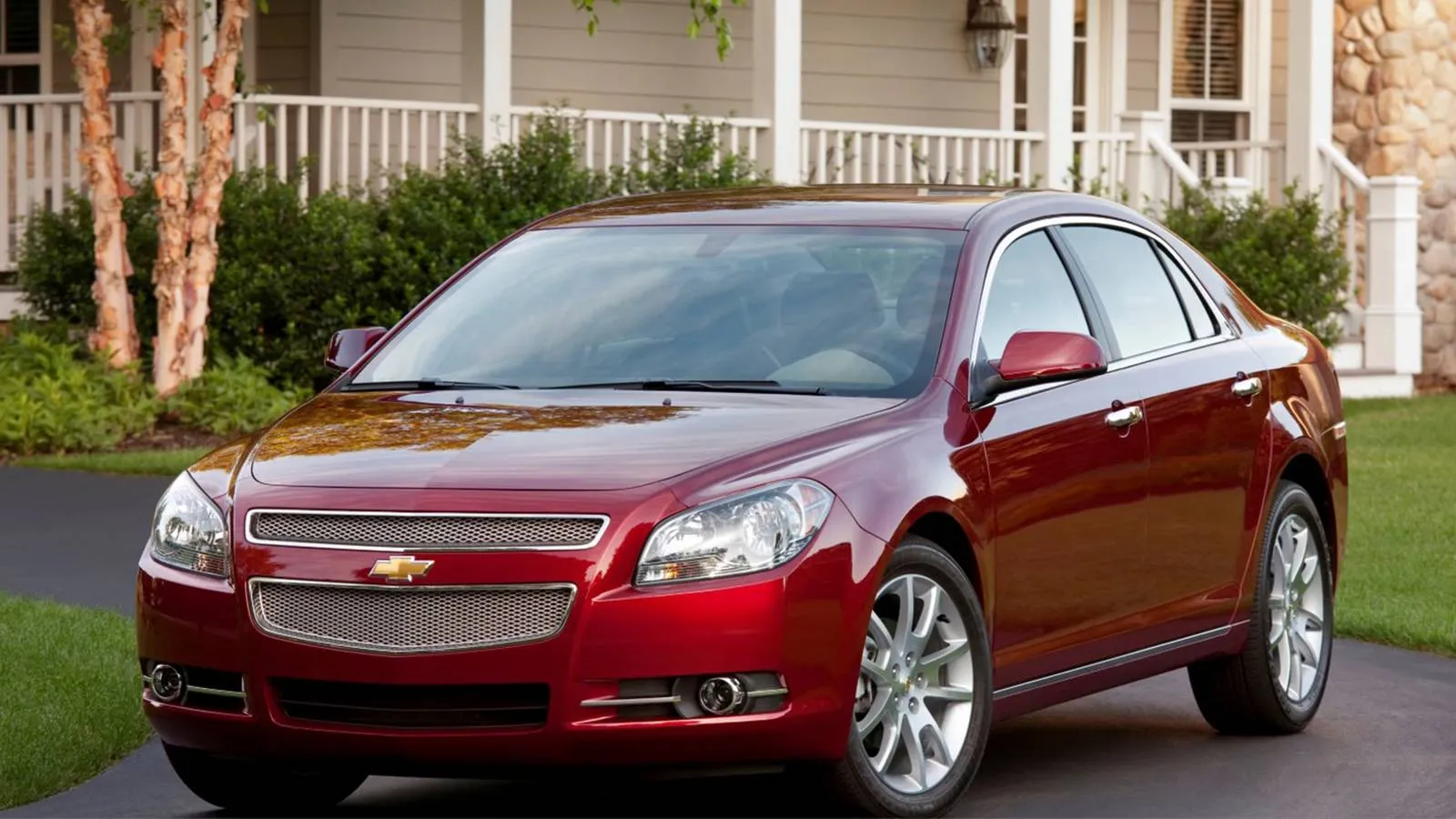
10. Chevrolet Malibu
Practical design underpins the Chevrolet Malibu as a capable, high-mileage sedan. This midsize vehicle offers space, comfort, and operating costs aligned with the needs of drivers who rely on their cars for extended daily use. Familiarity plays a strong role in its appeal, supported by widespread service availability.
Engine options emphasise durability and efficiency. Naturally aspirated and lightly turbocharged variants provide sufficient power for daily driving without excessive mechanical strain. With regular servicing, these engines sustain long service life under demanding schedules. Simpler configurations often appeal to drivers focused on predictable upkeep.
Fuel efficiency remains competitive within its segment. Highway driving frequently delivers mileage figures in the mid-thirties, supporting long routes with fewer refuelling stops. This efficiency benefits drivers covering extensive distances while maintaining cabin comfort suitable for passengers.
Interior space directly supports rideshare and delivery work. Rear seating accommodates passengers comfortably, while trunk capacity allows transport of luggage or goods without compromise. Control layouts remain intuitive, and seating comfort supports extended moves without discomfort. Cabin ergonomics reflect practical use rather than novelty.
Service accessibility contributes strongly to ownership satisfaction. Parts availability remains extensive across the United States, and repair shops handle Malibu servicing routinely. This familiarity reduces downtime and limits unexpected service delays. Predictable repair pathways support consistent income flow for professional drivers.
Ride comfort remains steady across varying road conditions. Suspension tuning absorbs surface imperfections without excessive softness, promoting relaxed control during long driving periods. Drivers seeking a straightforward sedan with broad service support often find the Malibu capable of sustaining demanding mileage with manageable ownership expectations.
