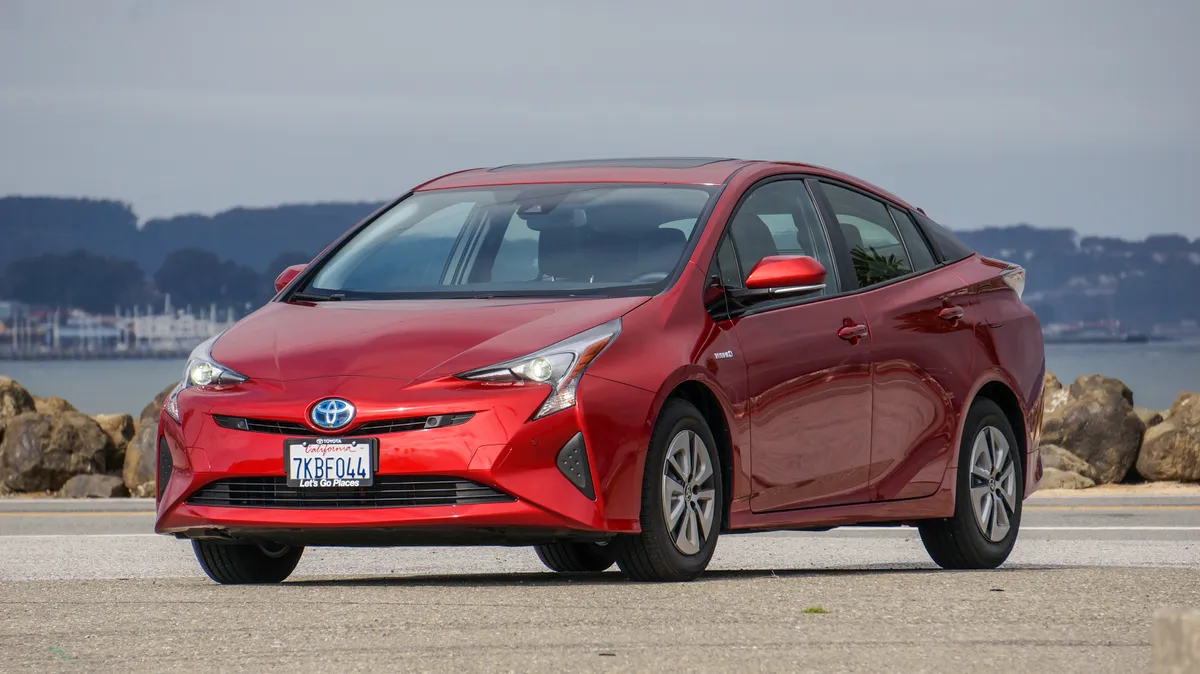
Hybrid vehicles have become a cornerstone of efficient driving, offering a blend of electric and combustion power that balances performance with fuel economy. Yet not all hybrid systems are created equal when it comes to battery longevity.
Some models, like the Toyota Prius, RAV4 Hybrid, Lexus RX 450h, Honda Jazz e:HEV, and early Ford Escape Hybrids, have earned a reputation for exceptional durability, often reaching hundreds of thousands of miles without major battery issues.
Conversely, other hybrids have struggled with premature cell degradation due to small battery sizes, high-stress usage, inadequate cooling, or software limitations. Understanding which systems are engineered for long life versus those prone to early failure is essential for buyers seeking reliability and peace of mind.
5 Hybrid Systems With Proven Battery Longevity
1. Toyota Prius (Gen 2–4): Engineering for Hybrid Longevity
The Toyota Prius, covering Generations 2 to 4, is widely recognized for exceptional hybrid battery durability and long-term reliability. Many Prius vehicles have exceeded 200,000 to 300,000 miles on their original battery packs, a performance proven in demanding real-world conditions such as global taxi fleets.
This endurance comes from Toyota’s conservative engineering approach, which emphasizes controlled battery usage, durability, and effective thermal management rather than maximizing raw battery capacity.
A central reason for the Prius’s battery longevity is its Battery Management System (BMS). Toyota employs a “shallow cycling” strategy, where the battery rarely charges to 100 percent or discharges to zero. The system maintains the battery’s state of charge between approximately 40 and 80 percent, reducing chemical stress on the cells.
By limiting deep charge and discharge cycles, the BMS helps preserve battery function for many years. The system constantly monitors cell voltages and adjusts charging to prevent overcharging or excessive depletion, ensuring efficient performance during extended use.
Battery chemistry is another critical factor. Generations 2 and 3 use Nickel-Metal Hydride (NiMH) batteries, which tolerate repeated charging cycles and resist thermal instability, often remaining functional for 10 to 15 years.
Although NiMH packs have lower energy density compared to newer technologies, they are highly durable. Generation 4 introduced Lithium-ion batteries, which provide higher energy density and improved efficiency while maintaining strong reliability through advanced management systems.
Thermal management also contributes to battery durability. The Prius uses an electric cooling fan to circulate air through the battery modules, drawing conditioned air from the cabin rather than hot external air. This keeps temperatures in check and reduces chemical degradation.
The hybrid drivetrain lowers stress on mechanical components, with the electric motor assisting the gasoline engine during low-speed or stop-and-go driving. Regenerative braking captures energy from deceleration and uses it to recharge the battery while reducing brake wear.
Real-world experience reinforces the effectiveness of these systems. Prius taxis and high-mileage vehicles worldwide have surpassed 250,000 to 300,000 miles without battery replacement. Factors such as climate, maintenance, and driving habits still influence battery life.
Regular use and keeping the cooling system clean help protect the battery, while extended periods of inactivity can gradually reduce capacity. Toyota’s approach demonstrates that careful engineering and management can produce hybrid batteries with impressive longevity.
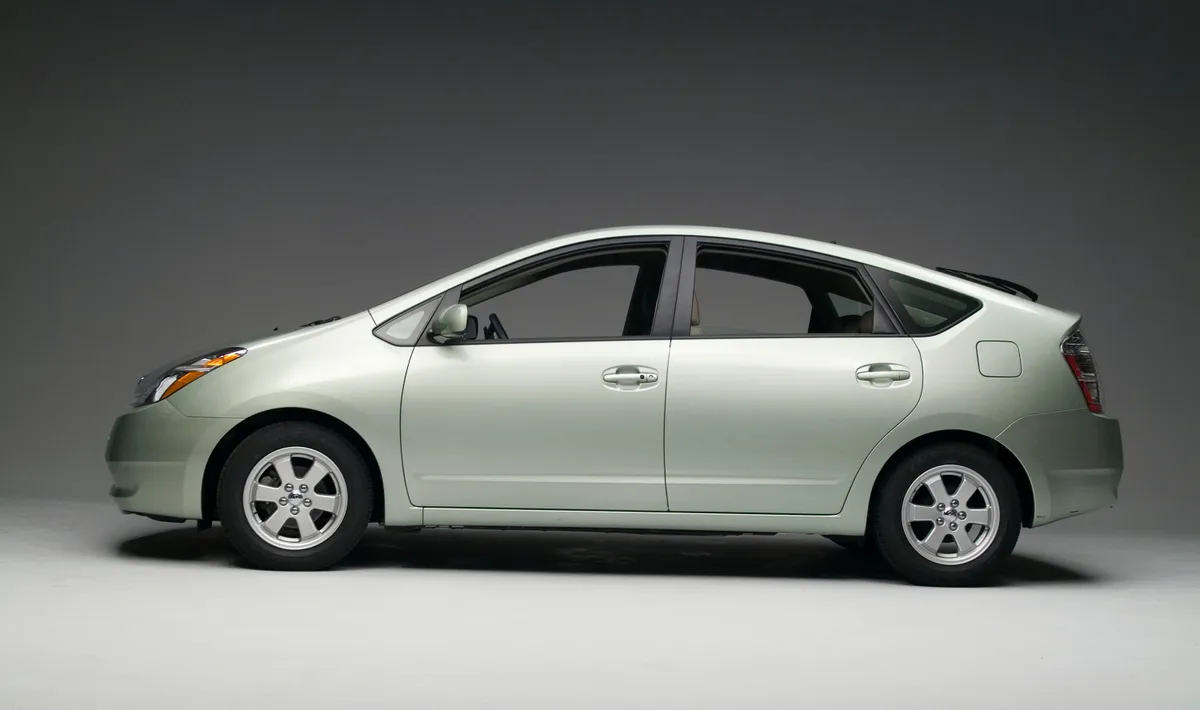
2. Toyota RAV4 Hybrid: Reliable Hybrid Technology with Long Battery Life
The Toyota Prius, covering Generations 2 through 4, is widely regarded for exceptional hybrid battery durability and long-lasting performance. Many Prius vehicles have surpassed 200,000 to 300,000 miles on their original battery packs, with this resilience proven in challenging real-world conditions, including use in global taxi fleets.
Toyota’s engineering approach prioritizes reliability and controlled battery usage over maximum capacity, focusing on thermal management, battery preservation, and practical performance. These design choices have allowed the Prius to become one of the most dependable hybrids ever produced.
A key factor behind the Prius’s battery longevity is its Battery Management System (BMS). The system uses a “shallow cycling” strategy, keeping the battery’s state of charge between roughly 40 and 80 percent. This approach avoids full charge and full discharge cycles, which can accelerate chemical wear on the cells.
The BMS continuously monitors battery voltage and adjusts charge levels to prevent overcharging or excessive depletion. By keeping the cells within this moderate operating range, Toyota reduces stress on the battery and prolongs its effective life.
Battery chemistry also plays an important role in durability. Generations 2 and 3 use Nickel-Metal Hydride (NiMH) batteries, which are highly resistant to thermal stress and capable of tolerating repeated charge cycles for 10 to 15 years or more.
While NiMH batteries have lower energy density than modern alternatives, their resilience under frequent use is remarkable. Generation 4 introduced Lithium-ion batteries, which provide higher energy density and improved efficiency while maintaining strong reliability through enhanced battery management systems.
Thermal management contributes significantly to preserving battery health. The Prius battery pack has an electric cooling fan that circulates air through the modules, using conditioned air from the cabin rather than hot exterior air. This keeps the battery temperature stable and reduces chemical degradation.
The hybrid system also reduces mechanical stress on the gasoline engine by allowing the electric motor to assist during low-speed and stop-and-go driving. Regenerative braking captures energy from deceleration and uses it to recharge the battery, improving efficiency while reducing wear on the brakes.
Real-world evidence confirms the effectiveness of these systems. Prius vehicles used as taxis or in high-mileage situations frequently exceed 250,000 to 300,000 miles without battery replacement.
Factors such as climate, driving habits, and maintenance still affect battery lifespan. Regular use and keeping the cooling system clean help maintain battery health, while extended periods of inactivity can gradually reduce capacity. Toyota’s conservative engineering ensures that the Prius remains a benchmark for hybrid battery reliability.
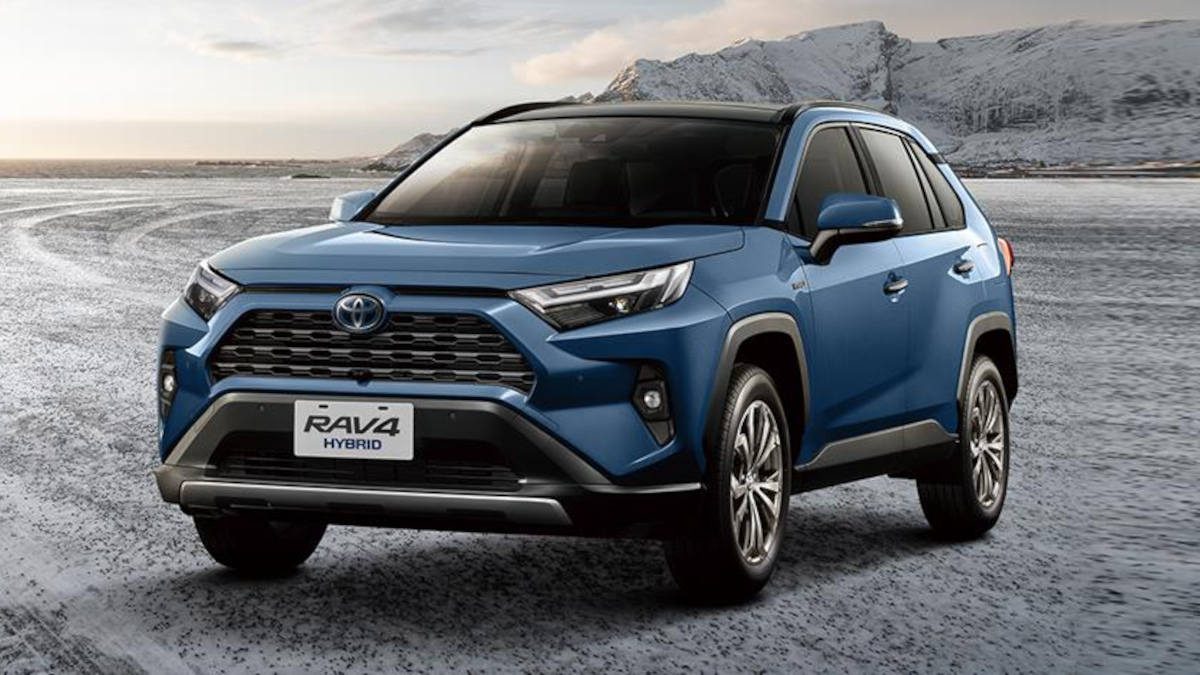
3. Lexus RX 450h: Luxury Hybrid with Long-Lasting Battery Reliability
The Lexus RX 450h is well known for combining premium comfort with highly durable hybrid technology. Built on the hybrid architecture developed by Toyota, the RX 450h benefits from decades of engineering experience focused on reliability and smooth performance.
Many RX 450h vehicles demonstrate hybrid battery lifespans of 150,000 to 200,000 miles or more, and numerous long-term owners report that the battery retains about 80 to 90 percent of its original capacity after 150,000 miles. This strong performance has made the RX 450h a dependable choice in the luxury hybrid SUV segment and a popular option in the used vehicle market.
One major factor contributing to the RX 450h’s battery durability is its advanced Battery Management System (BMS). The system constantly monitors battery usage and carefully controls how the battery charges and discharges during operation. Instead of allowing the battery to reach extreme levels, the system maintains the state of charge within a controlled range of approximately 20 percent to 80 percent.
Operating within this range minimizes chemical stress on the battery cells and reduces the risk of damage caused by deep charge or discharge cycles. By maintaining stable operating conditions, the BMS helps preserve the battery’s internal structure and extends its usable life.
Another important feature supporting battery longevity is the vehicle’s thermal management system. Heat is one of the main causes of battery degradation, so Lexus designed the RX 450h with a cooling system that regulates battery temperature during operation.
Airflow channels and cooling components keep the battery pack within safe temperature levels, even during extended driving or in warmer climates. Stable temperatures help slow the chemical aging process and maintain consistent battery performance over time.
The RX 450h also benefits from regenerative braking, which captures kinetic energy during braking and converts it into electricity to recharge the battery. This system reduces the need for deep battery discharges and improves energy efficiency. Electric motors assist the gasoline engine during acceleration and low-speed driving, which distributes workload across the hybrid system and improves efficiency.
Lexus engineers its hybrid components with a strong emphasis on durability and reliability. The battery and associated systems operate comfortably within their design limits, which supports long service life.
Maintenance practices such as keeping battery cooling vents clean and avoiding consistently aggressive driving can help maintain battery health. Lexus also supports its hybrid technology with warranty coverage that typically protects hybrid components for 8 years or 100,000 miles, reflecting confidence in the long-term reliability of the system.
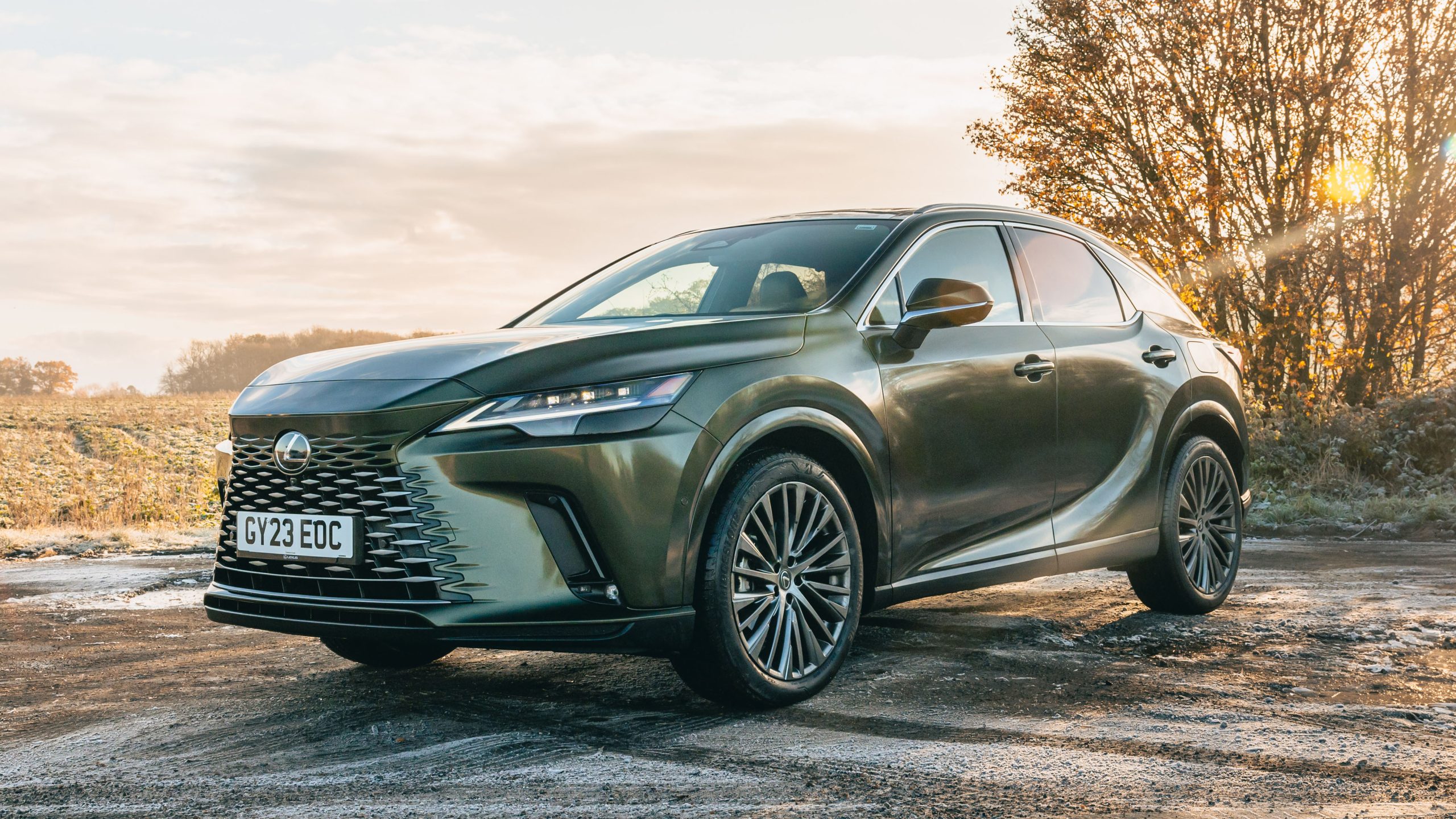
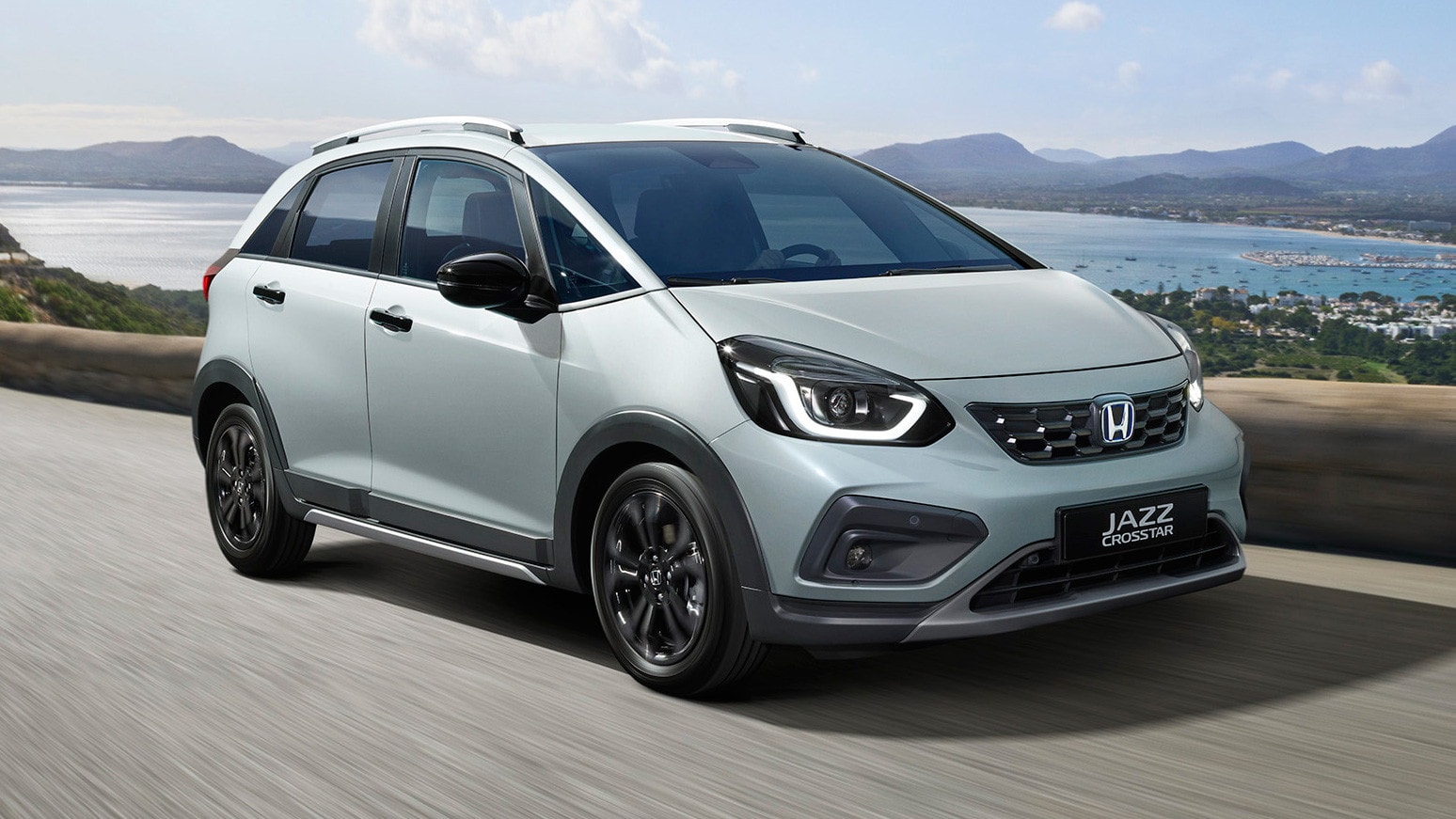
4. Honda Jazz (e:HEV): Efficient Hybrid System with Strong Battery Durability
The Honda Jazz e:HEV marks a significant advancement in Honda’s hybrid technology, combining efficiency, durability, and long-term reliability. Unlike earlier Honda hybrids that relied heavily on the gasoline engine for propulsion, the Jazz e:HEV uses a dual-motor system where the electric motor handles most driving tasks, while the gasoline engine primarily functions as a generator to recharge the battery.
This configuration reduces stress on the high-voltage battery and maintains a smooth energy flow. Reliability surveys across Europe and Asia consistently rank the Jazz e:HEV among the top vehicles in its segment for low battery-related faults, reflecting Honda’s careful engineering.
A major contributor to battery longevity is the self-charging design. The Jazz e:HEV does not require external charging, avoiding the repeated full charge and deep discharge cycles that often accelerate degradation in plug-in hybrids.
Advanced control software manages the battery’s state of charge, keeping it within an optimal range and reducing chemical stress. By maintaining moderate charge levels, the system preserves the battery’s internal structure and extends its usable lifespan.
Intelligent energy management further enhances durability. The system seamlessly switches between EV Drive, Hybrid Drive, and Engine Drive modes based on driving conditions. In city driving, the electric motor often powers the wheels directly while the gasoline engine generates electricity to sustain the battery charge.
This load-shifting ensures the battery operates under stable conditions and is not overworked. High-quality lithium-ion cells with internal resistance monitoring detect early signs of stress, allowing the system to adjust usage before permanent degradation occurs.
The Jazz e:HEV also incorporates regenerative braking, capturing kinetic energy during deceleration and converting it into electricity to recharge the battery. This reduces the need for deep discharges and minimizes wear on the conventional brakes. Real-world experience indicates that many Honda hybrid batteries exceed 300,000 kilometers with minimal capacity loss.
Reports show that the Jazz e:HEV maintains excellent battery health for five to seven years of typical ownership. Coupled with its practical interior, efficient performance, and flexible cabin layout, the Jazz e:HEV delivers a reliable and durable hybrid system, making it a strong choice for drivers seeking long-term efficiency and low-maintenance performance.
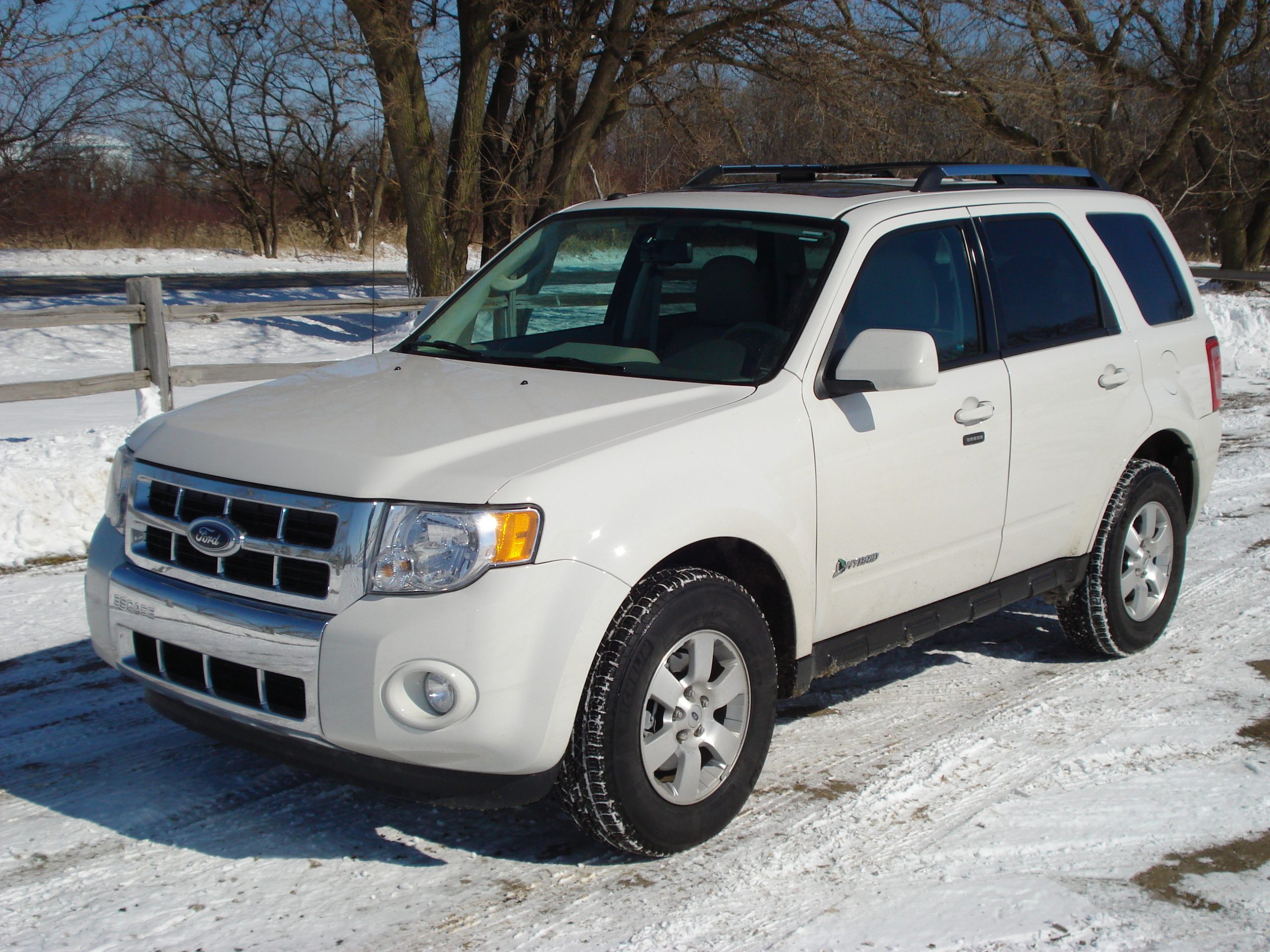
5. Ford Escape Hybrid (2009–2012): Early Hybrid SUV with Exceptional Battery Longevity
The 2009–2012 Ford Escape Hybrid is widely regarded as one of the most durable early hybrid SUVs. This generation became particularly famous for the longevity of its hybrid battery system, with many vehicles surpassing 150,000 to 200,000 miles and some even reaching 300,000 to 500,000 miles on the original battery pack.
These impressive figures were proven in demanding real-world conditions, especially in New York City taxi fleets, where the Escape Hybrid served as one of the first hybrid taxis and accumulated extremely high mileage without major battery failures.
A major reason for this durability is the vehicle’s Nickel-Metal Hydride (NiMH) battery pack, supplied by Sanyo. NiMH batteries are known for their ability to withstand repeated charging cycles and high levels of usage.
Although they have lower energy density compared to newer lithium-ion batteries, they are highly reliable and resistant to the types of thermal instability that can damage other battery chemistries. In the Escape Hybrid, this battery design proved to be extremely resilient, allowing the system to function effectively even after many years of service.
Another important factor behind the system’s longevity is its robust thermal management system. Hybrid batteries can degrade quickly if exposed to excessive heat, so Ford designed the Escape Hybrid with an effective cooling system that keeps the battery operating within safe temperature limits.
The 2009 model used an air-conditioning-based cooling setup, while later models relied on cabin air to regulate battery temperature. Maintaining stable operating temperatures helped reduce internal wear and extend the battery’s lifespan.
The Escape Hybrid also uses a conservative battery management strategy. The system’s software prevents the battery from reaching extreme levels of charge or depletion. Instead, it typically maintains a state-of-charge range of around 40 percent to 60 percent. Operating within this narrow range reduces stress on the battery cells and helps prevent the deep charge cycles that often accelerate battery degradation.
In addition, the hybrid system includes regenerative braking, which captures energy during deceleration and converts it into electricity to recharge the battery. This process reduces strain on both the battery and the mechanical braking system while improving efficiency during city driving.
Beyond the battery itself, the Escape Hybrid features a durable 2.5-liter four-cylinder engine and electronically controlled continuously variable transmission (eCVT) that contribute to the long service life of the entire powertrain. These components, combined with the proven hybrid system, allow many vehicles to remain functional for hundreds of thousands of miles.
The 2009–2012 Ford Escape Hybrid stands as a strong example of early hybrid engineering, demonstrating that well-designed battery systems can deliver reliable performance for many years of real-world driving.
Also Read: 5 Cars With Excellent Air Conditioning for Hot Climates vs 5 That Struggle
5 Known for Premature Cell Degradation
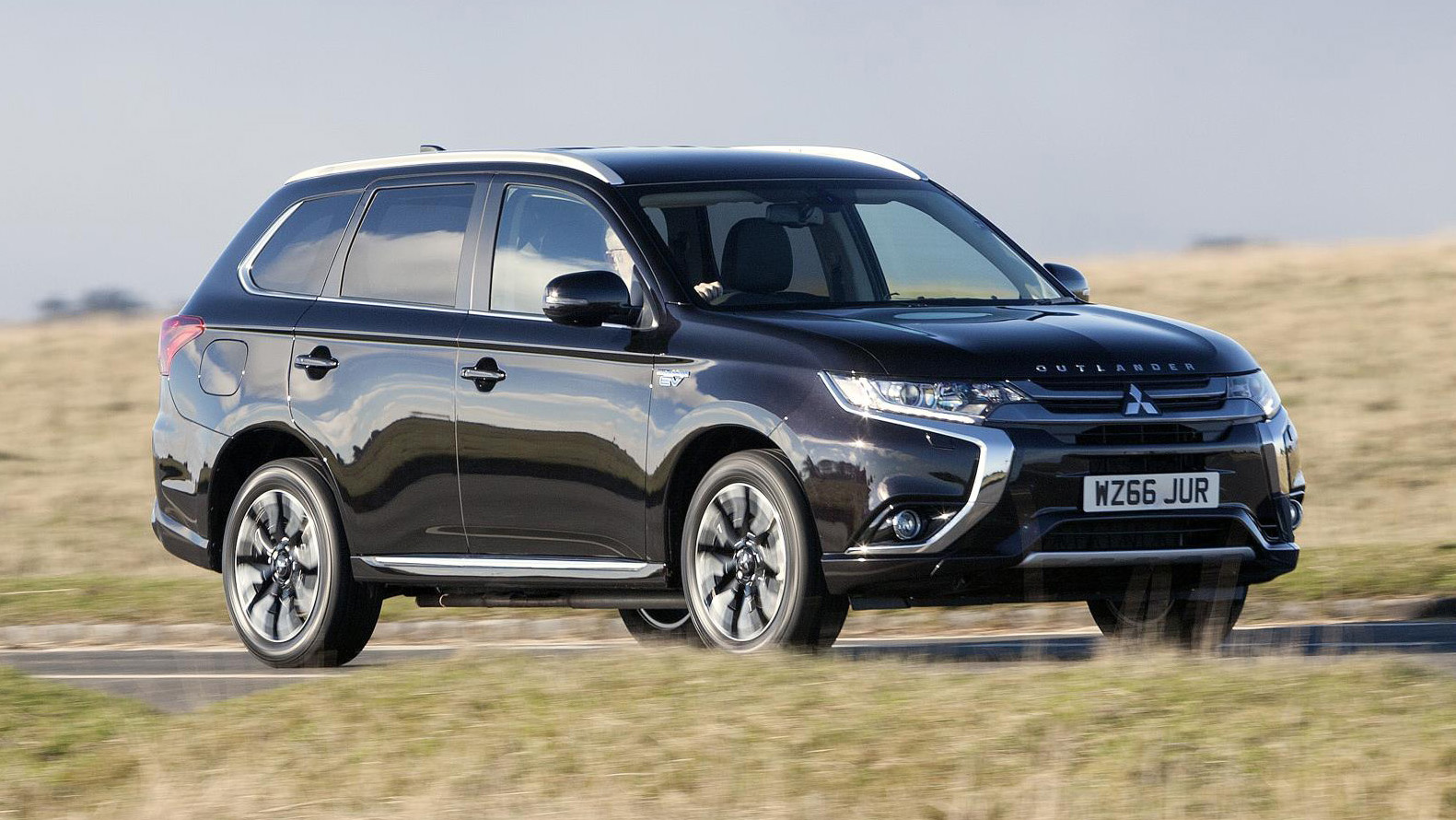
1. Mitsubishi Outlander PHEV (Early Models): Battery Degradation and Capacity Loss Concerns
Early versions of the Mitsubishi Outlander PHEV, particularly models produced between 2013 and 2017, developed a reputation for premature battery degradation and noticeable capacity loss. These plug-in hybrid SUVs were among the first mass-market PHEVs, offering an electric driving range of around 30 to 50 kilometers.
However, some owners reported significant reductions in electric range within just a few years of use, with declines of 25 to 30 percent reported over four years. This raised concerns about the long-term durability and reliability of the lithium-ion battery pack.
A key factor behind these issues was the relatively small 12 kWh battery. Unlike larger EV batteries, this smaller pack had to endure frequent full charge and discharge cycles to maintain usable electric range.
Daily commuting in full electric mode followed by nightly charging resulted in repeated deep cycling, which accelerated chemical aging within the cells. The frequent deep discharges stressed the battery and reduced its energy-holding capacity over time, making early Outlander PHEV models vulnerable to range loss much faster than anticipated.
Battery management software also contributed to perceived degradation. The system relied on a conservative algorithm to estimate the State of Health (SOH) based on usage and time rather than constantly verifying actual capacity.
This occasionally caused the displayed electric range to drop faster than the battery’s real performance. In some cases, a dealership Battery Management Unit (BMU) reset or recalibration could restore part of the lost range, indicating that software estimation errors played a role in range perception.
Thermal management limitations further exacerbated battery wear. Early models had cooling systems that primarily activated during driving, leaving the battery exposed to higher temperatures during charging or heavy load conditions. Fast DC charging via CHAdeMO added additional heat, accelerating chemical degradation.
Over time, these conditions could cause cell imbalance, where some cells deteriorate faster than others, limiting usable capacity to the weakest cells. These design and operational factors contributed to owner dissatisfaction, highlighting the critical importance of accurate battery monitoring, effective thermal management, and balanced charging strategies to preserve long-term battery health in plug-in hybrid vehicles.
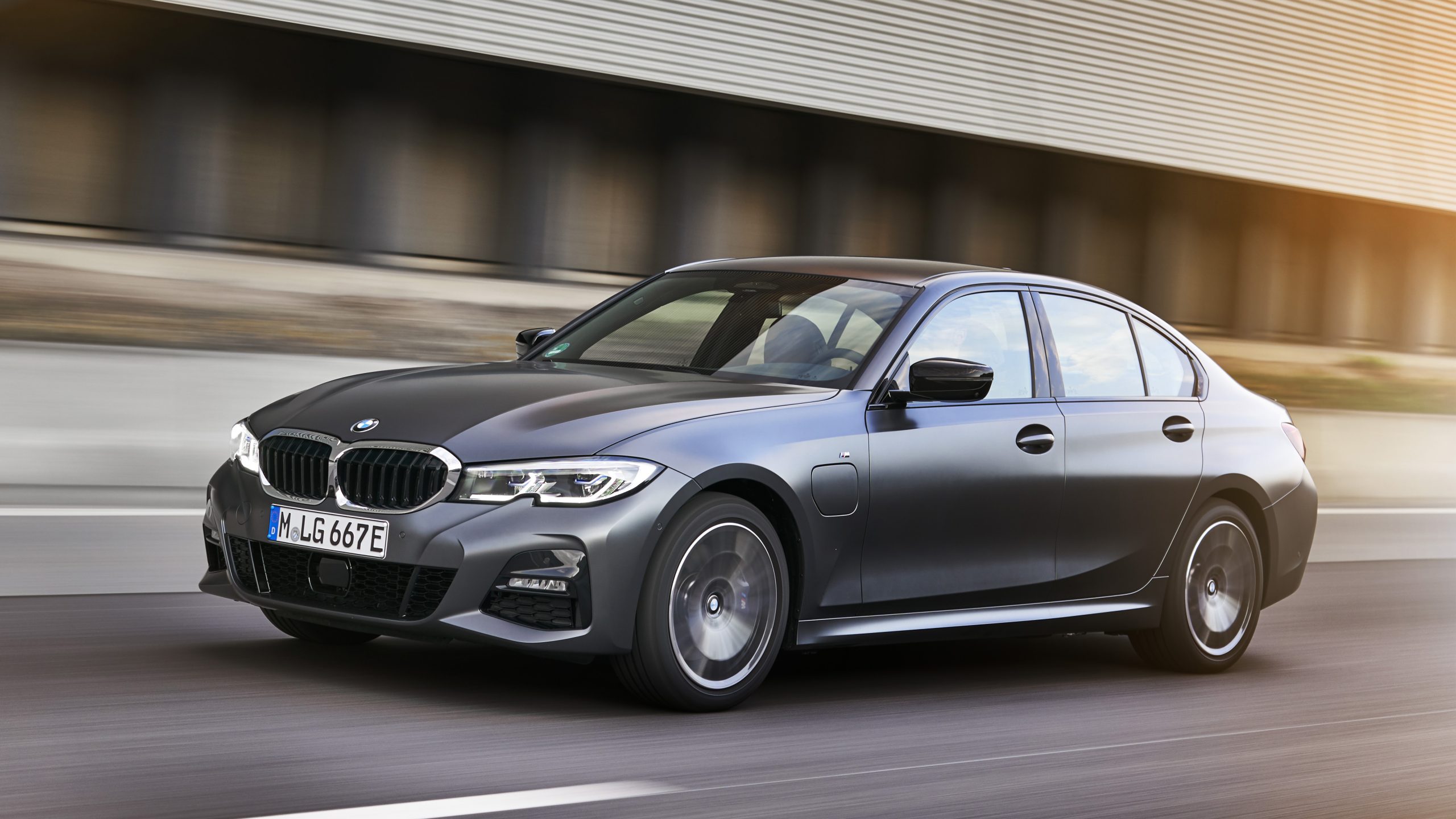
2. BMW 330e (2016–2020): Performance-Oriented Hybrid with Reliability Challenges
The BMW 330e (2016–2020) delivers sporty performance while offering plug-in hybrid functionality, allowing drivers to cover short distances in electric mode while maintaining the dynamic driving characteristics of a 3 Series sedan. Despite its strong performance and refined driving experience, this generation of the 330e has developed a reputation for hybrid battery reliability issues.
Reliability surveys and owner feedback suggest that a notable portion of vehicles encounter battery-related problems within the first several years of ownership. Approximately 8 percent of owners report significant faults, sometimes appearing after around 60,000 miles or between five and seven years of use.
A key factor contributing to these issues is the relatively small 7.6 kWh lithium-ion battery pack. Supporting the power demands of a mid-size sedan while providing electric-only driving puts considerable stress on each cell.
The limited battery capacity forces the individual cells to endure higher charge and discharge rates than larger battery systems. Frequent high-current cycling accelerates chemical wear within the cells, causing a gradual loss of capacity and a reduction in electric driving range over time.
Thermal management further affects battery longevity. In the 330e, cooling depends on the vehicle’s air conditioning system, which chills the battery through a cooling plate connected to the AC compressor.
If the AC system develops a leak or loses efficiency, the battery can operate at elevated temperatures for prolonged periods. The system does not always alert the driver immediately, so the cells can remain exposed to heat, accelerating chemical degradation and reducing long-term capacity.
Cell imbalance within the battery pack also contributes to early wear. The high-voltage battery is divided into multiple modules managed by battery control electronics. Over time, individual cells may degrade at different rates.
A weakened module can affect the entire battery pack, sometimes triggering drivetrain malfunction warnings or limiting the hybrid system to protect the battery. Owners commonly notice symptoms such as reduced electric range, charging difficulties, or increased reliance on the gasoline engine.
Repairs are often expensive, with electronics or module replacements exceeding $2,000 and full battery replacement outside warranty surpassing $10,000. The BMW 330e illustrates the challenge of combining high performance with long-term hybrid battery durability, emphasizing the need for careful thermal management and monitoring of cell health.
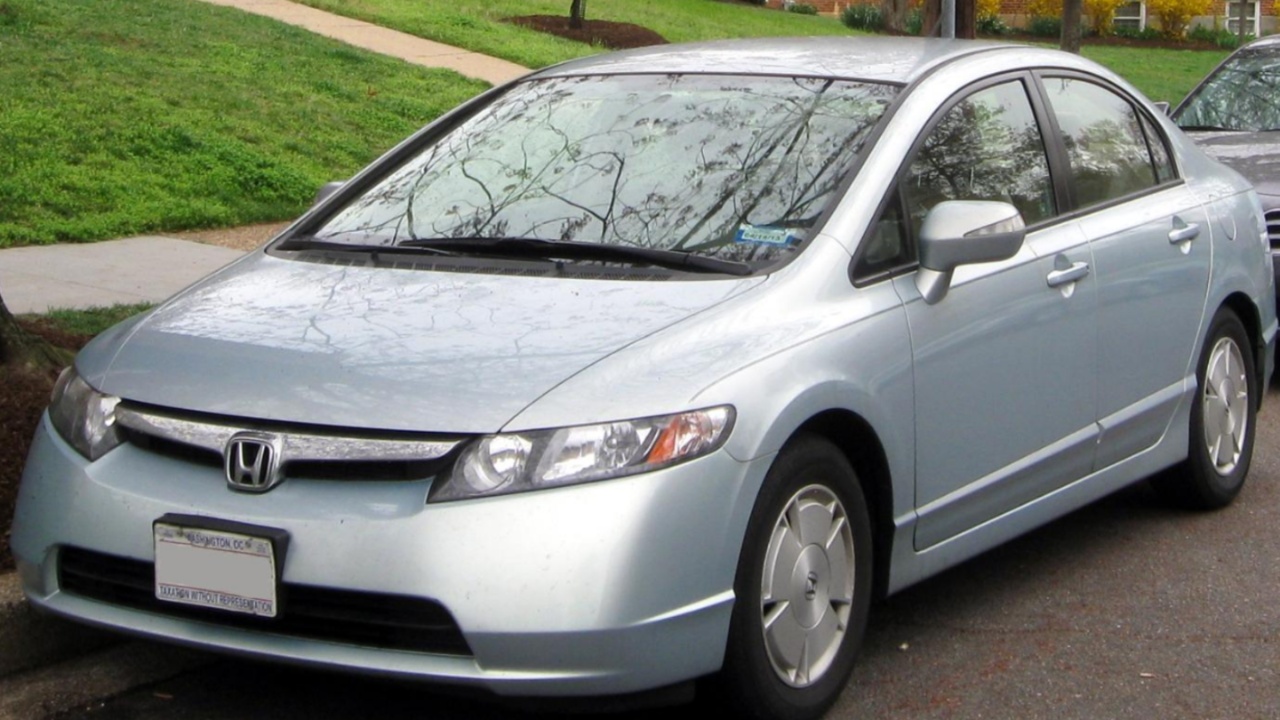
3. Honda Civic Hybrid (2006–2011): IMA Battery Challenges
The 2006–2011 Honda Civic Hybrid used the Integrated Motor Assist (IMA) system, a mild hybrid setup combining a small nickel-metal hydride (NiMH) battery with an electric motor to assist the gasoline engine. While innovative for its time, the system gained a reputation for premature battery failure.
Many owners experienced significant capacity loss before 100,000 miles, and Honda issued a software update that reduced electric motor assistance. This update protected the battery but significantly lowered fuel efficiency and performance, revealing limitations in the IMA design.
A central issue was the battery pack architecture, which contained 132 D-size NiMH cells monitored in groups rather than individually. This group monitoring created a “weakest link” effect where a single degraded cell limited the charge and discharge capacity of the entire battery pack. As cells aged unevenly, the system could not fully utilize healthy cells, triggering dashboard warnings and reducing electric assist.
Thermal management shortcomings contributed to rapid battery degradation. The physical battery layout created internal hotspots, and the cooling fan located behind the rear seat was prone to clogging with dust or debris. These factors were worsened in hot climates, which increased chemical wear on the cells.
Frequent stop-and-go city driving, particularly with the air conditioning running, placed additional stress on the battery. The electric motor powering the A/C during engine-off periods caused deep, rapid charge-and-discharge cycles, further accelerating capacity loss.
Honda’s software update in 2010, TSB 10-034, limited the load on the battery to prevent failures. While it slowed further degradation, it reduced the electric motor’s assistance and forced the gasoline engine to handle more load, lowering fuel economy by 5 to 10 miles per gallon. This solution addressed the symptoms rather than the root causes, which included uneven cell wear, thermal stress, and operational strain.
High failure rates, especially in 2006 to 2008 models, led to class-action lawsuits and prompted Honda to extend warranty coverage for affected vehicles.
The Civic Hybrid’s experience illustrates the risks of early mild hybrid technology, particularly when battery design, cooling, and software management are not sufficient to handle long-term operational stress. Owners and potential buyers should be aware that this generation prioritized cost and compact design over battery durability, which negatively impacted long-term performance and fuel efficiency.
4. Ford Escape Hybrid (2020–2023): Battery Reliability Concerns
The 2020–2023 Ford Escape Hybrid and Plug-in Hybrid (PHEV) models have experienced significant battery reliability problems, marking a stark contrast to the durability of earlier Escape Hybrids. Consumer Reports placed the 2020 and 2021 models on their “Avoid” list due to frequent electrical and battery-related issues.
Owners have reported “Stop Safely Now” warnings, often caused by internal battery shorts or software malfunctions, which can render the vehicle undrivable. The modern lithium-ion packs used in these vehicles appear more sensitive to manufacturing defects compared to the rugged NiMH batteries in previous generations, resulting in multiple recalls and undermining the Escape’s former reputation for hybrid durability.
In PHEV models, the primary issue stems from a manufacturing defect in the lithium-ion cells supplied by Samsung SDI, which affects the 14.4 kWh battery pack.
Damage to the separator layer between the anode and cathode can lead to internal short circuits, causing rapid battery degradation, sudden power loss, and, in extreme cases, thermal venting that poses a fire risk. Early software updates aimed at detecting these shorts proved insufficient, prompting follow-up recalls to address safety concerns and prevent catastrophic failures.
For conventional hybrid versions using NiMH batteries, premature degradation is often linked to high-mileage operation and environmental stresses. As battery cells age, the Battery Management System (BMS) may struggle to maintain proper voltage balance, reducing capacity, particularly after 200,000 kilometers.
Extreme heat accelerates chemical wear, while cold temperatures can exacerbate cell weaknesses. Additional factors include battery cooling system failures, such as clogged vents or fans that allow overheating, and a 12-volt battery that can struggle under heavy electrical loads, impacting hybrid system performance. Short driving patterns that prevent the battery from reaching optimal charge levels can further shorten its lifespan.
Owners typically notice early warning signs before complete failure, including the “Stop Safely Now” message, diagnostic codes like P0A80 or P0A7F, reduced fuel economy, and a cooling fan that runs constantly.
The 2020–2023 Escape Hybrid highlights that even with advanced hybrid technology, manufacturing quality, thermal management, and careful monitoring are essential for battery longevity. Prospective buyers should remain vigilant about battery health, especially in hot climates or heavy urban use, and address early warning signs promptly to prevent serious issues.

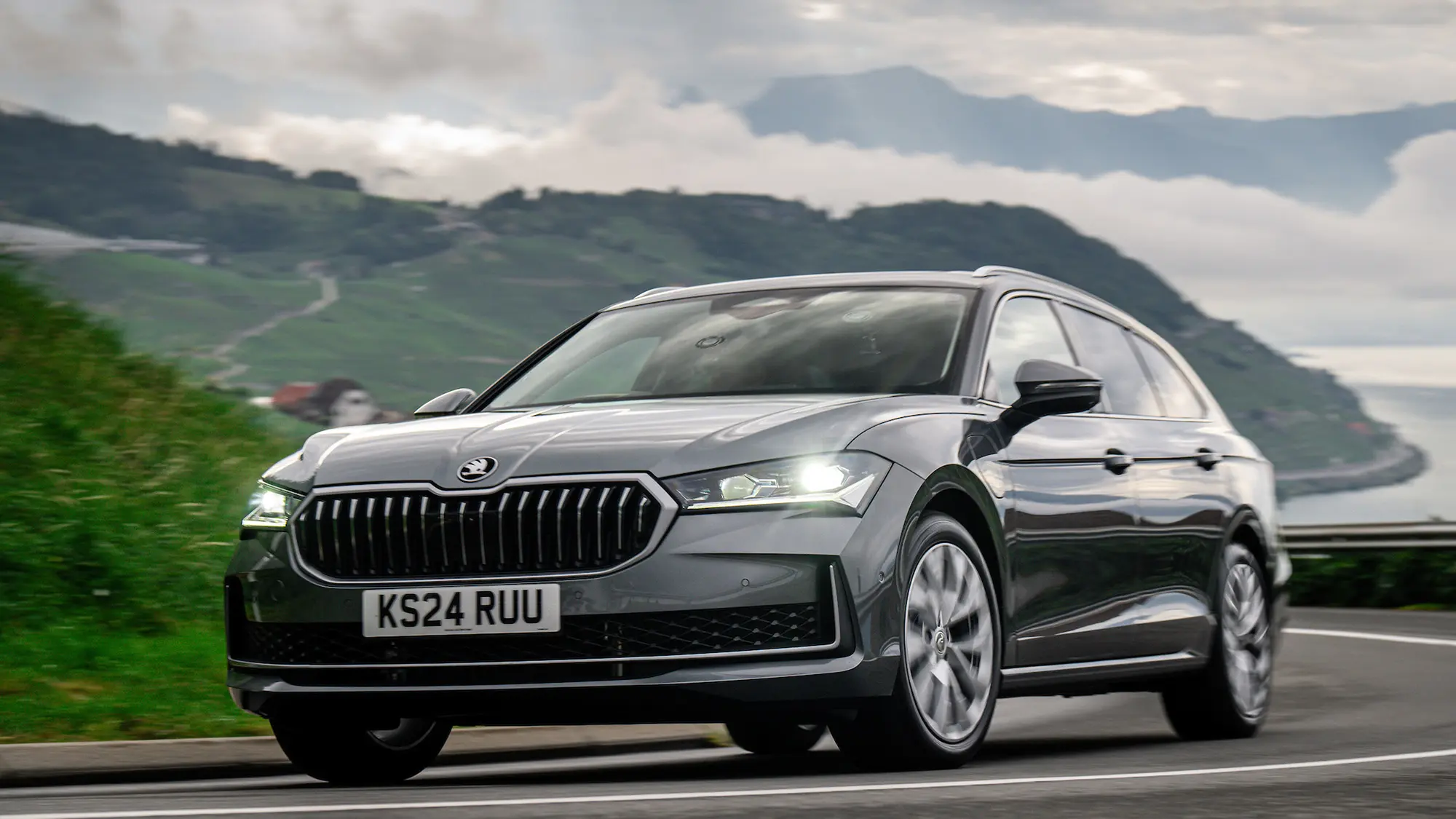
5. Skoda Superb PHEV: Hybrid Battery Reliability Challenges
The Skoda Superb PHEV (iV), built on the Volkswagen Group’s MQB hybrid platform, has faced notable reliability concerns despite its reputation as a refined executive vehicle. Early models, particularly from 2020 onward, use a 13 kWh gross battery (10.4 kWh usable) that experiences heavy cycling due to its small capacity.
Because each kilowatt-hour is worked harder compared with larger EV batteries, the pack undergoes significantly more full charge-discharge cycles to cover the same mileage.
This high cycle intensity accelerates chemical aging, often resulting in reduced usable capacity within the first 50,000 kilometers. Combined with frequent rapid discharges during highway or aggressive acceleration, the battery is subjected to stresses that reduce its long-term efficiency.
Thermal management in the Superb PHEV, while using liquid cooling, can struggle under heavy load conditions. The battery is required to deliver high power, up to 50 kW, during sudden acceleration, creating a high C-rate relative to its small capacity.
Localized hotspots can form, increasing internal resistance and accelerating electrolyte evaporation. Over time, these factors decrease the battery’s ability to hold a full charge. The combination of high discharge stress and imperfect thermal regulation explains why owners often see sudden reductions in range or performance, especially when frequently operating in pure EV mode or charging to extremes.
In addition, software and hardware issues contribute to accelerated degradation. Early PHEV software defaults to EV mode, which aggressively draws power at the start of trips rather than optimizing hybrid operation, placing further stress on the battery. Parasitic drain from the 12-volt system is also common.
Communication errors with chargers or failure to properly enter sleep mode keep high-power modules active, depleting the 12V battery and triggering cascading electronic faults that can impact hybrid operation indirectly. Charging habits such as leaving the battery at 100% or fully discharging to 0% further exacerbate chemical stress and reduce longevity.
To address owner concerns, Skoda offers an 8-year or 100,000-mile warranty covering the high-voltage battery if its capacity falls below 70% of its original usable value. While this provides protection, early owners still report noticeable capacity loss within 50,000 kilometers.
The Superb PHEV illustrates the limitations of small plug-in hybrid batteries compared with larger EV packs. High cycle intensity, thermal stress, parasitic drains, and software defaults all contribute to faster degradation, making careful charging habits, software updates, and awareness of thermal management essential for maintaining battery health over time.
When comparing hybrid systems, engineering philosophy and battery management play decisive roles in long-term reliability. Vehicles like the Prius and RAV4 showcase conservative BMS strategies, effective thermal management, and durable battery chemistry that allow them to maintain capacity for over a decade of regular use.
On the other hand, models such as the Mitsubishi Outlander PHEV, BMW 330e, Honda Civic Hybrid IMA, modern Ford Escape Hybrids, and Skoda Superb PHEV illustrate how small battery packs, high discharge rates, software defaults, and cooling limitations can accelerate degradation.
For buyers, selecting hybrids with proven battery longevity ensures lower maintenance costs, consistent performance, and long-term satisfaction, while awareness of at-risk models allows informed decisions to avoid unexpected failures.
Also Read: Top 10 Cars With the Most Useful Hidden Storage Compartments