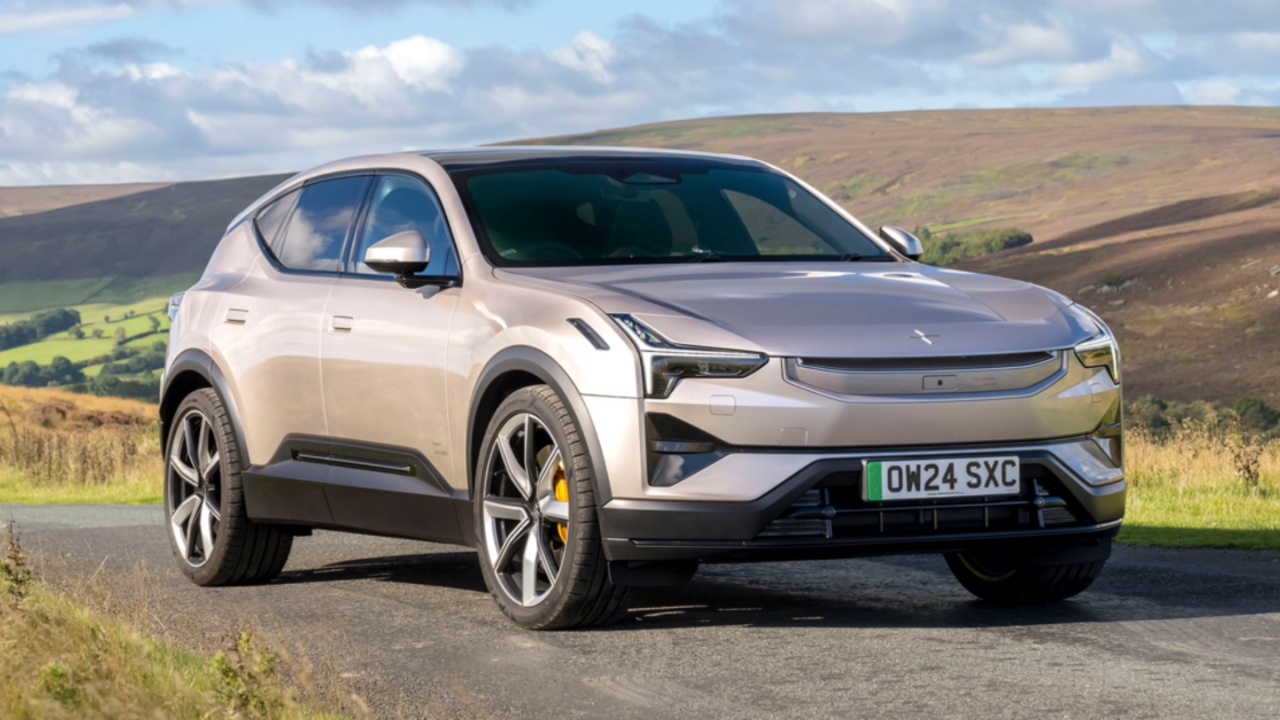
Cold weather remains one of the biggest challenges for electric vehicles. When temperatures fall, battery chemistry becomes less efficient, energy consumption increases, and driving range can drop noticeably.
For drivers who live in regions with harsh winters, these changes can influence how practical an EV feels during daily commuting or long-distance travel. Heating the cabin, warming the battery pack, and pushing through denser winter air all demand additional energy that would otherwise go toward propulsion.
Not every electric vehicle responds to cold temperatures in the same way. Some models are designed with advanced thermal management systems, efficient heat pumps, and smart battery preconditioning that help maintain stable performance even when temperatures drop below freezing. These technologies allow certain EVs to preserve most of their rated driving range despite harsh conditions.
Other models struggle more in winter because of older heating systems, less advanced battery management, or designs that require higher energy consumption in cold environments.
This comparison highlights five electric vehicles known for maintaining consistent winter range and five that can lose a large portion of their mileage when temperatures plunge. Together, they show how engineering decisions and energy management systems influence real-world EV performance during the coldest months.
5 EVs With Consistent Winter Range
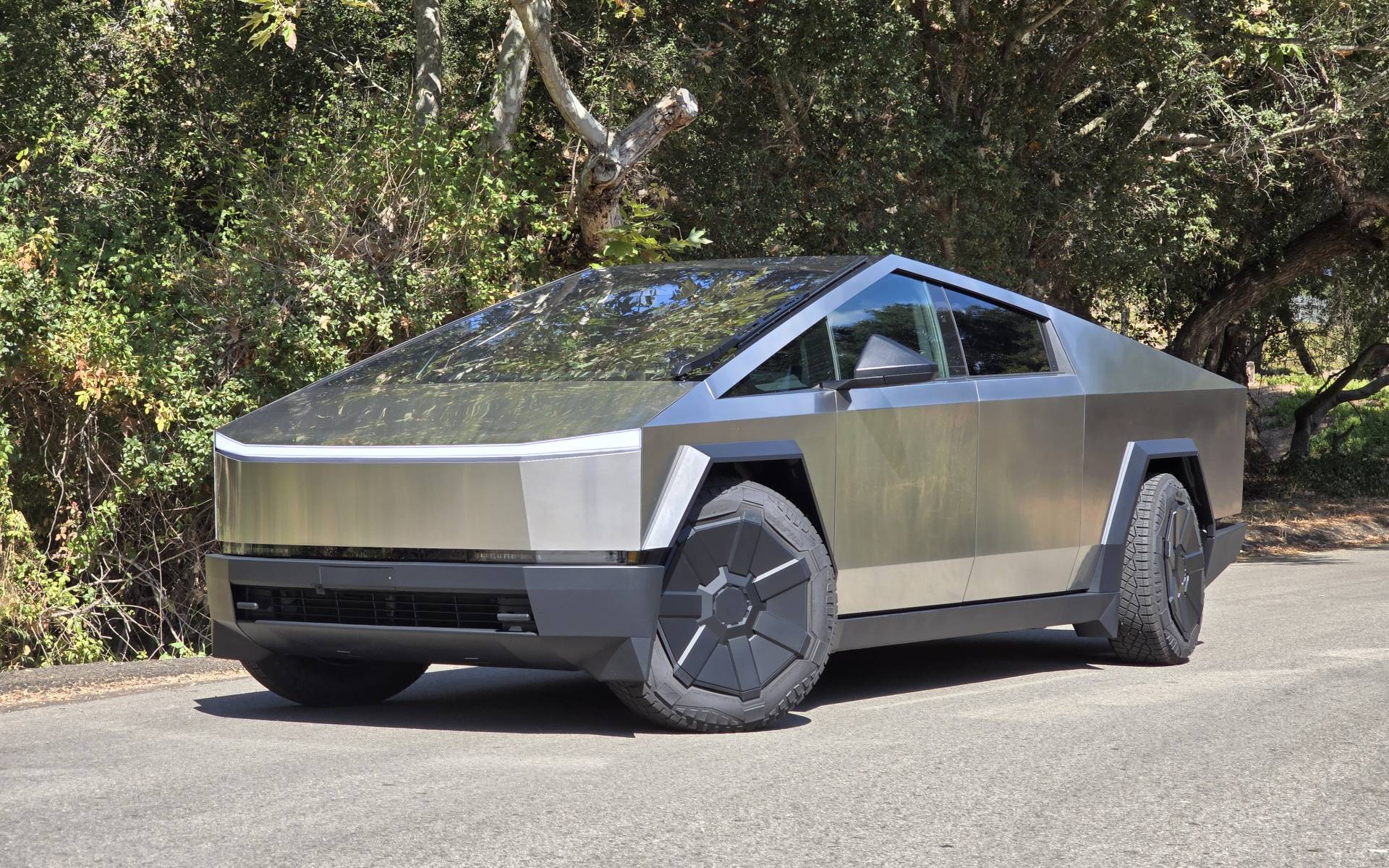
1. Tesla Cybertruck: Cold-Weather Durability Meets Electric Performance
The Tesla Cybertruck stands out in the electric truck segment for its exceptional winter resilience and robust performance. Its advanced thermal management system, featuring the octovalve heat pump, scavenges waste heat from the powertrain and battery to efficiently warm the cabin and maintain battery temperature.
Unlike many electric vehicles that rely on energy-intensive resistive heaters, the Cybertruck retains roughly 88% of its range in freezing conditions and 84% in deeper cold, making it one of the most predictable EVs for winter long-distance driving. Preconditioning while plugged in further preserves range and charging speed during cold weather.
Powertrain options range from a 321-hp single-motor RWD to the 593-hp dual-motor AWD, and the tri-motor 834-hp “Cyberbeast.” The all-wheel-drive models feature adjustable air suspension for up to 16 inches of ground clearance, combined with impressive approach and departure angles, making the Cybertruck capable off-road.
On-road performance is surprisingly agile, aided by rear-wheel steering and steer-by-wire technology, with 0–60 mph times as low as 2.6 seconds for the Cyberbeast. Towing capacity reaches 11,000 pounds, and payload capacity can hit 2,500 pounds depending on configuration.
Battery and range are equally advanced. The Cybertruck’s massive 122.4 kWh pack provides an estimated 320–350 miles per charge, though real-world testing shows closer to 250 miles. Supercharging allows fast replenishment, restoring 130–135 miles of range in 15 minutes for AWD and tri-motor variants. Efficiency measures around 55 MPGe in mixed driving for the Cyberbeast.
The cabin maintains Tesla’s minimalistic design with an 18.5-inch center touchscreen and optional 9.4-inch rear display. Heated and ventilated seating, generous rear headroom, and a 121-cubic-foot cargo bed with hidden underfloor storage enhance usability.
Infotainment lacks Apple CarPlay and Android Auto but includes SiriusXM and Wi-Fi hotspot capabilities. Safety features include adaptive cruise control, lane-centering, and blind-spot monitoring, with Tesla’s Autopilot standard and Full Self-Driving optional.
With a four-year, 50,000-mile limited warranty and eight-year, 150,000-mile powertrain and battery coverage, the Cybertruck combines rugged durability, high-performance capability, and advanced EV technology, positioning it as a standout choice for cold-weather, long-haul, and off-road electric adventures.
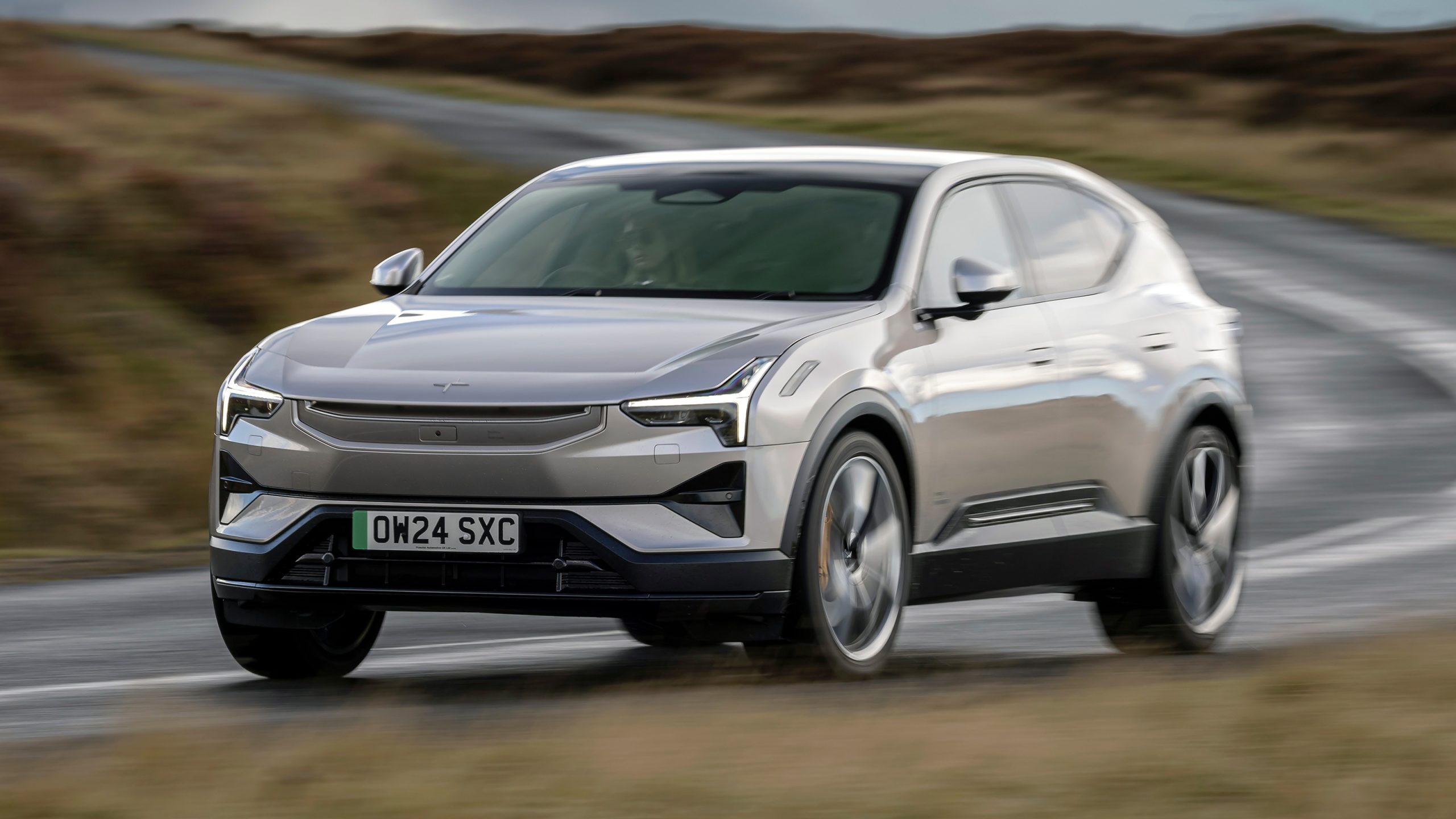
2. Polestar 3: Cold-Weather Efficiency Meets SUV Performance
The Polestar 3 sets a high benchmark for winter efficiency and electric SUV performance. In the 2025 “El Prix” winter test, it lost only 5.18% of its WLTP-rated range, one of the smallest deviations among competitors.
Built in Sweden for Arctic conditions, the Polestar 3 combines a 111 kWh battery with a triple-zone heat pump, advanced thermal management, and preconditioning via the navigation system to maintain range and optimize fast-charging in freezing temperatures. Its Range Mode can disengage the rear motor for maximum efficiency, further extending winter mileage.
Powertrain options provide a spectrum of performance. The base 329-hp single-motor model powers the rear wheels, while the dual-motor Long Range produces 536 hp with all-wheel drive. ‘
The Performance variant delivers 671 hp and sharper acceleration, with a claimed 0–60 mph in 3.8 seconds. Adaptive air suspension and a torque-vectoring rear differential in dual-motor trims enhance handling and stability, keeping the SUV composed during spirited driving and cornering.
Towing and payload capacities vary by configuration. The single-motor model can tow 2,000 pounds, while the dual-motor setup reaches 3,500 pounds. EPA range estimates are 350 miles for the Single Motor, 315 miles for the Dual Motor, and 279 miles for the Performance.
Fast charging at 250 kW restores 10–80% battery capacity in roughly 30 minutes. Energy efficiency ranges from 105 MPGe city and 86 MPGe highway for the base model, to 81 MPGe city and 73 MPGe highway for the Performance trim.
The cabin emphasizes comfort and sustainability with heated front seats, panoramic sunroof, three-zone climate control, and high-end eco-friendly materials. Infotainment relies on a 14.5-inch touchscreen running Google software, supporting wireless Apple CarPlay and Android Auto.
Optional upgrades include a 25-speaker Bowers & Wilkins stereo. Rear seats are spacious for adults, and the cargo area accommodates standard luggage, though the front trunk is small.
Polestar equips the 3 with a full suite of driver-assistance features, including adaptive cruise control, lane-keeping assist, blind-spot monitoring, and collision-mitigation systems.
Warranty coverage is standard, with four years or 50,000 miles limited coverage, and eight years or 100,000 miles for powertrain and battery components. The Polestar 3 combines Arctic-ready EV technology, SUV versatility, and strong performance, making it one of the most capable cold-weather electric vehicles available.
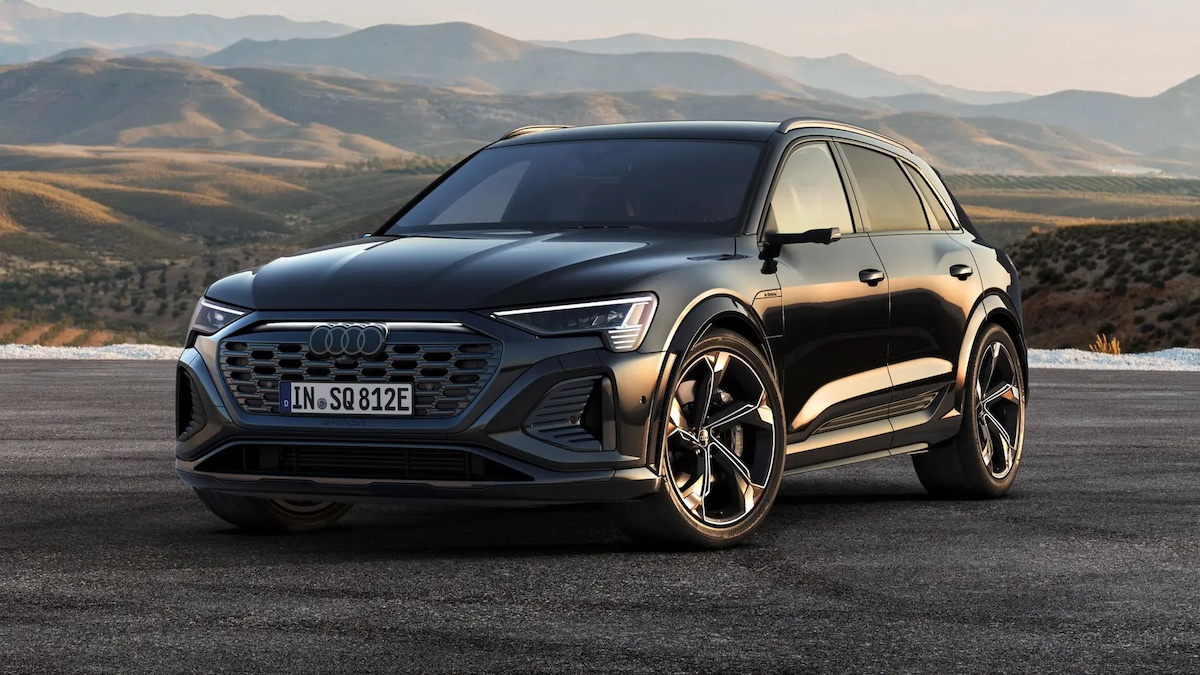
3. Audi Q8 e-tron: Premium Electric SUV with Winter Reliability
The Audi Q8 e-tron, formerly known simply as the e-tron, delivers dependable winter performance and premium SUV refinement. Independent testing shows it loses only 8–15% of its range in freezing conditions, thanks to a sophisticated four-circuit thermal management system and a highly efficient heat pump.
This system scavenges waste heat from the powertrain, consuming up to three times less energy than conventional electric heaters. Preconditioning capabilities, controlled via the myAudi app, ensure the battery is optimally warmed while plugged in, helping to preserve range even on icy roads.
Standard Quattro all-wheel drive provides stability and traction on snow, ice, and slush, making the Q8 e-tron highly reliable in real-world cold-weather conditions.
The SUV is offered in multiple powertrains and trims, including the 50, 55, and S models, with two body styles: the standard SUV and the Sportback coupe-like version. Battery capacities range from 89 kWh in the 50 model, providing an EPA-estimated 290 miles, to 106 kWh in the 55 model, offering up to 343 miles.
In real-world use, drivers can expect slightly lower ranges due to typical EV cold-weather and driving adjustments. Charging is handled at up to 170 kW, allowing 10–80% battery replenishment in around 28–31 minutes, though slower than some rivals with 800V architectures.
The Q8 e-tron’s interior emphasizes executive comfort and technology. Standard features include 20-inch wheels, air suspension, LED headlights, heated front seats, an electric liftgate, and multiple touchscreens.
Rear seating accommodates adults reasonably well, although middle legroom is tight, and cargo space is adequate but not class-leading. Infotainment integrates Audi’s MMI system, and the vehicle comes equipped with adaptive cruise control, lane-keeping assist, and blind-spot monitoring.
While the Q8 e-tron excels in reliability, winter range, and premium build quality, it prioritizes refinement over excitement. It is heavy, quiet, and comfortable, designed as a wafting grand tourer rather than a dynamic driving machine.
Its cosmetic facelift from the original e-tron brings a more polished front fascia and updated styling, but fundamentally, it remains a dependable, capable electric SUV with a focus on luxury and practicality, making it one of the most accessible ways to transition to Audi’s electric lineup.
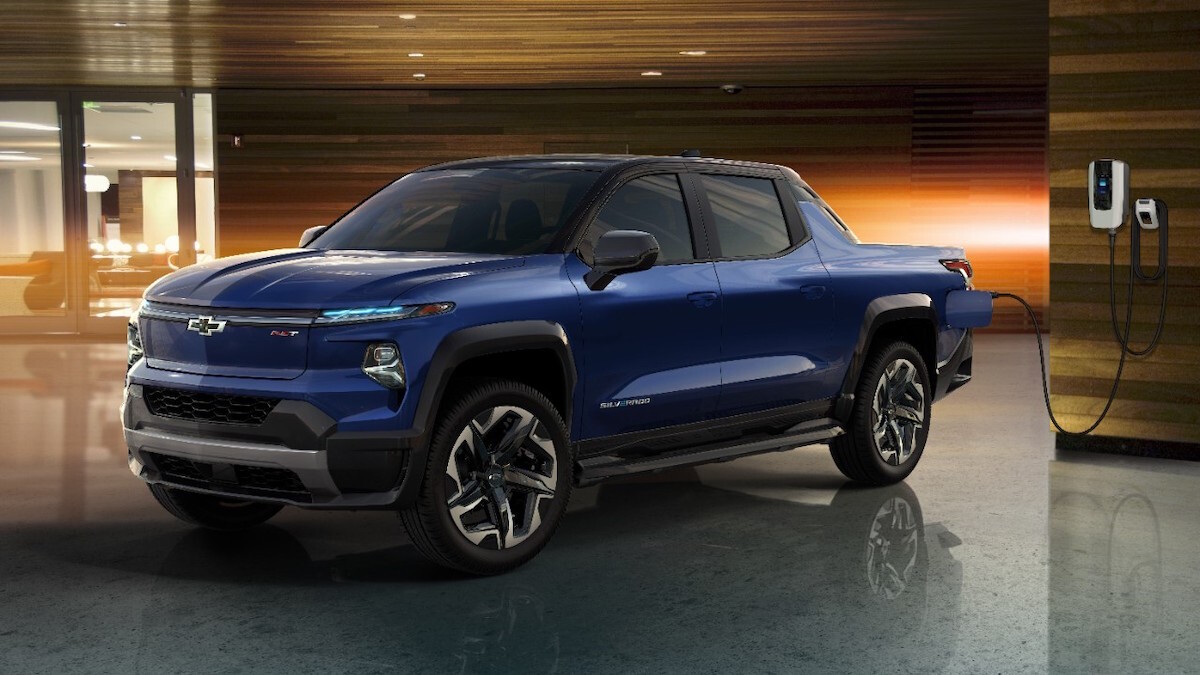
4. Chevrolet Silverado EV: Long-Range Electric Truck Built for Winter Conditions
The Chevrolet Silverado EV stands out as one of the most capable electric pickups for cold climates. Equipped with General Motors’ Ultium battery technology and a standard high-efficiency heat pump, the truck delivers strong winter performance with minimal range loss.
In the 2025 CAA Winter Test, the Silverado EV tied for the best results among participating vehicles, losing only about 14% of its total driving range in freezing temperatures. This level of efficiency is impressive considering that many electric vehicles can lose up to 30–40% of their range in harsh winter conditions.
Chevrolet designed the truck’s BT1 platform with advanced thermal management that keeps the battery operating within an optimal temperature range, reducing energy loss while maintaining consistent performance.
One of the biggest advantages of the Silverado EV is its massive battery capacity. With the largest battery configuration, the Work Truck model delivers an EPA-estimated range of up to 493 miles, making it one of the longest-range electric pickups available. Even with winter reductions, drivers still benefit from a substantial usable range.
Charging performance is another strength. The truck supports ultra-fast 350 kW DC charging and can add nearly 100 miles of range in about 10 minutes under ideal conditions. Testing has also shown strong charging performance in cold weather thanks to aggressive battery preconditioning, which warms the battery before reaching a charger.
Performance is equally impressive for a full-size electric pickup. All Silverado EV models use a dual-motor all-wheel-drive setup, producing between 510 horsepower in the base Work Truck trim and up to 760 horsepower in the LT configuration.
Acceleration is quick for such a large vehicle, with some models reaching 60 mph in around 4.1 seconds using Chevrolet’s Wide Open Watts mode. Optional rear-wheel steering and adaptive air suspension improve maneuverability and ride comfort, making the truck feel more controlled than its large size might suggest.
Beyond performance, the Silverado EV is designed with practicality in mind. It offers a towing capacity of up to 12,500 pounds and a payload capacity of around 1,800 pounds.
Inside, the cabin is spacious and modern, featuring an 11-inch digital gauge cluster and a large 17.7-inch infotainment touchscreen powered by Google-based software. Safety features include adaptive cruise control, lane-keeping assist, automated emergency braking, and the available hands-free Super Cruise driving system.
With its combination of long range, strong winter efficiency, rapid charging capability, and serious truck capability, the Silverado EV proves that electric pickups can perform reliably even in extreme cold-weather conditions.
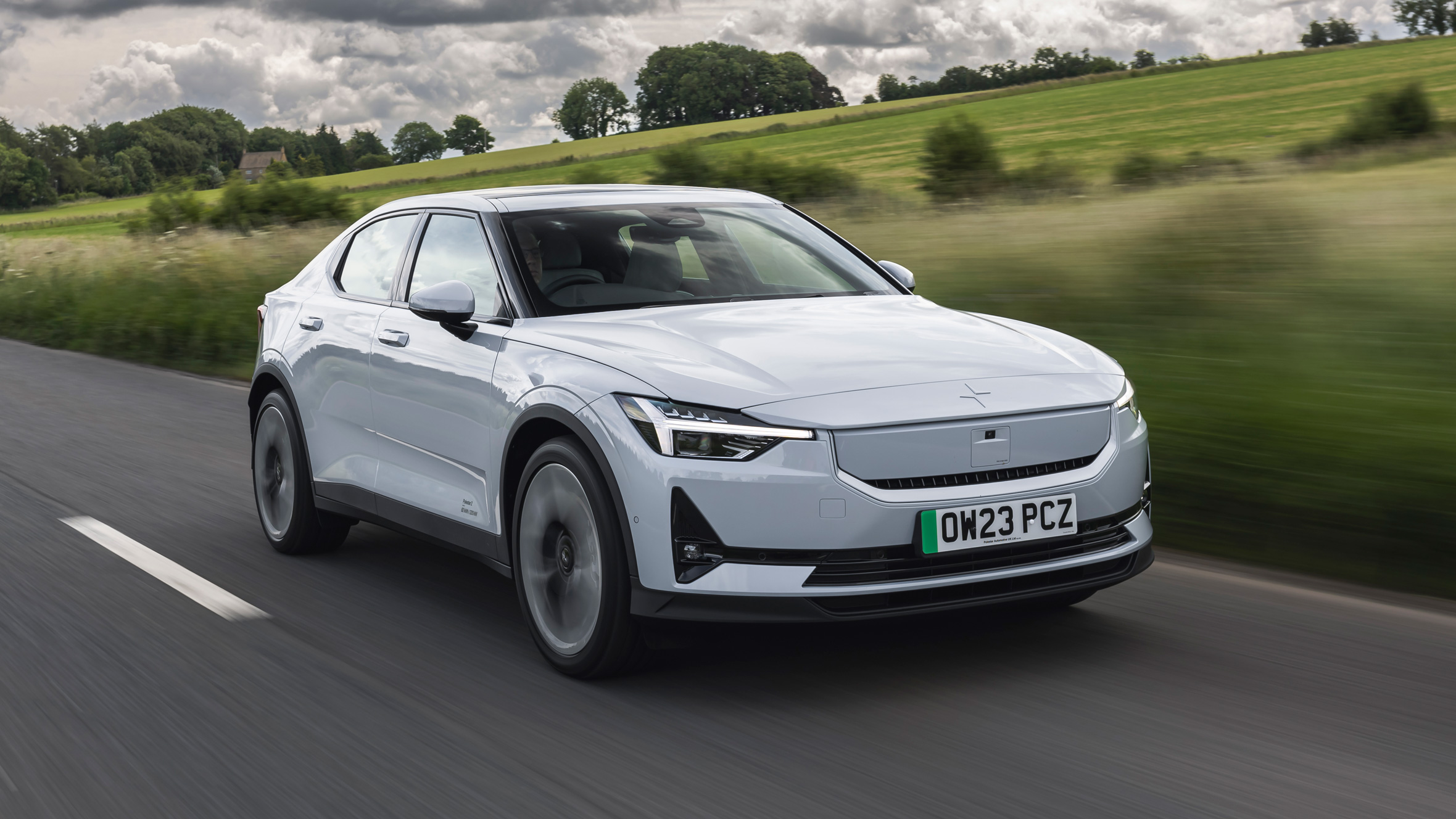
5. Polestar 2: Scandinavian EV Engineered for Reliable Winter Performance
The Polestar 2 has earned a strong reputation for maintaining a dependable range in cold climates. Real-world Canadian testing shows the vehicle losing only about 14% of its driving range in freezing conditions, placing it among the most winter-efficient electric vehicles available.
This consistency stems from its Scandinavian engineering, as the car was developed and tested in Sweden, where harsh winters are common. Its battery management system and thermal technologies help minimize the efficiency losses that many EVs experience when temperatures drop.
The vehicle also includes a “snowflake” icon that alerts drivers when the battery is too cold to deliver full power, encouraging the use of scheduled preconditioning before driving.
A major factor behind the Polestar 2’s winter capability is the optional heat pump included with the Plus Pack. This system captures waste heat from the electric drivetrain and surrounding air to warm the cabin more efficiently than traditional electric heaters.
In cold weather, the heat pump can reduce heating energy consumption by up to 50 percent, which helps preserve battery range. When the car is connected to a charger, the battery can be preheated to an optimal operating temperature before departure.
This process prevents the reduced efficiency that occurs when a battery begins a trip in a cold state. The vehicle can also warm the battery before fast charging, improving charging speed during winter.
Performance remains a highlight of the Polestar 2. The 2025 version uses a dual-motor all-wheel-drive system producing 469 horsepower. This setup delivers excellent traction in snowy and icy conditions, with the system able to control wheel slip much faster than traditional mechanical all-wheel-drive systems.
Acceleration is also impressive, with the car reaching 60 mph in about 3.9 seconds in performance testing. The Performance package adds adjustable Öhlins dampers, sportier suspension tuning, larger wheels, and Brembo front brakes for sharper driving dynamics.
Energy comes from a 79 kWh battery pack that supports fast charging up to 205 kW. Polestar estimates that the battery can charge from 10 to 80 percent in less than 30 minutes. The vehicle’s EPA-rated driving range is approximately 254 miles, while highway testing has produced real-world results closer to 210 miles.
Inside, the Polestar 2 features a minimalist cabin with eco-friendly materials and a clean Scandinavian design. A 12.3-inch digital instrument cluster works alongside an 11.2-inch touchscreen running Google-based software for navigation, media, and vehicle controls. Together with strong winter efficiency and responsive performance, the Polestar 2 offers a balanced electric driving experience suited for colder environments.
Also read: 5 Cars With Excellent Air Conditioning for Hot Climates vs 5 That Struggle
5 That Lose Half Their Mileage in the Cold
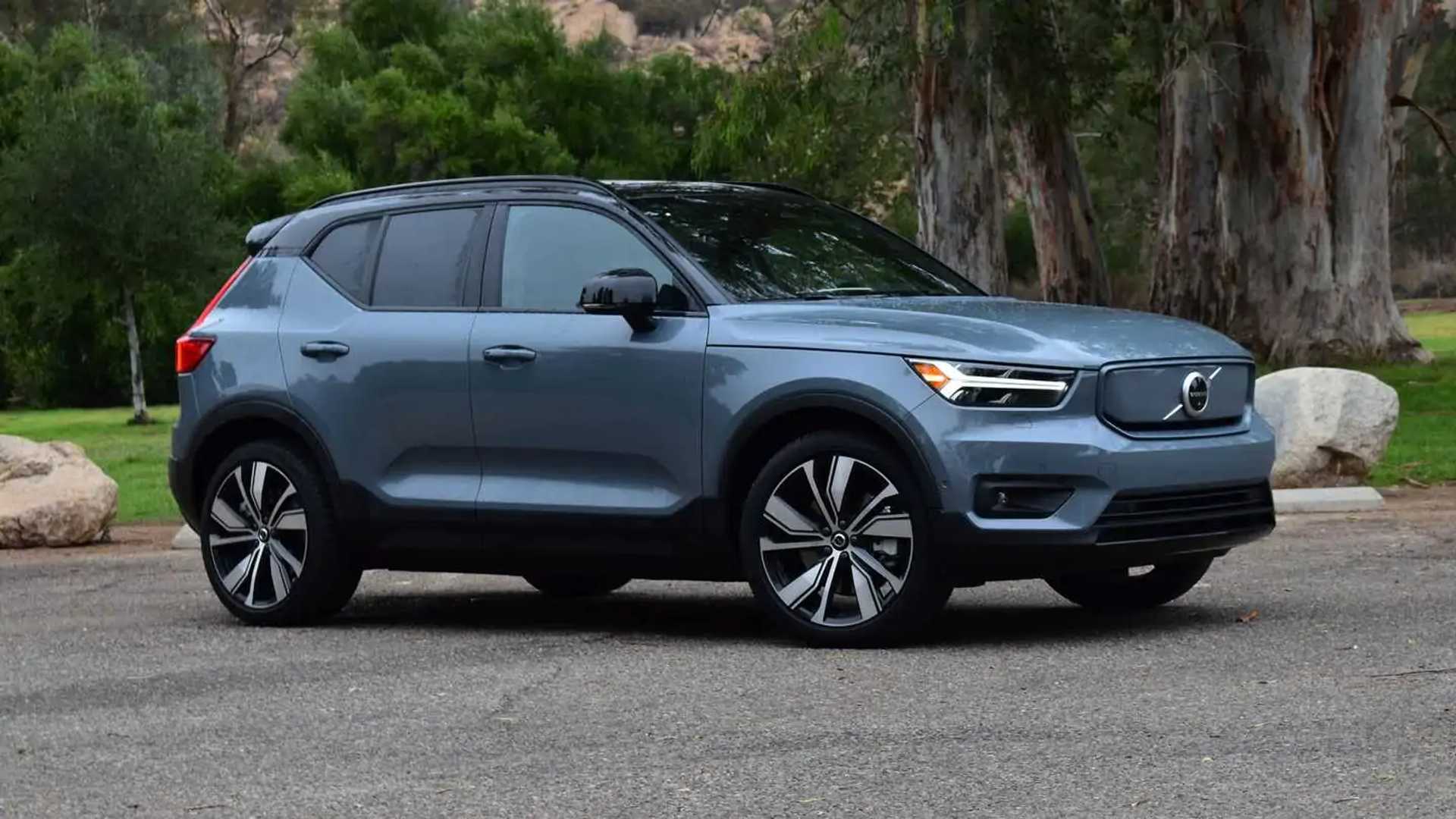
1. Volvo XC40 Recharge: Winter Range Challenges in a Compact Electric SUV
The Volvo XC40 Recharge is a compact electric SUV known for its safety, practicality, and strong all-wheel-drive performance. However, real-world winter testing shows that it can experience significant range reductions in cold weather. In a Canadian Automobile Association winter test conducted in temperatures between −7°C and −15°C, the XC40 Recharge lost about 39% of its official driving range.
This represented the largest reduction among the fourteen electric vehicles evaluated in the test. Under harsh winter conditions, the highway driving range can fall below 250 kilometers, meaning drivers must carefully plan longer trips during cold months.
One of the main reasons for this range loss is the behavior of lithium-ion batteries in low temperatures. Cold weather slows the chemical reactions inside the battery cells, reducing their ability to deliver energy efficiently.
As a result, the vehicle’s battery management system temporarily limits some of the battery’s capacity until the pack warms up. During a cold start, this can make the available range appear significantly lower than normal. As the battery warms during driving, some of that hidden capacity gradually becomes available again.
Heating demands also play a major role in winter energy consumption. Unlike gasoline vehicles that use waste heat from the engine to warm the cabin, electric vehicles must generate heat directly using electricity from the battery.
The cabin heater in the XC40 Recharge can draw several kilowatts of power, which reduces the energy available for driving. Vehicles not equipped with the optional heat pump rely more heavily on traditional resistive heating, which consumes more energy. Frequent short trips in very cold weather further increase energy usage because the battery and cabin must repeatedly warm up from extremely low temperatures.
Environmental conditions can also increase energy consumption. Cold air is denser, which increases aerodynamic drag at highway speeds. Winter tires typically create more rolling resistance, and tire pressure can drop in cold temperatures, further increasing energy demand. In slippery conditions, regenerative braking may also be reduced to maintain traction, limiting the amount of energy recovered during deceleration.
Despite these challenges, several strategies can help minimize winter range loss. Preconditioning the cabin and battery while the vehicle is plugged in allows the system to use external power rather than battery energy.
Drivers can also rely more on heated seats and the heated steering wheel instead of raising the cabin temperature. Slowing slightly on the highway can reduce energy consumption and help extend the vehicle’s winter driving range.
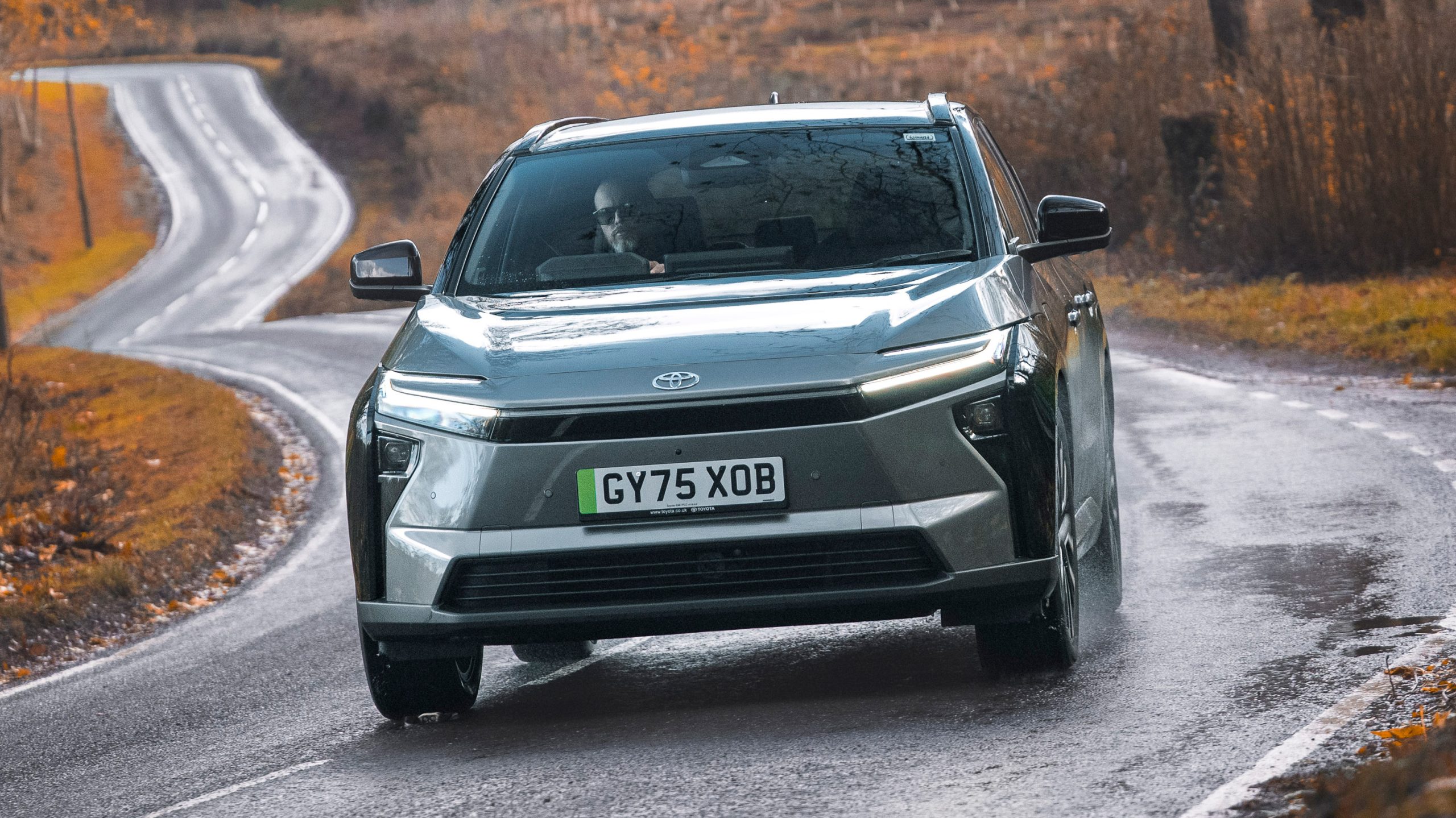
2. Toyota bZ4X: Cold-Weather Range and Charging Limitations
The Toyota bZ4X is Toyota’s first mass-produced fully electric SUV, but it has faced criticism for its winter performance. Independent testing shows that the vehicle can lose around 37% of its driving range in sub-zero conditions, placing it among the EVs most affected by cold temperatures.
In some real-world evaluations, range loss has approached 50% when temperatures drop close to freezing or below. This decline significantly reduces the vehicle’s long-distance capability during winter, making careful trip planning necessary in colder climates.
One of the primary causes of this range reduction is the effect of cold temperatures on lithium-ion battery chemistry. When temperatures fall, the chemical reactions inside the battery slow down, which limits how efficiently the pack can deliver energy. In early versions of the bZ4X, the battery management system also preserved a large buffer of unused capacity to protect long-term battery health. While this design helps improve durability, it reduces the usable range available to drivers during cold weather.
Heating demands further increase energy consumption. Unlike gasoline vehicles that reuse engine heat, electric vehicles must generate cabin warmth directly from the battery. In the bZ4X, heating the interior, defogging the windshield, and maintaining comfortable temperatures can consume significant electrical power.
In some situations, cabin heating alone may reduce range by 20 to 30 percent. Early models were also criticized for lacking effective battery preconditioning, which means the battery could remain too cold when a trip begins or when the vehicle arrives at a charging station. This not only reduces efficiency but also affects charging speed.
Charging performance in winter has been another concern. In extremely cold temperatures, especially around −20°C, some early all-wheel-drive models limited or slowed DC fast charging to protect the battery. This could dramatically increase charging times, with some sessions taking much longer than expected to reach 80 percent capacity.
Environmental factors also contribute to range loss. Cold air is denser, increasing aerodynamic drag at highway speeds. Winter tires and lower tire pressures also increase rolling resistance, which requires more energy to maintain speed.
Toyota has introduced improvements in newer versions of the bZ4X, including better thermal management systems, improved heat pump technology, and enhanced charging capabilities. Drivers can also reduce winter range loss by preconditioning the vehicle while plugged in, using Eco mode for climate control, and relying more on heated seats and steering wheel functions instead of raising cabin temperature.
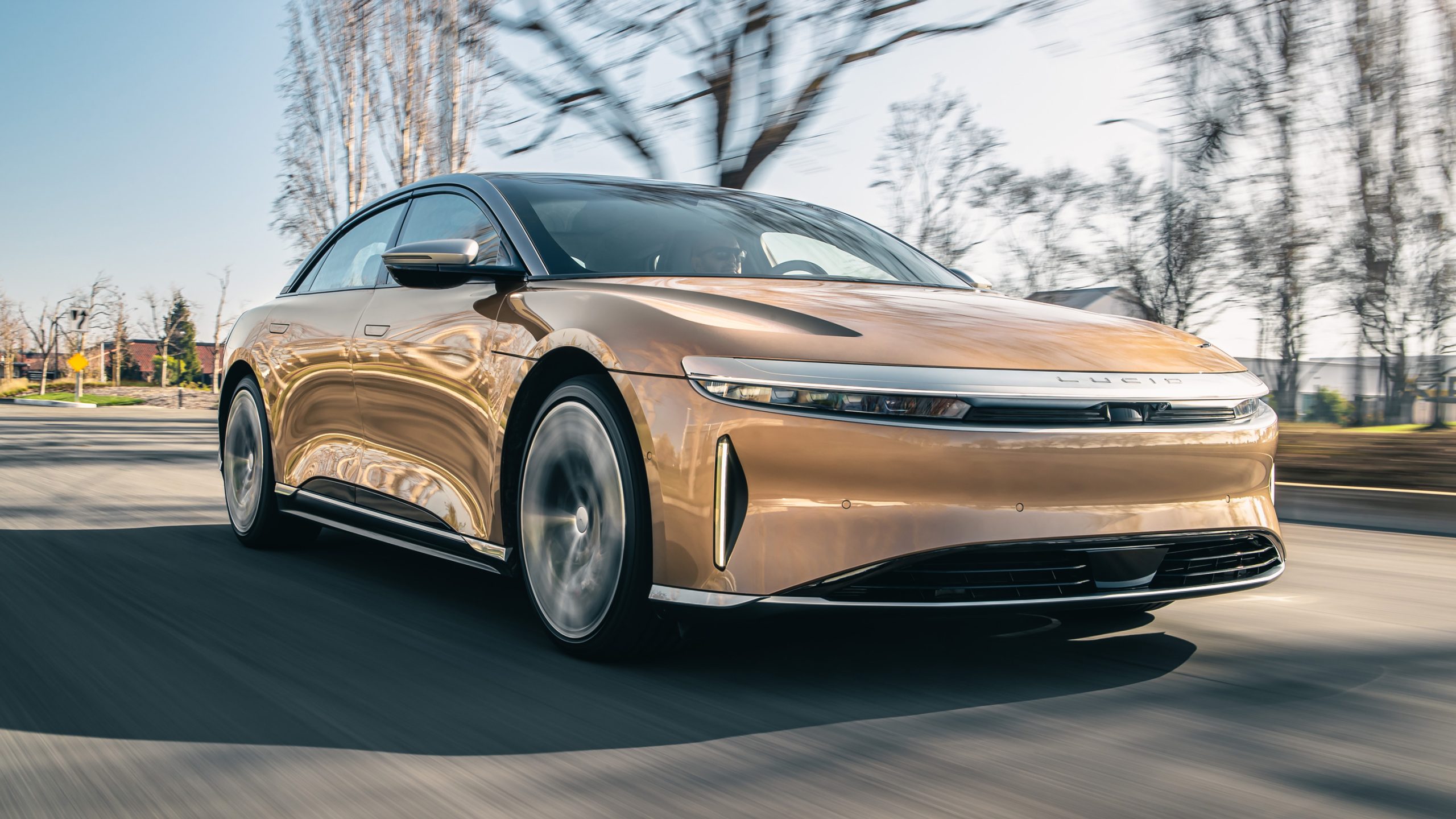
3. Lucid Air: Large Winter Range Drop Despite Industry-Leading Efficiency
The Lucid Air is widely recognized for offering one of the longest driving ranges of any production electric vehicle. Under ideal conditions, some versions exceed 500 miles of rated range, placing the car among the most efficient luxury EVs on the market. However, extreme winter testing has revealed that the Lucid Air can experience a significant reduction in range when temperatures drop far below freezing.
In Norway’s well-known “El Prix” winter test, a high-trim Lucid Air lost roughly 46 percent of its official range. In practical terms, this meant a reduction of more than 270 miles compared with the vehicle’s warm-weather performance.
A major reason for this range loss is the behavior of lithium-ion batteries in very cold conditions. When temperatures fall, the movement of lithium ions through the battery’s electrolyte slows considerably. This increases internal resistance and makes it harder for the battery to deliver energy efficiently.
As a result, the available driving range drops noticeably until the battery warms to a more optimal operating temperature. In extremely cold environments, such as tests conducted in temperatures approaching −31°C, this chemical slowdown becomes one of the largest contributors to reduced performance.
Energy consumption also rises because electric vehicles must generate their own heat. Unlike gasoline vehicles that reuse waste heat from the engine, the Lucid Air relies on its high-voltage battery to warm the interior and regulate battery temperature.
Heating the spacious cabin can consume 20 to 25 percent of the available energy during long winter drives. At the same time, the car’s thermal management system uses additional power to keep the battery pack within a safe temperature range, which further reduces the energy available for propulsion.
Environmental conditions and vehicle equipment can also contribute to reduced efficiency. Cold air is denser than warm air, which increases aerodynamic drag at highway speeds. Tire performance can also change in winter. Many performance-oriented tires become stiffer in colder temperatures, increasing rolling resistance. Lower tire pressure caused by temperature drops can also raise energy consumption.
Even with these winter losses, the Lucid Air still performs impressively in absolute terms. During the El Prix test, it traveled about 323 miles in harsh conditions, which was farther than several competing electric luxury sedans. The large percentage drop appears dramatic, mainly because the car begins with an exceptionally high rated range.
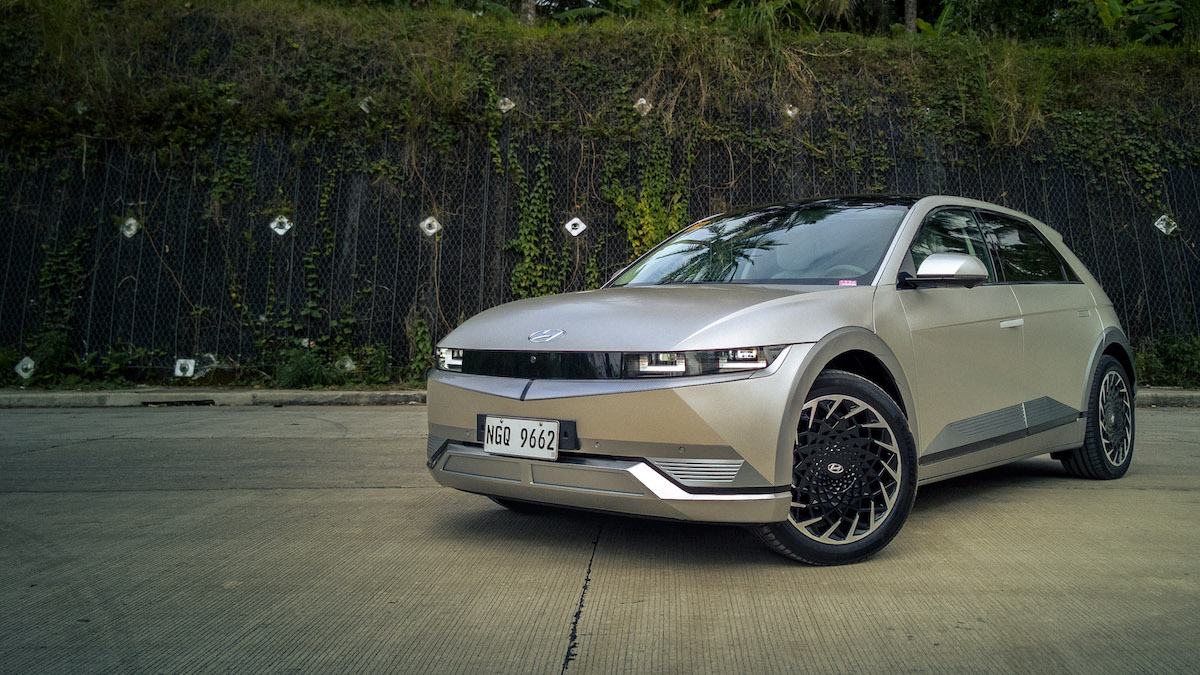
4. Hyundai IONIQ 5: Winter Efficiency and Cold-Weather Range Loss
The Hyundai IONIQ 5 is widely praised for its futuristic design, spacious interior, and advanced electric vehicle technology. However, like many EVs, it can experience noticeable range reductions during winter. Real-world cold-weather testing has shown the IONIQ 5 losing about 36 percent of its driving range in freezing conditions.
In extremely cold temperatures, range losses can approach 40 percent, although more moderate winter climates typically result in reductions between 20 and 40 percent. These changes are largely the result of battery chemistry limitations, heating demands, and environmental resistance that affect most electric vehicles in cold weather.
One of the primary causes of reduced range is the behavior of lithium-ion batteries at low temperatures. When temperatures drop, the electrolyte inside the battery becomes thicker, and the movement of lithium ions slows down. This increased internal resistance reduces the battery’s ability to release stored energy efficiently. In severe cold, such as temperatures around −20°C, some electric vehicles may deliver only about half of their rated driving range until the battery warms to a more optimal temperature.
Heating requirements also significantly increase energy consumption. Unlike gasoline vehicles that use excess heat from the engine to warm the cabin, the IONIQ 5 must generate heat using electricity from its battery.
Running the cabin heater can require 3 to 5 kilowatts of continuous power, which reduces the energy available for propulsion. In very cold conditions, climate control alone can contribute heavily to total range loss, especially during short trips when the vehicle repeatedly warms the cabin from extremely low temperatures.
The vehicle’s thermal management system also uses battery power to protect the battery pack. This system warms the battery to maintain safe operating temperatures and ensure stable performance. While essential for reliability and longevity, the process consumes additional energy that would otherwise contribute to driving range.
External conditions further affect efficiency. Cold air is denser than warm air, increasing aerodynamic drag and requiring more power to maintain highway speeds. Tire pressure also decreases in colder temperatures, which raises rolling resistance. Winter tires and snowy or slushy roads can add even more resistance, increasing energy consumption.
Performance can vary depending on the vehicle’s equipment. Models equipped with a heat pump system are more efficient because they recycle heat from electrical components rather than relying solely on resistive heating. Battery preconditioning while plugged in can also help improve winter efficiency by warming the battery before driving.
5. Chevrolet Bolt EV: Significant Winter Range Loss in a Budget Electric Car
The Chevrolet Bolt EV has long been recognized as an affordable and practical electric vehicle, offering a respectable EPA-rated range of about 259 miles in ideal conditions. However, cold weather can significantly reduce its real-world performance. In freezing temperatures, the Bolt EV typically loses around 32 percent of its driving range, and in more extreme winter conditions, the reduction can reach 40 to 50 percent.
This large drop has made the Bolt one of the more commonly cited examples of winter range anxiety among electric vehicle owners. While the car remains reliable and efficient in moderate weather, winter driving often requires more careful planning.
One of the biggest factors behind the Bolt’s winter efficiency issues is its heating system. Many modern electric vehicles use heat pumps that transfer heat efficiently using minimal power. The Bolt EV, particularly models produced between 2017 and 2023, relies on a traditional resistive heater instead.
This system works similarly to a household space heater, using electricity to generate heat directly. In extremely cold conditions, the heater can draw as much as 6 to 7 kilowatts of power continuously. When driving at highway speeds, that level of energy consumption can represent roughly one quarter of the vehicle’s total power usage, significantly reducing available range.
Cold temperatures also affect the lithium-ion battery itself. Chemical reactions inside the battery slow down when temperatures drop, increasing internal resistance and reducing the battery’s ability to release energy efficiently.
To protect the battery pack, the Bolt EV uses an active thermal management system that warms the battery coolant when temperatures fall too low. While this helps preserve battery health, it also consumes additional energy even when the vehicle is parked. Some owners have reported noticeable overnight range loss as the system works to maintain safe battery temperatures.
Environmental conditions add further challenges. Cold air is denser than warm air, increasing aerodynamic drag and requiring more energy to maintain speed. Winter tires often have deeper tread patterns that improve traction but increase rolling resistance. Lower tire pressure caused by colder temperatures can also reduce efficiency.
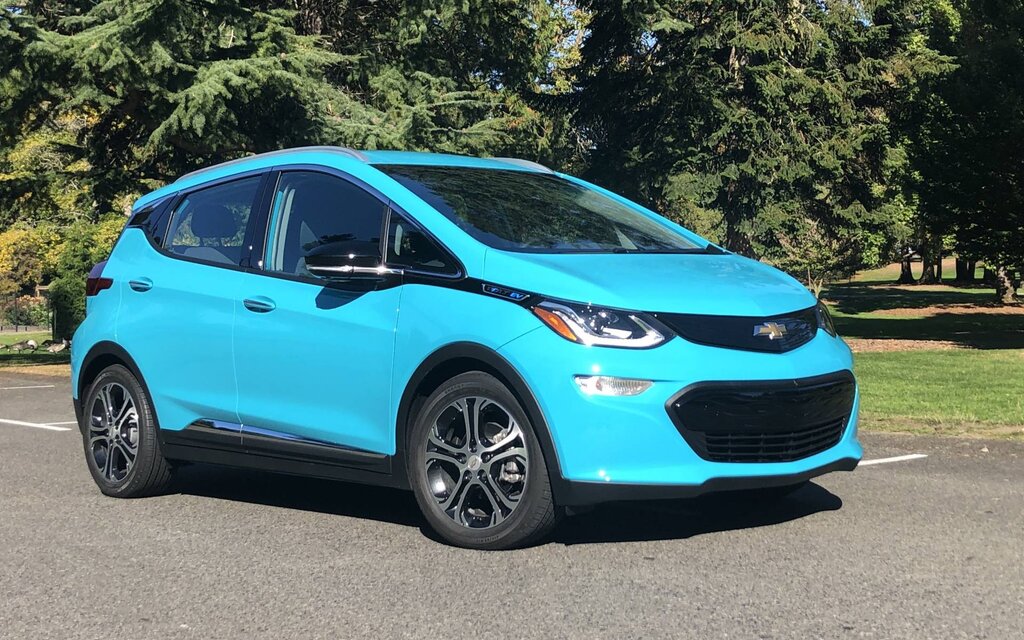
In extreme winter scenarios, these combined factors can dramatically reduce usable driving distance. A Bolt EV that might travel around 259 miles in mild weather may see its practical range drop to roughly 130 miles in severe cold. Combined with its relatively slow maximum DC fast-charging rate of about 55 kW, winter travel in the Bolt often requires more frequent charging stops and careful trip planning.
Winter testing provides valuable insight into how electric vehicles perform outside controlled laboratory conditions. Cold temperatures slow chemical reactions inside lithium-ion batteries and increase the amount of energy needed for heating and traction. Because of this, the real driving range of an EV can vary widely depending on how well the vehicle manages heat, energy distribution, and battery temperature.
Vehicles such as the Tesla Cybertruck, Polestar 3, Audi Q8 e-tron, Chevrolet Silverado EV, and Polestar 2 demonstrate how modern engineering can minimize winter efficiency losses. Their advanced heat pumps, strong battery thermal systems, and effective preconditioning strategies allow them to retain a large portion of their rated range even in freezing environments.
Other models, including the Volvo XC40 Recharge, Toyota bZ4X, Lucid Air, Hyundai IONIQ 5, and Chevrolet Bolt EV, may experience much larger winter range reductions. These vehicles still offer strong performance in many situations, but drivers in colder climates may need to plan routes more carefully and expect more frequent charging stops during winter travel.
Understanding these differences helps buyers choose an EV that suits their climate and driving habits, making cold-weather electric driving more predictable and convenient throughout the year.
Also read: Top 10 Cars With the Most Useful Hidden Storage Compartments