
Classic cars are often associated with mechanical noise, wind roar, and the unmistakable rumble of large displacement engines. In many cases, that raw sound is part of the charm.
Yet during the mid-20th century, several automakers began prioritizing interior comfort in ways that resemble modern luxury vehicles.
Engineers experimented with thicker body panels, heavy carpeting, insulated firewall designs, and sophisticated rubber mounting systems to isolate the cabin from road and engine noise.
For American buyers in particular, quietness became an important selling point during the 1950s through the 1980s.
As interstate highways expanded and long-distance driving became common, manufacturers promoted serene cabins as a hallmark of premium engineering.
Some models achieved remarkable levels of sound isolation even without modern materials like acoustic glass or advanced composites. Instead, they relied on intelligent body construction, generous insulation, and heavy curb weights that naturally absorbed vibration.
Today, collectors often praise these vehicles not only for their style and heritage but also for how surprisingly quiet they feel compared with many other cars of their era.
The following vintage models stand out for having some of the most effective factory sound insulation systems ever fitted to classic automobiles.
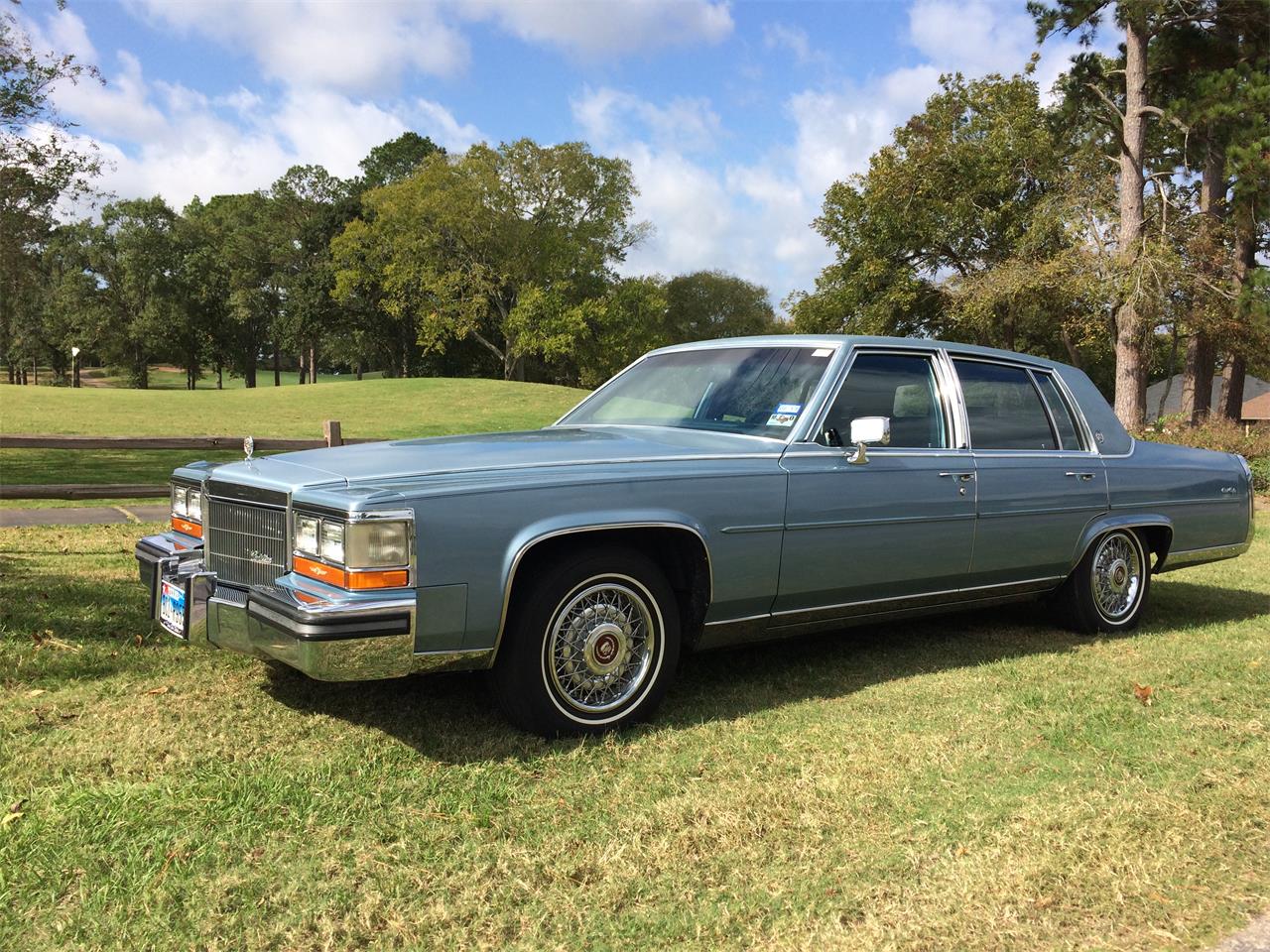
1. Cadillac Fleetwood Brougham (1977–1986)
The Cadillac Fleetwood Brougham produced between 1977 and 1986 represents one of the clearest examples of the traditional American luxury sedan designed with comfort and quietness as its highest priorities.
Although its exterior dimensions were reduced compared with earlier full-size Cadillacs, the car preserved the brand’s signature smooth ride and exceptionally quiet cabin, making it a standout example of factory-engineered sound insulation in a production luxury vehicle.
The development of the 1977 Fleetwood Brougham came during a transitional period for Detroit automakers. Rising fuel prices and stricter emissions regulations forced manufacturers to reduce vehicle size and weight, yet Cadillac customers still expected the serene driving experience that had defined the brand for decades.
Engineers responded by redesigning the full-size Cadillac platform while retaining the body-on-frame construction and rear-wheel-drive layout that allowed for exceptional ride isolation. This platform made it easier to incorporate extensive noise-dampening materials and chassis components specifically tuned to minimize vibrations and road noise.
Early versions used the 425-cubic-inch (7.0-liter) V8, while later models adopted smaller displacement units such as the 368-cubic-inch V8 and eventually various Oldsmobile-sourced V8 engines. These engines were mounted longitudinally and paired with smooth-shifting automatic transmissions that drove the rear wheels.
Power outputs varied depending on the year and emissions requirements, but the emphasis was never outright performance. Instead, Cadillac tuned the drivetrain for effortless torque delivery and quiet operation, reinforcing the vehicle’s reputation as a relaxed long-distance cruiser.
Design characteristics played a major role in the Fleetwood Brougham’s reputation for quietness. Cadillac engineers used thick sound-deadening insulation throughout the firewall, floor, and door panels to block engine and road noise from entering the passenger compartment. The car’s traditional body-on-frame construction further isolated the cabin from vibrations generated by the suspension and drivetrain.
Soft suspension tuning, combined with large sidewall tires and carefully engineered body mounts, helped absorb road imperfections before they could reach occupants. Inside, plush carpeting, heavy upholstery, and tightly sealed door frames contributed to an environment that felt remarkably insulated from the outside world.
Historically, the Fleetwood Brougham represents the final era of classic American luxury sedans built with an uncompromising focus on ride comfort and interior serenity. Even as the automotive industry moved toward smaller and more efficiency-focused designs, Cadillac continued to prioritize the quiet, floating driving experience that had long defined the brand.
Its extensive use of factory sound insulation and vibration isolation techniques made the Fleetwood Brougham one of the quietest production cars of its time, firmly securing its place among vintage vehicles renowned for exceptional cabin isolation.
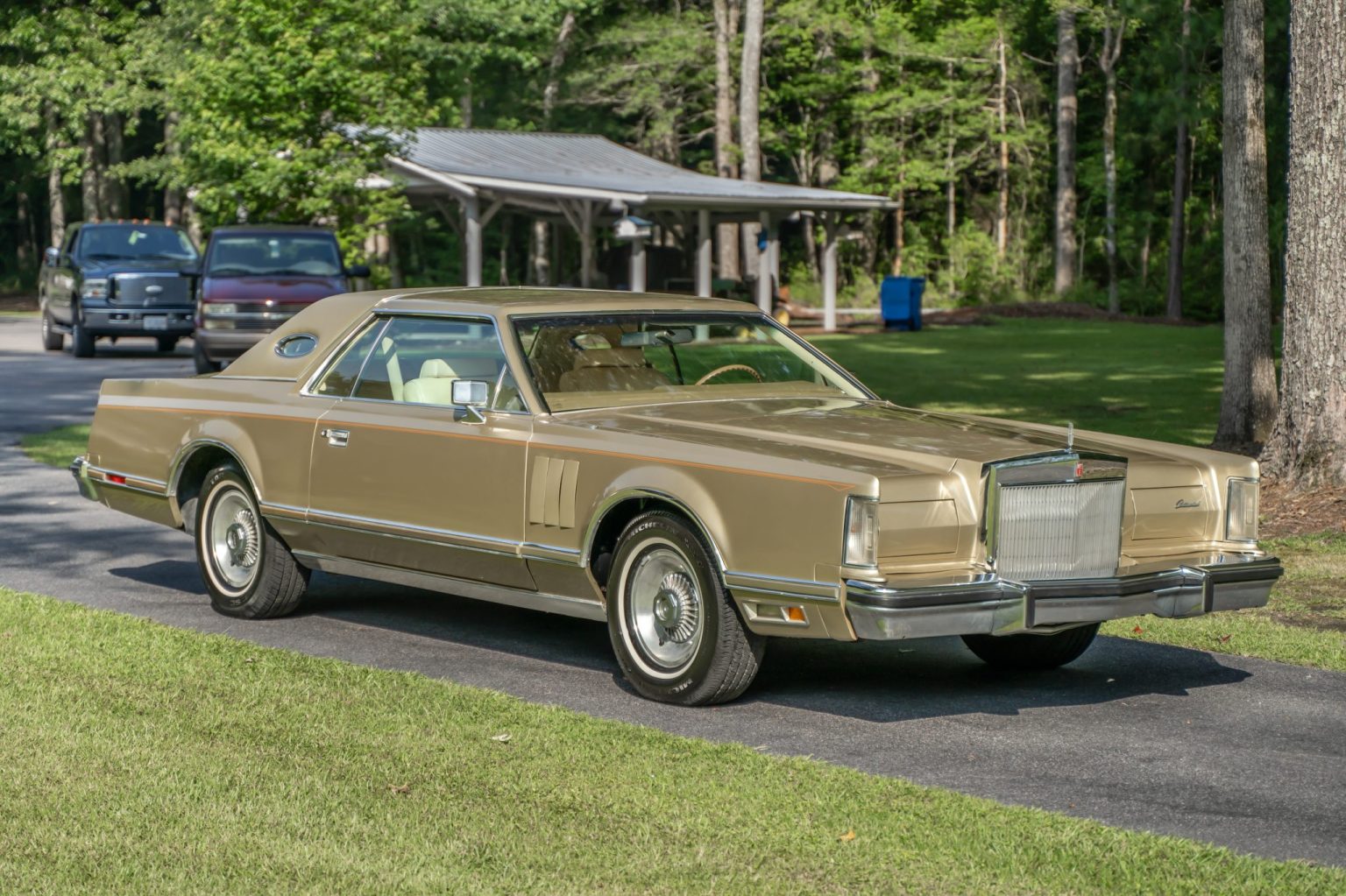
2. Lincoln Continental Mark V (1977–1979)
Lincoln’s Continental Mark series was designed specifically to rival Cadillac in the American luxury market, and the Mark V became one of the quietest cars the company ever built.
Lincoln engineers used extensive sound-deadening materials throughout the firewall, floorpan, and trunk area. Thick door seals minimized wind intrusion, while a massive hood and front body structure helped dampen engine noise.
The Mark V also featured dense interior materials, deep carpeting, padded dashboards, and thick seats, that absorbed vibrations before they could echo through the cabin.
Another important factor was the car’s long wheelbase and substantial weight. These characteristics helped smooth out road imperfections while reducing the harshness transmitted to passengers.
The result was a vehicle designed for serene highway cruising, where engine noise faded into the background during long interstate drives.
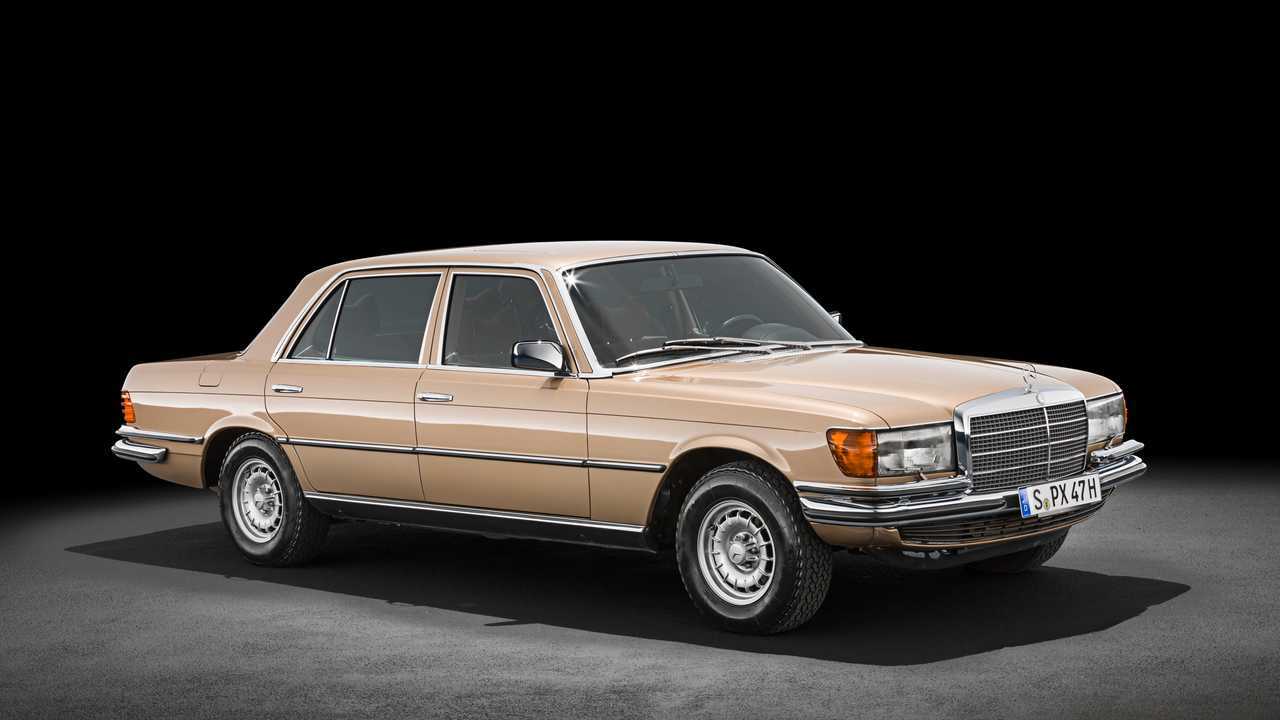
3. Mercedes-Benz 450SEL 6.9 (1975–1980)
The Mercedes-Benz 450SEL 6.9, produced from 1975 to 1980, stands as one of the most sophisticated luxury sedans of its era and a prime example of how engineering excellence could create an exceptionally quiet and refined driving environment.
As the flagship model of the W116 S-Class generation, the 450SEL 6.9 combined immense power with advanced chassis technology and meticulous sound insulation.
During the 1970s, Mercedes-Benz was focused on building the world’s most technically advanced sedans, and the 6.9 represented the pinnacle of that philosophy. Its ability to deliver both high performance and remarkable cabin quietness made it one of the most impressive luxury vehicles of its time.
The development of the 450SEL 6.9 began when Mercedes engineers decided to install a larger displacement engine derived from the company’s high-performance grand touring cars into the long-wheelbase S-Class platform. The result was the M100 engine, a massive 6.9-liter V8 that had its origins in the earlier Mercedes-Benz 600 limousine.
This engine used a cast-iron block with aluminum cylinder heads and featured mechanical fuel injection, producing around 250 horsepower and more than 360 lb-ft of torque.
Mounted longitudinally at the front of the car, the engine was paired with a three-speed automatic transmission that drove the rear wheels. Despite its impressive performance, the drivetrain was engineered for smoothness and quiet operation, ensuring that power delivery never disturbed the serene atmosphere inside the cabin.
One of the most important elements contributing to the car’s exceptional sound insulation was its advanced suspension system. The 450SEL 6.9 used a hydropneumatic self-leveling suspension inspired by technology found in high-end European luxury vehicles.
This system replaced traditional steel springs with hydraulic struts and pressurized nitrogen spheres, allowing the car to maintain a consistent ride height regardless of load while absorbing road imperfections with remarkable effectiveness.
By isolating the chassis from bumps and vibrations, the suspension helped minimize the transmission of noise and harshness into the passenger compartment.
Design characteristics further reinforced the car’s quiet luxury credentials. Mercedes-Benz incorporated thick insulation materials in the firewall, floor, and doors, while precision engineering ensured tight panel gaps and excellent sealing against wind noise.
4. Rolls-Royce Silver Shadow (1965–1980)
The Rolls-Royce Silver Shadow, produced from 1965 to 1980, represents one of the most refined luxury automobiles of the twentieth century and a benchmark for interior quietness in production vehicles.
Introduced during a period when Rolls-Royce sought to modernize its lineup, the Silver Shadow replaced the earlier Silver Cloud series with a completely new unibody construction and advanced suspension system.
Despite these technological updates, the car maintained the brand’s long-standing reputation for exceptional comfort and near-silent operation. In an era when many vehicles still allowed significant engine and road noise into the cabin, the Silver Shadow was engineered to isolate occupants almost entirely from the mechanical world outside.
The development of the Silver Shadow marked a significant shift in Rolls-Royce engineering philosophy. Previous models had relied on traditional body-on-frame construction, but the new design used a rigid monocoque structure that improved structural integrity and allowed for better noise and vibration control.
The car was powered by Rolls-Royce’s long-running aluminum V8 engine, displacing approximately 6.75 liters in most versions. This naturally aspirated V8 was mounted longitudinally at the front and paired with a smooth-shifting automatic transmission supplied by General Motors, which delivered power to the rear wheels.
Although horsepower figures were rarely publicized by Rolls-Royce, the engine was designed to deliver effortless torque and whisper-quiet operation rather than aggressive performance.
Engineering details played a crucial role in the Silver Shadow’s legendary cabin isolation. Rolls-Royce engineers invested heavily in sound-dampening techniques, including thick insulation layers within the firewall, floor panels, and doors.
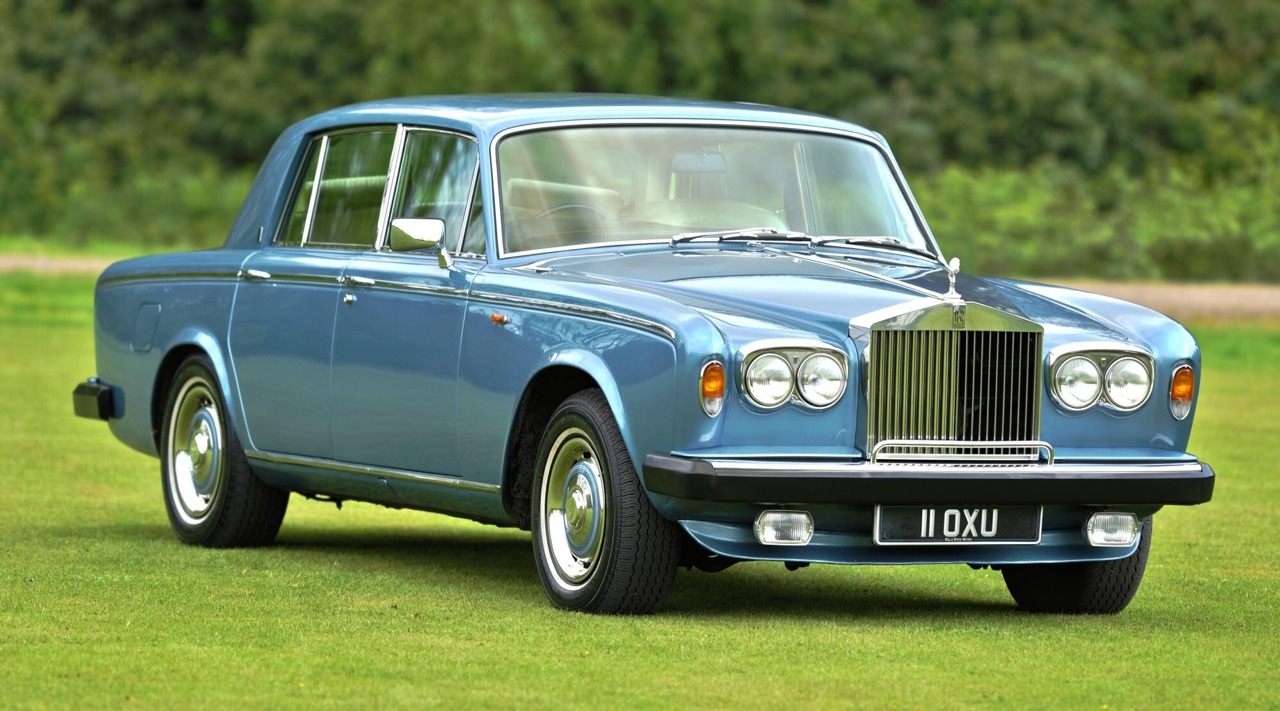
The engine itself was tuned for smoothness, with careful balancing and low operating stress levels helping to minimize vibration. In addition, the car’s advanced suspension system contributed greatly to its quiet ride. Inspired by hydraulic suspension technology, the Silver Shadow used a sophisticated self-leveling system that kept the vehicle stable regardless of passenger or cargo load while absorbing road irregularities with remarkable smoothness.
Design characteristics further enhanced the car’s ability to maintain a tranquil interior environment. Rolls-Royce paid meticulous attention to sealing against wind noise, ensuring that door frames, window channels, and body joints were carefully fitted and insulated.
The thick carpeting, extensive use of natural materials, and dense upholstery inside the cabin also helped absorb ambient noise. At highway speeds, the result was an interior atmosphere often described as “library quiet,” where even the powerful V8 engine seemed distant and subdued.
Historically, the Silver Shadow became one of Rolls-Royce’s most successful models, with more than 30,000 units produced during its fifteen-year run. It demonstrated that advanced engineering could enhance the brand’s traditional focus on comfort and refinement while maintaining the near-silent driving experience expected by its clientele.
Its extensive use of factory sound insulation, combined with meticulous craftsmanship and innovative suspension technology, firmly establishes the Rolls-Royce Silver Shadow as one of the quietest vintage luxury cars ever produced.
5. Buick Electra 225 (1969–1976)
The Buick Electra 225 was marketed as the brand’s flagship luxury sedan, and its quiet interior played a major role in its appeal.
Buick engineers devoted considerable effort to what they called “Quiet Tuning,” an approach aimed at minimizing mechanical and road noise.
This included thicker firewall insulation, rubber body mounts, and extensive under-carpet padding.
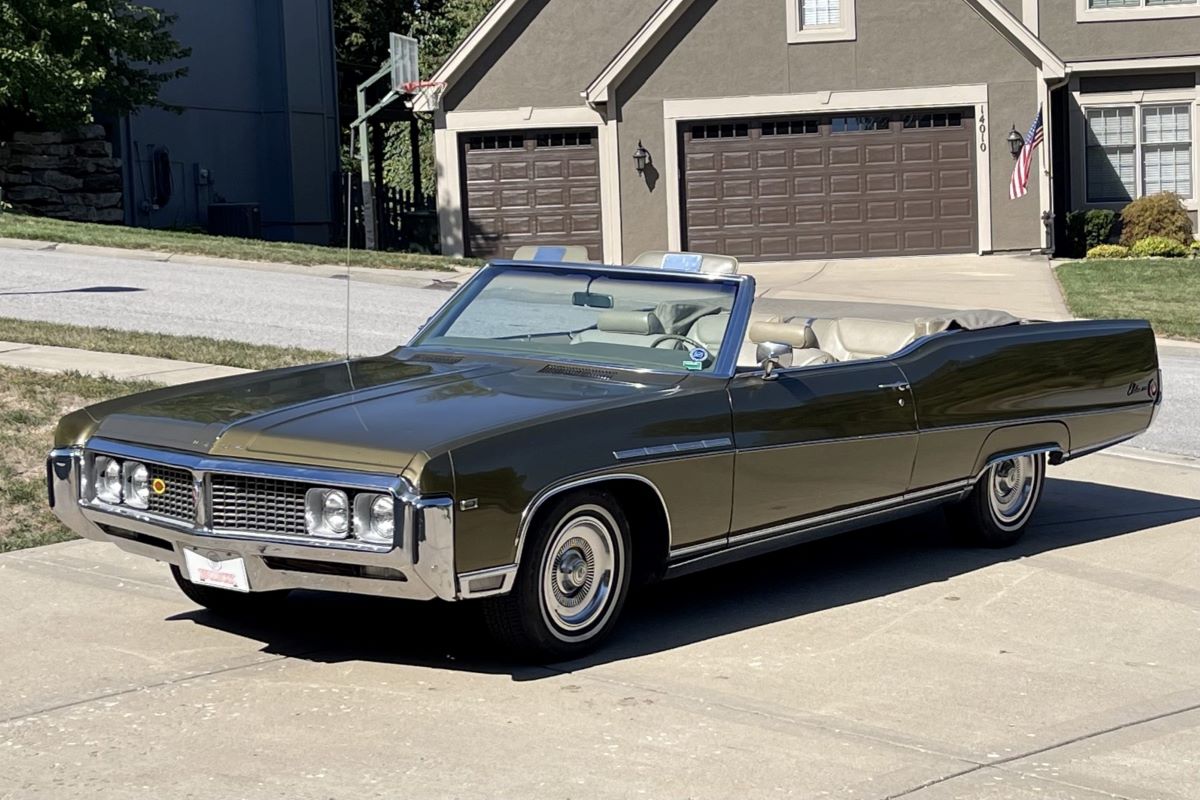
Buick also engineered the exhaust system and engine mounts to reduce vibration. The long wheelbase of the Electra further helped absorb road irregularities before they reached the passenger cabin.
Drivers appreciated the combination of Buick’s smooth V8 engines and the Electra’s sound-isolated interior. On highways, wind noise remained subdued even at higher speeds, making the car particularly well suited for long American road trips.
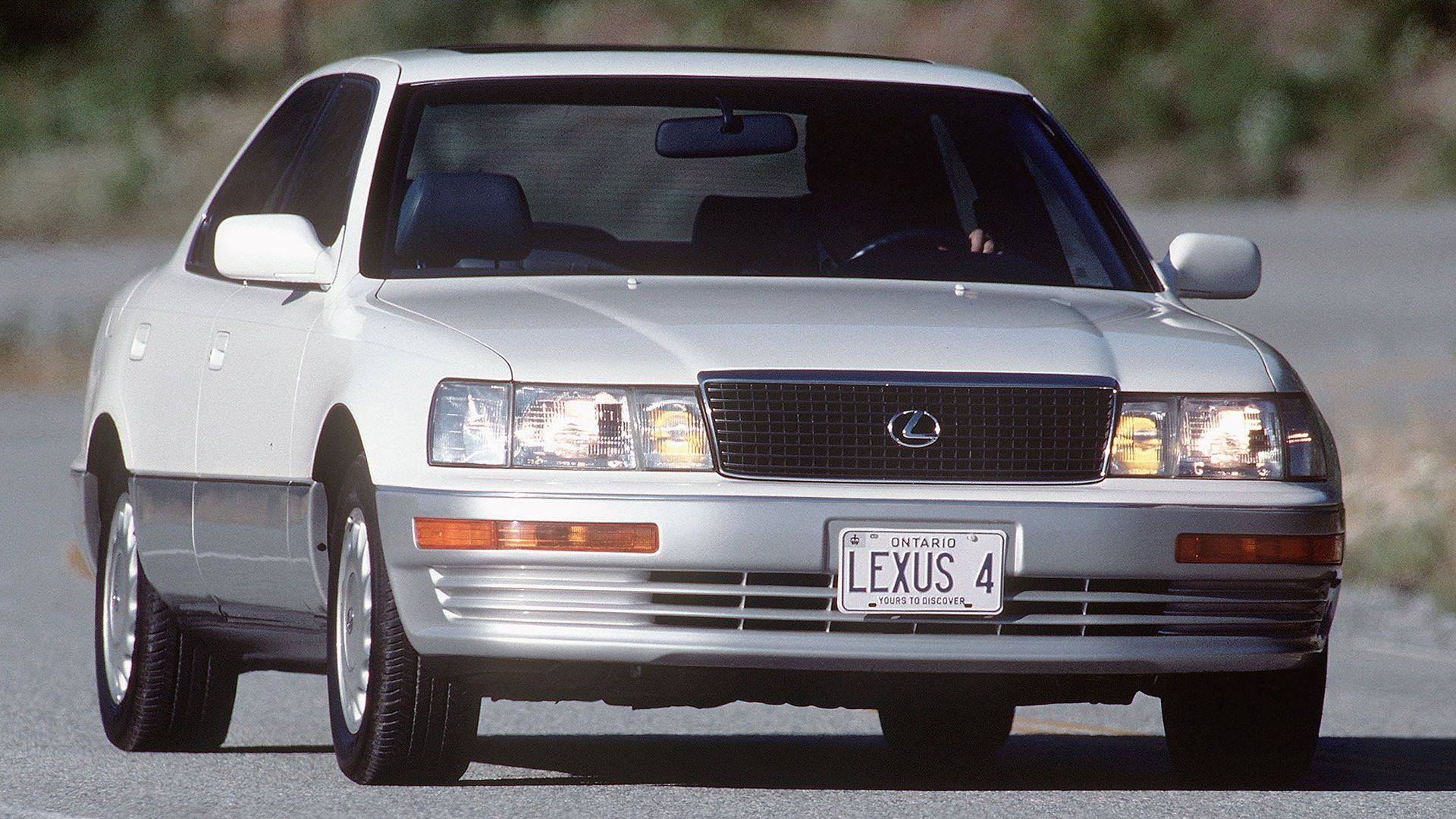
6. Lexus LS400 (1989–1994)
The Lexus LS400, produced from 1989 to 1994 for its first generation, stands as one of the most influential luxury sedans of the late twentieth century and a landmark achievement in automotive refinement.
Introduced as the flagship model for Toyota’s newly created Lexus brand, the LS400 was developed with an uncompromising goal: to challenge the best European luxury sedans in ride quality, engineering precision, and interior quietness.
When it debuted in the United States for the 1990 model year, the LS400 immediately gained attention for its remarkably silent cabin, demonstrating how advanced engineering and careful attention to detail could redefine expectations for factory sound insulation.
The development program behind the LS400 was unusually ambitious. Toyota began work in the early 1980s under a confidential project known internally as the “F1” program, which stood for “Flagship One.” Engineers were tasked with building a world-class luxury sedan from the ground up rather than modifying an existing platform.
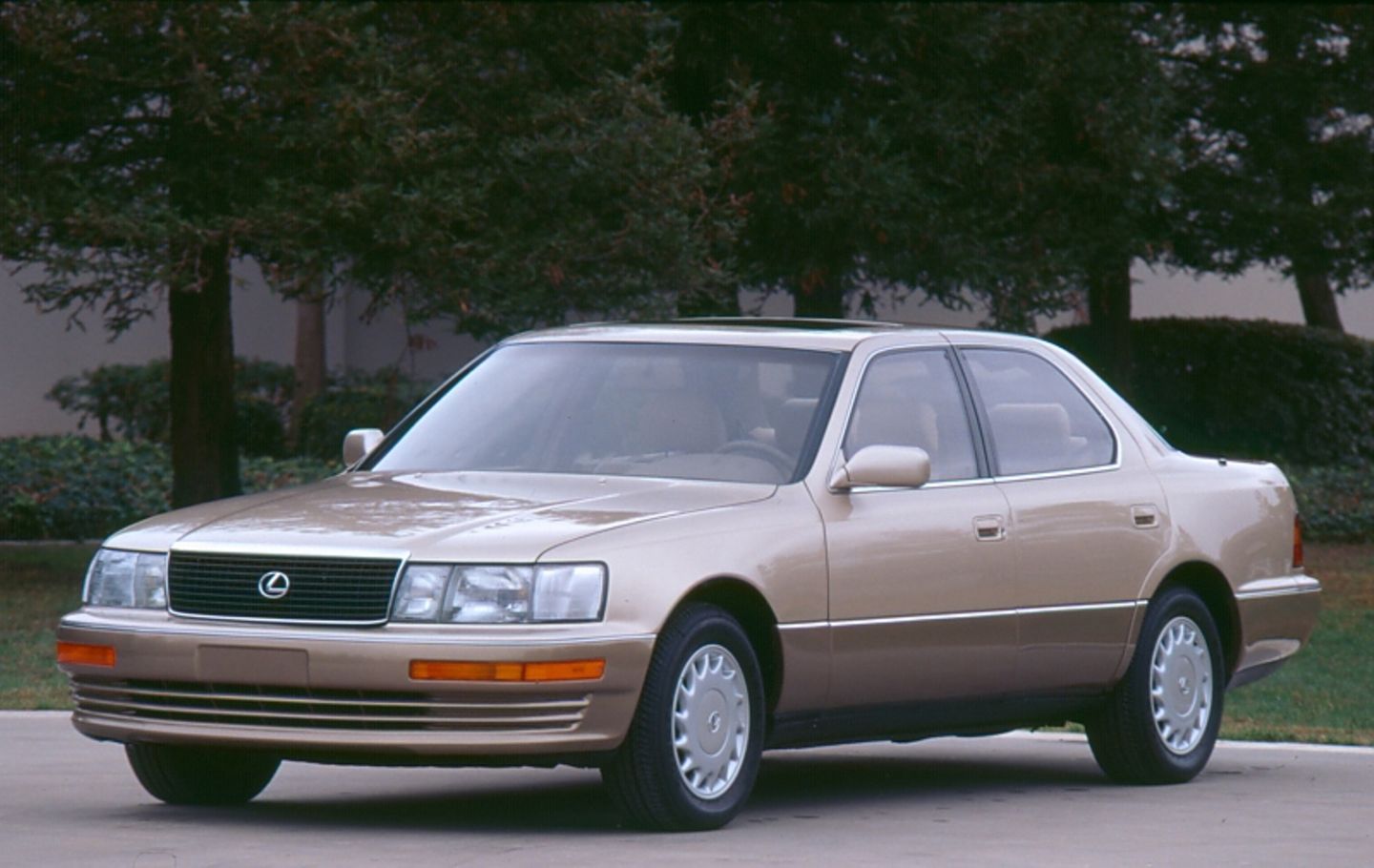
Thousands of engineers and designers participated in the project, conducting extensive research into noise reduction, aerodynamics, and vibration control. The result was a completely new rear-wheel-drive platform engineered specifically to deliver smooth performance and exceptional cabin isolation.
At the heart of the LS400 was Toyota’s newly developed 1UZ-FE engine, a 4.0-liter aluminum V8 designed with refinement as its primary objective. The engine featured dual overhead camshafts, four valves per cylinder, and advanced electronic fuel injection.
Mounted longitudinally in the front of the car, it produced around 250 horsepower and was paired with a four-speed automatic transmission that delivered power to the rear wheels.
The engine was carefully balanced and mounted on hydraulic engine mounts designed to absorb vibrations before they could reach the passenger compartment. This level of engineering allowed the LS400 to accelerate smoothly while maintaining a remarkably quiet driving experience.
7. Cadillac Eldorado (1967–1978)
The Cadillac Eldorado produced between 1967 and 1978 represents one of the most distinctive American luxury coupes of the era and a clear example of how manufacturers prioritized passenger comfort and interior quietness during the golden age of personal luxury cars.
Introduced in 1967 as part of Cadillac’s effort to create a bold, technologically advanced flagship coupe, the Eldorado combined dramatic styling with a sophisticated drivetrain and extensive sound insulation.
At a time when luxury buyers expected a serene driving experience, Cadillac engineered the Eldorado to isolate occupants from road, engine, and wind noise, making it one of the quietest grand touring cars available during its production run.
The development of the 1967 Eldorado marked a major shift for Cadillac engineering. Unlike previous models that relied on traditional rear-wheel-drive platforms, the Eldorado adopted a front-wheel-drive layout derived from the General Motors E-body architecture.
This configuration used a longitudinally mounted engine connected to a special version of GM’s Turbo-Hydramatic automatic transmission, which directed power to the front wheels through a chain-driven system.
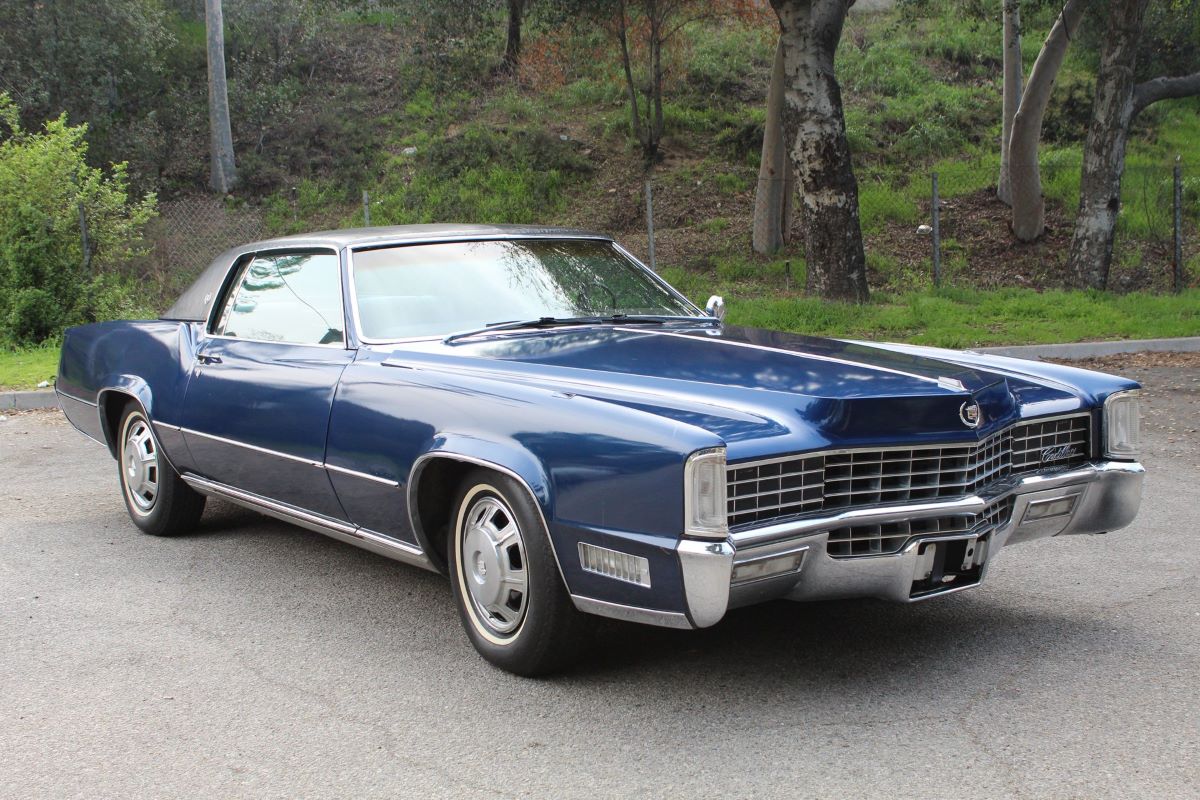
The front-wheel-drive arrangement improved traction and packaging while allowing Cadillac engineers to design a flatter floor and more spacious interior. The car’s engineering also contributed to its smooth and quiet ride, since the drivetrain layout reduced vibrations transmitted through the chassis.
Under the hood, the Eldorado featured some of the largest displacement V8 engines ever installed in production passenger cars. Early versions used Cadillac’s 429-cubic-inch V8, but by 1970 the engine had grown to a massive 500 cubic inches, producing enormous torque for effortless acceleration.
These engines were mounted longitudinally and tuned for smoothness rather than aggressive performance. The large displacement allowed the engines to operate at relatively low speeds during highway cruising, which significantly reduced mechanical noise and contributed to the quiet, relaxed driving experience expected from a Cadillac luxury coupe.
Design characteristics played an equally important role in the Eldorado’s sound insulation. Cadillac engineers incorporated thick sound-deadening materials in the firewall, floorpan, and door structures to minimize intrusion from engine and road noise.
The car’s long wheelbase and substantial body mass helped absorb vibrations, while soft suspension tuning further isolated the passenger compartment from road imperfections. The Eldorado’s coupe body design also contributed to reduced wind noise, particularly at highway speeds, enhancing the sense of calm inside the cabin.
8. Jaguar XJ6 Series III (1979–1992)
The Jaguar XJ6 Series III is often remembered for its elegant design and smooth inline-six engine, but it also delivered a surprisingly quiet cabin for a European sedan of its era.
Jaguar engineers used extensive sound insulation beneath the carpets and within the firewall structure. The car’s independent suspension system helped reduce road noise while maintaining the responsive handling that Jaguar customers expected.
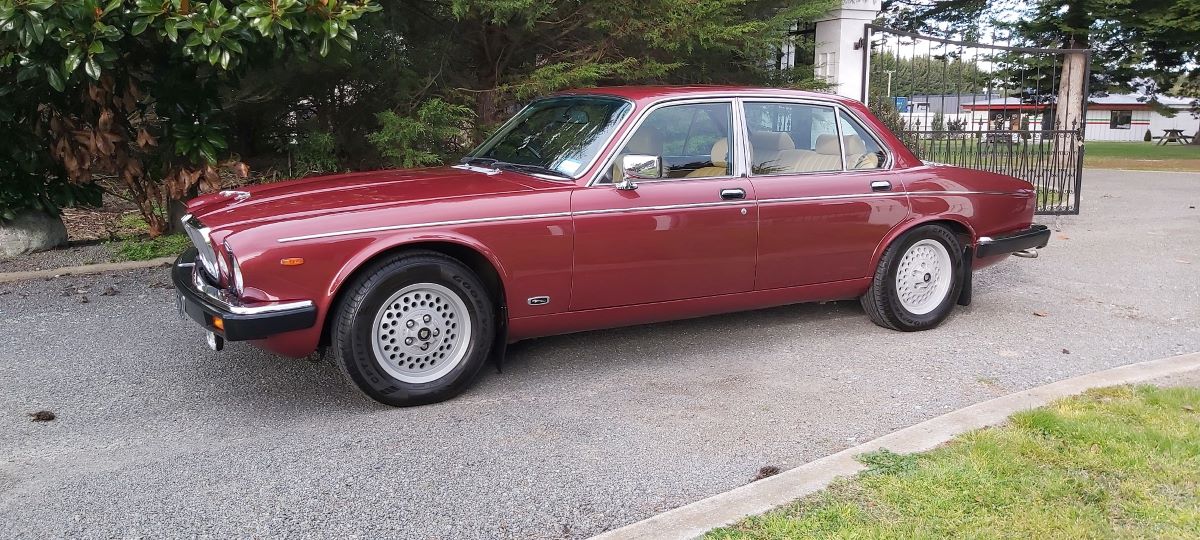
Another key factor was the smoothness of Jaguar’s inline-six engine. Unlike many V8 engines of the period, the straight-six configuration naturally produced fewer vibrations, contributing to a calmer interior environment.
Combined with thick upholstery and wood-trimmed interiors, the XJ6 created an atmosphere that felt both refined and quiet.
9. Chrysler New Yorker (1974–1983)
The Chrysler New Yorker produced between 1974 and 1983 represents one of the final expressions of traditional American luxury sedans designed with comfort and interior quietness as primary objectives.
Positioned as Chrysler’s flagship model during this period, the New Yorker was engineered to deliver a smooth, isolated driving experience that reflected the expectations of luxury buyers in the United States.
Even as the automotive industry began shifting toward smaller and more efficiency-focused vehicles following the oil crisis of the 1970s, the New Yorker retained the classic American formula of a large body, powerful V8 engine, and extensive sound insulation intended to create a calm and relaxed cabin environment.
The development of the mid-1970s New Yorker occurred during a challenging era for American automakers. Chrysler needed to balance traditional luxury characteristics with evolving regulatory and economic pressures. The 1974 redesign was built on Chrysler’s full-size C-body platform, which used body-on-frame construction and a rear-wheel-drive layout.
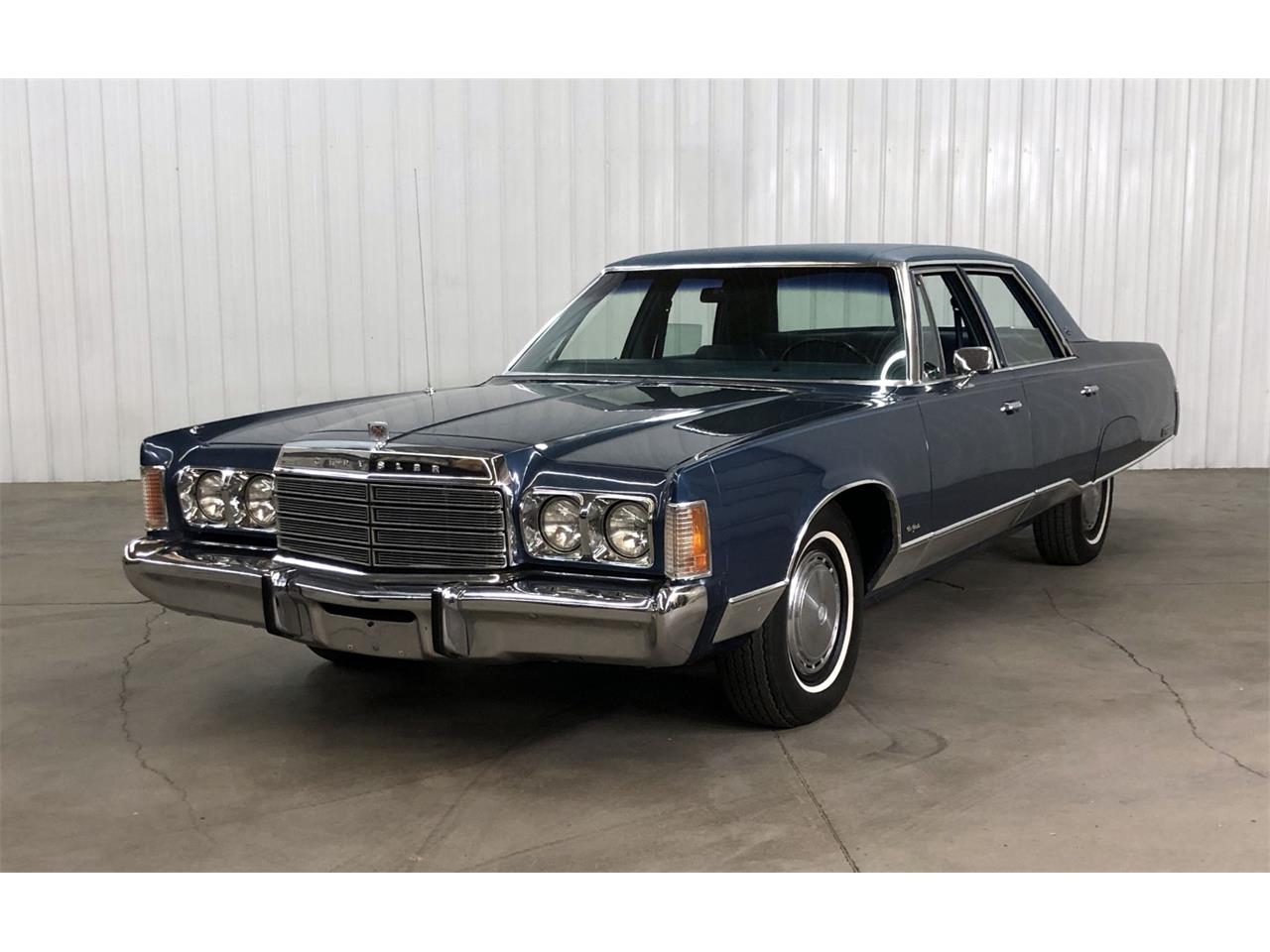
This architecture allowed engineers to separate the body from the chassis using insulated mounts that absorbed vibration and road harshness before they could reach the passenger compartment. The large platform also provided space for generous insulation materials throughout the firewall, doors, and floorpan, which played a major role in the vehicle’s quiet interior.
Powering the New Yorker were Chrysler’s big-block V8 engines, including the well-known 440-cubic-inch V8 in earlier versions and later smaller displacement engines introduced as emissions regulations tightened. These engines were mounted longitudinally at the front and paired with Chrysler’s durable TorqueFlite automatic transmissions, which delivered power to the rear wheels.
While horsepower ratings declined through the late 1970s due to emissions and fuel economy requirements, the engines still produced substantial torque at low engine speeds. This allowed the New Yorker to cruise effortlessly at highway speeds without excessive engine noise, reinforcing the sense of smoothness and refinement expected in a flagship sedan.
Design characteristics further contributed to the car’s quiet and comfortable interior. Chrysler incorporated thick carpeting, padded interior panels, and multi-layer insulation throughout the cabin to reduce noise intrusion.
The suspension system was tuned with soft springs and compliant bushings designed to absorb road imperfections rather than transmit them through the structure. Combined with the vehicle’s substantial size and weight, these features helped create a driving experience in which road and wind noise were kept to a minimum.
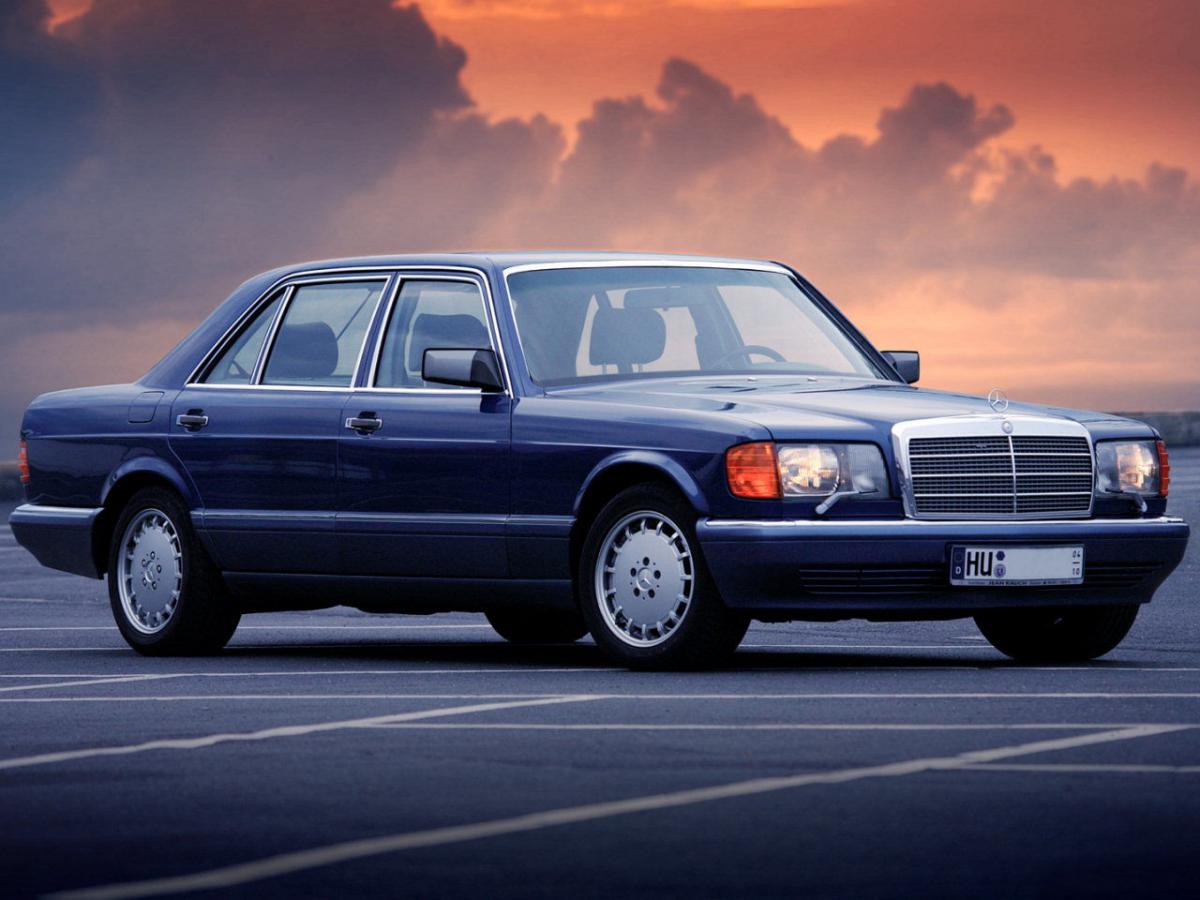
10. Mercedes-Benz W126 S-Class (1979–1991)
The Mercedes-Benz W126 S-Class set new standards for luxury car engineering during the 1980s, and sound insulation was a major part of its design philosophy.
Mercedes engineers conducted extensive aerodynamic testing to minimize wind noise, resulting in a body shape that was unusually streamlined for its time. The car also featured thick insulation materials throughout the firewall and floor structure.
Engine mounts, suspension bushings, and drivetrain components were carefully designed to reduce vibration.
Even at high highway speeds, the W126 maintained a remarkably quiet cabin environment. This attention to detail helped establish the S-Class as one of the benchmark luxury sedans of the era.
In modern vehicles, advanced materials such as acoustic glass, composite insulation panels, and computer-optimized aerodynamics make quiet cabins relatively easy to achieve. Vintage cars, however, relied on more mechanical solutions.
Manufacturers used thicker steel panels, dense carpeting, rubber isolation mounts, and heavier overall construction to suppress noise.
While these methods increased vehicle weight, they also created the smooth, serene driving experiences that luxury buyers valued.
For collectors today, cars with strong factory sound insulation often feel more refined and comfortable than other classics. They are easier to drive on modern highways, making them more practical for long trips or regular use.
Ultimately, these vehicles demonstrate that even decades ago, automakers understood the importance of cabin serenity.
Through thoughtful engineering and attention to detail, they created classic automobiles that remain impressively quiet long after their original debut.
