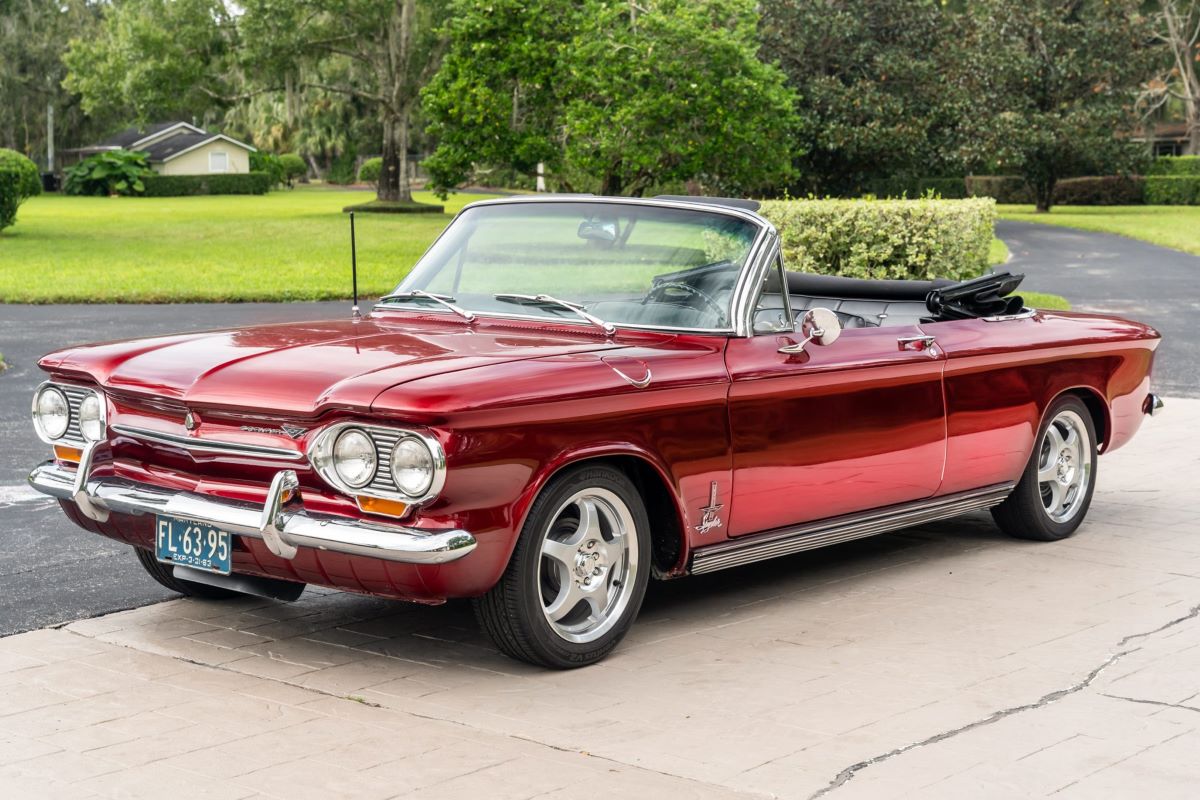
Vintage automobiles are often remembered for their styling, chrome details, and mechanical simplicity. However, one of the most fascinating aspects of classic cars lies beneath the bodywork: their engine layouts.
During the early and mid-20th century, manufacturers experimented aggressively with engineering solutions to improve cooling, balance, packaging, and reliability.
While modern vehicles largely standardized around front-mounted, liquid-cooled inline or V-configuration engines, vintage cars frequently featured unconventional layouts such as air-cooled flat engines, rear-mounted powertrains, horizontally opposed cylinders, and compact rear-engine configurations.
Air-cooled flat engines in particular stand out as one of the most recognizable engineering experiments in automotive history.
By eliminating the need for radiators, coolant systems, and complex plumbing, these engines simplified design and reduced weight. At the same time, their horizontally opposed cylinder arrangement improved balance and lowered the center of gravity.
Several automakers adopted similar unconventional approaches, creating some of the most distinctive vehicles ever produced.
The following ten vintage cars showcase unusual engine architectures that helped define their identities and influenced later automotive engineering.
1. Volkswagen Beetle (Type 1)
The Volkswagen Beetle is one of the most recognizable automobiles ever produced and a defining example of unconventional automotive engineering. Developed in the late 1930s and entering large-scale production after World War II, the Beetle was manufactured by Volkswagen for decades, with production in some markets continuing until the early 2000s.
Originally conceived as an affordable “people’s car,” the project was led by automotive engineer Ferdinand Porsche, who was tasked with designing a simple, durable vehicle capable of transporting families reliably over long distances. The result was a compact car with mechanical solutions that differed dramatically from the conventional front-engine designs used by most manufacturers.
At the heart of the Beetle’s engineering was its distinctive rear-mounted air-cooled flat-four engine. Unlike the water-cooled inline engines commonly used in mid-century automobiles, the Beetle’s horizontally opposed four-cylinder engine relied on air flowing over cooling fins to regulate temperature.
This configuration eliminated the need for a radiator, coolant, or complex plumbing, simplifying the vehicle’s mechanical systems and improving reliability in extreme climates.
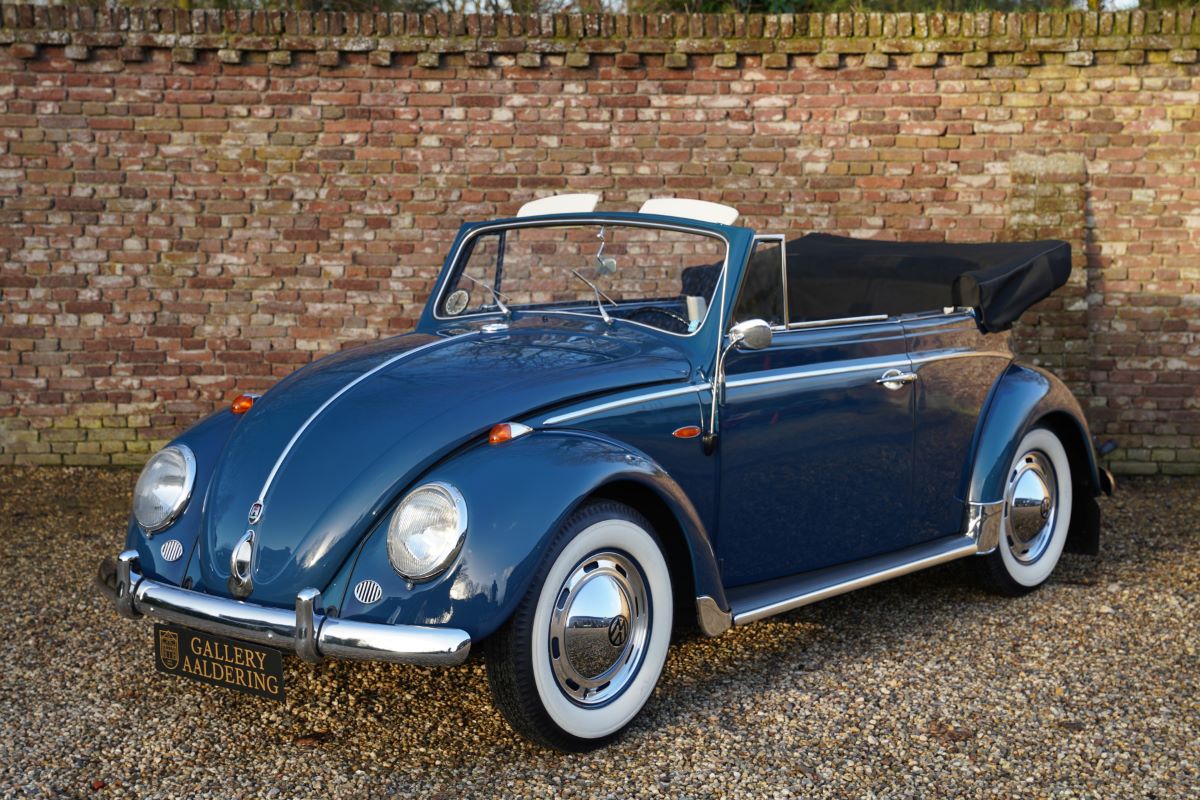
The engine sat behind the rear axle and powered the rear wheels through a compact transaxle, creating a rear-engine, rear-wheel-drive layout that contributed to the car’s distinctive driving characteristics. Early engines displaced around 1.1 liters and produced modest horsepower, but the design gradually evolved to larger displacements such as 1.6 liters while maintaining the same basic architecture.
The Beetle’s design reflected the priorities of efficiency and practicality. Its rounded, aerodynamic body reduced drag while providing surprising interior space within compact dimensions.
The curved roofline, upright headlights, and simple front hood created a silhouette that became instantly recognizable worldwide. Inside, the cabin was straightforward and functional, with durable materials and minimal instrumentation designed to keep costs low and maintenance simple.
Historically, the Beetle played a major role in shaping postwar automotive culture. After production resumed in Germany during the late 1940s, the car quickly gained popularity across Europe and eventually the United States.
By the 1960s, the Beetle had become an icon of both practicality and counterculture, embraced by drivers who appreciated its affordability, reliability, and distinctive personality. Its long production run and global popularity eventually made it one of the best-selling vehicles in automotive history.
The Beetle’s unusual rear-engine, air-cooled flat-four layout is precisely why it belongs on a list of vintage cars with unique engine designs. While most manufacturers adopted front-mounted water-cooled engines, Volkswagen demonstrated that a radically different configuration could succeed on a massive scale.
The Beetle’s innovative engineering, combined with its unmistakable design and cultural impact, makes it one of the most influential examples of air-cooled flat-engine architecture ever placed into mass production.
2. Chevrolet Corvair
The Chevrolet Corvair stands as one of the most unconventional American production cars of the 1960s, notable for an engineering layout rarely seen in U.S. automobiles of the era. Introduced for the 1960 model year by General Motors under its Chevrolet division, the Corvair was developed during a period when American automakers were responding to growing demand for compact cars.
European imports were gaining popularity in the United States, and GM sought to create a domestic alternative that combined compact size with innovative engineering. Rather than simply shrinking traditional American car designs, Chevrolet engineers chose a radically different approach that gave the Corvair its distinctive character.
At the heart of the Corvair’s engineering was a rear-mounted air-cooled flat-six engine. This horizontally opposed six-cylinder powerplant displaced roughly 2.3 to 2.7 liters depending on the model year and configuration. Unlike conventional American engines that relied on water cooling and were mounted at the front of the vehicle, the Corvair’s engine used air flowing across cooling fins to regulate temperature.
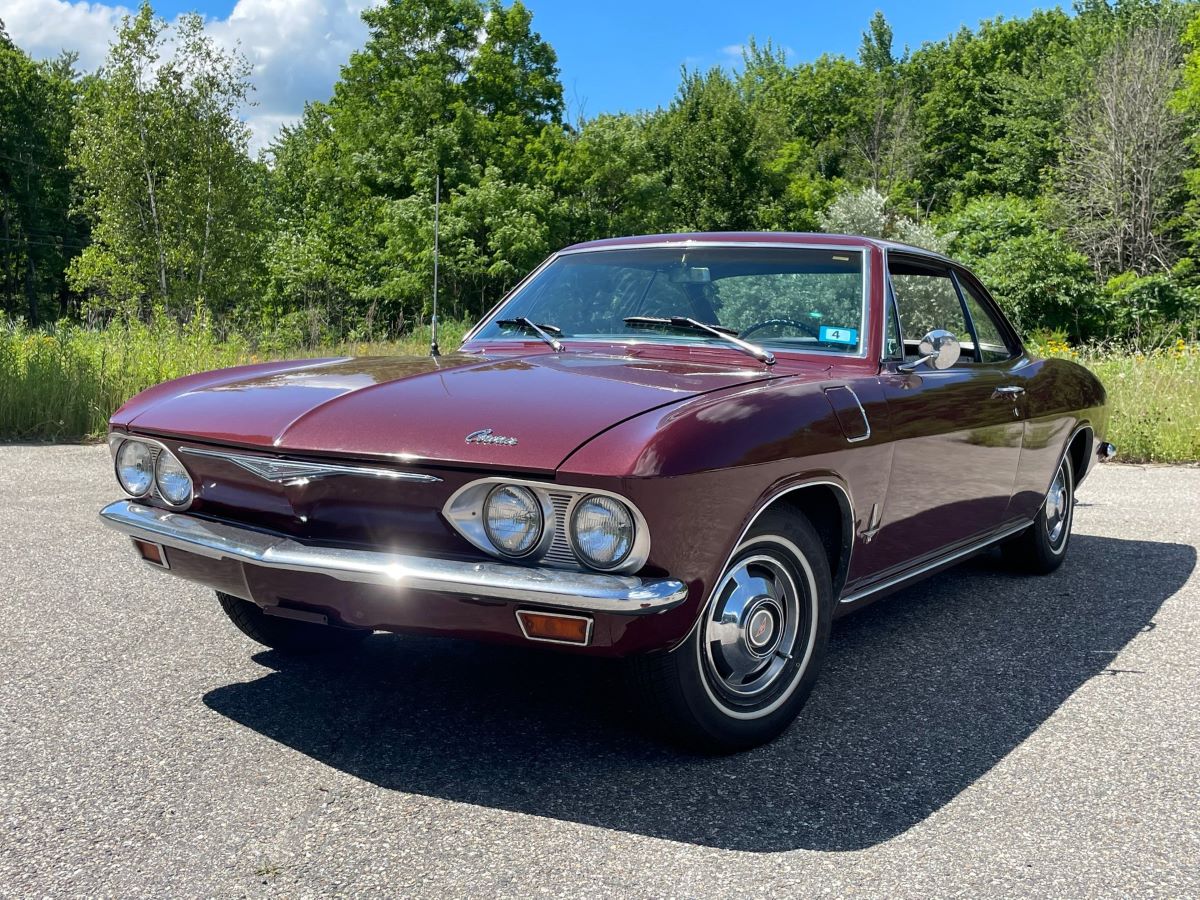
The engine was positioned behind the rear axle and connected to a rear-wheel-drive transaxle, creating a rear-engine layout similar in concept to the Volkswagen Beetle but with significantly more power and refinement. Early versions produced around 80 horsepower, while later variants, including turbocharged models, offered substantially higher output.
The Corvair’s chassis design complemented its unusual engine placement. Early models featured a swing-axle rear suspension system that helped keep the drivetrain compact but required careful handling characteristics.
In 1965, Chevrolet introduced a redesigned second-generation Corvair with an improved fully independent rear suspension, dramatically enhancing ride stability and cornering performance. This update helped the car compete more effectively with European sports sedans that emphasized balanced handling and driver engagement.
3. Porsche 356
The Porsche 356 represented the early evolution of Porsche engineering and featured an air-cooled flat-four engine mounted at the rear. Derived partly from Volkswagen technology but heavily refined, the engine offered higher performance and precision.
The horizontally opposed cylinders allowed the engine to sit low in the chassis, improving handling and weight distribution.
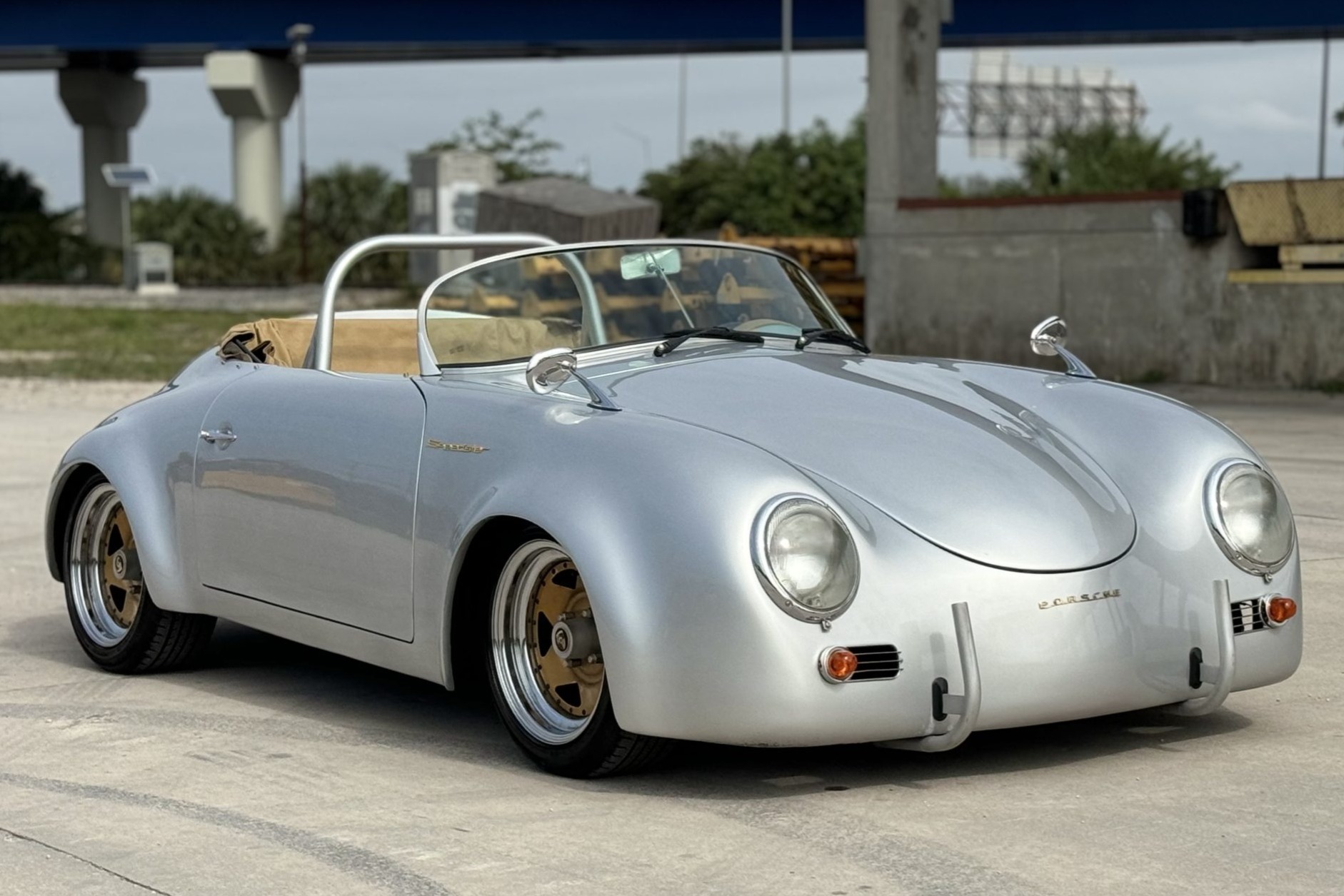
Combined with the lightweight aluminum body used on early models, the design created a nimble sports car that excelled in both road driving and racing.
The 356 established many of the engineering principles that would define Porsche sports cars for decades, including rear-engine packaging and air-cooled flat engines.
4. Citroën 2CV
The Citroën 2CV is one of the most distinctive automobiles ever produced, known not only for its unusual appearance but also for its unconventional engineering. French automakers faced the challenge of providing affordable transportation for a largely rural population that often relied on bicycles or horse-drawn carts.
Citroën’s engineers were tasked with creating a simple, economical vehicle capable of carrying two farmers and their cargo across rough country roads. The result was a car whose mechanical layout and design philosophy prioritized practicality, durability, and ease of maintenance above all else.
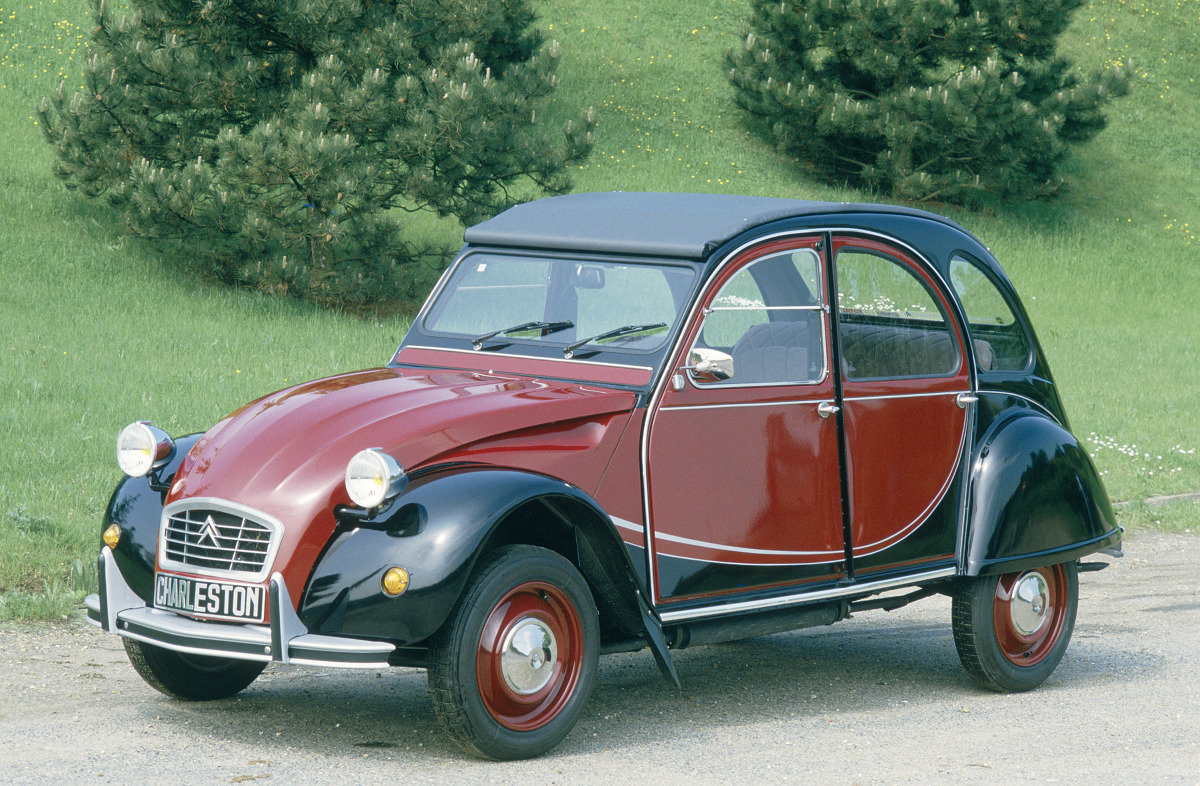
Central to the 2CV’s engineering was its air-cooled flat-twin engine. Mounted at the front of the car and driving the front wheels through a simple transmission, the horizontally opposed two-cylinder engine delivered modest power but exceptional mechanical simplicity. Early versions displaced just 375 cubic centimeters and produced around nine horsepower, though later models gradually increased output while retaining the same basic architecture.
The air-cooled design eliminated the need for a radiator and liquid cooling system, reducing both weight and mechanical complexity. Combined with the car’s front-wheel-drive layout, the engine provided dependable traction on rough or muddy roads, making the 2CV particularly useful in rural environments.
The vehicle’s suspension system further reflected Citroën’s innovative approach. Long-travel suspension components allowed the 2CV to glide over uneven terrain that would challenge many larger vehicles.
This engineering solution gave the car a famously soft ride and exceptional stability on poor road surfaces. The suspension’s flexibility even allowed the car to lean dramatically in corners without compromising control, an unusual characteristic that became part of the 2CV’s unique driving personality.
5. Porsche 911 (Early Models)
The early Porsche 911, introduced in 1964, expanded upon the concepts used in the Porsche 356 but incorporated a larger air-cooled flat-six engine.
This configuration produced more power and smoother performance while maintaining the advantages of a low center of gravity.
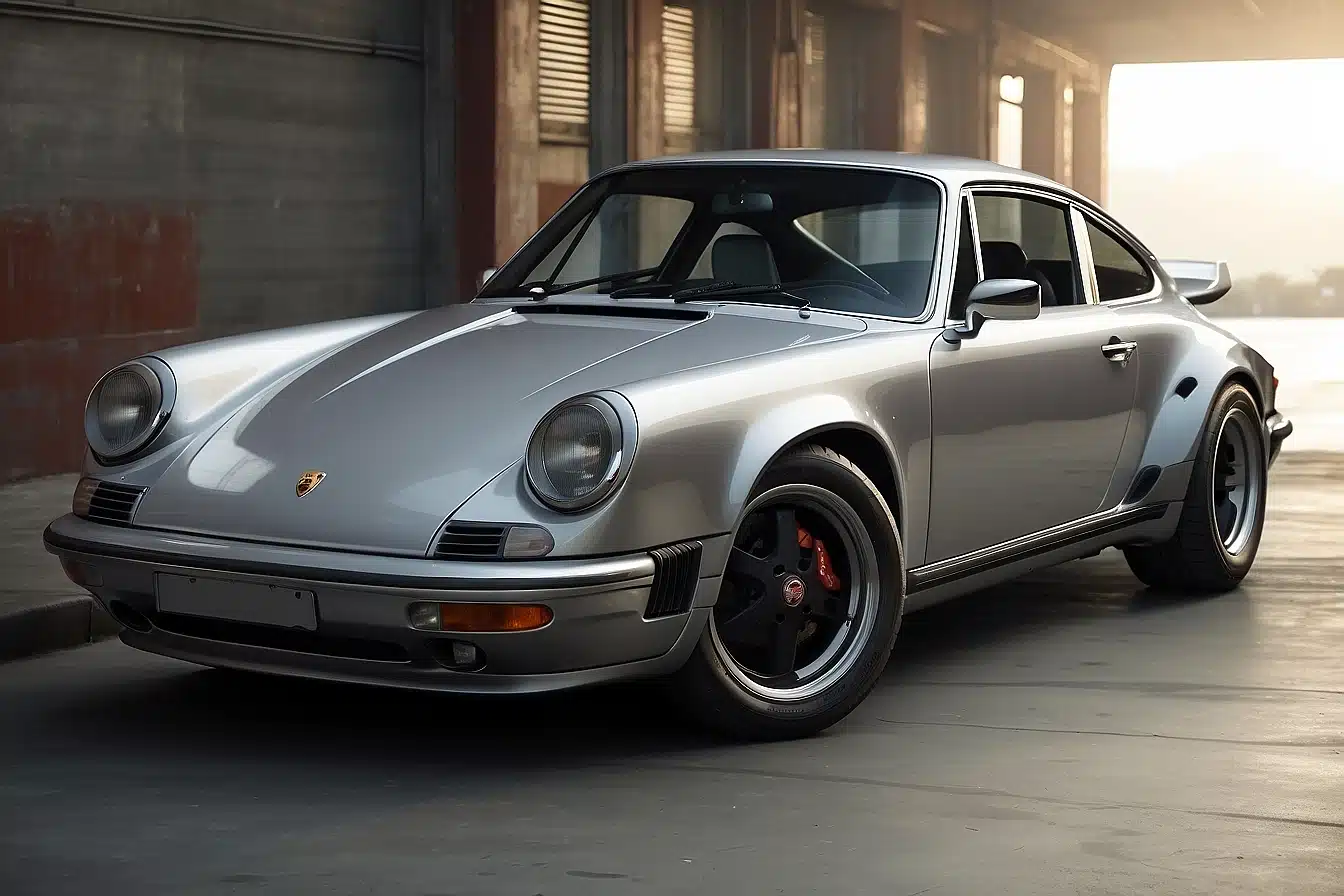
The early Porsche 911 represents one of the most distinctive engineering layouts ever placed into a production sports car. Introduced in 1964 and entering full production for the 1965 model year by Porsche, the 911 was developed as the successor to the smaller Porsche 356.
Designed under the direction of Ferdinand Alexander Porsche, the car aimed to deliver improved performance and refinement while preserving the compact character that had made Porsche successful in the postwar sports car market. From its earliest years, the 911 established a technical formula that would remain a defining characteristic of the model for decades.
At the center of the early 911’s engineering was its rear-mounted air-cooled flat-six engine. Unlike most sports cars of the era, which used front-engine layouts or mid-engine configurations, Porsche mounted the horizontally opposed six-cylinder engine behind the rear axle. This unusual placement created a rear-engine, rear-wheel-drive layout that dramatically influenced the car’s weight distribution and driving behavior.
The first production engines displaced 2.0 liters and produced roughly 130 horsepower, delivering lively performance for a lightweight sports coupe of the mid-1960s. Over time, displacement and power output gradually increased while maintaining the same core flat-six architecture.
The air-cooled design was equally distinctive. Instead of relying on a traditional radiator and liquid cooling system, the engine used airflow directed over cooling fins to regulate operating temperature.
This approach reduced mechanical complexity while also contributing to the engine’s unique sound and character. The flat-six configuration offered smooth power delivery and a low center of gravity, improving handling balance despite the unconventional rear-engine layout.
The car’s chassis and drivetrain complemented this unusual engine placement. Early 911 models used a four- or five-speed manual transmission connected to a compact transaxle positioned at the rear.
The lightweight construction and responsive steering made the car highly engaging to drive, though the rear-biased weight distribution required skill to master during aggressive cornering.
6. Tatra 87
The Tatra 87, built in Czechoslovakia during the late 1930s and 1940s, featured one of the most advanced engine designs of its era: a rear-mounted air-cooled V8. This unusual layout combined aerodynamic styling with sophisticated engineering.
Unlike many contemporary vehicles, the Tatra 87 used lightweight alloy construction and an overhead-camshaft V8 engine cooled entirely by air.
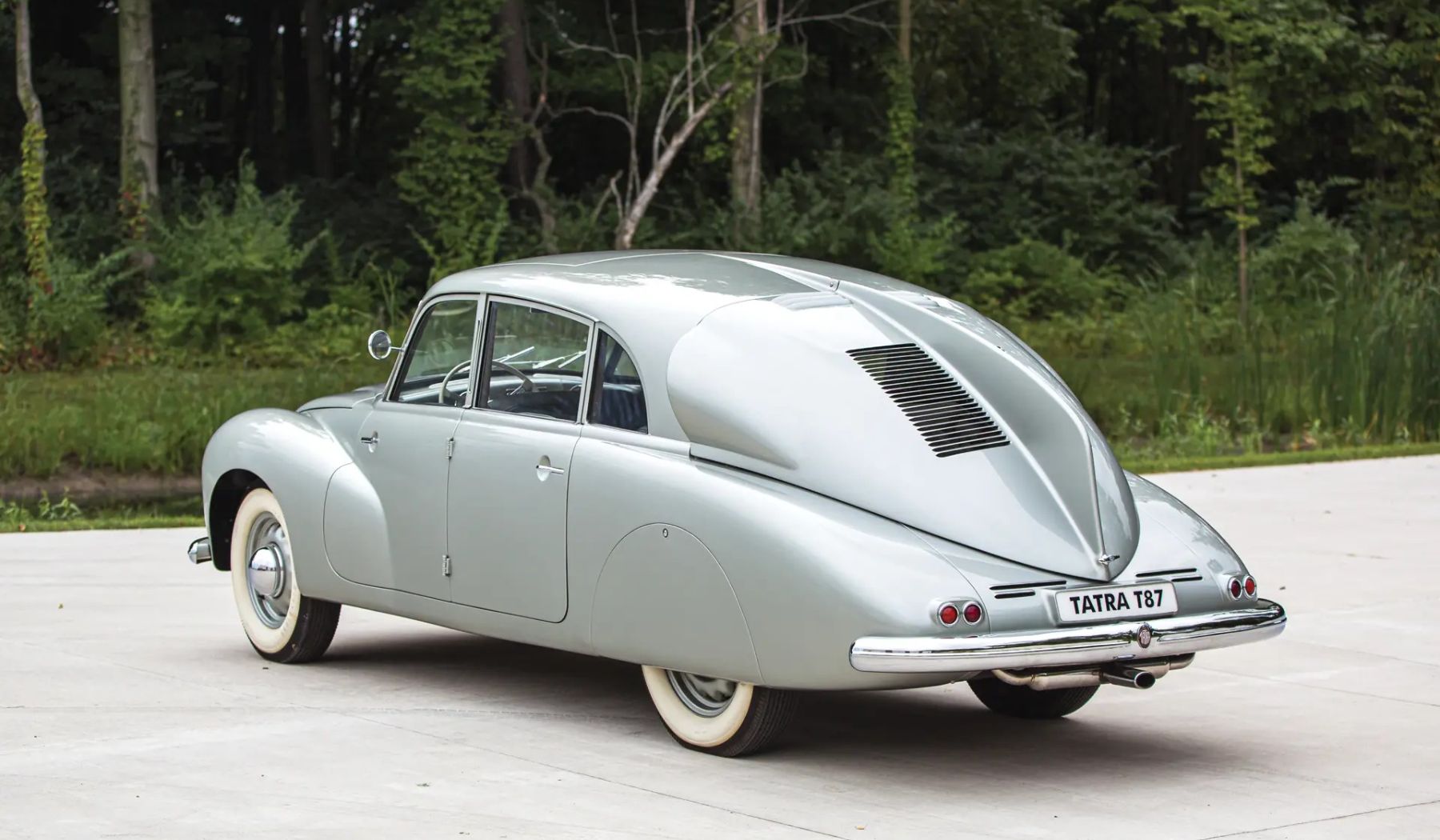
The engine produced around 75 horsepower, allowing the streamlined sedan to reach impressive speeds for the period.
The rear-engine design also contributed to the car’s distinctive aerodynamic profile, which included a central rear fin to improve stability. The Tatra 87 demonstrated how unconventional engine placement could integrate with advanced aerodynamic design.
7. Subaru 360
The Subaru 360 represents one of the most distinctive small cars ever produced and an early example of unconventional engineering in mass-market vehicles. Introduced in 1958 by Subaru, the Subaru 360 was developed during Japan’s postwar economic recovery when affordable personal transportation was becoming increasingly important.
The car was designed to meet the country’s “kei car” regulations, which limited engine displacement and vehicle dimensions in exchange for tax and insurance advantages.
Subaru’s engineers responded by creating a lightweight microcar that maximized interior space while remaining extremely economical to operate. The result was a vehicle that quickly became a symbol of Japan’s rapidly expanding automotive industry.
At the heart of the Subaru 360’s engineering was a small air-cooled two-cylinder engine mounted at the rear of the vehicle. This 356-cc engine used a horizontally opposed configuration, meaning the two pistons moved outward from the crankshaft in opposite directions.
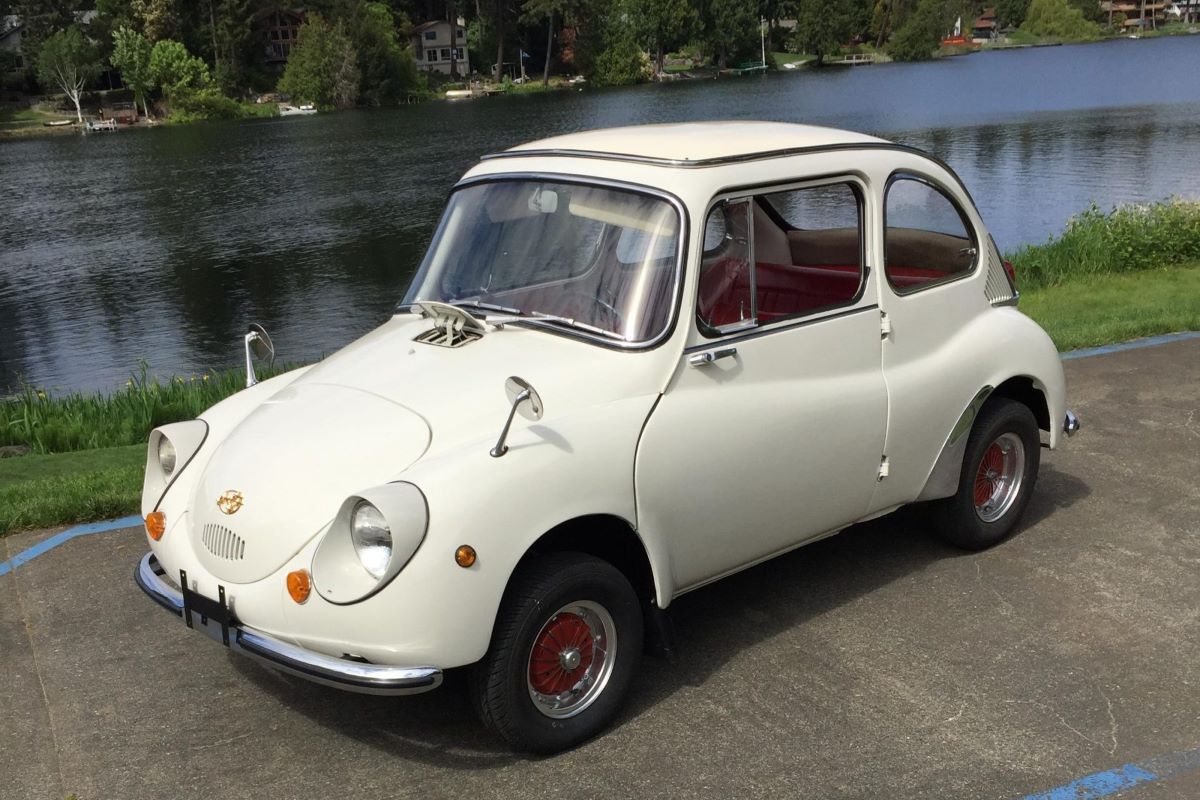
The air-cooled design eliminated the need for a radiator and coolant system, simplifying the engine and reducing weight, both crucial factors for a kei car intended to deliver maximum efficiency from a tiny powerplant.
Positioned behind the rear axle, the engine powered the rear wheels through a compact transaxle, creating a rear-engine, rear-wheel-drive layout similar in concept to the Volkswagen Beetle but scaled down dramatically for the kei segment.
Despite its small size, the engine delivered adequate performance thanks to the Subaru 360’s extremely lightweight construction. The car weighed just over 900 pounds, allowing the modest power output to propel it efficiently through urban environments.
The mechanical simplicity of the air-cooled flat-two engine also contributed to ease of maintenance, an important consideration in a country where affordable car ownership was still a relatively new concept.
The vehicle’s design was equally unconventional. Its rounded body shape earned it the nickname “Ladybug” in Japan, reflecting its compact dimensions and curved roofline.
The lightweight body panels and minimalist structure helped reduce weight while still providing practical seating for four passengers. Inside, the cabin featured a straightforward layout with basic instrumentation and simple controls, emphasizing functionality and affordability.
Historically, the Subaru 360 played a crucial role in establishing Subaru as a serious automobile manufacturer. It was one of the first mass-produced cars from the company and helped introduce many Japanese drivers to personal car ownership. The model was even exported to the United States in the late 1960s, where it gained attention for its unusual design and engineering approach.
The Subaru 360’s rear-mounted air-cooled flat-two engine makes it a perfect fit for a list highlighting vintage cars with unique engine layouts.
At a time when most small cars relied on conventional front-mounted engines, Subaru demonstrated that an alternative configuration could achieve efficiency, simplicity, and compact packaging, helping the 360 secure its place as one of the most distinctive microcars in automotive history.
8. BMW 700
The BMW 700 occupies a unique place in automotive history as a small but technically unconventional vehicle that helped reshape the fortunes of BMW during a critical period. Introduced in 1959, the BMW 700 arrived at a time when the company was struggling financially and searching for a viable product to bridge the gap between its small microcars and larger luxury sedans.
Developed from the earlier BMW 600 platform, the 700 represented a major step forward in design and engineering. It offered greater practicality, improved performance, and a modern body style that appealed to a wider audience across Europe.
Central to the BMW 700’s distinctive character was its rear-mounted flat-twin engine. This horizontally opposed two-cylinder powerplant was derived from BMW’s motorcycle engines, reflecting the company’s strong background in two-wheeled engineering. Displacing roughly 700 cubic centimeters, the air-cooled engine produced modest horsepower but delivered dependable performance for a lightweight compact car.
Positioned behind the rear axle, the engine drove the rear wheels through a four-speed manual transaxle, creating a rear-engine, rear-wheel-drive layout that differed significantly from the conventional front-engine configurations used by most competitors.
The air-cooled design eliminated the need for a traditional radiator and liquid cooling system, simplifying the car’s mechanical architecture while reducing overall weight.
The horizontally opposed cylinder arrangement also helped lower the center of gravity, contributing to stable handling characteristics despite the car’s compact size. Although the engine’s output was relatively small by modern standards, the BMW 700’s lightweight construction allowed it to deliver lively performance for everyday driving.
Design played an important role in the model’s appeal as well. The BMW 700 featured a sleek and modern body created by Italian designer Giovanni Michelotti, whose styling gave the car a more refined appearance than many small European vehicles of the era.
The body incorporated clean lines, compact proportions, and a practical cabin layout that made the car surprisingly usable for its size. Coupe and sedan variants were offered, broadening its appeal to different types of buyers.
Historically, the BMW 700 proved enormously important for the company’s survival. Strong sales helped stabilize BMW’s finances during a difficult period and paved the way for the development of later models that would eventually define the brand’s modern identity. The car’s success demonstrated that innovative engineering and appealing design could overcome limited engine size and modest performance.
The BMW 700’s rear-mounted air-cooled flat-twin engine makes it an ideal example of the unusual powertrain configurations featured in this list. While most cars relied on front-mounted inline engines, BMW chose a layout inspired by motorcycle engineering that offered compact packaging and mechanical simplicity.
That unconventional approach, combined with the model’s historical importance, ensures the BMW 700 remains one of the most interesting vintage cars with a truly unique engine layout.
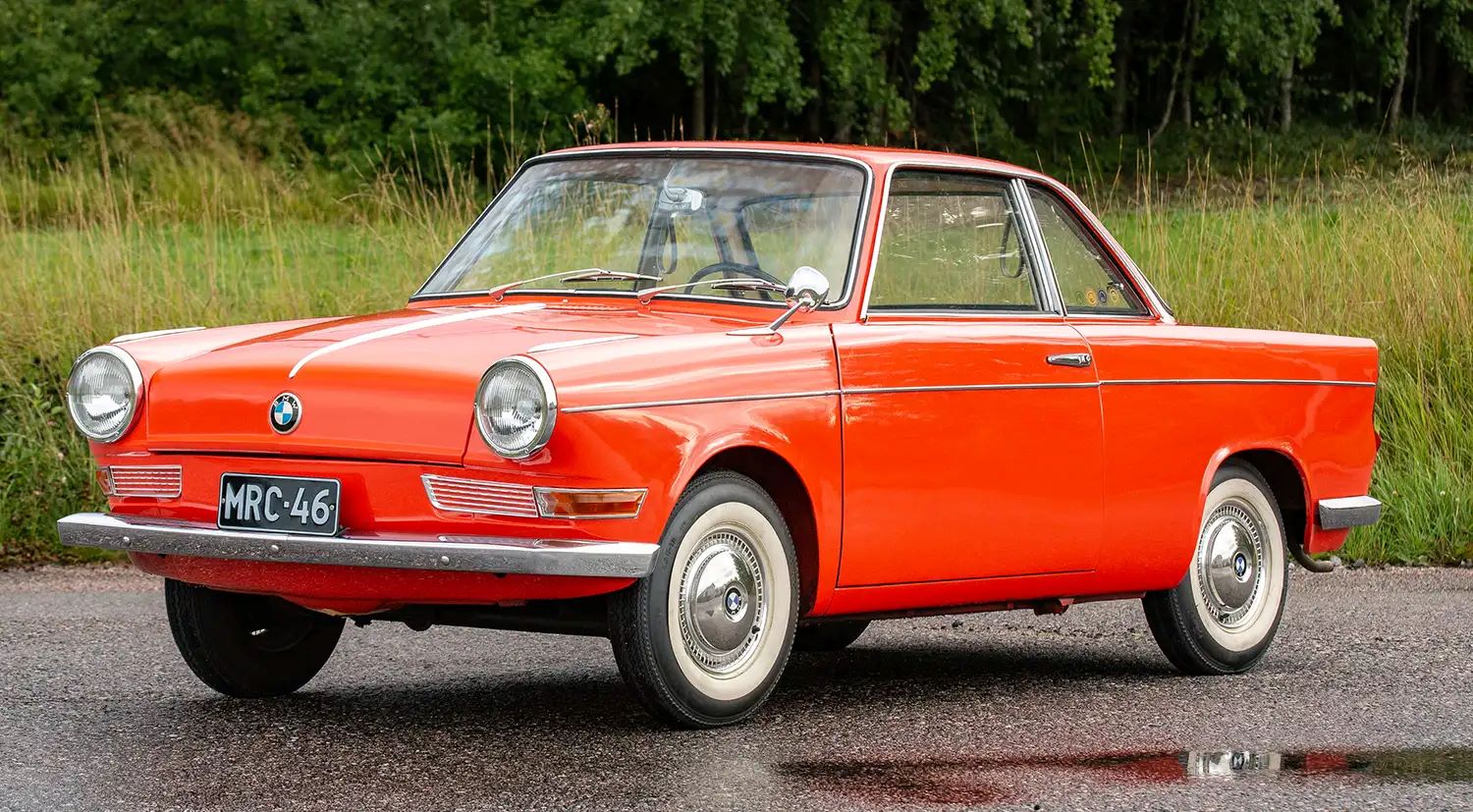
Despite modest power output, the BMW 700 delivered surprisingly sporty performance thanks to its low weight and responsive handling.
The success of the BMW 700 helped stabilize the company financially and paved the way for later BMW models that would redefine the brand.
9. NSU Prinz
The NSU Prinz series from Germany also adopted an unconventional rear-engine configuration. Early versions used air-cooled two-cylinder engines, while later variants introduced more powerful four-cylinder units.
These engines were mounted at the rear of the vehicle, allowing the front compartment to serve primarily as storage space. The layout reduced drivetrain complexity and kept manufacturing costs low.
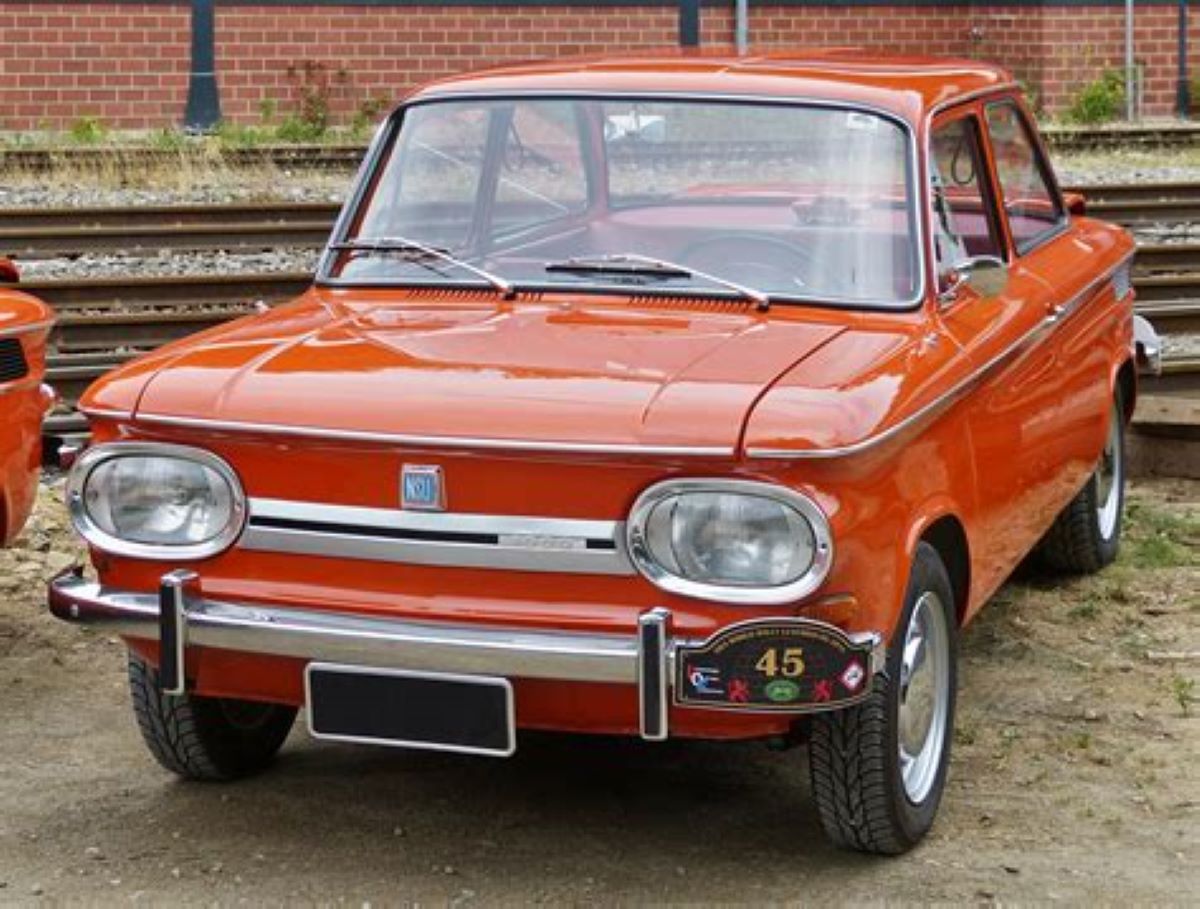
The Prinz gained popularity in Europe for its efficient design and compact dimensions. It represented a transitional period when many manufacturers experimented with rear-engine small cars before front-engine front-wheel-drive layouts became dominant.
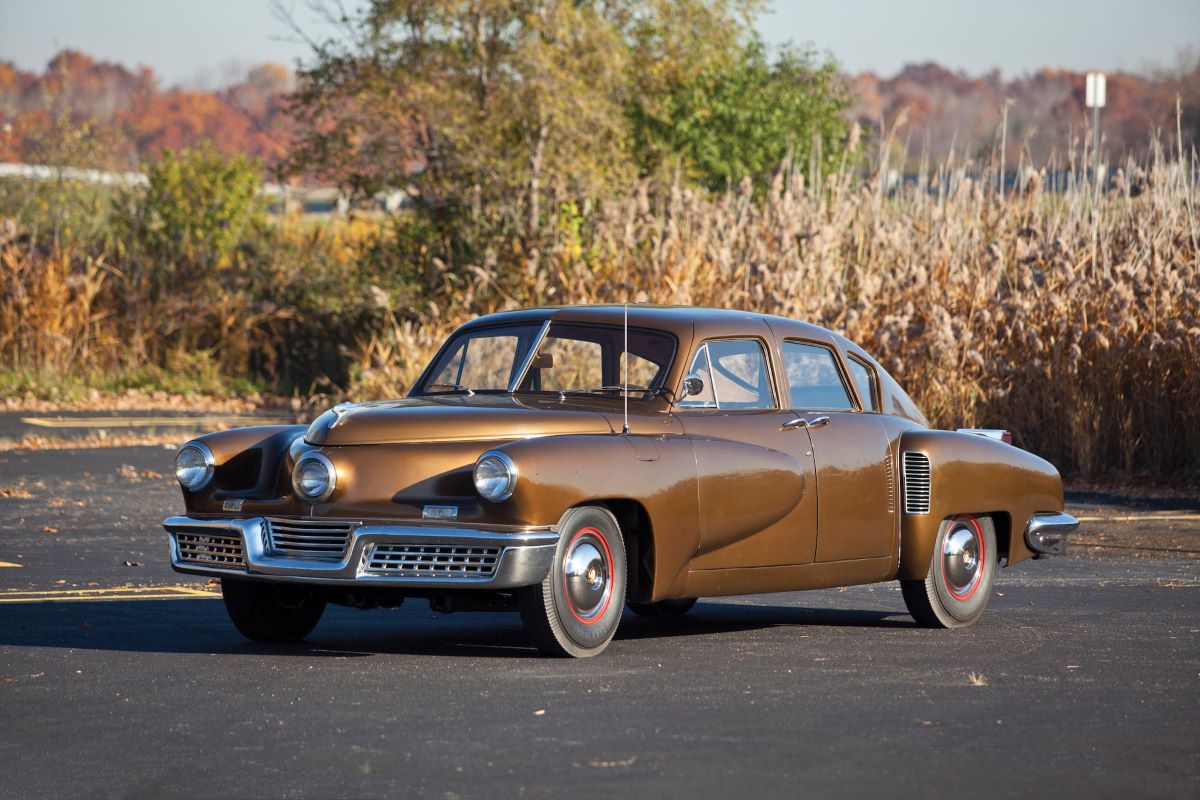
10. Tucker 48
The Tucker 48 stands as one of the most ambitious automotive experiments of the 1940s. Although only 51 units were produced, the car incorporated several innovative engineering ideas, including a rear-mounted engine.
The original concept used a helicopter-derived flat-six engine that was air-cooled and designed for reliability and high power.
Although the production version ultimately used a modified Franklin air-cooled engine, the layout remained unconventional for American sedans.
Positioning the engine at the rear allowed Tucker to design a spacious interior and distinctive aerodynamic body.
Combined with advanced safety features such as a padded dashboard and central headlight that turned with the steering wheel, the Tucker 48 remains one of the most intriguing engineering experiments in automotive history.
Vintage automobiles reveal a period when engineers were far more willing to explore unconventional solutions.
Air-cooled flat engines, rear-mounted powertrains, and unusual cylinder arrangements emerged as creative attempts to solve problems related to weight, cooling, reliability, and manufacturing cost.
While many of these designs eventually gave way to more standardized configurations, their influence remains visible in modern automotive engineering.
Vehicles such as the Porsche 911 continue to use air-cooled-inspired flat engines, while other manufacturers draw inspiration from the balance and efficiency of horizontally opposed layouts.
The ten cars listed above illustrate how diverse engine engineering once was in the automotive world.
Each vehicle represents a unique chapter in the history of automotive innovation, demonstrating that some of the most memorable vintage cars owe their character to the bold and unconventional engine designs hidden beneath their hoods.