
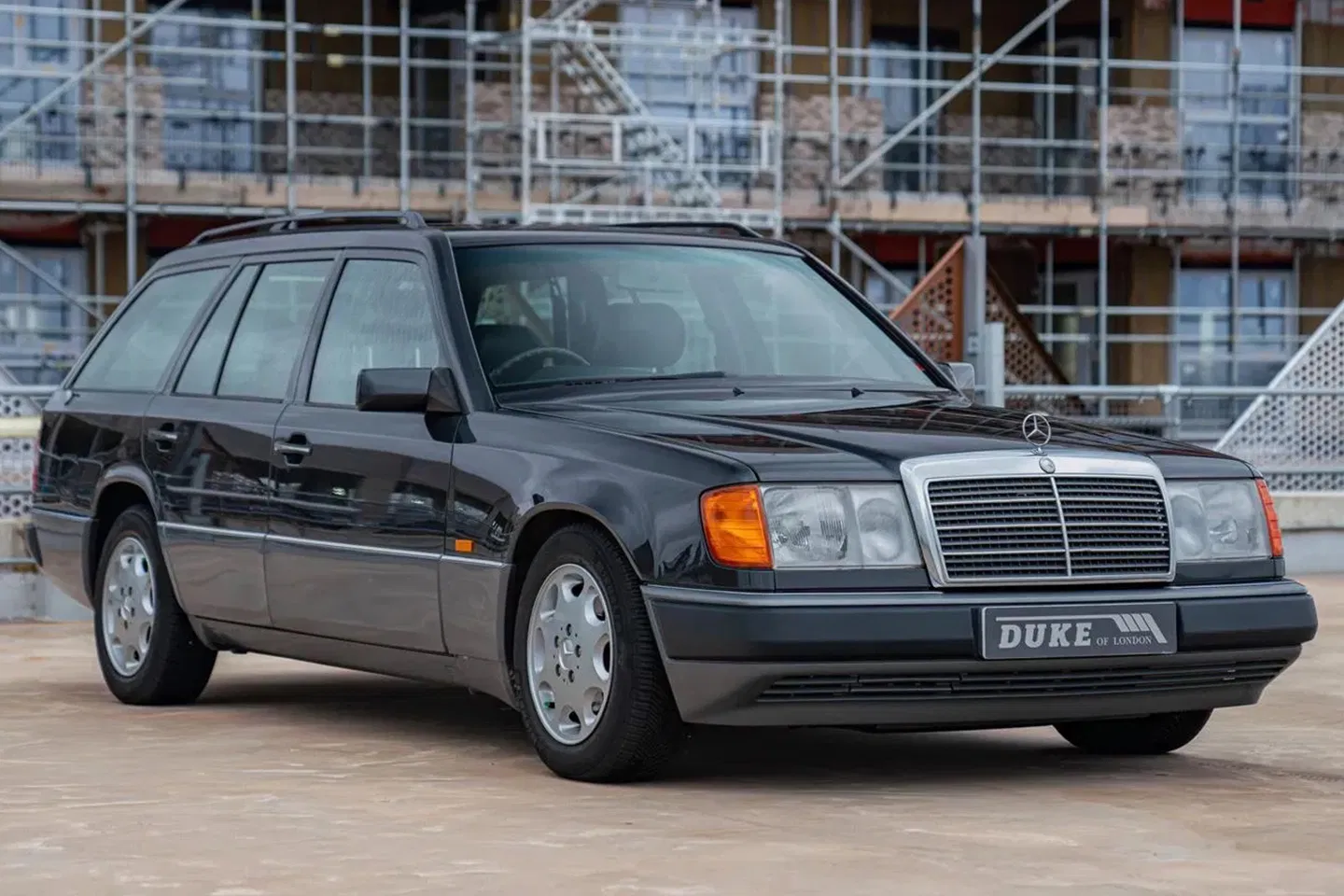
European station wagons have always held a special place in automotive history because they combine practicality with driving pleasure in a way few other body styles can match.
While SUVs dominate modern roads, classic European wagons proved decades ago that you did not need a tall body to carry serious cargo. Their long roofs, smart interior packaging, and clever engineering allowed them to transport families, luggage, and even commercial goods without sacrificing road manners.
During the 1970s through early 2000s, European manufacturers perfected the formula of the performance wagon and the luxury estate. Brands like Mercedes Benz, Volvo, BMW, and Audi focused on building vehicles that could handle daily commuting during the week and long distance family travel on weekends.
The result was a generation of wagons that offered surprising cargo capacity while still feeling refined and enjoyable to drive.
What makes these classic wagons especially interesting today is how intelligently their cargo areas were designed. Many featured flat folding rear seats, low loading floors, hidden storage compartments, and strong suspension systems capable of handling heavy loads.
Some models even included self leveling rear suspension to maintain ride quality regardless of how much weight was placed in the back.
Collectors and enthusiasts are also beginning to appreciate these vehicles for their durability and usability. Unlike many classic sports cars that are mostly weekend toys, these wagons can still serve practical purposes today. Their large trunks make them useful for vintage road trips, photography equipment hauling, or even small business use.
This list focuses on eight classic European wagons known not just for style or performance, but specifically for their exceptional cargo capabilities.
Each one represents a different philosophy of design, showing how various European manufacturers approached the challenge of maximizing space in creative and effective ways.
From luxury estates to rugged family haulers, these wagons demonstrate why the long roof design remains one of the smartest automotive body styles ever created.
Also Read: 10 Classic Performance Trucks From the 1970s That Are Still Fast
1. Mercedes-Benz W124 E-Class Wagon
The Mercedes Benz W124 wagon represents one of the most intelligently engineered cargo focused estates ever produced in Europe. Built during an era when Mercedes prioritized over engineering rather than cost cutting, this wagon became famous not only for reliability but also for how efficiently it used every inch of interior space.
What immediately separated the W124 wagon from many competitors was its almost perfectly square cargo compartment. Instead of sacrificing practicality for styling, Mercedes designers focused on vertical tailgate design and wide rear openings.
This allowed owners to load bulky items like furniture boxes, equipment cases, and travel trunks without awkward positioning.
Another impressive feature was the optional rear facing third row seating. This was not simply a novelty feature but a demonstration of how well Mercedes understood space management. When folded, the seats disappeared completely into the cargo floor, creating a completely flat storage surface rather than uneven sections that reduced usable space.
The engineering underneath also played a major role in its cargo reputation. Many models came equipped with self leveling rear suspension, a feature typically found in luxury vehicles.
This system ensured the wagon remained level even when fully loaded, preventing the rear from sagging and maintaining predictable handling characteristics during highway driving.
Practicality extended beyond just volume. Mercedes included thoughtful details such as strong cargo tie down points, durable interior materials, and a low lift over height. Owners who regularly transported heavy loads appreciated how these small decisions made daily usage significantly easier compared to many rivals.
Interestingly, many long term owners have reported using these wagons for purposes far beyond family transport. Some served as airport shuttle vehicles, mobile repair units, and even long distance parts delivery cars.
Their ability to accumulate extremely high mileage while carrying heavy cargo helped build the legendary durability reputation of the W124 platform.
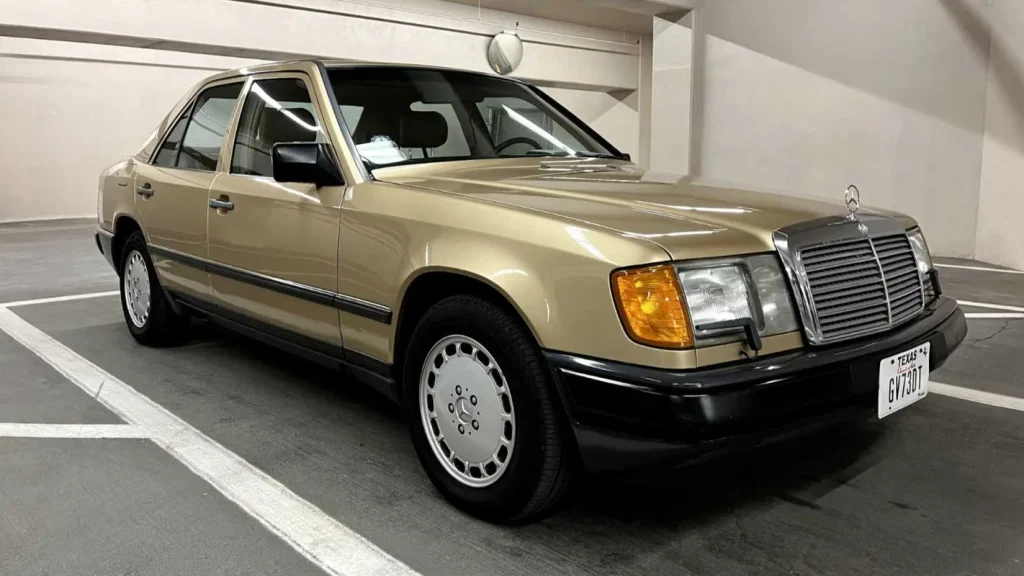
From a modern perspective, what makes this wagon special is how usable it still feels. The cargo area remains competitive even by modern standards, which is remarkable considering its age. Unlike many classic cars that require compromise, this Mercedes can still function as a genuinely useful transport vehicle today.
Ultimately, the W124 wagon shows what happens when a manufacturer treats practicality as seriously as performance or luxury.
It was not designed to simply look functional. It was designed to actually work hard, and that philosophy is exactly why it remains one of the most respected classic European cargo wagons.
2. Volvo 740 Wagon
If there is one European wagon that built its entire identity around cargo capability, it is the Volvo 740 wagon. Unlike brands that tried to hide practicality behind sleek styling, Volvo embraced a box shaped design that maximized interior volume through simple geometry and honest engineering decisions.
The most obvious advantage came from its upright roofline and near vertical rear hatch. This design was not about aesthetics alone. It allowed the wagon to offer an unusually tall cargo compartment, making it ideal for transporting large rectangular objects that would not easily fit in more sloped designs.
Volvo also understood that cargo usefulness is not just about size but also durability. The cargo floor was built with strong materials capable of handling heavy use.
Many owners used these wagons for construction tools, spare mechanical parts, and even small scale commercial deliveries because the interior could tolerate real world abuse.
Another interesting aspect was how predictable the car remained when loaded. Volvo engineered the suspension to prioritize stability rather than sportiness.
Even when filled with luggage or equipment, the vehicle maintained its balanced driving feel. This gave drivers confidence during long trips where weight distribution could otherwise affect handling.
Safety also played a subtle role in cargo design. Volvo reinforced the rear structure to better protect occupants and cargo during collisions. This structural strength meant the cargo area was not just large but also robust, making it suitable for carrying heavier items without concerns about body flex or weakness.
Culturally, the Volvo 740 wagon became a symbol of sensible ownership. It was often chosen by families, academics, and professionals who valued function over flash. Yet ironically, this focus on practicality is exactly what has made the car respected among enthusiasts today.
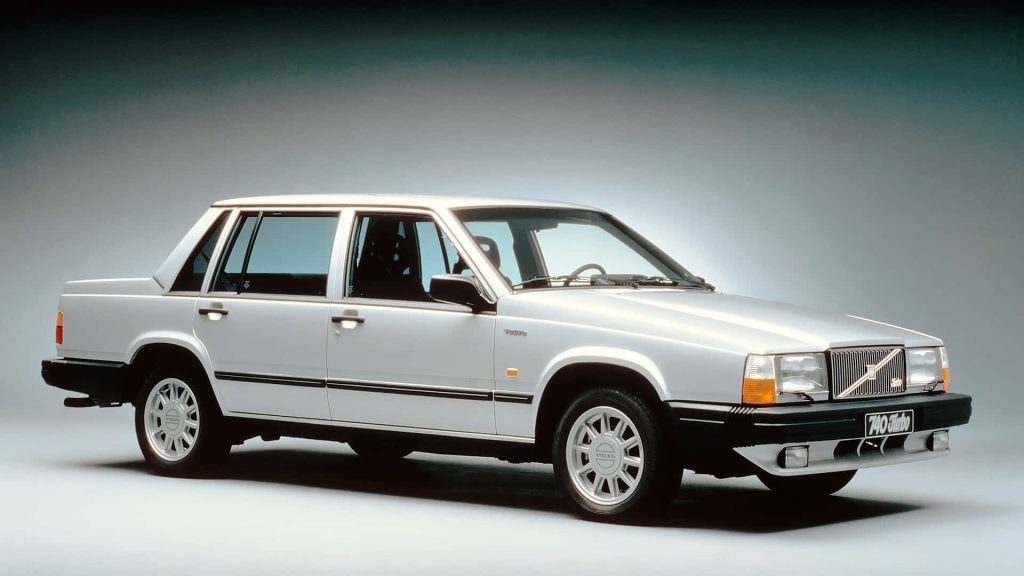
Many surviving examples still serve as daily transport decades after production ended. This speaks not just to mechanical longevity but also to how timeless its cargo design remains. Modern crossovers may offer similar capacity, but few match the straightforward usability that Volvo perfected with this model.
The Volvo 740 wagon proves that sometimes the best design comes from refusing to overcomplicate things. By focusing on space efficiency, strength, and reliability, Volvo created a wagon that continues to be remembered as one of the most practical European cargo carriers ever built.
3. BMW E34 Touring
BMW entered the wagon segment with a very different philosophy compared to traditional utility focused brands. Instead of building a purely cargo driven machine, BMW engineered the E34 Touring as a driver focused estate that just happened to offer serious carrying ability. This different starting point is exactly what gave the car its unique personality.
Rather than emphasizing size alone, BMW concentrated on how space could integrate with driving dynamics. The cargo area was carefully positioned within a rigid chassis structure that maintained the balanced weight distribution BMW was known for. Even with a full load of luggage, the Touring still behaved like a proper sports sedan.
One particularly clever element was the split opening rear glass. Owners could quickly place smaller items into the cargo area without opening the full tailgate. This might sound minor, but in daily use it became one of those features people quickly grew to appreciate. Grocery runs, camera bags, and briefcases could be loaded quickly without effort.
Material quality inside the cargo section also reflected BMW’s premium ambitions. Instead of treating the rear like a purely industrial space, the company used high quality carpeting, solid trim panels, and well integrated storage solutions. The result was a cargo area that felt like a natural extension of the luxury cabin rather than an afterthought.
Another strength of the E34 Touring was how it encouraged long distance travel. This was a wagon built for people who enjoyed driving across countries rather than just across cities. With the rear seats folded, it could easily carry extended travel gear, spare wheels, or even outdoor sporting equipment without feeling cramped.
BMW also made sure flexibility remained a key advantage. The rear seating configuration allowed different combinations of passenger and cargo usage. Owners could prioritize luggage space or seating depending on their needs, making the car adaptable instead of fixed in one purpose.
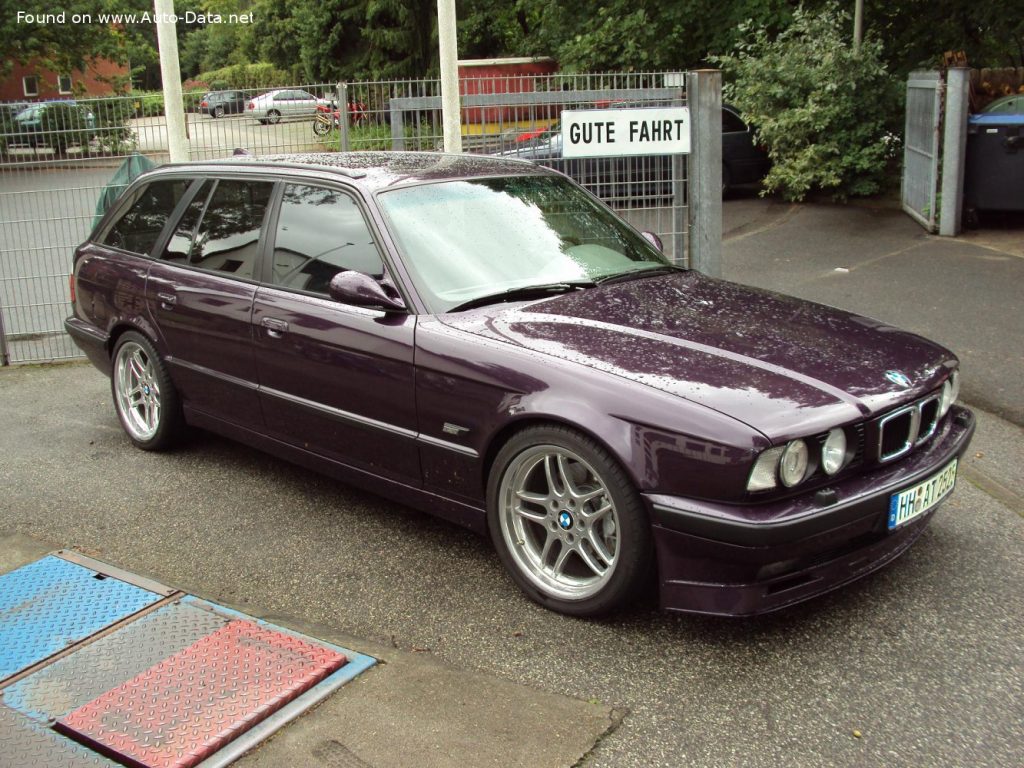
Enthusiasts today often describe the E34 Touring as a thinking person’s wagon. It was not the largest estate of its era, but the way it combined usability with driver engagement made it memorable. Some collectors even argue it helped create the modern idea of the performance wagon.
What truly makes this BMW stand out is its balance. It did not try to be the biggest, nor the most luxurious, nor the most rugged. Instead, it succeeded by doing everything well. That balanced character is exactly why it remains one of the most respected classic European wagons with genuine cargo usefulness.
4. Audi 100 Avant (C4)
Audi approached the wagon formula from a technological perspective, and the Audi 100 Avant shows exactly how the brand blended innovation with everyday usefulness. This was a car that demonstrated how aerodynamic thinking and intelligent packaging could create both efficiency and practicality at the same time.
Unlike traditional square wagons, the Audi 100 Avant featured smoother body shaping that improved airflow while still maintaining an impressive cargo hold. This demonstrated Audi’s ability to combine engineering science with real world usability rather than treating them as separate goals.
Inside the rear compartment, the design emphasized clean organization. The storage area was wide, flat, and free from unnecessary intrusions. This allowed owners to use the full width of the vehicle effectively. Whether carrying multiple suitcases or long equipment cases, the layout encouraged efficient packing.
Audi also paid attention to how the cargo experience felt rather than just how much space existed. The tailgate operation was smooth and well balanced, the loading height was manageable, and visibility around the rear made reversing easier even when the car was full. These small usability improvements added up in everyday ownership.
The Avant name itself eventually became a symbol of intelligent wagon design within Audi’s lineup. This particular generation helped establish that reputation by proving wagons could be both modern and practical without appearing outdated or overly utilitarian.
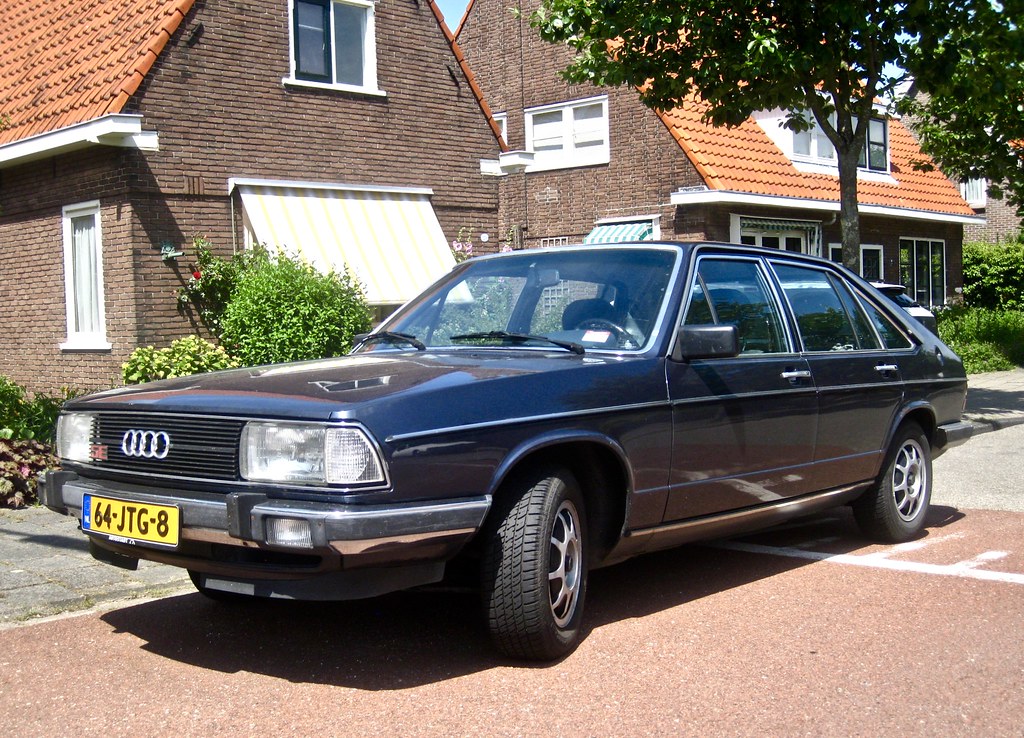
Another strong point came from Audi’s famous quattro all wheel drive system available on certain variants. This allowed the wagon to remain useful in poor weather conditions.
Owners in colder European regions often relied on these cars not just for transport, but as dependable year round load carriers regardless of road conditions.
Over time, these cars developed a quiet reputation among people who needed discreet capability. Architects, engineers, and consultants often chose the Audi Avant because it projected professionalism while secretly offering van like practicality when required.
Looking back today, the Audi 100 Avant represents a transitional moment in wagon evolution. It showed how estates could move from purely functional shapes into more refined designs without sacrificing usefulness.
That balance between progress and practicality is exactly why it still deserves recognition among classic European cargo wagons.
5. Peugeot 505 Break
Some wagons earned their reputation through luxury. Others through performance. The Peugeot 505 Break built its name through sheer usefulness. It was a vehicle designed with a clear purpose: carry as much as possible, last as long as possible, and operate in conditions where many passenger cars would struggle.
What makes the 505 Break fascinating is how it blurred the line between a passenger car and a light commercial vehicle.
Peugeot engineered the long body version specifically to increase rear storage volume, creating one of the longest cargo floors available in a European wagon of its time. This made it extremely popular among taxi operators and transport services across Europe and Africa.
Instead of focusing on soft luxury touches, Peugeot built this wagon with a durability first mindset. The rear suspension was strengthened to handle continuous heavy use, and the chassis proved capable of supporting large loads without structural fatigue. Owners often pushed these cars far beyond normal family usage.
Another unusual strength came from its reputation in export markets. In countries with rough roads, the Peugeot 505 Break gained respect because it could carry people and goods simultaneously without complaint.
Stories of these vehicles carrying full passenger loads plus roof cargo were common, showing how robust the platform truly was.
Interior flexibility also helped its reputation grow. Some versions offered additional seating configurations that allowed the wagon to function almost like a people mover. When seats were removed or folded, the vehicle transformed into a serious cargo transporter capable of hauling equipment, supplies, or trade goods.
The car also benefited from simple mechanical design. This meant owners could keep them running for decades with basic maintenance. Because of this, many were used as working vehicles rather than lifestyle cars. Their legacy was built through daily effort rather than showroom appeal.
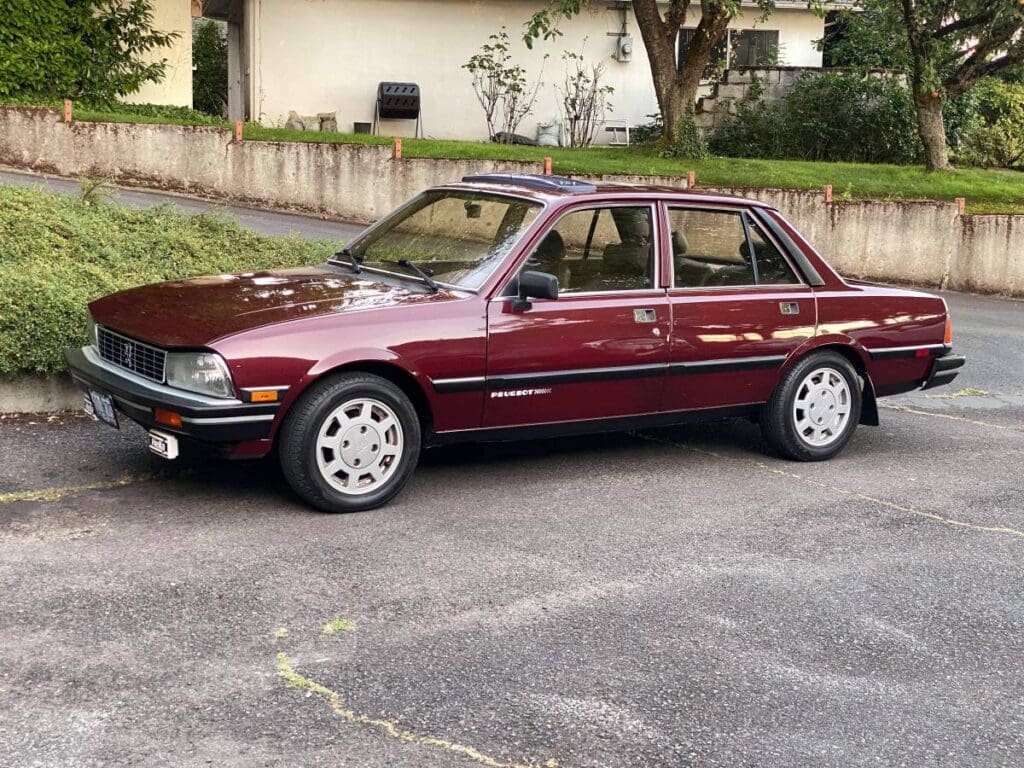
Unlike German wagons that emphasized precision, the Peugeot approached cargo from a volume and toughness perspective. It was not trying to impress through technology. Instead it impressed through endurance and raw usefulness.
Today, surviving examples are often appreciated by collectors who understand its workhorse history. It may not have the prestige of luxury brands, but in terms of pure carrying ability and practical design, the Peugeot 505 Break remains one of the most capable classic European wagons ever produced.
6. Saab 9000 CD Estate Conversion (Coachbuilt Wagon)
Not every great European cargo wagon came directly from a factory production line. Some of the most interesting examples came from specialized coachbuilders who transformed existing sedans into highly practical estates. The Saab 9000 estate conversions represent one of the most unusual entries in this category.
Saab itself was always known for practical thinking. The brand focused on ergonomics, visibility, and real world usability long before these ideas became industry trends. When independent builders converted the Saab 9000 into wagon form, they were building upon a platform already known for intelligent design.
The resulting vehicles offered something rare: executive sedan comfort combined with large scale cargo practicality. The extended rooflines were carefully integrated to maintain Saab’s clean design language while dramatically increasing rear storage capacity.
What made these conversions especially interesting was their rarity. Unlike mass produced wagons, these vehicles were often built in small numbers for specific customers. Some were commissioned by professionals who needed cargo flexibility without abandoning the understated image of a Saab sedan.
Cargo space in these conversions was often surprisingly generous because the builders focused entirely on maximizing usable length. The extended rear allowed long objects to fit without diagonal positioning. This made the cars useful for specialized equipment transport.
Saab’s aviation inspired design philosophy also contributed to the experience. Large glass areas improved visibility, making it easier to maneuver despite the longer body. Drivers often reported that the cars felt smaller than they actually were because of the excellent outward sightlines.
Another factor that makes these wagons memorable is how different they feel from mainstream estates. They represent a creative solution rather than a corporate product plan. This gives them a unique personality among classic European wagons.
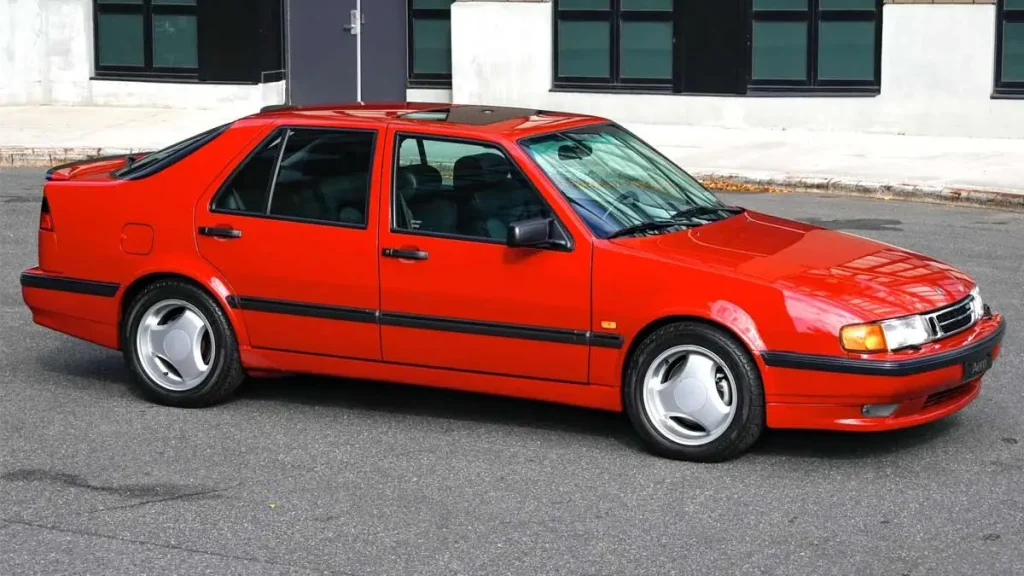
Because they were produced in limited numbers, they remain relatively unknown compared to German estates. However, among dedicated Saab enthusiasts they are considered highly interesting examples of how adaptable the platform could be.
These Saab estate conversions demonstrate that practicality sometimes comes from creativity rather than mass production. They remind us that the European wagon story is not just about big manufacturers, but also about niche builders who saw new possibilities in existing designs.
7. Volvo 960 Wagon
By the time the Volvo 960 wagon arrived, Volvo had already spent decades refining its understanding of what wagon buyers actually needed. Instead of reinventing the concept, the company focused on refinement, comfort, and intelligent evolution.
The result was a wagon that felt mature, confident, and extremely capable when it came to cargo duty.
The first thing many owners noticed was the impressive depth of the cargo section. Volvo shaped the rear carefully so that the usable space extended far forward when the seats were folded. This allowed long objects such as furniture pieces, ladders, or antique finds to be transported without creative positioning.
Where this model separated itself from earlier Volvo wagons was in the balance between comfort and work capability. The suspension was tuned to absorb weight without making the ride harsh.
This meant the car could carry heavy loads while still delivering a calm highway experience, something that made it popular among long distance travelers.
Volvo also included several thoughtful usability improvements. The cargo cover system was easier to operate than many competitors.
Storage pockets were placed where they actually helped organization rather than just filling space. Even the tailgate design reflected careful study of how people actually used their wagons.
Another strength of the 960 wagon was its reputation for structural integrity. Volvo continued its safety tradition by ensuring the rear body remained strong under pressure. This allowed the vehicle to handle demanding use without developing rattles or weakness over time.
Interestingly, the 960 wagon also became known among antique dealers and collectors who needed a vehicle capable of transporting fragile items. Its smooth ride quality helped reduce vibration, which made it suitable for carrying delicate cargo such as artwork or vintage electronics.
Unlike earlier box shaped Volvos, this generation also introduced more rounded styling. Yet Volvo managed to keep the cargo capacity intact despite the more modern shape. This demonstrated the company’s skill at evolving design without sacrificing practicality.
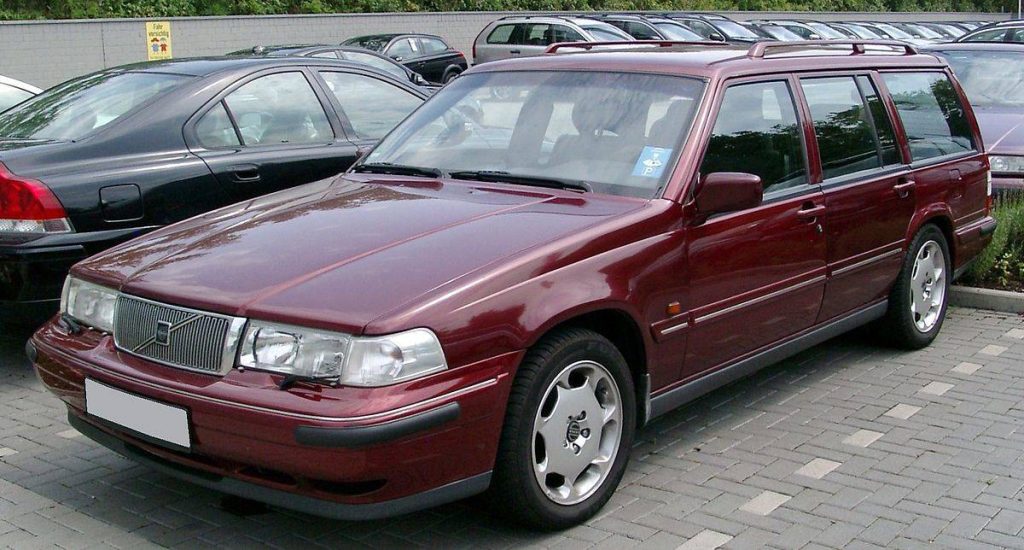
Owners often describe the Volvo 960 wagon as a quiet achiever. It did not try to dominate headlines or chase trends. Instead it focused on doing its job extremely well. That quiet competence is exactly why it remains respected among those who understand the history of European estates.
The Volvo 960 shows how experience can shape great design. It represents the result of decades of learning what wagon owners truly value, and it delivered that knowledge in one of the most complete cargo wagons Europe produced.
8. Mercedes-Benz S124 E Class Estate (Facelift Generation)
If the earlier W124 wagon established the blueprint, the later S124 estate refined it into something even more complete. This version showed how Mercedes continued improving its wagon formula through small but meaningful enhancements rather than radical changes.
One of the defining characteristics of this estate was how effortlessly it handled large cargo tasks. The wide rear opening and carefully engineered hinges allowed the tailgate to open in a way that never felt restrictive. Loading large suitcases, display equipment, or restoration parts felt natural rather than forced.
Mercedes also improved interior adaptability. The seat folding process became more intuitive, allowing quicker transitions between passenger and cargo roles. This made the wagon appealing to owners whose needs changed frequently, such as business users who required flexibility.
Engineering strength remained a central theme. The reinforced rear structure, combined with proven suspension technology, meant the car maintained composure even when fully packed. It never felt overwhelmed by weight, which reinforced Mercedes’ reputation for building vehicles that felt solid under pressure.
This generation also gained appreciation among motorsport support teams and event organizers. The large cargo hold allowed transportation of tools, spare components, and technical gear while still offering the comfort expected from a premium vehicle.
Another interesting aspect was how discreet the practicality felt. Unlike vans or commercial vehicles, this wagon allowed owners to move large amounts of cargo without drawing attention. This made it popular among professionals who wanted capability without sacrificing image.
From a long term ownership perspective, these estates also proved remarkably durable. Many examples survived years of demanding use because Mercedes engineered them with generous safety margins. That philosophy continues to benefit collectors today.
What truly defines this wagon is its completeness. It did not excel in just one category. Instead it delivered strength, space, comfort, and longevity together. That rare balance explains why many enthusiasts consider it one of the greatest European wagons ever built.
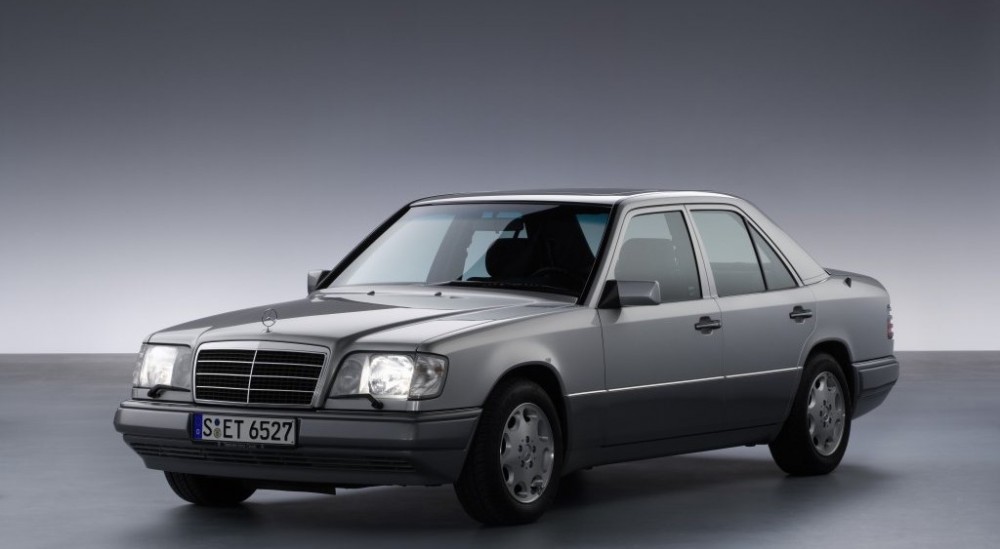
The S124 estate stands as a reminder that true practicality does not require compromise. When engineered correctly, a wagon can offer cargo ability, comfort, and prestige all at once.
Classic European wagons represent a period when automotive engineering placed serious emphasis on intelligent practicality. These vehicles were designed during a time when manufacturers competed not only on performance or luxury, but also on how effectively they could solve everyday transport challenges.
Each wagon on this list demonstrates a different interpretation of cargo excellence. Mercedes focused on engineering strength and refinement. Volvo emphasized safety and usable volume. BMW introduced driver engagement into the wagon formula.
Audi combined technology with efficiency. Peugeot demonstrated durability through hard working design, while Saab showed how creativity could expand practicality beyond factory ideas.
What connects all of them is their long term usability. Unlike many classic vehicles that become fragile collectibles, these wagons often remain functional decades later. Their large cargo areas, strong mechanical foundations, and flexible interiors allow them to continue serving practical roles even today.
Another important takeaway is how these cars proved wagons could be smarter alternatives to larger vehicles. They delivered van like storage while maintaining the driving characteristics of passenger cars. This balance remains difficult to achieve even in modern automotive design.
Collectors are increasingly recognizing that practicality itself can be part of automotive heritage. These wagons are not just interesting because they are old. They are important because they represent solutions to real world needs through thoughtful design.
Looking back, these eight European wagons show that cargo space is not just about measurements. It is about usability, durability, and intelligent engineering decisions. That combination is what allowed these vehicles to build reputations that continue long after their production ended.
Their legacy proves one simple idea: a well designed wagon is not just transportation. It is a tool that can adapt to whatever life demands.
Also Read: 10 Iconic 1990s Supercars That Are Now Legal to Import Everywhere
