
Automotive design has always been more than transportation. At its best, it becomes moving sculpture. Among all body styles, the coupe has often been considered the purest expression of automotive beauty.
With only two doors, a sloping roofline, and carefully controlled proportions, coupes allow designers to focus on shape, balance, and visual drama in ways that larger vehicles often cannot achieve.
The silhouette of a coupe matters more than almost any other design element. Even without seeing badges or details, a great coupe can be recognized instantly just by its outline.
The way the roof flows into the rear, the length of the hood, the stance over the wheels, and the relationship between glass and metal all combine to create a lasting visual identity.
Some coupes became famous because they were fast. Others became icons because they looked fast even when standing still. Designers often describe this as visual motion. It is the ability of a car to suggest speed and elegance simply through proportion and line flow.
Throughout automotive history, different countries developed their own design philosophies. Italian coupes often emphasized drama and curvature.
German designs focused on precision and proportion. British coupes frequently combined elegance with restraint. Japanese manufacturers later introduced clean aerodynamic shapes that reflected modern thinking.
Another reason coupe silhouettes remain important is their influence. Many modern cars still borrow proportions from classic coupes. Long hoods, fastback rooflines, and short rear decks remain design themes decades after they first became popular.
The cars listed here are not ranked by price or performance. They are recognized because their side profiles and overall shapes created lasting design impact. Each one represents a different interpretation of what makes a coupe visually unforgettable.
These ten coupes demonstrate how designers across generations turned simple outlines into timeless automotive art that continues to inspire enthusiasts and designers today.
Also Read: 8 Hidden Places Rust Likes to Hide on 1970s American Steel
1. Jaguar E Type Coupe (1961)
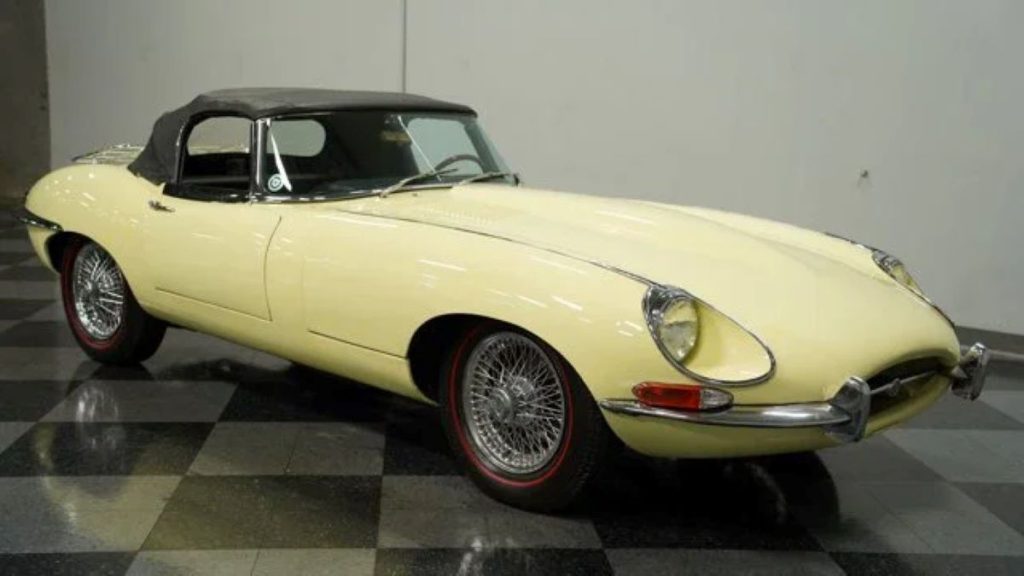
When the Jaguar E Type debuted in the early 1960s, it immediately changed expectations of how a sports coupe could look. Even today, many historians and designers still refer to it as one of the most beautiful cars ever created. Its silhouette alone explains why.
The first thing that defines the car’s shape is its extraordinary proportion. The hood appears to stretch endlessly ahead of the cabin, giving the car a sense of elegance and purpose. This long front section was not just styling. It also housed the inline six cylinder engine in a way that allowed the body to remain extremely low.
Then comes the cabin placement. The passenger compartment sits slightly rearward, creating a classic grand touring profile. This placement gives the impression that the car is ready to leap forward even when parked.
The roofline deserves special attention. Instead of dropping sharply toward the rear, it flows gradually into the tail. This creates a continuous curve that feels natural and unforced. Designers often praise this flow because it avoids any visual interruption.
Glass area also played a major role. The side windows taper gently, enhancing the sense of speed. The thin pillars add lightness to the profile, preventing the car from looking bulky.
Another detail often overlooked is wheel placement. The wheels sit close to the edges of the body, giving the car a planted stance. This improves visual balance and prevents the long body from appearing oversized.
The E Type also demonstrated how simplicity can create beauty. There are very few unnecessary lines. Instead, the body relies on smooth surfaces and natural curves.
Enzo Ferrari himself once reportedly praised the E Type’s design, which shows how influential its silhouette became even among competitors.
More than sixty years later, the coupe still looks modern. That lasting relevance proves how powerful correct proportion and flowing design can be.
2. Ferrari 250 GT Lusso (1963)
Some coupes impress through aggressive styling. Others win admiration through balance and elegance. The Ferrari 250 GT Lusso belongs to the second category. Its silhouette does not try to shock the viewer. Instead, it achieves beauty through perfect visual harmony.
From the side, the car appears almost perfectly measured. The hood is long but not exaggerated. The cabin is compact yet not cramped. The rear section tapers smoothly without looking abrupt. Each section feels mathematically related to the next.
Italian design house Pininfarina shaped the body with a philosophy centered on visual flow. If you trace the roofline from the windshield to the rear, the curve feels continuous and calm. There is no sudden drop or forced angle. This gives the Lusso a timeless quality rather than tying it to a specific design trend.
Another subtle feature comes from how the greenhouse was designed. The glass section feels light compared to the body, giving the coupe an airy character. Thin pillars help maintain this impression, allowing the shape to appear delicate rather than heavy.
The car also avoids visual clutter. Instead of using strong character lines, the body relies on soft curvature. Light reflections become part of the design, changing the car’s appearance depending on viewing angle.
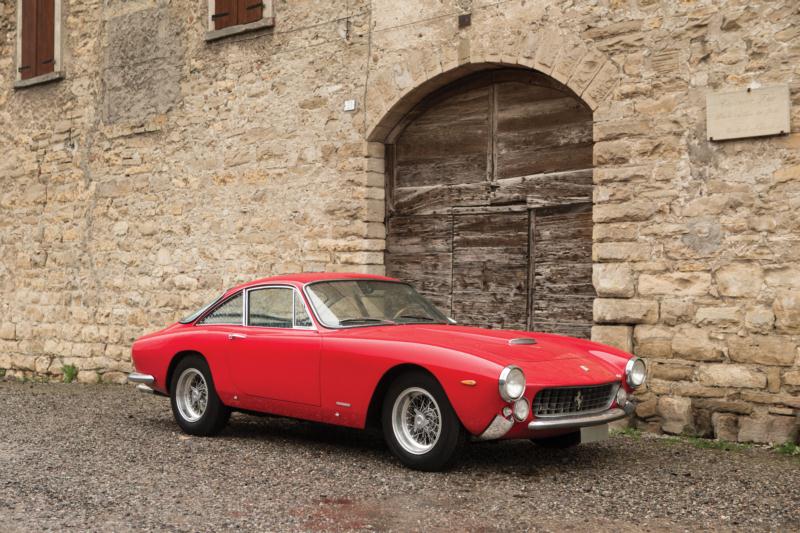
Wheel arches play a supporting role in the design story. They are present but not exaggerated. This keeps the attention on the full silhouette rather than individual styling elements.
The Lusso also demonstrates how restraint can sometimes create more impact than complexity. By avoiding unnecessary styling tricks, the designers ensured the shape would age gracefully.
Collectors often describe the car as sculpture rather than machinery. Even people unfamiliar with automotive history can recognize the visual balance immediately.
Decades after its introduction, the Ferrari 250 GT Lusso continues to be referenced as a masterclass in coupe proportion. It shows how true beauty often comes from careful control rather than dramatic excess.
3. BMW E9 Coupe (1968)
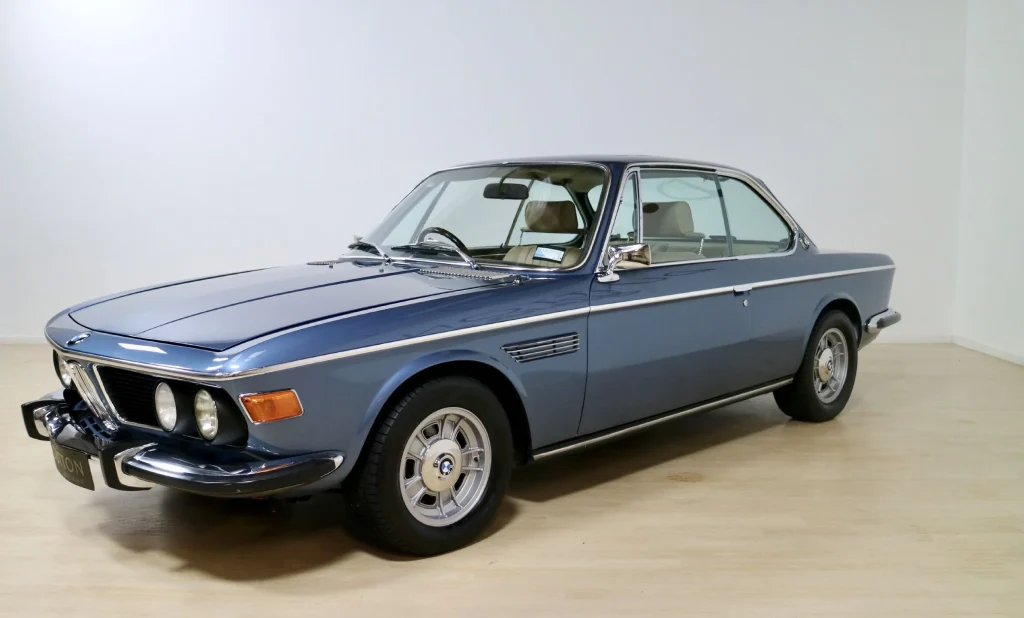
The BMW E9 coupe represents a completely different interpretation of beauty compared to Italian exotics. Instead of dramatic curves, it relies on clarity, proportion, and precision. Its silhouette reflects German design thinking where discipline and structure create visual appeal.
At first glance, the car may seem simple. Look longer and the design reveals its strength. The roof sits low and flat, giving the car a confident stance. The long hood balances the cabin while the short rear deck keeps the profile tight.
One defining feature is the thin pillar design. The large glass area gives the coupe an open appearance. This design choice reduces visual weight and allows the silhouette to feel elegant rather than aggressive.
Another important factor is the subtle forward lean of the car’s stance. The slight nose down posture gives the impression of readiness. It suggests motion without relying on dramatic styling features.
The shoulder line running along the side provides structure. It keeps the design from appearing too soft while still allowing gentle curvature below. This mix of sharp definition and smooth surfaces became a BMW signature in later decades.
Unlike many sports coupes, the E9 also had to function as a comfortable grand touring car. Because of this, its proportions had to balance style and usability. Designers achieved this without compromising elegance.
Racing versions of the E9 later reinforced the beauty of the silhouette. Even with wider fenders and racing modifications, the original shape remained clearly visible. This showed how strong the base design really was.
Many modern BMW coupes still borrow ideas from this era, particularly the balance between glass and body mass.
The E9 proves that beauty does not always require dramatic curves. Sometimes it comes from discipline, proportion, and the confidence to keep a design clean and controlled.
4. Lamborghini Miura (1966)
The Lamborghini Miura changed how the world imagined the shape of a performance coupe. Before its arrival, most sports cars followed the long hood grand touring formula.
The Miura introduced a mid engine layout that allowed designers to create an entirely new type of silhouette. The result looked lower, wider, and more exotic than anything most people had seen before.
One of the most striking elements is the extremely low height. The roof seems to barely rise above the wheels, giving the car a dramatic presence even when standing still. This low profile was possible because the engine sat behind the seats rather than in front.
The nose design also contributes heavily to the silhouette. Instead of appearing tall and vertical, the front slopes gently downward. This creates a wedge like visual effect that would later influence supercar design for decades.
Another defining feature comes from the cabin placement. The passenger area sits close to the center of the car, making both the front and rear appear balanced. This central mass gives the silhouette a sense of stability and symmetry.
Air intake shapes near the rear also play a visual role. They are not simply functional openings. They help guide the eye from the door area toward the rear wheels, emphasizing the car’s muscular stance.
The Miura also demonstrates how curves can create drama without looking excessive. The fenders rise gently above the body surface, creating tension in the profile. These shapes suggest power without requiring sharp edges.
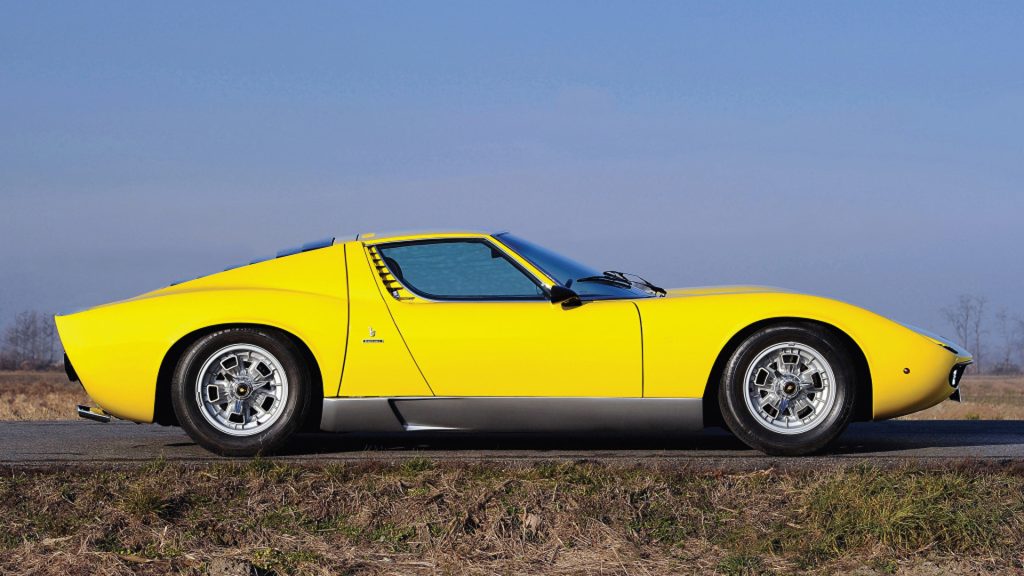
An interesting detail is how the rear deck appears almost flat compared to the flowing front. This contrast creates visual interest and prevents the design from feeling predictable.
Many designers consider the Miura the first true supercar not only because of performance but because of its visual architecture. It introduced the idea that engine placement could completely redefine a car’s outline.
Even today, modern exotic coupes still borrow from this concept. The Miura remains proof that innovation in engineering can open the door to entirely new forms of beauty.
5. Mercedes Benz 300CE (C124 Coupe 1987)
Some beautiful coupes rely on drama. Others rely on refinement. The Mercedes Benz 300CE coupe represents the second philosophy. Its silhouette does not try to appear aggressive or radical. Instead, it achieves its beauty through proportion, engineering discipline, and quiet confidence.
The first thing that stands out is the pillarless side profile. With the windows down, the car presents a completely open side view from front to rear. This design required significant structural engineering, yet the visual result feels effortless. The uninterrupted opening gives the coupe a clean and prestigious appearance.
Roof design also plays a central role. The gentle arc from the windshield to the rear window feels carefully measured. Nothing feels rushed. The curve appears calculated to maintain both elegance and interior comfort.
Unlike many sports coupes, the 300CE avoids exaggerated fender shapes. The body sides remain smooth and controlled. This creates a formal character that reflects Mercedes design philosophy of the era.
Another important visual decision involves the height of the beltline. By keeping it relatively low, designers allowed more glass area. This made the car feel lighter and more sophisticated rather than heavy.
The rear section deserves attention as well. Instead of a sharp cutoff, the tail flows naturally from the roofline. This continuity helps the silhouette appear complete from every angle.
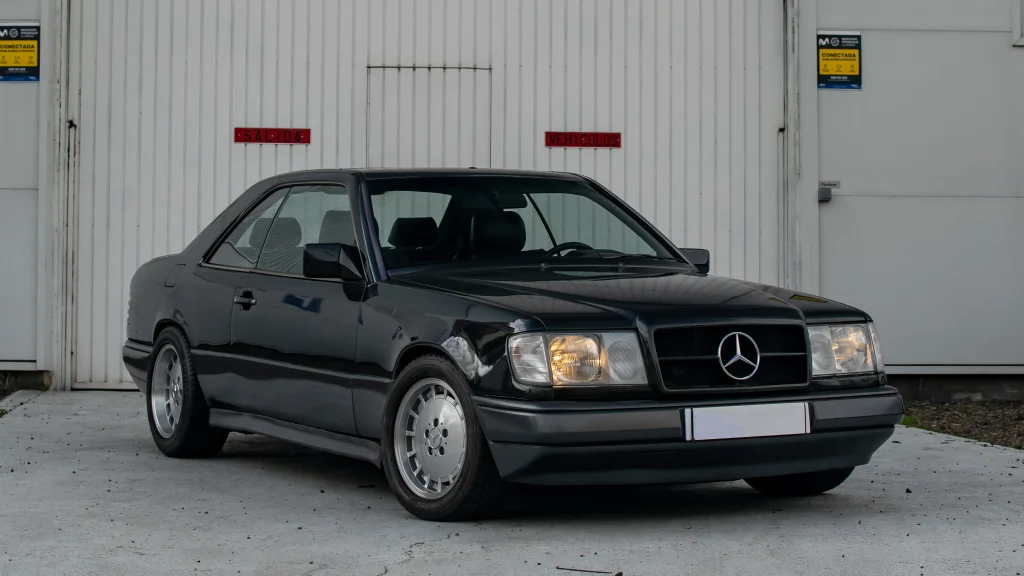
What makes this coupe especially interesting is how well it has aged. While many cars from the late 1980s now appear dated, the 300CE still looks dignified. This shows how timeless design often comes from avoiding trends rather than chasing them.
Mercedes designers focused on longevity. Their goal was to create a shape that would still look correct decades later. Judging by collector interest today, they succeeded.
The 300CE demonstrates that beauty in automotive design does not always require extreme styling. Sometimes it comes from restraint, precision, and the confidence to let proportion speak louder than decoration.
6. Alfa Romeo GTV (Tipo 105 Series 1965)
Beauty in automotive design sometimes comes from unexpected angles rather than flowing curves. The Alfa Romeo GTV presents a silhouette that feels architectural rather than organic. Its shape relies on geometry, crisp transitions, and clever visual balance rather than dramatic swooping lines.
The first impression comes from the slightly stepped roof profile. Instead of a continuous curve, the design introduces a subtle change in angle between the cabin and rear section. This gives the car a distinctive identity that stands apart from more traditional fastback shapes.
Another design highlight comes from the short rear deck combined with a relatively tall cabin. On paper this might seem unusual for a coupe. In reality, it gives the car a compact and purposeful stance. The proportions make it look agile rather than grand.
The side profile also benefits from clean surface treatment. There are very few unnecessary styling elements. The body sides remain mostly flat, allowing light and shadow to define the shape naturally throughout the day.
Wheel positioning again plays an important role. The relatively short overhangs make the car appear ready for quick direction changes. This visual compactness supports the car’s sporting character.
One interesting visual trick lies in how the front and rear heights are balanced. The nose does not drop dramatically, and the rear does not rise excessively. This keeps the car visually stable rather than exaggerated.
Design historians often point to the GTV as proof that originality matters. While many coupes followed similar design formulas during the 1960s, Alfa Romeo chose a different path. This willingness to be different helped the car remain recognizable decades later.
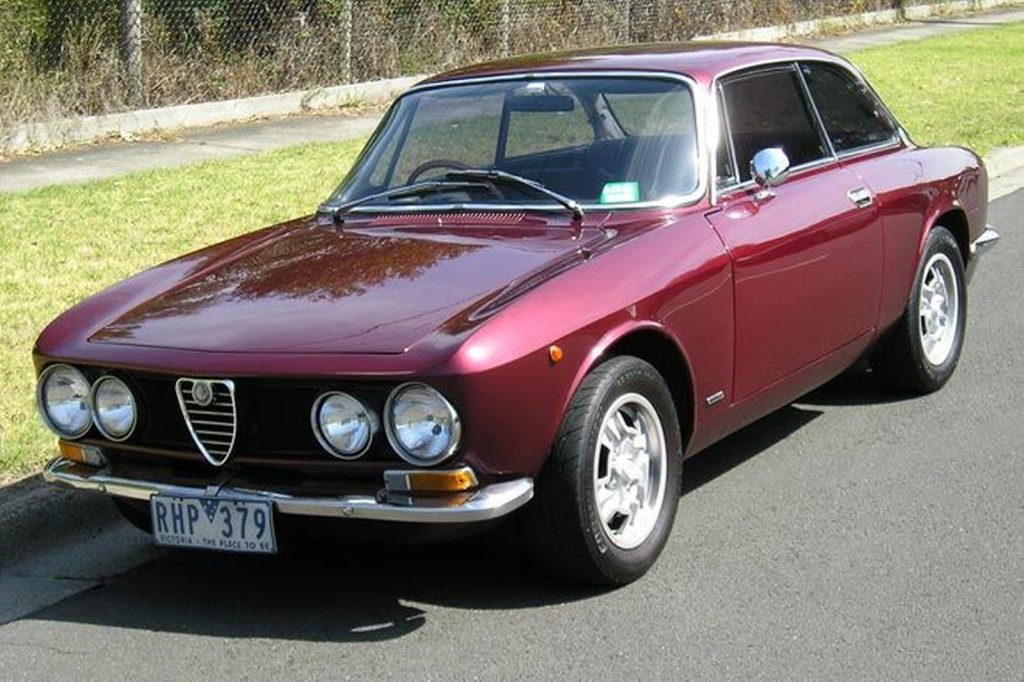
Another reason the silhouette remains admired is honesty. The design does not pretend to be something it is not. It reflects the car’s lightweight sporting intentions without artificial aggression.
The Alfa Romeo GTV shows that a coupe does not need dramatic curves to be beautiful. Sometimes a distinctive geometric identity can be just as memorable.
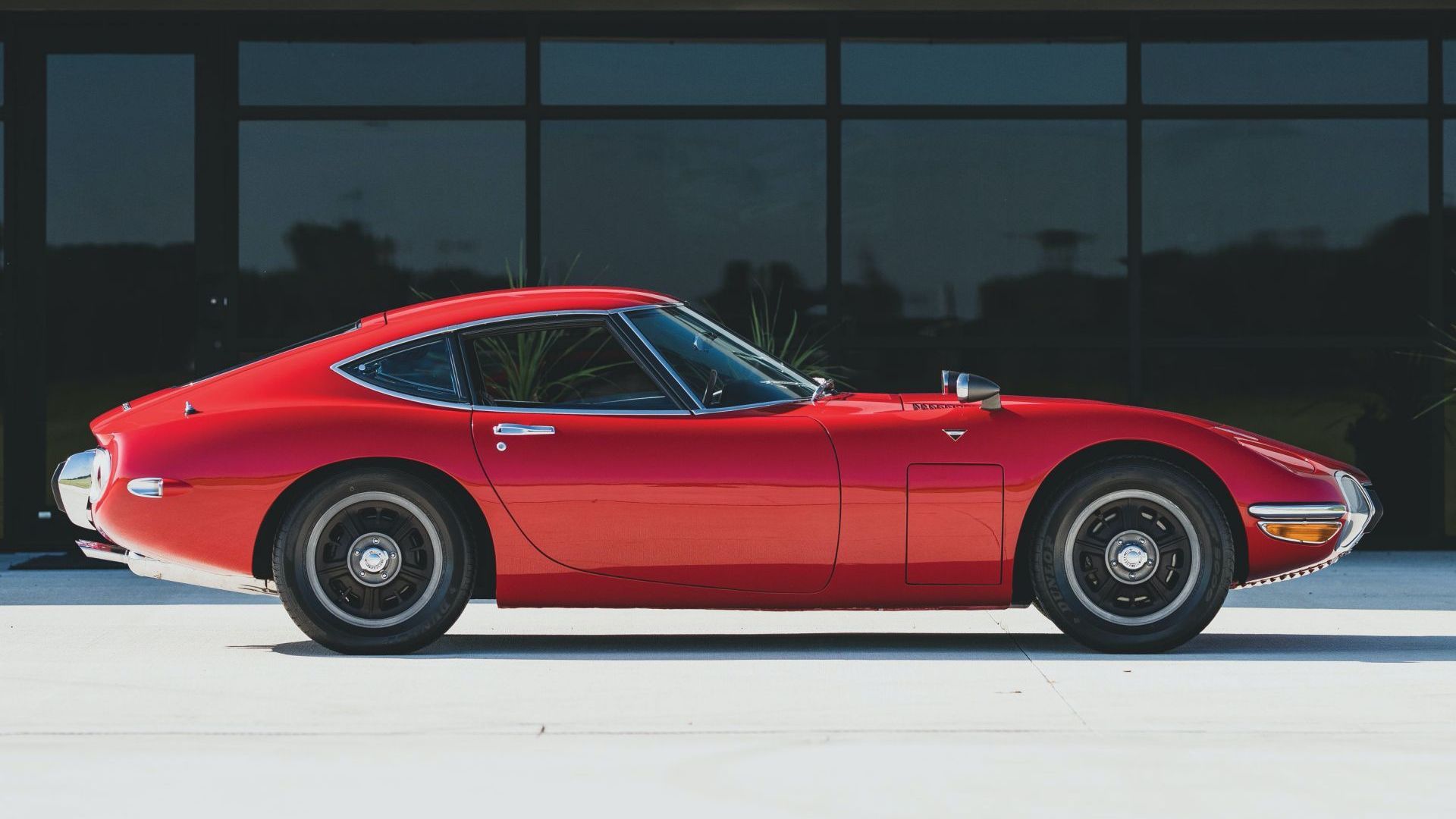
7. Toyota 2000GT (1967)
When Toyota introduced the 2000GT, it surprised the global automotive community. At that time, Japan was not widely known for producing visually stunning sports coupes. This car changed that perception immediately through a silhouette that could stand confidently beside European icons.
The design emphasized elegance rather than flash. A long hood leads into a very low roofline, creating a classic sports coupe profile. Yet the Japanese interpretation added a sense of precision and cleanliness that gave the car its own personality.
One particularly attractive element is the way the roof tapers toward the rear. The narrowing glass area gives the impression of speed while maintaining visual lightness. This technique helps the car look fast without relying on aggressive styling.
The proportions also reflect careful study of European grand touring machines. However, the Toyota does not feel like a copy. The surfaces appear smoother and more restrained, showing a different cultural interpretation of beauty.
Another interesting feature is the balance between curves and straight lines. The fenders have gentle curvature, while the main body retains clear structure. This mix creates visual tension that keeps the design interesting from different viewing angles.
The low height contributes significantly to the silhouette’s appeal. The car appears almost delicate compared to bulkier sports cars of its time. This delicacy gives it a refined character.
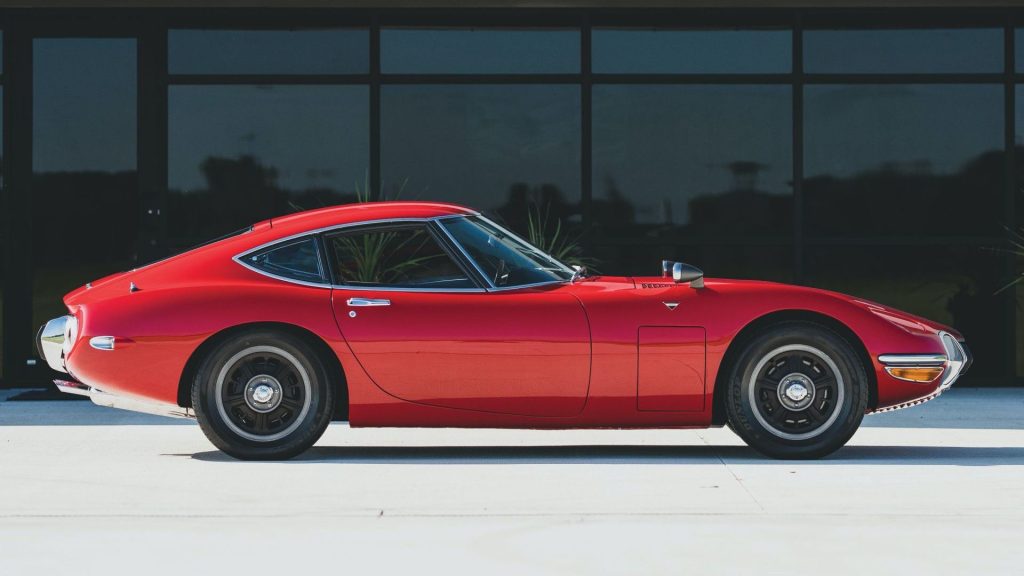
The 2000GT also became important historically because it proved Japanese manufacturers could compete not only in engineering but also in design. Its silhouette helped open the door for future Japanese performance cars to be taken seriously worldwide.
Even today, the car is often described as one of the most graceful coupes ever produced in Japan. Its shape reflects the moment when Japanese automotive design began earning global artistic respect.
8. Aston Martin DB5 (1963)
Some coupe silhouettes achieve their reputation through racing success. Others become famous through cultural presence. The Aston Martin DB5 achieved both, but its side profile alone is enough to explain why it remains admired decades later.
The DB5 presents a classic grand touring shape built around dignity rather than aggression. The hood extends forward with confidence, yet it does not appear excessive. The cabin sits naturally within the wheelbase, creating a balanced visual center. This careful placement gives the car a composed personality.
One of the most impressive design choices is the gentle roof arc. The curve appears natural and continuous, avoiding dramatic fastback exaggeration. This gives the coupe a formal elegance rather than a purely sporting appearance.
Another important aspect comes from how the rear quarter flows downward. The taper is gradual, allowing the car to look refined instead of sharp. This treatment helped the DB5 stand apart from more competition focused sports cars.
The window design also deserves attention. The side glass area is shaped to complement the roof rather than interrupt it. Chrome trim outlines the greenhouse, adding definition without overpowering the main shape.
The car’s stance also contributes to the silhouette’s strength. The track width and ride height combine to give the DB5 a confident presence without making it look heavy. This balance between strength and grace is one of the hardest achievements in automotive design.
An additional reason the DB5 silhouette remains respected is durability of style. It does not rely on temporary fashion. The shape feels appropriate whether viewed in black and white photography from the 1960s or in modern color images.
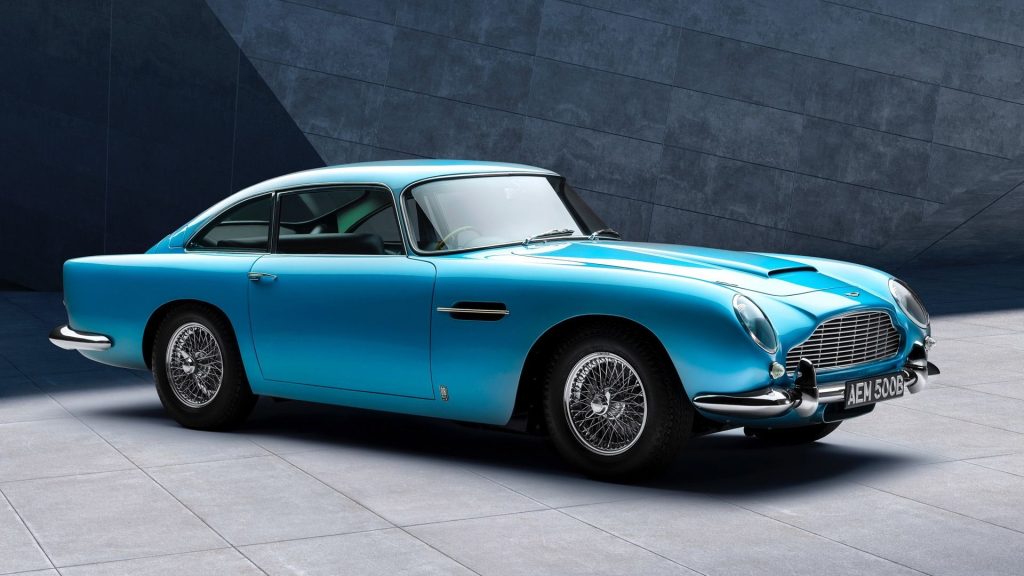
Many later Aston Martin coupes continued to borrow themes from this era, particularly the long hood and elegant roof arc combination.
The DB5 proves that a coupe silhouette can become timeless when it balances performance suggestion with visual sophistication. Its design continues to represent British grand touring beauty at its peak.
9. Ferrari 365 GTB4 Daytona (1968)
The Ferrari Daytona represents a very different interpretation of coupe beauty compared to earlier Ferrari designs. Where the 250 Lusso focused on softness, the Daytona introduced a more assertive and technical silhouette. Its shape reflects a transition toward modern performance design thinking.
The most noticeable feature is the long horizontal hood line. Instead of flowing curves dominating the profile, the Daytona uses length to create drama. This extended front gives the impression of immense power waiting beneath the surface.
The cabin appears slightly compressed compared to the hood. This contrast emphasizes the front engine layout and reinforces the grand touring purpose. The visual weight toward the front makes the car appear serious and purposeful.
Another defining detail comes from the fastback rear design. The roofline slopes more sharply than earlier Ferrari coupes, creating a more aerodynamic impression. This change reflects how performance and aerodynamics were becoming more influential in styling decisions.
The side profile also features a very clean surface approach. Instead of heavy sculpting, Ferrari allowed proportion to carry the design. This restraint prevents the car from appearing complicated.
Wheel arch shapes again play a supporting role. They are strong enough to communicate performance but not exaggerated to the point of distraction. This keeps attention on the overall form.
The Daytona also represents a moment when automotive design began blending beauty with scientific thinking. Aerodynamic awareness began shaping silhouettes more directly. This gave the car a slightly more technical appearance compared to earlier artistic designs.
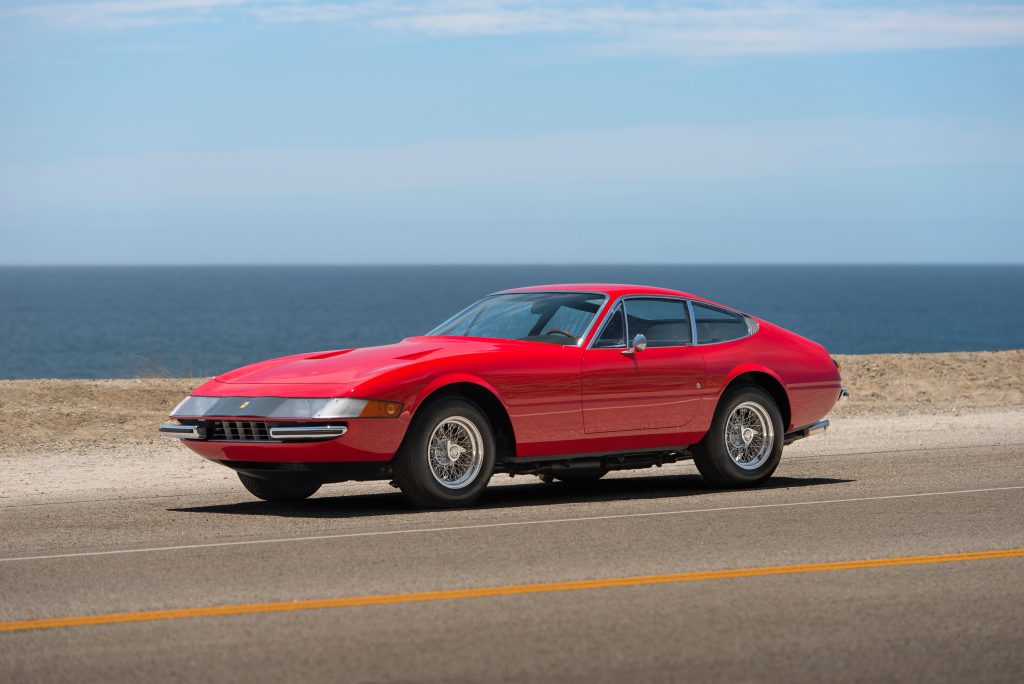
Collectors often admire the Daytona because it represents this turning point. It still carries classic Ferrari elegance while pointing toward the sharper design language that would follow in the 1970s.
Its silhouette remains respected because it shows how a manufacturer can evolve design without losing identity.
10. Audi TT Coupe (First Generation 1998)
By the late 1990s, many car designs had become complex, filled with sharp lines and aggressive details. The first generation Audi TT took the opposite approach. Instead of adding more elements, its designers removed as much visual clutter as possible. The result was a coupe silhouette built on simplicity and geometry.
The most defining characteristic is the circular theme. The roof forms a smooth semi circular arc from the windshield to the rear. This single gesture defines the entire side profile and makes the car instantly recognizable even in silhouette form.
Another striking decision was the short overhang design. The wheels were pushed toward the corners, giving the TT a stable and planted appearance. This layout also allowed the cabin to feel integrated rather than floating between long body sections.
The side surfaces remain extremely clean. There are almost no strong character lines competing for attention. Instead, the designers allowed proportion and surface quality to carry the visual impact. This approach reflected Bauhaus design influence, where form follows function and unnecessary decoration is avoided.
The window shape also contributes heavily to the design. The glass follows the roof curve almost perfectly, creating a unified visual structure. This harmony between metal and glass is one reason the car still looks modern.
Another detail often praised is the visual thickness of the rear pillar. Instead of appearing heavy, it gives the coupe a solid architectural feel. The design feels intentional and structural rather than decorative.
The TT also showed how retro inspiration could be translated into modern form. Some observers noted similarities to earlier racing coupes, yet the execution felt contemporary rather than nostalgic.
Audi proved with this model that beauty could come from discipline and reduction. By focusing on shape rather than ornamentation, the company created a coupe that designers still reference today.
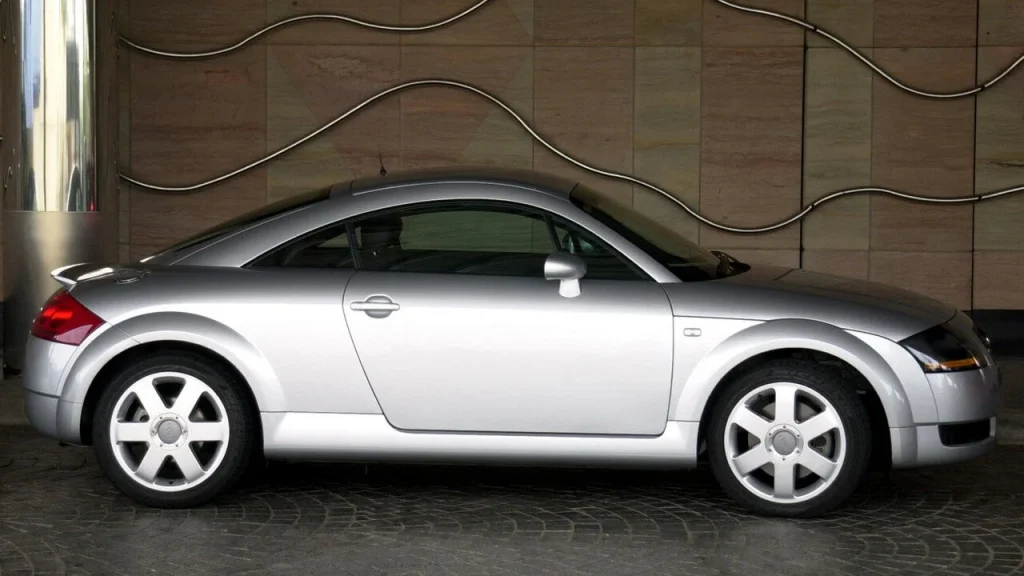
The first generation TT remains an example of how a strong silhouette does not require complexity. Sometimes a single well executed idea can define an entire car.
The history of coupe design shows how a simple two door shape can become a canvas for artistic expression. From the flowing elegance of 1960s grand tourers to the geometric precision of modern designs, each era has interpreted coupe beauty in its own way.
Looking at these ten cars together reveals an important truth. There is no single formula for a beautiful silhouette. Some rely on long hoods and short rear decks. Others focus on mid engine balance. Some achieve beauty through curves while others depend on straight lines and geometry.
What connects them is proportion. In every case, designers paid careful attention to how each section of the car related to the others. When this balance is correct, even a simple design can become timeless.
Another interesting observation is influence. Many modern coupes still echo the proportions established by these classics. Even as technology changes, the human eye continues to respond to the same visual principles of balance and flow.
These cars also remind us that design longevity often comes from restraint. Vehicles that avoided extreme trends often aged better than those that chased fashion. Clean shapes tend to remain attractive long after details become outdated.
Coupe silhouettes continue to matter because they represent emotional design. While many vehicles today focus on practicality, coupes still exist largely because people appreciate how they look and how they make drivers feel.
Ultimately, the most beautiful coupe shapes succeed because they create instant recognition. Even without color, badges, or details, their outlines remain memorable.
These ten cars demonstrate that when designers achieve the right combination of proportion, simplicity, and identity, a coupe can become more than transportation. It can become a lasting piece of industrial art that continues to inspire admiration across generations.
Also Read: 8 Reasons Why You Should Change the Oil in Your Classic Every Six Months
