
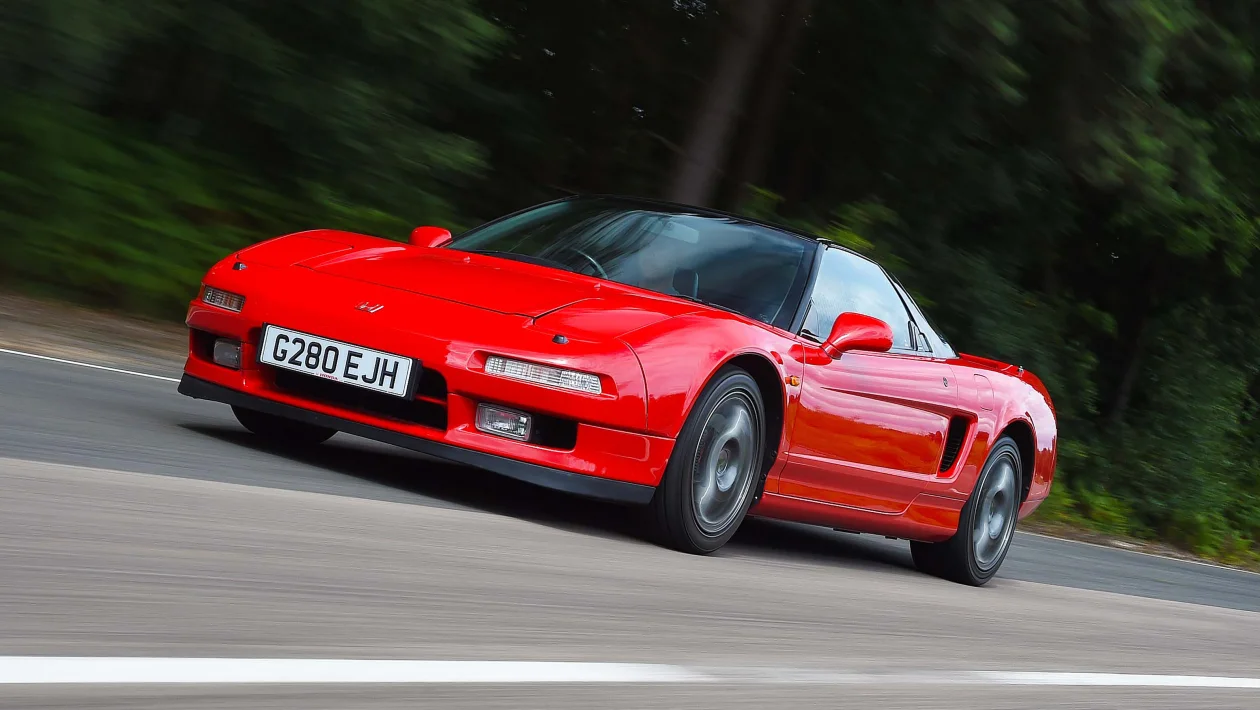
Cars from the 1990s are entering an interesting phase of automotive history. For many years they were simply considered used cars, then they became cheap transportation, and now many of them are beginning to gain recognition as collector vehicles.
This shift is happening because enough time has passed for these cars to represent a specific era of design, engineering, and driving experience that no longer exists in modern vehicles.
The 1990s represented a transition period in the automotive world. Manufacturers were moving from purely mechanical designs toward electronic management systems, but they had not yet reached the heavy digital complexity seen today.
This created vehicles that combined analog driving feel with early modern reliability improvements. Many enthusiasts now see this as a perfect balance between old school character and usable performance.
Another factor pushing these vehicles toward collector status is nostalgia. People who grew up seeing these cars on posters, in racing games, or in movies are now reaching an age where they can afford to buy the cars they once admired. This generational shift often plays a major role in determining which vehicles become collectible.
Rarity is also becoming an important factor. Many ordinary 1990s cars were driven hard and eventually scrapped, making clean, original examples difficult to find. Survivors with low mileage, original paint, and factory specifications are starting to attract serious attention from collectors.
Performance is not the only reason these cars are gaining value. Some are appreciated for engineering innovation, others for design influence, and some simply for representing the peak version of a manufacturer’s philosophy before major industry changes occurred.
The following vehicles highlight different reasons why certain 1990s models are now being taken seriously by collectors. Each one represents a different path to becoming desirable, showing how time can transform everyday machines into sought after classics.
Also Read: 8 Best Compact Trucks for Urban Dwellers Who Need Utility
1. 1994 Toyota Supra Mk4
When discussing 1990s cars that have crossed into collector territory, the 1994 Toyota Supra Mk4 is usually one of the first names mentioned.
What makes this car particularly interesting is how it transitioned from being simply a fast Japanese sports car into a globally recognized performance icon. Its rise was not immediate. For years it remained an enthusiast favorite before the collector market fully caught up.
A major reason behind its collector appeal is engineering depth. The 2JZ GTE engine developed a reputation for strength that few engines of its era could match.
Tuners discovered that the engine could handle significant power increases without major internal modifications. This built a culture around the car that extended far beyond its factory specifications.
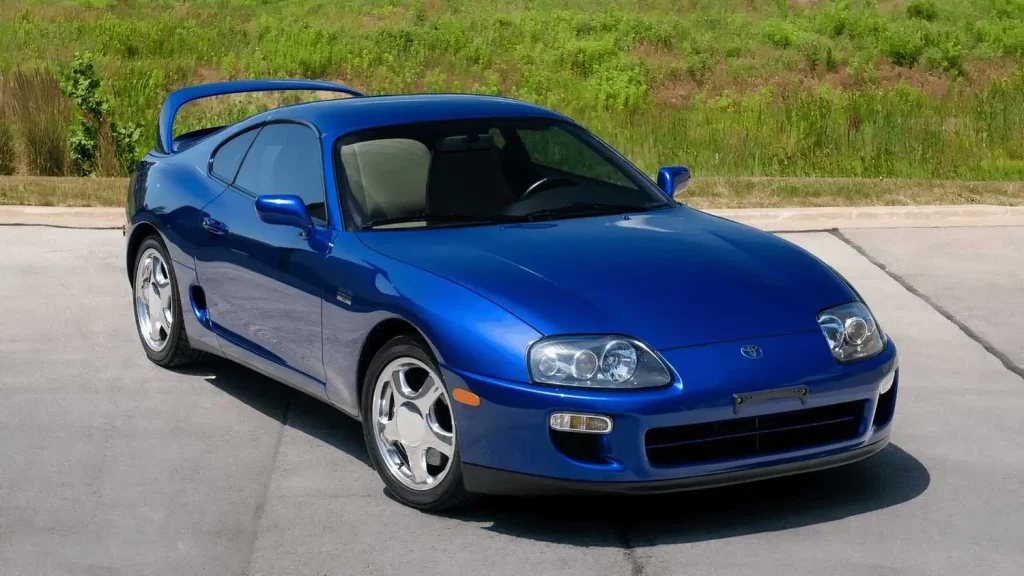
Cultural exposure also played a major role. Appearances in racing games, automotive media, and film culture helped create a strong emotional connection for a generation of enthusiasts. As those enthusiasts matured, demand naturally increased.
This pattern has repeated with many collectible cars, but the Supra stands out because its popularity spread across multiple continents.
Original condition examples are now especially valued. Many Supras were heavily modified during the early 2000s tuning boom. As a result, unmodified versions have become rare. Collectors often prioritise factory paint, original interiors, and matching-numbers drivetrains.
Another factor is production numbers. While not extremely low initially, survival rates have dropped due to accidents and modification culture. This natural reduction has increased interest in well preserved cars.
Driving experience is another part of the story. The Supra represents a time when performance cars still delivered a raw mechanical connection without excessive driver assistance. This character is becoming increasingly rare.
The Supra shows how performance, culture, and engineering strength can combine to transform a sports car into a recognized modern classic.
2. 1992 Mazda RX 7 FD
Some collector cars earn their status not through brute force but through uniqueness. The 1992 Mazda RX 7 FD stands as a perfect example of how engineering individuality can create long term collector interest. Its rotary engine alone separates it from most vehicles of its time.
Mazda chose to continue developing rotary technology when most manufacturers focused entirely on piston engines. This decision created a car with a distinctive driving character. The lightweight engine allowed excellent weight balance and sharp handling that many drivers still praise today.
Design also played a significant role in its collector rise. The smooth, flowing body lines still look modern decades later. Many designers consider it one of the cleanest sports car shapes of the decade. Cars that age visually well often attract collectors earlier than those that look tied to their time period.

Ownership commitment has also influenced rarity. Rotary engines require careful maintenance and correct tuning. Some owners neglected this, leading to engine failures. As a result, properly maintained examples are becoming harder to find, which increases their appeal.
Another interesting point is how this car represents a different engineering philosophy. Instead of focusing only on horsepower numbers, the RX 7 emphasized balance, response, and driver involvement. This approach appeals strongly to enthusiasts who value driving feel over statistics.
Collectors are also beginning to appreciate how unusual engineering decisions become more valuable over time. Cars that dared to be different often stand out decades later.
The RX 7 demonstrates that collector value can come from the originality of the concept as much as from outright performance.
3. 1999 Nissan Skyline GT R R34
Collector status is rarely accidental. In the case of the 1999 Nissan Skyline GT R R34, it was almost inevitable. Even when new, this car represented the peak of Nissan performance engineering.
Today it represents something even more important. It represents the end of an era when performance cars were built with mechanical focus rather than software filters.
The RB26DETT engine became one of the defining performance engines of the decade. Known for its twin turbo setup and strong internal construction, it helped establish the Skyline reputation in motorsport and tuning circles.
Racing success often accelerates collector interest because it creates a performance legacy rather than just a specification sheet.
Technology also played a role. The R34 introduced advanced features such as multifunction performance displays showing boost pressure, oil temperature, and other real time data. While common today, this was forward thinking technology at the time and made the car feel futuristic.
Scarcity has significantly pushed its collector rise. The R34 was never widely sold outside certain markets when new. Import restrictions in several countries limited availability. As regulations have changed over time, legal imports have increased demand dramatically.

Another factor comes from generational influence. This car became famous through digital culture. Video games, magazines, and online automotive communities elevated its reputation. Younger enthusiasts who admired it virtually are now pursuing ownership in the real world.
Condition sensitivity is also shaping the market. Because many Skylines were modified for racing or tuning, original examples are becoming increasingly desirable. Factory specification cars often command stronger interest than heavily altered ones.
Driving engagement is another key reason for its rising status. The R34 combines all wheel drive traction, strong turbo performance, and direct steering feedback. This combination delivers a driving feel that many modern cars filter out.
The Skyline GT R R34 shows how racing credibility, limited availability, and digital era popularity can combine to create strong collector demand. It is no longer just a performance car. It is now considered a milestone vehicle.
4. 1995 BMW M3 E36
Not every collector car needs extreme styling or exotic engineering. Sometimes balance itself becomes the reason a car earns respect. The 1995 BMW M3 E36 represents this idea perfectly. It did not rely on dramatic design or outrageous power numbers. Instead, it focused on creating one of the most complete driver cars of its generation.
BMW engineering philosophy during this period centered on driver involvement. The E36 M3 followed this idea by combining responsive steering, balanced chassis tuning, and usable performance. It was fast enough to be exciting while still practical enough for daily use. This dual character is one reason collectors are starting to value it more seriously.
Another element influencing its status is historical context. The E36 represented BMW refining the M3 formula beyond its original racing roots into a performance road car with broader appeal. It helped define what a sports sedan could be during the 1990s.
Market perception also plays a role. For many years, the E36 was overshadowed by the earlier E30 and later E46 generations. This kept prices relatively low. As those models increased in value, attention naturally shifted toward the E36 as the remaining accessible chapter of M3 history.

Preservation is now becoming important. Many E36 M3s were used as daily drivers, track cars, or project builds. Clean, unmodified examples are becoming harder to locate. This scarcity is beginning to influence collector decisions.
Another reason for its recognition is driving purity. The car represents a time before excessive electronic driver aids became standard. Many enthusiasts appreciate this because it offers a more honest connection between driver input and vehicle response.
The E36 M3 shows that collector status does not always come from rarity alone. Sometimes it comes from representing a perfect balance that later cars slowly moved away from.
5. 1990 Honda NSX
The story of the 1990 Honda NSX is very different from the usual path to collector recognition. Instead of becoming famous for raw power or limited production, it earned respect by changing how the automotive world viewed reliability in exotic performance cars.
Before this car arrived, many high performance sports cars were known for demanding maintenance and unpredictable behavior. Honda approached the idea from another direction.
The NSX was developed to make a supercar that could be driven daily without constant concern. Engineers focused on precision manufacturing, balance, and predictable handling rather than chasing extreme horsepower. This philosophy helped the car stand apart immediately.
One of the most interesting aspects of its development involved professional racing input. Honda worked with Formula One champion Ayrton Senna during chassis testing.
His feedback helped refine the suspension tuning and structural rigidity. This connection added credibility that still influences how collectors view the car today.
Material innovation also played a role. The NSX used an all aluminum body, something very unusual at the time. This reduced weight while maintaining structural strength. Today, collectors often value cars that introduced meaningful engineering advances rather than simply following industry trends.
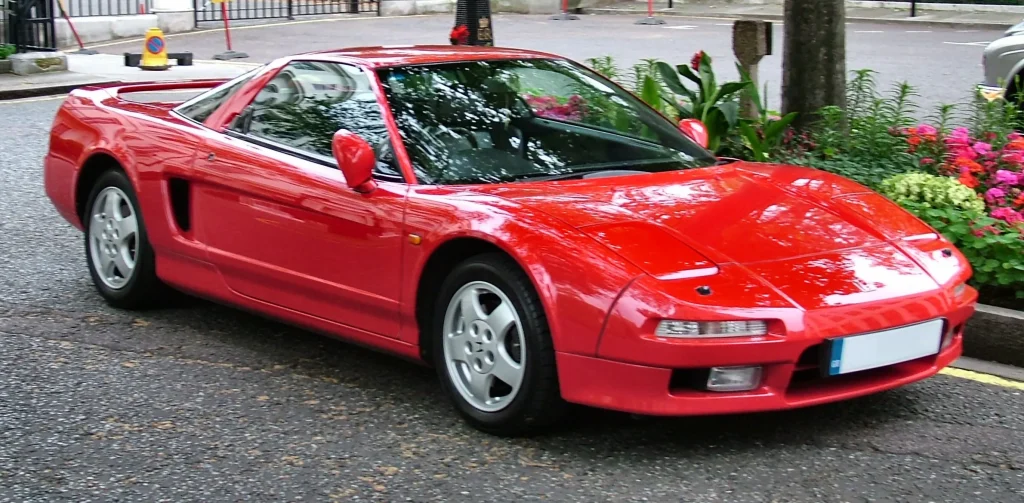
Another factor is long term reputation. Owners discovered that the NSX could deliver supercar performance with the reliability expected from Honda. This unusual combination created lasting respect within the enthusiast community.
Rarity has also increased interest. Production numbers were never extremely high, and many examples remain in private collections. As values of traditional European exotics have climbed, collectors have begun recognizing the NSX as an alternative that represents technical innovation.
The design has also aged well. Its clean shape avoids extreme styling trends that can make some 1990s cars look outdated. This visual longevity helps maintain demand.
The Honda NSX represents a turning point where precision engineering became as important as performance image. That historical importance continues to push it further into collector territory.
6. 1993 Ford Mustang SVT Cobra
Collector recognition sometimes comes from representing the best version of a familiar idea. The 1993 Ford Mustang SVT Cobra fits this description well. It was not created as a completely new car. Instead, it represented Ford refining the Fox body Mustang formula into its most developed form before a major redesign arrived.
The Special Vehicle Team, known as SVT, focused on improving performance without sacrificing everyday usability. This included upgraded intake components, improved suspension tuning, and brake improvements that made the car feel more complete than standard versions.
What makes this car interesting from a collector perspective is timing. It arrived at the end of the Fox body generation, meaning it benefited from years of gradual improvement. Final year performance versions often attract collectors because they represent the most refined evolution of a platform.
Production numbers also contribute to its appeal. Compared to regular Mustangs, SVT Cobra production was limited. This created a level of exclusivity while still keeping the car connected to a widely recognized nameplate.

Another factor is how well the Fox body platform represents 1990s American performance culture. Simple rear wheel drive layout, strong aftermarket support, and straightforward mechanical design made these cars popular among enthusiasts. The Cobra stands as the most polished factory example of that culture.
Survival condition is also affecting interest. Many Fox body Mustangs were modified or driven hard. Clean original Cobras are becoming harder to find, which naturally increases attention.
There is also a generational nostalgia factor. People who saw these cars during their youth now see them as symbols of a specific performance era.
The SVT Cobra shows how collector value can come not from being radically different but from being the best version of something already loved.
7. 1998 Subaru Impreza 22B STI
Some cars become collectible because of numbers. Others because of stories. The 1998 Subaru Impreza 22B STI belongs firmly in the second category. Its collector status is closely tied to Subaru’s rally dominance during the 1990s and the emotional connection that motorsport success creates among enthusiasts.
Built to celebrate Subaru’s World Rally Championship achievements, the 22B was never intended to be a mass production model. Limited production immediately gave it exclusivity, but what truly made it special was what it represented. This car symbolized the peak of Subaru’s rally inspired engineering during that era.
Under the surface, the car featured a widened body, upgraded suspension, and a larger displacement turbocharged engine compared to standard Impreza models. These upgrades were not cosmetic exercises. They were rooted in real performance goals connected to motorsport development.
Another interesting aspect is how quickly it became rare. Many were sold immediately to dedicated enthusiasts who understood its significance. Because of this, availability on the open market has always been limited. As time has passed, this limited visibility has only increased its mystique.

Collector demand has also been driven by authenticity. Cars that directly connect to racing success often gain long term recognition because they represent more than transportation. They represent competition history.
The design also carries a recognizable identity. The wide fenders, aggressive stance, and signature blue paint with gold wheels became visual symbols of Subaru performance. Strong visual identity often helps a car remain desirable long after production ends.
Condition sensitivity is another factor. Because these cars were performance focused, some were driven aggressively. Well preserved examples now attract strong attention because originality has become increasingly important.
The 22B STI shows how limited production combined with motorsport success can turn a performance car into a historical artifact. It is not just valued for what it can do, but for what it represents.
8. 1991 Acura NSX
The 1991 Acura NSX holds a unique place among collector cars because it changed expectations rather than simply competing within them. When it appeared, it challenged the idea that exotic sports cars had to be difficult to own. This change in thinking is a major reason collectors now view it as historically important.
Instead of focusing only on speed, Acura focused on usability. The car offered excellent visibility, comfortable ergonomics, and reliability unusual for its performance class. This made it attractive not only to collectors today but also to knowledgeable drivers when it was new.
Engineering decisions also set it apart. Extensive use of aluminum reduced weight and improved handling response. Attention to chassis stiffness helped create predictable driving behavior. These qualities may sound common today, but they represented forward thinking design at the time.
The car also benefited from a disciplined design approach. Its styling avoided excessive trends and instead focused on proportion and aerodynamic efficiency. Because of this, it still appears modern compared to many of its contemporaries.
Market evolution has also helped its collector rise. For years it remained undervalued compared to European rivals. As collectors began recognizing its technical influence, interest increased. This pattern often happens when historical importance becomes clearer with time.
Another interesting factor is respect from engineers. Many automotive designers have cited the NSX as proof that performance and reliability could exist together. Cars that influence industry thinking often become collectible because of their intellectual legacy.

Survival quality is also shaping its reputation. Many examples were carefully maintained, which means high quality cars still exist. This helps maintain collector confidence.
The Acura NSX demonstrates that collector status can come from changing industry expectations. Its importance lies not only in performance but in proving a new way to build performance cars.
The 1990s are now widely seen as one of the most important transition periods in automotive history, and the vehicles from this era are finally receiving the recognition they deserve.
What once were simply used performance cars or daily drivers are now being reevaluated as important milestones that represent the bridge between mechanical simplicity and modern technology. As time passes, the importance of this decade continues to grow in the collector market.
One major theme connecting all these vehicles is that collector status rarely depends on just one factor. Instead, it usually comes from a combination of performance, engineering uniqueness, cultural influence, rarity, and historical importance.
Some cars gained attention because of motorsport success, others because of revolutionary engineering, and some simply because they represented the best version of a well known formula.
Another clear pattern is the importance of originality. Many 1990s performance cars were heavily modified during the early tuning era of the 2000s. Because of this, factory correct examples are becoming increasingly valuable.
Collectors often look for original paint, stock mechanical components, and documented service history. Preservation has become just as important as performance.
Nostalgia is also a powerful force driving demand. Many enthusiasts who grew up in the 1990s or early 2000s are now in a financial position to buy the cars they once admired in magazines, racing games, and motorsports.
This generational shift has historically played a major role in shaping collector markets, and the same pattern is clearly happening with 1990s vehicles.
Engineering character is another major factor. Many cars from this period still offered analog driving experiences with limited electronic intervention. Hydraulic steering feel, manual transmissions, and mechanical throttle response created a level of driver involvement that many modern vehicles no longer emphasize.
This mechanical honesty is becoming more appreciated as modern cars become increasingly digital.
Rarity through survival is also influencing values. Many of these vehicles were used hard, modified, or neglected when their market values were low. As a result, clean surviving examples are becoming scarce. Scarcity naturally increases interest among collectors.
Another interesting takeaway is that collector status does not always come from extreme specifications. Some vehicles gained recognition because they introduced new engineering ideas or changed industry expectations. Innovation can be just as valuable as speed.
The overall lesson is that time changes how cars are viewed. Vehicles once considered ordinary can become historically important as their influence becomes clearer.
The 1990s produced many such vehicles, and their rise in collector status shows how automotive history constantly evolves as new generations begin to appreciate the machines that defined earlier eras.
Also Read: Top 10 Most Reliable Diesel Engines Ever Put in a Pickup
