

The 1980s represented a golden era for Japanese automotive engineering. During this decade, manufacturers were experimenting with new technology, lightweight performance designs, and unique styling that would later define the global sports car market.
While some models like the Supra, RX-7, and Skyline became legends, many other Japanese coupes quietly faded into the background despite offering impressive engineering and strong restoration potential.
What makes these forgotten coupes interesting today is their balance of simplicity and innovation. Many featured naturally aspirated engines, mechanical reliability, and driver focused layouts that make them attractive restoration candidates.
Unlike modern vehicles filled with complex electronics, these older coupes often allow enthusiasts to work on them with basic mechanical knowledge and patience.
Another factor increasing their appeal is rarity. Because these cars were often overshadowed by more famous performance models, many were neglected, modified poorly, or scrapped. As a result, surviving examples are becoming harder to find. This scarcity is slowly pushing enthusiasts to rediscover these overlooked machines.
Restoring one of these forgotten Japanese coupes can also be financially sensible compared to chasing highly collectible models. Parts availability for many Japanese vehicles remains surprisingly good thanks to strong aftermarket support and shared components between models.
Beyond financial considerations, these cars represent an era when manufacturers were still defining their performance identity. You can see the early design philosophies that would later lead to iconic sports cars. For collectors, this historical connection adds another layer of meaning.
This list focuses on eight Japanese coupes from the 1980s that deserve more recognition among restorers. Each one offers something different, whether it is engineering uniqueness, strong reliability, interesting styling, or driving enjoyment.
If preserved properly, these forgotten coupes have the potential to become tomorrow’s respected classics, especially as interest in analog driving experiences continues to grow among enthusiasts worldwide.
Also Read: 8 Best Off Road Tires for People Who Also Drive on Highways
1. Toyota Soarer Z10
The first-generation Toyota Soarer is often remembered in Japan but surprisingly overlooked in global classic car discussions. Produced starting in 1981, this luxury performance coupe marked Toyota’s experimentation with advanced technology long before such features became common.
Unlike many basic coupes of its era, the Soarer aimed to combine performance with comfort. Digital dashboards, electronically controlled suspension on certain trims, and advanced climate systems showed how ambitious Toyota was during this period.
Today, these features make restoration interesting because they represent early attempts at modern vehicle technology.
Under the hood, buyers could find smooth inline six engines that delivered reliable performance rather than aggressive speed. These engines were known for their durability, which is one reason surviving examples still attract attention during restoration.
The mechanical strength means many projects focus more on cosmetic and interior restoration than on major engine rebuilding.
Design also plays a role in its appeal. The sharp body lines, long hood proportions, and pillarless window design give the Soarer a distinct grand touring presence. It looks expensive even by modern standards, which helps it stand out at classic car gatherings.
One reason the Soarer became forgotten outside Japan was limited exposure to export markets. Many were sold domestically, meaning enthusiasts in other markets did not grow up seeing them regularly.
As imports become easier to access, interest has been growing among collectors seeking something different from common Japanese classics.
Interior restoration can be both rewarding and challenging. The electronic displays and control panels require careful sourcing or repair, but completing such a restoration gives the car a futuristic charm that few other 1980s vehicles can match.
Another advantage is Toyota parts compatibility. Some mechanical components share design similarities with other Toyota models from the same era. This can make certain repairs more manageable than for rare, exotic cars.

Driving experience is more about smooth cruising than aggressive racing. This makes it attractive to collectors who want a usable classic rather than a garage-only showpiece. The comfortable ride quality makes it suitable for weekend drives and classic meets.
Values are still relatively reasonable compared to famous Japanese performance icons. This creates an opportunity for restorers who want something historically interesting without paying premium collector prices.
The Toyota Soarer Z10 marks a moment when Japanese manufacturers began to prove they could build technologically ambitious luxury coupes. Restoring one today preserves an important step in that journey.
2. Nissan Leopard F30
There was a time when Nissan was experimenting heavily with personal luxury coupes, and the Leopard F30 stands as a perfect example of that ambition. Introduced in 1980, this coupe was designed to compete with upscale grand touring cars rather than raw sports machines, which is partly why it slipped through the cracks of enthusiast memory.
The Leopard followed a very different philosophy compared to Nissan’s more famous performance cars. Instead of focusing purely on speed, it prioritized refinement, highway comfort, and balanced driving manners. Buyers at the time were often professionals looking for something stylish but not flashy.
Visually, the Leopard captured the clean geometric styling of early 1980s design. Its straight lines, slim pillars, and balanced proportions gave it a mature appearance rather than an aggressive one. Today, this restrained styling actually helps it stand out because it represents a design language that has mostly disappeared.
Engine options included both four cylinder and V6 configurations depending on the market. The V6 versions are particularly attractive for restorers because they deliver smooth power delivery and a pleasant touring character. These engines were built during a period when Nissan engineering emphasized longevity.
One interesting advantage of restoration comes from Nissan’s parts-sharing strategy. Certain drivetrain components can be sourced from other Nissan vehicles of the same era. This reduces the fear many collectors have about restoring lesser known models.
The interior design reflects a transition period between analog simplicity and emerging digital convenience. Some models included early electronic features such as trip computers and advanced audio systems. Restoring these details can be time consuming, but the final result gives the car authentic period character.
The Leopard also carries cultural significance in Japan because later generations became associated with television dramas and executive lifestyle imagery. Even though the F30 itself is less famous, it helped establish that identity.
Driving one today feels different from typical lightweight Japanese sports coupes. It feels planted and composed rather than sharp and aggressive. For someone restoring a car for relaxed weekend drives instead of track days, this personality can actually be more enjoyable.
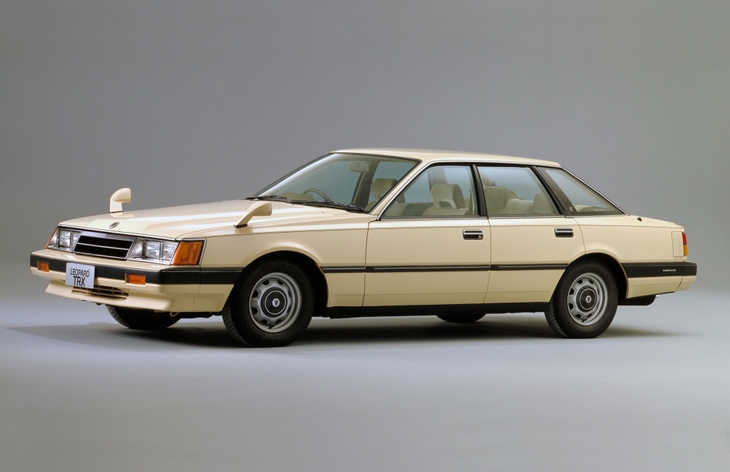
Because it never achieved global performance fame, prices remain approachable. That affordability makes it appealing to restorers who want something uncommon without entering expensive collector territory.
Saving a Nissan Leopard F30 today is less about chasing investment value and more about preserving a forgotten chapter of Nissan’s attempt to redefine the luxury coupe segment during a highly competitive decade.
3. Mazda Cosmo HB Coupe
Some cars become forgotten not because they lacked quality, but because they existed in the shadow of more famous relatives.
The Mazda Cosmo HB Coupe is one of those vehicles. While the RX-7 received global attention, the Cosmo quietly offered many of the same engineering ideas in a more refined and understated package.
Produced in the early to mid 1980s, the Cosmo targeted buyers who wanted technology and smooth performance rather than a pure sports-car image. This approach meant it never built a racing reputation, which often determines long term fame in enthusiast circles.
What makes the Cosmo especially interesting today is Mazda’s continued commitment to rotary engine development during this time.
Certain versions featured rotary powerplants that delivered smooth high revving characteristics. For restorers interested in unusual engineering, this alone makes the Cosmo worth consideration.
The styling reflects Mazda’s evolving design confidence. Compared to the more aggressive RX-7, the Cosmo looks formal and sophisticated. Hidden headlights, balanced proportions, and subtle detailing give it a timeless executive coupe feel.
Restoration projects often focus heavily on preserving originality because the Cosmo represents a more premium interpretation of Mazda engineering. Clean interiors with correct trim and functioning electronics can significantly increase collector interest.
Mechanical restoration requires understanding rotary maintenance if equipped with that engine. While some enthusiasts fear rotary engines, proper care and correct tuning can make them reliable. Specialists and enthusiast communities have also improved knowledge sharing, making restoration more realistic than it once seemed.
Another overlooked benefit is that these cars were often owned by careful drivers rather than aggressive tuners. This sometimes means survivors were less abused compared to more famous sports models.
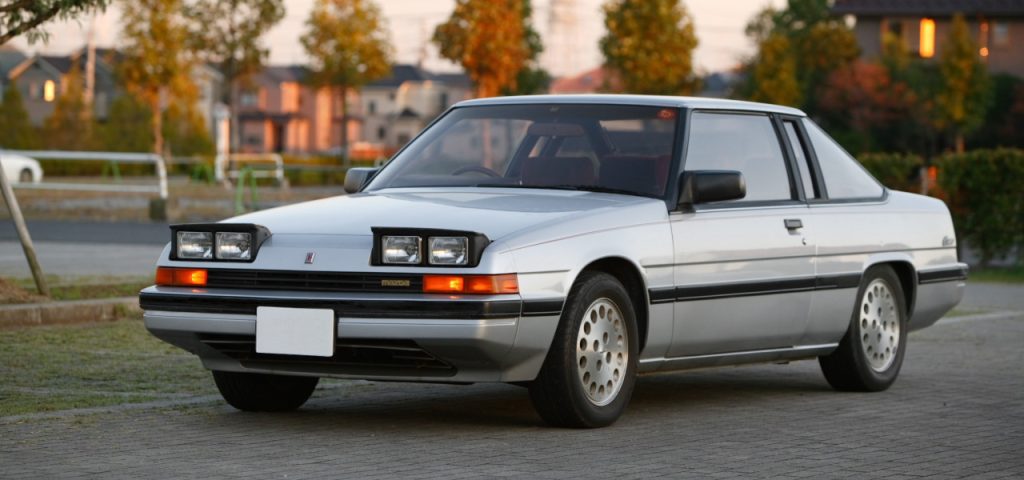
The driving experience emphasizes smoothness. The car feels balanced and composed rather than raw. This makes it appealing to collectors who appreciate the engineering story more than outright performance numbers.
Because it never achieved the same recognition as Mazda’s sports icons, the Cosmo remains relatively affordable in the collector market. This gives restorers a chance to preserve a rotary powered grand touring coupe without paying RX-7 collector prices.
Restoring a Mazda Cosmo HB Coupe is less about nostalgia and more about recognizing a sophisticated car that helped Mazda refine its identity during a period of rapid innovation.
4. Mitsubishi Starion
Some cars disappear from mainstream attention simply because they were marketed in confusing ways.
The Mitsubishi Starion is a perfect example. Sold under different names in various markets and sometimes rebadged through partnerships, this turbocharged coupe never developed a clear identity despite serious performance credentials.
Introduced in the early 1980s, the Starion was Mitsubishi showing it could build a true rear wheel drive performance coupe. At a time when many Japanese cars were still focusing on economy, this model aimed directly at the growing sports coupe segment.
Its appearance immediately separates it from many forgotten coupes. Wide fenders, aggressive hood vents, and a purposeful stance gave it a muscular presence. Even today, the design looks bold rather than outdated. A properly restored Starion rarely goes unnoticed at classic car meets.
Performance came from turbocharged four cylinder engines that delivered strong power for the time. Turbo technology was still developing during the 1980s, which makes these engines historically interesting. Restoring one allows enthusiasts to experience early Japanese turbo performance engineering.
Unlike naturally aspirated classics, turbo cars require careful restoration planning. Fuel systems, vacuum lines, and cooling components must be inspected thoroughly. Once sorted properly, these engines can be both durable and exciting to drive.
Handling is another strength that often surprises people. With Rear Wheel Drive balance and a relatively wide track, the Starion feels planted compared to many coupes of its era. This makes it attractive for drivers who want a classic that still feels capable on modern roads.
Interior design reflects typical 1980s driver focused layouts. Deep instrument clusters and angled centre controls create a cockpit-like feel. Preserving these original layouts adds authenticity to any restoration project.
Parts availability varies by region, but enthusiast communities have helped maintain knowledge of compatible components and restoration techniques. This has slowly improved the feasibility of bringing neglected examples back to life.
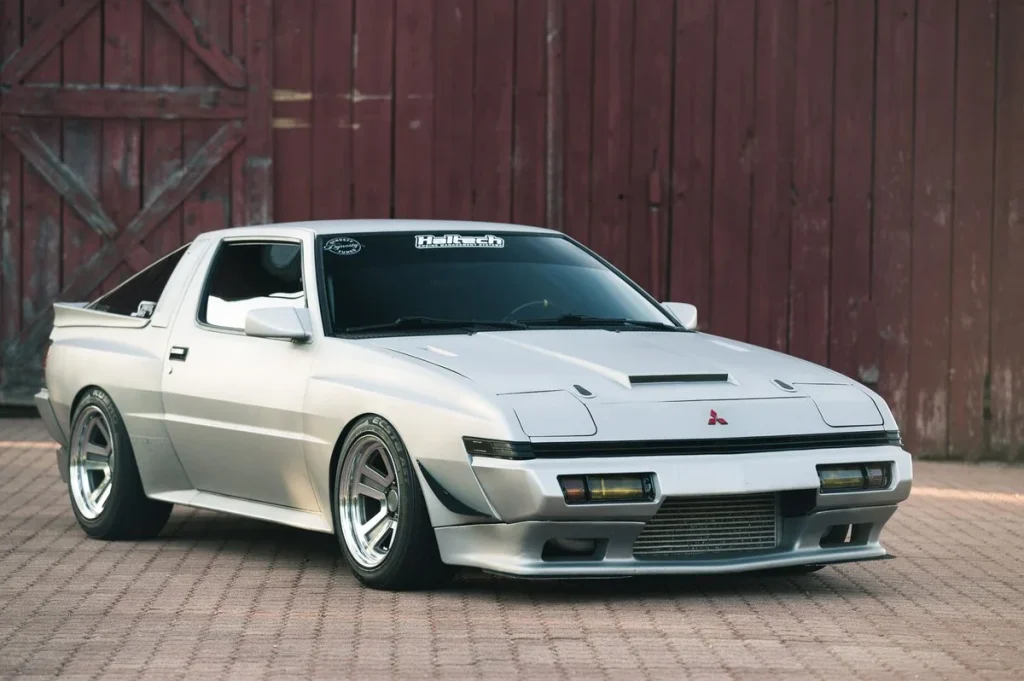
One reason the Starion remained underappreciated was competition. It existed during the same period as several now famous Japanese performance cars. Being good was not enough when others became icons.
Today that lack of mainstream recognition actually helps. Prices remain lower than many comparable turbo classics. This allows restorers to enter ownership without extreme financial pressure.
The Mitsubishi Starion deserves more attention because it represents Japan’s early confidence in turbocharged rear wheel drive performance. Restoring one is like preserving a preview of what Japanese performance cars would become in the following decade.
5. Honda Prelude Second Generation
If someone were to describe Honda during the 1980s using one word, it would probably be precision. The second generation Prelude perfectly captures that philosophy. While it never achieved the collector attention of some rivals, it quietly introduced engineering ideas that later became industry standards.
Launched in 1982, this Prelude was not built to intimidate. It was built to demonstrate balance. Honda engineers focused on creating a coupe that felt refined, predictable, and technically advanced rather than purely aggressive.
One feature that makes this car historically important is the early use of advanced suspension tuning. Honda paid close attention to steering response and chassis feedback. Even today, enthusiasts often comment on how natural the car feels through corners.
The design took a different direction compared to many sharp edged competitors. Instead of aggressive lines, the Prelude used smooth shaping and excellent glass visibility. This gave it a clean aerodynamic appearance that still looks surprisingly modern.
Another highlight was interior ergonomics. Honda invested serious effort into making controls intuitive. Switch placement, gauge readability, and driver seating position all reflected thoughtful engineering rather than styling trends.
Restoration appeal comes from Honda’s reputation for mechanical durability. Many engines from this period were known for long service life when maintained properly. This allows restorers to focus on suspension refresh, cosmetic details, and interior preservation rather than major drivetrain reconstruction.
Unlike turbocharged rivals, the Prelude focused on naturally aspirated efficiency and responsiveness. This creates a different restoration goal. Instead of chasing maximum power, the goal is often to restore the original driving balance.
Parts sourcing is usually more manageable than expected because Honda maintained consistent engineering standards. Some service components remain available through enthusiast networks and aftermarket suppliers.
Driving a restored Prelude feels light and communicative. The steering tends to feel direct and the chassis encourages smooth inputs. It rewards skill rather than brute force driving style.
Another reason it fell by the wayside is that it never built a racing legend like some competitors. Without motorsport fame, many people forgot how advanced it was for its time.

That is beginning to change as collectors start appreciating engineering milestones rather than just horsepower numbers. The Prelude represents a period when Honda was proving it could build driver focused coupes with remarkable technical discipline.
Restoring a second generation Prelude is about preserving engineering purity. It reminds enthusiasts that precision and balance can be just as valuable as outright performance.
6. Isuzu Piazza
Not every forgotten Japanese coupe came from a company famous for sports cars. Some came from manufacturers better known for practical vehicles. The Isuzu Piazza is one of the most interesting examples because it shows how even smaller brands tried to enter the sporty coupe market during the 1980s.
The Piazza arrived with something many people still find surprising. Its design came from Giorgetto Giugiaro, one of the most respected automotive designers in history. This alone gives the car historical value that many collectors are only now beginning to recognize.
Instead of following typical Japanese styling of the time, the Piazza adopted a distinctly European influenced look. The low nose, flat hood, and straight beltline gave it a futuristic presence. When restored correctly, the shape still looks like something from a concept car rather than a forgotten production coupe.
Inside the cabin, the Piazza experimented with digital instrumentation long before such features became normal. Some versions included graphic equalizer style displays and electronic driver information systems. Restoring these elements can be challenging, but they are part of what makes the car special.
From a mechanical perspective, the Piazza used turbocharged engines in certain variants, giving it respectable performance for the era. While it was never the fastest coupe of the decade, it provided a balanced mix of handling and everyday usability.
One of the biggest advantages for restorers is uniqueness. At classic gatherings filled with common Japanese sports cars, a Piazza often attracts curiosity simply because many people have never seen one in person.
The challenge comes from limited production numbers. Finding certain trim pieces or interior parts can require patience. However, this difficulty also increases satisfaction when a restoration is completed successfully.
Driving dynamics tend to surprise people who expect something ordinary. The chassis tuning aimed to provide predictable cornering rather than dramatic oversteer. This makes it enjoyable on winding roads without feeling intimidating.
Another interesting aspect is how the car reflects Isuzu’s brief attempt to build a performance identity. While the company later focused more on commercial vehicles and SUVs, the Piazza remains proof that it once pursued enthusiast markets.
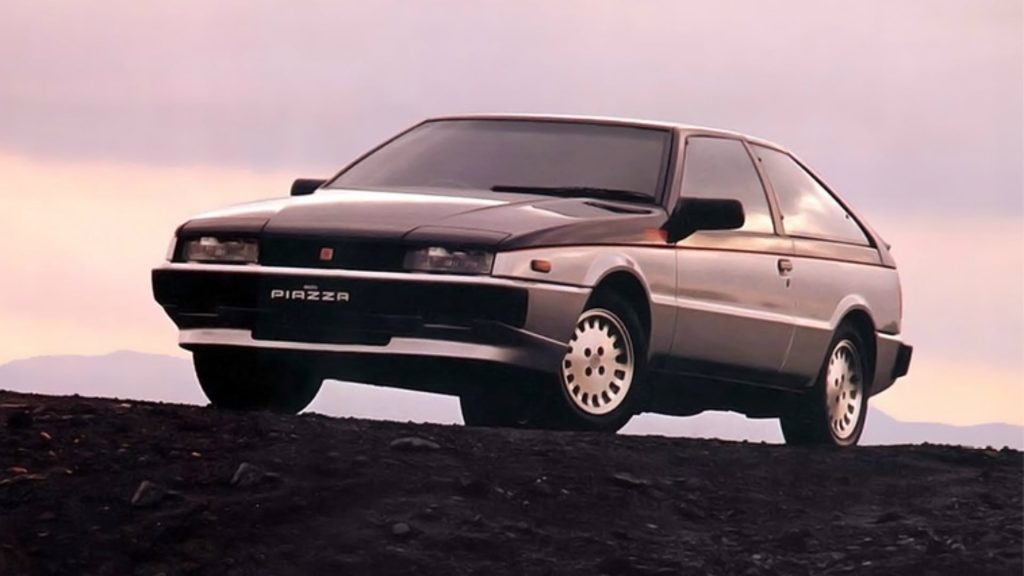
Collectors who choose to restore one often do so because they want something that tells a different story. Instead of following the usual path of popular models, they preserve something that almost disappeared from memory.
The Isuzu Piazza represents a rare intersection of Italian design influence and Japanese engineering. Restoring one is less about profit and more about saving a unique design experiment from being forgotten completely.
7. Subaru XT Coupe
If there was ever a Japanese coupe that looked like it came straight out of a science fiction movie, it would be the Subaru XT. Introduced in 1985, this wedge shaped coupe took aerodynamic efficiency and futuristic design further than most of its competitors dared to attempt.
The first thing anyone notices about the XT is its shape. The extremely low drag profile was not just for appearance. Subaru engineers were actively trying to reduce air resistance to improve stability and efficiency. Even the door handles were designed to sit nearly flush with the body to help airflow.
Step inside and the futuristic theme continues. The dashboard design looks more like an aircraft control panel than a traditional car interior. The steering wheel itself featured an unusual shape with integrated controls, something that felt extremely advanced for the period.
This unusual design is exactly why the XT is becoming more interesting to restorers. It represents a time when manufacturers were willing to experiment boldly rather than follow safe design patterns. Restoring one preserves that spirit of experimentation.
Underneath the styling, Subaru used its well known boxer engine layout. This provided a lower center of gravity compared to many inline engine competitors. Some versions also included Subaru’s all wheel drive system, which was still relatively uncommon in coupes at the time.
This combination gives the XT a different personality compared to traditional rear wheel drive Japanese coupes. It focuses more on stability and all weather confidence rather than drifting or track performance.
Restoration projects often involve attention to interior electronics because of the unusual control layouts. While this can require effort, completing these details makes the finished car feel like a preserved time capsule from the 1980s vision of the future.
Parts sourcing can require creativity, but Subaru’s mechanical reliability helps. The engines themselves are generally robust when maintained properly, meaning many projects focus on cosmetic revival rather than complete mechanical reconstruction.
The XT also appeals to collectors who prefer unconventional classics. Anyone can restore a well known sports car, but bringing back something unusual shows deeper enthusiasm for automotive history.

Because it never gained widespread popularity, prices remain relatively accessible. This creates an opportunity for collectors who want something visually dramatic without entering high collector price territory.
The Subaru XT Coupe proves that bold design risks sometimes become future collector appeal. What once seemed too unusual now feels refreshingly different.
8. Suzuki SC100 GX Coupe
Some forgotten coupes earned their obscurity not because they were poor cars, but because they were sold in very limited numbers or very specific markets. The Suzuki SC100 GX Coupe is one such rare story, representing a small and lightweight approach to coupe design that is rarely discussed today.
Unlike larger performance coupes of the 1980s, the SC100 GX followed a minimalist philosophy. It focused on lightweight, simplicity, and efficiency rather than power. This makes it very different from typical restoration candidates, but also gives it unique charm.
Its compact dimensions make it feel closer to a classic city sports coupe rather than a highway grand tourer. The small footprint makes it easy to store, easy to work on, and surprisingly fun at moderate speeds due to its light construction.
Design-wise, the car reflects late-1970s and early-1980s transition styling. Simple round lighting, clean body panels, and a very straightforward shape make it appealing in a vintage mechanical way rather than a performance-focused way.
Because it used small-displacement engines, restoration costs can sometimes be lower than those of larger sports coupes. Simpler mechanical layouts mean fewer complicated systems to rebuild. For beginner restorers, this can make the project less intimidating.
One of the biggest attractions is rarity. Seeing one today is extremely rare, which gives it strong conversational value among collectors who prefer unusual vehicles over mainstream icons.

Interior restoration tends to be straightforward due to the simple design. Fewer electronic features mean fewer things that can fail over time. This simplicity can actually be refreshing compared to more complex classics.
Driving one is less about speed and more about character. Lightweight vehicles often feel lively even without large horsepower figures. This makes it enjoyable on short drives and classic car exhibitions where uniqueness matters more than performance numbers.
The biggest challenge is parts availability. Because production volumes were low, some components require custom solutions or sourcing through specialist communities. This requires dedication but also creates a strong sense of achievement when completed.
This car also represents Suzuki’s early attempts to expand beyond small economy vehicles. It shows how even smaller manufacturers wanted to explore the coupe market during the global performance boom.
Restoring a Suzuki SC100 GX Coupe is about preserving a rare piece of small-car history. It may not be the fastest or most famous coupe of its time, but its rarity and simplicity make it a meaningful preservation project.
Also Read: 10 Reasons Why Single Cab Trucks are Making a Comeback for Work
