Luxury wagons blend style, comfort, and utility, offering a rare alternative to bulky SUVs. However, not all used wagons are created equal. Some, like the Acura TSX Sport Wagon and BMW 5 Series Touring, deliver dependable performance, practical cargo space, and low-stress ownership, making them smart investments for enthusiasts and families alike.
Others, including the Audi A6 Allroad and Maserati Levante, look glamorous but hide a financial trap of expensive repairs, complex electronics, and rapid depreciation. Knowing which wagons balance thrills with reliability is essential for buyers who want luxury without turning their savings into a casualty.
5 Used Luxury Wagons Worth the Risk
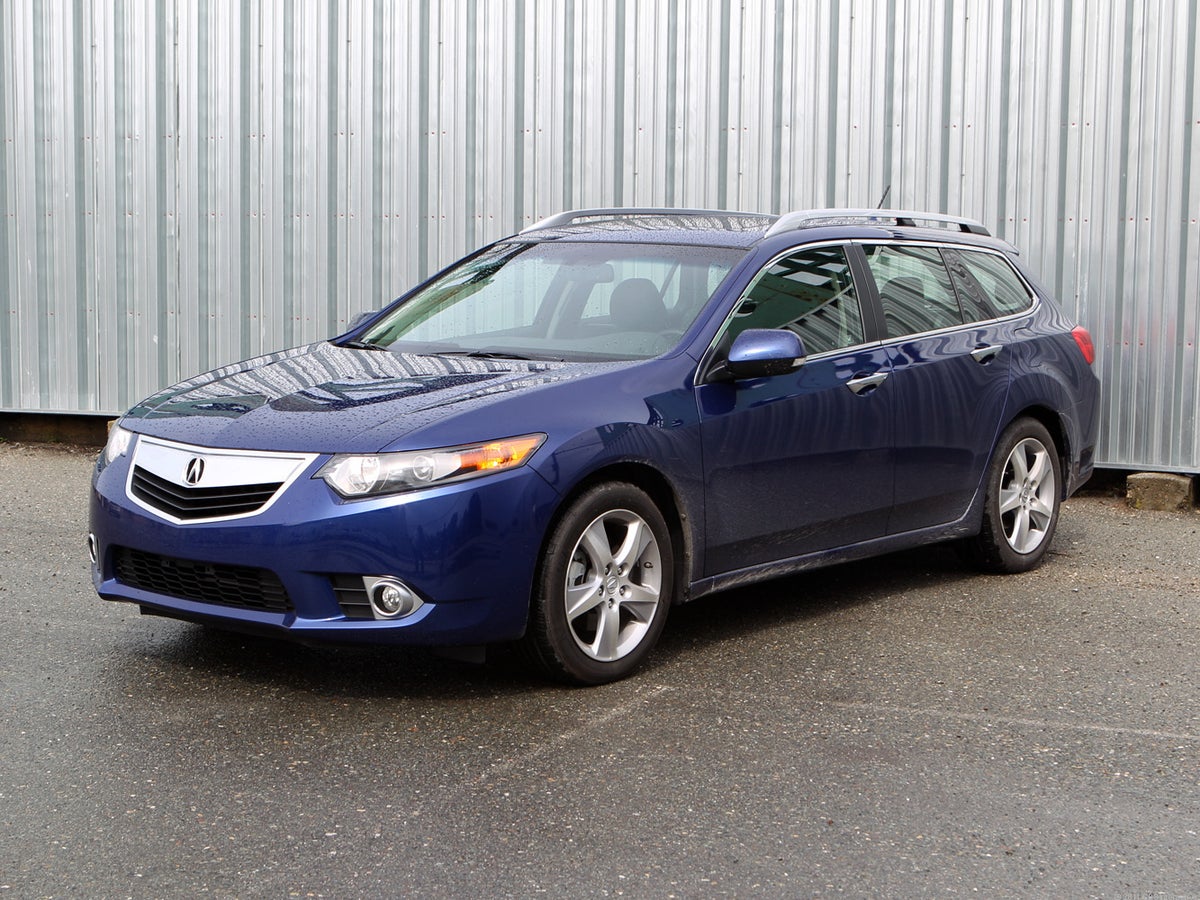
1. Acura TSX Sport Wagon (2011–2014): Reliable Luxury Meets Practicality
The Acura TSX Sport Wagon (2011–2014) is recognized as a dependable and low-stress luxury wagon, combining European-inspired styling with the mechanical reliability of the Honda Accord. Its 2.4-liter K24 inline-four engine is known for durability and uses a timing chain, avoiding high-maintenance components such as turbochargers or air suspension.
While it does not have the raw power of a V6, the wagon offers smooth handling, refined revs, and predictable performance, making it an excellent choice for long-term ownership. The main challenge for buyers is finding a well-maintained, low-mileage example, as many owners keep these vehicles for years.
Utility is one of the TSX Sport Wagon’s strongest attributes. It provides between 61 and 66 cubic feet of cargo space, more than the Audi A4 Avant, BMW 3 Series wagon, and some compact SUVs such as the Honda Crosstour. Even base models are well-equipped with leather seats, heated power seats, xenon headlights, and a sunroof, offering a true luxury experience.
This combination of practicality and comfort makes it a strong alternative to front-drive crossovers that often prioritize styling over interior space. Limited U.S. imports, roughly 3,000 to 4,000 units per year, help the wagon retain its value better than the TSX sedan.
The TSX Sport Wagon has some trade-offs that buyers should consider. It is front-wheel drive only, which may be less ideal in snowy regions. The 201-hp four-cylinder paired with a five-speed automatic can feel underpowered when fully loaded.
Some owners report minor issues such as oil consumption, VTC actuator rattles on cold starts, and Bluetooth battery drain. The five-speed automatic works best when used with paddle shifters, although hard downshifts can unsettle the chassis. Despite these small drawbacks, most owners report very few major mechanical problems even after high mileage.
In everyday use, the TSX Sport Wagon performs well as a versatile daily driver and cargo hauler. Fuel economy averages about 25 mpg in city and mixed driving and can reach 30 mpg on highways. The 18.5-gallon fuel tank allows a driving range of over 500 miles per fill.
Routine maintenance is simple and affordable, further enhancing its appeal. With domestic alternatives like the Volkswagen Passat and Mercedes C-Class wagons no longer available and crossovers often sacrificing interior space for style, the Acura TSX Sport Wagon remains a rare combination of reliability, utility, and refinement, making it a practical and enjoyable luxury wagon for those who value both performance and space.
2. Mercedes-Benz E-Class Wagon (W212, 2011–2016): Durable Luxury with Exceptional Utility
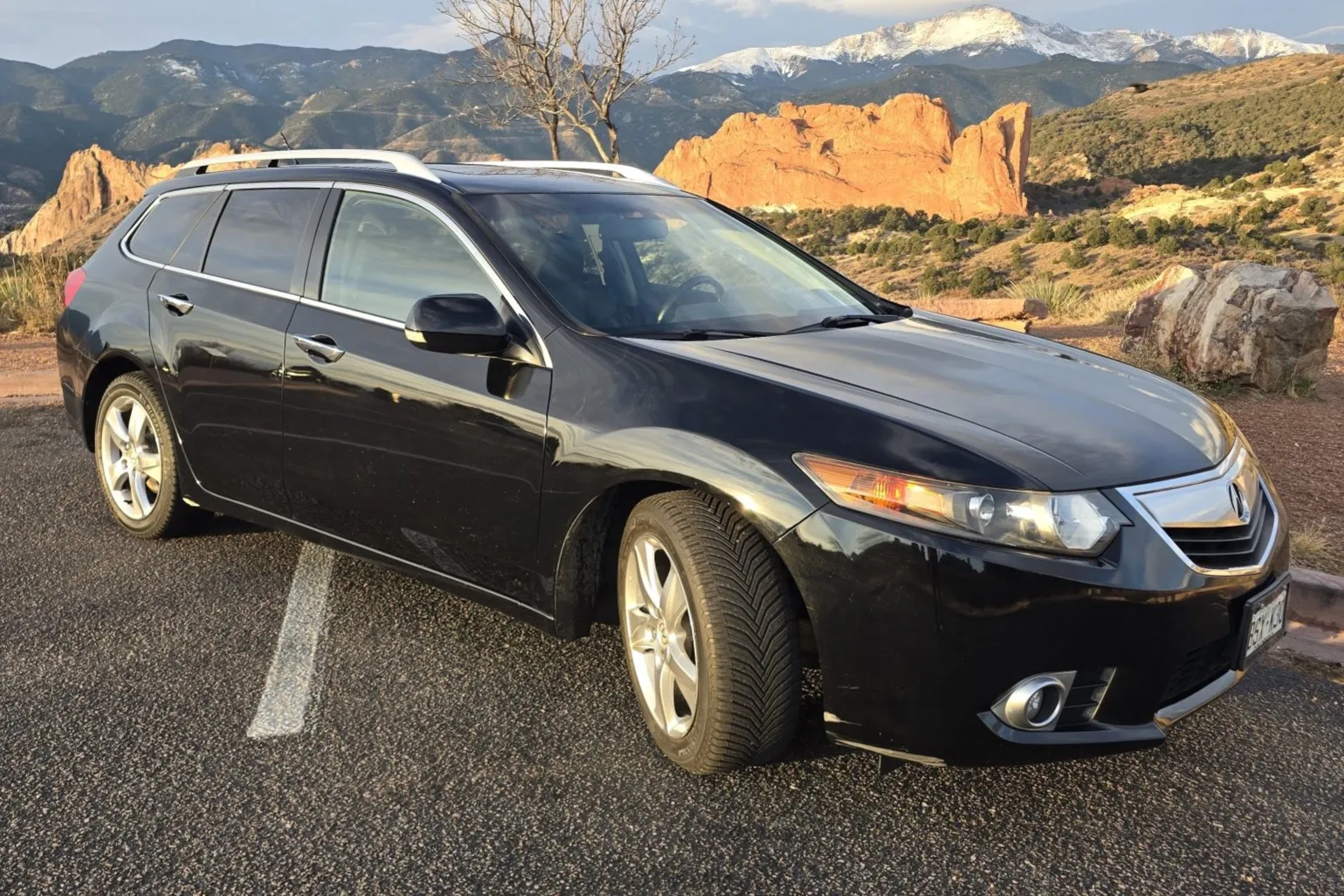
The Mercedes-Benz E-Class Wagon (W212, 2011–2016) represents a return to Mercedes’ focus on durability and over-engineering. Unlike the fragile electronics of earlier decades, this generation emphasizes robust construction, resulting in a quiet, vault-like cabin. The E350’s naturally aspirated V6 engine is known for reliability, often reaching high mileage with only routine fluid changes.
While the rear air suspension may eventually require replacement, strong aftermarket support keeps repair costs manageable. Classic styling, advanced safety features, and a rear-facing third-row seat make the W212 a practical and refined choice for buyers seeking a long-lasting luxury wagon.
Practicality is one of the wagon’s key strengths. It offers up to 695 liters of cargo space with the rear seats up, expanding to nearly 1,950 liters when folded down, exceeding competitors such as the BMW 5 Series and Audi A6 wagons. All models feature self-leveling rear air suspension, providing a smooth, comfortable ride even when fully loaded.
The cabin is thoughtfully designed with high-quality materials and refined ergonomics. Facelift models from 2014 to 2016 added LED headlights, updated interior technology, and improved safety systems, making them especially appealing for used-car buyers seeking modern convenience with proven durability.
Like any used luxury vehicle, the W212 wagon has specific issues buyers should watch for. The rear Airmatic suspension can develop leaks, and the 7G-Tronic transmission may experience conductor plate failures that cause rough shifts or limp mode. Early M272 gasoline engines may suffer intake manifold problems, while later M276 engines can develop carbon buildup or timing chain tensioner rattles.
Diesel BlueTEC models sometimes experience oil cooler leaks. Other areas to inspect include the Electronic Steering Lock, which can fail and prevent the car from starting, as well as interior wear such as fading wood trim and synthetic leather seat bolsters.
The W212 E-Class Wagon is ideal for buyers who need SUV-level space without sacrificing luxury, handling, or refinement. Its cargo capacity, rear-facing third-row seat, and smooth ride make it suitable for families or those who frequently haul gear.
Service history and pre-purchase inspections are important for minimizing maintenance risks, and post-facelift models offer mechanical improvements and updated features. This generation of E-Class Wagon combines practicality, durability, and Mercedes-Benz prestige in a package that continues to be highly sought after among used luxury wagons.
3. BMW 5 Series Touring (G31, 2017–2023): Executive Wagon with Performance and Practicality
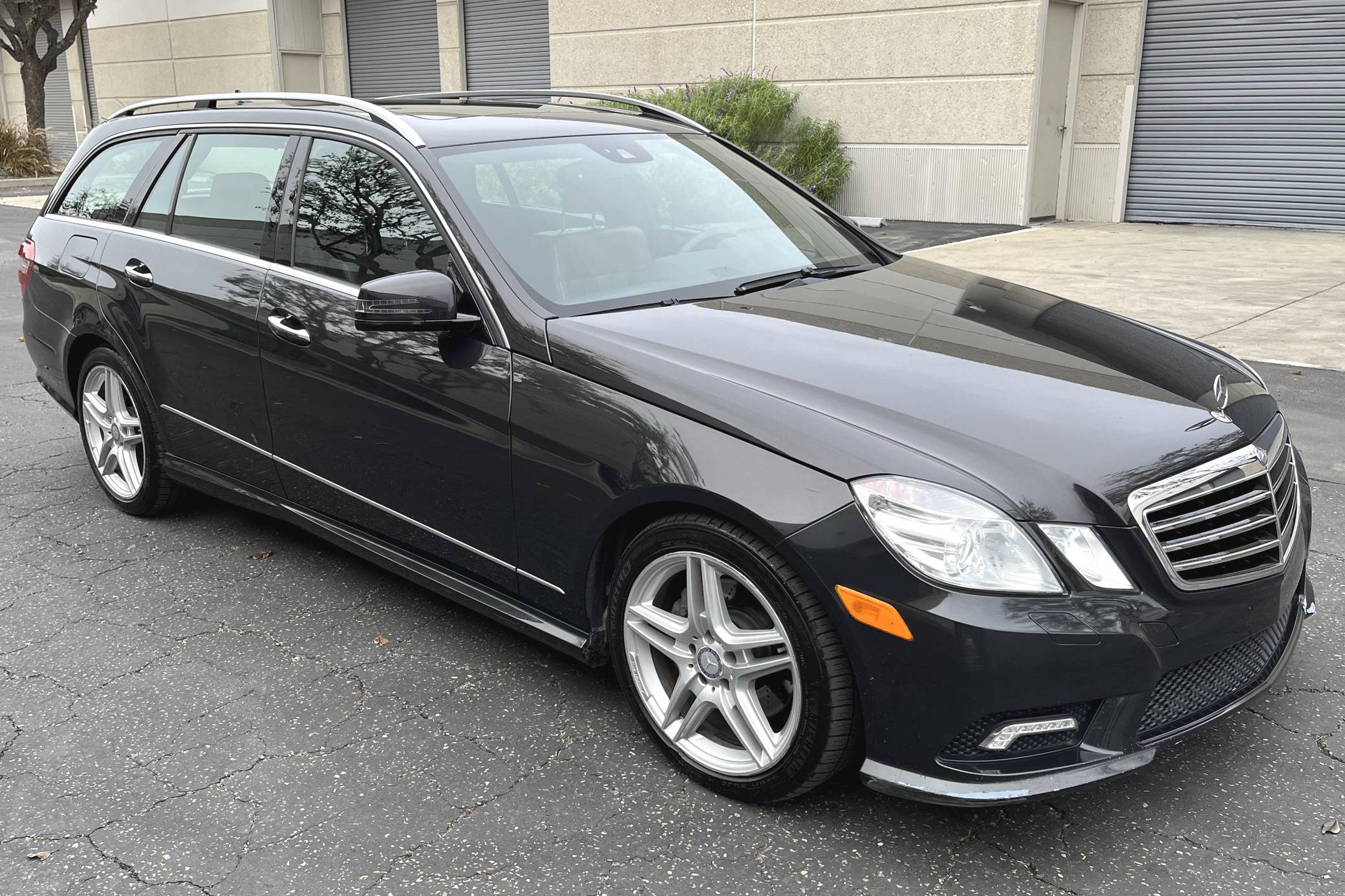
The BMW 5 Series Touring (G31, 2017–2023) represents a high point for modern executive wagons, combining sharp driving dynamics, intuitive technology, and solid reliability. The 530i, powered by the B48 four-cylinder engine, is particularly robust and efficient, earning high satisfaction ratings in reliability surveys.
Its cabin tech, including the iDrive 6 or 7 system with a physical rotary controller, is intuitive and less prone to glitches compared to touchscreen-heavy rivals. By following a strict oil-change schedule and avoiding high-strung V8 variants, owners can enjoy a refined, athletic driving experience with predictable ownership costs.
Practicality is one of the G31’s defining strengths. The wagon offers 570 liters of cargo space with seats up, expanding to 1,700 liters when folded down. A signature feature is the split-opening rear window, which allows small items to be loaded without raising the full tailgate.
Built on BMW’s CLAR platform shared with the 7 Series, the G31 delivers near-limousine ride comfort and excellent noise insulation, while shedding roughly 220 pounds compared to its predecessor. Facelifted models from 2020 added sharper LED headlights, larger grilles, and 48-volt mild-hybrid technology for improved efficiency.
While the G31 is generally reliable, buyers should be aware of certain risk factors. The rear air suspension is a known weak point, and airbag or compressor failures can cost over $3,500 for OEM repairs.
Diesel variants such as the 520d and 530d may experience EGR cooler leaks or DPF clogging, while both petrol and diesel engines can suffer water pump or thermostat failures. Annual maintenance and repairs for older models out of warranty can range from $3,000 to $5,000. Choosing reliable engines like the 530i (B48) or 540i (B58) and equipping cars with Variable Damper Control helps mitigate some of these risks.
The G31 5 Series Touring is ideal for buyers seeking a premium executive estate with both performance and practicality. It delivers precise handling, a comfortable ride, and high-quality interior materials. Features such as the split tailgate glass, self-leveling rear suspension, and intuitive iDrive system enhance usability and convenience.
Steep depreciation allows used buyers to access M Sport or Luxury Line models at a fraction of the original price, making the G31 a compelling option for those who want a well-rounded, capable, and prestigious wagon with modern reliability and technological refinement.
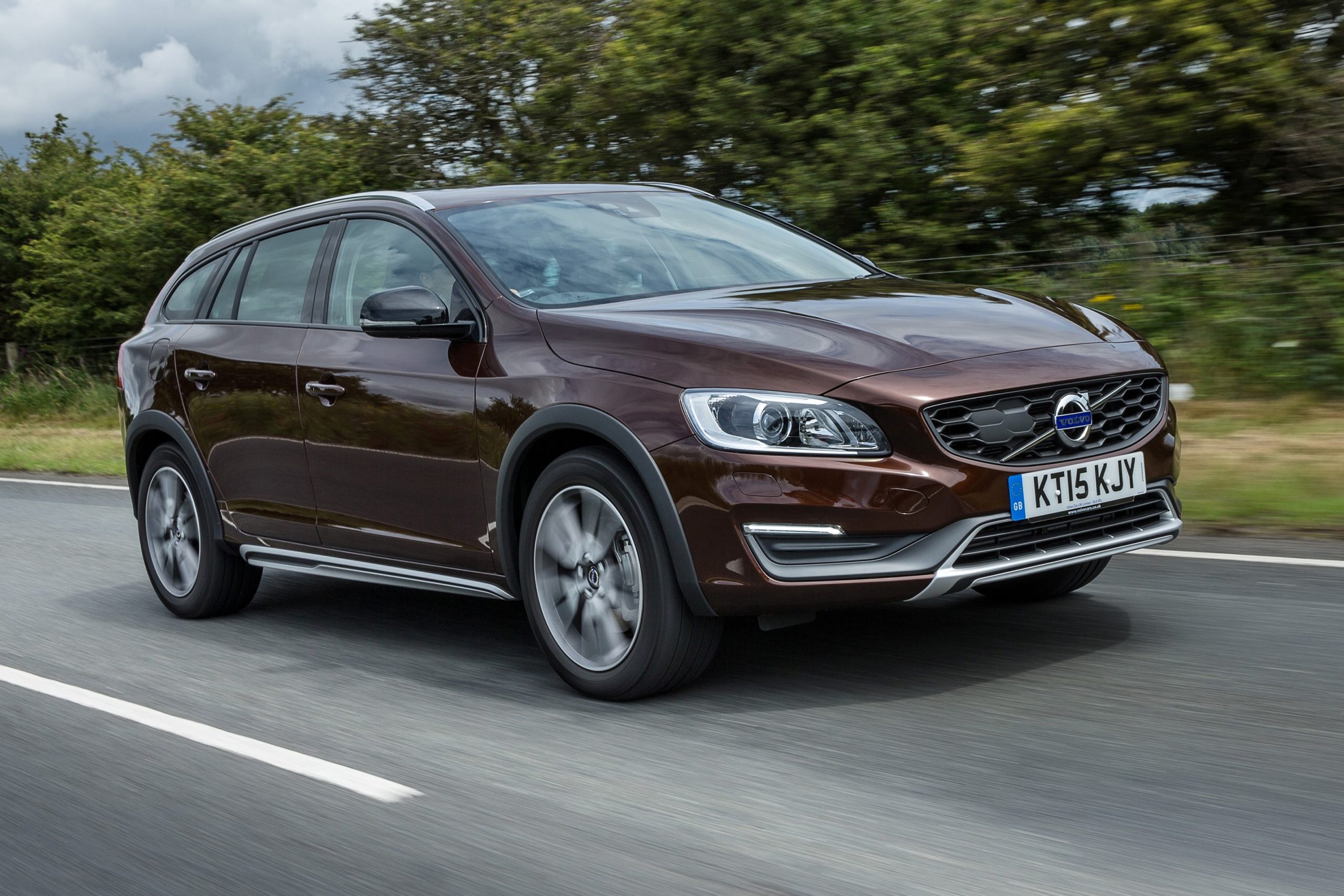
4. Volvo V60 (2016–2018): Comfortable, Safe, and Agile Luxury Wagon
The Volvo V60 (2016–2018) represents the final iteration of the first-generation model before Volvo shifted to more complex supercharged and turbocharged engines. These late-model V60s are celebrated for their world-class comfort, particularly the front seats, which are widely regarded as among the best in the industry for long-distance driving.
They offer a solid, heavy feel on the road that enhances safety and stability, distinguishing them from many modern lightweight wagons. Compared to newer SPA-platform Volvos, these models are mechanically simpler, making them a more reliable long-term choice while still offering Scandinavian luxury and a premium driving experience.
Practicality and versatility are strong points for the V60. It provides a 40/20/40 split-fold rear seat configuration and a cargo capacity of approximately 43.8 cubic feet with the seats down. While this is smaller than some larger luxury wagons, the V60 delivers a more car-like driving experience with a low center of gravity, responsive handling, and better fuel efficiency.
For those seeking more performance, the T6 R-Design offers 302 horsepower and standard all-wheel drive, while the Polestar edition boosts output to 345 horsepower with a specialized suspension. The V60 Cross Country variant adds 7.9 inches of ground clearance, ideal for light off-road use.
The V60 is generally dependable, but buyers should be aware of certain risks. Early 2016 models of the T5 and T6 engines may experience excessive oil consumption due to piston ring issues, which Volvo addressed in mid-2016.
The Sensus infotainment system, while functional, is less modern than newer touchscreen setups and lacks native Apple CarPlay or Android Auto integration. Some owners also report minor electrical glitches, jerky automatic transmission shifts, and higher-than-average maintenance costs, including dealer oil changes exceeding $200. Regular servicing and attention to fluid changes can help mitigate most of these issues.
Safety remains a key strength of the V60. Standard City Safety includes autonomous braking for low-speed collisions, while optional Technology and Vision Packages add adaptive cruise control, pedestrian detection, blind-spot monitoring, and rear cross-traffic alert.
Combined with refined handling, comfortable seats, and a premium cabin, the 2016–2018 Volvo V60 is an excellent choice for buyers seeking a compact luxury wagon that balances comfort, safety, and everyday usability, making it a practical and rewarding alternative to larger SUVs.
5. Buick Regal TourX (2018–2020): Underrated Practicality with European Handling
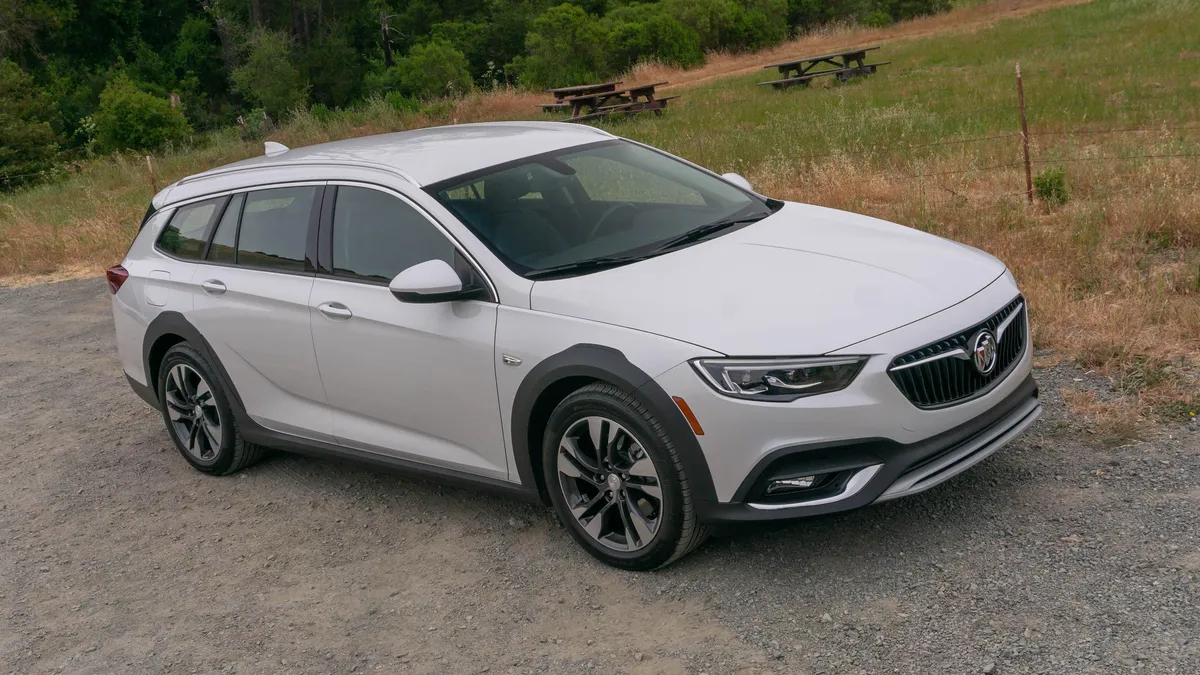
The Buick Regal TourX (2018–2020) is a largely overlooked luxury wagon that combines European driving dynamics with approachable American ownership costs. Essentially a rebadged Opel Insignia built in Germany, it offers authentic handling while avoiding the “luxury tax” often associated with German brands.
All models come with a 2.0-liter turbocharged four-cylinder engine producing 250 horsepower and 295 lb-ft of torque, paired with an eight-speed automatic transmission and standard all-wheel drive. This setup allows the TourX to accelerate from 0–60 mph in approximately 6.4 seconds while maintaining a quiet and composed cabin, making it a competent and engaging daily driver.
Practicality is a standout feature of the Regal TourX. It provides 32.7 cubic feet of cargo space behind the rear seats, expanding to 74 cubic feet with the seats folded, surpassing many compact SUVs. The wagon’s long-wheelbase design ensures a comfortable, quiet cabin, particularly in higher Essence trims.
Standard connectivity includes a 7-inch infotainment touchscreen with Android Auto, Apple CarPlay, Bluetooth, and a 4G LTE Wi-Fi hotspot, while optional upgrades add an 8-inch screen, Bose audio, and integrated navigation.
Its Haldex all-wheel-drive system handles snow and slippery conditions with ease, though ground clearance is modest at 5.8 inches, limiting light off-road capability compared to rivals such as the Subaru Outback.
While the Regal TourX is generally reliable, there are a few considerations for used buyers. Interior materials, while upscale for Buick, may feel less luxurious than top-tier European competitors, and some high-end safety and driver-assistance features are only available on higher trims.
As a discontinued model, sourcing specialized parts may take longer, though the vehicle shares many components with other GM models. Fuel economy is estimated at 21/29 mpg city/highway, with real-world experience averaging around 22 mpg, which is slightly lower than competitors like the Outback or Volvo V60.
The Regal TourX offers a compelling value proposition for buyers seeking a spacious, practical, and engaging wagon. Its combination of European handling, robust turbocharged performance, standard AWD, and high cargo capacity makes it a rare alternative to SUVs without the associated bulk.
Optional safety features, including adaptive cruise control, blind-spot monitoring, and automated emergency braking, provide peace of mind for families. With competitive used prices often under $30,000 and relatively straightforward maintenance, the Buick Regal TourX is an underrated, low-risk luxury wagon that delivers practicality, comfort, and fun behind the wheel.
Also Read: 5 Cars With Simple Mechanical Cooling Fans vs 5 With Complex Electric Fan Modules
5 That Will Drain Your Savings Account
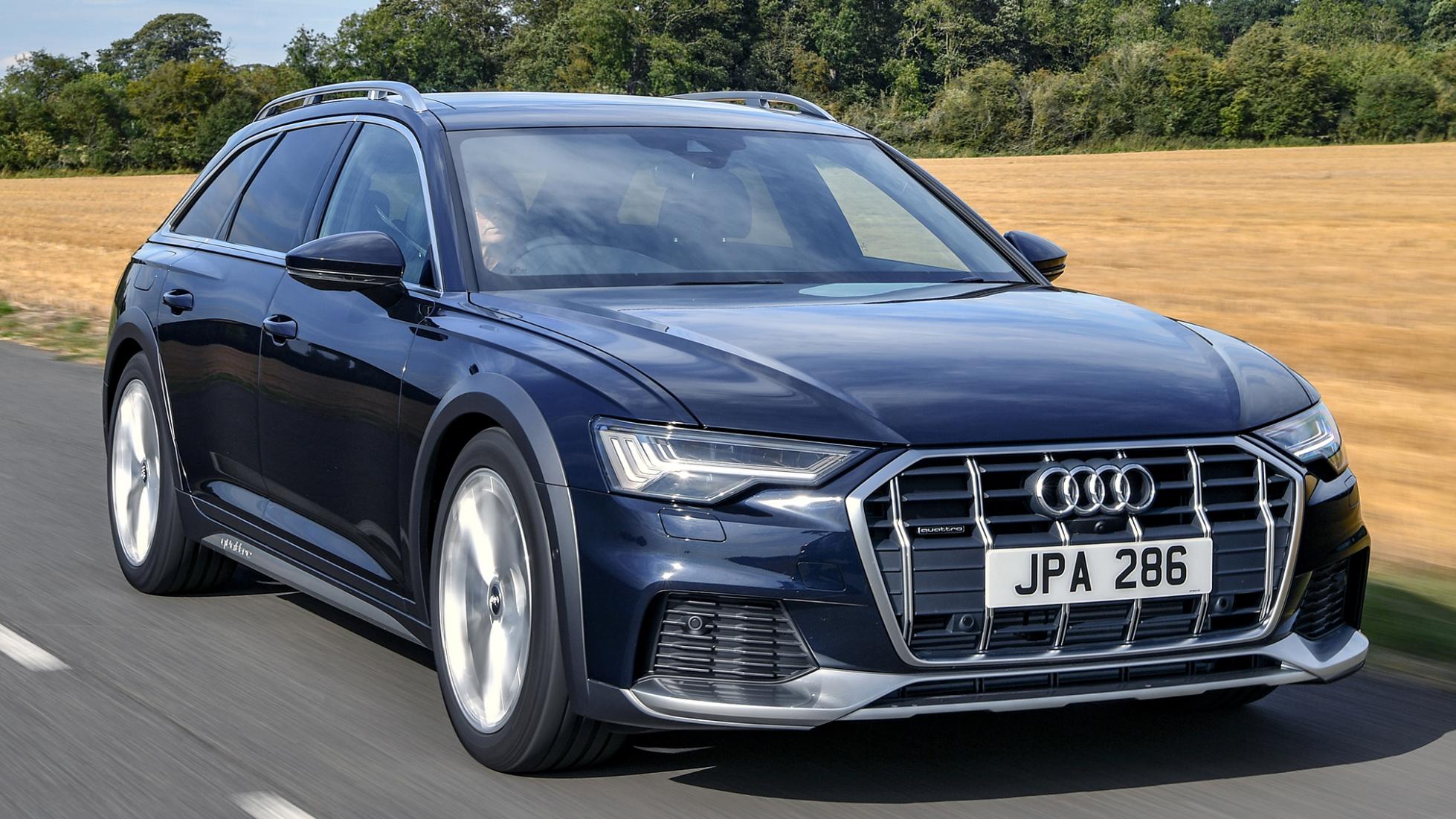
1. Audi A6 Allroad (C6/C7): Capable Luxury Wagon with High Ownership Costs
The Audi A6 Allroad, spanning the C6 (2006–2011) and C7 (2012–2018) generations, is a master of all terrains, combining executive luxury with adjustable ride height and Quattro all-wheel drive. It delivers a refined, stable, and confident driving experience while offering versatility that few wagons can match.
Adjustable air suspension provides smooth highway cruising and ample ground clearance for light off-road excursions, making the Allroad a standout among luxury estates. Its interior features high-quality materials and technology typical of Audi, giving it a premium feel and advanced amenities for drivers seeking comfort and style.
Despite its capabilities, the Allroad comes with notable financial risks. Its defining adaptive air suspension is the most frequent source of costly repairs. The air bellows are prone to cracking and dry rot, and a minor leak can overwork the compressor, leading to failure.
Replacing the full set of air struts and the compressor can easily cost $3,000 to $5,000, representing a substantial portion of the vehicle’s market value. This technical complexity is compounded by proprietary parts unique to the Allroad, including suspension arms and body trim, which are more expensive than standard A6 Avant components.
The engines and transmissions also require careful maintenance. The 3.0T Supercharged V6 and V6 TDI units are reliable when serviced properly, but have rear-mounted timing chain tensioners prone to failure. A cold-start rattle can indicate a worn tensioner, necessitating an “engine-out” repair where the drivetrain is removed, often exceeding $3,000 in labor.
C7 models with the 7-speed S-Tronic dual-clutch transmission demand strict fluid changes every 40,000 miles, as neglect can lead to Mechatronic unit failure, costing upwards of $4,000. Even minor repairs often require specialized diagnostic tools to code or register components, adding complexity to routine maintenance.
Ownership of a used Audi A6 Allroad is essentially a commitment to high maintenance costs. While the car offers unmatched versatility, luxury, and driving precision in its class, it requires a detailed service history and a significant repair budget to avoid surprises.
Without careful planning, the C6 and C7 models can quickly become expensive to maintain, turning a capable, all-terrain luxury wagon into a frequent visitor to the repair shop. The Allroad rewards dedicated owners with performance and style but punishes those unprepared for its technical demands and specialized upkeep.
2. Volvo V90 (2017–Present): Stunning Design with High Maintenance Costs
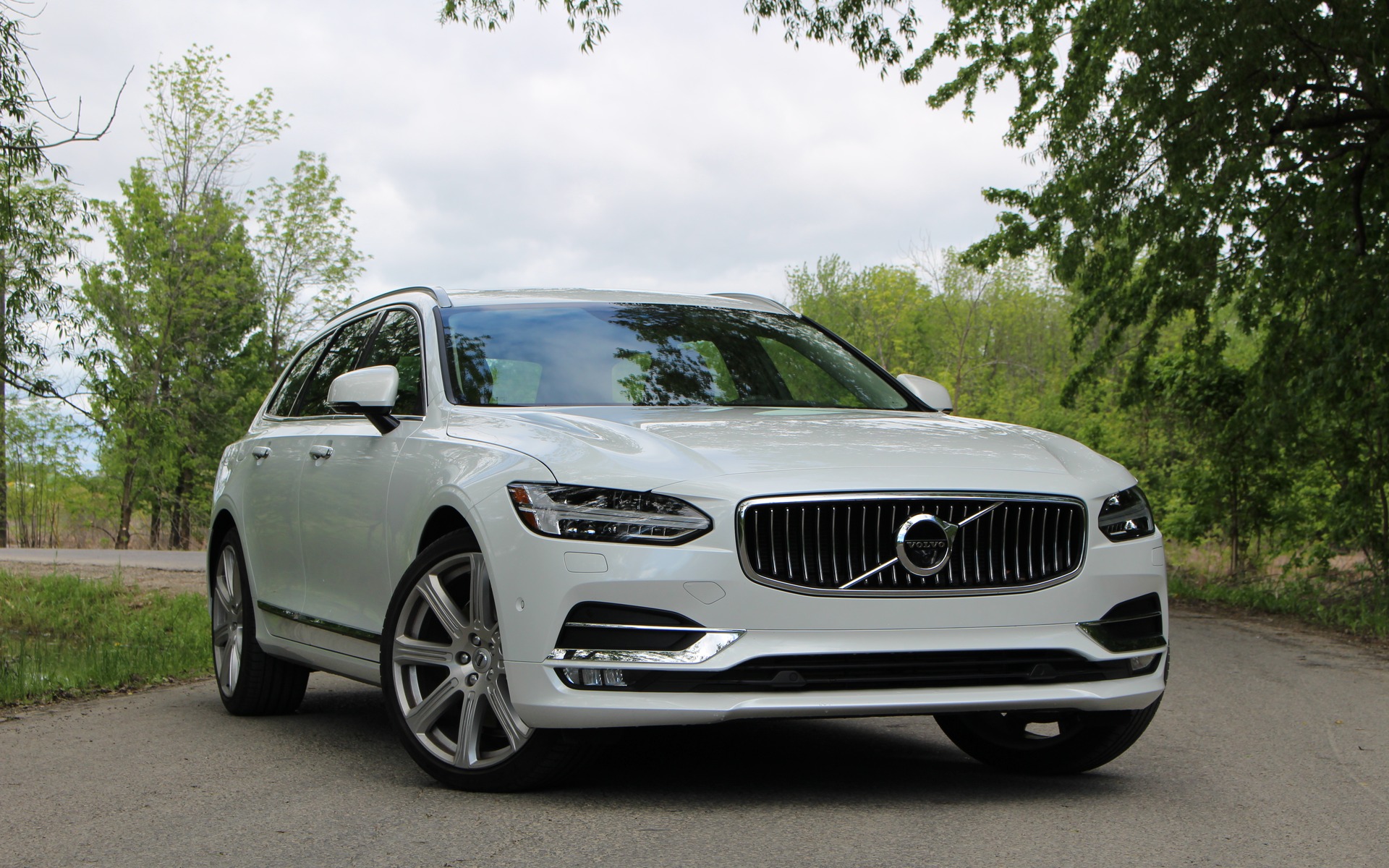
The Volvo V90 (2017–Present) is one of the most striking wagons on the market, showcasing Scandinavian elegance with a sleek exterior and minimalist interior. Its cabin rivals German competitors in quality, comfort, and refinement, while advanced safety systems and a suite of driver-assistance technologies make it one of the safest vehicles on the road.
The V90 offers a luxurious driving experience with precise handling, quiet refinement, and available air suspension that provides a smooth, controlled ride even when fully loaded.
However, the V90’s beauty comes at a high cost of ownership. Its engines, particularly the T6 models, use both a turbocharger and a supercharger to extract high power from a small 2.0-liter displacement.
This twin-charging approach doubles the number of high-pressure components, seals, and sensors, creating a complex, expensive-to-repair powertrain. By the time the car reaches 60,000 miles, failures in forced-induction plumbing or related sensors can lead to specialized, labor-intensive repairs that most independent shops are unwilling or unable to perform, often requiring costly dealership intervention.
Electronics and infotainment systems compound the maintenance burden. The Sensus touchscreen controls nearly every function of the car, including climate, navigation, and entertainment, but it is prone to glitches and failures. Replacement or software fixes can easily run into the thousands.
The V90 is heavily software-dependent, meaning even minor mechanical work often requires a proprietary “handshake” with the ECU, adding hidden costs to routine maintenance. Additionally, the SPA platform features sophisticated multi-link suspension and, in higher trims, rear air suspension. Air springs are prone to leaks, and repairing or replacing a failed air strut or compressor can cost between $2,500 and $4,000.
Depreciation intensifies the cost problem. While used V90s are often priced attractively due to steep early depreciation, owners may find themselves sinking thousands into repairs on vehicles that continue to lose value rapidly.
Reliability surveys consistently rank the V90 near the bottom among luxury wagons, with a 33–35% chance of a major repair within the first ten years and annual maintenance exceeding $1,000. In short, the Volvo V90 is a visually stunning, highly safe, and refined wagon, but its complex engineering and high-cost repairs make it a risky proposition for second- or third-hand owners who are unprepared for its financial demands.
3. Mercedes-Benz E-Class Wagon (W211, 2003–2009): Elegant but Expensive to Maintain
The Mercedes-Benz E-Class Wagon W211 is a visually stunning and highly refined luxury estate, but early models are notorious for expensive and complex mechanical and electronic failures.
While it can appear as a bargain on the used market, particularly pre-facelift cars from 2003–2006, the combination of advanced technologies and experimental electronics makes ownership risky without a substantial repair budget. These wagons introduced systems that, while innovative at the time, have become liabilities as the cars age.
The most infamous issue is the Sensotronic Brake Control (SBC) system, a brake-by-wire setup that replaces conventional hydraulics with an electric pump. The SBC pump has a programmed lifespan based on brake pedal actuations, and when it fails, the car can enter a “limp-home” mode with drastically reduced braking power.
Replacement at a Mercedes-Benz dealer can cost between $2,000 and $3,000, and many vehicles are now reaching the end of their extended warranties. Facelift models from 2007–2009 eliminated SBC, making them significantly safer and more practical to own.
Air suspension systems add another layer of potential cost. Many W211 wagons, especially the E500 V8 and AMG variants, feature Airmatic suspension. Rubber air bladders deteriorate over time, often causing the rear of the car to sag. A leaking air spring forces the compressor to overwork and fail, with repairs easily exceeding $3,000 per corner. Early E350 and E550 engines also suffer from balance shaft gear failures.
The soft metal gears wear down over time, causing timing slip and requiring full engine removal, with repair costs ranging from $4,000 to $6,000. Valeo radiators in early models can leak coolant into the transmission, sometimes resulting in total transmission failure.
Beyond mechanical issues, the W211 is packed with early-2000s electronics prone to “vampire” battery drain and unpredictable faults. Seat sensors, parking sensors, tailgate modules, and other systems often fail silently, requiring specialized diagnostics that drive up labor costs.
These issues, combined with the SBC and air suspension problems, make pre-facelift W211 wagons high-stakes purchases. Buyers seeking a safer option should focus on facelift models from 2007–2009, which resolved SBC failures and balance shaft defects, providing a more dependable luxury wagon without sacrificing comfort, ride quality, or refinement.
4. Land Rover Discovery: Prestige at a Price
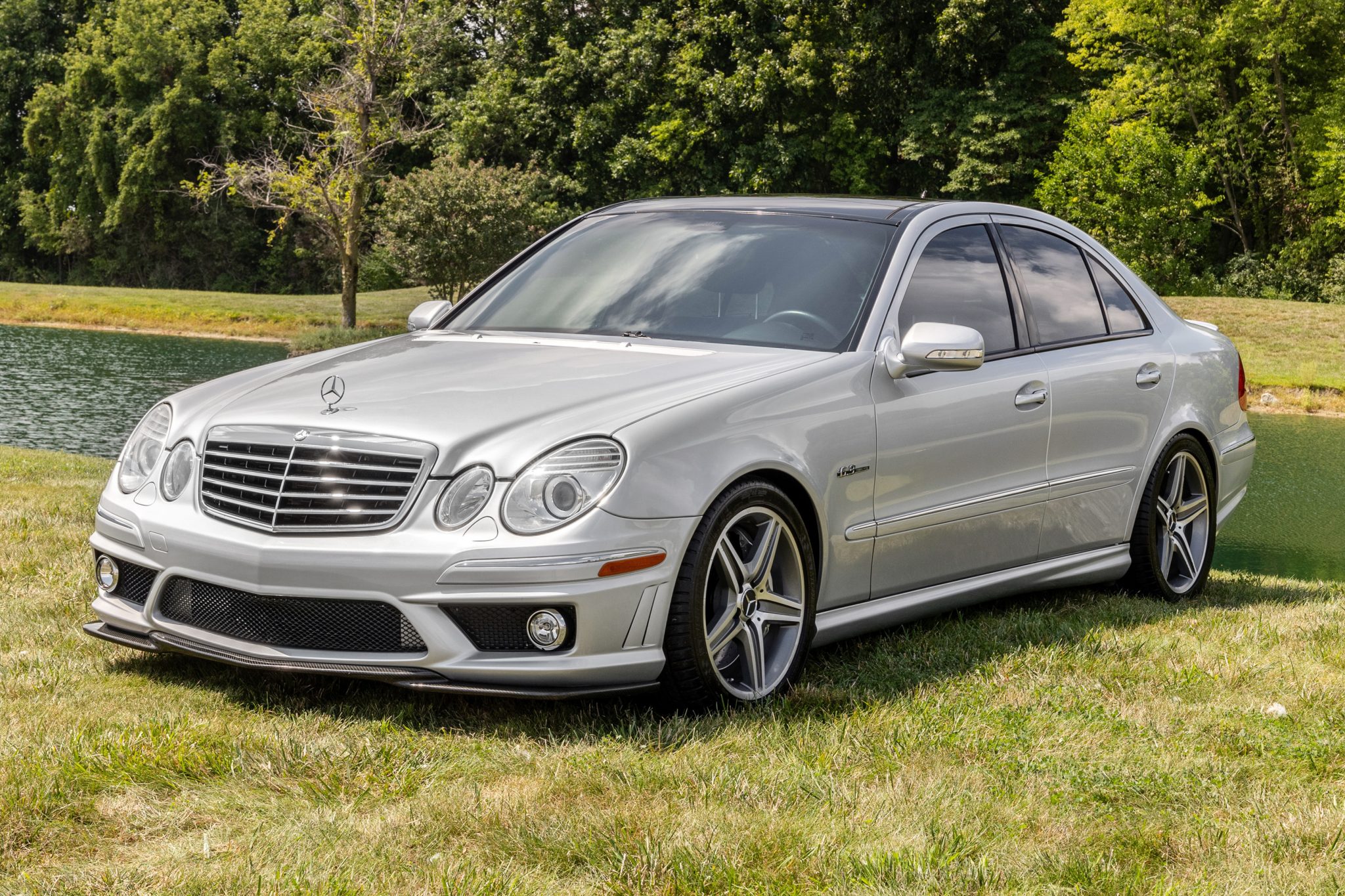
The Land Rover Discovery is an iconic adventure wagon with undeniable curb appeal and off-road capability, but it comes with a notoriously high cost of ownership. While it looks impressive parked in a driveway, its reputation as a “savings account drainer” is backed by decades of reliability data and owner experiences.
Used Discovery models are particularly risky because cascading failures in electrical and mechanical systems can quickly escalate repair bills, making it one of the most expensive vehicles to maintain over a decade.
Maintenance costs for a Discovery are staggering. Industry analysts estimate that a ten-year ownership period can exceed $19,000, nearly double the typical cost for a BMW or Mercedes-Benz, and almost five times that of a Lexus or Toyota. These costs are driven by specialized systems and labor-intensive repairs.
Air suspension, a hallmark of the Discovery’s smooth ride and off-road height, is prone to leaking airbags and failing compressors. Replacing a single corner often costs thousands, while a full system rebuild can exceed the vehicle’s remaining trade-in value.
The engines and electronics present additional hazards. The 2.0-liter diesel Ingenium engines are known for timing chain stretch, and failure can destroy the engine, leading to replacement costs surpassing $15,000. Electrical systems, including infotainment, keyless entry, and wiring looms, are highly complex.
Even minor faults often require specialized diagnostic tools and dozens of hours of dealer labor, with rates exceeding $200 per hour. Aluminum-intensive construction and proprietary software further limit repair options, forcing owners into premium service channels.
Depreciation compounds the financial risk. The Discovery loses roughly 65% of its value within five years, making the used market wary and driving resale prices down. A bargain-priced used Discovery may cost $30,000 initially, but owners can easily spend $10,000 in repairs over a few years while the car’s market value drops to $15,000.
This combination of high maintenance, specialized labor, and steep depreciation makes the Discovery a vehicle best suited for those with a dedicated repair fund and a tolerance for ongoing expense. Without these, the Discovery’s prestige quickly gives way to a heavy financial burden.
In short, the Land Rover Discovery delivers exceptional capability and style but demands a significant investment in maintenance and repairs, making it one of the riskiest wagons to own for second- or third-hand buyers.
5. Maserati Levante & Quattroporte Bellagio: Exotic Luxury with Extreme Costs
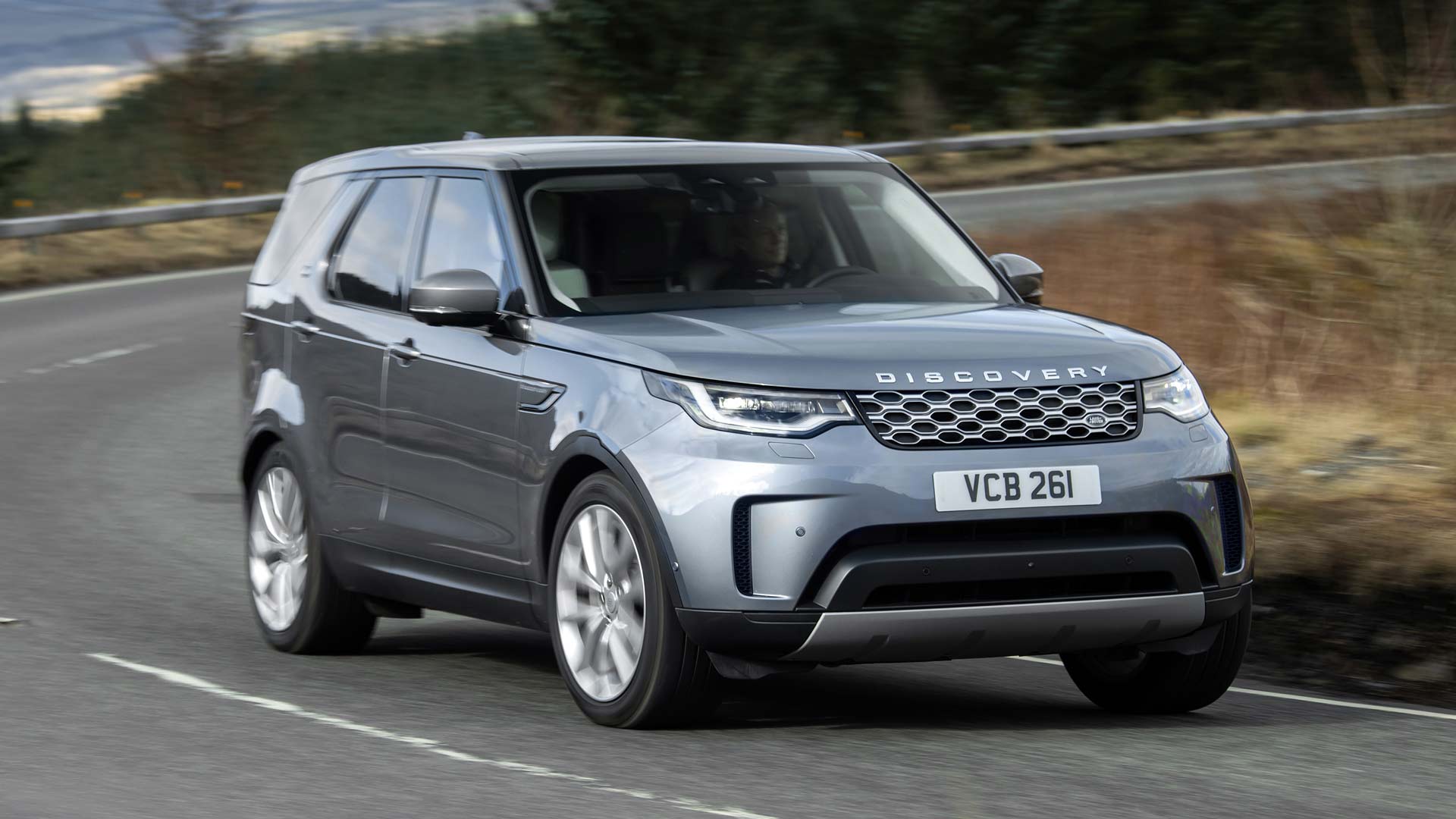
The Maserati Levante and the ultra-rare Quattroporte Bellagio are visually striking and exhilarating to drive, but they are notorious for draining bank accounts. While Ferrari-derived engines deliver an unforgettable soundtrack and raw performance, much of the car’s mechanical and electrical architecture relies on aging Chrysler-era components.
Electrical gremlins, inconsistent build quality, and fragile interior trim are common complaints, making ownership a constant exercise in vigilance and expense. Even routine items like brake pads, sensors, and fluids carry exotic-car price tags, while depreciation is brutally steep. Buyers may pay $35,000 for a used Levante, yet maintain a car that originally cost $90,000 or more.
Maintenance and repairs are prohibitively expensive due to Maserati’s low-volume parts supply. Brake replacements alone often range from $2,000 to $3,500, while annual oil changes and inspections typically cost $600 to $1,000.
Every four years, a major service, including spark plugs, belts, and specialized fluids, can exceed $3,000. Specialized diagnostic equipment, such as Maserati’s Leonardo computer, is required to reset service lights and calibrate sensors, forcing owners into high-priced dealership work or elite independent shops with premium labor rates.
Mechanical fragility compounds costs. Older Quattroporte-based Bellagio models feature the “DuoSelect” automated manual transmission, where clutches can fail in as little as 15,000 miles, costing $5,000 to $8,000 to replace.
The Levante’s air suspension frequently suffers leaks, with per-corner replacement costs between $1,500 and $2,500. Ferrari-derived engines, while thrilling, are prone to cam variator failures and oil leaks, often requiring labor-intensive top-end or engine-out repairs exceeding $5,000.
Italian electronics are also infamous for the “Christmas tree” effect, where multiple warning lights appear due to sensitive sensors or battery drain, often requiring extensive and costly diagnostics. Daily ownership costs add up quickly, with fuel bills exceeding $3,000 per year and insurance averaging $4,000 to $5,000 annually.
In short, the Maserati Levante and Quattroporte Bellagio offer exotic driving thrills and Italian style, but they are essentially high-maintenance supercars in wagon form. Used buyers face a combination of extreme depreciation, costly parts, specialized labor, and complex electronics, making them some of the riskiest wagons to own for anyone not prepared for continual financial commitment.
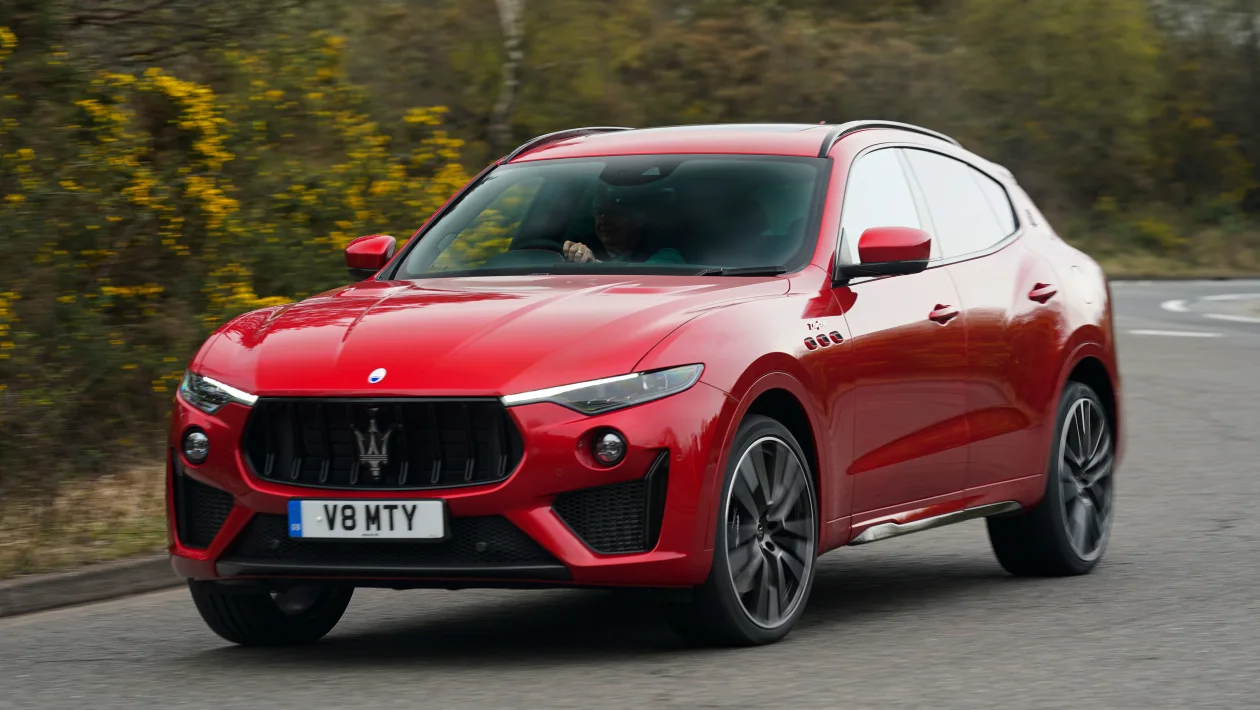
Choosing a used luxury wagon is a careful balancing act between refinement, capability, and long-term costs. Wagons such as the Volvo V60 and Buick Regal TourX combine practicality, comfort, and predictable maintenance, offering an ownership experience that’s both enjoyable and affordable.
In contrast, models like the Land Rover Discovery or Maserati Quattroporte Bellagio demand constant vigilance and deep pockets, where even routine maintenance can escalate into major expenses. For buyers seeking a rewarding blend of performance, style, and financial sanity, selecting the right wagon is key to ensuring your investment enhances your lifestyle rather than draining it.
Also read: Top 10 Cars With the Most Useful Hidden Storage Compartments