The naturally aspirated V6 engine has long been celebrated for delivering smooth, linear power with a sense of mechanical purity that turbocharged units often struggle to match. Among countless V6 designs, certain engines have stood out for their refined balance, precise engineering, and predictable throttle response.
These powerplants combine high-revving excitement with a seamless delivery of torque, offering drivers both engagement and comfort. From classic Italian masterpieces like the Alfa Romeo Busso and Lancia Aurelia to modern engineering marvels such as the Toyota 2GR and Stellantis Pentastar, each engine on this list exemplifies how design, geometry, and craftsmanship can produce an exceptionally smooth driving experience.
Whether in sports cars, grand tourers, or everyday sedans, these naturally aspirated V6 engines have earned their place in automotive history, showcasing the artistry of internal combustion at its most refined.
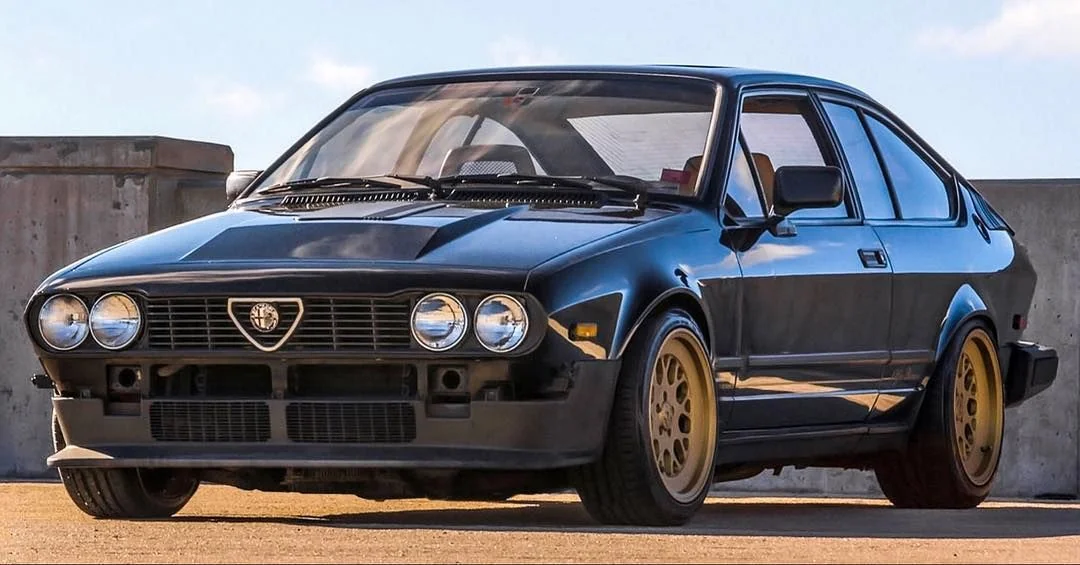
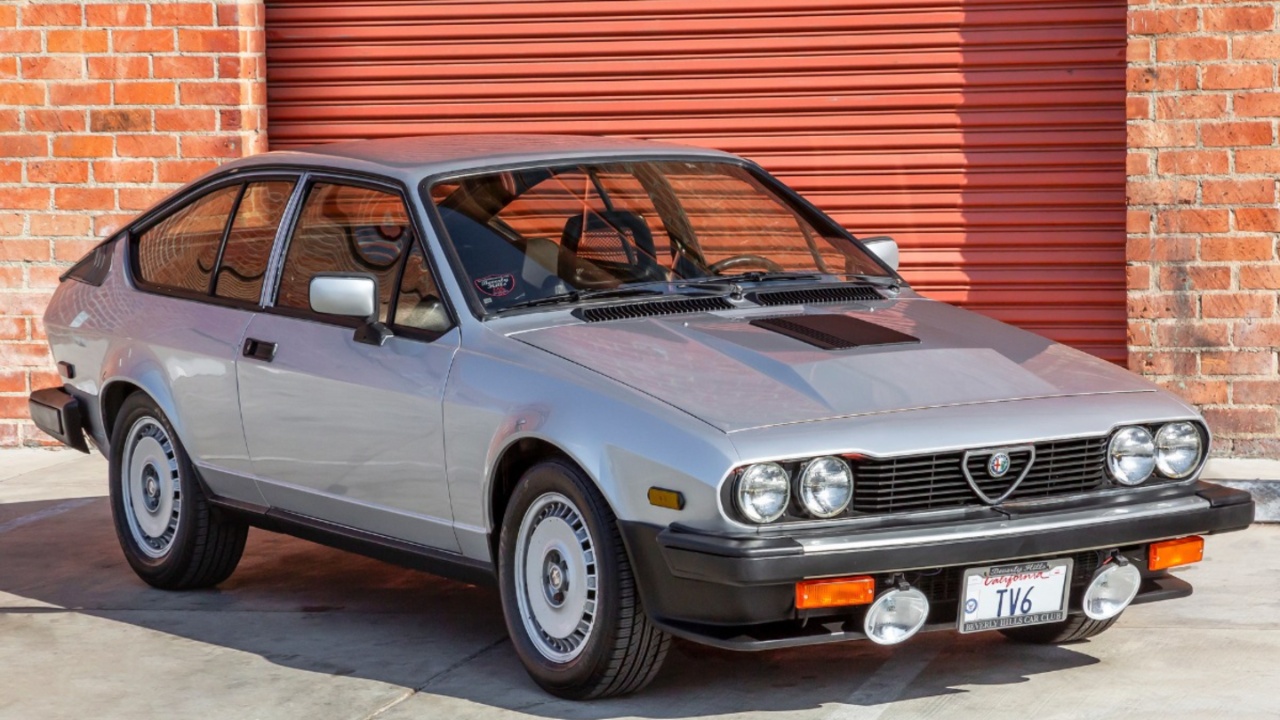
1. Alfa Romeo GTV6: Legendary Busso V6 Delivers Performance and Sound
The Alfa Romeo “Busso” V6, designed by Giuseppe Busso, is one of the most celebrated engines in automotive history. Introduced in 1979 in the Alfa 6, the engine quickly became famous for its musical character, smooth power delivery, and engineering excellence.
Unlike modern turbocharged engines that deliver sudden bursts of power, the Busso V6 builds revs in a smooth and natural way. Its 60-degree all-aluminum design provides excellent primary balance, resulting in minimal vibrations and a distinctive exhaust note that ranges from a gentle purr at low RPMs to a metallic wail near the redline.
The engine’s appeal comes from its precise engineering and refined components. Its naturally aspirated V6 configuration allows linear and predictable throttle response. High-quality construction, polished intake runners, and advanced valvetrain systems in later 24-valve versions give the engine a silky-smooth feel.
The Busso V6 was offered in several displacements, from the original 2.5-liter to 2.0L, 2.8L (Gleich), 3.0L (Autodelta), and the powerful 3.2L 24-valve variant. The 3.2L version, introduced in 2002, produced nearly 250 horsepower in models such as the Alfa Romeo 156 GTA, 147 GTA, GTV, Spider, and the Lancia Thesis.
The Busso V6 gained fame through its use in sporty Alfa models, including the GTV6, 164, 156, and 147 GTA, and earned a strong reputation in racing, especially in the European Touring Car Championship. Its combination of smooth performance, high-revving excitement, and a memorable soundtrack inspired tuners across Europe and South Africa to produce enhanced versions.
Despite its brilliance, the engine required strict maintenance. Timing belts needed replacement every five years or 60,000 miles to avoid serious failure, and the complexity of the engine meant only specialized mechanics could service it properly. When maintained correctly, however, the Busso V6 proved reliable and long-lasting, rewarding owners with a unique and exhilarating driving experience.
The Alfa Romeo Busso V6 is more than just an engine. It represents Italian automotive artistry through its balance, performance, and legendary sound, leaving a lasting impression on enthusiasts and cementing its place as one of the most iconic engines ever produced.
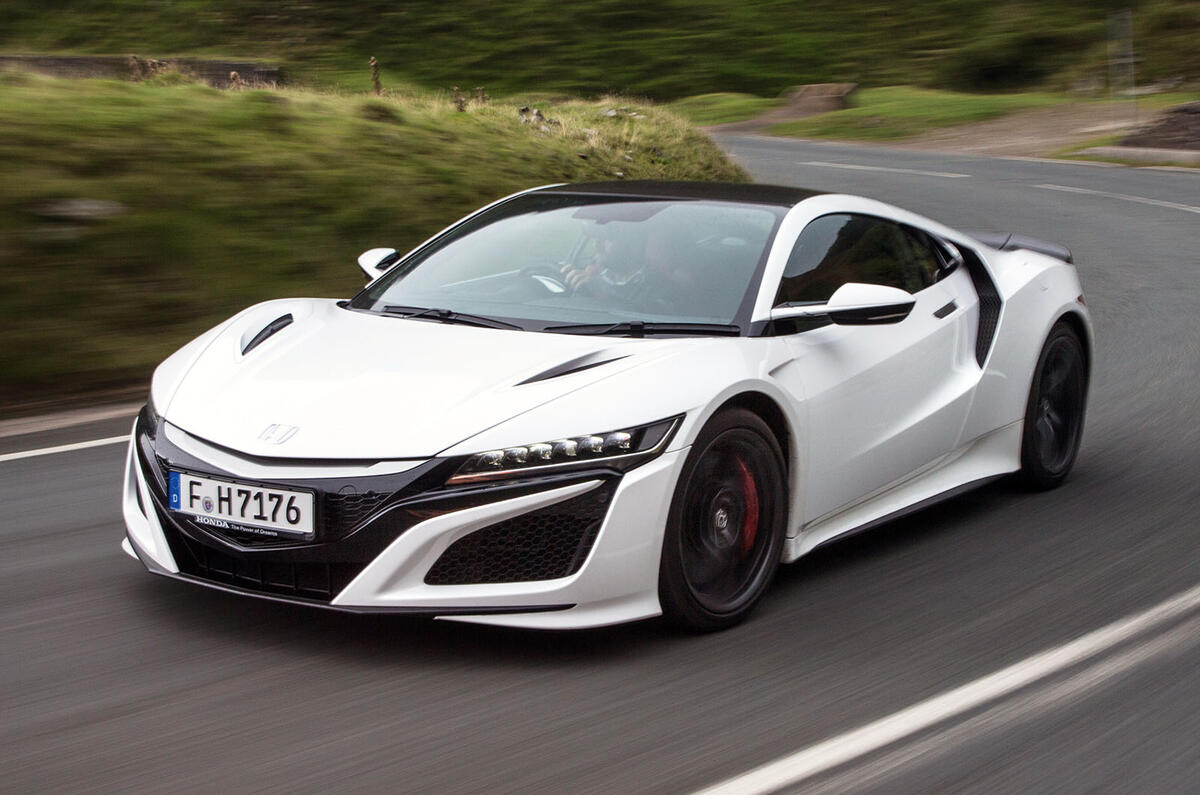
2. Honda NSX: C30A V6 Delivers Supercar Performance with Daily Usability
The Honda/Acura C30A V6, the heart of the original NSX (1990–2005), is celebrated as one of the most refined and approachable exotic engines ever built. Developed with input from racing legend Ayrton Senna, the C30A introduced VTEC technology to a V6 configuration, creating an engine with a dual personality.
It is docile and smooth for city driving yet transforms into a high-revving, race-capable engine beyond 5,800 RPM, with a redline at 8,000 RPM. Hand-built with exceptional precision, these engines feature tight tolerances that produce a linear, almost endless-feeling power curve, earning the NSX a reputation as a “supercar for the real world.”
The C30A’s engineering innovations include titanium connecting rods, forged pistons, and a 90-degree V6 layout optimized for balance and smooth operation. Its naturally aspirated design ensures instantaneous throttle response, free of turbo lag, while the Variable Valve Timing and Lift Electronic Control (VTEC) system adjusts valve profiles for efficiency and high-end power.
The Variable Volume Induction System (VVIS) complements this by smoothing torque delivery across the rev range, eliminating dips and providing a non-surging acceleration experience. The NSX Type R version took this further with rigorous blueprinting and quality control, enhancing crankshaft balance and piston precision to reduce vibration and improve refinement.
This engine made the NSX a benchmark in driving experience. The combination of a precise manual gearbox, analog steering feedback, and communicative chassis gave drivers exceptional control and engagement.
Its 3.0L output of 270 hp and 210 lb-ft, while modest by modern supercar standards, is delivered in a predictable and usable manner, making it highly suitable for everyday driving. Reliability is another hallmark; the C30A is considered highly dependable, requiring standard maintenance but rarely prone to catastrophic failure.
The NSX’s design complements the C30A, offering a cockpit with excellent visibility, comfort, and timeless styling. While some early-model parts can be challenging to source, well-preserved examples are highly collectible, often valued between $70,000 and over $100,000.
The C30A NSX remains an icon for its blend of high-revving performance, mechanical precision, and usability, proving that a true supercar can also function as a reliable daily driver.
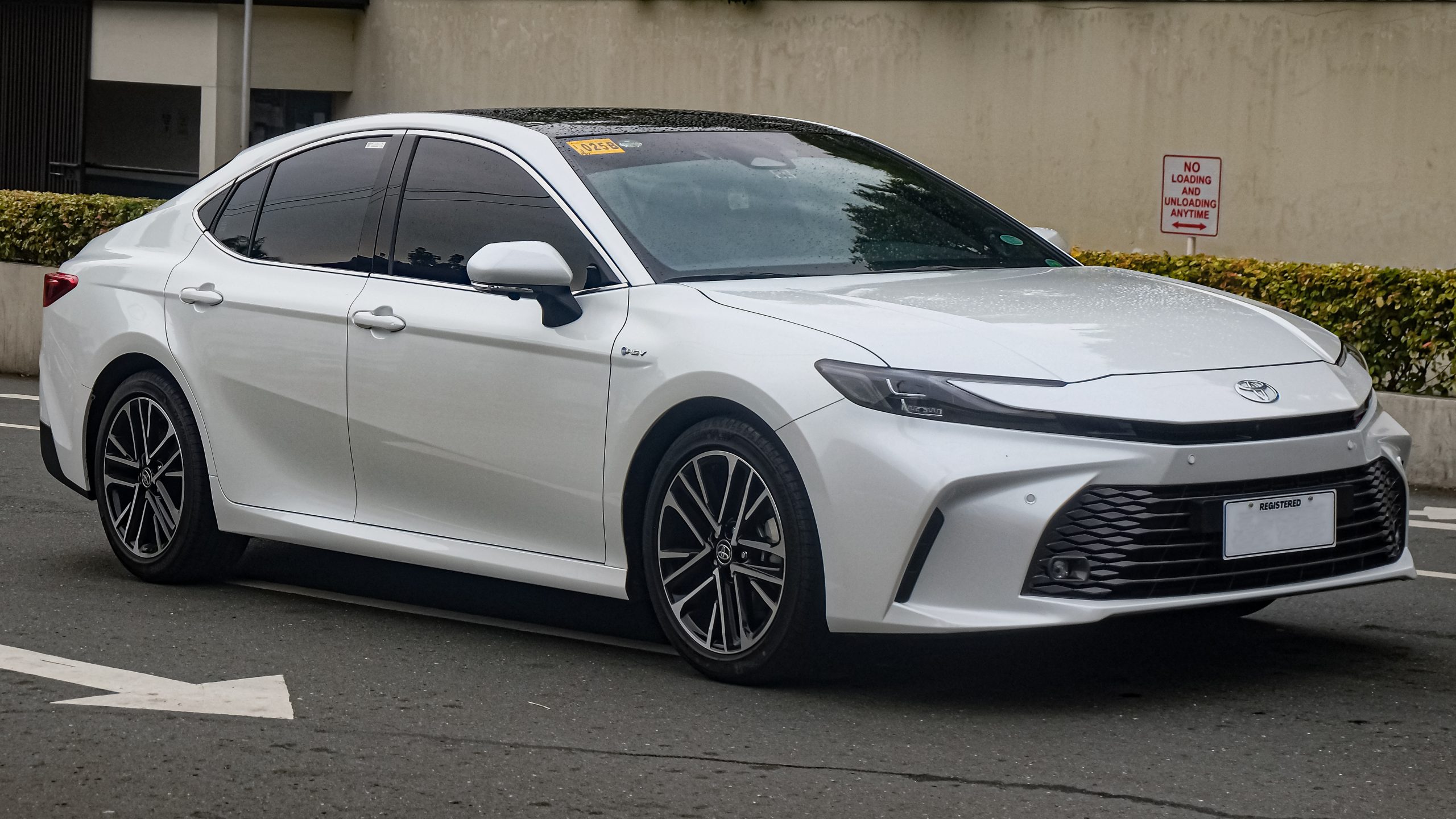
3. Toyota Camry: 2GR V6 Delivers Smooth, Refined, and Reliable Power
The Toyota 2GR-FE and 2GR-FKS 3.5-liter V6 engines are recognized for their exceptional smoothness and refinement. Found in vehicles ranging from the Toyota Camry and Highlander to the Lexus ES and Lotus Evora, these naturally aspirated engines provide linear, effortless power delivery.
Lightweight aluminum blocks, advanced engine mounts, and precision-balanced internal components minimize vibrations, allowing the engine to blend seamlessly into the driving experience while delivering consistent torque for hundreds of thousands of miles.
The 2GR series features a 60-degree V6 layout, forged steel crankshaft, and forged connecting rods, which reduce rotating mass and friction for smoother operation. Resin-coated piston skirts further reduce cylinder wall friction.
Both engines utilize advanced variable valve timing systems: Dual VVT-i on the FE optimizes torque across the rev range, while VVT-iW on the FKS enables seamless transitions between the efficient Atkinson cycle for cruising and the powerful Otto cycle for acceleration.
These technologies, combined with the Acoustic Control Induction System (ACIS) and electronic throttle control (ETCS-i), ensure smooth and predictable throttle response.
The 2GR-FKS adds direct injection through D-4S alongside port injection, improving low-end torque and efficiency while preventing carbon buildup. The naturally aspirated design delivers immediate, linear power without turbo lag or surges, producing a thick torque curve that makes acceleration feel effortless rather than aggressive.
Key differences between the variants include simplicity versus efficiency. The 2GR-FE is a port-injected engine prized for its reliability and consistent smoothness, while the 2GR-FKS delivers slightly more power, producing 295–311 hp depending on the application.
Both engines are highly durable, capable of exceeding 200,000 miles with proper maintenance. Known issues include oil leaks from valve or timing covers and occasional water pump failures.
Applications for the 2GR-FE include the Camry, Avalon, RAV4, Highlander, Lexus RX350, and Lotus Evora, while the 2GR-FKS powers newer models such as the Camry, Highlander, Tacoma, and Lexus IS/RC 350. The 2GR V6 series is celebrated for providing a quiet, smooth, and reliable driving experience, making it a benchmark of refinement in Toyota and Lexus vehicles.
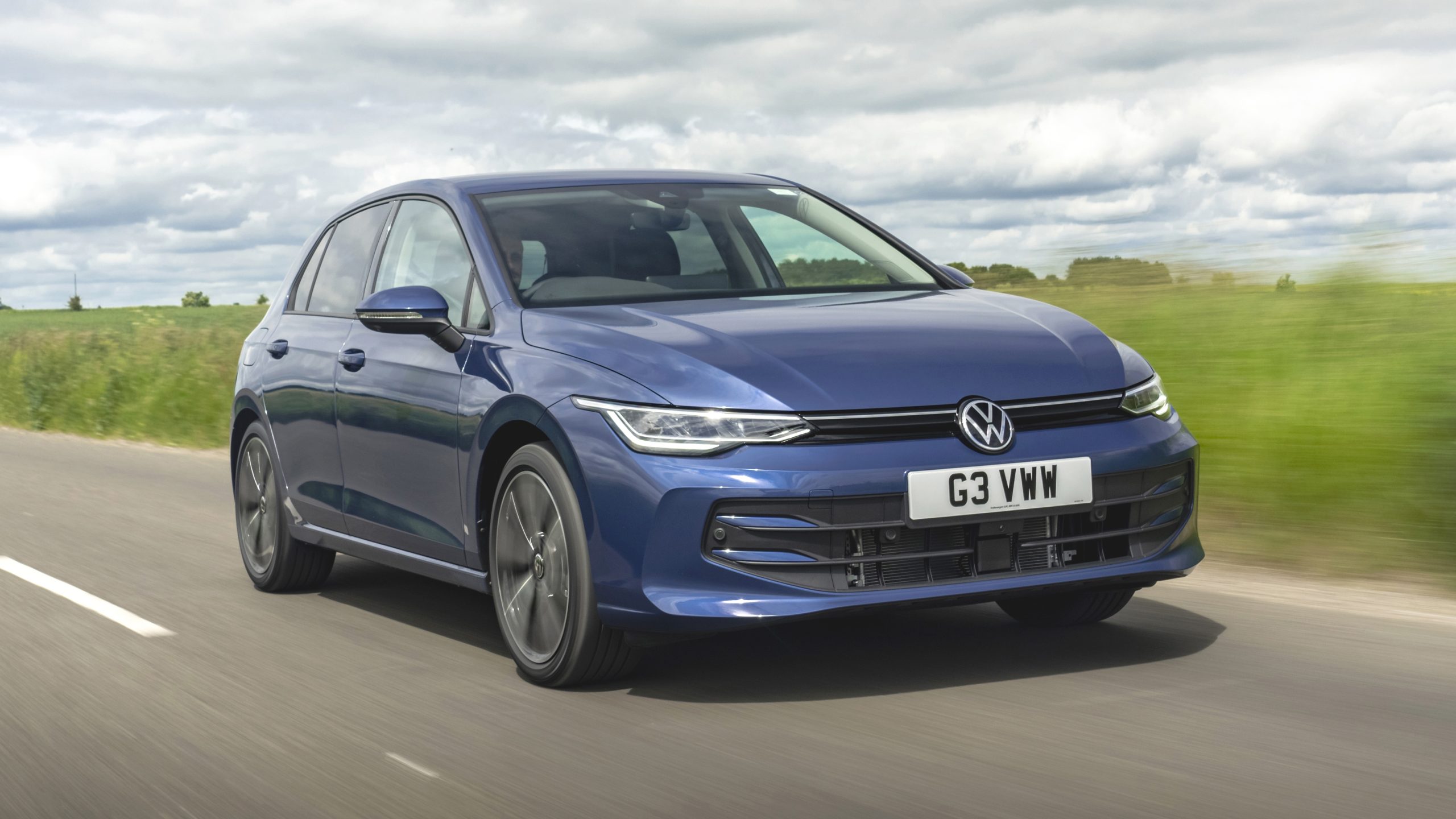
4. Volkswagen Golf: VR6 Combines Compact Design with Smooth, Powerful Performance
The Volkswagen VR6 is a unique engineering achievement, combining the smoothness of an inline-six with the compactness of a V6. Its narrow 15-degree V-angle allows all six cylinders to share a single cylinder head, creating a staggered inline layout that delivers exceptional refinement in a small engine bay.
Introduced in the early 1990s, the VR6 became famous for its distinctive “wookie” exhaust note and unexpectedly thick mid-range torque, providing a linear, continuous power delivery that belies its modest displacement.
The engine’s smoothness is rooted in several innovative design features. Its 120-degree firing interval mimics the naturally balanced configuration of a straight-six, minimizing vibrations. The narrow V-angle, initially 15 degrees and later reduced to 10.6 degrees, ensures uniform thermal and mechanical behavior across the block.
A specialized crankshaft with journals offset by 22 degrees maintains precise firing intervals, eliminating the jerky power delivery often found in conventional V6s. Seven main bearings support the crankshaft, increasing rigidity and reducing internal flex at high speeds. As a naturally aspirated engine, the VR6 delivers power predictably, without turbo lag or sudden surges, enhancing its approachable driving experience.
The VR6 powered several notable Volkswagen models. The Mk3 Golf and Jetta (1992–1998) introduced the engine to the wider public with a 2.8L unit producing 175–190 hp.
The Corrado VR6 (1992–1995) offered a faster, coupe-focused experience with 190 hp. Later, the R32 Mk4 and Mk5 represented the pinnacle of VR6 performance, adding all-wheel drive and higher output, while the 2009 VW CC VR6 Sport combined refinement with luxury and practicality.
The engine’s characterful note, smooth torque delivery, and compact design earned it a cult following. It provides a “sleeper” performance feel, blending everyday drivability with surprising speed. However, the VR6 can be fuel-hungry and may incur higher maintenance costs on older models. Front-wheel-drive variants may feel nose-heavy, though AWD versions mitigate this issue.
The Volkswagen VR6 remains a celebrated engine for enthusiasts, offering a rare combination of smooth, linear power, distinctive sound, and practical usability. Its blend of refinement and performance makes it a standout choice for those seeking a compact car with an engaging, characterful driving experience.
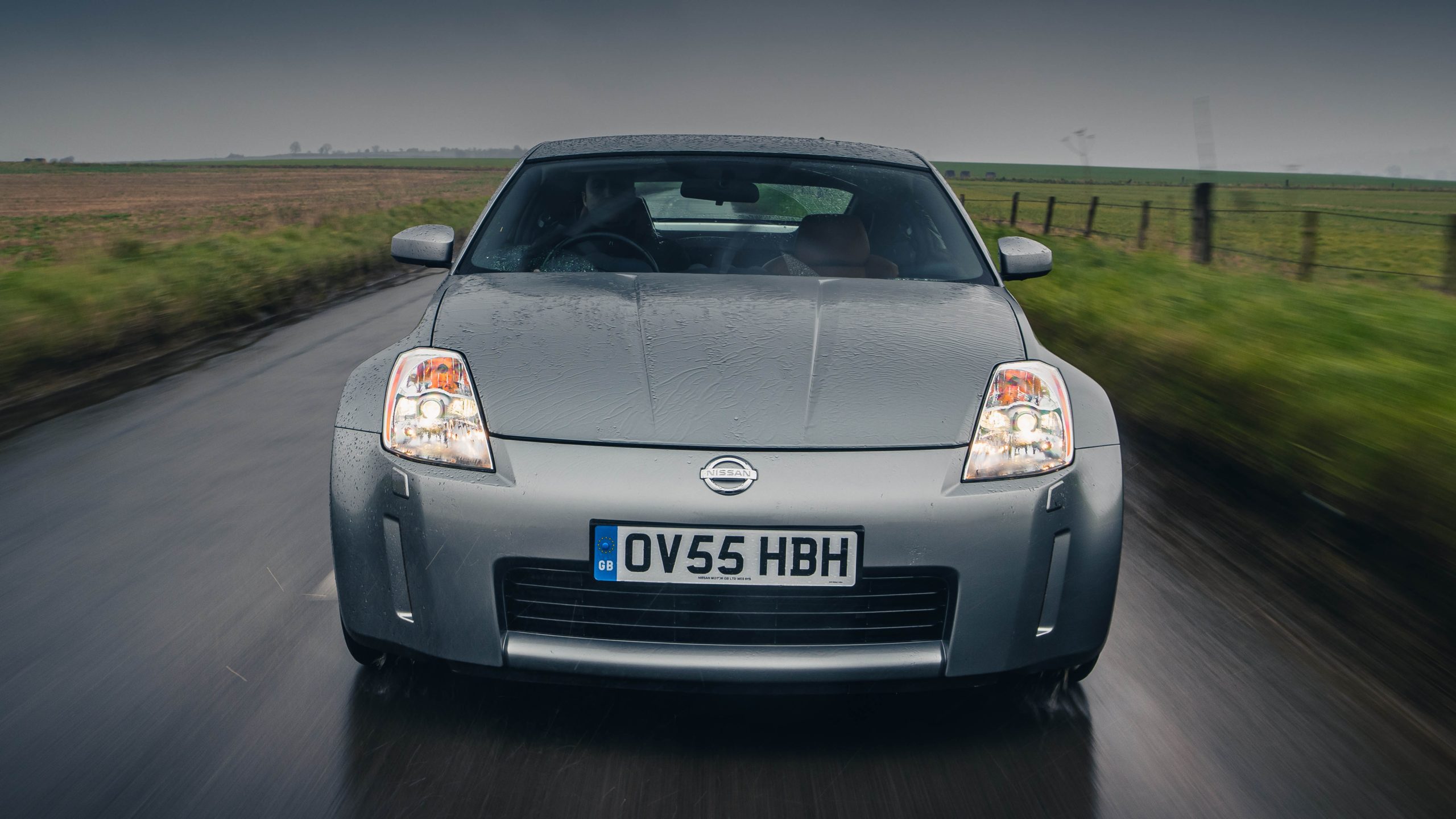
5. Nissan 350Z: VQ35DE/VQ37VHR V6 Combines Smoothness with High-Revving Performance
The Nissan VQ35DE and VQ37VHR V6 engines are celebrated as benchmarks of smoothness, reliability, and high-revving performance. Multi-time winners of Ward’s 10 Best Engines, these naturally aspirated V6s powered a range of vehicles, from the sporty 350Z and 370Z to Infiniti G-series luxury models.
Known for their “strong-silent” persona in sedans and rowdy character in sports cars, these engines deliver linear, predictable power that makes spirited driving both engaging and controllable.
The VQ engines feature a 60-degree V6 configuration, considered ideal for natural balance, reducing vibration while providing smooth operation. Lightweight aluminum blocks, forged steel crankshafts, and molybdenum-coated pistons minimize internal friction and rotational mass, producing a free-revving and immediate throttle response.
Naturally aspirated design ensures consistent torque delivery across the RPM range without turbo lag or sudden surges, resulting in a smooth, analog driving experience.
Advanced valvetrain technologies enhance performance and refinement. The VQ37VHR employs VVEL (Variable Valve Event and Lift) to continuously adjust intake valve timing and lift, creating a broad, seamless wall of power.
Both engines use CVTCS (Continuously Variable Valve Timing Control System) and optimized intake manifolds to maintain even airflow and combustion efficiency. The HR and VHR iterations also feature longer connecting rods and symmetrical intake systems to reduce piston side force, suppress vibration, and improve smoothness at high RPMs.
The VQ35DE is praised for its smooth, reliable, and high-revving nature, producing 228–311 hp with a broad torque curve. Its successor, the VQ37VHR, increases displacement to 3.7 liters, producing 325–355 hp with a higher redline of 7,500–7,600 RPM. VVEL technology improves throttle response and efficiency, making the VQ37VHR an even more refined engine for both daily driving and performance applications.
Both engines are durable, often exceeding 200,000 miles with proper maintenance, though attention to oil quality, timing chain tensioners, and gasket integrity is essential.
Applications include the Nissan 350Z, 370Z, and Infiniti G35/G37. These engines combine smooth, predictable power delivery with high-revving capability and tunability, establishing the VQ35DE and VQ37VHR as two of the most iconic and versatile V6 engines in modern automotive history.
Also read: 5 Iconic 1960s Muscle Cars With Hidden Headlights vs 5 With Exposed Units
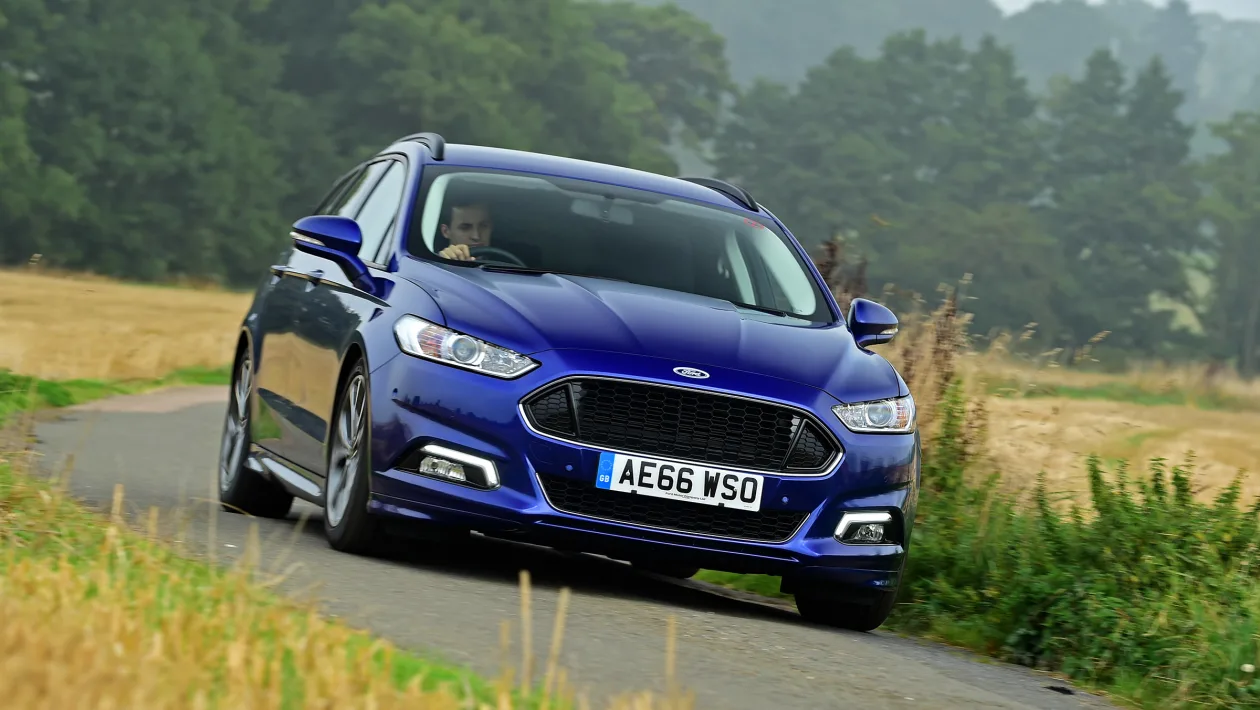
6. Ford Mondeo ST220: Duratec 30 V6 Delivers Refined, Linear Power
The Ford Duratec 30, a 3.0-liter naturally aspirated V6, is celebrated for its smooth, high-revving performance and mechanical refinement. Developed with input from Porsche and Cosworth, it features a 60-degree V6 layout that provides natural balance, minimizing vibration without heavy balance shafts.
This design allows the engine to rev freely, producing a polished, linear surge of power. Its refinement and responsiveness made it a natural choice for boutique supercar manufacturer Noble, which used it in the M12 and M400 performance models.
The Duratec 30 delivers immediate throttle response and a predictable torque curve thanks to its naturally aspirated design. Aluminum construction for both block and cylinder heads reduces weight and dampens noise, vibration, and harshness. Lightweight, fracture-split forged connecting rods allow smooth and efficient high-RPM operation.
Later variants introduced Variable Cam Timing (VCT), optimizing valve timing for improved throttle response, idle stability, and seamless power delivery. High-precision internal components, including direct-acting mechanical buckets in some versions, enhance the engine’s creamy, refined feel.
Power output ranges from 200 hp in early models to 240 hp in later applications such as the Ford Escape, Mazda6, Lincoln LS, and Mondeo ST220. The Duratec 30 is generally durable and reliable with proper maintenance, but it has a known vulnerability: cam cap bolts can fail, potentially damaging the cylinder head. Additional issues include coolant leaks, ignition coil failures, and oil leaks, all of which require regular inspection and care.
The Duratec 30 combines high-end engineering and practical usability, offering smooth, linear acceleration that feels premium even in mainstream vehicles. Its light, free-revving nature and refined power delivery create a driving experience that is polished and engaging.
Whether in performance-focused models like the ST220 or daily drivers like the Escape, the Duratec 30 demonstrates that a naturally aspirated V6 can deliver precision, reliability, and driving pleasure in a compact, well-engineered package.
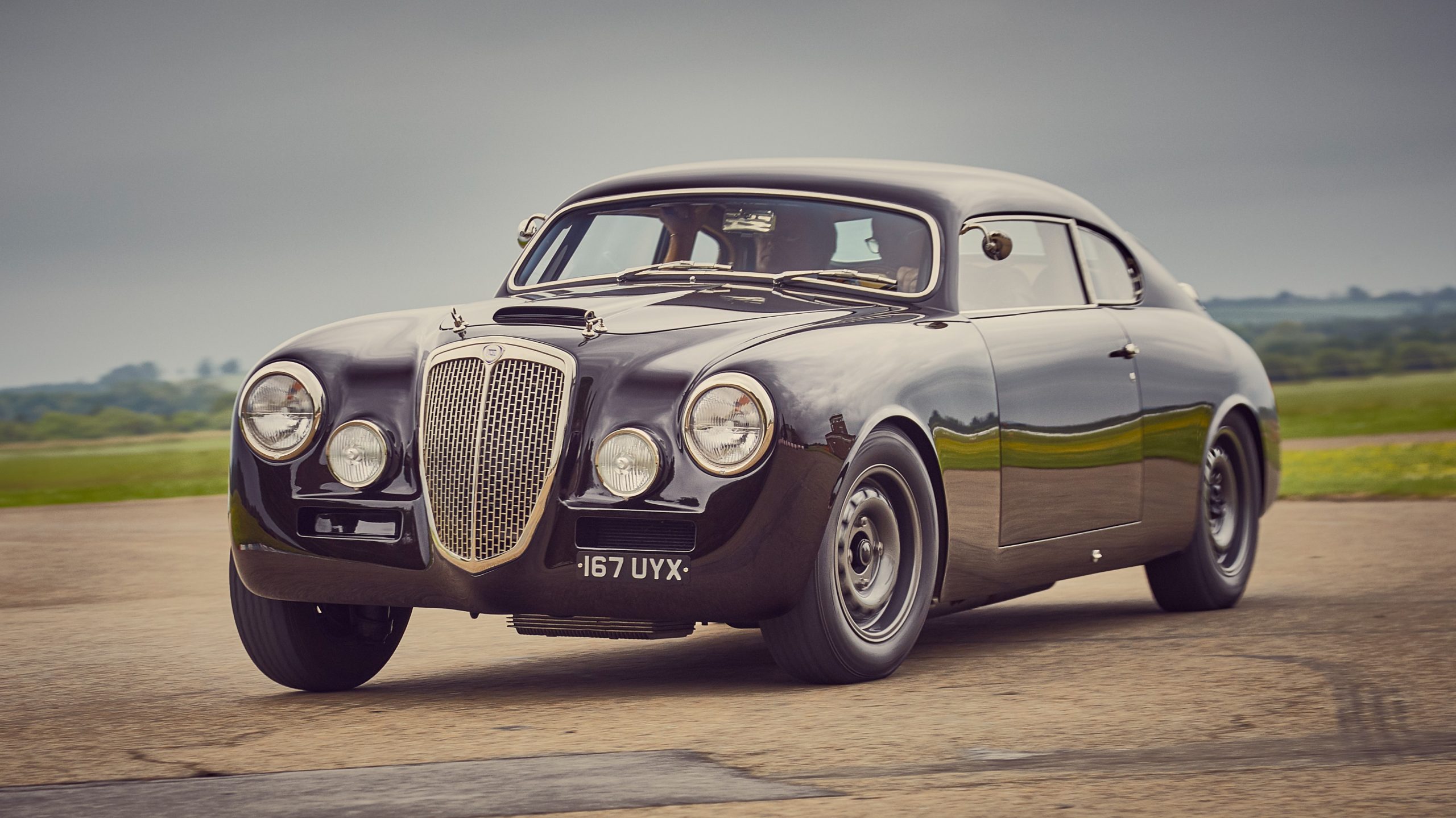
7. Lancia Aurelia: First Production V6 Delivers Smooth, Sophisticated Power
The Lancia Aurelia V6, introduced in 1950, was the world’s first production V6 engine and a groundbreaking example of post-war automotive engineering. Designed by Francesco de Virgilio, the engine solved the inherent vibration and balance issues of V6 layouts with a 60-degree V-angle.
This geometry created evenly spaced firing intervals, producing remarkably smooth, continuous power. The Aurelia’s engine set a standard for refinement, proving that a V6 could be as sophisticated and balanced as a straight-six, and laying the foundation for future V6 designs.
Key innovations contributed to its smooth performance. The Aurelia used a six-throw crankshaft, with each crankpin spaced at 60 degrees, ensuring evenly overlapping power strokes and minimal pulsation.
Lightweight aluminum alloy for the block and cylinder heads reduced mass, improved heat dissipation, and added to the engine’s silky character. Early versions employed an undersquare design, with a longer piston stroke than bore diameter, generating high torque at lower RPMs for a flexible, responsive powerband.
To further enhance driving balance, Lancia positioned the gearbox and differential at the rear in a transaxle layout, achieving near-perfect 50/50 weight distribution. This setup allowed the engine’s smooth, gentle power delivery to translate into stable, predictable acceleration and precise handling, qualities essential for a grand tourer.
The Aurelia’s engine ranged from 1.8 to 2.5 liters, offering a flexible and robust sound while delivering a sophisticated driving experience. Its chassis featured advanced independent suspension, including a sliding pillar front setup and later a De Dion rear axle, providing taut, communicative handling. Drivers noted the Aurelia as highly engaging, rewarding, skillful operation with balanced and responsive feedback.
The car’s design matched its mechanical sophistication. With a timeless 2+2 layout, advanced interior, and aerodynamic styling, it combined comfort and high-speed capability, making it a quintessential grand tourer. Collectors prize the Aurelia today not only for its historical significance as the first production V6 but also for its rare combination of engineering innovation, refinement, and balanced driving dynamics.
Maintenance for early models can be demanding due to complex engineering and rust susceptibility, and braking requires careful handling with unassisted drum brakes. Despite these considerations, the Lancia Aurelia remains a milestone in automotive history, demonstrating the elegance, smoothness, and sophistication possible in early V6 design.
8. Jeep Grand Cherokee: Pentastar V6 Balances Smoothness and Practical Power
The Stellantis 3.6-liter Pentastar V6, introduced by Chrysler in 2010, is widely recognized for its smooth, linear, and refined performance across a broad range of vehicles, from the Jeep Grand Cherokee and Chrysler Pacifica to the Dodge Challenger and Ram 1500. Designed to replace multiple aging engine families, the Pentastar combines naturally aspirated predictability with modern efficiency and refinement.
Its 60-degree V6 architecture provides inherent balance, reducing vibration and delivering a quiet, stable driving experience. Hydraulic engine mounts further isolate noise and vibration from the cabin, making the engine nearly imperceptible at idle.
The Pentastar delivers consistent torque across a broad RPM range, with 90% of peak torque available from 1,800 to 6,350 rpm. Its naturally aspirated design provides immediate throttle response, producing linear acceleration without the lag or surges typical of turbocharged engines.
High-flow intake ports, cast-in exhaust manifolds, and dual independent cam phasing optimize airflow and efficiency, enhancing smoothness across the rev range. Low-friction internal components, including forged steel connecting rods and treated piston surfaces, contribute to reduced parasitic losses and a polished engine feel.
Updates in 2016 improved the engine with a higher compression ratio of 11.3:1 and two-stage variable valve lift for more precise combustion. Some applications include the eTorque mild-hybrid system, which smooths stop-start operation and provides instant low-speed torque.
Power output ranges from 283 to 305 hp, with torque between 260 and 270 lb-ft depending on the vehicle. The Pentastar is paired with modern transmissions, often an 8-speed automatic, to optimize drivability and fuel efficiency.
The engine is generally durable, capable of exceeding 200,000 to 300,000 miles with proper care. Common issues include valvetrain wear, known as the “Pentastar tick,” plastic oil cooler or filter housing leaks, early cylinder head problems, and occasional cam phaser noise. Regular maintenance, such as high-quality synthetic oil changes and attention to cooling system integrity, ensures reliability and longevity.
The Pentastar V6 is praised for delivering smooth, predictable, and versatile power suitable for a wide range of vehicles. Its naturally aspirated design, low vibration, and broad torque curve make it a practical and refined engine choice for daily driving, family vehicles, and light-duty towing, combining modern engineering with ease of use and long-term durability.

9. Ferrari Dino 246 GT: V6 Engineering Delivers Visceral Power and Sonic Drama
The Ferrari Dino 246 GT, produced from 1969 to 1974, features a groundbreaking 65-degree V6 engine designed by Vittorio Jano and Alfredo “Dino” Ferrari. The wider 65-degree bank allowed for straighter intake tracts, improving airflow and efficiency while maintaining smooth mechanical balance.
Each connecting rod has its own crankpin, offset to create an even firing order across all six cylinders. This configuration minimizes vibration and provides an exceptionally linear power delivery, making the engine feel alive and responsive to every throttle input.
The Dino V6’s short-stroke, large-bore design enables it to rev freely to 8,000 RPM. High-revving behavior is paired with triple Weber carburetors or later electronic ignition systems, producing precise fuel delivery and sharp throttle response.
The result is a high-strung engine that delivers a continuous surge of power while generating Ferrari’s signature, operatic soundtrack. The engine combines smoothness with a highly engaging driving character, providing a direct connection between driver and machine.
The Dino 206 GT, introduced in 1967, was the first 2.0-liter variant, producing 180 hp with a lightweight all-aluminum engine. It was agile and responsive but delivered modest torque.
The 246 GT/GTS increased displacement to 2.4 liters and 195 hp, enhancing low-end torque for more versatile drivability. The GTS added a targa roof in 1972 without compromising chassis balance, retaining the car’s nimble handling and compact proportions.
The Dino’s driver-focused cockpit, manual-gated five-speed transmission, and non-assisted steering reinforce the direct and tactile driving experience.
Combined with its lightweight Pininfarina body, precise weight distribution, and responsive suspension, the car feels exceptionally agile and communicative. Cornering stability and road feedback complement the engine’s smooth yet high-revving personality, making every drive immersive and rewarding.
The Ferrari Dino 246 GT demonstrates how engineering can merge performance, refinement, and driving enjoyment. Its 65-degree V6 produces linear, high-revving power while delivering a visceral soundtrack and highly engaging feedback. Even without a V12 badge, the Dino remains a celebrated example of a “junior” supercar that offers a pure, connected, and highly satisfying driving experience.
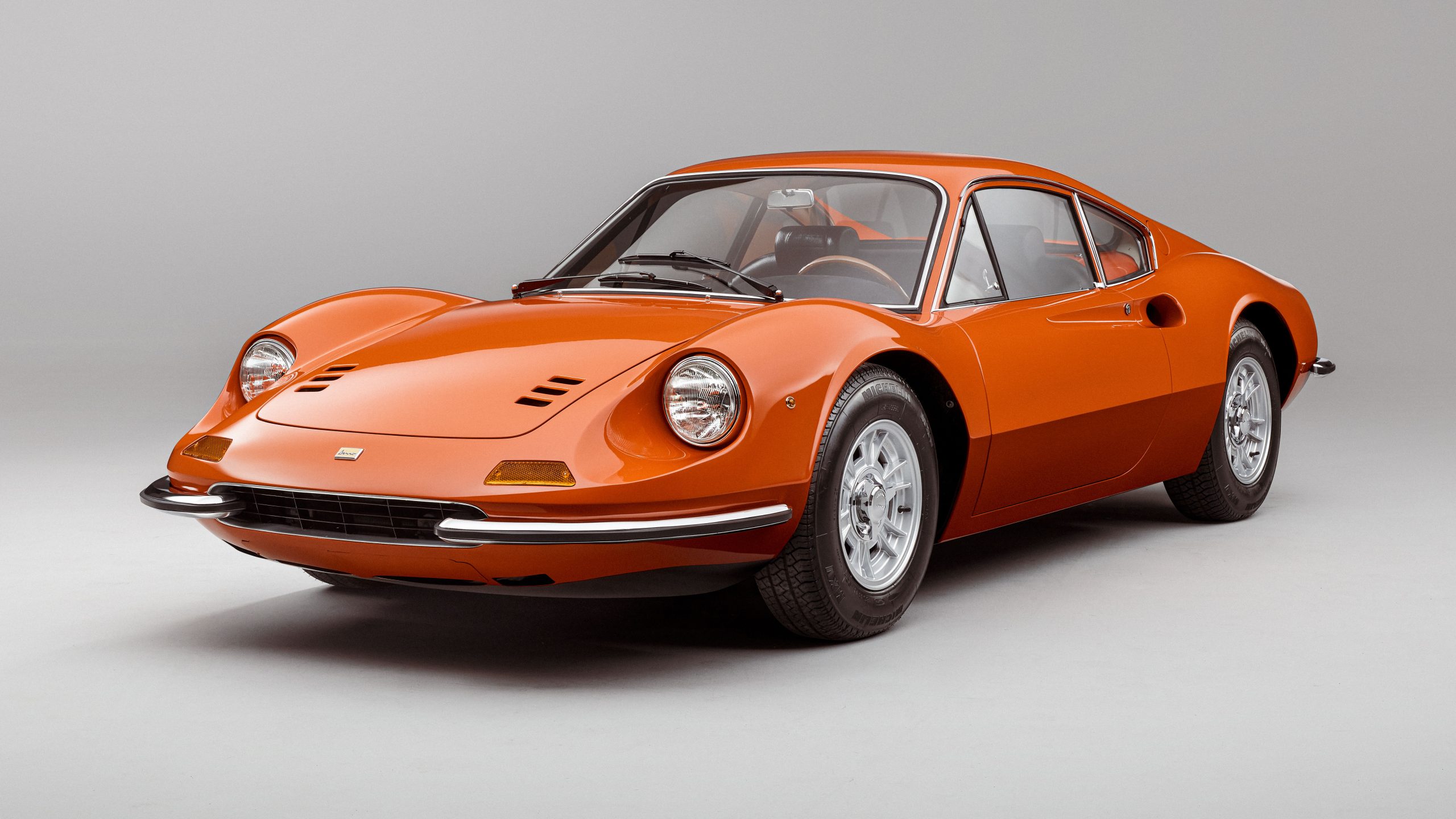
10. Maserati/Citroën C114: High-Revving Luxury with Refined Precision
The Maserati/Citroën C114 V6, most famously found in the 1970–1975 Citroën SM, is a showcase of advanced engineering that blends Italian performance with French luxury. Designed by Giulio Alfieri at Maserati, the engine is a compact 90-degree V6 derived from a V8 layout.
Despite the unconventional 90-degree angle, which can create uneven firing and vibration, careful balancing, a high-strength crankshaft, and lightweight aluminum construction delivered remarkably smooth power for a front-wheel-drive grand tourer.
Its quad overhead camshafts and precise internal components allowed the engine to rev freely while remaining civil at cruising speeds. Early versions featured three Weber carburetors for sharp fuel delivery and throttle response, while later models adopted Bosch D-Jetronic electronic injection, improving cold starts and maintaining consistent smoothness.
The short-stroke design enabled high-revving responsiveness, producing 170–178 hp in the 2.7-liter version and 180 hp in the later 3.0-liter variant. Power delivery was linear and predictable, supporting both spirited driving and relaxed touring.
The engine was mounted rearward in the engine bay to improve weight distribution and reduce vibration in the cabin. This setup complemented Citroën’s hydropneumatic suspension and the DIRAVI speed-sensitive steering, creating a floating, precise, and engaging driving experience. Additional innovations such as active headlights and unique braking controls highlighted the car’s forward-thinking design.
The C114 V6 produced a distinctive racing growl at high revs while remaining composed at idle, providing a combination of auditory excitement and mechanical refinement. The Citroën SM could reach 140 mph, making it one of the fastest front-wheel-drive cars of its era with handling that balanced comfort and agility.
Maintenance was demanding, with timing chains requiring attention and specialized parts being difficult to source. Neglect could lead to significant issues. Despite this, the C114 V6 remains highly regarded for its engineering achievement, offering a smooth, high-revving, and sophisticated driving experience.
It represents a rare fusion of Maserati’s performance expertise with Citroën’s technological innovation, delivering a grand tourer that is both refined and exhilarating.
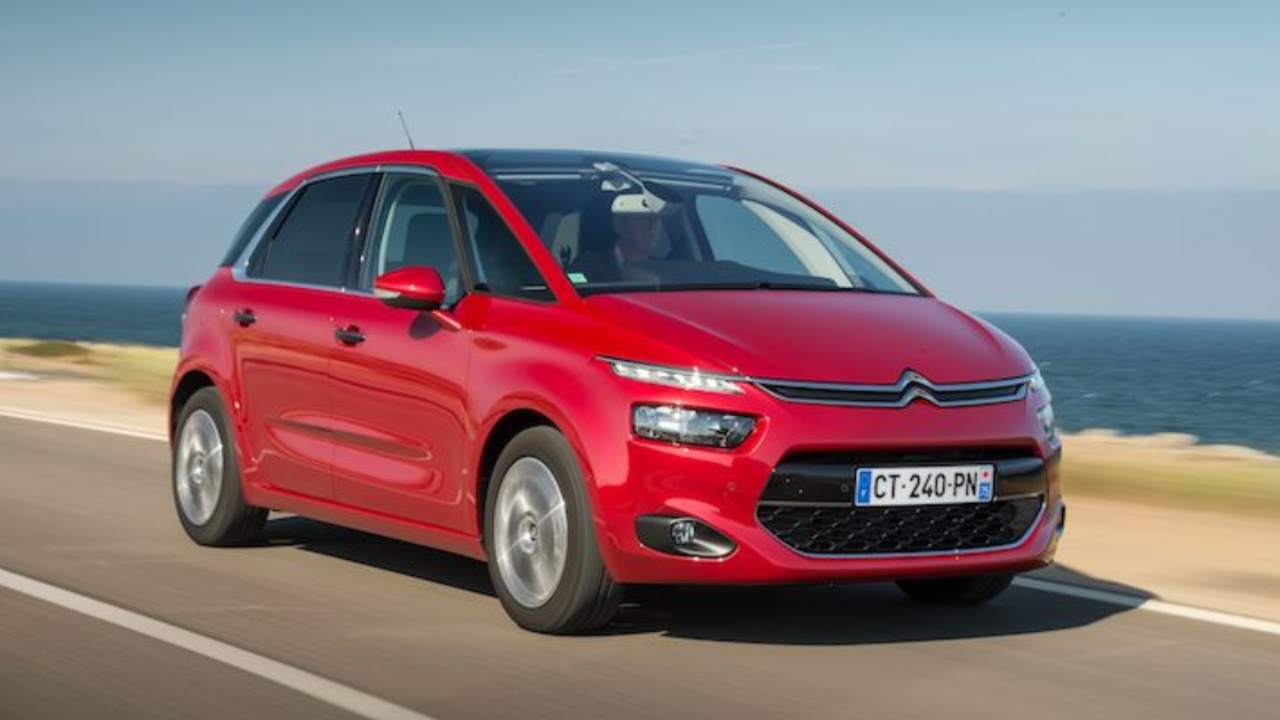
The top 10 naturally aspirated V6 engines featured here demonstrate the perfect blend of performance, smoothness, and mechanical elegance. Each engine delivers power in a controlled, linear manner, making acceleration feel effortless and engaging across the rev range.
From the visceral, high-revving thrills of the Ferrari Dino and Honda NSX to the refined, reliable comfort of the Toyota 2GR and Ford Duratec, these V6s prove that engineering precision can transform raw horsepower into a harmonious experience.
They highlight the enduring appeal of naturally aspirated designs, where balance, geometry, and thoughtful component selection create engines that reward skilled driving while remaining usable in everyday life. Collectively, they represent a benchmark for smooth power delivery, leaving a lasting impression on enthusiasts and shaping the legacy of V6 engineering for decades to come.
Also Read: Top 10 Cars with Most Iconic Headlight Covers and Bezels From the 1960s