
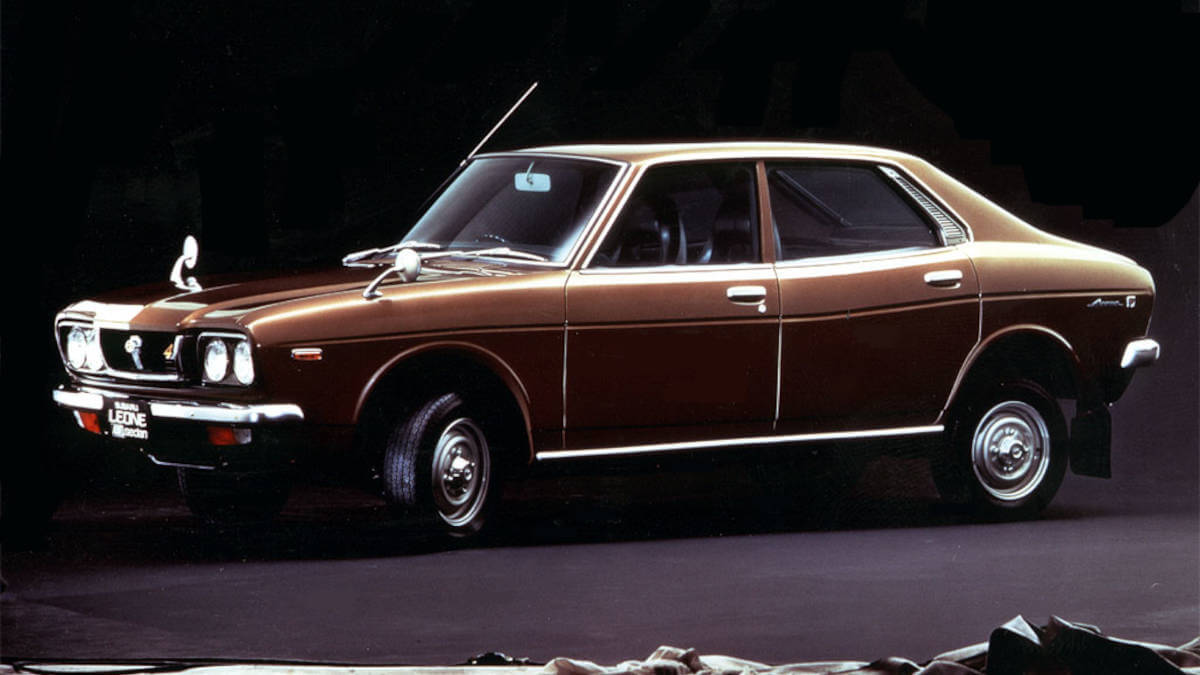
The 1970s was a transformative decade for the global automotive industry, and Japan emerged as one of its most formidable players. While American muscle cars guzzled fuel and European luxury brands chased prestige, Japanese automakers quietly engineered something the world hadn’t quite seen before affordable, dependable, and remarkably well-built sedans that just refused to break down.
Against the backdrop of the 1973 oil crisis, which sent shockwaves through Western markets, Japanese cars suddenly looked like pure genius. Compact, fuel-efficient, and mechanically sound, they offered everyday drivers a level of reliability that redefined consumer expectations.
Brands like Toyota, Nissan, Honda, Mazda, and Mitsubishi were hitting their stride during this era, refining manufacturing processes and investing heavily in quality control.
The result was a generation of sedans that not only survived their original owners but went on to become legends cars still found running on roads across Southeast Asia, Africa, and Latin America decades later.
Their engines were simple, their parts were affordable, and their engineering philosophy prioritized longevity over flash. This list celebrates the ten most reliable Japanese sedans from that golden decade, machines that earned their reputations one trouble-free mile at a time.
1. Toyota Corolla (E20/E30 Series, 1970–1979)
Few cars in automotive history have earned the kind of universal trust that the Toyota Corolla built during the 1970s. Already introduced in 1966, the Corolla hit its true stride with the E20 and E30 generations throughout the seventies, and in doing so, it laid the foundation for what would become the world’s best-selling car nameplate of all time.
During this decade, Toyota refined everything that made the original Corolla appealing its simplicity, its affordability, and above all, its almost stubborn refusal to fail its owner.
The E20 Corolla, which carried over into the early part of the decade, featured a lightweight body and Toyota’s proven 3K and later 2T four-cylinder engines. These were not exotic powerplants.
They were straightforward, carbureted units with modest outputs typically around 60 to 73 horsepower depending on the market and specification but what they lacked in excitement they more than compensated for in durability.
Mechanics could rebuild them with basic tools, parts were inexpensive and widely available, and the engines themselves had wide tolerances that allowed them to cope with poor fuel quality, infrequent servicing, and harsh climates without complaint.
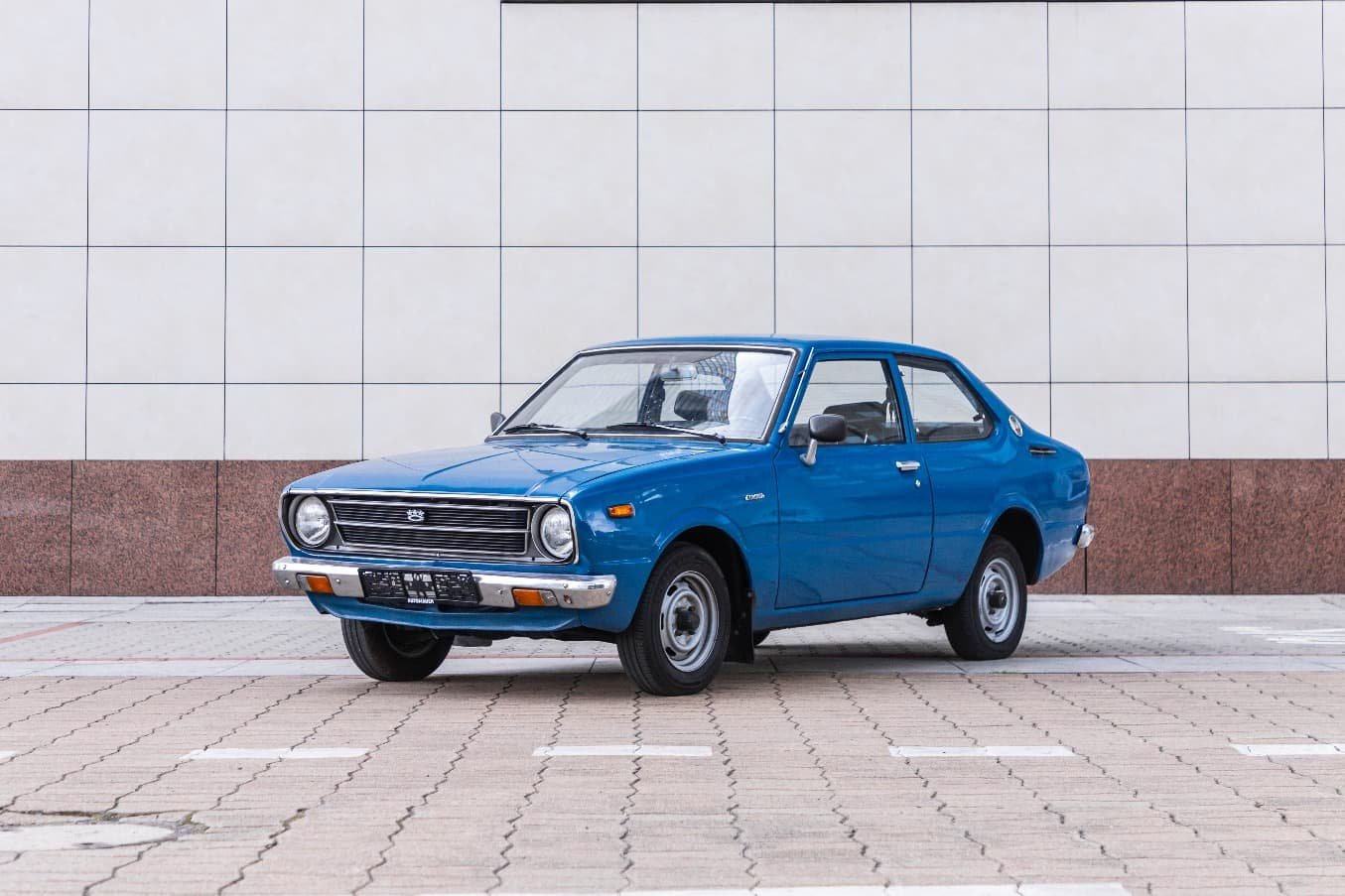
The E30 generation, arriving in the mid-seventies, brought a more refined body, improved suspension geometry, and better interior ergonomics without abandoning the mechanical simplicity that made the car so beloved.
Toyota also offered the Corolla in multiple body styles two-door coupe, four-door sedan, and even a wagon giving buyers flexibility while keeping the core drivetrain identical across variants. This parts commonality reduced service costs and made ownership in developing markets particularly practical.
What truly set the 1970s Corolla apart was Toyota’s obsessive attention to build quality at the assembly level. Gaps between body panels were tight, rust protection while not perfect was better than many competitors, and the fit of mechanical components was held to tight tolerances.
Owners in tropical climates often reported running their Corollas well past 200,000 miles with nothing more than regular oil changes and occasional tune-ups. In markets like Thailand, Indonesia, and East Africa, first-generation Corollas became almost mythological in their endurance.
The car’s suspension MacPherson struts up front and a live rear axle was conventional and unexciting but supremely serviceable. Replacement parts could be sourced almost anywhere on the planet, and local mechanics could perform most repairs without specialist knowledge.
This global serviceability was not accidental; Toyota had engineered it deliberately as part of a strategy to dominate international markets. By the end of the 1970s, the Corolla had become the automotive standard against which reliability was measured.
It didn’t offer the most comfortable ride, the most powerful engine, or the most stylish exterior but it started every morning, ran every day, and asked remarkably little in return. That promise, made good across millions of examples worldwide, is why the 1970s Corolla sits at the very top of this list.
2. Nissan Sunny (B110/B210, 1970–1978)
The Nissan Sunny sold in North America as the Datsun 1200 and later the Datsun 210 was one of Japan’s most quietly impressive reliability stories of the entire decade.
Compact, lightweight, and powered by engines that seemed almost impossible to kill, the Sunny earned a devoted following in markets ranging from Australia and New Zealand to the United States and the Middle East.
The B110 generation, which opened the decade, introduced a front-wheel drive layout on the coupe variant but kept the more practical sedan on a conventional rear-drive platform.
The A-series engine powering these cars a small-displacement, overhead-valve unit of either 1.0 or 1.2 liters became one of the most celebrated small car engines of its era.
It was extraordinarily simple, with a design that prioritized ease of maintenance. Valve adjustments were straightforward, carburetor rebuilds were affordable, and the engine’s modest state of tune meant internal stresses were kept well within comfortable margins. These were engines built for life, not lap times.
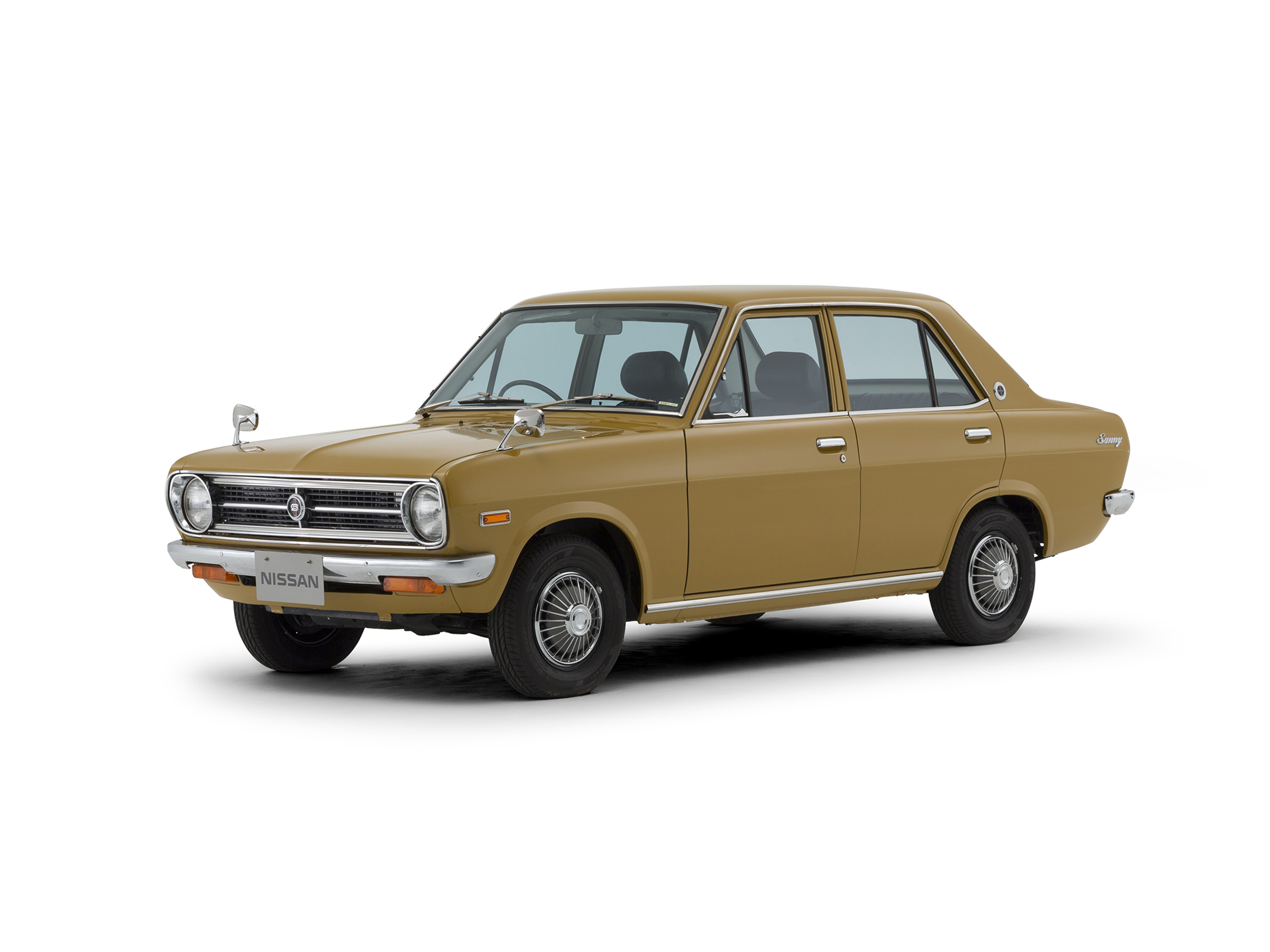
The transition to the B210 in the mid-seventies brought modest refinements a slightly larger body, improved interior appointments, and eventually a 1.4-liter A14 engine that improved both performance and fuel economy.
The timing was ideal. As fuel prices spiked following the oil embargo, the Sunny’s frugal engines made it an even more attractive proposition, and sales surged accordingly. Nissan had done nothing radical; they had simply continued refining a formula that worked.
Rust was arguably the Sunny’s greatest weakness early examples were not especially well-protected against corrosion but mechanically, these cars proved extraordinarily durable.
The rear-drive layout was conventional and easy to work on, the gearbox was smooth and long-lived, and the braking system disc front, drum rear provided adequate stopping power with minimal drama. Owners who kept their Sunnys clean and serviced regularly were often rewarded with lifespans stretching deep into the 1990s and beyond.
The Sunny’s reputation was perhaps best demonstrated in international rallying, where the B110 competed with remarkable success given its humble origins, hinting at the structural robustness underpinning its domestic persona.
For the ordinary buyer, though, the Sunny’s appeal was simple: it was cheap to buy, cheap to run, and almost embarrassingly reliable. In a decade defined by economic anxiety, those qualities made it genuinely indispensable.
3. Toyota Corona (T80/T100 Series, 1970–1979)
Sitting one rung above the Corolla in Toyota’s lineup, the Corona occupied a sweet spot in the 1970s market offering more interior space, more refinement, and slightly more power, while maintaining every bit of the reliability that Toyota had become known for.
The Corona was, in many ways, the car that built Toyota’s reputation in North America, arriving before the Corolla and convincing skeptical American buyers that Japanese engineering could be trusted.
The T80 generation carried the Corona into the decade with a range of inline-four engines, including the well-regarded 8R and 18R units, the latter being a more advanced overhead-cam design that delivered smoother performance and improved longevity.
The 18R engine in particular developed a devoted following among mechanics and enthusiasts for its willingness to accumulate high mileage without significant internal wear, provided it received regular oil changes.
Overhead-cam designs can sometimes prove more challenging to maintain than simpler overhead-valve units, but Toyota engineered the 18R with accessible valve adjustment and a robust timing chain that avoided the fragility issues some rivals faced with timing belts.
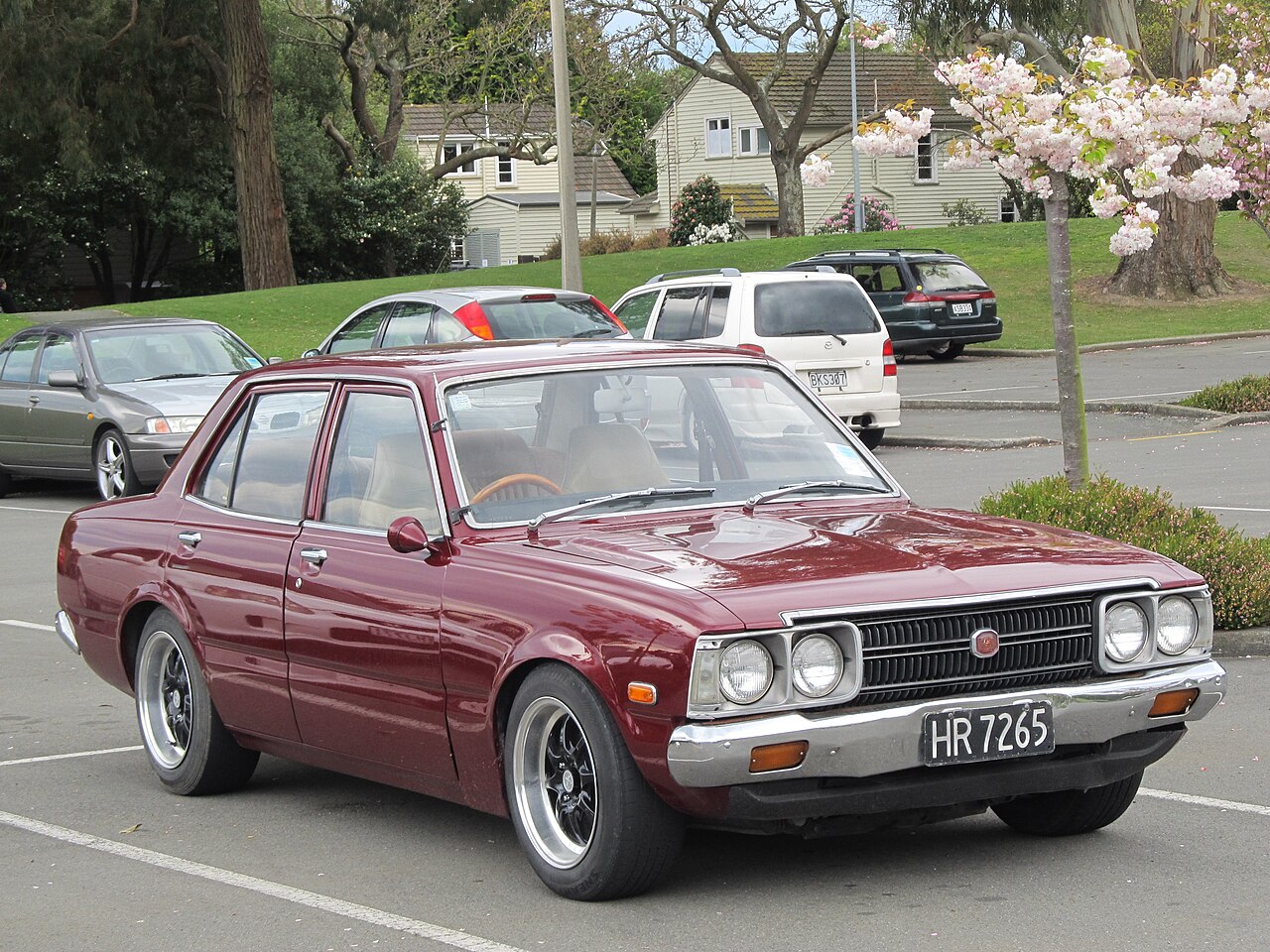
The T100 generation, arriving in 1973, updated the Corona’s styling and improved interior quality noticeably. Toyota gave it a more modern dashboard, better sound insulation, and a more comfortable suspension tune concessions to the growing expectation among buyers that reliability alone was no longer sufficient and that comfort mattered too.
Yet the engineers were careful not to sacrifice the mechanical simplicity that had made earlier Coronas so durable. The drivetrain remained conventional and proven, the electrical system was straightforward and largely trouble-free, and the body structure was solid enough to resist the flexing that could lead to premature wear in door seals and hinges.
In North America, the Corona’s reputation suffered somewhat in later years from rust issues a problem common to many Japanese imports of the era that had not been designed with northern climates in mind but in drier markets, Coronas routinely lasted for extraordinary mileages.
Japanese taxi operators famously favored the Corona and its successors, subjecting them to the kind of continuous, high-mileage use that would expose any mechanical weakness quickly. The cars passed that test with distinction.
By the late seventies, the Corona had been somewhat overshadowed by the rising Camry and the ever-present Corolla, but its contribution to establishing Toyota as a byword for reliability was immeasurable. It proved that a Japanese manufacturer could build a mid-size family sedan capable of matching or exceeding the durability of anything from Detroit or Europe.
4. Honda Civic (First Generation, 1972–1979)
When Honda launched the first-generation Civic in 1972, it did so with a fresh approach to small car engineering that would prove enormously influential.
Unlike the rear-drive, conventional-layout competitors it faced, the Civic used a transverse front-wheel-drive configuration a layout that Honda had developed with characteristic thoroughness and that would go on to define the modern family car.
But beyond its engineering novelty, the Civic earned its place on this list through one quality above all others: it simply worked, day after day, year after year.
Honda’s 1.2-liter CVCC engine introduced on the Civic in the mid-seventies was a landmark achievement. Developed as a response to increasingly strict American emissions regulations, the CVCC (Compound Vortex Controlled Combustion) engine could meet the new standards without requiring a catalytic converter, something that no other manufacturer had achieved at the time.
More relevant to this discussion, the CVCC engine was also extremely reliable. Its prechamber combustion design produced clean, efficient combustion at low temperatures, reducing internal wear and carbon buildup. Owners who maintained their CVCC Civics faithfully were often rewarded with engines that remained tight and responsive well past 150,000 miles.
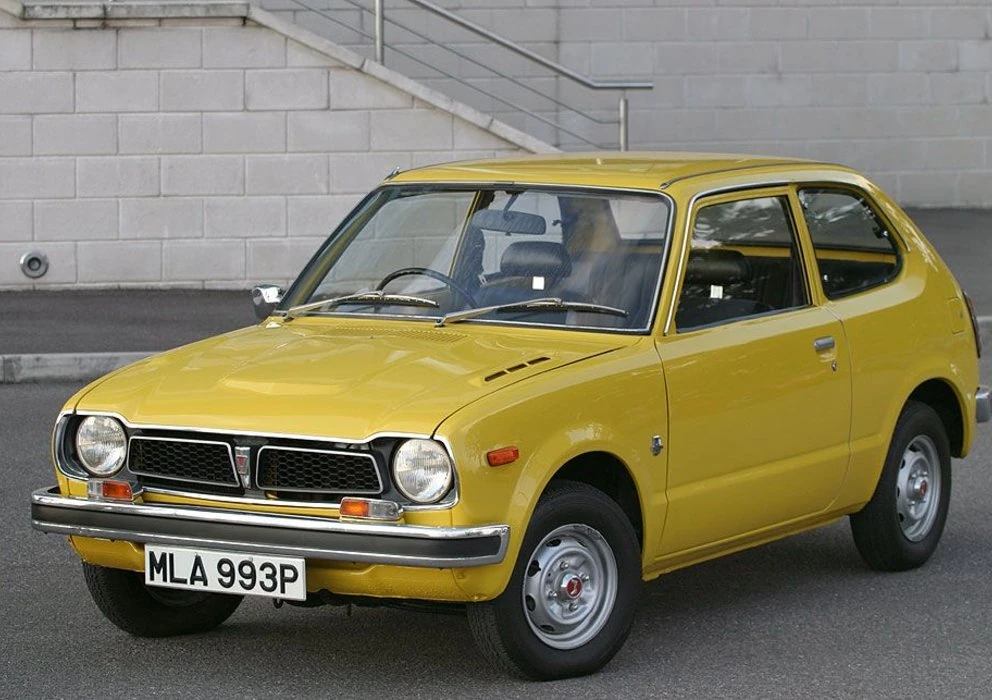
The Civic’s front-wheel-drive layout, while unconventional for its time, proved well-suited to the car’s intended use. The suspension a MacPherson strut front and independent rear provided a comfortable, competent ride, and Honda’s engineering of the constant-velocity joints in the driveshafts was robust enough to cope with years of regular use without premature failure.
The gearbox was a particular highlight: slick, precise, and long-lived, it was one of the best manual transmissions of the era in any price class. What makes the first-generation Civic’s reliability story particularly impressive is the context in which it operated. Honda was a relative newcomer to car manufacturing primarily a motorcycle company that had entered the automobile market only in 1963.
That a manufacturer with so little car-building experience could produce such a durable and refined product in such a short time spoke to the quality of Honda’s engineering culture and its willingness to invest in getting things right rather than cutting corners to meet a price point.
In markets worldwide, the first-generation Civic became a symbol of intelligent, efficient transportation. Its owners tended to be practical people who appreciated quality, and the car consistently repaid their faith. As a reliability benchmark for its era, it was and remains exceptional.
Also Read: 8 Tips for Teaching Your Teen to Drive in a High Tech Car
5. Mazda 616/618 (1970–1978)
While Mazda is often remembered from this era for its rotary-engined sports cars and the reliability questions that accompanied them, the company’s conventional piston-engined sedans of the seventies told a very different story.
The Mazda 616 and its later evolution, the 618 was a thoroughly conventional, front-engine, rear-drive family sedan powered by a dependable inline-four engine, and it built a quiet but solid reputation for durability in markets across the globe.
The 616 was powered by Mazda’s 1.6-liter MA engine, a pushrod overhead-valve unit that prioritized reliability and ease of maintenance over outright sophistication.
It was not the most powerful engine in its class, nor the most refined, but it was extremely tolerant of neglect, capable of running on mediocre fuel, and straightforward to rebuild when the time eventually came.
The engine’s modest state of tune producing around 75 to 80 horsepower kept internal stresses low, contributing to an unusually long service life by the standards of the era.
The 616’s body and chassis were conventional in the best sense of the word. Rear-wheel drive through a robust live axle, disc brakes at the front, and a recirculating-ball steering system that was heavier than a rack-and-pinion setup but also more durable in the long run.
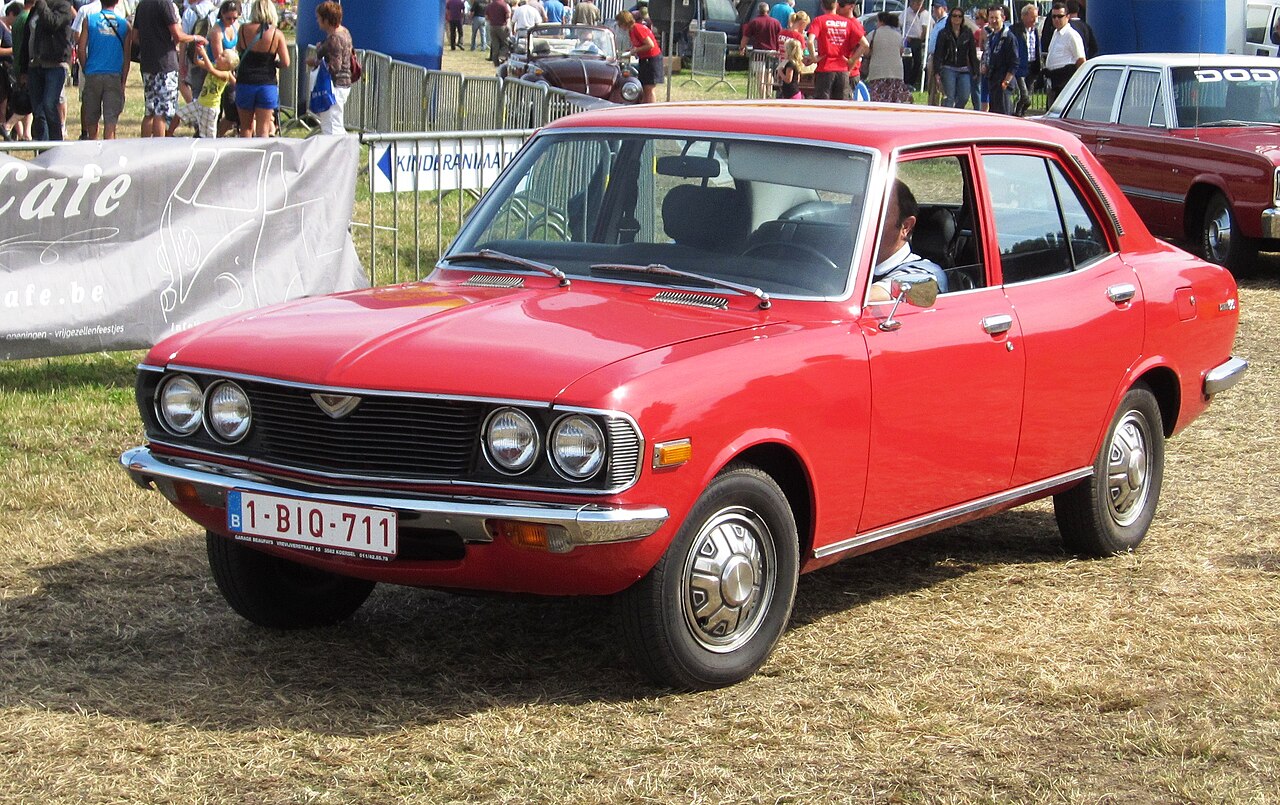
The body itself was well-assembled, with panel gaps that reflected quality control above the average for cars at this price level. Interior appointments were modest but well-built, with materials that aged better than the flimsy plastics found in some competitors.
The 618, arriving in the mid-seventies, updated the formula with a new body shell and a 1.8-liter engine derived from the same basic architecture as the 616’s unit.
This was a natural evolution rather than a reinvention, and it maintained the core reliability characteristics that had made the 616 successful. In markets like New Zealand and Australia, where the 616 and 618 found a particularly loyal following, these cars were praised by mechanics for their accessibility and by owners for their refusal to generate unexpected repair bills. What the Mazda 616 and 618 lacked in glamour they more than compensated for in solidity.
They were not the most exciting Japanese sedans of the seventies, but among working families who needed a car that would reliably get them to work, take their children to school, and start on cold mornings, they were exactly what was needed. Their reputation, built modestly and honestly, endured well beyond the decade that created them.
6. Mitsubishi Galant (First/Second Generation, 1969–1977)
The Mitsubishi Galant arrived at the very start of the 1970s carrying a sophistication that was somewhat unexpected from a brand still finding its international footing.
Mitsubishi had been building vehicles for decades, but the Galant represented a new ambition a mid-size sedan designed to compete directly with the best from Toyota and Nissan while offering a level of engineering refinement that would distinguish it in the marketplace. Over two generations spanning most of the decade, the Galant delivered on that promise with impressive consistency.
The first-generation Galant introduced Mitsubishi’s Saturn engine family four-cylinder, overhead-cam units of 1.3 and 1.5 liters which proved both smooth and durable.
Overhead-cam designs were more complex than the pushrod engines common in many rivals, but Mitsubishi engineered theirs conservatively, using a timing chain rather than a belt and building in sufficient oil capacity to ensure the valvetrain received reliable lubrication.
The result was an engine that rewarded regular maintenance with exceptional longevity and punished neglect less severely than more highly stressed designs.
The second-generation Galant, arriving in 1973, was a more substantial car in every respect longer, wider, and better equipped, with a new range of engines extending up to 1.85 liters.
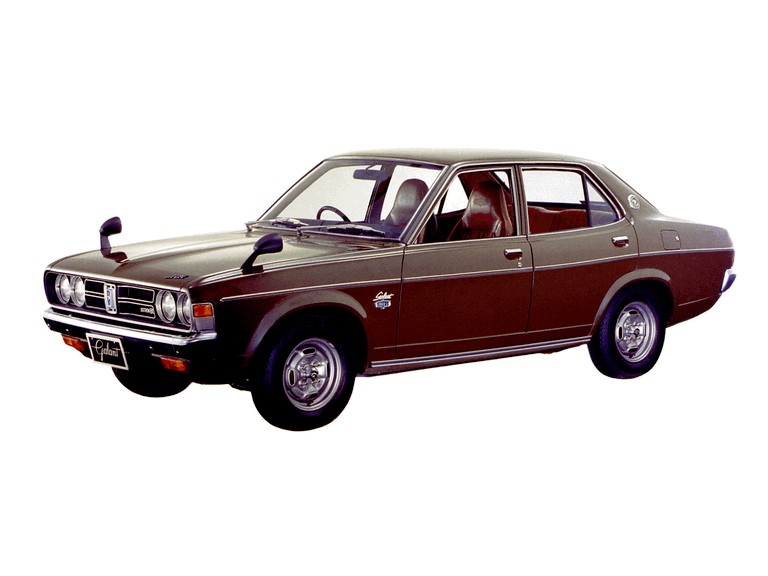
It also introduced Mitsubishi’s “Silent Shaft” engine balancing technology on some variants a genuinely innovative solution to the inherent vibration of inline-four engines which reduced noise and vibration levels while simultaneously reducing internal wear.
This technology, later licensed to other manufacturers including Porsche, demonstrated the genuine engineering depth that Mitsubishi brought to what might otherwise have seemed a conventional family sedan.
Structurally, the Galant was well-built with body panels that fitted tightly and a chassis that proved resistant to the flexing and squeaking that sometimes afflicted less rigorously assembled competitors.
The suspension was well-tuned for comfort without sacrificing the stability needed for confident highway driving, and the braking system using front disc brakes on most specifications provided confident, fade-resistant stopping power.
The Galant’s reputation for reliability made it particularly popular in export markets, where Mitsubishi sold it under various names and through distribution arrangements with other manufacturers.
The core mechanical package, wherever it was sold, consistently impressed owners with its durability. For those who might have overlooked the Galant in favor of the more prominent Corolla or Sunny, the car consistently proved itself their equal in the quality that matters most the ability to run reliably, day after day, without drama.
7. Toyota Cressida / Mark II (X10/X20 Series, 1972–1979)
The Toyota Mark II sold in certain markets as the Cressida occupied the upper end of Toyota’s sedan lineup in the 1970s and represented the company’s most ambitious attempt to offer genuine luxury-market refinement within a reliably engineered package.
Where the Corolla and Corona prioritized economy and practicality, the Mark II targeted buyers who wanted more more space, more comfort, more features without sacrificing the fundamental dependability that had made Toyota famous.
Powered initially by the 18R overhead-cam engine and later by the larger and smoother 2M and 4M six-cylinder units, the Mark II offered a driving experience that was genuinely refined for its era.
The inline-six engines in particular were highlights smooth, torquey, and remarkably long-lived. Toyota’s six-cylinder designs of this period shared the company’s characteristic engineering conservatism: robust internals, generous oil capacity, timing chains rather than belts, and power outputs kept well within the engines’ comfortable operating range.
Owners who maintained their Mark IIs with regular oil changes could expect the six-cylinder engines to exceed 200,000 miles without major intervention.
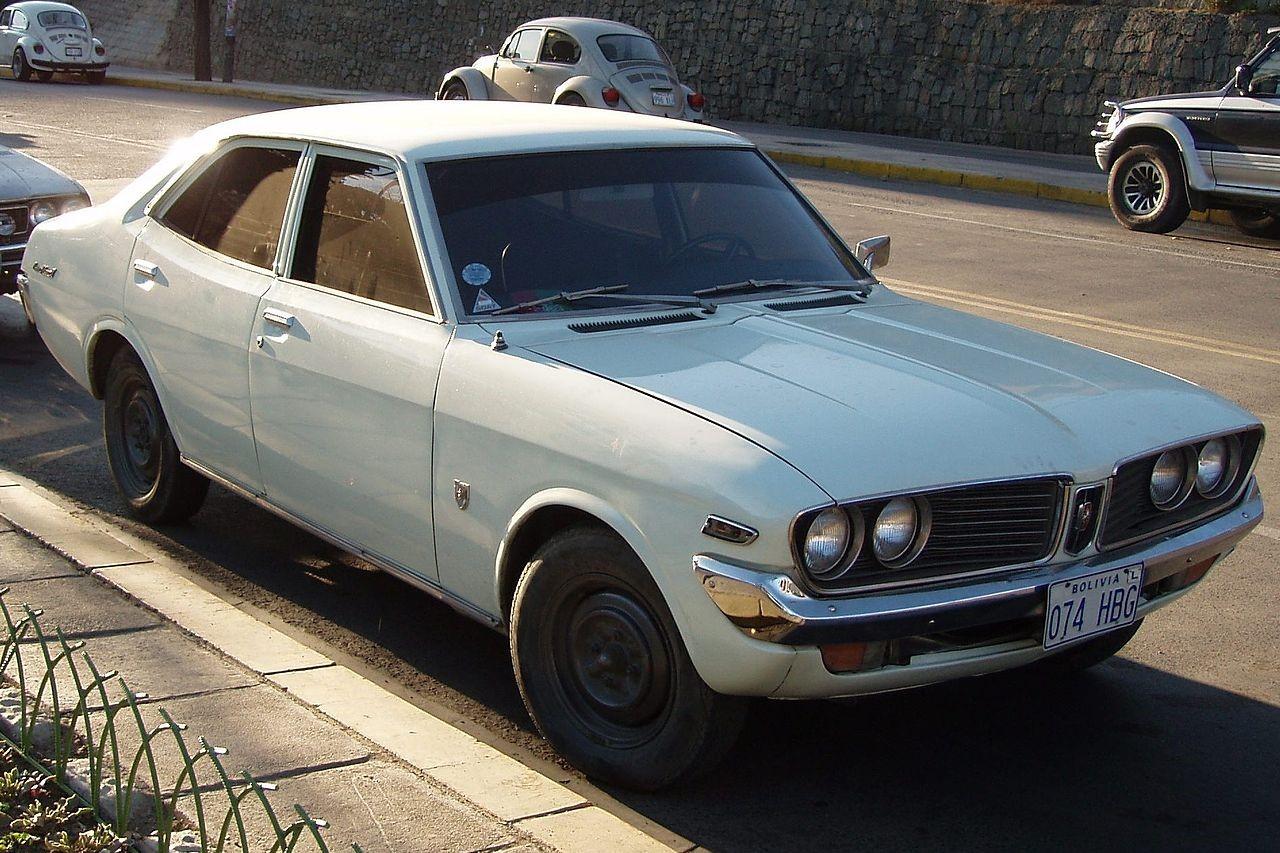
The X10 generation carried the car through the early part of the decade with a body that was clearly influenced by European luxury car styling of the period upright, formal, and well-proportioned. Interior quality was notable, with materials and fit-and-finish that exceeded what buyers at this price level typically encountered from domestic American or European alternatives.
Toyota had learned that reliability alone was not sufficient to justify a premium price; quality needed to be tangible, felt in every surface touched and every control operated.
The X20 generation, arriving in the mid-seventies, updated the styling toward something more modern and aerodynamically aware while maintaining the mechanical package that had proven itself so effective.
It also added additional equipment levels, making the Mark II an increasingly competitive proposition against the established European mid-luxury sedans it was targeting.
In North America, where it was sold as the Cressida, the car found a loyal following among buyers who wanted European-style refinement without European-style repair costs.
The Mark II’s combination of genuine quality, mechanical reliability, and competitive pricing made it one of the most successful premium Japanese sedans of the decade and an important stepping stone in Toyota’s ascent toward the luxury market that would eventually culminate in the Lexus brand.
8. Datsun/Nissan Bluebird (810 Series, 1973–1978)
The Nissan Bluebird had a long and distinguished history before the 810 series arrived in 1973, but it was this generation that most successfully combined Nissan’s mechanical expertise with an ambition to reach buyers seeking something slightly more sophisticated than the mass-market Sunny.
The 810 Bluebird sold as the Datsun 810 in North America was a genuinely accomplished mid-size sedan that demonstrated just how far Japanese engineering had advanced in a single decade.
The 810’s engine lineup centered on Nissan’s L-series four-cylinder units specifically the 1.6 and 1.8-liter variants which had already established an outstanding reputation for durability in previous Bluebird generations.
The L-series was an overhead-cam design notable for its robust construction, its tolerance of high mileage, and its responsiveness to simple maintenance procedures.
Nissan engineers had spent years refining these engines, and by the time they appeared in the 810, they represented a genuinely mature and fully developed design.
Mechanics who worked on them consistently praised their accessibility and the predictability of their wear characteristics they gave clear warning before developing problems, rather than failing suddenly.
The 810’s body was one of the more elegantly styled Japanese sedans of its era longer and lower than some competitors, with a profile that owed something to European influence without looking derivative.
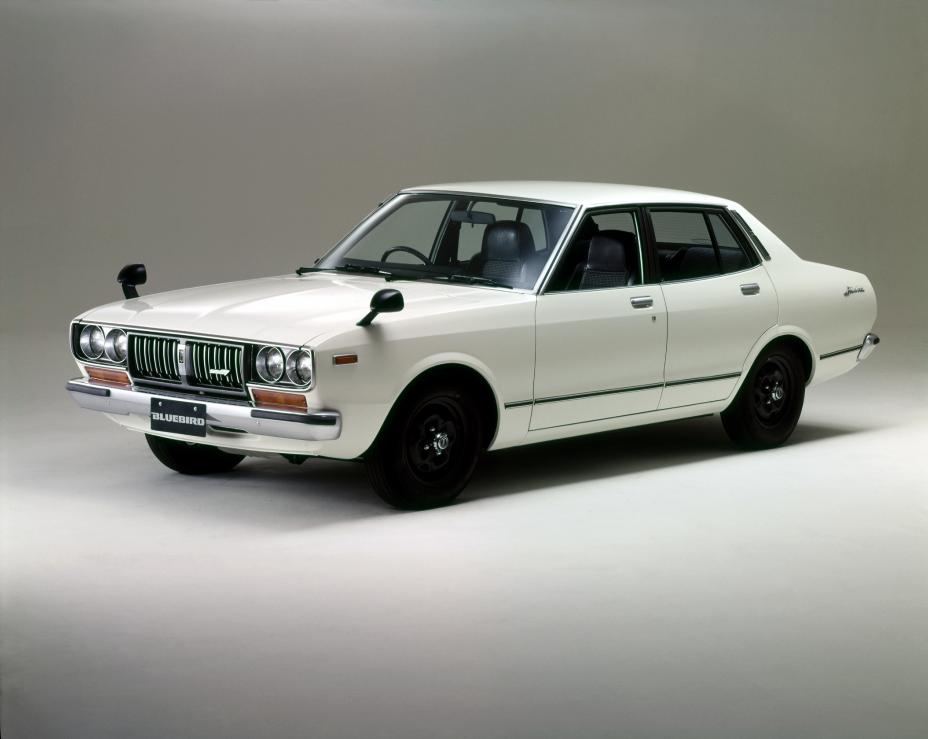
Build quality was high, with body panels that fitted well and interior appointments that conveyed a sense of solidity and care. Nissan used better-grade materials in the 810’s interior than in the Sunny, and the difference was immediately apparent to buyers stepping up from the smaller car.
Technically, the 810 offered independent rear suspension on some variants a more sophisticated arrangement than the live rear axles common in its competitors which improved both ride quality and handling without adding significant mechanical complexity.
Nissan had engineered the independent rear setup to be as robust as a live axle, using relatively simple geometry and durable components that required minimal servicing.
The 810 Bluebird’s reliability record in international markets was exemplary. In Australia, where Nissan had a particularly strong presence, the car became a firm favorite among buyers who valued dependability above all.
Its combination of refined engineering, good build quality, and the proven L-series powertrain made it one of the most trusted Japanese sedans of the decade and a worthy representative of Nissan’s capabilities at their best during this era.
9. Honda Accord (First Generation, 1976–1981)
Although the Accord only arrived in 1976, it made such an immediate and powerful impression on the reliability conversation that it cannot be omitted from any serious discussion of dependable Japanese sedans of the 1970s.
Honda had learned enormously from the Civic and applied those lessons to a larger, more refined package that targeted a more mature and demanding buyer one who wanted the reliability of a Japanese car but in a form that felt genuinely grown-up.
The first-generation Accord was built around Honda’s proven 1.6-liter CVCC engine the same basic technology that had distinguished the Civic but now in a more developed form, with improved output, smoother delivery, and the accumulated refinements of several years of production experience.
The CVCC combustion system continued to provide its combination of clean emissions and excellent reliability, and the engine’s integration into the Accord’s larger, heavier body was handled smoothly, with power delivery that felt appropriately brisk without stressing the unit beyond its comfort zone.
Honda’s front-wheel-drive layout, already proven in the Civic, was carried over to the Accord with appropriate updates for the car’s increased size and weight.
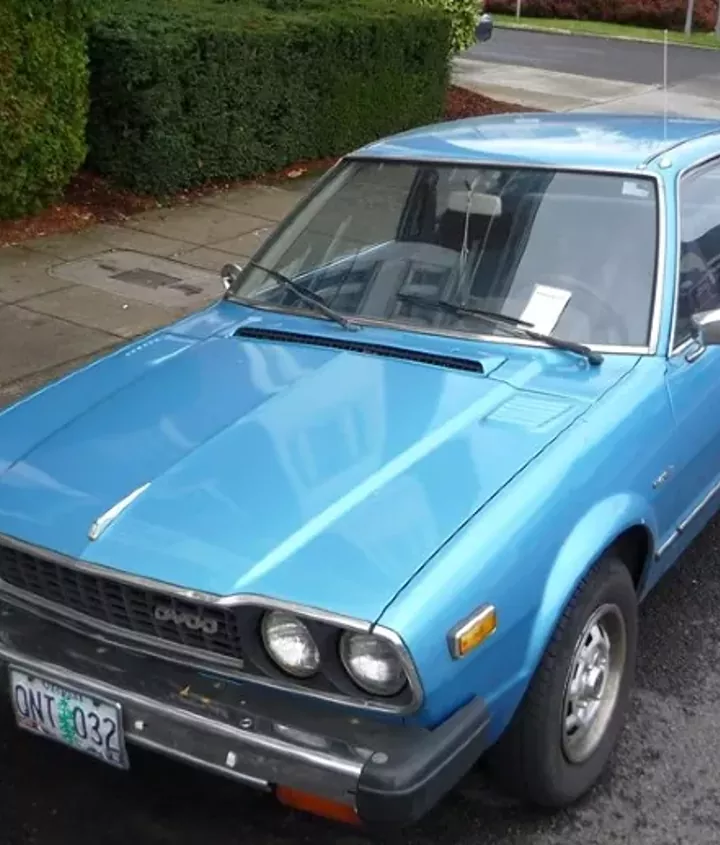
The engineering of the driveshafts, suspension, and steering was done with characteristic Honda thoroughness, resulting in a car that steered and rode with a composure unusual at its price point.
The MacPherson strut front suspension was well-calibrated, and the independent rear suspension a step up from the Civic’s trailing arm setup on some markets provided a more sophisticated ride quality while remaining robust and low-maintenance.
Interior quality on the first-generation Accord was a revelation for the price. Honda had paid close attention to tactile quality the feel of the controls, the texture of the materials, the precision of the door closings in a way that distinguished the car from competitors who viewed interior quality as an area where corners could be safely cut.
The result was a car that felt genuinely premium in everyday use, without any of the mechanical complexity that sometimes made European premium cars expensive to maintain.
The Accord’s combination of Honda’s proven powertrain, sophisticated but durable suspension, and exceptional build quality made it one of the most reliable family sedans of the late 1970s by any measure.
It established the template for what a reliable, well-engineered Japanese family sedan could be and set expectations that Japanese manufacturers would spend the following decades striving generally successfully to meet and exceed.
10. Subaru Leone (First Generation, 1971–1979)
The Subaru Leone deserves its place on this list not just for its mechanical reliability which was genuine and impressive but for the way it demonstrated that dependability could be achieved through unconventional engineering as readily as through conventional formulas.
Subaru had already established a reputation for building simple, durable small cars, and the Leone extended that reputation into the family sedan segment while introducing features that would become central to Subaru’s identity for the decades to come.
The Leone’s most significant engineering feature was its available four-wheel-drive system introduced on the Leone wagon variant in 1972 and later extended to the sedan making it one of the earliest production cars to offer all-wheel-drive capability to ordinary buyers.
This system was mechanically simple by modern standards, using a manually engaged part-time four-wheel-drive arrangement, but it was robust and effective, providing traction in conditions that would have defeated any conventional two-wheel-drive sedan.
In markets with harsh winters or poor road conditions, the Leone’s AWD capability transformed it from a merely reliable car into an indispensable one.
But the Leone’s reliability story extended beyond its unusual drivetrain. Power came from Subaru’s horizontally opposed “boxer” four-cylinder engines initially a 1.1-liter unit, later expanded to 1.4 and 1.6 liters which were notable for their low center of gravity, smooth operation, and excellent durability.
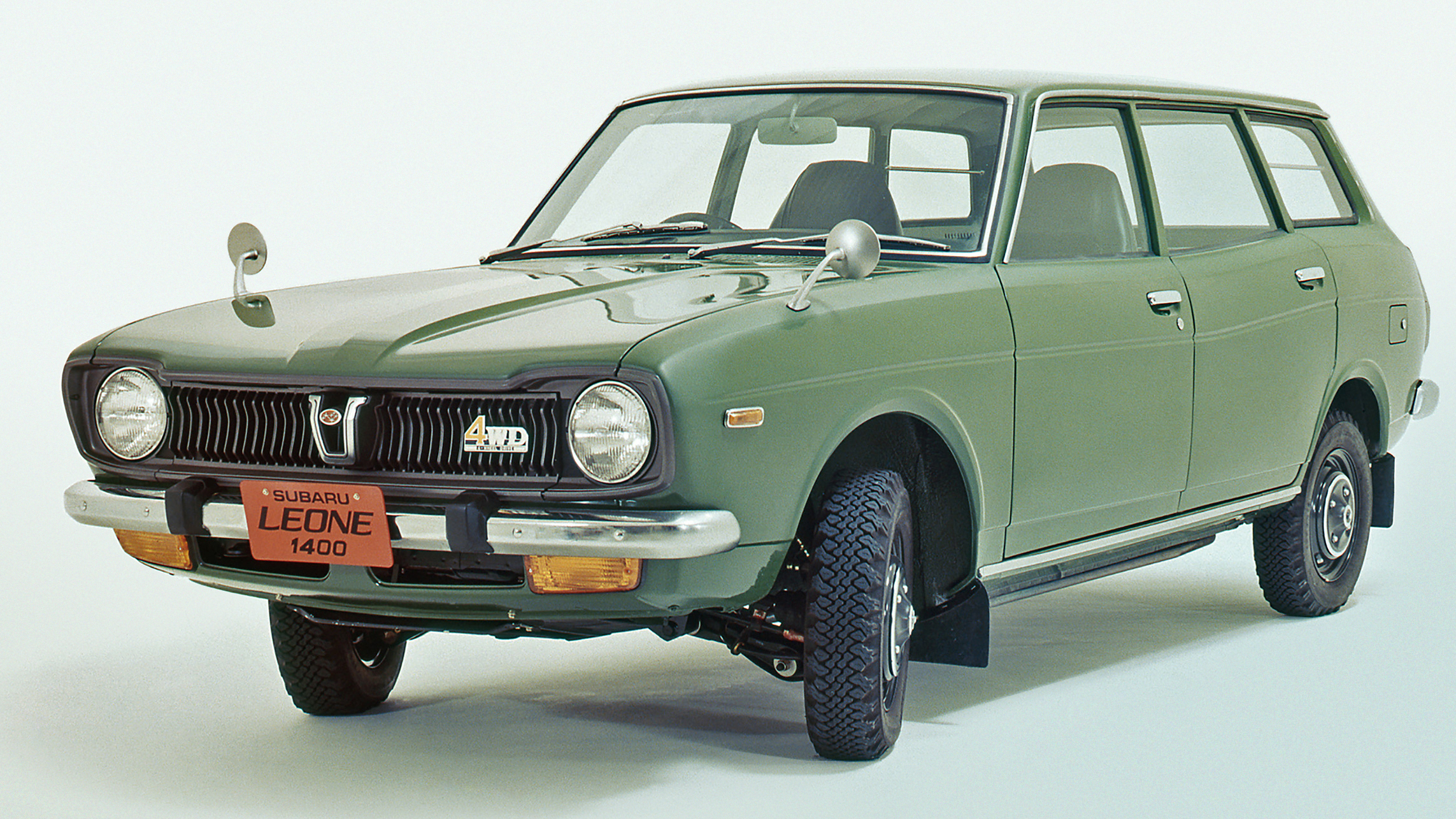
The flat-four design distributed weight low in the chassis, improving handling and stability while the engine’s inherent balance reduced the vibration that could contribute to fatigue in other components over high mileages. Subaru built these engines with generous tolerances and conservative tune levels, prioritizing longevity over peak performance.
The Leone’s body was well-assembled and appropriately sturdy for a car expected to operate in demanding conditions. While it was never the most stylish sedan in the Japanese lineup, its practical proportions and solid construction served its target market well.
The interior was functional and honestly finished not luxurious, but built to last and easy to keep clean, which mattered to the farmers, rural workers, and adventurous families who were among the Leone’s most devoted customers.
In the Japanese domestic market and in export markets including the United States and Australia, the Leone built a loyal following that valued its combination of all-weather capability and mechanical dependability.
It was the foundation on which Subaru would later build its global reputation, and the quality of its engineering in this foundational decade made everything that followed possible.
Also Read: 8 Reasons Why Manual Windows Are More Satisfying Than Power Ones
