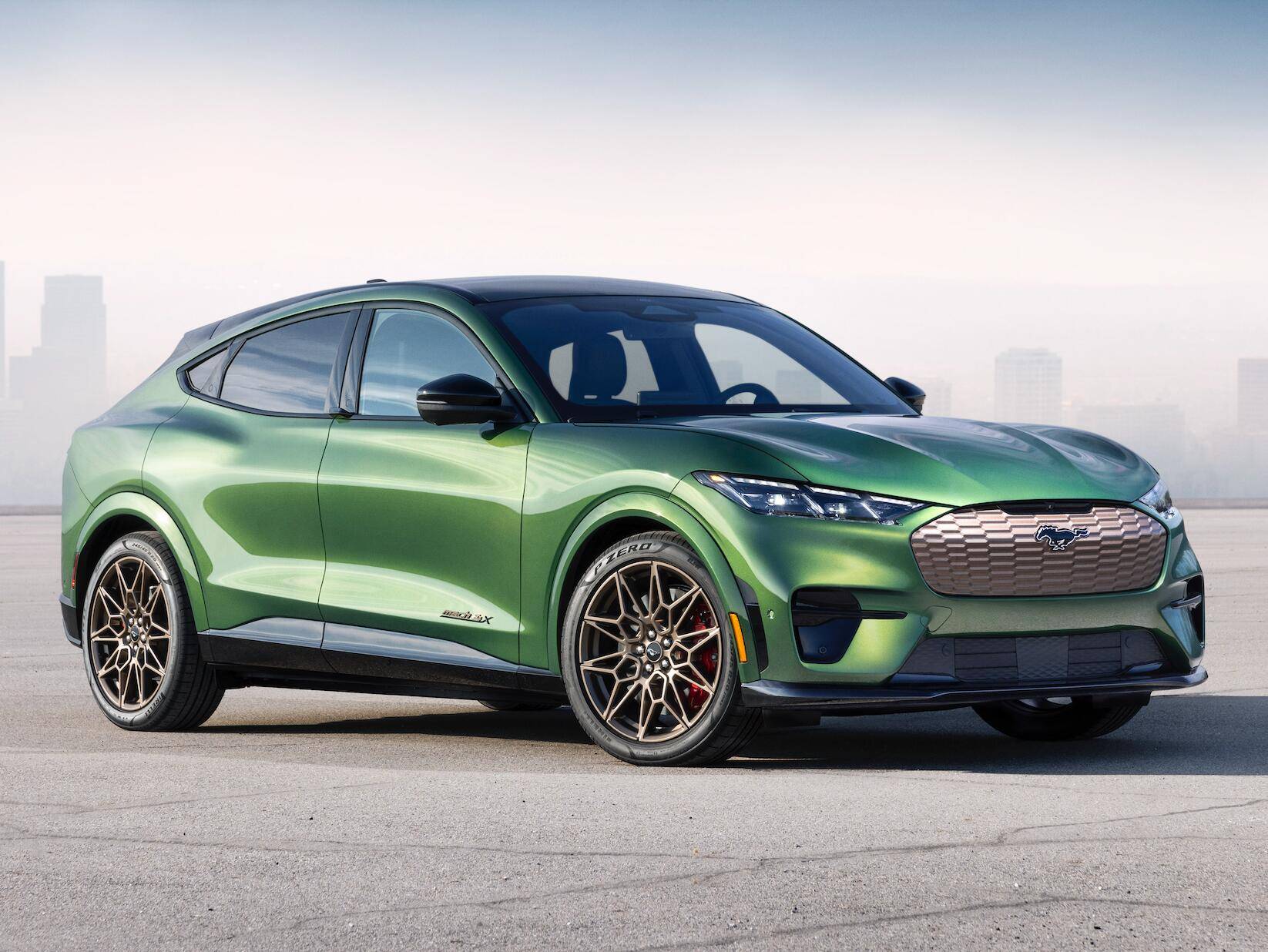
Ford’s BlueCruise driver-assistance system has accumulated hundreds of millions of miles of use, but a federal hearing scheduled this month will revisit two fatal crashes that raised concerns about the technology’s limitations.
Ford’s BlueCruise may not dominate headlines the way some competing systems do, yet it has steadily become one of the most widely used semi-autonomous driving technologies available today. According to Ford, drivers have already logged hundreds of millions of miles using the system, which now operates across many major highways throughout the United States and Canada.
However, the expansion of BlueCruise has not been without controversy. In 2024, two fatal crashes occurred involving 2022 Ford Mustang Mach-E electric vehicles while BlueCruise was operating in partial automation mode.
The first incident took place on Interstate 10 in San Antonio. In that crash, a Mach-E collided with a stationary 1999 Honda CR-V, resulting in the death of the Honda’s driver. The second crash happened on Interstate 95 in Philadelphia, where another Mach-E struck two stopped vehicles. The impact triggered a chain reaction that forced vehicles into moving traffic, ultimately causing two additional fatalities.
Investigators later determined that in the moments leading up to both crashes there was no evidence of driver intervention. Additionally, there were no signs that the vehicle initiated automated braking or steering corrections before the collisions occurred. As a result, federal authorities have begun another detailed review of the incidents.
Reuters said that the National Transportation Safety Board (NTSB) has scheduled a hearing for March 31 to examine the circumstances surrounding the two fatal crashes involving BlueCruise. The hearing will also address broader questions about the performance and oversight of advanced driver-assistance systems, including the responsibilities of both drivers and automakers.
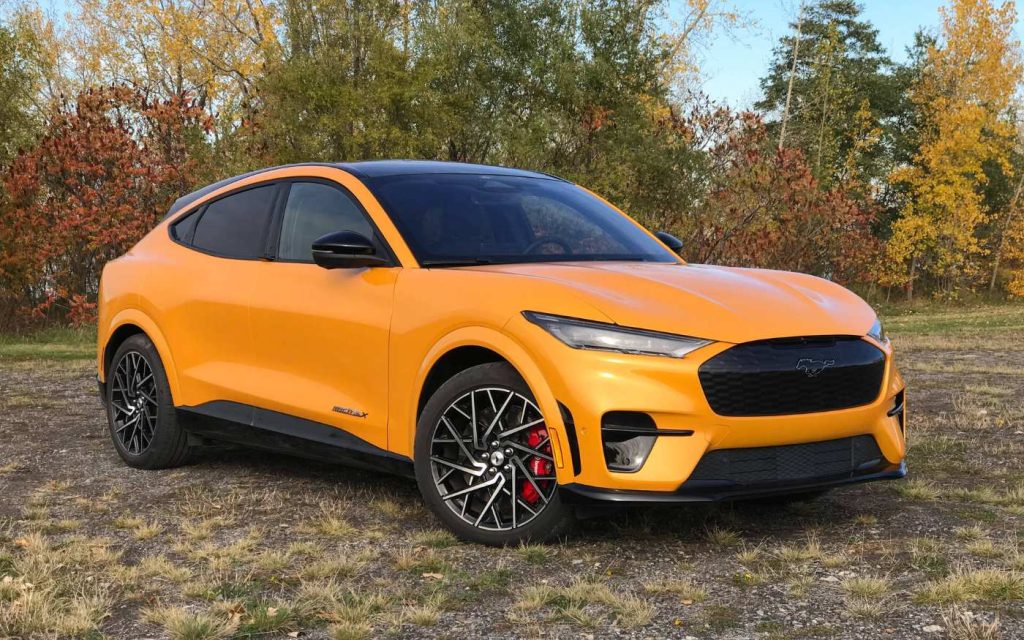
During the session, the NTSB will analyze technical data, review crash reports, and examine how the BlueCruise system functioned prior to each incident. The board may also vote on potential safety recommendations aimed at reducing the risk of similar crashes in the future.
Possible recommendations could include improvements to driver monitoring technology, stricter limitations on when hands-free driving functions can be activated, or stronger safeguards designed to ensure drivers remain attentive while the system is engaged.
BlueCruise operates as a Level 2 driver-assistance system, which means drivers remain fully responsible for the vehicle even when the technology is active. The system allows hands-free operation only on approved highway segments and does not function at intersections or in areas with traffic lights.
The National Highway Traffic Safety Administration (NHTSA) is also examining BlueCruise. In January 2025, the agency escalated its investigation to a full engineering analysis.
Ford’s challenges reflect a broader debate surrounding hands-free and semi-autonomous driving technologies. Automakers continue to promote these features as tools that make long highway trips easier and less physically demanding.
Regulators, however, remain concerned that many drivers may not fully understand the limitations of these systems. A key concern is driver complacency. When vehicles handle steering, acceleration, and braking for extended periods, drivers may become less attentive, even though they are still expected to remain fully engaged and ready to take control.
Ford is not the only automaker facing scrutiny over driver-assistance technologies. Tesla has spent years addressing investigations and recalls connected to its controversial Autopilot system. The company has also faced several lawsuits related to fatal crashes, including a $243 million verdict that it attempted unsuccessfully to overturn.
The upcoming NTSB hearing could influence how the auto industry approaches hands-free driving technology in the future. Its findings may shape regulatory standards not only for Ford but for automakers developing similar semi-autonomous systems.