
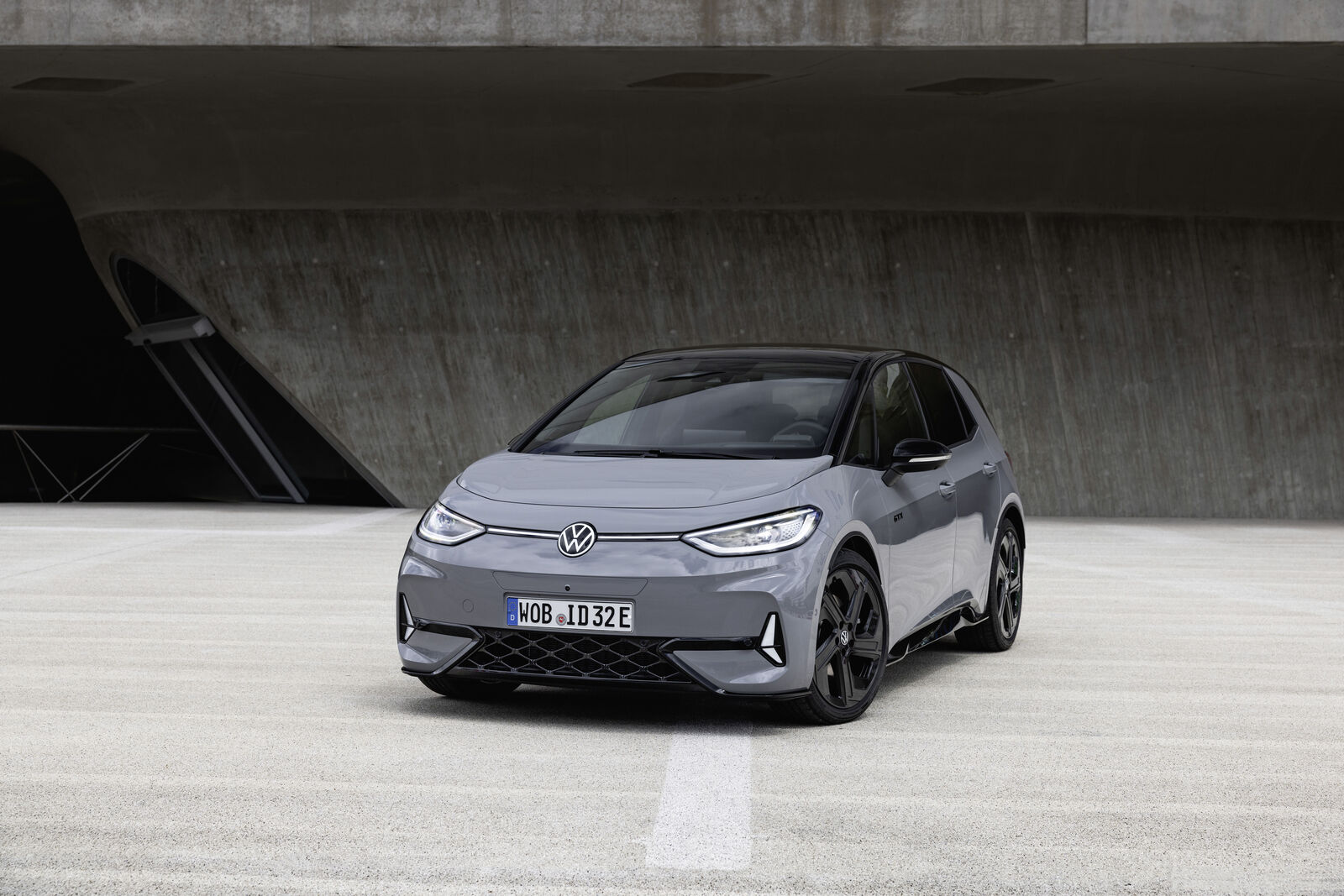
The Volkswagen ID.3 Neo is set to make its global debut in mid-April, emerging as the successor to the well-known Volkswagen ID.3. The refreshed compact electric vehicle introduces a new name along with a range of technological upgrades intended to enhance performance, usability, and day-to-day practicality for EV drivers.
Central to the new model is Volkswagen’s latest software architecture, which brings improvements to driver assistance features, infotainment systems, and overall vehicle functionality throughout the company’s expanding electric lineup.
Volkswagen’s newest software platform introduces multiple enhancements designed to improve both driving comfort and efficiency. One of the standout additions is an updated Travel Assist system capable of recognizing traffic lights, allowing drivers to move through urban traffic more smoothly and safely.
Another significant feature is One-Pedal Driving, which enables the vehicle to slow down and come to a complete stop using regenerative braking. This system not only simplifies operation in stop-and-go conditions but also improves energy recuperation, helping maximize the vehicle’s efficiency.
The updated software has already started appearing in other Volkswagen electric vehicles, including the Volkswagen ID.4, Volkswagen ID.5, and Volkswagen ID.7. These models can now be ordered with the new platform as well as the latest Innovision infotainment interface.
According to Kai Grünitz, Member of the Volkswagen Board responsible for Technical Development, the new software marks a major step forward in the brand’s EV ecosystem.
“The new software generation brings more performance and an even better customer experience to the ID. models,” Grünitz said.
Volkswagen also confirmed that future compact EVs, including the Volkswagen ID. Polo, Volkswagen ID. Polo GTI, and Volkswagen ID. Cross, will launch with the same technological foundation.
The latest generation of ID. models introduces Volkswagen’s Innovision infotainment system, which aims to deliver a more connected digital experience inside the vehicle. Through a built-in app store integrated into the In-Car Shop, drivers can download or activate various services and features directly from the car.
Much like a smartphone platform, the system supports apps for audio and music streaming, video platforms, parking and charging services, as well as gaming and other entertainment options.
In addition, the platform allows certain vehicle functions to be activated digitally, enabling owners to upgrade or add features over time without requiring hardware changes.
Volkswagen is also rolling out an optional digital vehicle key for the new ID. lineup. With this feature, drivers can unlock and start the car using a compatible smartphone or smartwatch instead of a traditional physical key.
The communication between the device and the vehicle works similarly to contactless payment systems and does not require a dedicated application. Upcoming ID. models will also include redesigned steering wheel buttons intended to offer more intuitive control of various vehicle functions.
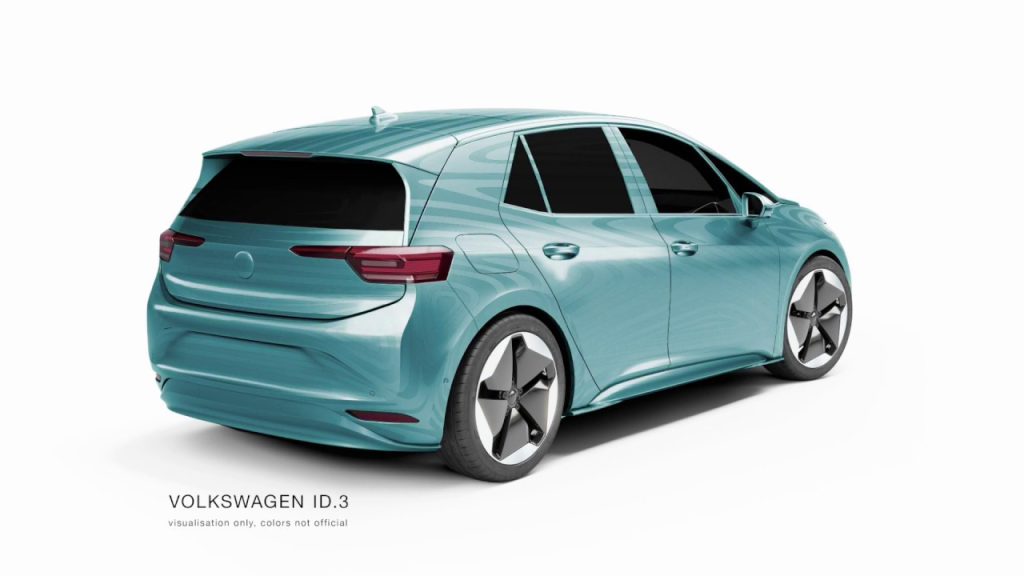
Another major addition is Vehicle-to-Load (V2L) functionality, which allows the car’s high-voltage battery to power external devices.
With an output capacity of up to 3.6 kW, the system enables owners to run or charge a variety of appliances directly from the vehicle. Examples include electric grills, coffee machines, e-bikes, and camping gear.
Power can be supplied either through a 230-volt socket inside the vehicle or via the charging port using a specialized adapter. This feature makes the new ID. models particularly useful for outdoor activities, road trips, and emergency power situations.
Volkswagen is also enhancing the drivetrain and battery technology used in its entry-level electric vehicles. The Pure versions of the ID.4 and ID.5 now feature the updated APP 350 electric motor, which produces 140 kW (190 PS). Compared with the earlier APP 310 unit, the new motor delivers higher torque while improving efficiency.
The drivetrain is paired with a 58 kWh lithium-iron-phosphate (LFP) battery pack that increases driving range while maintaining durability and cost efficiency. In the case of the ID.4, the update improves the driving range by as much as 40 kilometers according to the WLTP testing cycle.
Volkswagen engineered both the hardware and software of the new ID. generation to comply with upcoming global regulatory standards, including:
- Euro 7
- ZEV3
- General Safety Regulation 2
These measures ensure that Volkswagen’s electric models remain compliant with evolving environmental and safety requirements across major international markets.
With the debut of the ID.3 Neo approaching, Volkswagen is entering the next stage of its electric vehicle strategy. By combining advanced software capabilities, improved driver assistance, digital services, and practical technologies such as Vehicle-to-Load, the new compact EV is designed to make electric mobility more practical and versatile for everyday use.
The official global reveal in April is expected to provide additional information about the vehicle’s design, technical specifications, and availability in key markets.
