
Before air conditioning became a common feature in automobiles, keeping the cabin comfortable during warm weather required creative engineering. Early car designers understood that drivers would face heat, dust, humidity, and poor airflow, especially during long drives.
Since compressor driven cooling systems were either unavailable or too expensive for most vehicles, manufacturers experimented with mechanical ventilation methods that relied on airflow, pressure differences, and clever body design.
These early ventilation solutions were often surprisingly effective when the car was moving. Engineers studied how air traveled around a vehicle and found ways to redirect that air into the cabin without allowing excessive dust or rain inside.
Some systems used adjustable vents, some relied on body channels, and others depended on natural pressure zones created by the vehicle’s shape.
Another important factor was simplicity. Without complex electronics or climate control modules, these systems had to work using levers, ducts, flaps, and carefully shaped openings.
Many of these designs were manually controlled, giving drivers the ability to adjust airflow depending on weather conditions. This mechanical interaction became part of the driving experience itself.
Interestingly, some of these ventilation systems worked so well that certain design ideas still appear in modern vehicles. Fresh air vents, pressure relief valves, and passive airflow management are still important parts of vehicle climate design today. Vintage cars simply relied on these principles more directly because they had no alternative.
Collectors today often find these systems fascinating because they reflect how engineers solved comfort problems with limited technology. Instead of adding complexity, they focused on understanding airflow behavior. This resulted in solutions that were durable, serviceable, and sometimes surprisingly elegant.
The following six vehicles demonstrate how different manufacturers approached the challenge of cabin ventilation before modern air conditioning became widespread.
Each used a different method, showing how creative automotive engineering could be when comfort depended entirely on airflow management rather than refrigeration.
Also Read: Top 10 Signs Your Vintage Steering Box Needs a Professional Rebuild
1. 1953 Chevrolet Bel Air With Cowl Vent System
The 1953 Chevrolet Bel Air demonstrates one of the most recognizable early ventilation solutions through its manually operated cowl vent system. Located at the base of the windshield, this hinged metal flap could be opened from inside the cabin, allowing outside air to enter directly through ducting channels into the passenger compartment.
The brilliance of this design came from its use of natural air pressure. When a car moves forward, a high pressure air zone forms at the base of the windshield.
Chevrolet engineers used this natural phenomenon to push fresh air into the cabin without needing a fan. At highway speeds, this system could produce a steady stream of airflow.
Operation was entirely mechanical. A simple lever under the dashboard allowed the driver to open or close the vent. This direct control gave drivers the ability to fine tune airflow based on temperature or road conditions. Because the system was simple, it rarely failed and required very little maintenance.
Another advantage involved air freshness. Because the intake sat outside the engine bay, the system generally delivered cleaner air than systems that drew air from less ideal locations. This made long summer drives more comfortable even without temperature control.
Weather management was also considered. The vent opening was shaped to reduce the chance of rain entering while driving. Internal drainage channels were often included to direct any moisture away from the cabin. This shows that even simple systems required careful design.
One interesting aspect is how this system shaped driver habits. Many experienced drivers learned how to partially open the vent to create a gentle airflow rather than a strong draft. This kind of manual climate management became a normal part of operating vintage vehicles.
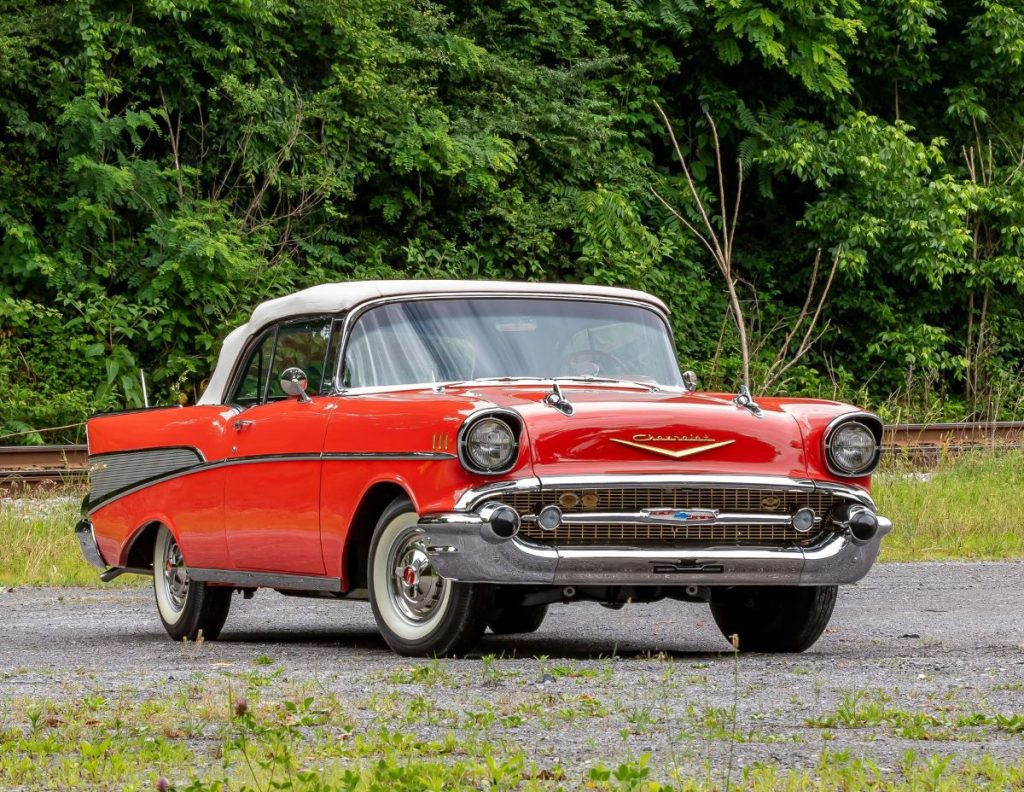
Restoration of cowl vent systems today often involves replacing seals and ensuring smooth hinge operation. Because these vents sit exposed to weather, rubber seals often degrade. Proper restoration brings back the effectiveness of the original design.
The Bel Air system also influenced later ventilation strategies. While modern cars no longer use visible cowl flaps, they still use intake locations near the windshield base because of the same pressure advantages.
This design shows how understanding airflow could provide comfort without complexity. It reflects a time when engineering relied more on observation and physical testing rather than computer simulation.
The Bel Air demonstrates that even a simple hinged panel can become an effective climate solution when supported by good engineering understanding.
2. 1961 Volkswagen Type 2 Microbus With Safari Windows
The Volkswagen Type 2 Microbus approached ventilation very differently by turning its windows into part of the airflow system. The famous Safari window option allowed the front windshield panels to tilt outward, creating a large opening that directed outside air straight into the cabin.
This approach prioritized maximum airflow rather than controlled ducting. By opening the front glass panels, the Microbus could capture large volumes of moving air, making it especially useful in warm climates. The effect was almost like a natural air scoop feeding fresh air to passengers.
Unlike small vent windows, Safari windows dramatically changed the driving experience. At moderate speeds, the airflow could be substantial. This made the vehicle popular in tropical regions where airflow mattered more than insulation.
Engineering challenges included maintaining structural rigidity while allowing moving glass panels. Volkswagen used strong hinges and latching mechanisms to ensure stability. When closed, the windows sealed tightly to prevent leaks.
Drivers had to learn when to use the system. At low speeds the benefit was limited, but on open roads it became very effective. Some owners combined this with sliding side windows to create cross ventilation, allowing warm air to exit while fresh air entered.
Rain management required attention. Drivers usually closed the Safari panels during storms, but light rain could sometimes be managed by adjusting the opening angle. This kind of manual climate adaptation was common before automated systems.
Modern collectors often value Safari window buses highly because they represent a lifestyle oriented design. The ventilation system was not just practical but part of the vehicle’s personality. It encouraged open air travel and social driving experiences.
Maintenance usually focuses on seals, hinges, and latches. Proper adjustment ensures smooth operation and prevents vibration. When restored correctly, the system works just as intended decades later.
The Microbus shows a completely different ventilation philosophy compared to enclosed duct systems. Instead of guiding small air streams, it embraced large scale airflow.
This solution reflects how vehicle purpose shapes engineering. A people carrying vehicle designed for adventure benefited from a ventilation design that felt open and adaptable rather than controlled and technical.
3. 1949 Nash Airflyte With Weather Eye Ventilation System
The 1949 Nash Airflyte took a far more scientific approach to cabin ventilation compared to many of its competitors. Instead of relying only on open windows or simple vents, Nash engineers developed what they called the Weather Eye system.
This design attempted to manage airflow in a more controlled and filtered way, showing early thinking that would eventually influence modern climate systems.
What made this system different was its attempt to treat cabin air as something that could be managed rather than simply allowed to enter. Fresh air was drawn through an external intake and directed through ducting before entering the passenger compartment.
In some versions, basic filtering elements were even included to reduce dust. This was a significant comfort improvement during an era when many roads were still unpaved.
The placement of the air intake was carefully selected to avoid engine heat and road debris. By choosing a relatively clean airflow path, Nash improved both comfort and air quality. This attention to intake placement reflects early aerodynamic thinking in passenger comfort design.
Another interesting feature involved directional control. Occupants could adjust airflow direction through dashboard controls. This allowed air to be directed toward the windshield for defogging or toward passengers for comfort. Even without cooling, controlled airflow made the interior feel significantly more livable.
This system also helped reduce fatigue. Constant fresh airflow prevented the cabin from becoming stagnant, which drivers often found improved alertness during long trips. While rarely discussed today, this was an important comfort factor in early highway travel.
From a mechanical standpoint, the Weather Eye system demonstrated how airflow could be organized through structure rather than electronics. Metal ducts, mechanical doors, and cable operated controls formed the backbone of the system. The design relied entirely on physical engineering rather than powered climate modules.
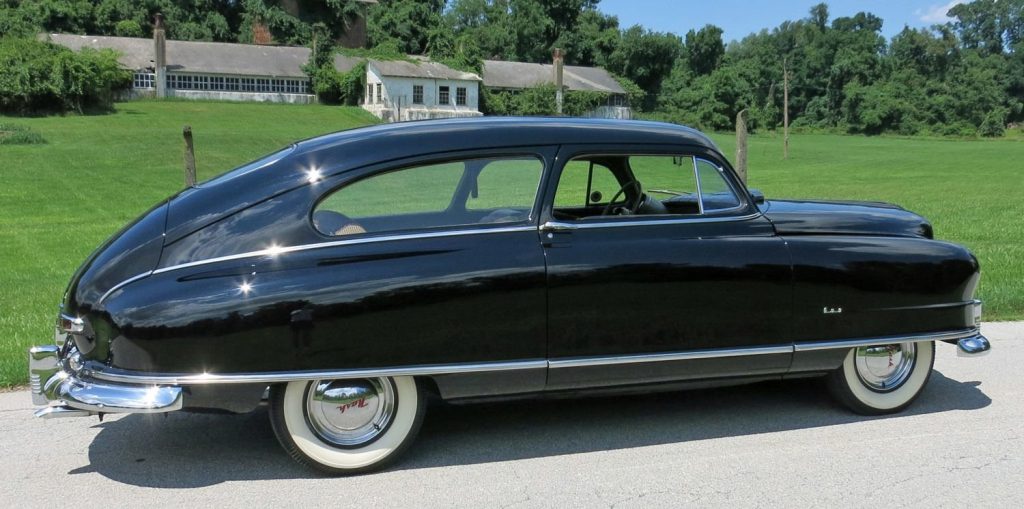
Collectors restoring Nash vehicles often find this system fascinating because it represents an early attempt at total cabin environment management. Proper restoration usually involves cleaning ducts, replacing seals, and ensuring control cables move smoothly.
Another advantage involved cold weather usability. Because the system could route air through heater cores, it provided year round ventilation benefits. This combination of heating and fresh air circulation showed impressive engineering foresight.
This car illustrates how some manufacturers were already thinking about passenger comfort as a complete system rather than isolated features. The Airflyte did not just provide airflow. It provided managed airflow.
The Weather Eye system shows that even before modern AC systems, some companies were already thinking in terms of climate engineering rather than simple ventilation.
4. 1957 Mercedes Benz 300SL With Quarter Vent Windows
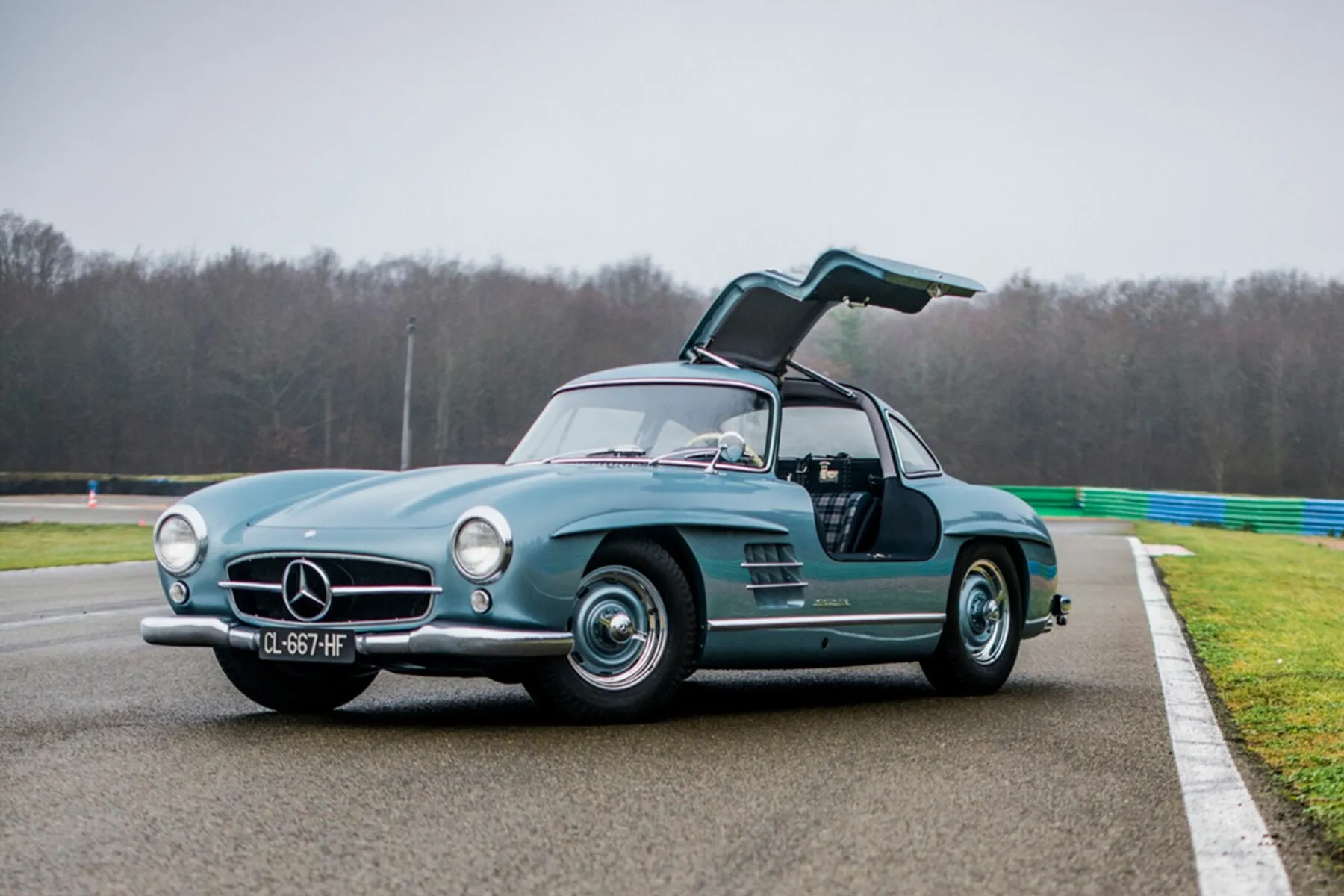
The Mercedes Benz 300SL approached cabin ventilation with the same precision that defined its engineering in other areas. Instead of large openings or complex ducting, the car relied heavily on carefully designed quarter vent windows, sometimes called wind wings.
These small pivoting glass panels placed at the front of the side windows played a surprisingly important role in passenger comfort.
What made these vents effective was their ability to redirect airflow rather than just allow entry. By adjusting the angle of the glass, occupants could aim incoming air toward themselves or away depending on preference. This created a customizable airflow experience that felt advanced for the time.
Aerodynamics played a major role in their effectiveness. The 300SL had a streamlined body shape, and engineers understood how air flowed along the side of the vehicle. The vent windows captured part of this airflow and redirected it into the cabin in a controlled manner.
Unlike fully open windows which can create turbulence, these small deflectors created smoother air streams. This reduced the discomfort of high speed buffeting while still allowing ventilation. It was a subtle but effective refinement.
Another advantage involved noise control. Opening a full side window at speed often produced loud wind noise. The smaller vent windows allowed air entry while minimizing sound intrusion. This matched Mercedes’ focus on refined driving experiences.
Drivers also discovered creative uses. Some angled the vents outward slightly to help pull stale air out of the cabin rather than bring air in. This demonstrated how simple mechanical features could offer multiple functions depending on adjustment.
Maintenance of these systems today focuses on hinge tension and rubber seals. Proper adjustment ensures the vents stay in position without vibrating. When restored correctly, they remain very functional.
The system also reflects how performance cars had unique needs. The gullwing doors of the 300SL limited how large side openings could be. Quarter vents provided ventilation without compromising structural design.
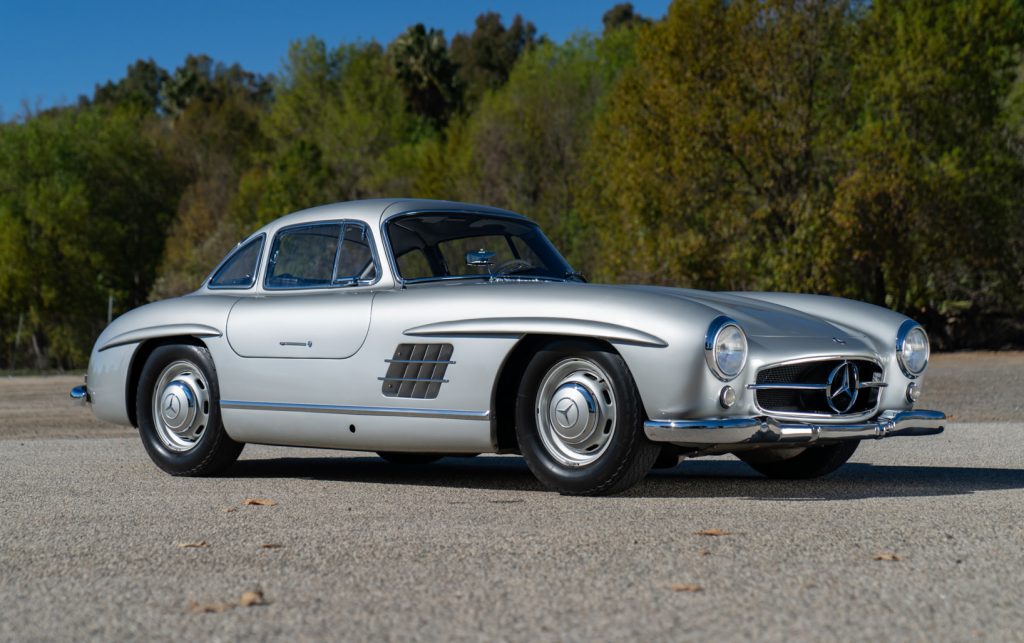
This solution highlights how engineering limitations can lead to clever alternatives. Instead of forcing a conventional solution, Mercedes refined a smaller idea into something highly effective.
The 300SL shows how even small design features can have major comfort impact when engineered with precision.
5. 1938 Buick Y Job With Early Flow Through Body Ventilation
Long before climate control became an industry focus, some designers were already experimenting with the idea that air should move through a car rather than simply enter it.
The 1938 Buick Y Job, often considered one of the first concept cars, demonstrated this thinking through early flow through ventilation ideas that would later become standard practice across the industry.
Unlike simple vent openings that allowed air to enter randomly, the Buick used body design to encourage air to travel through the cabin and exit through controlled pathways. This created a natural circulation effect rather than trapped hot air. The idea was based on pressure differences between the front and rear of the vehicle.
The front of a moving vehicle naturally develops higher air pressure, while the rear tends to form a lower pressure zone. Buick designers used this principle by allowing fresh air to enter near the front while providing discreet exit paths toward the rear. This allowed continuous airflow without requiring large open windows.
This idea may sound ordinary today, but during the late 1930s it was forward thinking. Many cars still relied entirely on opening windows, which often allowed dust and wind turbulence. Buick’s approach attempted to guide air movement instead of simply exposing passengers to the outside environment.
Interior comfort improved because warm air could escape instead of becoming trapped near the roof. Even modest airflow can improve perceived comfort when circulation is consistent. This shows how understanding airflow direction can be more important than airflow volume.
Another benefit involved body cleanliness. Because air was guided through controlled paths, less dust entered compared to fully open windows. This was especially valuable when many roads were still unpaved.
Design integration also mattered. The Y Job used hidden vent pathways so the exterior appearance remained clean. This demonstrated how comfort improvements could exist without affecting styling.
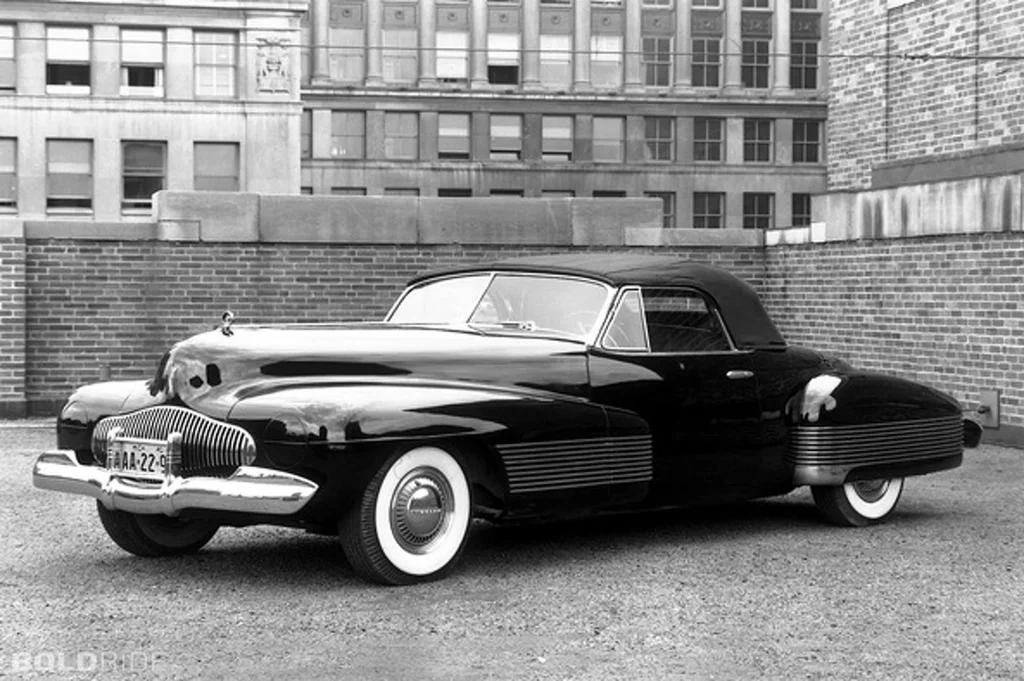
Collectors often see this vehicle as important not just because of its appearance but because of ideas like this. It showed how future automotive design would treat airflow as part of total vehicle engineering.
While few people will ever own such a rare car, the ideas it demonstrated influenced later production vehicles. Flow through ventilation eventually became a normal feature decades later.
The Y Job proves that even experimental vehicles played a role in shaping how everyday cars would eventually manage airflow.
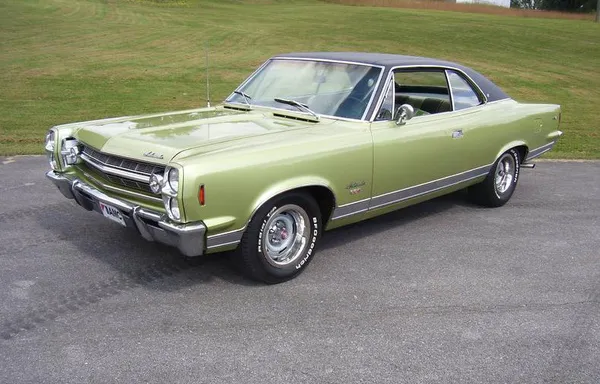
6. 1967 AMC Ambassador With Adjustable Fresh Air Ventilation Panels
The 1967 AMC Ambassador demonstrated how practical engineering could improve ventilation without requiring exotic technology. Instead of relying on large openings or experimental body channels, AMC focused on giving occupants multiple adjustable fresh air panels placed strategically around the cabin.
These vents were positioned to allow both driver and passengers to control their own airflow. Dashboard mounted vent controls allowed outside air to be directed toward specific seating positions. This personalized ventilation approach was uncommon in more basic vehicles of the time.
What made this system interesting was its emphasis on user control. Instead of a single airflow source, the Ambassador offered several adjustable outlets. Occupants could close unused vents and concentrate airflow where needed. This improved efficiency even without refrigeration.
Engineering simplicity remained central. The system relied on mechanical flaps and internal duct routing. There were no electric motors required for basic operation. This reduced long term maintenance concerns.
Another advantage involved seasonal flexibility. During cooler months, vents could be partially opened to prevent cabin stuffiness without introducing excessive cold air. This kind of adjustability helped the car remain comfortable in changing conditions.
Drivers also appreciated how this system reduced windshield fogging. Directed airflow could help maintain clear glass without requiring constant heater use. This was a practical safety benefit as much as a comfort feature.
Maintenance today usually involves cleaning ducts and ensuring control cables remain free moving. Because the system is mechanical, most problems can be solved with adjustment rather than replacement.
The Ambassador also reflects a philosophy that comfort should be democratic within the cabin. Instead of prioritizing only the driver, AMC provided airflow options for multiple occupants.
This car shows how thoughtful placement and adjustability can sometimes outperform more dramatic solutions. It did not rely on spectacle but on usability.
The Ambassador demonstrates that ventilation innovation was not limited to luxury brands. Practical manufacturers were also exploring how to improve everyday driving comfort.
The history of cabin ventilation in vintage automobiles shows how engineers solved comfort challenges long before air conditioning became common.
Without compressors, refrigerants, or electronic climate control, manufacturers had to rely on airflow physics, clever mechanical controls, and smart body design to keep passengers comfortable.
These solutions may appear simple today, but they required careful observation of how air behaves around a moving vehicle.
The six examples discussed demonstrate how different companies approached the same challenge in completely different ways. Some focused on directing outside air efficiently, while others worked on improving circulation inside the cabin. Each approach reflected the engineering priorities and market expectations of its time.
The Chevrolet Bel Air showed how pressure zones at the base of the windshield could be used to push fresh air into the passenger compartment. This approach proved that even a simple mechanical flap could significantly improve comfort when supported by good aerodynamic understanding.
Volkswagen took a more open air approach with the Microbus by turning the windshield itself into a ventilation tool. By allowing the front glass to open outward, the vehicle could capture large amounts of moving air. This solution reflected the vehicle’s lifestyle focused purpose and its popularity in warm climates.
Nash introduced a more systematic approach with its Weather Eye design. Instead of just allowing air to enter, it attempted to manage airflow direction and cleanliness. This represented an early step toward the idea of treating cabin comfort as a complete environmental system.
Mercedes Benz demonstrated precision thinking through its small but highly effective vent windows. These showed that ventilation did not always require large openings. Careful redirection of airflow could sometimes achieve better comfort with fewer side effects such as noise or turbulence.
Buick’s early concept thinking showed how continuous airflow could improve comfort by allowing air to move through the cabin instead of becoming trapped. This idea would later become common in modern ventilation strategies where airflow entry and exit are equally important.
AMC showed how adjustability could improve comfort even without advanced technology. By giving occupants control over airflow direction, the Ambassador demonstrated that flexibility could be just as valuable as airflow volume.
Together, these vehicles show that automotive comfort innovation has always depended on creative thinking rather than just technology. Many of the basic ideas used today such as fresh air intake placement, directional vents, and controlled air circulation were already being explored decades ago.
These ventilation systems also highlight how drivers once played a more active role in managing cabin comfort. Instead of automatic climate control, drivers adjusted vents, windows, and airflow manually. This created a more mechanical connection between the driver and the vehicle.
In the end, these vintage ventilation solutions represent an important stage in automotive development. They prove that even without modern systems, thoughtful engineering could still make driving comfortable. More importantly, they show how limitations often inspire the most creative solutions in automotive history.
Also Read: 10 Vehicles With the Most Reliable Variable Valve Timing Systems
