
Vintage cars deliver a driving experience that feels mechanical, direct, and engaging in a way modern vehicles rarely match. A major part of this character comes from the steering system, especially in vehicles equipped with traditional steering box designs.
Unlike modern rack and pinion systems, steering boxes rely on gears, shafts, bushings, and lubrication working together with very specific tolerances. When properly maintained, they provide a smooth and predictable feel that many enthusiasts appreciate.
As these vehicles age, the steering box becomes one of the components most affected by time rather than just mileage. Rubber seals dry out, lubrication loses effectiveness, internal gears develop wear patterns, and metal surfaces slowly lose their original precision.
Because this deterioration often happens gradually, many owners fail to notice the early warning signs until steering performance becomes noticeably compromised.
Some drivers mistakenly believe loose or vague steering is simply part of owning an older vehicle. While vintage steering will never feel identical to a modern car, it should still feel controlled, predictable, and safe.
Excessive looseness, strange noises, fluid leaks, or inconsistent resistance usually indicate wear that requires attention rather than acceptance.
Recognizing these warning signs early can prevent larger mechanical failures and protect both the vehicle and its occupants. A neglected steering box does not just affect comfort.
It can also lead to poor road tracking, uneven tire wear, steering instability at higher speeds, and increased stress on other suspension components. What begins as a minor issue can slowly develop into a costly repair if ignored.
A professional steering box rebuild restores proper clearances, replaces worn internal components, and ensures correct lubrication and sealing. Knowing when your steering box needs this level of attention is an important part of responsible classic car ownership.
The following signs will help you identify when your vintage steering box is no longer just showing age but is actively asking for professional rebuilding before the problem becomes more serious.
Also Read: Top 10 Weirdest Engine Layouts That Actually Made it to Production
1. Excessive Free Play in the Steering Wheel
One of the most common warning signs of steering box wear is excessive free play. This happens when the steering wheel can be turned a noticeable amount before the wheels actually begin to respond.
While older steering systems naturally have slightly more movement than modern vehicles, there is a clear difference between normal tolerance and worn components.
This problem usually develops slowly. At first, the steering may just feel slightly less precise. Over time, the amount of movement increases, forcing the driver to constantly correct the vehicle’s path. This can become especially noticeable during highway driving where small steering inputs should normally keep the car stable.
Mechanical wear inside the steering box is often the root cause. The internal gears and bearings gradually lose their tight fit, creating gaps that translate into steering slack. This internal wear cannot be permanently corrected with simple external adjustments once it passes a certain point.
Drivers sometimes try to ignore this issue because the vehicle still feels controllable. The danger is that increasing free play reduces reaction time during emergency maneuvers. Even a small delay between steering input and vehicle response can affect safety.
A good indicator is when the car begins to feel like it wanders slightly even on straight roads. If you constantly need to correct direction despite proper alignment and tire condition, the steering box may be the hidden cause.
When steering free play becomes clearly noticeable, it often signals that internal wear has progressed enough to justify professional rebuilding rather than temporary adjustment.
2. Steering Feels Inconsistent While Turning
A healthy steering system should feel predictable throughout the entire turning range. When a steering box begins to wear unevenly, the steering effort may change depending on the position of the wheel. This can make the car feel stable in one moment and strange in the next.
Some drivers describe this as steering that feels smooth near center but oddly loose or stiff during wider turns. This usually happens because the central gear position experiences the most use over decades of driving. That repeated stress causes uneven wear patterns across internal gear surfaces.
This type of wear creates inconsistent contact between moving parts. Instead of smooth gear interaction, the steering box may produce variable resistance. The driver may feel slight changes in effort or even subtle roughness while turning.
This issue can also appear as steering that feels different between left and right turns. That kind of imbalance often indicates internal gear or bearing wear rather than suspension problems.
Another clue appears during slow maneuvering. When turning into parking spaces, the steering may feel uneven instead of smooth and progressive. This change in feedback is often an early sign of internal component fatigue.
Because these symptoms usually come from worn internal parts rather than adjustment settings, they rarely disappear without proper rebuilding. Restoring internal tolerances is typically the only long term solution once uneven wear develops.
3. Unusual Noises Coming From the Steering Box Area
Not every steering problem can be felt through the wheel. Sometimes the first clear warning comes through sound rather than steering behavior. Vintage steering boxes in good condition usually operate quietly, producing little more than normal mechanical feedback. When internal wear develops, new sounds often begin to appear.
A common early symptom is a faint clunk when changing steering direction. This may happen when turning slightly left and then right. That sound often comes from internal gear clearance becoming too large, allowing components to shift before engaging.
Clicking sounds may also appear during low speed turning. This can suggest worn bearings or internal surface damage. Because vintage steering systems rely on precise mechanical contact, even small wear marks can begin producing audible feedback.
Grinding sounds are more serious. If a steering box begins producing a rough or scraping noise, it may indicate lubrication breakdown or internal metal wear. When lubrication fails, metal surfaces begin contacting each other more directly, accelerating damage.
Some owners only notice these sounds when driving near walls or inside parking garages where sound reflects back. This makes it important to occasionally drive slowly with the windows down and radio off to detect unusual mechanical noises.

A whining sound in power assisted steering boxes can also indicate internal seal wear or fluid circulation issues. This type of sound usually increases while turning and may change with engine speed.
Unusual steering noises rarely fix themselves. Mechanical sounds typically indicate progressive wear. Addressing these symptoms early through inspection or rebuilding can prevent internal damage from spreading to otherwise reusable components.
4. Power Steering Fluid Leaks Around the Steering Box
Fluid leaks are one of the most visible warning signs that a steering box may need professional attention. Vintage steering boxes rely on seals to keep lubrication contained, and after decades of heat cycles and environmental exposure, these seals often harden and crack.
A common early sign is slight moisture around the steering box housing. This may appear as a thin oily film mixed with dust. While small leaks may not seem urgent, they usually indicate seal deterioration that will worsen over time.
Larger leaks may leave visible drops on the garage floor. If fluid levels begin dropping between maintenance checks, the steering box should be inspected. Loss of lubrication can accelerate internal wear much faster than normal aging alone.
Drivers sometimes mistake steering box leaks for other fluid leaks because the fluid may travel along metal surfaces before dripping. Cleaning the area and checking again after driving can help confirm the source.
Another overlooked clue is steering that gradually becomes heavier as fluid levels drop. Reduced hydraulic assistance increases steering effort and places more strain on internal parts. Continuing to drive in this condition can damage both the steering box and the power steering pump.
Temporary seal conditioners sometimes slow leaks but rarely provide permanent solutions. Once seals lose flexibility, replacement becomes the only reliable fix. This is why leaks often point toward rebuilding rather than simple maintenance.
Fluid leaks should never be dismissed as cosmetic issues. They usually signal that internal sealing surfaces are no longer protecting the system properly. Addressing them early helps preserve internal gears and prevents more expensive failures later.
5. Steering Wheel Does Not Return Smoothly After a Turn
After completing a turn, a properly functioning steering system should naturally guide the steering wheel back toward center as the vehicle straightens out.
This return action is partly influenced by suspension geometry, but the steering box also plays an important role in allowing smooth internal movement. When problems begin inside the steering box, this natural return behavior often changes.
Instead of smoothly moving back, the steering wheel may return slowly, stop halfway, or require the driver to manually guide it back. This can feel subtle at first. Many drivers only notice it after comparing the behavior to another vehicle or after the problem becomes more pronounced.
Internal friction is often responsible for this change. As lubrication ages or internal surfaces develop wear marks, resistance inside the steering box increases. Even small increases in friction can affect how freely the steering components move.
Another possibility involves worn internal bushings. When these parts deteriorate, shafts may no longer remain perfectly aligned. This misalignment can create slight binding that interferes with smooth steering movement.
This symptom sometimes appears only after longer drives. Heat can thin old lubrication, temporarily changing how components interact. If steering behavior changes between cold starts and longer drives, internal wear may already be advanced.
Drivers may also notice that the steering feels slightly sticky instead of fluid. That sensation usually suggests the steering box is no longer operating within its original tolerances.
While suspension alignment should always be checked, a steering box that prevents smooth return movement often requires internal service. Rebuilding restores proper clearances and replaces worn surfaces that cause internal drag.
When the steering stops helping you straighten the vehicle naturally, it often indicates the internal condition of the steering box has moved beyond simple adjustment needs.
6. Visible Metal Particles in Steering Fluid or Lubricant
Sometimes the most serious warning signs are discovered not while driving but during routine maintenance. When checking steering fluid or servicing the steering box lubricant, the presence of metallic particles can reveal internal wear that may not yet be obvious through driving feel alone.
Clean steering fluid should appear relatively clear or uniformly colored depending on type and age. When internal wear begins accelerating, microscopic metal fragments may begin circulating in the fluid. These particles often appear as a slight shimmer when fluid is exposed to light.
During fluid changes, another warning sign is sludge containing fine metallic dust. This material forms when internal components gradually wear against each other. While small amounts may accumulate over decades, noticeable metallic contamination usually suggests active deterioration.
A magnetic drain plug, if present, can also provide clues. If metal paste or fine fragments collect on it, this often indicates gear or bearing wear. This type of discovery should never be ignored because it confirms that internal parts are physically degrading.
Technicians sometimes describe this stage as the difference between aging and active failure. Normal aging shows mild discoloration. Active wear produces debris. Once metal particles begin circulating, they can accelerate wear by acting as abrasives within the system.
Ignoring this sign can allow otherwise repairable parts to become unusable. Continued operation with contaminated fluid increases the likelihood of scoring on internal gear surfaces.
A rebuild at this stage can often save major components if addressed promptly. Waiting too long may require full replacement rather than restoration.
Finding metallic residue during inspection is not just a maintenance observation. It is often one of the clearest mechanical indicators that the steering box is asking for professional rebuilding attention.
7. Vehicle Wanders Even After Proper Alignment
A vintage vehicle that refuses to maintain a straight path even after a proper wheel alignment often points toward steering box wear rather than suspension problems. Alignment issues usually produce predictable symptoms, but when the alignment checks out and the car still feels unstable, attention should shift toward the steering system itself.
Drivers usually describe this condition as a constant need for correction. The car may slowly drift left or right without any clear road influence. Instead of feeling planted, the vehicle may feel like it is floating slightly within the lane. This kind of behavior often indicates internal steering gear wear that prevents precise directional control.
What makes this sign especially misleading is that many owners first replace tires, adjust suspension parts, or repeat alignments without improvement. Only after eliminating these possibilities does the steering box become the suspected cause.
Another important observation comes from how the vehicle behaves at different speeds. At lower speeds the problem may feel minor, but at highway speeds it becomes more obvious. The faster the vehicle moves, the more noticeable small steering inaccuracies become.
Steering wander can also increase driver fatigue. Constant micro corrections require attention and effort, especially on longer drives. A properly functioning steering box should allow relaxed straight line tracking rather than continuous input.
Internal gear wear, sector shaft play, or worn bushings often create this condition. These components are responsible for translating steering input into precise movement. Once tolerances increase, small steering inputs become less accurate.
Weather conditions may also exaggerate this symptom. Crosswinds or uneven pavement may feel more dramatic when steering precision has been reduced by internal wear.
When a vintage vehicle cannot maintain directional stability despite proper suspension setup, the steering box often becomes the missing piece of the diagnosis. A professional rebuild typically restores the precise internal fit required for confident straight line control.
8. Steering Feels Heavier Than It Used To Without Clear Cause
Changes in steering effort rarely happen without a reason. When a vintage steering system gradually begins to feel heavier despite proper tire pressure and functioning suspension components, internal steering box deterioration may be responsible.
This symptom usually develops slowly enough that drivers adapt without realizing it. The difference often becomes obvious only after driving another similar vehicle or after the steering suddenly worsens.
Aging lubrication is one of the main contributors. Over time, grease and fluid lose their protective qualities. As lubrication effectiveness declines, friction increases between internal moving parts. This makes steering effort gradually rise.
Seal deterioration may also contribute. If fluid pressure drops in power assisted systems due to internal leakage, steering assistance may weaken even without obvious external leaks.
Sometimes the cause is internal corrosion. Vehicles that sit unused for long periods may develop surface rust inside the steering box. Even minor corrosion can increase resistance as parts move against each other.
Drivers may also notice the steering feels especially heavy during the first few minutes of driving. This may indicate thickened old lubricant or internal wear surfaces creating resistance until components warm slightly.
This change rarely reverses on its own. Increased steering effort typically indicates that internal surfaces are no longer moving as smoothly as designed.
When steering effort increases without any clear external explanation, it often signals that the steering box requires internal inspection and likely rebuilding to restore the original ease of operation.
9. Steering Adjustment No Longer Improves the Problem
Many vintage steering boxes include an external adjustment mechanism designed to compensate for minor wear over time. This adjustment is meant to fine tune internal clearances and maintain proper steering feel as components slowly age.
However, there comes a point where adjustment stops producing meaningful improvement, and this is often a strong signal that a rebuild is necessary.
Owners usually reach this stage after noticing steering looseness and attempting minor corrections. Initially, a small adjustment may slightly improve steering response. But if the improvement disappears quickly or cannot be achieved at all, it usually means the internal wear has progressed beyond what adjustments can correct.
This situation can become more concerning when adjustments begin creating new problems. For example, tightening the steering box to remove free play may cause the steering to bind slightly during turns.
This happens because worn internal parts no longer have uniform surfaces. Adjustment may temporarily reduce slack in one position while creating excessive pressure in another.
Another warning sign appears when repeated adjustments become necessary. If steering feel improves briefly after adjustment but quickly returns to a loose condition, internal components are likely continuing to deteriorate. Adjustment is intended as occasional maintenance, not a frequent correction.
In some cases, the adjustment screw may already be near its limit. When no further correction is possible within safe adjustment range, internal rebuilding becomes the only proper way to restore steering precision.
Experienced restorers often view this stage as the mechanical equivalent of a worn out tolerance stack. Once metal surfaces have worn beyond certain limits, no amount of external correction can restore the original geometry.
Continuing to rely on adjustment beyond this point can accelerate damage. Excessive preload on worn gears increases friction and may cause premature failure of remaining usable components.
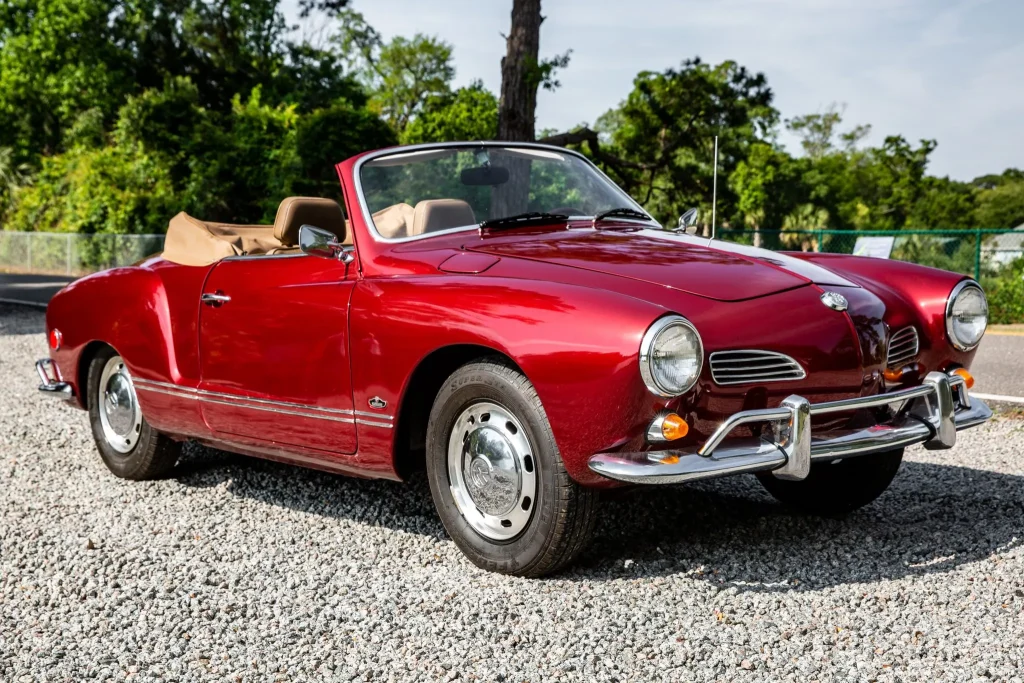
When steering adjustment stops delivering results or begins creating trade offs, it is usually the steering box indicating that internal restoration is overdue rather than further adjustment.
10. Delayed Steering Response During Quick Direction Changes
A properly functioning steering system should respond immediately when the driver changes direction.
One of the more serious warning signs of steering box deterioration appears when the vehicle reacts slightly later than the steering input during quick corrections. This delay may feel subtle at first but can become a safety concern if ignored.
This symptom often becomes noticeable during situations that require fast but small steering corrections. Examples include avoiding small road obstacles, correcting lane position, or responding to sudden traffic movement. When the steering box is worn, there may be a slight pause between input and response.
Drivers sometimes describe this as a soft or disconnected feeling. The steering wheel may move smoothly, but the vehicle seems to react a fraction of a second later than expected. This usually indicates increased internal clearances or worn gear contact surfaces.
Unlike general steering looseness, delayed response becomes especially noticeable during rapid left right steering inputs. The system may feel like it needs a moment to “take up slack” before the wheels actually move.
This condition may also show up during emergency avoidance maneuvers. Even a small delay in response can reduce driver confidence and increase stopping or avoidance distance. In classic vehicles without modern electronic safety systems, mechanical steering precision becomes even more important.
Another way this sign appears is through uneven response speed. Slow steering inputs may feel acceptable, while faster inputs reveal hidden slack. This difference often points toward internal wear rather than alignment or tire issues.
As this condition worsens, drivers may unconsciously begin over correcting. This can create a cycle of constant steering corrections that reduces smooth driving control.
Delayed steering response is rarely caused by a single worn part. It usually reflects accumulated wear across multiple internal components. A professional rebuild restores proper internal engagement, removing delays and returning the steering system to predictable operation.
A vintage steering box is one of the most important mechanical components responsible for driving confidence, stability, and safety.
While many classic car owners focus heavily on engine performance and exterior restoration, steering components often receive attention only after noticeable problems develop. Understanding the warning signs early helps prevent small mechanical issues from turning into major repairs.
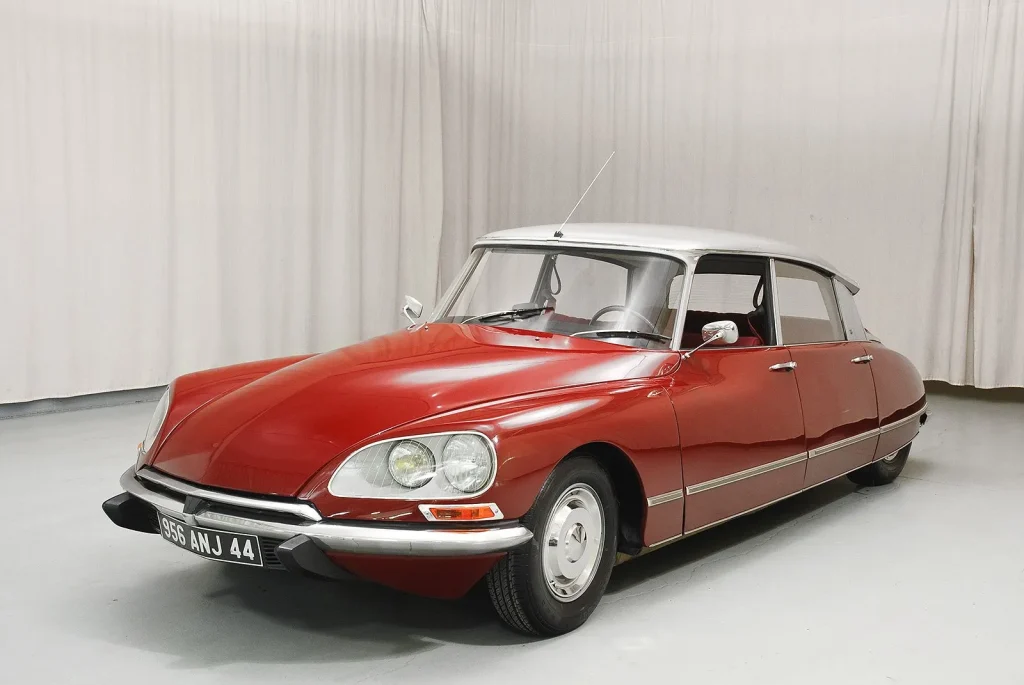
The signs discussed show that steering box problems rarely appear suddenly. They usually develop slowly through increased free play, inconsistent steering feel, unusual noises, leaks, heavier steering effort, or delayed response.
These symptoms are not simply characteristics of old vehicles but often clear indicators of internal wear that requires attention.
One important takeaway is that steering problems often disguise themselves as other issues. Owners may suspect alignment problems, suspension wear, or tire defects before considering the steering box. This can lead to unnecessary repairs while the real cause continues to worsen unnoticed.
Another important lesson is that temporary fixes rarely solve internal wear. Adjustments may provide short term improvement, but when internal gears, bearings, or bushings have worn beyond acceptable limits, only a professional rebuild can properly restore original performance.
Attempting to compensate through repeated adjustments can sometimes accelerate damage instead of preventing it.
Maintenance habits also play a major role in steering box longevity. Regular inspection for leaks, monitoring lubrication condition, and paying attention to small changes in steering behavior can significantly extend component life.
Vintage vehicles reward attentive ownership, and early detection often keeps restoration costs manageable.
It is also important to understand that steering feel is not just about comfort. A properly functioning steering system directly affects driver reaction time, highway stability, and overall vehicle control. Addressing steering box wear is therefore not just preservation of originality but also an important safety responsibility.
Owners who treat these warning signs seriously often find that a properly rebuilt steering box dramatically improves the driving experience. Many are surprised how precise and stable their classic vehicle can feel once worn internal components are restored to correct tolerances.
In the end, a vintage vehicle communicates its needs through small mechanical signals. Recognizing these ten signs allows owners to respond before wear becomes failure.
A steering box rebuild is not just a repair decision but an investment in safety, drivability, and the long term preservation of a classic automobile.
Also Read: 10 Best Vintage Cars for People Who Love Manual Steering Feedback
