
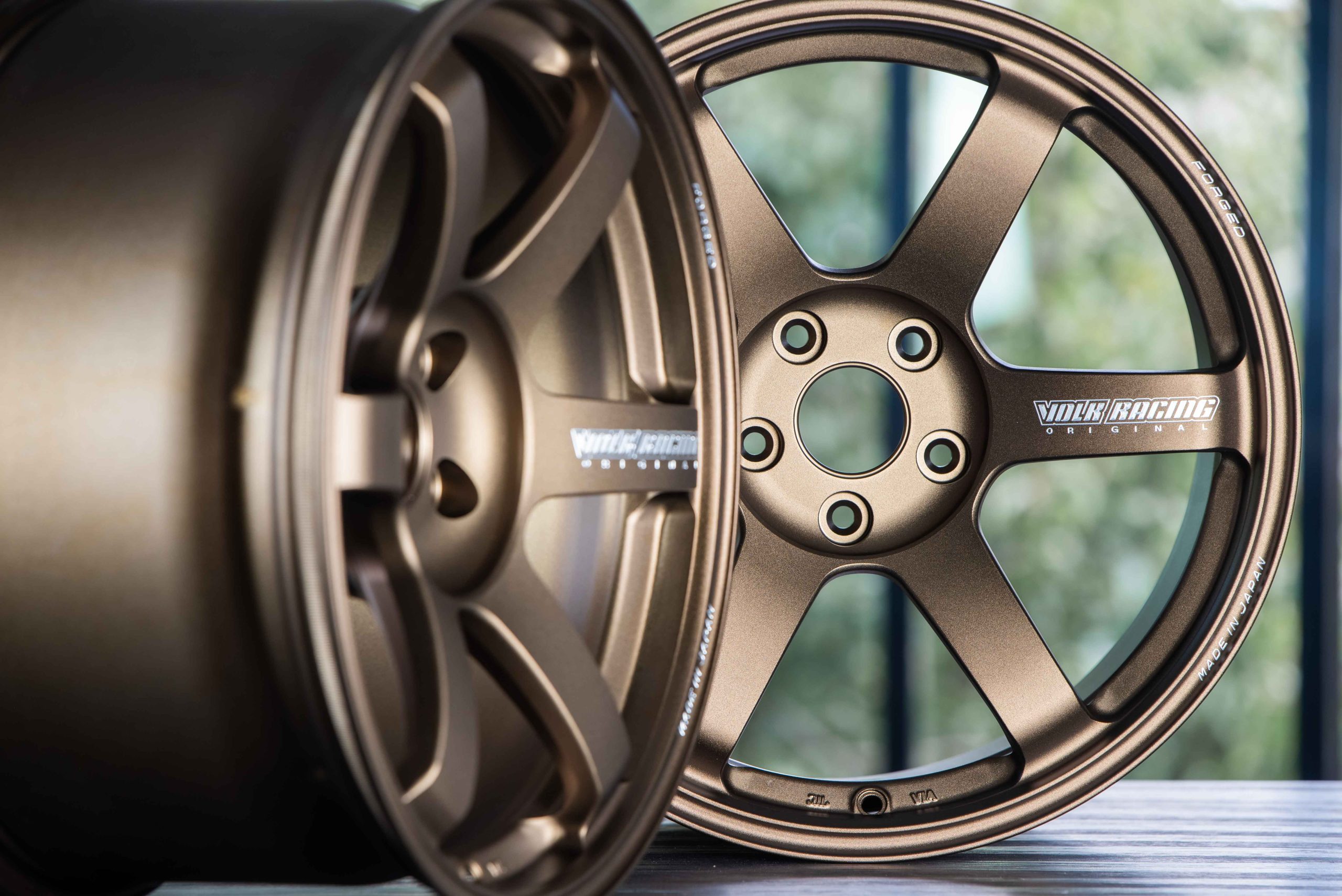
The 1980s marked a defining era for Japanese performance cars, not only because of engineering innovation but also because of the growing customization culture that surrounded them.
During this period, aftermarket wheels became one of the most important upgrades enthusiasts could make. Wheels were not just cosmetic additions. They represented identity, performance intention, and participation in a rapidly growing tuning movement that would later influence global car culture.
Japanese manufacturers were producing lightweight sports coupes, turbocharged grand tourers, and balanced rear wheel drive platforms that responded extremely well to modifications.
As a result, wheel companies began designing products specifically for these vehicles, focusing on lightweight construction, strong materials, and aggressive styling that matched the futuristic look of the era.
What made 1980s aftermarket wheels special was their balance of function and personality. Many designs became instantly recognizable because they appeared on race cars, street machines, and magazine feature builds.
From mesh patterns to deep dish designs and motorsport inspired multi spoke layouts, these wheels helped define what a modified Japanese performance car should look like.
Another reason these wheels became iconic is their continued influence. Many modern wheel designs still borrow styling cues from these originals.
Enthusiasts restoring classic Japanese cars today often search for period correct wheels because they complete the authentic look of the vehicle in a way modern designs cannot replicate.
Choosing the right wheel for an 80s Japanese classic is not just about appearance. Correct offset, diameter, and width can dramatically change handling characteristics, stance, and overall driving feel. Some wheels became legendary not only for their appearance but also for their strength and performance credibility.
The following iconic aftermarket wheels represent some of the most respected designs ever fitted to Japanese classics. Each became famous for different reasons, whether through motorsport success, street culture popularity, or timeless design that continues to influence enthusiasts decades later.
Also Read: Top 10 Weirdest Engine Layouts That Actually Made it to Production
1. BBS RS – The Mesh Wheel That Defined the Golden Era of Japanese Tuning
Few aftermarket wheels carry the universal respect of the BBS RS. Originally developed by the German company BBS, this wheel quickly became a favorite among Japanese tuners during the 1980s because of its precision construction and distinctive mesh design. Its appearance immediately communicated seriousness about both performance and style.
The multi piece construction made it especially desirable. Unlike simple cast wheels, the RS used a modular design with separate rim halves and a forged center. This allowed owners to rebuild, refinish, or resize the wheels, which made them extremely attractive for long term enthusiasts who constantly refined their builds.
The visual impact of the mesh pattern cannot be overstated. When installed on Japanese coupes and sports cars, the intricate spoke layout created a technical motorsport appearance. The exposed assembly bolts added an industrial character that matched the mechanical nature of performance cars from the decade.
Beyond appearance, the RS also earned its reputation through engineering quality. BBS focused on strength without unnecessary weight. This helped improve handling response compared to heavier factory wheels. Drivers often reported improved steering sharpness and better feedback after switching to these wheels.
Another factor that elevated the RS was its association with high end builds. During the late 1980s and early 1990s, many magazine feature cars wore BBS RS wheels. This exposure helped establish them as a premium upgrade rather than just another aftermarket option.
The design also proved incredibly versatile. Whether installed on a luxury grand tourer or a lightweight sports coupe, the wheel rarely looked out of place. This adaptability helped it remain relevant long after newer designs appeared.
Even today, original RS wheels are considered collector pieces. Properly restored sets often command strong prices because they represent authentic period modification culture.
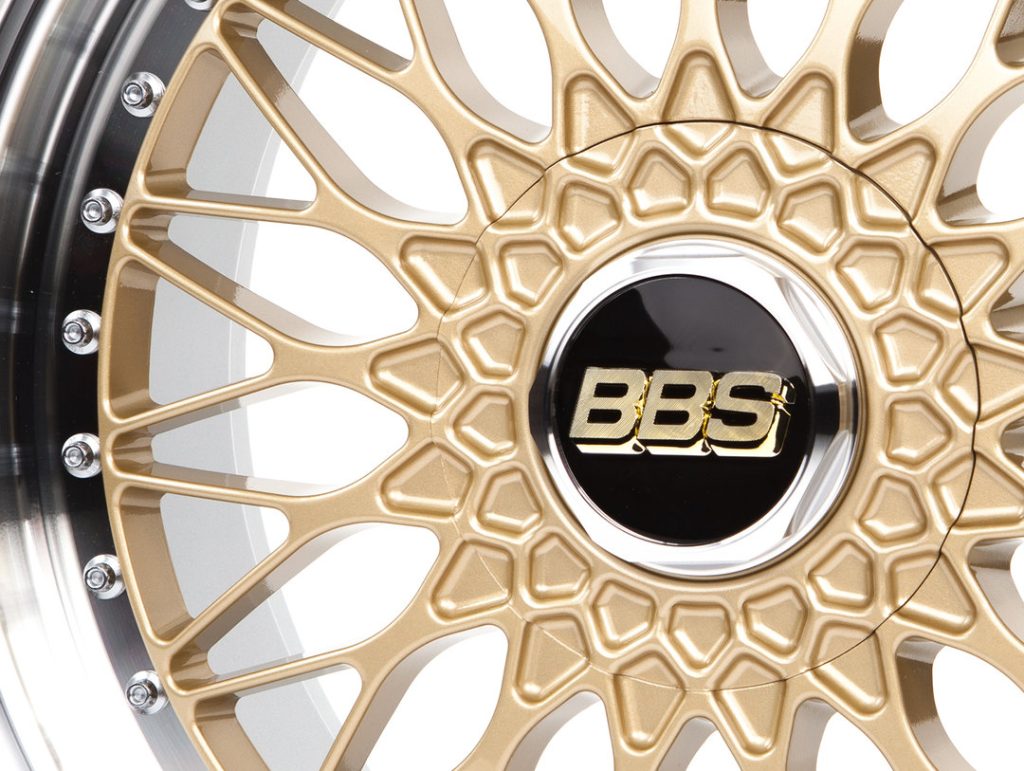
Few wheels can claim to have influenced both street and motorsport aesthetics as strongly as the BBS RS. Its combination of craftsmanship, visual identity, and tuning heritage ensures it remains one of the most respected aftermarket wheels ever associated with Japanese classics.
2. Watanabe Eight Spoke – The Wheel That Became a Symbol of Japanese Street Performance
The Watanabe Eight Spoke represents a completely different philosophy compared to complex mesh designs. Where some wheels emphasized intricate construction, this design focused on simplicity, strength, and unmistakable character. Its clean eight spoke layout became one of the most recognizable shapes in Japanese car culture.
Inspired by classic British racing wheels, this design found a natural home on Japanese performance cars. The simple spoke layout provided both visual clarity and structural strength. This made it especially popular among drivers who valued functional upgrades rather than purely cosmetic changes.
The wheel became strongly associated with grassroots performance culture. Unlike luxury focused wheel designs, the Watanabe became popular among drivers who modified cars for mountain roads and weekend racing. Its reputation grew through real world driving rather than advertising.
One of the reasons enthusiasts appreciated this wheel was its honest appearance. It did not rely on polished lips or complex assembly hardware to create presence. Instead, its identity came from proportion, finish options, and its instantly recognizable silhouette.
The lightweight nature of the design also made it practical. Reduced rotational mass improved acceleration feel and suspension response. This performance benefit made the wheel more than just a styling choice.
Another interesting aspect of the Watanabe wheel is how strongly it became connected to Japanese automotive identity. When people picture a modified 1980s Japanese coupe, this wheel often comes to mind immediately. That level of cultural association is rare for any aftermarket component.
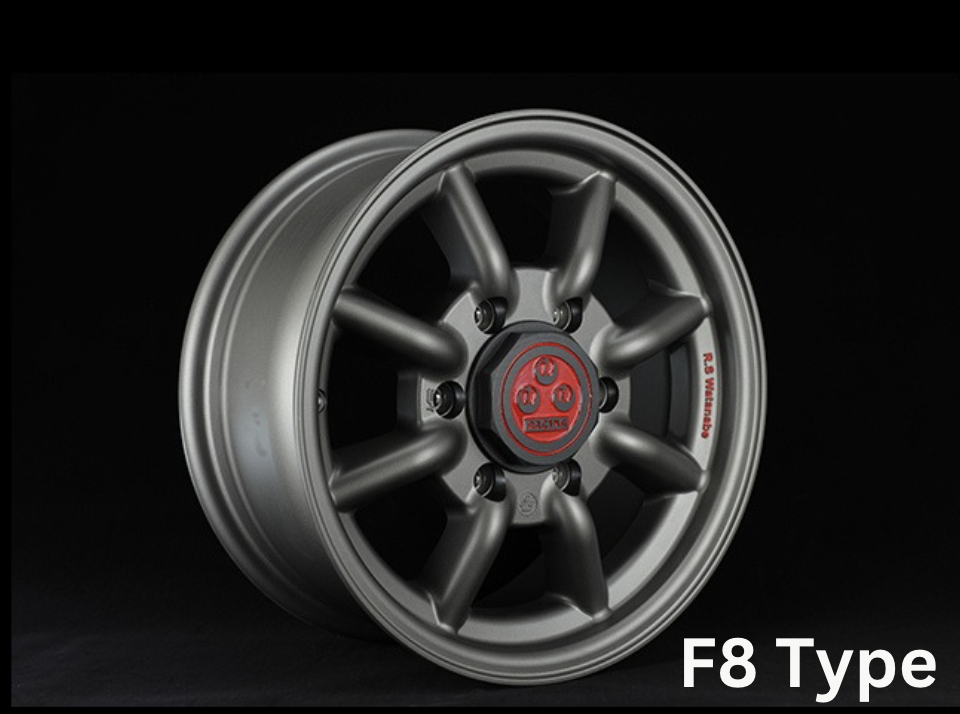
Collectors today still search for original period correct sets, especially in classic finishes like black with machined lips. These combinations capture the authentic tuning spirit of the era.
While many wheel designs came and went, the Watanabe Eight Spoke maintained relevance because it represented something deeper than style trends. It became a visual shorthand for Japanese performance heritage itself.
3. SSR Longchamp XR4 – The Street Racer Statement Wheel
If one wheel captured the aggressive street attitude of the late 1980s Japanese tuning world, it would be the SSR Longchamp XR4.
Unlike refined mesh wheels or minimalist racing designs, this wheel projected a bold personality that immediately transformed the visual presence of any car it was installed on. It was not designed to blend in. It was created to be noticed.
The XR4 used a four spoke layout that felt muscular rather than delicate. Each spoke appeared thick and purposeful, giving the wheel a planted visual effect even when the car was standing still. This design worked especially well with wide body kits and lowered suspensions that were becoming popular during that era.
What made this wheel particularly desirable was its deep lip configuration. Enthusiasts valued deep dish wheels because they visually emphasized rear wheel drive performance cars. The extra depth created a sense of mechanical strength and hinted at serious performance intentions even when the car was parked.
This wheel also gained popularity because it suited both subtle builds and extreme modifications. On a mildly lowered street car it added character without looking excessive. On a heavily modified machine it reinforced the aggressive styling direction without looking out of place.
Another reason for its popularity involved customization flexibility. Owners could choose different widths and offsets to achieve very specific stance goals. This made the XR4 popular among builders who wanted precise control over how their car sat relative to the road surface.
Finish choices also played a role in its appeal. Gold centers with polished lips became especially popular because they reflected the motorsport trends of the period. These finishes helped create strong visual contrast against darker paint colors.
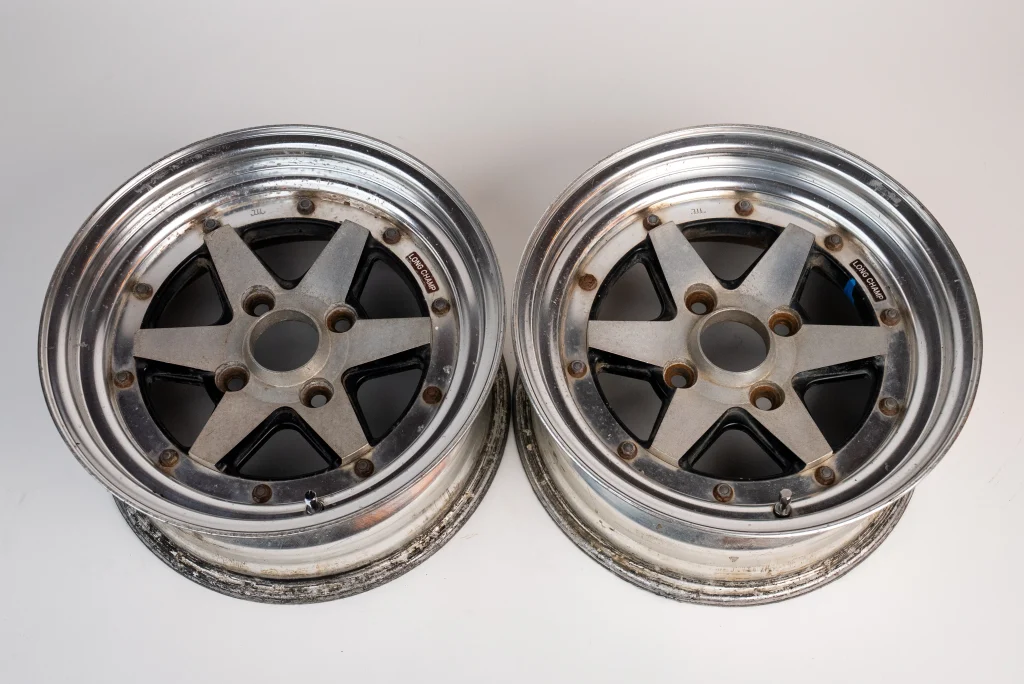
The XR4 also developed a reputation for durability. Owners valued wheels that could survive real driving rather than just display use. This gave the design credibility among enthusiasts who actually drove their modified cars hard.
Today the Longchamp XR4 remains respected because it represents a time when Japanese street tuning began developing its own identity separate from European and American influence. Its bold proportions continue to inspire modern retro style builds.
4. Volk Racing TE37 (Early Motorsport Versions) – Engineering Over Decoration
Not every iconic wheel earned recognition through visual drama. Some achieved legendary status through performance credibility, and early Volk Racing designs demonstrated this philosophy perfectly.
While later versions of the TE37 became globally famous, the original concept established the idea that serious enthusiasts should prioritize strength and weight reduction above all else.
This wheel followed a simple engineering principle. Reduce unnecessary material while maintaining structural strength. The six spoke layout allowed engineers to distribute load efficiently while keeping weight low. This approach appealed strongly to drivers focused on performance improvement rather than visual trends.
Forging technology played a major role in its reputation. Unlike cast wheels, forged construction allowed higher strength with less material. This gave drivers confidence during high stress driving conditions while also improving acceleration and braking response due to lower rotational mass.
Early adopters of Volk Racing wheels often came from motorsport environments. Track drivers and time attack competitors needed reliable components that could handle repeated stress cycles. Seeing these wheels used in competitive environments helped build trust among street enthusiasts.
The design also demonstrated that simplicity could become timeless. Without complex styling features, the wheel avoided becoming dated. Decades later the same basic design still looks relevant because it was created around function rather than fashion.
Another important aspect was the philosophy it represented. Installing lightweight performance wheels signaled a different kind of builder. It suggested the owner cared about driving dynamics as much as visual presentation. That identity helped establish Volk Racing as a respected performance brand.
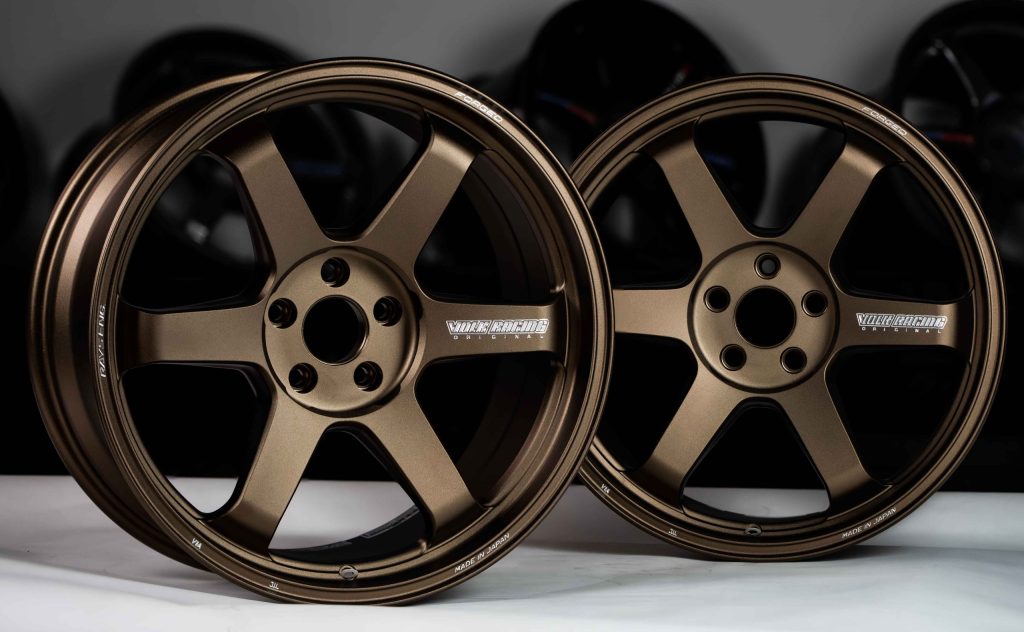
Color options such as bronze became strongly associated with the wheel. These finishes were not just aesthetic decisions. They became part of the visual language of Japanese performance culture.
The early TE37 concept proved an important idea that continues today. True automotive icons are often created not through decoration but through intelligent engineering choices that stand the test of time.
5. Hayashi Street Type STF – The Wheel That Balanced Retro Character With Street Credibility
Some wheels became famous because of racing success. Others gained attention through aggressive styling. The Hayashi Street Type STF followed a different path. It earned recognition because it captured the balance between classic styling and modern street performance better than almost any other wheel of its time.
The first thing enthusiasts usually noticed was the distinctive twin spoke pattern. Instead of traditional single spoke layouts, the STF used paired spokes that created a layered visual depth. This gave the wheel a more complex appearance without making it look overly technical or complicated.
The design worked especially well on compact Japanese sports cars. Its proportions complemented the lighter body shapes common during the 1980s.
Rather than overpowering the vehicle visually, it enhanced the natural lines of the car. This made it a favorite among owners who preferred balanced styling rather than extreme visual statements.
One of the most interesting aspects of this wheel was how it appealed to different types of builders. Restoration focused owners appreciated its period correct look, while modification focused enthusiasts valued its ability to support wider tire setups. This dual appeal helped it maintain long term popularity.
Unlike some flashier wheels, the STF created its presence through detail rather than size alone. The subtle lip depth combined with the spoke arrangement created a layered effect that became more noticeable the closer someone looked. This made it especially rewarding for enthusiasts who appreciated craftsmanship details.
Street reputation also played a role in its success. During the late 1980s, these wheels began appearing on well known street builds featured in enthusiast magazines. That visibility helped establish them as a serious option rather than an obscure alternative.
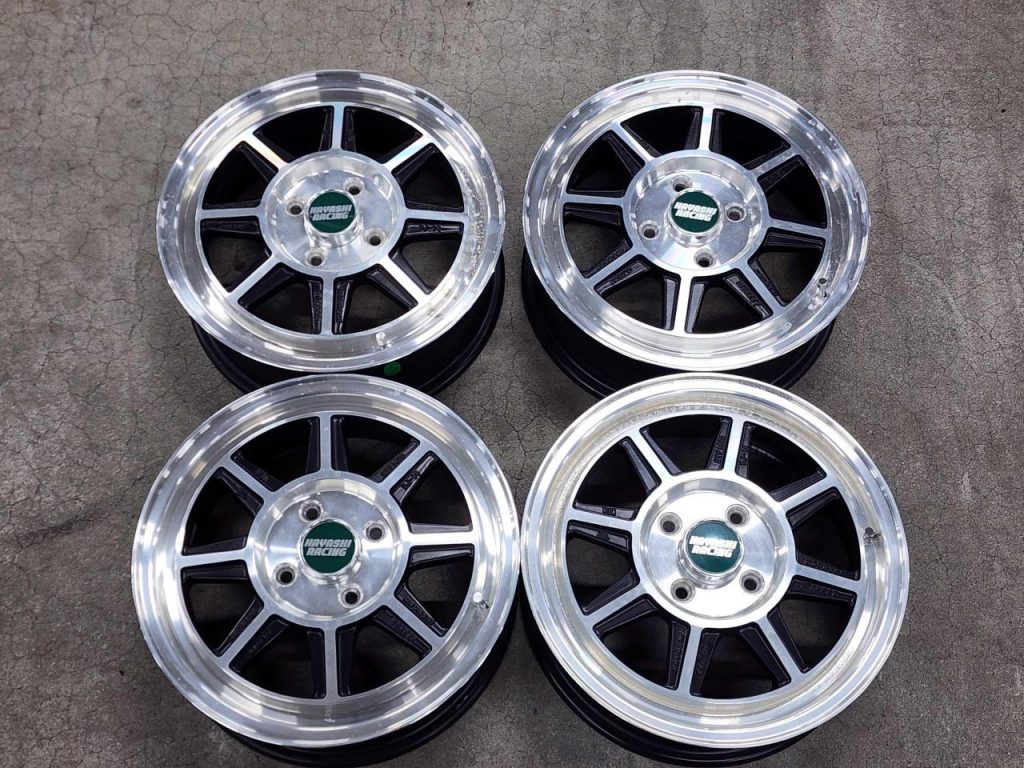
Durability was another reason owners stayed loyal to the design. Wheels that could survive daily use while still looking distinctive became valuable choices. The STF proved it could handle both show presentation and real driving use.
Today the Hayashi Street Type STF is remembered as a wheel that quietly shaped Japanese street style without relying on loud design choices. Its lasting respect comes from its ability to enhance a build without dominating it.
6. Work Equip 03 – The Deep Lip Legend of the Bubble Era
If any wheel captured the bold economic confidence of late 1980s Japan, it would be the Work Equip 03. This was a time when automotive customization became more expressive, and this wheel reflected that mood perfectly. It combined strong visual presence with modular construction that allowed serious customization.
The three piece construction immediately set it apart. Enthusiasts valued wheels they could rebuild, refinish, or resize. This flexibility made the Equip 03 attractive to owners who saw their cars as evolving projects rather than finished machines.
What truly defined this wheel was lip depth. The dramatic outer rim created a visual effect that instantly made cars appear wider and more aggressive. This characteristic made the wheel especially popular among owners pursuing the wide stance look that defined the period.
The five spoke center design provided a strong contrast to the deep outer section. This created a visual balance between simplicity and boldness. The center remained clean and functional while the outer lip delivered visual drama.
Fitment flexibility was another advantage. Because of the modular construction, enthusiasts could order very specific sizing combinations. This allowed precise alignment with fender lines, something serious builders considered essential.
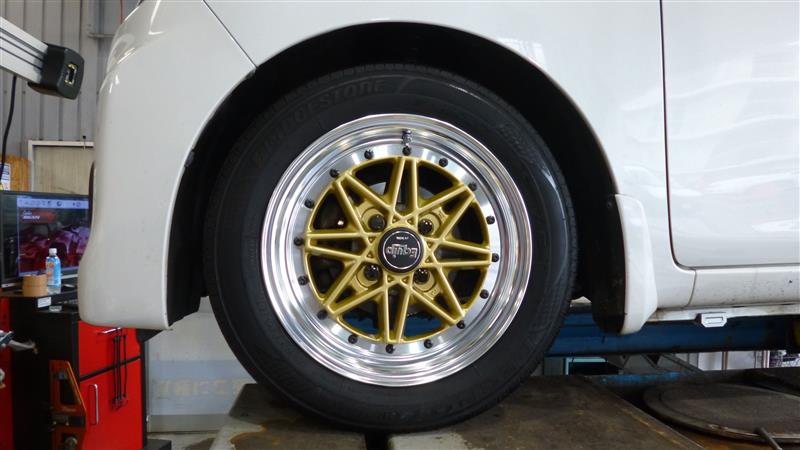
Another reason the Equip 03 gained iconic status was its connection to the emerging show car culture of Japan. High quality builds displayed at automotive gatherings often used these wheels because they communicated both investment and attention to detail.
Finish combinations also helped its popularity. Polished lips combined with painted centers became a signature look. These combinations allowed owners to match wheel appearance with paint themes.
Even decades later, the Work Equip 03 continues to symbolize the era when Japanese tuning culture became bold, confident, and highly individualistic. It remains one of the clearest visual representations of that automotive period.
7. Enkei Apache II – The Wheel That Represented Affordable Performance Culture
Not every legendary wheel came from high end motorsport programs or luxury tuning circles. Some earned their place through accessibility and real world popularity. The Enkei Apache II fits perfectly into this category because it became widely respected among enthusiasts who wanted performance styling without extreme costs.
To understand why this wheel became iconic, it helps to look at the tuning environment of the time. Many young enthusiasts in the 1980s were modifying their first performance cars. Budget mattered. They needed parts that looked serious but remained attainable. The Apache II answered that need perfectly.
Its design used a strong five spoke layout with subtle detailing that created a purposeful look. The wheel avoided unnecessary styling complexity, which actually helped it age well. Even today the design still looks appropriate on period builds because it was never overly trendy.
What made the Apache II especially interesting was how frequently it appeared on real driven cars rather than show vehicles. It became associated with daily driven sports coupes, weekend canyon runners, and grassroots motorsport participants. That type of exposure built a different kind of credibility compared to purely show focused wheels.
Weight reduction also played a role in its appeal. Enkei invested heavily in improving manufacturing processes to produce lighter wheels that still maintained durability. For drivers, this translated into sharper steering feel and improved suspension response.
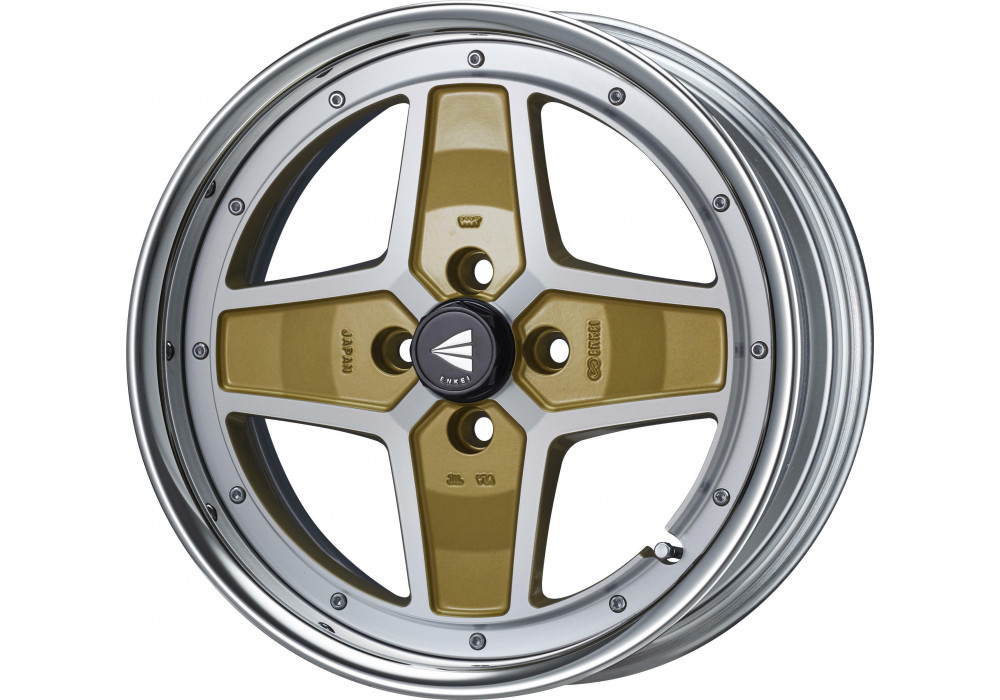
Another factor that built its reputation was reliability. Enthusiasts trusted parts that did not require constant attention. The Apache II developed a reputation as a wheel you could install and drive hard without constant concern.
The wheel also became popular because it matched many different styling directions. Whether paired with factory bodywork or mild aftermarket upgrades, it usually looked appropriate. This flexibility made it a safe but respected choice among builders.
In many ways the Apache II represents the democratic side of Japanese tuning culture. It showed that iconic status does not always come from exclusivity. Sometimes it comes from being the wheel that real enthusiasts actually used and trusted.
8. RS Watanabe RS8 – Motorsport Heritage With a Purpose Built Look
While many wheels built their popularity through street culture, the RS Watanabe RS8 carried a different kind of authority. Its design reflected motorsport influence, and that connection helped give it credibility among performance focused enthusiasts who valued racing heritage.
The RS8 featured a slightly more technical appearance compared to earlier Watanabe designs. The spoke design appeared more performance oriented, giving the impression that the wheel belonged on a competition machine rather than just a modified street car.
Enthusiasts often selected this wheel when they wanted their build to reflect a functional racing identity. Even when used on road cars, the RS8 suggested that the vehicle was built with performance in mind. This perception helped it gain respect among serious builders.
One detail that made this wheel stand out was its visual balance. The spacing between spokes allowed brake components to remain visible, something performance enthusiasts appreciated. Showing mechanical hardware became part of the performance aesthetic.
Unlike heavily polished show wheels, the RS8 often appeared in understated finishes. These finishes emphasized purpose rather than decoration. This design philosophy aligned closely with drivers who valued lap times more than display trophies.
The wheel also benefited from brand loyalty. RS Watanabe had already built trust through earlier designs. As a result, new designs like the RS8 received immediate attention from enthusiasts already familiar with the brand’s reputation.
Another important factor was how well the design complemented the boxy shapes common in 1980s Japanese cars. The wheel’s geometry worked naturally with sharp body lines and simple aerodynamic shapes.
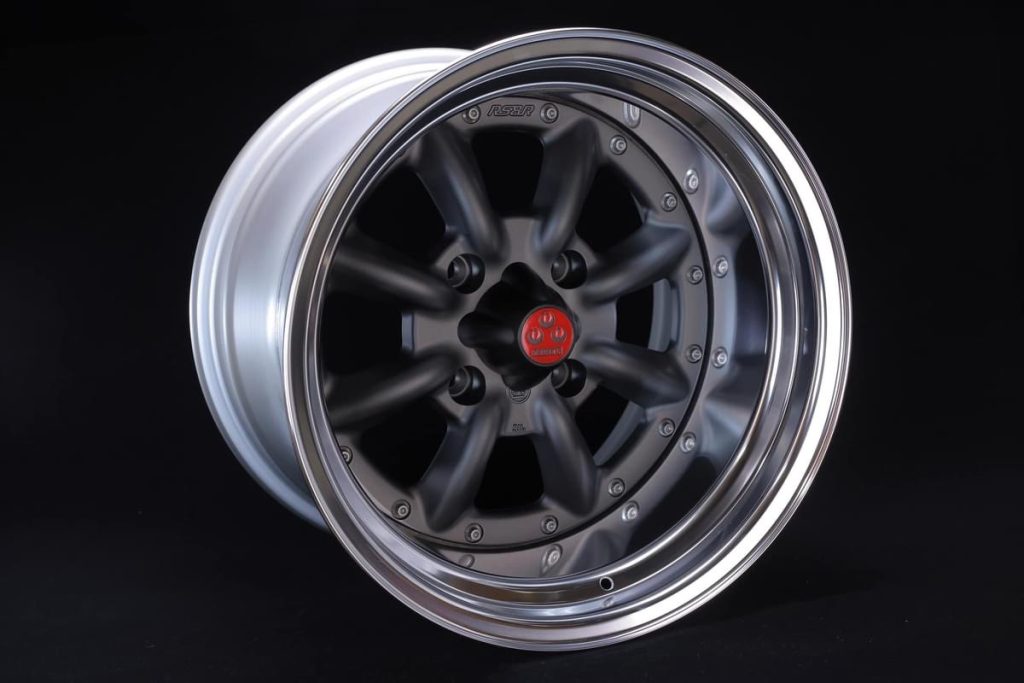
Over time the RS8 became associated with drivers who wanted their cars to look capable rather than flashy. That subtle distinction helped it stand apart from more decorative alternatives.
Today it remains respected because it represents the connection between Japanese road cars and the racing culture that helped shape their development.
9. Super Advan Racing Version One – The Asymmetrical Design That Changed Wheel Styling
During a decade when most aftermarket wheels followed predictable design formulas, the Super Advan Racing Version One stood out because it refused to follow symmetry. At first glance it looked unusual. At second glance it looked revolutionary. That bold decision helped it become one of the most memorable wheel designs of the era.
The most defining characteristic was its directional spoke layout. Instead of evenly spaced identical spokes, the wheel used a grouped spoke pattern that created motion even when stationary. This gave the impression of speed and mechanical tension, something rarely attempted at the time.
This design approach appealed to enthusiasts who wanted their cars to look technologically advanced. Japanese performance cars of the 1980s often featured futuristic dashboards and digital displays. The Super Advan wheel visually matched that forward looking spirit.
Another reason the wheel gained attention was because it photographed well. Magazine features often showcased cars wearing these wheels because the asymmetrical pattern looked dramatic from different angles. That exposure helped cement its place in tuning culture.
The wheel also communicated confidence. Choosing such an unconventional design showed that the owner was willing to move beyond traditional styling. This made it popular among trendsetters rather than followers.
Despite its artistic appearance, the wheel was still designed with performance in mind. The spoke structure distributed load effectively while maintaining reasonable weight. This ensured it remained functional rather than purely decorative.
Some enthusiasts initially considered the design controversial. Over time that controversy became part of its legacy. Many iconic automotive designs begin as bold experiments before becoming respected classics.
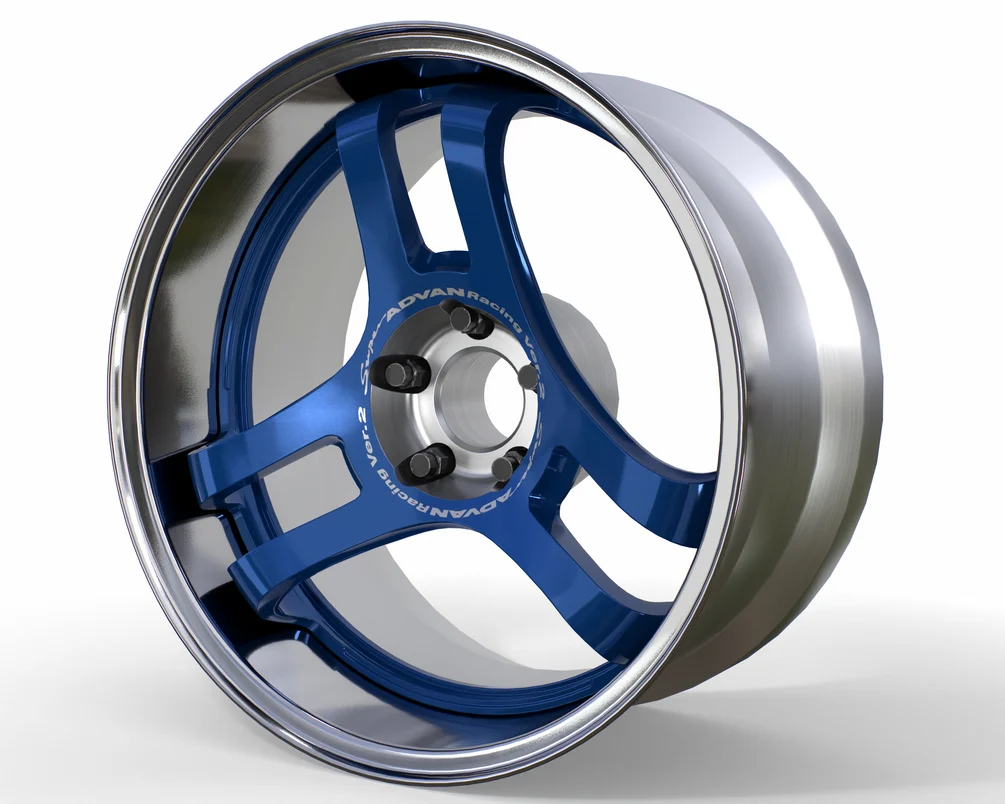
Collectors today often seek original Super Advan sets because they represent a moment when wheel design became more experimental. It proved that aftermarket wheels could become conversation pieces rather than just supporting components.
The Super Advan Racing Version One remains a reminder that innovation sometimes requires breaking visual rules. Its willingness to be different secured its place among the most iconic wheels of the Japanese performance era.
10. Panasport G7 – The Timeless Lightweight Classic
Some designs never need dramatic reinvention. The Panasport G7 proved that a well executed lightweight wheel could remain relevant simply by doing everything correctly. It followed a classic motorsport formula that emphasized proportion, strength, and low weight rather than visual complexity.
The G7 used a clean multi spoke layout that balanced elegance with performance intention. It looked equally appropriate on a track prepared sports coupe or a carefully restored street machine. That flexibility helped it maintain steady popularity rather than short term hype.
Its strongest reputation came from engineering priorities. Panasport focused on producing wheels that reduced unsprung weight. Drivers who installed these wheels often noticed improved responsiveness in steering and suspension movement. These subtle improvements built strong word of mouth credibility.
Another reason the G7 became respected was because it never relied on visual trends. Without extreme lips or decorative hardware, it avoided becoming tied to a specific styling period. This allowed it to transition smoothly from the 1980s into later decades.
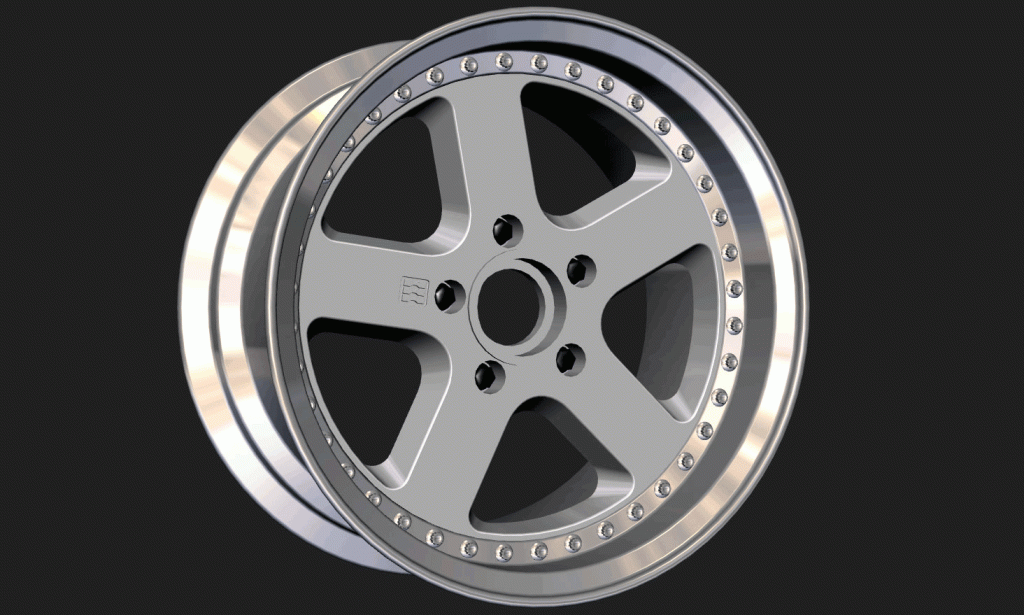
The wheel also gained popularity among enthusiasts who preferred understated builds. Not every owner wanted aggressive styling. Some preferred cars that looked factory correct but performed better than stock. The G7 suited that philosophy perfectly.
Durability also played an important role. A lightweight wheel must still survive real driving conditions. The G7 earned trust because it balanced weight savings with structural integrity.
Motorsport associations further strengthened its reputation. Wheels that survive competitive driving conditions naturally gain credibility among enthusiasts. Even for street drivers, knowing a component has racing roots adds confidence.
Today the Panasport G7 remains a respected choice because it represents disciplined engineering rather than fashion driven design. Its legacy shows that true icons are often created through consistency rather than attention seeking design.
Also Read: Top 10 Classic Cars That Are Gaining Value the Fastest in 2026
