
The late 1980s represented a fascinating transition period in automotive history when manufacturers began experimenting with digital technology inside production cars.
While modern vehicles now commonly feature fully digital instrument clusters, this idea was once considered futuristic and even radical.
During this era, digital dashboards symbolized innovation, technological confidence, and a bold step toward the computerized cars we see today.
Car companies were trying to capture the excitement surrounding electronics, space age design, and the rapid growth of consumer technology.
Digital watches, home computers, and arcade machines were becoming popular, and automakers wanted to bring that same futuristic feeling into the driving experience.
The result was the introduction of digital instrument clusters that replaced traditional analog gauges with glowing numbers, bar graphs, and electronic displays.
These dashboards were not always perfect. Some were difficult to read in sunlight, while others suffered from reliability issues as early electronics aged. Yet despite these challenges, they created a strong visual identity.
Sitting behind a glowing digital speedometer in the 1980s felt like stepping into the future. Even today, these displays continue to attract enthusiasts because they represent a bold design risk that few manufacturers would attempt now.
Interestingly, digital dashboards were not limited to luxury cars. Sports coupes, grand tourers, and even some affordable performance models adopted this technology. This showed how widespread the desire for futuristic design had become across the automotive world.
Today these cars occupy a unique position in the collector market. They combine classic mechanical simplicity with early electronic experimentation. For many enthusiasts, they represent the first chapter of the digital automotive age.
The following cars stand out not just because they featured digital dashboards, but because each one approached the concept differently.
Some focused on performance, others on comfort, and some purely on futuristic appeal. Together they represent a moment when the automotive industry briefly stepped into tomorrow while still firmly rooted in the analog world.
Also Read: 10 Best Vintage Models for Converting to Modern Electronic Ignition
1. 1984 Chevrolet Corvette (C4)
The fourth generation Chevrolet Corvette introduced one of the most recognizable digital dashboards of the 1980s. Although the model technically launched in 1984, its influence carried strongly into the late 1980s as the design evolved.
The interior looked more like a fighter jet than a traditional sports car, which was exactly the intention. Chevrolet wanted drivers to feel like they were experiencing cutting edge technology rather than simply driving another performance coupe.
The digital cluster featured a bright speed readout, bar-style tachometer graphics, and additional vehicle information displays.
At night, the glowing green interface created a dramatic cockpit effect. This was not just about showing speed. It was about creating emotional engagement through technology.
Unlike some competitors, the Corvette balanced its futuristic interior with serious performance engineering. The chassis redesign focused heavily on handling precision. This made the digital dashboard feel like part of a larger modernization effort rather than just a styling experiment.
Another interesting feature was the driver focused layout. The dashboard curved slightly toward the driver, reinforcing the cockpit concept. This idea would later become common in performance vehicles but was still relatively new at the time.
The learning curve of the digital display also became part of the ownership experience. Drivers needed time to adjust to reading horizontal bar tachometers instead of traditional needles. Some loved the novelty while others preferred analog clarity. This debate still continues among collectors today.
Maintenance of these early digital clusters has become an interesting challenge. Replacement components often require specialist knowledge, which has made well preserved examples more desirable. Enthusiasts now appreciate not just the car itself but also the engineering story behind these early electronic systems.
Another factor that makes the C4 Corvette interesting is its confident embrace of technology. Many cars experimented cautiously, but this Corvette committed fully to the futuristic concept. Even today, sitting inside one can still feel surprisingly modern.
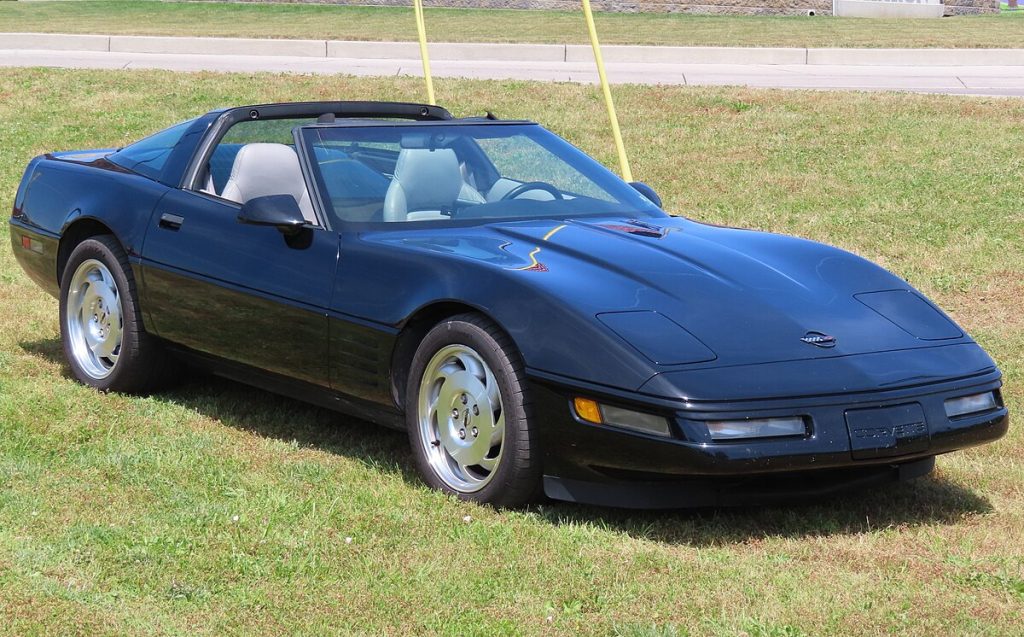
Collectors often note that the digital dashboard defines the identity of the car just as much as its exterior styling. Without it, the vehicle would feel far more conventional. This shows how interior technology can become as important as engine performance in defining a car’s legacy.
The Corvette demonstrated that digital instrumentation could become a core part of a performance car’s personality rather than a simple novelty feature. This helped establish the idea that sports cars could also be technology showcases.
Today it stands as one of the most influential early adopters of digital instrumentation, showing how bold experimentation can sometimes become timeless identity.
2. 1989 Pontiac Trans Am GTA
While the Corvette represented precision engineering, the Pontiac Trans Am GTA approached digital instrumentation with a completely different attitude. This was a car that combined American muscle identity with futuristic styling cues. The digital dashboard felt like a natural extension of its aggressive personality.
Instead of presenting information in a purely technical way, Pontiac designed the display to feel dramatic. The illuminated gauges added to the sense that this was not just transportation but a performance statement. Even the interior lighting contributed to the theater of driving.
One of the most interesting aspects of the Trans Am GTA was how it balanced traditional muscle car expectations with modern electronic presentation. Buyers expected strong acceleration and bold styling, but they also received a technological experience that felt ahead of its time.
The dashboard information layout emphasized speed and engine performance data. This matched the expectations of drivers who wanted constant awareness of how their car was performing. The electronic presentation reinforced the idea of control and awareness.
Driver psychology also played a role here. Digital numbers often feel more precise than analog needles. This gave drivers a stronger sense of connection with vehicle behavior even if the actual performance difference was unchanged.
Interior design also supported the futuristic theme through angular shapes and aircraft inspired controls. This design language was common in late-1980s performance cars as manufacturers competed to appear technologically advanced.
Another point of interest is how nostalgia has changed perceptions. At the time, some buyers considered digital dashboards risky due to long term durability concerns. Today those same features are celebrated because they represent a unique technological experiment.
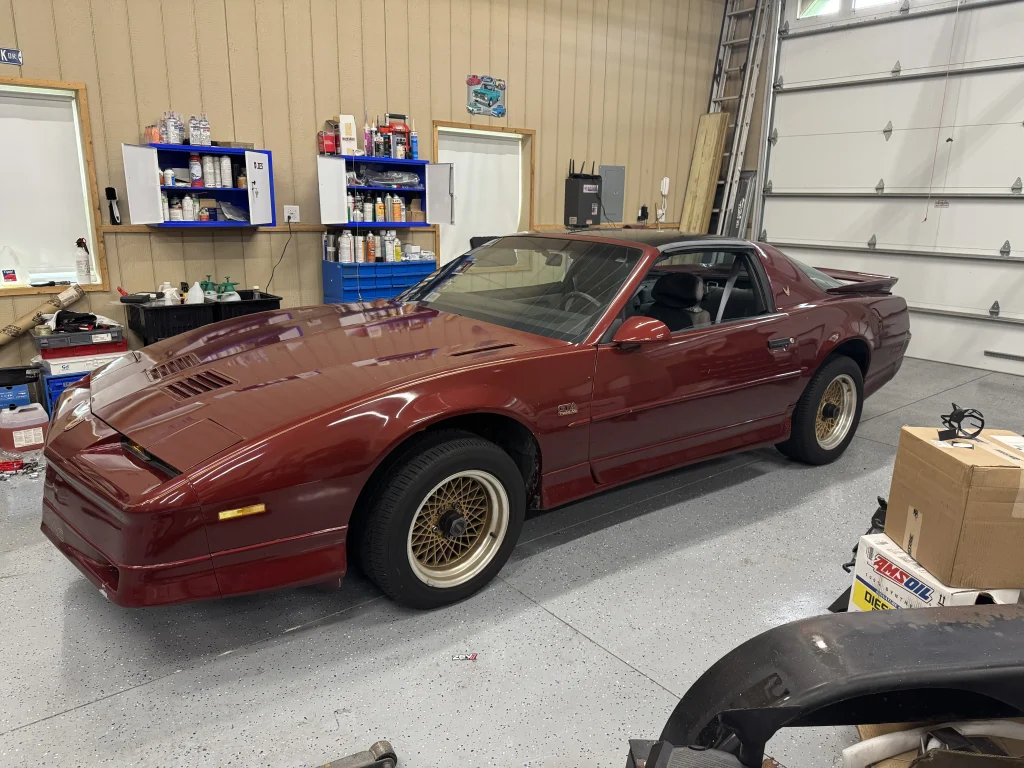
Surviving examples with fully functioning digital clusters have become increasingly appreciated. Owners often take pride in maintaining these systems because they represent a specific moment in automotive evolution.
The Trans Am GTA also highlights how technology was becoming part of brand identity. Pontiac wanted to be seen as forward thinking, and the digital dashboard supported that message clearly.
Unlike purely luxury focused digital dashboards, this one emphasized excitement. It was not about comfort features. It was about reinforcing the idea that the driver was in command of a modern performance machine.
The car ultimately represents a period when manufacturers believed the future of performance included electronics as much as horsepower. That philosophy helped shape the next generation of performance vehicles.
3. 1986 Nissan 300ZX (Z31)
When Nissan introduced the 300ZX Z31, it was clear the company wanted to present a vision of technological confidence rather than just another sports coupe.
Japanese manufacturers during the late 1980s were heavily investing in electronics, and this car became one of the most interesting examples of how digital interfaces could be integrated into a driver focused environment without losing the traditional sports car spirit.
What made this dashboard stand out was its layered information approach. Instead of simply replacing analog gauges, Nissan attempted to reorganize how drivers consumed data.
Speed, engine behavior, and system monitoring were displayed with a logical structure that felt influenced by consumer electronics rather than traditional automotive thinking.
One particularly interesting aspect was the optional voice warning system available in some versions. The car could alert drivers about open doors or other issues. At the time this felt incredibly advanced and almost futuristic. While such features are normal today, in the 1980s they felt closer to science fiction than everyday reality.
The visual presentation of the digital cluster also reflected Japanese design philosophy. Instead of overly dramatic graphics, the display maintained a clean and readable layout. The goal appeared to be clarity and function rather than visual drama. This gave the interior a serious technical character.
Unlike some American digital dashboards that focused on bold glowing colors, the Nissan interface often emphasized legibility and structured information. This difference reflects how different regions interpreted the digital future in their own way.
Another aspect worth noting is how this technology influenced buyer perception. Owning a car like this suggested interest in engineering progress. It appealed to drivers who appreciated innovation as much as performance numbers.
Reliability discussions have also become part of this car’s legacy. As with many early digital systems, aging electronics require careful restoration. Enthusiasts who preserve these dashboards often develop deep knowledge about early automotive electronics.
The Z31 also demonstrated how digital dashboards could be integrated without overwhelming the driver. Some experimental dashboards of the period became complicated, but Nissan managed to keep the experience approachable.
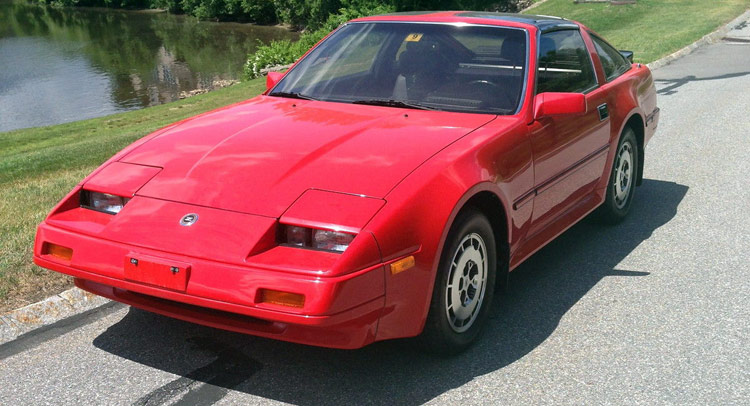
From a historical perspective, this model shows how Japan helped push the normalization of electronic vehicle interfaces. Their willingness to experiment contributed to the technology becoming mainstream years later.
Today the digital dashboard remains one of the defining characteristics of the Z31 generation. Even people unfamiliar with the model often recognize the interior as distinctly futuristic for its era.
This car represents a time when digital dashboards were not just luxury additions but statements of technological direction. It showed how innovation could become part of the sports car identity rather than remaining limited to high end sedans.
4. 1988 Mazda 626 Turbo (GD)
Not every digital dashboard appeared in a sports car. Some manufacturers chose to introduce the technology in practical performance sedans, and the Mazda 626 Turbo provides a perfect example of this different philosophy.
Instead of presenting digital instrumentation as something exotic, Mazda integrated it into a car that balanced everyday usability with performance capability.
The interesting part of this approach was subtlety. Rather than making the dashboard the entire personality of the interior, Mazda treated it as one part of a complete driving environment. This created a more mature interpretation of digital technology compared to more dramatic designs of the time.
The display design emphasized readability and simplicity. Straightforward number displays and clear indicators allowed drivers to quickly interpret vehicle information. This focus on usability showed Mazda’s practical engineering mindset.
One of the most notable differences compared to sports coupes was how the digital dashboard supported comfort rather than excitement.
The interface was designed to reduce distraction rather than increase visual drama. This shows how the same technology could serve completely different design goals depending on the vehicle type.
Another factor that makes this car interesting is how it reflected the technological optimism of Japanese manufacturers. Companies were trying to demonstrate that advanced electronics could also be dependable in everyday driving situations.
The 626 Turbo also demonstrated how digital displays could reinforce a car’s modern identity without changing its core mission. It remained a practical sedan first and a technology showcase second. This balance helped it appeal to a broader range of buyers.
Interior ergonomics also played an important role. Controls were positioned logically, supporting the idea that digital technology should improve usability rather than complicate it. This philosophy would later influence many modern dashboards.
Unlike some more experimental digital clusters, Mazda avoided excessive graphical complexity. This restraint likely helped long term usability and explains why many enthusiasts still appreciate the layout today.
From a collector perspective, this model highlights an often overlooked truth. Digital dashboards were not just for halo cars. They were becoming part of the mainstream automotive experience.
Another interesting detail is how these displays reflected the broader electronics boom happening globally. As home electronics improved, consumers became more comfortable with digital interfaces in their vehicles.
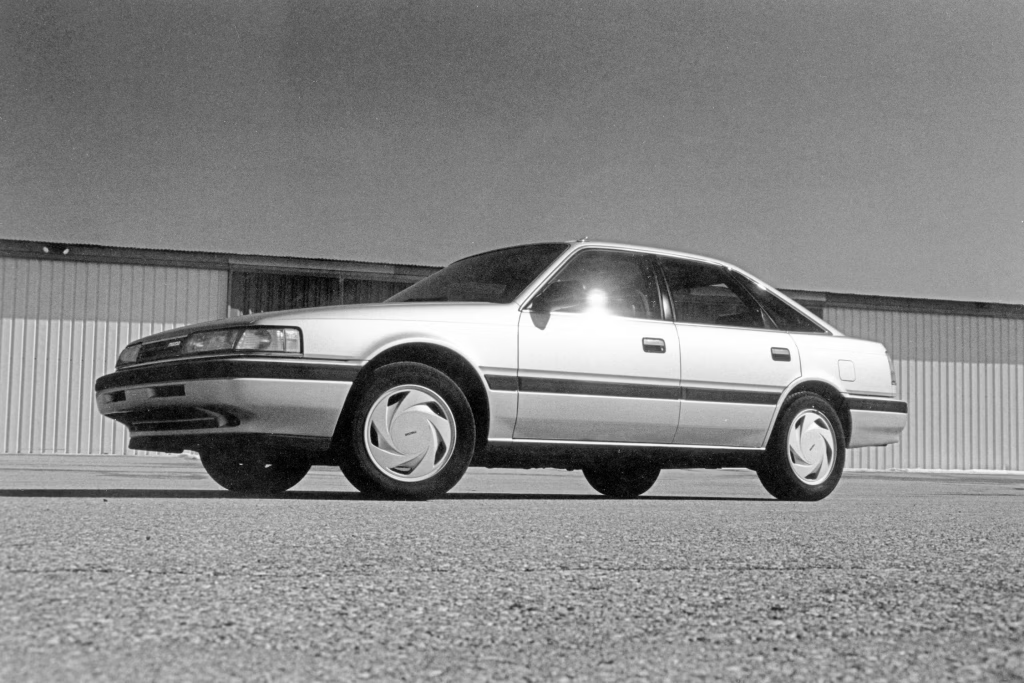
The Mazda 626 Turbo shows how digital dashboards could represent quiet progress rather than bold experimentation. It tells the story of how technology slowly integrated into daily life rather than arriving only through high performance machines.
Today it stands as an example of how innovation often spreads. It starts with dramatic experiments but becomes truly important when it reaches practical vehicles. This car represents that second stage of the digital dashboard story.
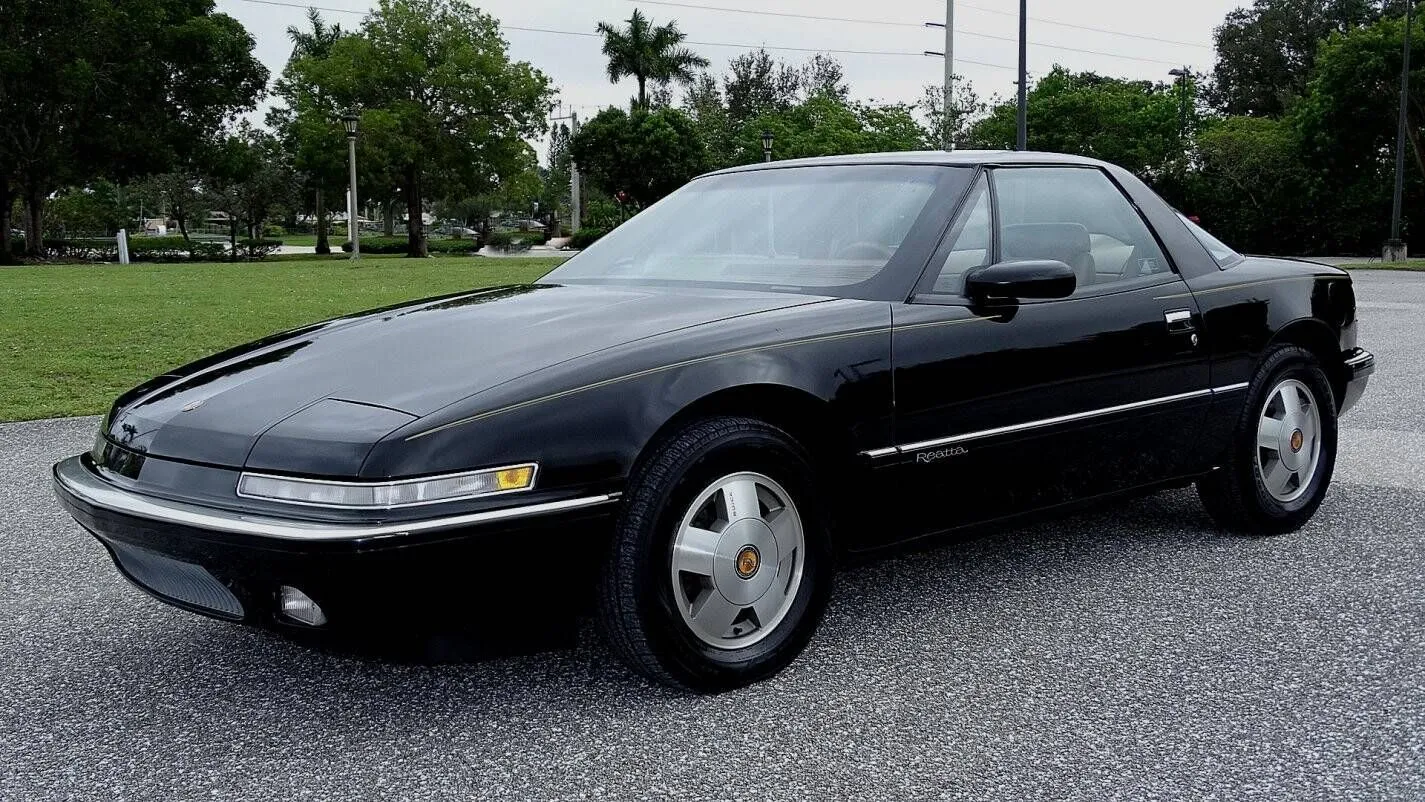
5. 1987 Buick Reatta
Some cars adopted digital dashboards to emphasize performance, others to highlight engineering progress, but the Buick Reatta used digital technology to communicate sophistication.
This was a very different approach compared to aggressive sports cars of the same period. Buick wanted to show that advanced electronics could also represent comfort, control, and modern luxury.
One of the most distinctive elements inside the Reatta was its electronic interface, which in some versions included a touchscreen control center combined with digital instrumentation.
At a time when touch interfaces were rare even in consumer electronics, this feature placed the car firmly in experimental territory. It showed how manufacturers were beginning to imagine cars as electronic environments rather than purely mechanical machines.
The interior philosophy was based on integration rather than separation. Instead of having many individual switches, functions were grouped into digital menus.
Climate settings, diagnostics, and audio controls could be accessed electronically. This was a major departure from traditional dashboard design and foreshadowed how modern vehicles would eventually operate.
Unlike performance focused digital clusters that tried to impress visually, the Reatta dashboard emphasized information management. The idea was to give drivers a sense of awareness about vehicle systems. Built-in diagnostics enabled monitoring of mechanical health, providing a sense of technical reassurance.
This approach also introduced a new type of relationship between driver and machine. Instead of simply operating controls, the driver interacted with a system. That concept has now become standard, but at the time it represented a major conceptual shift.
Another interesting aspect is how this technology influenced perceptions of American luxury. Digital instrumentation helped present Buick as forward thinking rather than traditional. It suggested that comfort and innovation could exist together.
The Reatta also highlights how experimental technology can sometimes become the defining memory of a car. While the model had many engineering strengths, it is often remembered most for its digital interface. This shows how strongly interior technology can shape historical identity.
Ownership today often involves preserving these electronic features. Restoring digital modules has become part of the enthusiast experience. For some collectors, maintaining the electronics is as satisfying as maintaining the engine.
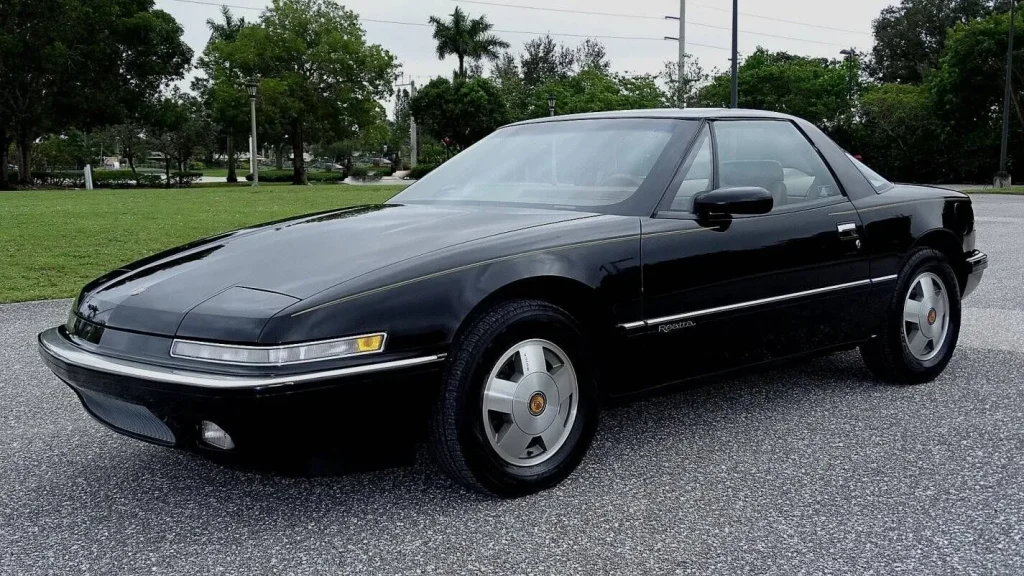
The car also represents a bold risk. Introducing complex electronics always carries durability concerns. Yet without such risks, technological progress would slow. The Reatta shows what happens when a manufacturer decides to experiment openly.
From a design perspective, this car shows how digital dashboards can communicate calmness rather than excitement. Soft lighting, organized information, and controlled presentation created a relaxed technological atmosphere.
This example reminds us that the digital dashboard era was not just about speed and performance. It was also about redefining how drivers experienced comfort and control. The Reatta demonstrated that the future of luxury would involve software as much as leather.
6. 1989 Subaru XT6
If the Buick Reatta showed how digital dashboards could enhance luxury, the Subaru XT6 demonstrated how futuristic design could become the entire personality of a vehicle. This car did not simply include a digital cluster.
Everything about it, from the exterior shape to the interior layout, suggested that Subaru wanted to create something that looked like it came from the next decade.
The dashboard itself reflected this philosophy through its aircraft inspired layout. The steering wheel design, control placement, and instrument presentation all worked together to create a cockpit style experience. Driving the XT6 felt less like operating a conventional car and more like managing a piece of advanced equipment.
One unusual design element was the steering wheel shape combined with integrated controls. This approach attempted to reduce driver movement by keeping functions within easy reach. While not all aspects became industry standards, the experimentation showed Subaru’s willingness to challenge conventions.
The digital display supported this futuristic theme through clean electronic readouts that contrasted with the geometric interior design. The overall effect created a unified design story. Nothing inside the car felt accidental.
Another aspect that makes the XT6 interesting is how it blended technology with Subaru’s practical engineering reputation. Beneath the futuristic presentation remained the company’s focus on balance and usability. This combination made the car feel experimental yet grounded.
The car also reflected how the late 1980s allowed more design freedom. Manufacturers were willing to try bold interior layouts because digital technology allowed new forms of information display. Analog gauges required certain shapes, but digital displays allowed designers more creativity.
From a historical viewpoint, the XT6 represents a time when automotive design briefly became almost architectural. Interiors were treated as complete environments rather than simple control areas.
Collectors today often appreciate how different this car feels compared to its competitors. While many vehicles added digital clusters, few committed so fully to a futuristic identity.
Another interesting detail is how the car balanced complexity with usability. Despite the unusual appearance, most controls remained logical once the driver became familiar with the layout. This showed thoughtful engineering behind the bold styling.
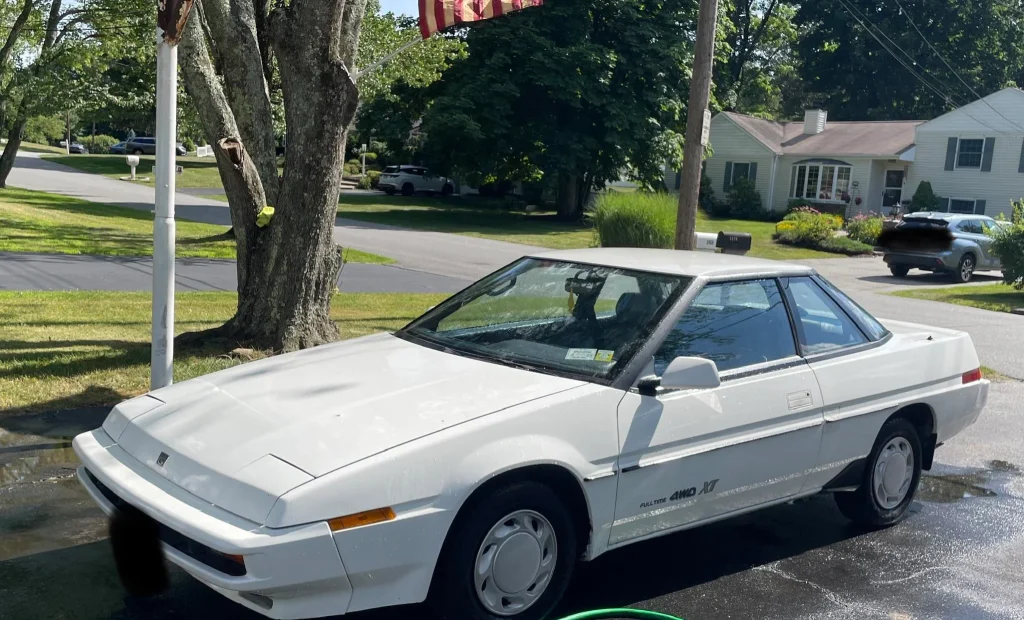
The XT6 also illustrates how digital dashboards allowed manufacturers to differentiate themselves. Subaru used technology not just to modernize but to stand apart visually from other brands.
This car ultimately represents a unique interpretation of the digital dashboard trend. Instead of treating it as an accessory, Subaru made it part of a complete futuristic vision. That commitment makes the XT6 one of the most memorable digital dashboard experiments of its era.
7. 1988 Honda Prelude 2.0Si (Digital Cluster Variant)
Some digital dashboards tried to overwhelm the driver with visual drama, while others attempted to quietly demonstrate precision. The Honda Prelude followed the second path.
Honda approached digital instrumentation with the mindset of an engineering company rather than a styling department. The result was a dashboard that felt calculated, rational, and intentionally restrained.
Inside the Prelude, the digital cluster did not attempt to shock the driver. Instead, it introduced a sense of technical neatness.
The layout focused on delivering information in a clean and almost mathematical format. This reflected Honda’s broader design philosophy during the late 1980s, where mechanical refinement and balance were always the primary goals.
What makes this car particularly interesting is how the digital dashboard reinforced Honda’s reputation for precision. Everything about the presentation suggested accuracy. The numbers were clear, the spacing was thoughtful, and nothing appeared exaggerated. It felt less like science fiction and more like a carefully engineered instrument panel.
Another important distinction is how the Prelude connected technology with driver confidence rather than novelty. The digital readouts were meant to make the driver feel informed instead of entertained. This subtle difference separated Honda from brands that treated digital dashboards as visual showpieces.
There is also an important story about how Honda introduced this technology. Rather than limiting it to flagship vehicles, the company placed it in a sporty coupe accessible to younger buyers. This demonstrated confidence that advanced features could exist in practical enthusiast cars.
Interior ergonomics also played a major role. Controls were arranged with typical Honda logic, meaning everything felt intuitive after a short adjustment period. This shows how good interface design matters more than visual complexity.
Unlike some competitors, Honda also managed to maintain excellent outward visibility and driving comfort while integrating modern technology. The car never sacrificed usability for the sake of futuristic appeal. That balance helped the Prelude maintain long term respect among enthusiasts.
From a maintenance perspective, these dashboards have become part of the ownership experience. Enthusiasts often focus on preserving original electronic components because they represent an important stage in Honda’s technological evolution.
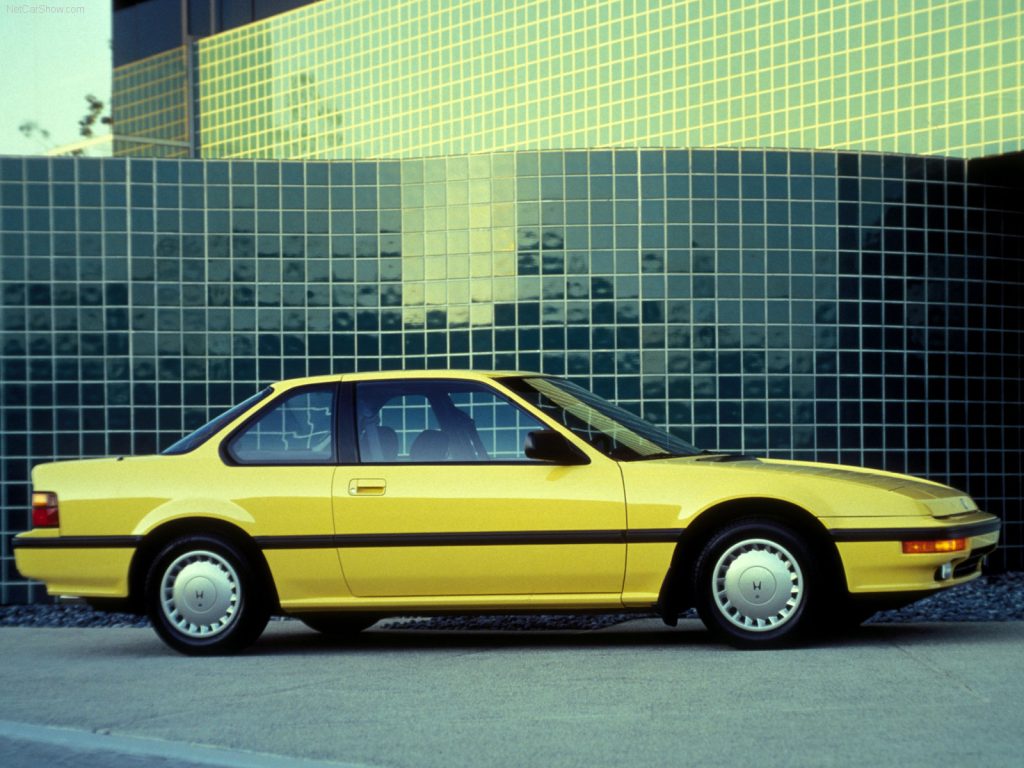
Another fascinating aspect is how well the design has aged. While some digital dashboards now appear overly stylized, the Prelude interior still feels logical. This shows the advantage of prioritizing clarity over decoration.
The Prelude demonstrates that digital dashboards did not have to be loud to be important. Sometimes their influence came from demonstrating how technology could quietly improve the driving experience.
Today this model stands as a reminder that innovation often succeeds when it feels natural rather than forced. Honda proved that the future could be introduced through discipline instead of spectacle.
8. 1989 Aston Martin Lagonda Series 4
If one car fully captured the ambition of digital dashboards in the late 1980s, it was the Aston Martin Lagonda. This was not simply a luxury sedan with electronic instruments. It was a statement about what the future of luxury might look like when traditional craftsmanship met experimental technology.
The Lagonda had already become famous earlier in the decade for its radical digital instrumentation, but by the Series 4 version the technology had evolved into a more usable and refined system. The car still retained its reputation as one of the boldest technological luxury cars of its time.
Inside, the experience felt closer to entering a concept car than a conventional sedan. Digital displays replaced many traditional controls, reinforcing the idea that innovation rather than just materials could define luxury. This was a dramatic departure from the wood and analog traditions normally associated with British luxury vehicles.
One of the most interesting aspects of the Lagonda is how it reflected technological ambition rather than market caution. Aston Martin was not trying to follow trends. It was trying to define them. This willingness to experiment made the car both admired and controversial.
The digital instrumentation also changed how drivers interacted with the vehicle. Instead of scanning multiple analog gauges, information was centralized electronically. This represented a philosophical shift toward information consolidation, something that modern vehicles now treat as standard practice.
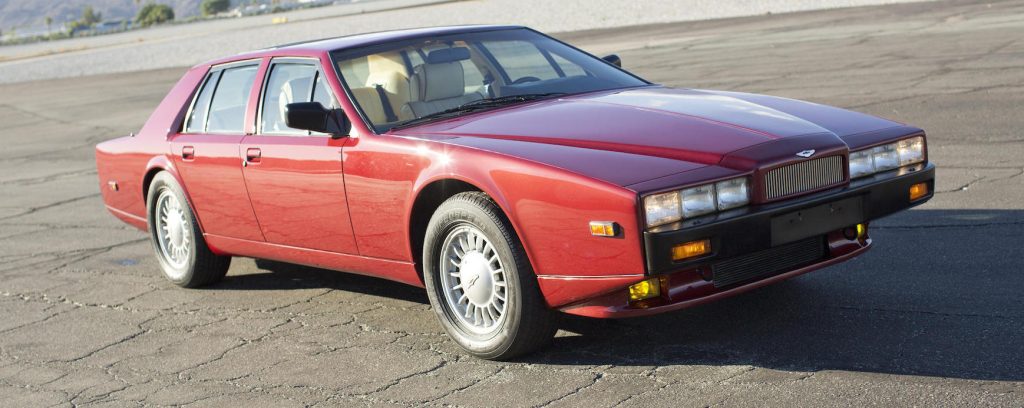
Another fascinating element is how the Lagonda balanced old world craftsmanship with new world electronics. Hand stitched leather and traditional materials existed alongside digital displays. This contrast created a unique identity that few cars have matched since.
The Lagonda also serves as an example of how difficult early digital technology could be. Development costs were high and reliability challenges were real. Yet these risks helped push the industry forward by proving what was possible.
From a collector standpoint, the digital dashboard has become one of the car’s most valuable talking points. Enthusiasts view it as a technological milestone rather than just a feature. Owning one is often seen as owning a piece of experimental automotive history.
The car also demonstrates how luxury brands sometimes act as technological laboratories. Without vehicles like this testing bold ideas, many modern interior technologies might have taken longer to appear.
Looking back, the Lagonda shows how digital dashboards once represented ultimate modernity. Today screens are common, but in the late 1980s this car showed what happened when imagination was given freedom.
It remains one of the clearest examples of how far manufacturers were willing to go in pursuit of a digital future.
Also Read: Top 10 Classic Cars That Are Gaining Value the Fastest in 2026
