
Building a vintage-themed garage is a dream for many classic car enthusiasts, but the biggest misconception is that it requires a huge budget.
In reality, some of the most authentic looking vintage garages are not built with expensive designer furniture or rare collectibles, but with smart planning, reused materials, and carefully selected details that recreate the atmosphere of a past automotive era.
The secret is not how much money you spend, but how well you understand the visual language of vintage automotive spaces.
A true vintage garage is more than just a place to park a car. It reflects a time period. Whether the 1950s service stations inspire it, the motorsport workshops of the 1960s, or the practical home garages of the 1970s, each detail contributes to the final character.
Old toolboxes, metal signage, analog gauges, and even the type of lighting can completely transform a plain concrete garage into something that feels like a time capsule.
Budget limitations can actually improve creativity. Instead of buying expensive reproduction items, many enthusiasts discover that flea markets, scrap yards, online classifieds, and even discarded industrial materials can become perfect vintage decorations.
A worn workbench can look more authentic than a brand new replica. Slight rust, faded paint, and patina often add more character than perfection ever could.
Another important aspect is functionality. Vintage garages were designed around practical work, not just display. Storage solutions, tool accessibility, and durable surfaces were always priorities. Recreating this mindset helps ensure the garage not only looks vintage but also feels authentic to use.
What makes this project especially appealing is that it can be done gradually. You do not need everything at once. Adding one authentic piece at a time often produces a more natural result than buying everything together. Over time, the garage develops personality instead of looking staged.
The following ideas focus on practical, affordable ways to build a vintage themed garage without overspending while still achieving a space that feels authentic, personal, and deeply connected to automotive history.
Also Read: 10 Best Vintage Models for Converting to Modern Electronic Ignition
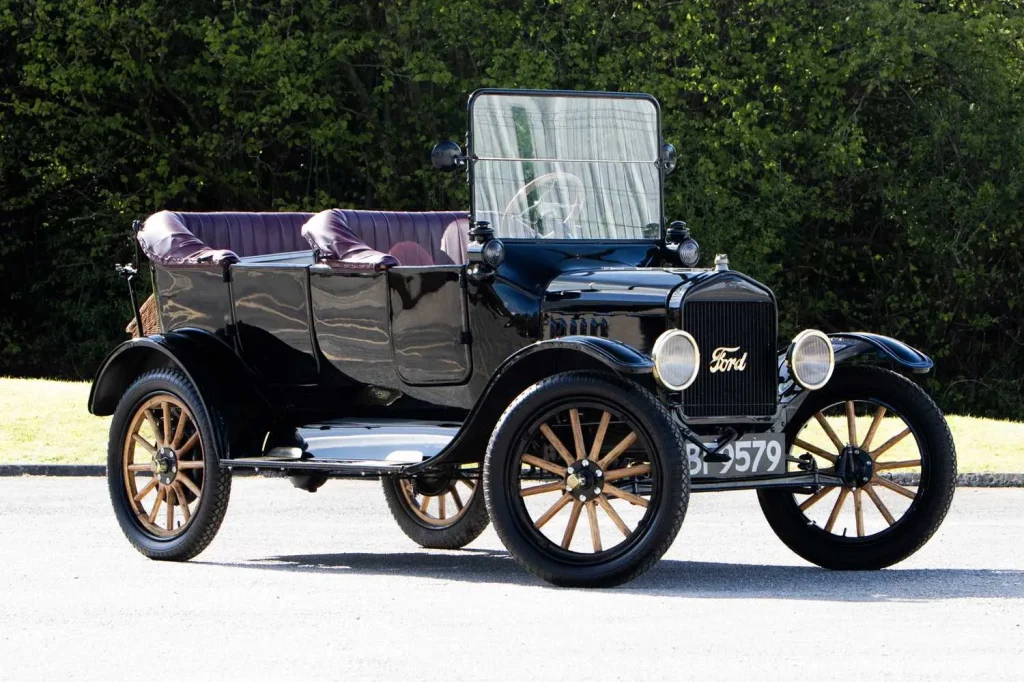
1. Ford Model T
One of the easiest ways to begin shaping a vintage themed garage is by taking inspiration from the era of early automobiles like the Ford Model T. Garages from this period were extremely simple, built around necessity rather than decoration.
This makes them perfect for a budget project because simplicity naturally reduces costs while increasing authenticity.
Instead of modern glossy cabinets, consider using unfinished wooden shelving. Early garages often used basic timber racks because they were cheap and easy to repair.
You can recreate this look using reclaimed wood from construction leftovers or old furniture. Even slightly uneven wood adds realism because early workshops were rarely perfectly finished.
Lighting is another powerful transformation tool. Modern LED panels can destroy the vintage atmosphere instantly. Instead, warm tone bulbs inside metal shade fixtures can change the entire feeling of the space.
Industrial clamp lamps or enamel workshop lights are often inexpensive and widely available in second hand markets. Even repainting modern fixtures in muted industrial colors can help them blend into the theme.
Floor treatment is often overlooked but makes a major difference. Many early garages had plain concrete floors stained by years of mechanical work.
Instead of covering the floor with expensive coatings, some builders actually recreate this aged appearance using subtle concrete stains. This approach costs far less than epoxy flooring while creating a far more believable vintage look.
Storage can also reflect early automotive workshops. Metal trunks, ammunition boxes, and old hardware drawers can be repurposed for tools.
These items often cost less than modern plastic storage while looking far more appropriate in a period themed garage. Mixing different storage styles instead of matching everything creates the imperfect appearance typical of older workspaces.
Wall details can be added slowly without major expense. Period correct advertisements, reproduction service charts, or framed copies of early automotive diagrams can often be printed cheaply. Slightly aging the paper with tea staining techniques can make them appear decades old.
Workbenches should feel sturdy rather than decorative. A thick wooden top mounted on simple steel legs can easily recreate the feel of an early mechanical workspace. Small details like bench vises, oil cans, and hand tools placed naturally rather than symmetrically help avoid a staged appearance.
Another overlooked detail is color restraint. Early garages rarely used bright decorative colors. Muted tones such as dark green, grey, faded red, and industrial blue can immediately shift the atmosphere toward a more believable vintage setting.
Most importantly, avoid trying to make everything look perfect. Small imperfections often create the strongest vintage impression. Scratches, uneven finishes, and visible repairs all tell a story and make the space feel lived in rather than designed.
Building around inspiration from early cars teaches an important lesson. Authenticity often comes from restraint, not spending. When done thoughtfully, even a modest garage can feel like it belongs to the earliest days of motoring.
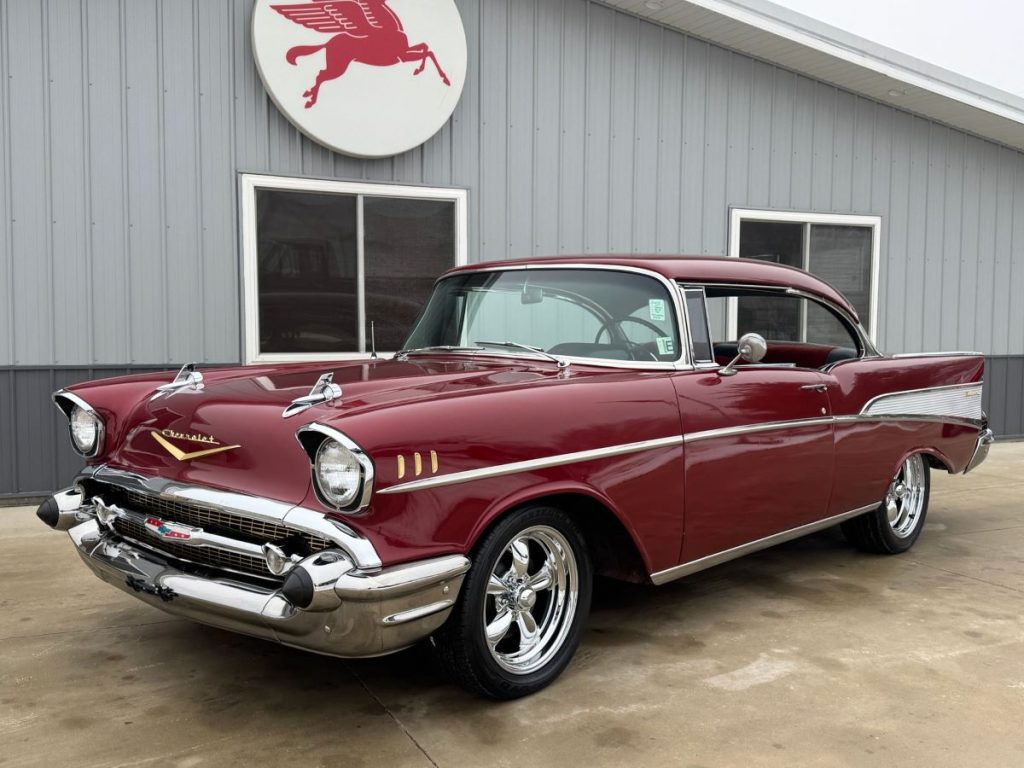
2. Chevrolet Bel Air (1957)
If the early automotive era was defined by simplicity, the 1950s introduced personality. Cars like the Chevrolet Bel Air came from a time when garages began reflecting pride of ownership. This does not mean expensive decoration is required.
Instead, the focus should be on selective visual highlights that create strong impact without requiring large purchases.
Start by thinking vertically rather than horizontally. Many people try to fill floor space first, but vintage garages often displayed items on walls.
This approach saves money while making the space feel curated. A few well placed metal signs, license plates, or reproduction dealership boards can instantly establish a mid century automotive atmosphere.
Color can be introduced more boldly here than in earlier themes. The 1950s embraced contrast. Even a single accent wall painted in a soft turquoise, cream, or pastel red can change the personality of a garage. Paint remains one of the cheapest ways to create dramatic transformation.
Seating can also define the mood without large expense. Old diner style chairs, used bar stools, or even reupholstered workshop stools can bring in the social feeling associated with 1950s car culture. Sometimes people sell these items cheaply simply because they appear outdated, which works perfectly for a vintage theme.
Music can also play a subtle role. A small retro style radio does not have to be functional to add atmosphere. Even non working pieces found in flea markets can serve as authentic visual anchors.
Tool display can also become decoration. Instead of hiding everything, consider arranging older hand tools on pegboards. Wrenches with polished wear marks often look better than brand new chrome sets. This turns functional equipment into visual storytelling.
Glass bottles from automotive fluids, even empty ones, can also act as low cost decorative pieces. Their old typography and shapes often reflect the design language of the period better than modern packaging ever could.
You can also introduce period correct typography through small details. Stenciled lettering on storage bins or painted labels on drawers can mimic the organized but practical style of mid century service garages.
Another smart budget trick is selective focus. Instead of trying to make the entire garage perfect, choose one corner to develop strongly. A single well detailed section often has more impact than a fully decorated but less convincing space.
Avoid mixing too many decades together. Keeping the visual theme centered around a single era makes even inexpensive items feel intentional rather than random.
What this era teaches is that character does not require quantity. A few strong visual cues placed thoughtfully can transform a space far more effectively than filling it with random decorations. Vintage atmosphere comes from cohesion, not clutter.
When done right, even small touches inspired by the 1950s can make a garage feel like it belongs to the golden age of American car culture.
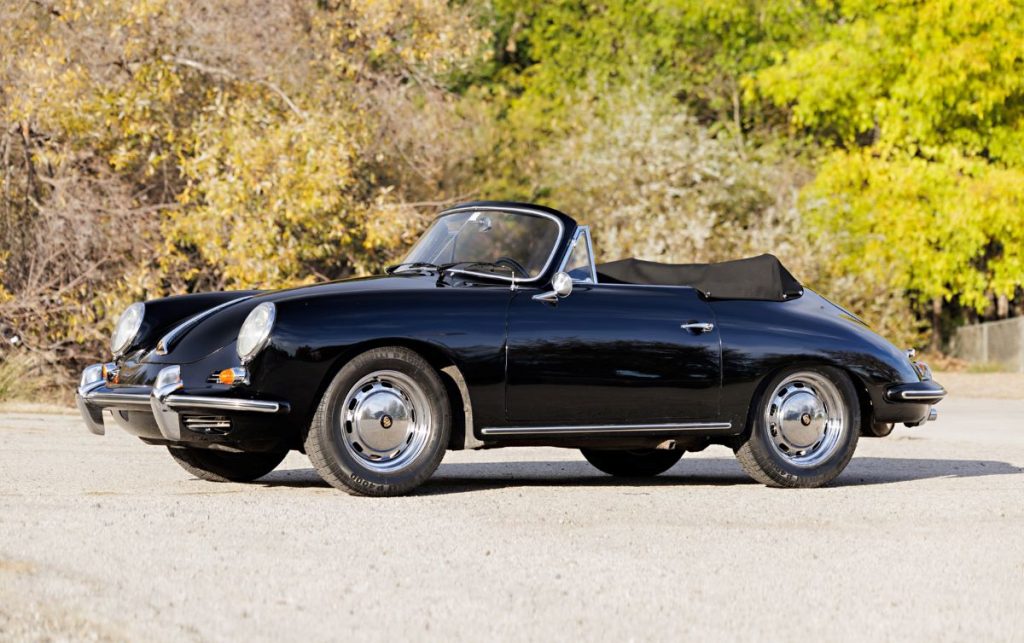
3. Porsche 356
Creating a vintage garage inspired by the environment surrounding cars like the Porsche 356 requires a completely different mindset compared to American classic garage styles.
European workshops of the 1950s and early 1960s often focused on efficiency, compact organization, and intelligent use of limited space rather than bold decoration. This makes this approach extremely suitable for builders working with small garages or tight budgets.
Rather than filling the space with visual noise, this approach benefits from controlled minimalism. A clean but aged environment can be achieved using neutral wall colors such as off white, light grey, or faded beige.
These shades were common in small European service garages because they reflected light well and made mechanical work easier. The advantage today is that such colors are inexpensive and easy to apply.
Instead of buying expensive storage systems, look toward modular stacking solutions. Vintage European garages frequently relied on simple metal bins and labeled parts trays.
Even affordable modern bins can be made to look period correct with simple label tags or painted numbering systems. The goal is to create a workshop that feels methodical rather than decorative.
Attention to surface textures also matters here. Raw metal, brushed aluminum, and unfinished wood can create the understated mechanical atmosphere typical of small continental workshops.
This style benefits from subtle contrast rather than strong color differences. Even placing a sheet of brushed metal over part of a workbench can change the visual tone dramatically without major expense.
Organization becomes the main visual feature rather than decoration. Carefully arranged tools hanging in logical order can become the visual identity of the garage. This style communicates the idea that the owner values precision and engineering rather than display. It creates a quiet confidence rather than loud nostalgia.
Another effective technique is to use period-style containers. Old fuel cans, oil storage tins, and mechanical parts boxes often have simple typography and muted paint. These can often be found cheaply because they are considered obsolete. In a vintage garage however they become authentic design elements.
Lighting should also follow a functional philosophy. Adjustable task lamps rather than decorative ceiling lights help reinforce the practical engineering character of the space. Directional lighting not only improves usability but also reinforces the workshop feeling associated with early European sports cars.
Instead of decorating with posters, consider technical inspiration. Framed engineering sketches, mechanical cutaway drawings, or period racing diagrams can create a more intellectual type of vintage atmosphere. This gives the space a purpose driven identity rather than a purely nostalgic one.
Floor space should remain open whenever possible. Many European garages were small and required flexibility. Avoid filling the center area unnecessarily. Mobility often becomes part of the visual story. Rolling carts, movable tool stands, and portable work surfaces all support this idea.
One unusual but effective trick is restraint in decoration height. Keeping most visual elements below eye level can replicate the practical focus of old race preparation workshops where everything existed for use rather than admiration.
This type of garage shows that vintage style does not always mean rustic or colorful. Sometimes it means thoughtful restraint, mechanical focus, and quiet organization. By focusing on efficiency instead of decoration, a builder can create a highly convincing vintage environment while spending very little money.
This philosophy proves an important truth. Vintage atmosphere is not always about age. Sometimes it is about attitude. A space that feels engineered rather than decorated can be just as authentic as one filled with nostalgic memorabilia.
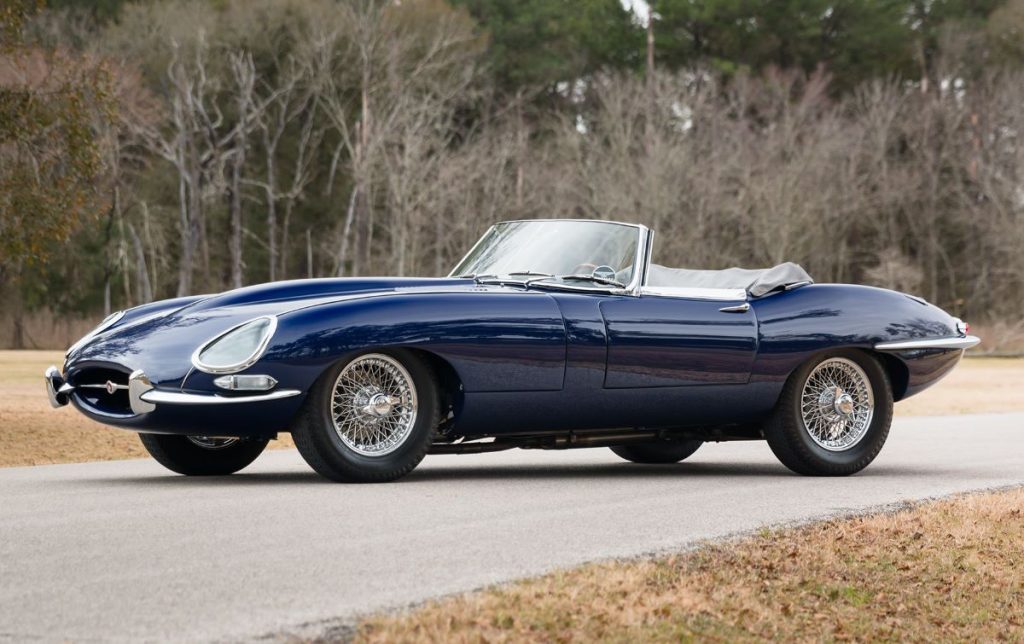
4. Jaguar E Type
A garage inspired by a car like the Jaguar E Type should feel different from both American and German workshop themes. British automotive spaces often carried a unique blend of elegance and practicality.
They were not flashy, yet they were not purely industrial either. This creates an opportunity to build a vintage garage that feels refined without requiring luxury spending.
Start by thinking about atmosphere rather than objects. British garages often had a slightly subdued character created through darker tones and natural materials.
Deep green, burgundy, charcoal, and walnut shades can establish this mood. Paint remains the cheapest transformation tool available, and selecting one strong heritage color can instantly set the tone.
Furniture selection should lean toward character rather than perfection. Instead of modern metal cabinets, consider older wooden cupboards or second hand office cabinets repainted in heritage colors. Slightly worn furniture often looks more appropriate than new pieces trying to look old.
Texture layering is another useful trick. Mixing leather, wood, steel, and aged rubber textures can create depth without buying expensive items. Even something as simple as an old leather chair placed near a workbench can shift the entire feeling of a garage from purely mechanical to enthusiast owned.
Unlike some vintage styles that focus heavily on clutter, this approach benefits from selective placement. Leave breathing space between elements. A single classic tool chest placed correctly often has more presence than several cheaper pieces crowded together.
Lighting should avoid harsh brightness. Soft warm lighting can create the slightly moody character associated with older British workshops. Using warm bulbs instead of cool white lighting is a small decision that produces major visual impact.
Another budget friendly idea is using fabric strategically. Old canvas covers, cotton shop rags, or even waxed cloth can introduce period authenticity. Draped naturally over equipment, these materials make the space feel active rather than staged.
Display philosophy can also change here. Instead of showing everything openly, consider partial concealment. Closed cabinets, covered shelves, and boxed tools can create the sense of a working garage rather than a showroom.
Small storytelling elements can also help. A clipboard with handwritten maintenance notes, an old calendar style print, or chalk markings on a small board can make the garage feel like it has ongoing mechanical life.
This approach also benefits from subtle asymmetry. British workshops often evolved gradually rather than through planned layouts. Slight irregularities in placement can make the space feel organically developed over time.
Avoid over polishing surfaces. Slight dullness in finishes often strengthens authenticity. A mirror like shine can sometimes break the vintage illusion.
What makes this theme interesting is that it focuses on emotional tone rather than visual noise. It shows that a garage can feel vintage through mood alone rather than through large collections of memorabilia.
This direction demonstrates that building a vintage garage is not just about copying objects from the past.
It is about recreating the feeling of a specific automotive culture. When done thoughtfully, even small and inexpensive details can produce a space that feels deeply connected to classic motoring heritage.
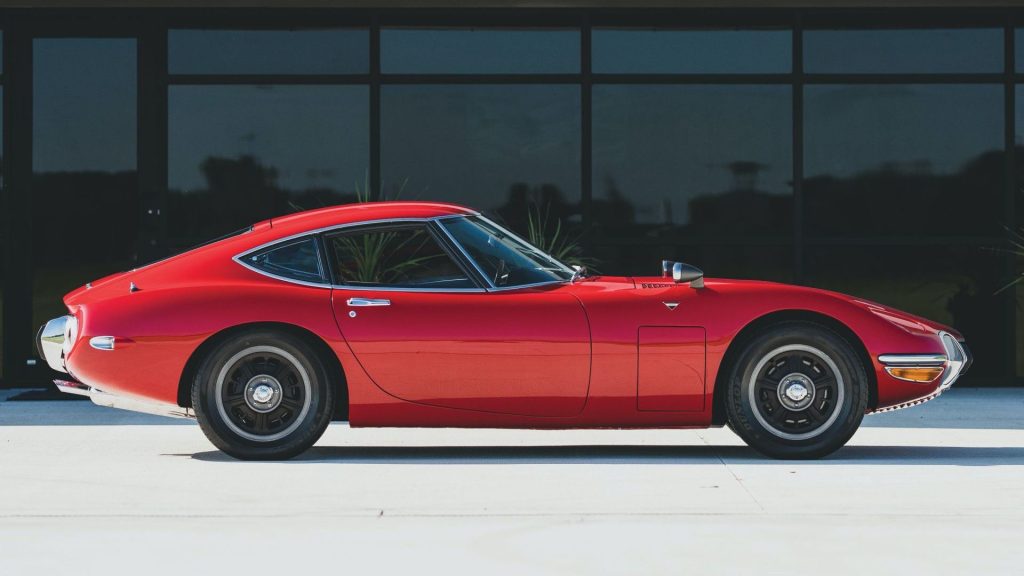
5. Toyota 2000GT
Designing a vintage themed garage around inspiration from a car like the Toyota 2000GT requires thinking differently from typical Western classic garage ideas. Japanese automotive spaces from the 1960s often reflected discipline, cleanliness, and intelligent use of limited resources.
Instead of focusing on decoration, the emphasis was often on respect for tools, careful arrangement, and purposeful simplicity. This makes it one of the most affordable vintage styles to recreate because it avoids unnecessary purchases.
One approach that works very well is defining zones inside the garage. Instead of treating the entire space as one open area, divide it mentally into small functional sections.
One area can be dedicated to tools, another to cleaning supplies, and another to display items. This structured approach automatically creates a professional vintage workshop feeling without spending anything.
Material choice can also influence authenticity. Japanese workshops often used a mix of wood and metal rather than plastic.
Even replacing modern plastic containers with simple wooden boxes or metal trays can shift the appearance dramatically. Many fruit crates or shipping boxes can be repurposed cheaply and still match the theme perfectly.
Cleanliness becomes part of the design rather than just maintenance. A tidy garage with clearly defined storage can look more vintage than a cluttered one filled with random decorations. This does not mean sterile perfection, but rather controlled order. Every tool should appear to have a purpose and a place.
Another interesting idea is introducing handwritten labeling. Instead of printed labels, simple marker or paint pen markings can recreate the practical identification systems used in older workshops. This detail costs nothing but adds strong authenticity.
Wall space can be used intelligently through horizontal tool rails instead of large cabinets. This saves money and keeps tools visible and accessible. The visual effect also supports the idea of mechanical discipline rather than decoration.
A very effective low cost detail is the use of floor mats. Rubber service mats or even repurposed industrial mats can define work areas and add realism. Slight wear improves the appearance rather than hurting it.
Instead of decorating with commercial signs, consider mechanical storytelling. Displaying spare components such as old carburetors, brake assemblies, or engine parts can add authenticity without requiring expensive memorabilia. Real mechanical pieces always look more convincing than reproduction decorations.
This style also benefits from neutral background colors. Light concrete tones, pale greys, and natural wood shades allow tools and machinery to become the main visual focus. Bright decorative colors are usually unnecessary in this approach.
Another philosophy worth following is quiet pride. Japanese vintage garages often reflect respect for craftsmanship rather than showmanship. Even small touches such as neatly folded cloths or carefully arranged fasteners can contribute to this feeling.
An unusual but effective trick is limiting visible branding. Instead of filling the space with logos, focus on mechanical identity. This creates a more authentic workshop feel rather than a collector display.
This approach proves that a vintage garage can feel authentic through discipline rather than decoration. It also shows that budget limitations can actually help because this philosophy rewards careful thinking rather than spending.
By focusing on order, simplicity, and mechanical respect, it becomes possible to create a highly convincing vintage garage that feels purposeful and historically inspired without requiring expensive collectibles or rare items.
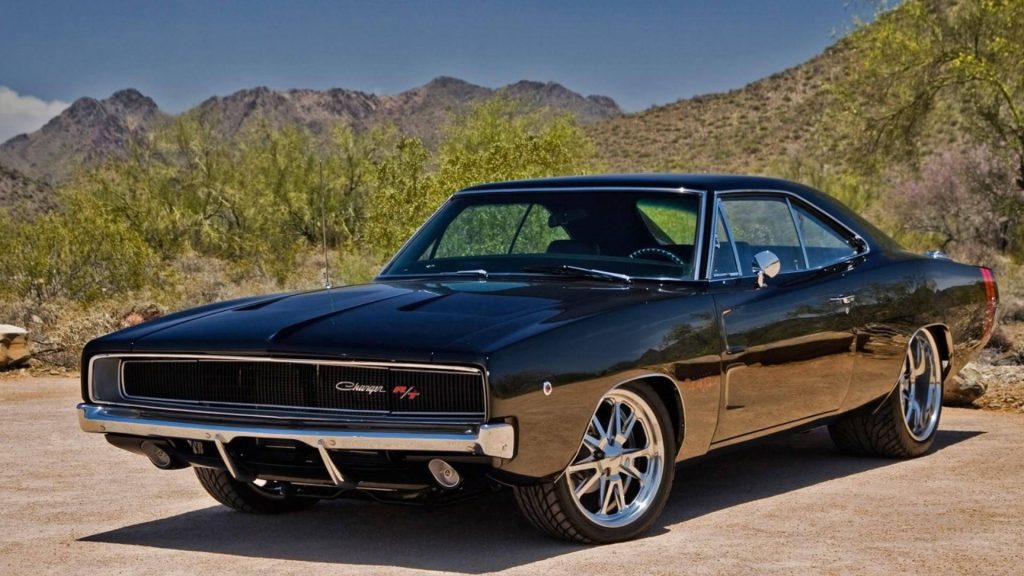
6. Dodge Charger (1969)
If the Japanese-inspired garage focuses on discipline, the muscle-car era, represented by the Dodge Charger, brings an entirely different energy.
This type of vintage garage should feel bold, practical, and slightly raw. It reflects a time when garages were places of weekend performance upgrades, late night repairs, and mechanical experimentation.
This theme works well on a budget because it embraces imperfection. Unlike more refined vintage styles, a muscle car inspired garage actually benefits from rough edges, visible repairs, and heavily used equipment. This means you do not need to hide wear. You can use it as part of the design.
Start by thinking about presence rather than decoration. Large visual anchors work better than many small objects. A large tool chest, a heavy duty jack, or even stacked tires can create a strong performance garage atmosphere without needing decorative items.
Wall treatment can also follow this philosophy. Instead of carefully curated displays, consider practical wall usage. Hanging extension cords, impact tools, or spare parts can create a believable working garage environment. Function becomes decoration.
This style also allows freedom with mixed materials. Concrete, exposed brick, raw steel, and heavy rubber all fit naturally. There is no need to match finishes. In fact, slight mismatch can strengthen the authenticity.
A useful budget trick is using automotive leftovers. Old wheels, used brake rotors, worn air filters, or retired exhaust pieces can become part of the visual identity. These items often cost nothing if sourced from repair shops or personal projects.
Another strong detail is the suggestion of ongoing work. Leaving a project board, open toolbox, or parts tray on a bench can make the garage feel alive. This storytelling effect costs nothing but adds realism.
Unlike some vintage styles, this approach allows darker and more aggressive color accents. Matte black, deep red, and dark blue can work well even in small amounts. A single painted cabinet or tool drawer can establish the tone.
Seating can also follow the same philosophy. Instead of decorative chairs, consider practical workshop stools or even modified automotive seats. Repurposing an old car seat into garage seating is often cheaper than buying furniture and fits the theme perfectly.
Sound can even influence design thinking. This type of garage should feel like a place where engines could start at any moment. Keeping space open and functional supports that feeling.
Another overlooked trick is weight distribution. Heavier objects placed low and lighter objects higher can recreate the grounded visual balance common in old performance garages.
Avoid over organizing this style. Too much symmetry can remove the authentic muscle garage feeling. Controlled chaos often looks more believable than perfect alignment.
What this theme ultimately shows is that a vintage garage does not always need to look delicate or curated. Sometimes it should feel powerful and ready for work. This makes it one of the easiest themes to achieve without spending heavily.
By embracing strength, function, and mechanical honesty, this approach allows a builder to create a convincing vintage performance garage using mostly practical items rather than decorative purchases.
Creating a vintage themed garage on a budget is about smart choices, not big spending. Using reclaimed materials, period inspired organization, practical lighting, and authentic textures can transform any space.
Focusing on function, atmosphere, and gradual additions helps build a garage that feels historically authentic, personal, and mechanically meaningful without unnecessary expense.
Also Read: 10 Cars With the Most Unusual Engine Placements in History
