Diesel engines have long been celebrated for their torque, durability, and efficiency, but the transition to Ultra-Low Sulfur Diesel (ULSD) has challenged manufacturers to rethink engine design. Modern diesel powerplants must balance fuel economy, emissions compliance, and performance, all while running on cleaner, lower-lubricity fuels.
The “Top 8 Diesel Powerplants That Run Efficiently on Modern Ultra Low Sulfur Fuel” showcases engines that exemplify this balance, from compact European four-cylinders to heavy-duty American workhorses and advanced large-displacement inline-sixes.
These engines incorporate high-pressure fuel injection, advanced combustion technologies, lightweight materials, and, in many cases, mild-hybrid systems to extract maximum energy from ULSD.
Whether it’s the Volkswagen 2.0 TDI optimized for urban and highway efficiency, the Mercedes-Benz OM654’s refined four-cylinder design, or the Mazda 3.3L e-Skyactiv D’s high-torque hybridized setup, each powerplant demonstrates how modern engineering can deliver exceptional efficiency, power, and emissions compliance in today’s diesel market.
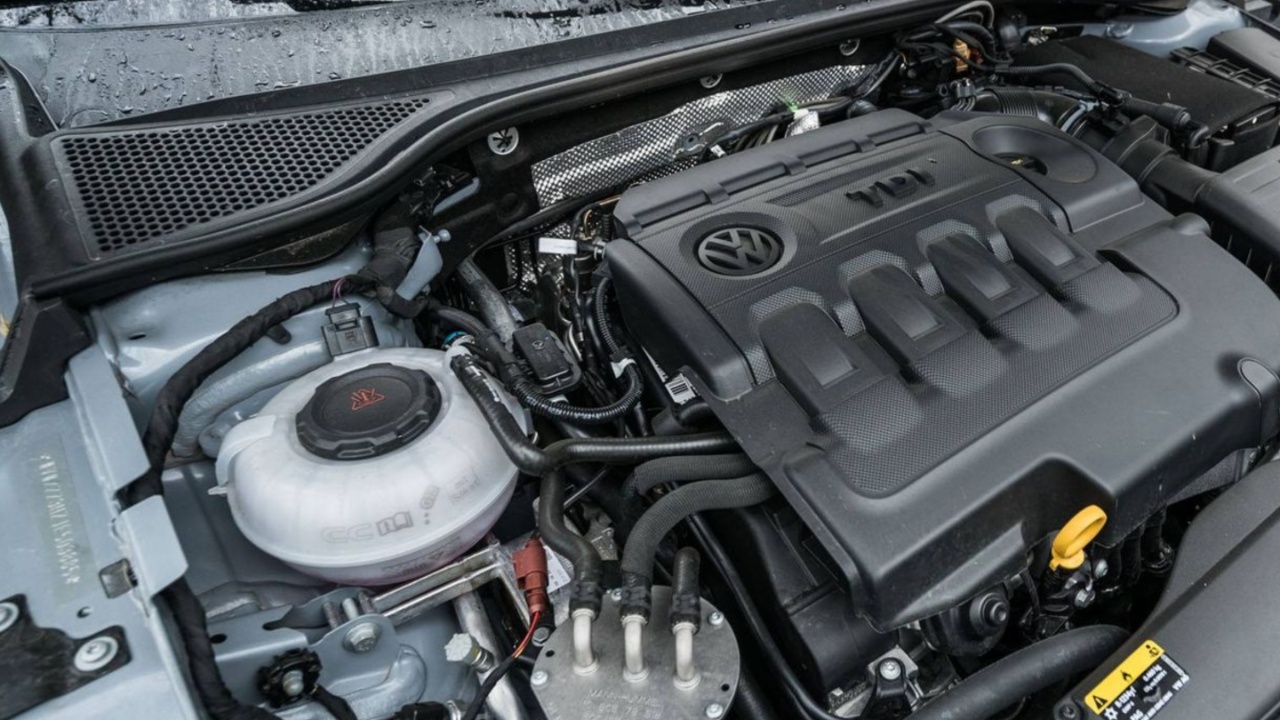
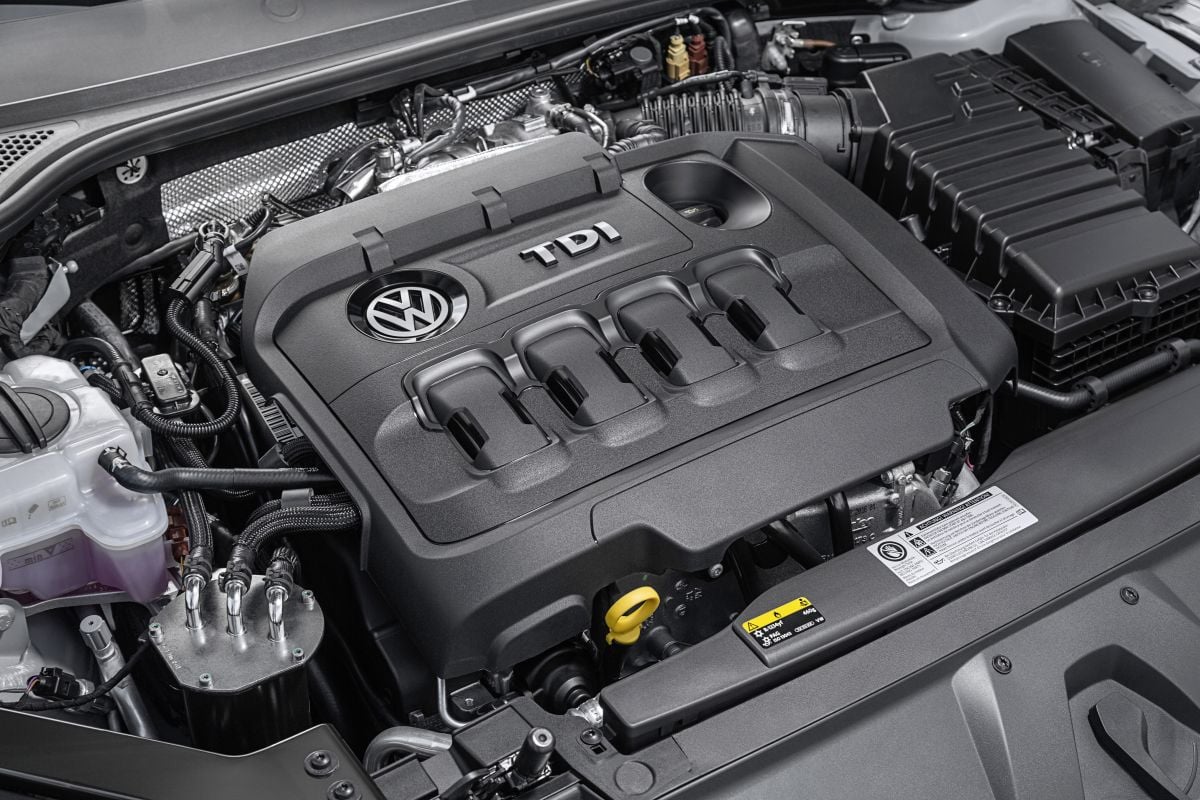
1. Volkswagen 2.0 TDI (EA288 Evo): Advanced Diesel Efficiency and Performance
The Volkswagen 2.0 TDI (EA288 Evo) is the latest evolution of Volkswagen’s 2.0L turbo-diesel engine, combining high efficiency, strong performance, and stringent emissions compliance. At its core is the “twin-dosing” system, featuring dual Selective Catalytic Reduction (SCR) catalysts with double AdBlue injection.
This setup reduces nitrogen oxide (NOx) emissions by up to 90%, meeting Euro 6d-TEMP standards. Optimized for Ultra Low Sulfur Diesel (ULSD), the engine delivers real-world fuel efficiency of up to 64.2 mpg in models such as the Volkswagen Golf and Skoda Octavia, making it one of the most economical diesel engines on the market.
The EA288 Evo achieves its efficiency through advanced combustion engineering and precise fuel delivery. Its high-pressure injectors operate at 2,200 bar and can perform up to nine injections per combustion cycle, enabling optimized fuel burning and lower raw emissions.
The combustion chamber has been redesigned to enhance thermal efficiency, reduce pollutants, and increase power output by up to 9% compared to earlier EA288 units.
Friction reduction measures, including lower piston ring tension, roller bearings, and an improved lubrication system, help improve fuel economy, while separate cooling circuits for the cylinder head and engine block allow the engine to reach optimal temperatures faster, reducing fuel consumption during cold starts.
The engine is also prepared for modern fuels and mild-hybrid integration. Designed specifically for ULSD, it protects components such as the Diesel Particulate Filter (DPF) from clogging.
Compatibility with a 48V mild-hybrid system allows the use of a belt starter generator, enabling stop-start driving, coasting with the engine off, and improved fuel efficiency. These enhancements reduce CO₂ emissions by around 10 g/km while providing power outputs from 136 PS (100 kW) to 204 PS (150 kW) and torque up to 295 lb-ft.
In terms of driving experience, the EA288 Evo offers responsive performance with reduced turbo lag, thanks to an air-to-water intercooler integrated into the intake manifold. The engine is quiet and refined, well-suited for long-distance driving, and pairs effectively with a 7-speed DSG automatic transmission for smooth shifts.
Common issues include AdBlue system faults, water pump failures, and DPF-related problems under frequent short trips. Despite these, the EA288 Evo is regarded as one of Volkswagen’s best diesel engines, providing a strong balance of performance, fuel efficiency, and modern emissions compliance.
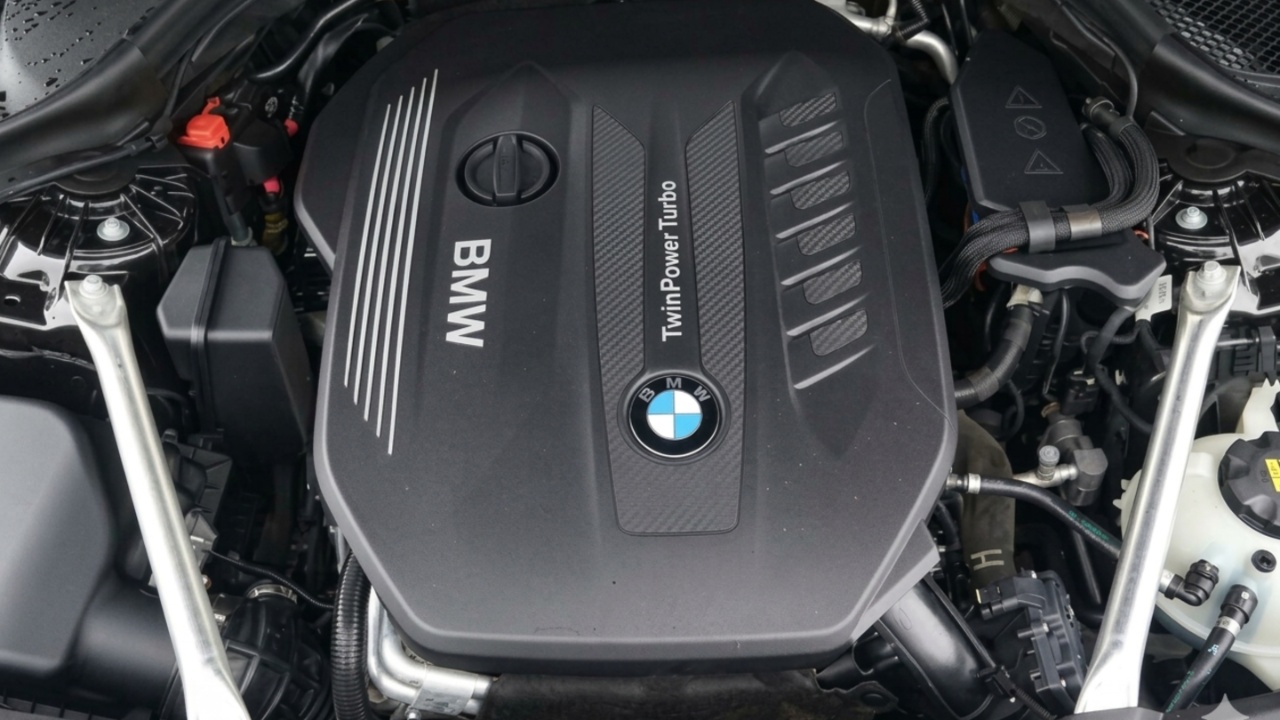
2. BMW B57 3.0L Inline-Six: High-Performance, Efficient Diesel
The BMW B57 is a 3.0-liter inline-six diesel engine that sets the benchmark for performance, refinement, and fuel efficiency in the luxury segment. Introduced as the successor to the N57, the B57 powers vehicles such as the BMW 5 Series, X5, and X7, and is available in single, twin, and quad-turbo configurations.
It produces up to 400 hp and 760 Nm of torque in its top-spec M50d variant, with the quad-turbo version delivering 560 lb-ft of immediate torque, enabling rapid acceleration and confident highway performance. Despite its power, the B57 achieves strong fuel economy, often between 31–43 mpg (US), and in some applications, even higher efficiency figures are reported.
The B57 achieves this combination of power and efficiency through advanced high-pressure fuel injection and multi-stage turbocharging. Piezo injectors operate at pressures up to 2,700 bar, ensuring precise fuel atomization and clean, complete combustion, maximizing energy extraction from every drop of Ultra Low Sulfur Diesel (ULSD).
Multi-stage turbocharging with variable geometry turbines reduces turbo lag and optimizes efficiency across all engine speeds. The aluminum engine block, reinforced with steel-coated cylinders, reduces weight while maintaining rigidity, contributing to both fuel economy and refined handling.
Emissions management is a key strength of the B57. It utilizes an advanced Diesel Particulate Filter (DPF) and Selective Catalytic Reduction (SCR) system, optimized for ULSD and renewable HVO100 fuel. These systems maintain low emissions without risk of clogging from high sulfur content.
The engine also integrates 48-volt mild-hybrid technology (MHEV) in newer versions, using a belt-driven starter generator to improve fuel efficiency, reduce engine load during acceleration, and provide an additional torque boost of 8 kW. High-quality ULSD with a cetane number above 51 is recommended to maintain peak performance, clean combustion, and reliable cold starts.
The B57 is renowned for refinement, with quiet operation that rivals gasoline engines, and strong durability, featuring a rear-mounted timing chain designed to resist stretch. While maintenance requires specialized care, common considerations include soot buildup in the intake manifold and limited tuning potential in turbocharged variants.
Despite these, the B57 remains a top-tier modern diesel, offering the perfect balance between high torque for luxury SUVs, impressive fuel efficiency, and clean, compliant operation for long-distance driving. It exemplifies BMW’s approach to blending performance, efficiency, and advanced diesel technology.
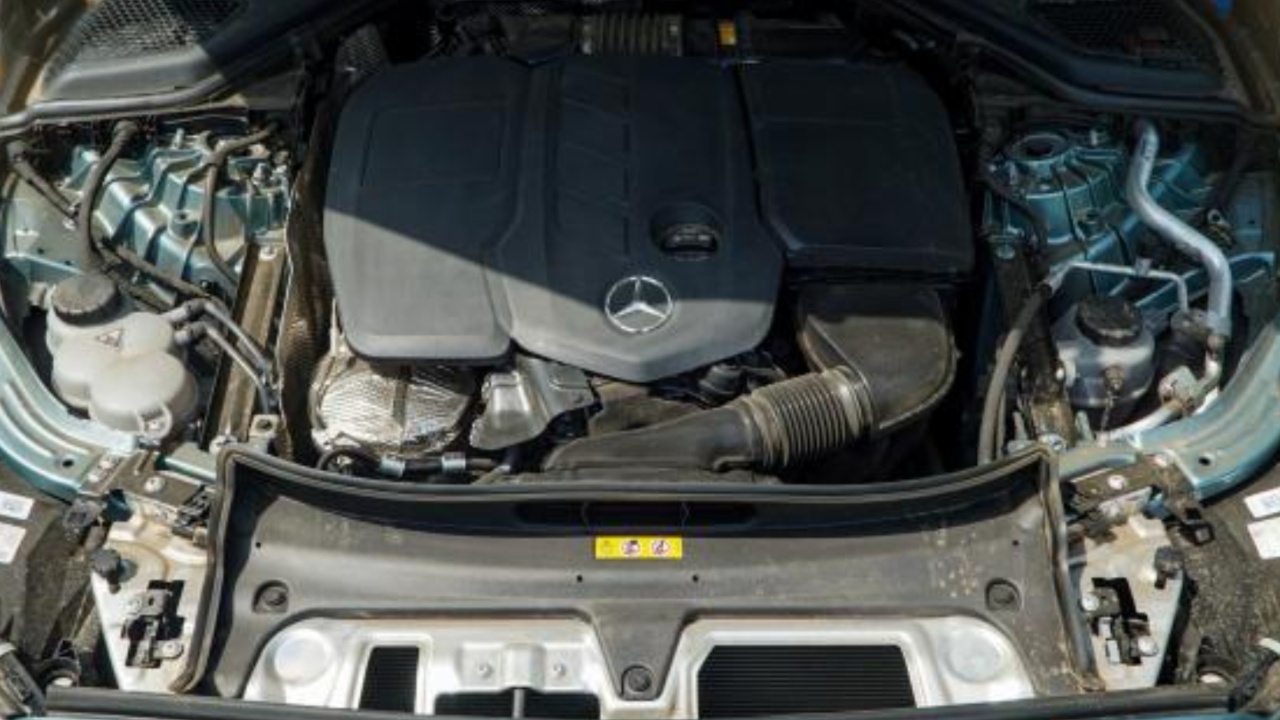
3. Mercedes-Benz OM654 2.0L Four-Cylinder: Efficient, Refined, and Durable Diesel
The Mercedes-Benz OM654 is a 2.0-liter four-cylinder diesel engine that represents a major advancement in efficiency, refinement, and emissions control for the brand. As Mercedes-Benz’s first all-aluminum four-cylinder diesel, the OM654 was designed to be lighter, more compact, and technologically advanced compared to its predecessor, the OM651.
It powers models such as the C-Class, E-Class, and Sprinter van, achieving a combined fuel efficiency of around 62.8 mpg while delivering smooth, quiet performance. With robust construction and modern emissions systems, the OM654 is highly durable when run on high-quality Ultra-Low Sulfur Diesel (ULSD), making it ideal for long-distance executive driving.
The engine’s efficiency stems from several key engineering innovations. Its combustion system features “stepped bowl” pistons, creating a more complete burn, reducing soot formation, and minimizing fuel wetting of cylinder walls. This design enhances thermal efficiency and improves fuel economy.
High-pressure common-rail fuel injection, operating at up to 2,050 bar (or 2,500 bar in some variants), ensures precise atomization and metering of fuel, optimizing combustion and extracting maximum energy from ULSD. Steel pistons combined with NANOSLIDE® cylinder coatings reduce internal friction by 25–50%, contributing to smoother operation and higher fuel efficiency.
Emissions control is integrated directly on the engine, with the Diesel Particulate Filter (DPF), Selective Catalytic Reduction (SCR), and AdBlue injection components mounted in a “hot end” configuration.
This design reduces heat loss and allows emission systems to reach optimal operating temperatures quickly, enhancing efficiency and minimizing NOx and particulate emissions. The OM654 meets Euro 6d and Real Driving Emissions (RDE) standards and is fully optimized for ULSD, which prevents clogging and ensures long-term durability of aftertreatment components.
Many OM654 variants also support 48-volt mild-hybrid technology (OM 654 M) with a belt-driven starter-generator, enabling energy recovery, reducing fuel consumption during acceleration, and improving stop-start efficiency.
The engine produces between 110–143 kW (150–194 hp) and 320–400 Nm of torque, delivering linear, refined power that pairs well with Mercedes-Benz’s 9G-TRONIC transmission for smooth and responsive driving.
While generally reliable, some units have experienced camshaft bearing wear, which can lead to misfiring and rough running.
Despite this, the OM654 is widely regarded as a highly efficient, quiet, and durable diesel engine that combines lightweight construction, advanced combustion technology, and integrated emission controls to provide strong performance, lower fuel consumption, and reduced emissions across a wide range of Mercedes-Benz vehicles.
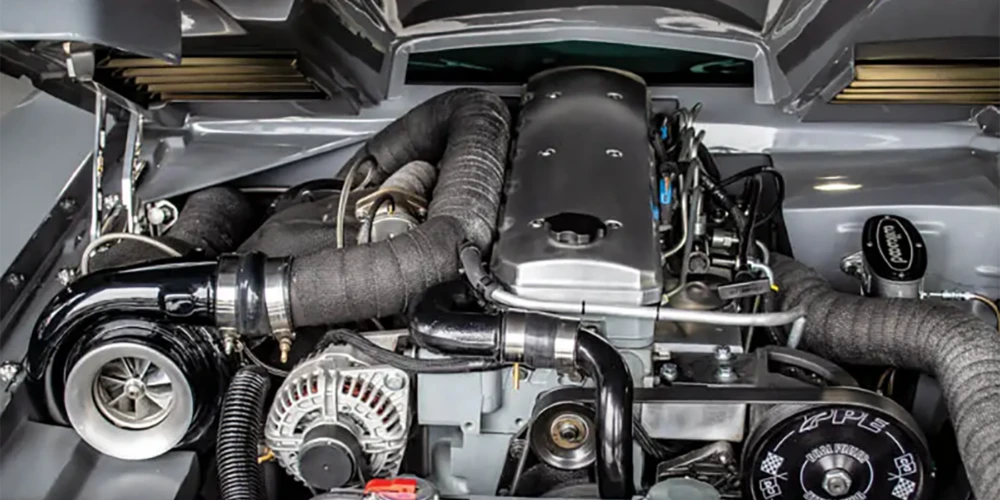
4. Cummins 6.7L Turbo Diesel (B-Series): Heavy-Duty Power and Durability
The Cummins 6.7L Turbo Diesel (B-Series) is a benchmark in heavy-duty diesel engines, widely recognized for its power, longevity, and reliability. Primarily found in the Ram 2500 and 3500 pickups, this engine has become a staple for North American drivers requiring extreme towing and load-hauling capabilities.
Modern 6.7L Cummins engines are fully optimized for Ultra Low Sulfur Diesel (ULSD) and are engineered to meet post-2007 emissions standards, combining high-pressure fuel injection, variable geometry turbocharging, and integrated aftertreatment systems for maximum efficiency. With proper maintenance, these engines can surpass 300,000 miles, making them legendary “workhorses” in their class.
The engine’s efficiency on ULSD is driven by its high-pressure common-rail (HPCR) fuel system. Bosch injectors allow multiple injections per cycle, ensuring precise atomization and complete combustion. Hardened fuel system components protect against the reduced lubricity of modern ULSD, while high injection pressures minimize soot and maximize fuel economy.
Complementing this is a Variable Geometry Turbocharger (VGT), often a Holset unit, which electronically adjusts turbine vanes to optimize airflow across all RPM ranges. This reduces turbo lag, enhances volumetric efficiency, and ensures strong fuel economy under heavy loads, particularly during towing.
Integrated emissions management further improves performance and compliance. The Diesel Particulate Filter (DPF) captures soot, while the Selective Catalytic Reduction (SCR) system, using Diesel Exhaust Fluid (DEF), reduces nitrogen oxide (NOx) emissions. By relying on SCR instead of heavy exhaust gas recirculation, Cummins has been able to maintain high efficiency without compromising emissions compliance.
The 6.7L Cummins is built for durability and high torque. Featuring a cast-iron block, forged steel connecting rods, and high compression ratios (16:1–19:1), it delivers exceptional thermal efficiency and can produce over 1,000 lb-ft of torque in recent high-output variants.
Modern versions offer up to 430+ horsepower, with towing capacity exceeding 30,000 pounds in properly equipped Ram 3500 trucks. Additionally, the engine is B20 biodiesel-capable, which restores lubricity lost in ULSD refining and supports fuel flexibility.
While highly reliable, the 6.7L Cummins has some known weak points, including potential DPF and VGT issues if not properly exercised, grid heater bolt failures, and higher failure rates in the Bosch CP4.2 high-pressure fuel pump in newer models.
Despite these minor concerns, the engine remains a top choice for commercial and heavy-duty applications, blending commercial-grade toughness, long-term durability, and efficient ULSD operation. Its combination of torque, reliability, and modern emissions compliance solidifies the 6.7L Cummins as a premier heavy-duty diesel engine.
Also read: 5 Cars With Simple Interiors That Age Well vs 5 With Too Much Fragile Plastic
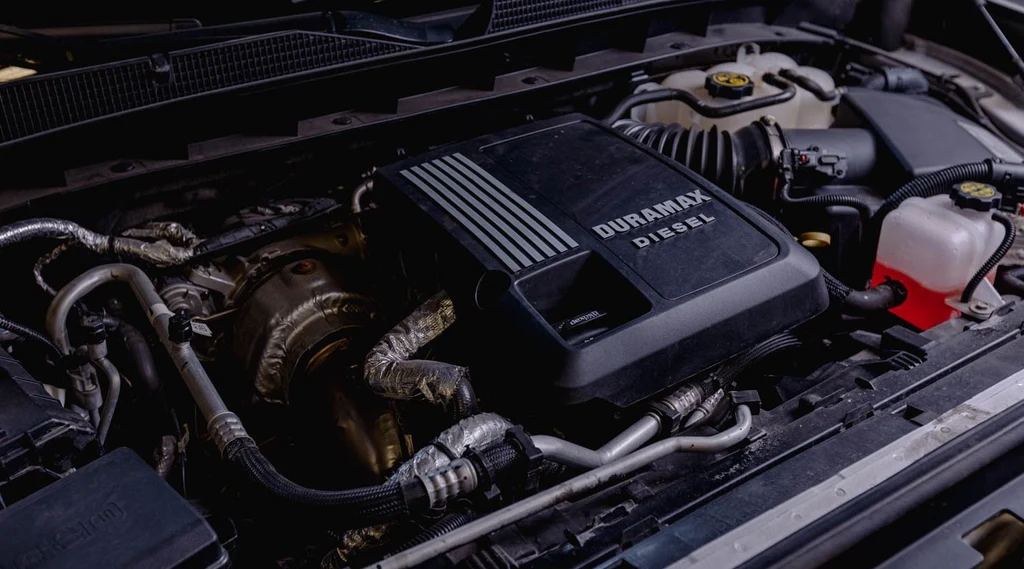
5. Duramax 3.0L LM2/LZ0 Inline-Six: Efficient Diesel for Full-Size Trucks
The Duramax 3.0L LM2 and LZ0 inline-six diesel engines, found in the Chevrolet Silverado and GMC Sierra, are widely regarded as the most fuel-efficient diesel options for full-size American pickups.
Designed from the ground up for the Ultra-Low Sulfur Diesel (ULSD) era, these engines combine smooth, car-like refinement with practical fuel economy, often achieving 26–33 mpg on the highway. Lightweight construction, including an aluminum block and ceramic glow plugs, allows rapid cold starts and efficient thermal cycles, making the engine ideal for daily driving and long-distance travel.
The Duramax engines are engineered to operate efficiently on ULSD, which is critical for protecting modern emission-control systems. Both LM2 and LZ0 variants feature Diesel Particulate Filters (DPF) and Selective Catalytic Reduction (SCR) systems that rely on low-sulfur fuel to avoid damage and maintain longevity.
High-pressure common-rail injection, reaching up to 36,260 psi (2,500 bar), ensures precise fuel atomization, complete combustion, and maximized thermal efficiency. A high 16:1 compression ratio further enhances combustion stability and energy extraction from each fuel charge.
Advanced technologies contribute to the engines’ strong efficiency and drivability. A Variable Geometry Turbocharger (VGT) adjusts vanes electronically for optimized boost across all RPM ranges, reducing turbo lag and improving volumetric efficiency.
Active thermal management and variable intake manifolds optimize engine warm-up and airflow control, improving combustion and reducing friction during cold starts and everyday operation. Start-stop technology further enhances fuel savings in traffic.
The LZ0 variant introduced steel pistons for higher cylinder pressures, resulting in about a 10% increase in power and a 7.6% increase in torque compared to the LM2. Rear-mounted gear trains reduce vibration and improve packaging, while the inline-six design ensures inherent smoothness and minimal mechanical losses.
Diesel Exhaust Fluid (DEF) works with the SCR system to reduce nitrogen oxides (NOx), while precise calibration of ULSD combustion extends DPF life. Both engines are capable of running on B20 biodiesel blends, enhancing versatility and environmental performance.
The 3.0L Duramax produces 460–495 lb-ft of torque and is capable of towing up to 13,300 pounds. The LZ0 (2023+) addressed issues in the earlier LM2 (2019–2022), including more robust oil pump belts, improved injectors, and steel pistons. While generally reliable and refined, maintenance can be more complex due to the rear-mounted timing components and advanced emission systems.
The Duramax 3.0L inline-six is an ideal choice for full-size truck owners prioritizing fuel efficiency, smooth driving, and light-to-moderate towing capability, providing a superior balance of economy, refinement, and performance over traditional gasoline V8s.
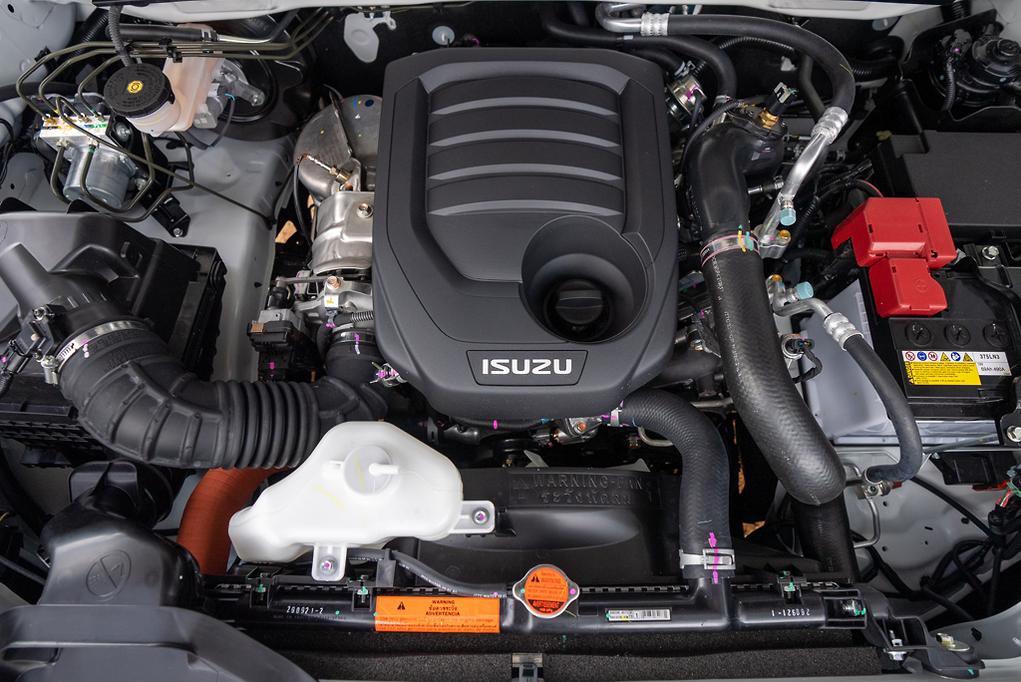
6. Isuzu 1.9L RZ4E-TC: Efficient and Practical Diesel for Daily Use
The Isuzu 1.9L RZ4E-TC, part of Isuzu’s BluePower engine lineup, powers models like the D-MAX and MU-X. Designed as a downsized replacement for larger, thirstier engines, it prioritizes fuel efficiency, refinement, and compliance with modern emissions standards, including Euro 6.
Lightweight and technologically advanced, the engine often delivers over 35 mpg in real-world driving, making it a preferred choice for daily commuters and urban SUV owners. Its quiet operation, smooth torque delivery, and durable construction make it highly practical for long-distance travel while keeping running costs low.
The engine is optimized for Ultra-Low Sulfur Diesel (ULSD), which is essential for modern emission-control components. It uses a high-pressure common-rail fuel injection system to achieve precise atomization, promoting complete combustion, reducing carbon buildup, and maximizing fuel efficiency.
To handle the reduced lubricity of ULSD, critical components such as fuel injector needles and piston pins are coated with Diamond-Like Carbon (DLC), reducing friction and wear under high pressure and temperature.
Graphite-coated pistons further reduce internal friction, and the engine’s aluminum construction makes it 62 kg lighter than the 2.5L 4JK1-TC engine it replaces, improving the power-to-weight ratio and enhancing fuel efficiency.
The RZ4E-TC also features a water-cooled Variable Geometry Turbocharger (VGS), which maintains optimal air pressure across all engine speeds, ensuring cleaner combustion and better thermal efficiency.
Its combustion chamber, designed with a clothoid curve, improves the air-fuel mixture for consistent performance and reduced fuel consumption. These engineering solutions allow the engine to deliver 148 horsepower at 3,600 rpm and 350 Nm of torque between 1,800–2,600 rpm, providing strong low-RPM performance ideal for city driving.
Paired with a six-speed automatic transmission, the engine keeps RPMs low in urban conditions, contributing to fuel savings and a smooth, refined driving experience. The 1.9L RZ4E-TC excels in fuel economy, achieving 12–16 km/L in city traffic and up to 18.2 km/L on highways, while maintaining quiet, petrol-like operation at idle.
Although it cannot match larger 3.0L engines in towing or high-speed acceleration, it is perfectly suited for daily commuting, family use, and moderate payloads.
The Isuzu 1.9L RZ4E-TC is a highly efficient, lightweight, and durable diesel engine. Its advanced ULSD-optimized technologies, low-friction materials, and refined torque delivery make it ideal for drivers prioritizing economy, smoothness, and practicality in compact pickups and SUVs, offering an excellent balance of performance, efficiency, and reliability.
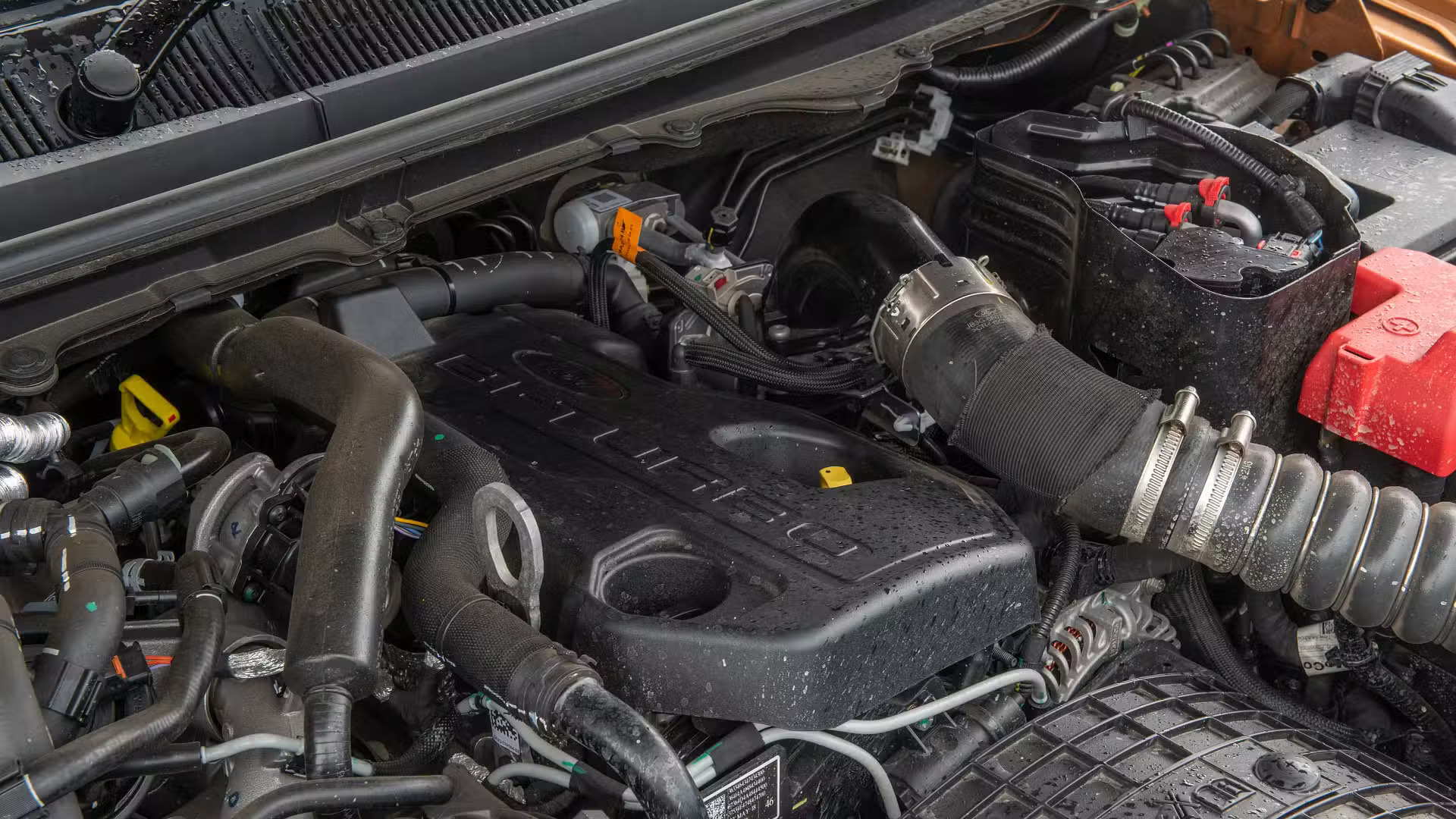
7. Ford 2.0L EcoBlue: Efficient and Refined Diesel for Cars and Commercial Vehicles
The Ford 2.0L EcoBlue diesel engine is a core powerplant in Ford’s European lineup, powering models such as the Focus, Mondeo, Kuga, Ranger, and Transit van. Designed to replace the older Duratorq engines, it focuses on improved torque, fuel efficiency, and refinement.
Built specifically for Ultra-Low Sulfur Diesel (ULSD), the engine relies on modern 15-ppm sulfur fuel to protect its advanced emission-control systems, including the Diesel Particulate Filter (DPF) and Selective Catalytic Reduction (SCR). Users appreciate its smooth operation, quiet performance, and durability, making it suitable for both family vehicles and commercial haulage.
Efficiency is achieved through a combination of advanced fuel injection, low-friction design, and optimized combustion architecture. The EcoBlue uses a high-pressure common-rail system, producing up to 2,000 bar of pressure, with piezoelectric injectors delivering fuel up to six times per cycle.
This precise atomization ensures complete combustion, maximizes energy extraction, and reduces emissions. The engine’s low-friction features, including a 10 mm offset crankshaft to minimize piston side-load, belt-in-oil camshaft and oil pump technology, and a downsized four-cylinder iron block, contribute to improved fuel economy and reduced wear.
Advanced turbocharging further enhances performance and efficiency. A low-inertia, variable-geometry turbocharger (VGT) optimizes airflow across all RPM ranges, improving low-end torque, reducing turbo lag, and ensuring consistent responsiveness in both light and heavy vehicles.
The integrated intake manifold with mirror-image porting allows uniform airflow into each cylinder, enhancing combustion efficiency and smooth power delivery. These technologies together deliver up to 12% better fuel economy compared to previous-generation TDCi engines, along with up to 20% more low-end torque.
The EcoBlue is built for durability and long service life. Ford has tested the engine for over 5.5 million kilometers, ensuring reliability in both commercial and passenger applications.
It is available in multiple outputs, including a Bi-Turbo variant, offering smooth and linear acceleration even in heavier vehicles like the Transit and Ranger. Refinement is strong, with noise levels reduced by up to 4 dB at idle, producing a quiet, car-like driving experience.
While highly capable, the engine requires careful maintenance. Potential issues include timing belt wear in the wet-belt system, regular AdBlue refills every 2,500–6,500 miles, and general maintenance demands due to its high-tech components.
The Ford 2.0L EcoBlue is a refined, fuel-efficient, and durable diesel engine. Its combination of high-pressure injection, low-friction design, advanced turbocharging, and ULSD-optimized emission systems makes it an excellent choice for both daily-driven SUVs and commercial workhorse vehicles, delivering strong torque, smooth performance, and low emissions when properly maintained.
8. Mazda 3.3L e-Skyactiv D: Efficient Inline-Six Diesel with Mild-Hybrid Support
The Mazda 3.3L e-Skyactiv D is a large-displacement inline-six diesel engine developed for the CX-60 and CX-80 SUVs, combining strong torque, fuel efficiency, and refinement. Unlike the trend of downsizing, Mazda’s approach uses a larger engine to operate more efficiently under varied loads.
When paired with a 48-volt mild-hybrid system and running on Ultra-Low Sulfur Diesel (ULSD), it achieves roughly 50 mpg (5.5–6.0 L/100 km), demonstrating that larger engines can deliver superior efficiency in heavy SUVs compared to smaller, highly stressed units.
The engine achieves high efficiency on ULSD through advanced combustion technology, low-friction components, and mild-hybrid assistance. Mazda employs “Distribution-Controlled Partially Premixed Charge Compression Ignition” (DCPCI) technology, which improves thermal efficiency to over 40% by promoting cleaner and more complete combustion.
High-pressure piezo fuel injectors, operating above 2,500 psi, precisely atomize fuel for optimal energy extraction from ULSD while reducing soot and nitrogen oxide (NOx) emissions. The cleaner-burning, high-cetane content of ULSD allows the engine’s systems to function effectively and maintain durability without overloading the aftertreatment components.
Engineering refinements further enhance performance and efficiency. A lower compression ratio improves fuel-air mixing, leading to cleaner combustion and reduced emissions.
Pistons and crankshaft components are 25% lighter, lowering internal friction and contributing to smoother combustion cycles. The 48V mild-hybrid system powers auxiliary systems, supports i-STOP engine idling, and assists in energy recovery during acceleration and braking.
The 3.3L e-Skyactiv D provides strong low-end torque and linear power delivery, making it suitable for heavy SUVs. It is paired with an 8-speed automatic transmission that offers a direct driving feel, although some reviews note occasional hesitation in gear shifts. The engine contributes to a quiet, refined cabin environment, supporting long-distance cruising with high efficiency.
Some trade-offs include a firm or occasionally unsettled ride, heavier steering in certain driving situations, and a slightly dated infotainment interface.
Despite these minor drawbacks, the Mazda 3.3L e-Skyactiv D combines modern diesel engineering, ULSD optimization, and mild-hybrid technology to deliver a large SUV engine that is both efficient and powerful, proving that careful design can reconcile fuel economy with performance in demanding applications.
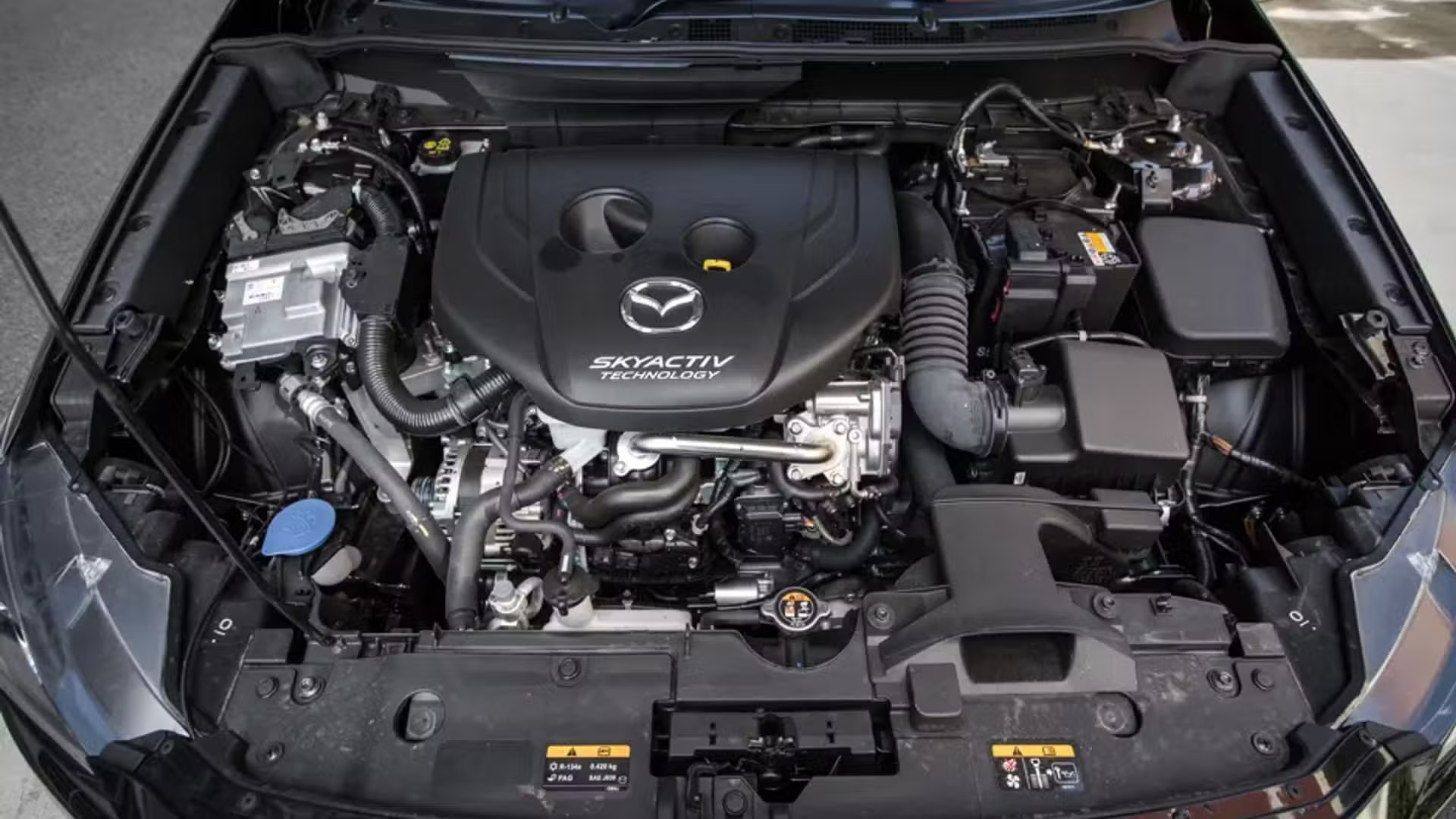
The eight engines presented demonstrate how diesel technology has evolved to operate efficiently on Ultra-Low Sulfur Diesel. From city-focused European vehicles to heavy-duty North American pickups, each engine combines precise fuel delivery, low-friction components, and advanced emissions systems to achieve excellent fuel economy without reducing performance.
Many engines also incorporate mild-hybrid technology, variable-geometry turbochargers, and lightweight construction to further improve efficiency and drivability. While the design priorities differ between engines like the Isuzu 1.9L RZ4E-TC for urban use and the Cummins 6.7L B-Series for extreme towing, all are optimized for ULSD, ensuring durability, reduced emissions, and cost-effective long-term operation.
These eight diesel powerplants provide reliable, fuel-conscious options for drivers who need both efficiency and capability, showing that modern diesels can meet strict environmental standards while remaining powerful and practical.
Also read: Top 10 Cars With the Most Useful Hidden Storage Compartments