
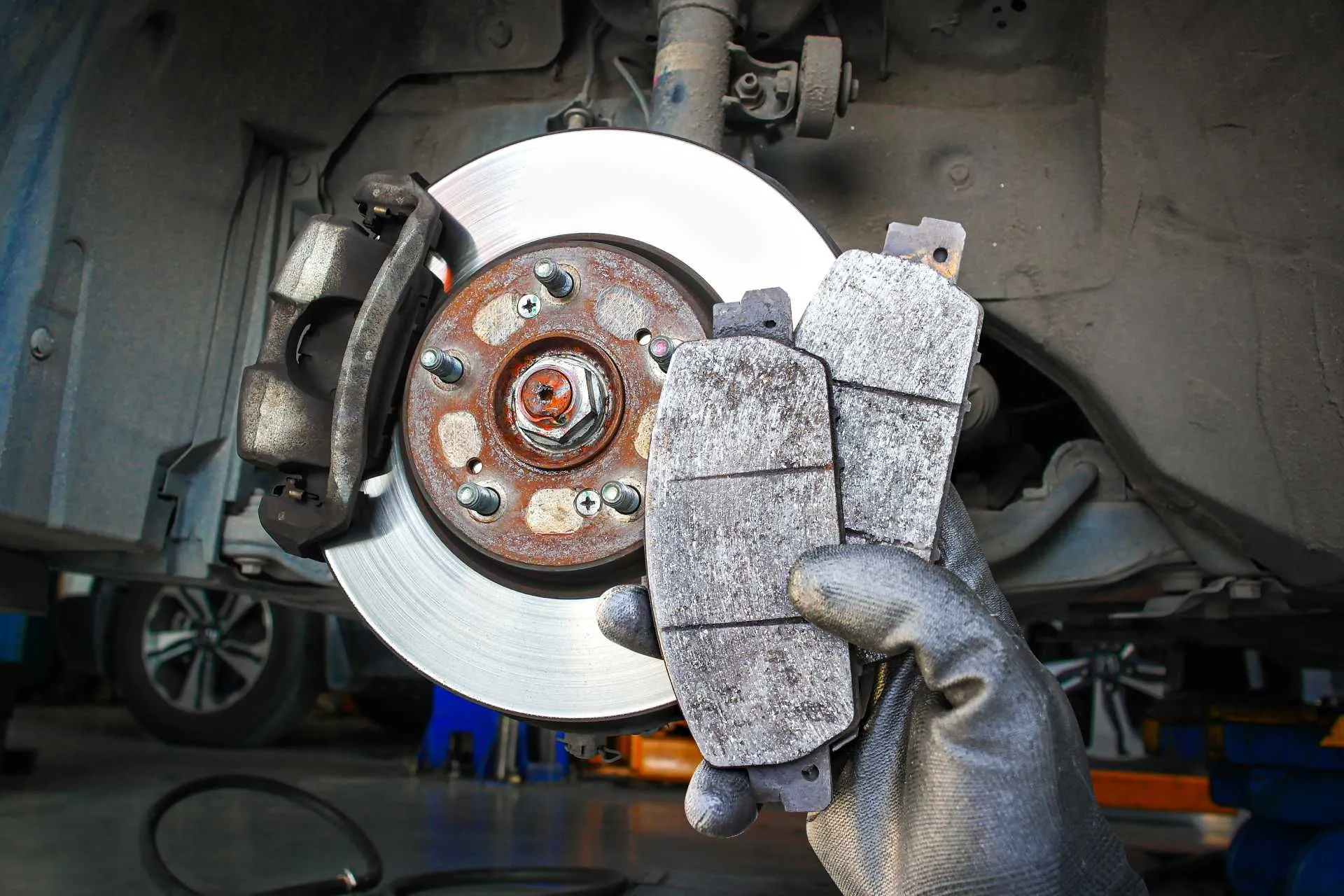
Brake pads are one of those vehicle consumables that feel like they should last longer than they do. You replace them, pay the bill, drive away, and before you know it, your mechanic is telling you they need replacing again.
What most drivers do not fully appreciate is that how long brake pads last has less to do with the brand of pad installed and more to do with how the person behind the wheel operates the vehicle daily.
Driving habits are the single greatest variable in brake pad longevity, and the gap between a driver who gets 25,000 miles from a set of pads and one who gets 70,000 miles from the same compound on the same vehicle type is almost entirely explained by behavior behind the wheel.
Aggressive, inattentive driving creates braking events that are frequent, heavy, and high-temperature. Smooth, aware driving creates braking events that are infrequent, gentle, and thermally manageable. Those two patterns produce dramatically different rates of pad wear across the same distance driven.
Here is what makes this topic worth your attention: extending brake pad life is not about driving slowly or being timid. It is about driving intelligently.
Anticipating traffic flow, managing following distance, coasting before braking, and understanding how heat affects pad wear are all skills that make you a more confident, more efficient driver while simultaneously protecting a wear item that costs between $150 and $400 per axle to replace at a shop. Apply these habits consistently, and the savings add up to hundreds of dollars per year across a multi-vehicle household.
This page covers ten specific driving habits that extend brake pad life, each explained with enough mechanical context that you understand why the habit matters, not just what to do. Read through all ten and pick the ones most applicable to your daily driving patterns. Even changing two or three of these habits produces measurable results.

1. Increase Your Following Distance: The Space in Front of You Is Your Brake Pad’s Best Friend
The following distance is the most impactful single variable in brake pad longevity, and most drivers maintain a following distance that is shorter than both safety guidelines and brake pad efficiency recommendations. When you follow the vehicle ahead too closely, every speed variation that the driver makes requires a braking response from you.
Increasing following distance reduces braking frequency by allowing you to respond to changes in traffic flow ahead through lifting off the throttle and coasting rather than immediately engaging the brakes. When the vehicle ahead slows, a driver with adequate following distance can simply release the accelerator and allow engine braking and aerodynamic drag to reduce speed gradually before the friction brakes need to engage at all.
A driver following closely must apply the friction brakes immediately because there is no space to coast before reaching the vehicle ahead. Braking frequency matters because every brake application generates heat in the pad material, and heat is what causes pad wear. A pad that is pressed against a rotor under light to moderate pressure for a short duration generates less heat than a pad pressed firmly for a longer duration.
But even light, frequent brake applications accumulate heat across a driving session in ways that reduce pad material more than less frequent, controlled applications. Fewer total braking events across a commute means less total heat generated and less total pad material consumed.
An EV6 owner who maintains a four-second following distance in traffic allows regenerative braking to handle the majority of deceleration demands, using friction brakes only for the stops and sudden speed reductions that regenerative systems cannot handle alone. Pad wear on this vehicle from an attentive driver with good following distance can be dramatically lower than on an equivalent vehicle driven aggressively in close traffic.
The habit change is simple and free. Add space between yourself and the vehicle ahead, and let that space work for your brake pads every mile of every commute.
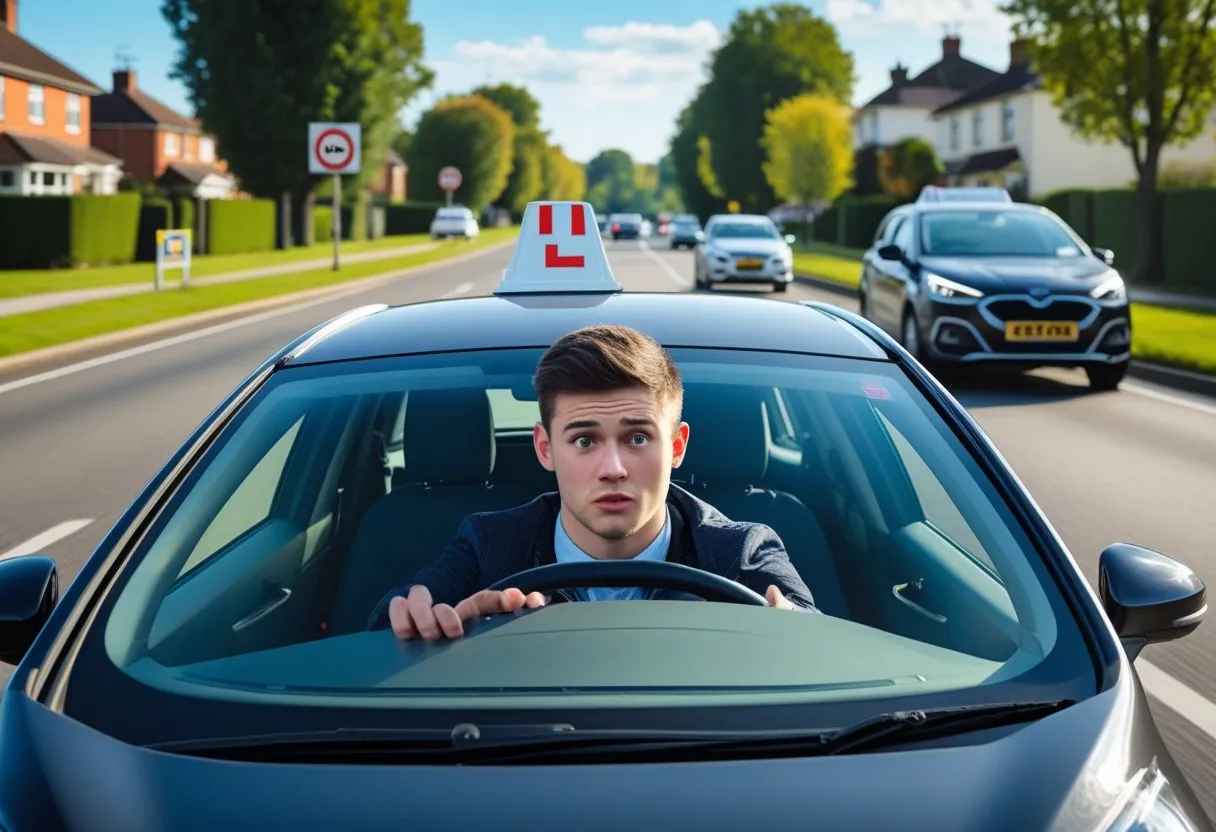
2. Look Further Ahead in Traffic: Reading the Road Reduces Unnecessary Braking
Visual awareness while driving determines how early you recognize situations that require speed reduction, and earlier recognition translates directly into softer, more gradual braking responses that consume less pad material per event. A driver who watches only the vehicle immediately ahead reacts to changes as they happen, which usually means braking sharply because the signal to brake arrived late.
A driver who watches traffic signals in the distance and notices a red light ahead can lift off the throttle early and coast toward the stop, often arriving at the light as it changes or close to it, minimizing the need for firm braking.
A driver focused only on the vehicle directly ahead notices the light only when the preceding vehicles brake, producing a late, firm braking response that generates more heat per event than the coasting approach would have produced.
Highway driving provides particularly good opportunities to apply forward scanning for brake pad protection. Merging vehicles, speed differentials between lanes, and gradual traffic density changes are all visible seconds further ahead than most drivers typically scan.
A driver who identifies a merging vehicle fifteen seconds before it would require a braking response has time to gently ease off the throttle and create space through coasting. A driver who notices it two seconds before would need to brake sharply.
Urban driving with frequent intersections and pedestrian activity rewards forward scanning with a reduction in the abrupt braking events that city commuting is notorious for generating. Traffic signals with countdown timers, pedestrian crossing signals visible from a distance, and bus stops that predict passenger loading and unloading ahead all provide information that a scanning driver uses to smooth their speed management and reduce brake applications.
Also Read: Top 10 Best Practices for Storing a Car for Several Months
3. Engine Braking as the First Line of Deceleration
Engine braking remains one of the least exploited yet most effective methods for reducing brake pad wear, even though it requires no additional equipment, expense, or mechanical alteration. This technique relies on systems already built into the vehicle. Whenever a driver releases the accelerator while the vehicle remains in gear, engine compression resists motion and slows the car naturally.
Instead of relying solely on brake pads to slow the vehicle from higher speeds, engine braking reduces speed early, leaving the friction brakes to complete the final phase of deceleration. This approach matters because braking energy rises sharply with speed. A vehicle slowed partly by engine resistance before brake application produces far less heat at the pads than one relying on friction brakes alone from the same starting speed.
Drivers of manual transmission vehicles enjoy the greatest control in this area. Sequential downshifting allows deliberate use of engine compression to manage speed on descents, during traffic approach, or when preparing to stop. Regular use of this method reduces peak brake temperatures and slows pad wear in a measurable way across extended ownership periods.
Automatic transmissions also support engine braking, even if the process feels less deliberate. Modern automatics apply compression braking automatically when the accelerator is released. Vehicles equipped with sport modes, manual modes, or paddle shifters allow drivers to select lower gears intentionally, increasing engine resistance when conditions demand it.
Even without manual gear selection, fully lifting off the throttle before pressing the brake pedal enables the drivetrain to contribute to deceleration before friction braking begins.
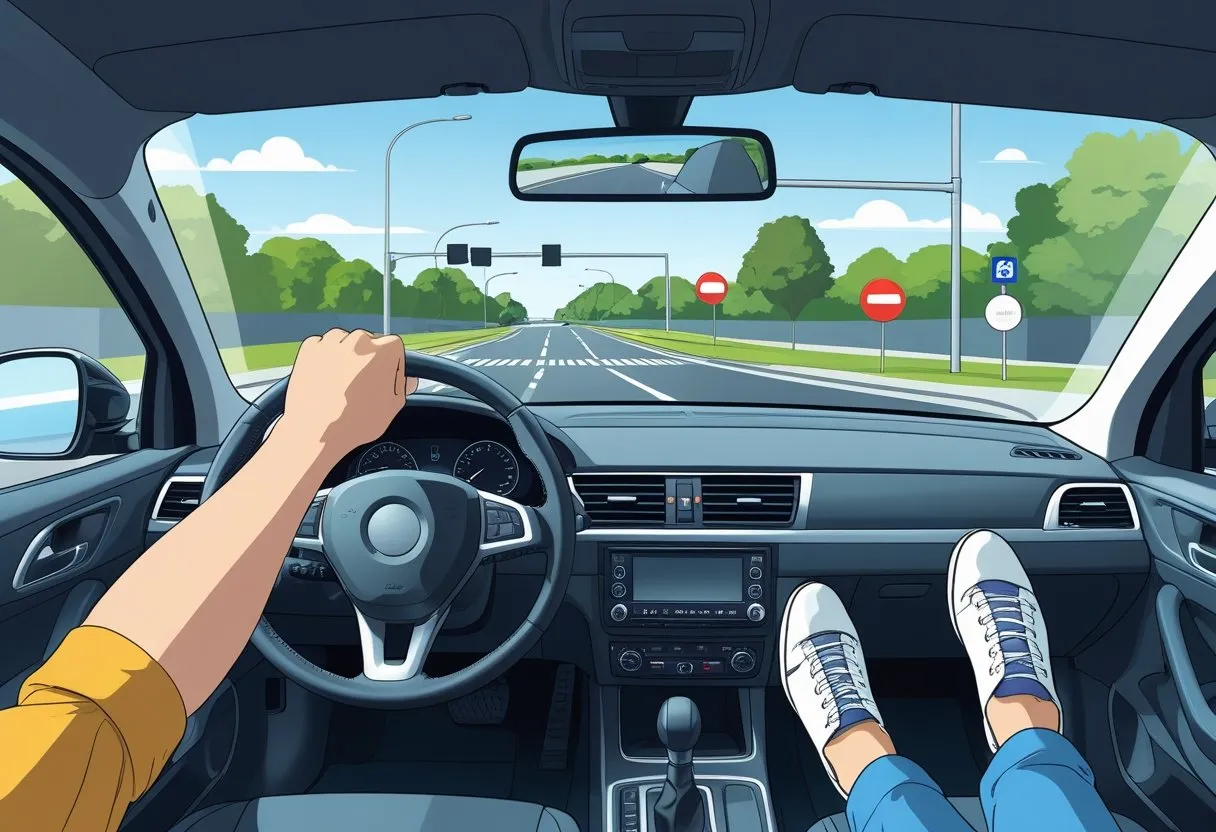
4. Reducing High Speed Braking Through Thoughtful Route Choices
Vehicle speed at the moment braking begins has a powerful influence on brake pad wear, largely due to the physics of kinetic energy. As speed increases, kinetic energy rises disproportionately, meaning the braking system must convert far more energy into heat to achieve the same reduction in speed.
This heat accelerates pad wear. Reducing the number of braking events that begin at high speed directly lowers thermal stress on braking components. Daily route selection plays a meaningful role in managing this factor. Highway routes often involve abrupt deceleration from high cruising speeds, especially near exits, toll areas, or congestion points.
While highways may appear efficient, they frequently require harder braking than lower speed roads where traffic flows more gradually. When time differences between routes are minimal, selecting roads with lower speed limits can reduce brake wear without affecting commute length.
Certain high-speed braking points cannot be avoided, such as construction zones or controlled access points. In these situations, anticipation becomes essential. Releasing the accelerator early and allowing engine braking to reduce speed before applying the brakes lowers the speed at which friction braking begins, reducing heat generation even though the stopping point remains unchanged.
The following distance also affects braking demands. Insufficient spacing at highway speeds increases the likelihood of sudden braking when traffic patterns change. Maintaining larger gaps allows gradual speed adjustments rather than sharp deceleration, reducing brake stress.
For owners of vehicles like the 2024 Subaru WRX GT CVT AWD, highway driving style has an outsized influence on brake service intervals. Smooth speed control, early deceleration, and disciplined following distance often result in far less pad wear than mileage alone would suggest, proving that driving approach matters as much as distance covered.

5. Coasting to a Stop Rather Than Braking Hard From Speed
Coasting is the act of releasing the throttle and allowing the vehicle to decelerate through drag, engine resistance, and rolling resistance before friction brakes are needed to complete the stop. A driver who coasts effectively uses the vehicle’s natural resistance forces to handle a meaningful portion of every deceleration event, reducing the friction brake system’s contribution and the heat it must generate.
Identifying opportunities to coast requires reading traffic situations early enough to begin the coasting process with sufficient distance. A driver who sees a red traffic light 300 meters ahead and immediately releases the throttle begins a coasting sequence that may reduce speed by 15 to 20 miles per hour before friction brakes are needed for the final deceleration to a stop.
A driver who maintains throttle until 80 meters from the light and then brakes requires the friction system to handle a larger speed reduction from a higher entry speed in a shorter distance. Coasting is particularly effective on slight downhill grades, where gravity supplements the vehicle’s natural deceleration, allowing the coasting sequence to begin earlier and reduce speed further before friction brakes engage.
Experienced drivers use topography as an additional tool for coasting efficiency, recognizing crests and descents that extend the available coasting distance before braking becomes necessary. City driving with frequent traffic signals provides the highest frequency of coasting opportunities and the highest potential return from this habit because every signal provides a predictable stop point that can be set up with an early coast.
Drivers who count the signals ahead, assess their timing from a distance, and manage throttle release accordingly accumulate fewer total braking events per commute mile than drivers who maintain speed until braking is forced.
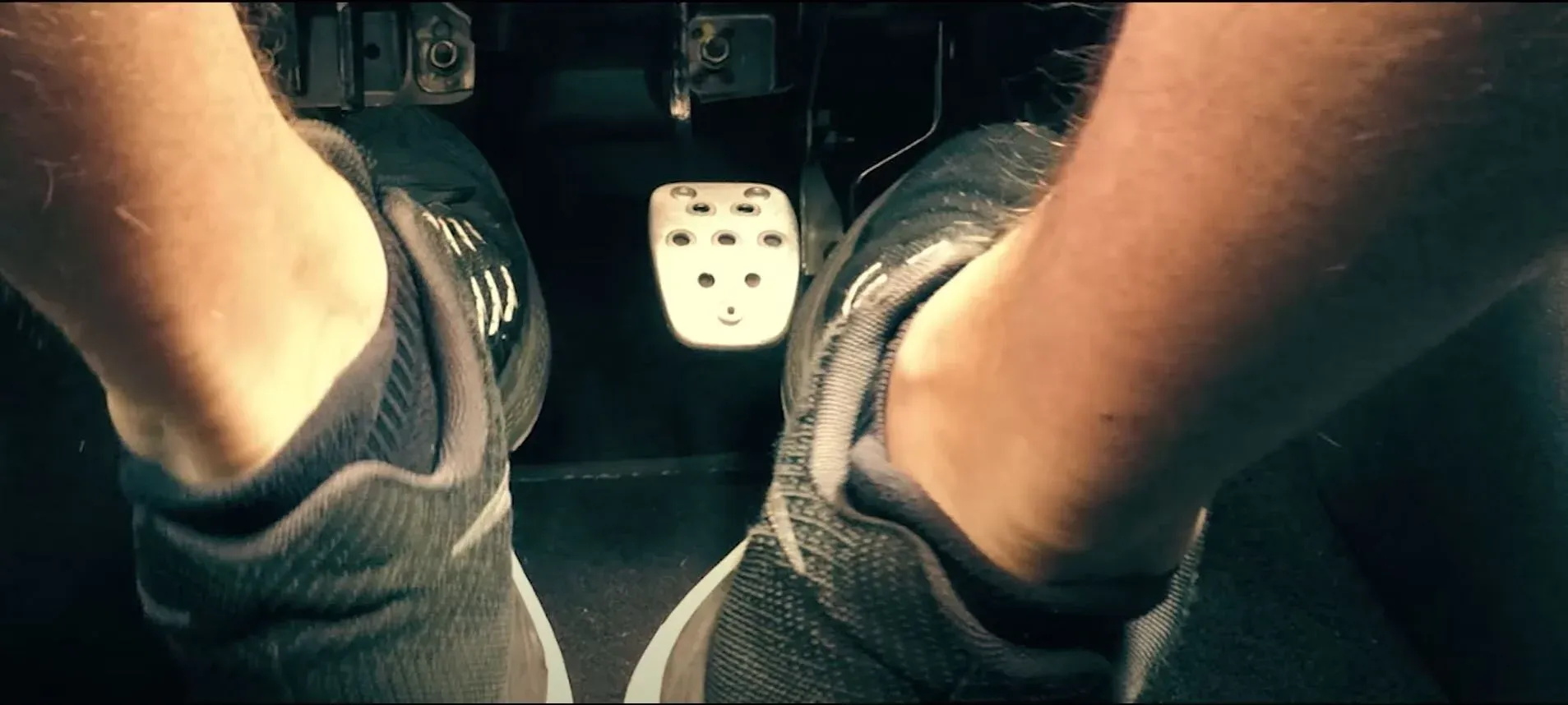
6. Avoid Left-Foot Braking in Automatic Transmission Vehicles
Left-foot braking is a technique where the driver uses their left foot on the brake pedal while the right foot controls the throttle in an automatic transmission vehicle. Racing drivers use it in specific competitive contexts where it provides lap time advantages, but in everyday driving by non-professional drivers, it is one of the most reliable ways to generate unnecessary brake wear and create dangerous driving dynamics simultaneously.
Left-foot braking by untrained drivers almost always produces resting pressure on the brake pedal, even when braking is not intended. Drivers who develop the left-foot braking habit frequently rest their left foot against the brake pedal with light pressure between intentional braking events, creating constant minimal friction between the brake pad and rotor without producing any noticeable deceleration.
This resting contact generates heat, wears pad material, glazes rotor surfaces, and reduces the efficiency of subsequent intentional braking events through heat buildup in the braking system’s components. Correcting left-foot braking in drivers who have developed it as a habit requires conscious effort to retrain foot placement.
Resting the left foot on the dead pedal, the footrest provided on the left side of most vehicle footwells keeps it away from the brake pedal between intentional applications. Some drivers find it helpful to mentally remind themselves at the beginning of each drive that the left foot belongs on the footrest and nowhere else during normal automatic transmission operation.
A vehicle like the 2024 Cadillac Lyriq AWD RWD (BEV3 platform) deserves particular attention here because its regenerative braking system is designed to maximize energy recovery during every deceleration event. Left-foot resting contact on this vehicle engages the friction brakes and bypasses the regenerative system, eliminating the energy recovery that makes the Lyriq’s brake pad wear so impressively low in normal operation.
An owner who eliminates left-foot braking allows the regenerative system to operate as designed, keeping friction pad wear at the minimum that this vehicle’s engineering is capable of producing.

7. Control Vehicle Load to Reduce Brake Stress
Vehicle weight has a direct and continuous effect on how hard the braking system works. Every additional load increases the amount of kinetic energy that must be dissipated each time the vehicle slows down. More weight means a higher braking force is required to achieve the same level of deceleration, which leads to increased heat generation and faster wear of brake pads and rotors.
When a vehicle routinely carries excess weight, brake components experience higher thermal and mechanical stress at every stop, and this impact accumulates steadily across daily driving. Unnecessary cargo is the most frequent source of avoidable weight. Items such as unused tools, old sports equipment, stored materials, and rarely needed supplies often remain in the trunk or cargo area for months.
Each of these items contributes to breaking the workload without providing any current benefit. While removing a small amount of weight may not appear to change braking performance immediately, the effect becomes clear across tens of thousands of miles. Reduced mass lowers the total braking energy required across repeated stop cycles, which directly improves brake pad lifespan.
Towing places the highest demand on any braking system. Trailer weight multiplies braking energy requirements, and this load must be shared appropriately between vehicle brakes and trailer brakes.
Operating without functional trailer brakes places excessive strain on the tow vehicle’s braking system, causing rapid pad wear and increased safety risk. Properly adjusted and operational trailer brakes are essential whenever towing beyond recommended limits.
For vehicles such as the 2023 Ram 1500 Laramie Crew Cab 4×4, which is often used for hauling and towing, managing load responsibly has clear cost and safety benefits. Removing unused bed cargo, respecting payload ratings, and ensuring trailer brake systems function correctly can extend brake service intervals while preserving braking performance.
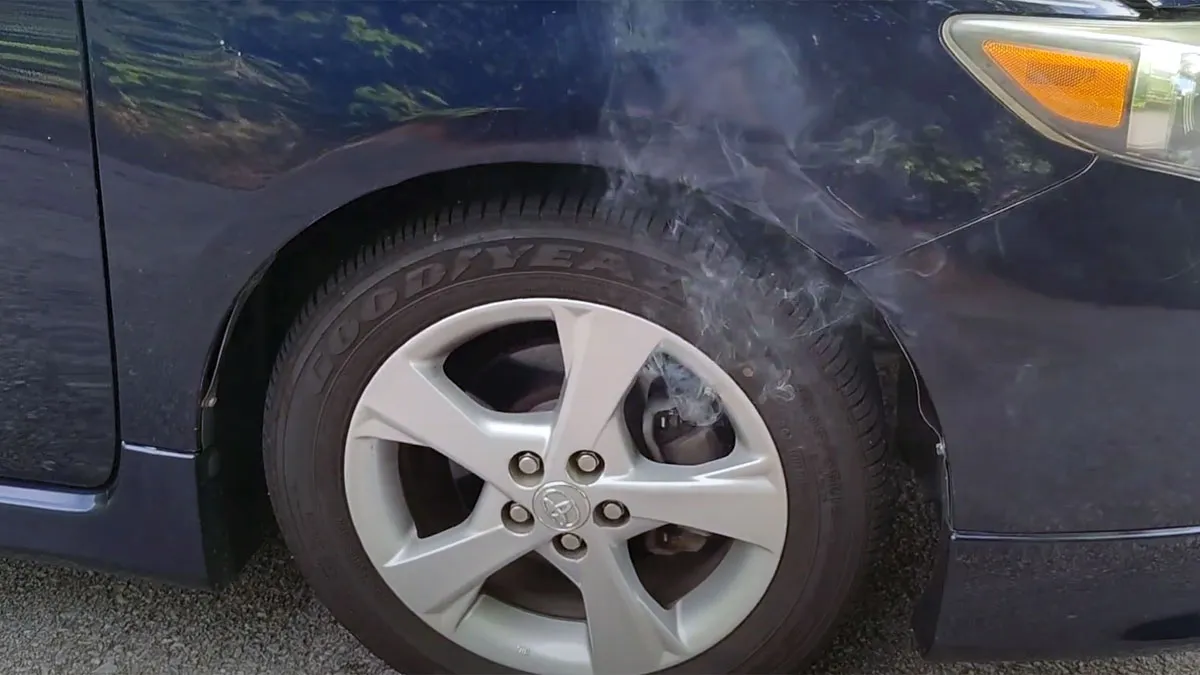
8. Give Brakes Time to Cool After Heavy Use
Brake durability depends heavily on temperature control. Brake pads wear not only because of friction against the rotor but also due to heat-related degradation of the materials that hold the pad together.
When brake components remain at high temperatures for extended periods, the binding compounds within the pads begin to break down, leading to faster wear and reduced braking efficiency. Allowing time for cooling between demanding braking periods slows this process.
Long downhill driving highlights this effect clearly. Continuous braking on extended descents causes heat to build with each application. Without recovery time, temperatures rise steadily until pad materials exceed their designed thermal limits.
Using lower gears to control speed reduces reliance on friction braking, allowing brakes to cool between brief applications. This approach lowers peak temperatures and preserves pad integrity.
High-performance driving places even greater demands on braking systems. Repeated hard braking without cooling intervals can quickly overwhelm street-oriented brake materials.
Vehicles used in performance environments should be equipped with brake pads designed for higher temperature tolerance during such use. After intense driving, allowing a period of gentle operation before parking enables heat to dissipate through airflow rather than remaining trapped in stationary components.
Even in daily driving, cooling practices matter. Stopping immediately after heavy braking, such as leaving congested traffic or descending steep roads, traps heat within the brake system. Continuing to drive at low speeds for a few minutes allows airflow to reduce component temperatures gradually. This small habit reduces thermal stress and supports longer brake service life.
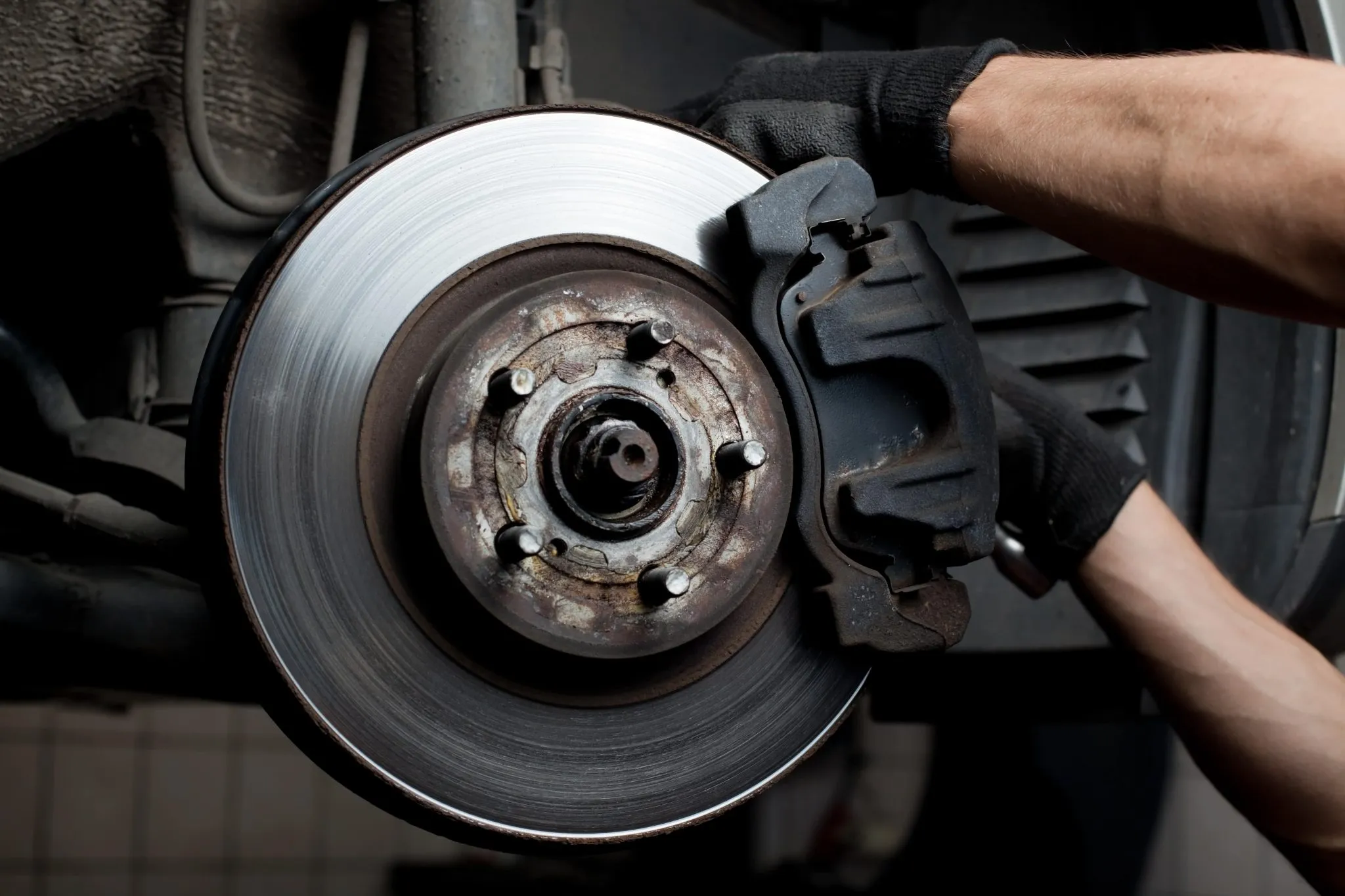
9. Brake Earlier and More Gently Rather Than Later and Harder
Braking technique, specifically the timing and pressure profile of each brake application, has a direct relationship with both pad wear rate and rotor surface condition. Hard, late braking generates more heat per event than gradual, early braking that covers the same speed reduction because the higher deceleration rate requires greater pad pressure against the rotor, increasing friction intensity and heat generation rate simultaneously.
A driver who begins braking for a stop 200 meters from the stop point and applies gradually increasing pressure to reach a gentle stop generates a lower-temperature braking event with less pad wear than a driver who begins braking 80 meters from the same stop point and applies firm pressure to achieve the same stop.
Both drivers covered the same speed reduction, but the heat generated per unit of speed reduction is higher for the latter, harder application because the pad was pressed with greater force against the rotor.
Progressive brake application, where pressure builds smoothly from a light initial contact to the required deceleration force, distributes heat generation more evenly across the braking event and gives the pad and rotor surface time to manage the incoming heat.
Abrupt brake application that reaches maximum pressure immediately generates heat faster than the system can manage, creating higher peak temperatures that cause more pad degradation per event.
An owner of a 2024 Lexus RX 500h F Sport Performance AWD (AL20 generation) who develops a smooth, progressive braking technique will benefit from the vehicle’s regenerative braking system working in coordination with their improved technique.
Early, progressive brake applications allow the Lexus’s hybrid system to maximize regenerative recovery before friction brakes contribute, combining driver technique improvement with the vehicle’s engineering in a way that produces pad wear rates that genuinely surprise owners who track their service intervals carefully.
Also Read: 10 Secrets to Keeping Your Leather Interior From Cracking
10. Minimize Brake Use in Stop-and-Go Traffic Through Anticipatory Speed Management
Stop-and-go traffic is the single most damaging driving environment for brake pads because it creates repeated high-frequency braking cycles that generate heat in rapid succession without sufficient intervals for meaningful thermal recovery between applications.
Anticipatory speed management in stop-and-go conditions means reading the flow of traffic far enough ahead to modulate speed using throttle reduction and coasting rather than reactive braking to each stop-start cycle.
A driver who watches ten to fifteen cars ahead and coasts when that distant traffic slows, then gently accelerates when it moves, participates in a smoother section of traffic flow than the stop-start pattern occurring in the cars immediately surrounding them.
This smoothing effect does not eliminate stop-and-go conditions, but it reduces the number of complete stops per mile traveled and replaces sharp brake applications with gradual speed reductions through coasting. Avoiding unnecessary re-acceleration between crawling traffic intervals is equally important.
A driver who accelerates to close a gap and then brakes again has generated kinetic energy that the braking system must convert back to heat, producing a braking event that would not have existed had the driver simply coasted to close the gap gradually. Maintaining a modest, even speed through crawling sections rather than cycling between acceleration and braking removes unnecessary braking events from the total count.
Adaptive cruise control systems, available in most modern vehicles, can assist with stop-and-go traffic management by maintaining a consistent following distance and responding to traffic flow changes more smoothly than most drivers naturally do in reactive traffic conditions.
Using adaptive cruise control in stop-and-go conditions reduces the frequency of driver-initiated sharp braking events and allows the vehicle’s systems to manage speed reduction more gradually when conditions permit.
