The relationship between art, architecture, and automotive design has produced some of the most visually striking and conceptually innovative vehicles in history.
While cars and other forms of transportation are primarily engineered for function, there have been exceptional moments when creative visionaries from the worlds of art and architecture applied their unique sensibilities to vehicle design. These vehicles do not simply serve as machines; they act as moving expressions of imagination, style, and cultural commentary.
Architects and artists often bring perspectives that transcend traditional automotive thinking, introducing lines, forms, and proportions inspired by buildings, sculptures, and aesthetic philosophies. Their designs can challenge the conventional ideas of what a vehicle should look like, how it interacts with space, and how it can communicate personality.
Some of these vehicles were produced for mass consumption, but many exist solely as prototypes or limited editions, emphasizing conceptual exploration over practicality. These cars reveal the synergy between structural integrity and artistic expression.
They reflect the understanding of form and material that architects possess and the emotional impact that artists can evoke through visual storytelling. Beyond the physical shapes, these vehicles demonstrate the influence of artistic ideologies on technological objects. They show how creativity can reshape a utilitarian product into a symbol of aspiration and imagination.
The collaboration between architects or artists and automotive engineers also highlights how multidisciplinary approaches can enhance innovation. Working across fields, these designers challenge the status quo and invite users to experience transportation not just as a functional task but as an immersive, aesthetic experience.
The results range from avant-garde exteriors to interiors that function as personal art installations, where every curve, surface, and detail contributes to a narrative or conceptual message. In some cases, the vehicles are as much statements about cultural identity, historical context, or personal philosophy as they are about mobility.
From the early twentieth century through contemporary times, these collaborations have produced vehicles that are celebrated in both design and automotive circles. Some models are recognized primarily in museums or galleries, while others enter popular consciousness through their striking appearances or unusual engineering solutions.
Collectors, enthusiasts, and critics often study these vehicles for the ways they blur the lines between function, form, and artistic intent. Each design encapsulates a story, a vision, and a dialogue between human creativity and mechanical capability.
This article presents ten vehicles designed by famous architects or artists, demonstrating the profound influence that creative visionaries can have on transportation. These examples reveal the possibilities when the boundaries between disciplines are crossed, resulting in machines that are at once functional, symbolic, and inspiring.
They provide insight into how human ingenuity extends beyond traditional boundaries, reminding us that design can shape both our physical surroundings and the ways we move through them. Through these vehicles, it becomes clear that a car can be more than a machine; it can be a canvas, a sculpture, and a testament to creative thought in motion.
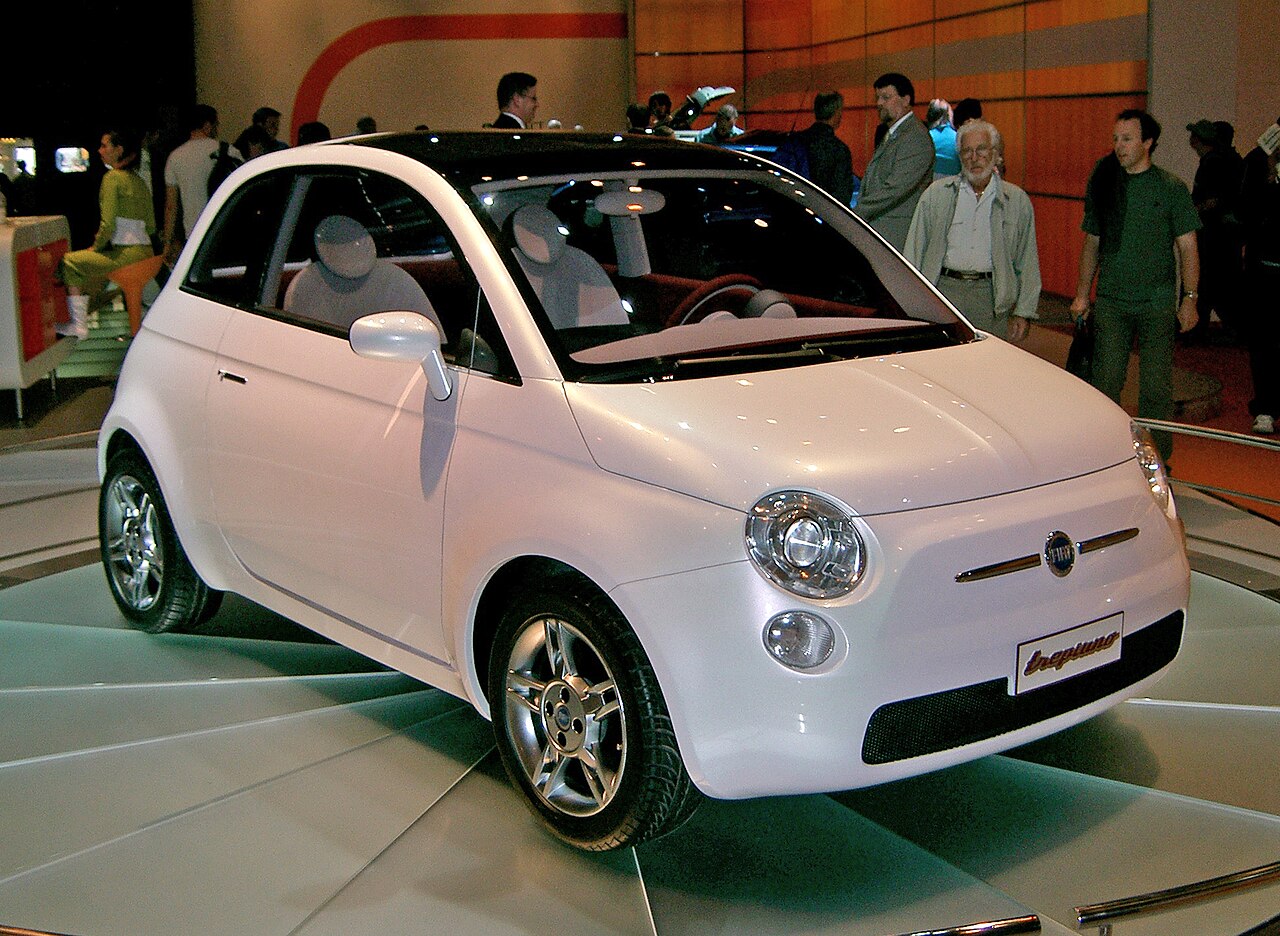
1. Fiat Trepiùno
The Fiat Trepiùno represents a collaboration where automotive design borrows heavily from architectural minimalism, emphasizing clean lines and functional simplicity. Its compact shape maximizes interior space while maintaining a visually uncluttered exterior.
Architects who appreciate spatial efficiency find inspiration in how the vehicle transforms a small footprint into practical usability. The Trepiùno’s proportions resemble a modular approach, similar to how interior spaces are organized in contemporary residential projects.
The interior design emphasizes openness and ergonomic clarity, reflecting principles often used in urban apartment layouts. Seats, dashboard, and controls are arranged to create an intuitive flow, echoing the architectural concept of circulation in enclosed spaces.
Materials are chosen to feel tactile yet restrained, conveying a sense of elegance without unnecessary ornamentation. Every element has a purpose, resulting in a cohesive design language throughout the cabin.
Giugiaro’s work on the Trepiùno highlights how the simplicity of form can evoke sophistication. Its exterior surfaces flow smoothly, avoiding aggressive angles while maintaining a distinctive identity.
Windows, doors, and lighting elements are carefully proportioned, similar to the façade treatments of modern buildings. This alignment of geometric balance and functional intent shows how architectural thinking can guide automotive aesthetics. The result is a small car that feels airy, intentional, and visually balanced.
The conceptual approach behind the Trepiùno demonstrates how vehicles can embody architectural ideals. Compact dimensions meet human-centered design, while the visual presentation communicates order and harmony.
Its lightweight and efficient design reflect a broader environmental consciousness, resonating with architects who integrate sustainability into their projects. The car’s personality emerges from its thoughtful simplicity rather than decorative excess, giving it timeless appeal.
Finally, the Fiat Trepiùno illustrates the potential of blending disciplines to create vehicles that are both practical and conceptually strong. It serves as an example of how automotive design can benefit from architectural methodology.
By considering space, proportion, and user interaction, designers can elevate a small city car into a sophisticated, expressive object. Its legacy continues in subsequent Fiat models that carry forward this philosophy of minimalism fused with functionality.
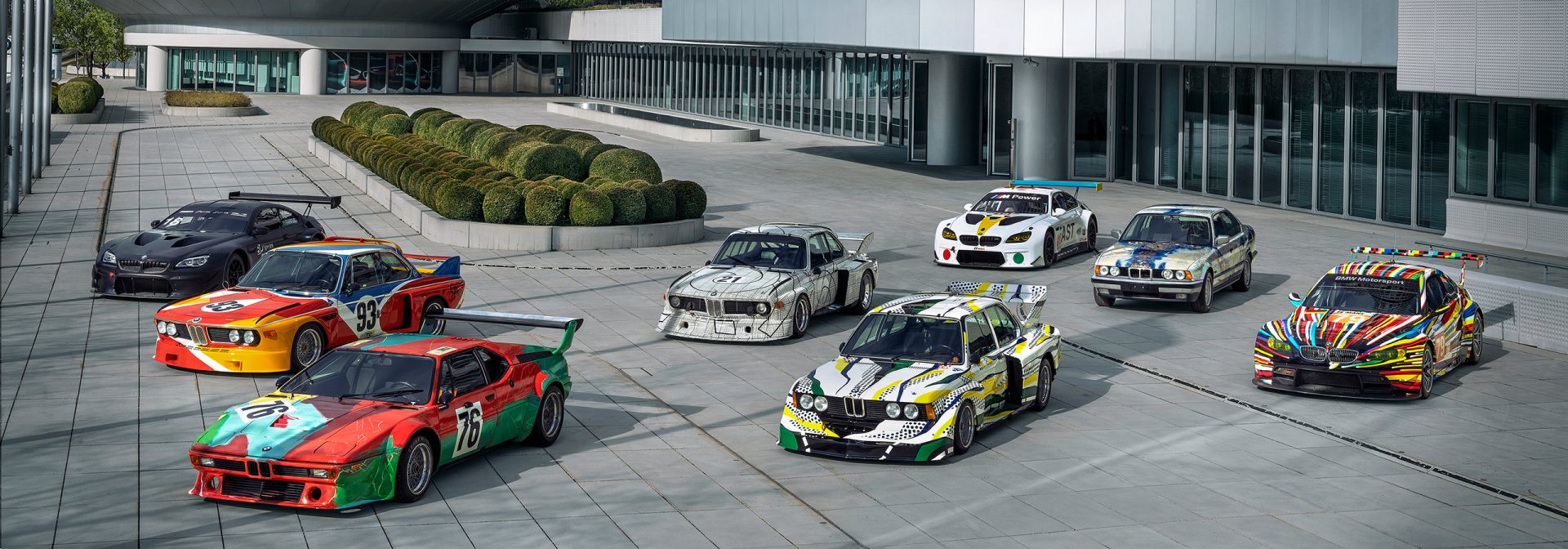
2. BMW Art Car Series
The BMW Art Car series is a unique initiative where contemporary artists reinterpret the body of a car as a moving canvas. These collaborations started in the 1970s and have involved painters, sculptors, and installation artists.
Each vehicle maintains BMW’s engineering standards while incorporating bold visual concepts. Artists treat the car’s surface like a three-dimensional painting, translating motifs, textures, and patterns into dynamic forms.
One of the most famous examples was created by Andy Warhol, who applied bright, energetic brushstrokes to the BMW 3.0 CSL. Warhol’s interpretation transformed the vehicle into a kinetic artwork that expresses movement even while stationary. Other artists have employed geometric abstraction, surrealist imagery, or cultural symbolism to give each car a distinct identity. These designs challenge traditional automotive aesthetics by prioritizing expressive impact.
The interiors of these art cars are often modified subtly to complement the exterior design. Color schemes, seat textures, and dashboard detailing may reflect the artist’s overarching vision.
This approach creates a holistic experience that connects the driver with the artistic concept, turning a routine activity like driving into an engagement with creativity. Engineers and artists collaborate closely to ensure safety, performance, and visual coherence, highlighting the potential of multidisciplinary teamwork.
The BMW Art Car project demonstrates how vehicles can exist simultaneously as functional machines and as public artworks. Exhibitions often display these cars alongside traditional visual art, reinforcing their status as cultural objects. The series also shows how mobility can be an expressive platform, with the car functioning as a traveling gallery. Public recognition of these vehicles has influenced other automotive brands to experiment with artist collaborations and limited editions.
These art cars reveal the potential for vehicles to communicate broader cultural and aesthetic ideas. By allowing artists to reinterpret their surfaces, BMW created a legacy of cross-disciplinary innovation. The project continues to inspire collectors, designers, and creative professionals, showing that cars can be more than transportation—they can be statements, symbols, and embodiments of artistic philosophy.
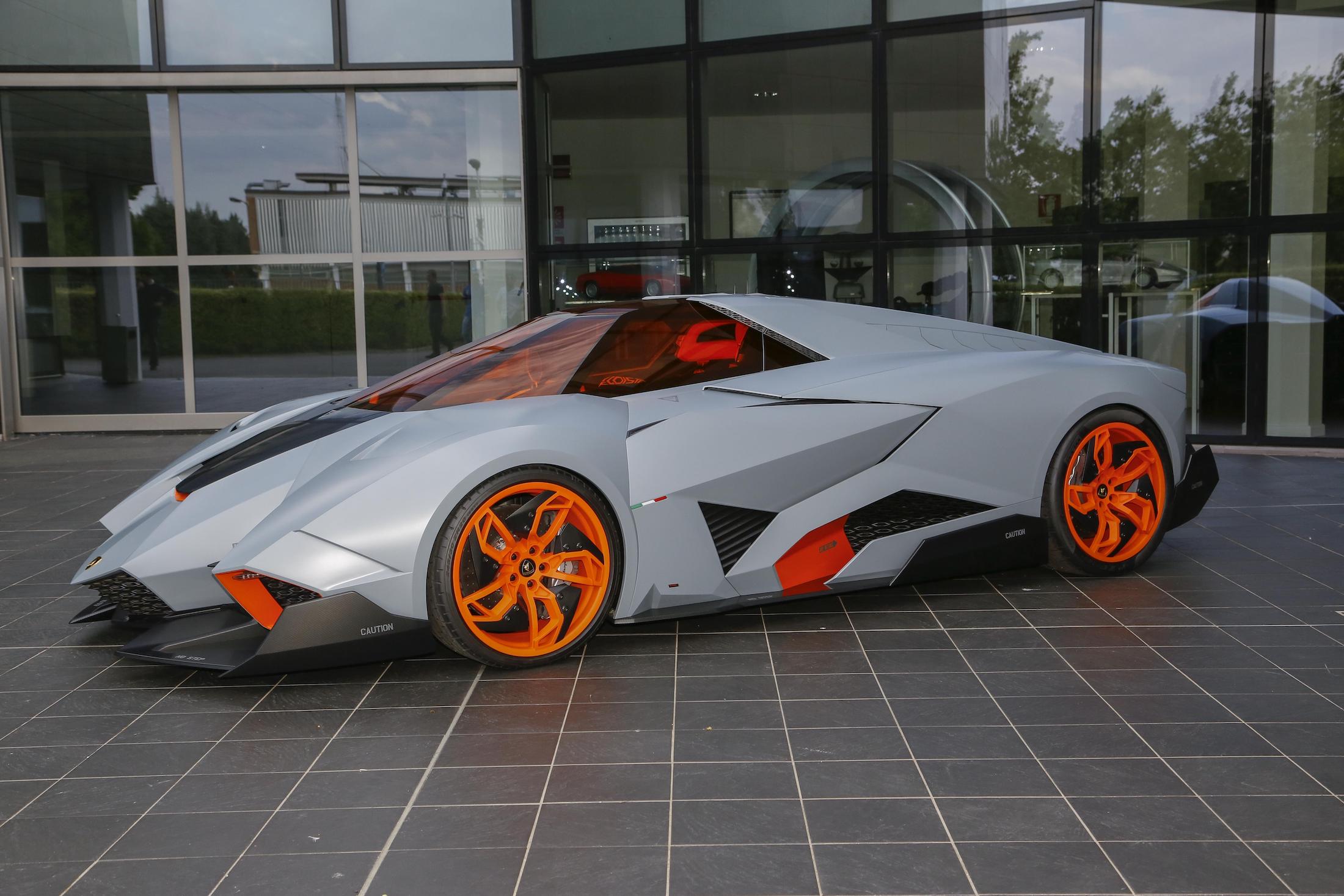
3. Lamborghini Egoista
The Lamborghini Egoista represents a daring exploration of form and driver-focused design. Conceived as a single-seater concept, it emphasizes aggressive geometry and extreme proportions.
Walter de Silva, known for his architectural approach to car design, employed sharp angles, layered surfaces, and aerodynamic forms reminiscent of sculptural installations. The car embodies a philosophy where aesthetics and engineering are inseparable, with each contour serving visual and functional purposes.
The cockpit design places the driver in a central position, surrounded by controls and surfaces that create an intimate, immersive environment. This arrangement mirrors architectural principles of circulation and user-centered spatial design.
Materials such as carbon fiber, leather, and aluminum are integrated seamlessly, producing a tactile and visual cohesion. The interior prioritizes engagement and ergonomics, reflecting an understanding of human interaction within a confined volume.
Exterior surfaces are intentionally provocative, with pronounced edges and flowing lines that guide airflow and create visual tension. The car’s proportions exaggerate width and length, producing a stance that communicates speed and precision even when stationary.
Each panel, vent, and detail is carefully considered to maintain balance between aggression and elegance. This sculptural approach showcases the influence of architectural thinking on automotive form.
Despite its conceptual nature, the Egoista demonstrates how design can provoke emotional response. Its audacious appearance and central seating position challenge conventional notions of comfort, accessibility, and aesthetics.
The vehicle becomes an object of desire and discussion, highlighting how artists and architects can push boundaries of functional products. Public reaction to the Egoista reflects fascination with extreme creativity applied to practical objects.
The Egoista also underscores the potential for collaboration between design disciplines. By combining automotive engineering with architectural sensibilities, designers can achieve forms that are both visually striking and technically innovative. The project reinforces the idea that vehicles are not only about transportation, they are platforms for experimentation, expression, and storytelling through material and form.
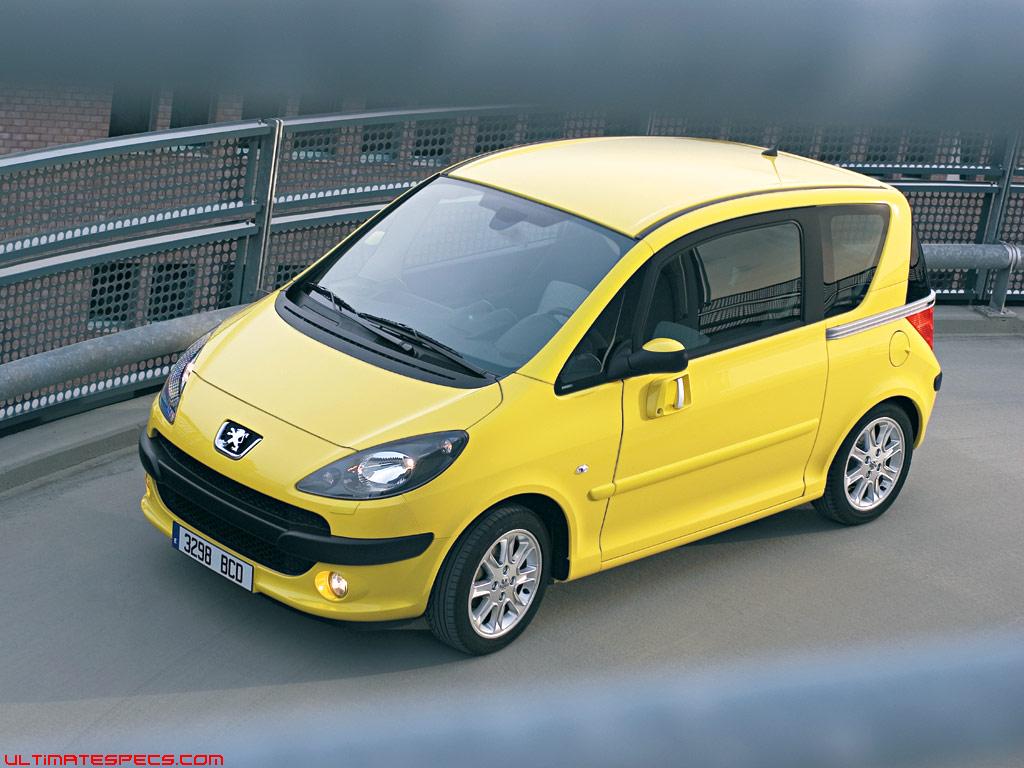
4. Peugeot 1007 – Collaboration with Philippe Starck
The Peugeot 1007 represents a bold experiment in urban mobility and design philosophy, combining innovative functionality with artistic sensibility. Philippe Starck, a designer renowned for his eclectic and imaginative approach, applied principles of spatial optimization and minimalism to this compact city car.
The vehicle features sliding doors that maximize accessibility in tight urban spaces, reflecting Starck’s commitment to practical creativity. Every component was considered from both aesthetic and functional perspectives, resulting in a car that feels sculpted yet approachable.
Starck’s vision for the interior emphasizes modularity and clarity, giving occupants a sense of openness uncommon in vehicles of similar size. Materials such as polished plastics, chrome accents, and soft-touch fabrics combine to create an environment that is both futuristic and comfortable. The dashboard integrates controls in an intuitive layout, blending form with function. The interplay of geometric shapes and smooth surfaces mirrors architectural techniques for visually enlarging small spaces.
The exterior of the Peugeot 1007 demonstrates Starck’s attention to visual harmony and user-centered design. Rounded corners, balanced proportions, and precise detailing create a distinctive identity that stands out in city traffic.
The sliding doors not only solve practical challenges but also contribute to the vehicle’s sculptural quality, making it appear dynamic even when parked. Starck’s approach underscores how functionality can coexist with expressive design without compromise.
Starck treated the 1007 as an artistic object as much as a car, exploring how everyday transportation can be elevated through thoughtful design. Its compact dimensions, innovative entry system, and cohesive visual language reflect a holistic approach to creativity.
The Peugeot 1007 became a case study for designers, demonstrating how urban mobility challenges can inspire unconventional solutions. Its influence is visible in subsequent city car concepts and models that prioritize usability alongside visual impact.
The Peugeot 1007 stands as an example of how industrial design can borrow from artistic and architectural thinking. It illustrates that even vehicles designed for daily practicality can carry distinctive creative signatures. The car’s identity, rooted in Starck’s imagination, invites reflection on how ordinary objects can become cultural artifacts when designed with intention, intelligence, and aesthetic vision.
5. Mercedes-Benz F 015
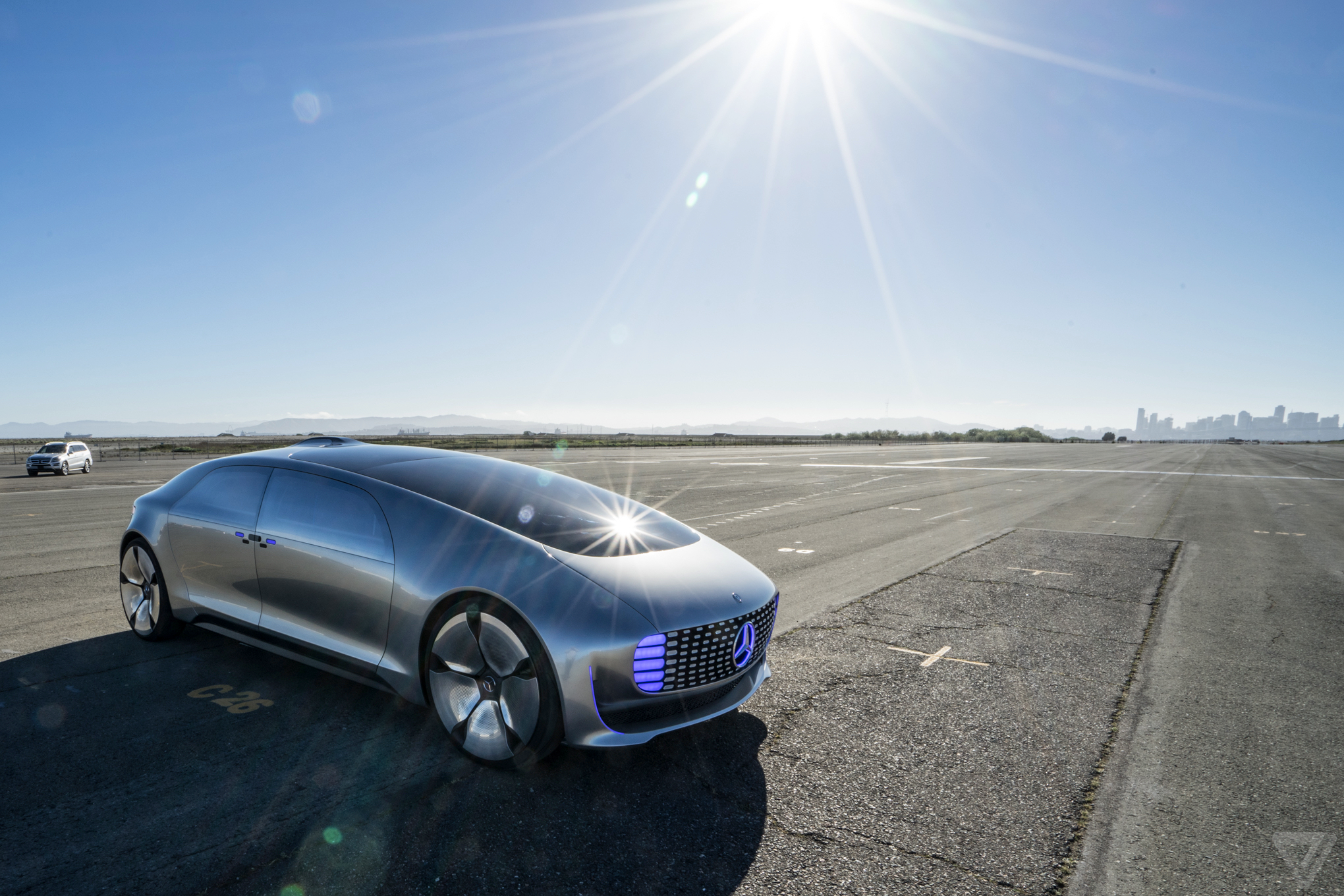
The Mercedes-Benz F 015 is a self-driving concept vehicle that emphasizes fluidity and futuristic aesthetics. Renowned architect Zaha Hadid’s influence can be seen in the flowing, continuous surfaces and sculptural forms that define the vehicle.
Its elongated body, smooth curves, and seamless transitions between panels create an impression of motion even when stationary. The car’s design reflects Hadid’s signature architectural style, where organic shapes and dynamic lines challenge conventional geometric norms.
Interior design of the F 015 prioritizes flexibility, openness, and user interaction. Seating is arranged to facilitate conversation, with the central cabin space resembling a living room more than a traditional vehicle interior.
Materials are light, tactile, and minimal, emphasizing a sense of spatial freedom. Screens, controls, and lighting integrate seamlessly, reflecting Hadid’s architectural approach of merging form with function while maintaining an aesthetic fluidity.
Exterior detailing enhances aerodynamics while reinforcing the sculptural presence of the vehicle. Windows flow naturally into body surfaces, and the smooth metallic finish accentuates the contours. The design avoids harsh angles, favoring curvature that conveys elegance, technological sophistication, and spatial coherence. The F 015 embodies a vision of future mobility that balances artistic expression with engineering practicality.
The F 015 also explores how autonomous vehicles can redefine human interaction with cars. Hadid’s architectural sensibilities inform spatial organization, resulting in a cabin that encourages social engagement and comfort rather than a singular focus on driving. This approach positions the car as a mobile environment rather than simply a transportation device, illustrating how architects can influence the conceptual purpose of a vehicle.
As a concept, the Mercedes-Benz F 015 demonstrates how visionary design can reshape perceptions of transportation. It bridges technology, art, and architecture, showing that vehicles can function as spaces for experience and imagination. The collaboration reflects a forward-thinking approach, emphasizing that creative input from architects can profoundly shape both the form and the function of automotive design.
6. Cadillac Cien – Designed with Influence from Advanced Sculptural Forms
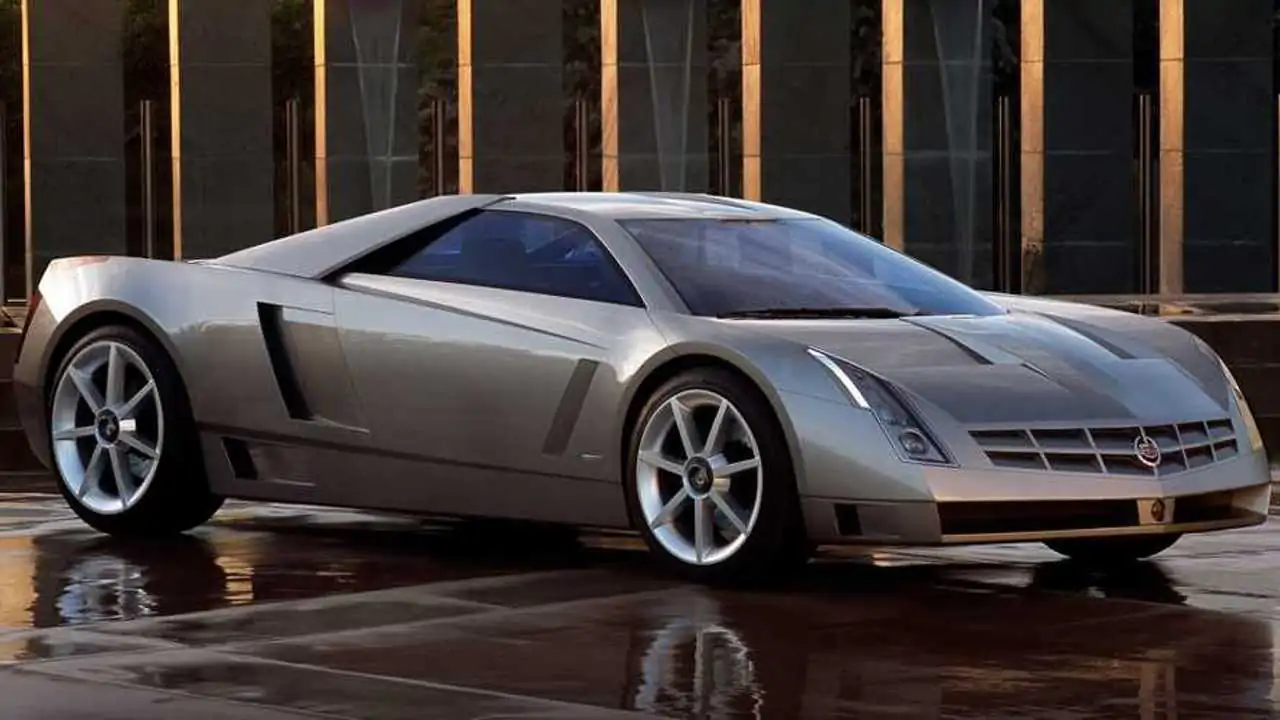
The Cadillac Cien is a high-performance concept car that emphasizes sharp lines, angular surfaces, and advanced sculptural aesthetics. The design draws inspiration from contemporary architecture and large-scale sculpture, with every exterior panel appearing as if it was carved to create movement.
Its low, aggressive stance and wide proportions convey power while maintaining a striking visual coherence. The vehicle represents a deliberate exploration of how form and engineering can be synthesized into a dramatic artistic statement.
The interior of the Cien mirrors its exterior’s bold geometric logic, combining luxury materials with precise detailing. Leather, metal, and carbon fiber are integrated with craftsmanship that emphasizes both tactile and visual appeal.
Controls are oriented toward the driver, with attention to ergonomics reflecting a consideration for human-scale interaction within a highly stylized environment. The cabin design exemplifies how sculptural principles can inform spatial organization.
Aerodynamic considerations are central to the Cien’s design, but the approach is expressive rather than purely functional. Fins, vents, and angular surfaces serve to optimize airflow while contributing to the vehicle’s artistic impact. Each element balances visual drama with engineering necessity, demonstrating how architecture and sculptural aesthetics can inform technical design decisions in automotive contexts.
The Cadillac Cien’s conceptual nature allowed designers to push boundaries beyond typical production constraints. Proportions, angles, and surfaces create an aesthetic that challenges conventional ideas of what a vehicle should look like.
The car communicates confidence, innovation, and artistic daring, exemplifying how collaboration between design disciplines can result in an object that is both technically impressive and visually arresting.
This concept vehicle reflects Cadillac’s commitment to integrating art and engineering. By incorporating sculptural principles into the design process, the Cien becomes more than a car, it becomes a showcase of imagination and design ingenuity. It exemplifies how vehicles can serve as a medium for architectural and artistic expression, merging function, form, and aesthetic narrative into a single entity.
7. Maserati Birdcage 75th – Designed by Pininfarina with Artistic Vision
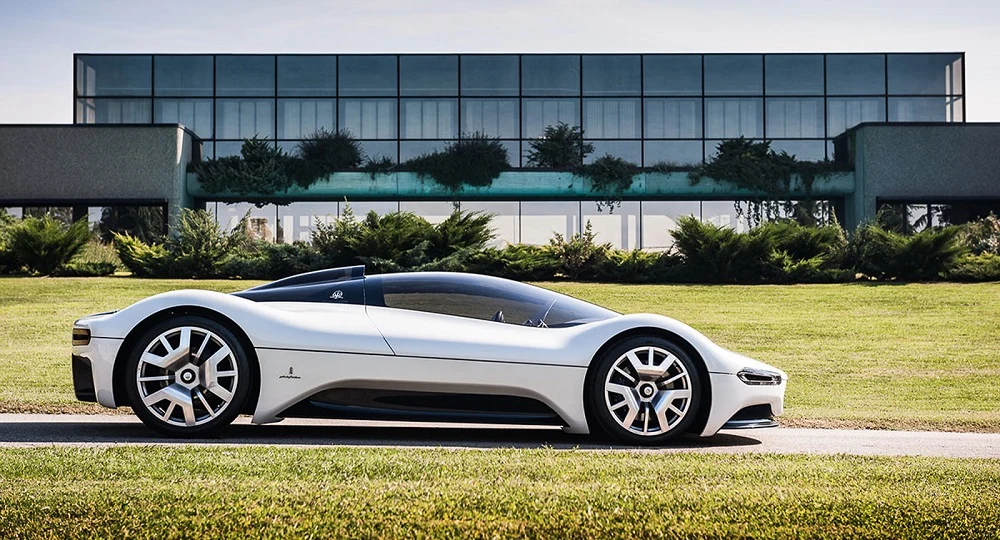
The Maserati Birdcage 75th is a concept car created by Pininfarina, a design house celebrated for blending automotive engineering with high art. The car’s flowing lines and dramatic proportions were intended to evoke the sensation of motion even while stationary.
Sculptural surfaces define its body, creating reflections and shadows that enhance its visual impact. Pininfarina treated the vehicle as a three-dimensional canvas, applying principles of composition, balance, and proportion drawn from both architecture and visual art.
Inside, the Birdcage 75th continues the artistic narrative with a cabin that emphasizes light, space, and ergonomics. The seating arrangement is highly customized, enveloping the occupants while maintaining a sense of openness.
Materials such as leather, brushed aluminum, and glass are harmonized to produce a tactile and visual continuity. Each control and surface was designed to contribute to the aesthetic coherence, emphasizing the vehicle’s identity as both a machine and an art object.
Aerodynamic efficiency is achieved while reinforcing the car’s sculptural qualities. The elongated body, integrated spoilers, and smooth contours are carefully balanced to optimize airflow without compromising visual elegance.
The attention to detail demonstrates how artistic vision can influence engineering decisions, resulting in a vehicle that is both high-performing and visually compelling. This combination of function and aesthetic expression is central to the Birdcage 75th’s appeal.
The vehicle also embodies historical and cultural symbolism, paying tribute to Maserati’s racing heritage while projecting a futuristic vision. Its exterior design references both past models and contemporary sculptural trends, creating a dialogue between tradition and innovation. Pininfarina’s artistic sensibility ensures that every line communicates intent and emotion, transforming the car into a moving exhibition of design excellence.
The Maserati Birdcage 75th exemplifies how collaboration between automotive engineers and designers with an artistic background can create vehicles that are conceptually rich and visually stunning. It demonstrates that cars can transcend utilitarian function, becoming statements of creative vision and craftsmanship that continue to inspire designers and enthusiasts alike.
8. Audi Aicon – Autonomous Vehicle with Architectural Principles
The Audi Aicon represents a vision of future autonomous driving where the vehicle itself becomes a dynamic, inhabitable space. Architects and designers contributed to the concept, focusing on spatial experience rather than traditional driving ergonomics.
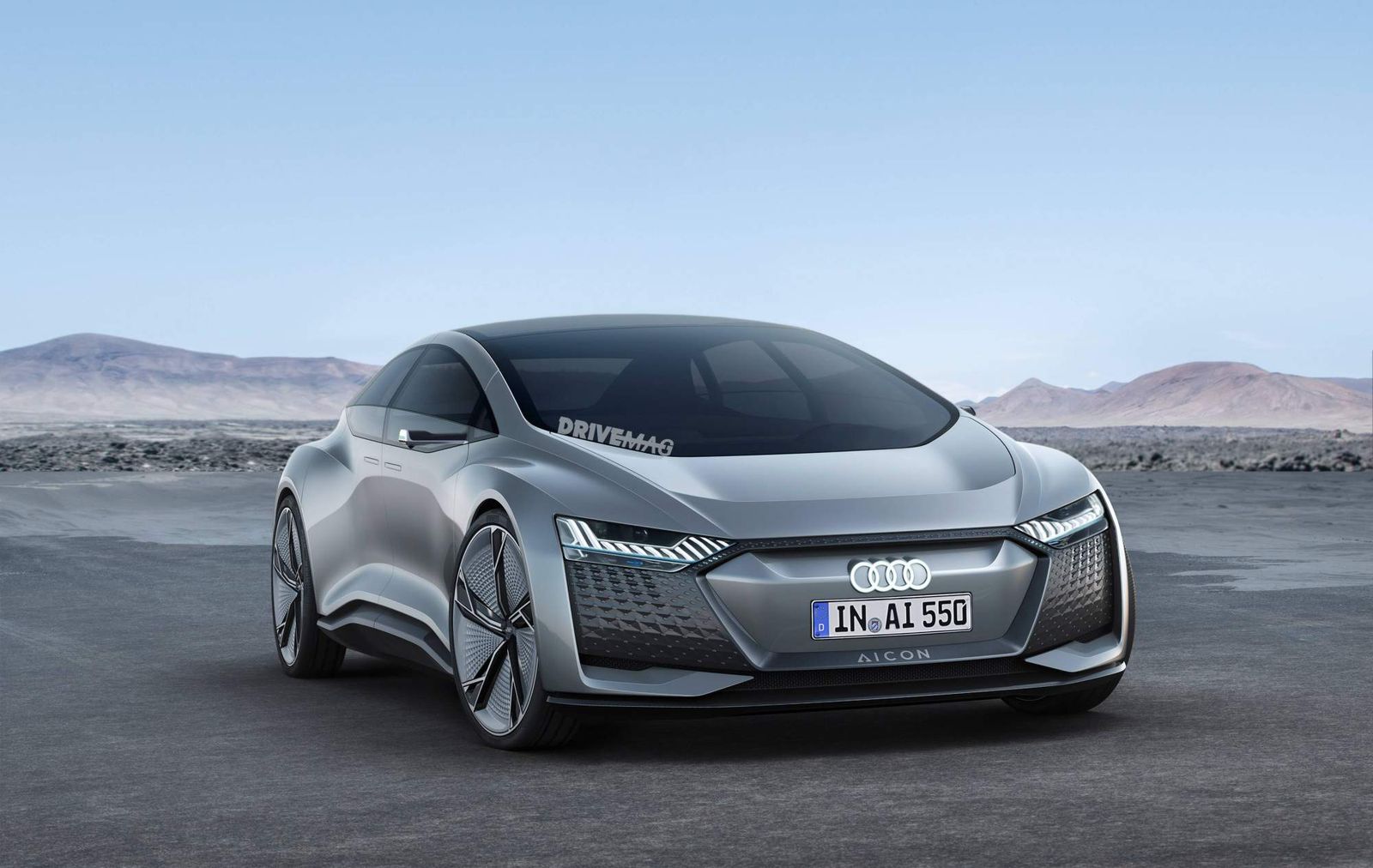
Its exterior is characterized by clean, continuous surfaces, flowing lines, and minimalistic detailing that convey both speed and serenity. The car’s scale and proportions were influenced by architectural thinking, creating a sense of spaciousness and balance uncommon in standard vehicles.
Inside, the Aicon is designed to facilitate interaction, relaxation, and productivity. The cabin resembles a lounge environment, with seats that rotate to face each other, surfaces that serve multiple purposes, and lighting that defines zones within the space.
Materials were chosen for their tactile quality and visual sophistication, including soft-touch fabrics, metal accents, and transparent elements that allow natural light to penetrate deeply. The interior demonstrates a strong understanding of human-centered spatial design.
The exterior architecture emphasizes aerodynamics without compromising aesthetic flow. Curved panels, smooth transitions, and integrated lighting create a sense of continuous motion.
Engineers and designers collaborated to balance form with function, ensuring that artistic principles were reinforced by technical feasibility. This synthesis reflects the influence of architectural training on automotive design, where structure, proportion, and flow are prioritized.
The Audi Aicon also communicates a conceptual narrative about the future of mobility. It represents a shift from vehicles as tools for driving to vehicles as spaces for living and working. The architectural input allows the car to explore how humans inhabit, interact with, and move through space, turning an autonomous vehicle into a mobile environment that reflects contemporary ideas about urban life and sustainability.
By combining technological innovation with architectural sensibility, the Aicon demonstrates that vehicles can embody cultural and aesthetic ideas while fulfilling practical needs. The project emphasizes that multidisciplinary collaboration can push automotive design beyond conventional boundaries, producing vehicles that are not only functional but also emotionally and visually engaging.
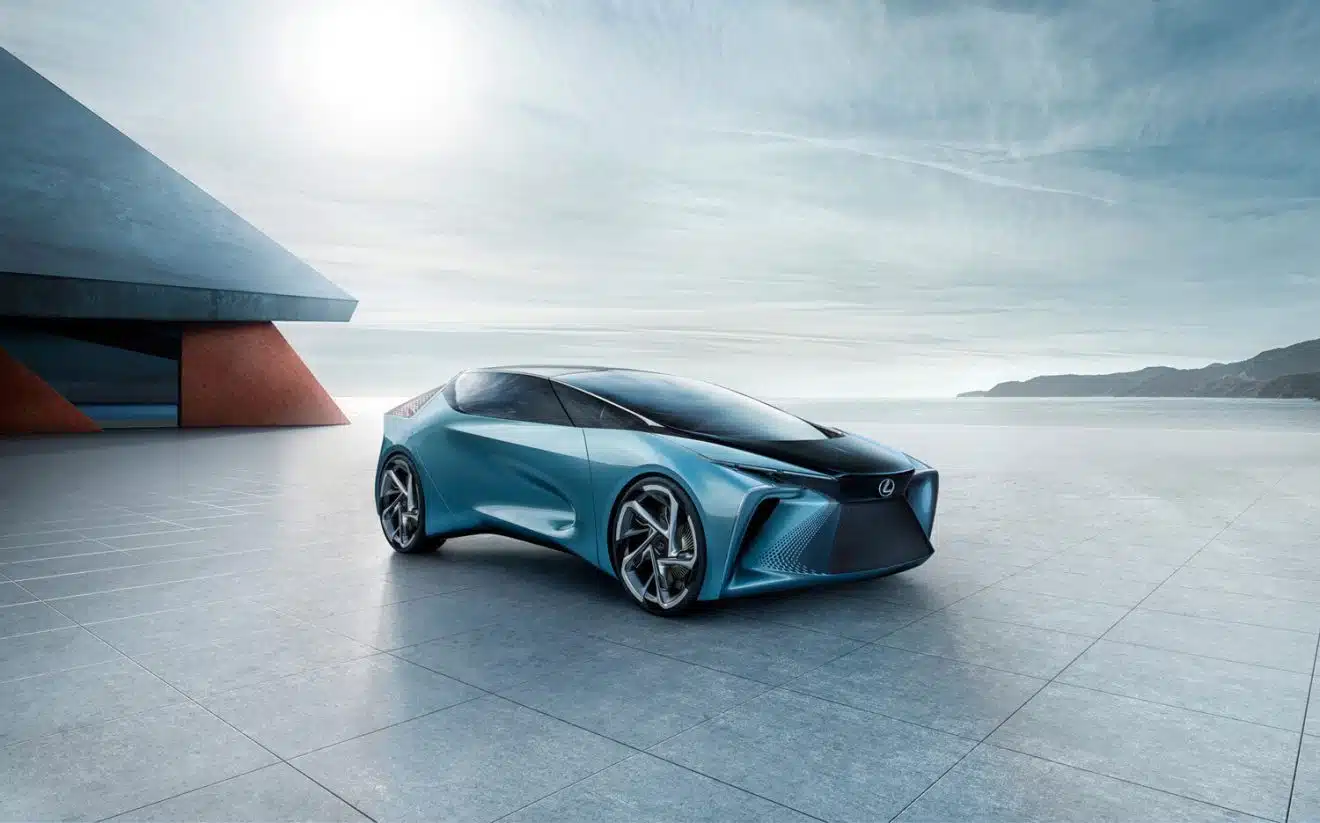
9. Lexus LF-30 Electrified – Futuristic Collaboration with Artistic Designers
The Lexus LF-30 Electrified concept represents the convergence of advanced technology and artistic experimentation in automotive design. Its exterior is distinguished by sharp lines, angular surfaces, and layered geometric patterns reminiscent of contemporary sculpture.
Designers focused on creating a visual identity that communicates both environmental awareness and technological sophistication. The LF-30 combines the principles of lightness, balance, and proportion, resulting in a vehicle that is striking from every angle.
Inside, the LF-30 cabin is designed as a flexible, immersive environment. Seating arrangements encourage social interaction, while surfaces integrate screens and controls with minimal visual disruption. Materials are chosen for tactile comfort, environmental sustainability, and aesthetic impact. The interior’s spatial layout reflects ideas often seen in installation art, where movement, light, and interaction define the user’s experience rather than a fixed functional hierarchy.
The vehicle’s exterior also emphasizes aerodynamics through sculptural forms. Panels are arranged to guide airflow efficiently, while integrated lighting elements accentuate the design narrative.
The interplay of materials, lines, and surface textures creates a dynamic visual effect that changes with perspective and light. This demonstrates how artistic thinking can influence both performance and appearance in high-concept vehicles.
The LF-30’s design communicates a philosophical statement about the future of mobility. It emphasizes the integration of humans, technology, and environment, reflecting contemporary concerns about sustainability and urban living. Designers approached the project not merely as car makers but as creators of a moving experience, where aesthetic, spatial, and environmental considerations converge.
The Lexus LF-30 Electrified exemplifies how collaboration between automotive engineers and artistic designers can produce vehicles that are expressive, functional, and forward-looking. It highlights the potential of cars to become platforms for creativity, encouraging exploration of new ideas about space, interaction, and visual language within the context of advanced mobility.
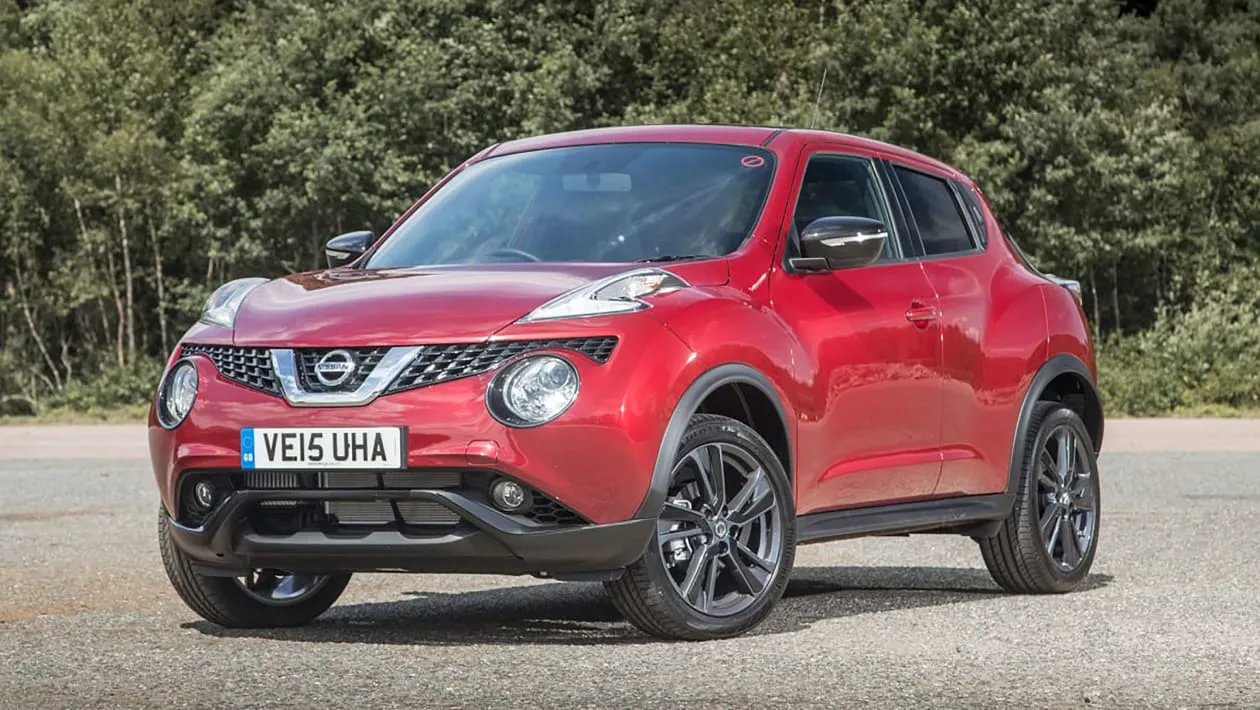
10. Nissan Juke Nismo – Conceptual Collaboration with Visual Artists
The Nissan Juke Nismo concept represents a synthesis of automotive engineering and visual artistry, resulting in a vehicle with bold proportions and dynamic detailing. Designers approached the car as both a functional product and a moving visual statement.
Its exterior features sharp creases, layered surfaces, and eye-catching color accents that reflect a sculptural sensibility. The design is playful yet deliberate, drawing attention to form, rhythm, and visual tension across the vehicle’s body.
Inside, the Juke Nismo concept continues the artistic approach with materials and layouts that emphasize engagement and style. Seats, dashboard elements, and controls are treated as extensions of the visual narrative, creating a cohesive interior identity.
The use of textures, contrast, and geometry communicates energy and motion, enhancing the driver’s sensory experience. The cabin’s design reflects principles similar to those found in contemporary art installations, where each element contributes to the effect.
Aerodynamic efficiency is addressed through sculpted panels, integrated spoilers, and precise body angles. However, these technical solutions are harmonized with the vehicle’s artistic intent, demonstrating how visual and functional considerations can coexist.
Designers used proportion, line, and surface continuity to create a car that feels lively, purposeful, and aesthetically consistent. This balance of engineering and artistry exemplifies how vehicles can function as both machines and expressions of creativity.
The Juke Nismo concept also illustrates how design can influence perception and emotion. Its aggressive stance and energetic detailing convey speed, confidence, and personality. Collaborations with visual artists enabled Nissan to explore experimental color palettes, surface finishes, and stylistic motifs, transforming the car into a moving representation of imaginative ideas.
The Nissan Juke Nismo highlights the transformative potential of artistic collaboration in automotive design. By integrating visual artistry with engineering, designers can create vehicles that are expressive, memorable, and emotionally engaging. The concept serves as a testament to how functional objects can also act as canvases for creative exploration, inspiring both drivers and observers alike.