Car mascots and radiator caps have long been more than mere functional pieces of automotive engineering. They serve as symbols of a brand’s identity, representing elegance, power, and sometimes whimsy.
From the gleaming chrome figures that adorn classic luxury vehicles to the intricate designs on early 20th-century cars, mascots have always captured the imagination of drivers and collectors alike. The rise of automobile culture in the early 1900s coincided with an era where artistry met functionality, resulting in these small yet significant additions to a vehicle.
Many mascots were designed not just for decoration but also to communicate the essence of the car itself, whether it was speed, sophistication, or boldness. Over time, certain designs have become instantly recognizable, crossing over into popular culture and becoming icons in their own right.
Luxury car makers saw mascots as an opportunity to showcase craftsmanship, often commissioning famous sculptors to create figures that would symbolize the vehicle’s qualities. Some mascots exude motion and energy, frozen mid-flight or mid-leap, capturing a sense of speed even when the car is stationary.
Others emphasize grace, dignity, or even humor, creating an emotional connection between the car and its owner. Beyond aesthetics, radiator caps themselves had a practical purpose, regulating the cooling system and preventing engine overheating.
Combining function with artistry, these caps evolved into collectible items, treasured by enthusiasts worldwide. Even as modern cars have moved away from prominent hood ornaments, the legacy of these mascots remains a testament to the marriage of engineering, design, and personal expression in automotive history.
The popularity of mascots also reflects broader social trends, with certain animals or figures becoming symbols of status or aspiration. Lions, birds, and mythical creatures were frequent choices, each carrying specific cultural connotations. In some cases, mascots were custom-made for wealthy clients, turning the car into a moving piece of art.
Automotive shows, advertisements, and magazines further reinforced the allure of mascots, allowing them to reach audiences far beyond the road. The combination of craftsmanship, symbolism, and technical precision ensured that mascots were never mere accessories but central features of a vehicle’s personality.
Collectors and historians continue to study mascots for insight into automotive design and social history. The way mascots reflect trends, technological advances, and consumer tastes offers a unique perspective on the evolution of the automobile. Some early mascots also had functional safety features, such as serving as temperature gauges, blending practicality with visual appeal.
Today, while regulations and safety standards have limited the use of protruding ornaments, vintage models and restored cars celebrate these iconic pieces of design. Their value lies not only in nostalgia but also in the meticulous artistry and engineering that defined a bygone era of motoring.
This article will examine the ten most iconic car mascots and radiator caps that have left an indelible mark on automotive history. Each example demonstrates a unique combination of design innovation, symbolic meaning, and cultural impact.
From the soaring figures that convey motion to subtle emblems that signify refinement, these mascots represent more than decoration. They capture imagination, enhance the vehicle’s character, and continue to inspire collectors, designers, and enthusiasts.
Understanding these mascots provides insight into how small details can communicate power, identity, and style in the world of automobiles.
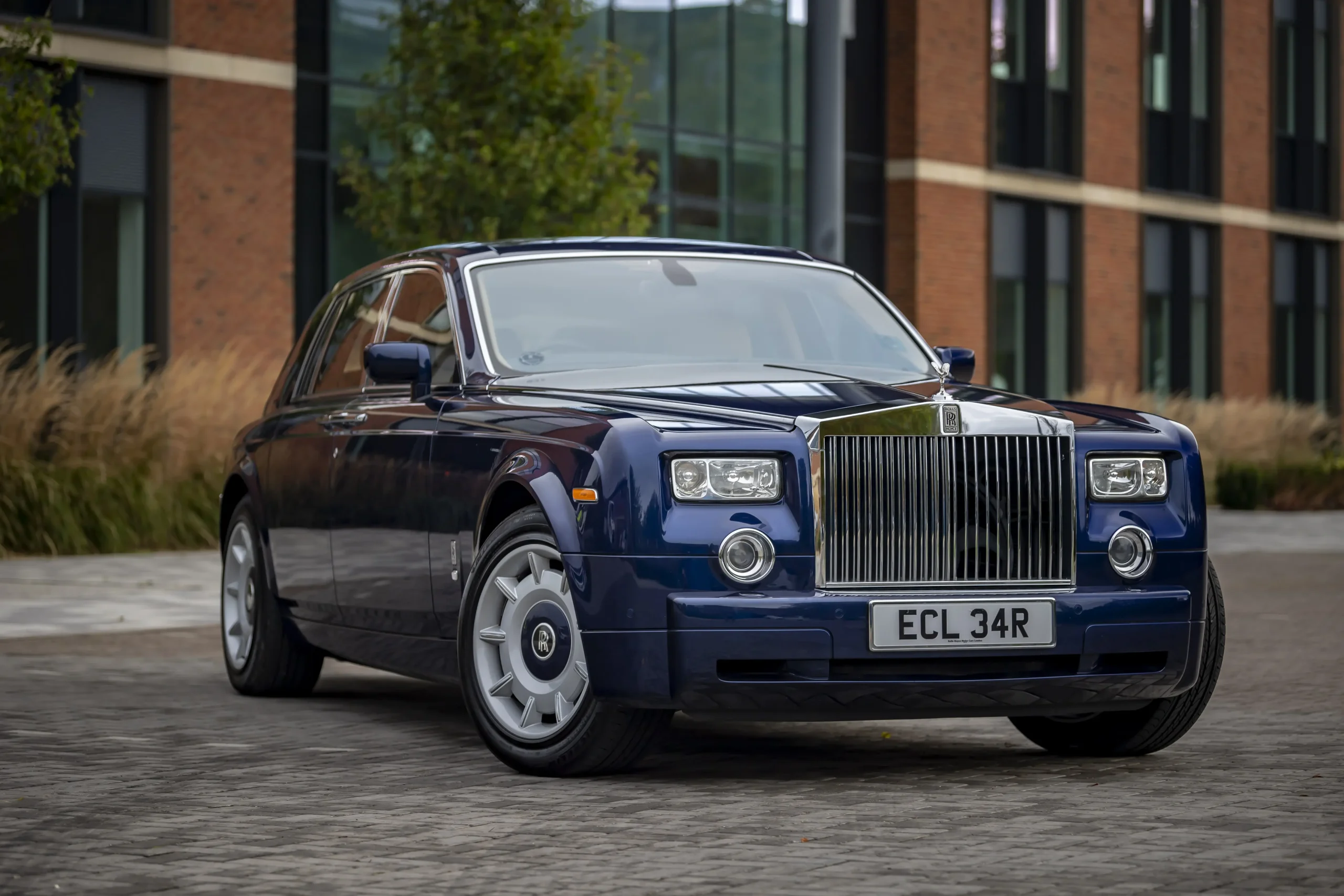
1. Rolls-Royce Spirit of Ecstasy
The Rolls-Royce Spirit of Ecstasy is one of the most recognized mascots in automotive history. Introduced in 1911, it depicts a graceful woman leaning forward with her arms outstretched, robes flowing behind her.
This figure embodies speed, elegance, and the luxurious essence of Rolls-Royce vehicles. Its design was inspired by Eleanor Thornton, a model associated with the car’s early history, blending personal narrative with brand identity.
Over the years, the Spirit of Ecstasy has been crafted in various materials including silver, stainless steel, and gold, reflecting the changing tastes of luxury buyers.
Smaller versions have been introduced for safety purposes, retracting into the hood if struck. Despite these adjustments, the mascot retains its instantly recognizable form, symbolizing refinement and exclusivity. It has appeared on almost every Rolls-Royce model, linking tradition with modern automotive engineering.
Collectors prize early versions for their craftsmanship and historical significance, as each piece was hand-finished and individually mounted. Some limited editions were further embellished with precious metals or engraved details.
The meticulous attention to design has made the Spirit of Ecstasy a hallmark of high-end automotive artistry, representing both status and technical excellence. Its consistent presence for over a century reinforces the strength of a strong brand symbol in creating lasting recognition.
The mascot also influences popular culture, appearing in films, art, and advertising to denote sophistication and wealth. Designers often reinterpret its flowing forms in miniature or abstract variations, showing how a single symbol can evolve while retaining its core identity. Its presence bridges the gap between sculpture and automotive engineering, highlighting how creative vision enhances functional objects.
Through careful preservation and thoughtful adaptation, Rolls-Royce has ensured that the Spirit of Ecstasy continues to captivate attention worldwide.
Beyond aesthetics, the Spirit of Ecstasy embodies storytelling, evoking narratives about speed, grace, and personal history. It also demonstrates the importance of symbolism in brand identity, showing that small details can communicate the values and vision of a company.
Its enduring appeal underscores the role of mascots in connecting consumers to automobiles on an emotional and artistic level. For many, seeing the Spirit of Ecstasy evokes the same awe as viewing a fine sculpture or artwork, making it more than a decorative hood ornament.
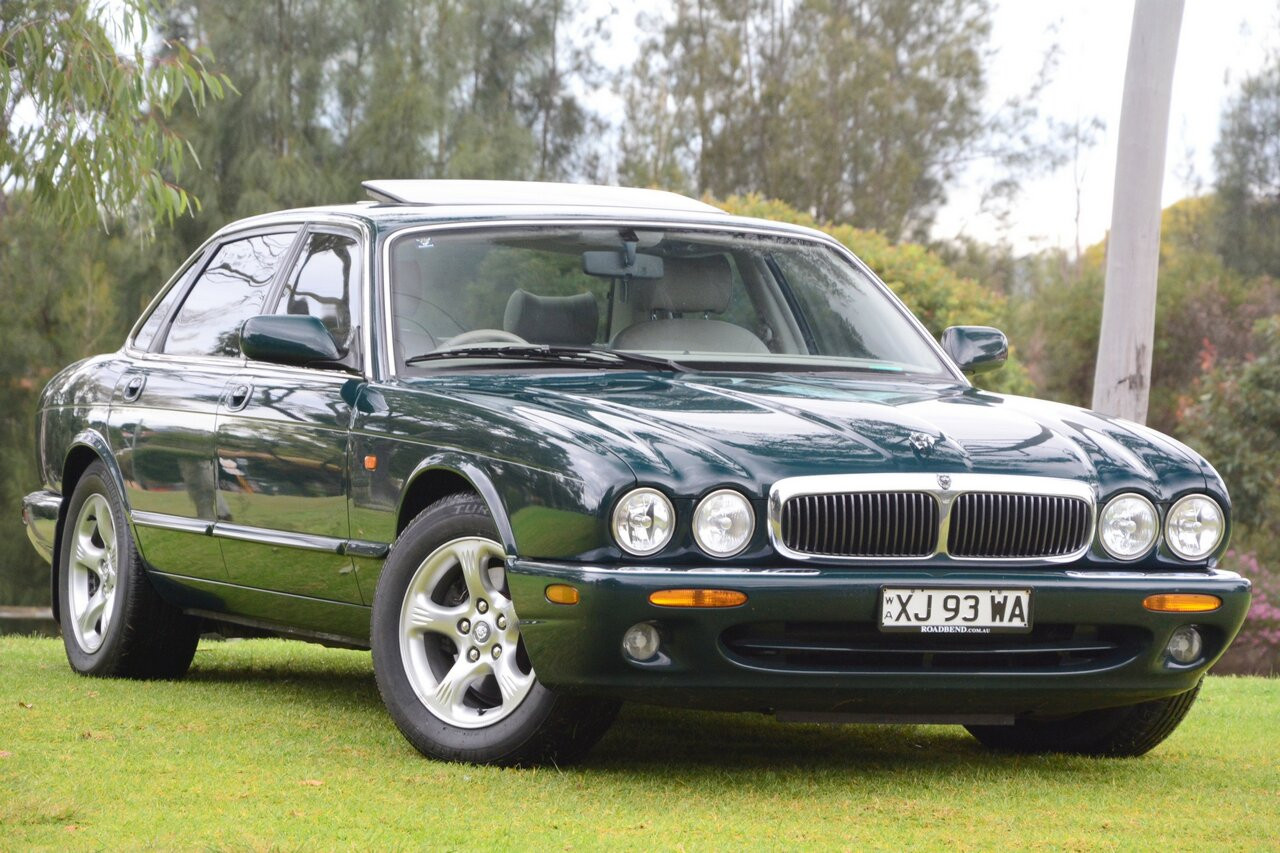
2. Jaguar Leaper
The Jaguar Leaper has become a symbol of elegance and performance since its debut in the 1930s. This dynamic figure depicts a jaguar in mid-leap, poised as if it is ready to spring forward, representing speed, power, and agility. The design emphasizes motion even while the vehicle is stationary, capturing the essence of the brand. The leaping feline also serves as a visual metaphor for precision engineering and the thrill of driving.
Crafted originally in chrome and later in polished stainless steel, the Leaper reflects both craftsmanship and modern design sensibilities. The sculpted lines of the feline highlight fluidity and muscular structure, creating a sense of life within the metal. For many enthusiasts, the mascot is inseparable from Jaguar’s identity, reinforcing a legacy of sporty luxury. Its presence on the hood or radiator cap elevates the vehicle’s appearance without appearing ostentatious.
During the mid-20th century, the Leaper became an emblem of British automotive engineering, symbolizing a blend of aesthetic refinement and technical prowess. Some early versions also incorporated protective mechanisms, allowing the figure to retract upon impact to enhance pedestrian safety.
Collectors now prize vintage Jaguars with original Leaper ornaments, considering them essential elements of the car’s authenticity and value. The balance between artistry and engineering makes the Jaguar mascot a timeless classic.
The Leaper has influenced popular design trends, inspiring sculptures, jewelry, and branded merchandise. Its sleek form communicates confidence and elegance, appealing to a wide audience of drivers and admirers.
Designers have maintained the mascot’s essential features across decades, updating materials while retaining the iconic silhouette. This continuity reinforces the power of a strong visual identity, ensuring the Leaper remains instantly recognizable worldwide.
Beyond its aesthetic appeal, the Leaper represents the spirit of automotive innovation, embodying both performance and artistry. The figure communicates movement, excitement, and reliability, serving as a reminder of the thrill of motoring. Its legacy illustrates how a simple figure can carry profound meaning, connecting the brand’s past, present, and future through a single emblem. The Jaguar Leaper remains a testament to enduring design and the emotional resonance of automotive mascots.
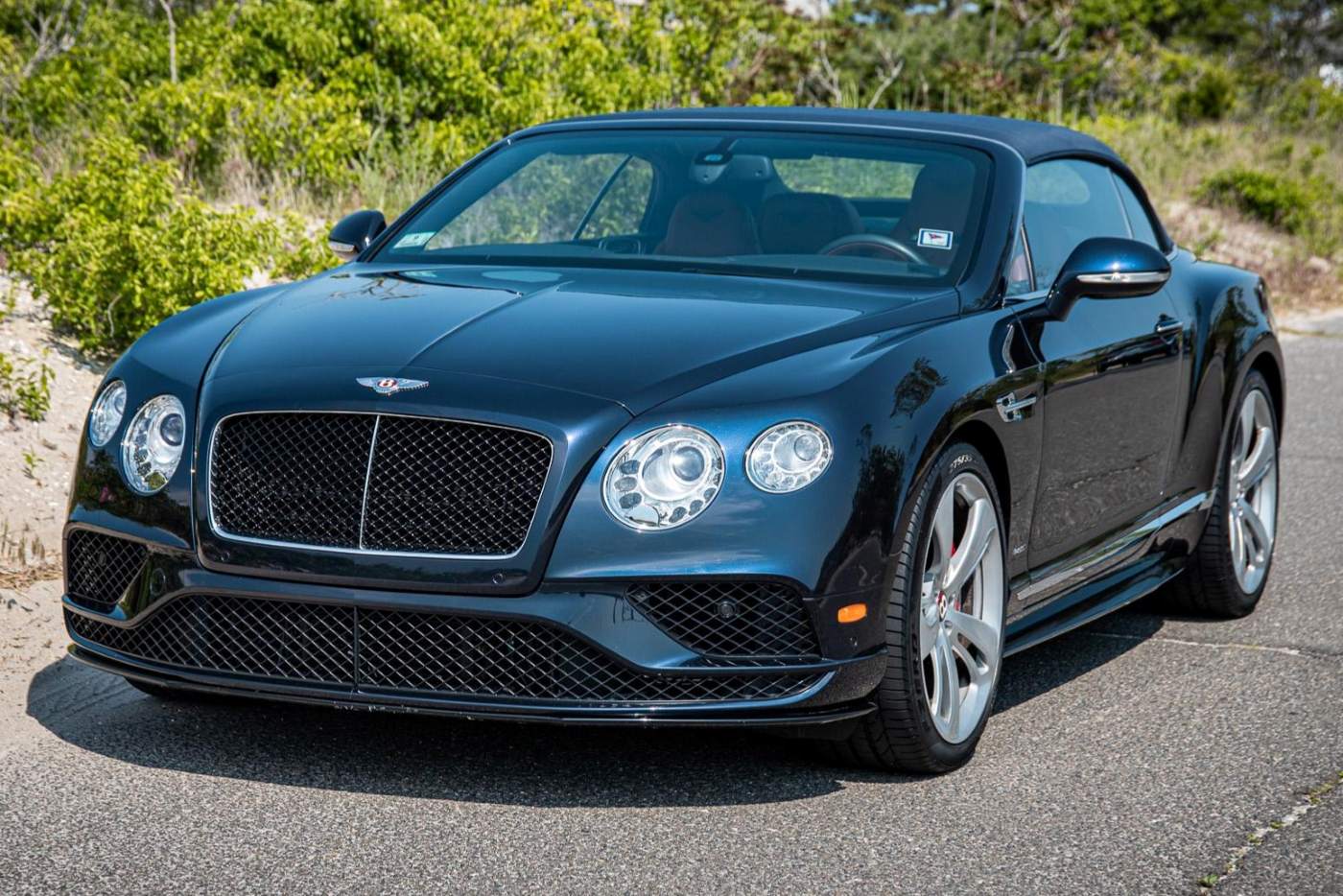
3. Bentley “Flying B”
The Bentley “Flying B” embodies refinement, speed, and power, emerging as one of the most iconic mascots in luxury motoring. First introduced in the 1920s, it depicts a stylized letter B with wings, symbolizing both the brand’s initial and the exhilaration of flight.
Its aerodynamic design communicates the performance-oriented nature of Bentley vehicles, combining elegance with a sense of motion. The mascot immediately signals status and craftsmanship to anyone who sees it.
Early Flying B mascots were hand-cast in silver and chrome, emphasizing the intricate detail of the wings and letter form. Over the decades, Bentley has introduced illuminated and retractable versions to meet modern safety regulations, allowing the figure to glow subtly while driving.
Each version preserves the mascot’s grandeur, ensuring that it continues to evoke a sense of prestige and sophistication. Its presence on the hood is both a statement and a functional piece of brand identity.
Collectors prize early Flying B figures for their rarity and exquisite craftsmanship, with some examples fetching high prices at auctions. The design’s longevity demonstrates Bentley’s commitment to tradition and its ability to merge classic styling with contemporary technology.
The mascot’s elegant yet powerful appearance reinforces the perception of Bentley vehicles as luxurious and performance-driven. It also represents the careful attention to detail that distinguishes high-end automotive brands from standard vehicles.
The Flying B also functions as a visual ambassador for Bentley, appearing in advertisements, promotional materials, and public displays. Its wings convey freedom and speed, while the bold B emphasizes identity and brand loyalty. Designers have preserved these symbolic elements for nearly a century, allowing the mascot to transcend mere decoration and become a defining feature of the brand. Its recognition is so strong that even a silhouette of the emblem conveys prestige.
Beyond aesthetic appeal, the Flying B serves as a reminder of the marriage between form and function in automotive design. It demonstrates how a small ornament can communicate power, history, and elegance simultaneously.
The mascot’s ongoing relevance illustrates that classic design principles, when combined with innovation, can endure and inspire new generations of enthusiasts. Bentley’s Flying B remains a signature symbol of luxury and performance worldwide.
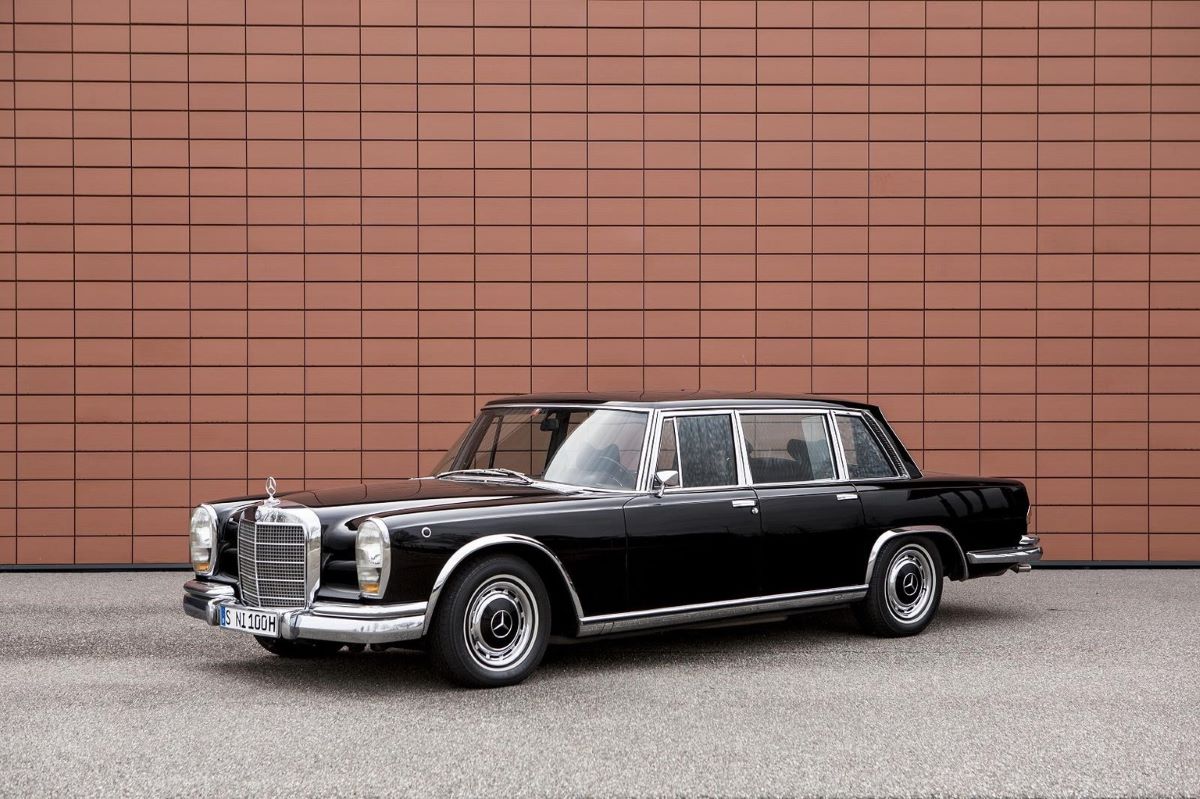
4. Mercedes-Benz Three-Pointed Star
The Mercedes-Benz three-pointed star is one of the most iconic automotive symbols in history. Introduced in the early 20th century, the star represents the brand’s ambition to dominate land, sea, and air. It is both a logo and a hood ornament, combining brand philosophy with elegant design. Its simplicity and symmetry make it instantly recognizable on luxury vehicles around the world.
Crafted originally in metal and later in chrome, the three-pointed star was designed to stand upright while maintaining aerodynamic efficiency. Retractable versions were later introduced to meet safety standards, demonstrating the careful consideration of both aesthetics and practicality.
The ornament reinforces the brand’s identity, symbolizing engineering excellence, reliability, and innovative spirit. Its presence on a vehicle communicates confidence and status without overt extravagance.
Collectors highly value early Mercedes mascots for their precision craftsmanship and historical significance. The emblem’s clean lines and geometric design set a precedent for modern automotive logos, influencing other brands. Over the decades, the star has maintained its original proportions and symbolism, serving as a visual anchor for Mercedes-Benz vehicles. Its consistency enhances brand recognition and strengthens consumer trust.
The mascot also plays a cultural role, appearing in films, artwork, and promotional campaigns as a symbol of sophistication and technical mastery. Its minimalist form demonstrates that powerful design does not require excessive ornamentation.
Designers have continually refined materials and finishes while keeping the essential shape intact, preserving the emblem’s symbolic integrity. Its enduring appeal demonstrates the strength of timeless design.
Beyond its aesthetic and symbolic functions, the three-pointed star represents Mercedes-Benz’s commitment to innovation and quality. It conveys technical achievement, global vision, and the aspirational nature of the brand. The ornament exemplifies how a simple geometric shape can embody a rich history, connecting consumers to the legacy of one of the most influential car manufacturers in the world.
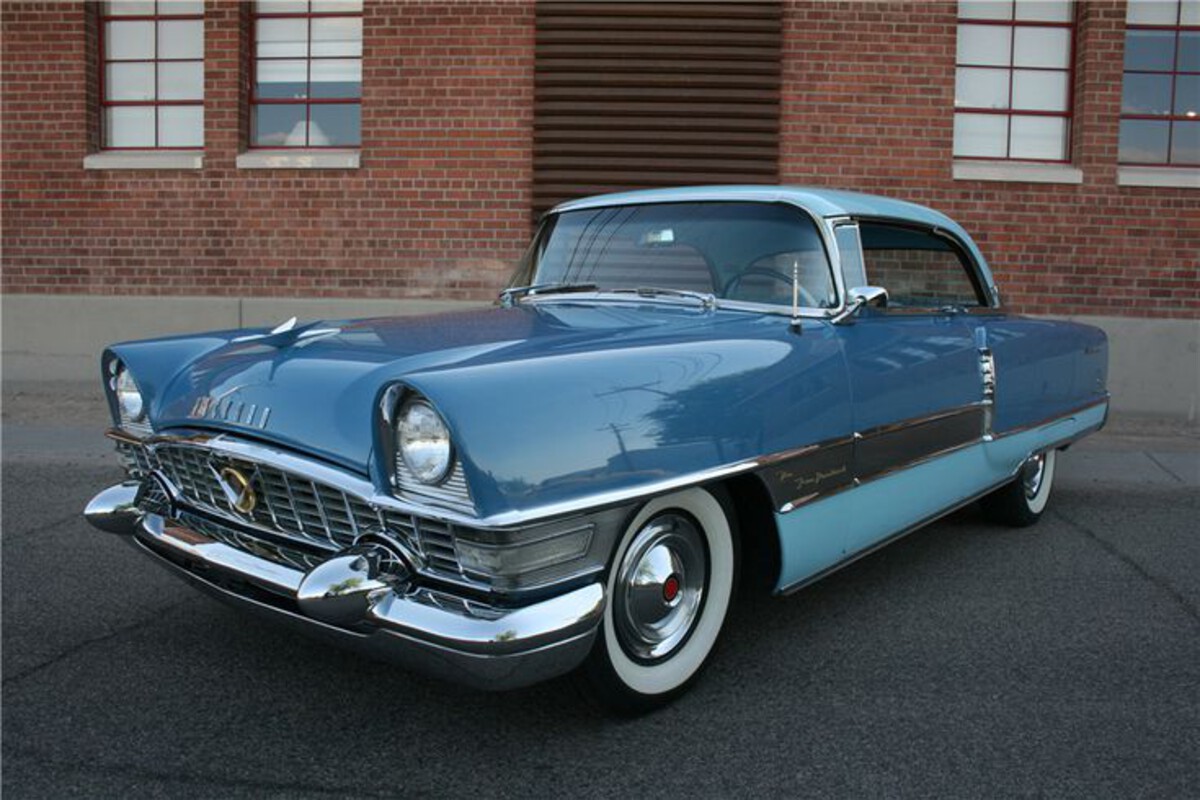
5. Packard Cormorant
The Packard Cormorant was introduced in the 1920s as a symbol of elegance, sophistication, and modernity for the Packard automobile brand. It depicts a bird with wings stretched upwards, exuding a sense of upward motion and grace.
The design reflects the luxury and refinement of Packard vehicles, while also conveying an aspirational spirit. Its intricate detailing and sleek lines made it a visual centerpiece for the hood, representing the brand’s dedication to both beauty and engineering.
Originally crafted in chrome and later in nickel, the Cormorant mascot combined sculptural artistry with aerodynamic considerations. The bird’s elongated form created the impression of speed and freedom, even when the vehicle was stationary. Each figure was hand-finished, highlighting the brand’s focus on craftsmanship and attention to small details. The mascot became a hallmark of Packard vehicles, signaling status and prestige to observers.
Collectors today prize original Packard Cormorants for their rarity and artistry. Some early versions were detachable to allow for safe storage or maintenance, adding functional value to their ornamental appeal.
The design’s elegance and careful balance made it one of the most admired mascots of the pre-war era. Its continued recognition reflects the lasting impression of quality and style associated with the Packard name.
The Cormorant also influenced other automotive ornament designs, inspiring more fluid and naturalistic forms in mascot artistry. Its bird motif communicates grace, motion, and refinement, appealing to drivers who valued aesthetics alongside performance. The mascot was not only a decoration but a statement of identity, connecting the owner to a legacy of American luxury automobiles.
Beyond its sculptural qualities, the Packard Cormorant embodies the philosophy of combining artistry with functionality. It illustrates how mascots could communicate brand ideals, lifestyle aspirations, and technological sophistication simultaneously. Even decades after Packard ceased production, the Cormorant remains a celebrated example of design excellence and automotive heritage.
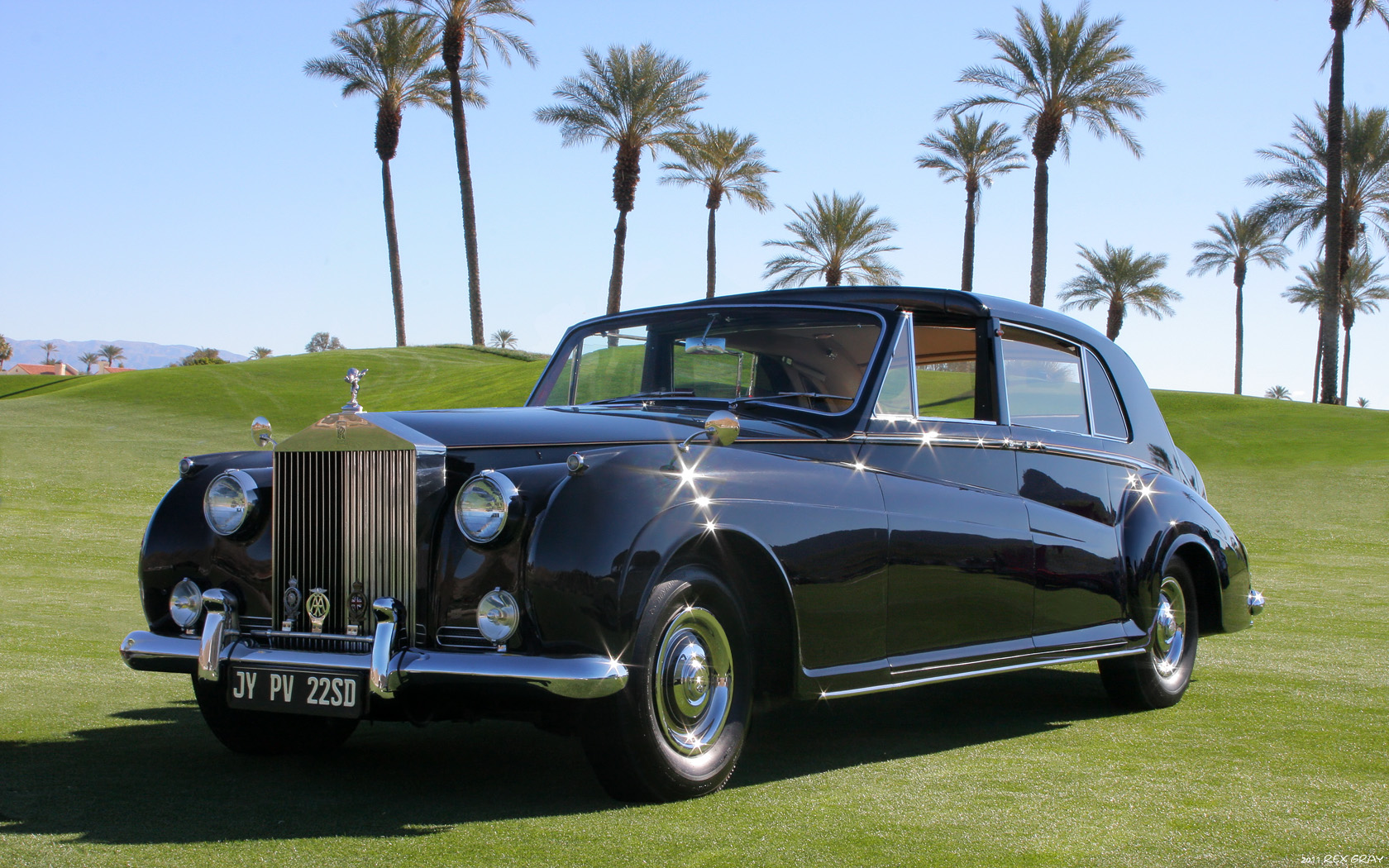
6. Rolls-Royce Flying Lady (Smaller Variants)
While the Spirit of Ecstasy is the most famous Rolls-Royce mascot, smaller variants of the Flying Lady also played a significant role in the brand’s history. These versions were often simpler in design but retained the essential flowing robes and forward-leaning pose.
They were used on more compact models or as alternatives in earlier production years. Their existence highlights Rolls-Royce’s commitment to brand consistency and elegance across different vehicle lines.
These smaller mascots were often crafted in nickel or silver-plated bronze, emphasizing refinement while maintaining affordability compared to the full-sized Spirit of Ecstasy. The simplified design allowed for easier mounting and safer operation, especially on vehicles with shorter hoods. Despite their size, they preserved the sense of motion and grace that became synonymous with Rolls-Royce design.
Collectors view these smaller Flying Lady mascots as rare pieces of history, often overshadowed by the more famous full-size version. Yet they provide insight into the brand’s experimentation with scale, proportion, and functional ornamentation. Their survival over decades also demonstrates Rolls-Royce’s attention to detail and careful preservation of design elements.
The smaller Flying Lady mascots also reflect a broader trend of accessibility within luxury car design. While still signifying prestige, these variants allowed Rolls-Royce to maintain a signature presence on vehicles with less imposing hoods. Designers retained the symbolic meaning of elegance, speed, and exclusivity, ensuring that every model carried the brand’s visual identity.
Beyond decorative function, these smaller mascots also served practical purposes, including acting as early temperature gauges in certain models. Their presence highlights the duality of automotive ornaments as both art and engineering solution. Even today, they are prized for their historical significance, illustrating the evolution of luxury car mascots over the decades.
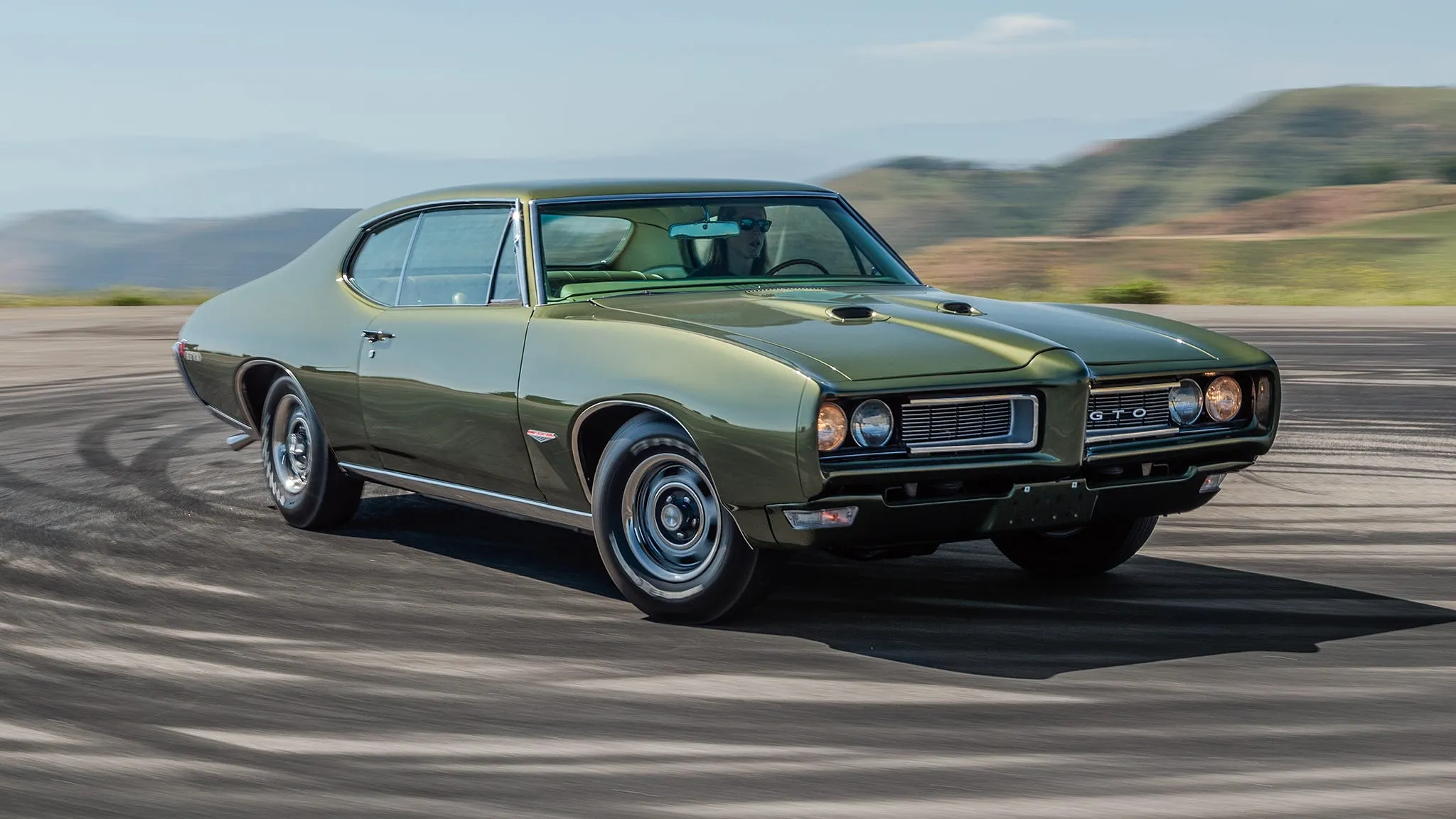
7. Pontiac Chief
The Pontiac Chief mascot became a defining symbol for the Pontiac brand, introduced in the mid-20th century to represent strength, courage, and American heritage. The design features a Native American chief wearing a traditional headdress, embodying respect for history while conveying authority and leadership. Positioned on the hood or radiator cap, it created an instantly recognizable brand identity for Pontiac vehicles.
The mascot was carefully sculpted, often in chrome or nickel-plated metal, with detailed attention to the headdress feathers and facial features. Its craftsmanship emphasized both realism and stylized symbolism, reinforcing the vehicle’s bold and adventurous character. By linking the mascot to the brand name, Pontiac successfully merged cultural imagery with automotive marketing.
Collectors today value early Pontiac Chief mascots for their artistic detail and historical significance. The ornament also reflects the mid-20th century trend of using figurative mascots to evoke character traits associated with the car. Over time, Pontiac modified the design to comply with safety regulations, but the emblematic imagery remained a central part of the brand’s visual identity.
The mascot also influenced advertising and public perception, giving Pontiac vehicles a unique presence in a crowded automotive market. Its distinctive design stood out at auto shows and in promotional materials, creating emotional resonance with potential buyers. The ornament exemplifies how mascots could communicate personality, aspiration, and cultural references simultaneously.
While modern automotive design has moved away from figurative mascots, the Pontiac Chief remains an enduring symbol of mid-century creativity. It demonstrates the power of combining artistry with branding to create memorable, culturally resonant imagery. Collectors and enthusiasts continue to celebrate its legacy as a hallmark of American automotive design.
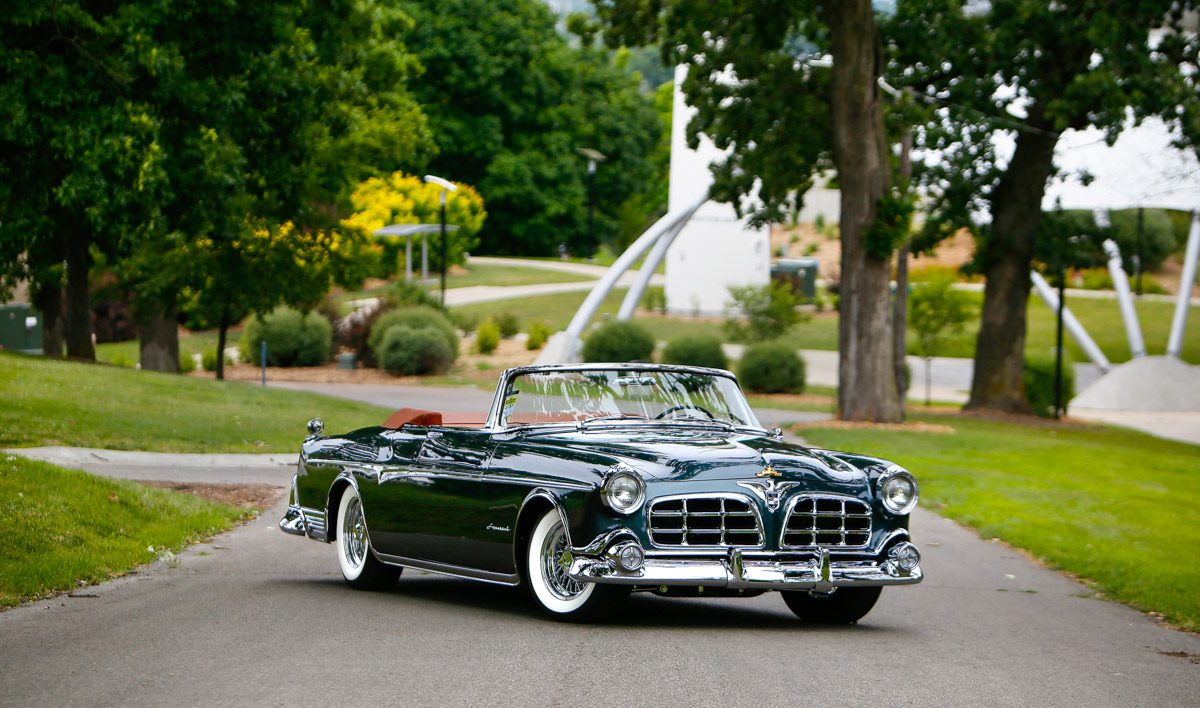
8. Chrysler Forward Look
The Chrysler Forward Look mascot was introduced in the 1950s alongside the brand’s sleek, modern vehicle designs. It features a stylized, streamlined figure leaning forward, conveying speed, progress, and futuristic vision. This mascot perfectly aligned with Chrysler’s marketing theme of forward-thinking engineering and cutting-edge styling. It created a visual statement that the cars themselves were ahead of their time.
Crafted in chrome or polished metal, the Forward Look mascot emphasized elongated lines and aerodynamic forms. The sculpture suggested motion even when the vehicle was parked, reinforcing the sense of energy and innovation. Designers took great care to maintain elegance without excessive ornamentation, keeping the figure in harmony with the car’s styling.
Collectors prize early Chrysler Forward Look mascots for their combination of artistry and historical significance. The ornament symbolizes a post-war era of optimism, when American automotive design celebrated speed, modernity, and technical progress. Its placement on the hood enhanced the vehicle’s visual impact while communicating Chrysler’s brand philosophy.
Advertising and promotional materials often featured the mascot prominently, reinforcing its association with innovation and elegance. It became a recognizable visual cue, helping Chrysler distinguish its cars in a competitive market. The combination of sculptural detail and functional ornamentation made the Forward Look a true icon of mid-20th century automotive design.
Beyond aesthetics, the Forward Look mascot embodies a period when automakers embraced artistic expression alongside engineering innovation. It demonstrates how mascots can symbolize broader cultural ideals, reflecting optimism, movement, and progress. Its enduring appeal lies in its ability to capture a sense of motion frozen in time.
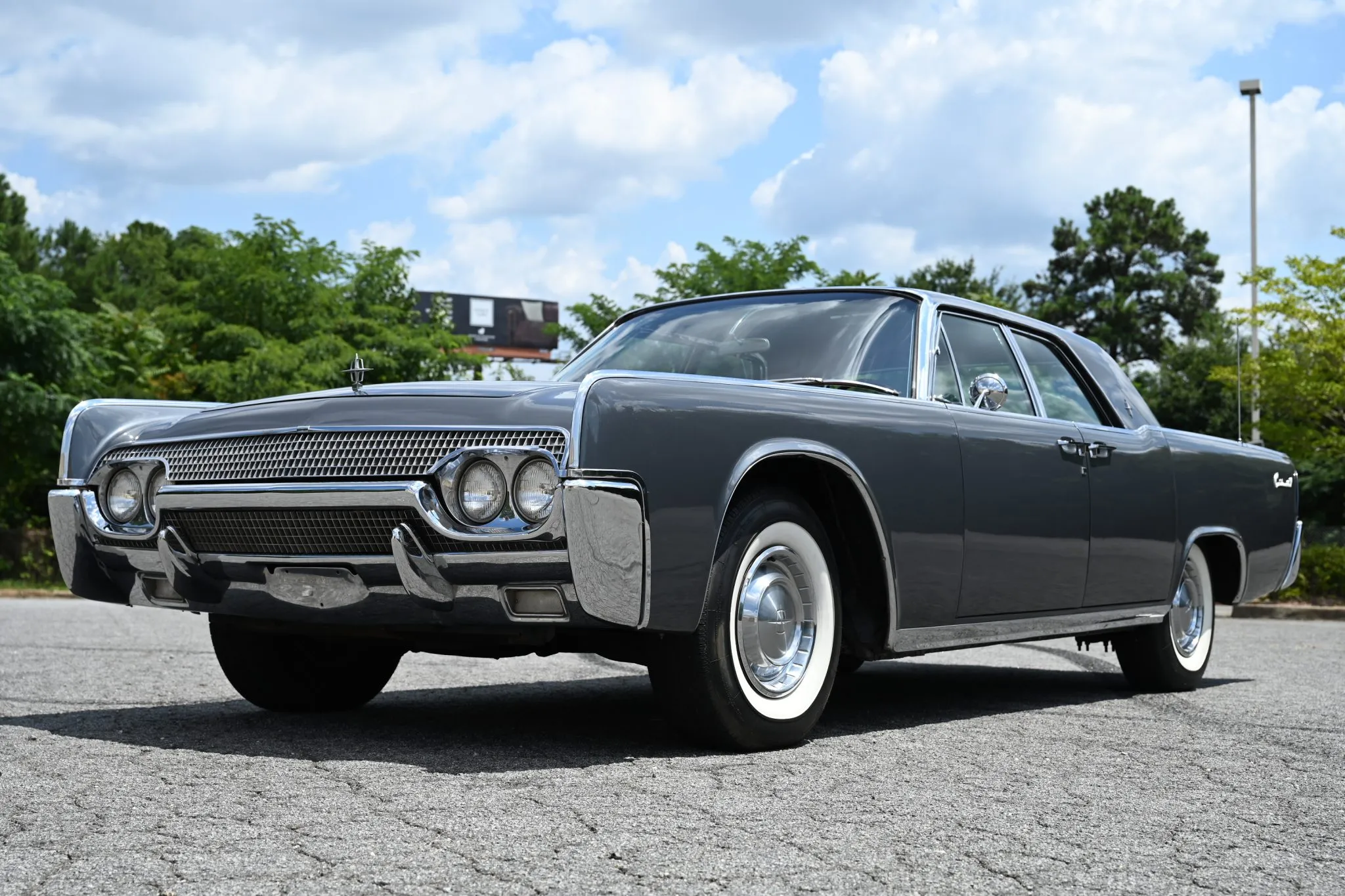
9. Lincoln Greyhound
The Lincoln Greyhound hood ornament was used primarily in the 1930s and 1940s to convey elegance, speed, and grace. The design depicts a greyhound poised in mid-stride, symbolizing swiftness and agility.
Its refined lines complemented the styling of Lincoln automobiles, adding an element of sophistication to the vehicle’s appearance. The greyhound’s posture communicates controlled motion, elegance, and poise simultaneously.
The mascot was typically cast in chrome or nickel, highlighting both the figure’s sleek lines and the reflective quality of the metal. Sculptors paid attention to muscular detail and facial expression, creating a sense of life within the static figure. Its presence on the hood immediately signaled refinement, distinguishing Lincoln cars from competitors in both luxury and style.
Collectors value the Lincoln Greyhound for its artistry and historical context. It represents a period when automotive mascots were central to brand identity, conveying qualities beyond performance or reliability. The greyhound’s elongated form harmonized with vehicle design, reinforcing an impression of motion and speed. Early versions are especially prized for their craftsmanship and elegance.
The Greyhound mascot also became a cultural emblem, representing American luxury and sophistication during the pre-war and post-war eras. Its streamlined form influenced subsequent hood ornament designs, emphasizing simplicity and motion rather than elaborate decoration. The mascot’s visual impact made it a memorable symbol of Lincoln’s brand values.
Beyond aesthetics, the Lincoln Greyhound illustrates the integration of functional design with symbolic storytelling. It conveys speed, elegance, and refinement while simultaneously serving as a signature identifier for the vehicle. Its legacy remains a reminder of how thoughtful design can enhance both brand identity and visual appeal.
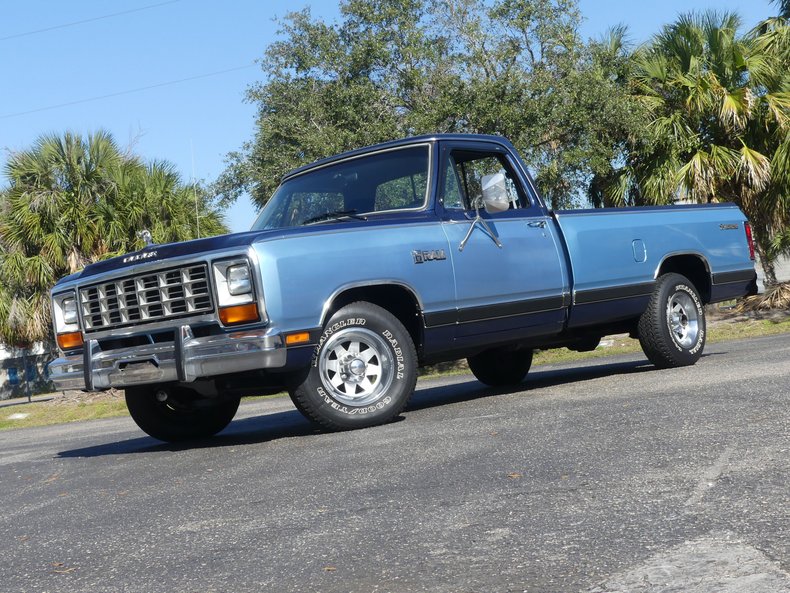
10. Dodge Ram
The Dodge Ram hood ornament emerged as a symbol of power, ruggedness, and determination. Introduced in the 1930s, the design depicts a charging ram with prominent horns, representing strength and resilience. It perfectly aligned with Dodge trucks and vehicles built for performance and durability. The ornament conveys a sense of motion, aggression, and reliability, reinforcing the brand’s identity in both commercial and consumer markets.
The mascot was crafted in chrome or polished metal, emphasizing muscular lines and dynamic posture. Sculptors focused on the animal’s energy and form, creating a figure that appeared ready to leap forward. Its bold presence on the hood communicates confidence and capability, reflecting Dodge’s emphasis on performance-oriented vehicles. The ram’s forward stance reinforces the message of unstoppable force.
Collectors and enthusiasts prize the Dodge Ram mascot for its symbolic power and historical significance. Early versions represent a period when automotive mascots were both brand identifiers and art forms. The ornament became an instantly recognizable emblem, reinforcing Dodge’s association with strength, durability, and determination. Its design has remained consistent while adapting to modern safety standards.
The ram mascot also influenced marketing, appearing prominently in advertisements, promotional materials, and automotive shows. It communicated toughness and reliability, appealing to buyers seeking vehicles that projected strength and utility. Designers retained the core essence of the figure while refining its materials and mounting systems to meet contemporary standards.
Beyond aesthetic appeal, the Dodge Ram mascot illustrates how an emblem can convey character and identity. It embodies resilience, energy, and confidence, becoming a symbol of the vehicles themselves. Its enduring recognition demonstrates the importance of mascots in creating emotional and visual connections between drivers, vehicles, and brands.