
Classic car ownership is often associated with high auction prices, pristine museum-quality restorations, and six-figure collectibles reserved for wealthy enthusiasts.
Yet the classic car hobby has always had a far more accessible side. Across the United States, thousands of enthusiasts enjoy vintage vehicles that cost no more than a used modern sedan.
With a budget of $10,000, buyers can still find classic machines that deliver distinctive styling, mechanical simplicity, and genuine historical character.
The key is choosing models that were produced in high numbers, remain relatively easy to maintain, and have not yet become heavily speculated collector items.
Many American classics from the 1960s through the 1980s remain attainable because they were mass-produced and share parts with other vehicles from their era.
Likewise, several European and Japanese classics have stayed affordable thanks to strong reliability and an abundant supply of surviving cars.
These vehicles may not be the rarest or fastest classics on the market, but they provide the authentic experience of driving a vintage automobile, complete with analog controls, straightforward engineering, and unmistakable design.
For enthusiasts working with a $10,000 budget, condition matters more than prestige. A well-maintained example of a modest model will provide far more enjoyment than a deteriorated version of a high-end collectible.
Rust-free bodies, good mechanical health, and reasonable parts availability should be the primary considerations. Fortunately, the following classic cars consistently appear in the U.S. market within this price range while offering strong enthusiast support and historical significance.
1. Ford Mustang (1965–1968)
The 1965–1968 Ford Mustang represents one of the most recognizable and accessible classic cars ever produced in the United States. Introduced in April 1964 as a 1965 model, the Mustang created the “pony car” segment almost overnight, combining sporty styling with affordable pricing and widely available mechanical components.
During its first generation, Ford produced well over a million units, ensuring that decades later the Mustang would remain one of the most attainable classic cars for enthusiasts. For buyers working with a budget around $10,000, early Mustangs often remain among the most realistic entry points into vintage American performance.
The Mustang was developed under the leadership of Ford executive Lee Iacocca, who envisioned a compact, stylish car that younger buyers could personalize without paying luxury-car prices.
Rather than developing an entirely new platform, Ford engineers based the Mustang on the existing Falcon compact car architecture, a decision that kept development costs low and allowed rapid production. This strategy also meant that parts availability would remain strong for decades, which is a key reason the car remains practical for modern classic-car ownership.
Under the hood, the Mustang offered a wide range of engines, allowing buyers to choose anything from economical transportation to serious performance.
Early base models were equipped with a 170- or 200-cubic-inch inline-six engine designed for efficiency and smooth daily driving. For buyers seeking stronger performance, Ford offered several small-block V8 options, most notably the 289-cubic-inch V8 available in multiple performance configurations.
Depending on the version, output ranged from roughly 200 horsepower to over 270 horsepower in the high-performance “Hi-Po” variant. Power was delivered to the rear wheels through either a three-speed manual, four-speed manual, or automatic transmission, following a traditional front-engine, rear-wheel-drive layout.
The Mustang’s chassis design was simple but effective. It used independent front suspension with coil springs and a solid rear axle supported by leaf springs, a configuration that balanced cost, durability, and reasonable handling characteristics.
While not engineered as a pure sports car, the Mustang delivered a lively and engaging driving experience that appealed to a wide audience.
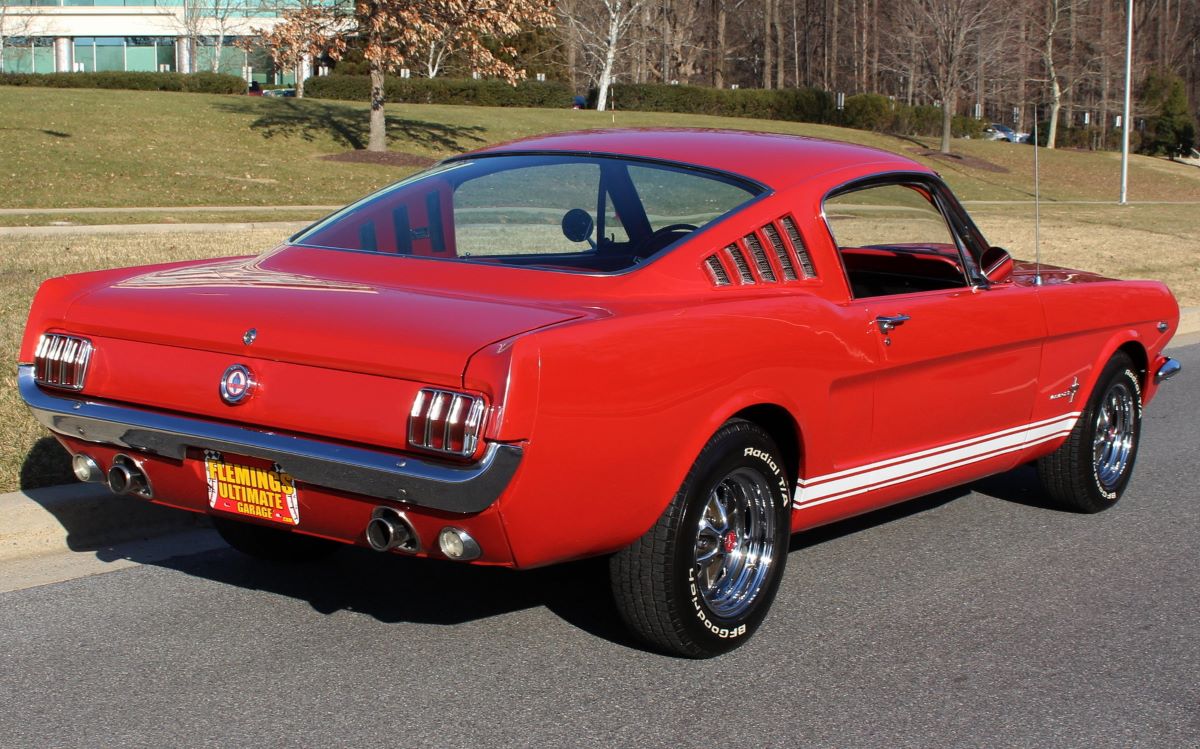
While they lack the raw performance of V8 variants, these Mustangs still provide the classic long-hood, short-deck design that made the car famous.
Mechanical simplicity is another advantage. Parts availability is excellent, and the Mustang enjoys one of the largest restoration and enthusiast communities in the world.
For buyers with around $10,000, the goal is usually a driver-quality coupe rather than a show car.
Even so, these early Mustangs deliver an unmistakable slice of 1960s American automotive culture and remain one of the most approachable entry points into classic car ownership.
2. Chevrolet Corvette C4 (1984–1990)
The fourth-generation Chevrolet Corvette represents one of the most affordable ways to own a genuine American sports car.
When it debuted for 1984, the C4 introduced an entirely new chassis with advanced suspension design, digital instrumentation, and significantly improved handling compared to earlier Corvettes.
Early models powered by the L83 Cross-Fire Injection V8 and later versions with the L98 tuned-port injection engine are widely available for under $10,000 in the United States.
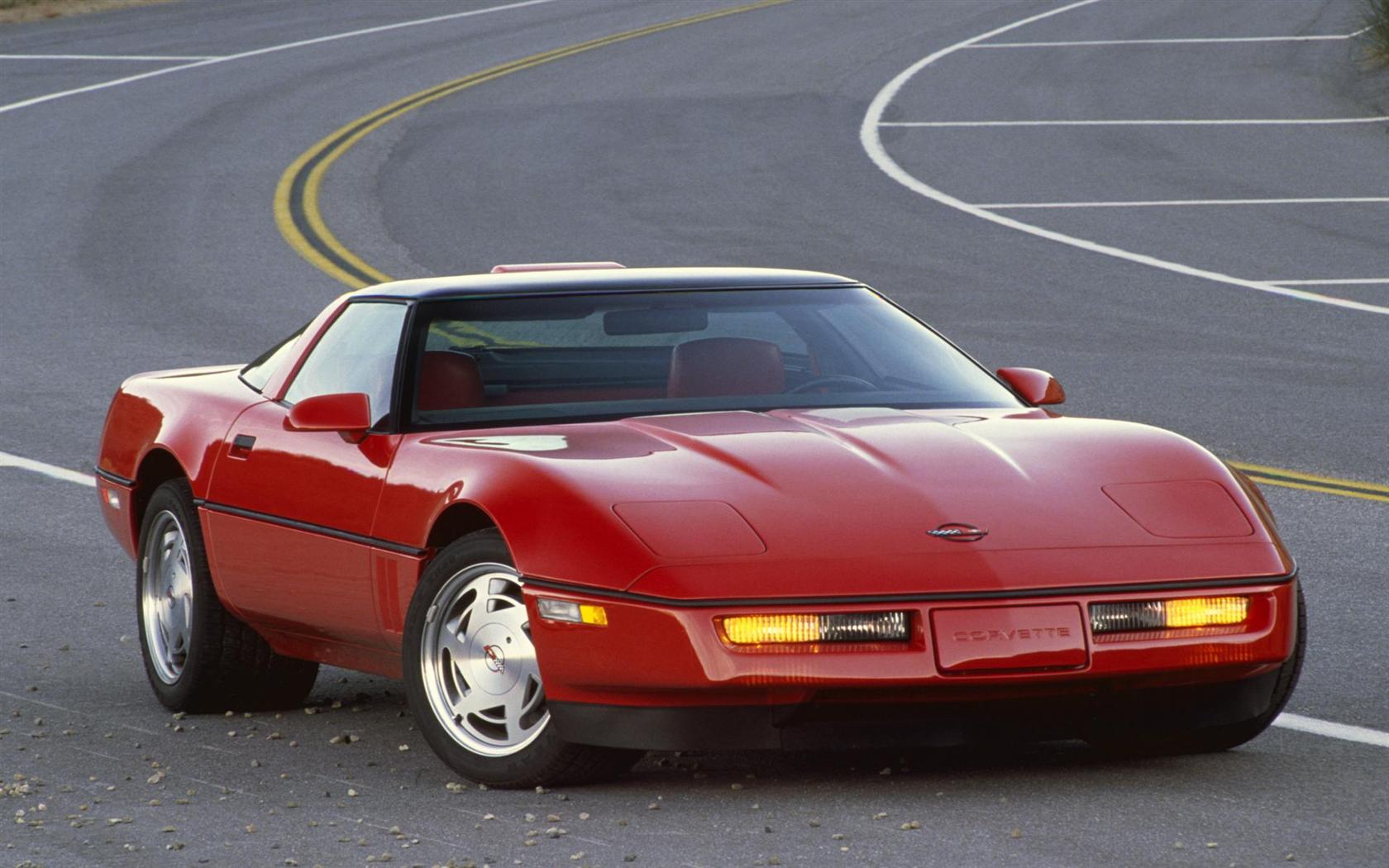
While the styling reflects the sharp, wedge-shaped design trends of the 1980s, the performance remains impressive even by modern standards.
Another advantage of the C4 Corvette is its fiberglass body construction, which eliminates traditional rust concerns. Replacement parts are plentiful, and the car benefits from strong aftermarket support.
For buyers seeking a classic that offers genuine performance without exceeding a modest budget, the C4 Corvette is often one of the best values available.
3. Datsun 280Z (1975–1978)
The 1975–1978 Datsun 280Z represents one of the most attainable classic sports cars from the golden era of Japanese performance vehicles.
As part of Nissan’s famous Z-car lineage, the 280Z built upon the success of the earlier 240Z and 260Z models while introducing important engineering updates aimed at improving reliability, emissions compliance, and everyday usability.
Produced during a period when Japanese manufacturers were rapidly gaining credibility in the U.S. market, the 280Z combined strong performance with durability and relatively simple mechanical design.
The Z-car project originally began in the late 1960s as Nissan’s effort to create a globally competitive sports car capable of challenging European models while remaining affordable.
The first generation debuted in the United States as the Datsun 240Z in 1970 and quickly became a commercial success thanks to its sleek styling and strong performance for the price.
By the mid-1970s, tightening emissions regulations in the United States forced Nissan to revise the car’s engine technology. The result was the 280Z, introduced for the 1975 model year with updated fuel delivery systems and improved drivability.
Powering the 280Z was Nissan’s L28 engine, a 2.8-liter inline-six that delivered smooth, reliable performance. Unlike earlier carbureted Z-cars, the 280Z featured Bosch-licensed electronic fuel injection, which improved throttle response, cold starting, and emissions performance.
The engine produced roughly 149 horsepower, delivering lively acceleration for a car that remained relatively lightweight compared with many American vehicles of the same period.
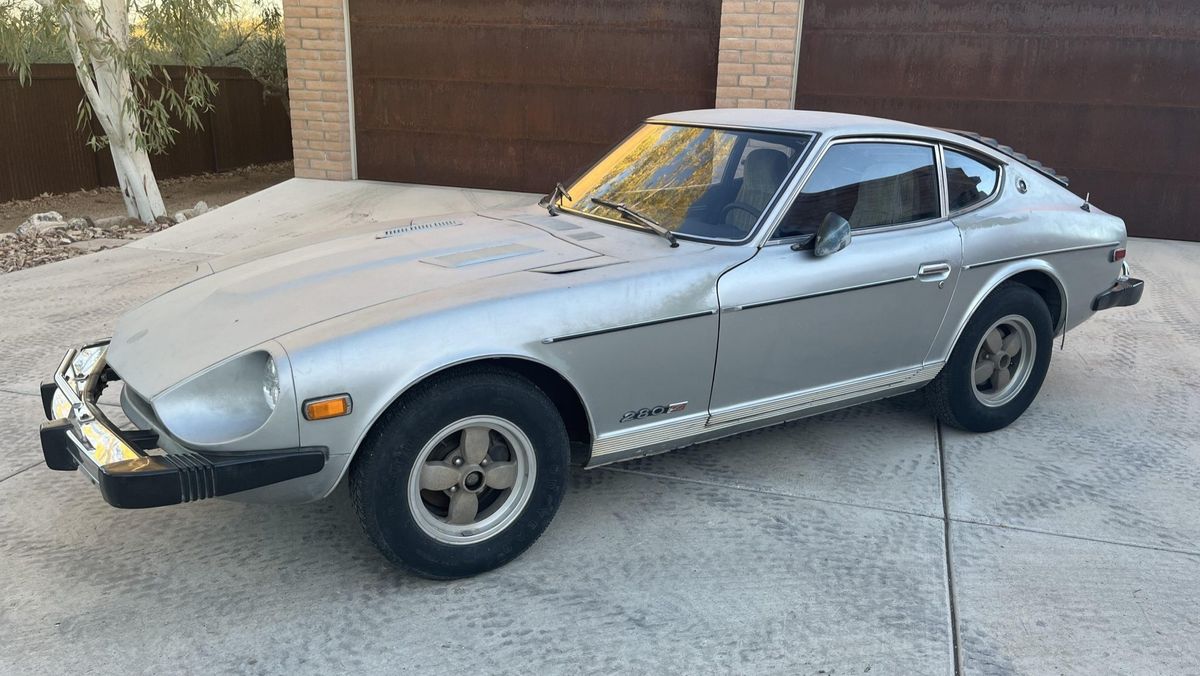
Power was sent to the rear wheels through either a four-speed manual, a later five-speed manual, or an optional automatic transmission, following a traditional front-engine, rear-wheel-drive layout.
The chassis played a major role in the car’s reputation as a balanced driver’s machine. The 280Z used independent suspension at all four corners, providing stable handling and strong grip through corners.
Its relatively long hood and short rear deck proportions reflected classic sports car design, while the lightweight unibody construction helped keep the vehicle agile. These engineering choices gave the 280Z a composed driving character that appealed to enthusiasts seeking an engaging yet practical sports coupe.
Stylistically, the 280Z retained the elegant fastback silhouette that made the original Z-car so recognizable. Smooth body lines, a sloping rear hatch, and minimal ornamentation created a clean, purposeful appearance.
Inside, the cockpit featured a driver-focused layout with clear instrumentation and supportive seating, reinforcing the car’s sporting intentions.
While pristine examples have become collectible, driver-quality cars still occasionally fall near the $10,000 range, particularly if they require minor cosmetic work.
The 280Z’s reputation for reliability and relatively straightforward mechanical layout makes it attractive for enthusiasts interested in maintaining their own classic.
In addition, the Z-car community remains extremely active, providing a wealth of technical resources and aftermarket upgrades.
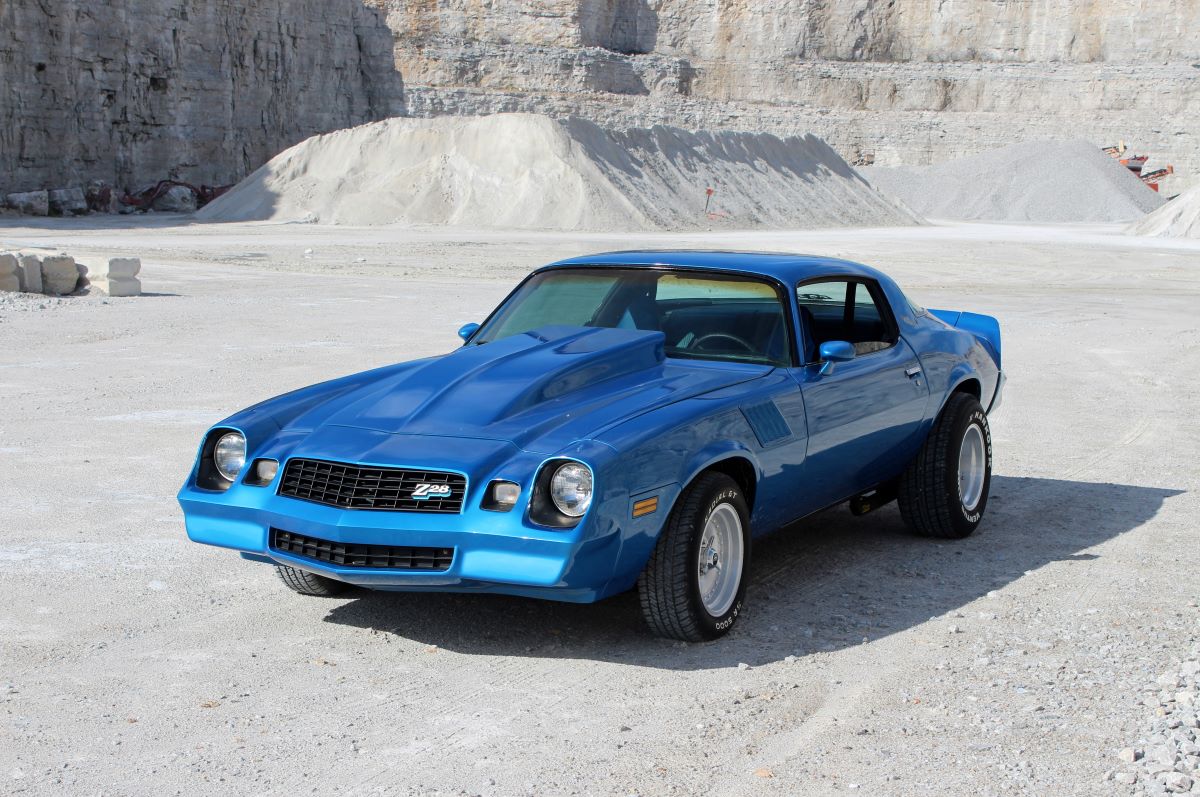
4. Chevrolet Camaro (1978–1981)
Late second-generation Chevrolet Camaros are among the most affordable classic muscle cars available today.
Produced during the late 1970s, these cars reflect an era when performance was declining due to emissions regulations, yet their aggressive styling and V8 powertrains still capture the essence of American muscle.
Most examples within the $10,000 price range feature small-block V8 engines paired with automatic transmissions.
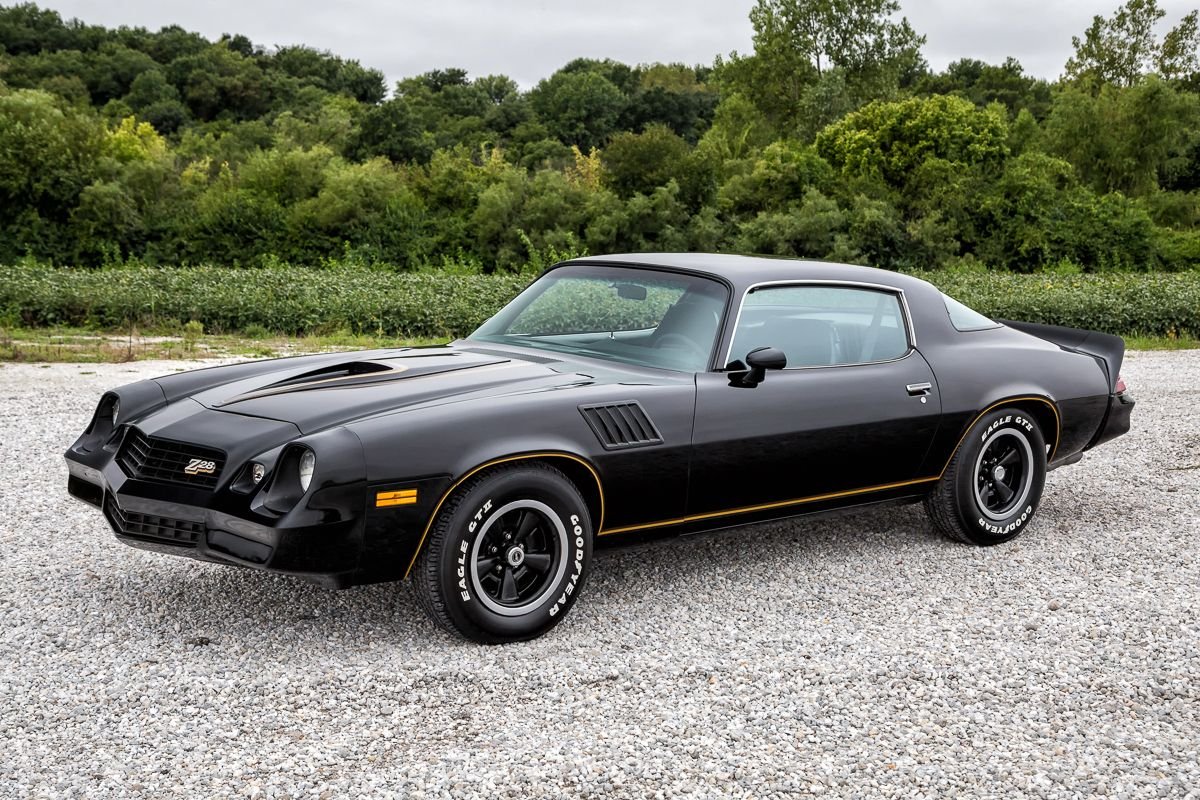
While horsepower figures were lower than earlier muscle cars, the engines remain durable and easy to maintain. The Camaro’s wide stance, long hood, and distinctive front grille make it unmistakably recognizable.
Because these cars were produced in large numbers, replacement parts are widely available. Enthusiasts frequently upgrade suspension components, brakes, and engines to enhance performance while retaining the car’s classic appearance.
5. BMW 3 Series E30 (1984–1991)
The BMW 3 Series E30, produced from 1984 to 1991, stands as one of the most respected compact luxury sports sedans of the late twentieth century and remains a popular entry point into classic European car ownership.
Introduced as the successor to the original E21-generation 3 Series, the E30 refined BMW’s formula of combining practical everyday usability with engaging driving dynamics.
During its production era, the model became widely recognized for its balanced engineering and precise handling, and decades later it continues to attract enthusiasts seeking an affordable and rewarding classic car experience.
The development of the E30 reflected BMW’s growing emphasis on driver-focused engineering. Building on the success of earlier models such as the BMW 2002 and the first-generation 3 Series, the E30 expanded the lineup with a broader range of body styles, including two-door and four-door sedans, convertibles, and touring wagons.
This versatility helped the model appeal to a wide audience while maintaining the sporty character that had become BMW’s compact cars.
The E30 also arrived during a period when European manufacturers were refining chassis tuning and powertrain efficiency, making it one of the most well-balanced vehicles in its class.
Under the hood, the E30 was offered with a variety of engines depending on the model and market. Many U.S.-market cars were equipped with BMW’s M20 inline-six engine, available in displacements such as 2.5 liters in the popular 325i variant.
This overhead-cam powerplant delivered smooth power delivery and produced roughly 168 horsepower in U.S. specification. Earlier and entry-level models used smaller four-cylinder engines, but the inline-six versions became the most sought-after among enthusiasts.
Power was transmitted to the rear wheels through either a five-speed manual transmission or an optional automatic gearbox, maintaining BMW’s traditional front-engine, rear-wheel-drive layout.
The E30’s chassis design played a major role in its enduring reputation. Independent suspension at all four corners provided excellent road control, while the car’s relatively compact dimensions and balanced weight distribution allowed it to handle winding roads with precision.
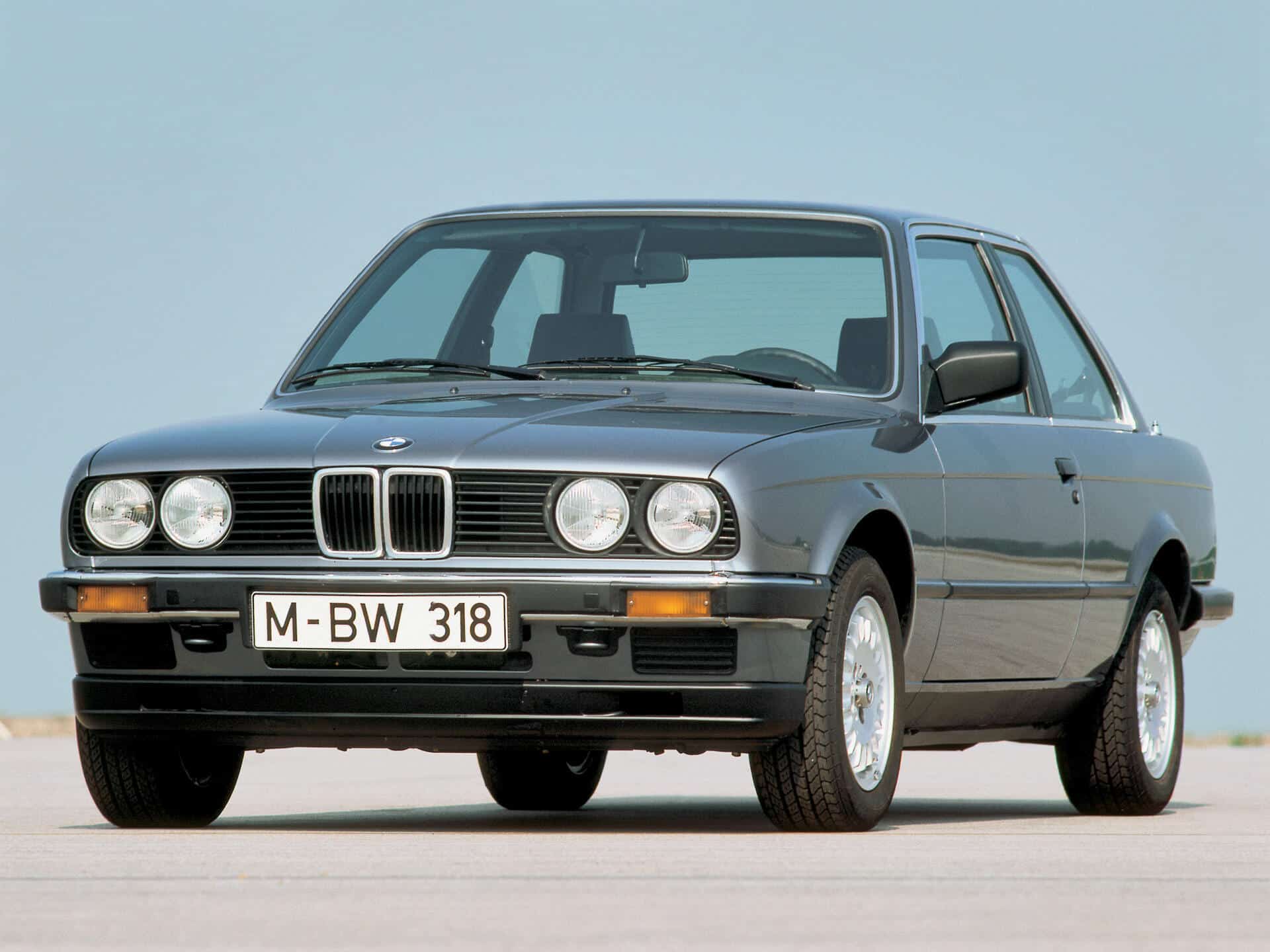
The E30’s appeal lies in its combination of practicality and driving enjoyment. Its compact dimensions make it easy to maneuver, while the interior reflects classic BMW design with simple gauges and driver-focused controls.
The model’s popularity among enthusiasts also ensures strong parts availability and extensive online support.
6. Pontiac Firebird (1977–1981)
The 1977–1981 Pontiac Firebird represents one of the most recognizable American performance cars of the late 1970s and remains a popular entry point into classic muscle-era styling for enthusiasts with limited budgets.
Produced during the later years of the second-generation Firebird, this period saw the model evolve into a cultural icon thanks to its bold styling, wide stance, and strong presence on American roads.
Despite arriving during an era shaped by tightening emissions regulations and rising fuel prices, the Firebird maintained its identity as a sporty, rear-wheel-drive performance car while remaining relatively attainable in the classic car market today.
The second-generation Firebird platform originally debuted in 1970, but the 1977 model year introduced a major styling refresh that helped define the car’s most famous appearance.
Pontiac designers reshaped the front fascia with quad rectangular headlights and a more aggressive nose, giving the car a sleeker and more modern look.
The updated design coincided with the Firebird’s surge in popularity, fueled in part by its appearance in popular culture and its association with Pontiac’s performance heritage. By the late 1970s, the Firebird had become one of the most recognizable American sports coupes on the road.
Under the hood, the Firebird offered a variety of engines depending on the trim level and production year. Base models often featured Pontiac or Chevrolet small-block V8 engines, such as the 305- or 350-cubic-inch V8, while higher-performance versions like the Trans Am could be equipped with larger engines including the Pontiac 400 V8 in earlier years of the period.
Output figures varied due to emissions restrictions of the era, typically ranging from around 150 to just over 200 horsepower. While these numbers were lower than the peak muscle car years of the late 1960s, the Firebird still delivered the strong low-end torque and rear-wheel-drive performance that enthusiasts expected from an American V8 coupe.
Mechanically, the Firebird used a traditional front-engine, rear-wheel-drive layout mounted on General Motors’ F-body platform. Power was sent to the rear wheels through either a manual transmission or a three-speed automatic.
The suspension system consisted of independent front suspension with coil springs and a solid rear axle with leaf springs, a durable setup that balanced ride comfort with sporty road manners.
The long hood, sweeping body lines, and available hood scoop gave the car a muscular profile, while optional graphics packages, including the famous “screaming chicken” hood decal on Trans Am models, made it one of the most distinctive American cars of the era.
The interior reflected the late-1970s emphasis on sporty comfort, with bucket seats, a center console, and driver-oriented instrumentation.
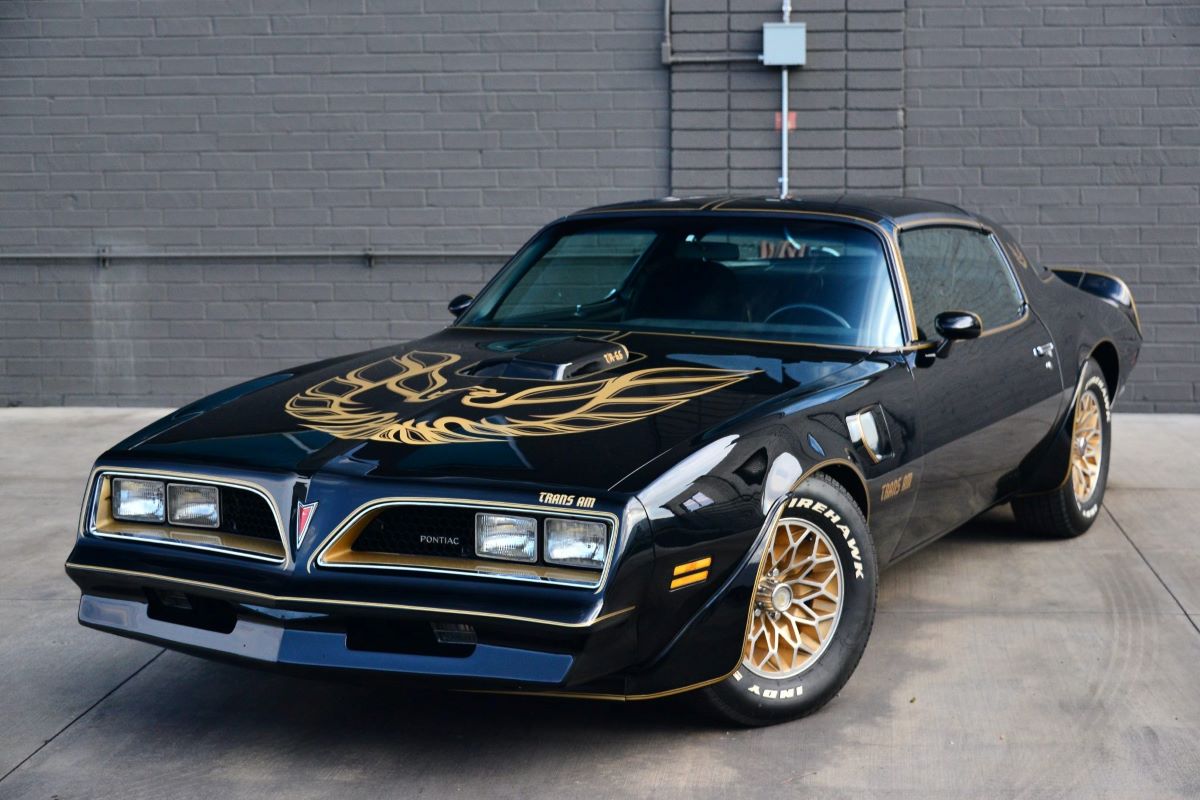
While not exceptionally fast by modern standards, these cars provide the unmistakable rumble and presence of a classic American performance vehicle.
The Firebird’s wide popularity during its production era means that many parts remain readily available today. Restoration components, trim pieces, and performance upgrades can all be sourced through a robust aftermarket.
7. Mercedes-Benz 560SEL (1986–1991)
The W126-generation Mercedes-Benz S-Class is widely considered one of the most durable luxury sedans ever produced.
The 560SEL, introduced in the late 1980s, represented the flagship version of the lineup and featured a powerful 5.6-liter V8 engine paired with exceptional build quality.
Originally costing more than many American homes, the 560SEL can now be found within the $10,000 range for well-maintained examples.
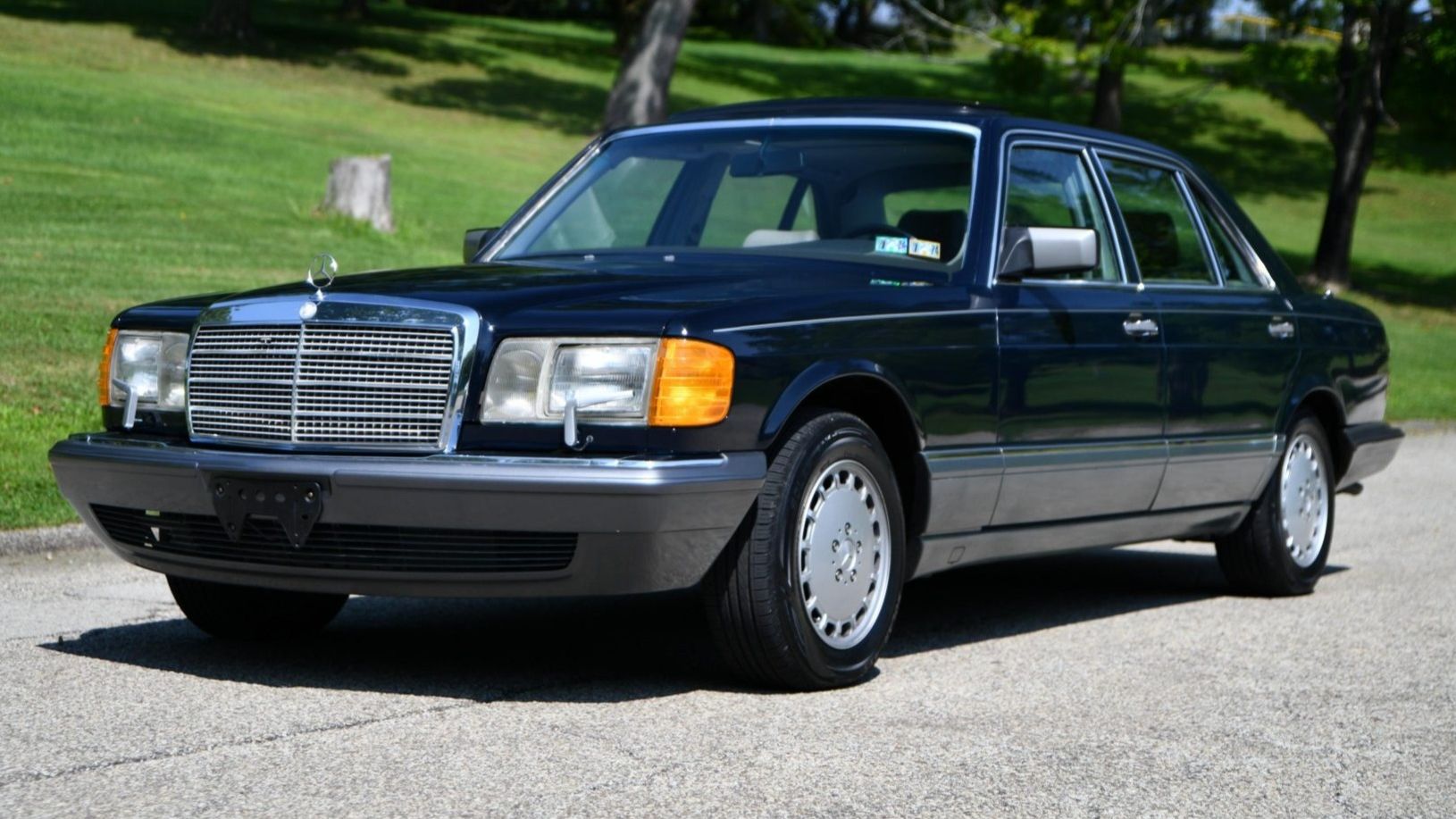
The car offers an impressive level of comfort, including high-quality leather interiors, advanced safety engineering, and the solid construction that defined Mercedes vehicles of the era.
Although maintenance costs can be higher than those of simpler classics, the W126’s reputation for longevity makes it a compelling option for buyers seeking a vintage luxury experience rather than a sports car.
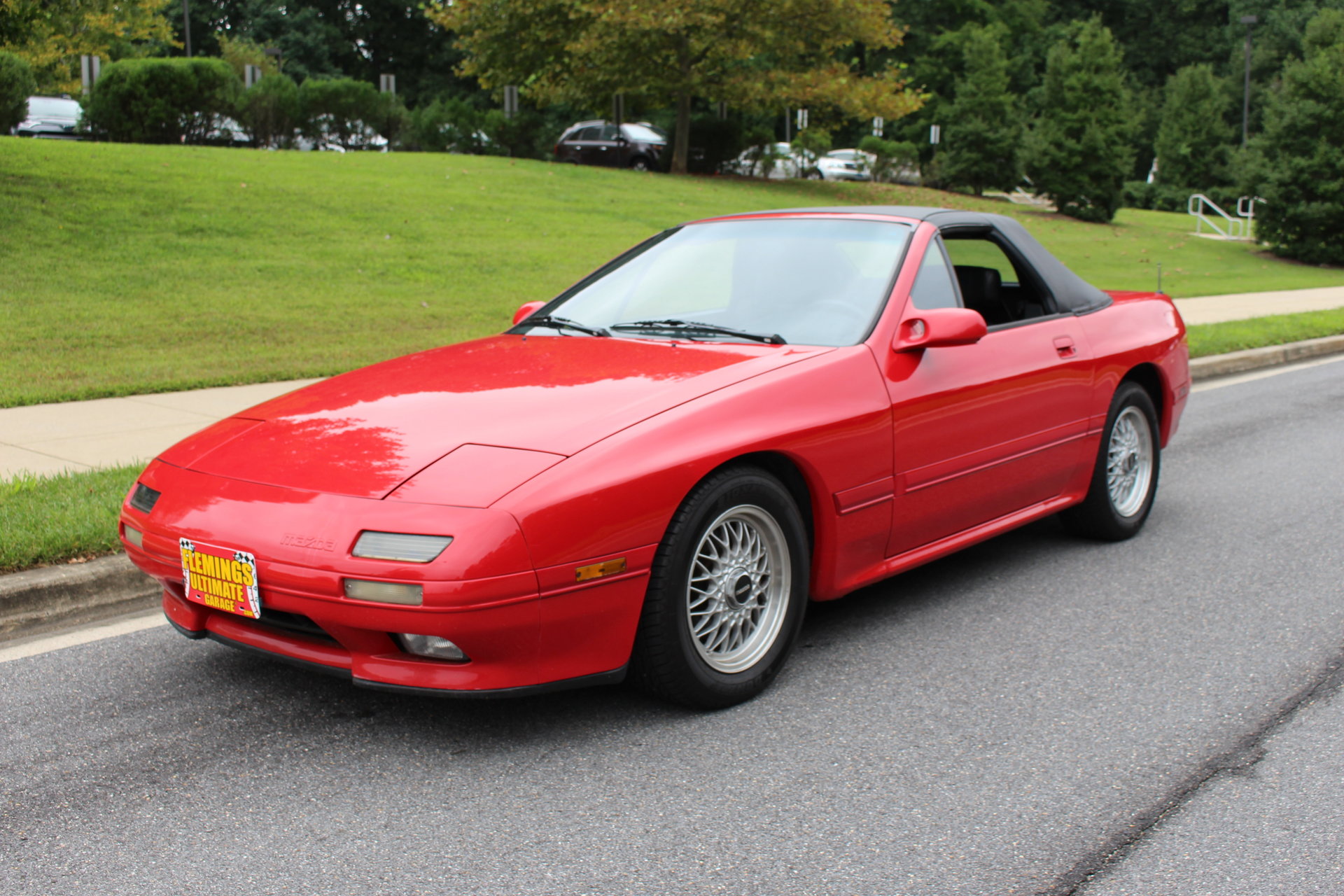
8. Mazda RX-7 (1986–1991)
The 1986–1991 Mazda RX-7, representing the second generation of Mazda’s rotary-powered sports car, stands as one of the most distinctive performance machines of the late 1980s.
Introduced during a period when Japanese automakers were rapidly gaining credibility in global sports car markets, the second-generation RX-7, known internally as the FC, combined lightweight engineering, balanced handling, and the unique characteristics of a rotary engine.
Mazda launched the original RX-7 in 1978 as a lightweight sports car built around the company’s long-running commitment to rotary engine technology.
By the mid-1980s, Mazda engineers sought to modernize the platform with improved aerodynamics, more advanced suspension, and updated performance capabilities.
The second-generation model debuted in 1986 with styling influenced by contemporary sports cars such as the Porsche 944, featuring smoother body lines and a more refined appearance compared with the angular first-generation model.
This new design reflected Mazda’s goal of making the RX-7 a more sophisticated sports coupe while preserving the car’s lightweight philosophy.
At the heart of the RX-7 was Mazda’s 1.3-liter 13B rotary engine, a compact powerplant that used triangular rotors rather than conventional pistons.
This design allowed the engine to rev smoothly and produce impressive power relative to its small displacement. Naturally aspirated versions of the engine produced around 146 horsepower, while the turbocharged variant introduced later in the production run increased output to approximately 182 horsepower.
Despite these modest displacement figures, the rotary engine’s smooth high-revving nature and the car’s relatively low weight gave the RX-7 lively acceleration and an engaging driving character.
The RX-7 followed a traditional sports car layout with a front-mounted engine and rear-wheel drive, paired with either a five-speed manual transmission or an optional automatic. Mazda engineers focused heavily on chassis balance, equipping the car with independent suspension at all four corners.
This configuration delivered precise handling and excellent cornering stability, making the RX-7 particularly enjoyable on winding roads. The car’s near 50/50 weight distribution further contributed to its reputation for predictable and responsive driving dynamics.
9. Volkswagen Beetle (1960s–1970s)
Few vehicles in automotive history are as recognizable as the Volkswagen Beetle. Designed with simplicity and affordability in mind, the Beetle became one of the most widely produced cars of all time.
Its rear-mounted air-cooled engine and compact body made it easy to maintain and inexpensive to operate.
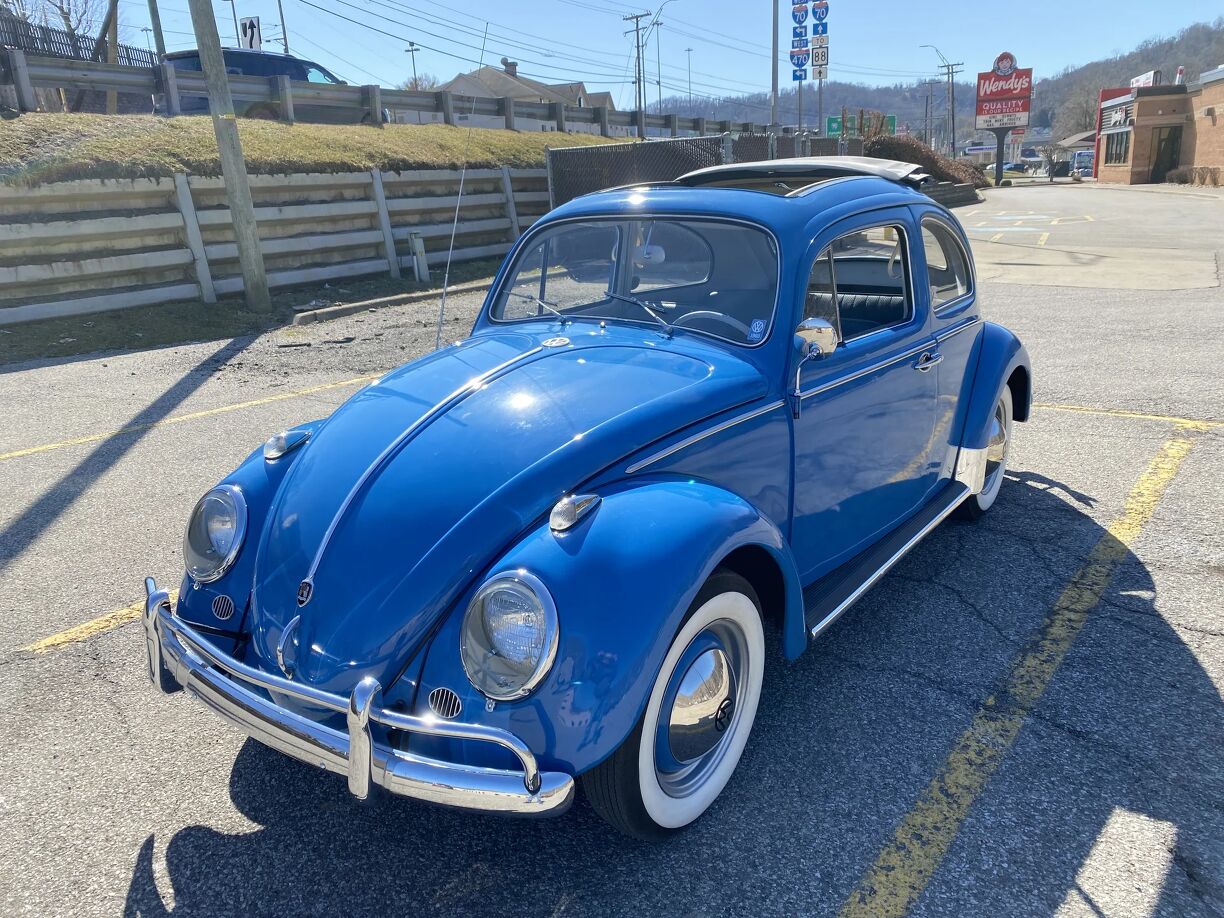
Because millions were built, Beetles remain widely available across the United States. Many examples fall comfortably under the $10,000 threshold, particularly standard models from the late 1960s and early 1970s.
The Beetle’s straightforward mechanical design allows owners to perform many repairs themselves, and parts are readily available from numerous suppliers.
For enthusiasts interested in a truly iconic classic with minimal mechanical complexity, the Beetle remains one of the most accessible options.
10. Chevrolet El Camino (1978–1987)
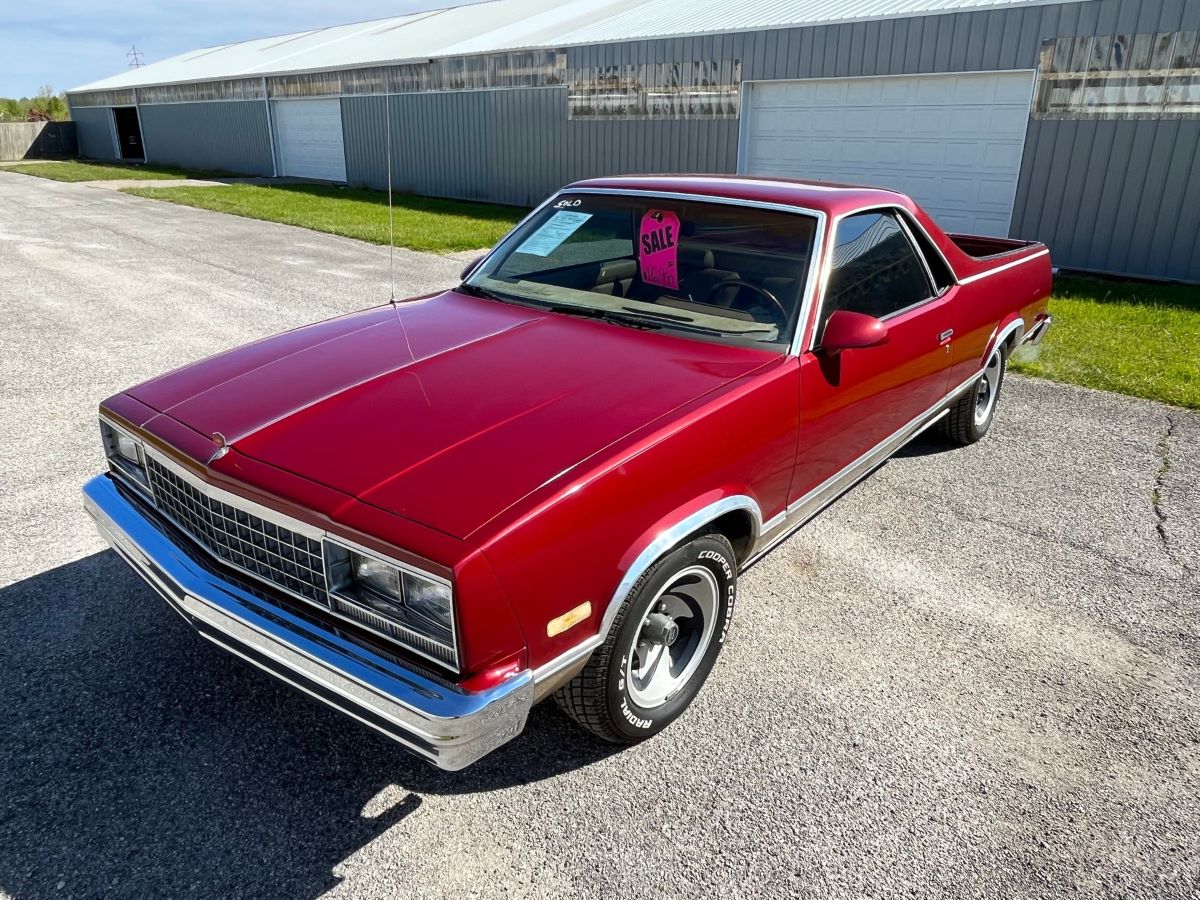
The Chevrolet El Camino occupies a unique place in American automotive culture by blending the practicality of a pickup truck with the styling of a passenger car.
Based on the Chevrolet Malibu platform during its later years, the El Camino provided a comfortable ride while still offering a functional cargo bed.
Most examples available near the $10,000 range feature small-block V8 engines paired with automatic transmissions.
While these vehicles were not originally intended as high-performance machines, their body-on-frame construction and simple mechanical components make them easy to maintain and modify.
The El Camino also stands out at classic car gatherings thanks to its unusual design. Owners often customize their vehicles with upgraded engines, suspension improvements, or period-correct styling modifications.
Classic cars do not have to be rare or expensive to be enjoyable. For many enthusiasts, the appeal lies in experiencing the mechanical character and design philosophy of earlier automotive eras.
Vehicles produced between the 1960s and early 1990s often feature simpler engineering that allows owners to understand and maintain their cars without the specialized tools required by modern vehicles.
A $10,000 budget may limit access to certain high-profile collectibles, but it still opens the door to a wide variety of authentic classics.
By focusing on models with strong parts availability, large enthusiast communities, and durable mechanical designs, buyers can enjoy vintage car ownership without facing overwhelming restoration costs.
Ultimately, the best classic car is not necessarily the most valuable one, it is the one that gets driven, maintained, and appreciated. For many enthusiasts across the United States, these affordable classics provide exactly that opportunity.
