Variable Valve Timing (VVT) has become essential for modern engines, enhancing both efficiency and performance, but not all systems achieve long-term reliability. Some engines combine sophisticated technology with robust engineering to provide years of dependable operation, earning a reputation for durability.
This list highlights 10 vehicles with the most reliable variable valve timing systems, featuring engines that deliver strong performance while minimizing maintenance concerns. From Toyota’s widely acclaimed VVT-i and Dual VVT-i designs to Honda’s mechanical VTEC systems, these engines demonstrate that advanced valve timing can coexist with exceptional longevity.
Each engine is carefully engineered to reduce internal stress, maintain precise timing over high mileage, and operate smoothly under daily driving, spirited performance, or extreme environmental conditions. By examining their construction, component quality, and real-world durability, these vehicles showcase the VVT systems that truly stand the test of time.
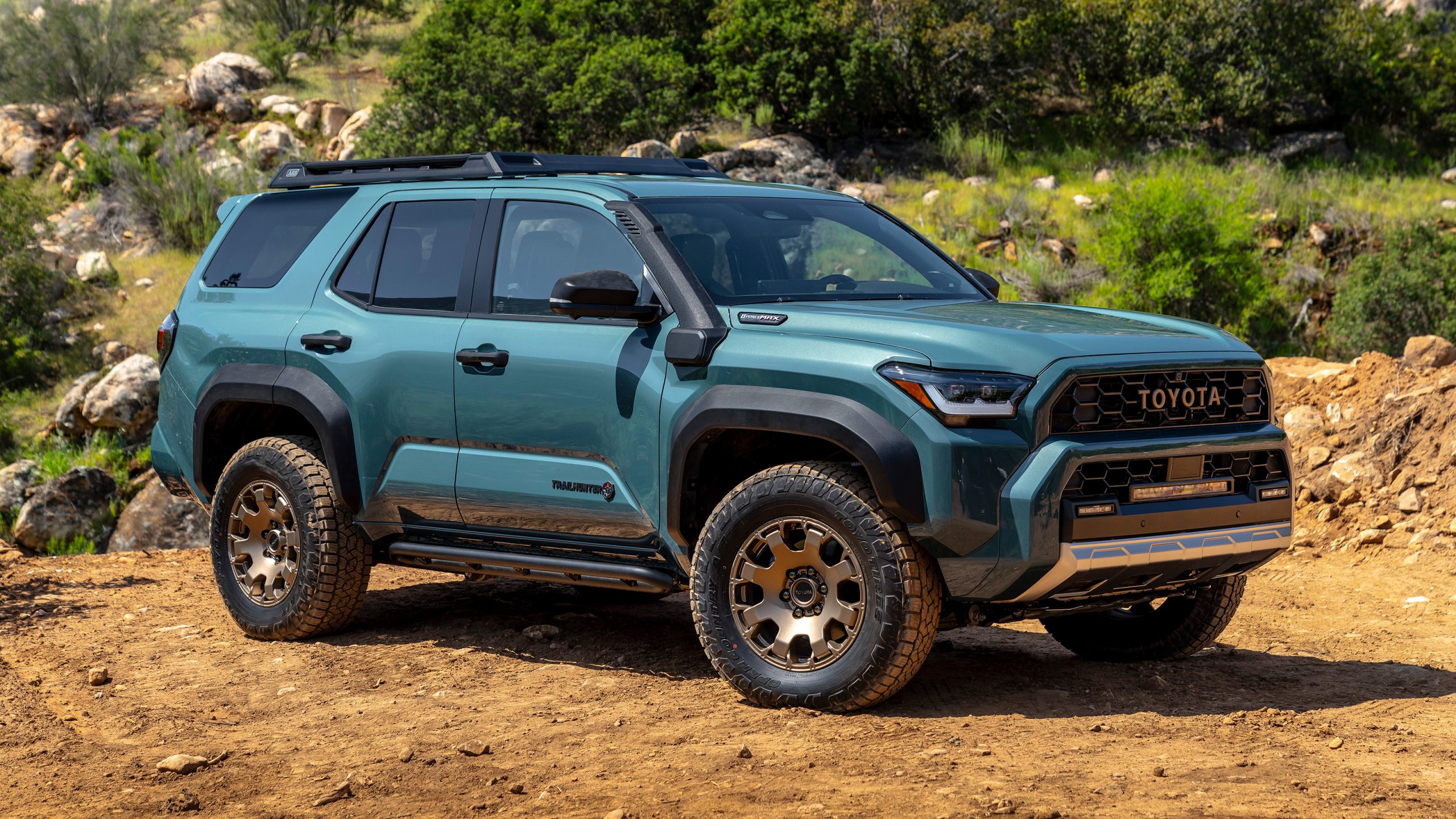
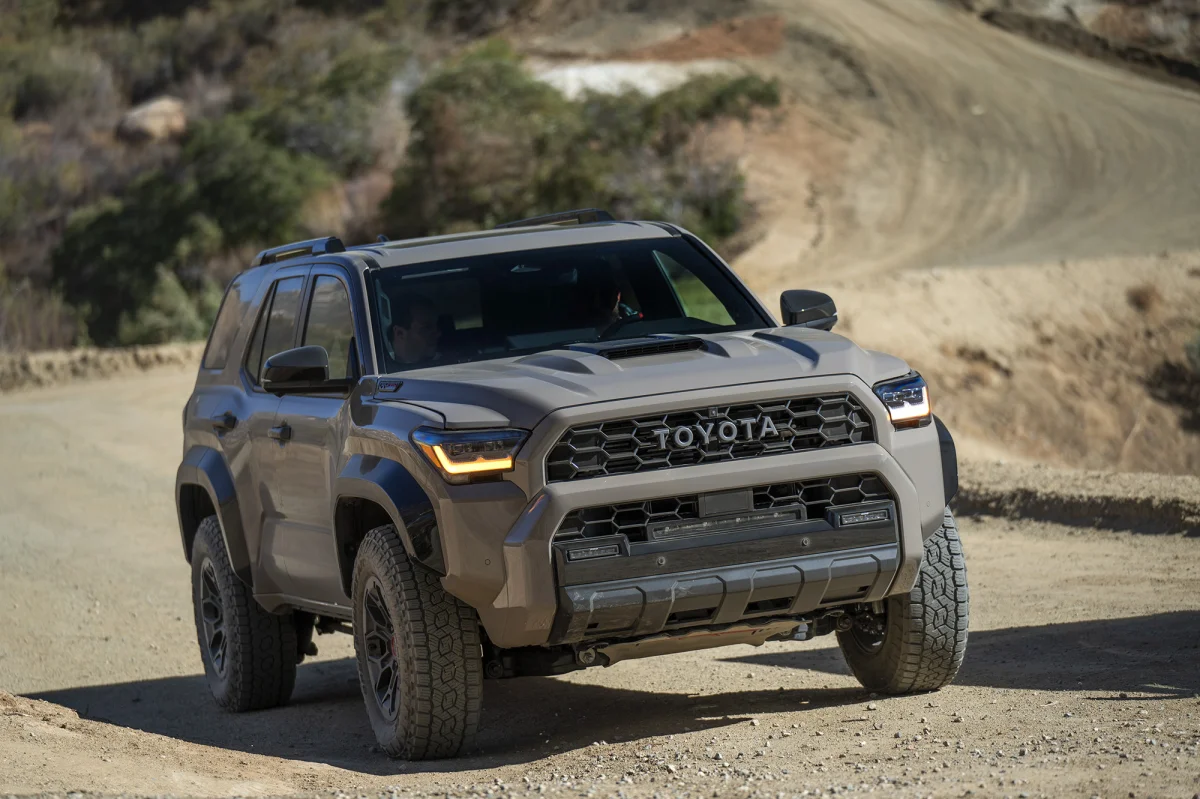
1. Toyota 4Runner 4.0L V6 (1GR-FE): A Benchmark for Durable VVT-i Engineering
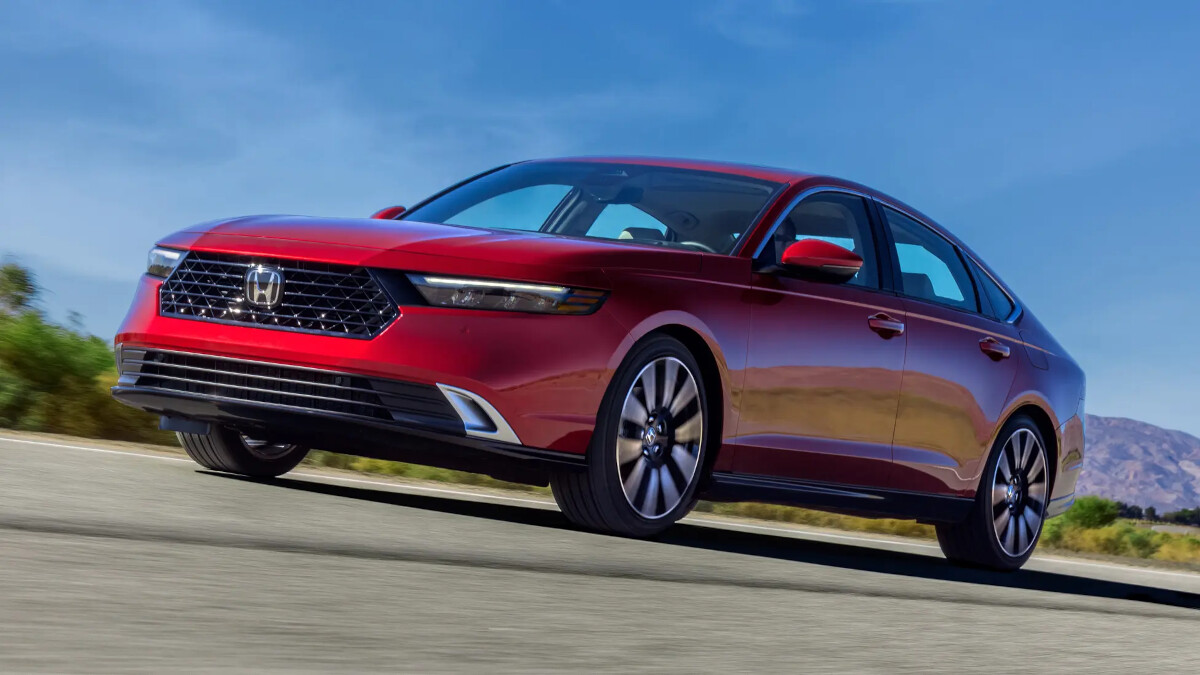
The 4.0-liter V6 (1GR-FE) engine used in the Toyota 4Runner is widely recognized as one of the most durable and reliable SUV engines ever produced. Its reputation stems largely from Toyota’s conservative engineering philosophy, which prioritizes long-term reliability and torque over maximum horsepower or cutting-edge complexity.
A major component of this durability is the engine’s Variable Valve Timing with intelligence (VVT-i) system, which is designed to operate under low mechanical stress while maintaining efficient performance.
One of the key reasons for the system’s longevity is its robust timing chain design. Instead of using a rubber timing belt that requires periodic replacement, the 1GR-FE relies on a hardened steel timing chain engineered for long service life.
This chain works together with durable hydraulic tensioners and guide rails to maintain accurate valve timing over extended mileage. Because of these heavy-duty components, the timing system can often exceed 300,000 miles without major internal repairs when properly maintained.
Another important factor behind the VVT-i system’s reliability is its straightforward hydraulic actuation. The camshaft timing adjustments are controlled through oil-pressure-driven actuators rather than complex high-pressure or electronically intensive systems.
This simpler design reduces the number of components that could potentially fail, while still allowing the engine to optimize valve timing for improved efficiency and torque delivery. Early versions of the engine used VVT-i only on the intake camshaft, which further minimized system complexity.
Toyota also tuned the 1GR-FE with a conservative performance profile. Instead of focusing on high-RPM power, the engine emphasizes low-end torque, making it ideal for towing, off-road driving, and daily use.
Operating at lower stress levels reduces heat buildup and mechanical strain on the VVT-i components, helping extend their lifespan. Later versions of the engine adopted Dual VVT-i, allowing independent adjustment of intake and exhaust cams to improve combustion efficiency while maintaining Toyota’s reliability standards.
The 1GR-FE engine is often described as “bulletproof” by owners and enthusiasts. While regular oil changes are essential to prevent debris from clogging the VVT-i oil control valves, proper maintenance allows this engine to deliver exceptional durability, making it a key reason behind the Toyota 4Runner’s strong reliability reputation and long service life.
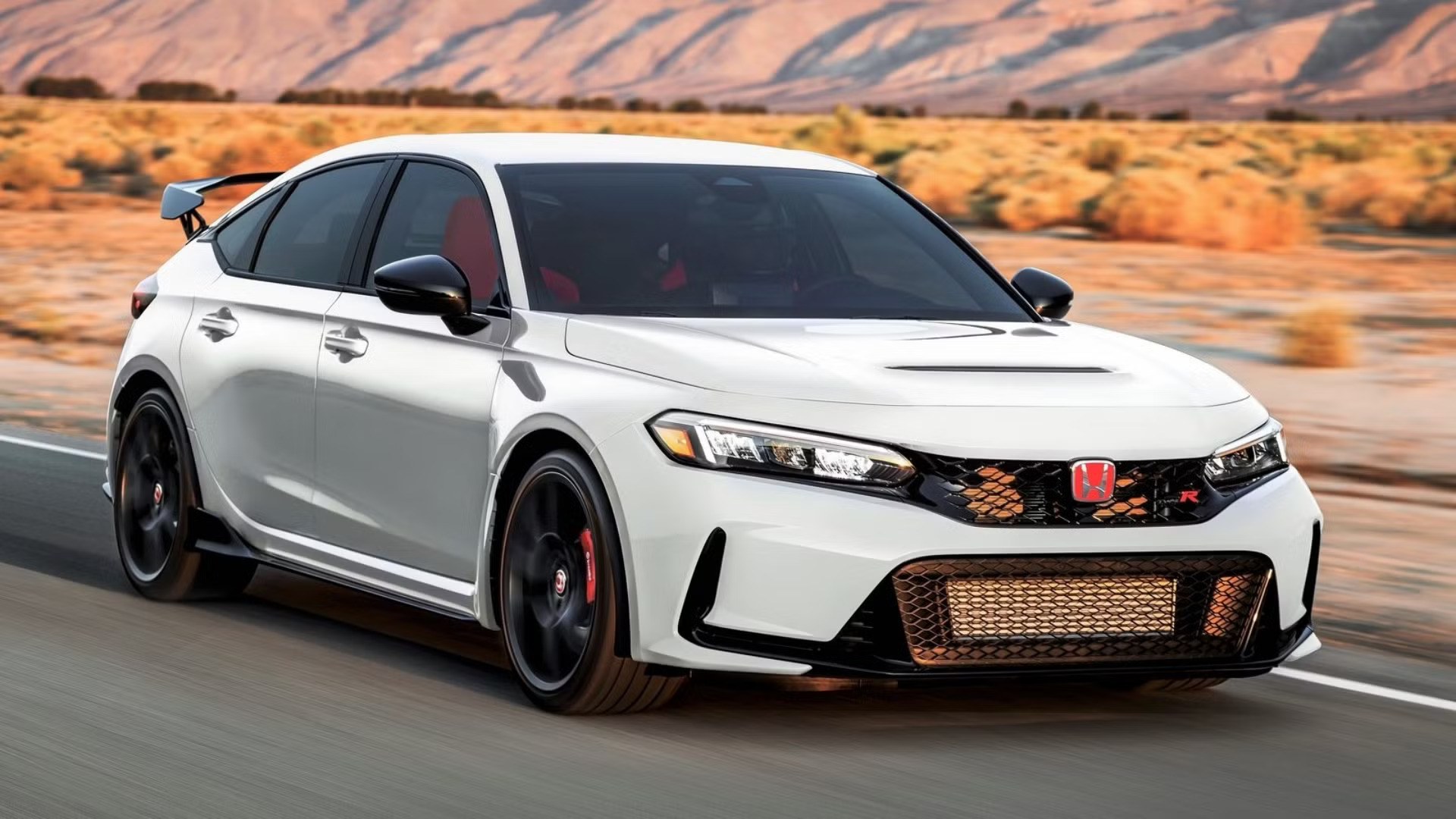
2. Honda Civic K-Series (2.0L / 2.4L I4): The Reliability of Honda’s i-VTEC System
The Honda Civic’s K-Series engines, particularly the 2.0-liter and 2.4-liter i-VTEC variants (commonly known as the K20 and K24), are widely regarded as some of the most reliable and versatile four-cylinder engines ever produced.
Popular among both everyday drivers and automotive enthusiasts, these engines combine strong performance, fuel efficiency, and exceptional durability. A key factor behind their longevity is Honda’s innovative i-VTEC system, which blends mechanical simplicity with advanced variable valve timing technology.
At the core of the K-Series’ reliability is the VTEC (Variable Valve Timing and Lift Electronic Control) mechanism. Unlike many modern systems that rely heavily on complex electronic actuators, Honda’s VTEC uses oil pressure to activate small locking pins that physically connect rocker arms to a different camshaft lobe.
This creates a mechanical “switch” between low-RPM and high-RPM cam profiles. Because the system relies on durable mechanical components rather than fragile electronics, it is extremely resistant to failure and can operate reliably for hundreds of thousands of miles.
The “i” in i-VTEC adds another layer of efficiency through Variable Timing Control (VTC). This feature continuously adjusts the intake camshaft timing to optimize engine performance across different driving conditions.
By combining VTEC’s cam profile switching with VTC’s continuous timing adjustment, the engine delivers both strong high-RPM performance and efficient low-RPM operation. This dual-technology approach allows the engine to balance fuel economy, power, and reliability without placing excessive stress on its internal components.
Honda further strengthened the durability of the K-Series with high-quality materials and robust internal construction. The engines feature dual overhead camshafts (DOHC), forged steel crankshafts, and strong connecting rods designed to handle high cylinder pressures and sustained high-RPM operation.
These components allow the engine to maintain performance and structural integrity even after years of heavy use. In addition, the use of a timing chain instead of a timing belt reduces maintenance requirements and improves long-term reliability.
Proper oil maintenance plays a critical role in keeping the i-VTEC system functioning smoothly. Because the system relies on clean oil pressure to activate the locking pins and cam phasing mechanisms, regular oil changes are essential to prevent clogging of the VTEC solenoid or oil passages.
With more than three decades of engineering refinement, the Honda Civic’s K-Series engines have become legendary for their durability. Many examples regularly surpass 200,000 miles with proper care, making them a benchmark for reliability, efficiency, and everyday performance.
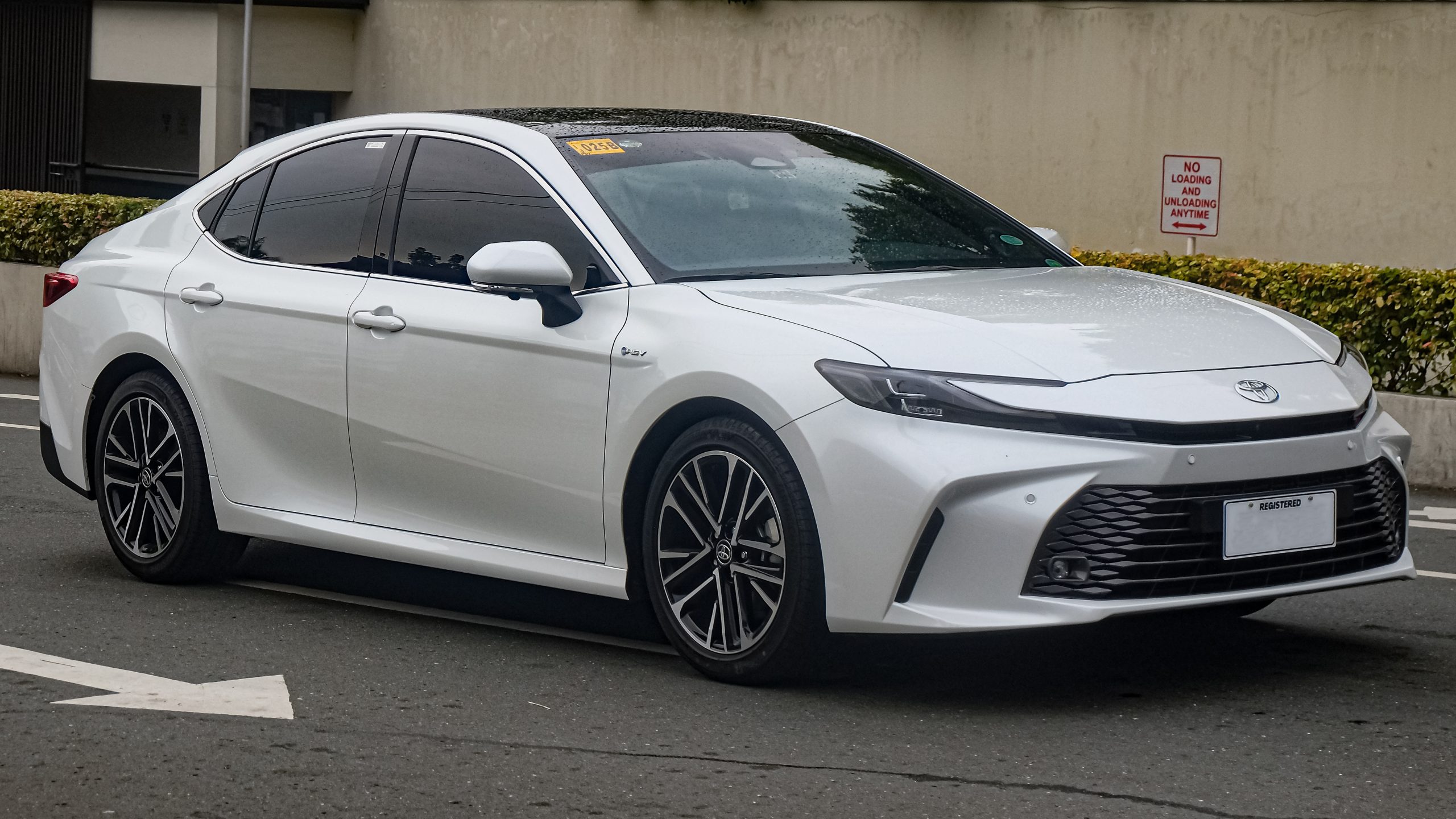
3. Toyota Camry 2.5L (2AR-FE): Proven Durability with Dual VVT-i Technology
The 2.5-liter inline-four 2AR-FE engine used in the Toyota Camry has earned a strong reputation for reliability, longevity, and efficiency. Introduced in 2008 and used in several Toyota models for more than a decade, this engine became a cornerstone of the Camry’s dependability.
A major reason for its durability is Toyota’s Dual VVT-i (Variable Valve Timing with intelligence) system, which precisely manages valve timing on both the intake and exhaust camshafts. This design improves engine efficiency while maintaining the durability expected from Toyota powertrains.
Dual VVT-i works by adjusting the timing of both camshafts independently. This allows the engine to optimize airflow and combustion depending on driving conditions.
At lower speeds, the system focuses on improving fuel efficiency and smoothness, while at higher speeds, it enhances power delivery. Because the timing adjustments are carefully controlled, engine components operate under balanced stress levels, which contributes to long-term reliability.
Another important element behind the 2AR-FE’s durability is its chain-driven timing system. Instead of using a rubber timing belt that requires periodic replacement, the engine relies on a heavy-duty steel timing chain designed to last for extremely high mileage.
The chain works together with durable guides and tensioners that maintain proper valve timing even after years of operation. This approach reduces maintenance requirements and helps prevent common timing failures seen in some competing engines.
The engine’s variable valve timing system also benefits from precise oil pressure control. Hydraulic actuators adjust the camshaft timing using oil supplied by a strong and consistent oil pump. Carefully designed oil passages ensure that oil reaches the VVT gears and control valves efficiently, allowing them to operate smoothly. As long as oil changes are performed regularly, the system maintains reliable function for many years.
Toyota also improved the 2AR-FE by refining earlier engine designs, strengthening internal components, and improving thermal efficiency.
These upgrades resulted in a more durable and efficient engine capable of handling daily commuting, highway driving, and demanding stop-and-go traffic conditions. Because of its durability and low operating costs, the engine has been widely used in high-mileage environments such as taxi fleets.
With proper maintenance, many 2AR-FE engines reach 250,000 to 300,000 miles or more, reinforcing the Toyota Camry’s long-standing reputation as a dependable and practical sedan.
4. Honda Accord 2.4L (K24): Durable i-VTEC Engineering for Long-Term Reliability
The 2.4-liter K24 inline-four engine used in the Honda Accord is widely recognized for its durability, efficiency, and consistent performance. Designed as a practical and dependable powerplant for midsize sedans, the K24 emphasizes reliability and smooth everyday driving rather than extreme performance.
A major reason for its strong reputation is Honda’s i-VTEC (intelligent Variable Valve Timing and Lift Electronic Control) system, which improves efficiency and responsiveness while maintaining a simple and durable mechanical design.
The K24’s i-VTEC system combines two technologies that work together to optimize engine performance. The first component is VTEC, which switches between different camshaft profiles to improve efficiency at low engine speeds and increase airflow at higher speeds.
The second component is Variable Timing Control (VTC), which continuously adjusts the timing of the intake camshaft. This combination allows the engine to maintain a smooth torque curve, giving the Accord responsive acceleration at low speeds while remaining efficient during highway driving.
Unlike some high-performance engines that rely on complex variable lift systems, the K24 focuses on straightforward cam phasing and durable components. This approach reduces mechanical complexity and lowers the likelihood of failure over time. The system also relies on oil pressure to activate its cam phasers and solenoids, which makes proper lubrication essential for long-term reliability.
Another key feature that contributes to the engine’s longevity is its timing chain system. Instead of using a timing belt that requires periodic replacement, the K24 uses a strong steel timing chain designed for extended service life. The chain works with sturdy guides and tensioners that maintain accurate camshaft timing even after many years of use. This design helps reduce maintenance costs and improve long-term dependability.
The engine is also built with durable internal components. It uses a strong aluminum block along with high-strength steel internals that can handle sustained engine speeds and pressure. These materials help the engine maintain structural integrity even after significant mileage.
In everyday driving, the K24 delivers balanced performance with responsive low-speed torque and smooth highway operation. With regular oil changes and proper maintenance, many K24 engines exceed 200,000 to 300,000 miles, making the Honda Accord a trusted choice for drivers seeking reliable and efficient long-term transportation.
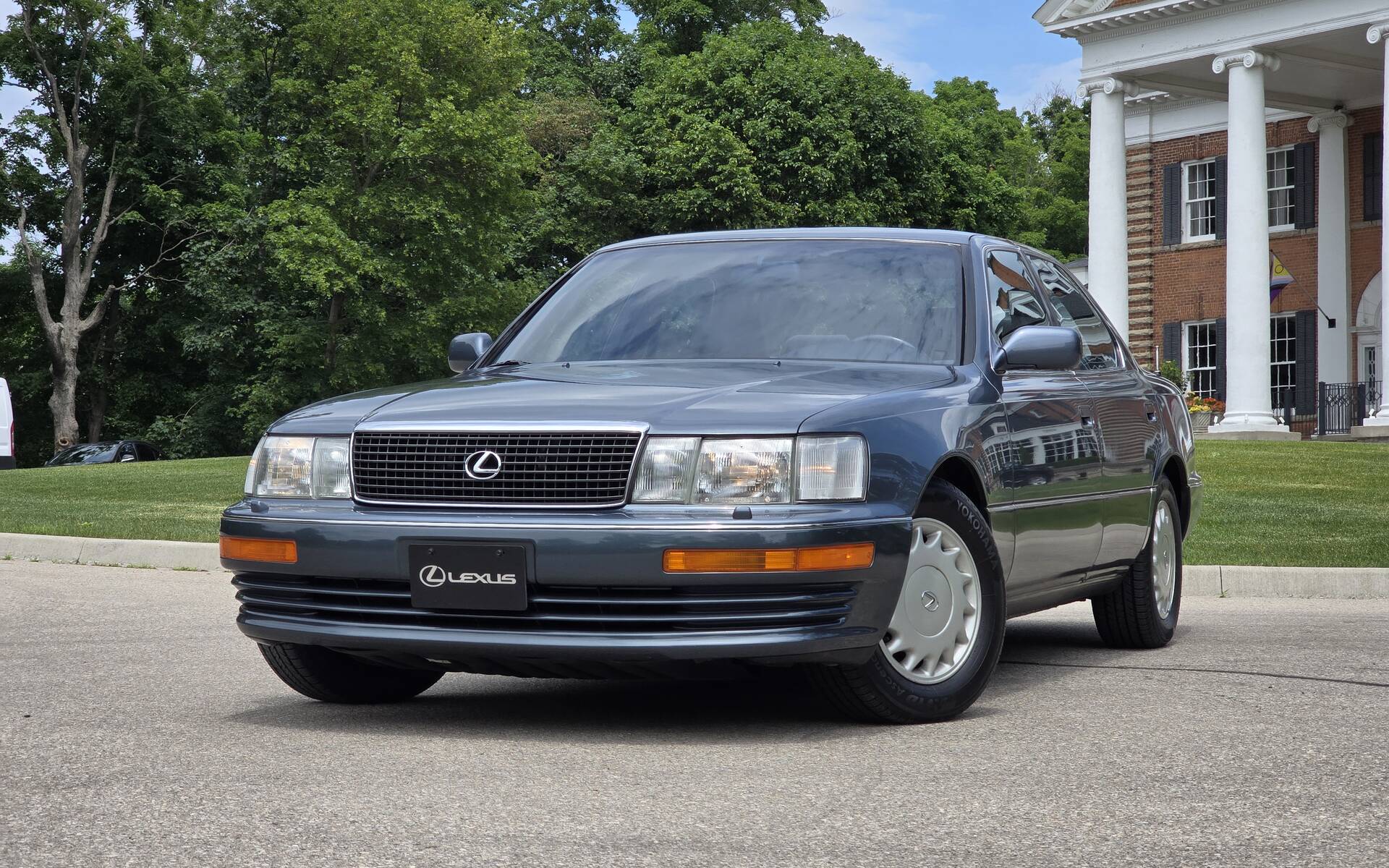
5. Lexus LS 400 4.0L V8 (1UZ-FE): Precision Engineering with VVT-i Reliability
The 4.0-liter 1UZ-FE V8 engine used in the Lexus LS 400 is widely regarded as one of the most durable luxury car engines ever produced. Introduced in 1989, this engine quickly became known for its smooth performance, exceptional build quality, and long service life.
Later versions of the engine, particularly those produced from 1998 onward, incorporated VVT-i (Variable Valve Timing with intelligence) technology. This upgrade improved performance and efficiency while preserving the engine’s legendary durability and refinement.
The VVT-i system added to the 1UZ-FE adjusts the timing of the intake camshaft to optimize airflow and combustion at different engine speeds. Unlike aggressive performance-oriented systems that produce noticeable changes in engine behavior, the LS 400’s VVT-i system was designed for seamless operation.
Timing adjustments occur gradually and smoothly, ensuring that drivers experience consistent acceleration without sudden transitions. This approach aligns with the LS 400’s focus on comfort, quietness, and effortless performance.
One of the main reasons for the reliability of the 1UZ-FE is its overbuilt internal design. The engine features a forged steel crankshaft, high-strength connecting rods, and six-bolt main bearing caps that provide exceptional structural stability.
These heavy-duty components create a strong foundation that supports the valvetrain and VVT-i system, allowing them to function under low mechanical stress. The engine block and internal parts were engineered with extremely tight tolerances, reducing vibration and wear over time.
The VVT-i mechanism itself relies on hydraulic actuators controlled by engine oil pressure. Toyota designed a robust lubrication system that ensures consistent oil flow to the cam phasers and control valves. This stable oil supply prevents premature wear and allows the system to operate reliably for many years. Routine oil changes are typically the most important requirement for maintaining proper VVT-i performance.
Although the engine uses a timing belt rather than a chain, the belt system is well-engineered and designed for predictable maintenance intervals. Replacing the timing belt at recommended service intervals helps maintain the engine’s long-term reliability.
The Lexus LS 400 gained a reputation for extraordinary durability, with many examples exceeding 300,000 miles and some reportedly approaching one million miles with proper care. This combination of precision engineering, smooth VVT-i operation, and robust construction made the 1UZ-FE engine a benchmark for reliability in luxury sedans.
Also Read: 5 Cars That Are Unstoppable in Deep Snow vs 5 AWD Models That Get Stuck
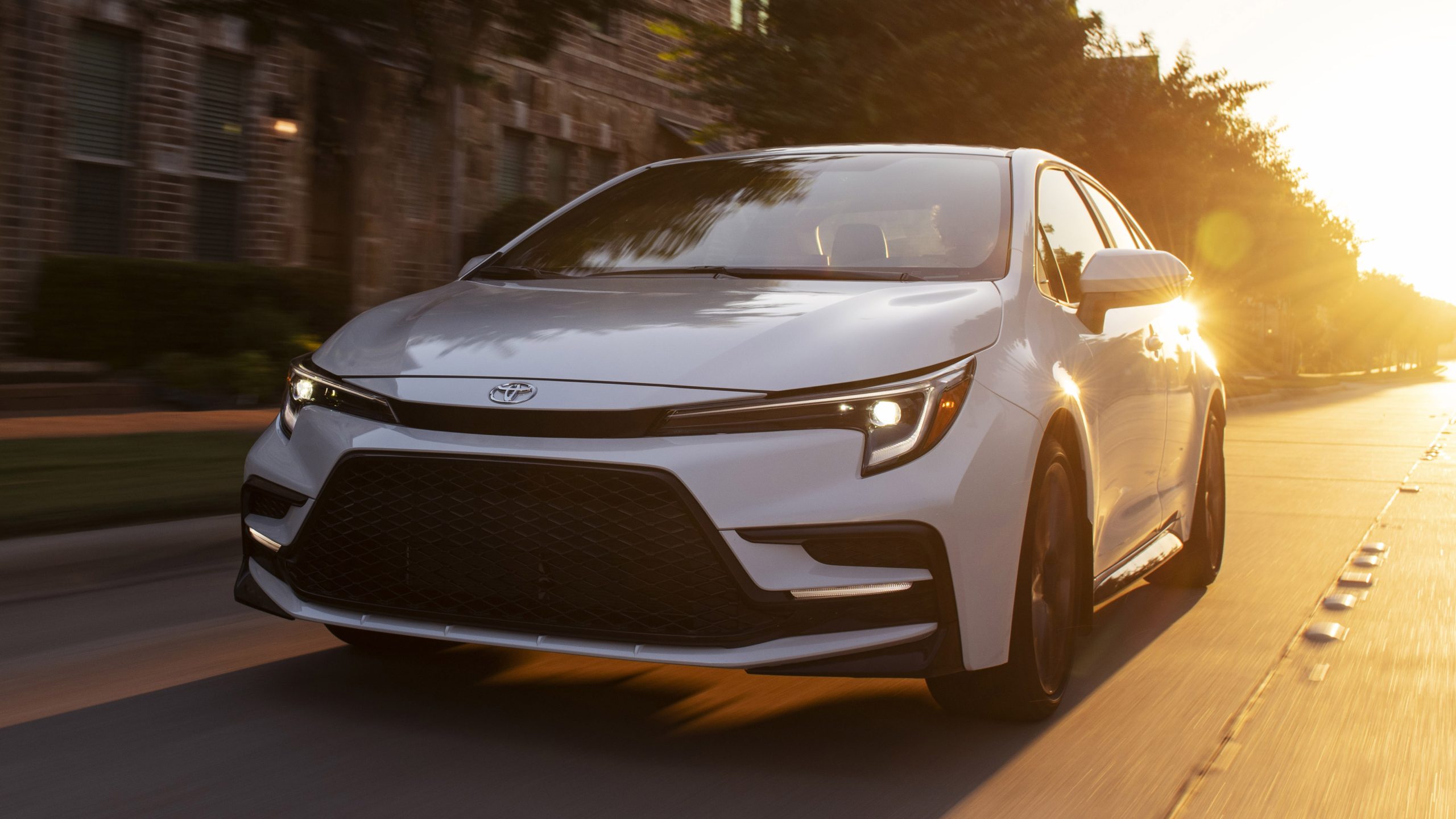
6. Toyota Corolla 1.8L (2ZR-FE): Durable Dual VVT-i for Everyday Reliability
The 1.8-liter 2ZR-FE inline-four engine used in the Toyota Corolla is widely known for its dependable performance and long service life. Introduced in 2007 as part of Toyota’s ZR engine family, the 2ZR-FE was designed to provide efficient, low-maintenance transportation for millions of drivers worldwide.
A major contributor to its reputation for durability is its Dual VVT-i (Variable Valve Timing with intelligence) system, which controls both the intake and exhaust camshafts to optimize efficiency, emissions, and engine responsiveness.
Dual VVT-i allows the engine to adjust valve timing dynamically depending on driving conditions. By independently controlling intake and exhaust cam timing, the system improves combustion efficiency and ensures smoother power delivery across the entire RPM range.
At lower speeds, the system focuses on fuel economy and emissions control, while at higher speeds, it improves airflow and performance. This balanced approach allows the Corolla to remain efficient without sacrificing reliability.
One of the most important factors behind the 2ZR-FE’s longevity is its timing chain design. Instead of a timing belt that requires scheduled replacement, the engine uses a strong steel timing chain engineered for long-term durability.
The chain works with reliable guides and tensioners that help maintain precise cam timing even after extensive mileage. This setup reduces maintenance requirements and lowers the risk of timing-related engine failures.
The variable valve timing system relies on hydraulic cam phasers controlled by engine oil pressure. Toyota engineered these components to be simple and durable, avoiding the complexity found in some competing systems.
Proper oil circulation allows the cam phasers and oil control valves to operate smoothly. Regular oil changes are important because clean oil prevents clogging and helps maintain consistent oil pressure for the VVT-i system.
The 2ZR-FE was also tested for operation in a wide range of environments because the Corolla is sold globally. Engineers ensured the engine could function reliably in extreme conditions, from very cold climates to high-temperature regions. This extensive testing helped create a powertrain capable of maintaining consistent performance under demanding conditions.
Although the engine is not designed for high performance, it provides dependable daily transportation with modest power and strong fuel efficiency. With proper maintenance, many 2ZR-FE engines exceed 200,000 to 300,000 miles, making the Toyota Corolla a benchmark for practical, long-lasting reliability.
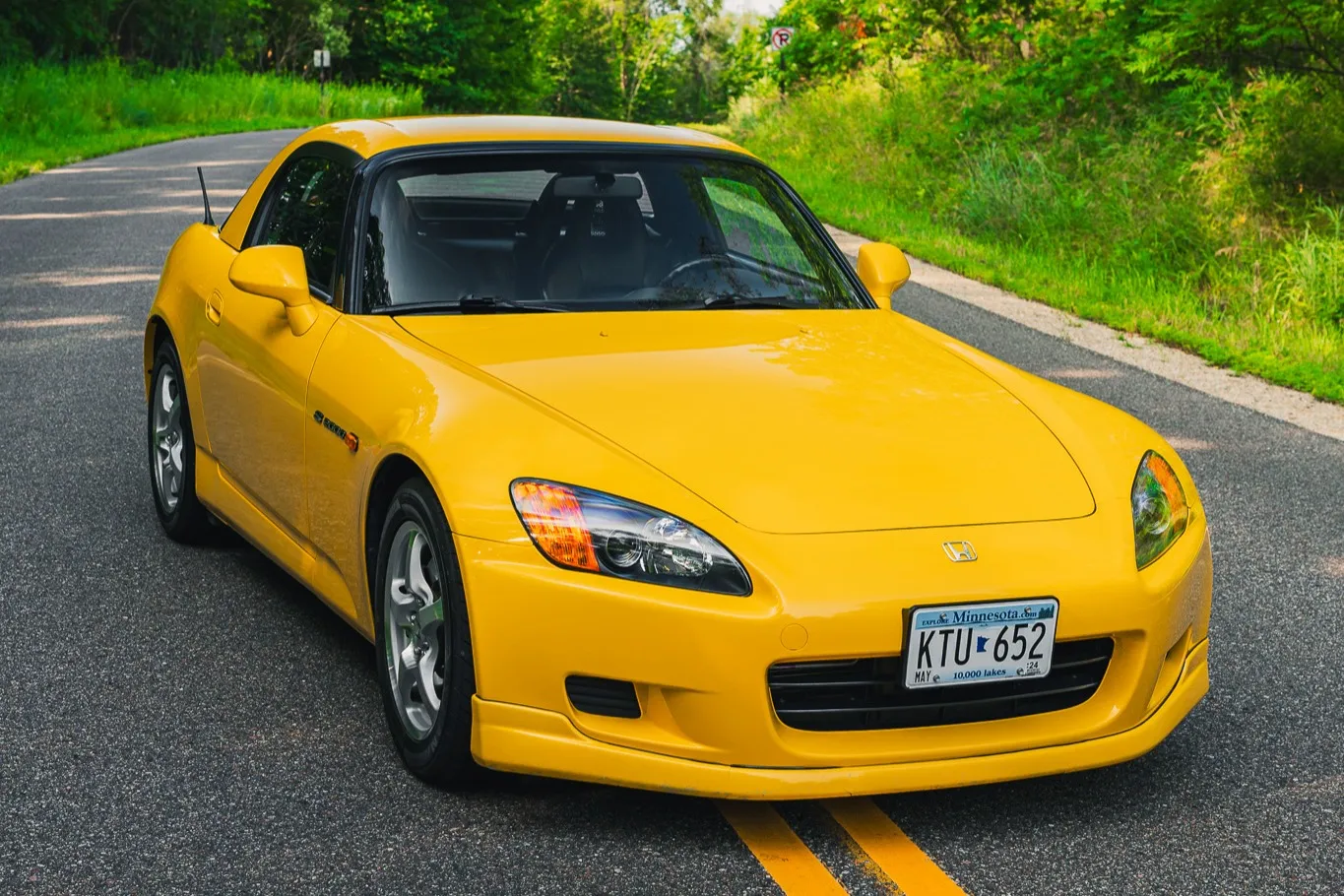
7. Honda S2000 2.0L (F20C): High-Revving VTEC with Exceptional Durability
The 2.0-liter F20C inline-four engine in the Honda S2000 is widely celebrated as one of the most impressive naturally aspirated performance engines ever produced. Introduced with the S2000 roadster in 1999, the engine gained global recognition for its extremely high 9,000 RPM redline, strong power output for its size, and remarkable reliability.
A major contributor to this reputation is Honda’s VTEC (Variable Valve Timing and Lift Electronic Control) system, which combines mechanical simplicity with precision engineering to deliver both durability and performance.
Unlike later engines that incorporate complex continuously variable cam phasing systems, the F20C uses a traditional hydraulic VTEC system that focuses on switching between two camshaft profiles. At lower engine speeds, the engine operates on a mild cam profile that prioritizes efficiency and smooth operation.
When engine speed rises to around 6,000 RPM, oil pressure activates locking pins that connect the rocker arms to a more aggressive cam lobe. This change allows the engine to increase airflow and power at high RPM, creating the well-known surge in performance that defines the S2000 driving experience.
One reason the VTEC system remains reliable despite the engine’s extreme operating speeds is the strength of its internal components. The F20C uses forged aluminum pistons, a highly durable forged crankshaft, and strong connecting rods designed to handle high engine speeds and cylinder pressures.
Honda also incorporated fiber-reinforced metal cylinder liners, which reduce friction and improve durability under heavy load. These components create a robust engine foundation that supports the valvetrain even at very high RPM levels.
The engine’s lubrication system also plays a critical role in reliability. High-pressure oil circulation ensures that the VTEC locking pins and rocker arms engage smoothly when the system activates.
Large piston oil jets help manage heat and reduce wear during aggressive driving conditions. Because the system relies on proper oil pressure, maintaining correct oil levels and performing regular oil changes are essential for long-term durability.
In real-world use, the F20C has proven capable of handling intense driving, including track days and spirited performance driving, without major mechanical issues. Many well-maintained engines continue to operate reliably after 200,000 miles or more.
The Honda S2000 demonstrates that a high-revving sports engine can deliver thrilling performance while maintaining the long-term reliability for which Honda engines are known.
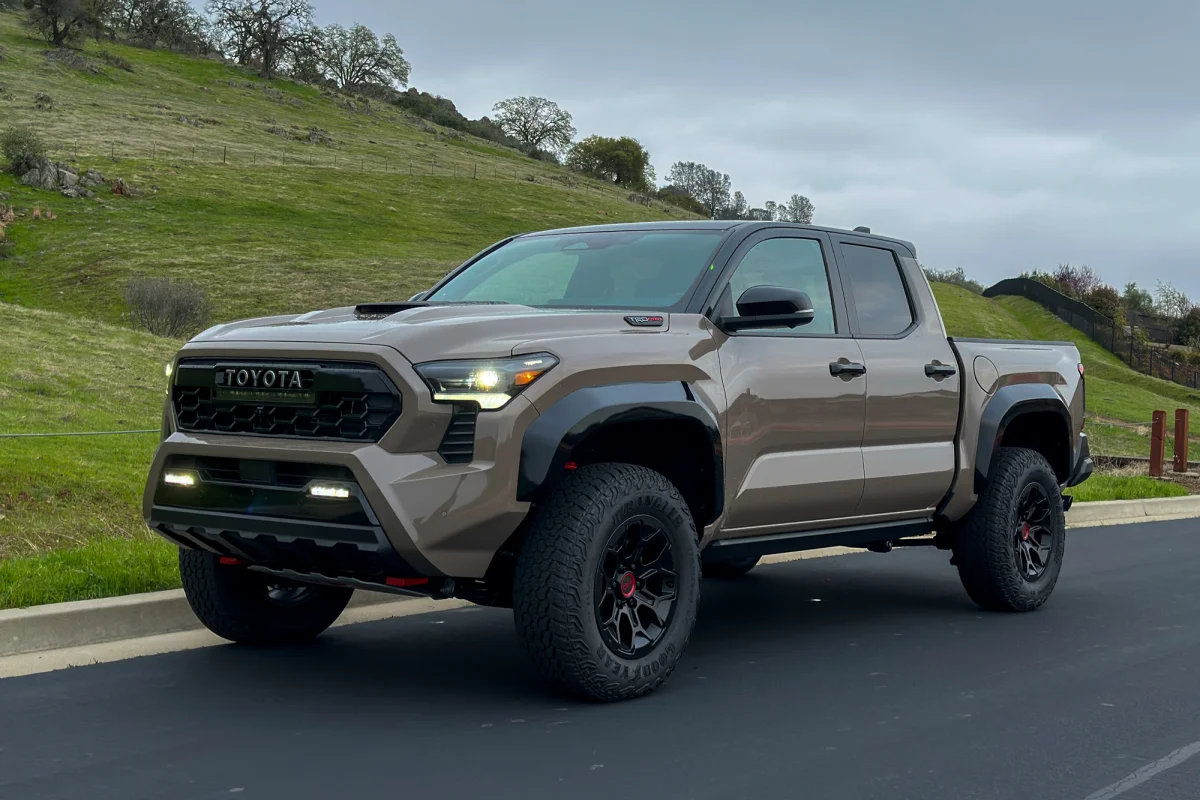
8. Toyota Tacoma 3.5L V6 (2GR-FKS): Advanced VVT-iW for Power and Reliability
The 3.5-liter 2GR-FKS V6 engine in the Toyota Tacoma is a sophisticated, yet durable powerplant designed to balance efficiency, power, and long-term reliability. Introduced in the third-generation Tacoma (2016–2023), this engine employs Dual VVT-i and VVT-iW (Wide) technology, allowing the intake cam to operate across a broad range of timing adjustments.
This capability enables the engine to switch seamlessly between the traditional Otto cycle and the fuel-efficient Atkinson cycle. The result is a high-performing V6 that maintains Toyota’s reputation for toughness, even under demanding truck workloads.
The VVT-iW system is central to the engine’s reliability. Its wide-range cam phasing reduces stress on the valvetrain by optimizing combustion and maintaining smoother power delivery.
Coupled with D-4S fuel injection, which uses both direct and port injection, the system minimizes carbon buildup on the intake valves. This ensures that the variable valve timing mechanism continues to operate efficiently over high mileage, preventing premature wear that can plague other engines with direct injection only.
Durable construction also contributes to the 2GR-FKS’s longevity. The engine uses low-friction roller rocker arms, forged internal components, and a robust timing chain, which avoids the maintenance challenges associated with timing belts.
Toyota further improved hydraulic actuation and oil feed systems to ensure the VVT-iW components remain properly lubricated and resistant to wear. These refinements make the 2GR-FKS a reliable workhorse capable of handling daily driving, towing, and off-road conditions.
In practical use, the engine produces 278 horsepower and 265 lb-ft of torque, delivering solid performance for a midsize truck, though drivers may need to rev above 4,000 RPM to fully access the engine’s power, especially when towing.
Early models (2016–2017) experienced some oil consumption due to piston oil control issues, as well as timing cover leaks and coolant pipe problems. These were largely addressed in later production runs, improving durability and reducing maintenance concerns.
The 2GR-FKS combines advanced technology with robust engineering to provide a reliable and fuel-efficient truck engine. It benefits from modern features like dual injection and Atkinson cycle efficiency while retaining the “bulletproof” durability expected of a Toyota V6.
With careful maintenance, particularly oil changes and monitoring early model issues, the Tacoma’s 3.5L V6 can deliver high mileage performance and dependable
9. Nissan 370Z 3.7L V6 (VQ37VHR): High-Revving VVEL with Proven Durability
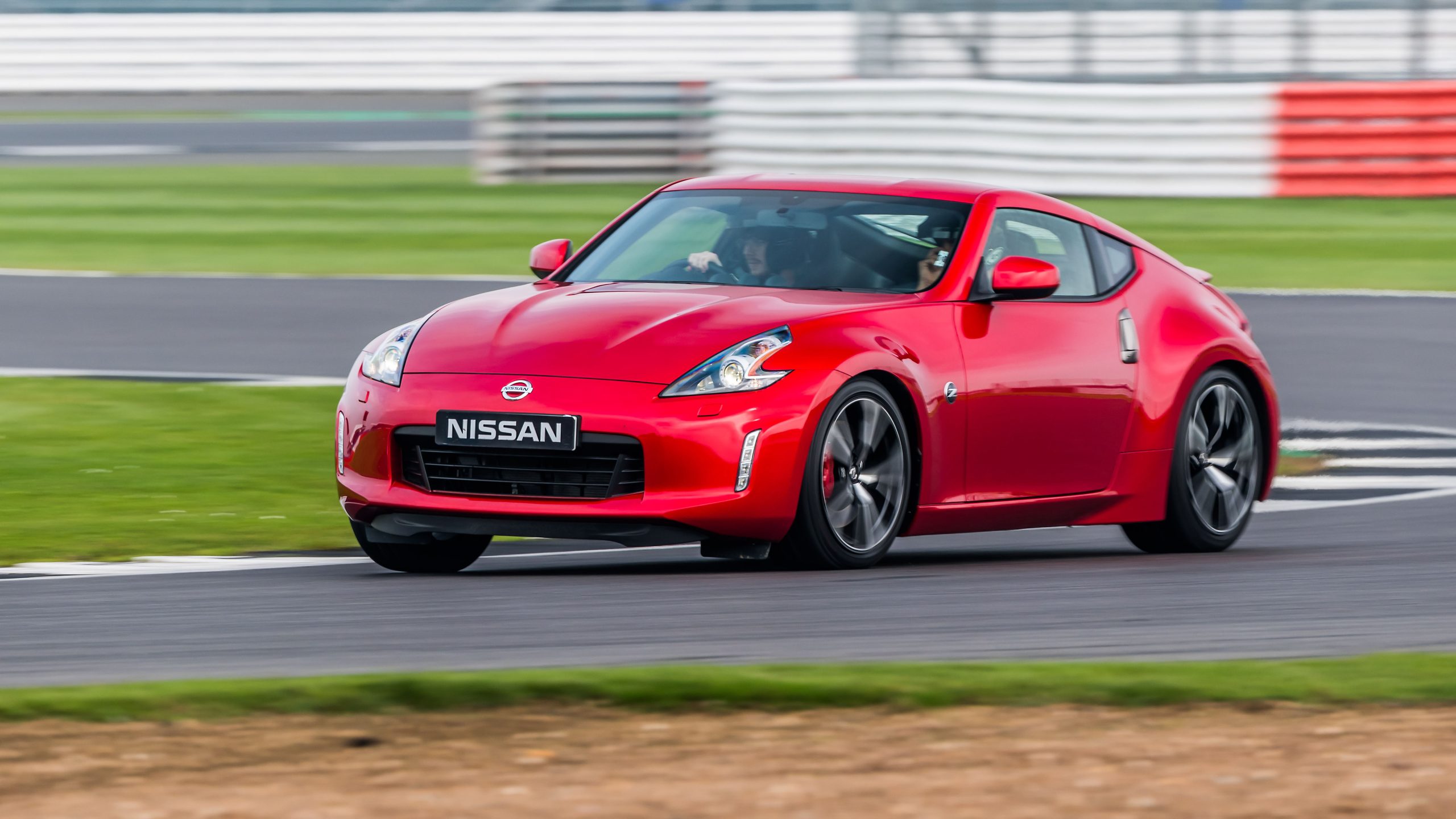
The 3.7-liter VQ37VHR V6 engine powering the Nissan 370Z is widely regarded for its combination of high performance and long-term reliability. Part of Nissan’s legendary VQ engine family, the VQ37VHR incorporates VVEL (Variable Valve Event and Lift) technology, an advanced evolution of traditional variable valve timing systems.
Unlike conventional throttle-based airflow control, VVEL adjusts intake valve lift and timing directly, improving combustion efficiency, throttle response, and high-RPM durability. This sophisticated system has been refined over decades and millions of VQ engines, making it remarkably robust.
The VQ37VHR’s reliability stems from several design elements. Its hydraulically controlled VVEL system reduces pumping losses while maintaining smooth, linear power delivery, allowing the engine to perform consistently under spirited driving.
The engine also features diamond-like carbon (DLC) coatings on the valve lifters, which reduce friction by roughly 40 percent, minimizing wear on the valvetrain. The engine’s foundation is built from a durable aluminum block, a forged steel crankshaft, and high-strength connecting rods, providing the structural integrity needed to withstand high cylinder pressures and repeated high-RPM operation.
The engine employs continuously variable valve timing control (CVTCS) on both intake and exhaust cams, but the VVEL system primarily manages intake valves. This combination results in a flatter torque curve and reliable performance across the rev range.
The VQ37VHR builds on the proven VQ35HR design, maintaining a long track record of reliability, with many engines surpassing 300,000 miles in Nissan vehicles. Regular maintenance, including oil changes and premium fuel, ensures longevity without major issues.
In terms of performance, the 370Z’s engine produces 332 horsepower in standard models, reaching up to 350 hp in Nismo editions, with a 7,500 RPM redline. The naturally aspirated V6 delivers linear, high-revving power that rewards skillful driving.
Paired with the 6-speed manual transmission featuring SynchroRev Match, it offers a pure, analog driving experience. The chassis is stiff and balanced, emphasizing driver engagement, though it can feel harsh on uneven surfaces.
While the interior and comfort features are dated compared to modern sports cars, the 370Z remains a favorite among enthusiasts seeking a reliable, high-revving, naturally aspirated sports car. Its robust VVEL engine, precise engineering, and durable components make it a standout example of Japanese performance engineering built to last.
10. Mazda 3 Skyactiv-G (2.0L/2.5L I4): Precision VVT for High Compression Reliability
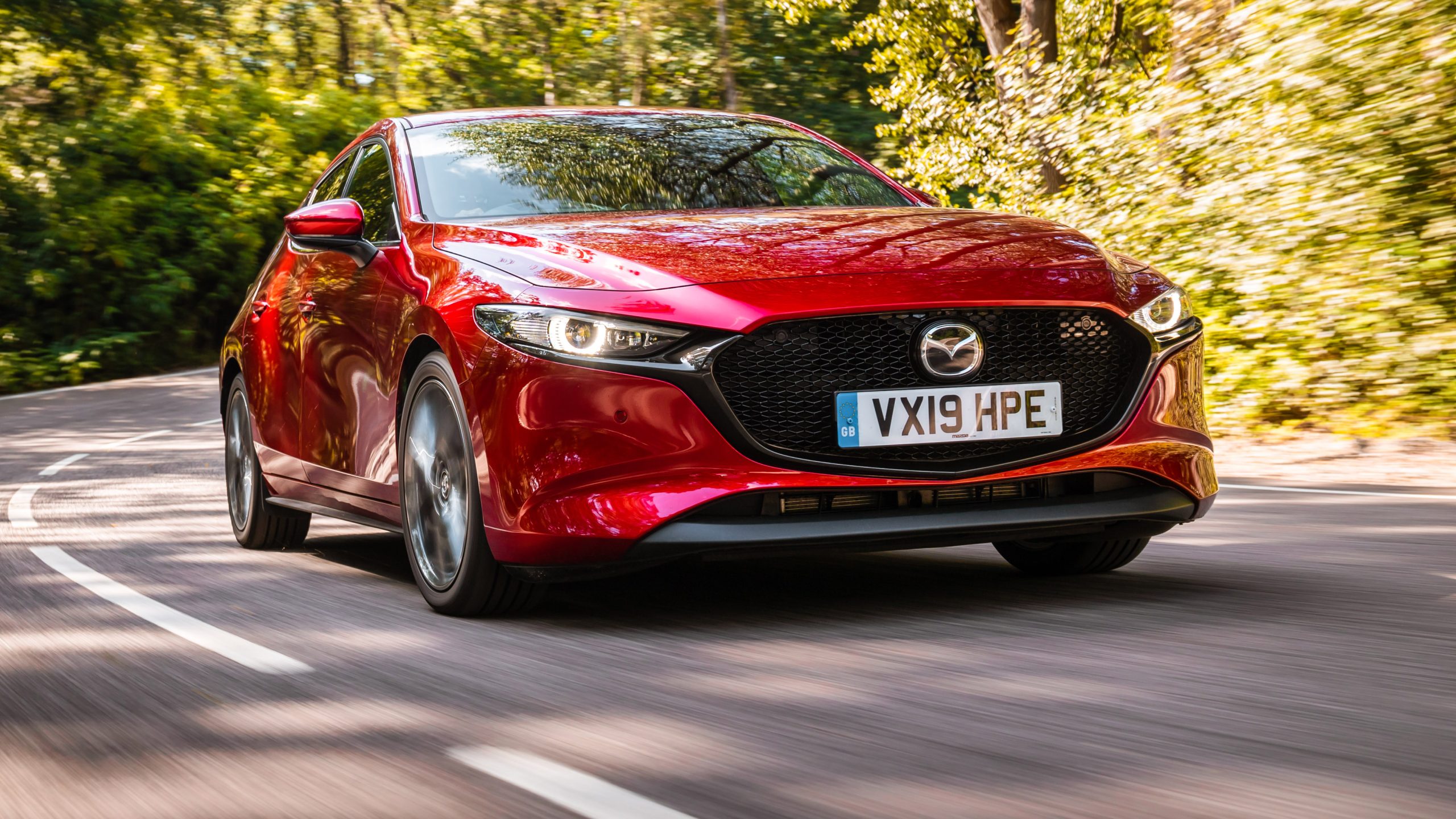
The Mazda 3 Skyactiv-G engines, offered in 2.0L and 2.5L versions, use advanced Sequential Valve Timing (S-VT) to deliver high-efficiency performance with strong durability. This system combines hydraulic and electronic actuators to manage intake and exhaust cycles precisely.
The intake cam is electronically controlled, allowing fast and accurate adjustments, particularly during cold starts. This precision helps prevent carbon buildup, reduces mechanical wear, and maintains consistent reliability throughout the engine’s life.
Skyactiv-G engines achieve high compression ratios of 13.0:1 for the 2.0L and up to 14.0:1 for the 2.5L without risk of engine knock. A 4-2-1 exhaust system reduces heat around the cylinder head and valves, lowering stress on VVT components.
Lightweight pistons, roller finger followers, and forged steel internals reduce internal friction and stress on the camshafts. Being naturally aspirated, the engines avoid the extreme pressures and heat fluctuations that can challenge turbocharged VVT systems.
The 2.0L engine produces 155 PS and 200 Nm of torque, providing responsive performance for daily driving. The 2.5L engine delivers 184 to 191 PS and up to 251 Nm of torque, offering a more spirited driving experience.
Both engines are paired with either a 6-speed manual or a 6-speed automatic transmission. High-pressure direct fuel injection allows precise combustion control and reduces load on the VVT system, contributing to durability and consistent performance.
Mazda supports the engine with a premium interior, including high-quality materials, an 8.8-inch infotainment screen controlled by a rotary dial, and advanced safety features such as radar cruise control. The chassis and steering are designed for engaging, sporty handling that enhances the driving experience, even with naturally aspirated engines.
Reliability is strong for later models from 2019 to 2025 when maintenance is properly performed to prevent carbon buildup and maintain clean oil systems. Interior space is limited, with a tight rear seat and smaller boot compared to competitors, but the Mazda 3 remains a compelling choice for drivers who prioritize driving enjoyment, fuel efficiency, and engine dependability.
The Skyactiv-G engines show that precise electronic and hydraulic VVT systems can deliver durable, efficient, and enjoyable performance over the vehicle’s lifetime.
Engines with reliable variable valve timing prove that efficiency and longevity can go hand in hand. From the Toyota 4Runner’s sturdy 1GR-FE V6 to the Mazda 3’s precise Skyactiv-G S-VT engines, these vehicles show how durable components and smart VVT design extend engine life while maintaining strong performance.
Toyota’s conservative VVT-i, Honda’s high-revving VTEC, Nissan’s VVEL, and Mazda’s electronic-hydraulic system all illustrate how well-engineered timing technology can remain dependable over hundreds of thousands of miles.
When paired with proper maintenance, these engines offer consistent operation, low stress on internal components, and a balance of power, efficiency, and reliability. Drivers seeking long-lasting, high-functioning powertrains can look to these ten vehicles as benchmarks for what well-designed variable valve timing systems can achieve.
Also read: 5 Cars With Simple Dash Layouts vs 5 With Confusing Ones