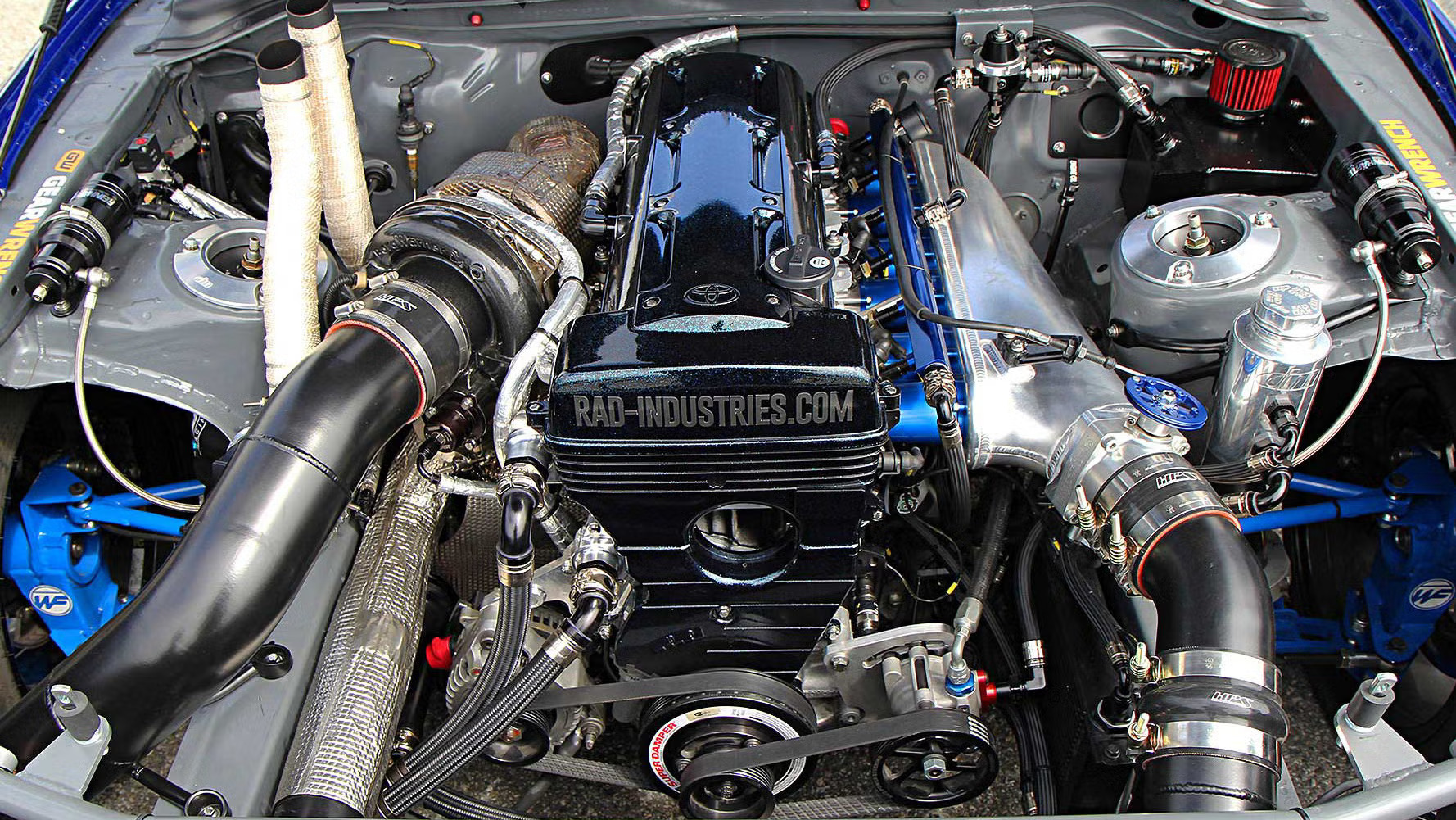
Hydraulic valve lifters have become a defining feature in engines built for longevity, convenience, and consistent performance. Unlike traditional solid lifters that require periodic manual adjustments, hydraulic systems automatically maintain proper valve clearance using engine oil pressure.
This not only reduces maintenance demands but also improves engine smoothness, lowers noise, and minimizes wear on internal components. From high-performance icons to dependable daily drivers and heavy-duty workhorses, many of the most respected engines in automotive history rely on this technology.
This list highlights eight standout engines that successfully combine durability with low-maintenance hydraulic valvetrains. Legendary platforms like the Toyota Supra MK4, powered by the 2JZ-GTE, demonstrate how performance and reliability can coexist, while modern engines such as those found in the Honda Pilot showcase advancements in efficiency and refinement.
Whether designed for tuning potential, long-distance commuting, or heavy towing, these engines prove that reduced maintenance does not mean compromising capability or longevity.
1. Toyota 2JZ-GTE: Legendary Strength, Durability, and Tuning Potential
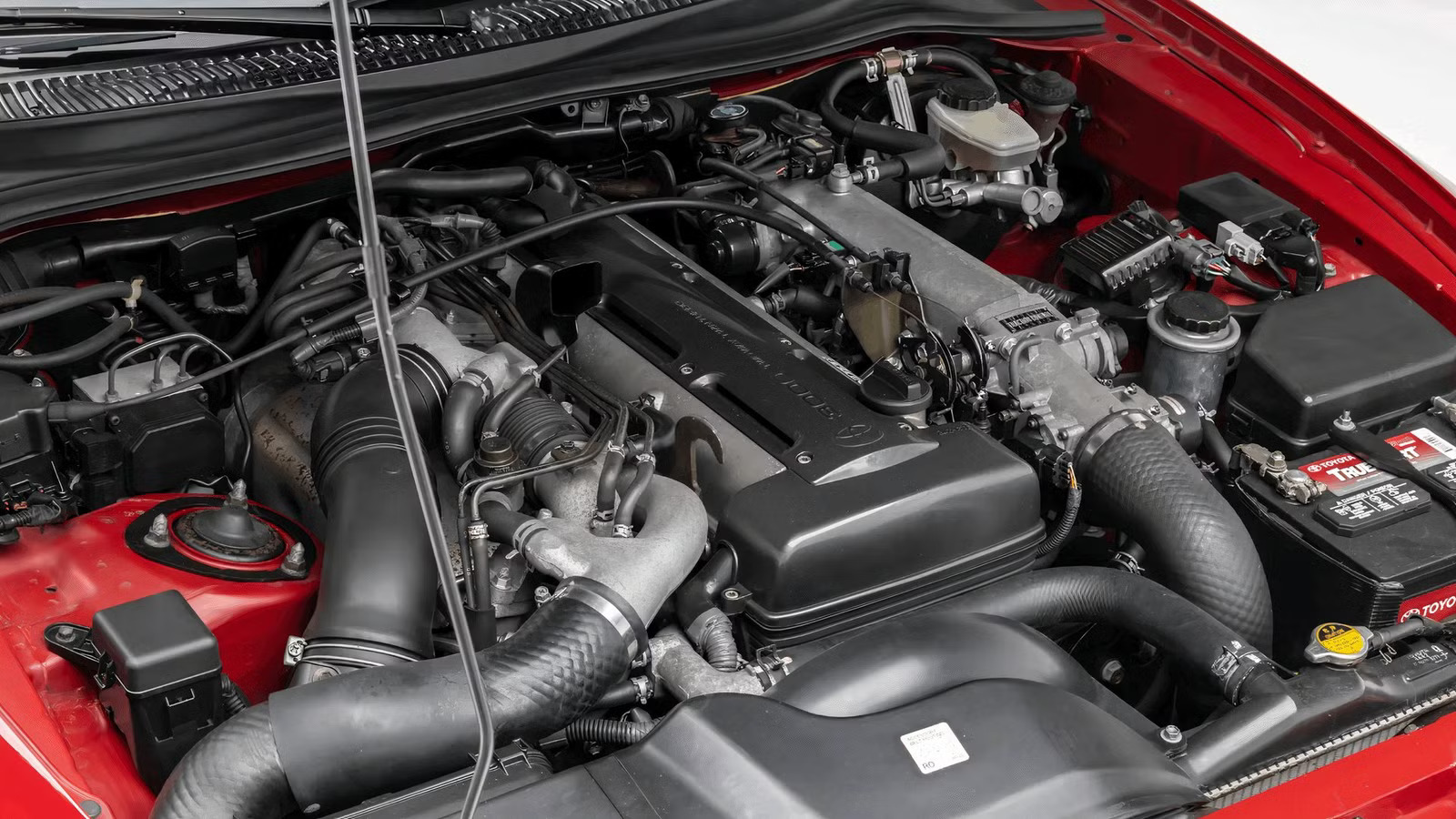
The Toyota 2JZ-GTE is a 3.0-liter twin-turbocharged inline-six engine, famously powering the Toyota Supra MK4. It is celebrated for its exceptional strength, durability, and tuning potential. One of the engine’s defining features is its hydraulic valvetrain, which automatically maintains zero valve lash.
This design provides a smooth, quiet idle and consistent valve timing without the frequent maintenance required by solid-lifter performance engines. While some high-RPM racing builds convert to solid lifters for precise control, the stock hydraulic system is a key reason many 2JZ-GTE engines surpass 300,000 miles on original internals with minimal mechanical intervention, requiring only regular oil changes.
Hydraulic valve lifters, also known as hydraulic lash adjusters or tappets, allow the engine to self-compensate for thermal expansion and mechanical wear. By automatically adjusting the valve clearance, the system eliminates the need for manual shim adjustments.
This design reduces noise, vibration, and harshness, delivering a refined driving experience suitable for luxury performance cars such as the Supra and the Toyota Aristo. The hydraulic lifters also lower stress on critical components, including camshafts, buckets, and valve stems, contributing to the engine’s legendary longevity.
The 2JZ-GTE features a cast-iron block and forged crankshaft, designed to handle high boost pressures from its sequential twin-turbo system, which originally delivered 320 horsepower stock.
The engine is highly modifiable, with many builds exceeding 700 to 1,000 horsepower while retaining stock internals, making it a favorite in drag racing, drifting, and high-performance engine swaps. Its combination of over-engineered internals, robust construction, and hydraulic valvetrain makes it both durable and reliable, even under heavy use.
Common challenges include the engine’s age, high market demand, and heavier cast-iron block, but its pros far outweigh the cons.
The 2JZ-GTE continues to enjoy massive aftermarket support and remains one of the most respected and sought-after performance engines in automotive history. Its balance of reliability, refinement, and extreme tuning potential cements its status as a true icon among inline-six performance engines.
2. Honda J35Y8 V6: Low-Maintenance, Efficient, and Refined Modern Engine
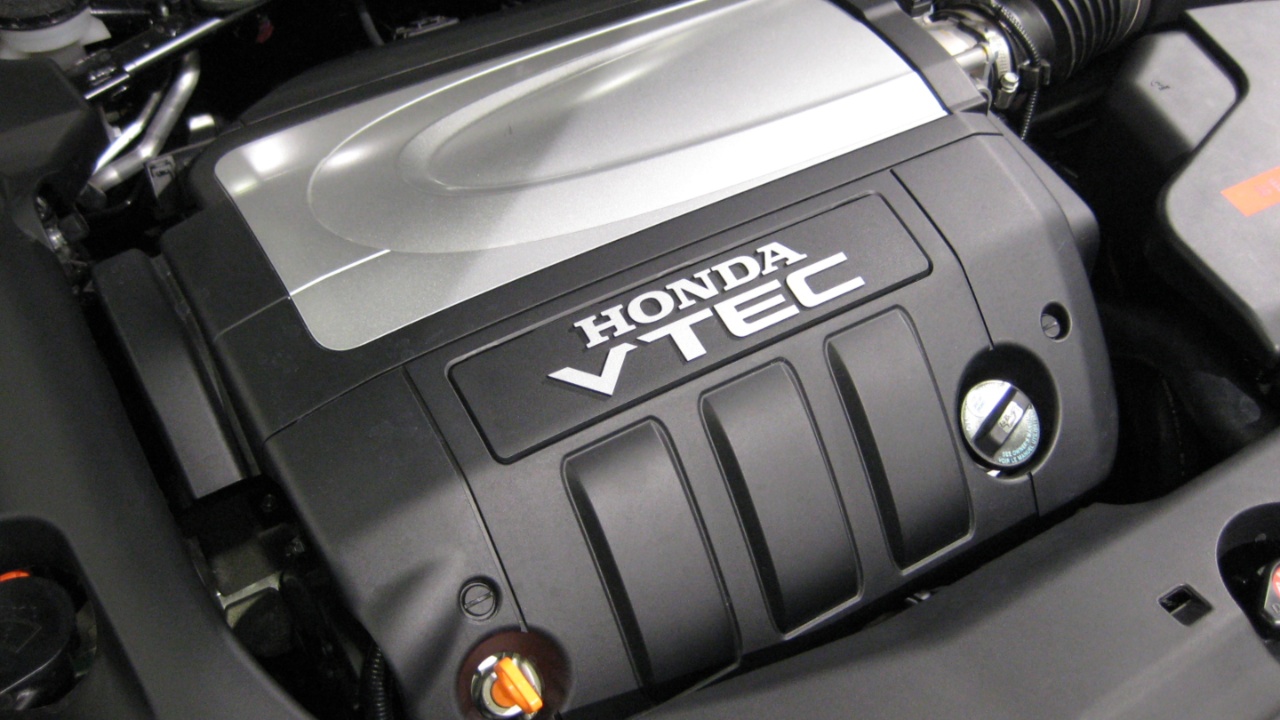
The Honda J35Y8 is a 3.5-liter DOHC V6 engine introduced in 2023, powering vehicles such as the Honda Pilot, Honda Odyssey, and future models like the Ridgeline. This engine represents a major evolution in Honda’s V6 design, transitioning from older SOHC V6s with VTEC and solid lifters to a modern, low-maintenance architecture featuring hydraulic valve lifters.
The hydraulic system automatically maintains zero valve lash, eliminating the need for manual adjustments that were required on previous engines every 30,000 to 100,000 miles. This self-adjusting design reduces valvetrain noise, minimizes wear, and enhances reliability, making it well-suited for daily-driven SUVs and minivans.
One of the key benefits of the J35Y8 is its integration with Honda’s Variable Cylinder Management (VCM) system. The hydraulic lifters can be depressurized and “collapsed” on command, keeping specific valves closed to deactivate cylinders during light-load driving.
This allows the engine to switch seamlessly between three-cylinder and six-cylinder operation, improving fuel efficiency without compromising refinement. Unlike older VTEC-based designs, which relied on mechanical tappets, the J35Y8 uses DOHC heads with cam phasers, offering a simpler, more maintenance-friendly valve train while maintaining high performance.
The engine delivers 285 horsepower and 262 lb-ft of torque, enhanced by high-pressure direct injection that sprays fuel up to three times per combustion cycle. The cast-aluminum DOHC architecture and modern fuel system contribute to smoother power delivery and improved efficiency compared to earlier J-series engines.
While the valve train is largely maintenance-free, the J35Y8 still uses a timing belt that requires replacement around 100,000 miles. Clean, high-quality engine oil is also essential to prevent lifter issues and maintain performance.
Reliability is a hallmark of the J35Y8, with the platform capable of lasting over 200,000 miles with proper care. However, owners should monitor for oil consumption, a potential concern with VCM systems.
The Honda J35Y8 combines low-maintenance design, modern fuel efficiency technologies, and refined operation to deliver a versatile, durable, and efficient engine for Honda’s larger vehicles. Its balance of reliability, smoothness, and fuel-saving features makes it a standout choice for family SUVs and minivans while maintaining Honda’s reputation for engineering longevity.
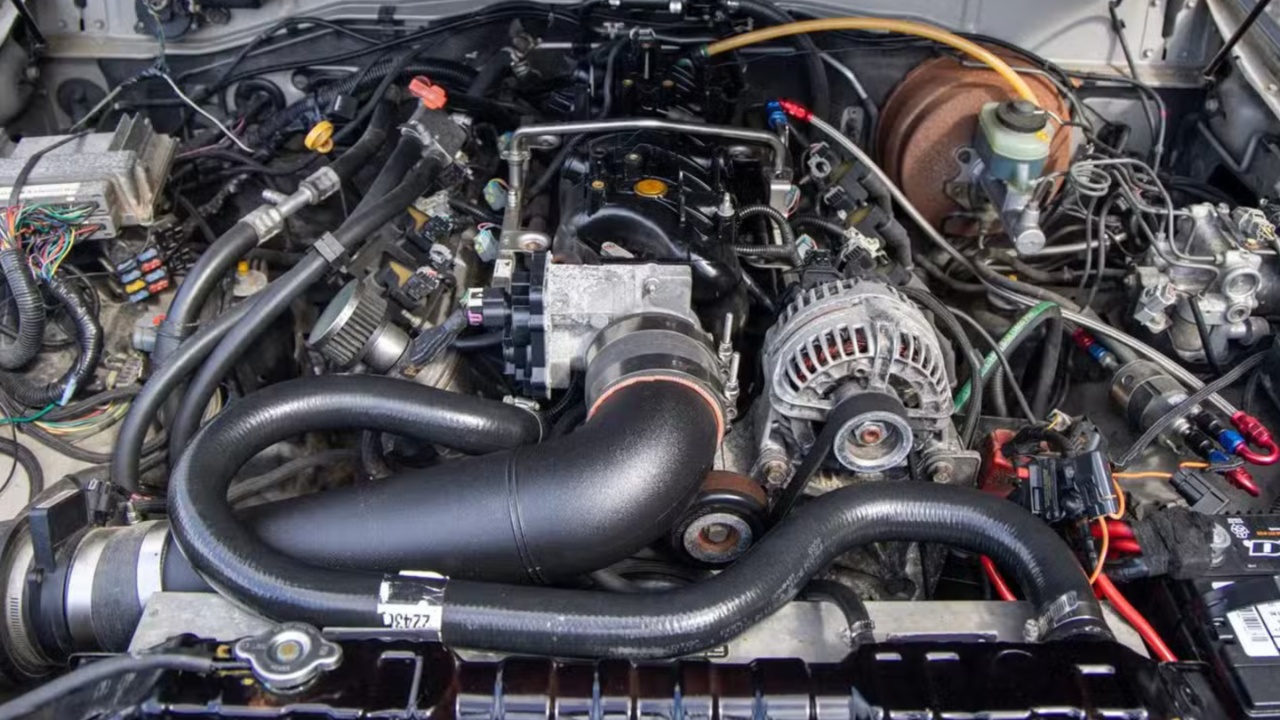
3. Chevrolet LS Series V8: Reliable, Low-Maintenance, and Performance-Ready Engines
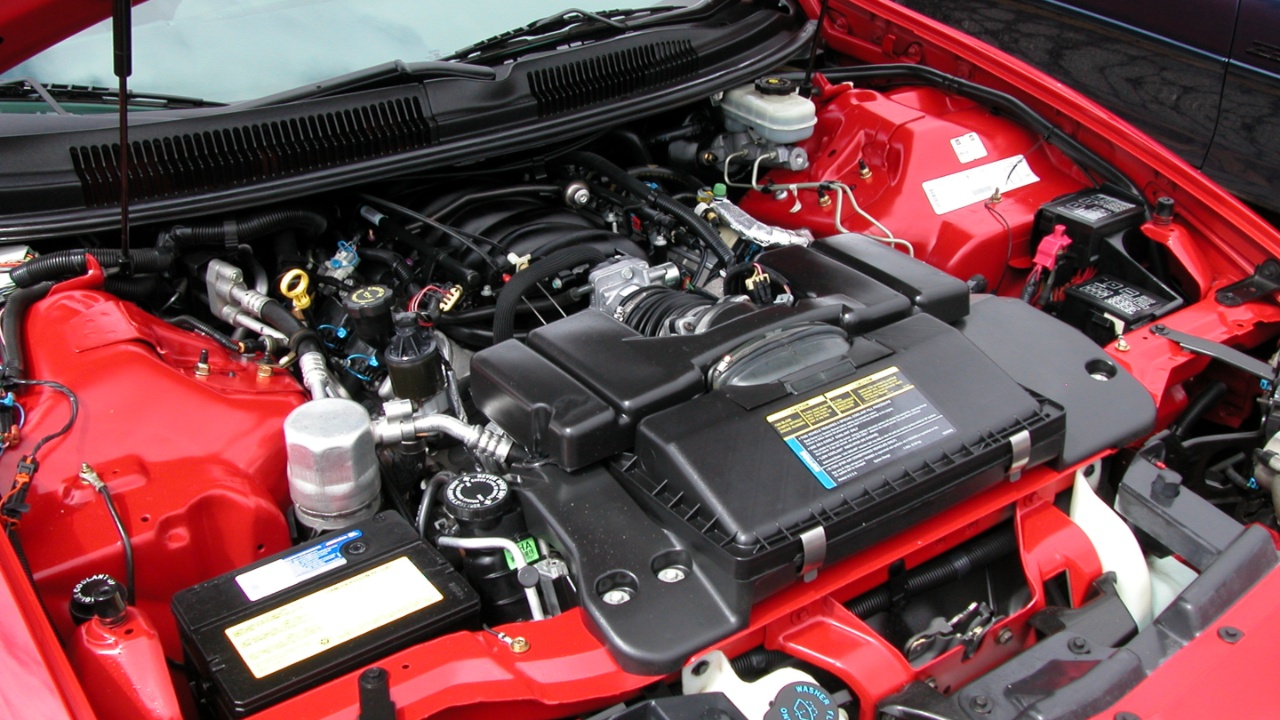
The Chevrolet LS series is a family of small-block V8 engines introduced in 1997, known for its combination of performance, versatility, and reliability. Modern LS engines, such as those found in the Chevrolet Blazer and Chevrolet Equinox, feature hydraulic roller lifters that greatly reduce valvetrain maintenance while providing quiet operation and smooth performance.
Unlike older flat-tappet or solid lifter designs, these hydraulic lifters automatically maintain zero lash using engine oil pressure. This design ensures consistent contact with camshaft lobes, eliminates the traditional lifter clatter, and extends the life of components such as pushrods, rocker arms, and camshafts.
The roller design of LS lifters reduces friction by up to 30 percent compared to flat tappets. The small roller bearings glide along the camshaft lobes, lowering operating temperatures and minimizing wear over time. Combined with a simple pushrod OHV configuration, the system has fewer moving parts than overhead cam engines, reducing potential failure points.
LS lifters are made from hardened steel or sintered steel alloys, which retain oil for self-lubrication, while specialized lifter trays ensure optimal lubrication and cooling. The design is robust enough for normal driving and moderate performance use, making it a favorite for both daily drivers and engine swap enthusiasts.
The LS platform includes engines from Generation III, like the LS1 and LS6, to Generation IV, including the LS2, LS3, LS7, and LS9. Power outputs range from 345 horsepower in the original LS1 to over 600 horsepower in the supercharged LS9, with top-tier variants like the LS7 delivering 505 horsepower naturally aspirated.
LS engines are highly tunable, often exceeding 1,000 horsepower with forced induction while maintaining stock internals. Their compact size and low weight make them ideal for swaps into non-GM vehicles, and aftermarket support is vast, with tens of thousands of parts available.
While LS engines are durable, they have limitations, including a lower redline compared to OHC engines and potential oiling issues at high RPM. Early truck variants like the LQ4 and LQ9 are particularly robust, often used in high-boost applications.
The Chevrolet LS series is celebrated for its combination of low-maintenance hydraulic lifters, reliability, and extreme performance potential, securing its status as one of the most influential and widely adopted V8 engine families in automotive history.
4. Toyota 1G-FE Inline-Six: Durable, Low-Maintenance, and Smooth-Running Engine
The Toyota 1G-FE is a 2.0-liter inline-six engine produced from 1988 to 2008, renowned for its exceptional reliability and long service life. Found in vehicles such as the Toyota Hiace, Toyota Land Cruiser Prado, Lexus IS200, and Toyota Crown, the 1G-FE is capable of exceeding 300,000 kilometers, with some examples surpassing 600,000 kilometers without major rebuilds. Its reputation for low maintenance and smooth operation has made it a popular choice for daily drivers seeking a dependable, long-lasting engine.
One of the key features contributing to the 1G-FE’s durability is its use of hydraulic valve lifters, also known as hydraulic lash adjusters (HLAs). Early 1G engines relied on solid lifters that required periodic manual adjustments using feeler gauges and shims, but the 1G-FE and later G-series engines adopted HLAs.
These lifters automatically maintain zero valve lash by using pressurized engine oil, eliminating the need for regular adjustments and reducing the risk of wear on camshaft lobes and valve stems. The hydraulic system also creates a cushion that reduces mechanical noise, giving the engine a quiet, smooth idle.
Later 1G-FE variants introduced additional refinements, such as VVT-i (Variable Valve Timing with intelligence) and ACIS (Acoustic Control Induction System), which improved efficiency and increased power output to around 118–154 kilowatts. The engine’s naturally aspirated design provides reliable performance, although it is not particularly high in torque and requires higher RPMs to move heavier vehicles like the Lexus IS200. Its low-performance ceiling and relatively weak internals make it less suitable for forced induction or racing applications, positioning it primarily as a reliable daily driver engine.
Maintenance requirements are minimal but crucial. While hydraulic lifters are largely maintenance-free, they depend on clean, high-quality oil. Neglecting oil changes can lead to lifter degradation and potential premature failure. Timing belt replacements are also critical; failure can cause severe valve-to-piston damage in VVT-i models.
The Toyota 1G-FE excels as a low-maintenance, smooth-running engine that prioritizes reliability over outright power. It is ideal for drivers seeking decades of dependable service with minimal intervention, though it is less suited for high-performance or heavily modified applications. Its combination of hydraulic lifters, durable construction, and proven engineering ensures that the 1G-FE remains a respected and practical choice in Toyota’s lineup of classic inline-six engines.
Also Read: 5 Cars With Simple Mechanical Cooling Fans vs 5 With Complex Electric Fan Modules
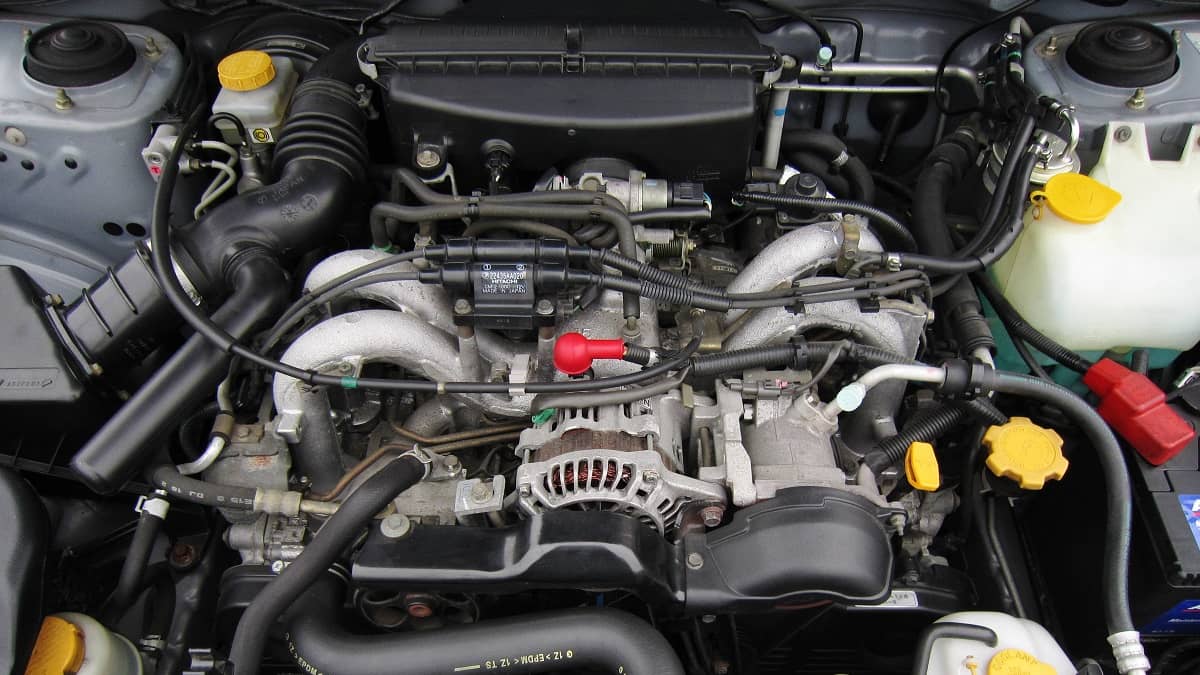
5. Subaru EJ Series: Practical Hydraulic Lifters Meet Iconic Boxer Performance
The Subaru EJ series is a family of flat-four “boxer” engines produced from 1989 to 2021, widely used in vehicles like the Subaru WRX and Subaru Forester. Known for its unique horizontally opposed layout, the EJ engine delivers a low center of gravity, distinctive exhaust note, and strong tuning potential.
A major advantage in many early EJ engines is the use of hydraulic lash adjusters, which simplify maintenance and improve everyday usability.
Hydraulic lifters automatically maintain zero valve clearance by using engine oil pressure to compensate for wear and thermal expansion. This eliminates the need for manual valve adjustments required in solid lifter systems.
By keeping constant contact between valvetrain components, they reduce ticking noises and prevent the impact-related wear common in older mechanical designs. This feature is especially valuable in boxer engines, where accessing internal components can be more complex and time-consuming. As a result, hydraulic lifters help reduce maintenance effort and ownership costs for many drivers.
Subaru later moved away from hydraulic lifters in newer EJ engines, switching to solid lifter buckets and adjustable rockers. This change was made to improve fuel efficiency and provide better stability at high engine speeds, particularly in performance-focused models like the WRX STI.
While solid lifters offer more precise control for high-RPM driving, they require periodic adjustments, making them less convenient for daily use. Early hydraulic systems, though low-maintenance, can develop noise if oil quality is poor or if sludge affects oil flow, emphasizing the importance of regular oil changes.
The EJ engine lineup includes both naturally aspirated and turbocharged variants, ranging from 1.5L to 2.5L. Turbocharged versions, particularly the EJ25, can produce over 300 horsepower in factory form and significantly more when modified.
The platform has extensive aftermarket support, allowing enthusiasts to push performance beyond 1,000 horsepower in extreme builds. Its unequal-length exhaust headers contribute to the signature “boxer rumble,” a defining trait of Subaru performance cars.
Despite its strengths, the EJ series has several known weaknesses. Certain naturally aspirated models are prone to head gasket failure, while turbocharged versions can experience piston ring land issues under high stress.
The engine also uses a timing belt, which requires regular replacement to prevent catastrophic damage. Even with these concerns, the EJ series remains a respected engine platform, combining practical low-maintenance features with strong performance potential and a distinctive driving character.
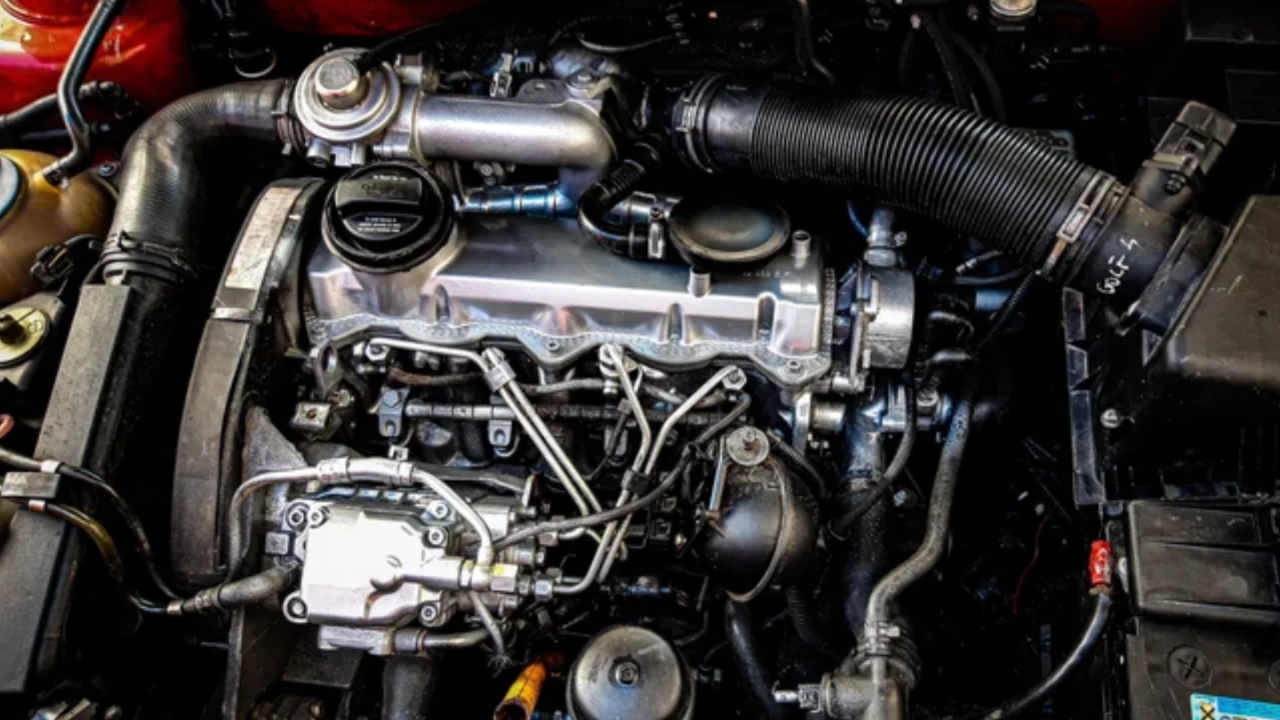
6. Volkswagen 1.9L TDI ALH: Ultra-Durable Diesel with Low-Maintenance Hydraulic Lifters
The Volkswagen 1.9L TDI ALH is a legendary turbodiesel engine produced from 1999 to 2003, widely known for its exceptional longevity, fuel efficiency, and mechanical simplicity.
Found in models like the Volkswagen Golf Mk4 and Volkswagen Jetta, the ALH engine has earned a reputation for lasting well beyond 300,000 to 500,000 miles with proper care. A major contributor to its durability is its use of hydraulic valve lifters, which significantly reduce maintenance requirements while ensuring consistent performance over time.
Hydraulic lifters in the ALH engine automatically maintain zero valve clearance using engine oil pressure. This self-adjusting system eliminates the need for periodic valve adjustments required in solid lifter designs. By compensating for thermal expansion and component wear, the lifters keep the valvetrain operating smoothly and quietly.
This is especially important in diesel engines, which experience higher compression, vibration, and heat compared to gasoline engines. Maintaining precise valve timing helps ensure optimal combustion efficiency and long-term reliability.
The lifters also reduce wear by preventing the “hammering” effect that occurs when gaps exist between valvetrain components. Continuous contact between the camshaft and valves minimizes stress on critical parts, extending the lifespan of the engine.
Combined with the ALH’s simple and robust construction, including a cast-iron block and a Bosch rotary injection pump, this design contributes to its reputation as one of Volkswagen’s most dependable engines.
Despite being low-maintenance, the hydraulic lifters depend heavily on proper oil quality. Using high-quality synthetic oil and maintaining regular oil change intervals is essential to prevent sludge buildup, which can cause lifters to stick, collapse, or produce noise. Some enthusiasts recommend replacing lifters as a preventative measure at very high mileage, although many last the entire life of the engine without issue.
The ALH engine produces modest power at around 90 horsepower and 155 lb-ft of torque, but it excels in fuel efficiency, often achieving 45 to 50 miles per gallon on the highway. Its strong low-end torque makes it practical for daily commuting, even if it lacks high-speed performance. However, it requires strict timing belt maintenance, as failure can result in severe engine damage.
While minor issues such as turbo vane sticking, intake clogging, and aging vacuum lines can occur, the Volkswagen 1.9L TDI ALH remains a benchmark for durability and efficiency, offering a low-maintenance diesel solution capable of delivering reliable performance for hundreds of thousands of miles.
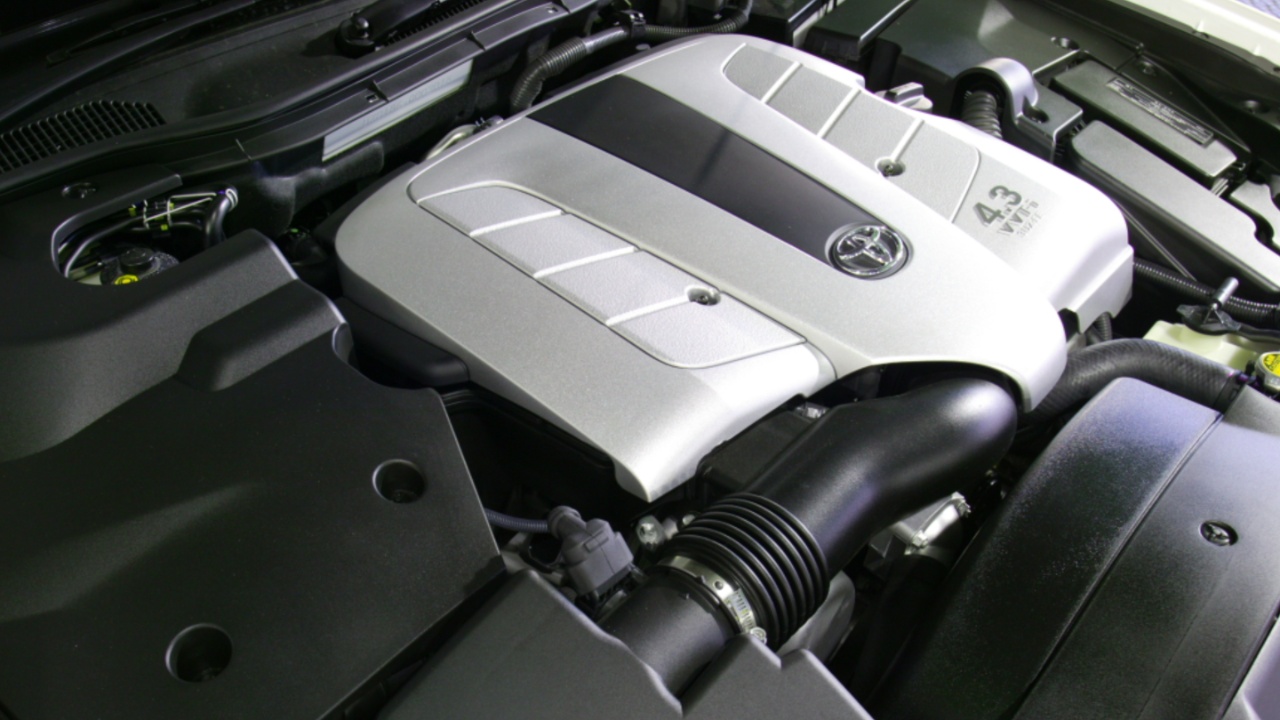
7. Toyota UZ Series V8 Engines: Legendary Reliability and Low-Maintenance Performance
The Toyota UZ engine family, which includes the 1UZ-FE, 2UZ-FE, and 3UZ-FE, is famous for exceptional durability and smooth operation. These engines are commonly found in vehicles such as the Lexus GX 470 and Toyota Tundra. They are known for quiet performance and low-maintenance valve trains thanks to hydraulic lash adjusters.
The hydraulic lifters automatically maintain zero valve clearance, eliminating the ticking sounds associated with mechanical lifters and removing the need for periodic manual adjustments. This system reduces wear on the camshafts and valves and allows the engines to endure high mileage and heavy towing without internal problems.
The 1UZ-FE, a 4.0-liter engine, debuted in the 1989 Lexus LS400 as part of Toyota’s Flagship 1 project. It was over-engineered with forged internals and six-bolt main bearings, providing smooth high-RPM performance and remarkable reliability. Early models were non-interference designs, reducing the risk of engine damage. The 2UZ-FE, a 4.7-liter engine, focuses on torque and durability.
Its cast-iron block is ideal for heavy-duty towing and off-road use in trucks and SUVs. While it is not designed for high-RPM speed, later versions with VVTi improved power and efficiency. The 3UZ-FE, a 4.3-liter engine, succeeded the 1UZ-FE and offers more displacement, low-end torque, and modern luxury performance. It is widely used in racing swaps and tuning applications.
Despite being low-maintenance, UZ engines require consistent oil pressure and clean oil. Neglecting oil changes can lead to lifter noise or early wear. Timing belt replacement is also essential because these engines do not use timing chains. The 1UZ-FE and 3UZ-FE are excellent platforms for forced induction, while the 2UZ-FE is less suited for high-boost applications.
The Toyota UZ series combines luxury refinement, high-quality construction, and hydraulic lifter technology to achieve legendary reliability. Its long lifespan, smooth operation, and tuning potential make it one of the most respected V8 engine families in automotive history, appealing to enthusiasts, truck owners, and performance tuners alike.
8. Ford 7.3L Power Stroke: Durable Workhorse with Low-Maintenance Hydraulic Valvetrain
The Ford 7.3L Power Stroke is a legendary diesel engine produced from 1994.5 to 2003, widely recognized for its durability, simplicity, and long service life. Commonly found in heavy-duty trucks like the Ford Super Duty lineup, this engine is often regarded as one of the most reliable diesel platforms ever built.
A major factor behind its reputation is its straightforward overhead valve design paired with hydraulic lifters, which significantly reduce maintenance requirements compared to more complex modern diesel engines.
The hydraulic lifters in the 7.3L Power Stroke automatically maintain zero valve clearance using engine oil pressure. This self-adjusting system eliminates the need for periodic valve lash adjustments required in solid lifter engines. By continuously compensating for wear and thermal expansion, the lifters ensure consistent valvetrain operation over hundreds of thousands of miles.
The engine also uses hydraulic roller lifters, which reduce friction between the lifter and camshaft, lowering wear and improving long-term durability. This design contributes to the engine’s ability to exceed 300,000 to 500,000 miles with proper maintenance.
Another advantage of the hydraulic system is its forgiving nature. The lifters can accommodate minor variations in valvetrain components, such as aftermarket pushrods, without compromising reliability.
Combined with a simple pushrod layout and a camshaft located in the engine block, the design minimizes the number of moving parts and reduces potential failure points. This simplicity makes the 7.3L easier to service compared to newer engines with more complex overhead cam configurations and emissions systems.
The engine’s performance is centered on strong low-end torque, making it ideal for towing and heavy-duty applications rather than high horsepower output. While it produces less power than modern diesel engines, its rugged construction, including a cast-iron block and durable internal components, ensures long-term dependability.
The absence of advanced emissions systems such as EGR or diesel particulate filters further enhances reliability and reduces maintenance complexity.
However, proper maintenance is still essential. The 7.3L uses a HEUI injection system that relies on engine oil to operate the fuel injectors, placing additional stress on oil quality. Regular oil changes are critical to maintaining both the injectors and hydraulic lifters. Common issues include camshaft position sensor failures, injector driver module problems, and aging fuel injector components, particularly in high-mileage engines.
The Ford 7.3L Power Stroke remains a highly sought-after engine for work trucks and long-haul use, valued for its combination of low-maintenance design, mechanical simplicity, and proven longevity.
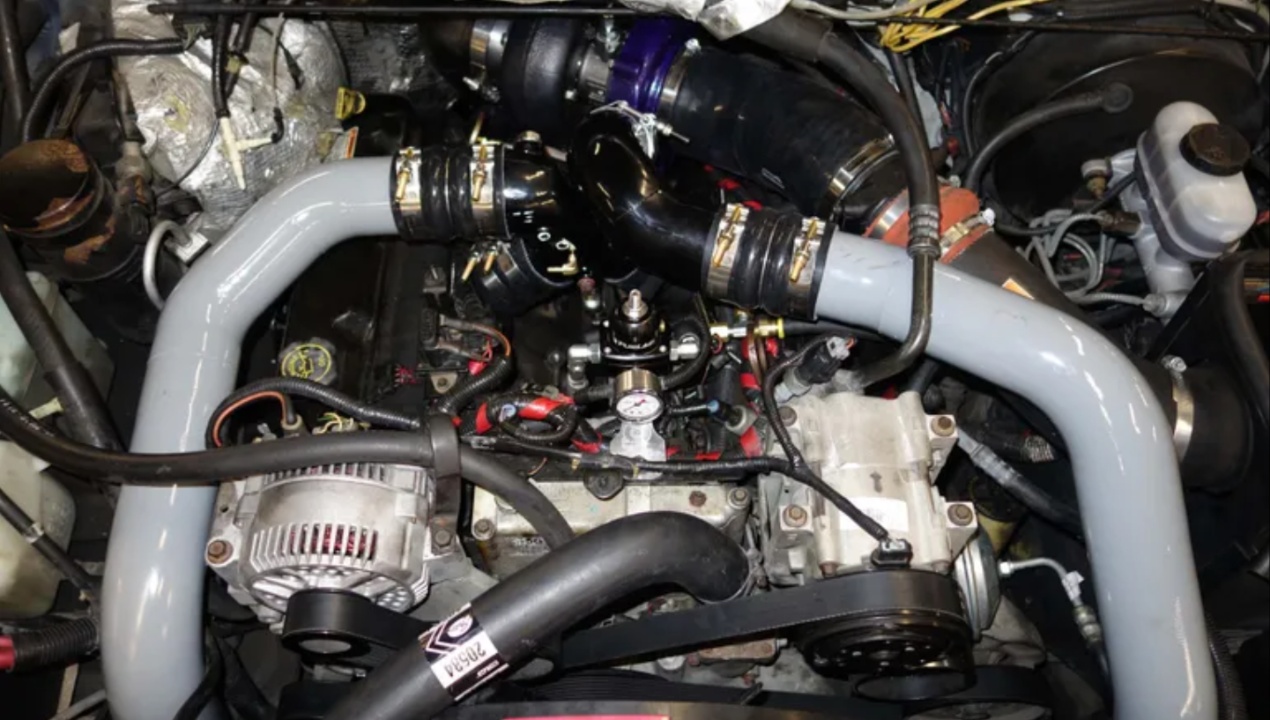
Engines equipped with hydraulic valve lifters continue to stand out for their ability to deliver reliable performance with minimal upkeep.
By automatically adjusting valve clearance, these systems eliminate one of the more time-consuming aspects of engine maintenance, allowing owners to focus on regular servicing like oil changes rather than frequent mechanical adjustments. This advantage becomes especially valuable in engines built for long-term use, where durability and ease of ownership are key priorities.
From performance legends like the 2JZ-GTE to diesel workhorses found in trucks such as the Ford Super Duty, each engine in this list demonstrates how thoughtful engineering can enhance both reliability and user experience.
These power plants have earned their reputations not just through power or efficiency, but through their ability to remain dependable over hundreds of thousands of miles. For drivers seeking a balance of performance, longevity, and reduced maintenance demands, engines with hydraulic lifters remain some of the most practical and proven choices available.
Also read: 5 Cars With Excellent Air Conditioning for Hot Climates vs 5 That Struggle