
Heavy duty trucks are often judged by engine power and towing ratings, but the real test of durability usually comes down to the transmission. A powerful engine means very little if the gearbox cannot handle sustained loads, heat buildup, and constant torque stress.
In serious towing environments, the transmission often becomes the deciding factor between a dependable work truck and an expensive repair story.
Some heavy duty transmissions are engineered with extreme durability in mind. These units are designed with oversized clutch packs, strong gearsets, advanced cooling strategies, and conservative programming.
The best examples are known to survive hundreds of thousands of miles, sometimes even outlasting the trucks they were installed in. Fleet operators and contractors often seek these transmissions specifically because downtime costs more than initial purchase price.
At the other end of the spectrum are transmissions that perform well under normal driving but struggle when consistently exposed to heavy trailers, steep grades, and high temperatures. In these situations, heat becomes the primary enemy. Once fluid temperatures rise beyond optimal limits, wear accelerates quickly and reliability declines.
This comparison looks at both ends of heavy duty transmission engineering. First we examine transmissions known for exceptional durability. Then we examine those that developed reputations for overheating concerns during towing and explain why these patterns appeared.
Understanding both sides helps separate true workhorse designs from those that require more careful load management.
Also Read: 8 Reasons Why Your Transfer Case Needs Service Every 50000 Miles for Longevity
8 Heavy Duty Transmissions That Can Outlast the Truck
Durability in heavy duty transmissions rarely happens by accident. The strongest units typically share several engineering traits.
They use larger internal components than strictly necessary, maintain strong lubrication flow, and emphasize temperature control. These decisions increase manufacturing cost but dramatically improve long term survival.
Another important factor is torque management strategy. The best heavy duty transmissions avoid sudden shock loads by carefully managing how power is applied. Smooth application of torque not only improves drivability but also protects internal parts from fatigue.
Maintenance accessibility also plays a role. Some of the longest lasting transmissions are simply easier to service properly. Good filter access, clear fluid specifications, and predictable service intervals help ensure they receive the care required to reach high mileage.
The following transmissions earned strong reputations among mechanics, fleet operators, and long term owners. They are included because they repeatedly demonstrate the ability to handle demanding workloads without developing widespread structural weaknesses.
Each example highlights what makes the transmission notable and why it continues to be respected in heavy duty applications.
1. Allison 1000 (Chevrolet Silverado HD, GMC Sierra HD)
Among heavy duty truck owners, the Allison name carries serious weight. The Allison 1000 built its reputation not through marketing but through commercial grade engineering philosophy. Originally influenced by medium duty truck transmission design, it brought a level of strength rarely seen in consumer pickups when first introduced.
One of the biggest reasons for its durability comes from clutch sizing. Allison engineered the clutch packs with significant torque tolerance, meaning they rarely operate close to their stress limits. This reduces heat buildup and prevents the microscopic wear that often leads to failure in weaker units.
Another factor is shift strategy. Instead of chasing fast shift speeds, the Allison focuses on controlled engagement. Slower, more deliberate clutch application prevents shock loads, which directly contributes to longer component life.
Cooling also deserves mention. These transmissions typically include strong thermal management systems that help maintain fluid stability during towing. Temperature stability is often the difference between a transmission that survives 300000 miles and one that fails much earlier.
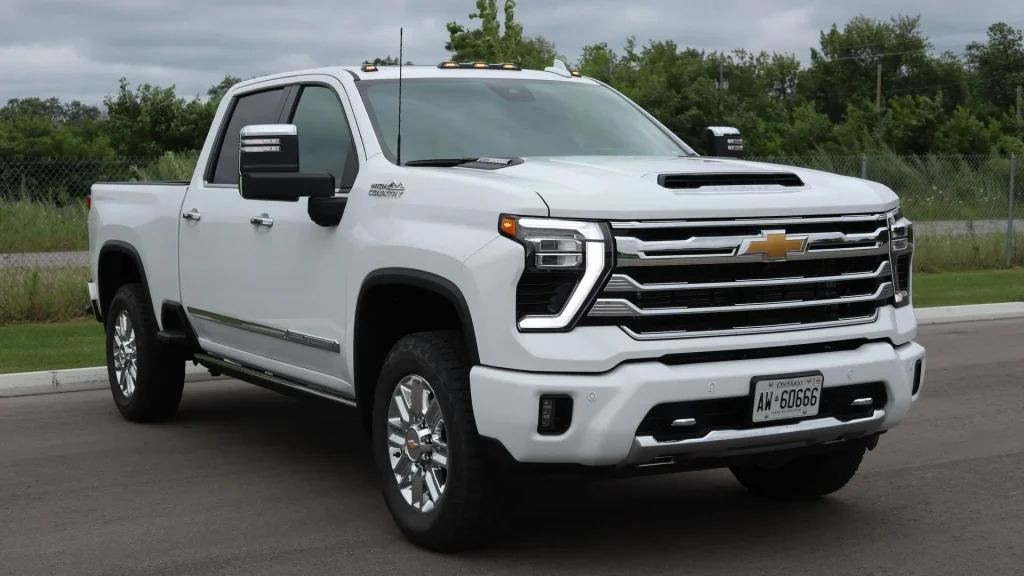
Why include the Allison 1000 is simple. It represents the benchmark many other heavy duty transmissions are compared against. Fleet users often trust it because of predictable long term behavior rather than marketing claims.
This transmission shows what happens when durability is treated as the primary engineering goal rather than a secondary benefit.
2. Ford 10R140 (Ford Super Duty F250, F350)
Ford designed the 10R140 with one clear objective. It needed to survive extreme diesel torque output while also improving efficiency compared to older designs. This created a difficult engineering target that required both strength and intelligent gear spacing.
What makes this transmission impressive is not just its strength but how it distributes load. With ten forward gears, torque can be managed more gradually. Instead of forcing the transmission to handle large jumps between ratios, the closer spacing reduces internal stress during acceleration and towing.
Internal material improvements also played a role. Ford strengthened planetary gearsets and improved lubrication flow to prevent localized heat concentration. These improvements may not be visible externally but are critical in preventing long term fatigue.
Another reason this transmission stands out comes from towing calibration. When tow mode is active, the programming prioritizes stability over efficiency. Holding gears longer prevents unnecessary shifting and reduces heat spikes, which is exactly what heavy towing requires.
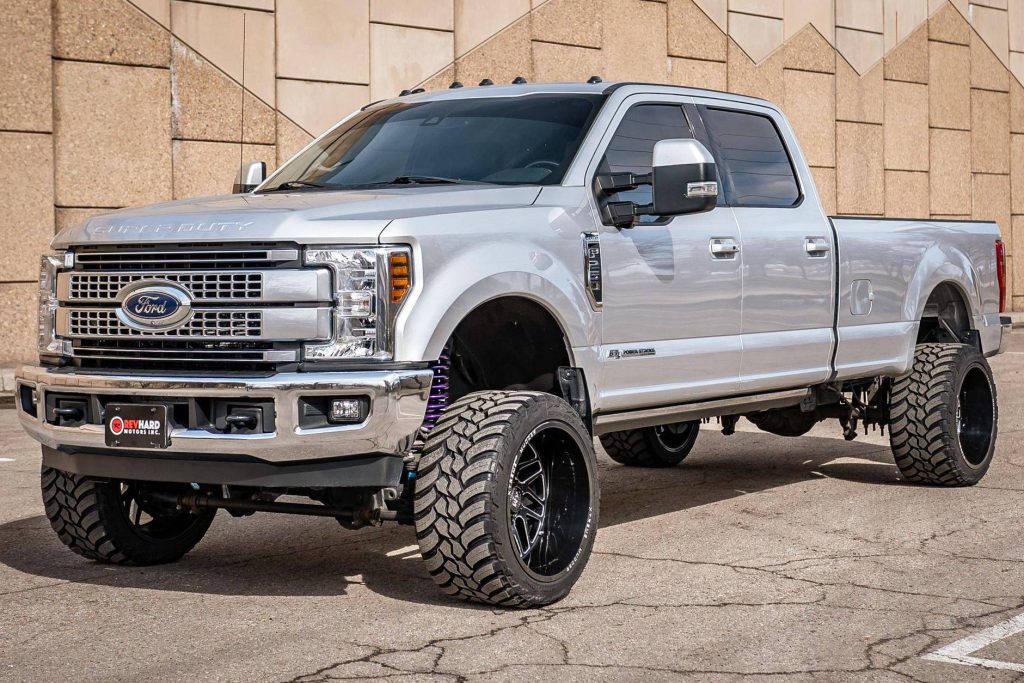
It earns a place here because it reflects modern heavy duty thinking. Instead of simply making parts bigger, Ford improved how the transmission manages stress in the first place.
The 10R140 shows that smart engineering can sometimes improve durability as much as raw strength.
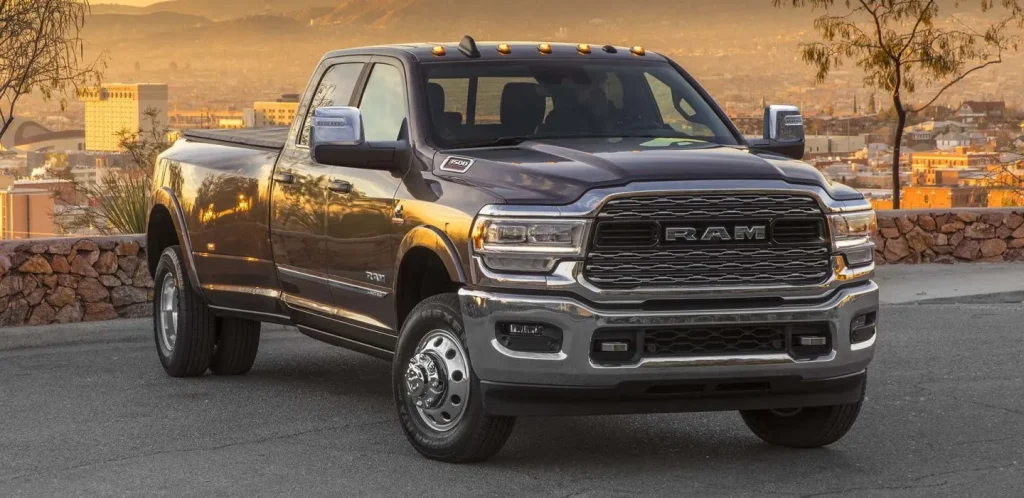
3. Aisin AS69RC (Ram 3500 High Output Cummins)
If transmission survival were judged purely by how much torque a unit can tolerate without complaint, the Aisin AS69RC would easily rank among the toughest ever installed in a consumer pickup.
Designed specifically for high output diesel applications, this transmission was never intended to be delicate or refined first. Strength came before everything else.
What separates the AS69RC from lighter duty designs is how unapologetically overbuilt it is. The internal shafts are thicker, the clutch surfaces are designed for commercial level stress, and the valve body calibration is tuned to prioritize holding power rather than smoothness alone.
This sometimes results in firmer shifts, but those shifts serve a mechanical purpose. Firm engagement reduces slip, and reduced slip means less heat.
Looking at how this transmission behaves under constant towing reveals its true advantage. It does not constantly search for gears when climbing grades. Instead, it tends to hold ratios confidently, avoiding unnecessary gear cycling. Less shifting means less friction wear and less temperature fluctuation.
There is also something to be said about its intended audience. Buyers choosing the Aisin option are usually those who plan to tow large fifth wheel trailers or heavy commercial loads. Because the transmission was designed with this exact usage in mind, it rarely operates outside its comfort zone.
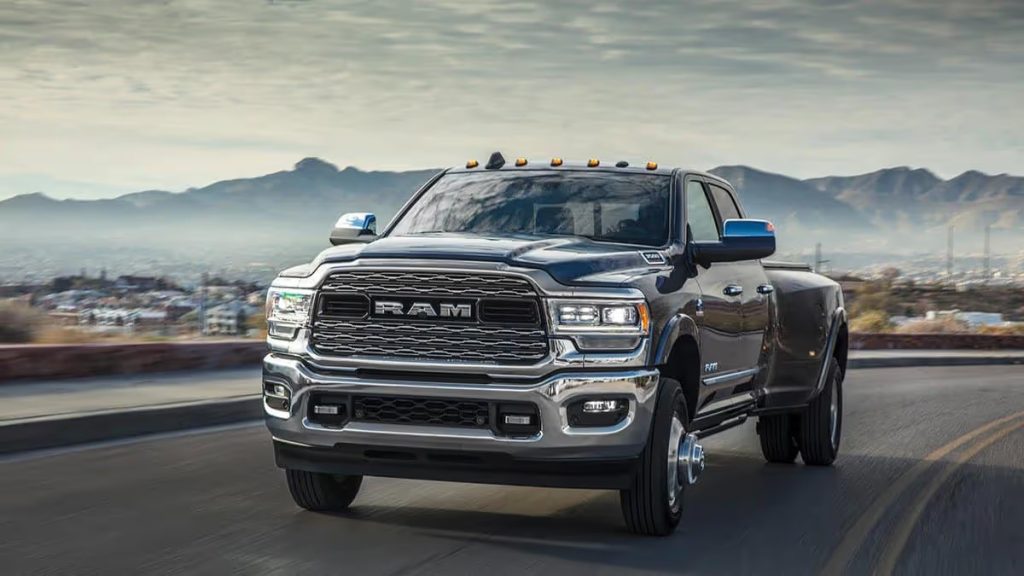
This transmission appears here because it represents the difference between a heavy duty transmission and a medium duty transmission adapted for heavy use. The AS69RC was built from the start to live under extreme load.
It proves that when engineers assume the worst case scenario as the normal operating condition, the result is often a transmission that feels almost impossible to wear out under typical use.
4. ZF 8HP Heavy Duty Variant (Ram 2500 Gas Models)
Durability sometimes comes from an unexpected direction. The ZF 8HP is often praised in luxury vehicles, but its heavy duty variant used in Ram gas trucks demonstrates how a well engineered design can adapt successfully to work environments.
Unlike transmissions designed purely for diesel torque, this unit had to manage a different type of stress. Gas engines produce torque differently, often requiring more frequent shifting to stay within the power band. That means durability depends not just on strength but on how smoothly repeated shifts occur.
ZF addressed this through extremely precise clutch control. Instead of harsh engagement, the transmission uses carefully modulated pressure to allow smooth yet firm gear transitions. This reduces the kind of repeated micro shock that can damage components over thousands of cycles.
Another interesting durability factor is efficiency. Because the transmission wastes very little energy internally, less heat is generated during operation. Lower heat production directly translates into longer fluid life and slower wear progression.
Service professionals often praise how predictable this transmission behaves when maintained properly. It does not tend to develop mysterious behavior patterns or sudden failures. Instead, it usually provides warning signs through gradual shift quality changes if maintenance is overdue.
Why this transmission deserves recognition is because it shows how intelligent engineering can sometimes outperform brute force design. Instead of simply making everything larger, ZF refined how every part works together.
The Ram application proves that a transmission originally respected for refinement can also become a serious durability contender when adapted correctly for truck duty.
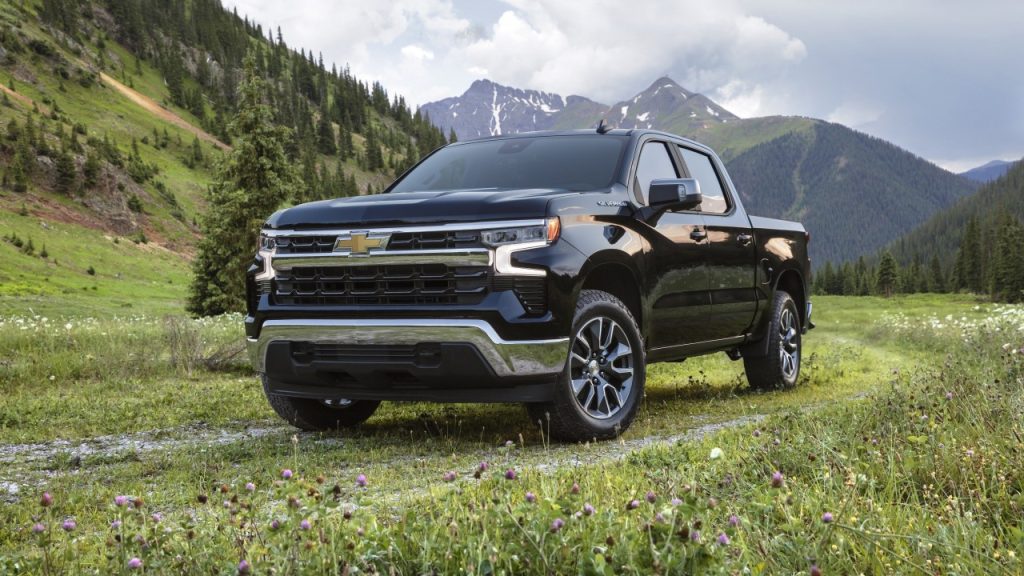
5. GM 6L90 (Chevrolet Silverado 2500 Gas HD)
Not every long lasting heavy duty transmission comes from cutting edge design. Sometimes durability comes from simplicity and years of real world refinement. The GM 6L90 represents this philosophy perfectly. It does not have the highest gear count or the newest architecture, yet it built a reputation through predictable toughness.
This transmission comes from a period when manufacturers still prioritized mechanical margin over maximum efficiency. As a result, many of its internal components were designed with generous safety factors. The planetary gearsets in particular are known for handling torque spikes without deformation, which is critical during towing launches.
Where this transmission really earns respect is in its tolerance for imperfect conditions. While proper maintenance always helps, the 6L90 is known for surviving situations where fluid changes were delayed or trucks were worked hard in hot climates. That kind of resilience is exactly what earns loyalty among contractors.
Another strength comes from straightforward hydraulic control. Compared to newer units with extremely complex programming, the 6L90 operates with relatively simple logic. Fewer complex adaptive strategies sometimes mean fewer unexpected behaviors over time.
The reason this transmission is included comes from its track record rather than its specifications. It consistently proves itself through mileage accumulation rather than engineering claims.
Many fleet operators prefer equipment that may not be the newest but is known to survive punishment. The 6L90 fits this description perfectly.
It shows that sometimes the most durable designs are not the most advanced ones. They are the ones that have already proven themselves through years of real workload exposure.
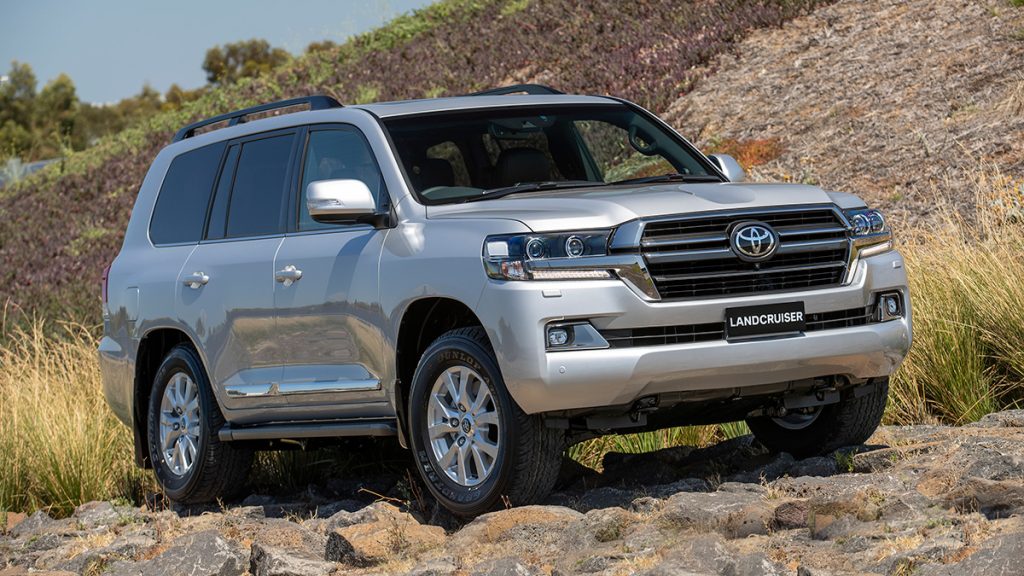
6. Toyota Aisin AB60F (Toyota Land Cruiser Heavy Duty Platforms)
Toyota’s heavy duty transmission philosophy differs from many American truck manufacturers. Instead of focusing on maximum towing numbers, Toyota tends to engineer for global durability. Their transmissions must survive remote environments, poor fuel quality, extreme temperatures, and inconsistent maintenance conditions.
The AB60F reflects this global durability mindset. Used in heavy duty Land Cruiser platforms, it was built with the assumption that the vehicle might operate far from service centers. That assumption changes engineering priorities dramatically.
One key strength is lubrication reliability. The transmission is designed to maintain proper fluid distribution even when operating on steep inclines or uneven terrain. This is especially important in off road towing situations where fluid movement can affect cooling.
Another factor is conservative stress calibration. Toyota tends to avoid pushing their transmissions to their theoretical limits. This often results in lower headline performance numbers but significantly improves long term survival rates.
This transmission also benefits from Toyota’s philosophy of gradual improvement. Rather than replacing designs frequently, they refine them over time. This results in designs that eliminate known weak points before major redesigns occur.
Why it belongs on this list is because it represents a different type of durability. Not just towing strength, but survival under unpredictable conditions. A transmission that can tolerate poor roads and extreme heat will usually have no trouble with normal towing duties.
The AB60F demonstrates that true heavy duty engineering is not always about maximum capability. Sometimes it is about ensuring the transmission never becomes the weak link no matter where the truck operates.
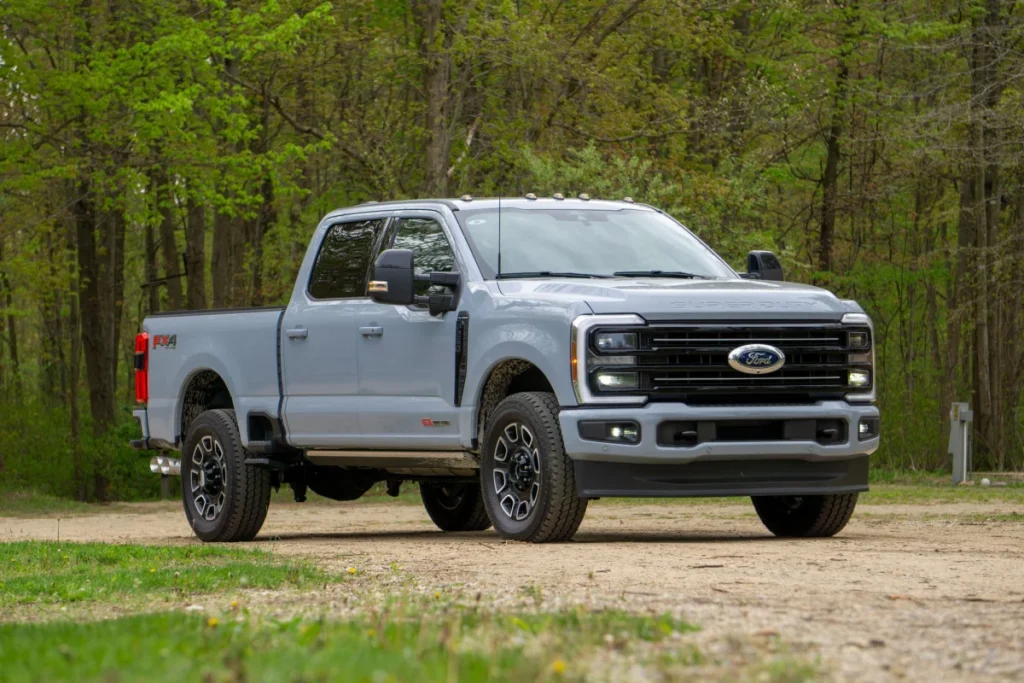
7. Ford TorqShift 6R140 (Ford Super Duty Diesel Previous Generation)
Before the arrival of newer multi gear transmissions, the TorqShift 6R140 quietly built one of the strongest durability reputations in the heavy duty pickup segment. It did not rely on high gear counts or complex strategies. Instead, its reputation came from raw mechanical integrity and careful stress management.
What made this transmission stand out was its approach to torque multiplication. Diesel engines deliver enormous low RPM torque, which can destroy weaker transmissions quickly. Ford engineered the 6R140 with exceptionally strong input shafts and reinforced geartrain components to tolerate these loads repeatedly.
Another reason for its long life comes from how it manages towing situations. Rather than constantly shifting to chase efficiency, it tends to stay in appropriate gears longer. Fewer gear changes during heavy pulling reduces clutch cycling and heat buildup, which directly contributes to longevity.
Cooling also deserves recognition. This transmission was designed with serious heat rejection capacity because Ford understood that temperature is the main enemy of towing transmissions. Stable temperature behavior means fluid maintains its protective properties longer.
Mechanics often describe the TorqShift as predictable. That word appears frequently when discussing durable transmissions. Predictable behavior means fewer surprises and easier diagnosis when maintenance is needed.
The reason it earns a place here is because it reflects traditional heavy duty design philosophy. Build it stronger than necessary and it will rarely be stressed.
The 6R140 proves that even without the newest technology, careful engineering and strong materials can produce transmissions that remain dependable long after the rest of the truck begins to show age.
8. Allison 10L1000 (Latest Duramax HD Trucks)
The Allison 10L1000 represents the evolution of an already respected transmission philosophy. Instead of simply adding more gears, engineers used the redesign to improve how the transmission handles sustained heavy loads. This distinction matters because more gears alone do not guarantee durability.
One of the biggest improvements involves torque flow control. With additional ratios available, the transmission can keep the engine operating in stable power ranges while reducing internal strain. This helps prevent the extreme load transitions that often create heat spikes.
Material science also played a role in its strength. Updated clutch materials and improved friction surfaces allow the transmission to tolerate repeated heavy towing without rapid wear progression. These improvements focus on longevity rather than performance marketing numbers.
A different strength lies in how the transmission communicates with engine management. By coordinating torque reduction during shifts, the system protects internal parts from sudden force application. This type of integration is becoming a key factor in modern heavy duty reliability.
Why include this transmission is because it shows how a strong reputation can be extended through careful evolution. Rather than replacing a successful concept, Allison refined it for modern requirements.
This unit demonstrates that durability leadership requires constant improvement. Even proven designs must adapt to higher torque outputs and stricter efficiency demands.
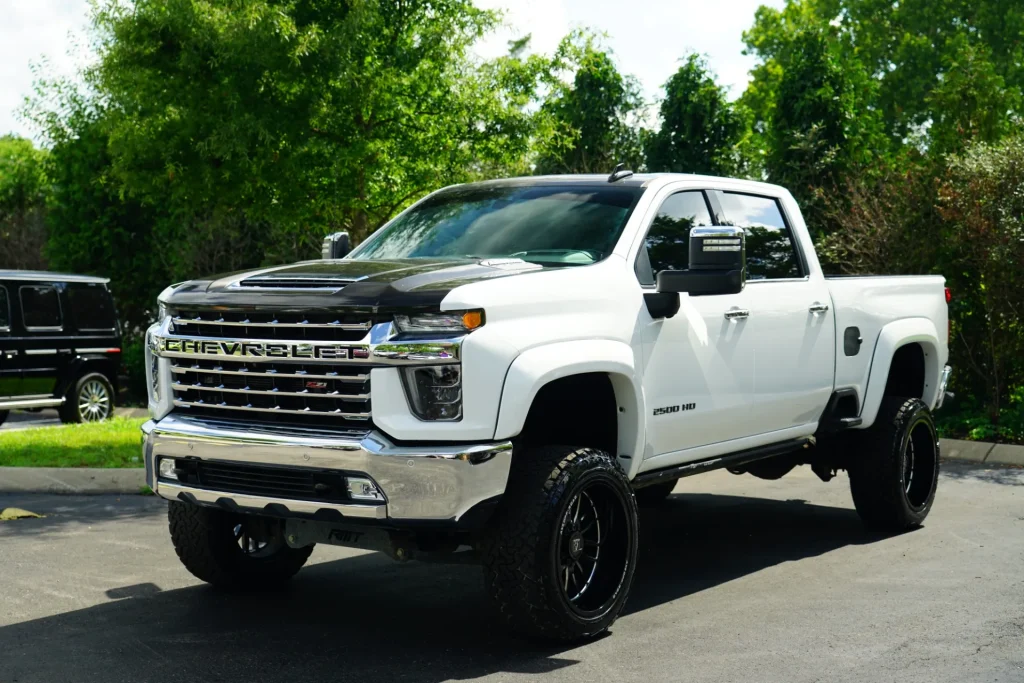
The Allison 10L1000 shows that when a manufacturer respects an already strong design and improves it carefully, the result can be a transmission that may realistically outlast the vehicle surrounding it.
8 That Overheat While Towing
Not every transmission designed for trucks performs equally well under sustained towing stress. Some transmissions operate perfectly during daily driving but begin to show limitations when exposed to long climbs, heavy trailers, and high ambient temperatures. In these conditions, heat management becomes the defining factor in reliability.
Transmission overheating usually does not come from one single flaw. Instead, it often results from a combination of factors such as smaller fluid capacity, aggressive shift strategies, limited cooling capacity, or calibration that prioritizes fuel economy over thermal stability.
Another common factor is application mismatch. Some transmissions originally designed for lighter duty use were later installed in trucks expected to perform heavier work. While they may meet official towing ratings, repeated heavy use sometimes exposes cooling limitations.
The transmissions discussed next are included because they have generated consistent discussion around temperature management during towing. This does not mean they fail immediately, but it does mean they may require more careful operation, additional cooling upgrades, or conservative towing habits to maintain longevity.
Understanding these examples helps truck owners recognize how transmission design affects real towing durability.
1. GM 8L90 (Chevrolet Silverado 1500 Early Models)
The GM 8L90 arrived with impressive performance goals. It was designed to improve acceleration, efficiency, and shift response compared to older six speed transmissions. Under normal driving it generally performs well. The discussion begins when the same transmission is pushed into repeated towing scenarios.
One issue sometimes discussed involves heat accumulation during extended towing in warm climates. Because the transmission was designed partly with efficiency in mind, some early applications did not prioritize maximum fluid capacity. Under repeated load, this could allow temperatures to climb faster than expected.
Another contributing factor involves shift frequency. With more gears available, the transmission sometimes shifts more often when pulling moderate loads. Each shift generates friction heat, and over long distances this can contribute to rising temperatures if cooling capacity is limited.
Some owners addressed this by installing auxiliary coolers, which suggests the base system sometimes operates close to its thermal limits during demanding towing. This does not mean the design is weak, but it does indicate less margin compared to heavy duty focused transmissions.
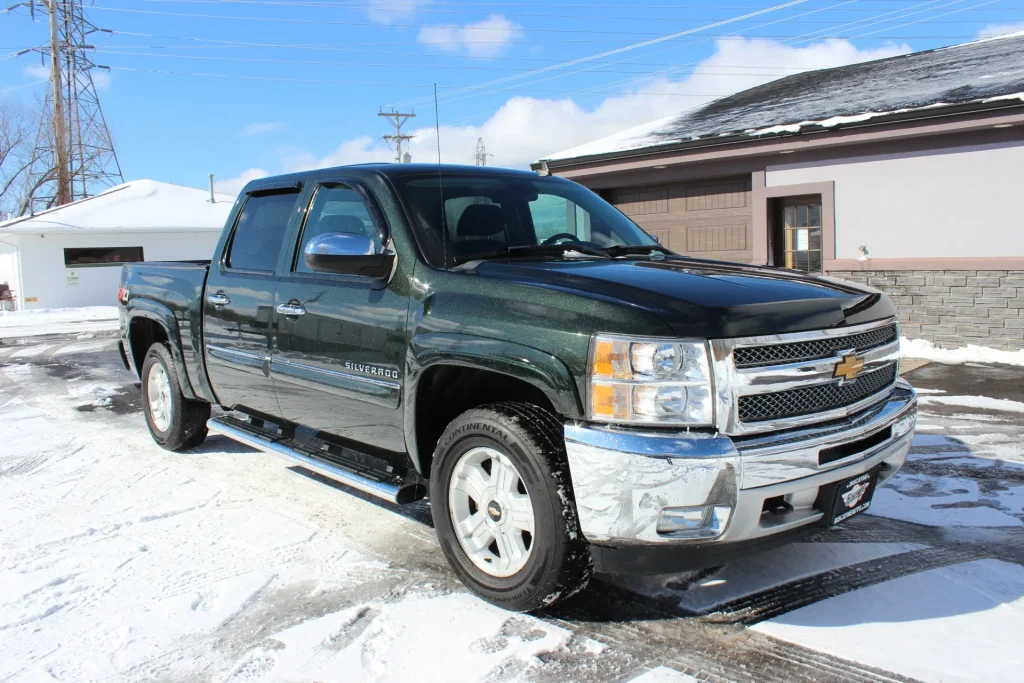
Why include this transmission is because it highlights how design priorities affect outcomes. A transmission designed to balance performance and efficiency may not always provide the same thermal durability as one built primarily for heavy hauling.
The 8L90 demonstrates that even technically advanced transmissions can reveal limitations when asked to perform outside their primary design focus.
2. Ford 10R80 (Ford F150)
The Ford 10R80 was designed as a modern solution to improve both performance and fuel economy in half ton trucks. In everyday driving it usually delivers smooth operation and responsive behavior. The concerns begin when this transmission is repeatedly exposed to maximum towing loads over long distances.
One factor sometimes mentioned by truck owners is temperature fluctuation during heavy trailer hauling, especially in mountainous regions. When the truck must frequently change gears to maintain power, the transmission can generate additional heat through repeated clutch engagement cycles.
Another interesting aspect is how closely modern transmissions operate to efficiency targets. To improve fuel economy, some calibrations attempt to use higher gears whenever possible. While this helps consumption figures, it can sometimes increase load on the transmission during towing, which may contribute to temperature rise.
Driver behavior also plays a role. Using tow mode correctly makes a noticeable difference because it changes shift patterns and cooling priorities. Trucks operated without proper towing settings sometimes experience higher temperatures simply because the transmission is trying to operate like it would during normal commuting.
This transmission is included not because it consistently fails, but because it illustrates how modern multipurpose transmissions sometimes walk a fine line between efficiency and heavy workload durability.
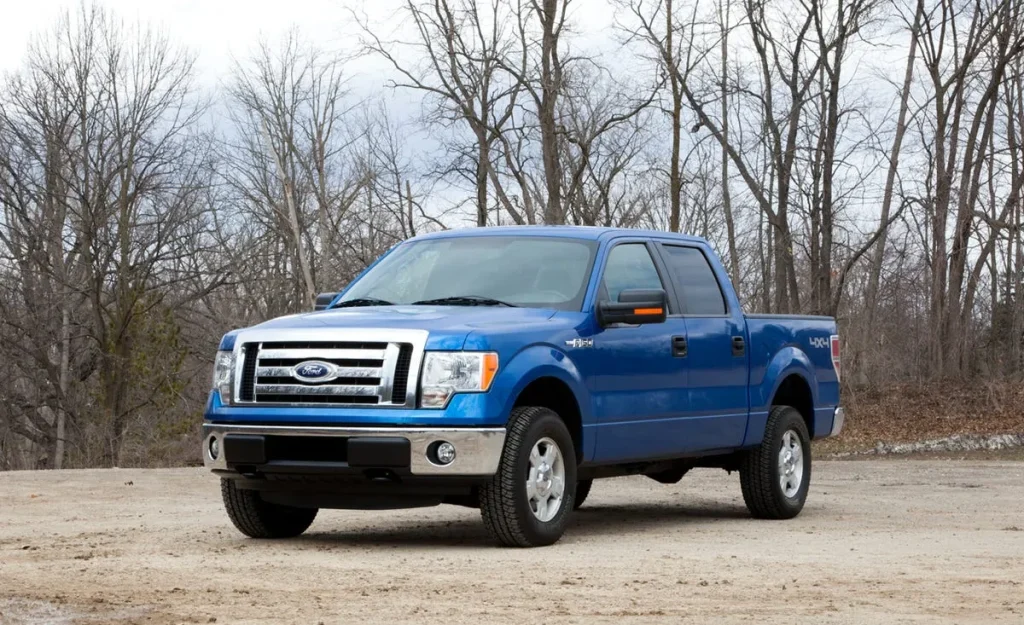
It serves as a reminder that half ton trucks designed to do many things well may not always match the thermal endurance of transmissions built specifically for constant heavy hauling.
3. Ram 68RFE (Ram 2500 Diesel Standard Transmission)
The 68RFE presents an interesting case because it sits in a difficult middle ground. It is expected to handle serious diesel torque, yet it was originally engineered more as a medium duty solution rather than a true commercial grade unit like the optional Aisin. This difference in intended duty cycle explains why it sometimes appears in overheating discussions.
When used within moderate towing limits, the transmission generally performs adequately. The conversation tends to change when trucks are used near maximum rated capacity for extended periods. Under these conditions, some operators report rising transmission temperatures, especially during long uphill towing situations.
Part of the explanation comes from torque converter behavior. Under heavy load, converters can generate significant heat if lockup strategy is not aggressive enough. If lockup occurs later than ideal, fluid temperature can increase faster than the cooling system can compensate.
Another factor sometimes mentioned involves stock cooling capacity. Many heavy towing owners choose to upgrade transmission cooling systems or improve fluid flow through aftermarket solutions. The popularity of these upgrades suggests that some users feel the original setup leaves limited thermal margin for extreme workloads.
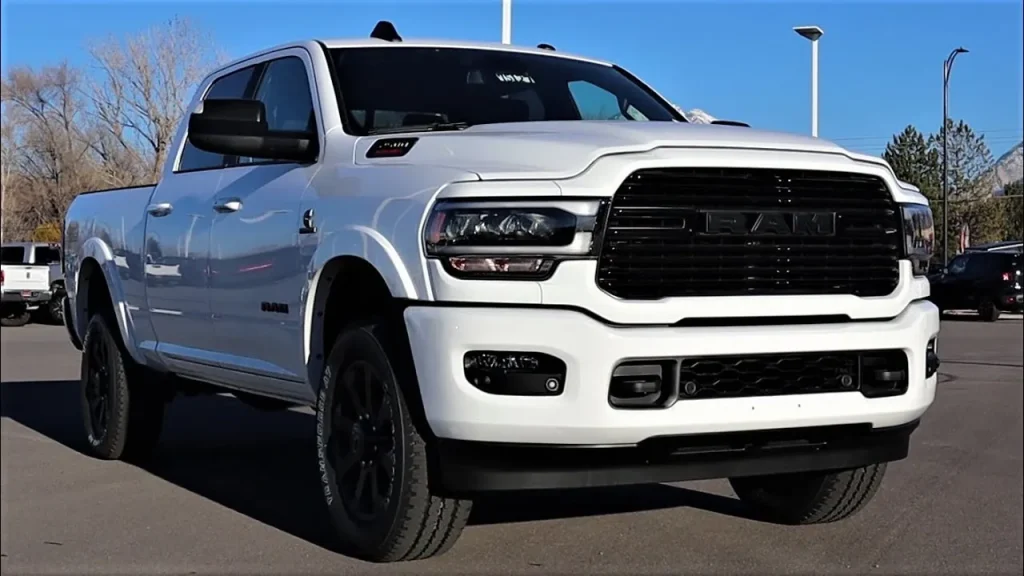
Why this transmission belongs here is not because it is incapable of towing. It clearly can. The reason is that it demonstrates how transmissions designed to meet rated capacity may still operate close to their comfort limits when repeatedly pushed to those ratings.
The 68RFE shows that published towing numbers and thermal endurance are not always the same thing. Real durability often depends on how much safety margin exists beyond the official specification.
4. Nissan RE7R01A (Nissan Titan)
The transmission used in the Nissan Titan illustrates how design origins can affect heavy duty expectations. While the RE7R01A is a capable automatic, it traces its roots more toward performance SUV and light truck use rather than extreme towing environments. That background influences how it behaves under sustained trailer loads.
One observation sometimes made by truck users involves temperature increase during long highway towing rather than short bursts. This pattern suggests the issue is not sudden overload but cumulative heat buildup over time. Continuous operation under load can gradually push fluid temperatures upward if cooling margins are modest.
Gear ratio spacing also plays a subtle role. With fewer ratios than some competitors, the transmission sometimes must operate in gears that place the engine under higher load during towing. Higher engine load can translate into higher transmission heat through torque transfer.
Maintenance sensitivity also appears in discussions. Like many transmissions, fluid quality plays a large role in temperature control. As fluid ages, its ability to dissipate heat declines. Owners who follow strict service intervals often report fewer temperature concerns than those who treat the transmission as maintenance free.
This transmission is included because it demonstrates how design intent matters. A transmission built to balance everyday usability with occasional towing may not behave the same as one designed primarily for constant heavy hauling.
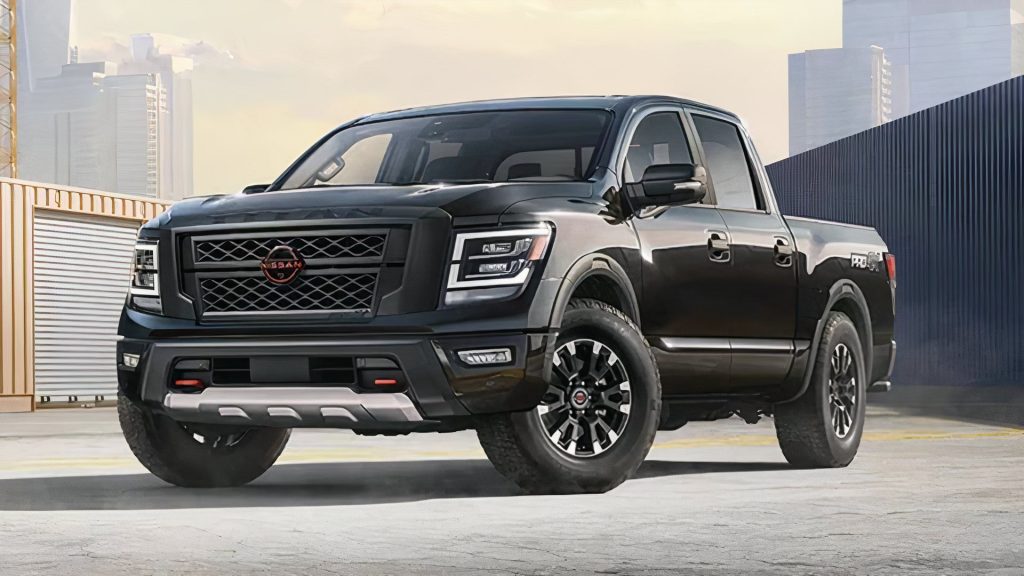
The Titan example shows that capability and specialization are different things. Some transmissions can tow well occasionally, but long term heavy towing requires designs built specifically with that purpose as the main priority.
5. Toyota A750F (Toyota Tundra Previous Generation)
Toyota is widely respected for durability, which is exactly why the A750F transmission is interesting to analyze. It is not known for catastrophic failure, but rather for showing its limits when pushed into sustained heavy towing beyond the type of work it was originally optimized for.
The transmission itself was designed during a period when the Tundra focused more on reliability than maximum towing competition. As towing capacities across the industry increased, this older design sometimes found itself working harder than originally intended when compared against newer competitors.
One commonly discussed factor is gear count. With fewer forward ratios than more modern designs, the transmission sometimes must operate in conditions where the engine carries more load than ideal. When engine load rises, transmission heat usually follows because more torque must pass through the system continuously.
Another technical factor involves converter behavior during long grade climbs. If the torque converter cycles between lock and unlock states repeatedly, heat generation increases quickly. This is not unique to Toyota, but newer designs often improved lockup strategies to reduce this effect.
Despite these limitations, many examples still last a very long time when used within moderate towing demands. This highlights why the transmission is discussed carefully rather than criticized harshly. It is not weak. It is simply older in design philosophy compared to newer heavy duty focused gearboxes.
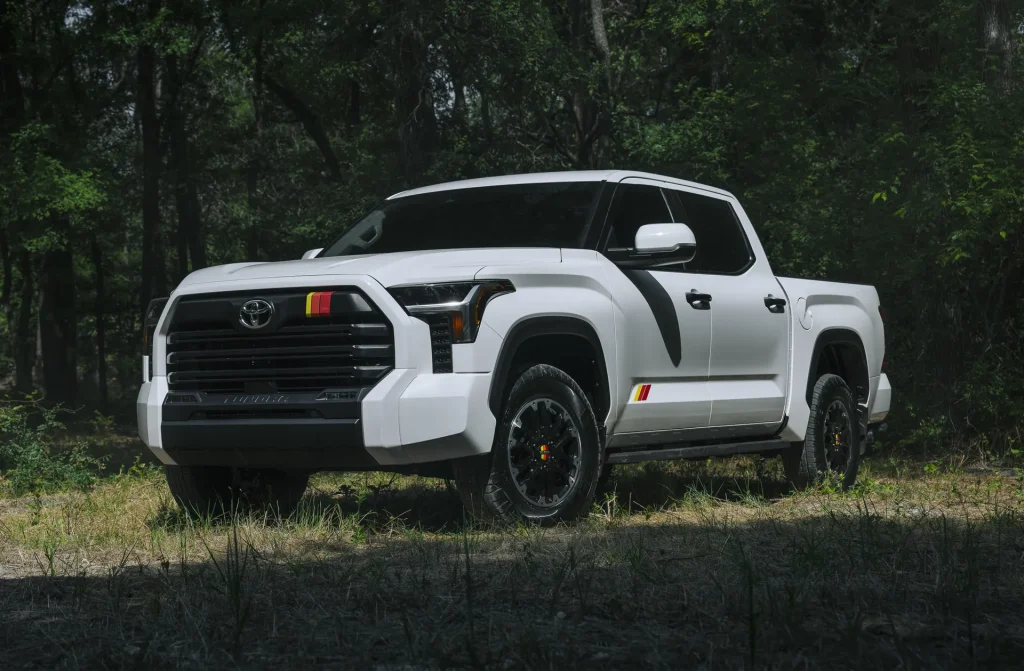
It is included because it demonstrates how industry progress can change expectations. What was once considered very strong can later appear limited when towing demands increase.
The A750F shows that durability alone does not guarantee maximum towing endurance if thermal design does not evolve alongside increasing workload expectations.
6. Honda 10 Speed Automatic (Honda Ridgeline)
The Honda Ridgeline occupies a unique place in the truck market. It is engineered more as a lifestyle utility vehicle than a traditional body on frame work truck. Because of this, its transmission priorities differ significantly from heavy duty pickups designed primarily for hauling.
The Honda 10 speed automatic is technically advanced and very smooth in daily use. The discussion appears when the vehicle is used repeatedly near its towing capacity. While fully capable of meeting rated limits, some operators observe rising transmission temperatures during extended trailer use in hot weather.
One explanation lies in vehicle architecture. Unibody trucks prioritize ride comfort and efficiency, which often means less emphasis on extreme duty cooling systems. This does not make the transmission fragile. It simply reflects the intended use profile.
Another subtle factor is aerodynamic drag while towing. Because vehicles like the Ridgeline are not designed around maximum towing aerodynamics, pulling larger trailers can create higher sustained load compared to heavier trucks designed specifically for this purpose.
Driver expectations also play a role in perception. Some buyers compare midsize or lifestyle trucks directly against heavy duty platforms, which can create unrealistic expectations regarding sustained towing thermal behavior.
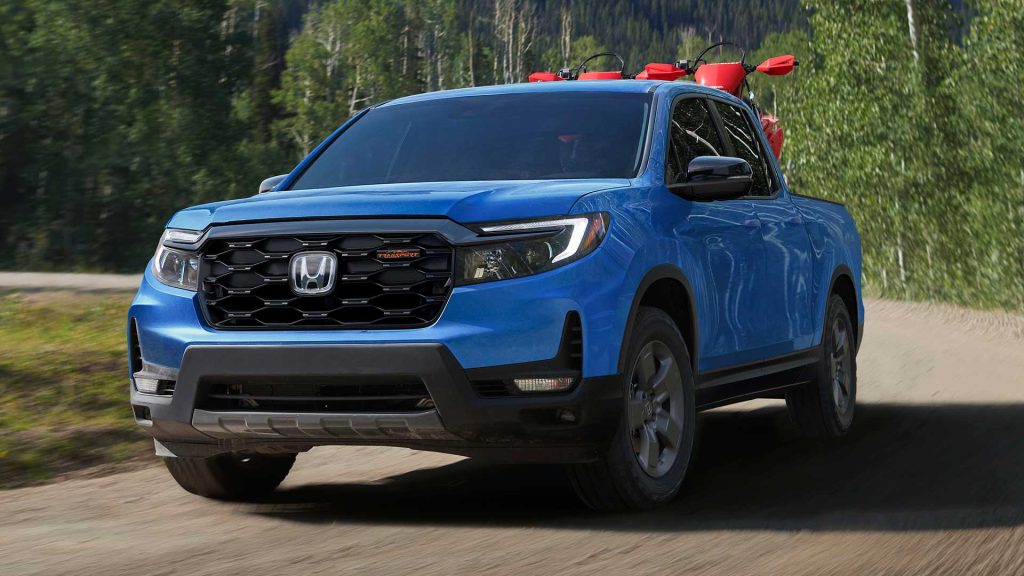
This transmission is included to illustrate how context matters. A transmission can be extremely reliable within its intended use while still showing limitations outside that mission.
The Ridgeline example reinforces an important lesson. The best towing transmission is not always the most advanced one. It is the one designed specifically for the type of work expected.
7. Chevrolet Colorado 8L45 (Colorado V6 Models)
The 8L45 used in midsize Chevrolet trucks represents another example of how transmission expectations sometimes exceed design intent. This unit was developed to provide smooth shifting and improved fuel efficiency for lighter trucks rather than to function as a continuous heavy towing gearbox.
Under normal use, the transmission performs well and delivers comfortable drivability. The discussion tends to appear when owners begin using these midsize trucks for repeated long distance towing close to rated capacity. Under these conditions, some users report temperature increases that require careful monitoring.
One mechanical explanation relates to size constraints. Midsize trucks have less available space for large transmission coolers compared to heavy duty platforms. Cooling capacity therefore becomes a packaging compromise rather than purely an engineering decision.
Shift activity also contributes to thermal behavior. Because midsize engines often need to work harder while towing, the transmission may cycle through gears more frequently to maintain performance. Each of these transitions produces friction heat, which gradually accumulates during long trips.
Another aspect worth noting is expectation mismatch. Buyers sometimes expect midsize trucks to perform identically to full size heavy duty models simply because towing ratings appear competitive on paper. In reality, sustained towing endurance often depends on thermal capacity rather than rating numbers alone.

This transmission is included because it highlights how important correct vehicle matching is. A transmission that performs perfectly in its intended class can still show stress when asked to perform beyond that design target repeatedly.
The Colorado example shows that towing reliability depends not just on whether a truck can tow, but how often it is expected to do so.
8. Ford 6R80 (Ford F150 Previous Generation)
The Ford 6R80 built a solid general reliability reputation during its production life. It was widely used and generally considered dependable in normal conditions. However, when examining towing performance specifically, some limitations become part of the conversation.
Unlike newer transmissions designed with very high gear counts to spread load, the 6R80 operates with fewer ratios. This sometimes forces the transmission to remain in gears that produce higher sustained load while towing, especially on rolling terrain. Sustained load conditions are often where heat generation begins to appear.
Another factor occasionally discussed involves cooling configuration differences between trim levels. Trucks equipped with full towing packages typically manage temperature more effectively than base configurations. This highlights how supporting hardware can be just as important as the transmission itself.
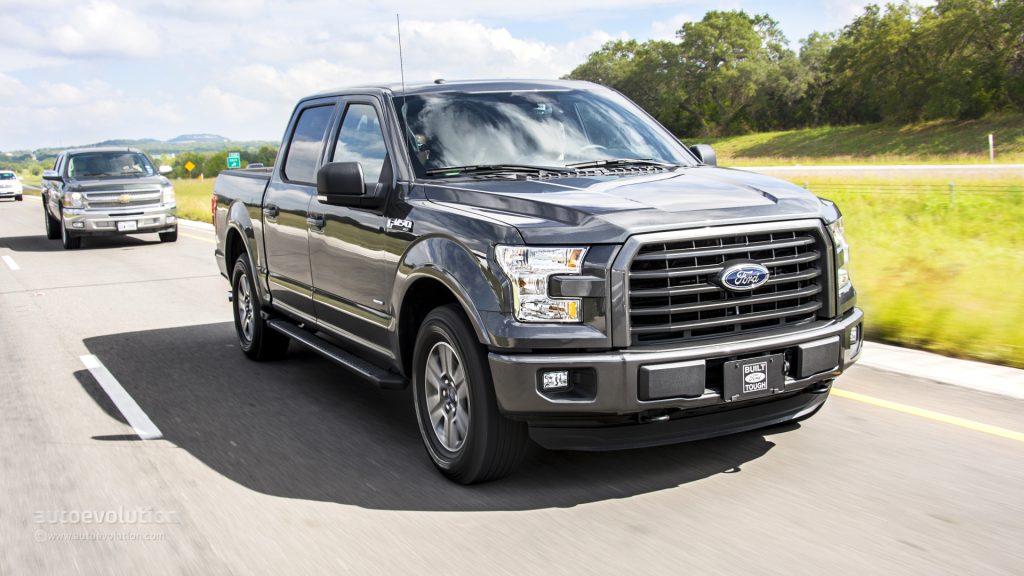
Long term fluid condition also becomes important in these units. As transmission fluid ages, heat resistance declines. Owners who followed severe duty service schedules often experienced fewer temperature complaints compared to those using extended intervals.
Why this transmission is included is because it represents the difference between general durability and specialized durability. A transmission can be very reliable overall while still requiring careful management during heavy towing duty.
The 6R80 shows that a good transmission can still benefit from improved cooling support when used in demanding situations. It reinforces the idea that towing performance depends on the entire system rather than the gearbox alone.
Also Read: 5 Signs Your Torque Converter Is Failing Before It Destroys Your Transmission
