
Modern automatic transmissions have become incredibly complex as automakers chase better fuel economy, faster acceleration, and smoother highway performance.
The rise of 10 speed transmissions represents one of the biggest engineering shifts in the last decade, promising closer gear ratios, improved efficiency, and better adaptability across different driving situations.
On paper, more gears mean the engine can always operate in its most efficient power band, reducing stress and improving refinement.
However, real world ownership has shown that complexity often brings mixed reliability results. Some 10 speed transmissions have developed reputations for harsh shifting, hesitation, software confusion, and premature wear concerns.
These problems often stem from aggressive shift programming, adaptive learning errors, or hardware tolerances that become noticeable over time.
At the same time, not every modern 10 speed has struggled. Some have proven exceptionally durable with well tuned shift logic and strong internal components.
These transmissions demonstrate that when engineering and calibration are done correctly, high gear count automatics can deliver both longevity and excellent driving behavior.
This comparison looks at both sides of the story. First, we examine five modern 10 speed transmissions that have developed known shifting complaints and explain why they deserve attention.
Then we examine five that have proven notably smooth and dependable, showing that advanced technology can still be executed properly when done right.
Also Read: 5 Ways to Identify a Failing Valve Body Before Your Car Becomes Undriveable
5 Modern 10 Speed Transmissions With Known Shifting Issues
The transition to 10 speed automatics happened very quickly across the industry. Manufacturers rushed to introduce these transmissions to stay competitive with tightening fuel economy standards and performance expectations.
While the idea was technically sound, some early implementations revealed calibration weaknesses that became noticeable once vehicles accumulated mileage.
Many of the complaints associated with these transmissions are not total mechanical failures but drivability concerns that affect daily comfort.
Owners have reported gear hunting at low speeds, delayed downshifts, rough 3 to 5 transitions, and occasional hesitation during acceleration. In many cases software updates improved behavior, but some drivers still report inconsistent performance even after updates.
It is important to clarify that these transmissions are not universally bad. Many operate normally and last a long time. The reason they are discussed here is because they generated enough consistent owner feedback to become known for shifting behavior rather than outright durability failures.
Understanding these transmissions helps buyers know what to expect and helps owners understand which behaviors are considered typical versus warning signs. The following examples are chosen because they appear frequently in long term ownership discussions and technical service discussions related to shift quality concerns.
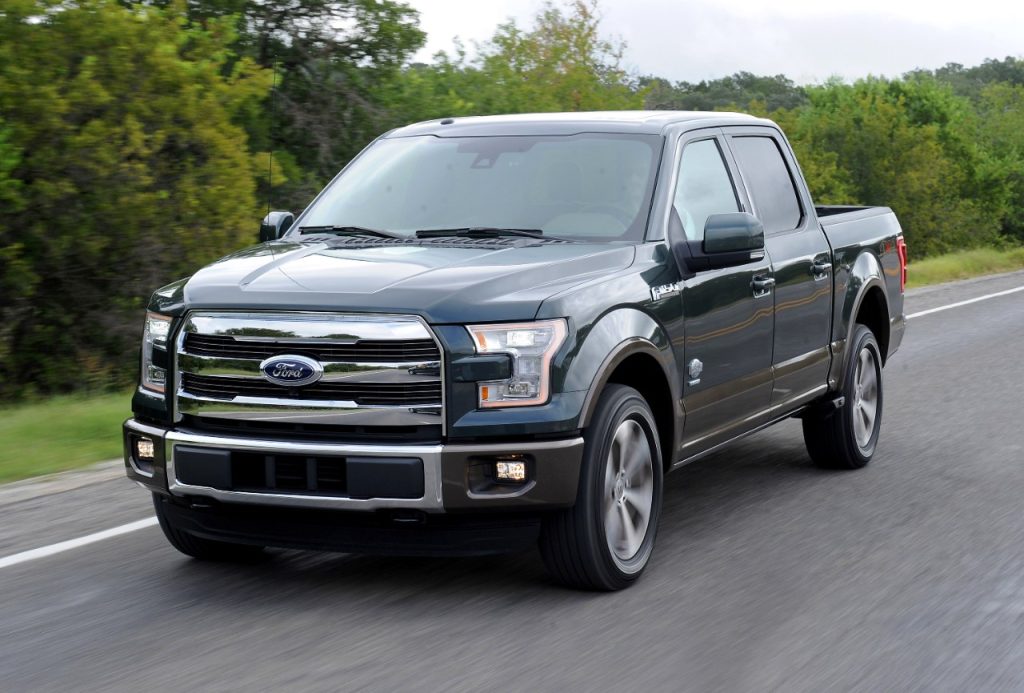
1. Ford 10R80 (Ford F150, Mustang, Expedition)
The Ford 10R80 became one of the most widely used 10 speed transmissions in North America, appearing in everything from performance coupes to full size trucks. Its broad usage is exactly why its shifting behavior became widely discussed. When a transmission is installed across many platforms, even minor calibration complaints become very visible.
What makes this transmission worth discussing is not catastrophic failure but inconsistent shift behavior. Some drivers report firm engagement when selecting drive, while others describe unexpected downshifts during moderate acceleration. These experiences vary widely depending on driving style, temperature, and software version.
Another reason this transmission appears in discussions is its adaptive learning strategy. The system constantly adjusts shift timing based on driver input. While this sounds beneficial, it can sometimes create unpredictable behavior if the learning pattern becomes confused by mixed driving conditions such as city traffic combined with highway cruising.
Technicians often mention that reset procedures sometimes improve shift smoothness temporarily, suggesting the behavior is often software influenced rather than purely mechanical. This makes it a very interesting case study in how modern transmissions depend as much on programming as hardware.
It deserves inclusion here because it represents the challenges of combining performance expectations with daily usability.
When it behaves properly it shifts quickly and efficiently. When calibration drifts, the experience can feel less refined than expected for such an advanced design. This makes it one of the most talked about modern 10 speeds regarding shift feel.
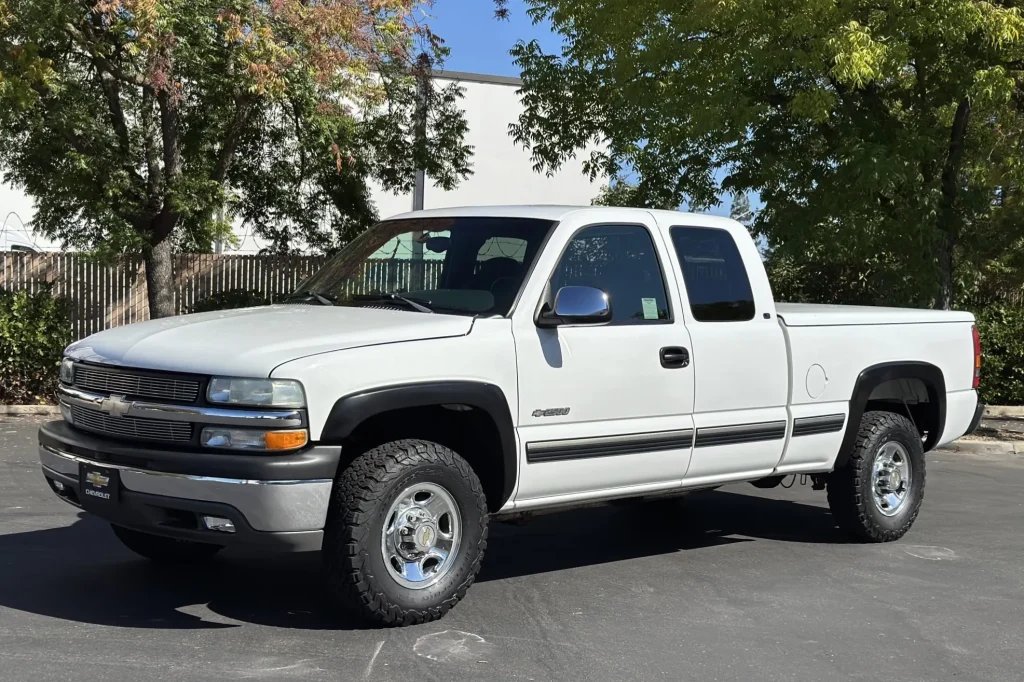
2. GM 10L80 (Chevrolet Silverado, Camaro, GMC Sierra)
General Motors developed the 10L80 alongside Ford as part of a joint transmission engineering program, yet each company tuned the transmission differently. GM focused heavily on fuel efficiency programming, which sometimes resulted in conservative shift strategies that drivers noticed during light throttle conditions.
The reason this unit is often discussed is because of its tendency in some vehicles to prioritize early upshifts. This can create situations where the transmission drops multiple gears when power is suddenly requested. Drivers sometimes interpret this as hesitation even though the transmission is technically operating as programmed.
Another factor that brings attention to this transmission is the interaction between cylinder deactivation systems and shift timing. When engines switch between operating modes, the transmission sometimes has to quickly adjust gear selection, which can occasionally create noticeable transitions.
Service discussions also reference valve body behavior and fluid condition sensitivity. While not widespread failures, these factors contributed to its reputation for occasionally inconsistent shift refinement compared to simpler older 6 speed units.
The reason for writing about this transmission is that it highlights how engineering trade offs affect real driving impressions. The unit itself is technically sophisticated and capable of handling significant torque. The complaints are mostly about refinement expectations rather than durability limits.
That distinction matters because it shows how modern transmission criticism often relates more to feel than lifespan. This makes the GM 10L80 an important example when discussing how customer expectations evolved faster than calibration perfection.
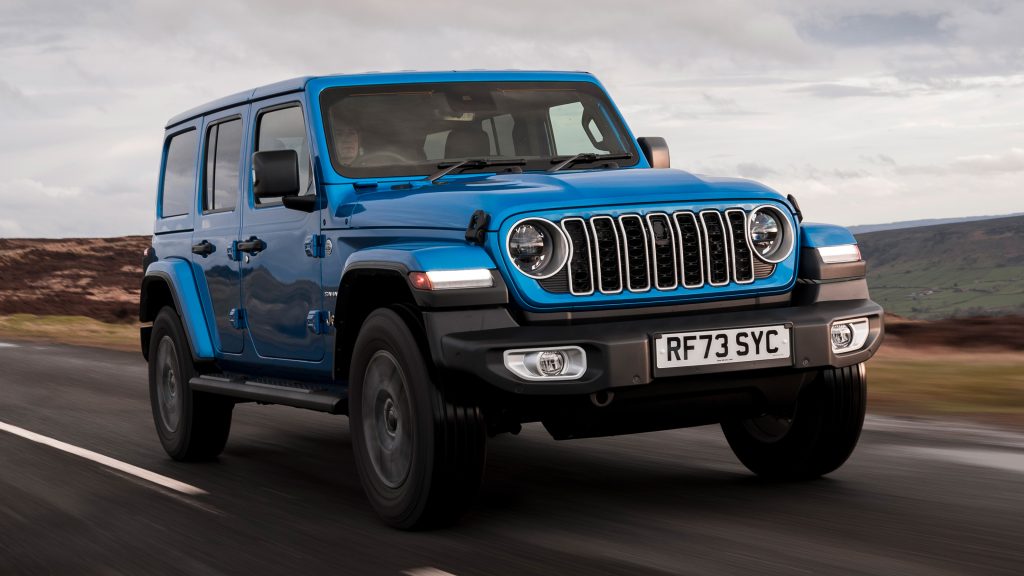
3. Chrysler 10HP50 (Jeep Wrangler, Gladiator)
Chrysler adopted the 10HP50 as part of its effort to modernize drivetrain efficiency while maintaining off road capability. While the transmission itself comes from a respected design family, its behavior in heavier off road oriented vehicles has created some discussion among owners who expected more predictable low speed behavior.
Unlike performance vehicles where quick shifting is desirable, vehicles like the Wrangler operate in environments where smooth torque delivery matters more than speed.
Some drivers noticed that during slow crawling conditions the transmission sometimes hesitates before selecting the correct ratio. This is especially noticeable when transitioning between rolling and throttle application on uneven terrain.
Another reason this transmission gets attention comes from how it handles stop and go driving. In dense traffic, some drivers describe a slight pause before engagement when accelerating again after slowing. This behavior is often linked to efficiency programming rather than a defect, but perception matters in owner satisfaction.
There is also discussion about how the transmission reacts when paired with smaller turbocharged engines. Because these engines rely heavily on boost, the transmission sometimes needs to drop multiple gears quickly, which can feel abrupt depending on driving style.
What makes this transmission worth mentioning is not failure rates but expectation mismatch. Buyers of rugged vehicles often prioritize predictability and mechanical feel. When a highly electronic transmission replaces a more traditional feeling unit, even normal behavior can feel unusual.
Despite these criticisms, many units operate for high mileage without internal failure. That is why it is important to separate durability from refinement discussion.
This transmission appears here because it demonstrates how the same hardware can be perceived very differently depending on the type of vehicle it is installed in and the expectations of the drivers using it.
4. Honda 10AT (Honda Accord, Acura RDX, TLX)
Honda spent years building a reputation on smooth automatic transmissions, which is why the introduction of its in house 10 speed automatic drew significant attention. Expectations were extremely high because Honda historically excelled at transmission refinement.
The interesting thing about the Honda 10AT is that complaints rarely focus on harshness. Instead, the discussions often revolve around decision making. Some drivers report that the transmission occasionally holds gears longer than expected, especially during moderate acceleration. Others mention unexpected downshifts when climbing slight grades.
Rather than mechanical problems, most conversations center around software logic. Honda programmed the transmission to balance performance and efficiency, but in doing so created situations where the transmission appears to second guess driver intent. This is most noticeable when gently increasing throttle rather than accelerating aggressively.
Another topic that surfaces is how the transmission behaves differently depending on drive modes. In normal mode it may favor fuel savings, while sport mode changes shift timing dramatically. This contrast sometimes makes drivers feel like the transmission has two personalities rather than one consistent character.
Why include this transmission here is simple. It shows how even highly respected manufacturers can struggle with calibration complexity when gear counts increase. The jump from 6 speeds to 10 speeds introduces many more possible shift paths, which increases the difficulty of making every situation feel natural.
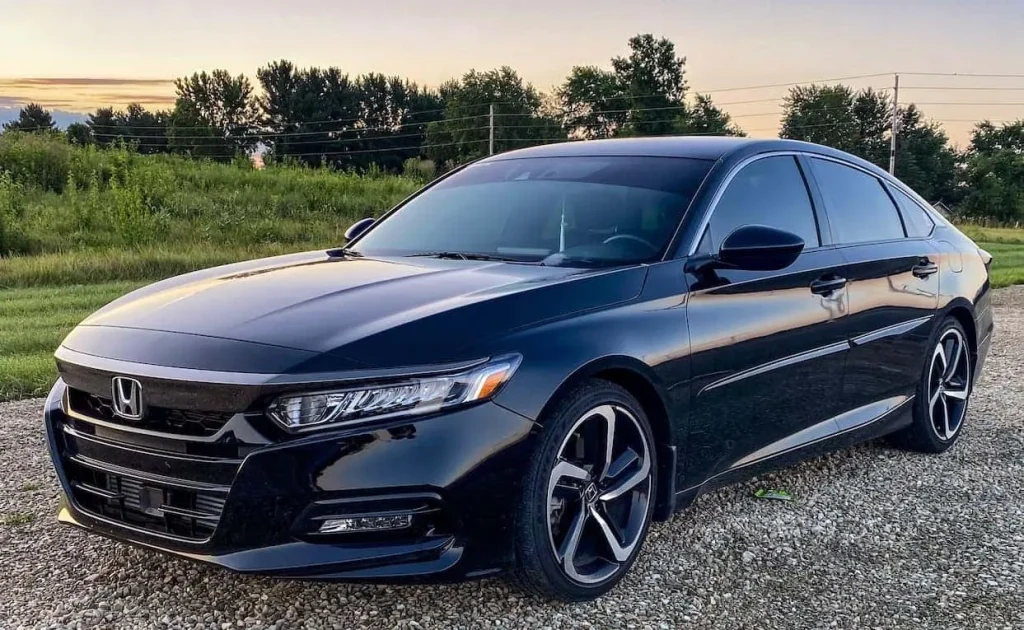
Importantly, long term reliability data has generally been solid. That reinforces the idea that this is more about driver perception than engineering weakness. It represents how modern transmission evaluation increasingly focuses on software behavior rather than broken parts.
Because of that, the Honda 10AT serves as a good example of how even well engineered systems can generate discussion when refinement expectations are extremely high.
5. GM 10L90 (Cadillac CT5 V, Chevrolet Camaro ZL1)
High performance transmissions live under very different expectations compared to regular daily driver units. The GM 10L90 was built to handle serious torque loads and aggressive acceleration demands, which immediately puts it in a category where smoothness sometimes becomes secondary to strength. This is part of the reason it appears in shifting discussions.
Instead of typical commuter complaints, the conversation around this transmission often comes from performance drivers.
Some note that during relaxed driving the transmission can feel overly alert, almost as if it is waiting for aggressive throttle input. This can create situations where small pedal movements produce larger than expected gear reactions.
Another characteristic sometimes mentioned involves multi gear downshifts. Because the transmission is designed to deliver instant performance response, it may drop several gears quickly when power is requested.
Technically this is correct behavior, but during normal driving it can feel excessive compared to what some drivers expect from a luxury performance vehicle.
Temperature behavior is also part of the discussion. Performance transmissions often use firmer shifting when cold to protect internal components. Owners unfamiliar with this design approach sometimes interpret this as rough shifting rather than a durability strategy.
The reason for including the 10L90 is to show that not all shift complaints come from weakness. Sometimes the transmission is doing exactly what it was engineered to do, but the behavior reflects its performance mission rather than comfort priorities.
Over time many drivers actually begin to appreciate the character once they understand its purpose. The shifts are designed to manage high horsepower loads, not just maximize smoothness.
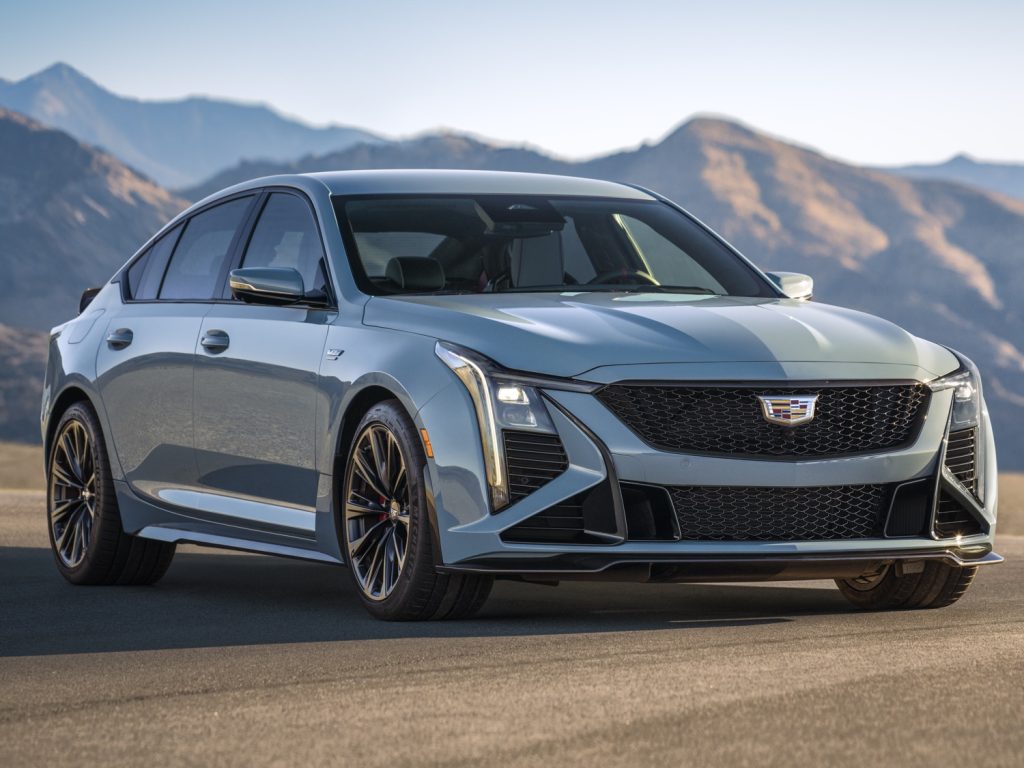
This transmission represents an important lesson in modern engineering. Not every complaint indicates a flaw. Sometimes it simply reflects the compromises required when building components that must survive extreme mechanical stress while still operating in everyday traffic.
5 That Are Flawless
While some 10 speed transmissions generated discussion about calibration behavior, others quietly built reputations for doing exactly what drivers expect. These are the transmissions that rarely become discussion topics because they simply perform their job without drawing attention. In many ways, that is the highest compliment a transmission can receive.
The best examples tend to share several traits. Smooth engagement from a stop, logical gear selection, and consistency across different driving conditions. These transmissions also tend to avoid excessive gear hunting, which is one of the main reasons drivers become frustrated with high gear count automatics.
Another factor separating the best units is how well they hide their complexity. A well tuned 10 speed should not feel busy or overly active. Instead it should feel almost invisible, allowing the driver to focus on the vehicle rather than the mechanical process happening underneath.
The transmissions discussed next earned their place because they consistently receive positive long term driving impressions. That does not mean they never experience problems, but they have avoided developing widespread reputations for unpleasant shifting behavior.
These examples demonstrate that when engineering, testing, and calibration are carefully balanced, a 10 speed automatic can provide both efficiency and refinement without compromise. They show what happens when complexity is managed correctly rather than simply increased.
1. Lexus Direct Shift 10AT (Lexus LC500, LS500)
Some transmissions gain praise because of innovation. Others earn it through patience. Lexus took the slower approach, delaying widespread adoption of high gear count transmissions until they were satisfied with refinement results. That cautious philosophy is one reason their 10 speed automatic stands out.
Drivers often describe the experience not by what they notice, but what they do not notice. There is very little gear hunting. There are no dramatic shift reactions during light throttle driving. The transmission simply transitions quietly through ratios without drawing attention to itself.
Part of this comes from how Lexus tuned throttle mapping alongside shift timing. Instead of treating these systems separately, engineers synchronized them so the power delivery feels linear. This prevents the disconnected feeling that sometimes appears in other multi gear transmissions.
Another detail that separates this transmission is its behavior during deceleration. Some transmissions struggle to choose the correct gear when slowing down gradually. Lexus appears to have invested significant effort here, resulting in predictable behavior whether slowing gently or braking more firmly.
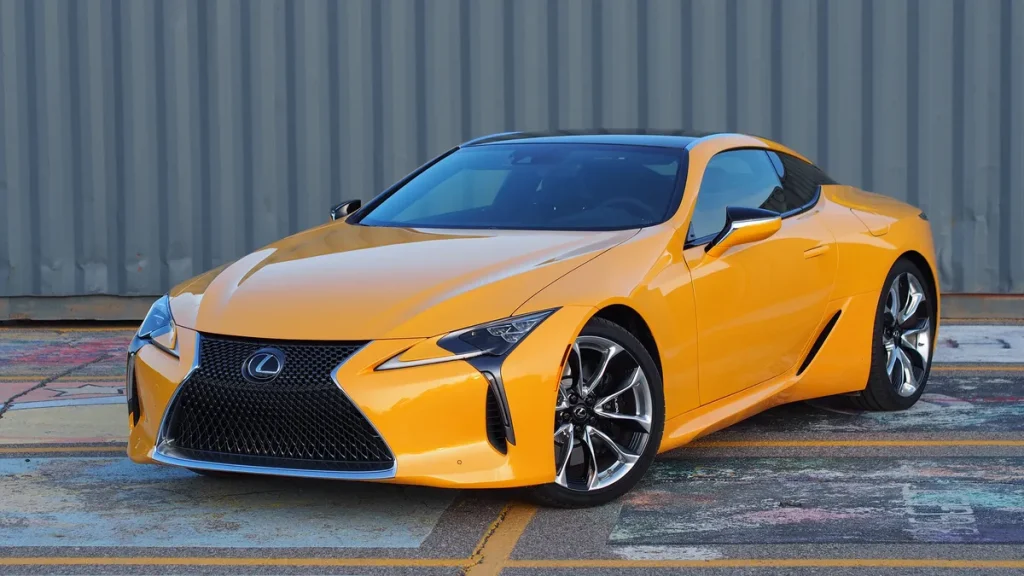
It also deserves mention for maintaining consistent behavior across temperature ranges. Some units feel different when cold compared to fully warmed up operation. This one tends to maintain a similar character regardless of conditions, which contributes to its reputation for polish.
The reason it belongs in the flawless category is simple. It reflects what happens when refinement is treated as seriously as performance numbers. Instead of chasing aggressive shift speeds for marketing purposes, the focus remained on driver comfort.
This approach may not generate headlines, but it produces something more valuable. Long term owner satisfaction built on consistency rather than impressive specifications.
2. Mercedes 9G Tronic Based 10 Speed Variant (Mercedes S Class development platforms)
Mercedes engineering teams approached multi gear transmissions with a different philosophy compared to many competitors.
Instead of focusing purely on shift speed, their development centered around minimizing shift shock. This thinking carried into their experimental and limited use 10 speed developments derived from their proven architecture.
Reports from development fleets and limited applications often emphasize how natural the shifts feel rather than how fast they occur. That distinction matters because many transmissions can shift quickly, but far fewer can do so without disturbing cabin comfort.
One reason for this success lies in torque management strategy. Instead of allowing shifts to happen abruptly, the engine and transmission communicate continuously to slightly reduce torque during gear changes. This creates transitions that feel almost like a continuous wave of acceleration rather than separate events.
There is also discussion about how well these transmissions manage part throttle driving. This is where many multi gear designs struggle because there are many possible gear choices. Mercedes tuning tends to favor stability rather than constant adjustment, which prevents unnecessary shifting.
Why include this example is to show how philosophy shapes outcomes. When engineers prioritize comfort first and efficiency second, the result often feels very different compared to transmissions tuned primarily for fuel economy targets.
Another positive trait involves highway behavior. At cruising speeds the transmission avoids unnecessary ratio changes even on mild inclines. This contributes to a relaxed driving experience that matches the expectations of luxury buyers.
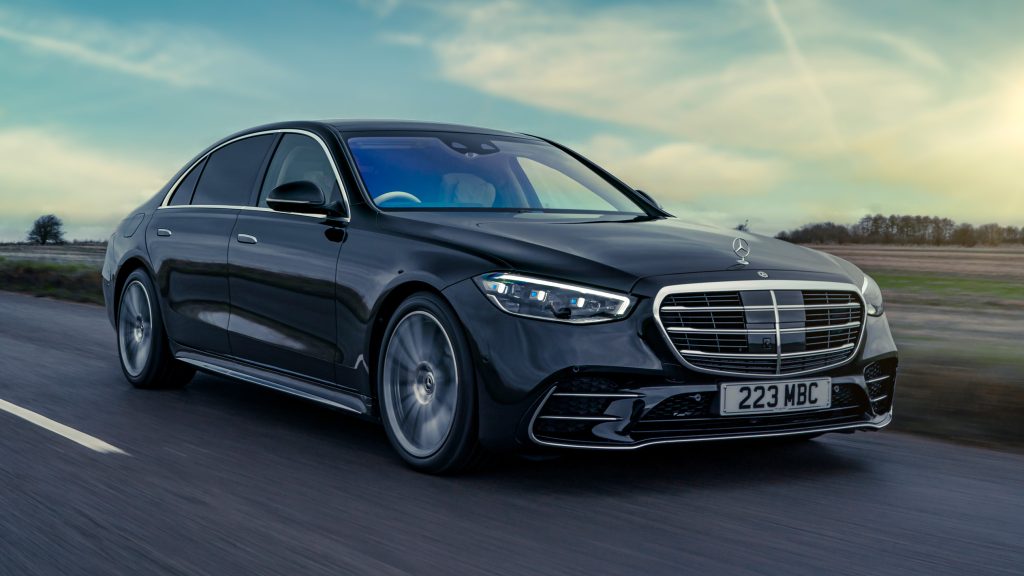
It demonstrates that flawless behavior often comes not from adding features but from careful restraint. Choosing when not to shift can be just as important as choosing when to shift.
3. Ford 10R140 (Ford Super Duty F250, F350)
Heavy duty trucks place very different demands on transmissions compared to passenger vehicles. Instead of focusing on quick acceleration or sporty behavior, these transmissions must manage massive torque loads, trailer weight, and long duration stress. The Ford 10R140 stands out because it manages to do this while maintaining very controlled shift behavior.
What makes this transmission impressive is how confidently it handles load changes. When towing, many transmissions constantly search for the correct gear, especially on rolling highways. This unit tends to hold ratios longer and only shifts when truly necessary, which gives the driver a sense of mechanical stability.
Another strength comes from how it manages heat. Heavy duty usage creates temperature challenges that can affect shift quality. The 10R140 was clearly engineered with this in mind, using strong internal components and cooling strategies that help maintain consistent behavior even under demanding use.
Drivers often describe the experience as predictable rather than exciting. That is actually a compliment in this category. Truck owners value dependability and consistency more than anything else. A transmission that behaves the same way whether empty or fully loaded builds trust over time.
It also deserves attention for how it behaves at low speeds despite its strength. Many heavy duty transmissions feel abrupt when maneuvering slowly, but this unit generally maintains smooth engagement when parking or positioning trailers. That dual personality of strength and control is difficult to achieve.
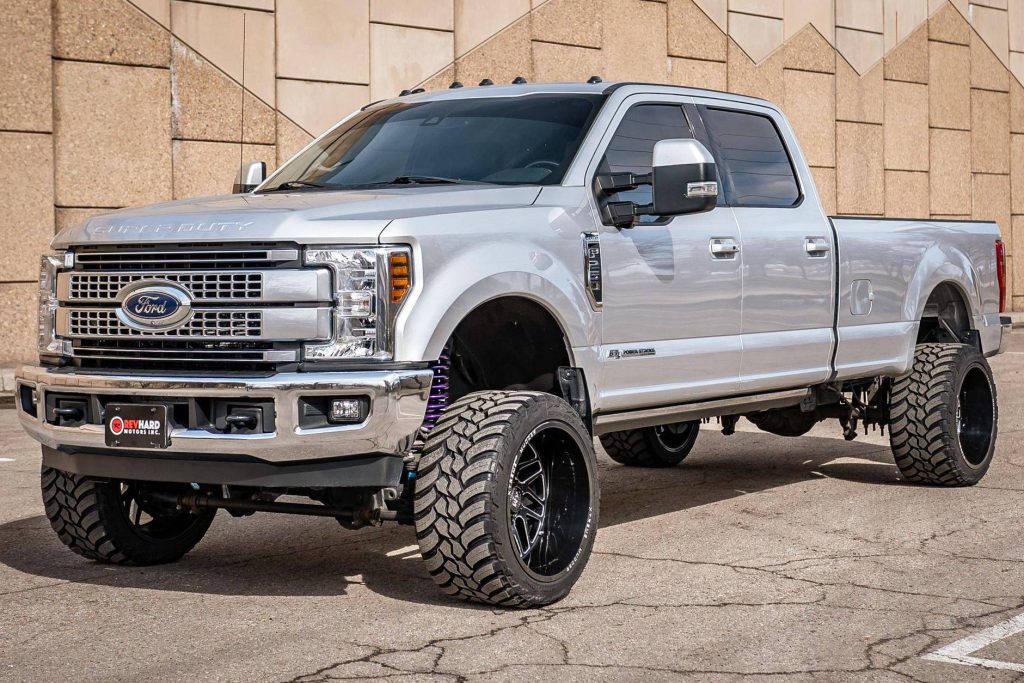
This transmission belongs in the flawless category because it demonstrates that durability engineering often leads to better driving behavior. When parts are overbuilt for strength, they often operate with less stress in normal situations.
It shows that designing for worst case scenarios can sometimes produce the best everyday results.
4. Toyota Aisin 10 Speed (Toyota Tundra, Lexus LX applications)
Toyota has a long standing philosophy of avoiding unnecessary risk when introducing new technology. When they introduced their modern 10 speed transmission through Aisin development, the focus was not on being first but on being correct. That careful rollout is part of why this transmission avoids many of the complaints seen elsewhere.
One of the most noticeable qualities reported by drivers is balance. The transmission does not feel overly eager to upshift, nor does it aggressively hold gears. Instead it behaves in a very neutral way that feels intuitive regardless of driving style.
There is also appreciation for how it manages transitions between city and highway driving. Some multi gear transmissions behave well in one environment but become busy in another. This unit tends to maintain similar behavior in both situations, which suggests strong calibration testing across multiple conditions.
Another detail that earns respect is how it responds to gradual throttle changes. Instead of sudden multi gear reactions, it tends to step through gears in a measured way. This creates a feeling of mechanical intelligence rather than mechanical reaction.
Why it is included here comes down to reputation. Toyota products often become long term ownership benchmarks, and this transmission appears to follow that tradition. Early long mileage reports show stable behavior without developing widespread complaints about shift quality.
It also reflects something important about engineering culture. Companies that emphasize validation testing often release products that feel less dramatic but age more gracefully.
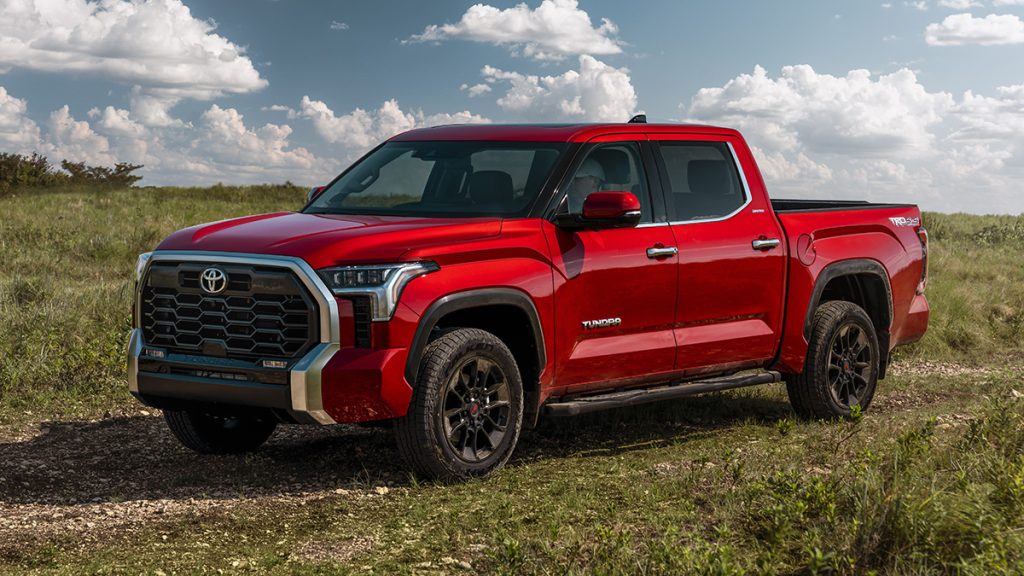
This transmission shows how refinement often comes from discipline rather than experimentation. When engineering teams resist the temptation to chase marketing numbers and instead focus on long term usability, the results tend to speak for themselves through owner satisfaction rather than promotional claims.
10. ZF 10 Speed (BMW future large platform development programs)
ZF has long been considered one of the benchmark transmission developers in the industry, largely because of its methodical approach to design evolution. Rather than reinventing everything with each generation, ZF typically refines proven concepts.
Their 10 speed development philosophy follows this same pattern of controlled progression rather than radical experimentation.
What makes this transmission notable in early evaluations is how natural it feels despite the high number of ratios. Test drivers often comment that it does not feel like a 10 speed at all. Instead, the gear changes happen in a way that feels similar to a well tuned 8 speed, which is often considered the sweet spot of modern automatic transmissions.
One of the biggest strengths discussed in engineering previews is ratio spacing logic. Instead of making every shift noticeable, the calibration focuses on minimizing unnecessary transitions. This helps prevent the busy feeling that sometimes affects transmissions with very high gear counts.
There is also significant attention placed on integration with hybrid systems. Modern transmissions must now cooperate not just with engines but also electric motors. ZF appears to have prioritized smooth torque blending, which may help this design age better as electrification increases.
Another reason it earns a place in the flawless category is ZF’s track record. Their previous transmissions built reputations not just for performance but also for predictable behavior after many years of use. Buyers and manufacturers often trust this consistency.
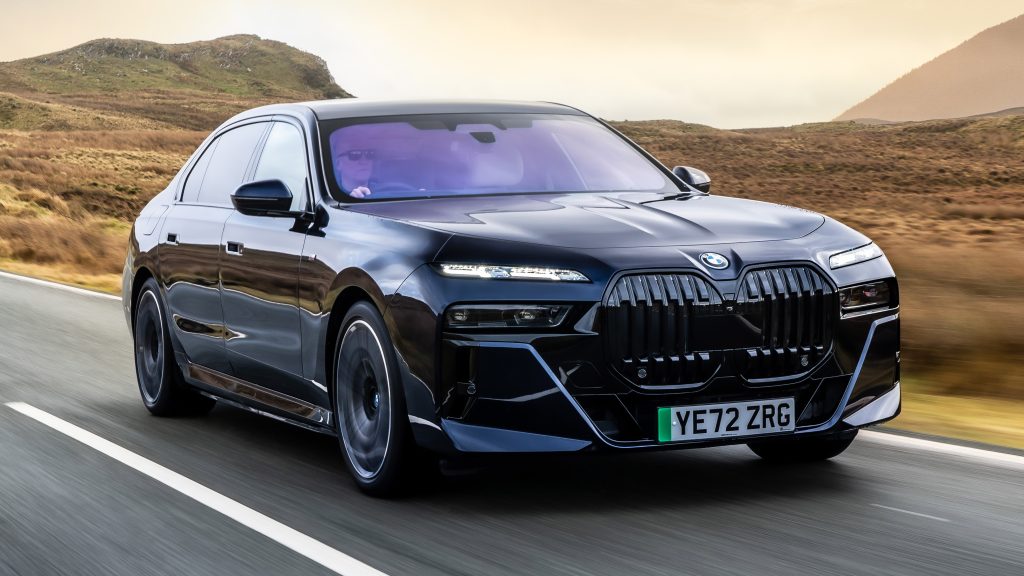
The inclusion here is based on engineering direction rather than widespread complaints or praise, because sometimes the best indicator of future success is the development philosophy behind the product.
It represents what happens when experience guides innovation rather than rushing to increase specifications.
The modern 10 speed transmission represents both the ambition and the challenges of current automotive engineering. Increasing the number of gears creates opportunities for efficiency and performance improvements, but it also increases calibration complexity.
As seen in the examples discussed, the difference between a well regarded transmission and a frequently criticized one often comes down to tuning rather than mechanical strength.
Also Read: 10 Used EVs That Are Now $15,000 and Perfect for City Commuting
