
Dual clutch transmissions changed the way performance and premium vehicles deliver power by combining the efficiency of manual gearboxes with the convenience of automatics.
Unlike traditional torque converter automatics, these gearboxes use two separate clutches to pre select gears, allowing lightning fast shifts and improved fuel economy. When new, they often feel like the perfect balance between sportiness and smooth everyday usability.
However, long term ownership tells a more complicated story. After around 80000 miles, many dual clutch systems begin to show the realities of their complex engineering. Heat cycles, clutch wear, mechatronic unit failures, and expensive fluid service requirements start becoming serious ownership considerations.
Unlike simple automatics, these systems often require specialized diagnostic tools and highly trained technicians, which increases labor costs significantly.
Another factor that surprises many owners is that dual clutch transmissions are often marketed as sealed or low maintenance units. In reality, they require very specific fluid changes, clutch adaptations, and software calibrations to remain reliable.
When these services are ignored or delayed, repair costs can quickly escalate into thousands of dollars, sometimes rivaling engine repair bills.
Luxury brands and performance manufacturers tend to use these transmissions the most, which adds another layer of cost due to premium parts pricing. Even something as simple as a clutch pack replacement can become expensive because of labor intensive removal procedures and calibration requirements after installation.
This does not mean dual clutch vehicles should be avoided. Many provide incredible driving experiences and strong performance benefits. The key is understanding which models become expensive to maintain as mileage climbs, especially for buyers considering used examples.
Below are ten vehicles equipped with dual clutch gearboxes that are known to become costly to service after 80000 miles. Each one highlights different engineering approaches, ownership challenges, and the kinds of expenses that can appear once these sophisticated transmissions age.
Also Read: Top 10 Most Durable Engines Ever Produced by Toyota and Honda in the 80s
1. Volkswagen Golf GTI
The Volkswagen Golf GTI has long been praised for delivering performance at a reasonable price, but models equipped with the DSG dual clutch transmission can become financially demanding once mileage builds. The six speed and seven speed DSG units are impressive pieces of engineering, yet they rely heavily on proper maintenance to avoid costly problems.
One of the biggest service requirements comes from DSG fluid and filter changes. Volkswagen recommends service intervals that many owners overlook, and skipping these intervals can accelerate clutch wear and valve body issues.
Once the vehicle crosses higher mileage ranges, delayed maintenance often reveals itself through rough shifting, hesitation, or warning lights that require diagnostic work.
Another expense comes from the mechatronic unit, which controls shifting behavior through hydraulic and electronic components. Failure of this unit is not uncommon in higher mileage examples, and replacement can become costly due to both parts pricing and the need for programming after installation.
Clutch pack wear is another factor that makes ownership more expensive. Aggressive driving, stop and go traffic, and performance tuning can all shorten clutch life. When replacement becomes necessary, the transmission often has to be partially removed, increasing labor time significantly compared to conventional automatics.
Owners also face adaptation procedures after major transmission work. These procedures require dealership level scan tools or specialized European car workshops. This means repairs are rarely simple garage jobs, and labor rates often reflect specialist expertise.
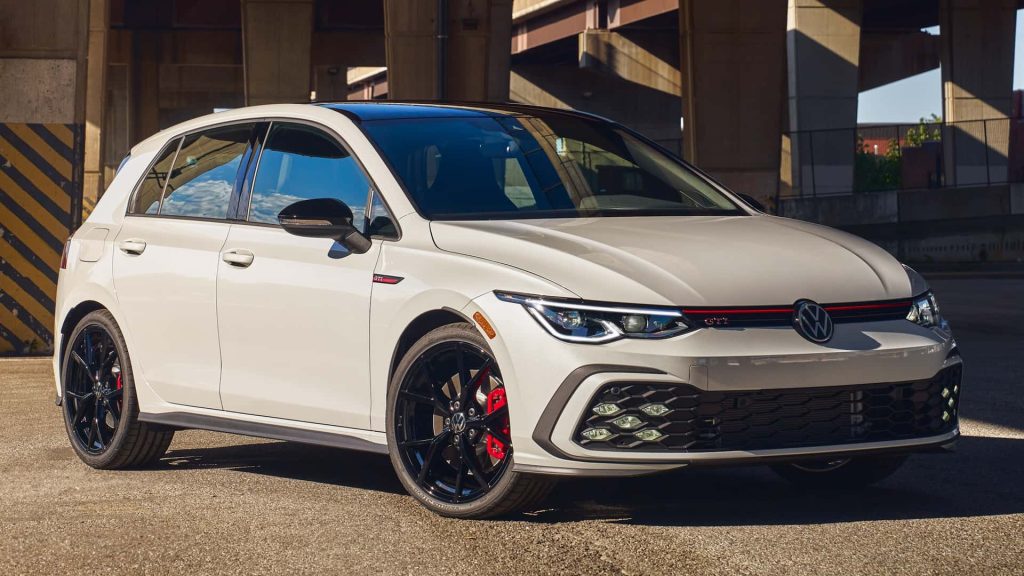
Despite these costs, many enthusiasts still consider the GTI worth owning because of how well the DSG complements the turbocharged engine. Still, anyone buying a high mileage example should budget carefully for transmission servicing, because once problems start appearing, repair bills rarely remain small.
2. Audi S4 (B8 Generation)
The Audi S4 from the B8 generation introduced many drivers to the brand’s S tronic dual clutch system. This transmission delivered rapid gear changes and contributed heavily to the car’s sporty character. Yet as these cars move past 80000 miles, transmission service becomes one of the most financially important ownership topics.
Unlike some vehicles where problems appear suddenly, the S4 often gives subtle early warnings. Owners may notice slight jerking at low speeds, delayed engagement when selecting drive, or inconsistent behavior during downshifts.
These symptoms often point toward clutch wear or control module fatigue rather than catastrophic failure, but addressing them is rarely cheap.
The transmission uses multiple internal sensors and hydraulic circuits that must remain perfectly calibrated. Over time, heat and vibration can affect these components. When recalibration does not solve shifting irregularities, parts replacement becomes necessary, which increases repair costs quickly.
Another financial factor is Audi’s complex transmission cooling requirements. Performance driving can place heavy thermal loads on the gearbox, and degraded fluid can lead to overheating related wear. Fluid service itself is not cheap due to the required specifications and filling procedures that must be done at controlled temperatures.
Some owners also encounter expensive surprises involving transmission mounts and drivetrain components that wear alongside the gearbox. Because the entire driveline works as a system, addressing vibration or harshness sometimes involves replacing multiple parts at once rather than a single repair.
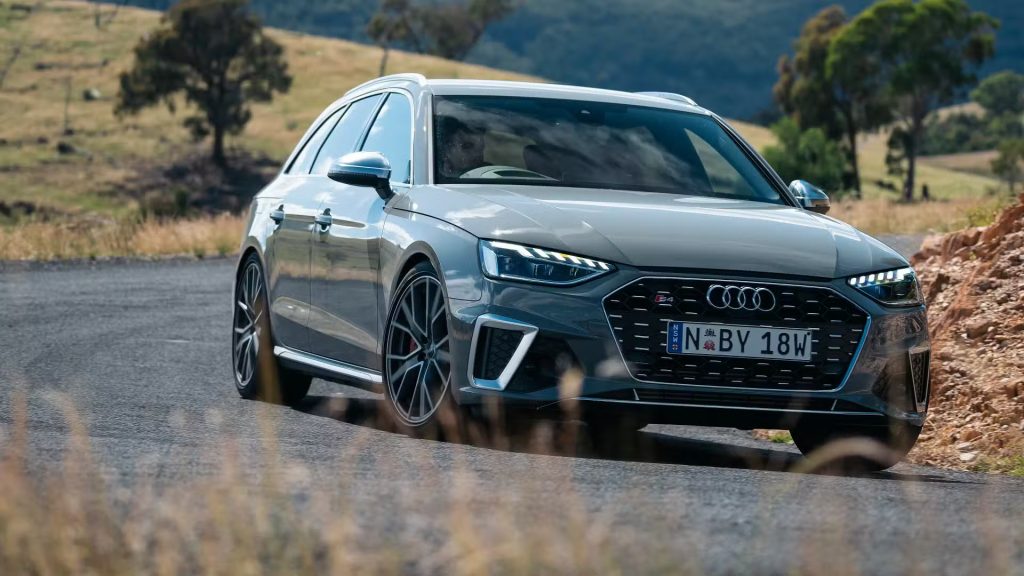
The S4 remains an excellent performance sedan, but ownership beyond higher mileage requires realistic expectations. Buyers attracted by falling used prices sometimes underestimate the technical sophistication of the transmission, only to discover that maintaining the driving experience they expect requires a serious maintenance budget.
3. BMW M3 (F80)
The BMW M3 F80 represents a very different philosophy in dual clutch engineering compared to many other performance sedans.
BMW designed its seven speed M DCT primarily for aggressive performance driving rather than comfort, which means long term wear patterns often reflect how the car was used rather than just how many miles it has traveled.
One cost factor appears in the transmission service process itself. BMW specifies particular fluids and service procedures that are not commonly available outside specialized European workshops.
The fluid alone can be expensive, and the service requires careful temperature monitoring during filling. This turns what might sound like a routine maintenance job into a premium priced service visit.
Another area that becomes expensive is clutch adaptation and software recalibration. As mileage increases, the transmission control unit constantly compensates for clutch wear. Eventually, recalibration becomes necessary to maintain smooth engagement.
This process requires advanced scan tools and technician experience with BMW M cars rather than standard BMW models.
A different ownership challenge appears in how the M3 is typically driven. Many examples see track use or spirited driving, which accelerates wear on clutch packs and internal bearings.
Even if the car appears clean, previous driving style can influence future repair costs. Replacing worn clutch assemblies can become expensive because of both the parts involved and the extensive labor required.
Hydraulic pump wear is another occasional concern. The high pressure system that enables fast shifts can degrade after years of heat exposure. When performance shifting starts becoming inconsistent, diagnosis often leads to expensive component replacement rather than simple adjustments.
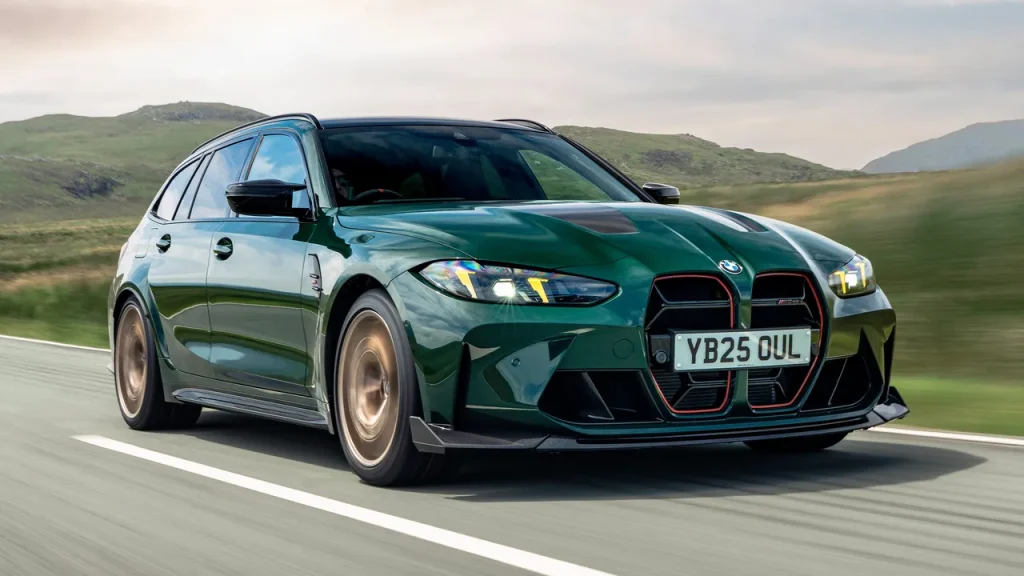
The M3 remains an outstanding driver’s car, but the engineering that makes it exciting also makes it costly to maintain once the transmission ages. Ownership becomes less about basic maintenance and more about preserving a precision performance component.
4. Mercedes Benz CLA 45 AMG
The Mercedes Benz CLA 45 AMG uses an AMG SPEEDSHIFT dual clutch transmission designed to handle the output of one of the most powerful four cylinder engines ever put into a production sedan. While impressive in capability, this transmission can become a significant maintenance expense as mileage increases.
Unlike some transmissions that mainly show wear through slipping, the CLA 45 often shows age through shifting behavior changes. Some owners report increasingly firm or abrupt gear changes as the vehicle ages.
This can be related to clutch tolerance changes or software compensation reaching its limits, which sometimes requires costly recalibration or component replacement.
Service access is another reason costs rise. The tight packaging of the CLA platform means transmission related repairs often require significant disassembly. Even inspections can involve more labor time than expected, and this increases total service bills even before parts are replaced.
The AMG tuning of the gearbox also means internal parts operate under higher stress compared to standard Mercedes models. Bearings, clutch plates, and internal seals all deal with higher torque loads. Once these begin to wear, maintaining factory level performance can require major service rather than minor fixes.
Some owners also discover that electronic control modules can become expensive failure points. The transmission depends heavily on electronic coordination between engine and gearbox systems. When faults appear, troubleshooting can involve multiple systems rather than a single component, increasing diagnostic time.
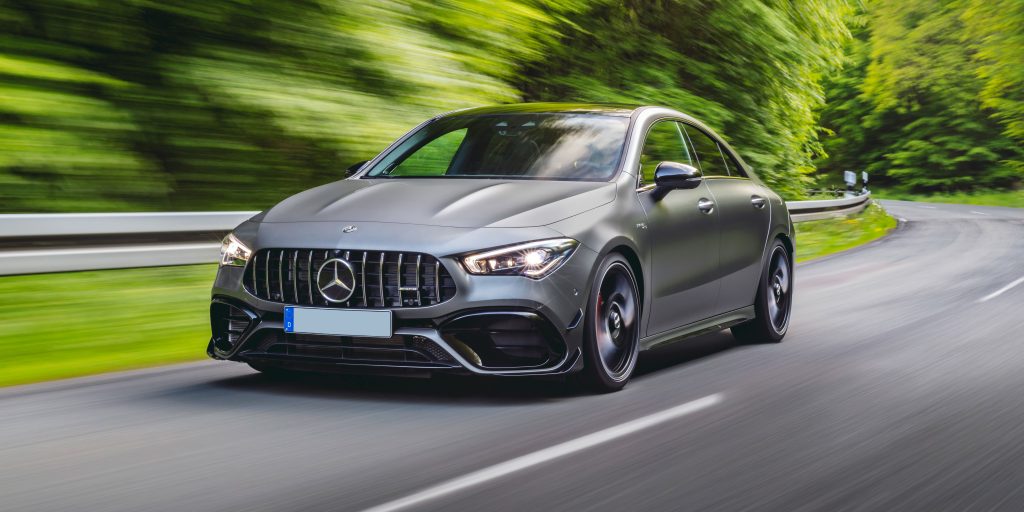
Despite this, the CLA 45 AMG continues to attract enthusiasts because of its explosive acceleration and compact performance appeal.
Still, those considering ownership beyond higher mileage should understand that AMG engineering brings AMG level service costs, especially when the transmission begins showing its age.
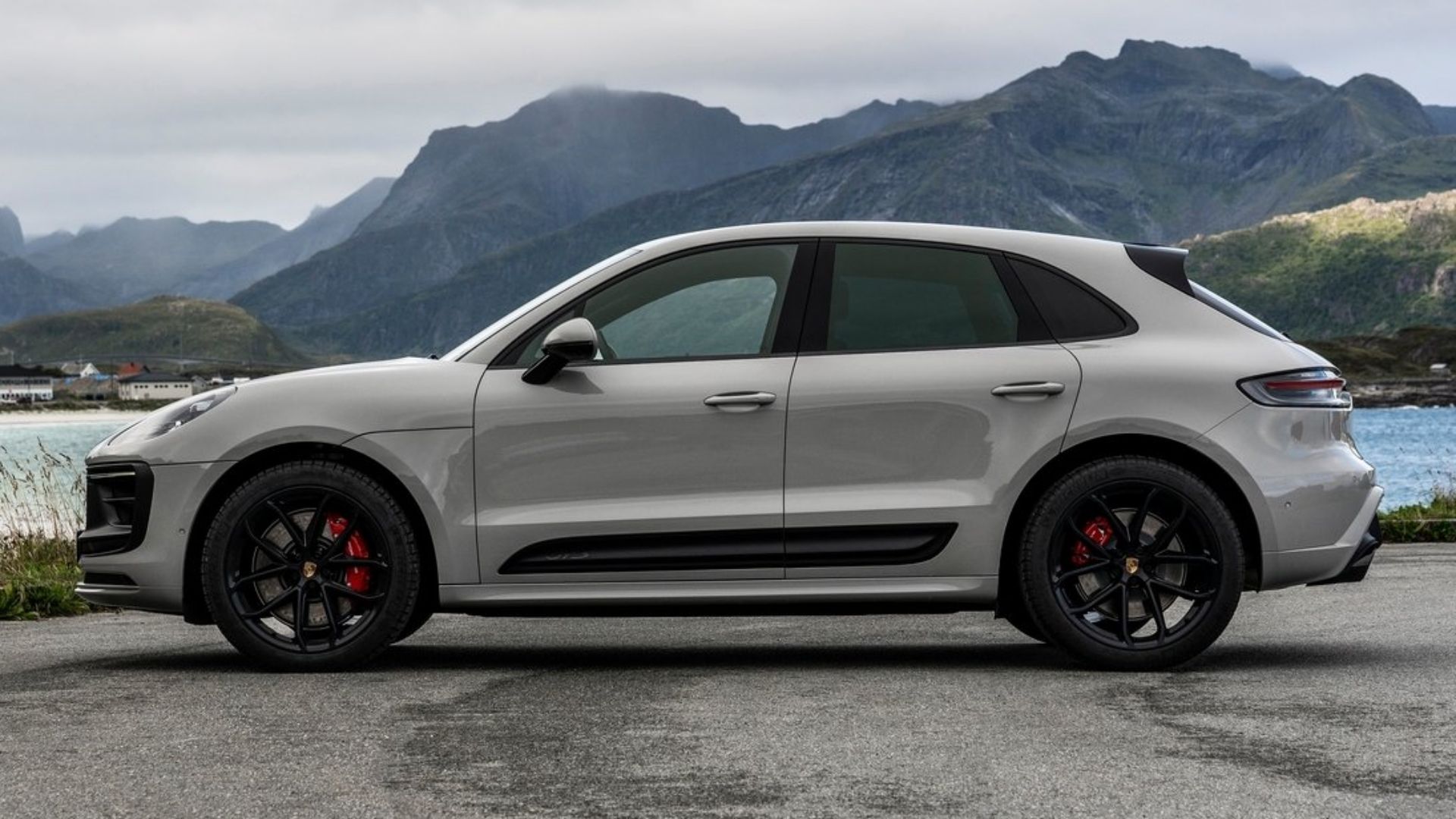
5. Porsche Macan (PDK Models)
The Porsche Macan equipped with the PDK transmission shows how dual clutch technology can be refined for both performance and daily usability.
Porsche’s PDK system has a strong reputation for durability, yet once these vehicles accumulate higher mileage, service costs can still become significant due to the precision involved in maintaining Porsche engineering standards.
One financial reality comes from the cost of maintaining the transmission exactly as Porsche intended. The PDK requires fluid services that use very specific lubricants, and the process is more technical than a typical automatic transmission service.
Independent shops capable of doing this work correctly are not always easy to find, which often pushes owners toward higher priced specialists.
Transfer case related wear can also complicate ownership costs. Because many Macan models use all wheel drive systems integrated closely with the transmission, drivetrain vibrations or hesitation can sometimes involve both systems.
Diagnosing whether the issue comes from the transmission, transfer case, or software interaction can increase labor hours.
Another expense path develops through sensor aging. The PDK uses multiple speed sensors and pressure monitoring systems to maintain its fast and precise shifts. When these begin to age, the transmission may still function but warning messages or shifting inconsistencies can appear. Preventative replacement of these components is rarely cheap.
A unique cost element compared to some other vehicles is that Porsche owners often choose preventative maintenance rather than waiting for failure.
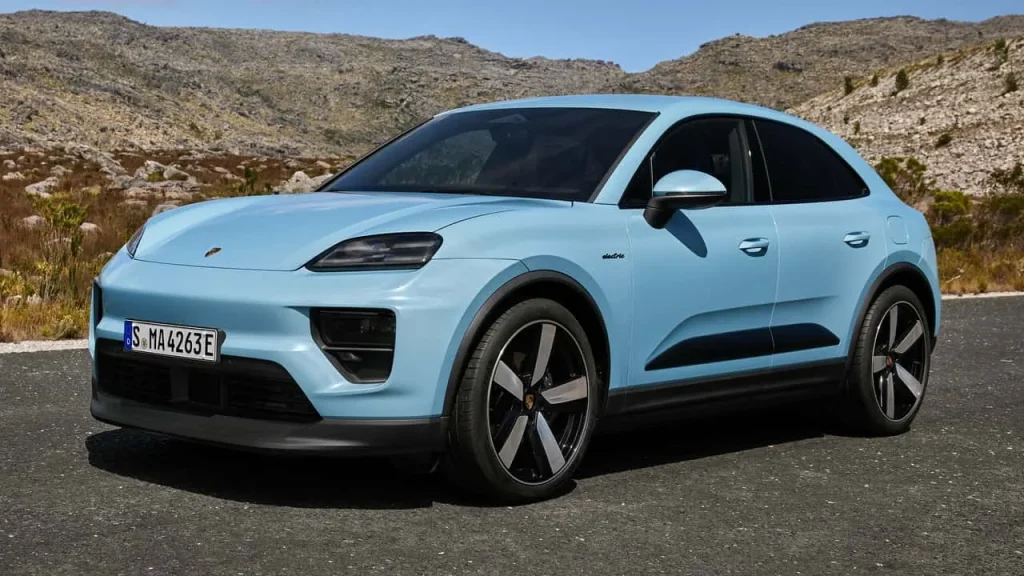
This means proactive clutch inspection, software updates, and driveline servicing become part of responsible ownership. While this helps reliability, it also increases total ownership spending.
The Macan remains one of the better engineered dual clutch SUVs, but its premium badge also means premium servicing expectations.
Owners who understand this usually remain satisfied, while those expecting ordinary compact SUV maintenance costs may be caught off guard once transmission related service becomes necessary.
6. Ford Focus RS
The Ford Focus RS is often discussed for its rally inspired performance and sophisticated all wheel drive system, but fewer discussions focus on the long term maintenance costs tied to its performance drivetrain components. While not as exotic as European luxury brands, the RS still carries expensive service realities as mileage increases.
Unlike some premium vehicles where cost comes mainly from parts pricing, the Focus RS can become expensive due to the interaction between its performance systems.
The transmission works alongside torque vectoring components and performance electronics, which means diagnosing drivetrain behavior sometimes involves multiple systems rather than a simple gearbox issue.
Clutch related service becomes one of the larger financial concerns in higher mileage examples. Owners who frequently use launch control or aggressive driving modes may see accelerated wear.
Replacement involves careful alignment and calibration, and improper installation can lead to vibration issues, which is why experienced performance technicians are usually recommended.
Another type of expense appears through software related updates. Performance vehicles often receive technical service bulletins or calibration updates as they age. Applying these updates may not always be mandatory, but ignoring them can sometimes lead to drivability complaints that require troubleshooting later.
Cooling system interaction also plays a role. Performance driving generates heat that affects both engine and transmission systems. Aging cooling components can indirectly increase transmission stress, meaning ownership costs sometimes come from supporting systems rather than the gearbox alone.
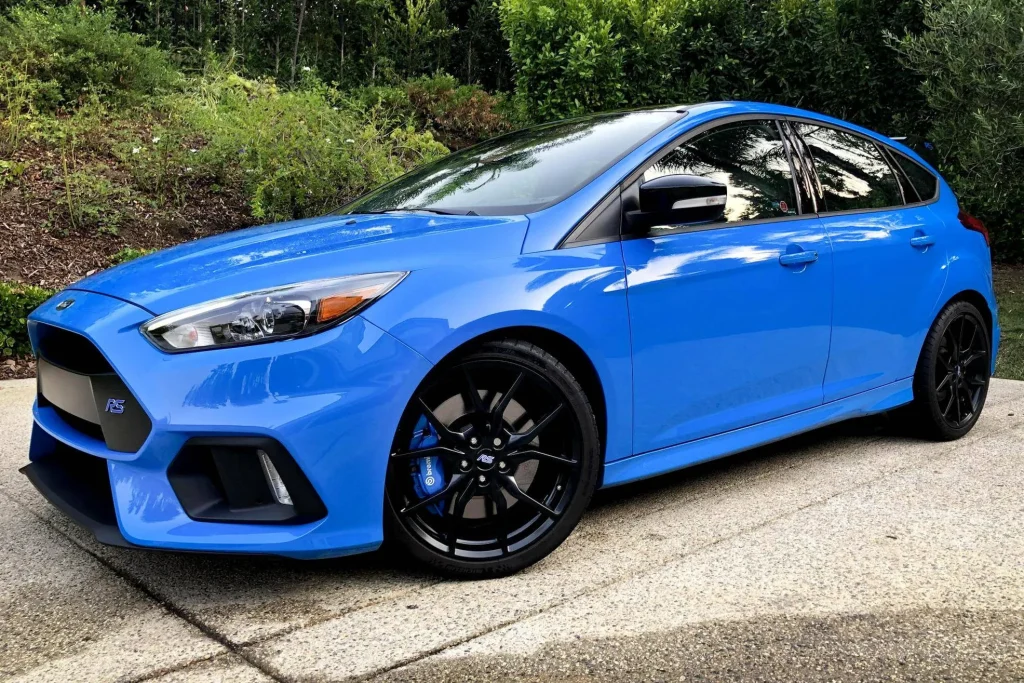
The Focus RS remains a highly respected performance hatchback, but it demonstrates that even non luxury performance vehicles can carry premium maintenance expectations once complex drivetrain technology and enthusiast driving habits combine over time.
7. Nissan GT R
The Nissan GT R presents a very different ownership story compared to most vehicles on this list. Its rear mounted dual clutch transaxle was engineered to handle extreme power and launch control capability, but that same engineering precision can make long term service extremely expensive once mileage rises.
One major reason costs increase is the specialized nature of the GR6 dual clutch transmission. Unlike front mounted transmissions, the GT R uses a transaxle layout that combines the transmission, differential, and transfer functions.
This design improves weight distribution but makes repairs more complex because multiple drivetrain functions are housed in one assembly.
Owners often discover that transmission fluid service is far more critical than expected. The GT R is sensitive to fluid condition, and contaminated or aged fluid can cause shift shock or hesitation. Proper service requires not only correct fluid but also relearning procedures so the gearbox can adjust to fresh lubrication characteristics.
Hard use is another financial variable. Many GT Rs have experienced repeated launch control use, which accelerates clutch and gear wear. Even if the vehicle appears mechanically healthy, previous driving behavior may influence future service needs. Replacement of clutch baskets or internal components can quickly reach high cost territory.
Another unusual ownership factor is that transmission noise sometimes becomes a discussion point. Because the gearbox is built for performance strength, it can produce mechanical sounds that require expert evaluation to determine whether they are normal or signs of wear. This often means inspections by GT R specialists rather than general repair shops.
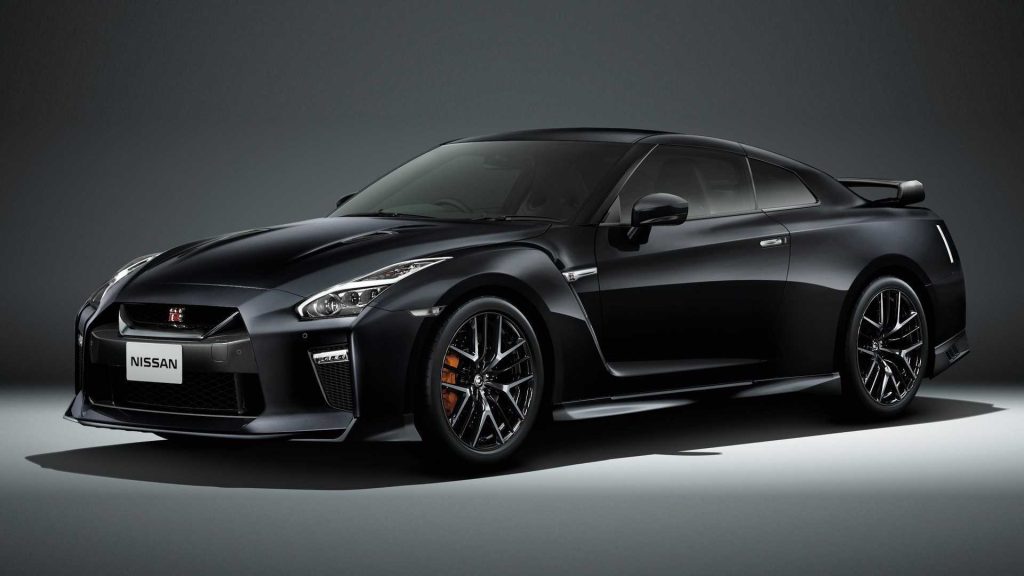
Owning a GT R long term is often compared to maintaining a supercar rather than a typical sports coupe. The transmission reflects this reality. It delivers incredible performance, but keeping it operating at factory standards after high mileage requires commitment to high level maintenance.
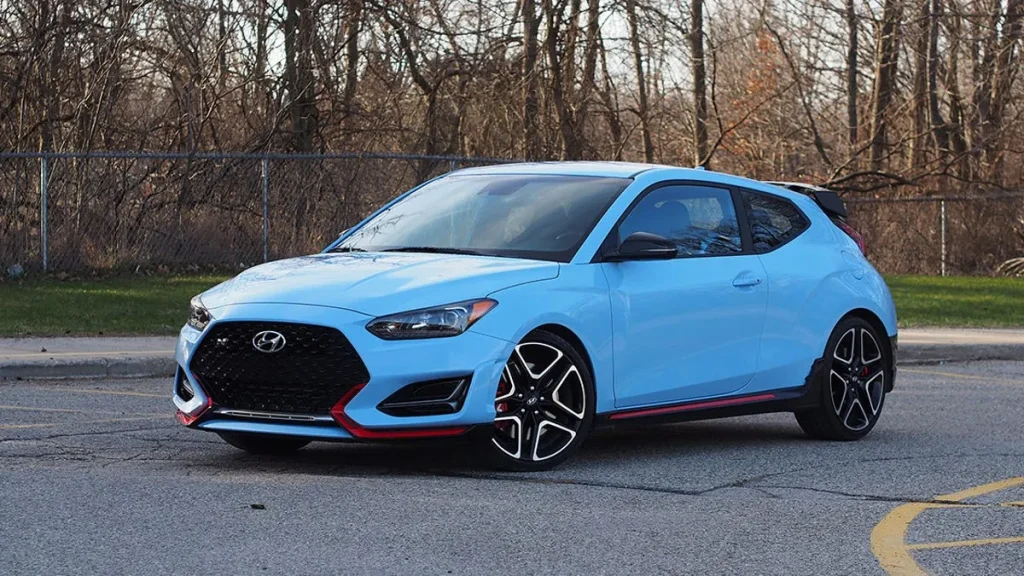
8. Hyundai Veloster N (DCT Version)
The Hyundai Veloster N with the eight speed N DCT transmission shows how newer dual clutch systems can still develop expensive service considerations despite being from a more affordable performance brand.
Hyundai engineered this transmission to withstand track driving, but that strength does not eliminate long term maintenance costs.
Instead of focusing purely on mechanical failures, some Veloster N owners encounter cost through maintaining optimal performance behavior. The transmission includes multiple driving modes and adaptive logic.
When shifting behavior changes over time, restoring the original feel may require software diagnostics and recalibration rather than simple mechanical repair.
Fluid service is another cost area that surprises some owners. Because the vehicle sits in a price range lower than European rivals, buyers sometimes assume maintenance will also be inexpensive. However, the performance nature of the N division means specialized fluids and careful servicing procedures still apply.
Thermal management is another aspect influencing costs. Track capable engineering means the transmission is built to tolerate heat, but repeated exposure over years can still affect seals and internal tolerances. Preventative servicing becomes important for maintaining reliability, especially for owners who enjoy spirited driving.
Electronic actuator systems also contribute to potential expenses. Modern dual clutch transmissions rely on fast responding actuators to engage gears quickly.
As these components age, maintaining sharp performance may involve replacing parts that are not traditionally associated with older automatic transmissions.
The Veloster N demonstrates how dual clutch ownership costs are not limited to luxury brands. Even relatively attainable performance cars can require serious maintenance attention once mileage accumulates, especially when they are engineered to deliver track capable driving experiences.
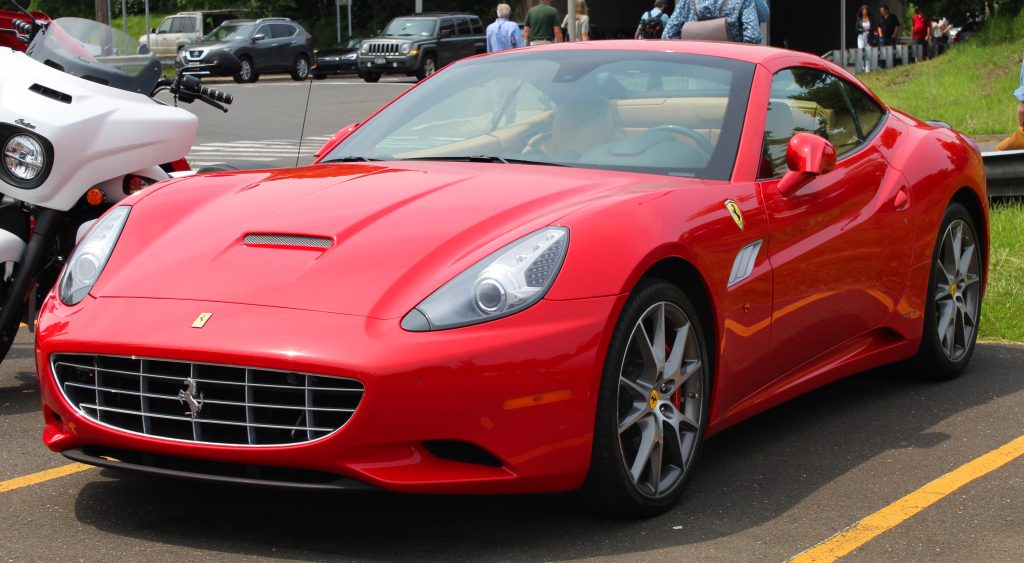
9. Ferrari California
Owning a Ferrari California introduces a completely different financial reality compared to most dual clutch vehicles because servicing is influenced not only by engineering complexity but also by exotic car ownership expectations.
Its 7 speed dual clutch transmission delivers smooth grand touring performance, yet higher mileage examples begin to demand very careful and expensive attention.
Unlike many performance cars where transmission issues appear through obvious slipping, the California often signals age through subtle refinement loss.
Slight hesitation during gear engagement or changes in shift smoothness may indicate clutch wear or hydraulic response changes. Addressing these small changes early is important, but Ferrari level labor rates make even preventative work costly.
Another major factor is the transmission’s integration with the car’s driving modes. The gearbox constantly adjusts behavior based on selected performance settings.
Over time, keeping this responsiveness consistent may require recalibration procedures that only Ferrari specialists typically perform. This limits service options and increases ownership expenses.
Parts pricing also creates a different kind of financial pressure. Ferrari components are produced in smaller numbers than mass production brands, which means replacement parts such as clutch assemblies or hydraulic components naturally carry premium pricing. Even routine service items can cost far more than equivalent parts in other vehicles.
Access complexity is another contributor. Servicing often involves careful disassembly procedures to reach transmission components without affecting surrounding performance systems. This adds labor hours even when the repair itself is straightforward.
Some owners also face costs related to maintaining resale value. Ferrari buyers often prioritize complete service documentation, which encourages preventative servicing rather than reactive repairs. While this protects long term value, it also means spending more on maintenance than strictly necessary for basic operation.
The California offers an accessible entry into Ferrari ownership, but transmission servicing reminds owners that it is still an exotic machine.
Once mileage rises, maintaining the refined shifting experience expected from the brand becomes an investment rather than a routine maintenance task.
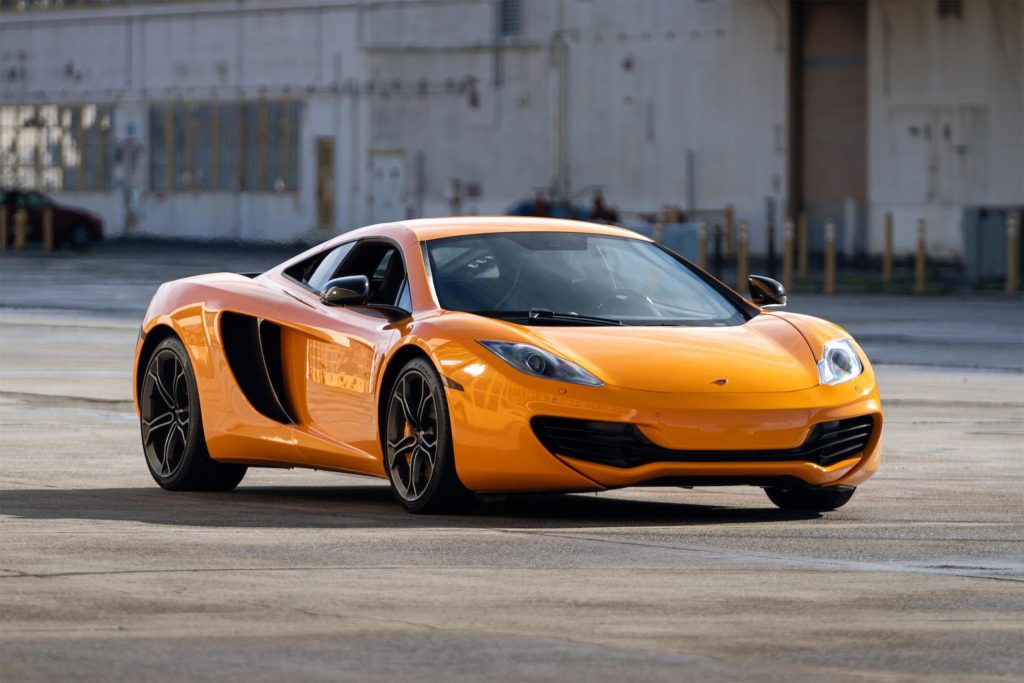
10. McLaren MP4 12C
The McLaren MP4 12C uses a Graziano built seven speed dual clutch transmission that reflects the company’s Formula 1 influenced engineering philosophy.
While the transmission delivers incredibly fast and smooth gear changes, maintaining this level of performance after significant mileage can become a serious financial responsibility.
Rather than wearing out in traditional ways, the MP4 12C transmission often demands attention because of the precision required to maintain its original behavior.
Even small deviations in clutch engagement timing can affect the driving experience. Restoring factory performance sometimes involves detailed recalibration rather than obvious mechanical repair.
Hydraulic system maintenance plays a large role in ownership costs. The transmission depends on precise hydraulic pressure control for shift execution. As seals and pressure regulators age, maintaining correct operation may require replacement of supporting components rather than just the main clutch assemblies.
Another ownership cost factor comes from the car’s carbon fiber structure. While this does not directly affect the transmission, it influences how service procedures are performed. Technicians must follow very specific processes when working around the vehicle structure, which increases labor specialization requirements.
Software support is another unique consideration. McLaren periodically released updates to improve drivability and reliability. Ensuring the transmission operates with the latest calibrations can require visits to authorized service centers, which adds to long term service budgets.
Cooling system integration also affects maintenance. The transmission relies on carefully managed thermal conditions to maintain consistent performance. Aging cooling components or fluid degradation can indirectly affect gearbox longevity, making preventative maintenance essential.
The MP4 12C represents the extreme end of dual clutch ownership. It delivers exceptional performance and engineering sophistication, but once the vehicle moves beyond moderate mileage, transmission maintenance becomes part of exotic car stewardship rather than ordinary vehicle servicing.
Dual clutch transmissions brought a major shift in automotive engineering by combining rapid gear changes with improved efficiency and performance focused driving characteristics.
They became especially popular in sports cars, luxury sedans, and high performance hatchbacks because they offer faster shifts than traditional automatics while removing the effort required with manual gearboxes.
Despite these advantages, long term ownership reveals that these transmissions come with financial responsibilities that many second or third owners do not initially expect.
Once vehicles cross higher mileage ranges, clutch wear, fluid degradation, and electronic control component fatigue begin to appear more frequently. These systems are highly engineered and require precise servicing rather than basic mechanical repairs.
One important takeaway is that service costs are not always caused by failure. Many expenses come from preventative maintenance such as fluid changes, clutch recalibration, software updates, and thermal management servicing.
Owners who ignore these needs often face larger repair bills later when small issues develop into major transmission problems.
Another key pattern is that each manufacturer approaches dual clutch design differently. Some focus on comfort and smoothness, others prioritize track performance, while exotic brands engineer these systems for extreme power handling.
Because of this, the cost triggers are different for every vehicle, ranging from mechatronic failures to hydraulic servicing or drivetrain integration repairs.
Driving style also plays a large role in long term costs. Vehicles that experienced aggressive use, repeated launch control, or performance tuning often develop higher transmission wear earlier than gently driven examples.
This makes maintenance history just as important as mileage when evaluating used dual clutch vehicles.
The overall lesson is not that dual clutch vehicles should be avoided. Instead, buyers should understand that these advanced transmissions require advanced care.
When properly maintained they can remain enjoyable and reliable, but when neglected they can quickly become some of the most expensive components to repair in modern performance vehicles.
Also Read: 10 Modern Transmissions With Easily Accessible Fluid Filters for DIY Service
