
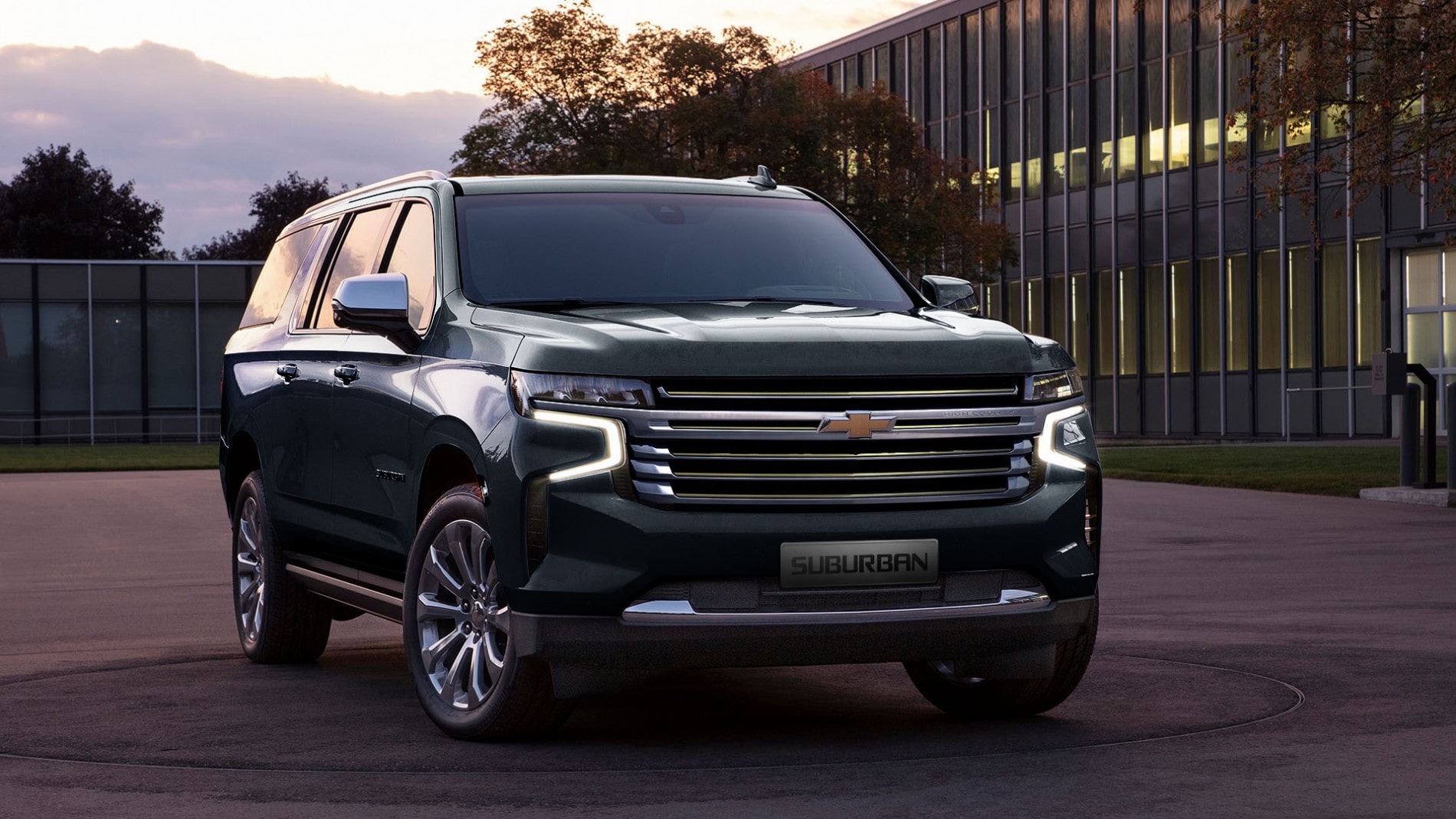
Continuously Variable Transmissions have gone through one of the most dramatic reputation changes in the automotive industry.
When CVTs first became widely used, they were praised for efficiency but criticized for poor driving feel and questionable long term durability. Early designs often struggled with belt wear, overheating, and inconsistent maintenance practices that shortened lifespan.
By 2026, the story is far more divided. Some manufacturers have refined CVT technology to the point where failures are rare and driving behavior feels natural.
These companies invested heavily in stronger belts, improved cooling systems, smarter programming, and better torque management strategies. Their work shows that CVTs can be both efficient and dependable when engineering is taken seriously.
At the same time, some brands still face durability discussions. These concerns often come from earlier design decisions, cost cutting, or aggressive efficiency tuning that placed more stress on internal components. In many cases the technology itself is not the problem. Instead, it is how it was implemented.
This comparison highlights both sides. First, we look at five brands that have successfully refined CVT technology and improved owner confidence. Then we examine five brands that still face questions about longevity and explain why those discussions continue.
Understanding both groups gives a realistic picture of where CVT technology stands today.
Also Read: 5 Signs Your Torque Converter Is Failing Before It Destroys Your Transmission
5 Brands That Perfected the CVT in 2026
Perfecting a CVT requires more than simply improving materials. The manufacturers that succeeded typically approached the transmission as a complete system rather than a single component. They improved cooling, software logic, launch behavior, and maintenance recommendations all at the same time.
Another key factor is torque management. CVTs struggle most when exposed to sudden torque spikes. Brands that mastered CVT durability usually focused on controlling how power enters the transmission rather than simply strengthening parts. This often involved careful throttle mapping and simulated gear steps to reduce stress.
Customer education also played a role. Some companies improved reliability simply by specifying better fluid service intervals and clearer maintenance guidance. CVTs are very sensitive to fluid condition, and better owner awareness helped reduce avoidable failures.
The following brands are included not because they never experience problems, but because they successfully changed their reputation through engineering improvements and better real world results. These companies demonstrate that CVTs can survive high mileage when development is thorough.
Each example explains what changed, why it matters, and how the brand improved its standing among owners and technicians.
1. Toyota (Direct Shift CVT Development Strategy)
Toyota approached CVT development with its usual conservative engineering mindset. Instead of pushing the limits immediately, the company focused on eliminating traditional CVT weaknesses step by step. Their introduction of the launch gear concept became one of the most important improvements in modern CVT design.
Unlike traditional CVTs that rely entirely on the belt from a stop, Toyota added a physical first gear. This reduces the load placed on the belt during initial acceleration, which is historically where the most stress occurs. By removing this strain, Toyota significantly improved long term durability expectations.
Another reason Toyota deserves mention is validation testing. Their development cycles are typically longer than competitors, which allows them to identify weaknesses before mass production. This slower approach sometimes delays technology adoption but often results in better reliability outcomes.
Technicians also point to fluid stability as a factor. Toyota CVT fluid specifications tend to emphasize longevity and temperature resistance. Combined with conservative programming, this helps prevent the overheating issues that affected earlier CVT designs across the industry.
The reason this brand belongs here is simple. Toyota did not attempt to reinvent the CVT. Instead, they focused on correcting known weaknesses. That practical engineering mindset allowed them to transform CVTs from a risk into a dependable everyday transmission.
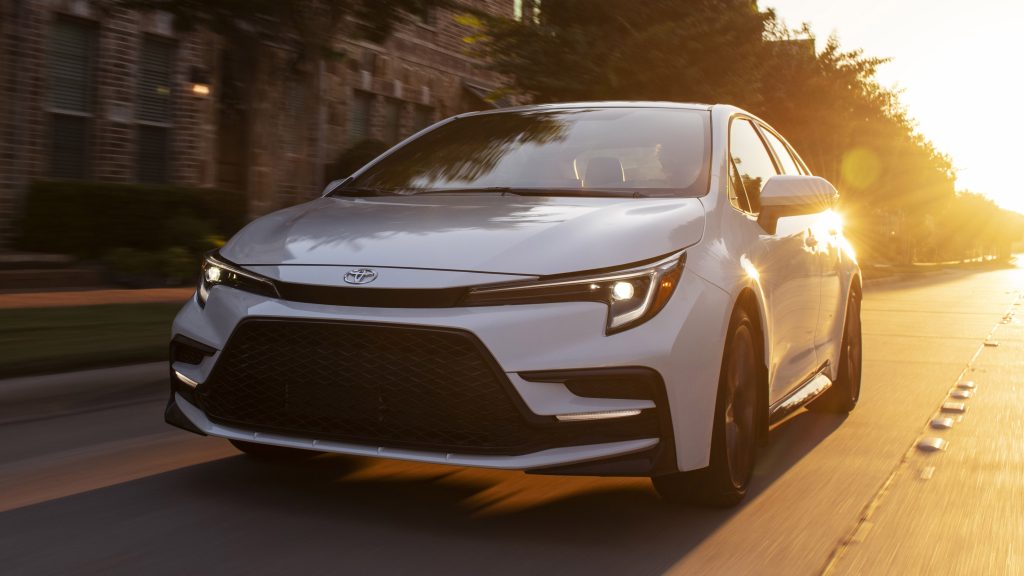
Their success shows that perfection in this category does not come from radical innovation but from disciplined refinement of known mechanical stress points.
2. Honda (EarthDreams CVT Refinement Approach)
Honda took a very different path compared to Toyota. Instead of focusing primarily on mechanical redesign, Honda concentrated heavily on improving how the CVT feels during daily driving. Their engineers understood that driver perception affects reputation just as much as durability.
One major improvement involved simulated shift programming. Earlier CVTs often felt disconnected because engine speed stayed constant. Honda introduced stepped ratio behavior under acceleration to create a more familiar driving sensation. This reduced complaints even when the hardware remained similar.
Durability improvements came from friction material updates and improved hydraulic control. By refining how pressure is applied to the belt and pulleys, Honda reduced slip conditions that historically caused premature wear. This type of invisible improvement rarely appears in marketing but matters greatly in longevity.
Honda also benefited from pairing CVTs mostly with moderate power engines rather than pushing high torque applications. This restraint helped avoid the overload situations that caused failures in some competitors.
Why this brand is included comes down to balance. Honda did not chase the strongest CVT or the most advanced design. Instead they worked toward a transmission that felt normal, lasted long enough, and avoided negative attention.

That strategy worked. Many owners now view Honda CVTs as predictable rather than risky. It proves that sometimes success comes not from dramatic improvements but from removing the small annoyances that gradually damage customer trust.
3. Subaru (Lineartronic CVT Evolution)
Subaru had more at stake with CVT success than many other manufacturers. Because most of its vehicles use all wheel drive as standard equipment, their transmission must constantly distribute power rather than simply deliver it forward. That adds mechanical complexity and makes durability even more important.
Early versions of the Lineartronic CVT faced skepticism, particularly from drivers used to traditional automatics. Instead of abandoning the design, Subaru gradually reinforced internal components and improved chain strength.
This focus on mechanical upgrades helped the transmission better tolerate the constant load changes created by AWD systems.
A major strength of Subaru’s improvement strategy was transparency. The company extended warranties on earlier CVT models and used the data collected from real world usage to improve later versions. That feedback loop helped refine bearing durability and lubrication flow inside the transmission.
Another interesting aspect of Subaru’s CVT refinement involves how it behaves under load. Instead of allowing excessive ratio fluctuation when climbing hills, programming adjustments were made to hold ratios more consistently. This reduces internal stress and improves driver confidence.
This brand earns a place in the perfected category because it represents persistence. Rather than starting with a perfect product, Subaru improved the design generation after generation until reliability discussions became far less common.
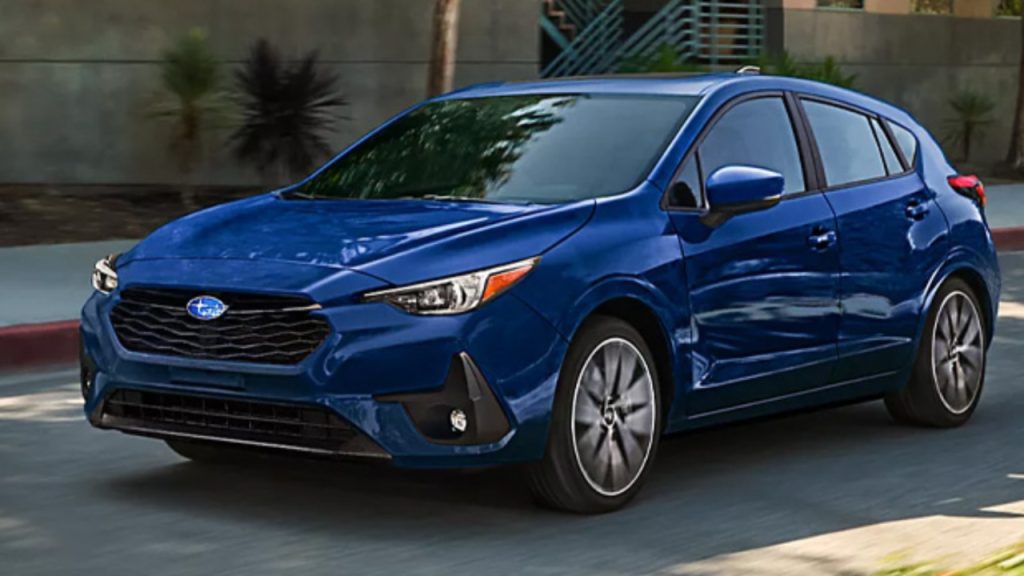
It demonstrates that transmission development is often a long game. Companies willing to continuously refine their designs instead of replacing them entirely often achieve better long term outcomes.
Subaru’s CVT story shows that engineering maturity often matters more than first impressions.
4. Lexus (Luxury CVT Calibration Philosophy)
Lexus faced a unique challenge with CVTs. Luxury buyers typically expect quiet operation and smooth power delivery, but they also expect mechanical refinement that does not feel artificial. Achieving both goals required a very careful tuning philosophy.
Instead of focusing only on strength improvements, Lexus concentrated heavily on noise reduction and vibration control. CVTs sometimes produce a droning sound under acceleration. Lexus addressed this through sound insulation, engine tuning, and careful ratio transitions that reduce sustained high RPM operation.
Another detail that separates Lexus CVT development is conservative stress margins. Rather than using maximum theoretical capacity, they typically operate well below design limits. This reduces fatigue over time and contributes to long service life.
Their hybrid vehicles also helped refine CVT knowledge. Because hybrid systems deliver torque differently than traditional engines, Lexus engineers gained experience managing smooth power transitions. This knowledge carried into their conventional CVT applications.
Why Lexus belongs on this list is not because they created the strongest CVT. It is because they created one of the most refined. In the luxury market, durability alone is not enough. The transmission must also remain smooth after years of use.
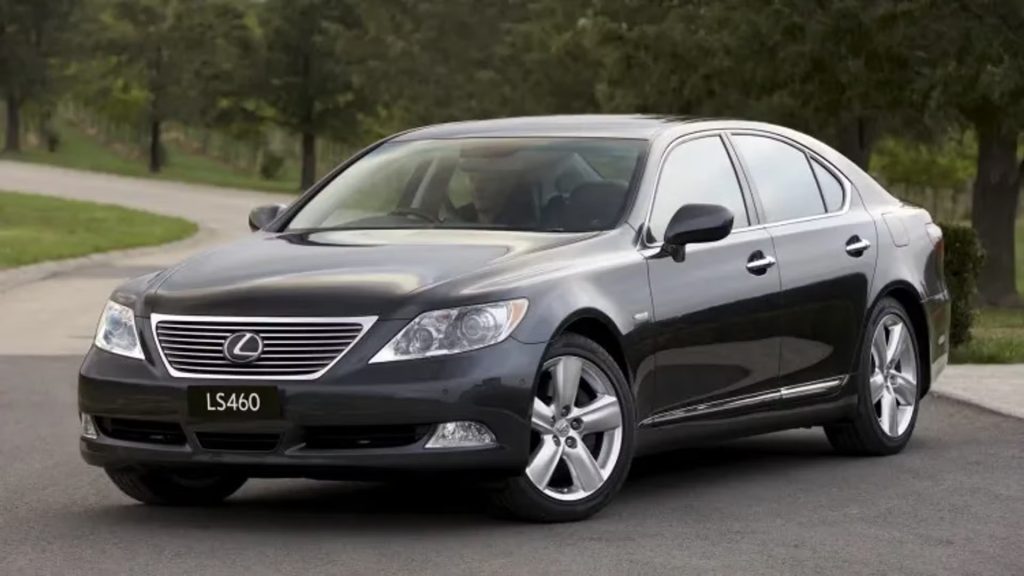
Lexus proved that refinement engineering and durability engineering can support each other rather than compete. A transmission that avoids harsh stress events often lasts longer simply because it is never pushed to extremes.
Their CVT success shows that perfection is sometimes achieved through restraint rather than pushing performance limits.
5. Mazda (Skyactiv CVT Control Philosophy)
Mazda took a noticeably different approach to CVTs compared to most of the industry. For many years the company actually avoided CVTs entirely, preferring traditional automatics because they believed driver engagement mattered as much as efficiency.
That hesitation turned out to be an advantage because Mazda entered CVT development later with the benefit of learning from competitors’ mistakes.
Instead of designing a CVT purely around efficiency numbers, Mazda focused on driver feedback first. Engineers studied why many drivers disliked CVTs and identified three common complaints.
These included the rubber band acceleration feeling, delayed response to throttle input, and the unnatural sound behavior during acceleration. Mazda treated these as engineering problems rather than customer preference issues.
One of the biggest improvements came from software behavior. Mazda invested heavily in ratio transition programming so that acceleration would feel progressive instead of disconnected.
By carefully coordinating engine torque curves with pulley ratio movement, they managed to create a more predictable driving feel. This reduced sudden load spikes that often shorten CVT life.
Cooling strategy also played an important role. Mazda transmissions tend to operate with carefully managed temperature ranges because heat remains one of the biggest enemies of CVT longevity. Improved fluid circulation paths and thermal management logic help maintain stable operating conditions during both city driving and highway use.
Mazda also avoided pairing CVTs with overly aggressive torque outputs. This engineering restraint is rarely discussed but extremely important.
Many CVT failures across the industry happen when transmissions are pushed close to their torque limits. Mazda instead chose to maintain a safety margin, which reduces fatigue stress on internal components.
Another reason Mazda earns a place among perfected CVT brands comes from its testing philosophy. The company has historically emphasized mechanical harmony between components rather than maximizing individual performance metrics. This means engines, transmissions, and control systems are tuned together rather than independently.
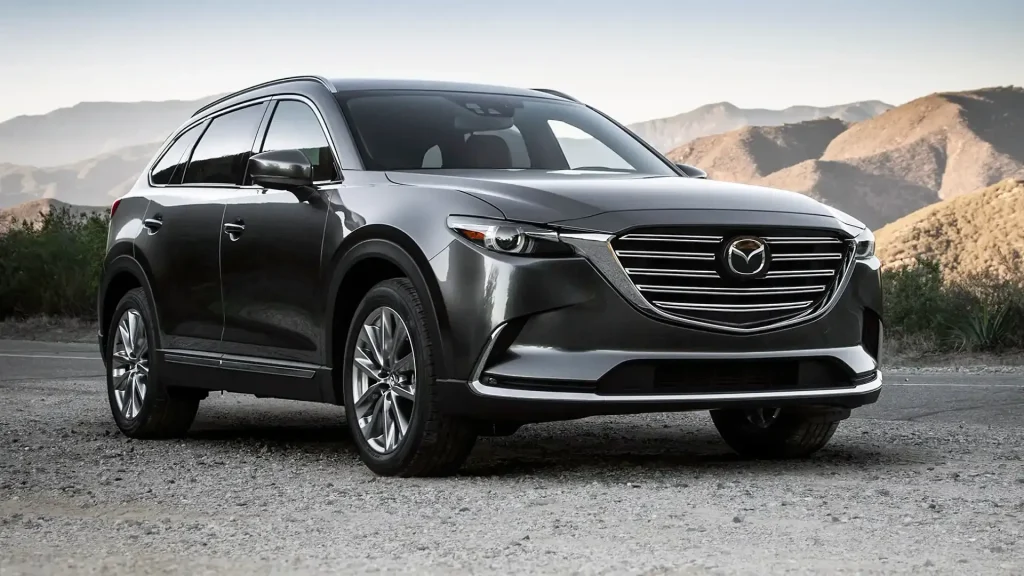
This brand is included because it shows how careful system level thinking can improve reliability. Mazda did not attempt to produce the most powerful CVT or the most complex one. Instead they focused on making one that behaves naturally and operates within comfortable engineering limits.
Their approach proves that good engineering sometimes means knowing what not to push. By refusing to overload their CVT designs, Mazda created transmissions that quietly built a reputation for consistency rather than controversy.
5 That Are Still Struggling With Longevity
While some manufacturers successfully refined CVT technology, others continue to face durability discussions.
This does not necessarily mean their transmissions fail constantly, but rather that they have not completely escaped earlier reputational damage or ongoing technical criticisms. In many cases, these issues come from first generation designs that remained in service long enough to shape public perception.
One important factor is production scale. Brands that installed CVTs across large portions of their lineup naturally generated more feedback, both positive and negative. When problems appeared, they became widely discussed simply because of how many vehicles were affected.
Another contributing issue is application strategy. CVTs perform best when paired with moderate torque outputs and smooth driving calibration. When manufacturers attempted to use them in heavier vehicles or performance oriented applications, durability margins sometimes became thinner.
Cost management decisions also played a role. CVTs require precise materials and strict fluid standards. Companies that attempted to reduce production costs sometimes created designs that required more careful maintenance than typical owners expected.
The following brands are included not to criticize them unfairly, but to explain where improvement opportunities still exist. Each example highlights lessons learned and why these manufacturers still appear in reliability conversations related to CVT lifespan.
1. Nissan (Xtronic CVT Reputation Recovery Challenges)
No discussion about CVT longevity can avoid mentioning Nissan, largely because the company became one of the earliest large scale adopters of the technology. Their decision to deploy CVTs across a wide portion of their lineup created both engineering experience and public scrutiny at the same time.
To understand why Nissan appears in this section, it is important to understand timing. Early large scale CVT adoption meant they encountered durability learning curves in public view rather than gradually refining the technology in limited production. As a result, early failures shaped public opinion even as improvements were being made.
Technical discussions often reference heat management and belt wear in earlier generations. Some units experienced accelerated wear when fluid maintenance was ignored or when vehicles were used in demanding driving conditions. Later revisions improved materials and cooling, but reputations change slowly compared to engineering improvements.
Another factor affecting Nissan’s position is consumer expectation. Many buyers expected CVTs to behave like traditional automatics without understanding their maintenance sensitivity. This mismatch sometimes resulted in neglected fluid service, which contributed to failures that may have been preventable with better awareness.
Recent developments show Nissan working to correct these issues through updated designs and stronger internal components. However, when a brand becomes strongly associated with a specific technology, changing that narrative requires many years of consistent results.
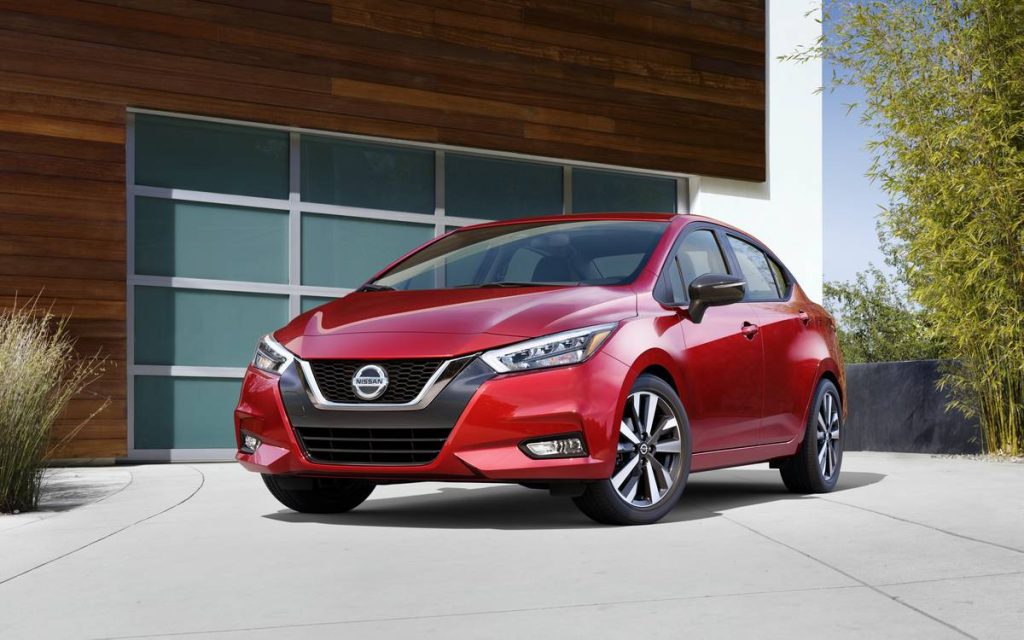
The reason this brand is included is not because they failed to improve, but because they illustrate how difficult reputation recovery can be once reliability concerns become widely known. Even when engineering progress occurs, customer confidence takes longer to rebuild.
Nissan represents an important lesson in automotive development. Being first to adopt technology provides experience but also exposes weaknesses publicly. Their story shows how early adoption risks can shape perception long after technical improvements arrive.
2. Mitsubishi (Limited Development Resources and CVT Durability Perception)
Mitsubishi presents a different type of CVT challenge. Unlike large manufacturers with massive research budgets, Mitsubishi has had to balance development priorities carefully. Limited resources sometimes mean slower product evolution compared to larger competitors.
Rather than suffering from one major design flaw, Mitsubishi’s CVT discussions often center around gradual improvement pace. When competitors introduce second or third generation refinements quickly, smaller companies sometimes take longer to implement similar changes across their fleets.
Another factor comes from supplier dependency. Mitsubishi has often relied on external transmission suppliers rather than fully in house development. While this is common practice, it can limit how quickly a company can implement unique durability improvements or calibration changes.
Owner discussions sometimes mention sensitivity to maintenance intervals. Like many CVTs, fluid condition is critical, but Mitsubishi vehicles sometimes reached secondary markets where maintenance history was inconsistent. This contributed to mixed long term reliability impressions.
Why include Mitsubishi is to highlight how corporate scale affects engineering outcomes. Reliability is not always about technical knowledge. Sometimes it is about how quickly improvements can be funded, tested, and introduced into production.
It is also worth noting that Mitsubishi CVTs are rarely associated with catastrophic design flaws. Instead, the brand appears here because it has not yet fully separated itself from general CVT durability concerns the way some larger brands have managed to do.

Their situation shows that engineering success often depends not only on design quality but also on development speed and continuous refinement capability. Companies that cannot update designs quickly sometimes remain associated with older limitations longer than they deserve.
Mitsubishi demonstrates that longevity perception can sometimes lag behind actual technical capability, especially when product updates happen gradually rather than dramatically.
3. Chevrolet (CVT Expansion Into New Segments)
Chevrolet entered the CVT space more cautiously than some competitors, but its broader adoption in compact and mid size vehicles created new engineering pressures. Expanding CVT use into heavier vehicles and crossover segments introduced durability questions that smaller sedan applications did not always face.
One area where discussions often emerge involves how these transmissions behave under mixed driving conditions. Urban commuting with frequent acceleration cycles tends to generate more internal heat compared to steady highway driving.
Some owners have reported that prolonged stop and go use can make shift response feel less consistent over time, which often points toward thermal stress rather than immediate mechanical failure.
Another element affecting Chevrolet CVT perception is platform diversity. Because these transmissions are used across multiple vehicle sizes, they must handle a wide range of weight and torque situations.
Designing one CVT to serve multiple purposes can create compromises where the transmission performs very well in some applications but less impressively in others.
Service data discussions sometimes mention that fluid condition plays an outsized role in long term behavior. Like many CVTs, deterioration in fluid quality can lead to pressure inconsistencies that affect pulley control.
This is not unique to Chevrolet, but the brand appears here because their CVT expansion coincided with a period where many drivers were still unfamiliar with CVT maintenance sensitivity.
This brand is included because it represents the challenges of scaling technology. Introducing CVTs into more vehicles increases efficiency benefits but also increases the number of operating scenarios engineers must account for. That complexity sometimes reveals weaknesses that smaller deployment would not expose.
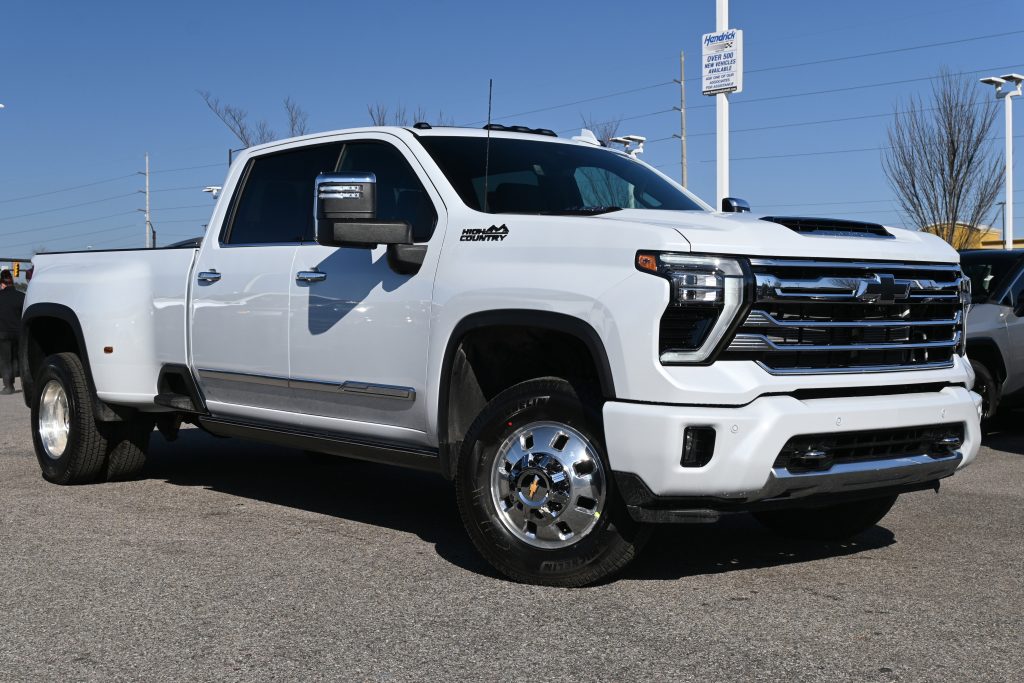
Chevrolet’s situation shows that CVT success is not just about initial design. It is about how well that design adapts when used across very different vehicle roles.
As refinement continues, the brand may gradually move out of this category, but current discussions still place it among those working to fully stabilize long term durability perception.
4. Hyundai (Balancing Cost Efficiency With Long Term CVT Confidence)
Hyundai built its global reputation partly through aggressive pricing and strong feature content. That competitive strategy sometimes creates a difficult balance between affordability and over engineering. CVT development within this environment requires careful cost control while still maintaining durability expectations.
Instead of facing a single defining technical issue, Hyundai’s CVT discussions often revolve around long term consistency. Some units perform flawlessly for high mileage, while others develop minor drivability complaints that affect owner confidence even when mechanical failure does not occur.
A factor sometimes mentioned in technician conversations involves calibration updates. As Hyundai refined their CVT programming, software updates occasionally changed shift behavior.
While these changes often improved efficiency or smoothness, they also created variation in driver experiences depending on production year and update status.
Material improvements have also been part of Hyundai’s ongoing refinement process. As with many manufacturers, early CVT generations provided learning opportunities that informed later reinforcements in belt composition and hydraulic pressure control.
These improvements tend to reduce wear progression, but perception often reflects earlier experiences as much as current designs.
Why Hyundai belongs in this section comes down to transition phase engineering. The company is clearly improving CVT technology, but it has not yet reached the universally strong reputation achieved by some Japanese competitors. This places them in a middle ground where progress is visible but reputation is still stabilizing.
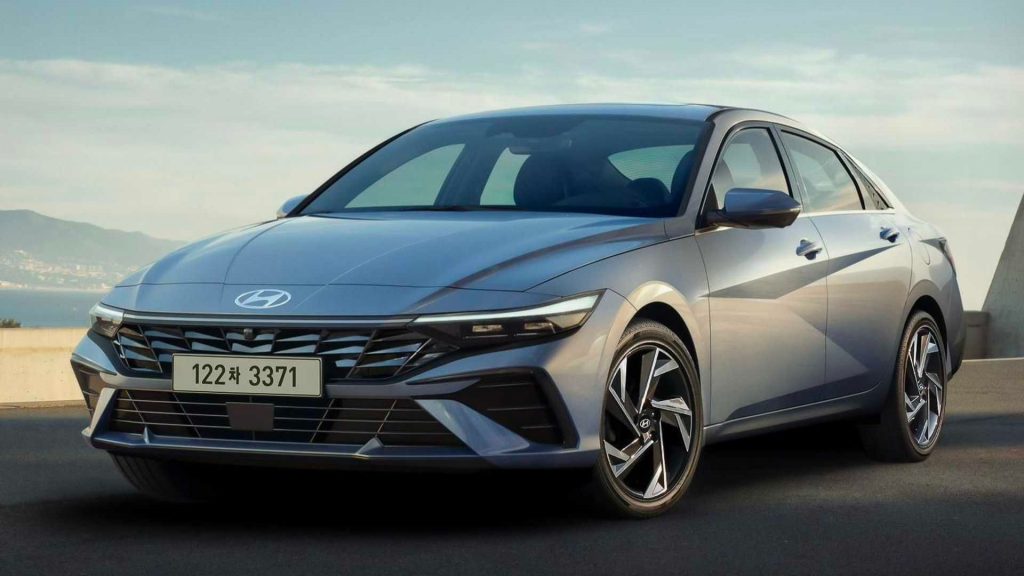
Their story highlights an important reality about automotive development. Reliability perception often reflects a moving average of multiple generations rather than a single design. As improvements accumulate, reputation usually follows, but the process takes time.
Hyundai demonstrates how difficult it can be to change durability narratives even while actively improving the underlying engineering.
10. Jeep (CVT Application Limits in Utility Focused Vehicles)
Jeep represents a unique case in CVT discussions because the brand identity is strongly connected to durability, off road capability, and mechanical toughness.
CVTs, by contrast, are typically optimized for efficiency and smooth operation rather than rugged terrain use. This philosophical mismatch is one of the main reasons Jeep appears in longevity discussions.
Unlike traditional automatics that use fixed gears, CVTs rely on friction surfaces and steel belts. These components perform best under smooth torque delivery.
Off road driving, however, often involves sudden load changes, wheel slip recovery, and uneven traction situations. These conditions can place unusual stress on CVT components compared to normal commuting use.
Some Jeep crossover models that adopted CVTs were designed primarily for urban buyers rather than extreme trail use. However, brand perception sometimes led owners to expect traditional Jeep durability regardless of drivetrain design. This expectation gap contributed to criticism when CVTs behaved differently than conventional gear based transmissions.
Another factor involves heat generation during low speed load situations. Off road environments sometimes require sustained torque at low speeds, which can challenge CVT cooling capacity if not specifically engineered for that purpose.
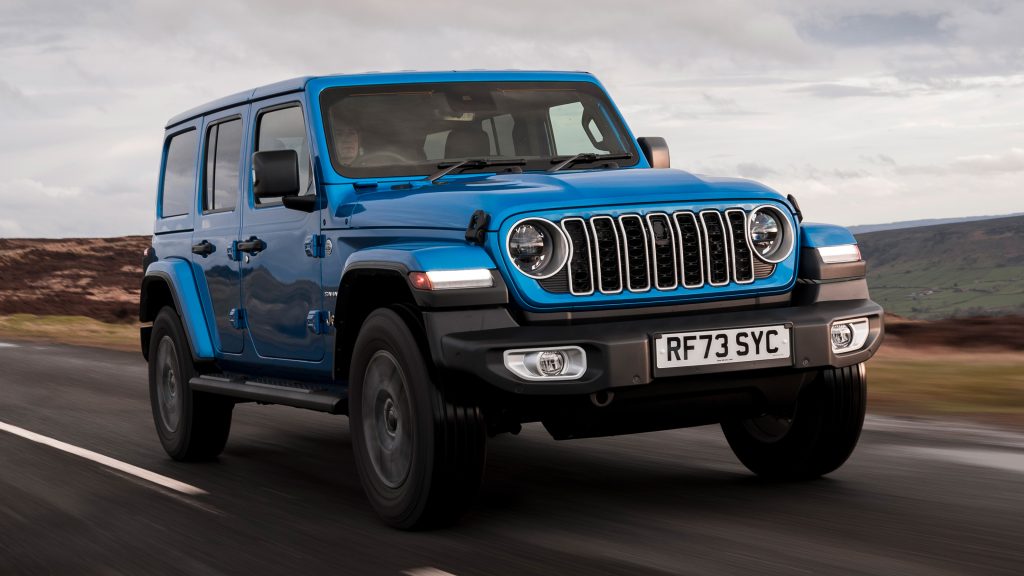
This does not mean the transmissions fail immediately, but it does mean operating margins can be narrower compared to highway use.
Jeep is included here because it shows how brand identity can influence how transmission durability is judged. A CVT that performs adequately in a typical crossover may still be viewed critically if buyers expect traditional Jeep mechanical ruggedness.
This example demonstrates that transmission success depends not only on engineering quality but also on matching the technology to the vehicle mission. CVTs excel in efficiency focused applications but may face perception challenges when used in brands associated with extreme durability expectations.
Jeep’s experience shows that correct technology placement can be just as important as the technology itself when building long term reliability confidence.
Also Read: 5 New Cars Under 30000 Dollars That Will Hold 60 Percent Value After Five Years
