
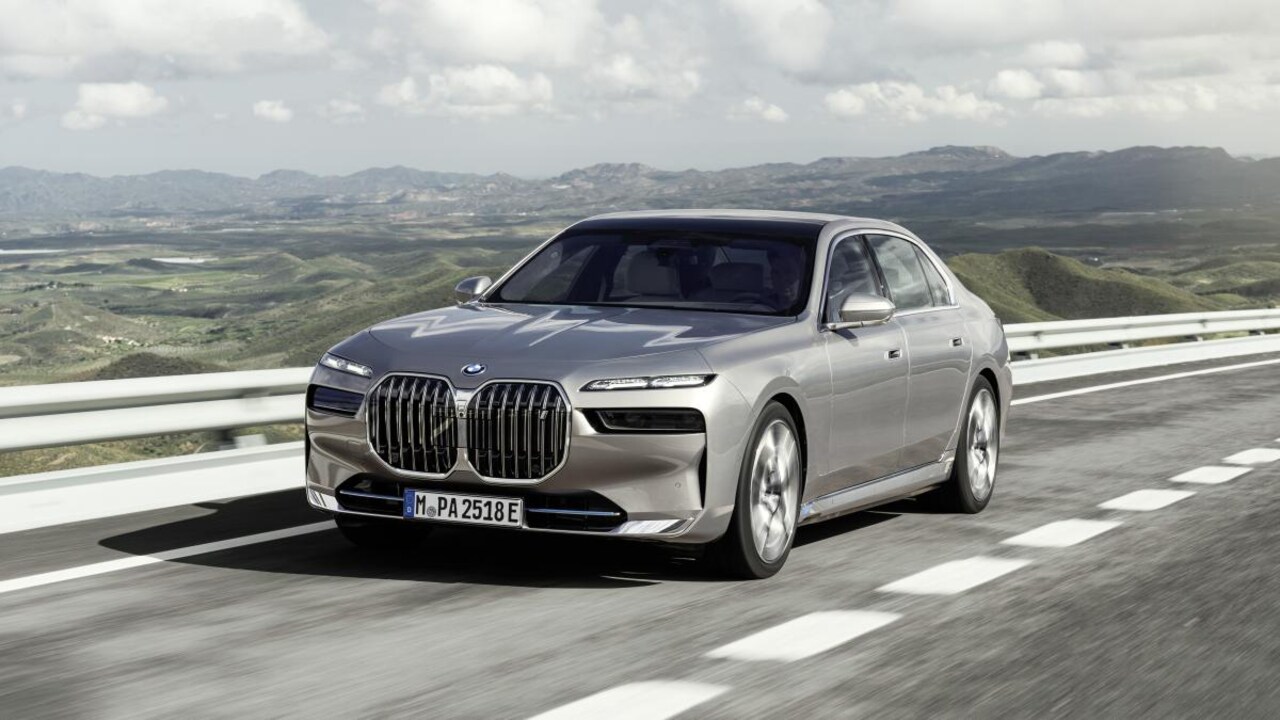
Luxury sedans are often judged by their comfort, technology, and refinement, but one of the most important factors behind the scenes is transmission design.
A smooth and durable transmission defines how a luxury car feels after years of ownership. While interiors may impress during showroom visits, drivetrain reliability determines whether the ownership experience remains premium long after the purchase.
Some luxury manufacturers have built reputations around transmissions that rarely cause concern. These vehicles use proven automatic designs, conservative engineering margins, and extensive durability testing.
Their transmissions are not just smooth when new but remain dependable well past typical ownership cycles. These are the cars that mechanics often describe as over engineered.
At the same time, the shift toward electronic shifters introduced a new type of problem. Instead of traditional mechanical linkages, many modern luxury sedans now rely on electronic selectors, rotary controllers, or shift by wire systems.
While these systems improve interior design flexibility, they also introduce sensors, actuators, and software dependencies that sometimes become weak points as vehicles age.
This comparison explores both sides of luxury engineering. First, we look at five luxury sedans known for exceptionally durable transmissions. Then we examine five that have faced criticism related to electronic shifter reliability and explain why these concerns developed.
Understanding both approaches reveals how different engineering priorities affect long term ownership satisfaction.
Also Read: 5 Signs Your Torque Converter Is Failing Before It Destroys Your Transmission
5 Luxury Sedans With Bulletproof Transmissions
Building a durable luxury transmission requires a different philosophy compared to building a sporty one. Instead of focusing purely on fast shifts, manufacturers that succeed in this area typically emphasize smooth torque delivery, thermal stability, and conservative stress limits. The goal is to ensure the transmission never feels strained even after years of daily driving.
Another common trait among these successful designs is the use of proven architectures. Rather than rushing new technology into production, these companies often refine existing transmission platforms until weaknesses are eliminated. This approach may appear less exciting on paper but often produces excellent long term results.
Fluid management also plays a major role. The most durable luxury transmissions usually include strong cooling strategies and carefully calibrated shift pressure control. These details rarely appear in advertisements but matter greatly in preventing internal wear.
The following sedans are included because they built reputations not through marketing claims but through real ownership experience. These are the vehicles that quietly accumulate mileage without developing widespread transmission complaints.
Each example explains why the transmission deserves recognition and what engineering decisions helped these cars achieve long term drivetrain stability.
1. Lexus LS500 (Aisin 10 Speed Automatic)
Some luxury cars attempt to impress with complexity. The Lexus LS500 takes a different route by focusing on refinement consistency. Its transmission rarely becomes a discussion topic among owners, which is often the strongest indicator of engineering success.
What makes this transmission notable is how calmly it handles power delivery. Even under moderate acceleration, shifts occur with minimal sensation. This is not accidental. Lexus engineers deliberately tuned clutch engagement to reduce shock loads, which not only improves comfort but also reduces long term component fatigue.
Another strength comes from conservative torque handling margins. Rather than pushing the transmission to operate near its maximum limits, Lexus operates well within the design capacity. This reduces wear progression and helps maintain smooth operation after extended mileage.
Technicians often note how rarely these transmissions require major internal repairs compared to many competitors. Regular fluid service tends to be the primary maintenance requirement rather than mechanical correction.
This sedan is included because it represents what happens when reliability is treated as part of luxury rather than separate from it. Lexus understands that a true flagship vehicle must still feel refined after many years, not just during initial ownership.
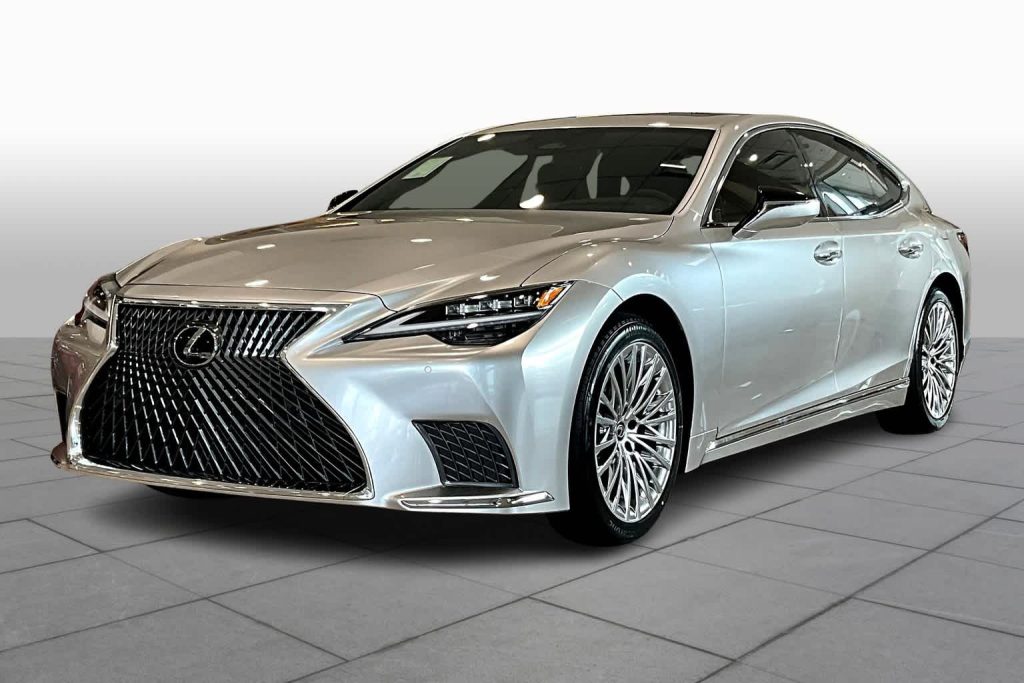
The LS500 transmission demonstrates that durability often comes from restraint. By avoiding aggressive shift behavior and unnecessary stress, Lexus created a drivetrain that reflects long term thinking rather than short term performance impressions.
This approach makes it one of the strongest examples of transmission durability in the modern luxury sedan category.
2. Mercedes-Benz E-Class (9G Tronic Automatic)
Instead of focusing purely on mechanical strength, Mercedes approached the E Class transmission from a comfort engineering perspective. The philosophy was simple. If shifts are always smooth, internal components experience less stress. That idea shaped the behavior of the 9G Tronic.
Driving this sedan reveals how subtle the calibration is. Gear changes often happen without noticeable RPM swings. The system prioritizes gradual torque transitions rather than dramatic ratio changes. This reduces clutch wear and prevents harsh engagement cycles that shorten lifespan.
A different strength comes from software intelligence. The transmission attempts to predict driver behavior rather than reacting suddenly. By anticipating load changes, it avoids unnecessary shifts. Fewer shifts often mean less cumulative wear over time.
Another reason this sedan appears here is service history data. The 9G Tronic has shown strong durability across multiple Mercedes models, suggesting the design has broad reliability rather than being tuned for only one vehicle.
This car is included because it shows how durability can come from control rather than brute strength. Instead of building the strongest transmission possible, Mercedes built one that avoids situations that cause stress in the first place.
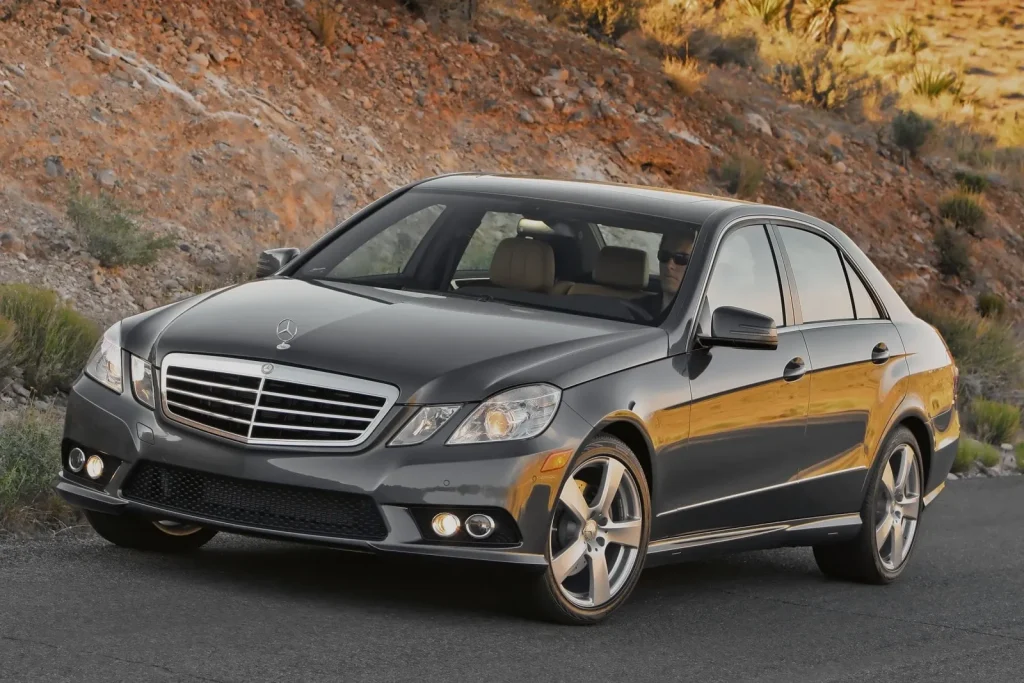
The E Class demonstrates that true mechanical longevity often comes from refinement engineering. When every shift is carefully managed, the transmission rarely experiences the kind of shock that leads to early wear.
That philosophy makes it a strong benchmark for luxury transmission durability.
3. BMW 5 Series (ZF 8HP Automatic)
If there is one transmission family that repeatedly earns respect from both engineers and mechanics, it is the ZF 8HP. The BMW 5 Series benefits heavily from this transmission because it combines mechanical strength with extremely mature calibration. Unlike some modern designs that chase innovation, this unit built its reputation through continuous refinement.
What separates this transmission from many competitors is its adaptability. It can behave like a comfort focused gearbox during relaxed driving and transform into a quick responding performance unit when needed.
That flexibility is not just about driving enjoyment. It also helps durability because the transmission does not constantly operate in a stressed condition.
Looking deeper into its engineering reveals why it survives long term use so well. The clutch packs are designed with generous torque capacity margins, meaning they rarely operate near failure thresholds. When internal parts are not constantly pushed to their limits, degradation happens much more slowly.
Another advantage comes from shift strategy logic. Instead of constantly chasing the highest possible gear for efficiency, BMW allows the transmission to remain in stable ratios when appropriate. This reduces excessive shifting cycles, which directly reduces cumulative wear inside the gearbox.
It is also worth mentioning the service ecosystem. Because the ZF 8HP is widely used across multiple premium brands, technicians are very familiar with its maintenance needs. This familiarity often results in proper servicing rather than neglected fluid changes that harm longevity.
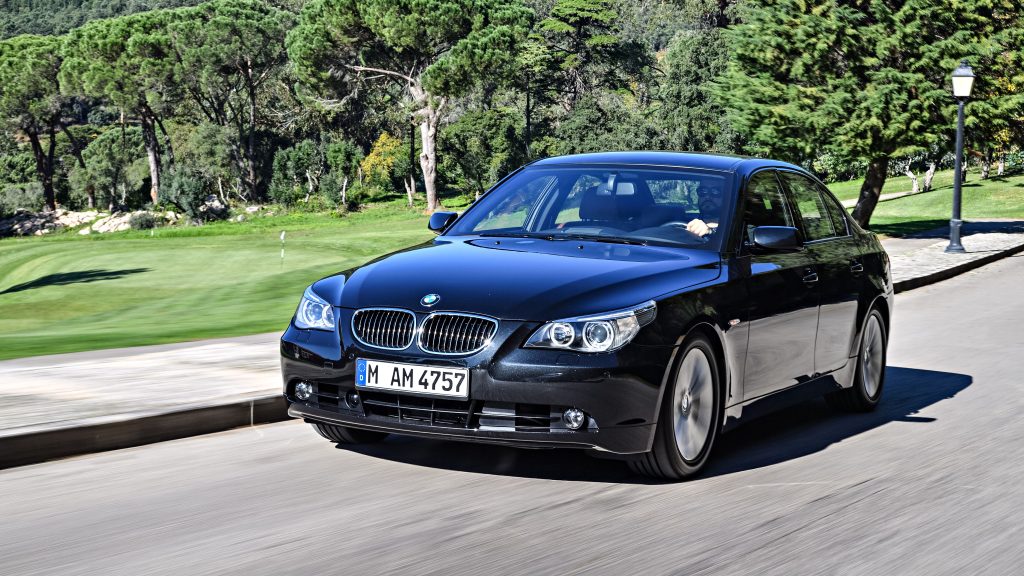
The reason this sedan deserves recognition is not because it never fails. No transmission is perfect. It earns its place because it consistently demonstrates predictable long term behavior when maintained correctly. Owners rarely describe sudden unexpected problems, which is often the biggest fear in luxury ownership.
BMW included this transmission because it already had a proven track record rather than gambling on an untested design. That decision reflects engineering maturity. Sometimes the smartest innovation decision is choosing a design that already proved itself in demanding applications.
The 5 Series shows that transmission durability often comes from selecting the right partner rather than developing everything internally. By relying on one of the industry’s most respected transmission designs, BMW ensured the drivetrain would match the vehicle’s long term luxury expectations.
4. Audi A6 (S Tronic / Tiptronic Matured Automatic Systems)
Audi’s approach to transmission durability came through experience rather than immediate success. Earlier generations of their dual clutch systems generated mixed reliability discussions. Instead of abandoning the technology, Audi refined materials, cooling strategies, and software behavior until later versions became far more stable.
That evolution is exactly why the A6 deserves inclusion. It represents a manufacturer that learned from early weaknesses and produced a far more dependable result through iteration. Modern versions benefit from improved clutch material composition and better lubrication control, both of which directly affect lifespan.
One notable improvement involves how the transmission behaves in traffic. Earlier dual clutch systems across the industry sometimes struggled with low speed smoothness.
Audi addressed this by adjusting clutch engagement rates and torque management logic. These changes reduced heat buildup, which is one of the main causes of early wear in dual clutch designs.
Audi also improved thermal management through better fluid routing and cooling efficiency. Temperature control may not be obvious to drivers, but it is one of the biggest contributors to transmission survival. Stable temperatures mean stable clearances and reduced material fatigue.
Another reason the A6 belongs here comes from how well the transmission integrates with the engine. Smooth communication between engine output and gear selection prevents abrupt torque spikes. Those spikes often cause microscopic wear that adds up over years of use.
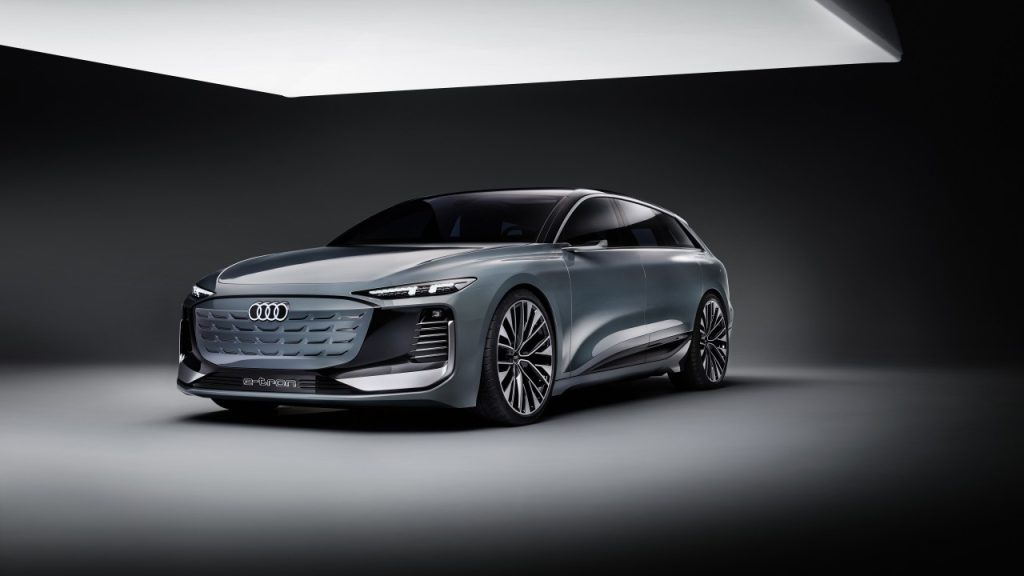
This sedan earns its place because it reflects engineering persistence. Audi did not achieve this level of durability immediately. It required acknowledging weaknesses and improving them systematically. That process is often what separates dependable later generation technology from problematic early versions.
The A6 shows that bulletproof does not always mean perfect from the beginning. Sometimes it means a product that became strong through refinement, testing, and correction.
That journey makes it one of the more interesting examples of how transmission durability can be earned rather than simply designed.
5. Genesis G80 (Hyundai In House 8 Speed Automatic)
Genesis entered the luxury segment with a difficult challenge. Competing against established European and Japanese brands required proving not just comfort and design quality, but also long term mechanical dependability. The G80 became an important test case for how seriously the brand approached drivetrain durability.
Instead of outsourcing the transmission completely, Hyundai developed and refined its own 8 speed automatic architecture for luxury use. This allowed tighter control over calibration, materials, and long term improvements. The result is a transmission that emphasizes smooth engagement rather than aggressive performance behavior.
One thing that stands out about the G80 transmission is its calm behavior under normal use. It does not rush shifts. It does not aggressively hunt for gears. It simply prioritizes seamless operation. That type of behavior tends to reduce mechanical stress because internal parts are not constantly reacting to sudden commands.
Genesis also appears to have placed emphasis on shift pressure control. Smooth pressure application reduces internal friction shock, which plays a major role in preventing early clutch wear. Many durability problems begin with harsh micro engagements that accumulate damage slowly. Avoiding those events improves lifespan significantly.
The sedan also benefits from not pushing excessive power through the transmission. While the G80 offers strong performance, it avoids extreme torque loads that might require more aggressive gearbox behavior. This balanced power approach helps maintain long term stability.
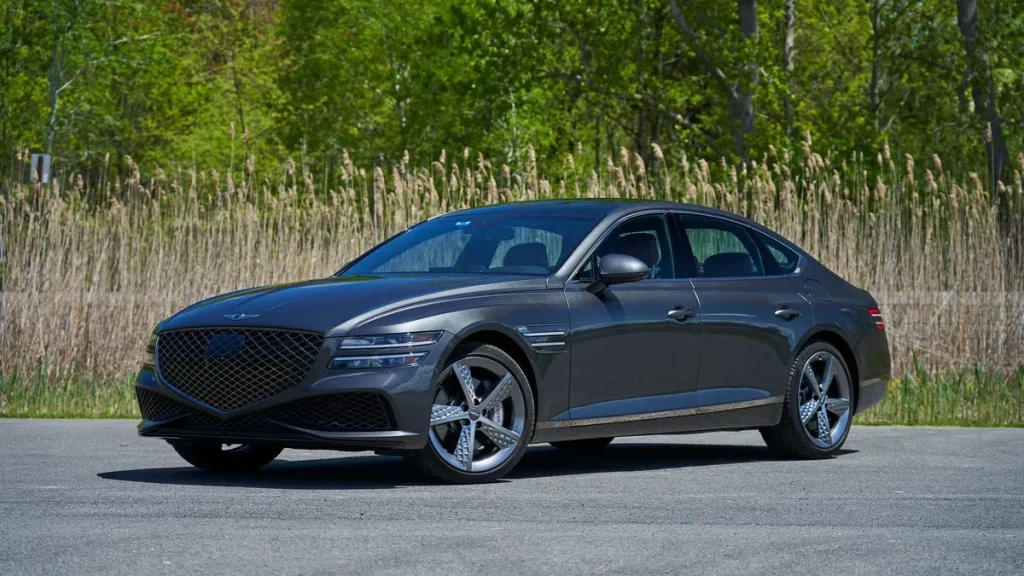
Why this vehicle is included is because it shows how newer luxury brands can succeed through careful engineering discipline. Instead of trying to outperform competitors in every metric, Genesis focused on making sure the transmission never becomes a liability.
Owners often describe the driving experience as consistent rather than dramatic. That consistency is often exactly what creates reliability confidence. When a transmission behaves predictably year after year, it becomes part of the background instead of a concern.
The G80 demonstrates that bulletproof transmissions are not limited to legacy luxury brands. With careful engineering focus and conservative operating margins, even newer luxury manufacturers can produce transmissions that quietly build strong reputations.
5 With Fragile Electronic Shifters
Electronic shifters allowed designers to rethink luxury interiors. Removing mechanical linkages created opportunities for cleaner center consoles, rotary controls, push buttons, and compact selector stalks. These systems also allowed integration with driver assistance features and automated parking systems.
However, replacing mechanical connections with electronic controls introduced a different kind of risk. Instead of simple mechanical wear, reliability now depends on sensors, software communication, actuators, and electrical contacts. When these systems age, problems may appear that did not exist in traditional designs.
Common concerns include delayed gear engagement due to sensor faults, selector modules that fail to register inputs, and electronic glitches that require resets. While many of these issues are not catastrophic, they can create inconvenience that feels unacceptable in luxury vehicles.
The following sedans are included not because they are poorly built overall, but because their electronic shifter systems have generated enough discussion to highlight the risks of this design direction. In many cases the drivetrain itself remains strong, but the interface controlling it becomes the weak link.
These examples show how modern luxury engineering sometimes introduces new failure points even while solving old mechanical problems.
1. Jaguar XF (Rotary Electronic Shifter System)
Jaguar attempted to redefine interior elegance with its rotary gear selector. The design is visually impressive.
When the vehicle starts, the circular dial rises from the center console, creating a dramatic presentation that reinforces the luxury experience. From a design standpoint, it is one of the most memorable shifter concepts in the segment.
Yet this same innovation is why the XF appears in this section. Unlike a traditional gear lever, the rotary selector depends entirely on electronic communication between the dial module and the transmission control system.
If the selector fails to deploy correctly or loses communication, the vehicle may not register gear commands properly. This introduces a dependency chain that did not exist in purely mechanical systems.
Some service discussions mention issues related to the motorized deployment mechanism. Because the dial physically rises and retracts, it introduces moving parts beyond simple electronic switches. Over time, dust intrusion, wear in the lifting motor, or sensor calibration drift can affect operation.
Another factor worth noting is electrical sensitivity. Luxury vehicles contain complex electrical networks, and voltage irregularities can sometimes affect module behavior. While not extremely common, these situations demonstrate how electronic convenience features add additional variables compared to traditional designs.
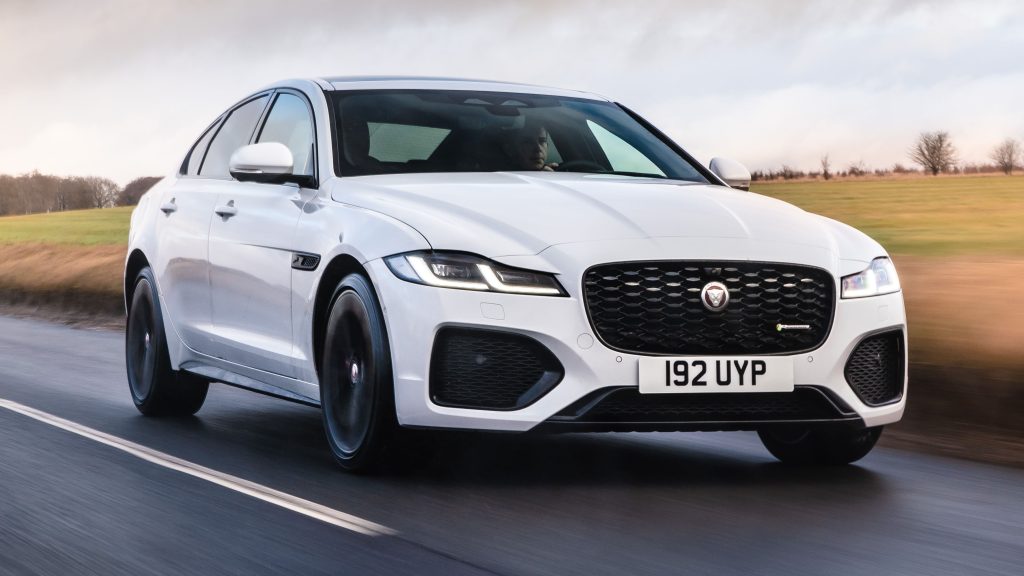
Why include the XF is not to criticize innovation but to highlight trade offs. Jaguar prioritized visual theater and interior identity. That decision produced a distinctive experience but also created additional complexity that must remain reliable for many years.
The XF demonstrates that when electronic shifters work properly they enhance luxury character. When they do not, even small malfunctions become very noticeable because they affect basic vehicle operation.
This makes it an ideal example of how modern luxury sometimes exchanges mechanical simplicity for technological expression.
2. BMW 7 Series (Crystal Electronic Gear Selector)
BMW took a design first approach when introducing the crystal style electronic gear selector in certain 7 Series models. The intention was clear.
Luxury buyers expect craftsmanship details that feel unique, and the transparent glass style shifter certainly delivers visual distinction. It looks more like a piece of fine interior decoration than a traditional control component.
From an aesthetic perspective, the idea succeeded. From a complexity standpoint, however, it introduced more electronic dependency than older mechanical selectors ever required.
Unlike traditional shift levers that physically move a linkage or cable, this system operates entirely through electronic input signals. The driver’s command travels through sensors, then through the vehicle network, and finally to the transmission actuator.
That layered communication works flawlessly when everything functions correctly, but each added step introduces another potential failure point.
One interesting issue sometimes mentioned involves input sensitivity. Electronic selectors rely on precise detection of driver commands.
If contacts wear or internal sensors become inconsistent, the system may occasionally require repeated inputs. While not typically a major failure, such behavior can frustrate owners who expect flawless operation in a flagship sedan.
Another dimension of concern comes from accidental damage. Because the selector is partly decorative, it may not tolerate impact or misuse as well as traditional robust levers. Replacement costs also tend to be higher because the component combines electronics, decorative materials, and control interfaces.
BMW is included here because the example shows how luxury trends can unintentionally create vulnerability. The focus shifted from mechanical durability toward design appeal. That shift is not inherently wrong, but it changes how reliability must be managed.
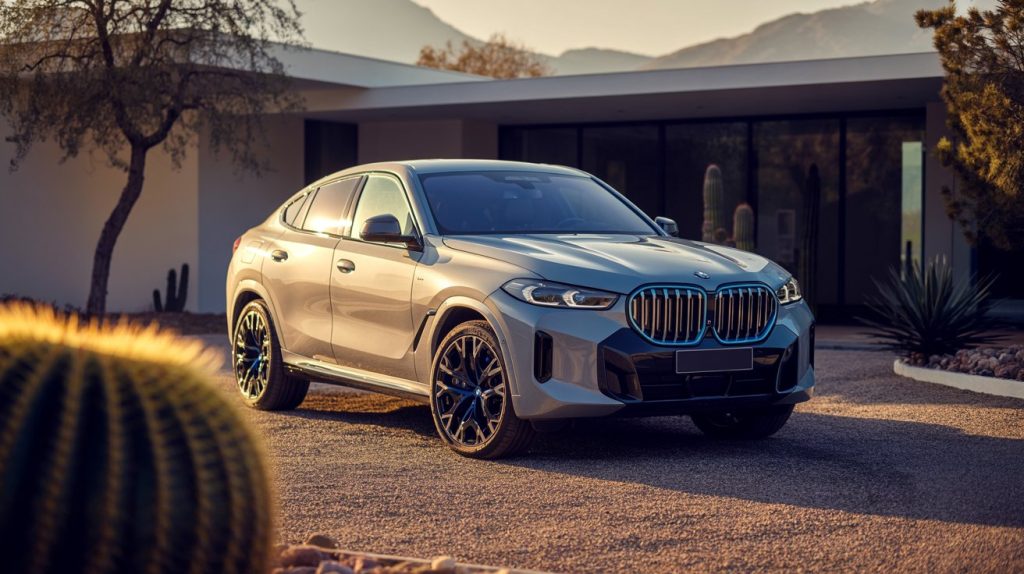
The 7 Series illustrates a broader industry lesson. As control interfaces become more digital, the reliability conversation moves from gears and hydraulics toward sensors and modules. The transmission itself may remain extremely strong, yet the driver’s physical interface becomes the sensitive component.
This makes the car a perfect example of how technological elegance sometimes introduces new maintenance considerations.
3. Audi A8 (Shift By Wire Toggle Selector)
Audi approached electronic shifting differently than some competitors. Instead of making the shifter a design centerpiece, the A8 uses a compact toggle style selector integrated cleanly into the center console. The goal was minimalism. Fewer moving parts, less cabin clutter, and a modern control philosophy.
On the surface this appears simpler than motorized or decorative selectors. The hidden complexity lies underneath.
Shift by wire systems eliminate mechanical redundancy. In older vehicles, even if electronics failed, mechanical linkage sometimes allowed limited operation. In a fully electronic selector, operation depends completely on signal integrity and actuator response. That makes electrical reliability absolutely critical.
Some technical discussions around these systems involve selector modules that depend heavily on clean signal transmission. If software conflicts, connector wear, or module faults appear, gear engagement may be delayed or require system resets. These events are rare but significant because they affect driver confidence.
Another subtle concern involves user interaction design. Because toggle selectors provide less physical feedback than traditional levers, drivers sometimes apply uncertain inputs. Over time, repeated correction inputs can accelerate wear on electronic switch contacts.
Why this sedan is included is because it represents the industry’s shift toward interface simplification. Removing mechanical complexity does not always reduce total complexity. Often it simply moves it into electronics and programming.
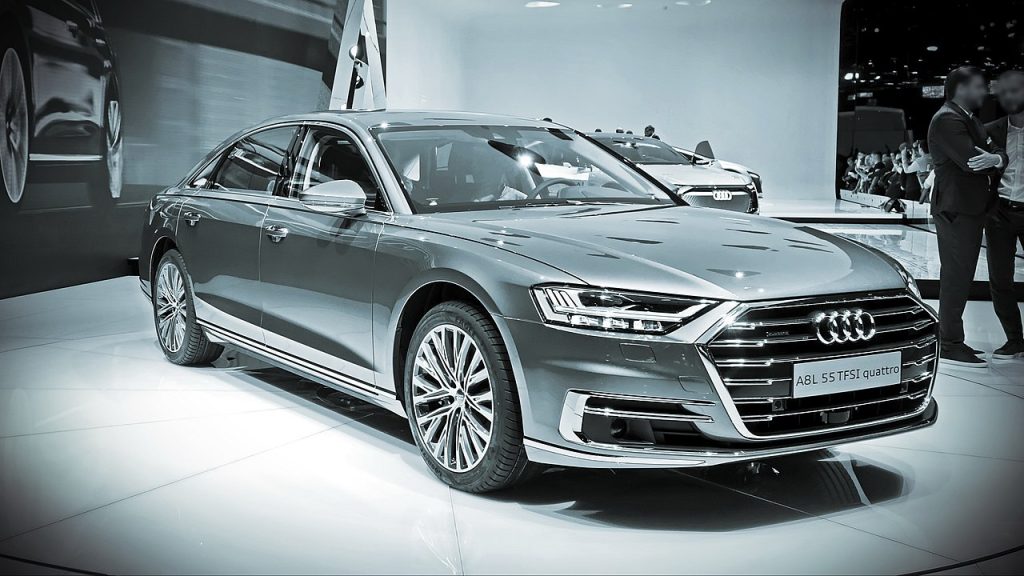
The Audi A8 demonstrates how reliability discussions are changing. Instead of broken gears, the concern may involve communication faults or sensor accuracy. These are very different types of durability challenges compared to traditional transmission problems.
It is an important example because it shows how luxury innovation often leads reliability conversations into entirely new technical territory.
4. Tesla Model S (Column Mounted Electronic Selector Interface)
Tesla approached gear selection from a software driven mindset rather than a traditional automotive engineering path. Instead of focusing on tactile feedback, the company emphasized minimalism and digital integration. In some Model S versions, gear selection moved to a column mounted electronic interface or even touchscreen based controls.
This radical simplification created one of the cleanest interiors in the luxury segment. At the same time, it removed the physical reassurance drivers had relied on for decades. Without a traditional selector, the system depends heavily on software interpretation of driver intent.
One concern sometimes discussed involves interface reliability rather than mechanical failure. Because gear selection may depend on touch inputs or electronic stalk signals, glitches or calibration issues can occasionally require system reinitialization. This is very different from traditional shifter concerns but just as important from a usability standpoint.
Another interesting factor is software evolution. Tesla frequently updates vehicle software, which can change interface behavior over time. While updates often improve functionality, they also introduce the possibility of temporary inconsistencies as systems adapt to new programming.
Why this vehicle is included comes down to design philosophy. Tesla intentionally removed mechanical familiarity to create a digital driving experience. That decision reflects the brand’s innovation focus, but it also means the reliability discussion shifts toward user interface stability rather than mechanical durability.
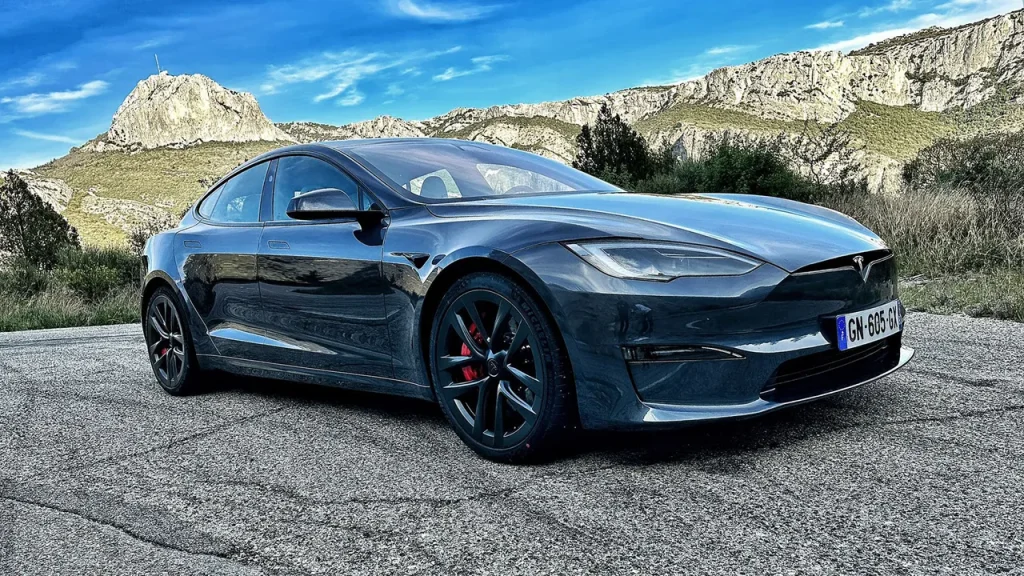
There is also the factor of driver adaptation. When systems behave differently than industry norms, mistakes can happen simply because users are adjusting to unfamiliar controls. That adjustment period sometimes contributes to the perception of fragility even when hardware remains functional.
The Model S belongs here because it represents the extreme end of electronic control philosophy. It shows how removing traditional controls can improve design simplicity while simultaneously introducing new reliability conversations centered around software behavior and electronic interface trust.
5. Maserati Ghibli (Electronic Selector Module Integration Issues)
Maserati built the Ghibli to deliver emotional appeal alongside luxury comfort. The sedan focuses heavily on driving character, sound, and visual design. While the transmission itself is generally respected, the electronic selector module used in some versions has occasionally drawn attention for sensitivity issues.
Unlike purely mechanical selectors, the Ghibli uses a modern electronic interface that communicates with the transmission through control modules. While this allows integration with safety systems and drive modes, it also introduces dependence on consistent electrical communication.
Some discussions from service environments reference selector modules that may require recalibration if electronic communication faults occur. These situations are not necessarily common, but they illustrate how dependent modern luxury vehicles are on stable electronic interaction between components.
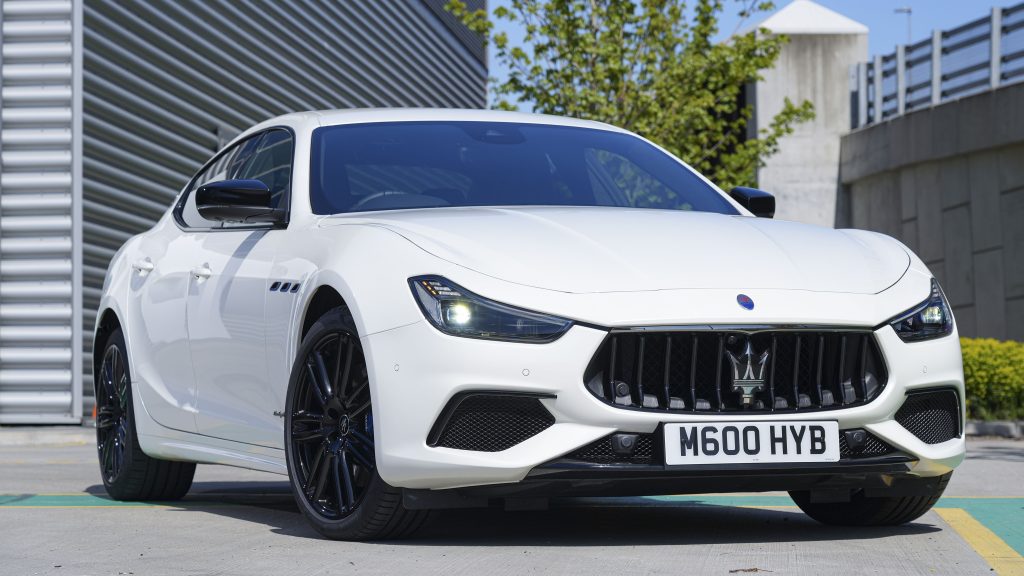
Another aspect worth mentioning is how luxury electronics age. Over time, connectors, switches, and control modules experience environmental exposure such as temperature cycles and vibration.
Even small electrical resistance changes can affect how precisely signals are interpreted. In a mechanical system this might not matter. In an electronic interface it becomes more important.
Why Maserati appears here is because it demonstrates how even low volume luxury manufacturers must manage increasing electronic complexity. Smaller production numbers sometimes mean fewer real world data points compared to mass market brands, which can slow refinement cycles.
The Ghibli is an example of how luxury personality sometimes takes priority over conservative engineering. That character is part of the brand appeal, but it also means some systems may require more attentive maintenance compared to brands focused purely on long term predictability.
This sedan highlights a key theme in modern automotive design. As luxury vehicles become more electronic, reliability discussions increasingly involve software behavior and module communication rather than purely mechanical survival.
Also Read: 5 Signs Your Center Differential Is Wearing Out on Your Modern AWD SUV
