
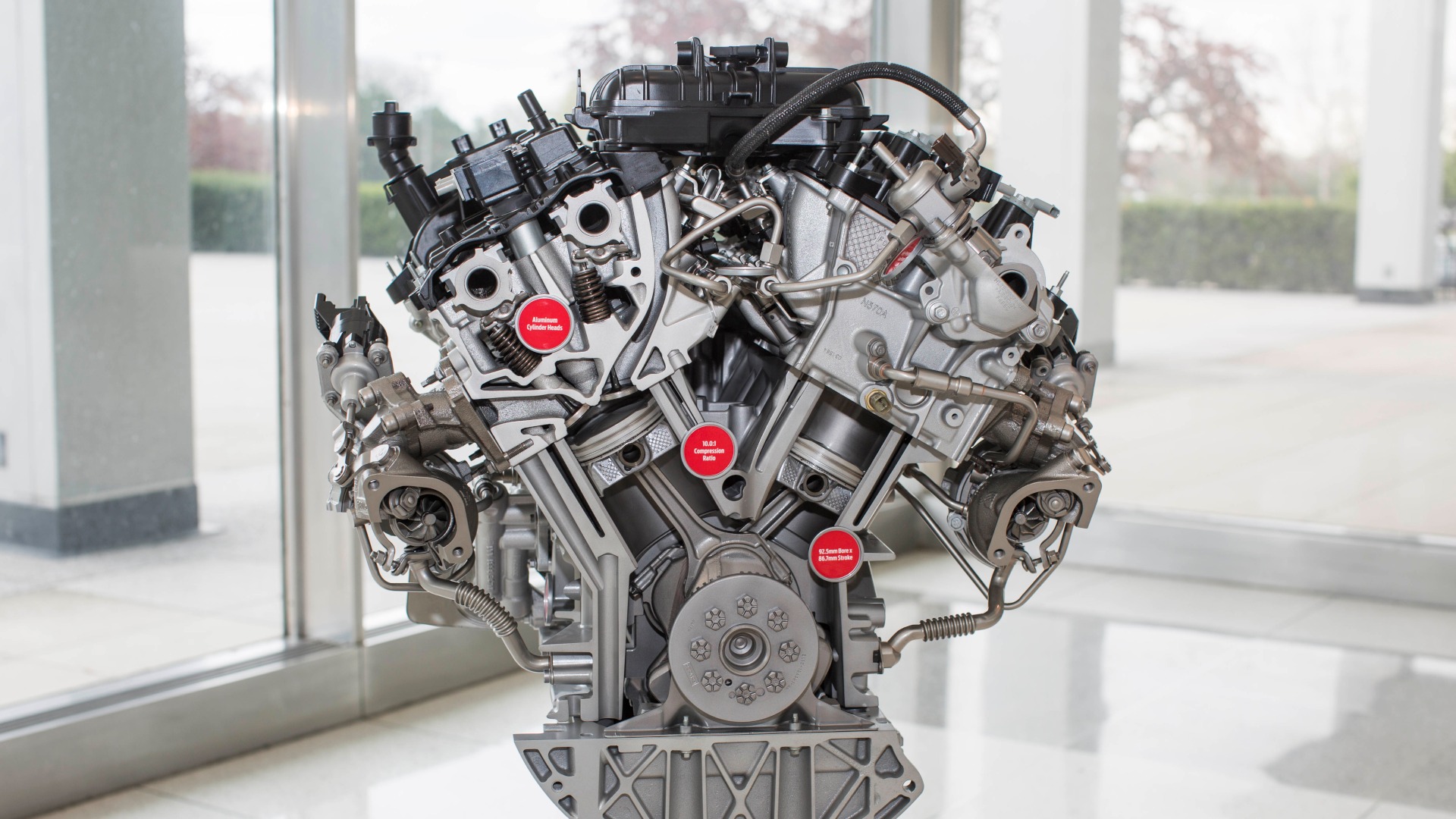
Modern engine design often focuses on efficiency, compact packaging, and reduced external components. One engineering approach that reflects this trend is the use of internally mounted or integrated water pumps.
Instead of being mounted outside the engine where leaks are easy to detect, these pumps are sometimes driven by the timing chain or timing belt and placed inside the engine structure. While this can reduce noise, improve packaging, and shorten coolant pathways, it can also introduce serious long term risks.
The main danger appears when these integrated water pumps begin to fail. In a traditional external design, a leaking pump usually drips coolant outside the engine, giving the owner visible warning signs.
However, when the pump sits inside the timing cover or block, a seal failure can allow coolant to mix with engine oil. This situation can quickly become catastrophic because coolant contamination destroys lubrication properties and accelerates bearing wear.
Another issue is how quietly these failures can develop. Some engines give very little warning before damage begins. By the time symptoms like overheating, rough running, or oil contamination appear, internal wear may already be extensive.
In severe cases, engine replacement becomes more economical than repair because of the damage caused by coolant mixing with internal components.
Manufacturers chose these designs for legitimate engineering reasons, but they also created maintenance concerns that many owners only discover after problems occur.
Some engines on this list developed reputations among mechanics because a simple water pump failure could escalate into complete engine damage if not caught early.
Understanding which engines use this design helps owners stay alert to warning signs such as unexplained coolant loss, milky oil, overheating without visible leaks, or timing cover seepage. Preventive maintenance and early diagnosis often make the difference between a manageable repair and a total engine failure.
This list highlights ten engines known for using integrated water pump designs where leaks can cause serious internal damage. These examples show how a small cooling system component can become a major reliability concern when placed inside the heart of an engine.
Also Read: 10 Common Causes of Overheating in Vintage Engines During Summer
1. Ford 3.5L Cyclone V6 (Ford Edge / Ford Explorer)
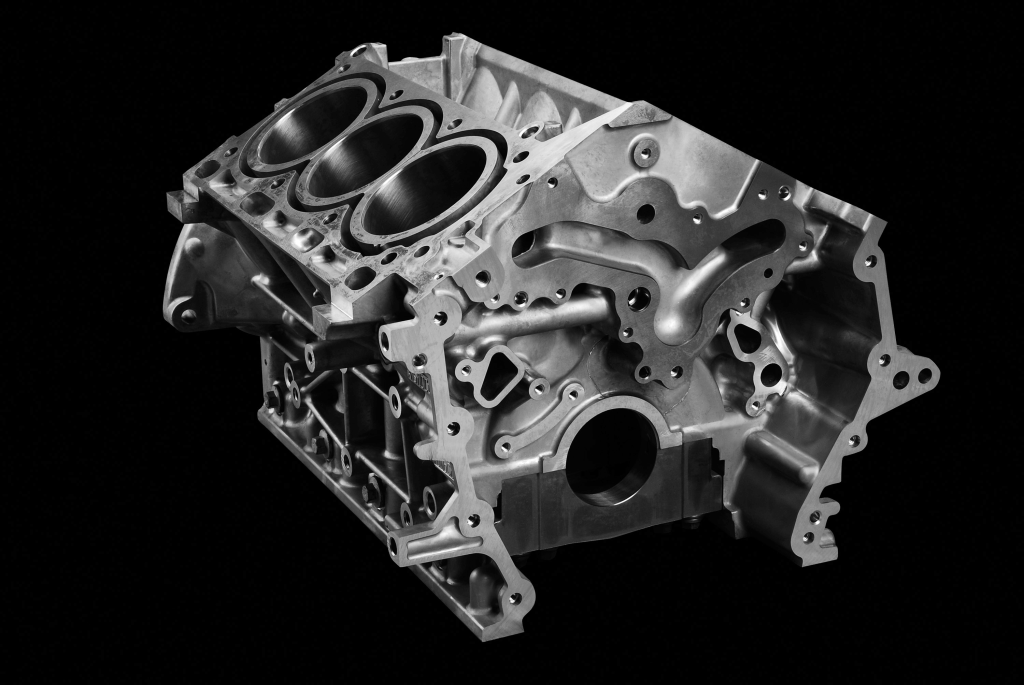
The Ford 3.5L Cyclone V6 is often one of the first engines mentioned when discussing internal water pump risks because of how its design places the pump behind the timing cover and drives it from the timing chain. This means the pump is not simply a bolt on accessory but a deeply integrated internal component.
One of the biggest concerns with this design is the path coolant can take if the pump seal fails. Instead of leaking externally, coolant can enter the crankcase.
Once coolant mixes with oil, lubrication quality drops dramatically. Bearings, cam journals, and timing components begin experiencing accelerated wear because the oil film loses its protective strength.
Mechanics often describe this engine’s water pump failure as dangerous not because failure is guaranteed, but because the consequences can escalate quickly. If caught early, the repair may only involve replacing the pump and timing components. If ignored, however, the repair may involve replacing the entire engine assembly.
Another factor that increases the risk is how labor intensive the repair process can be. Because the pump sits inside the engine structure, replacing it involves significant disassembly. This sometimes causes owners to delay repairs due to cost, which unfortunately increases the risk of catastrophic damage.
Symptoms can sometimes appear subtly. Small coolant losses without visible leaks can be an early warning. Some owners also report sweet smells from the exhaust or unexplained oil level changes. These signs may appear minor but can indicate internal leakage beginning.
Preventive maintenance becomes especially important with this engine. Many specialists recommend monitoring coolant levels closely and checking oil condition regularly. Any signs of contamination should be investigated immediately rather than postponed.
Despite this known issue, many of these engines run long lives when properly maintained. The key difference often comes down to awareness. Owners who understand the design risk tend to monitor their engines more carefully and react quickly to early warning signs.
This engine serves as a strong example of how integrated water pump designs can create situations where a cooling system failure becomes an engine survival issue rather than just a routine repair.
2. Ford 3.7L Cyclone V6 (Mazda CX9 / Lincoln MKX)
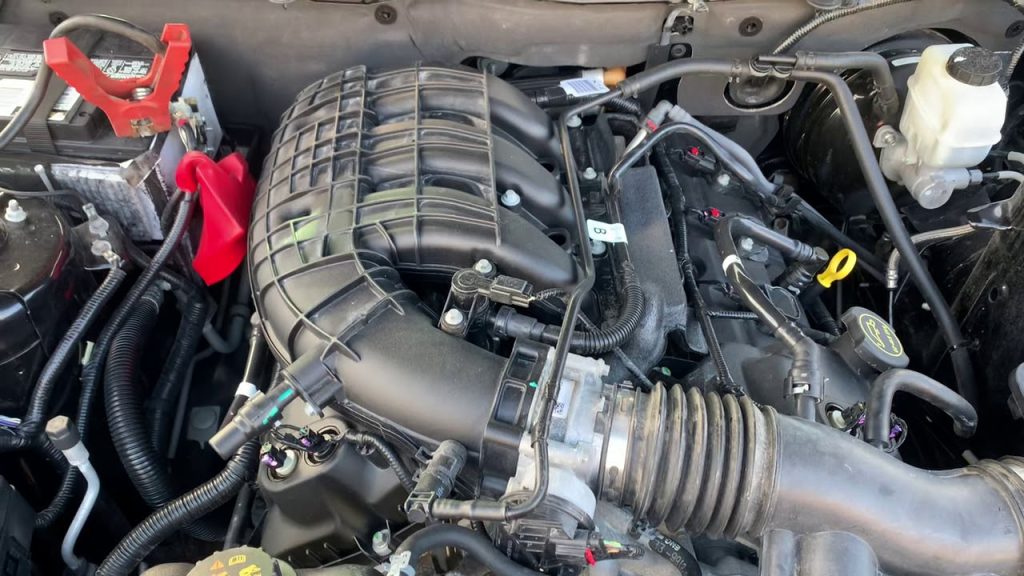
Closely related to the 3.5L variant, the Ford 3.7L Cyclone V6 follows a similar engineering approach that places the water pump inside the engine and drives it using the timing chain. While the displacement differs, the core risk concept remains largely the same.
What makes this engine interesting is how widely it was used across multiple brands and vehicle types. From crossovers to luxury vehicles, this engine found itself powering a wide range of applications. Unfortunately, the integrated pump design meant the same potential failure pattern followed it everywhere.
Rather than focusing only on the mechanical design, it is useful to understand the failure progression. First, the internal seal begins to weaken. Next, coolant may begin escaping past the seal. If the internal drain path cannot handle the leak volume, coolant may enter the oiling system. At this stage, damage begins silently.
Some technicians compare this type of failure to a hidden cooling system breach. Because the leak may not show up on the ground, drivers may assume coolant loss is minor or normal evaporation. This misunderstanding can delay diagnosis until the oil shows contamination.
There are also cost considerations that influence how these failures are handled. Because water pump replacement requires timing system access, many owners choose to replace timing chains, guides, and tensioners at the same time. This increases repair cost but can improve long term reliability.
Interestingly, some examples of this engine have operated for very high mileage without experiencing pump failure. This shows the issue is not universal failure but risk exposure. Engines that receive regular coolant service and proper maintenance often have better outcomes.
From a design perspective, this engine demonstrates how combining components can improve packaging but increase consequences when failures occur. A simple pump leak becomes a mechanical event that can involve multiple engine systems.
Understanding this engine’s design is less about fear and more about preparation. Owners who know the risks can watch for early symptoms and act before internal damage develops.
3. Ford 3.5L EcoBoost V6 (Ford Taurus SHO / Ford Flex)
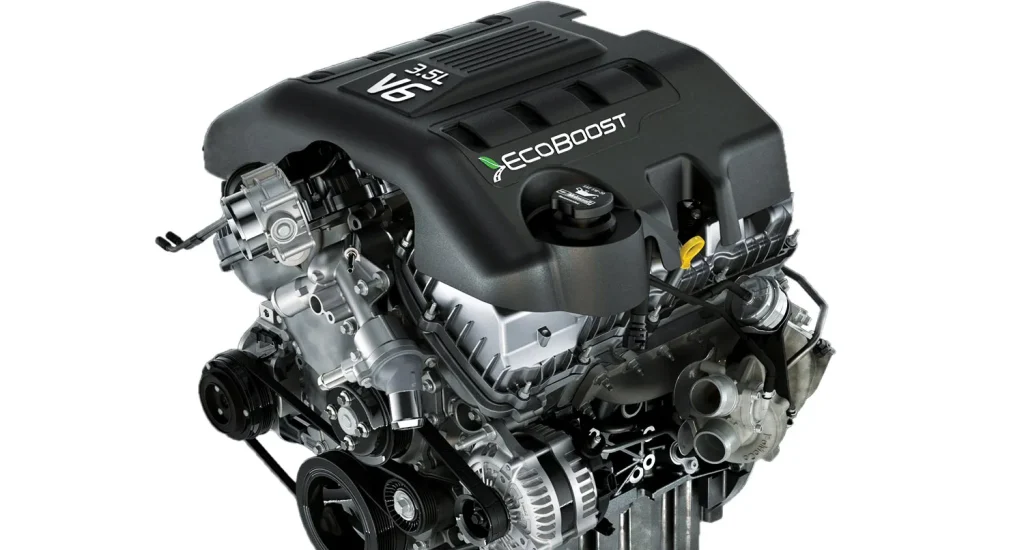
There are engines that become known for performance, and then there are engines that become known for the hidden risks behind that performance. The Ford 3.5L EcoBoost V6 falls into both categories. It delivers strong power and torque, yet its internally driven water pump has also made it a frequent topic in long term reliability discussions.
To understand the concern, imagine the water pump not as a simple accessory but as a component buried deep inside the engine’s timing structure.
In this engine, the pump shares space with critical timing components. This means a failure is not just about coolant loss but about what happens when coolant escapes into areas never meant to see it.
Failure usually does not begin dramatically. It often starts as microscopic seal wear. Then comes minor seepage. Eventually, the pump may allow coolant to bypass internal seals and enter the lubrication system. At that moment, the problem shifts from cooling failure to internal engine survival.
What makes this engine particularly sensitive is the stress environment it operates in. Turbocharged engines generate more heat and pressure than naturally aspirated designs. When coolant integrity is compromised, heat management becomes inconsistent, which can accelerate internal wear.
Technicians often advise paying attention to indirect warning signs rather than waiting for obvious failure. A slightly rising oil level, unexplained white exhaust vapor, or intermittent overheating can sometimes appear before major damage occurs. These clues often matter more than obvious leaks.
Another discussion often centers on preventive replacement. Some owners choose to replace the water pump proactively when performing timing chain service. While expensive, this approach can reduce the risk of a failure that could destroy the engine later.
Despite these risks, many EcoBoost engines have proven durable when properly maintained. The difference often comes from how quickly warning signs are addressed. Engines that receive immediate inspection when coolant behavior changes tend to avoid catastrophic outcomes.
This engine shows how advanced engineering can bring both benefits and complexity. Its performance credentials are strong, but its integrated water pump reminds owners that modern packaging decisions sometimes require greater maintenance awareness.
4. Ford 2.7L EcoBoost V6 (Ford F150 / Ford Bronco)
Unlike larger engines that show their engineering complexity through size, the Ford 2.7L EcoBoost demonstrates how compact design can sometimes introduce unexpected risks.
This engine was built to be small, efficient, and powerful for its size. However, its internal water pump arrangement also reflects how tightly packaged modern engines have become.
What makes this engine worth discussing is how its cooling system design interacts with its compact architecture. Because space is limited, engineers integrated several components together. While this improves efficiency and reduces external complexity, it also means certain failures become more difficult to isolate.
From a diagnostic standpoint, this engine can challenge even experienced mechanics. When coolant loss occurs without visible leaks, the internal water pump becomes one of several possible suspects. Confirming the cause may require detailed inspection rather than simple visual checks.
Another unique aspect of this engine is how it handles thermal cycling. Turbocharged engines experience rapid heating and cooling cycles. These temperature changes place stress on seals and gaskets over time. If the internal pump seal weakens, coolant can begin moving into areas where lubrication must remain pure.
There is also an ownership behavior aspect worth mentioning. Some failures become severe simply because early warning signs are misunderstood. Owners may continue driving while topping off coolant, assuming the issue is minor. In engines with internal pumps, this assumption can allow internal contamination to develop.
Service strategies sometimes include oil analysis. Checking for coolant traces in oil samples can help detect internal leaks before major damage occurs. While not common among average drivers, this practice is sometimes used by careful owners wanting early detection.
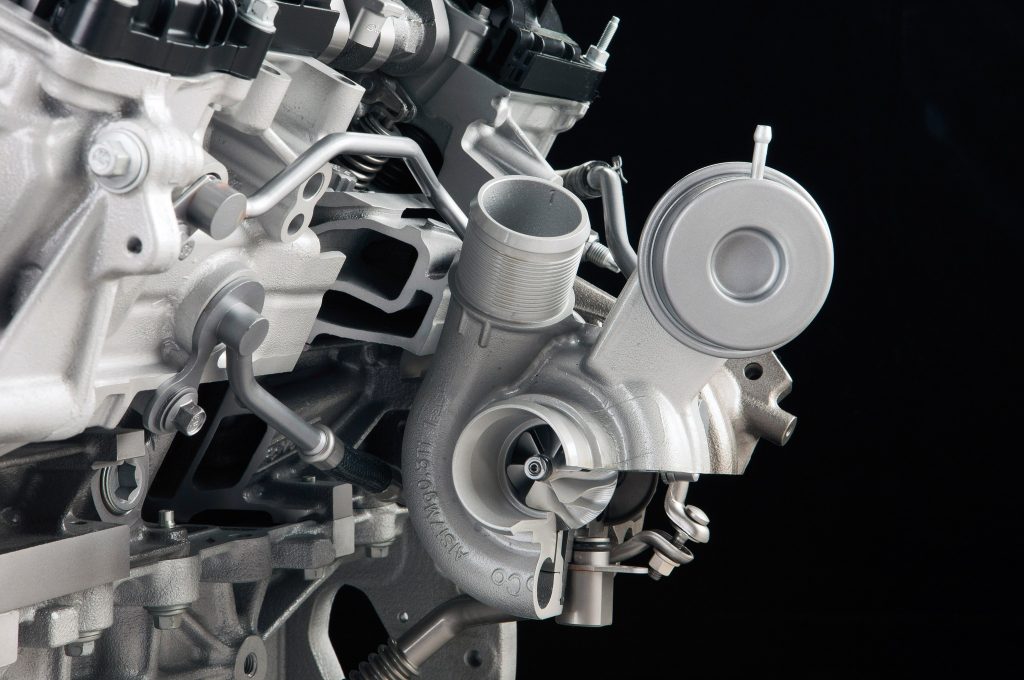
Rather than being defined by failure, this engine is better understood as an example of how engineering trade offs work. Compact performance comes with increased integration, and increased integration means failures can have broader consequences.
The 2.7L EcoBoost shows how awareness can be just as important as maintenance. Owners who understand the design tend to respond quickly to cooling irregularities, which often determines whether the engine continues running reliably.
5. Mazda 3.7L MZI V6 (Mazda CX-9)
Some engines develop reputations not because they fail constantly but because when something does go wrong the consequences can be unusually severe. The Mazda 3.7L MZI V6 fits into that category.
Derived from the same Cyclone architecture family, it carries a similar internal water pump concept that has drawn attention among technicians familiar with its long term behavior.
Instead of looking at this engine purely from a mechanical angle, it helps to think about the maintenance timeline. Many of these engines perform flawlessly for years with no indication of trouble. Then a small coolant loss begins. Nothing dramatic, nothing obvious. Just a slight drop in the reservoir over time.
The danger begins when that small loss is not external. Because the water pump lives inside the timing area, a seal failure can allow coolant to travel where engine oil circulates. This transforms what should be a routine cooling repair into a lubrication crisis.
Repair decisions often become difficult because of labor complexity. Accessing the pump requires deep engine disassembly. Some owners face a difficult choice between investing heavily in preventive repair or risking continued operation. This decision often determines the engine’s long term survival.
There is also an important behavioral lesson tied to this engine. Many failures that became severe reportedly followed long periods of ignored warning signs. Overheating episodes, coolant smell, or unexplained moisture around the timing cover were sometimes present earlier.
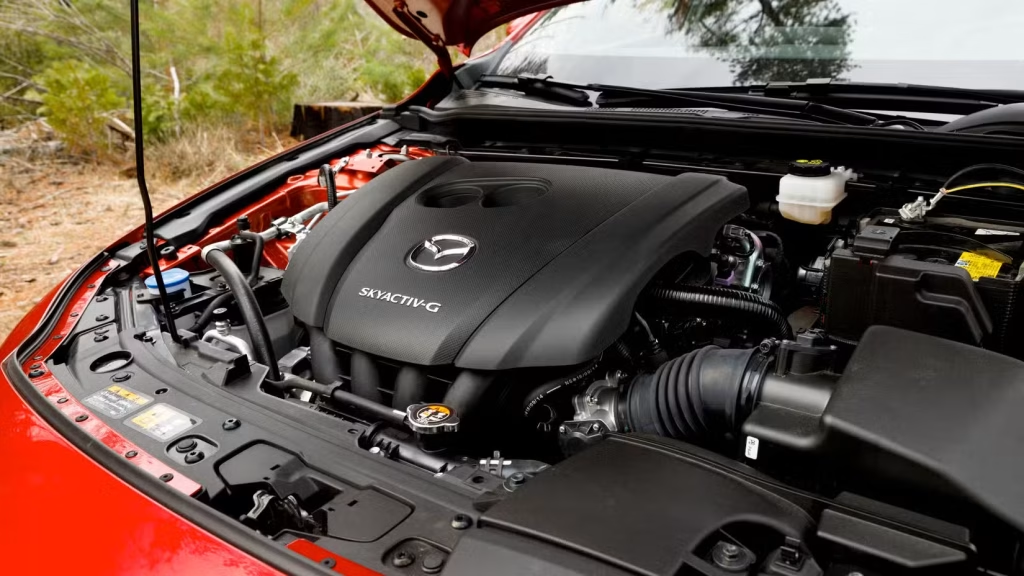
Professional technicians sometimes approach this engine cautiously by recommending cooling system pressure tests during routine service intervals. While this may seem excessive, early leak detection can prevent internal contamination.
Another discussion point comes from resale markets. Vehicles with documented preventive pump replacement often hold stronger buyer confidence. This shows how awareness of this design has spread beyond repair shops into ownership communities.
This engine tells a simple but important story. When a water pump sits inside the engine, it stops being a minor accessory. It becomes a component whose failure can affect the entire mechanical system. That design reality is what earns this engine a place in discussions about integrated pump risks.
6. Lincoln 3.5L Twin Turbo V6 (Lincoln MKS)
Luxury vehicles often emphasize smoothness and quiet operation, but beneath refinement there is still complex engineering. The Lincoln version of the 3.5L twin turbo V6 demonstrates how even premium vehicles can share the same internal water pump concerns found in their mainstream counterparts.
Consider this engine from the perspective of expectations. Buyers often expect luxury vehicles to reduce ownership stress, yet engines like this show that design complexity does not disappear with higher trim levels. The internal pump remains a technical reality regardless of branding.
From a mechanical sequence viewpoint, the risk follows a logical chain. Pump bearing wear may begin after years of heat cycles. Seal degradation may follow. Once sealing effectiveness drops, coolant movement may begin internally. If oil contamination follows, bearing surfaces may begin microscopic deterioration long before noise appears.
One interesting detail often discussed among specialists is how quietly damage can progress. Engines may continue running smoothly even while coolant contamination begins affecting lubrication quality. This delayed symptom appearance can create a false sense of security.
Service recommendations often focus on vigilance rather than fear. Watching coolant condition, inspecting oil appearance, and responding quickly to overheating events often makes the difference between routine repair and major engine work.
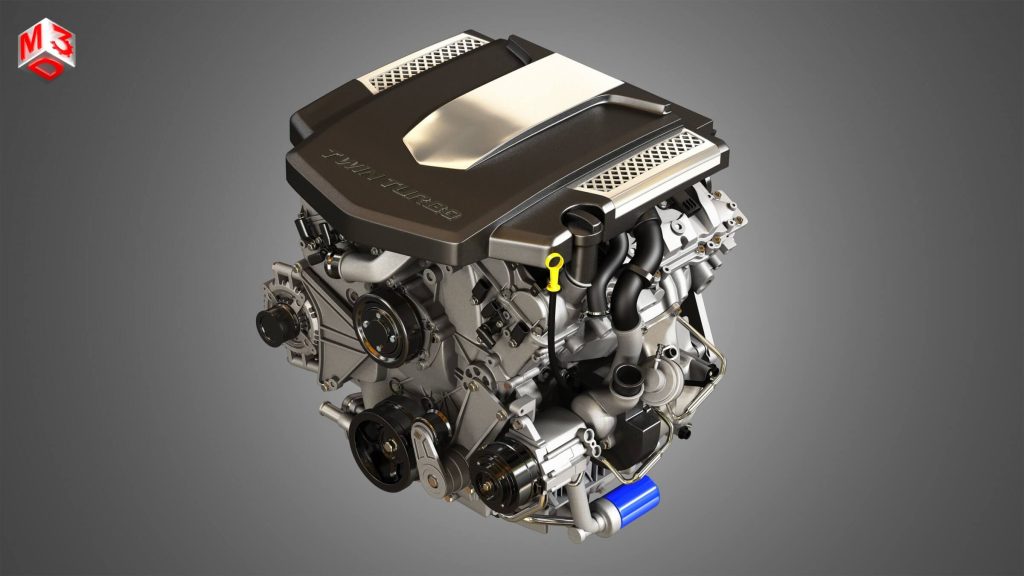
Ownership patterns also influence outcomes. Vehicles that receive regular fluid service and careful monitoring often avoid worst case scenarios. This reinforces the idea that maintenance habits can sometimes outweigh design risk.
Another observation comes from technicians who note that many failures could have been limited if caught during early seepage stages. Once coolant dilution becomes severe, repair options narrow significantly.
Rather than viewing this engine only through the lens of potential failure, it can also be seen as a lesson in modern engineering trade offs. Internal component integration improves packaging and efficiency but increases the stakes when certain parts fail.
This engine reinforces a clear message. When critical components are placed inside the engine, awareness becomes just as important as engineering strength.
7. Ford 3.3L Duratec V6 (Ford F150)
Not every engine on this list became controversial through performance discussions. Some became talking points quietly through service departments and fleet ownership experiences.
The Ford 3.3L Duratec V6 is one of those engines that rarely makes headlines but still carries the same internal water pump design philosophy seen in other members of the Duratec family.
Fleet usage provides one of the clearest pictures of how this engine behaves over time. Work trucks accumulate hours differently than private vehicles. Long idle periods, frequent temperature changes, and continuous operation all contribute to wear patterns. In these environments, cooling system integrity becomes extremely important.
Instead of focusing on failure cases first, many technicians emphasize how long these engines can operate without problems when coolant maintenance is performed correctly. Proper coolant chemistry helps protect seals and internal passages, reducing the likelihood of premature pump seal wear.
However, when failures do occur, the integrated design once again changes the risk level. Coolant entering the oiling system can begin affecting crankshaft bearings and timing components. Because these parts rely on precise lubrication films, even small contamination can start gradual deterioration.
One interesting point often mentioned in technical discussions is how diagnostic habits must change with engines like this. Instead of only looking for external leaks, mechanics may also check oil condition and pressure behavior. This broader diagnostic approach reflects how integrated components change troubleshooting methods.
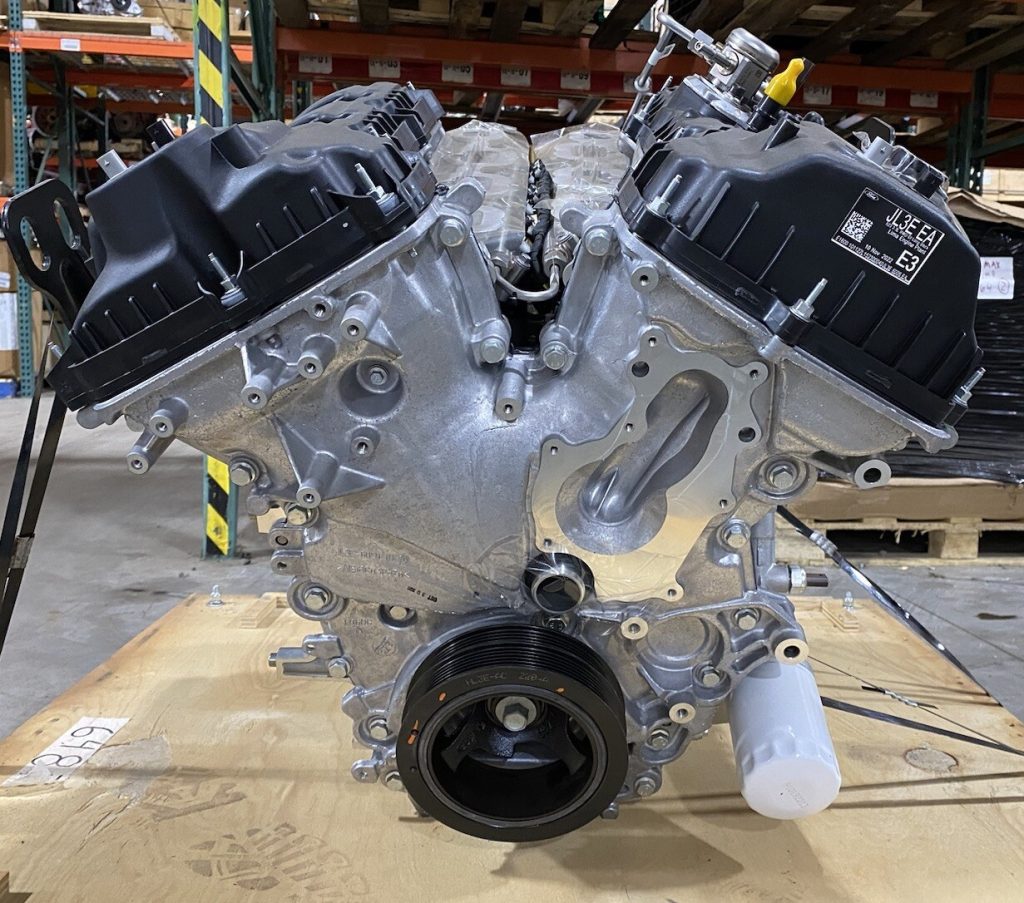
There is also a financial planning aspect. Some commercial operators include water pump inspection or replacement as part of long term service planning. This proactive approach sometimes reduces unexpected downtime, which is often more expensive than the repair itself.
Another lesson from this engine involves awareness rather than alarm. Understanding that the pump is internal encourages closer monitoring without assuming failure is inevitable. Many engines run their entire service lives without experiencing this issue.
This example shows how design risk does not automatically mean design failure. It simply means owners benefit from understanding where small problems could become large ones if ignored.
8. Ford 3.5L Naturally Aspirated V6 (Ford Police Interceptor Utility)
Engines used in law enforcement vehicles experience a very different life compared to typical consumer vehicles. The naturally aspirated Ford 3.5L V6 used in Police Interceptor Utility models demonstrates how severe duty cycles can highlight the importance of internal cooling system components.
Police vehicles often idle for extended periods while running electrical equipment. Then they may suddenly transition into high load driving. This extreme usage pattern places continuous thermal stress on cooling components including the internally mounted water pump.
Rather than describing this engine through technical diagrams, it may be easier to understand through its working environment.
Imagine an engine running for hours at idle in freezing weather, followed by sudden acceleration. Then returning to idle again. This repeated temperature fluctuation slowly stresses seals and bearings.
Service records from severe duty applications sometimes show how early coolant monitoring becomes critical. Small losses that might go unnoticed in normal vehicles receive attention quickly in fleet service because preventive maintenance schedules are strict.
Another interesting detail comes from how these engines are inspected. Fleet technicians often perform routine fluid inspections looking for early contamination signs. Catching a failing pump early can mean the difference between scheduled maintenance and emergency replacement.
From a design standpoint, the internal pump allows compact packaging and reduced external failure points. From a maintenance standpoint, it means failures must be caught through observation rather than obvious leaks.
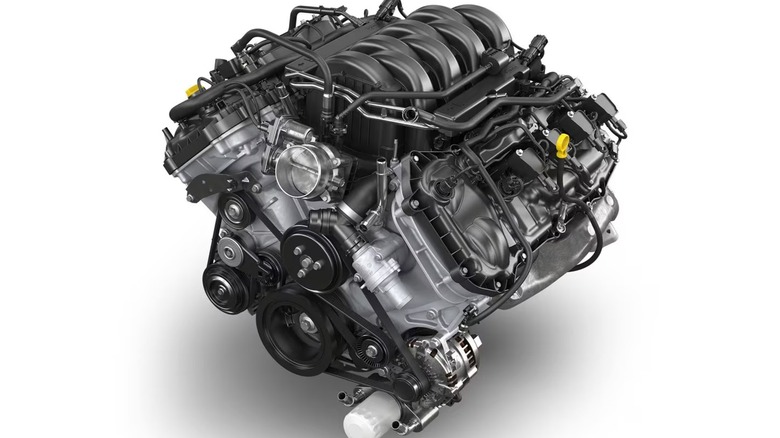
This engine also shows how operating conditions influence reliability discussions. The same design may perform differently in private use compared to extreme duty cycles. This explains why some engines develop reputations in fleet environments before the general public becomes aware of potential risks.
In the end, this engine represents how critical early detection becomes when cooling components are integrated deeply into engine structure. The design itself is not a guarantee of failure, but it does raise the importance of careful monitoring.
9. Ford 3.5L Duratec V6 (Ford Transit)
Commercial vans rarely get discussed in enthusiast circles, yet they often reveal the most about long term engineering durability. The Ford Transit equipped with the 3.5L Duratec V6 shows how integrated water pump design becomes especially important when an engine is expected to run daily as part of a business operation.
Delivery vehicles operate under a completely different stress pattern compared to personal vehicles. They start early, run for hours, stop frequently, and rarely get long cooling periods. Under these conditions, cooling system stability becomes essential because overheating or coolant contamination can stop business operations instantly.
One way to understand the risk is to think in terms of consequences rather than probability. The internal water pump may last many years, but if it fails unexpectedly, coolant may enter the oil passages. For a commercial operator, this can mean not just repair cost but lost income during downtime.
Another element that makes this engine worth mentioning is accessibility challenges. Because the water pump is buried within the engine structure, replacement requires extensive labor. Commercial operators sometimes plan maintenance budgets around this possibility rather than treating it as a surprise.
Technicians who work on fleet vans often emphasize pattern recognition. A slight coolant drop, minor overheating under load, or unexplained oil discoloration may be enough to trigger deeper inspection. This kind of preventive attention often prevents complete engine loss.
There is also a usage discipline factor. Commercial vehicles often receive strict inspection routines because failure affects schedules. This sometimes results in better long term outcomes compared to private vehicles where small warning signs may be ignored longer.
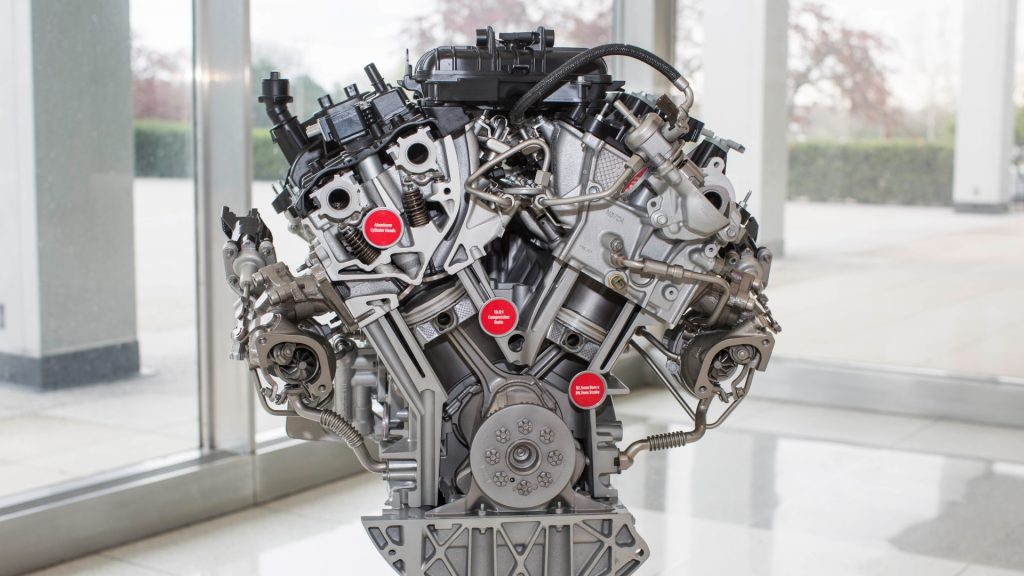
What this engine demonstrates clearly is how design choices interact with usage patterns. A hidden component may remain harmless for years, but in high utilization environments early detection becomes the difference between scheduled repair and catastrophic failure.
The Ford Transit example shows that when an engine works as part of a business tool, understanding integrated component risks becomes part of operational planning rather than just mechanical curiosity.
10. Ford 3.5L EcoBoost High Output (Ford Raptor)
Performance trucks are usually discussed in terms of horsepower and off road capability, but high output engines also reveal how engineering limits can influence durability conversations.
The high output 3.5L EcoBoost used in the Ford Raptor shares the internal water pump concept seen in other EcoBoost engines, bringing the same potential risk into a high performance environment.
Unlike engines used primarily for commuting, performance engines experience aggressive load changes. Rapid acceleration, high boost pressure, and elevated operating temperatures create a demanding environment for cooling systems. In this context, water pump reliability becomes critical.
To view the concern from another angle, consider how small failures can scale. A minor seal issue in a high performance engine may lead to temperature instability faster than in lower output engines. If coolant enters the lubrication system, the combination of high load and reduced lubrication quality can accelerate internal wear.
Enthusiast communities sometimes discuss preventive strategies such as frequent oil inspections and coolant monitoring. These practices are not always required, but they reflect how owners adapt to known design characteristics.
Another interesting observation involves how performance ownership differs from normal ownership. Performance vehicle owners often monitor their engines more closely, which sometimes results in earlier problem detection compared to average drivers.
There is also a design philosophy lesson here. Integrating the water pump into the engine helps reduce external complexity and improves packaging efficiency. However, it also means that one cooling component becomes tied to the health of the entire engine.
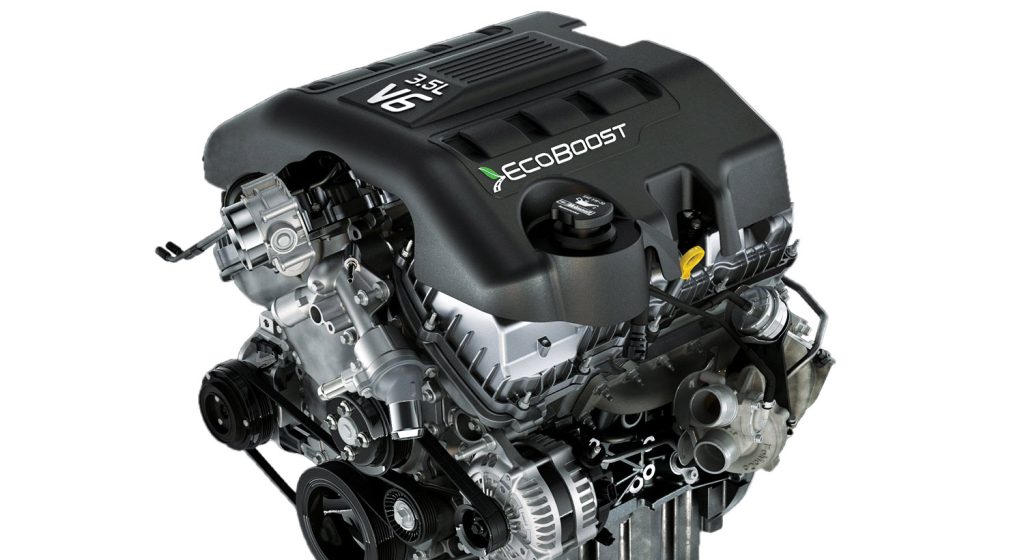
Despite the concerns discussed, many of these engines perform reliably when maintained properly. The difference often lies in how quickly abnormal cooling behavior is addressed. Early intervention remains the most effective protection.
This final example reinforces the central idea behind this list. Integrated water pump designs are not inherently flawed, but they do increase the consequences of neglect. Understanding that reality allows owners to manage risk through awareness and timely maintenance.
Also Read: Top 5 Diesel Engines With the Simplest Glow Plug Systems for Cold Starts
