
Automotive interiors have changed dramatically over the past decade, and one of the most controversial changes has been the disappearance of traditional mechanical gear shifters.
Many modern vehicles now use rotary dials, push buttons, small toggle switches, or electronic stalks instead of the familiar lever connected to the transmission. While these designs may improve packaging or add a futuristic appearance, not every driver appreciates the change.
For many enthusiasts and traditional drivers, a physical gear selector provides something electronics cannot fully replace. A solid shift lever offers tactile feedback, predictable operation, and mechanical reassurance.
Drivers know exactly what gear they selected because they can feel the movement rather than relying only on dashboard indicators. This becomes especially important in stressful driving situations like parking on hills, maneuvering trailers, or driving in snow.
Another concern some drivers express is long term durability. Mechanical shifters have decades of proven reliability, while some electronic selectors depend heavily on sensors, actuators, and software. When problems occur, repairs can become more complicated and expensive compared to traditional linkage systems.
There is also a usability factor. Many drivers simply prefer the intuitive nature of a traditional PRND layout. Without needing to relearn new control methods, they can operate the vehicle instinctively. This familiarity is especially valuable for those who keep vehicles long term and want straightforward controls.
Fortunately, the used vehicle market still offers many excellent options from the era before electronic selectors became widespread. These vehicles combine modern safety and comfort with traditional mechanical gear selectors that many drivers still prefer.
This list highlights ten used vehicles known for keeping traditional shift levers while also offering strong reliability and driving satisfaction. These vehicles represent a balance between modern engineering and classic control design, making them appealing to drivers who prefer simplicity over digital experimentation.
Also Read: Top 10 Most Successful Rally Cars From the 1960s and 1970s
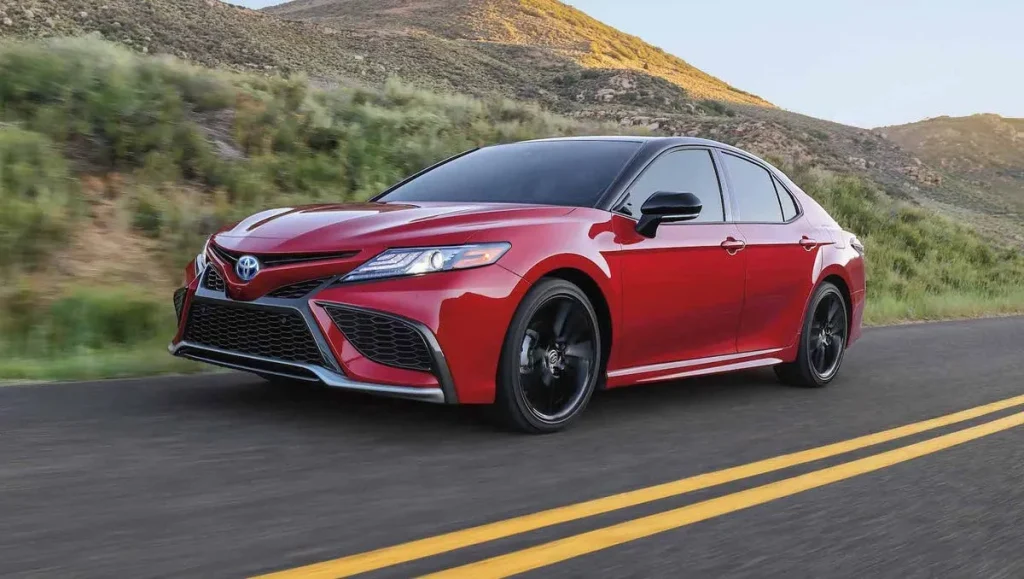
1. Toyota Camry (2012–2017)
There is something reassuring about sitting inside a vehicle where everything works exactly as expected. The Toyota Camry from this generation delivers that feeling, especially for drivers who prefer the familiar presence of a conventional floor mounted gear selector.
The Camry represents a period when manufacturers were refining traditional designs rather than replacing them. Its automatic transmission uses a straightforward mechanical shift lever connected through proven linkage systems. This gives drivers the kind of predictable operation many newer vehicles have moved away from.
From a daily usability standpoint, this matters more than it may first appear. When performing quick parking maneuvers or three point turns, the ability to move the shifter through clear physical gates can make the process feel more natural. There is no guessing whether the vehicle registered a button press or dial position.
Another advantage of this generation Camry comes from its conservative engineering philosophy. Toyota focused on durability and consistency rather than experimental interior controls. This means the gear selector is part of a cabin layout designed for long term ownership rather than visual novelty.
Owners often mention how the shifter contributes to the car’s overall ease of use. The spacing, resistance, and movement all feel intentional. Nothing feels overly light or artificial. This physical feedback helps drivers build trust in the vehicle over time.
From a maintenance perspective, the traditional selector also avoids some potential electronic failure points. While any component can wear out, mechanical shifters are often simpler to diagnose and repair compared to electronic selector modules.
This Camry also appeals to buyers who want modern comfort without excessive complexity. Features such as good fuel economy, comfortable seating, and strong resale value combine with traditional controls to create a practical long term ownership experience.
For drivers who dislike modern electronic selectors, this generation Camry represents one of the safest choices. It provides modern transportation while preserving the traditional driving interface many people still prefer.
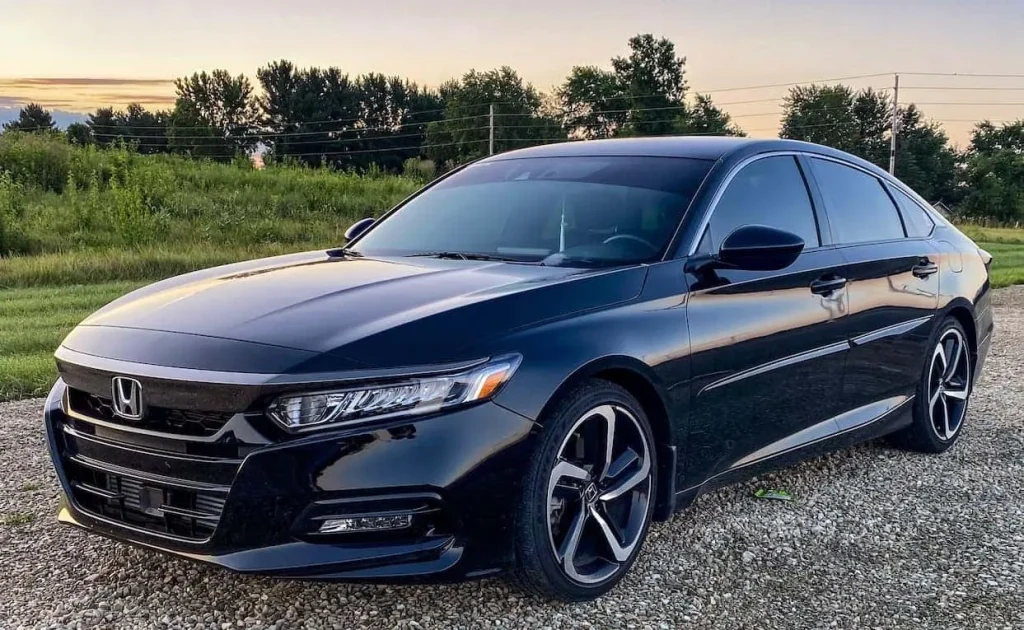
2. Honda Accord (2013–2017)
If someone were to ask what a balanced sedan from the pre electronic shifter era feels like, the Honda Accord from this generation would be an easy example. It reflects a time when ergonomics and driver familiarity still guided interior design decisions.
Instead of experimenting with push button shifting, Honda retained a conventional center console gear lever. This decision now feels significant because it preserved a driving experience many buyers are actively seeking in the used market.
The appeal of this Accord comes partly from how natural everything feels. The gear selector sits exactly where drivers expect it, moves with solid mechanical definition, and requires no learning curve. Even drivers switching from older vehicles often feel immediately comfortable.
There is also a driver engagement factor. A physical shifter provides a sense of connection to the drivetrain. Even in an automatic vehicle, the presence of a traditional lever can make the car feel more mechanical and less dependent on hidden electronics.
This generation also benefits from Honda’s reputation for thoughtful interior design. Controls are logically placed, and the shifter becomes part of an intuitive layout rather than a styling experiment. This simplicity often becomes more appreciated as vehicles age.
Reliability discussions frequently include how well these cars hold up with regular maintenance. The traditional shifter design contributes to this reputation by avoiding unnecessary complexity. Owners often report years of trouble free operation without needing to worry about selector electronics.
There is also a psychological factor worth noting. Many buyers simply feel more confident using controls they understand physically. In situations where quick gear changes are needed, such as tight parking situations, this confidence matters.
The Accord from this era shows how small design decisions can influence long term ownership satisfaction. By keeping a traditional gear selector, it preserved a driving experience that many people now actively search for as electronic controls become more common.
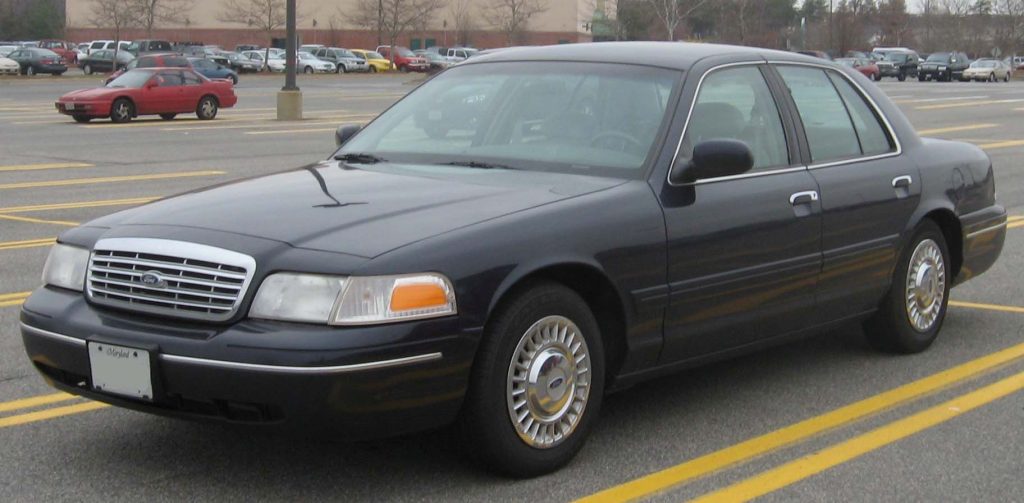
3. Ford Crown Victoria (2008–2011)
Some vehicles never tried to follow interior design trends because they were built for purposes where reliability mattered more than fashion. The Ford Crown Victoria is a perfect example.
Originally developed for law enforcement and fleet duty, it kept its traditional column mounted gear selector long after many other sedans began experimenting with modern controls.
What makes this vehicle interesting in this discussion is not just the presence of a mechanical shifter but the philosophy behind it. Fleet vehicles must be simple, durable, and easy to operate by multiple drivers. A physical column shifter with clear detents meets that requirement far better than complex electronic alternatives.
There is also something unique about the experience of using a column shifter. Instead of occupying space on the center console, the selector sits near the steering wheel. This creates a clean interior layout while still maintaining mechanical certainty. Drivers always know their gear selection through movement rather than digital confirmation.
Durability is another major reason this vehicle fits the theme. These cars were designed to survive harsh use, long idle hours, and constant gear changes. The mechanical selector was part of that durability strategy. It had to function day after day without sensitivity to electronic glitches.
Another aspect often overlooked is how intuitive this design feels for drivers who learned on older vehicles. The motion from Park to Drive becomes muscle memory rather than something that requires visual confirmation. This is exactly the kind of driving simplicity many people miss in newer cars.
Because the Crown Victoria remained in production with minimal interior experimentation, it now represents one of the last examples of traditional American sedan design. Buyers looking for something completely free of modern gear selector experimentation often consider it for this reason alone.
Even years after production ended, these vehicles remain popular among buyers who value straightforward engineering. The traditional gear selector is a small detail, but it represents a broader design philosophy focused on function rather than novelty.
For anyone who wants a used vehicle that feels completely removed from modern electronic control trends, the Crown Victoria remains one of the clearest examples of old school simplicity.
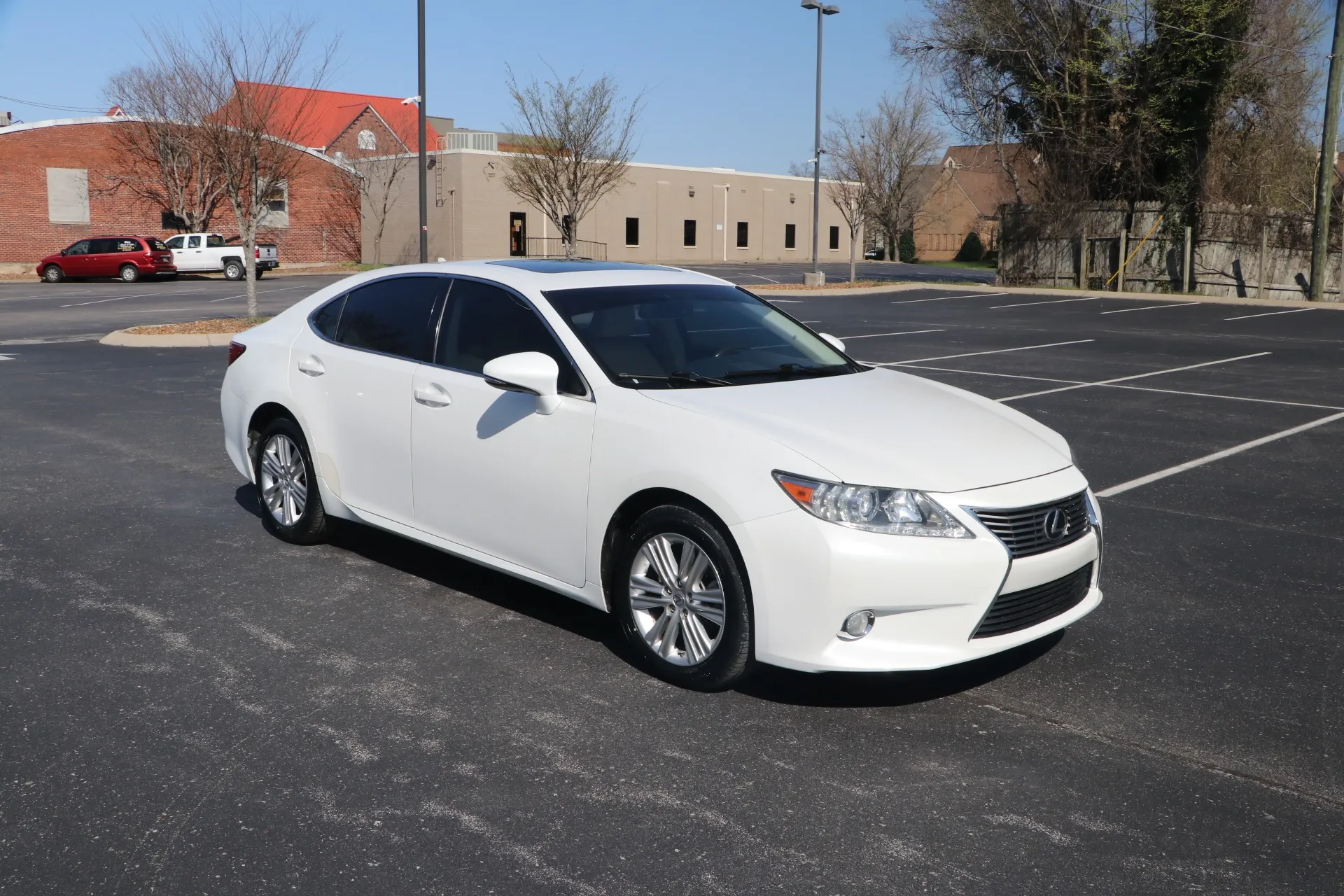
4. Lexus ES 350 (2010–2012)
Refinement does not always mean complexity. The Lexus ES 350 from the early 2010s proves that a luxury car can deliver comfort and technology while still maintaining traditional driver controls like a conventional gear lever.
This generation came from a time when Lexus prioritized smoothness and reliability above experimental design. Instead of introducing electronic selector systems, the company retained a well engineered mechanical shift lever that matched the car’s calm personality.
The driving experience reflects this decision. Moving the shifter feels deliberate and smooth, matching the quiet and composed nature of the vehicle. There is no abruptness, no confusion, just a predictable motion that reinforces the car’s reputation for effortlessness.
One of the more interesting advantages of this design appears during long term ownership. Luxury vehicles sometimes suffer when complicated electronic controls begin to age. By keeping a traditional gear selector, this ES 350 avoids one potential source of aging related issues.
Interior design also benefits from this choice. The center console feels balanced and symmetrical, with the shifter acting as a natural anchor point rather than a decorative control. This helps the interior age gracefully because it does not rely on trendy control layouts.
Comfort focused buyers also appreciate how the traditional selector contributes to a relaxed driving atmosphere. There is no need to think about how to select gears. The process becomes automatic and stress free, exactly what buyers in this segment usually want.
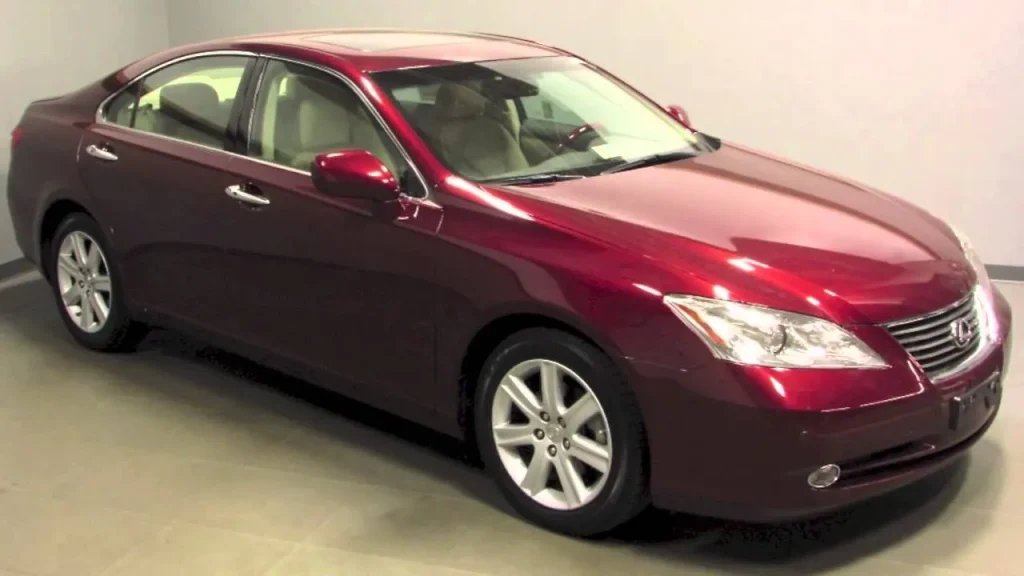
From a resale perspective, this generation has also aged well because of its conservative design. Buyers searching for used luxury sedans often prefer vehicles that feel timeless rather than experimental. The presence of a traditional gear selector helps reinforce that impression.
The Lexus ES 350 demonstrates that modern comfort does not require abandoning proven controls. By combining luxury with traditional operation, it offers a compelling option for drivers who want refinement without the learning curve of modern electronic shifters.
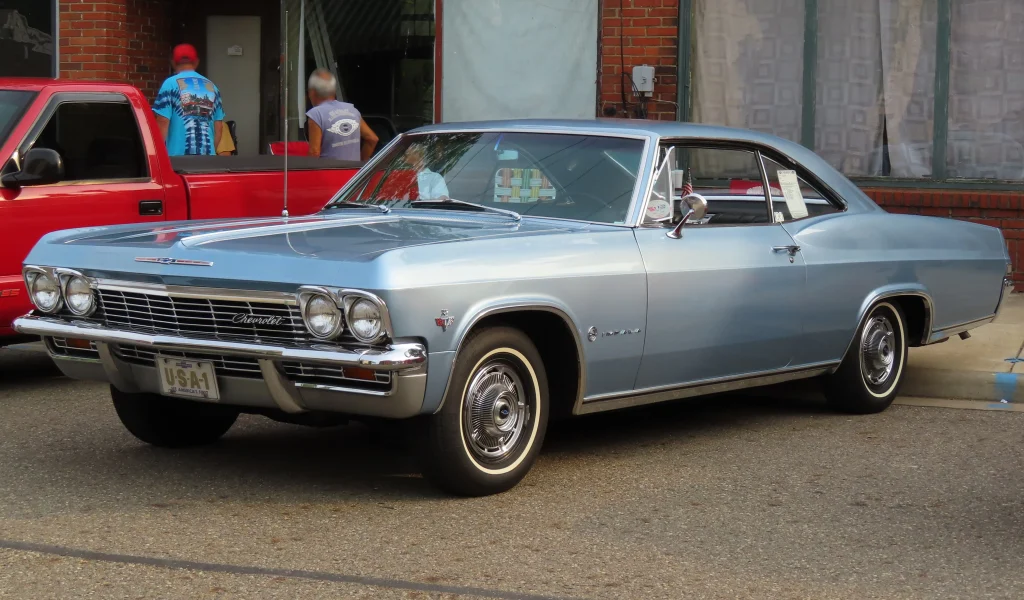
5. Chevrolet Impala (2014–2019)
There was a period when full size sedans were expected to balance comfort, simplicity, and long distance usability. The Chevrolet Impala from this generation reflects that thinking, especially in how it retained a conventional floor mounted gear selector instead of moving toward electronic alternatives.
This decision may seem small, but it affects how the entire cabin feels. The presence of a traditional shifter gives the interior a sense of familiarity. Drivers stepping into the Impala for the first time often find they do not need time to adjust. Everything operates the way experience suggests it should.
A different way to evaluate this car is through driver workload. Modern electronic selectors sometimes require extra attention because they lack physical travel. In contrast, the Impala’s gear lever provides clear movement and resistance. This allows the driver to confirm gear changes through touch rather than needing to double check displays.
Another point worth noting is how well this car fits drivers transitioning from older vehicles. Many used buyers specifically search for cars that feel modern but not overly digital. The Impala fits this category because it provides updated safety and infotainment features while keeping traditional controls.
Ownership feedback often highlights how the interior remains easy to live with over time. The gear selector continues to operate predictably even as the vehicle ages. This consistency is one of the advantages of sticking with proven mechanical designs.
Looking at it from another angle, the Impala also represents one of the last generations before large sedans began disappearing from the market. This gives it additional appeal among buyers who want a comfortable highway cruiser with traditional design values.
Another subtle benefit is psychological. Drivers often report feeling more confident when they can physically move a lever into Park rather than pressing a button. This sense of confirmation may seem minor, but it contributes to driver satisfaction.
The Impala stands as an example of how keeping traditional controls can actually improve long term usability. For drivers avoiding modern electronic selectors, it offers a comfortable and straightforward alternative.
6. Hyundai Genesis Sedan (2012–2014)
Luxury does not always have to mean complicated. The Hyundai Genesis sedan from this era shows how a manufacturer could challenge established luxury brands while still respecting traditional driver expectations, including the use of a proper mechanical gear selector.
Rather than following experimental trends, Hyundai approached this car with a very deliberate goal. Make everything feel solid, logical, and easy to understand. The gear selector reflects that philosophy by offering clear movement, defined shift gates, and a substantial feel that matches the car’s premium intentions.
If evaluated from a design perspective, the Genesis shows how traditional controls can still look upscale. The shifter is surrounded by quality materials and thoughtful trim rather than being hidden or minimized. This shows that mechanical controls and luxury presentation can coexist.
There is also an interesting usability dimension. Drivers who test this vehicle often comment on how quickly they adapt to it. That is partly because there is nothing unusual to learn. The selector behaves exactly as expected, which reduces the mental effort required to operate the vehicle.
From a reliability standpoint, avoiding complex electronic selectors also reduces one potential complication as the vehicle ages. Simpler mechanisms often remain functional longer when properly maintained. This contributes to the Genesis sedan’s reputation as a value focused luxury option.
Another aspect worth mentioning is how this vehicle appeals to buyers who want premium features without excessive digital dependence. Heated seats, strong sound insulation, and smooth ride quality combine with a traditional shifter to create a balanced ownership experience.
Seen from a broader perspective, this car represents a transitional era. Manufacturers were beginning to explore more technology but had not yet fully abandoned mechanical controls. That balance makes it especially attractive today.
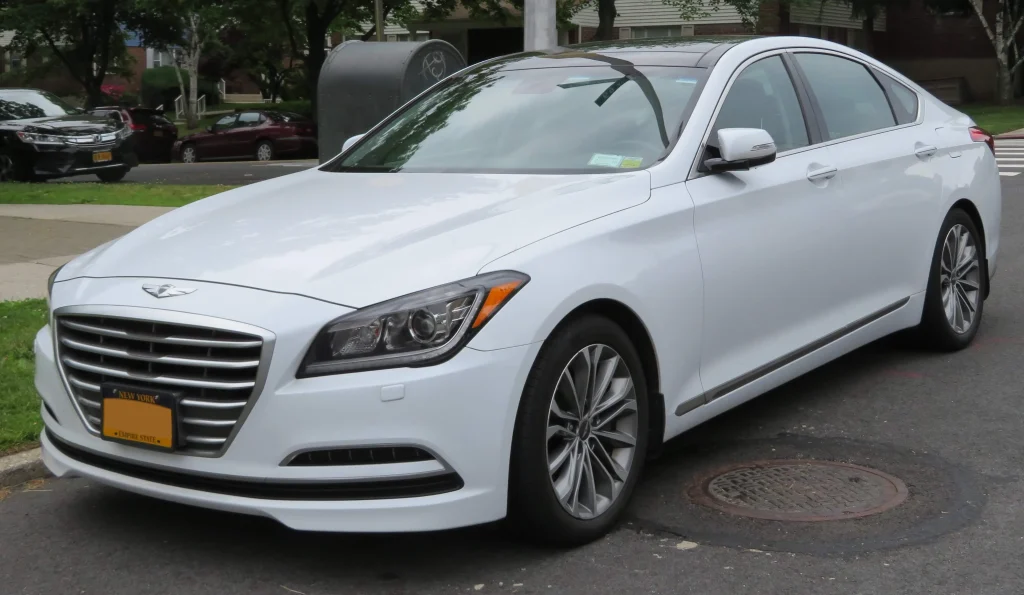
For drivers searching for a used luxury sedan that avoids modern electronic gear selection trends, the Hyundai Genesis offers a compelling mix of comfort, traditional operation, and long term usability.
7. Nissan Maxima (2012–2014)
Not every driver looking to avoid electronic gear selectors wants a soft or comfort focused car. Some want a sedan that still feels engaging while keeping traditional controls. The Nissan Maxima from this period fits that requirement because it combines a driver focused character with a conventional console mounted gear shifter.
To understand why this matters, think about how driver oriented interiors usually work. Everything is arranged to reduce distraction.
The Maxima places its shifter within easy reach, with defined movement and a solid mechanical feel. This contributes to the impression that the car was designed around the driver rather than around styling trends.
Another way to examine this car is through the idea of control confidence. Electronic selectors sometimes create hesitation because drivers must verify gear selection visually. With the Maxima, the physical motion of the lever provides instant confirmation. This becomes especially useful during tight parking or quick directional changes.
This vehicle also reflects a time when Nissan emphasized a sporty identity for the Maxima. The interior layout, including the traditional shifter, supports that identity by keeping controls physical rather than abstract. The driving experience feels more connected because of this approach.
Looking at ownership feedback reveals another interesting pattern. Buyers who specifically search for this generation often mention avoiding newer models because of increasing electronic controls. This shows how design decisions can influence used market demand years later.
Practical ownership also benefits. Traditional shifters typically do not require specialized electronic modules to function. While all vehicles require maintenance, fewer electronic dependencies can sometimes simplify long term ownership.
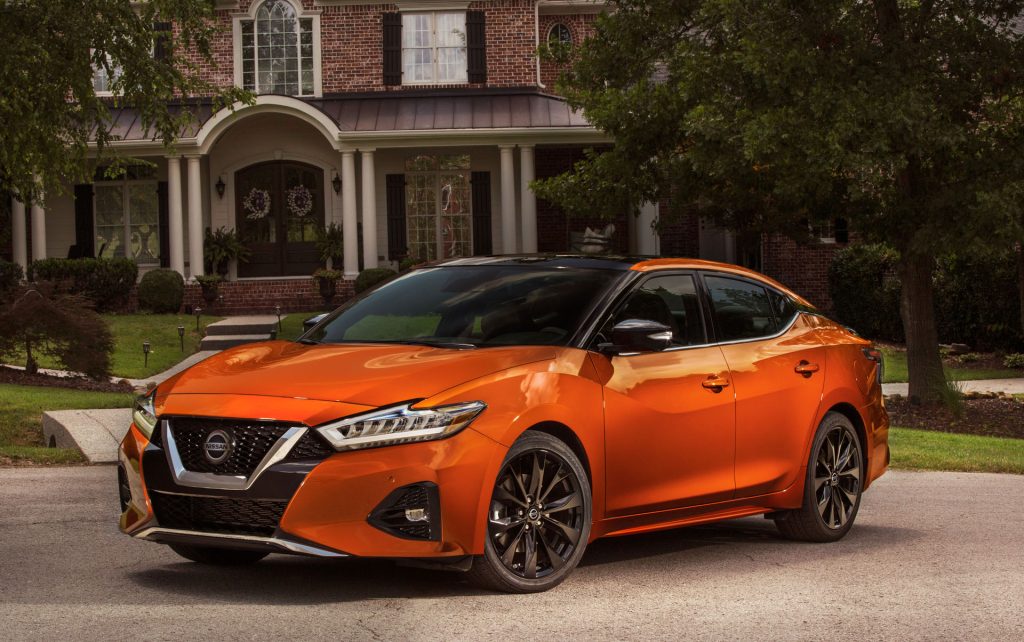
Another perspective involves familiarity across different drivers. When a vehicle may be used by multiple family members, traditional controls reduce confusion. Anyone familiar with automatic transmissions can operate the Maxima without explanation.
This generation shows how keeping conventional driver interfaces can help a car remain appealing even as trends change. For buyers who want a used sedan that still feels engaging while avoiding modern selector designs, the Maxima remains a strong candidate.
8. Subaru Outback (2010–2014)
Imagine a vehicle designed for practical people. People who value reliability, predictable behavior, and straightforward controls over experimentation. The Subaru Outback from this era fits that description well, especially because it kept a traditional gear selector while focusing on usability.
One of the Outback’s strongest advantages is how naturally it fits into everyday life. Whether used for commuting, road trips, or bad weather driving, the traditional gear lever provides consistency. Drivers always know how to operate it without needing to adjust to unusual selector designs.
This vehicle also benefits from Subaru’s focus on functional design. Instead of chasing futuristic interior layouts, Subaru emphasized ergonomics. The shifter is placed where the driver’s hand naturally falls, and its operation feels deliberate rather than decorative.
Another reason this Outback fits the theme is how it appeals to outdoor oriented buyers. People using vehicles in remote areas often prefer simple, proven controls. A mechanical gear selector aligns with this mindset because it feels dependable and straightforward.
From a different angle, consider winter usability. When wearing gloves in cold weather, pressing small electronic buttons can sometimes be inconvenient. A traditional gear lever is easier to operate in these conditions. This small detail becomes meaningful for drivers in colder climates.
The Outback also demonstrates how conservative design ages well. Because the interior was never built around novelty controls, it still feels intuitive today. This makes it attractive for buyers who want a vehicle that does not feel outdated in a negative way.
Ownership discussions often highlight how easy the vehicle is to live with over time. The absence of complicated selector electronics contributes to this impression. Drivers appreciate when their vehicles continue working without requiring adaptation to changing control trends.
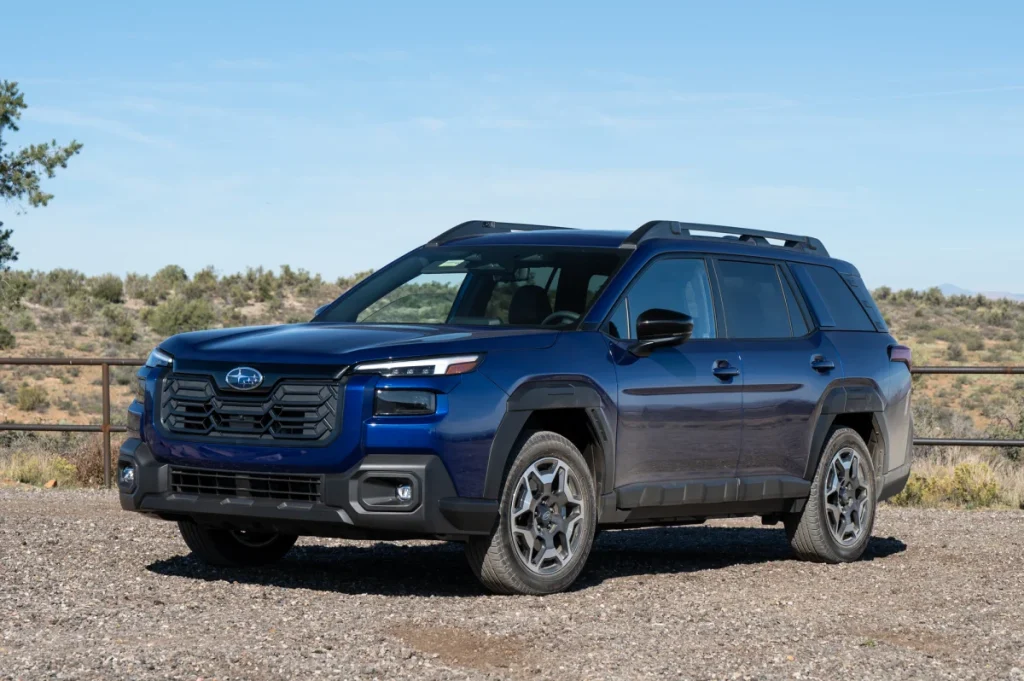
The Subaru Outback shows how traditional design can remain relevant. By focusing on practical usability rather than experimentation, it continues to appeal to drivers who want mechanical certainty instead of digital gear selection.
9. Mazda6 (2014–2017)
There is a certain type of driver who values simplicity not because they dislike technology but because they appreciate clarity. The Mazda6 from this generation speaks directly to that mindset. It offers modern styling and driving refinement while keeping a traditional automatic gear selector that feels refreshingly honest in operation.
Start with the way the cabin presents itself. Nothing feels confusing or experimental. The gear lever sits confidently in the center console, shaped and weighted in a way that makes every movement feel intentional. This creates an immediate sense of familiarity even for someone entering the car for the first time.
Another important factor is Mazda’s focus on driver connection. Even in automatic models, the company tried to maintain a feeling of involvement. A traditional shifter contributes to that goal because it preserves the sense that the driver is directly commanding the vehicle rather than issuing electronic requests.
This generation also benefits from thoughtful ergonomics. The spacing between the shifter, cup holders, and armrest feels natural. There is no need to reach awkwardly or adjust habits. These small design choices become more important during long ownership periods than flashy technology.
Looking at it through a reliability lens also reveals advantages. By keeping a mechanical selector, Mazda avoided introducing unnecessary complexity. The fewer experimental systems involved, the more predictable long term behavior tends to be. Many owners appreciate this straightforward engineering approach.
There is also a visual benefit. Traditional shifters often help interiors age more gracefully because they are not tied to technology trends. The Mazda6 interior still feels modern because it relies on clean design rather than novelty controls.
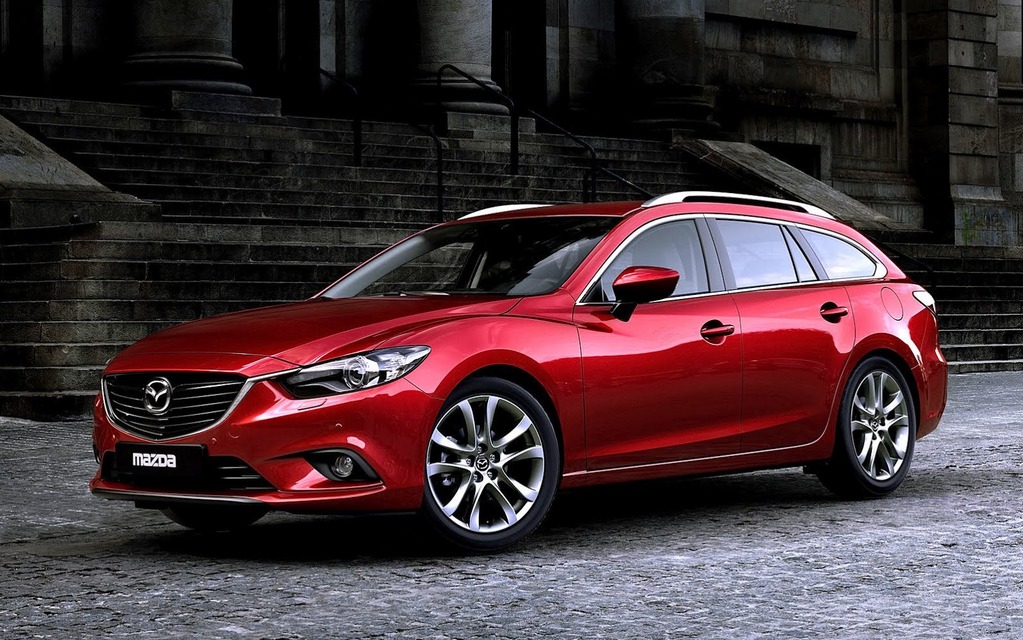
Another subtle advantage appears during resale. Buyers searching for used vehicles often favor controls they already understand. The presence of a conventional selector broadens the appeal of this car to drivers who intentionally avoid newer designs.
The Mazda6 proves that a car does not need unusual technology to feel modern. By combining clean styling with traditional operation, it remains a smart choice for buyers who want clarity instead of complication.
10. Toyota Avalon (2013–2018)
Some cars are built around the idea that driving should feel effortless. The Toyota Avalon represents that idea well, and part of that experience comes from keeping controls familiar rather than forcing drivers to adapt to new interaction methods.
Instead of introducing electronic selector systems, Toyota chose to continue using a traditional gated gear lever. This choice supports the Avalon’s mission as a comfort focused sedan. Drivers can operate the vehicle without thinking about how to operate the vehicle. Everything feels natural and predictable.
Consider how this matters in daily life. A driver entering the Avalon after a long day does not need to think about which button selects Drive or how a rotary dial behaves. The hand reaches the shifter, moves it through a known pattern, and the task is complete. This simplicity becomes part of the car’s comfort appeal.
Another dimension worth mentioning is long term ownership satisfaction. As vehicles age, complicated electronics can sometimes become sources of frustration. The Avalon’s traditional selector helps avoid this possibility by relying on proven mechanical operation.
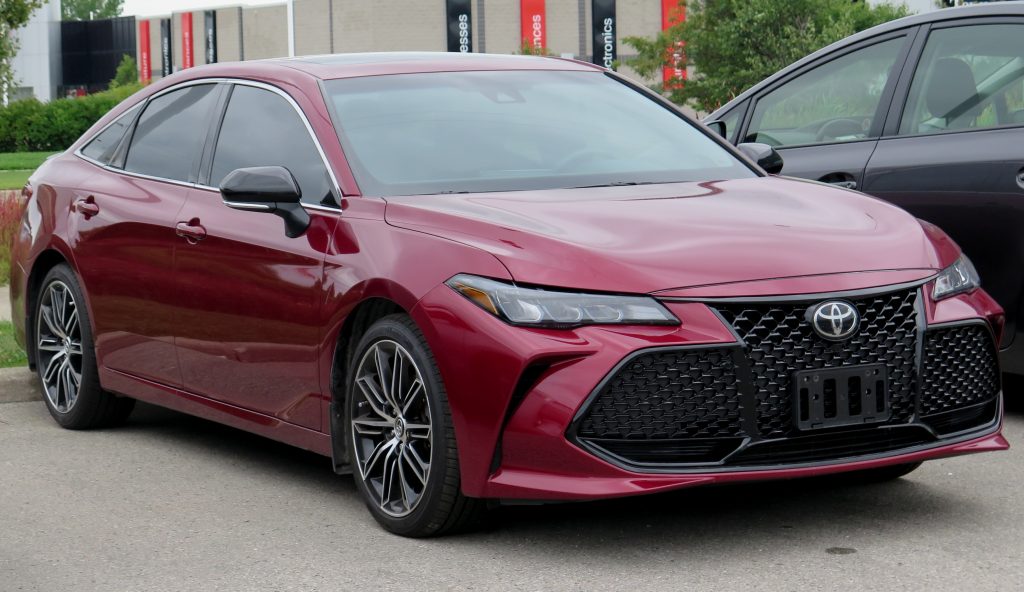
Interior design also benefits from this decision. The center console feels balanced because the gear selector acts as a visual anchor. Rather than appearing minimalist to the point of confusion, the layout feels complete and easy to understand.
There is also a generational factor. Many Avalon buyers specifically seek a car that does not force them to relearn basic controls. The presence of a physical gear selector helps the car appeal to drivers who value continuity in design.
From a broader viewpoint, this car represents one of the last moments before electronic selectors began spreading rapidly across the industry. Because of that timing, it now stands as an appealing used option for buyers wanting modern safety with traditional operation.
The Avalon demonstrates that progress does not always require abandoning proven ideas. Sometimes the best user experience comes from refining what already works rather than replacing it.
Also Read: Top 10 Most Iconic Limited Edition Classic Trim Packages
