

Learning how cars work does not have to start with complicated modern machines packed with electronics and sealed components. Classic cars offer a far more approachable path, especially for beginners who want to understand engines, suspension, and basic repair work without feeling overwhelmed.
With fewer sensors, simpler wiring, and accessible layouts, these older vehicles make it easier to connect what you see with what you learn. Picture opening a hood and actually recognizing most of what sits inside. That sense of clarity builds confidence quickly.
Instead of dealing with hidden modules and confusing diagnostics, you get direct mechanical systems that respond to your hands and tools. This is exactly why so many enthusiasts recommend starting with a classic car when learning maintenance and repair skills.
Choosing the right model matters. Some classics are far easier to work on than others due to their design, parts availability, and straightforward engineering. Certain cars stand out because they were built for durability and simplicity, which makes them perfect for beginners who want to practice without frustration.
What follows is a carefully selected list of ten classic cars that make learning mechanical skills both practical and enjoyable. Each one offers a unique learning experience, from basic tune-ups to more involved restoration work. Read through all ten. One of them is your ideal starting point.
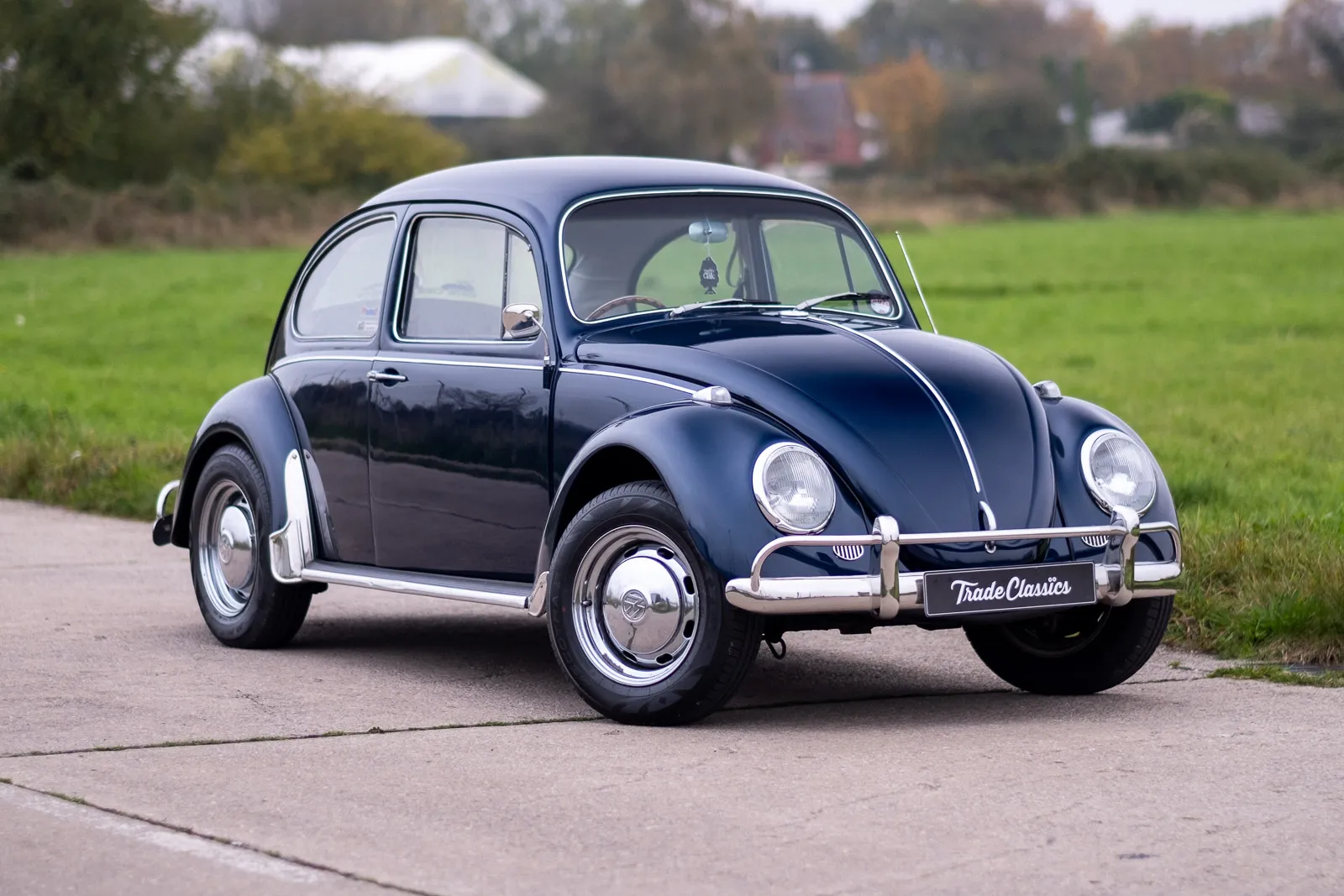
1. 1967 Volkswagen Beetle
Estimated Price: $8,000 – $20,000
A rounded silhouette and rear-mounted engine define the 1967 Volkswagen Beetle, a car that has earned its reputation as one of the most beginner-friendly machines ever built. Unlike modern vehicles, its air-cooled engine removes the need to deal with radiators, coolant systems, and related complications. That alone simplifies a large portion of basic maintenance tasks.
Working on this Beetle feels almost instructional by design. Components are easy to access, and the engine layout encourages hands-on understanding. Adjusting valves, replacing spark plugs, or tuning the carburetor becomes less intimidating when everything is visible and within reach. Even removing the engine is surprisingly manageable, which makes it ideal for learners who want to take on bigger projects.
Another advantage lies in its minimal electrical system. Wiring is straightforward, reducing confusion when tracing faults or installing replacements. For someone just beginning, this clarity removes a common barrier that often discourages newcomers.
Parts availability also plays a major role in its appeal. Replacement components are widely produced and relatively affordable, allowing beginners to experiment without worrying about costly mistakes. Whether it is a simple gasket or a full rebuild kit, sourcing parts is rarely a challenge.
Beyond technical aspects, the Beetle’s forgiving nature helps build confidence. Mistakes become lessons instead of disasters. Each repair teaches something tangible, and progress feels rewarding. That steady learning curve makes it a perfect starting point for anyone interested in understanding how cars truly work.
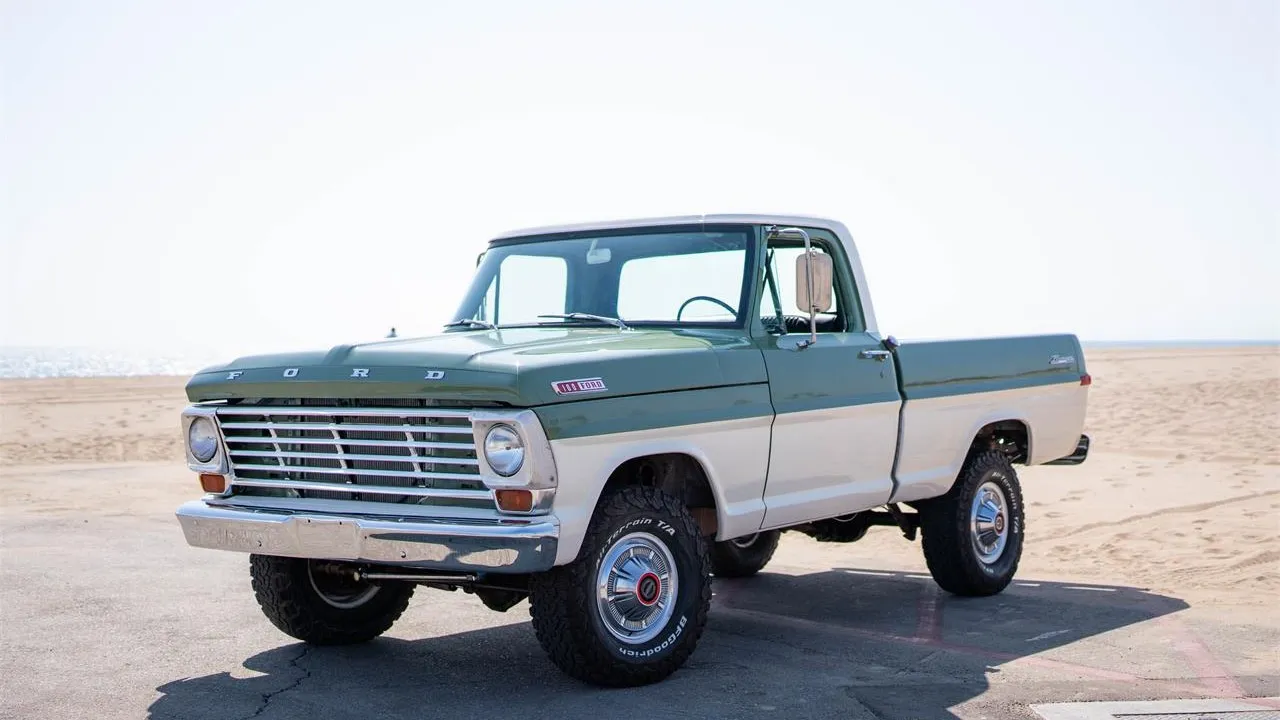
2. Ford F-100 Pickup (1967-1972)
Estimated Price: $10,000 – $30,000
American pickup trucks from the late 1960s and early 1970s are engineering classrooms that happen also to be genuinely useful vehicles, and the 1967 to 1972 Ford F-100 in particular offers a mechanical education so broad and so accessible that choosing it as a first project gives a beginner exposure to nearly every fundamental skill in automotive repair within the first year of ownership.
Engine options across this generation of F-100 include the 240-cubic-inch inline-six and various small-block and big-block V8 configurations, all of which are among the most thoroughly documented and widely serviced American engines ever produced. Ford’s 300 cubic inch inline-six, available in this generation, is particularly recommended for beginners because its layout is almost comically accessible.
Spark plugs are reached without tools other than a socket extension. Valve cover removal for a valve adjustment requires four bolts. Carburetor service involves a single Rochester or Motorcraft unit whose internal parts are available from any auto parts retailer.
Body-on-frame construction, which all F-100 trucks of this era use, introduces the beginner to structural concepts absent in unibody vehicles. Separating the body from the frame for major restoration work, while an ambitious project, teaches fastener removal from corroded surfaces, body alignment principles, and the logic of chassis design in a way that no amount of reading replicates.
Many experienced mechanics trace their understanding of vehicle structural engineering to their first body-off frame restoration. The brake system on the F-100 is an excellent early project because the system uses drum brakes at all four corners in most configurations, which are simpler to understand and service than disc brakes, and teach the fundamental hydraulic principles that apply to all brake systems.
Wheel cylinder replacement, brake shoe adjustment, and master cylinder service are all accessible procedures that build both skill and safety awareness simultaneously. Electrical systems on 1967 to 1972 F-100 trucks are simple enough to trace and repair with a basic multimeter, a wiring diagram from a Chilton manual, and patience.
No electronic control modules, no multiplexed networks, no sensor arrays requiring calibration. Point-to-point wiring that a beginner can trace from fuse to component and back again teaches electrical fundamentals that apply directly to every vehicle built since.
Owners of the 1969 Ford F-100 Custom Cab 360 V8 who used the truck as their mechanical education platform describe the experience as producing confidence and competence in equal measure, with each successful repair building the foundation for the next more ambitious project.
Also Read: Top 10 Most Beautiful Classic Car Advertisements From the 1960s
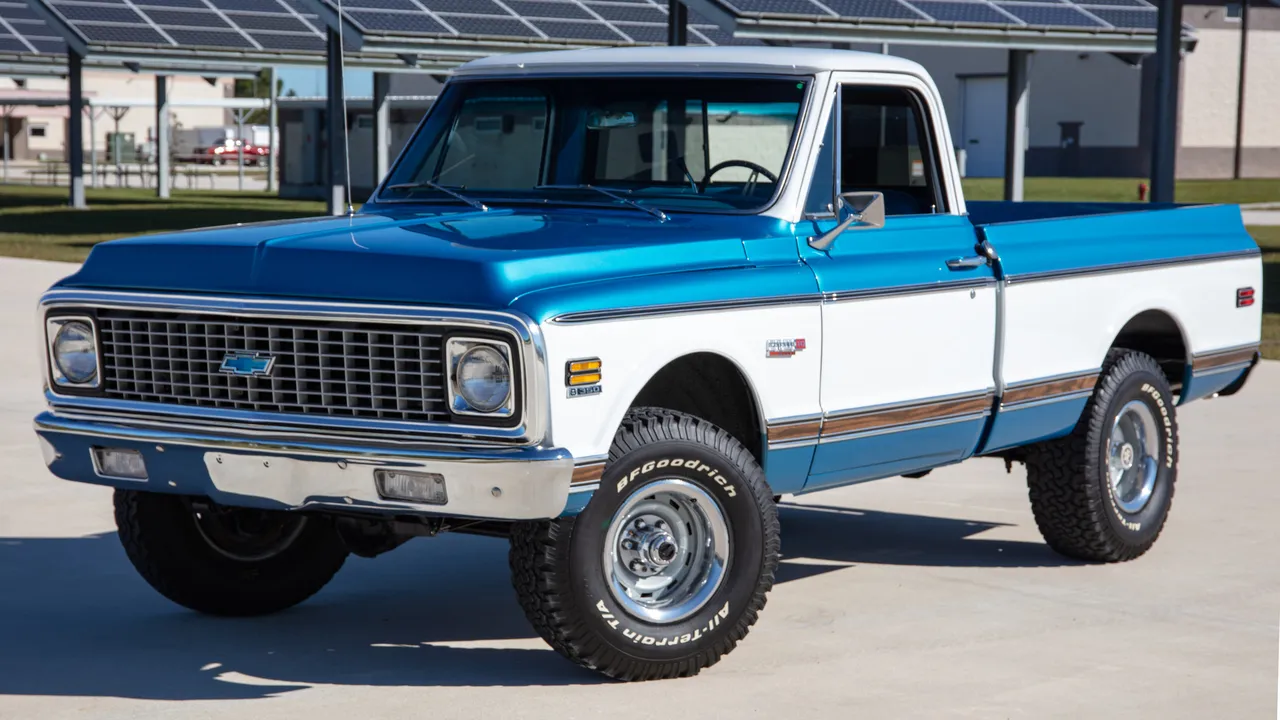
3. 1972 Chevrolet C10 Pickup
Estimated Price: $12,000 – $35,000
Utility meets simplicity in the 1972 Chevrolet C10 pickup, a vehicle that feels like it was built with hands-on work in mind. Its rugged construction and straightforward engineering make it an excellent choice for anyone eager to learn mechanical basics.
Opening the hood reveals a spacious engine bay that welcomes beginners rather than intimidating them. With plenty of room to maneuver, tasks such as replacing belts, servicing the carburetor, or checking ignition components become far less stressful. Visibility plays a huge role here, allowing learners to see how systems connect and function together.
Durability defines this truck. Built to handle tough conditions, it can tolerate beginner mistakes better than more delicate vehicles. That resilience encourages practice without fear, making it easier to gain experience through trial and error.
Mechanical systems in the C10 remain refreshingly simple. Carbureted engines, basic suspension setups, and uncomplicated braking systems provide a solid introduction to essential automotive concepts. Each component serves as a teaching tool, helping learners understand how different systems interact.
Parts availability continues to be strong, which means repairs remain affordable and accessible. Whether restoring a worn component or upgrading certain parts, options are plentiful. Working on this truck feels purposeful. Each repair or adjustment delivers a clear result, reinforcing lessons learned along the way. That sense of progress keeps motivation high and builds practical knowledge that extends beyond a single vehicle.
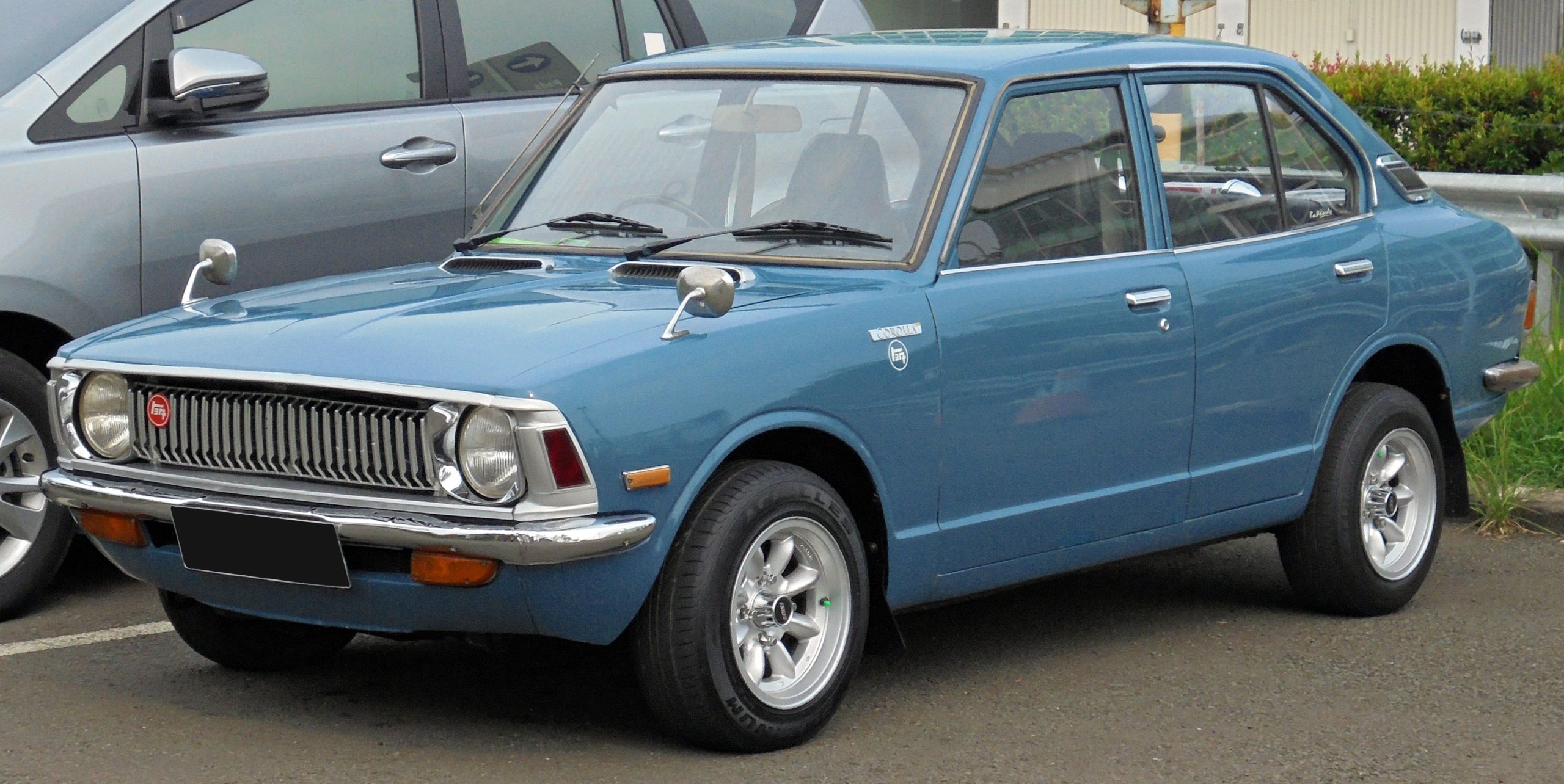
4. Toyota Corolla KE20 (1970-1974)
Estimated Price: $6,000 – $18,000
Japanese automotive engineering from the early 1970s approached mechanical design with a different philosophy than American manufacturers of the same period, prioritizing tight tolerances, careful assembly, and maintenance procedures that rewarded precision and penalized carelessness.
Learning on a 1970 to 1974 Toyota Corolla KE20 teaches a beginner mechanical habits that serve them well regardless of which vehicle they work on next. Powered by Toyota’s 3K or 4K inline-four engine, the KE20 Corolla presents an engine of elegant simplicity whose service procedures teach fundamental skills with unusual clarity.
Valve adjustment on the twin-cam versions requires feeler gauge work at tighter tolerances than American engines of the period, which builds measurement accuracy and attention to detail that distinguishes a careful mechanic from a casual one.
Timing belt service, present on many Japanese engines of this era, introduces the beginner to interference engine concepts and the serious consequences of incorrect assembly that establish healthy respect for accurate work.
Carburetor service on the KE20 uses Toyota’s own single-barrel carburetor units whose internal construction teaches float operation, needle valve function, and idle circuit theory in a compact, accessible package. Rebuilding one of these carburetors from a kit teaches the beginner to work with small components, understand fuel metering principles, and develop the patience for precision assembly that all carburetor work demands.
Chassis construction on the KE20 is light enough that individual components are manageable by a single person working without a lift, which matters enormously for beginners working in a home garage with limited equipment.
Parts availability for KE20 Corolla models has improved substantially through Japanese import parts specialists and online suppliers who cater to the growing classic Japanese car community, and documentation is available through Toyota factory manuals and the extensive enthusiast resources that surround this beloved early Corolla generation.
Owners of the 1972 Toyota Corolla 1200 2-Door Sedan who learned basic mechanics on this platform frequently describe the car’s demand for precision as the most valuable lesson it taught them, because precision learned early becomes a permanent mechanical habit.
5. Jeep CJ-5 (1972-1983)
Estimated Price: $8,000 – $25,000
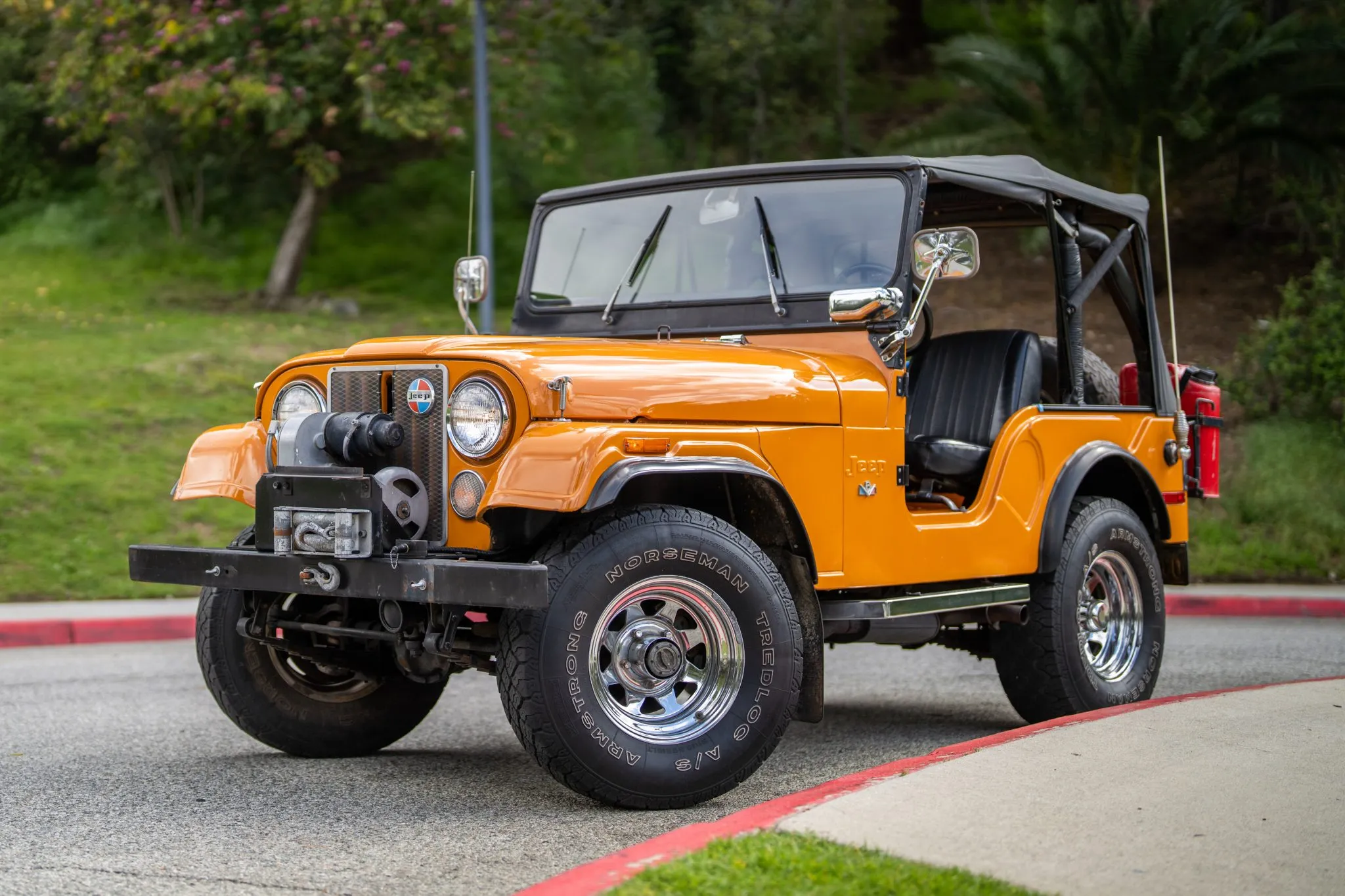
Learning automotive mechanics on a vehicle where every major system is visible, accessible, and operable without removing adjacent components to reach it is a fundamentally different experience from working on a more tightly packaged vehicle, and the 1972 to 1983 Jeep CJ-5 offers exactly that advantage to a degree that very few other classic vehicles match.
American Motors Corporation’s stewardship of the Jeep CJ-5 during this period produced a vehicle whose engineering reflects decades of military and civilian utility design refinement, with component placement and access that prioritized field serviceability above all other design considerations.
Engine access is extraordinary, with the AMC 232 or 258 inline-six or various V8 options sitting in an engine bay so generously proportioned that major service items are reached without contortion or specialized tools.
Spark plug access, ignition point service on early examples, carburetor adjustment, and belt replacement are all accomplished standing upright beside the vehicle without the awkward positioning that tightly packaged modern engine bays demand.
Four-wheel-drive system education is a specific benefit of learning on a CJ-5 that no other vehicle on this list provides. Understanding how a transfer case distributes power between front and rear axles, how locking hubs engage the front axle drive, and how the differential apportions torque between wheels teaches drivetrain principles that apply throughout the four-wheel-drive vehicle world. Manual transfer case operation and manual hub locking procedure teach the driver and the mechanic simultaneously.
Suspension simplicity on the CJ-5 is another educational advantage. Solid front and rear axles supported by leaf springs represent the most accessible suspension design available in any production vehicle, with straightforward component geometry that a beginner can understand completely in a single inspection session.
Leaf spring replacement, shock absorber service, and u-bolt maintenance are all accessible procedures that teach structural fastener work and torque specification importance. Owners of the 1976 Jeep CJ-5 Renegade 258 Inline-Six who chose it as their learning platform consistently note that the CJ-5’s honest, uncompromised mechanical openness made every repair project approachable and every system understandable in a way that more modern, more enclosed vehicles simply cannot offer.
6. Triumph TR6 (1969-1976)
Estimated Price: $12,000 – $30,000
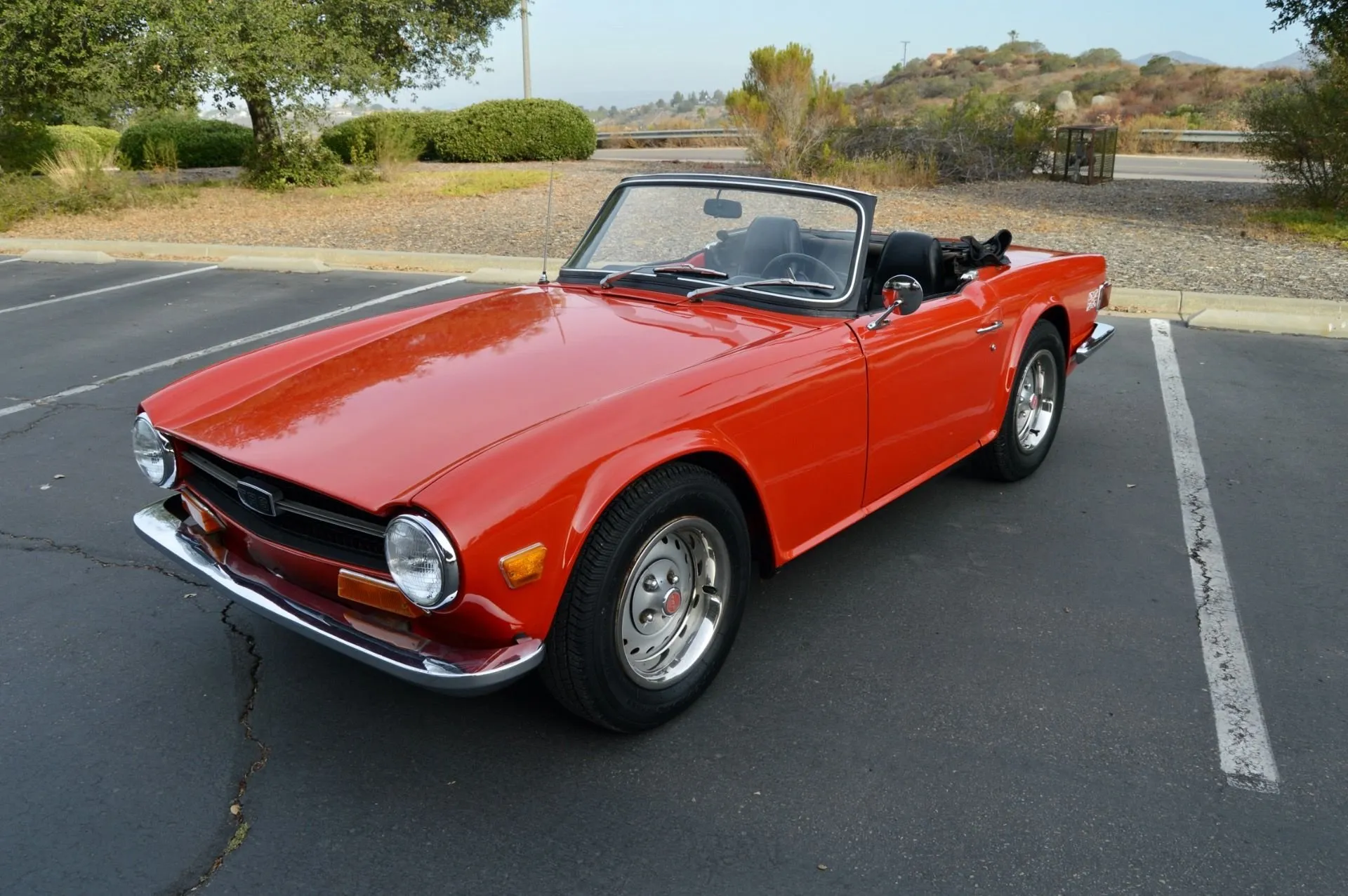
British sports cars from the late 1960s and early 1970s have a reputation for demanding mechanical attention that their owners argue is actually a benefit when the vehicle serves as a learning platform. Working on a 1969 to 1976 Triumph TR6 teaches a beginner diagnostic patience, preventive maintenance discipline, and the satisfaction of keeping a mechanically honest vehicle running well through consistent, careful attention.
Powered by the 2.5-liter inline-six engine in either carbureted or fuel-injected form, the TR6 offers powertrain education across two different fuel delivery technologies within a single model generation. Carbureted examples use dual SU or Zenith-Stromberg carburetors whose synchronization procedure teaches mixture balance and airflow measurement skills that apply to any multi-carburetor application.
Fuel-injected versions use Lucas mechanical fuel injection, which provides early exposure to fuel injection principles in a fully mechanical system without the electronic management that later systems employ.
Overdrive transmission availability on the TR6 introduces the concept of auxiliary gearbox ratios and the hydraulic engagement system that activates the overdrive unit. Understanding how engine oil pressure operates the overdrive solenoid and clutch pack teaches hydraulic system principles in a context that makes the engineering logic immediately clear.
Body construction on the TR6 uses a separate steel body mounted over a steel backbone chassis, which provides the educational benefit of structural component accessibility that body-on-frame vehicles offer while maintaining the compact dimensions of a sports car. Chassis inspection, outrigger assessment, and body mount condition evaluation are all straightforward tasks that teach a beginner to assess structural condition accurately.
SU carburetor service is a specific skill that TR6 ownership teaches thoroughly, and the knowledge transfers directly to every British vehicle that used SU carburetors across several decades of production, which represents an enormous range of vehicles in the classic British car community. Learning this skill on a TR6 opens doors to competent service of Austin-Healeys, MGs, Jaguars, and numerous other British classics.
Owners of the 1973 Triumph TR6 2.5L Fuel Injected Roadster who used the car as their mechanical education vehicle describe the TR6’s gentle insistence on regular attention as the best possible teacher of preventive maintenance habits, because a well-maintained TR6 is a genuinely reliable and rewarding car, while a neglected one teaches the cost of inattention with memorable efficiency.
7. Datsun 240Z (1970-1973)
Estimated Price: $20,000 – $60,000
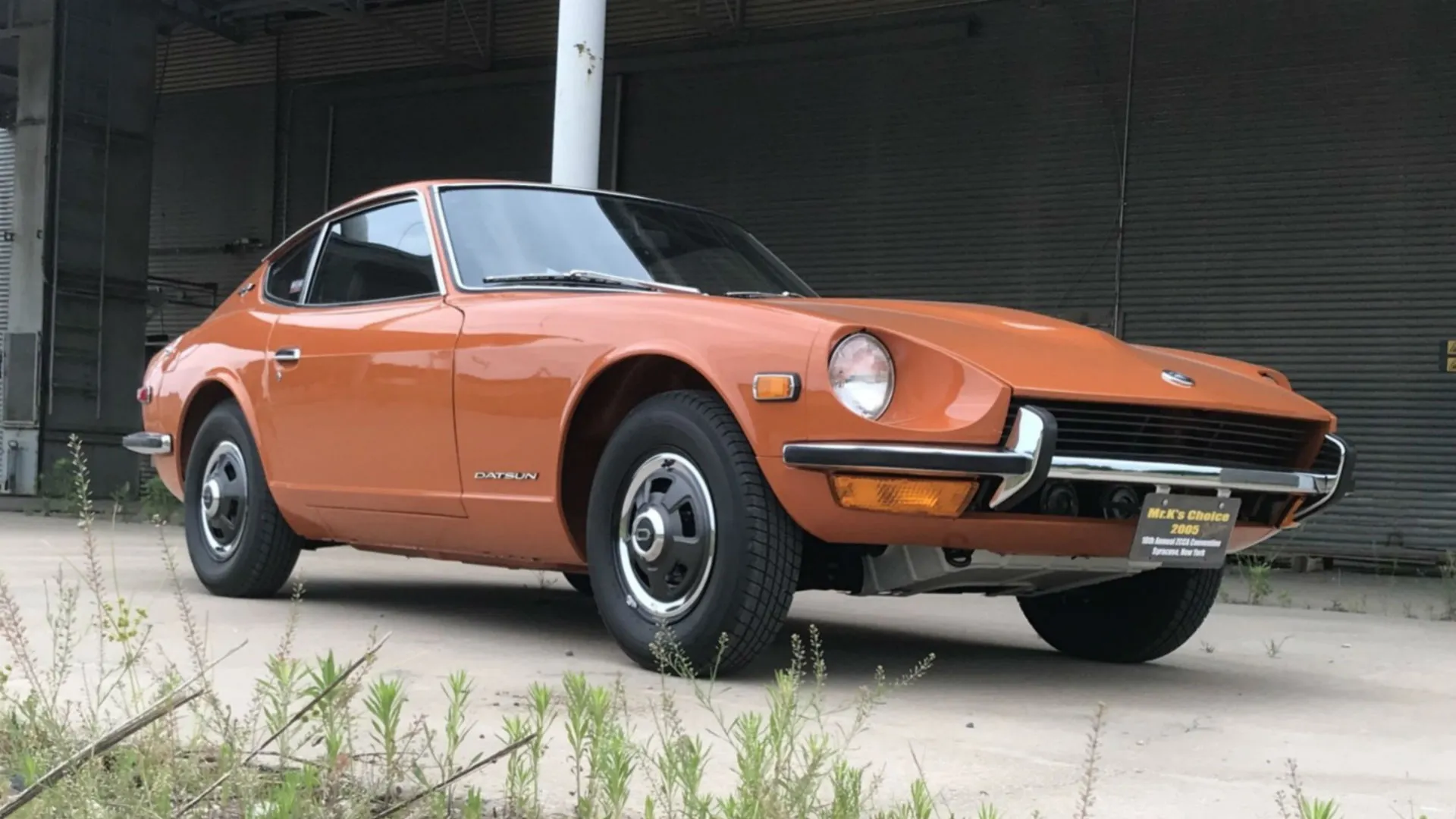
Sports car performance does not have to mean mechanical inaccessibility, and the 1970 to 1973 Datsun 240Z makes this argument convincingly. Built with Nissan’s characteristic engineering clarity and a parts supply network that has only strengthened as the Z-car community has grown, the 240Z offers performance car education at a mechanical difficulty level that genuinely serves beginners while delivering a driving reward that keeps owners motivated through every repair project.
Nissan’s L24 2.4-liter inline-six engine is one of the most straightforward performance engines of its era, combining genuine output with a mechanical layout that puts all major service items within comfortable reach.
Dual SU or Hitachi carburetors teach synchronization and mixture balance in the same way that the TR6’s SU carburetors do, building skills that transfer broadly across the classic car world. Distributor ignition point service, timing adjustment, and valve clearance measurement are all accessible procedures that the L24’s layout presents without obstruction.
Strut front suspension on the 240Z provides MacPherson strut education in a sports car context where suspension geometry’s effect on handling is immediately perceptible during test drives. Rear semi-trailing arm suspension introduces independent rear suspension concepts and the wheel bearing and pivot bushing service procedures that rear suspension work requires.
Both axles teach suspension service skills at a difficulty level appropriate for a beginner who is building confidence through sequential project completion. Bodywork education is a particular advantage of Z-car ownership.
Rust repair and panel preparation are unfortunately common requirements for 240Z restoration projects, which means that body repair skills become part of the learning experience, whether the owner initially planned for them or not.
Sheet metal welding, filler application, and surface preparation are all skills that first-time restorers frequently learn on their Z-car and carry into every subsequent project. Owners of the 1971 Datsun 240Z 2.4L Coupe who chose the car as their mechanical learning platform describe the combination of genuine driving reward and honest mechanical accessibility as uniquely motivating, because every repair completed means getting back behind the wheel of a car that is genuinely worth driving.
8. Mercury Comet (1966-1969)
Estimated Price: $7,000 – $22,000
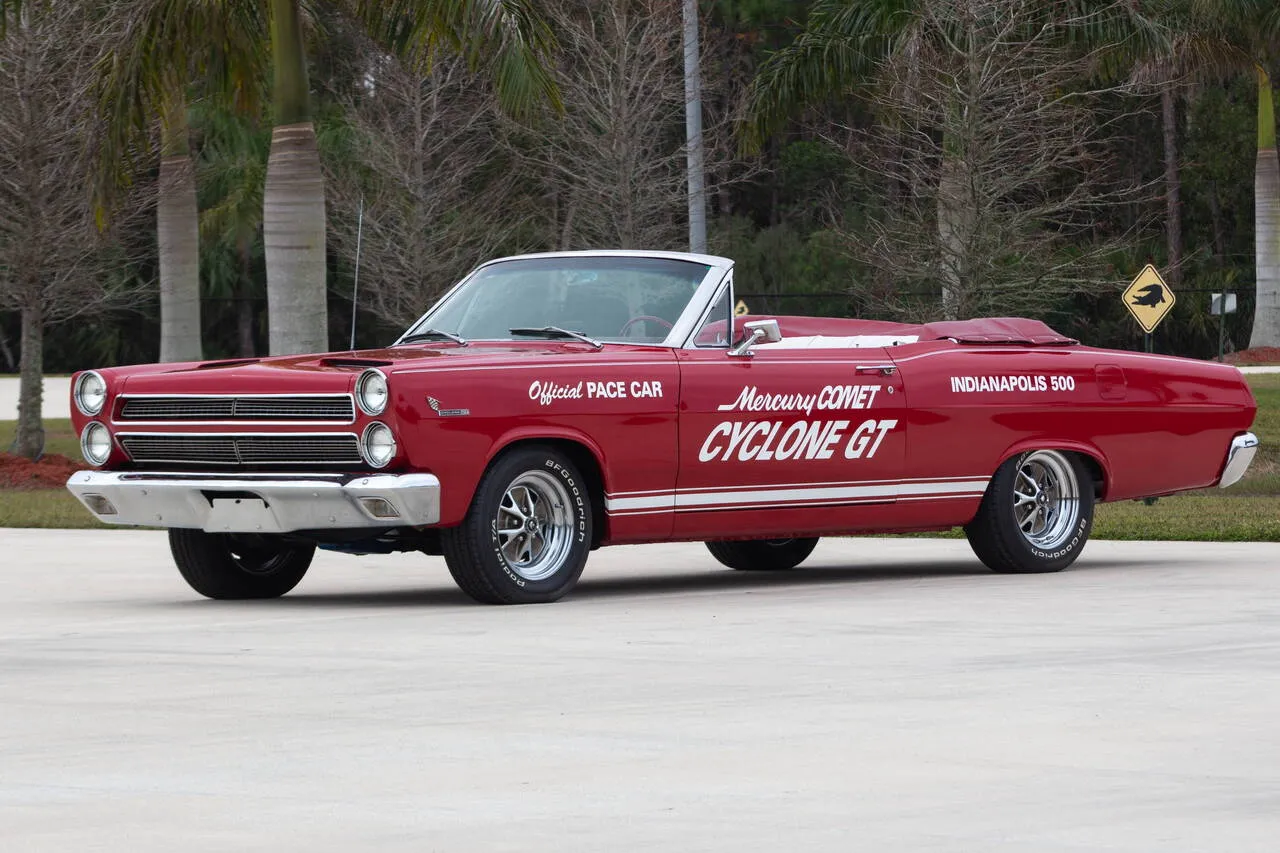
Compact American cars from the mid-1960s do not receive the same restoration community attention as their full-size counterparts, which means that the 1966 to 1969 Mercury Comet exists in a used market where purchase prices remain modest, parts availability from Ford’s extensive supply network is excellent, and the technical documentation covering the shared Ford Falcon and Mustang platform applies directly to every major system.
Sharing its fundamental architecture with the Ford Falcon and the first-generation Ford Mustang, the Comet gives beginners access to one of the most thoroughly documented American compact platforms in existence.
Every workshop manual, every technical service bulletin, and every restoration guide published for the Falcon or early Mustang applies directly to the Comet’s engine, transmission, suspension, and electrical systems, which means that research resources are essentially unlimited for anyone willing to look.
Engine options in the 1966 to 1969 Comet include Ford’s 200 cubic inch inline-six and 289 cubic inch small-block V8, both of which are among the most widely serviced American engines of the period. Six-cylinder service teaches basic engine work in the least intimidating possible context, with a simple carburetor, accessible valve cover, and straightforward ignition system that a beginner can work through systematically without feeling overwhelmed.
Moving up to the 289 V8 after gaining confidence on the six-cylinder represents a natural progression that the Comet platform accommodates without requiring any new tools or major new knowledge categories. Brake system education on the Comet is thorough and progressive.
Single-circuit drum brakes on all four wheels teach hydraulic pressure principles, wheel cylinder function, and brake adjustment procedure with a completeness that modern disc brake systems on later vehicles build directly upon.
Mastering drum brake service on the Comet creates the foundational understanding that makes disc brake service on later vehicles immediately comprehensible rather than requiring entirely new conceptual learning.
Owners of the 1967 Mercury Comet Caliente 289 V8 Hardtop Coupe who chose it as their learning vehicle consistently describe the platform’s generous documentation and straightforward systems as removing the intimidation barrier that prevents many beginners from attempting their first repair project independently.
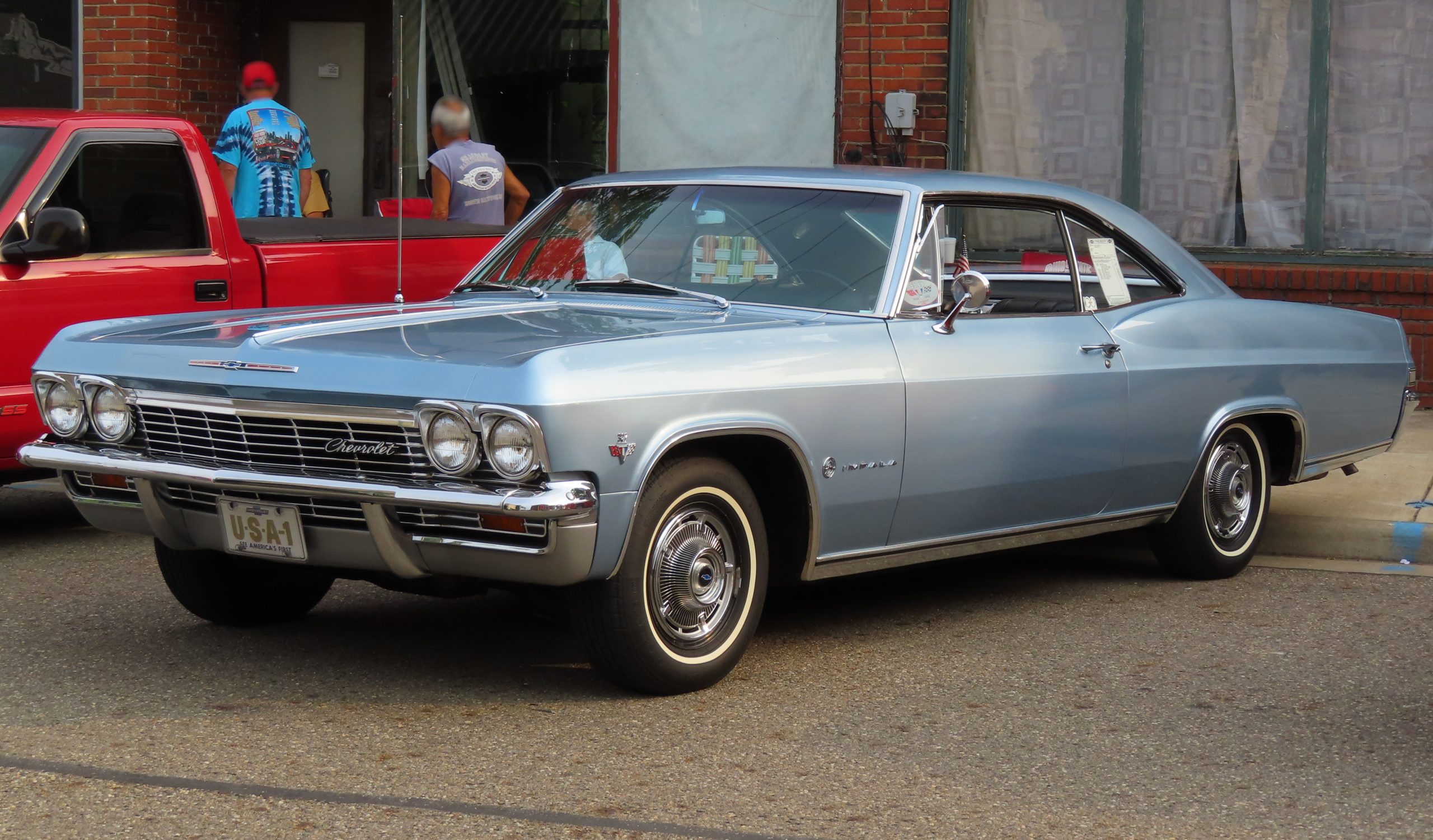
9. 1966 Chevrolet Impala Small-Block V8
Estimated Price: $15,000 – $45,000
Bold styling pairs with mechanical clarity in the 1966 Chevrolet Impala equipped with a small-block V8 engine. This car offers a balanced learning experience, combining classic American engineering with accessible components that beginners can understand without confusion.
A look under the hood reveals a layout that prioritizes simplicity. The small-block V8 engine is widely regarded for its straightforward design, making it easier to grasp how fuel, air, and ignition systems work together. Routine maintenance tasks become opportunities to build foundational skills.
Space within the engine bay allows for comfortable movement, reducing the frustration often associated with cramped designs. Replacing parts or diagnosing issues becomes less about guesswork and more about observation and understanding.
Mechanical systems extend beyond the engine, offering additional learning opportunities. Suspension components, braking systems, and drivetrain elements are all designed in a way that supports hands-on work. Each area provides a chance to expand knowledge step by step.
Another strength lies in the abundance of resources available for this model. Detailed manuals, tutorials, and community advice make it easier to approach repairs with confidence. Working on the Impala feels like stepping into a classroom where every component has a clear purpose. Each successful repair builds confidence and encourages deeper involvement in automotive mechanics.
Also Read: Top 10 Most Famous Classic Cars From Television History
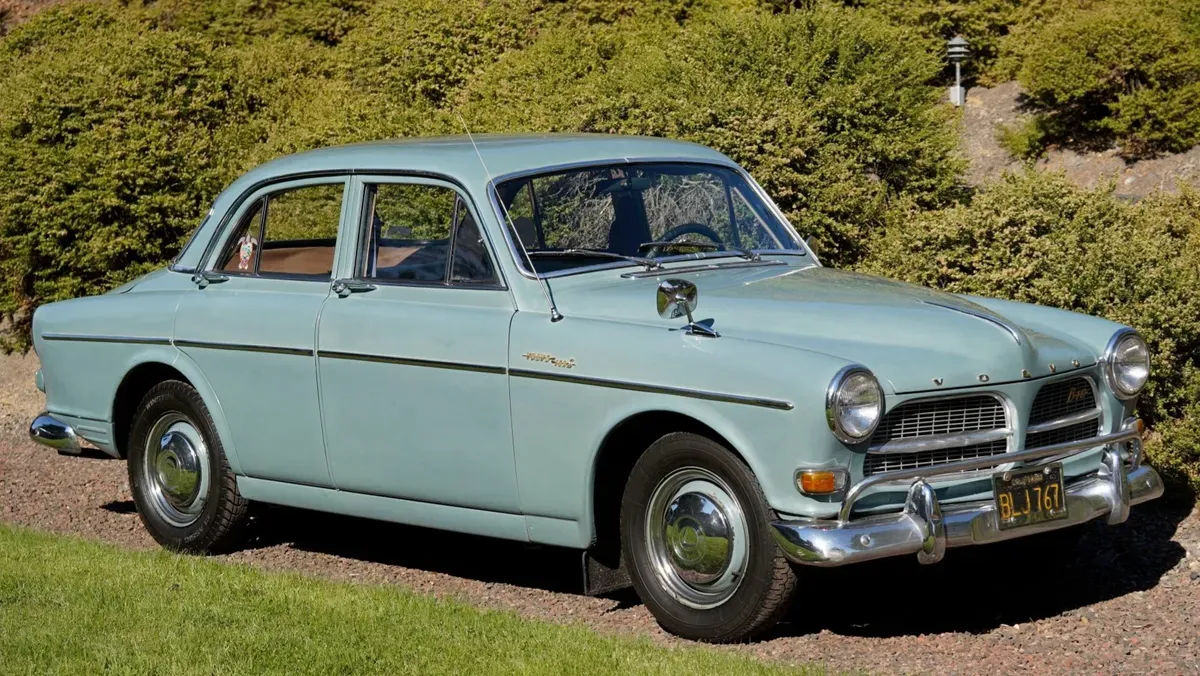
10. Volvo Amazon 122S (1962-1970)
Estimated Price: $10,000 – $28,000
Closing this list with the Volvo Amazon 122S is a deliberate choice, because this vehicle teaches something that every other car on the list touches on but none emphasizes as completely: the long-term thinking and systematic planning that separates a competent amateur mechanic from someone who only fixes things after they break.
Volvo built the Amazon for longevity as a primary engineering objective, and the mechanical systems in the 1962 to 1970 Amazon 122S reflect this priority in every component decision. Engines, suspension components, and body structure were all specified for extended service life rather than minimum acceptable cost, which means that a well-maintained Amazon teaches a beginner what properly functioning mechanical systems actually feel and sound like across genuinely high mileage rather than only in the first few years of ownership.
Powered by Volvo’s B18 or B20 pushrod four-cylinder engine, the Amazon presents engine service in a format that is both accessible and educational. Overhead valve adjustment teaches the same feeler gauge skills as other vehicles on this list, while the engine’s robust construction demonstrates how conservative engineering specifications contribute to longevity.
Valve adjustment frequency on the B18 and B20 is relatively modest compared to some other classic engines, rewarding the owner who maintains the schedule with an engine that runs cleanly and confidently for extended periods.
Rear-axle service on the Amazon introduces the beginner to differential oil changes, axle seal replacement, and wheel bearing service on a solid rear axle design that is completely straightforward to disassemble and reassemble.
These are procedures that many beginning mechanics avoid because they seem intimidating from the outside, but that prove entirely accessible once attempted on an Amazon whose generous service clearances and logical component arrangement remove the obstacles that tighter packages create.
Electrical systems on the Amazon use a positive-ground 6-volt system on early examples, transitioning to conventional 12-volt negative-ground on later versions, which provides exposure to both conventions and teaches the beginner why polarity matters for component compatibility and battery service.
Owners of the 1967 Volvo Amazon 122S 2-Door Sedan who chose it as their learning vehicle consistently describe the car’s honest, durable character as producing a mechanic who thinks about prevention rather than only repair, which is exactly the mindset that makes owning any classic car a pleasure rather than a burden.
