Modern vehicle transmissions have become increasingly complex, with many designs focusing on compactness, electronic control, and efficiency rather than ease of maintenance. Despite this, several transmissions are notably DIY-friendly due to easily accessible fluid filters, allowing owners to perform routine service without specialized dealer equipment.
From high-performance automatic transmissions like the ZF 8HP to heavy-duty workhorse units such as the Allison 1000 and 2000 series, these ten models combine advanced engineering with service-friendly design.
Accessible filters, whether cartridge-style, external spin-on, or traditional pan-mounted, enable routine drain-and-fill procedures, magnet cleaning, and fluid replacement, which help extend transmission life and prevent expensive repairs. For daily drivers, SUVs, and trucks, the ability to service a transmission at home allows owners to maintain smooth shifting, preserve reliability, and gain a better understanding of their vehicle’s drivetrain.
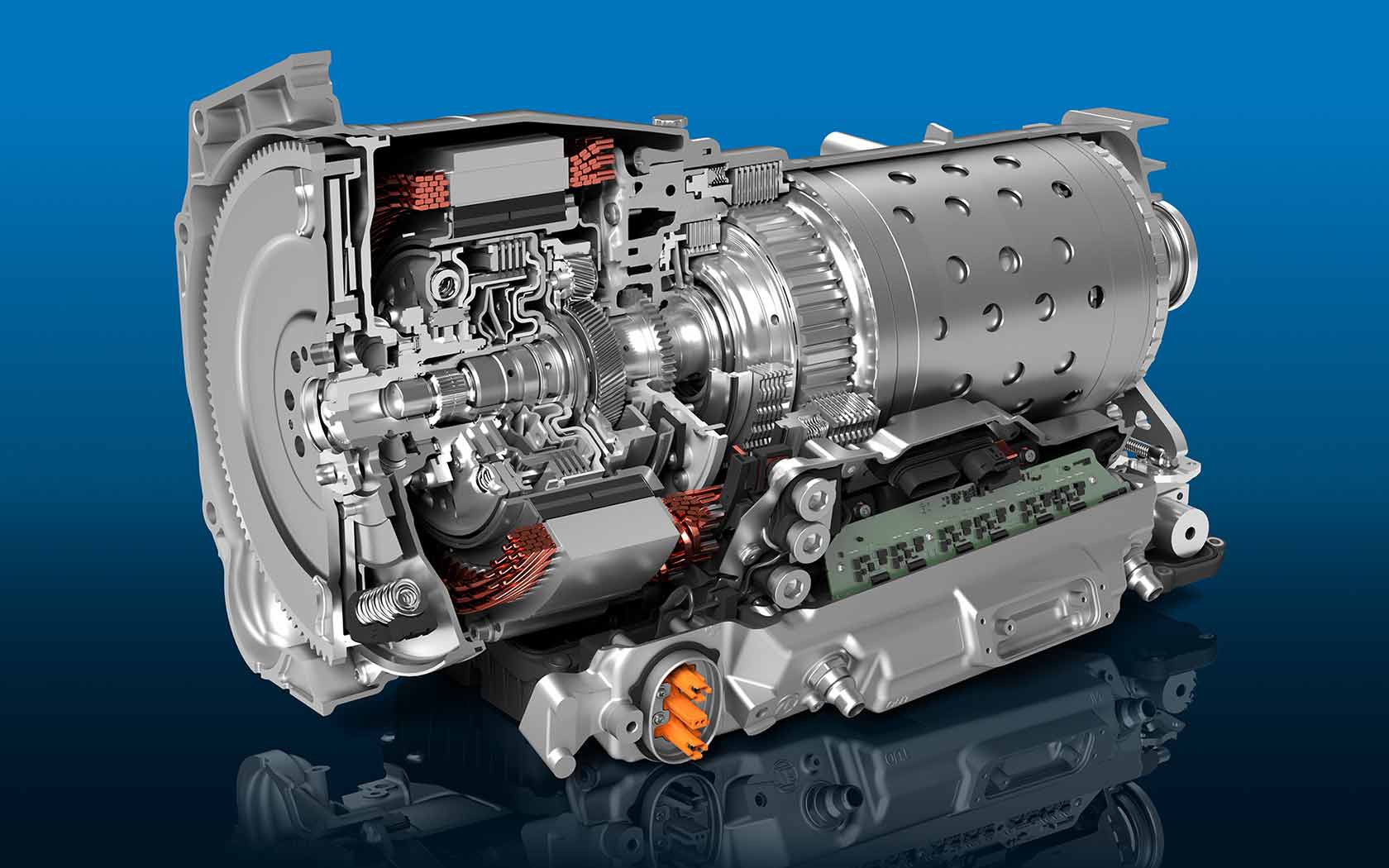
1. ZF 8HP (8-Speed Automatic)
The ZF 8HP 8-speed automatic transmission is widely regarded as a benchmark in modern automotive engineering. It is used in a broad range of vehicles, from BMW sedans to Ram 1500 trucks, thanks to its balance of performance, efficiency, and reliability. One of its most notable features is its relatively accessible maintenance design, which makes it appealing even for experienced DIY enthusiasts.
A key characteristic of the ZF 8HP is its integrated oil pan and filter system. Unlike traditional transmissions with a separate filter, this design combines both into a single plastic pan unit. As a result, servicing the filter requires replacing the entire oil pan. Although this can be more expensive, it ensures that the gasket and internal magnets are also renewed during each service.
The procedure involves draining the transmission fluid, removing multiple bolts that secure the pan, and installing a new pan and filter assembly. After installation, the fluid must be refilled carefully at a specific temperature range, typically between 30°C and 50°C, to achieve the correct level.
While many manufacturers advertise the transmission as having “lifetime” fluid, this claim does not reflect real-world conditions. ZF recommends servicing the transmission every 60,000 to 80,000 kilometers to maintain optimal performance and prevent premature wear.
The transmission supports a simple drain-and-fill process, which eliminates the need for specialized flushing equipment. Fluid is added through a dedicated fill port using a transfer pump.
Another advantage is its widespread use and standardized design. Because the ZF 8HP is installed in many vehicles worldwide, replacement parts and service kits are widely available.
These kits typically include the oil pan with integrated filter, new bolts, and the correct transmission fluid. In addition, important components such as drain and fill plugs are easy to access, and certain wear-prone parts like the mechatronic sleeve can be serviced during maintenance.
In terms of performance, the ZF 8HP delivers fast and smooth gear shifts, often under 200 milliseconds. It also improves fuel efficiency through a wide gear range that allows engines to operate at lower speeds. It remains a top-tier transmission that combines durability, refinement, and serviceability when properly maintained.
2. Honda/Acura 6-Speed Automatic
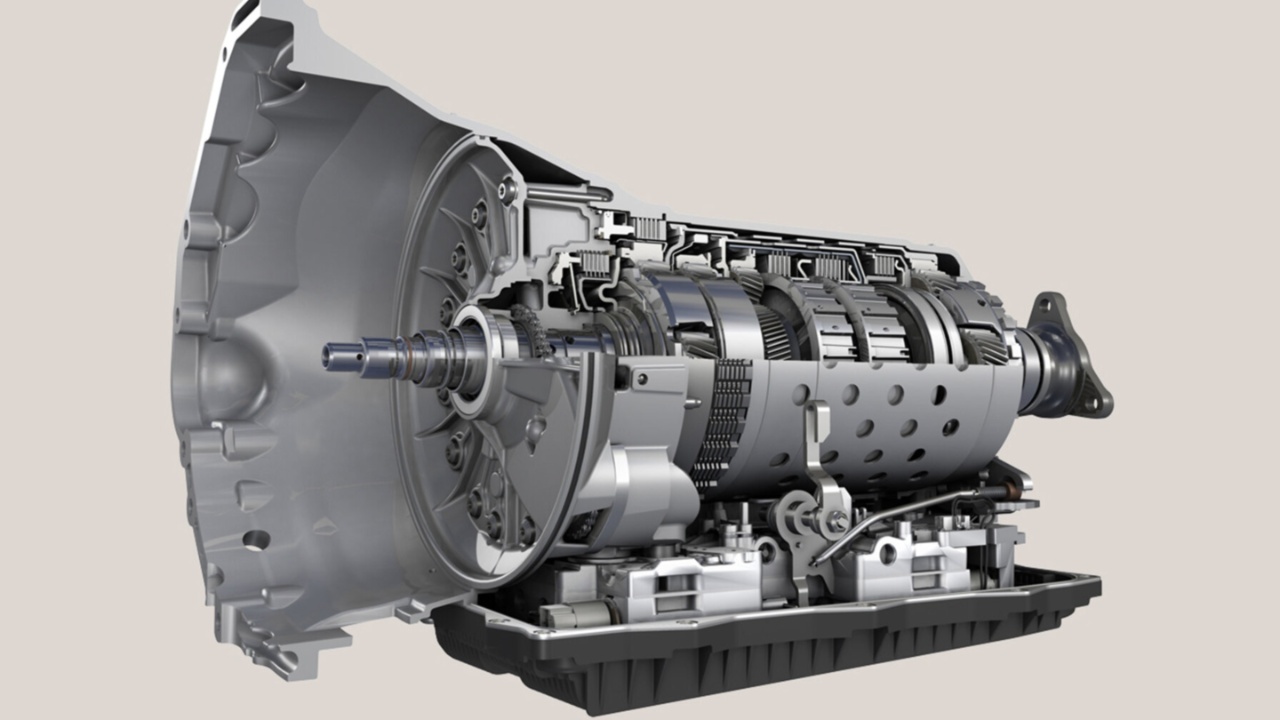
The Honda/Acura 6-speed automatic transmission is widely recognized for its reliability, smooth performance, and DIY-friendly maintenance features. Found in vehicles such as the Honda Odyssey, Honda Pilot, and Acura MDX, this transmission stands out بسبب its unique external inline transmission fluid filter design, which simplifies servicing compared to many modern systems.
A major advantage of this transmission is its externally mounted inline filter. Unlike many newer transmissions that hide the filter inside the oil pan, requiring disassembly, this design places the filter along the transmission cooler lines. It is typically located on top or along the side of the transmission housing.
Access usually requires removing components like the air intake or battery tray, but the process remains straightforward and does not require lifting the vehicle or dropping the transmission pan.
The filter itself is cartridge-style and secured with a simple bracket and hoses. Replacing it involves basic tools such as a socket wrench, pliers, and a screwdriver. The process includes removing the bracket bolt, disconnecting the hoses, swapping the filter, and reinstalling everything in the correct orientation based on flow direction.
Only a small amount of transmission fluid is lost during the process, making it cleaner and easier than traditional servicing methods. After replacement, the fluid level is topped off as needed.
Although Honda does not officially list this external filter as a routine maintenance item, many technicians recommend replacing it periodically, especially for high-mileage vehicles, to prevent clogging and maintain long-term reliability. However, regular transmission fluid changes remain more critical.
A drain-and-fill service every 30,000 to 60,000 miles is generally advised to preserve performance and longevity. It is also important to note that the transmission still contains an internal filter or strainer, but this component is not designed for regular servicing.
In terms of driving performance, the 6-speed automatic delivers smooth, predictable shifts and a refined driving experience. It is especially well-suited for larger vehicles, offering dependable operation and durability. While newer transmissions like 10-speed automatics and CVTs provide improved efficiency and faster shifting, the 6-speed remains a solid and reliable option for everyday use.
3. Ford 6R80 / 10R80 (6- and 10-Speed Automatic)
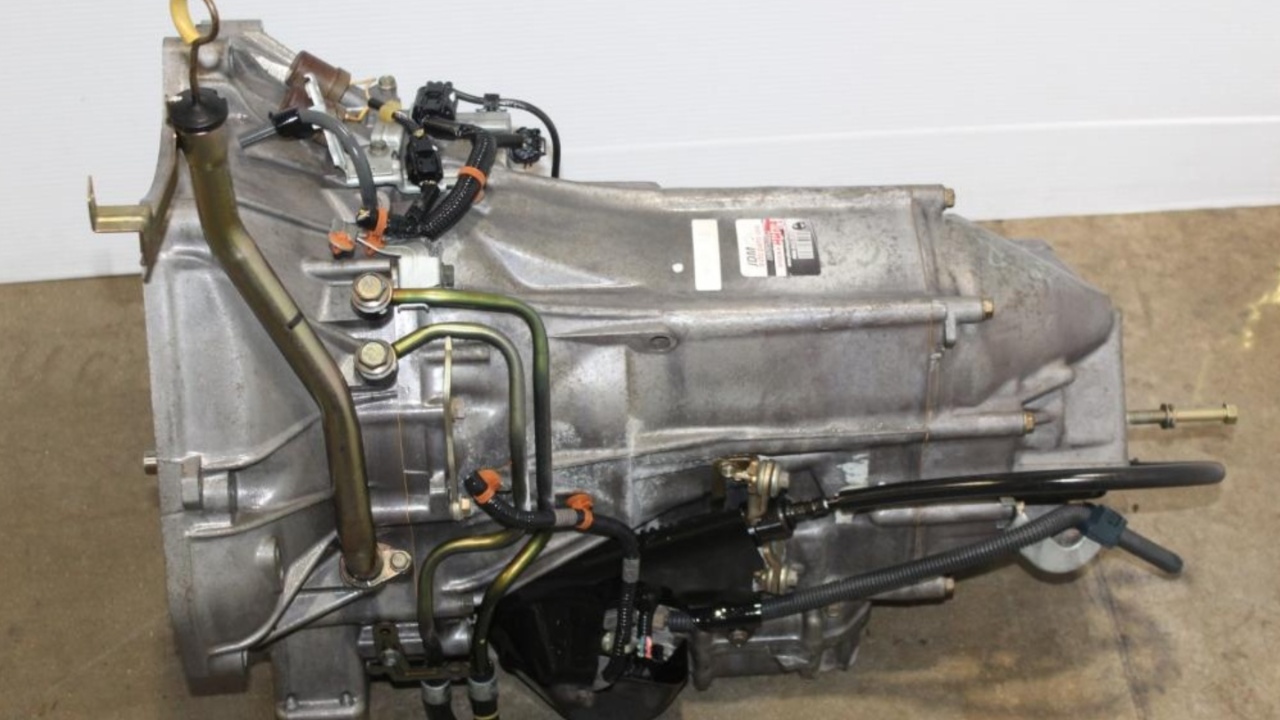
The Ford 6R80 and 10R80 transmissions are widely used in popular vehicles such as the Ford F-150, Ford Mustang, and Ford Explorer. Both are known for their strength and versatility, though they differ significantly in design philosophy, performance, and long-term reliability.
From a maintenance perspective, both transmissions use a traditional internal suction filter located above the transmission pan. Servicing the filter requires dropping the pan, which is generally straightforward, especially on trucks with higher ground clearance.
Once the pan is removed, the filter can be easily pulled down from the valve body and replaced. Although some factory pans do not include a drain plug, many aftermarket options add this feature, making future fluid changes much easier and less messy.
A notable quirk in these transmissions is the placement of the dipstick. Instead of being located in the engine bay, it is often a short or “stubby” dipstick positioned underneath the vehicle near hot exhaust components. This requires extra caution during fluid level checks, particularly when the transmission is at operating temperature.
The 6R80 is a 6-speed transmission based on a proven design and is widely regarded as a durable and reliable workhorse. It delivers firm and predictable shifts and is especially favored in high-power or heavy-duty applications such as towing and performance builds. Its simpler construction contributes to long-term durability, although it is less fuel-efficient and may feel outdated compared to newer designs.
In contrast, the 10R80 is a more advanced 10-speed transmission developed to improve efficiency and performance. With more gears, it keeps the engine operating within an optimal range, resulting in better fuel economy, smoother highway driving, and improved towing capability.
However, this added complexity can introduce reliability concerns. Early versions have been associated with issues such as torque converter shudder, valve body wear, and internal component failures, often requiring software updates or repairs.
The 6R80 is preferred for simplicity and proven reliability, while the 10R80 offers superior efficiency and modern performance when properly maintained.
4. Toyota/Lexus U660/U760 Series (6-Speed Automatic)
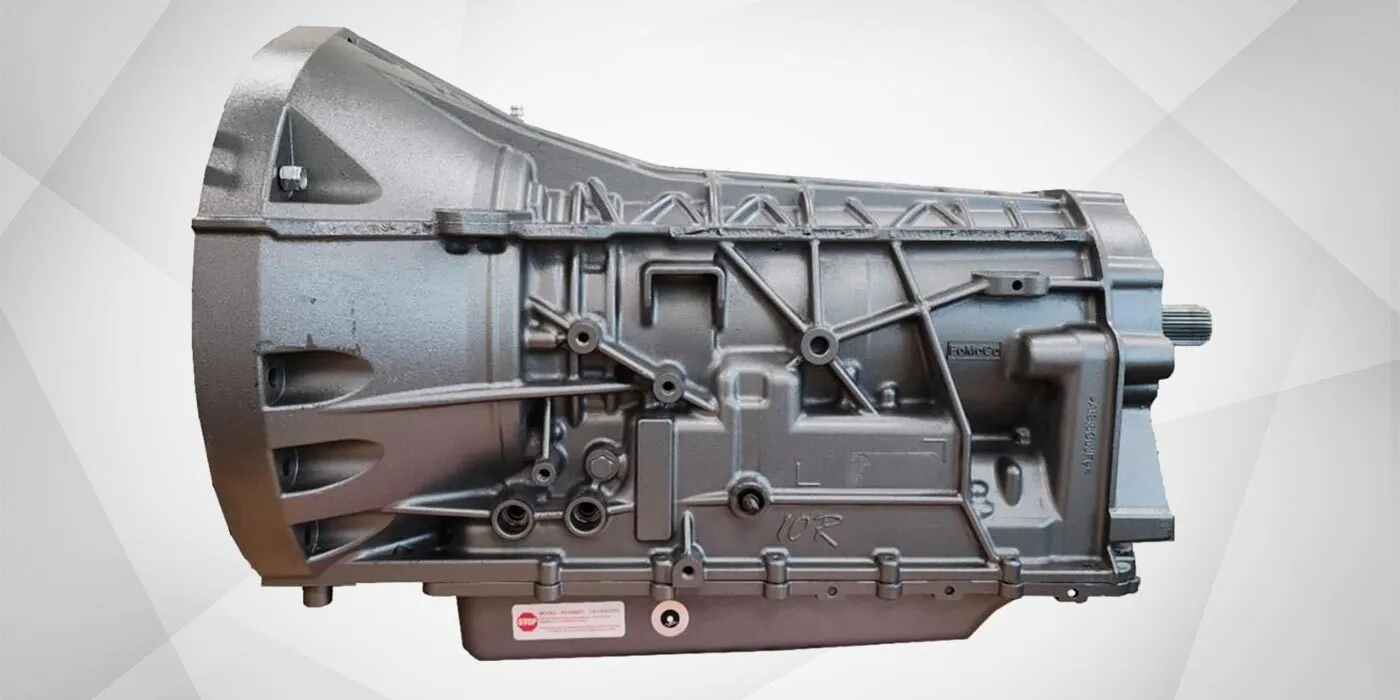
The Toyota and Lexus U660 and U760 6-speed automatic transmissions are widely used in high-volume models such as the Toyota Camry, Toyota RAV4, and Lexus ES. Known for their reliability and smooth operation, these transmissions are designed with longevity in mind and are considered highly serviceable for DIY maintenance despite being “sealed” units.
A key feature of the U660/U760 series is the removable metal transmission pan, which allows direct access to the internal filter. The filter is secured by just three bolts and can be replaced easily once the pan is removed. Unlike modern units with integrated or screen-only filters, this design supports a traditional “drop-the-pan” service, making it feasible for home mechanics.
The transmissions also have dedicated drain and fill points, including an overflow “straw” used for setting the correct fluid level. This requires the vehicle to be perfectly level and the fluid to reach a specific temperature, typically 104°F–113°F, during final adjustment.
Service intervals are generally recommended every 60,000 to 100,000 miles, or sooner for heavy-duty use. The procedure includes draining the fluid, removing the pan and filter, cleaning the pan magnets, installing a new filter and gasket, and refilling with Toyota WS automatic transmission fluid. While Toyota labels these units as “sealed,” regular fluid changes and filter replacement significantly extend transmission life.
The U660E is typically paired with higher-torque V6 engines, while the U760E is designed for 4-cylinder applications. Both are known for smooth, responsive shifts and durability, capable of lasting 150,000 to 200,000 miles with proper maintenance.
Common issues include case bearing bore wear in the U660, C2 clutch pack failures, valve body or solenoid problems causing erratic shifting, and internal Teflon seal leaks. Heat management is critical, especially for vehicles used in towing or hot climates.
The U660 and U760 series combine traditional serviceability with modern performance. They provide reliable, smooth gear changes, strong durability, and DIY-friendly maintenance options. Proper care, including timely fluid and filter changes, is key to avoiding major failures and extending the lifespan of these well-engineered transmissions.
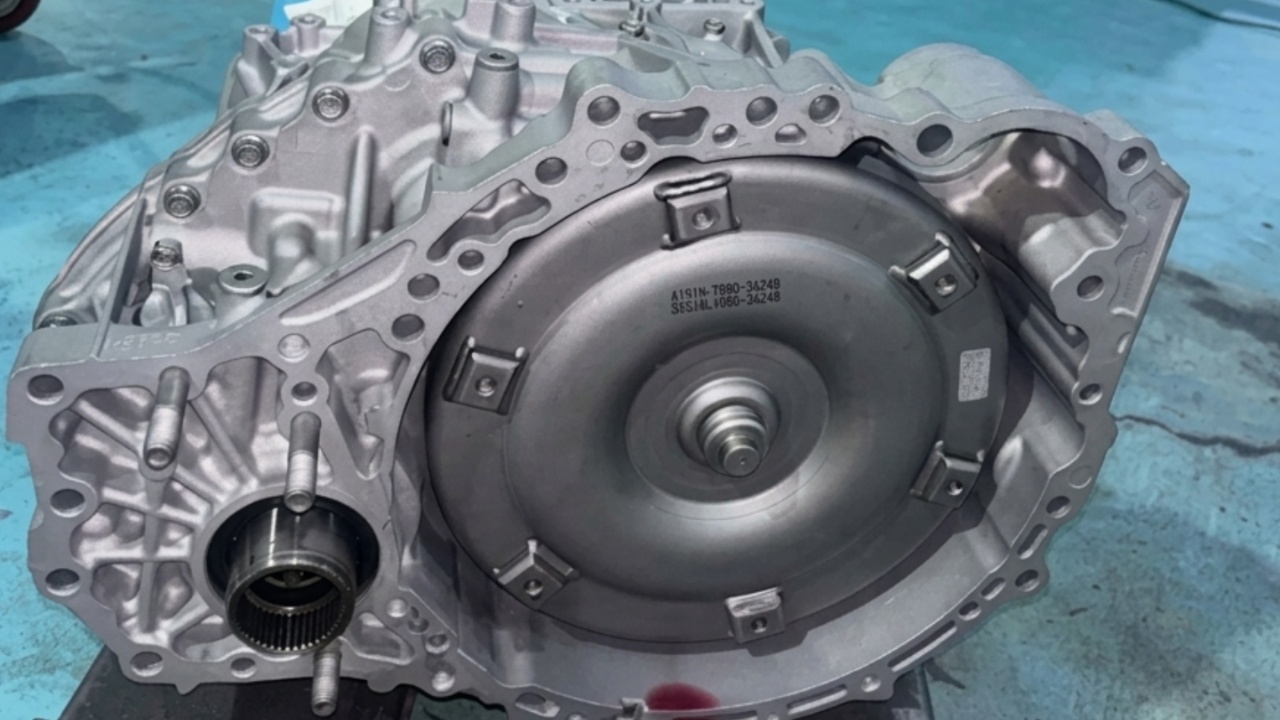
5. GM 6L80 / 8L90 Series (6- and 8-Speed Automatic)
The GM 6L80 (6-speed) and 8L90 (8-speed) automatic transmissions are widely used in vehicles such as the Chevrolet Silverado, Chevrolet Suburban, and GMC Sierra. Designed primarily for longitudinal rear-wheel-drive and four-wheel-drive applications, these transmissions are valued for their durability, versatility, and relatively DIY-friendly maintenance despite electronic complexity.
A key feature of both transmissions is the traditional pan-and-filter design. The filter is a standard plastic-and-felt unit that presses into a seal in the pump. Once the pan is removed, the filter can be pulled out and replaced, and the pan magnets can be cleaned to trap metal debris.
Most filter kits include a new gasket, making resealing straightforward. Accessing the pan is generally easy thanks to the longitudinal mounting, although some truck models may require unbolting a portion of the exhaust crossover pipe for full clearance.
Fluid management, though lacking a dipstick, is accessible via fill and check plugs, typically located on the passenger side or in the pan. DIYers can refill using a hand or pneumatic pump, but the transmission must be at a precise operating temperature for an accurate level.
luid type is critical, with Dexron VI synthetic recommended for the 6L80 and Dexron HP for the 8L90, particularly to avoid torque converter shudder. Upgraded transmission coolers are also advised to prevent overheating and fluid degradation.
The 6L80 is known for proven reliability, handling up to 440 ft-lbs of torque, making it ideal for towing and daily driving. Common issues include torque converter clutch shudder, overheating, valve body wear, and 3-5-R clutch failures.
The 8L90 builds on this design with tighter gearing for faster shifts and improved fuel efficiency, but it shares similar failure points, including converter shudder, overheating, and input shaft fragility under high power.
Aftermarket support, such as deep pans with built-in drain plugs, improves service convenience. Despite electronic complexity, the 6L80/8L90 series remains a practical choice for DIYers who maintain proper fluid care, cooling, and regular filter changes. These transmissions offer a balance of strong performance, towing capability, and serviceability in GM trucks and performance cars.
Also read: 5 Cars With Simple Interiors That Age Well vs 5 With Too Much Fragile Plastic
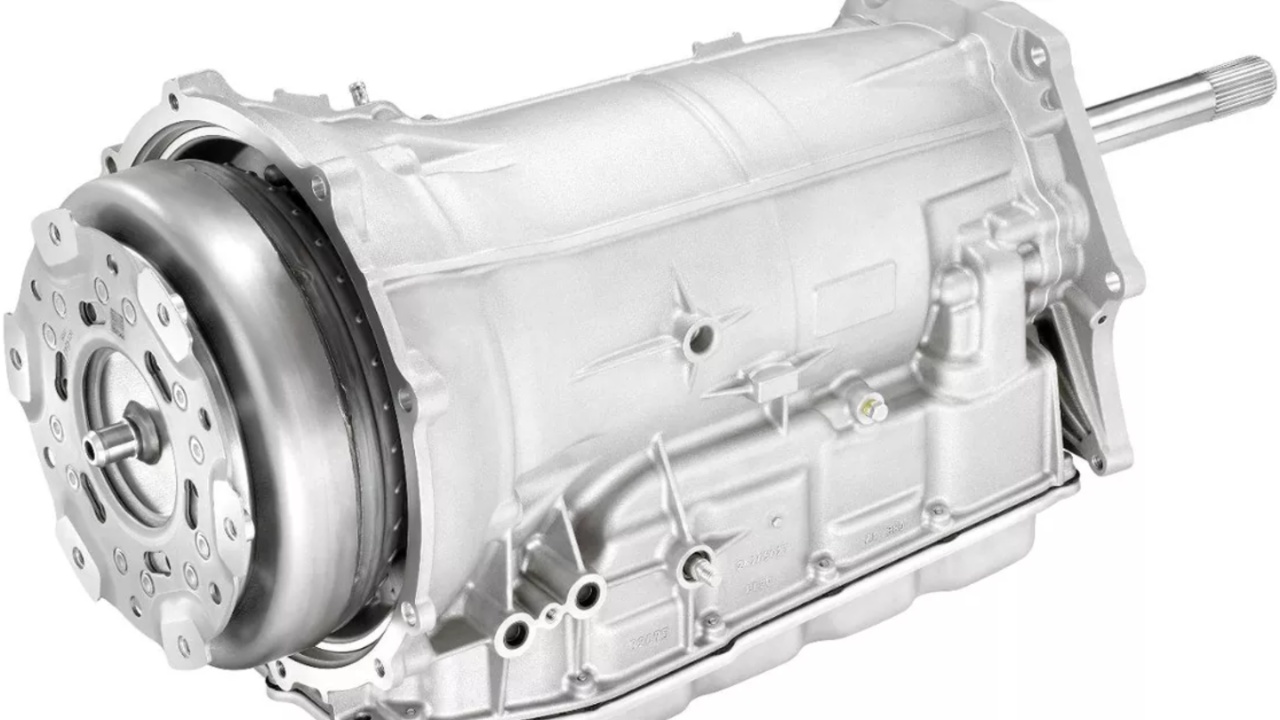
6. Jatco CVT8 (Nissan Xtronic)
The Jatco CVT8, also branded as Nissan Xtronic, is a continuously variable transmission used in vehicles such as the Nissan Altima, Nissan Rogue, and Nissan Sentra.
It is designed for smooth, fuel-efficient driving with a stepless gear system that delivers seamless power and improved gas mileage compared to traditional automatic transmissions. Many models, especially post-2019 versions, include software improvements to simulate gear steps, reducing noise and improving the driver’s perception of shifting.
One notable feature of the CVT8 is its dual-filter design. It has a primary internal screen inside the transmission pan and an external cartridge-type filter located near the transmission cooler lines, often behind a small cover in the driver-side wheel well.
For DIY maintenance, the external cartridge filter is the most practical service item. Replacing it is a quick and clean process that only requires basic hand tools such as a 10mm ratchet, pliers, and a funnel.
The internal pan filter can also be serviced by removing the pan, which is recommended for high-mileage vehicles to clean the magnets and screen, but the external filter change alone significantly improves transmission health and helps prevent the whining noise often associated with older CVTs.
Maintenance requires careful attention to fluid type and levels. Only Nissan NS-3 fluid or equivalent should be used. The fluid is checked through a fill/level plug at a specific temperature (35–45°C), and after servicing, the CVT fluid deterioration counter in the transmission control module should be reset using a scanner. Regular fluid changes, typically every 30,000 to 40,000 km, are critical to preventing early failures.
Despite its efficiency and smooth operation, the CVT8 has a mixed reliability record. Early models (2012–2017) were prone to overheating, whining, shuddering, and premature failures, sometimes before 100,000 miles.
Newer models are generally more reliable, but the transmission remains sensitive to heavy loads, towing, or infrequent maintenance. Repairs are often expensive, usually requiring full replacement rather than partial repairs.
The Jatco CVT8 offers excellent fuel economy and a refined driving experience, particularly suited for city commuting. Its external cartridge filter makes it reasonably DIY-friendly, but owners must be diligent with fluid changes and careful about vehicle usage to maintain long-term reliability.
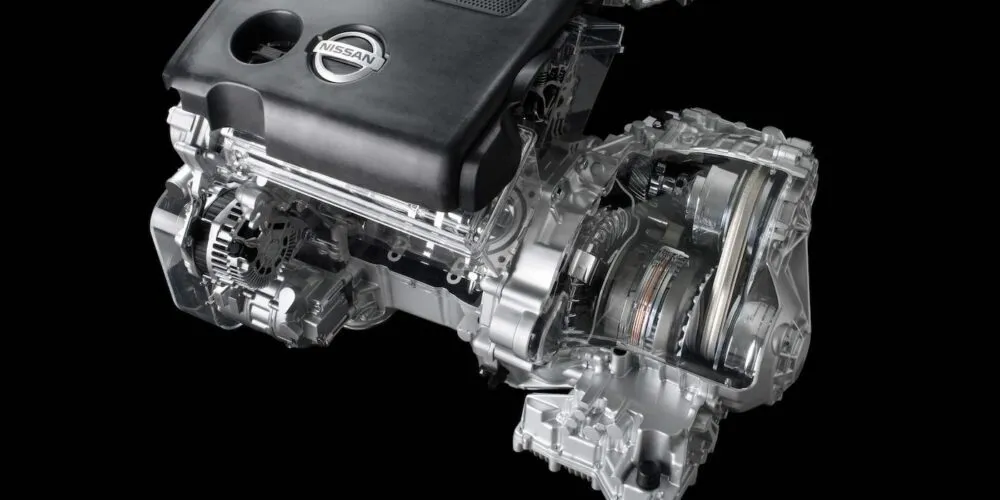
7. Subaru Lineartronic CVT
The Subaru Lineartronic CVT is used in vehicles such as the Subaru Outback, Subaru Forester, and Subaru Crosstrek. This chain-driven, pulley-based continuously variable transmission provides smooth, fuel-efficient performance by keeping the engine in its optimal power band and eliminating traditional gear shifts.
Some models, like the WRX, utilize the CVT to deliver rapid acceleration, while standard models focus on seamless, comfortable city and highway driving.
From a maintenance perspective, the Lineartronic CVT is relatively DIY-friendly compared to many modern automatic transmissions. Most models feature a large metal strainer located inside the transmission pan, which can be accessed by draining the fluid and removing the pan.
Earlier TR580 units included an external canister filter, similar in convenience to an engine oil filter, allowing filter replacement without disassembling the transmission or removing the torque converter. This external filter is usually accessed from under the vehicle, behind a small cover on the driver’s side of the transmission case.
Drain and fill plugs, typically 14 mm and 8 mm Allen bolts, make fluid exchange straightforward. Fluid leveling requires a specific temperature range (35°C–45°C) and a level vehicle, and using genuine Subaru High Torque CVTF or an approved equivalent is critical to prevent damage.
The CVT is marketed as “lifetime fluid,” but practical experience shows that fluid inspection every 30,000 miles and replacement between 60,000 and 100,000 miles significantly improves longevity.
Common issues include high-pitched whining, shuddering, and overheating, particularly in higher-mileage vehicles or when maintenance is neglected. Later models, especially those from 2018 onward, have improved durability, addressing many early complaints.
The Lineartronic CVT offers a unique driving experience with smooth, lag-free acceleration and simulated fixed gears under hard acceleration to reduce noise. It excels in fuel economy and comfort, making it ideal for daily commuting and highway cruising.
However, it is less suited for heavy towing or aggressive performance use, where traditional automatics or manual gearboxes may be more reliable. Subaru’s CVT provides a balance of efficiency, smoothness, and DIY-maintenance potential, with careful fluid management being key to long-term reliability.
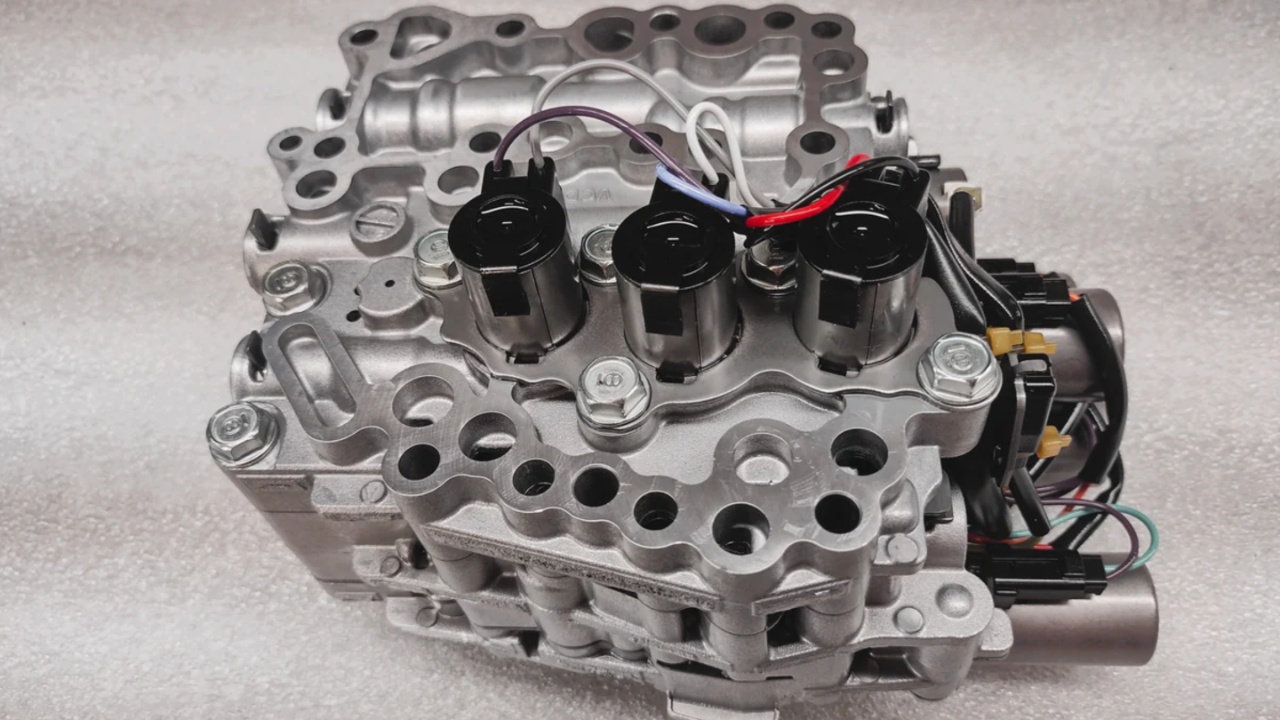
8. Volkswagen/Audi DSG (Direct-Shift Gearbox)
The Volkswagen and Audi DSG (Direct-Shift Gearbox) is a dual-clutch transmission widely used in models like the VW Golf, VW GTI, and Audi A3. Renowned for lightning-fast gear shifts, the DSG combines performance and fuel efficiency with a sporty driving feel. Key to its longevity is strict maintenance, typically every 40,000 miles, including fluid and filter replacement.
One of the DSG’s most DIY-friendly features is its top-side cartridge-style filter, housed in a plastic cup on the transmission. By removing the battery tray or airbox, the filter can be accessed and replaced without lifting the vehicle or removing the transmission.
This placement is particularly advantageous because the filter traps debris from the wet clutch pack, which is bathed in transmission fluid to provide lubrication and cooling. The fluid and filter accumulate wear particles faster than traditional automatics, making regular servicing critical.
The filter replacement process is straightforward: remove the airbox or battery to expose the filter housing, unscrew the top cap with a 24mm socket, swap the paper element and lubricated O-ring, and perform a fluid drain and refill.
Fluid can be drained from the bottom using a special tool or, in some cases, refilled through the top filter housing. Precise temperature monitoring using tools like VCDS/Ross-Tech is recommended to ensure correct fluid levels and maintain shift quality.
DSG transmissions offer near-instantaneous shifts that outperform traditional manuals, providing smooth acceleration and excellent fuel efficiency. The system also allows precise manual control via paddle shifters while functioning automatically in traffic.
However, low-speed driving can feel jerky compared to traditional automatics, and early dry-clutch models (DQ200 7-speed) have higher failure rates than wet-clutch units like the DQ250 or DQ381. Maintenance is specialized and costly, particularly for mechatronic unit repairs, but following service intervals ensures long-term reliability.
The Volkswagen/Audi DSG is an ideal choice for drivers seeking high-performance, efficiency, and a sporty feel. DIY-friendly filter access combined with regular fluid maintenance makes it feasible for knowledgeable owners to maintain peak performance.
Wet-clutch models, in particular, offer better reliability and peace of mind, while the DSG remains one of the most advanced and engaging transmission systems available in modern performance cars.
9. Chrysler/Dodge 62TE (6-Speed Automatic)
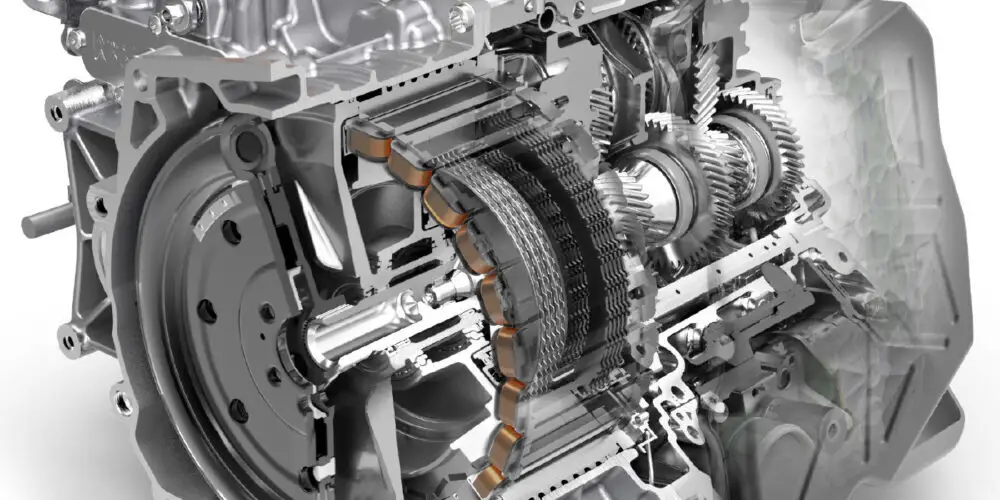
The Chrysler/Dodge 62TE is a 6-speed automatic transmission used in vehicles such as the Chrysler Pacifica, Dodge Grand Caravan, and Ram ProMaster. Introduced around 2007, it is an evolution of the older 41TE 4-speed, upgraded to handle more torque and improve fuel efficiency.
The 62TE is primarily used in front-wheel-drive and all-wheel-drive vehicles and is known for smooth highway cruising thanks to its two overdrive gears. Its design emphasizes accessibility, making it a practical option for DIY fluid and filter maintenance.
One of the standout features for DIYers is the vertically mounted transmission pan. Located on the front of the transmission, the pan is easy to see and remove after taking off the plastic under-tray. Once the pan is removed, the filter is held by just two Torx screws, allowing a simple “drain, drop, and swap” service.
Fluid drains predictably from the vertical pan, though it can still be messy. While the factory pan often lacks a drain plug, standard tools like an 8mm socket and T-25/T-27 Torx bit suffice, and a torque wrench ensures proper reinstallation. Fluid capacity is approximately 5.5 quarts of ATF+4.
Critical considerations for maintenance include the absence of a factory dipstick, requiring a universal or marked dipstick to measure fluid levels accurately based on temperature charts. RTV sealant may also be necessary for resealing the pan if a rubber gasket is not provided.
Precise fluid measurement is essential to prevent shifting issues, which can trigger error codes like P0944 or P0838. Regular service, typically around every 50,000 miles, helps prevent contaminant buildup in the solenoid pack and extends transmission life.
The 62TE has several known failure points. Early models faced compounder section failures, solenoid or valve body issues, weak clutch packs, torque converter malfunctions, and overheating under heavy stress. High-quality maintenance and proper fluid changes are crucial to avoid these problems. If the transmission fails, a reliable remanufactured unit with updated components is often necessary to correct recurring issues.
The 62TE provides smooth and dependable performance for vans and daily drivers. Its DIY-friendly design allows home mechanics to maintain the transmission effectively, but it requires diligence. While capable of standard driving, it is not recommended for heavy towing or high-performance applications due to its known weak points.
10. Allison 1000/2000 Series
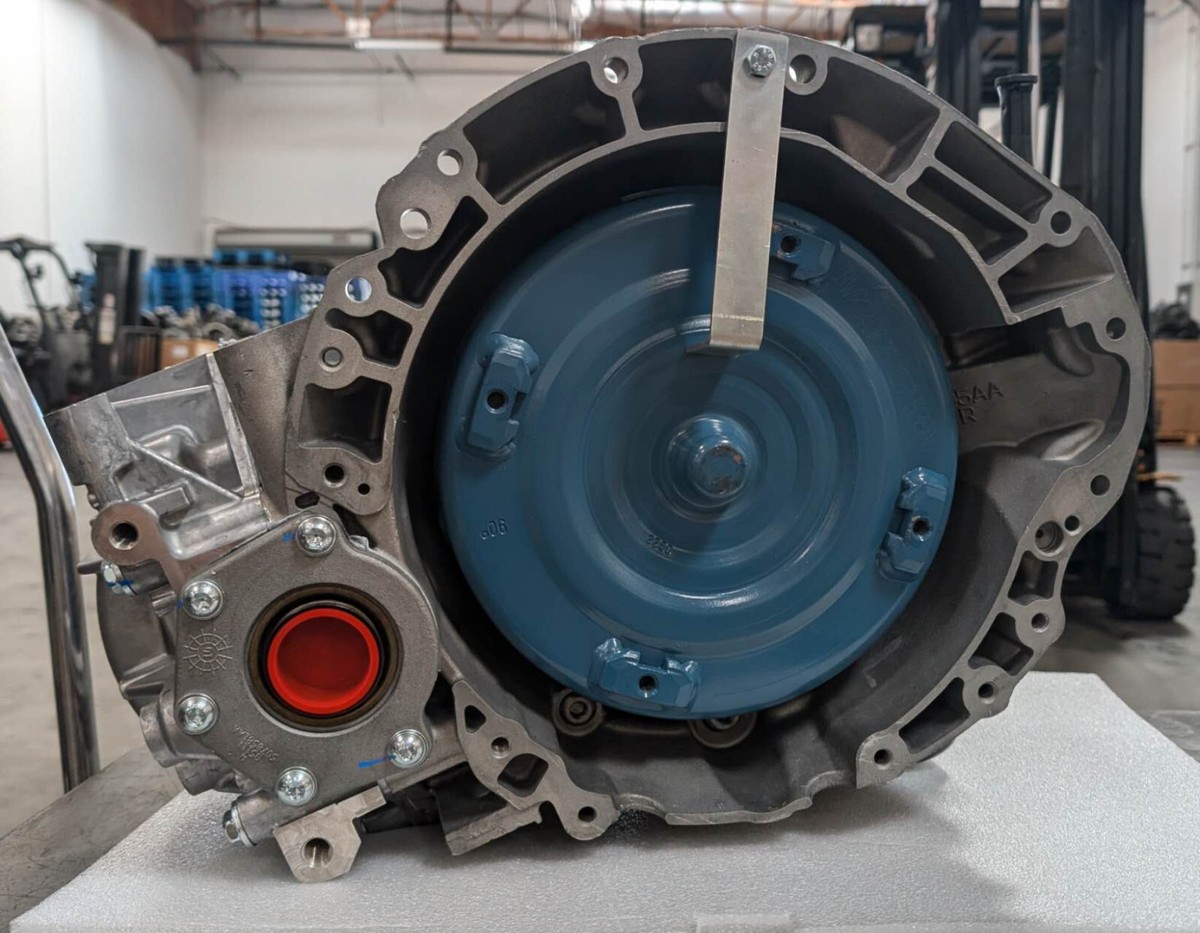
The Allison 1000 and 2000 Series transmissions are widely used in heavy-duty GM Duramax trucks, including utility and vocational vehicles. These electronically controlled automatics are celebrated in the DIY community for their combination of commercial-grade durability and highly accessible maintenance design.
A standout feature is the external spin-on filter, located on the side of the transmission, which resembles a conventional engine oil filter. This design allows for quick, clean filter replacement with a standard filter wrench, encouraging frequent service and contributing to the transmission’s longevity.
One key advantage for DIYers is the simplicity of fluid management. The transmission has a drain plug, so fluid changes can be done alongside the filter swap without dropping the entire unit. The filter setup includes a small magnet on the housing, which captures metal particles; this magnet can be easily removed, cleaned, and reused during service.
Modern models (2009 and later) also feature built-in fluid and filter “prognostics” that monitor the transmission’s condition and inform owners when maintenance is necessary, further simplifying upkeep. Recommended service intervals for the spin-on filter are roughly every 10,000 to 15,000 miles or during every other oil change.
The Allison 1000/2000 Series offers robust performance for trucks with up to 365 hp and 700 lb-ft of torque. 10-speed variants improve fuel efficiency and towing capabilities, while xFE (extra fuel economy) models deliver up to a 7% gain in efficiency.
Many transmissions also support Power Take-Off (PTO) applications, making them ideal for commercial, vocational, and emergency vehicles. Adaptive learning allows the transmission to compare shift parameters against programmed ideal conditions, ensuring smooth and efficient operation.
Despite their heavy-duty design, there are a few considerations for DIYers. Fluid level checks must be performed at operating temperature on a level surface. The transmissions can enter “limp mode” under high load or sensor failure.
Original soft bushings may wear prematurely, though upgrades to bronze are common. Repairs can be costly due to complex electronics, but minor DIY maintenance, especially regular filter and fluid changes, is straightforward and highly effective.
The Allison 1000/2000 Series is one of the most user-friendly, durable transmissions available for heavy-duty applications. Its external spin-on filter, accessible fluid management, and commercial-grade reliability make it ideal for DIY enthusiasts who want to maintain peak performance in trucks, utility vehicles, and vocational applications. Regular attention to the filter and fluid health can extend service life to hundreds of thousands of miles.
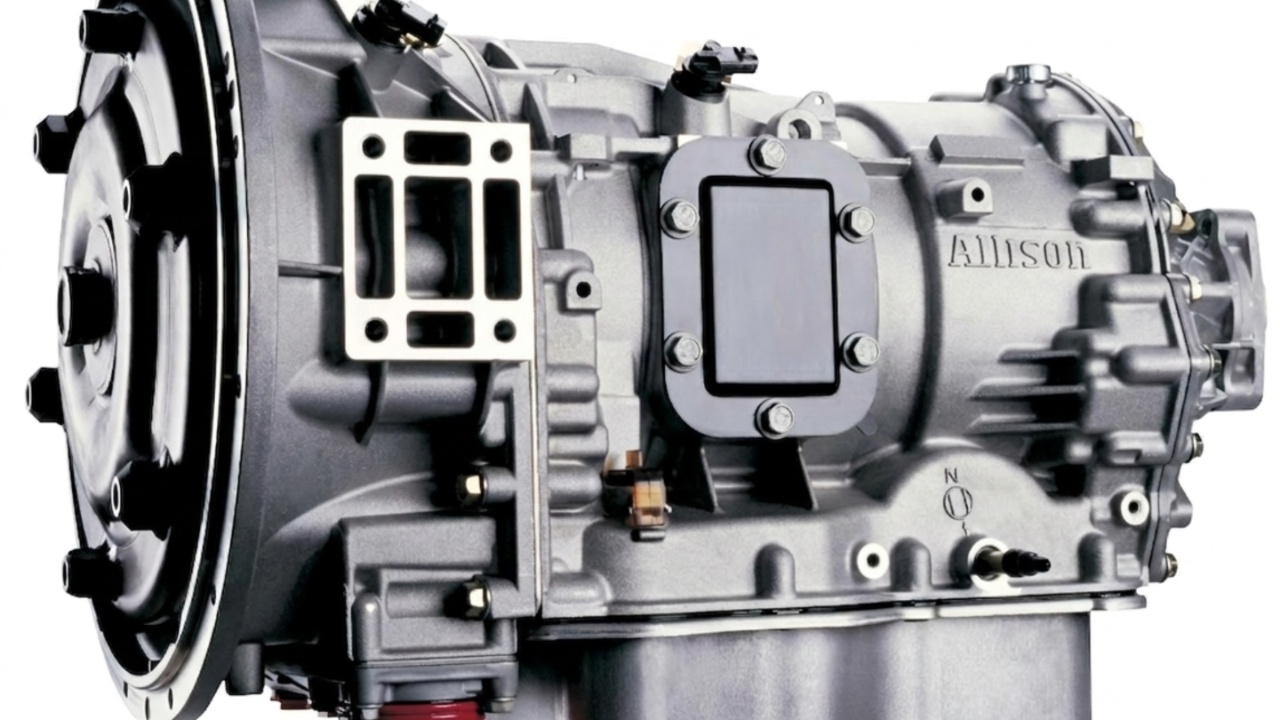
The ten modern transmissions covered, including the Honda/Acura 6-speed, GM 8L90, and Allison 1000 and 2000 series, show that performance, durability, and DIY serviceability can coexist. Each transmission offers design features that simplify filter access and fluid management, such as externally mounted cartridge filters or pan-and-filter assemblies.
Regular maintenance with the correct fluid, proper temperature, and accurate torque ensures optimal performance, prevents premature wear, and enhances reliability.
Owners who take a proactive approach to maintenance can enjoy longer transmission life, smoother shifting, and improved efficiency. These transmissions provide DIY enthusiasts with the tools and accessibility to keep their vehicles in peak condition without relying solely on professional service.
Also read: Top 10 Cars That Changed Name Depending on Which Country They Were In