
Cold starts have always been one of the biggest challenges for diesel engines, especially in low-temperature environments where proper combustion becomes more difficult. Glow plug systems play a crucial role in solving this problem by preheating the combustion chamber or incoming air, ensuring reliable ignition even in harsh conditions.
However, not all glow plug systems are created equal. Some modern setups are complex, sensor-heavy, and difficult to diagnose, while others are designed with simplicity, durability, and ease of maintenance in mind.
This list highlights the Top 5 Diesel Engines With the Simplest Glow Plug Systems for Cold Starts, focusing on engines that prioritize reliability and straightforward design.
These engines stand out not just for their ability to start in cold weather, but for how easy they are to maintain and troubleshoot. Whether it is a single intake heater grid, a basic relay-controlled system, or heavy-duty ceramic plugs designed for instant heating, each engine here offers a unique approach to simplifying cold starts.
From classic fully mechanical diesels to more modern but still serviceable designs, these engines are favorites among DIY enthusiasts, fleet operators, and anyone who values long-term dependability. If you are looking for a diesel engine that starts reliably without complicated electronics, this list showcases some of the best ever built.
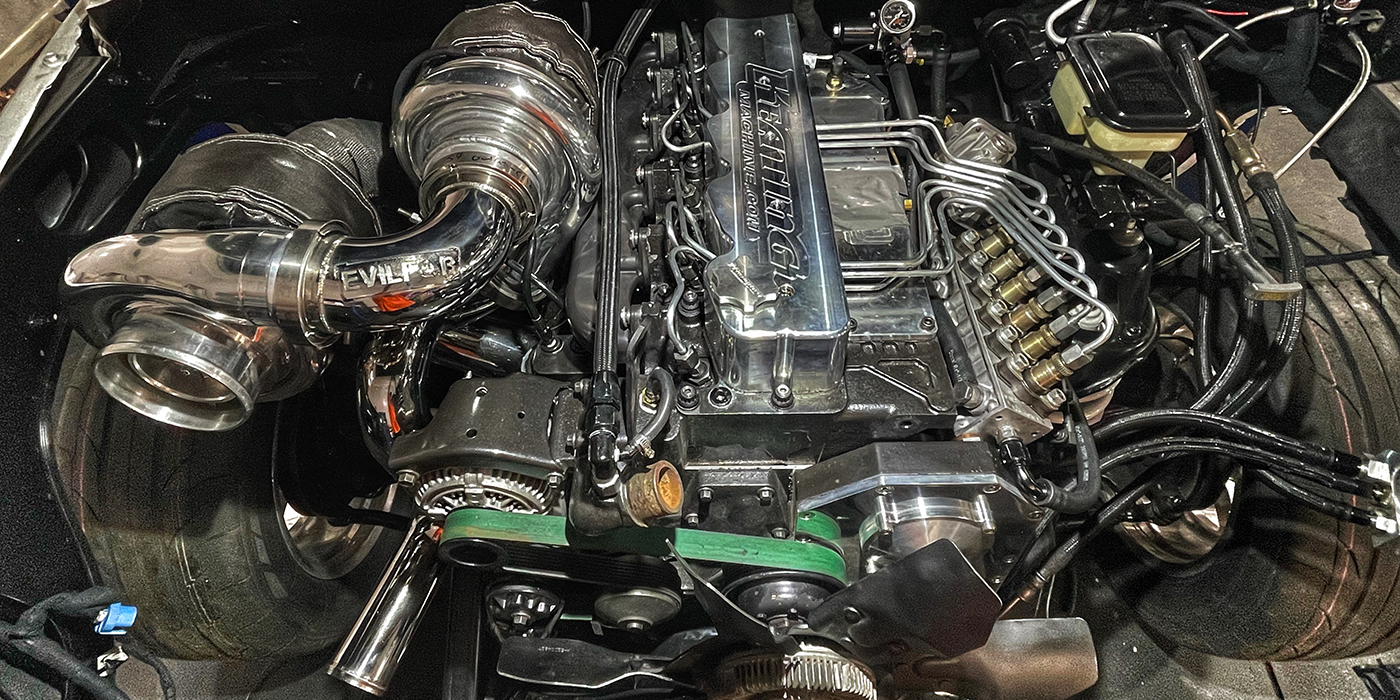
1. Cummins B-Series 5.9L 12-Valve: Legendary DIY Diesel Engine
The 5.9L 12-valve Cummins B-Series, produced from 1989 to 1998, is renowned for its mechanical simplicity, reliability, and ease of maintenance. Unlike modern diesels, it has no glow plug system; instead using a single Intake Heater Grid located between the air horn and intake manifold to warm all incoming air at once.
This eliminates the fragile multi-glow-plug setup common in other engines, reducing failure points and making diagnostics straightforward.
At the heart of the 12-valve Cummins is the Bosch P7100 mechanical injection pump, which delivers fuel without any engine control module (ECM). This purely mechanical system eliminates sensors, wires, and complex electronics, allowing DIY enthusiasts to perform fuel system tuning, valve lash adjustments, and routine maintenance using basic hand tools.
Additionally, the engine lacks modern emissions systems such as Diesel Particulate Filters (DPF) and Exhaust Gas Recirculation (EGR), avoiding expensive and complicated regeneration issues.
It’s simple, overbuilt construction allows it to tolerate low-quality or dirty fuel, making it highly reliable in varied working conditions. Many engines have been known to exceed 500,000 miles with only routine maintenance, earning the nickname “Million Mile Motor.”
The 12-valve Cummins was commonly paired with 47RH/47RE automatic transmissions or NV4500/NV5600 manual gearboxes, both of which are serviceable in a home garage. Automatic transmissions feature accessible external filters for easy fluid and filter changes, while manual gearboxes are durable and require only simple oil changes.
Extensive aftermarket support allows for upgrades such as deep transmission pans to improve cooling and maintenance access, making both engine and transmission platforms ideal for DIY enthusiasts and performance upgrades.
Routine service is particularly user-friendly on this engine. Oil changes, fuel filter replacements, and valve train maintenance are straightforward, with valve covers providing easy access for regular lash checks, recommended every 15,000–30,000 miles.
The engine’s overbuilt components accommodate significant modifications, often supporting 400+ horsepower without needing complex tuning tools. This combination of simplicity, durability, and upgrade potential makes the 12-valve Cummins an ideal engine for both practical work trucks and high-performance custom builds.
While the engine is highly reliable, there are some caveats. The Killer Dowel Pin (KDP) issue in the timing gear can cause catastrophic damage if not addressed.
Stock Dodge automatic transmissions may struggle with high torque outputs, and older vehicles often require replacement of aged fuel lines, gaskets, and electrical connectors. Despite these considerations, the 5.9L 12-valve remains highly prized for its mechanical simplicity, longevity, and adaptability.
The Cummins B-Series 5.9L 12-valve is one of the most reliable and DIY-friendly light-duty diesel engines ever made. Its mechanical simplicity, robust construction, durable transmissions, and extensive aftermarket support make it a top choice for anyone seeking a long-lasting, easily serviceable platform capable of handling both workhorse duties and high-power modifications. For diesel enthusiasts, the 12-valve 5.9L Cummins represents a benchmark in reliability, simplicity, and performance potential.
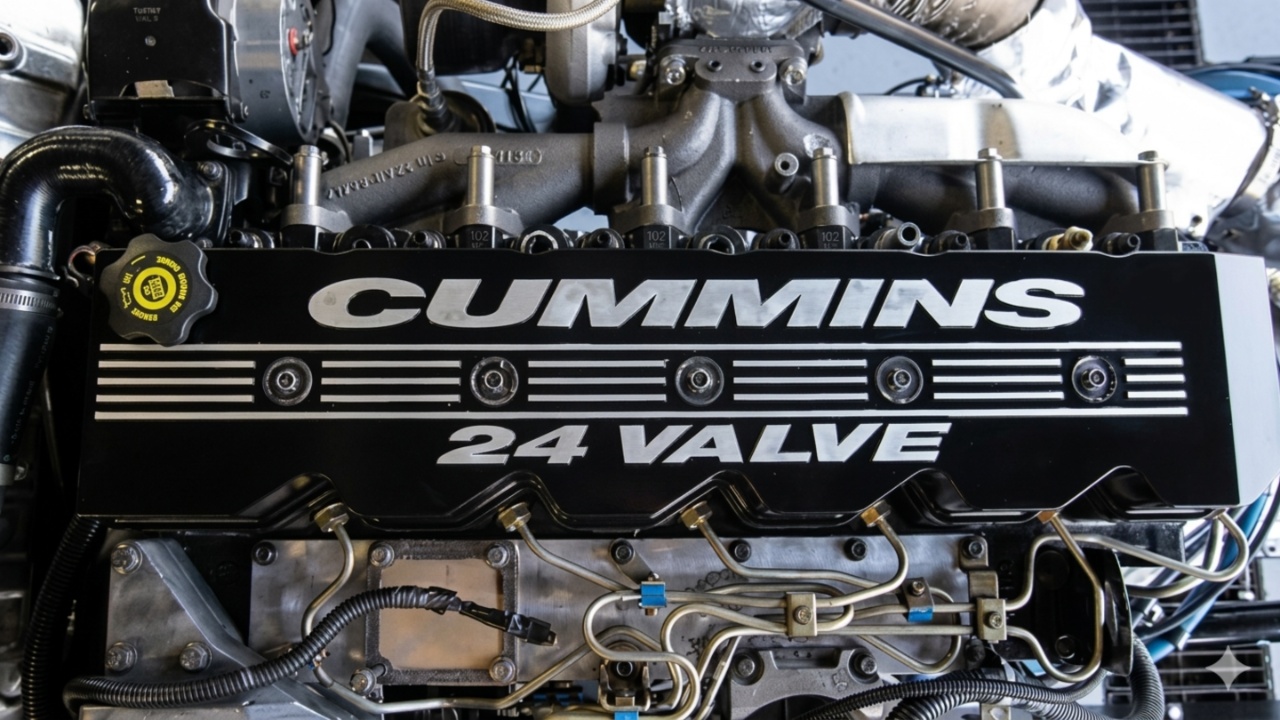
2. Mercedes-Benz OM617: The Bulletproof 5-Cylinder Diesel
The Mercedes-Benz OM617 diesel engine, produced from 1974 to 1985, is considered one of the most durable engines ever built. It is often called the “cockroach of engines” because of its ability to survive extreme conditions and high mileage.
This 3.0L 5-cylinder engine is known for its mechanical simplicity, easy accessibility, and reliability, often reaching 500,000 miles or more, with some examples exceeding one million miles. It also provides excellent fuel economy, typically between 23 and 32 miles per gallon, making it highly valued by DIY enthusiasts and classic diesel fans.
A key feature of the OM617 is its glow plug system, which ensures consistent starts even in cold weather. Early models used a series-loop circuit, but most surviving engines have a parallel pencil-style system.
This design is mechanically simple and uses a basic timer relay, making it easy to troubleshoot with a multimeter. The glow plugs are positioned vertically and are easily accessible with standard tools. This makes replacement simple and contributes to the engine’s long service life.
The OM617 was usually paired with 722.3 or 722.4 automatic transmissions in Mercedes W123 and W126 models from the 1970s and 1980s. These transmissions are very DIY-friendly because of their hydraulic design and mechanical simplicity. Unlike modern sealed units, they have accessible drain plugs on both the transmission pan and torque converter, allowing for a nearly complete fluid change.
The transmission pan is easy to remove and provides access to the filter, which can be replaced quickly. The presence of a dipstick tube makes checking fluid levels and adding new fluid straightforward. The lack of complex electronics means there is no need for diagnostic computers or scanners. Abundant OEM and aftermarket parts and a strong online community support make maintenance easier for enthusiasts.
DIY maintenance steps for the OM617 and its transmissions are simple. The fluid should be warmed by driving the vehicle, then drained using the pan and torque converter plugs. The filter and gasket are replaced, and the system is refilled with quality automatic transmission fluid such as Dexron III.
The engine uses mechanical fuel injection, which allows easy tuning and makes it compatible with alternative fuels like biodiesel. The cast-iron block and robust internal components provide durability and tolerance to wear, helping the engine last for decades.
Despite its strengths, the OM617 has some limitations. Naturally aspirated versions produce about 77 to 88 horsepower, while turbocharged models made after 1978 produce 110 to 125 horsepower.
The engine is slow compared to modern diesels, and even turbocharged versions require patience for acceleration. Regular maintenance, such as valve adjustments, is necessary to achieve high mileage, and older components, such as fuel pumps or turbochargers, may need rebuilding.
The OM617 is a reliable, low-maintenance, and easy-to-work-on classic diesel engine. Its combination of mechanical simplicity, bulletproof construction, and high accessibility makes it ideal for enthusiasts who value longevity and DIY-friendly performance rather than speed.
The engine powered the W123 300D, 300TD, and W126 300SD and is also popular for swaps into trucks and SUVs, demonstrating its versatility and reputation as a long-lasting diesel engine.
Also read: 5 Cars With Simple Mechanical Cooling Fans vs 5 With Complex Electric Fan Modules
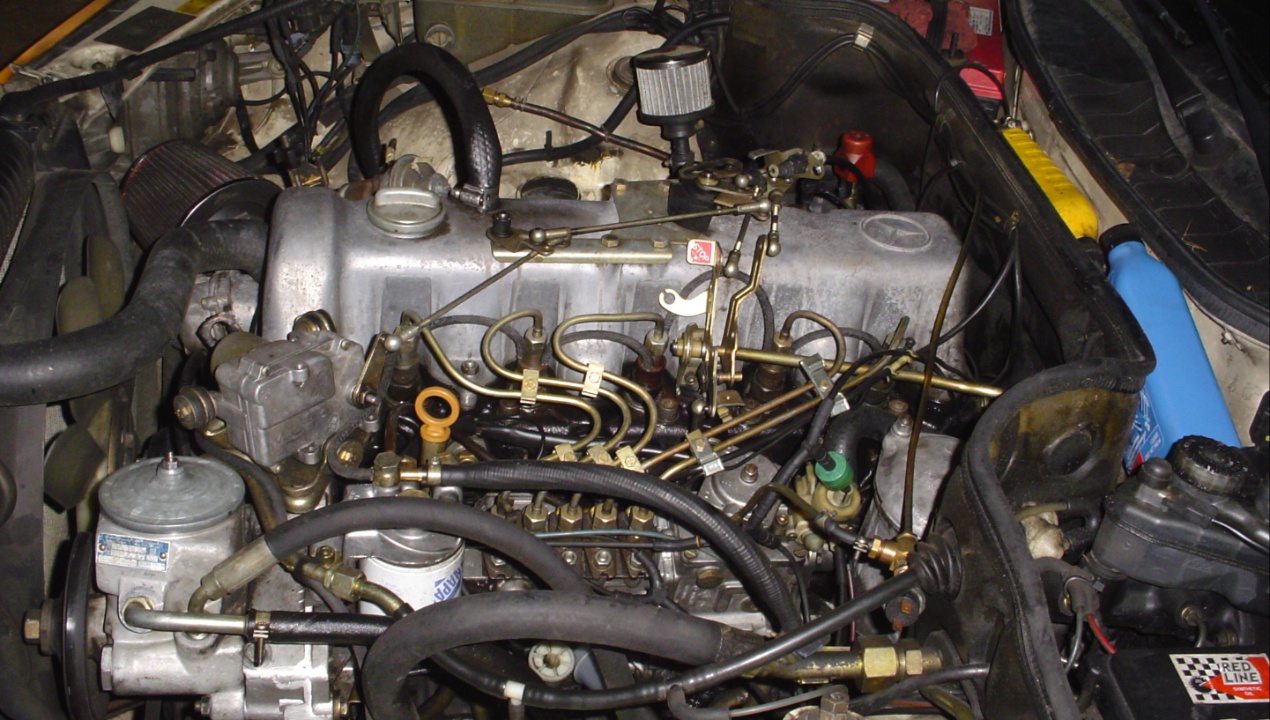
3. Volkswagen 1.9L TDI (Early ALH/AHU): Efficient, Reliable, and DIY-Friendly
The early Volkswagen 1.9L TDI engines, particularly the ALH (1998–2003) and AHU (1996–1999) variants, are highly regarded for their durability, fuel efficiency, and ease of maintenance. These engines earned a reputation for exceptional cold-weather performance and longevity, often exceeding 400,000 to 500,000 miles with proper care.
A key factor in their reliability is the simple glow plug system. Both engines use four self-regulating glow plugs controlled by a basic relay located either under the dashboard or in the engine bay.
The thermal efficiency of the engine is so high that glow plugs rarely activate unless the temperature drops below 48°F. The plugs are positioned vertically and use push-on connectors similar to spark plug wires, allowing DIY owners to service or replace them quickly without specialized tools.
The mechanical simplicity of the early TDI engines extends to other areas as well. Both ALH and AHU engines use the Bosch VP37 rotary fuel injection pump, which is durable and straightforward to work on compared to modern common-rail systems.
Routine maintenance, including oil, fuel, and air filter replacements, is highly accessible in the engine bay, making these engines particularly friendly for DIY service. There is extensive aftermarket support and numerous tutorials for timing belt replacements, fuel system maintenance, and general servicing, further enhancing the DIY appeal.
Transmission accessibility varies depending on whether the vehicle is equipped with a manual or automatic unit. Manual transmissions are the preferred choice for DIY enthusiasts because they are largely filterless and require minimal maintenance.
Automatic 01M transmissions allow for simple drain-and-fill maintenance, but replacing the internal filter requires removing the transmission pan, making it more labor-intensive.
Both transmission types are hydraulic rather than electronically controlled, eliminating the need for complex diagnostics or specialized tools. The availability of OEM and aftermarket parts, along with strong online support, makes maintenance and repairs much more manageable.
The engine itself delivers strong low-end torque between 1,500 and 2,500 RPM, making it excellent for highway cruising and light towing. Fuel economy is exceptional, often exceeding 40–50 MPG, with some drivers reporting over 600 miles on a single tank.
The ALH engine introduced an internal water pump and refined power delivery, while the AHU used an external water pump and slightly simpler construction. Both engines are robust and well-suited for swaps into other vehicles or performance upgrades, with the block capable of handling 230–250 horsepower with minor reinforcements.
Despite their strengths, early TDI engines require attentive maintenance. Timing belts are critical because these are interference engines; failure can result in catastrophic damage. The VNT turbo system relies on vacuum lines, which can dry out or crack, causing low power or limp mode.
EGR systems can clog the intake manifold with soot over time, reducing airflow and performance. High-mileage engines may also develop oil leaks around valve covers or crank seals, and older components such as turbochargers or fuel pumps may require rebuilding.
The Volkswagen 1.9L ALH and AHU TDI engines are a perfect choice for enthusiasts seeking long-term durability, excellent fuel efficiency, and easy DIY maintenance. With proper care, these engines can outlast the vehicles they are in while remaining reliable, accessible, and capable of modest upgrades.
4. Ford 7.3L IDI: Classic Mechanical Diesel for DIY Enthusiasts
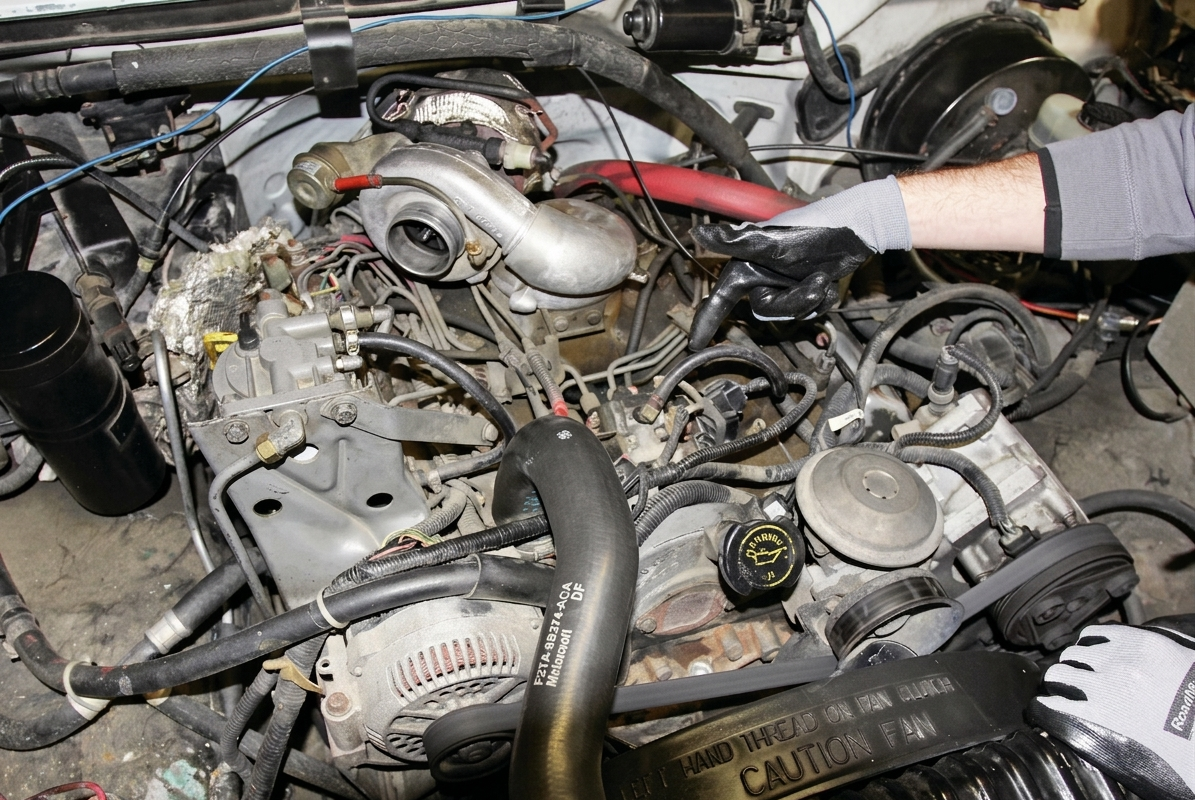
The Ford 7.3L IDI (Indirect Injection) diesel engine, produced by Navistar International for Ford from 1988 to 1994, is celebrated for its mechanical simplicity, reliability, and durability. Often regarded as a workhorse, this engine predates the more complex 7.3L Power Stroke and offers a fully mechanical design that appeals to DIY enthusiasts.
Unlike later computer-controlled engines, the IDI uses a standalone mechanical glow plug controller mounted on the back of the intake manifold. This system operates independently of the engine’s main computer and can be diagnosed using basic electrical knowledge.
It uses standard Motorcraft or Beru glow plugs that are widely available and inexpensive. The simplicity of this setup allows for easy manual overrides, such as installing a push-button start to control the glow cycle, which is especially useful in extremely cold climates.
The 7.3L IDI is most commonly paired with either the E4OD automatic or the ZF5 manual transmission. These transmissions are known for their robustness and serviceability. The E4OD automatic features a filter located directly above the pan, which can be serviced by dropping the pan using basic tools.
Later 4R100 upgrades include a drain plug, simplifying fluid changes without the need to remove the entire pan. DIYers can service the transmission completely by changing the filter, cleaning the magnet, and refilling via the dipstick. Additionally, aftermarket external filter kits are available for these transmissions, allowing future filter changes to be performed quickly and efficiently.
Manual options such as the ZF5 5-speed are highly durable and straightforward to service, offering a reliable and low-maintenance alternative to automatic units. These transmissions, combined with the engine’s mechanical simplicity, make the 7.3L IDI ideal for home maintenance.
The engine itself is naturally aspirated, producing around 185 horsepower and 338 lb-ft of torque, making it slower than modern diesels but suitable for basic heavy-duty work and daily hauling. Its cast-iron block and head are overbuilt for durability, and many engines surpass 300,000 miles with proper maintenance.
Fuel delivery is handled by a mechanical injection pump, which meters fuel accurately without electronic sensors, and the only electronic component is a fuel cutoff solenoid. The engine can run on a variety of diesel fuel blends, though attention to Supplemental Coolant Additives (SCA) is required to prevent cylinder wall cavitation. Fuel return lines are known to leak on high-mileage engines and should be inspected regularly.
The 7.3L IDI contrasts sharply with the later 7.3L Power Stroke, which is turbocharged, direct injection, and computer-controlled. While the Power Stroke offers higher horsepower, faster acceleration, and improved fuel efficiency, it is more complex and less DIY-friendly. By contrast, the IDI represents the “golden age” of mechanical diesels, offering reliability, simplicity, and long-term serviceability.
The Ford 7.3L IDI is an excellent choice for enthusiasts seeking a durable, easy-to-maintain diesel engine. It excels in heavy-duty work, long-term reliability, and DIY servicing, making it ideal for owners who value mechanical simplicity over high performance or modern technology.
5. Isuzu 4HK1: Durable and DIY-Friendly Medium-Duty Diesel
The Isuzu 4HK1 is a 5.2-liter, four-cylinder diesel engine widely used in Isuzu N-Series and F-Series medium-duty trucks. Known for its industrial-grade reliability, the 4HK1 is designed to withstand the demanding stop-start conditions of commercial applications. One of its standout features is a high-speed ceramic glow plug system that reaches peak temperature in under two seconds.
Unlike older or lighter-duty diesel engines, the 4HK1 glow system is engineered for fast, reliable starts, minimizing delays for commercial drivers. Components are heavy-duty and built to resist the high-vibration environment of medium-duty trucks, making failures rare and maintenance relatively straightforward.
The engine is often paired with Aisin A465 6-speed automatic transmissions or Allison units, both designed for serviceability. Transmission maintenance is highly accessible for DIYers due to modular and thoughtfully placed components. Many Isuzu automatic transmissions use external, spin-on filters similar to engine oil filters, allowing replacements without dropping the transmission pan.
Additionally, transmission fluid pans are equipped with accessible drain plugs, simplifying fluid changes. The cab-over-engine (COE) design of the Isuzu N-Series allows the driver’s cab to tilt, providing excellent access to the transmission for refilling fluid or checking levels via a dipstick or overfill plug.
Standardized commercial parts are widely available, and service procedures are well-documented, making DIY maintenance manageable without specialized shop equipment.
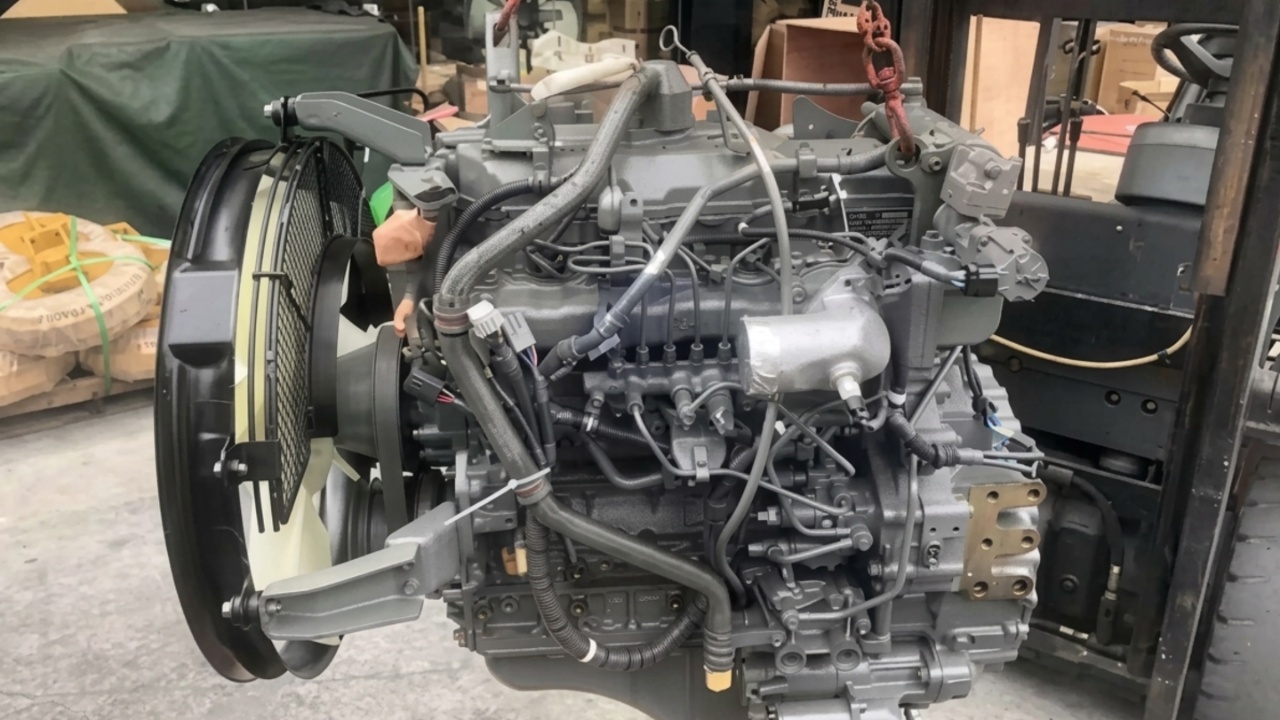
The 4HK1 is turbocharged and intercooled with common-rail direct injection, producing up to 215 horsepower depending on the variant. Its power and torque are optimized for low-RPM operation, providing strong, steady pulling power without constant gear changes.
The engine is built with a cast-iron block, wet liners, and a forged steel crankshaft for durability, and it boasts a B10 life rating of 375,000 miles, meaning 90 percent of engines are expected to reach this mileage before requiring a major overhaul.
Fuel efficiency is excellent, estimated to be around seven percent better than previous engines, an important advantage for city or delivery work. The 16-valve DOHC head features hydraulic tappets, eliminating the need for manual valve adjustments and further simplifying maintenance.
The Isuzu 4HK1 is versatile in medium-duty commercial applications. It powers trucks such as the NRR, FRR, FRD, and FSR series, as well as food trucks and delivery vehicles, where uptime, payload, and reliability are essential.
Its four-cylinder configuration provides a lighter engine, improving payload capacity without sacrificing durability. While some users may prefer the higher power output of six-cylinder engines for extreme heavy-duty or long-haul applications, the 4HK1 provides a practical balance of torque, fuel efficiency, and maintainability.
The Isuzu 4HK1 is a highly reliable, efficient, and DIY-friendly engine. Its heavy-duty construction, fast glow plug system, accessible transmission service points, and low-maintenance components make it ideal for commercial truck operators and enthusiasts who prefer robust, easy-to-service diesels.
The 4HK1 offers a proven combination of performance, longevity, and cost-effective operation, making it one of the most dependable engines in the medium-duty diesel segment.
The engines featured in this list prove that simplicity and reliability often go hand in hand, especially when it comes to cold-start performance. Each of these diesel engines takes a different approach to glow plug design, yet all share a common goal: dependable starting with minimal complexity.
Whether it is the near-indestructible design of older mechanical systems or the fast-heating efficiency of newer components, these engines demonstrate that effective solutions do not need to be complicated.
For DIY enthusiasts, these engines are especially appealing because their glow plug systems are easy to access, diagnose, and repair. Basic tools and knowledge are often enough to keep them running reliably, even in demanding conditions. This reduces maintenance costs and downtime, which is critical for both personal use and commercial applications.
In an era where many modern diesel engines rely heavily on electronics and complex emissions systems, these simpler designs stand out as practical and user-friendly alternatives. They offer a balance of durability, efficiency, and serviceability that is becoming increasingly rare.
Choosing an engine with a simple glow plug system means fewer headaches, easier maintenance, and greater confidence during cold starts. These five engines represent some of the best examples of that philosophy in diesel engineering.
Also Read: Top 10 Cars That Look Like They Are From the Future But Are From the 70s
