
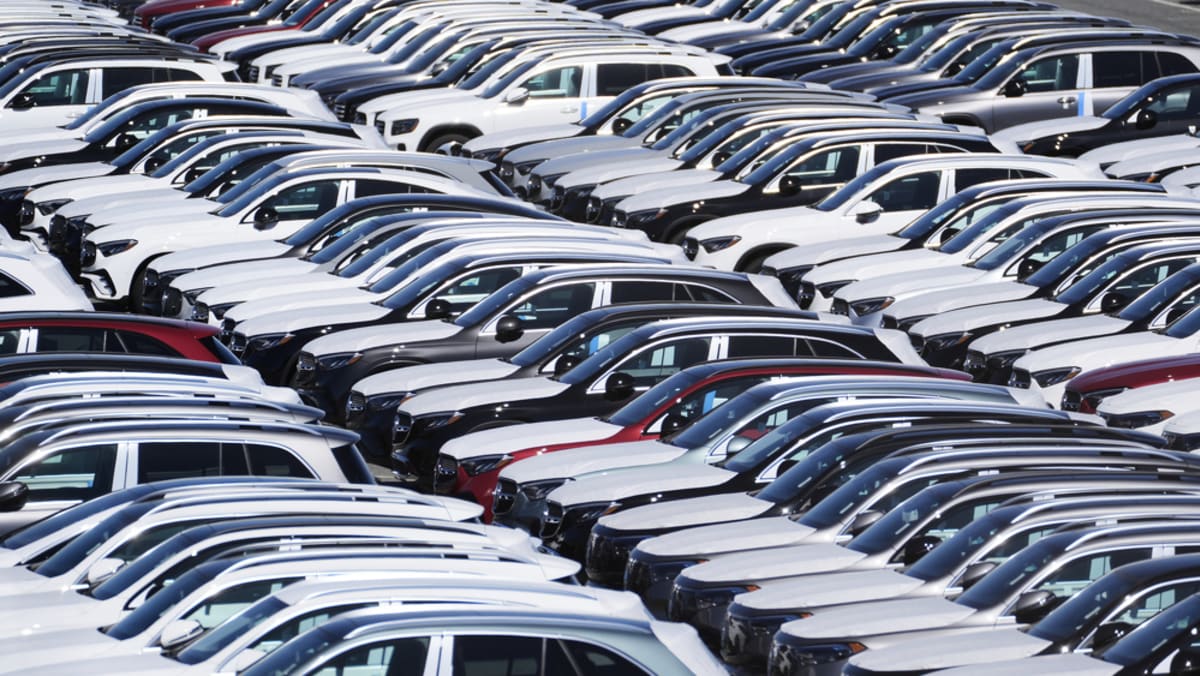
U.S. auto tariffs introduced under President Donald Trump have already cost global automakers tens of billions of dollars, according to industry reports, with analysts warning that consumers are likely to shoulder much of the financial burden.
Financial data reviewed indicates that tariffs imposed since 2025 have cost automakers “at least $35.4 billion since 2025.” Despite legal challenges, many of the tariffs affecting the automotive sector remain in place even after the U.S. Supreme Court blocked several other trade measures introduced during the same period.
The tariffs apply not only to imported vehicles but also to key materials and components used in vehicle manufacturing. Steel and aluminum imports face a 50 percent tariff, while vehicles imported from the European Union, Japan, and South Korea are subject to a 15 percent duty.
Vehicles produced in Canada or Mexico that comply with North American free-trade rules still incur a 25 percent tariff on the value of their non-U.S. components.
Among global automakers, Toyota appears to be facing one of the largest financial impacts. The company has projected costs of ¥1.45 trillion, or roughly $9.1 billion, in tariff-related expenses for its fiscal year ending March 31, 2026, representing the highest single-company estimate so far.
Detroit’s major automakers have also felt the effects. According to the report, Ford, General Motors, and Stellantis, the so-called Detroit Big Three, collectively paid around $6.5 billion in tariffs during 2025.
Other major manufacturers including BMW, Honda, Hyundai-Kia, Mazda, Mercedes-Benz, Nissan, Subaru, and Volkswagen have either reported or expect tariff costs exceeding $1 billion each.
Tariffs are not the only financial pressure facing the industry. Another report indicates that automakers have spent nearly $70 billion restructuring their electric vehicle operations following the removal of the $7,500 federal EV tax credit, which significantly weakened demand in an already slow EV market.
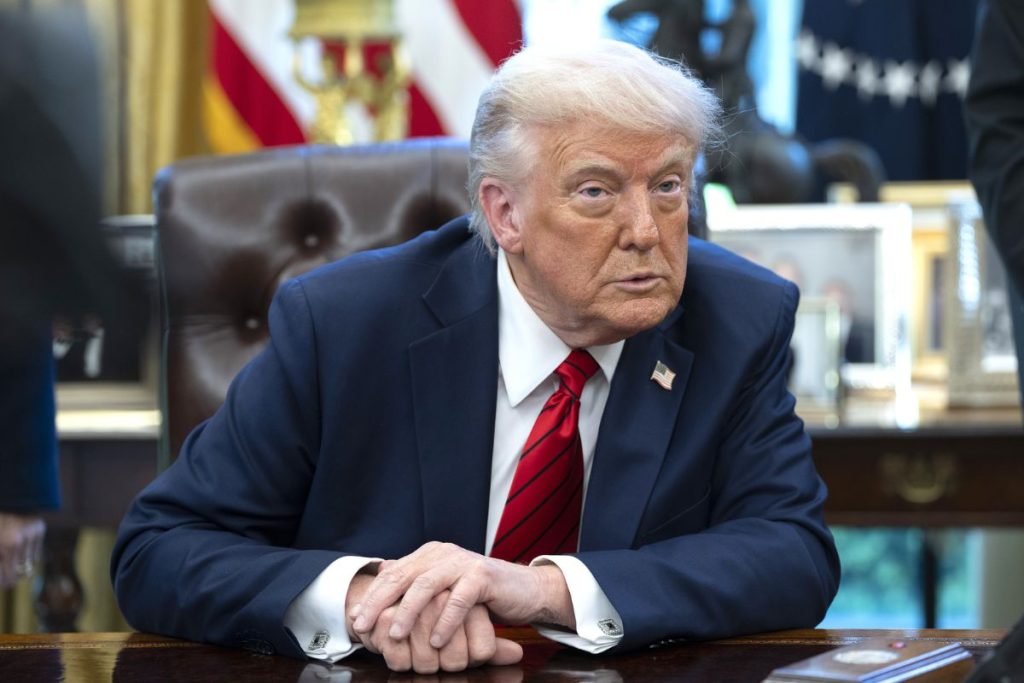
Trade policy uncertainty has further complicated the situation for manufacturers. Negotiations to renew the United States–Mexico–Canada Agreement (USMCA) have not yet begun, and there is speculation that the current administration could impose stricter rules or potentially abandon the agreement entirely.
That uncertainty has made it difficult for automakers to decide whether to invest heavily in new U.S.-based manufacturing or maintain existing international production networks.
For consumers, the most immediate impact is likely to be higher vehicle prices. Industry analysts say automakers are increasingly passing tariff costs on to buyers, making affordable cars harder to find in the U.S. market. In some cases, companies have raised destination fees, now exceeding $3,000 on certain models, to offset rising costs in a highly competitive market.
As a result, manufacturers are also adjusting their product strategies. Some companies are focusing on higher-margin vehicles and premium options rather than lower-priced, high-volume models. Automakers such as Porsche are emphasizing more expensive variants, prioritizing profitability over overall sales volume.
Industry observers warn that the combination of tariffs, shifting trade policies, and rising production costs could further reduce the availability of affordable new vehicles. The effects may also ripple into the used car market, where higher new-car prices often lead to increased demand and rising resale values.
With trade negotiations unresolved and tariffs still affecting the industry, analysts say 2026 could remain a challenging year for both automakers and consumers.
