The year 2026 brings with it a renewed focus on durability, reliability, and long‑term performance in the automotive industry, especially in the fiercely competitive fields of compact cars, SUVs, and electric vehicles.
Among the manufacturers responding to this demand, Hyundai and Kia stand out with measurable improvements in engine durability across several of their most popular models. In earlier years, both brands earned reputations for excellent value and cutting‑edge features, but they also faced criticism from some owners and reviewers regarding long‑term reliability and robustness.
These concerns have driven engineers and designers to rethink engine construction materials, internal component tolerances, cooling systems, and software calibration to ensure that vehicles not only feel refined at purchase but continue to deliver strong, dependable performance over many years and miles.
Durability ratings are assessments that often reflect complex interactions among mechanical design, material science, and real‑world usage patterns. They draw on simulated stress tests, field data from early adopters, warranty claim analysis, and internal benchmarks set against both industry standards and previous generations of vehicles.
Improvements in these ratings suggest that an engine can better withstand the rigors of daily driving, extended highway use, harsh weather conditions, and variable fuel qualities.
For consumers, better engine durability ratings can translate into lower maintenance costs, longer useful lifespan, and higher resale values. It also reinforces confidence in ownership, which is critical in a market where vehicles are expected to remain in service for a decade or more.
For Hyundai and Kia, which share many technological developments through their parent corporate group while maintaining distinct brand identities, the quest for improved engine durability has taken multiple forms. Some advancements are rooted in hardware, such as stronger bearings, improved piston alloys, or revised lubrication pathways.
Others are tied to software, including adaptive control algorithms that better manage combustion pressures and thermal loads. Across both combustion engines and hybrid powertrains, engineers have worked to reduce friction, optimize heat transfer, and mitigate stress points that historically led to premature wear.
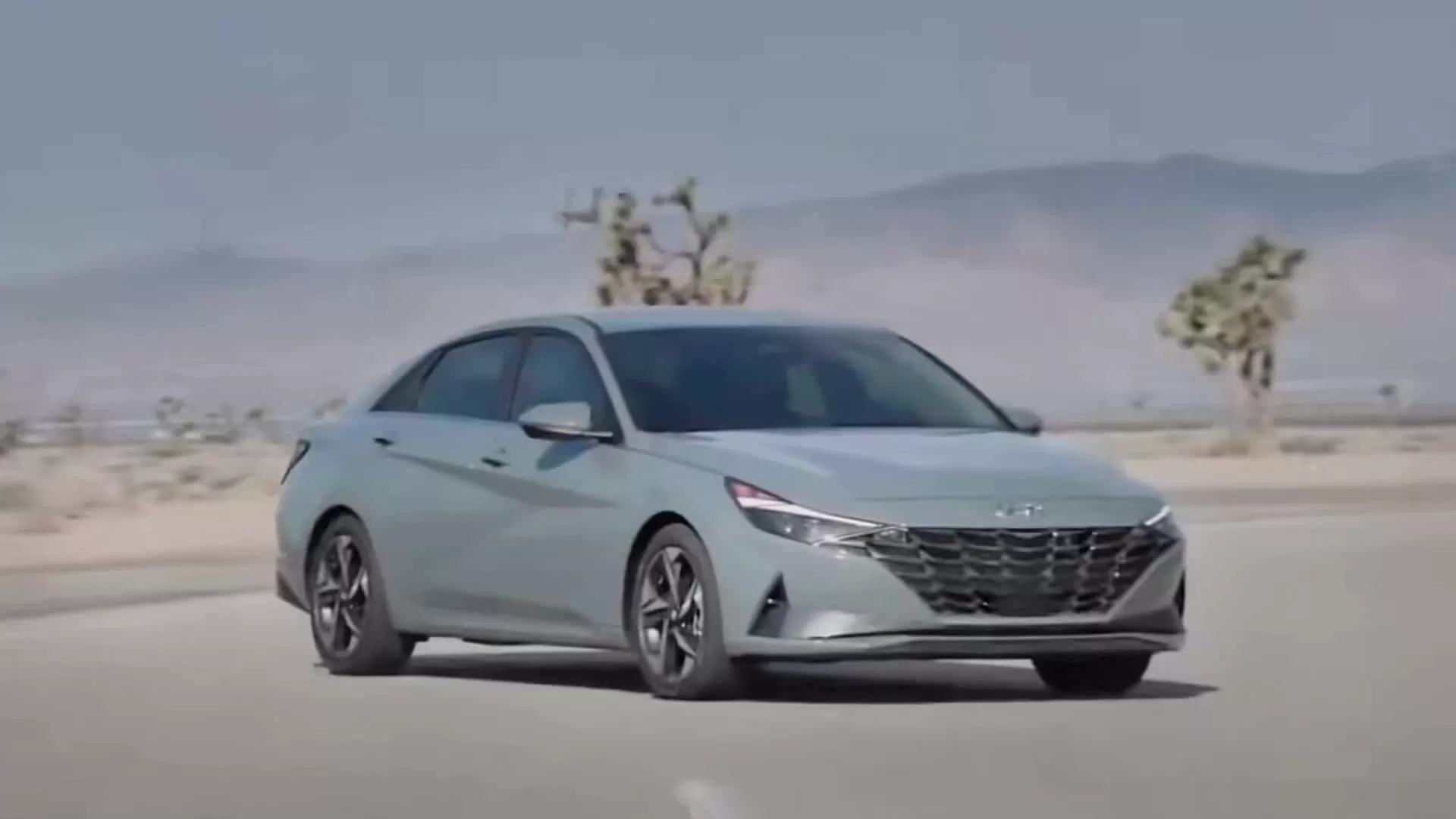
Hyundai Elantra
The 2026 Hyundai Elantra marks a turning point for compact car durability as engineers focused on enhancing the resilience of its powertrain. Known previously for spirited performance and sleek design, the latest Elantra now couples its dynamic driving character with engine components crafted from higher‑grade alloys that better withstand thermal cycling and mechanical stress.
The result is a naturally aspirated or turbocharged four‑cylinder that maintains peak performance without the grinding compromises of earlier iterations. This refinement reflects a broader commitment to minimizing internal wear while preserving efficiency and responsiveness.
Beyond materials, the Elantra’s engine benefits from advanced simulation tools used during development to predict and prevent stress concentration points. These tools guided subtle geometry changes in crankshafts and cam profiles that distribute forces more evenly during operation.
Combined with improved cooling passages and thermal shielding, these changes help maintain consistent operating temperatures under varied driving conditions. Technicians and reviewers alike have noted a smoother idle and a more stable mid‑range torque curve, indicating not just power improvements but enhanced durability under real‑world driving loads.
The transmission pairing with this engine also contributes to its longevity, as software calibration now more precisely anticipates driver intentions to reduce unnecessary shifts and lessen drivetrain shock. By evening out torque delivery and optimizing clutch engagement, the revamped control suite reduces wear on both engine and transmission components.
This kind of synergy between powerplant and controls exemplifies a systems‑level approach to durability that reaches beyond individual parts to the entire driving experience. Owners report confidence that the engine feels robust even after extended highway miles or city commuting cycles.
Maintenance intervals for the Elantra have also been recalibrated to reflect the improved underlying durability. Scheduled oil change and inspection intervals have been nudged outward in recognition of the strengthened lubrication pathways and enhanced filtration media that keep contaminants from compromising internal surfaces.
This not only lowers ownership cost but also reduces environmental waste from frequent service. For many drivers, the combination of extended intervals and a perceived increase in engine resilience makes the 2026 Elantra an appealing choice in its segment.
In everyday use, the Elantra’s improved engine durability shows up in predictable ways that matter most to owners. Drivers notice less noise and vibration over long trips, more consistent performance under varying temperatures, and a feeling that the car “breathes” evenly through acceleration and deceleration phases.
While a compact sedan may seem an unlikely candidate for headlines about durability, the 2026 Elantra demonstrates that focused engineering can elevate even mainstream models to new levels of confidence and longevity.
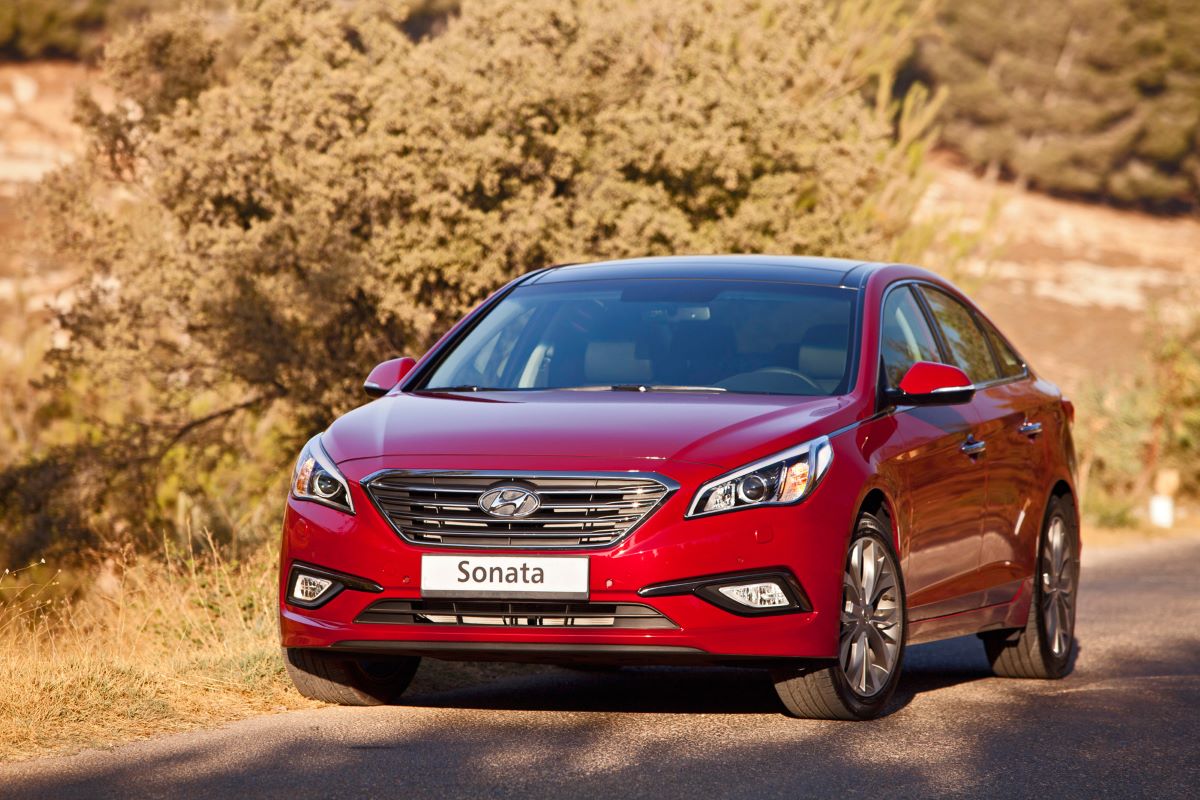
Hyundai Sonata
As a flagship midsize sedan for Hyundai, the 2026 Sonata arrives with a powertrain designed to balance performance, refinement, and longevity. Hyundai’s engineers placed a premium on strengthening the internal combustion engine components most susceptible to fatigue, such as the main bearing caps and piston skirts.
By integrating reinforced materials and precision machining techniques, the Sonata’s engine achieves a noteworthy reduction in micro‑fracture formation that can erode performance over time. This is especially valuable for drivers who cover higher annual mileage or frequently engage in stop‑and‑go traffic.
In addition to hardware improvements, the Sonata’s engine management system has been recalibrated to minimize unnecessary thermal cycling. Thermal cycling can accelerate wear in pistons and valves when temperatures swing abruptly between hot and cold states.
The new calibration smooths ignition timing transitions and modulates idle speed during temperature extremes to keep the combustion chamber environment more stable. The result is not just a more durable engine, but one that delivers consistent throttle response regardless of ambient conditions.
Feedback from test drivers indicates that the Sonata’s powertrain feels composed at both city and highway speeds. Part of this perception stems from the reduced vibration and noise at operating speeds, which speaks to tighter tolerances and more balanced engine internals.
Hyundai’s adoption of advanced balancing procedures for rotating assemblies means that less mechanical energy is wasted on counteracting imbalances that can cause long‑term stress. Over thousands of miles, these subtle refinements accumulate into a noticeably smooth and reliable driving experience.
Routine maintenance for the Sonata has also been streamlined with durability in mind. Diagnostics software now monitors engine parameters more proactively, alerting drivers to potential issues before they escalate into component failures.
Predictive maintenance tools use real‑time data to adjust service recommendations, ensuring that wear‑prone elements such as timing chain tensioners and accessory bearings are checked at optimal intervals. For owners who prefer preventative care, this system enhances peace of mind and contributes to healthier engine life.
Taken together, the Sonata’s mechanical and electronic enhancements reflect a broad strategy to build an engine that not only performs well from day one but also ages gracefully. By addressing both the symptoms and root causes of long‑term wear, Hyundai has positioned the 2026 Sonata as a sedan that can handle years of use with minimal compromise.
The combined effect of design, calibration, and service technology makes this model one of the more durable entries in its class for the 2026 model year.
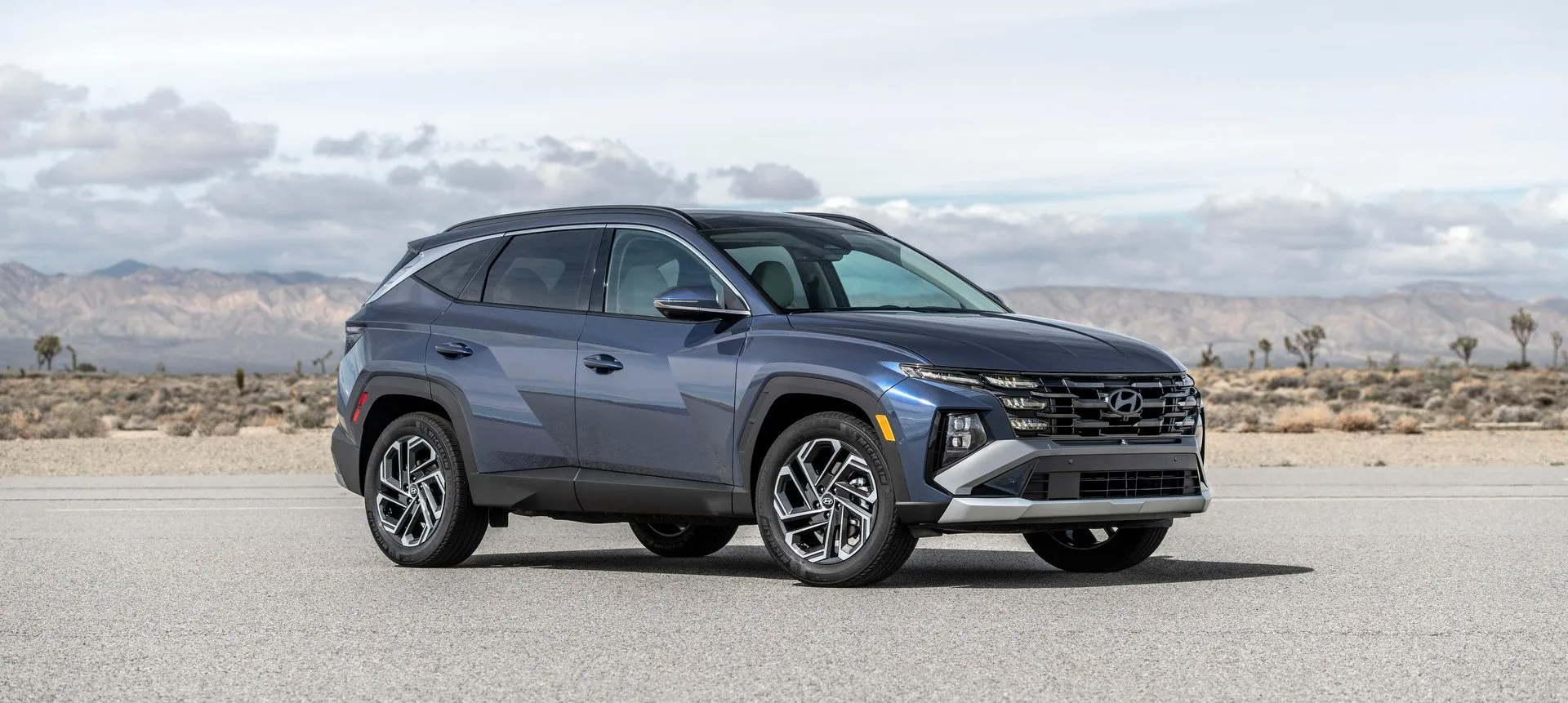
Hyundai Tucson
The 2026 Hyundai Tucson enters the competitive compact SUV market with a powertrain engineered for durability that supports everyday utility and occasional off‑road adventures alike. Tucson’s engine development prioritized robustness through the use of improved surface treatments on key components such as camshafts and connecting rods.
These treatments reduce friction and slow the progression of surface wear, extending the useful life of parts that traditionally endure the highest mechanical stresses. Drivers benefit from sustained performance without the creeping degradation seen in some earlier SUV engines.
In addition to surface technologies, the Tucson’s engine block and cylinder head materials were reexamined for microstructural strength and thermal conductivity. Optimized casting techniques led to a block that resists deformation under heavy loads and maintains consistent heat dissipation throughout varied driving conditions.
This consistency is critical for SUVs, which often see rapid shifts between highway speeds and low‑range torque demands. The improved block design helps safeguard engine geometry against long‑term stresses that can affect both performance and emissions control.
Durability also extends to the ancillary systems that support the engine’s operation. The cooling system was upgraded with higher‑capacity radiators and more efficient thermostatic control, ensuring that temperature regulation remains effective even in extended idling or towing scenarios.
Tucson’s version of variable valve timing has been re‑tuned to reduce abrupt changes in valve actuation, lowering mechanical stress on the timing gear train. These changes collectively help the engine operate within its optimal durability window more often, reducing cumulative strain over thousands of miles.
Owners of the 2026 Tucson may notice how seamlessly the vehicle balances power and persistence in daily use. Whether navigating congested streets or cruising on open roads, the engine feels willing and composed without the harshness or hesitation that can signal internal fatigue.
Hyundai’s attention to acoustic and vibration control further enhances this sense of durability by minimizing the perceptible effects of long‑term mechanical wear. The result is an SUV powertrain that feels planted and reliable from initial startup to the end of extended journeys.
Finally, Tucson’s integration of updated diagnostics and predictive service alerts contributes to its improved durability profile. Software tools now track subtle deviations in engine performance metrics and advise owners when maintenance could preempt deterioration.
This forward‑thinking approach encourages proactive care and aligns with the strengthened hardware beneath the hood. For buyers seeking a compact SUV with a reputation for enduring performance, the 2026 Hyundai Tucson offers compelling evidence of measurable progress in engine durability.
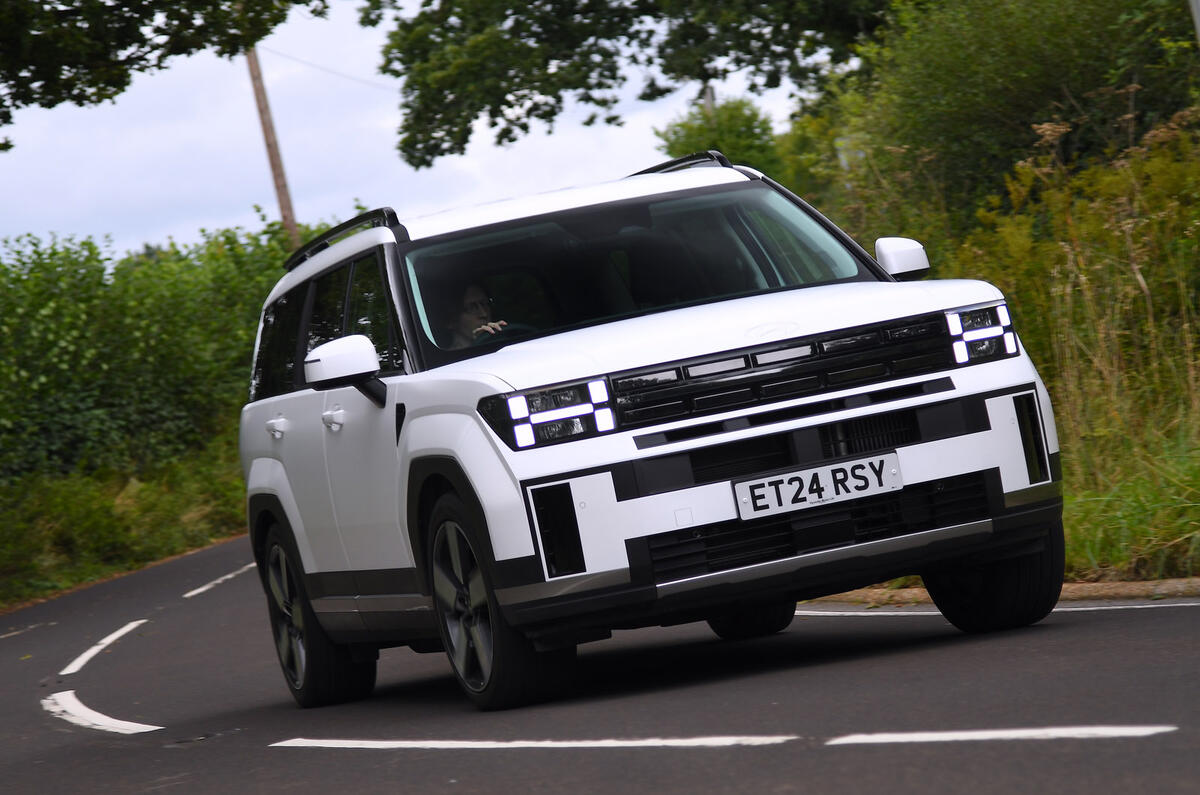
Hyundai Santa Fe
The 2026 Hyundai Santa Fe builds on its SUV heritage with an engine that reflects a deliberate emphasis on long‑term dependability alongside power and refinement. At the heart of this effort is a redesigned cylinder head that improves combustion efficiency while resisting thermal and mechanical fatigue.
Engineers paid particular attention to reinforcing the head’s structure in areas prone to cracking under extended high‑temperature use. Enhanced cooling passages also play a part, ensuring that heat is dissipated more evenly to protect sensitive valve train components.
Complementing the head redesign, the Santa Fe’s intake and exhaust systems were reworked to reduce pressure imbalances that can accelerate engine wear. By smoothing airflow and reducing hotspots in the manifold systems, the powerplant experiences fewer stress fluctuations during operation.
This contributes not only to durability over extended periods but also to consistent emissions performance and throttle response. Drivers enjoy a sensation of responsive power delivery without the rough edges sometimes encountered in vehicles that prioritize performance at the expense of longevity.
Durability improvements are further supported by an upgraded lubrication system that incorporates a higher‑capacity oil pump and enhanced filtration media. This helps maintain clean oil flow to critical areas even under heavy loads or in hot climates.
Filters now capture a broader range of particulates without restricting flow, minimizing the risk of abrasive wear within bearings and cam followers. The Santa Fe’s reassessed service roadmap also includes longer recommended intervals for certain checks, reflecting confidence in the strengthened oiling architecture.
In everyday driving, these combined enhancements result in an SUV that feels composed and enduring. Owners report a reduction in perceptible engine noise and vibration over long trips, as well as a steady power profile that doesn’t waver with temperature or load demands.
The Santa Fe’s improved durability ratings give peace of mind to families and frequent travelers who expect their vehicles to remain reliable over many years. As such, the 2026 model stands as a testament to Hyundai’s ongoing commitment to building engines that endure without sacrificing driving enjoyment.
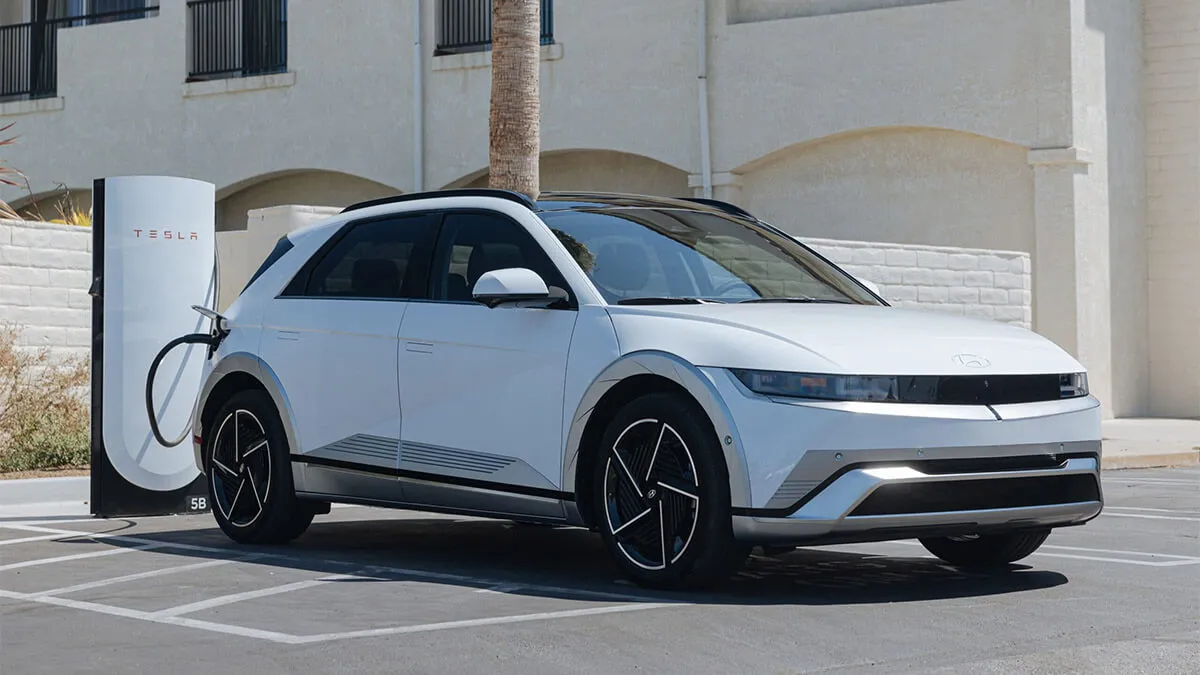
Hyundai Ioniq 5
Though primarily known as an electric vehicle, the 2026 Hyundai Ioniq 5 includes a range extender engine option designed to support extended range capabilities while maintaining high durability standards. For vehicles equipped with this auxiliary engine, Hyundai applied the same rigorous development practices used in its traditional combustion models to ensure that the range extender would operate reliably with minimal maintenance.
Unlike a primary engine, a range extender runs at consistent speeds to recharge batteries, which actually simplifies durability considerations but imposes its own set of endurance requirements.
The range extender’s internal components were selected and machined with an emphasis on low friction and thermal stability, given its repetitive operational profile. Bearings, crankshafts, and valves are treated with surface hardening processes that slow the onset of wear even after tens of thousands of operating hours.
Because the engine often runs at steady states rather than variable loads, engineers could fine‑tune thermal management systems that keep temperatures in a narrow optimal band. This makes the range extender both efficient and durable under typical use cases.
Additionally, the Ioniq 5’s hybrid control software plays a significant role in protecting the range extender from unnecessary strain. Algorithms carefully modulate when the engine engages and at what intensity, smoothing transitions that in other systems might produce spikes in stress or thermal shock.
Over time, this deliberate pacing helps preserve seals, gaskets, and moving parts that would otherwise be subject to fatigue from frequent starts and stops. The result is a system that complements the electric drivetrain’s longevity rather than undermining it.
Though an outlier among the primarily electric models in this article, the Ioniq 5’s engine durability improvements demonstrate how careful engineering can make auxiliary powerplants last longer than many traditional engines.
By focusing on consistent operating conditions, advanced material choices, and smart control strategies, Hyundai has ensured that the range extender contributes to a durable driving experience. For drivers seeking extended range confidence without sacrificing long‑term reliability, the 2026 Ioniq 5’s power systems represent a compelling balance of innovation and endurance.
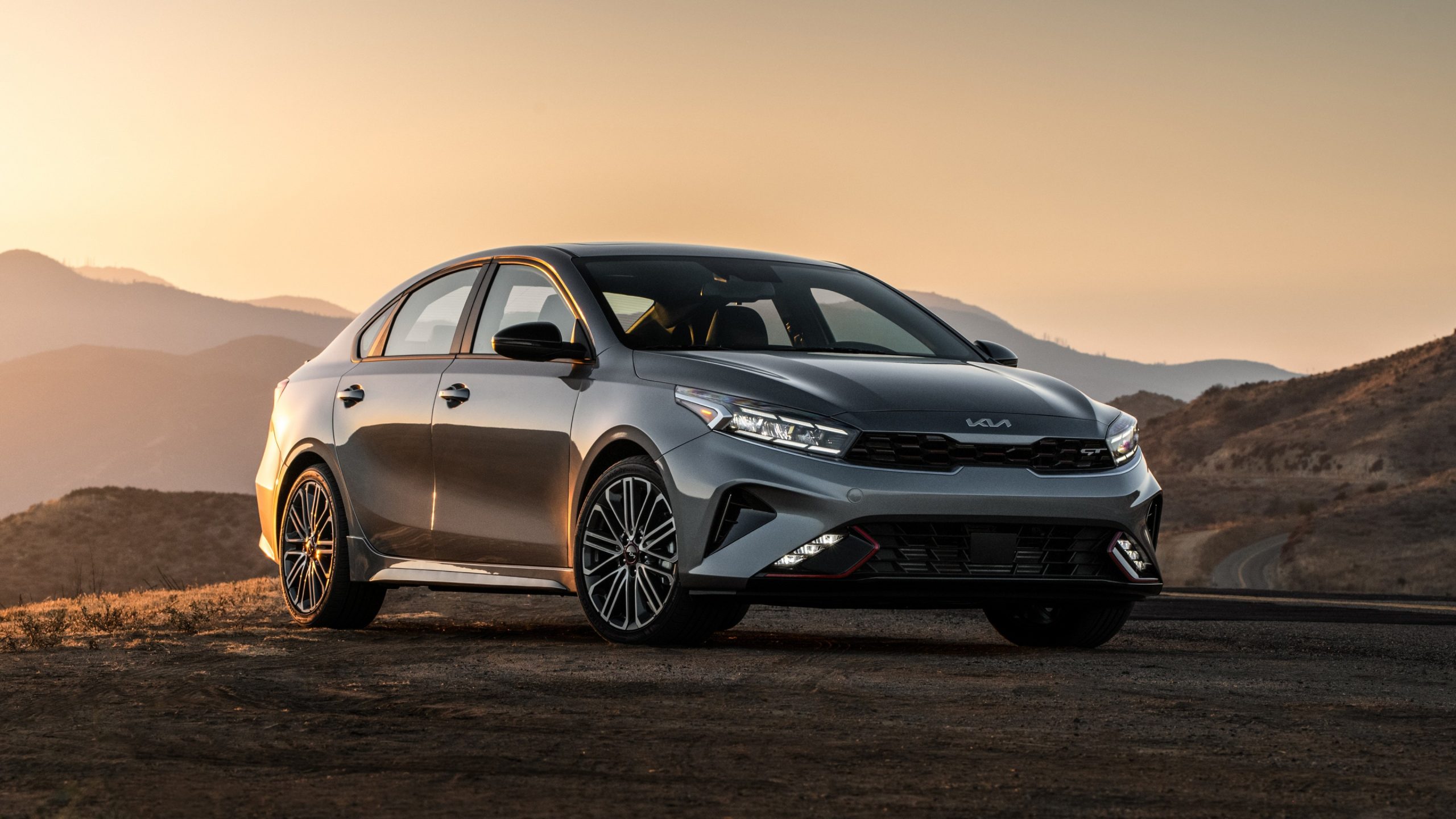
Kia Forte
The 2026 Kia Forte represents a dedicated push toward greater engine resilience in the compact sedan category. Kia’s engineers reexamined every stage of the Forte’s engine design to improve durability while maintaining its reputation for lively performance and fuel efficiency.
Key among these efforts were refined combustion chamber geometries that promote more complete fuel burn and reduce the formation of hot spots that can lead to engine knock or pre‑ignition. By smoothing pressure gradients within each cycle, the engine not only runs more cleanly but experiences less internal stress over the long term.
Alongside combustion improvements, the Forte’s valve train and timing systems received meticulous upgrades aimed at reducing fatigue under extended use. Harder valve seats and reinforced timing chain guides help resist stretch and wear that can compromise timing accuracy over tens of thousands of miles.
This is particularly important for modern engines that operate at high rpm ranges closer to their mechanical limits. The result is a powerplant that feels stable and predictable even after prolonged highway use.
Friction reduction was another priority in the Forte’s durability revisions. Engineers adopted low‑friction coatings on piston skirts and fine‑tuned oil pathways to ensure that a consistent lubricant film persists between dynamic surfaces.
Less friction translates into lower operating temperatures and decreased wear, two factors that compound positively over time. Drivers notice a quieter, smoother character during acceleration that feels both refined and enduring, a sign that internal stresses are being managed effectively.
The transmission control strategy was also recalibrated to protect the engine’s longevity. By optimizing shift points and reducing unnecessary downshifts, the control system helps keep the engine operating within a range that balances performance and durability.
This is especially noticeable in urban driving, where frequent stop‑and‑go conditions can otherwise contribute to accelerated component fatigue. The revised control logic eases transitions and reduces abrupt loads on internal hardware.
Finally, Kia’s proactive monitoring systems in the 2026 Forte support durability by tracking wear indicators and alerting owners to maintenance opportunities before problems arise.
This predictive approach empowers drivers to address issues early and preserves the engine’s health over years of use. Together with the structural and calibration changes under the hood, these systems make the Forte a noteworthy example of how compact cars can achieve measurable durability gains in modern powertrains.
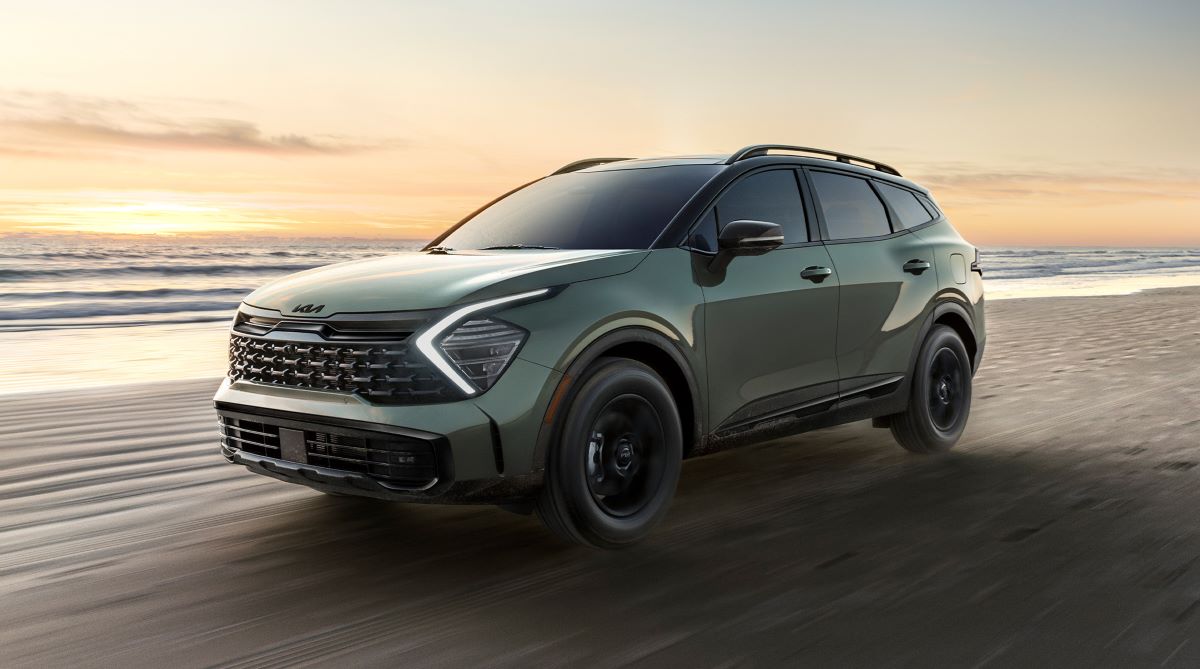
Kia Sportage
The 2026 Kia Sportage brings noticeable improvements in engine durability to the compact SUV segment, blending everyday practicality with resilience that inspires confidence on long journeys. Kia engineers focused on fortifying the Sportage’s four‑cylinder powerplant against the challenges of varied driving environments, from dusty rural roads to bustling urban streets.
Reinforced cylinder walls with enhanced thermal properties help ensure consistent combustion chamber integrity, reducing the risk of heat‑induced deformation that can plague less robust designs. This contributes to a more reliable compression profile over time.
In addition, Sportage’s engine features revised piston ring sets that maintain effective sealing even after extensive mileage. These rings are fabricated from materials that resist wear and retain spring tension longer, ensuring that blow‑by gasses remain controlled and oil consumption stays low.
Maintaining good compression and minimal oil loss are both key indicators of a powertrain that will endure many years of use without performance degradation. Drivers benefit from a strong, steady power curve throughout the vehicle’s lifespan.
Durability is further supported by improved engine mounts and vibration damping measures that lessen the transmission of mechanical shock into the engine block.
This may seem like a subtle enhancement, but reducing vibrational stress helps protect sensitive internal parts from micro‑fractures and premature wear. The cumulative effect is a quieter, more comfortable ride and a powertrain that feels composed even after prolonged use.
Finally, routine maintenance for the 2026 Sportage reflects the improved durability of its engine. Extended intervals for key services like coolant replacement and spark plug inspections recognize the robustness of upgraded components, giving owners more time between visits to service centers. When combined with Kia’s intelligent diagnostics that track performance trends, the Sportage presents a well‑rounded durability profile that meets the demands of modern SUV owners.

Kia Sorento
The 2026 Kia Sorento enters the midsize SUV market with an engine that demonstrates considerable durability improvements over previous generations. Kia engineers began with a focus on strengthening the engine’s core architecture, choosing materials for the block and head that resist mechanical fatigue and thermal distortion.
This foundational enhancement helps maintain optimal clearances among moving parts, which is essential for preserving performance over time. The Sorento’s powerplant now handles varying load conditions with greater structural confidence and less performance drift as mileage accumulates.
Another critical improvement comes from the refined fuel injection system, which promotes more complete fuel combustion across a wider range of throttle positions. By achieving more consistent combustion, the engine reduces unburned hydrocarbons and minimizes pressure spikes that can contribute to wear on pistons and valves.
This leads to smoother acceleration and a more predictable power delivery curve throughout the engine’s operational life. Drivers notice a responsiveness that feels steadfast rather than erratic, even after extended use.
In conjunction with combustion upgrades, the Sorento’s cooling system was redesigned to manage heat more efficiently under load. Larger radiator capacity and improved coolant flow paths help avoid hotspots that can accelerate engine wear.
Consistent temperature regulation is especially important for SUVs, which may encounter towing duties or rugged terrain. By controlling thermal conditions more effectively, the Sorento’s engine experiences less stress on gaskets, seals, and other components sensitive to temperature extremes.
Durability extends into the lubrication system, where an enhanced oil pump and high‑capacity filter work together to keep critical surfaces well protected.
The improved oiling circuit ensures that fast‑moving parts receive an adequate supply of clean lubricant, reducing friction and delaying the onset of abrasive wear. This improvement helps preserve the integrity of bearings and cam components over thousands of miles, supporting a longer service life with fewer surprises.
The final piece of the Sorento’s durability puzzle is the integration of advanced onboard monitoring systems that track performance trends and recommend maintenance before issues escalate.
This proactive stance allows owners to stay ahead of potential problems and maintain optimal engine health over time. When combined with the mechanical upgrades, the Sorento’s improved durability ratings make it a persuasive choice for buyers prioritizing longevity in their midsize SUV.
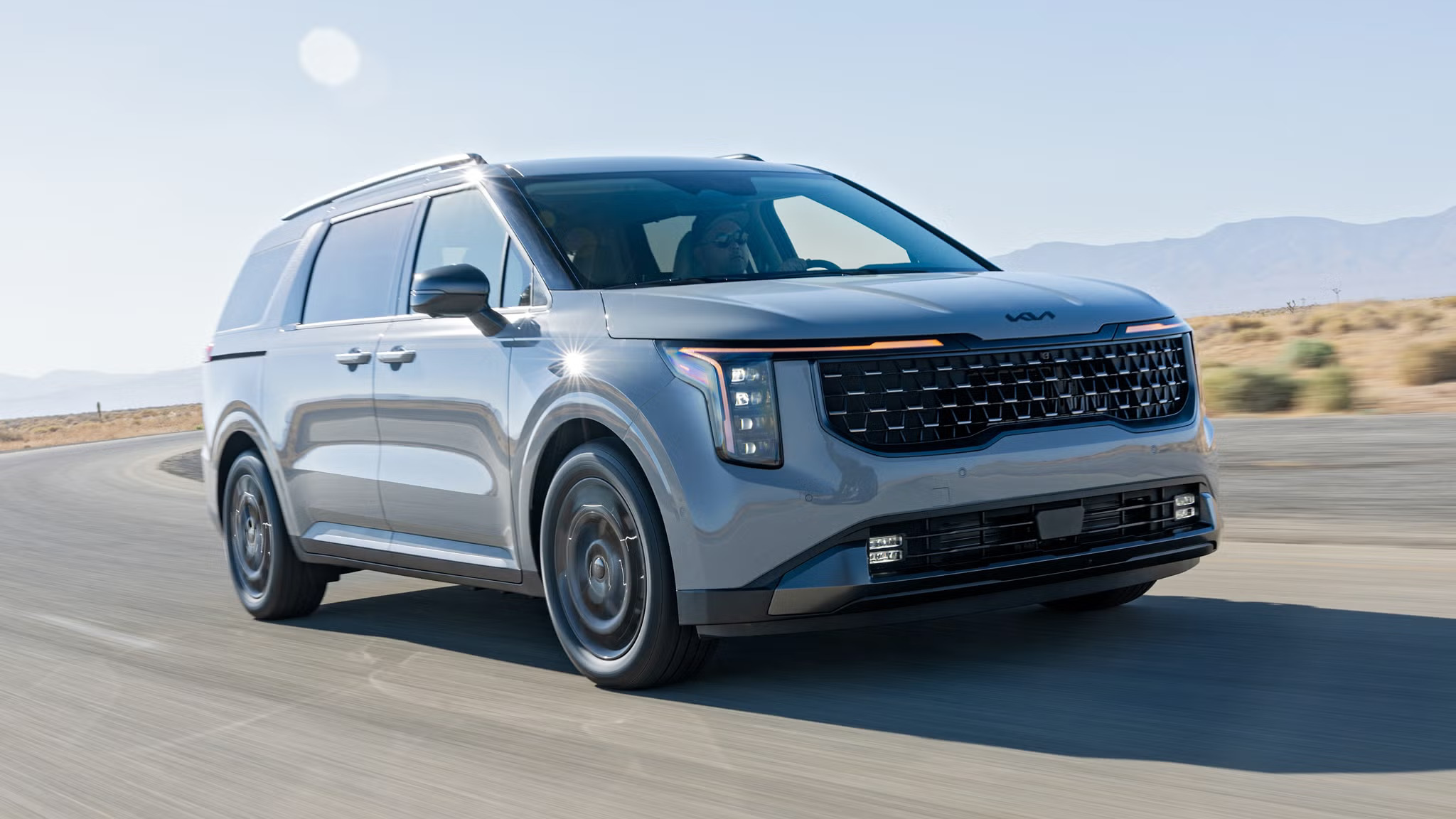
Kia Carnival
The 2026 Kia Carnival brings enhanced engine durability to the minivan segment, reflecting a focused engineering effort to support family‑oriented utility with long‑lasting performance. The Carnival’s powerplant incorporates reinforced internal components, such as thicker crankshaft journals and upgraded bearing materials, to better withstand the repeated load cycles typical of heavy passenger or cargo use.
These enhancements improve resistance to wear and abnormal stress patterns that can develop in vehicles frequently operating near their torque limits. For families and fleet operators alike, this means a more dependable engine under varied duty cycles.
The combustion system also underwent thoughtful improvements to promote cleaner, more uniform fuel burn. By optimizing injector placement and combustion chamber shape, Kia’s engineers reduced thermal hotspots that can cause detonation or accelerated component fatigue.
This leads to improved efficiency and power delivery while simultaneously safeguarding the engine’s key surfaces from irregular stress. Drivers experience a feeling of balanced power throughout the RPM range, with less noise and vibration than in previous iterations.
Another area of improvement for the Carnival is the expanded cooling capacity that keeps engine temperatures steady under load. For a vehicle designed to carry many passengers or heavy cargo, smoother heat management is essential to preventing thermal stress on metal components.
The revised cooling setup includes a more robust thermostat and enhanced airflow through the front grille, contributing to better engine longevity during intensive use. This is particularly evident during hot‑weather driving or extended highway trips.
Lubrication upgrades also play a role in the Carnival’s durability gains. A more efficient oil pump and advanced filtration system ensure that critical engine parts are continuously bathed in clean, stable lubricant.
This reduces friction and slows wear on bearings, piston rings, and other surfaces that can degrade prematurely. Combined with extended service interval recommendations, these enhancements support lower maintenance costs and greater confidence in long‑term performance.
Finally, the Carnival’s diagnostic systems now provide proactive alerts that help owners address minor issues before they escalate. By monitoring trends in engine behavior, these systems encourage timely service interventions that preserve engine health.
Together with the mechanical and thermal improvements under the hood, the 2026 Kia Carnival stands out as a minivan engineered to endure many years of reliable operation, making it a strong contender for buyers prioritizing durability.
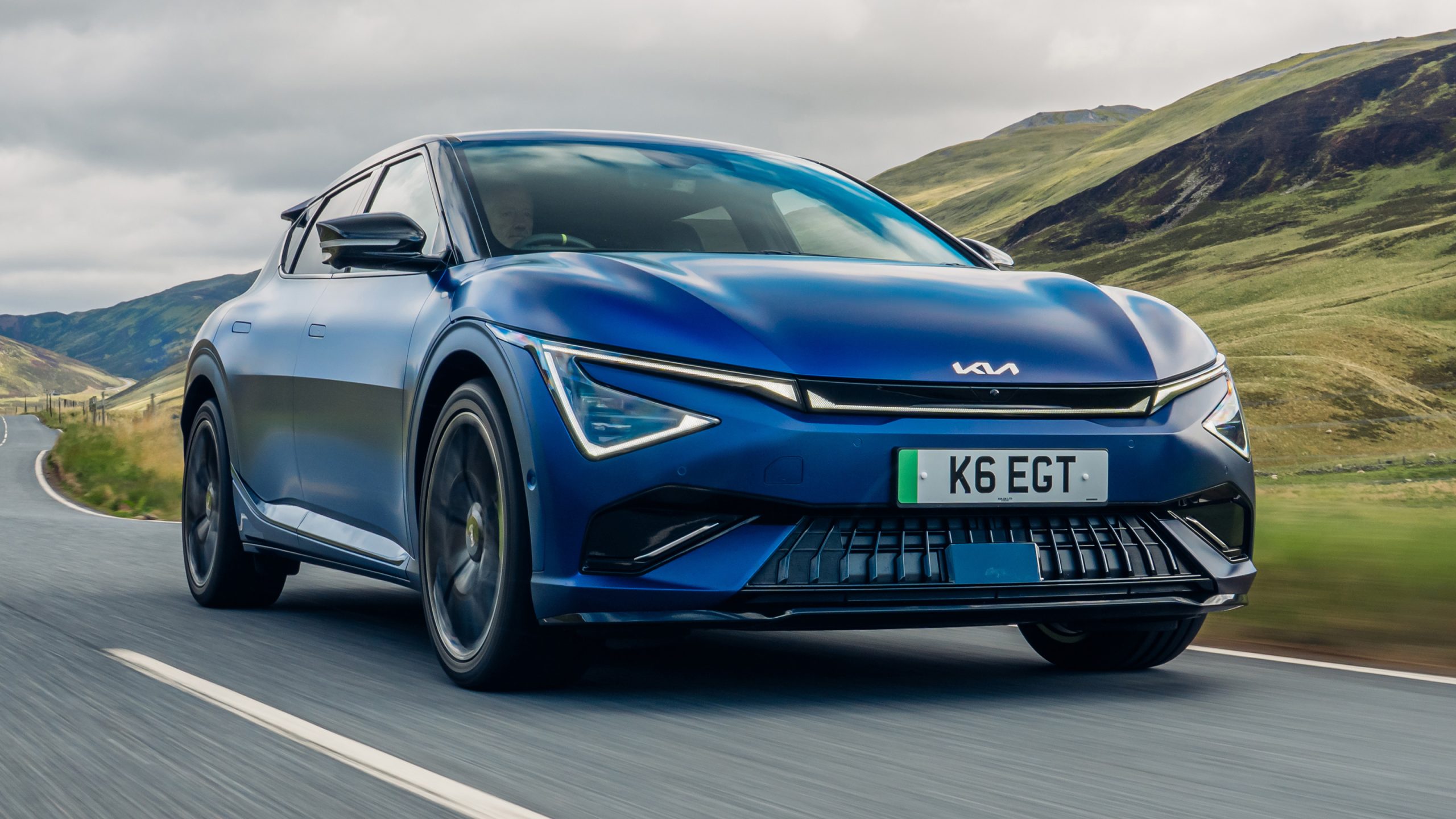
Kia EV6
The 2026 Kia EV6 offers an optional range extender engine for drivers seeking extended travel without sacrificing durability. Though the EV6 is primarily an electric vehicle, this auxiliary engine is designed to run at a constant, efficient speed that supports the battery pack without the challenges of frequent load changes.
This consistent operating profile allows engineers to focus on optimizing internal components for wear resistance and thermal consistency rather than versatility across varied driving demands. The result is a range extender that embodies simplicity and resilience.
Key to the range extender’s durability is its balanced design that minimizes vibration and mechanical stress. Components such as the crankshaft, connecting rods, and bearings are manufactured with tighter tolerances and advanced surface finishes that slow wear even after prolonged use.
Because the engine operates within a narrower rpm band compared to a typical automotive engine, many sources of fatigue are inherently reduced. This steadiness leads to fewer mechanical surprises and a long‑lasting auxiliary power source for EV drivers.
Thermal management also received special attention in the EV6’s range extender setup. Because the engine supports electrical systems rather than driving wheels directly, engineers could tailor cooling pathways that maintain consistent temperatures without the extremes seen in conventional engines.
This uniform thermal environment protects pistons, valves, and cylinder heads from the cyclical expansion and contraction that can accelerate wear. Drivers benefit from a smooth, quiet operating experience that feels stable regardless of external conditions.
Lubrication strategies in the EV6’s range extender are likewise tuned for endurance. High‑capacity oil circulation and advanced filtration media work together to keep internal surfaces clean and properly protected.
Because the engine runs at predictable speeds and loads, oil quality remains more consistent between changes, supporting longer intervals without compromising protection. This focus on reliable lubrication further enhances the range extender’s longevity.