
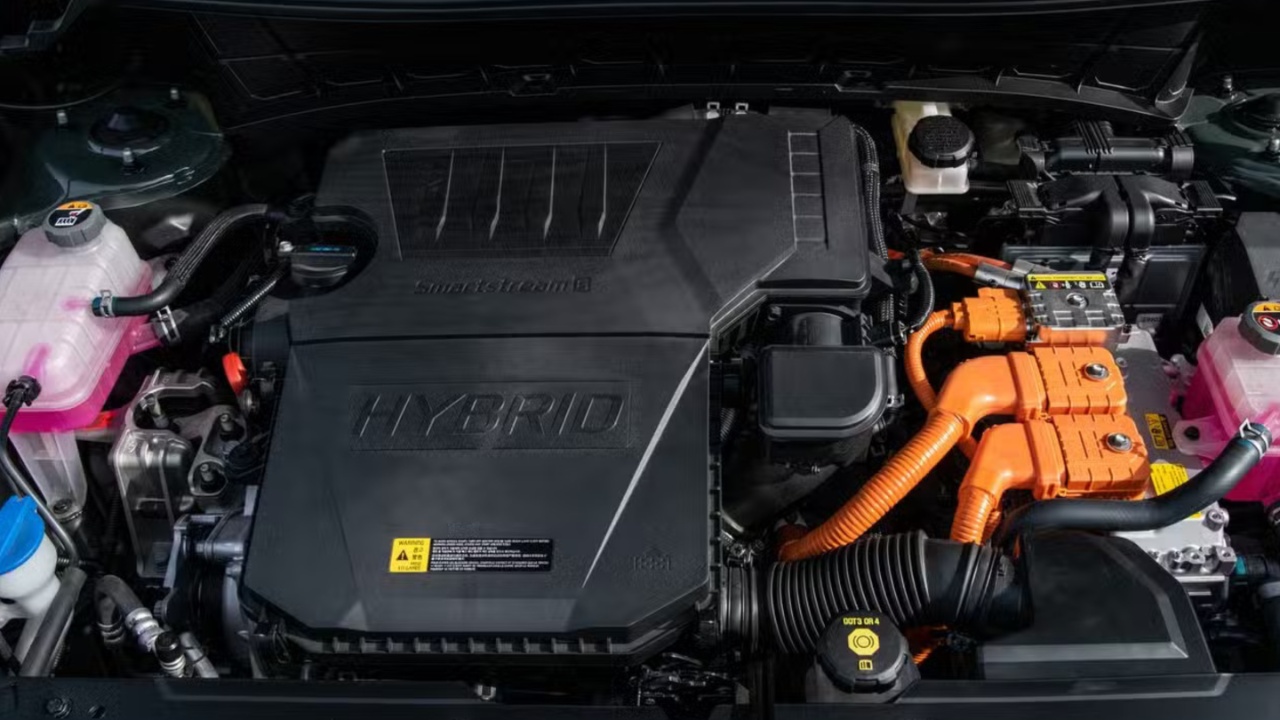
Stop-and-go traffic can put immense stress on engines, as prolonged idling often leads to overheating, increased wear, and reduced efficiency. However, some engines are designed specifically to remain cool and efficient even during extended periods of stationary operation.
The “Top 6 Engines That Run Cool Even During Long Idling in Traffic” highlights how advancements in thermal management, engine design, and hybrid or electric systems can transform the driving experience.
Fully electric motors, such as the Tesla Model 3, generate virtually no waste heat, while sophisticated diesels like the Mercedes-Benz OM654 maintain stable temperatures under continuous operation. Hybrid powertrains, including the Toyota Prius and Nissan Qashqai e-Power, intelligently manage engine activity to minimize heat buildup.
Meanwhile, diesel engines like the Mazda CX-5 Skyactiv-D and legacy inline-sixes from Toyota demonstrate how mechanical precision and robust cooling can deliver cool operation in heavy traffic without relying solely on electronics.
These six engines showcase how innovative engineering keeps vehicles efficient, durable, and comfortable even during extended idling.
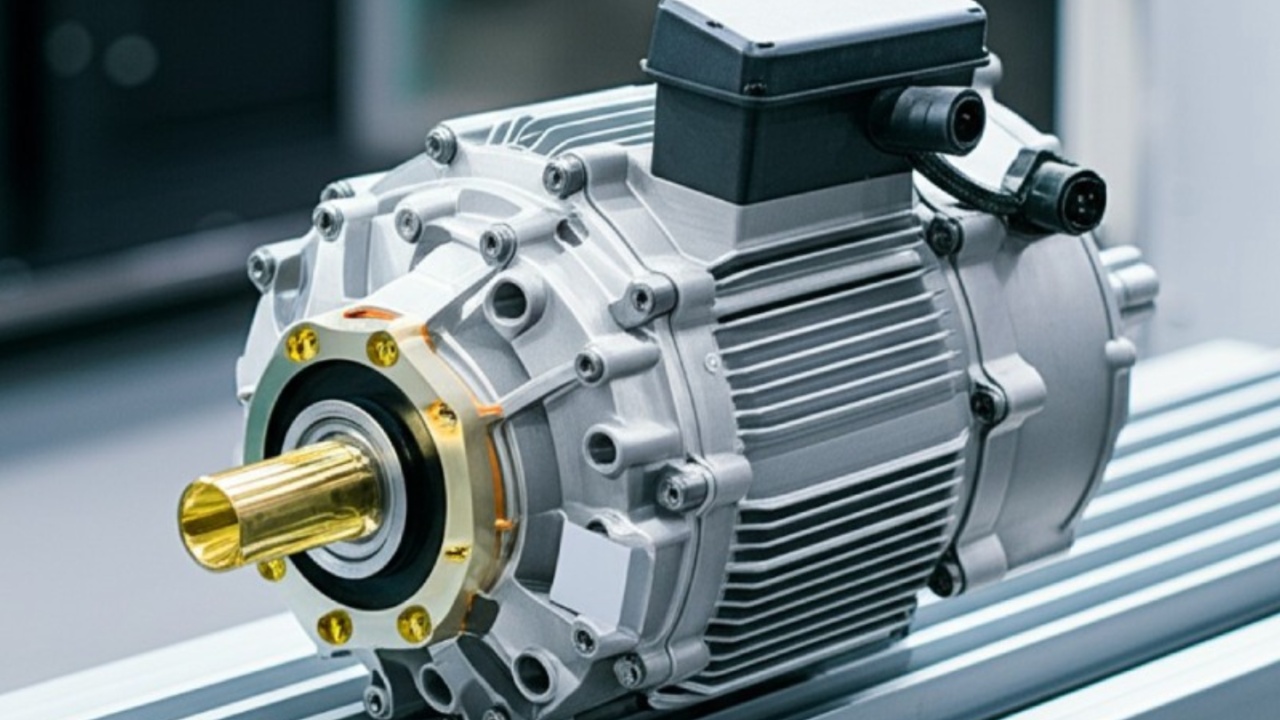
1. Tesla Model 3 Electric Motor: Efficiency, Cooling, and Performance Overview
The Tesla Model 3 stands out for its ability to remain cool and efficient even in heavy traffic, thanks to its fully electric powertrain. Unlike traditional internal combustion engines, the Model 3 does not require fuel burning or continuous operation while stationary.
When the vehicle is stopped, the motor effectively shuts off, producing no heat from combustion. Instead, the car relies on its high-voltage battery to power essential systems such as air conditioning and electronics. This design eliminates the risk of overheating while idling and keeps the cabin comfortable without stressing mechanical components.
A major reason for this efficiency is the electric motor’s high energy conversion rate, operating at around 92% efficiency. Because most of the energy is converted into motion rather than wasted as heat, the system generates far less thermal output than gasoline engines.
To further manage temperature, Tesla employs an advanced liquid-cooling system. This includes a water-glycol coolant loop and active oil circulation that directly cools critical motor components like windings and magnets. These systems function even when the car is stationary, supported by pumps and fans that maintain optimal temperatures regardless of driving conditions.
The Model 3 also benefits from having no traditional idling process. Since there is no need to keep an engine running, the vehicle consumes minimal energy when stopped.
Its HVAC system is highly efficient as well, capable of cooling the cabin while also assisting in regulating battery and motor temperatures. Together, these features create a highly effective thermal management system that keeps the vehicle operating safely and efficiently in all conditions.
In terms of performance, the Model 3 is offered in three configurations. The Rear-Wheel Drive version focuses on efficiency and delivers solid everyday performance, accelerating from 0–60 mph in about 5.3 to 5.8 seconds.
The Long Range All-Wheel Drive model adds a second motor for improved traction and quicker acceleration, reaching 0–60 mph in roughly 4 seconds. At the top end, the Performance variant delivers around 510 horsepower and achieves a rapid 0–60 mph time of under 3 seconds, offering sports car-level acceleration.
Driving dynamics are enhanced by the car’s low center of gravity, thanks to its floor-mounted battery. This results in stable handling, flat cornering, and responsive steering.
Regenerative braking allows for one-pedal driving, improving efficiency and convenience, although some drivers note a lack of pedal feedback. Recent updates have also improved ride comfort and reduced cabin noise through better suspension tuning and insulation.
In terms of reliability, the Model 3’s electric powertrain is highly durable, with some estimates suggesting a lifespan of up to one million miles. Maintenance requirements are minimal, typically limited to tires and air filters. However, some concerns remain about build quality, including minor cosmetic issues and occasional software glitches.
The Tesla Model 3 combines cutting-edge efficiency, advanced cooling systems, strong performance, and long-term durability, making it a leading choice in the electric vehicle market.
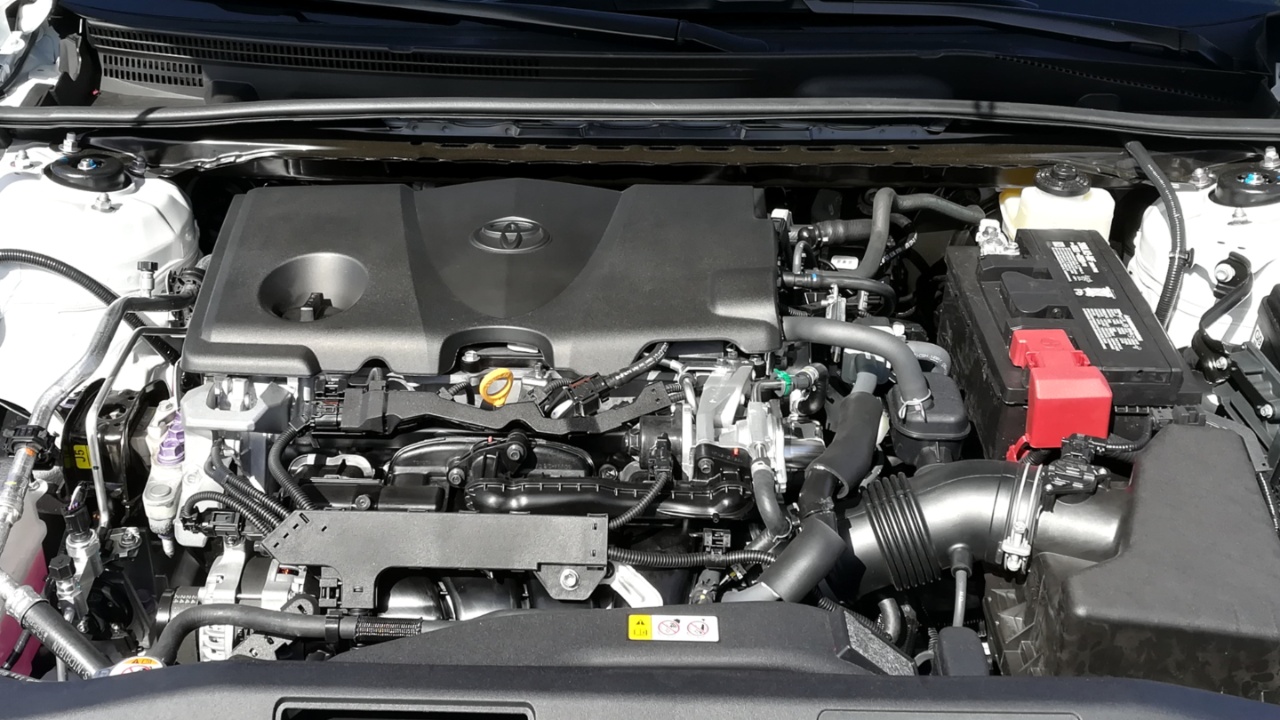
2. Toyota Prius (Dynamic Force Hybrid): Cooling Efficiency, Performance, and Modern Design
The Toyota Prius with the Dynamic Force Hybrid system is designed to maintain excellent thermal stability and efficiency, particularly during long periods of idling in traffic. A key advantage is its ability to completely shut off the internal combustion engine (ICE) when the vehicle is stationary.
Instead of continuing to burn fuel, the Prius seamlessly switches to electric mode, using its battery to power systems like air conditioning and electronics. This eliminates heat generation during idle conditions and prevents the temperature buildup commonly seen in traditional gasoline-powered vehicles.
At the core of this capability is the Dynamic Force engine, which achieves an impressive 41% thermal efficiency. This means more fuel energy is converted into useful work rather than wasted as heat.
As a result, the engine generates less excess thermal energy, reducing the burden on the cooling system. The use of the Atkinson cycle further enhances this benefit by operating at lower combustion temperatures than conventional engines, helping minimize heat production during operation.
The Prius also features a sophisticated thermal management system that operates independently of engine speed. An electric water pump and electronically controlled thermostat regulate coolant flow with precision, even when the engine is running at low speeds or temporarily turned off.
This ensures consistent cooling performance and prevents “heat soak,” a condition where heat accumulates due to insufficient airflow in stop-and-go traffic. These systems allow the engine to remain within optimal temperature ranges regardless of driving conditions.
Additional technologies further improve thermal control. The cooled exhaust gas recirculation (EGR) system lowers combustion temperatures by recirculating cooled exhaust gases back into the engine, reducing thermal stress and improving efficiency.
The electric air-conditioning compressor also plays a crucial role, as it allows the cabin to stay cool without requiring the engine to run. This supports more frequent engine shutdowns and contributes to lower heat generation in heavy traffic.
Performance has seen notable improvements in the 2026 Prius. The fifth-generation hybrid system produces between 194–196 horsepower in standard models and up to 220–223 horsepower in the plug-in hybrid (PHEV) variant.
Acceleration is significantly quicker than previous generations, with the PHEV reaching 0–60 mph in approximately 6.6 to 6.8 seconds, while the standard hybrid completes the sprint in about 7.2 seconds. Despite this increased power, fuel efficiency remains a standout feature, with base trims achieving up to 57 mpg in city driving.
Driving dynamics have also been enhanced through the TNGA-C platform, which lowers the vehicle’s center of gravity and increases structural rigidity. This results in more stable handling, improved cornering, and a more responsive driving experience. The Prius now feels more agile and engaging, appealing to a wider range of drivers.
Inside, the cabin adopts a modern, driver-focused layout with available large touchscreens and wireless smartphone connectivity. Front seats provide strong comfort for long drives, though the sleek, sloping roofline reduces rear headroom and slightly limits cargo practicality.
The 2026 Prius combines advanced hybrid engineering, efficient thermal management, improved performance, and contemporary design, reinforcing its reputation as a leading choice for fuel-conscious drivers seeking modern technology and reliability.
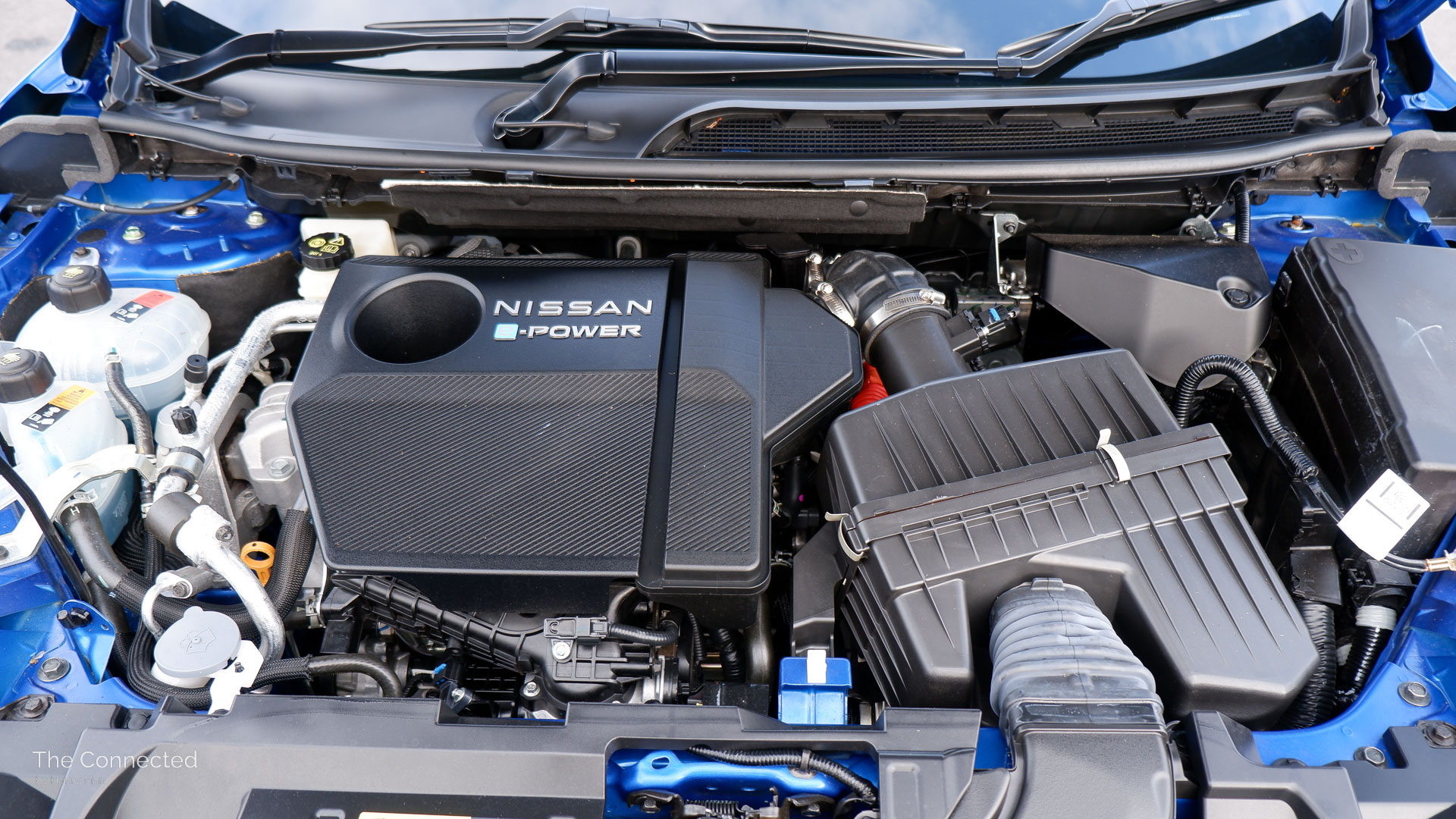
3. Nissan Qashqai e-Power: Efficient Cooling, Unique Hybrid System, and Driving Experience
The Nissan Qashqai e‑Power introduces a distinctive approach to hybrid technology by using its gasoline engine purely as a generator rather than a direct source of propulsion. This “series hybrid” setup allows the vehicle to maintain cooler operating conditions, especially in stop-and-go traffic.
Unlike traditional internal combustion engines that idle continuously and generate heat, the Qashqai’s engine only runs when necessary to recharge the battery. When the battery has sufficient charge, the engine shuts off entirely, eliminating unnecessary heat production.
A major factor in its thermal efficiency is the engine’s ability to operate at a fixed, optimized RPM. Since it is not connected to the wheels, it avoids the fluctuating loads and inefficient fuel mixtures typical of conventional engines during idling.
This controlled operation enables the engine to achieve high thermal efficiency up to around 50%, while producing significantly less waste heat. By staying within this optimal range, the engine runs under lower stress and avoids overheating even in heavy traffic conditions.
The system is supported by a small battery (around 2 kWh), which acts as a buffer between the engine and the electric motor. This allows the engine to run intermittently rather than continuously. In urban environments, the vehicle can operate for extended periods without the engine turning on, relying solely on electric power.
Regenerative braking further enhances efficiency by converting deceleration into energy, reducing the need for the engine to recharge the battery. Features like the e-Pedal Step system make stop-and-go traffic more efficient by turning braking into an energy recovery process.
What sets the Qashqai e-Power apart is that the wheels are always driven by an electric motor. This provides an experience similar to a fully electric vehicle, with instant torque, smooth acceleration, and no gear shifts.
The system delivers about 188 horsepower and 330 Nm of torque, making it the most responsive variant of the Qashqai lineup. Acceleration from 0–62 mph takes approximately 7.9 seconds, offering strong performance for a compact crossover, particularly in city driving.
To address the common hybrid issue of mismatched engine noise and acceleration, Nissan developed “Linear Tune” technology. This system synchronizes engine sound with vehicle speed, creating a more natural driving feel that resembles a traditional gasoline car. As a result, drivers experience smoother and more intuitive acceleration without the “rubber-band” effect often associated with hybrids.
In terms of efficiency, the Qashqai e-Power performs best in urban environments, where frequent stops allow the system to maximize electric driving and regenerative braking. Fuel economy averages around 53–54 mpg under ideal conditions, with real-world figures ranging between 45 and 60 mpg depending on driving style.
Inside, recent updates have improved technology and comfort, including a large infotainment system with integrated Google services. Practicality remains strong, with a spacious cabin and a competitive cargo capacity of about 504 liters. However, the added weight of the hybrid system slightly reduces agility, making the vehicle feel more comfort-oriented than sporty in tight corners.
The Nissan Qashqai e-Power blends electric driving characteristics with the convenience of a gasoline vehicle, offering a refined and efficient solution for drivers seeking a transition between traditional cars and fully electric models.
Also read: 5 Cars With Simple Interiors That Age Well vs 5 With Too Much Fragile Plastic
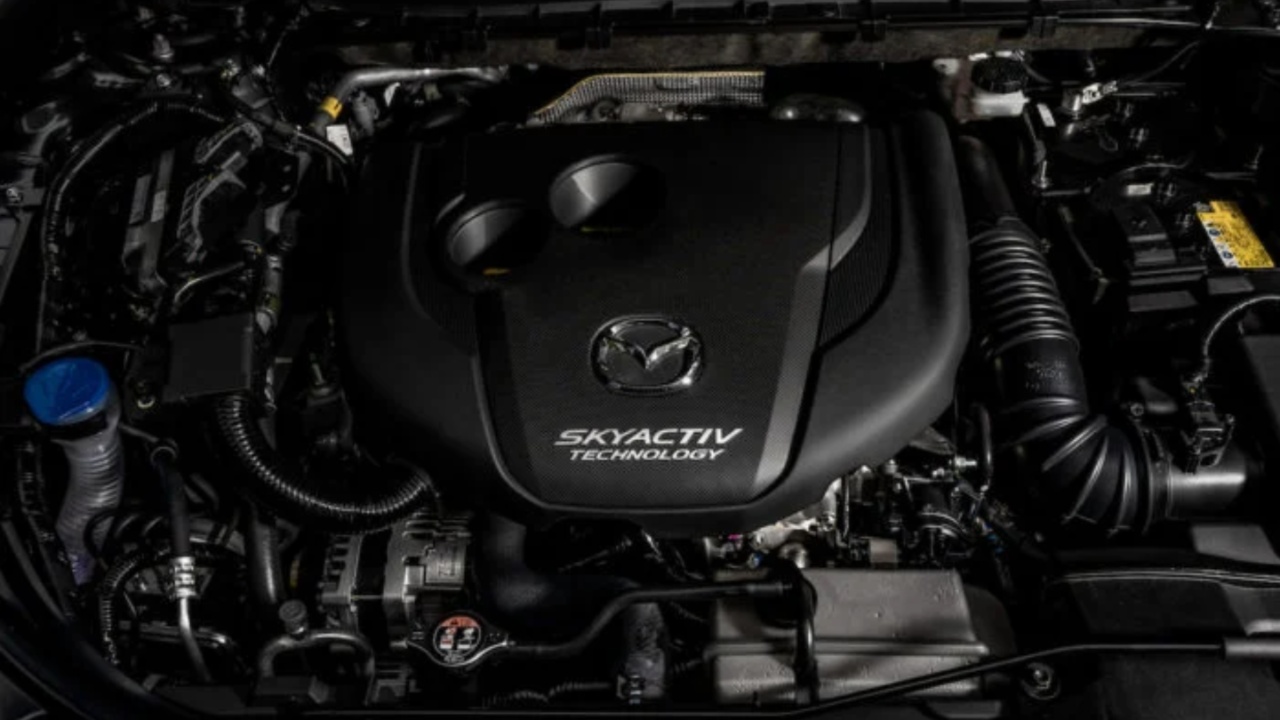
4. Mazda CX-5 Skyactiv-D Turbo Diesel: Cooling Efficiency, Performance, and Practicality
The Mazda CX-5 Skyactiv-D is engineered to maintain stable and relatively low operating temperatures during extended idling, making it well-suited for heavy traffic conditions. This capability comes from both the natural characteristics of diesel combustion and Mazda’s advanced Skyactiv-D technology.
Unlike gasoline engines, diesel engines use an unthrottled air intake, which means they draw in a large amount of excess air even at idle. This lean combustion process produces less heat, helping the engine stay cooler when the vehicle is not moving.
A defining feature of the Skyactiv-D engine is its low compression ratio of 14:1. Traditional diesel engines typically operate at much higher compression ratios, often above 18:1, which leads to higher combustion temperatures and increased heat.
By lowering the compression ratio, Mazda reduces internal pressure and temperature, resulting in less heat buildup during idling. This approach also reduces mechanical stress and friction, which contributes to smoother operation and improved durability.
The engine design also incorporates lightweight materials such as aluminum for the block, pistons, and other components. This reduces engine weight and thermal load, allowing heat to dissipate more efficiently.
In addition, the lower compression ratio allows more time for fuel and air to mix before ignition. This improves combustion quality and reduces the formation of hot spots, which can otherwise increase engine temperature.
Thermal management is further enhanced by advanced systems such as Exhaust Gas Recirculation and variable exhaust valve timing. These technologies help regulate combustion temperature by reintroducing cooled exhaust gases into the engine and adjusting airflow as needed.
This ensures that the engine remains within safe temperature limits even during prolonged idling. The sequential twin turbocharger system also supports efficiency at low engine speeds by using two turbos of different sizes. This setup maintains proper airflow and avoids the inefficiencies that can lead to excess heat at low RPM.
Although the engine runs cool in traffic, it behaves differently in cold conditions. Diesel engines generally take longer to warm up when idling because they are more efficient and produce less waste heat. Light driving is usually more effective than idling for reaching optimal operating temperature.
In terms of performance, the 2.2-liter Skyactiv-D engine produces around 172 horsepower and 450 Nm of torque. This strong torque output provides excellent pulling power, making the vehicle suitable for highway driving and towing.
The CX-5 can tow up to about 3,500 pounds, which adds to its practicality. Acceleration is more moderate compared to gasoline versions, with a 0 to 60 mph time of about 9 seconds, and some drivers may notice slight turbo lag.
Driving dynamics remain one of the CX-5’s strengths. It offers precise steering, controlled body movement, and a firm ride that gives it a sporty feel compared to many compact SUVs. The 6-speed automatic transmission is smooth and responsive, enhancing the driving experience.
Fuel efficiency is another advantage, especially on highways where it can exceed 47 mpg. The cabin features high-quality materials and a refined design, with comfortable seating and a practical cargo area. Buyers should be aware of maintenance considerations, such as diesel particulate filter care, which may require regular, longer drives to function properly.
The Mazda CX-5 Skyactiv-D combines efficient thermal behavior, strong torque performance, and a premium driving experience, making it a compelling option for drivers who prioritize fuel economy and long-distance capability.
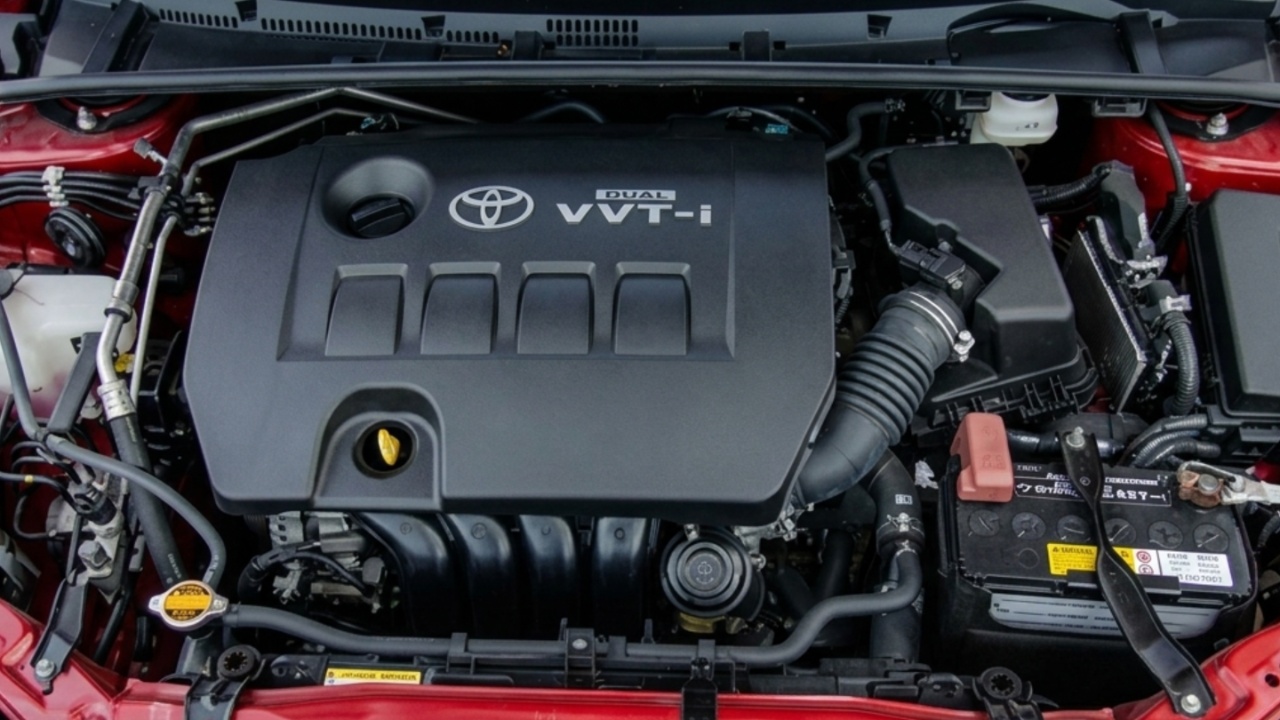
5. Toyota Corolla Altis and 1G-FE Inline-6 Legacy: Cooling, Durability, and Engineering Philosophy
The Toyota Corolla Altis and the Toyota 1G-FE reflect two important strands of Toyota’s engineering history, both known for reliability, smooth operation, and strong thermal performance. Although the 1G-FE was never officially paired with the Altis in production models, the combination is often imagined by enthusiasts because of their shared reputation for durability and refinement.
The 1G-FE inline-six engine is especially recognized for its ability to stay cool during extended idling. Its straight-six layout provides a larger surface area for heat dissipation compared to smaller engines, allowing heat to escape more efficiently.
This design is particularly beneficial in hot climates or heavy traffic, where engines are under constant thermal stress. The engine’s naturally aspirated configuration also contributes to lower heat generation, since it does not rely on turbocharging, which typically increases combustion temperatures.
Cooling performance is further supported by a high-capacity system that includes a large water jacket and a strong water pump.
These components ensure that coolant continues to circulate effectively even at low engine speeds, preventing heat buildup during long idle periods. The engine’s design prioritizes stable temperature control, making it capable of running for hours with minimal fluctuation in operating temperature.
Another key factor is the engine’s low-stress design. With a 2.0-liter displacement and a 24-valve DOHC configuration, the 1G-FE achieves efficient combustion and smooth airflow. This reduces internal friction and prevents the formation of hot spots within the engine.
Its cast-iron block adds to its durability, allowing it to withstand prolonged use and high temperatures over time. Many units have reached several hundred thousand kilometers with only routine maintenance, demonstrating their long-term resilience.
The inline-six configuration also provides natural balance, which minimizes vibration and results in exceptionally smooth idling. This makes the engine feel refined and quiet, even when running for extended periods. Such characteristics contributed to its use in more premium vehicles like the Toyota Crown and Lexus IS200, where smoothness and comfort were key priorities.
On the other hand, the Corolla Altis focuses on practicality and everyday usability. It is known for its comfortable ride, simple controls, and dependable performance. The suspension is tuned to absorb road imperfections, creating a relaxed driving experience rather than a sporty one. Inside, the cabin emphasizes ergonomic design and long-lasting materials, making it a reliable choice for daily commuting.
The Altis typically comes with four-cylinder engines such as the 1ZZ-FE and 3ZZ-FE, which prioritize efficiency and low operating costs. These engines may not offer the same level of smoothness as the 1G-FE, but they provide sufficient power for city driving and better fuel economy.
Among enthusiasts, the idea of installing a 1G-FE into a Corolla chassis has gained popularity as a custom modification. This combination creates a unique vehicle that pairs the lightweight and practical nature of the Corolla with the smooth and refined characteristics of an inline-six engine.
Both the Corolla Altis and the 1G-FE engine highlight Toyota’s commitment to durability and engineering simplicity, representing a time when vehicles were built with a strong focus on longevity and consistent performance.
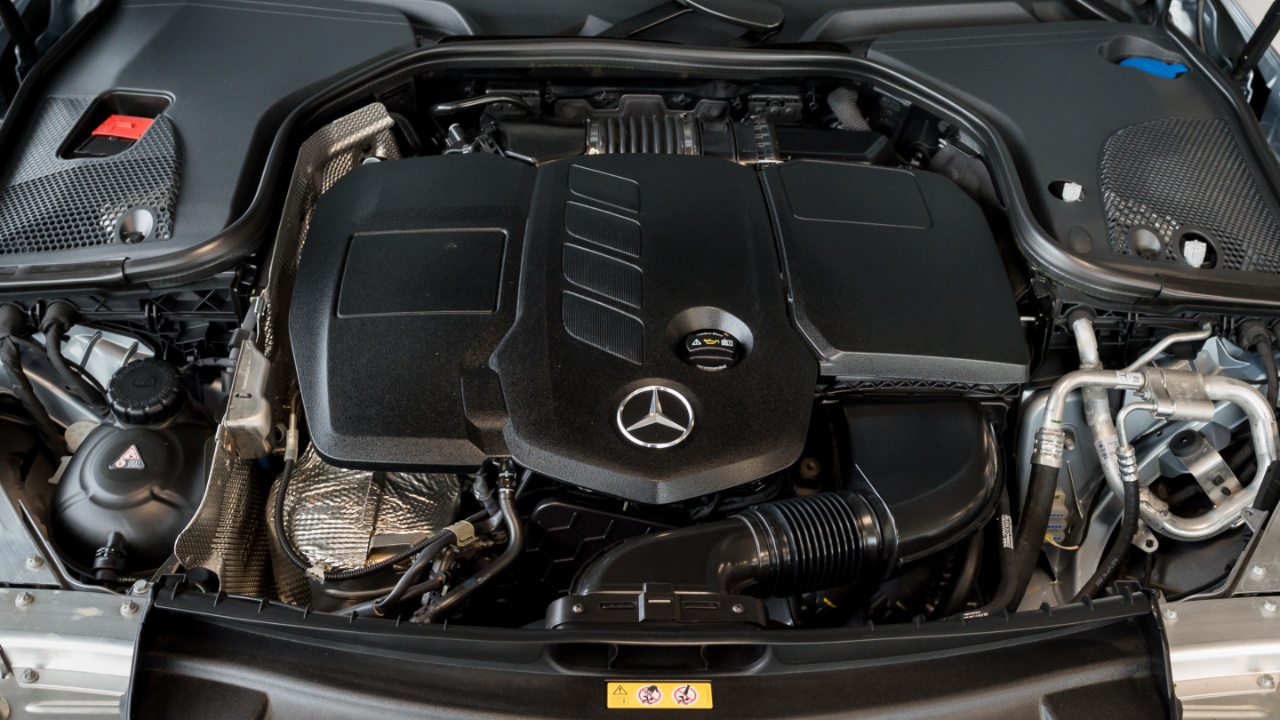
6. Mercedes-Benz E-Class with OM654 Diesel: Cooling, Performance, and Reliability
The Mercedes-Benz E-Class equipped with the Mercedes-Benz OM654 demonstrates exceptional thermal management, making it capable of long idling periods without overheating.
This 2.0-liter four-cylinder diesel engine, widely used in E220d variants, is built with all-aluminum construction and features Nanoslide cylinder coating, which reduces friction-induced heat. Its design allows the engine to maintain a stable operating temperature even during hours of stationary traffic, a key reason why OM-series diesels are favored in European taxi fleets.
The OM654 achieves cool operation through several advanced systems. Its thermal management system directs heat precisely where it is needed or dissipates it rapidly through a high-capacity radiator, allowing for consistent temperature regulation.
The engine also uses a multiway exhaust gas recirculation system, combining high-pressure and low-pressure EGR to reduce combustion temperatures by recirculating cooled exhaust gases.
Water-cooled components, including the dosing module for the SCR system, help maintain stable temperatures, while the common-rail fuel injection system optimizes combustion, preventing excessive heat buildup. These measures ensure that even under extended idling, the engine remains within safe operating limits.
Performance is another strength of the OM654-powered E-Class. In the E220d, the engine produces approximately 197 horsepower and 440 Nm of torque, delivering a smooth, refined driving experience. Real-world fuel economy is impressive, with drivers reporting figures between 44.8 and 58.9 mpg, enabling a single-tank range of 700 to 850 miles.
The engine is paired exclusively with the 9G-Tronic nine-speed automatic transmission, which offers seamless gear shifts, although occasional gear hunting can occur in slow city traffic. The Nanoslide coating and improved insulation reduce engine noise, though the diesel can still sound coarse during heavy acceleration or cold starts.
Reliability has improved over the previous OM651 generation, but certain issues are known to appear with age. Valvetrain wear, particularly on camshaft bearings and rocker arms, can cause rough idling or engine rattling.
Emissions systems, including the AdBlue/SCR sensors and diesel particulate filter, are prone to failure if the car is used mainly for short urban trips. The timing chain is positioned at the rear of the engine, making replacement labor-intensive and costly. Buyers of high-mileage vehicles should prioritize cars with documented maintenance to avoid expensive repairs.
The E-Class delivers a refined driving experience with an emphasis on comfort and long-distance usability. The optional AIRMATIC air suspension creates a floaty, smooth ride, while the cabin is equipped with high-quality materials and advanced technology such as the MBUX Superscreen.
Seats are supportive over long journeys, and optional rear-axle steering enhances maneuverability in urban environments, reducing the turning radius of this executive sedan.
For high-mileage commuters or executives, the E-Class with the OM654 diesel combines prestige, fuel efficiency, and low running costs. Its advanced thermal management allows it to handle prolonged idling without risk of overheating, while its performance, refinement, and comfort make it one of the most practical and luxurious choices in its class.
Prospective buyers should focus on vehicles with a meticulous service record to ensure continued reliability and avoid costly repairs to the valvetrain or emissions systems.
The engines featured in this list exemplify thermal efficiency, durability, and reliability under conditions that challenge conventional powertrains. The Tesla Model 3’s electric motor avoids combustion heat entirely, while the Toyota Prius and Nissan Qashqai e-Power use hybrid technology to reduce unnecessary engine operation and heat generation.
Diesel engines such as the Mazda CX-5 Skyactiv-D and Mercedes-Benz OM654 combine advanced cooling, material innovation, and combustion efficiency to maintain safe operating temperatures during long idling periods. Legacy designs like the Toyota 1G-FE inline-six highlight how robust mechanical engineering can sustain smooth and cool operation even without modern electronic aids.
Collectively, these engines demonstrate the importance of intelligent design, precision engineering, and innovative thermal management, providing drivers with efficiency, comfort, and confidence in high-traffic situations. These powertrains set a benchmark for performance and resilience in everyday urban driving.
Also read: 10 Cars With Such High Resale Value You Should Only Buy Them Brand New
