The used car market is full of surprises, especially when branding plays a bigger role than actual quality. Many vehicles are overlooked not because they lack performance, comfort, or reliability, but because of outdated reputations, weak marketing, or simply being misunderstood.
This creates a unique opportunity for buyers who are willing to look beyond badges and focus on real-world value. From compact sedans to performance cars and rugged SUVs, some models quietly deliver features and capabilities that rival or even exceed their more popular competitors.
This list of “10 Vehicles That Are Hidden Gems on the Used Market Due to Bad Branding” highlights cars that suffer from perception issues rather than actual shortcomings.
Whether it is a brand once known for budget cars or a model discontinued too soon, these vehicles often depreciate faster than they deserve. For smart buyers, that means getting more car for less money, without sacrificing quality, practicality, or driving enjoyment.
1. Hyundai Elantra (2012–2020): The Underrated Compact Sedan
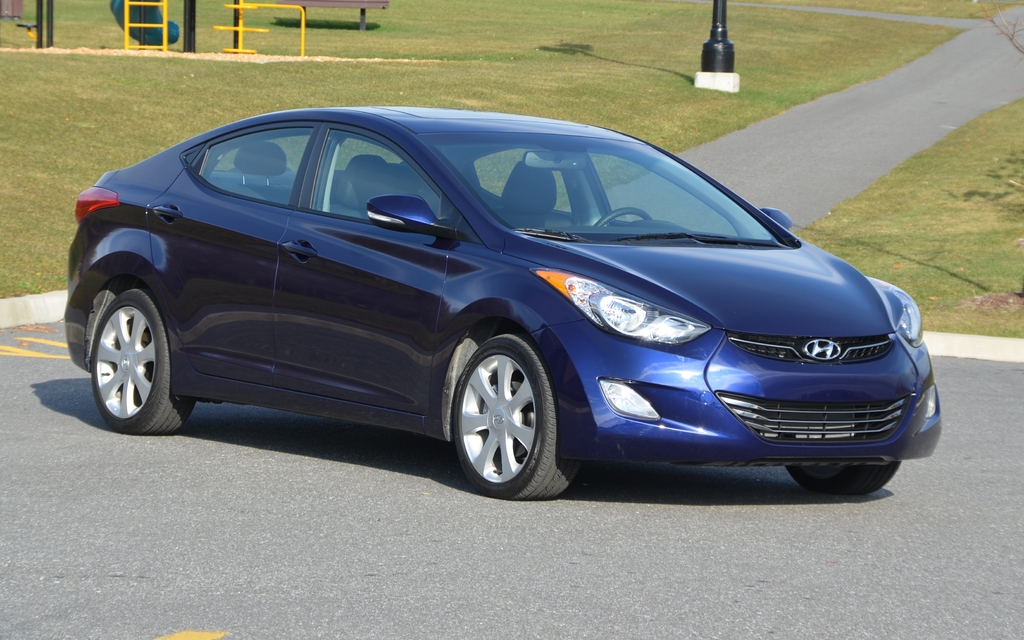
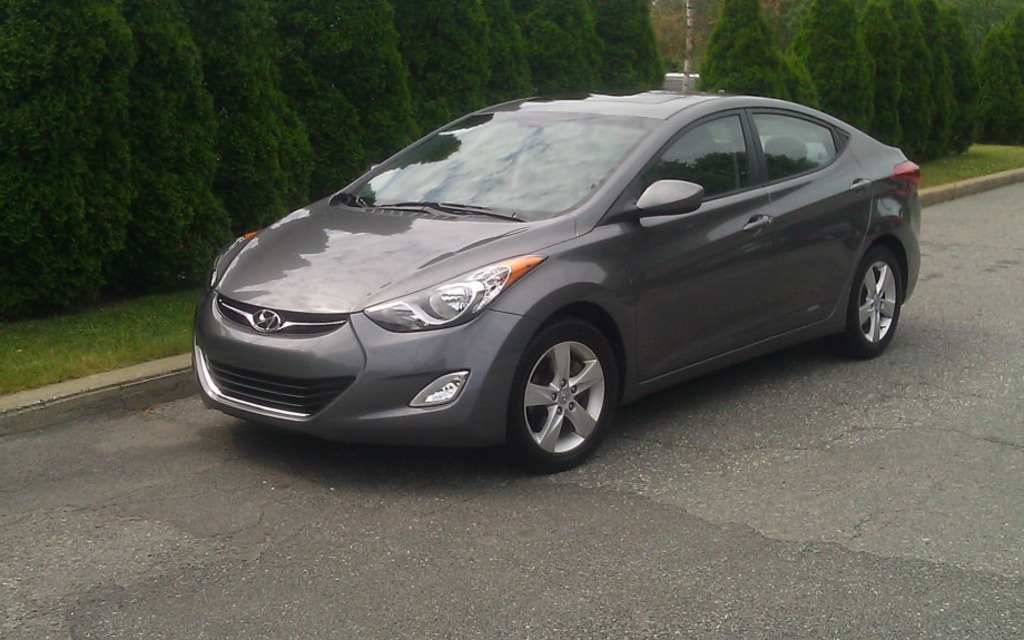
The 2012–2020 Hyundai Elantra is often overlooked in the used car market because of Hyundai’s past reputation as a budget brand. Despite this, it provides reliability, safety, and fuel efficiency comparable to competitors like the Toyota Corolla and Honda Civic while usually costing less.
This generation introduced modern styling and interior technology that could rival more expensive sedans, making it a hidden gem for buyers who prioritize value over brand perception.
Elantras from this period offer excellent value, with more standard features than many rivals. They include spacious interiors, large trunks, and advanced infotainment options. The 2017–2020 6th-generation models provide a refined and sporty driving experience.
Equipped with 1.8L or 2.0L engines paired with 6-speed manual or automatic transmissions, the Elantra delivers balanced performance and strong fuel economy. Its roomy cabin and comfortable ride often surpass expectations for a compact sedan. Hyundai’s 10-year or 100,000-mile warranty adds extra reassurance for used car buyers.
Resale values remain lower than those of Japanese competitors due to lingering negative brand perceptions from the 1980s and 1990s. Early models from 2012 to 2015 featured the “Fluidic Sculpture” design focused on aerodynamics, while the 2017–2020 models adopted a sharper, more angular look that some buyers found polarizing. These factors keep used prices attractive for those seeking value.
Buyers should be aware of potential issues. Some model years experienced engine concerns such as oil burning or ticking noises, and certain vehicles were recalled for ABS or fire risks. Cabin materials can feel hard or less refined, but vehicles with proper maintenance continue to perform reliably.
The 2012–2020 Hyundai Elantra delivers a spacious, efficient, and well-equipped compact sedan experience. With modern styling, strong feature content, and dependable performance at an accessible price, it represents one of the best values in the used compact car market for buyers willing to focus on quality and service history.
2. Mazda 6 (2014–2021): The Underrated Mid-Size Sedan
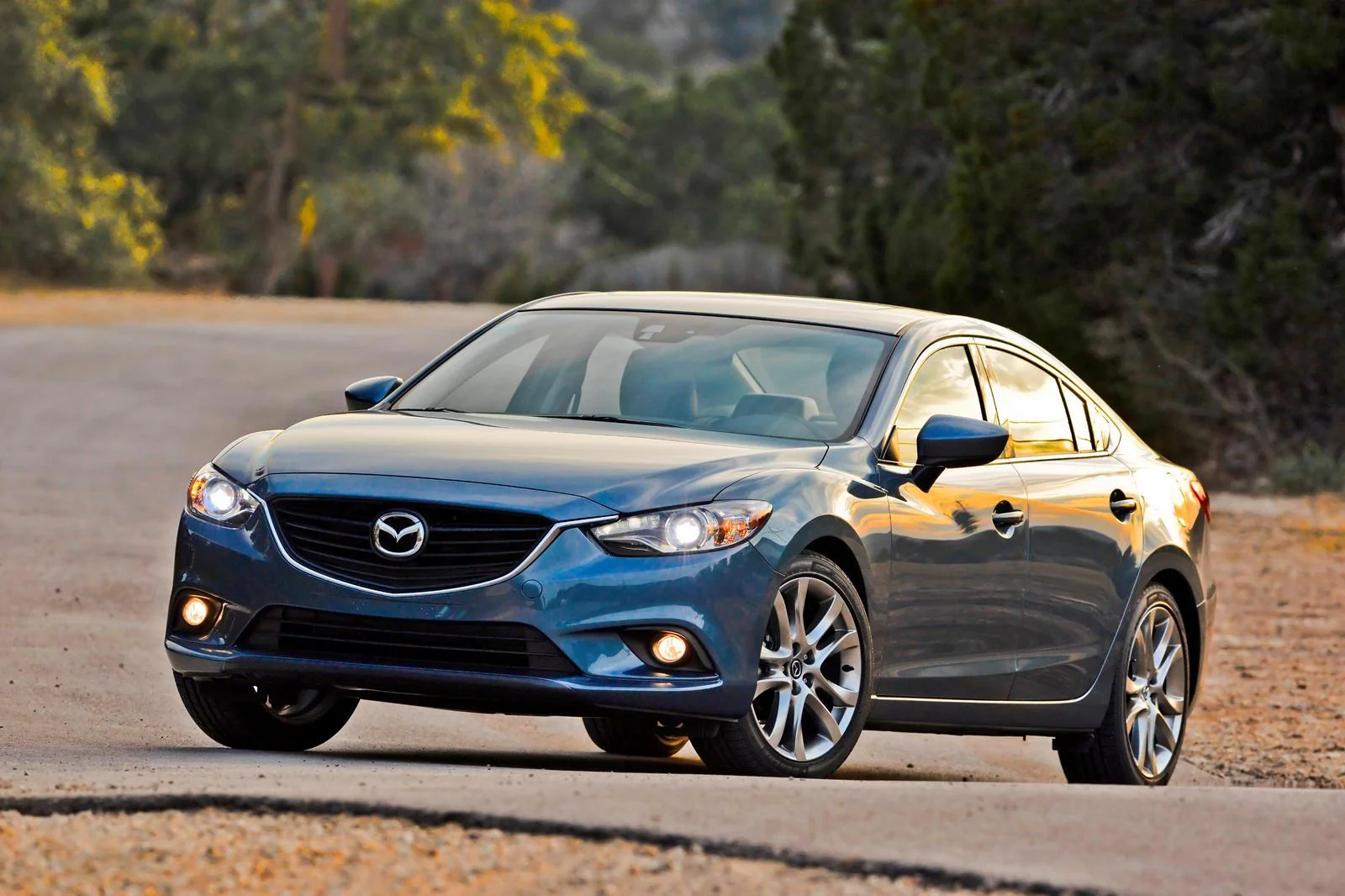
The 2014–2021 Mazda 6 is often overlooked in the used car market because Mazda has a smaller marketing presence compared to giants like Toyota and Honda. Despite this, it consistently delivers an engaging driving experience, near-luxury interior quality, and strong reliability, making it a hidden gem for buyers seeking a stylish, well-rounded midsize sedan.
Its niche branding as a “fun-to-drive” mainstream car keeps resale values lower, offering excellent value for those who want a premium-feeling vehicle without the maintenance costs of a luxury badge.
Mazda 6 stands out for combining luxury-like materials and design with responsive handling. The cabin is quiet, sophisticated, and well-equipped, especially in the 2018+ facelift models that added better soundproofing, upgraded infotainment, and the option for a 2.5L turbocharged engine.
Standard engines include reliable 2.0L and 2.5L gasoline options, with the turbo variant providing enhanced performance while maintaining fuel efficiency. The Skyactiv powertrains are known for dependability, and the sedan often exceeds competitors in handling, making it one of the most enjoyable cars to drive in its class.
While the Mazda 6 excels in many areas, buyers should be aware of some trade-offs. The suspension is tuned for sportiness, which can produce a firmer ride over rough roads. Rear headroom and legroom are slightly tighter than rivals like the Honda Accord or Toyota Camry, and some owners report road and wind noise at higher speeds.
Common issues are relatively minor, including occasional transmission slipping in early models, minor electrical or software updates, and cooling fan module concerns. Parts are generally accessible, though repairs may be less familiar to some independent mechanics compared with more mainstream brands.
Despite these considerations, the Mazda 6 offers a unique blend of style, performance, and refinement that is rare in the midsize sedan segment. Its combination of high-quality materials, sharp handling, fuel efficiency, and reliability makes it an attractive option for drivers who value driving enjoyment and interior comfort over maximum cabin space.
For buyers willing to focus on service history and minor trade-offs, the Mazda 6 represents one of the best value propositions among used midsize sedans.
3. Scion Models (All Years): Hidden Gems from Toyota
Scion, Toyota’s youth-oriented brand from 2003 to 2016, struggled to connect with its intended audience, but it created an excellent opportunity for used car buyers. Designed to appeal to drivers under 35, Scion offered unique and often polarizing designs, customizable features, and a “no-haggle” pricing approach.
Many assume that discontinued Scions are difficult to maintain, but every model is essentially a Toyota, sharing engines, transmissions, and chassis with reliable vehicles like the Corolla, Yaris, and Camry. This makes them mechanically durable while often selling for significantly less than comparable Toyota models.
Scion cars are considered hidden gems because they combine reliability, affordability, and distinctive styling. The brand’s niche marketing and unconventional image suppressed resale values, allowing buyers to acquire well-built vehicles at lower prices.
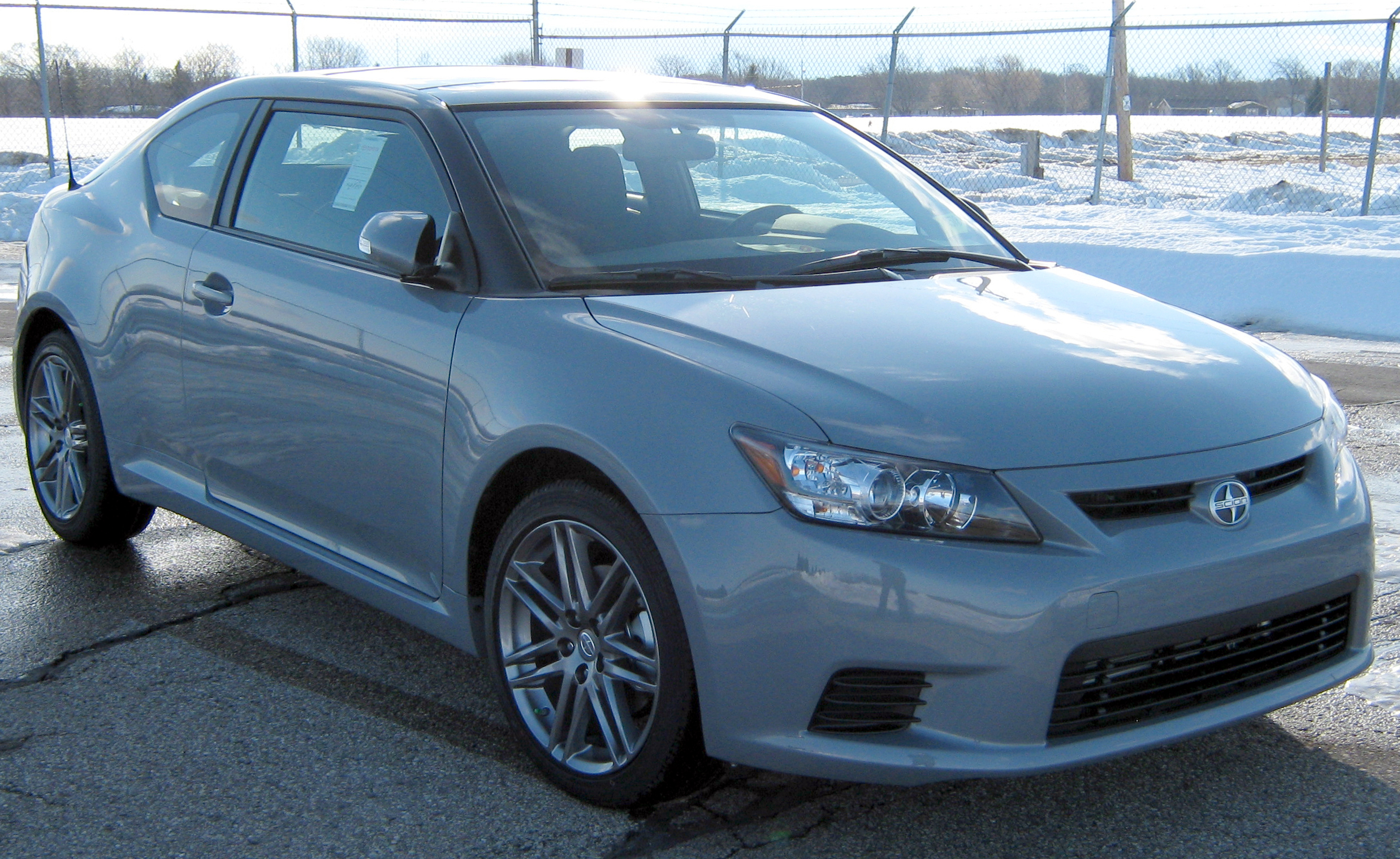
Mechanical simplicity, high durability, and long-lasting engines capable of exceeding 200,000 miles contribute to their appeal. Popular models such as the xB, tC, and FR-S are praised for practicality, sporty performance, and fun-to-drive dynamics, making them stand out in the used car market.
Key Scion models include the xB, noted for its spacious interior and utility; the tC, a sporty, budget-friendly coupe with 2.4L or 2.5L engines; and the FR-S, a rear-wheel-drive sports coupe developed with Subaru, lauded for its handling and driver engagement.
Other models include the subcompact xA and xD, the city-focused iQ, and the Mazda-based iA sedan and iM hatchback. While some models have less refined interiors or limited power, they share Toyota’s reliability and use parts that are widely available, keeping maintenance costs low.
Scions provide excellent value for buyers who prioritize reliability, low purchase prices, and fun-to-drive characteristics. Because the brand is discontinued, used prices are often far below equivalent Toyotas or Hondas, with minimal compromise in durability or performance.
Some models, such as the tC, may experience minor issues like oil consumption or electronic glitches, but these are generally manageable. Vehicles like the FR-S deliver near-luxury sports car performance at an accessible price.
For used car shoppers, Scion offers a unique combination of Toyota reliability, affordability, and personality. The vehicles are durable, easy to maintain, and surprisingly enjoyable to drive, making them a smart choice for buyers seeking dependable cars with character.
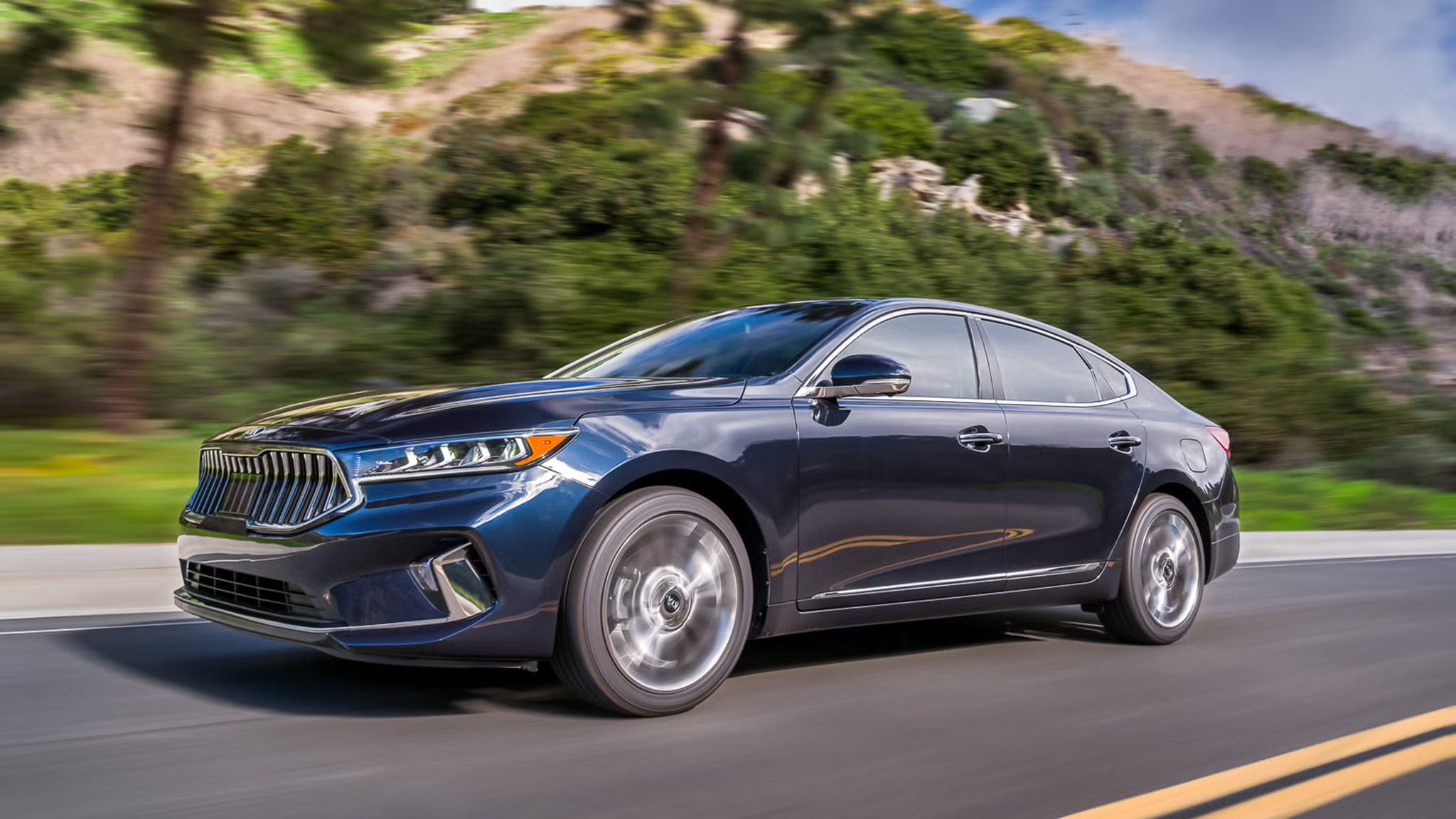
4. Kia Cadenza (2014–2020): A Hidden Luxury Value
The 2014–2020 Kia Cadenza is a standout example of “bad branding” creating exceptional value for used car buyers. When it was introduced, Kia was still seen primarily as a maker of budget-friendly commuters, making it difficult for a premium sedan to gain traction.
Despite this, the Cadenza offers near-luxury refinement, a powerful 3.3-liter V6 engine producing 290–293 horsepower, and a host of upscale features, all at a fraction of the price of competitors like the Lexus ES. Its low demand and steep depreciation allow buyers to acquire a high-end executive sedan for economy-car money.
The Cadenza’s interior is a major highlight. Nappa leather, ventilated and heated seats, a quiet cabin with double-pane glass, and an available panoramic sunroof create a luxurious environment. Materials and trim are high-quality, with soft-touch surfaces, woodgrain accents, and a well-organized cockpit-style layout.
The UVO eServices system and a high-resolution touch-screen infotainment unit offer navigation, voice commands, and integrated diagnostics without requiring subscriptions. Optional Luxury and Technology Packages add features like blind-spot detection, smart cruise control, lane-departure warning, power-adjustable steering, and heated rear seats, further enhancing the premium experience.
Performance is strong for a front-wheel-drive sedan. The 3.3-liter V6 and 8-speed automatic transmission deliver smooth acceleration, though low-end torque is modest, meaning uphill starts require a bit of engine build-up.
Steering is light, and while handling is confident for its size, the Cadenza is designed for comfort rather than sport-sedan precision. Brakes are strong, and the chassis provides a balanced ride with minimal body roll.
On the road, the Cadenza is quiet and refined, with minimal wind or road noise. Suspension tuning ensures a smooth ride without the “floaty” feel of older large sedans, and seats are supportive, especially with the Luxury Package. Rear headroom is slightly limited with the panoramic roof, but front comfort is excellent, including a driver thigh extension for taller passengers.
Fuel economy is modest at 19 mpg city and 28 mpg highway, but the V6 runs on regular unleaded gas, and maintenance costs remain reasonable. Some early models reported engine concerns, so verifying service history is important.
The Kia Cadenza is a rare blend of luxury-level comfort, strong performance, and high-quality features without the luxury badge price, making it one of the most compelling values in the large sedan market for used buyers.
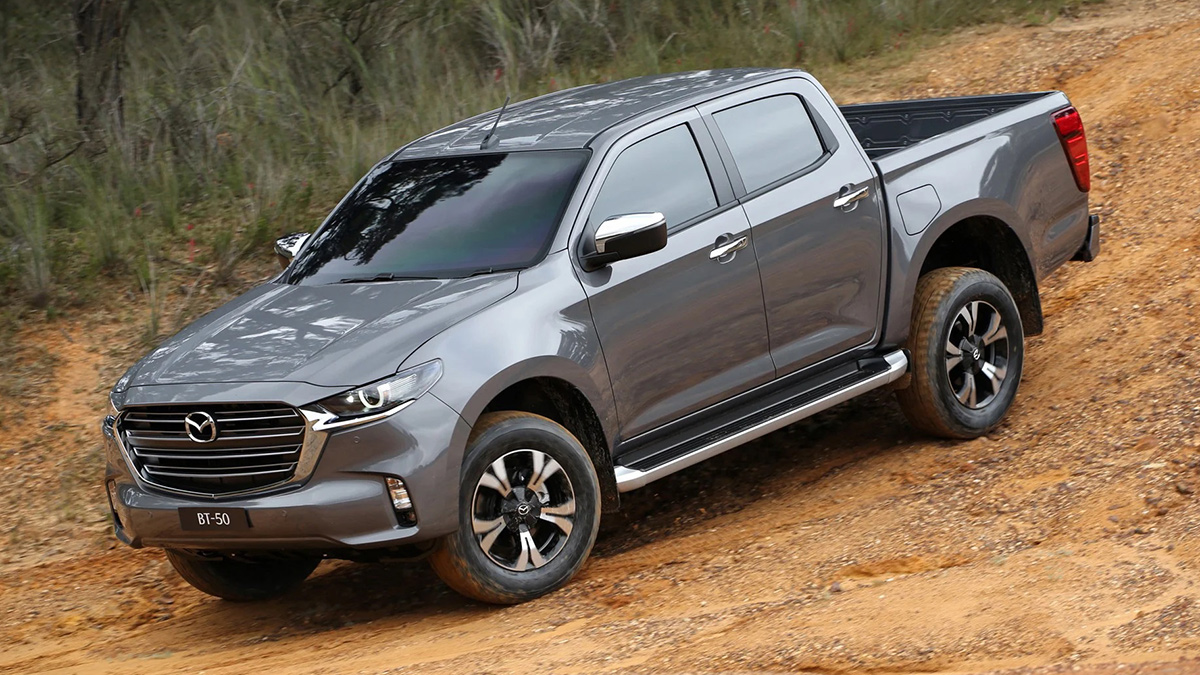
5. Mazda BT-50 (2011–2020): The Overlooked Twin of the Ranger
The 2011–2020 Mazda BT-50 is a classic example of a capable vehicle overlooked due to branding and design choices. Mechanically, it is almost identical to the Ford Ranger (T6), sharing the same chassis, suspension, and durable turbo-diesel engines.
This includes the powerful 3.2L five-cylinder and the efficient 2.2L four-cylinder Duratorq engines, along with a 3.5-ton towing capacity. Despite offering the same performance, durability, and off-road capability as the Ranger, the BT-50 is typically much cheaper on the used market, making it a strong value option for buyers seeking a reliable pickup.
The BT-50 stands out for its combination of toughness and everyday usability. It delivers strong pulling power, especially with the 3.2L engine, making it well-suited for towing and highway driving. Off-road capability is also impressive, with features like a locking rear differential, hill descent control, and an 800 mm wading depth.
At the same time, it offers a more car-like driving experience than many rivals, with responsive steering and a smoother ride. The interior is spacious, particularly in dual-cab variants, and provides comfort similar to an SUV, even if some materials feel more utilitarian than premium.
Its status as a hidden gem is largely due to branding. While the Ranger was marketed as a rugged lifestyle truck, the BT-50 adopted Mazda’s softer “Kodo” design language, which many traditional truck buyers found too unconventional.
This mismatch between appearance and capability led to lower demand and weaker resale value. Mazda’s reputation as a maker of passenger cars rather than work-focused trucks also contributed to the model being overlooked in favor of competitors like the Ford Ranger and Toyota Hilux.
Buyers should be aware of a few common issues. Some models, particularly those with the 3.2L engine, may experience oil pump problems if not serviced correctly. Turbocharger and intercooler issues, diesel particulate filter clogging, and driveline vibrations have also been reported. Proper maintenance is essential to avoid these concerns.
The Mazda BT-50 offers the performance and reliability of a top-tier pickup at a lower price. For buyers who can look past its styling and branding, it represents excellent value in the used truck market.
Also read: 5 Cars With Simple Interiors That Age Well vs 5 With Too Much Fragile Plastic
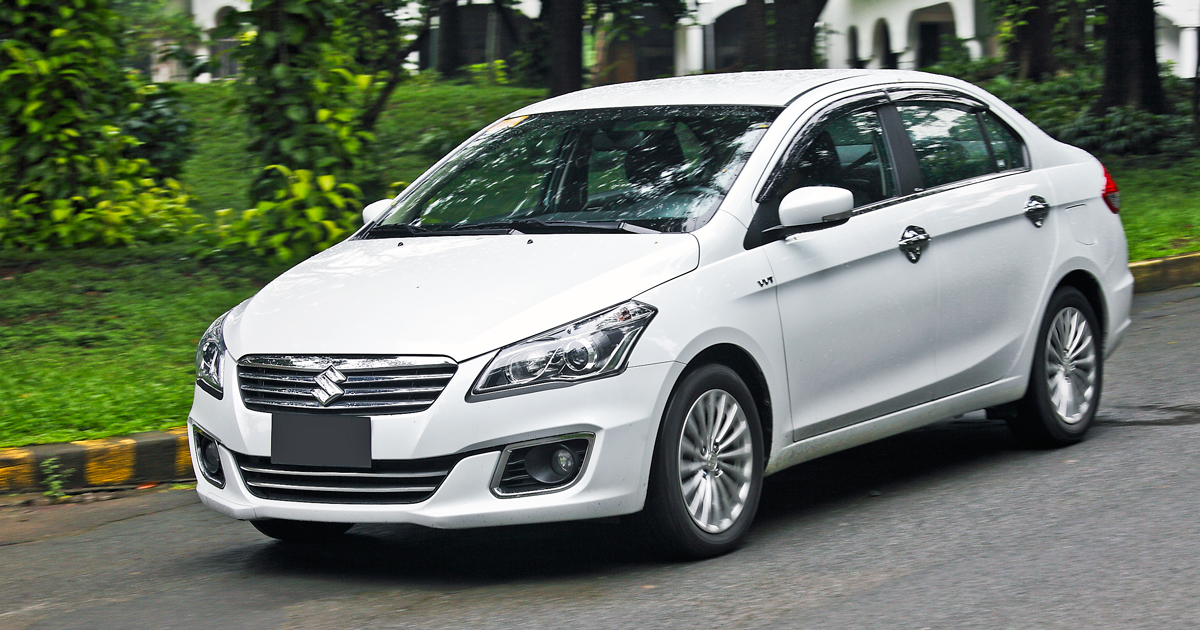
6. Suzuki Ciaz (2014–Present): The Overlooked Practical Sedan
The 2014–present Suzuki Ciaz is often underestimated due to Suzuki’s reputation as a maker of small and budget-friendly cars. While competitors like the Honda City and Toyota Vios carry stronger brand prestige, the Ciaz quietly delivers exceptional practicality, comfort, and efficiency.
Its positioning as a budget sedan has kept resale values low, making it a hidden gem for buyers seeking a reliable and spacious daily driver at an affordable price.
One of the Ciaz’s strongest advantages is its interior space. It offers one of the roomiest cabins in its segment, with rear legroom that rivals larger sedans. This makes it especially appealing for families or those who prioritize passenger comfort.
The suspension is tuned for a soft and comfortable ride, making it ideal for city driving and long-distance travel. Combined with a simple and user-friendly interior layout, the Ciaz provides a relaxed driving experience focused on comfort rather than sportiness.
Fuel efficiency is another major highlight. Equipped with 1.4L or 1.5L engines, the Ciaz is designed to be economical, delivering strong mileage for daily commuting. Its lightweight construction further improves efficiency and ease of handling. Mechanically, the car is simple and durable, which helps keep maintenance and repair costs low over time. This reliability makes it a practical long-term choice for budget-conscious owners.
Despite these strengths, the Ciaz does have some limitations. Engine performance is modest, particularly at higher speeds, and the available automatic transmission is less advanced compared to rivals.
Cabin refinement can also be improved, with some road and tire noise noticeable. Additionally, the model has received fewer updates over the years, and shifting consumer preference toward SUVs has reduced its visibility in the market.
The Suzuki Ciaz stands out as a value-focused sedan that prioritizes space, comfort, and efficiency. Its combination of low ownership costs, dependable performance, and generous interior room makes it an appealing option for used buyers. For those who can look past brand perception and modest performance, the Ciaz offers excellent practicality and value in the compact sedan segment.
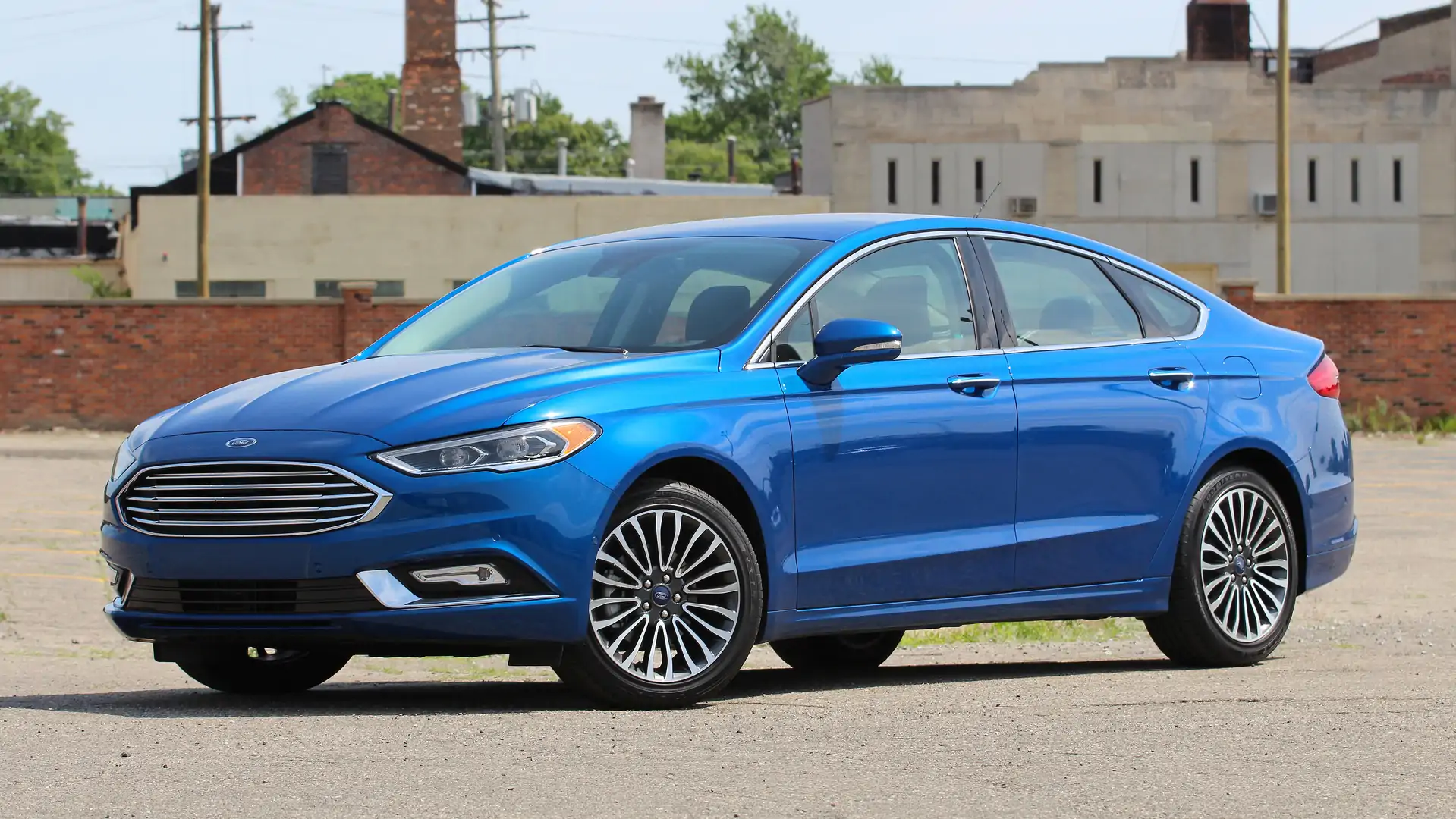
7. Ford Fusion (2017–2020): The Undervalued Modern Sedan
The 2017–2020 Ford Fusion became an underrated option in the used car market largely due to Ford’s decision to exit the sedan segment in favor of SUVs and trucks. This move created the perception that the Fusion was a “dead” model, causing resale values to drop significantly.
In reality, these final model years represent some of the Fusion’s best, offering refined styling, advanced technology, and a comfortable driving experience at a much lower price than competitors.
One of Fusion’s biggest strengths is its value. Due to heavy depreciation and a large number of fleet and rental units, used prices are often far below rivals’. Buyers can access features like all-wheel drive, advanced safety systems, and modern infotainment at a fraction of the original cost.
The SYNC 3 system is intuitive and responsive, while available driver-assist features such as Ford Co-Pilot360 add convenience and safety. Interior quality varies by trim, ranging from basic cloth setups to near-luxury finishes in higher trims like the Platinum, which offers a premium feel comparable to more expensive sedans.
The Fusion also stands out for its wide range of powertrain options. These include a base 2.5L engine, turbocharged EcoBoost engines in 1.5L and 2.0L forms, and a powerful 2.7L twin-turbo V6 in the Sport model. Hybrid and plug-in hybrid variants provide excellent fuel efficiency, making the Fusion appealing to a broad range of buyers.
While not the sharpest handler in its class, it offers a composed ride with balanced comfort and agility, especially in higher trims with adaptive dampers.
There are some drawbacks to consider. Turbocharged engines may require more maintenance over time, including potential carbon buildup or turbo wear. Some early models reported transmission issues, and all-wheel-drive versions may experience Power Transfer Unit leaks. Hybrid variants sacrifice trunk space due to battery placement.
The Ford Fusion delivers a strong mix of technology, comfort, and versatility at a reduced price. For buyers willing to overlook its discontinued status, it offers a modern, well-equipped sedan experience with excellent value in the used car market.
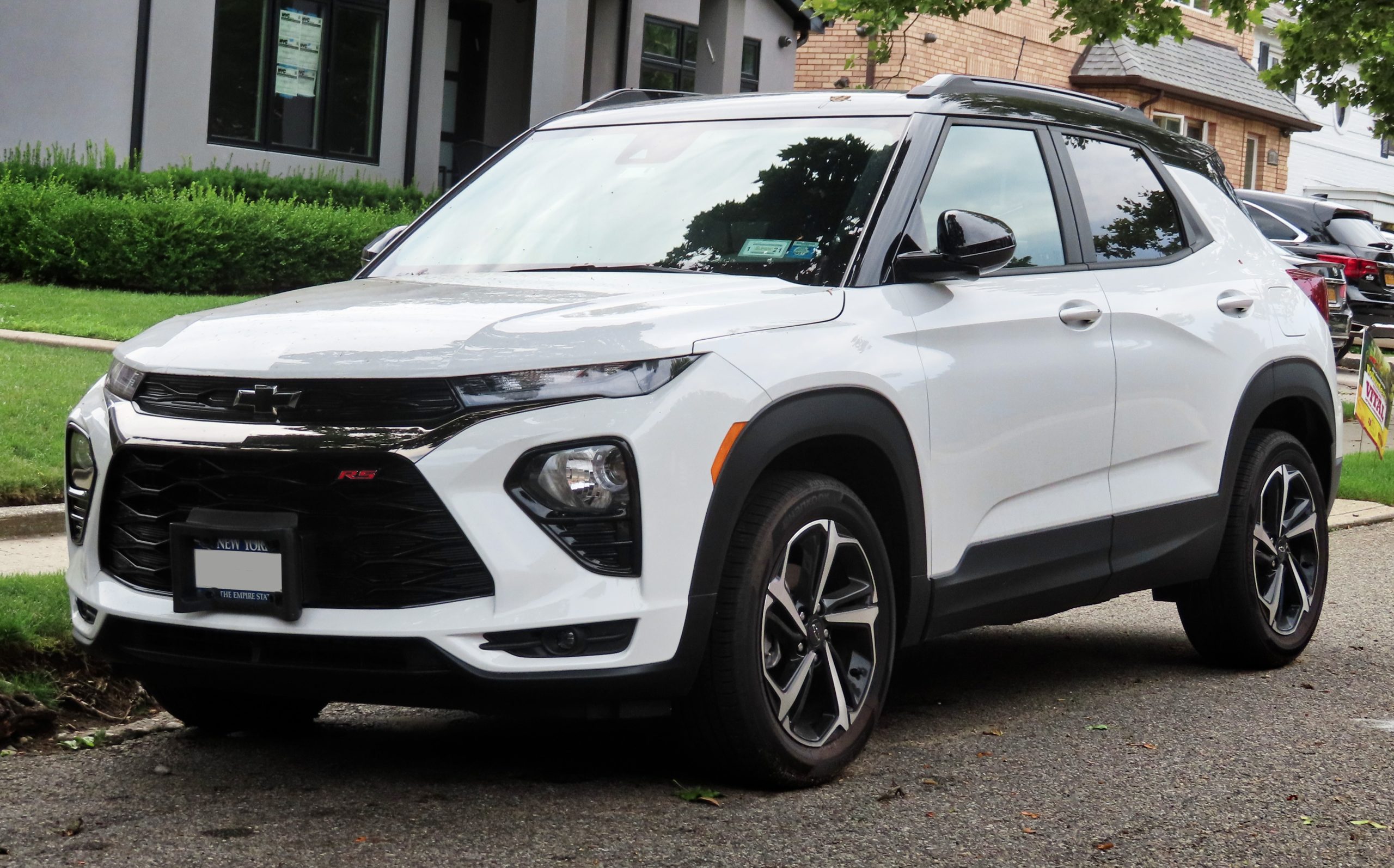
8. Chevrolet Trailblazer (2012–2020): The Underrated Diesel SUV
The 2012–2020 Chevrolet Trailblazer is often overlooked in the midsize SUV segment, largely due to strong competition from models like the Toyota Fortuner and Mitsubishi Montero Sport.
Chevrolet’s inconsistent brand presence in some markets also led to concerns about long-term support, which negatively affected resale values. Despite this, the Trailblazer stands out as a capable and rugged SUV that offers strong performance, durability, and comfort at a lower price point than its rivals.
One of the Trailblazer’s biggest strengths is its diesel performance. Equipped with either a 2.5L or 2.8L Duramax turbo-diesel engine, it delivers impressive torque and towing capability.
The 2.8L variant, in particular, produces up to 500 Nm of torque, making it ideal for hauling heavy loads and tackling steep terrain. Built on a truck-based chassis shared with the Isuzu Mu-X, the Trailblazer is designed for durability and off-road use, with a capable 4×4 system that performs well in challenging conditions.
Despite its rugged nature, the Trailblazer offers a comfortable and practical interior. It provides ample passenger space, including a usable third row, making it suitable for families.
Higher trims, such as the Z71, include modern features like touchscreen infotainment systems, Apple CarPlay, Android Auto, and driver-assist technologies. The suspension balances off-road toughness with highway comfort, though the ride can feel slightly firm in the rear seats.
The model’s hidden gem status is largely due to branding and perception. Its design is considered less modern compared to competitors, and Chevrolet’s weaker market presence led many buyers to favor more established brands. Additionally, the model was discontinued in several markets around 2020, which raised concerns about parts availability and further reduced demand.
There are some drawbacks to consider. The diesel engine can be noisy, and fuel efficiency is average for its class. Some early models experienced electrical or suspension issues, and maintenance costs can be higher if parts are difficult to source. Ensuring a well-maintained unit is essential.
The Chevrolet Trailblazer offers strong diesel performance, rugged capability, and family-friendly practicality at a reduced price. For buyers seeking a durable SUV without paying premium brand costs, it represents a compelling and often overlooked choice.
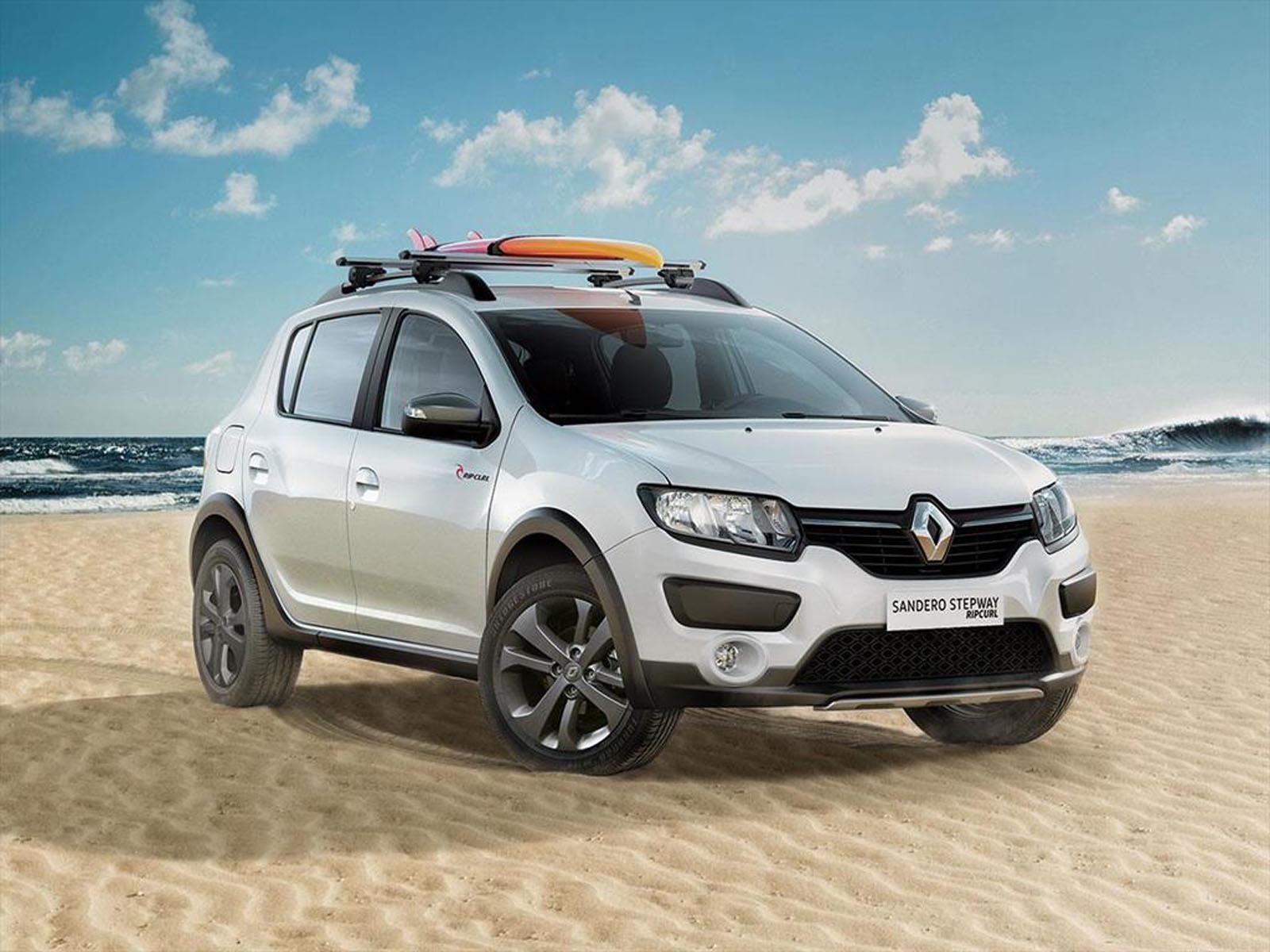
9. Renault Sandero Stepway (2016–2019): The Budget Crossover Alternative
The 2016–2019 Renault Sandero Stepway is often overlooked because of Renault’s reputation for quirky engineering and its association with budget vehicles. Many buyers assume it is costly to maintain or less reliable, but it was actually developed on a global platform designed for durability and simplicity, especially in emerging markets.
This approach results in a car that is tough, easy to maintain, and affordable to run. Its low resale value, driven by brand perception, makes it an attractive option for used car buyers seeking practicality at a lower cost.
The Stepway stands out for its crossover-inspired design and everyday usability. It is essentially a hatchback with increased ground clearance, allowing it to handle rough roads and uneven surfaces better than typical small cars.
Its compact size makes it ideal for city driving, while the interior provides enough space to comfortably seat four adults. The cabin also includes a decent-sized trunk, making it suitable for daily errands or small family trips.
Powering the Stepway is usually a 0.9 liter turbocharged three-cylinder engine. It offers good fuel efficiency and performs well in urban conditions, where its light weight helps with responsiveness. However, it is not designed for high-speed performance, and highway driving can feel underpowered.
The driving experience focuses on comfort, with soft suspension that absorbs bumps effectively. Steering is light and easy to manage, though it may feel less precise, especially when cornering.
Inside, the cabin reflects its budget focus, with hard plastics and a simple layout. While it lacks a premium feel, the materials are durable and practical. Higher trims include a touchscreen infotainment system with navigation, improving convenience. Some drawbacks include noticeable road and wind noise, as well as limited advanced safety features compared to more expensive competitors.
The Renault Sandero Stepway delivers strong value through its combination of affordability, durability, and practicality. It is a reliable choice for buyers who prioritize low costs, usable space, and everyday comfort over performance and luxury features.
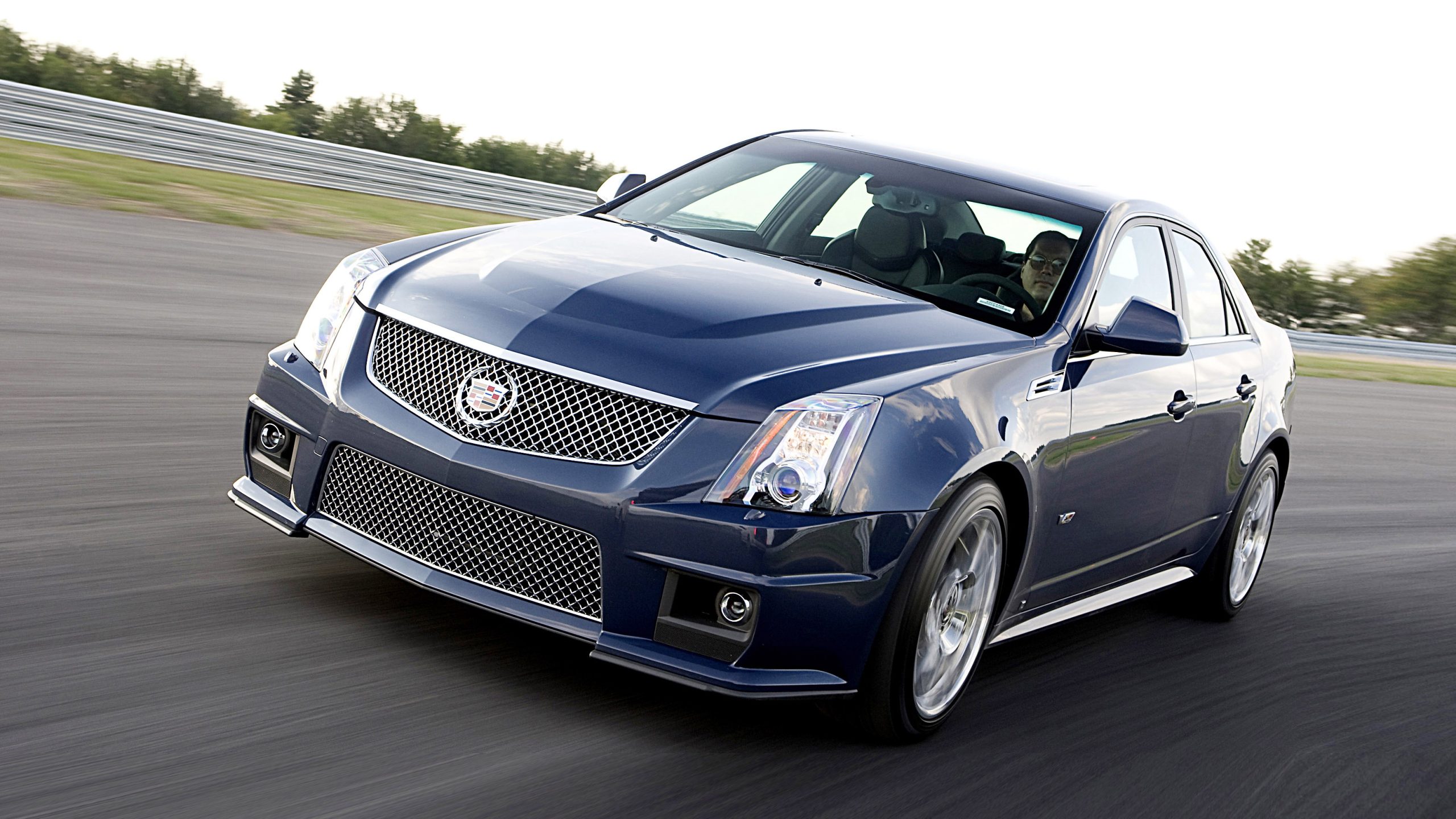
10. Cadillac CTS-V (Older Generations): The Overlooked Super Sedan
Older Cadillac CTS-V models from 2004 to 2019 are among the most underrated high-performance sedans in the used car market. For years, Cadillac carried a reputation as a brand aimed at older buyers, which caused many enthusiasts to overlook its performance models in favor of German rivals like BMW M and Mercedes-AMG.
This perception led to significant depreciation, creating an opportunity for buyers to access supercar-level performance at a much lower price.
The CTS-V stands out for its powerful V8 engines derived from Chevrolet’s Corvette lineup. Early models featured naturally aspirated LS engines producing around 400 horsepower, while later generations introduced supercharged V8s such as the LSA and LT4, delivering between 556 and 640 horsepower.
These engines provide exceptional acceleration and performance that can rival or even surpass more expensive European competitors. Unlike many German performance cars, the CTS-V uses relatively straightforward American engineering, which can make maintenance more manageable over time.
Each generation offers a distinct experience. The first generation focused on raw performance and came with a manual transmission, though it had a less refined interior and some durability concerns.
The second generation marked a major leap forward, adding a supercharged engine, improved styling, and advanced suspension technology, along with sedan, coupe, and wagon body styles. The third generation refined the formula further with a lighter chassis, sharper handling, and even more power, making it competitive with top-tier luxury performance sedans.
Despite its strengths, there are some considerations. Fuel economy is poor due to the large V8 engines, and interior quality may not match the standards set by German luxury brands. Some models may also experience issues such as transmission wear, overheating during intense driving, or earlier-generation differential problems. Proper maintenance and inspection are essential when buying used.
The Cadillac CTS-V delivers a rare combination of luxury, performance, and value. For buyers willing to look past brand perception, it offers an opportunity to own a high-powered, track-capable sedan with everyday usability at a fraction of the cost of its European rivals.
Bad branding can be a powerful force in the automotive world, often shaping opinions more than facts. The vehicles on this list prove that reputation does not always reflect reality. Many of these models offer strong reliability, impressive performance, and excellent features, yet remain undervalued simply because they lack the “right” image or marketing push. For used car buyers, this disconnect creates a clear advantage.
Choosing one of these hidden gems requires a shift in mindset. Instead of chasing popular names, it pays to evaluate condition, maintenance history, and actual ownership costs.
When approached this way, these vehicles can deliver exceptional long-term value and satisfaction. In a market where prices continue to rise, finding a well-maintained example of any of these cars can feel like a win. Sometimes, the smartest purchase is not the most obvious one, but the one everyone else overlooked.
Also read: 10 Cars With Such High Resale Value You Should Only Buy Them Brand New