
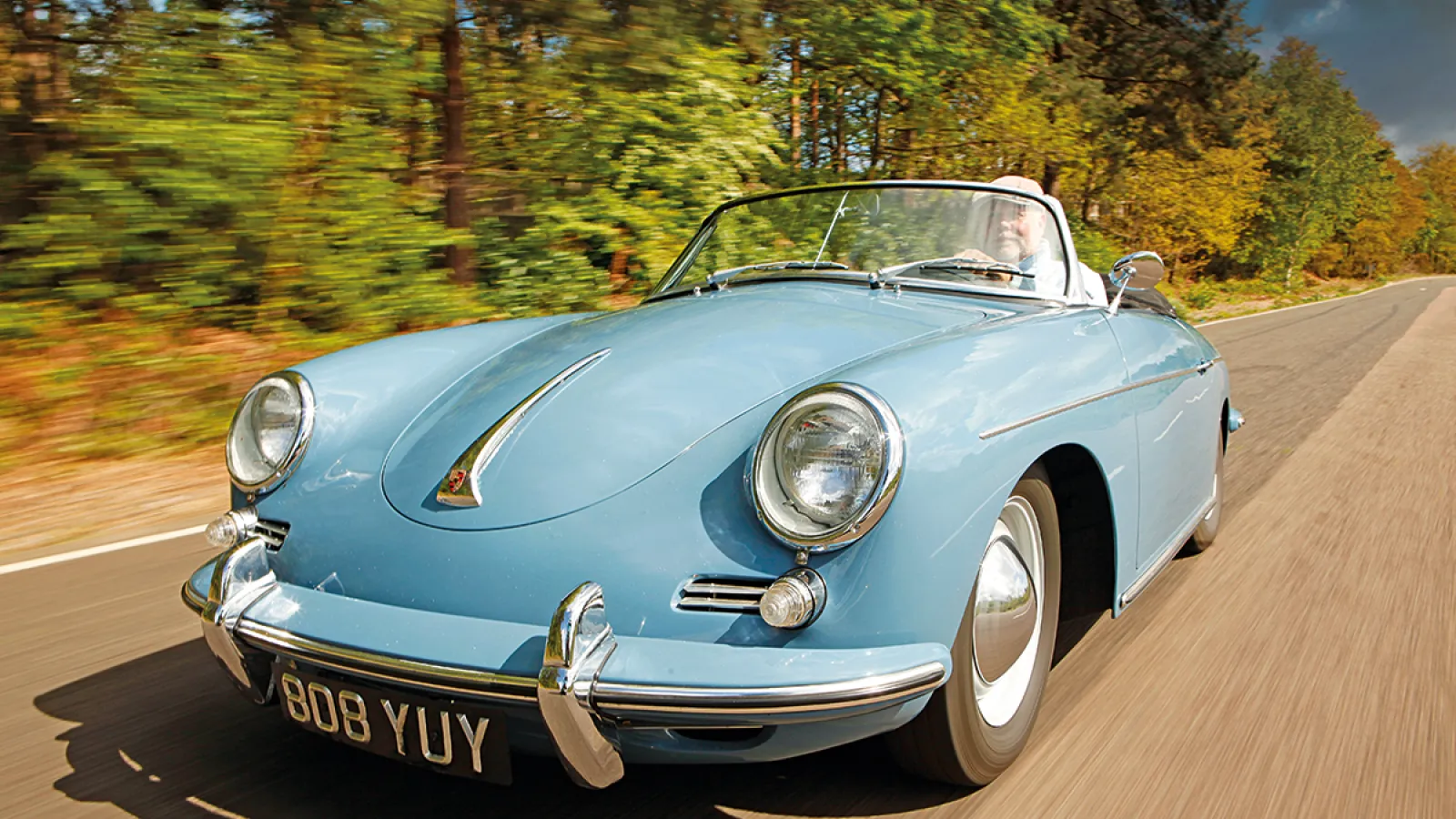
Something about a rear-mounted engine changes the entire personality of a car. Weight shifts backward, traction improves under acceleration, and handling takes on a character that feels alive in the driver’s hands. For decades, engineers experimented with this layout, sometimes chasing efficiency, sometimes pursuing performance, and often discovering a driving experience unlike anything else on the road.
Rear-engine cars demand attention and reward skill. They can feel light at the front, eager to turn, and occasionally unpredictable if pushed too far. That challenge is part of the appeal. Enthusiasts often describe these cars as engaging rather than forgiving, machines that encourage a deeper connection between driver and road.
Classic examples from Europe and beyond show just how versatile this layout can be. Some were built as affordable transportation, others as high-performance icons, yet all share a distinct sense of balance that sets them apart from front-engine designs. From air-cooled legends to compact city cars, each model carries its own interpretation of what a rear-engine vehicle should be.
What follows is a curated selection of vintage cars that place their engines behind the rear axle and deliver genuine driving enjoyment. Each one offers a unique blend of charm, character, and mechanical personality that continues to attract enthusiasts today.
1. Porsche 911 Carrera RS 2.7
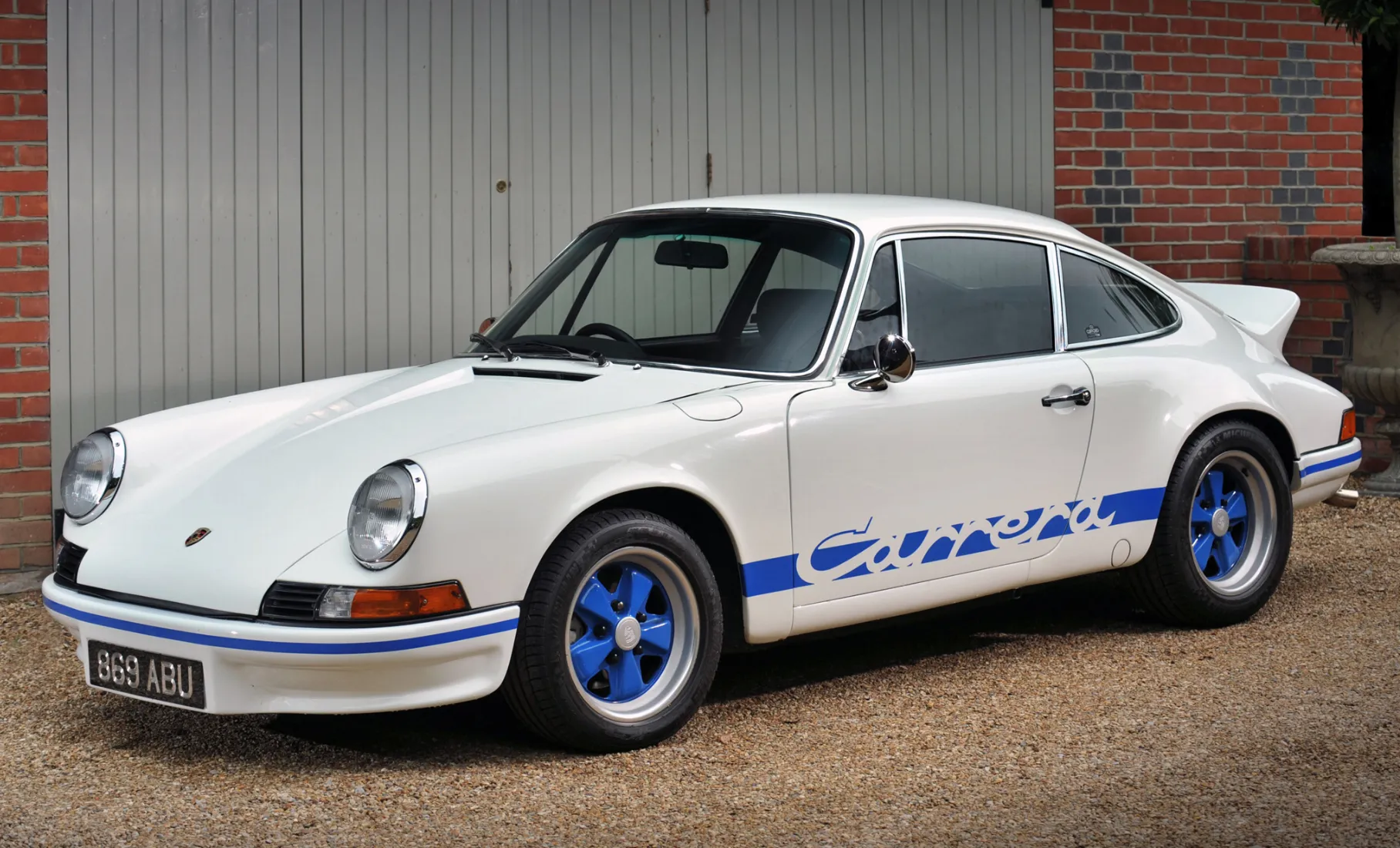
Few machines illustrate the appeal of a rear-mounted engine better than the Porsche 911 Carrera RS 2.7. Built during the early 1970s, this lightweight performance icon refined a concept that Porsche had been developing for years. With its flat six engine positioned behind the rear axle, the car delivers a driving experience that feels both demanding and deeply rewarding, rewarding those who approach it with patience and respect.
Acceleration feels immediate due to the weight pressing down on the rear wheels. That traction gives drivers confidence when exiting corners, allowing the car to surge forward with clear intent. Throttle response feels direct, creating a strong connection between input and movement.
Steering, by comparison, feels light and precise, requiring careful modulation to maintain balance. This combination creates a level of involvement that keeps the driver fully engaged at all times. Cornering introduces a layer of challenge that defines the RS 2.7. Entering a turn with excessive speed can unsettle the rear, especially if inputs are abrupt.
A smoother approach reveals a natural rhythm, where the car responds predictably and flows through bends with remarkable poise. Drivers who invest time in understanding its behavior often describe the experience as deeply satisfying, as though the vehicle responds intuitively to their intentions.
Design elements contribute strongly to its character. The distinctive ducktail spoiler improves high speed stability while adding a recognizable visual feature. Lightweight construction enhances agility, allowing the car to change direction quickly and respond to driver input without delay. Each component serves a clear purpose, reinforcing a philosophy centered on performance and efficiency.
Operating this Porsche becomes an exercise in discipline and awareness. Throttle control, steering precision, and braking technique all demand consistent attention. That requirement transforms even short journeys into memorable experiences, where the act of driving becomes the primary focus.
Enthusiasts continue to admire the RS 2.7 for its purity and directness. It represents a period when engineering choices emphasized driver connection rather than convenience, resulting in a car that remains highly respected among those who value skill and engagement.
2. Volkswagen Beetle 1200
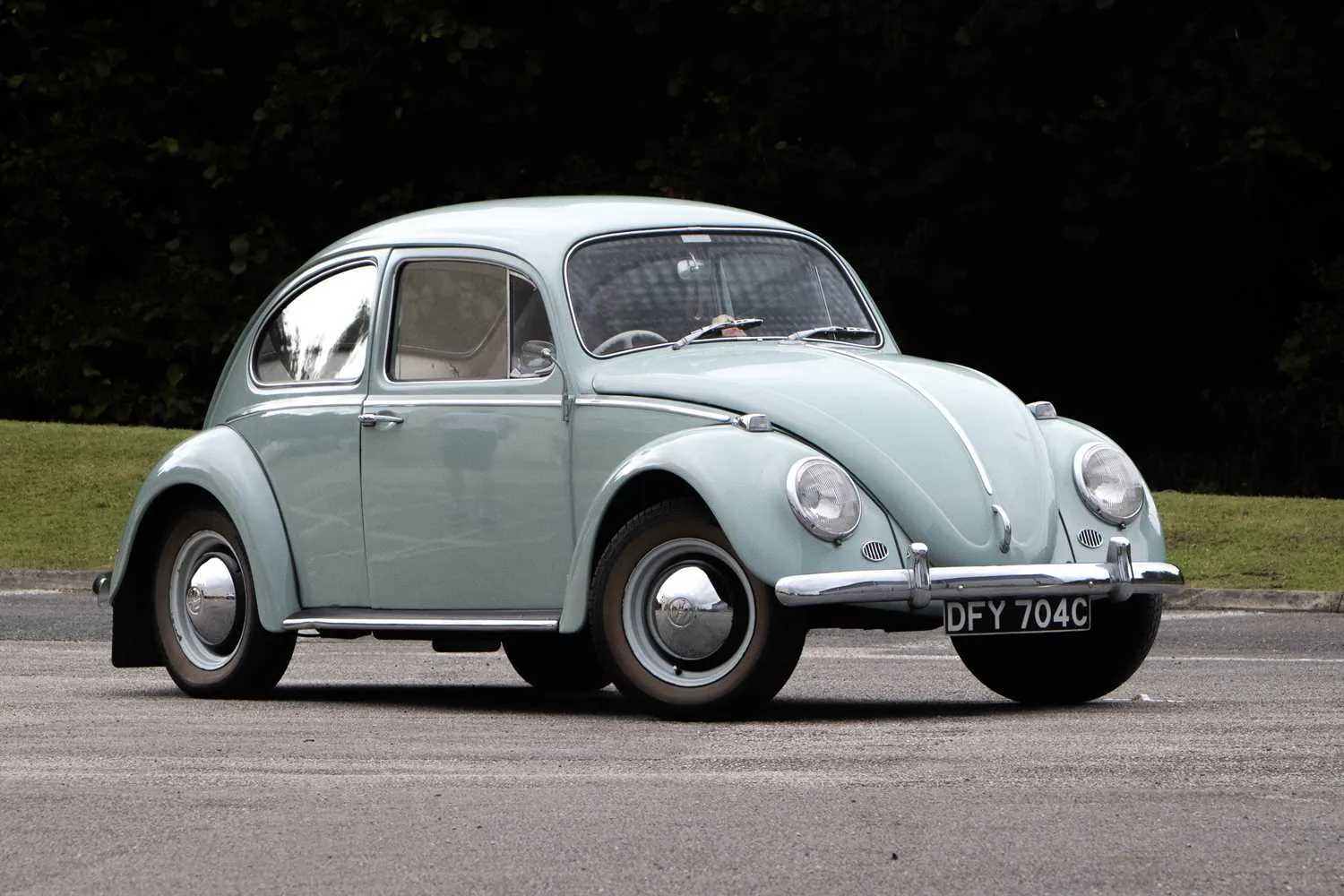
Simplicity defines the charm of the Volkswagen Beetle 1200, yet its rear engine layout introduces a layer of character that extends well beyond basic transportation. Designed with practicality and affordability as primary objectives, this compact car grew into one of the most recognizable vehicles ever produced.
Its driving experience reflects a thoughtful blend of accessibility and personality, offering something engaging without relying on advanced technology or high-performance figures. Starting the engine produces a distinctive sound, a gentle hum that feels mechanical and sincere. This sound becomes part of the car’s identity, reinforcing its honest and uncomplicated nature.
Power output remains modest, yet the placement of the engine over the rear wheels provides dependable traction in everyday driving conditions. Such a configuration proves especially useful on uneven or loose surfaces, where the vehicle maintains forward motion with surprising consistency.
Steering introduces a sense of lightness that contributes to its approachable character. The front end responds quickly to input, allowing the driver to guide the car through narrow streets and confined spaces with ease.
Although it does not pursue high-speed capability, the Beetle delivers enjoyment through its responsiveness and predictability. Drivers often find satisfaction in its behavior, appreciating how it transforms ordinary journeys into pleasant experiences.
Ride quality favors comfort, absorbing road imperfections without transmitting excessive harshness to the cabin. Suspension design supports daily usability, enabling the car to handle a variety of road conditions without difficulty. This balance between comfort and simplicity plays a major role in its lasting appeal among drivers from different backgrounds.
Interior space remains modest, though it is arranged with careful consideration. Controls are straightforward to understand, ensuring that the operation remains intuitive. Each feature serves a clear purpose, reflecting a design philosophy that avoids unnecessary complication while meeting essential needs effectively.
Driving the Beetle becomes less about reaching a destination quickly and more about appreciating the journey itself. Every trip carries a sense of nostalgia, connecting the driver to a period when automotive design emphasized function, durability, and character. The rear engine layout adds a distinctive quality, ensuring that the experience remains engaging without becoming demanding.
For individuals seeking a vintage vehicle that combines reliability with personality, the Beetle 1200 presents a compelling option. It demonstrates that genuine driving enjoyment can arise from thoughtful engineering, balanced design, and a clear understanding of purpose rather than reliance on power alone.
Also Read: Top 10 Most Recognizable Vintage Dashboard Clocks
3. Chevrolet Corvair Monza
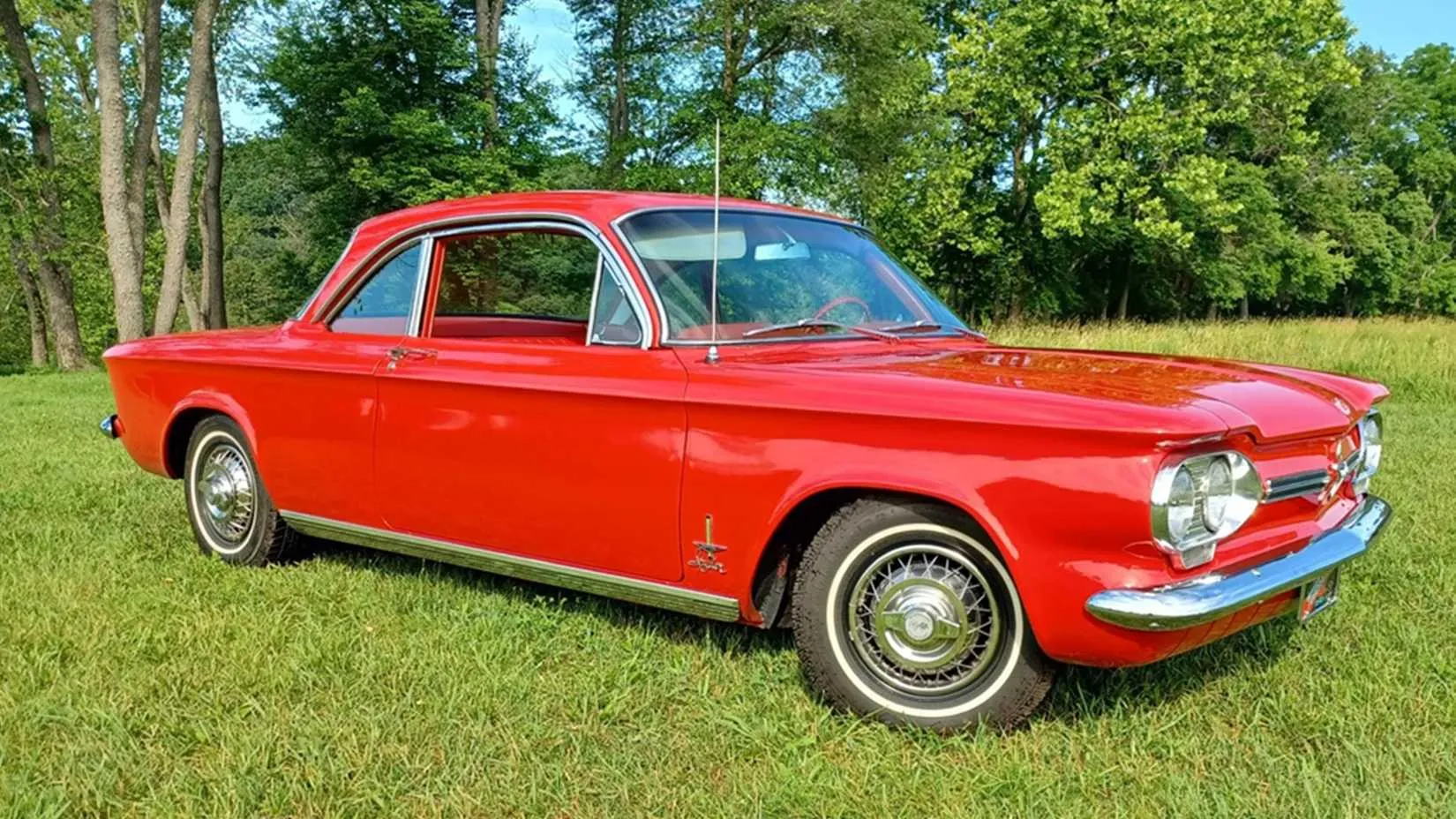
A departure from established American automotive practice becomes evident in the Chevrolet Corvair Monza, a vehicle that introduced a rear-mounted air-cooled engine during a period when front engine layouts dominated the domestic market. This engineering decision distinguished the Corvair from its peers and produced a driving experience shaped by careful balance and forward-thinking design principles.
Power delivery originates from a horizontally opposed six-cylinder engine, which provides a smooth and consistent response under varying driving conditions. Positioning this engine at the rear enhances traction, particularly during acceleration.
Drivers readily observe how the vehicle settles under power, maintaining grip in situations where more conventional layouts might struggle to achieve similar composure. This mechanical arrangement contributes to a sense of stability that becomes more apparent with continued use.
Attention to handling remains essential when operating the Corvair Monza. Early production models attracted criticism for demanding a higher level of driver awareness; however, subsequent refinements addressed many of these concerns.
With appropriate technique, the car demonstrates a composed and predictable character. Steering inputs translate into controlled directional changes, rewarding drivers who approach corners with discipline and measured precision. Such qualities encourage a more deliberate driving style.
Visual presentation reflects the engineering philosophy behind the vehicle. Clean lines and compact proportions provide a modern appearance for its time, while the absence of a front-mounted engine allows for a lower hood profile. This design approach enhances both aesthetics and functionality, contributing to the car’s distinct identity within the American automotive market.
Within the cabin, simplicity aligns with practicality. Controls are arranged straightforwardly, enabling ease of operation and allowing the driver to maintain full attention on the road. Seating offers reasonable comfort, supporting extended journeys without undue fatigue. Each element serves a clear purpose, reinforcing the vehicle’s utilitarian yet thoughtful design.
Operating the Corvair Monza introduces a sense of curiosity and engagement. Every turn and acceleration reveals the influence of its unconventional layout, creating an experience that differs markedly from typical vehicles of its era. Collectors continue to value the model for its bold engineering direction, which reflects a willingness to challenge established norms and pursue innovation with confidence.
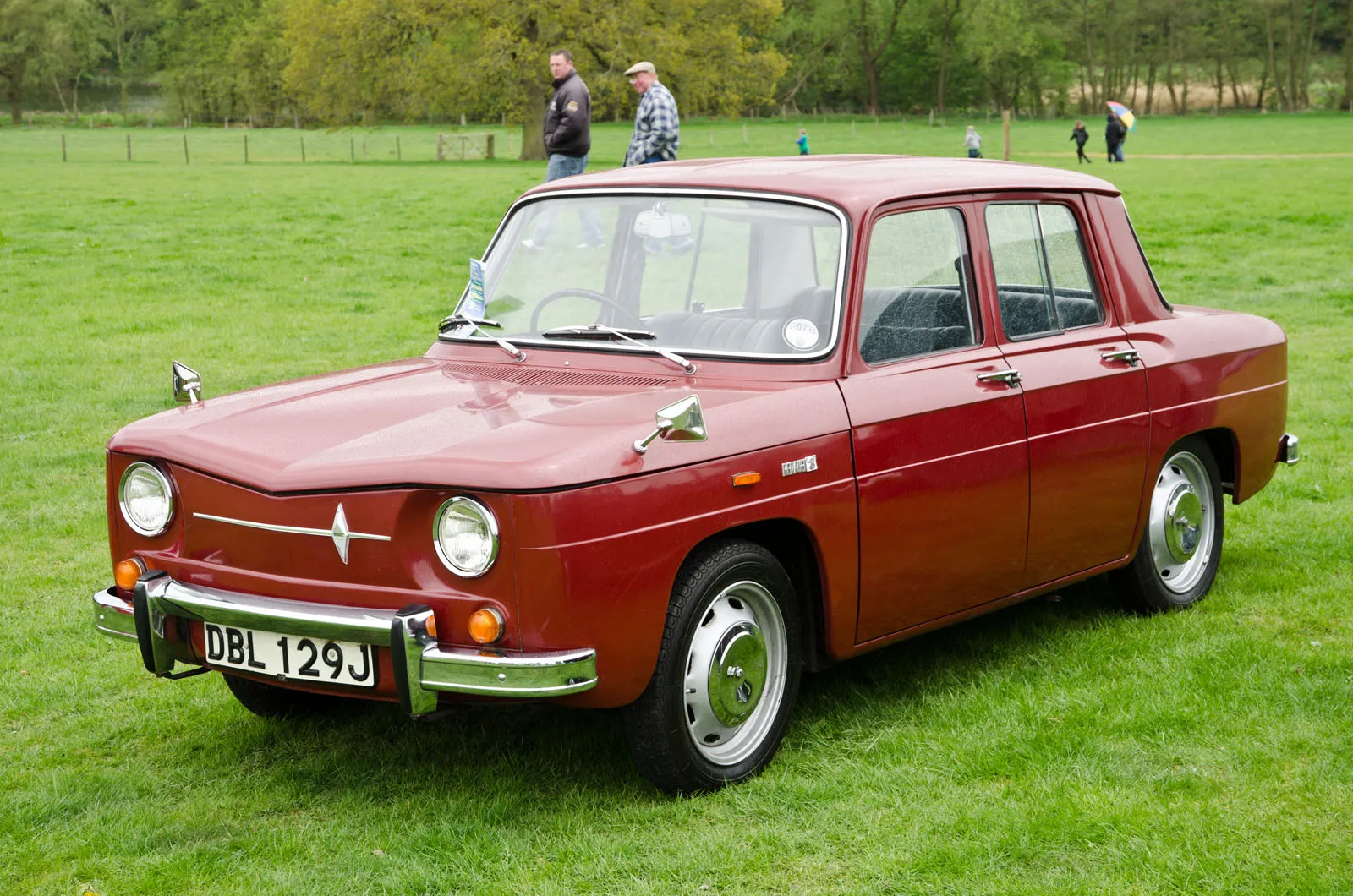
4. Renault 8 Gordini
Compact form and energetic performance define the Renault 8 Gordini, a vehicle that successfully transforms a practical sedan into an engaging driving machine. Developed with strong influence from motorsport, this model employs a rear engine configuration that enhances agility and responsiveness, often exceeding the expectations of first-time drivers.
Acceleration characteristics reflect the advantages of lightweight construction combined with rear weight distribution. The engine’s position over the rear wheels provides dependable traction, enabling brisk launches from a stationary position.
This quality becomes particularly beneficial on winding roads, where maintaining momentum plays an essential role in sustaining driving enjoyment. The vehicle responds with a sense of eagerness that encourages active participation from the driver.
Cornering behavior reveals the full extent of its dynamic capabilities. The Renault 8 Gordini reacts promptly to steering input, allowing for precise directional control. Drivers with refined skill can utilize the vehicle’s balance to guide it through curves with fluidity and consistency. Such interaction fosters a strong connection between driver and machine, reinforcing confidence during spirited driving.
Exterior styling communicates its performance orientation clearly. Distinctive racing stripes and carefully considered design elements differentiate the Gordini from standard variants. These visual cues signal intent, indicating that the vehicle offers more than routine transportation. Its appearance aligns closely with its mechanical character.
Interior arrangement emphasizes functionality. Instruments are presented clearly, ensuring that essential information remains easily accessible during operation. Seating provides adequate support for enthusiastic driving while maintaining a reasonable level of comfort. The cabin environment supports focus and control rather than luxury.
Driving the Renault 8 Gordini delivers satisfaction across a range of speeds. Excitement arises not from excessive power but from the harmonious relationship between balance, responsiveness, and driver input. Enthusiasts frequently regard this model as an underappreciated performance vehicle, valued for its ability to provide a lively and precise driving experience within a compact framework.
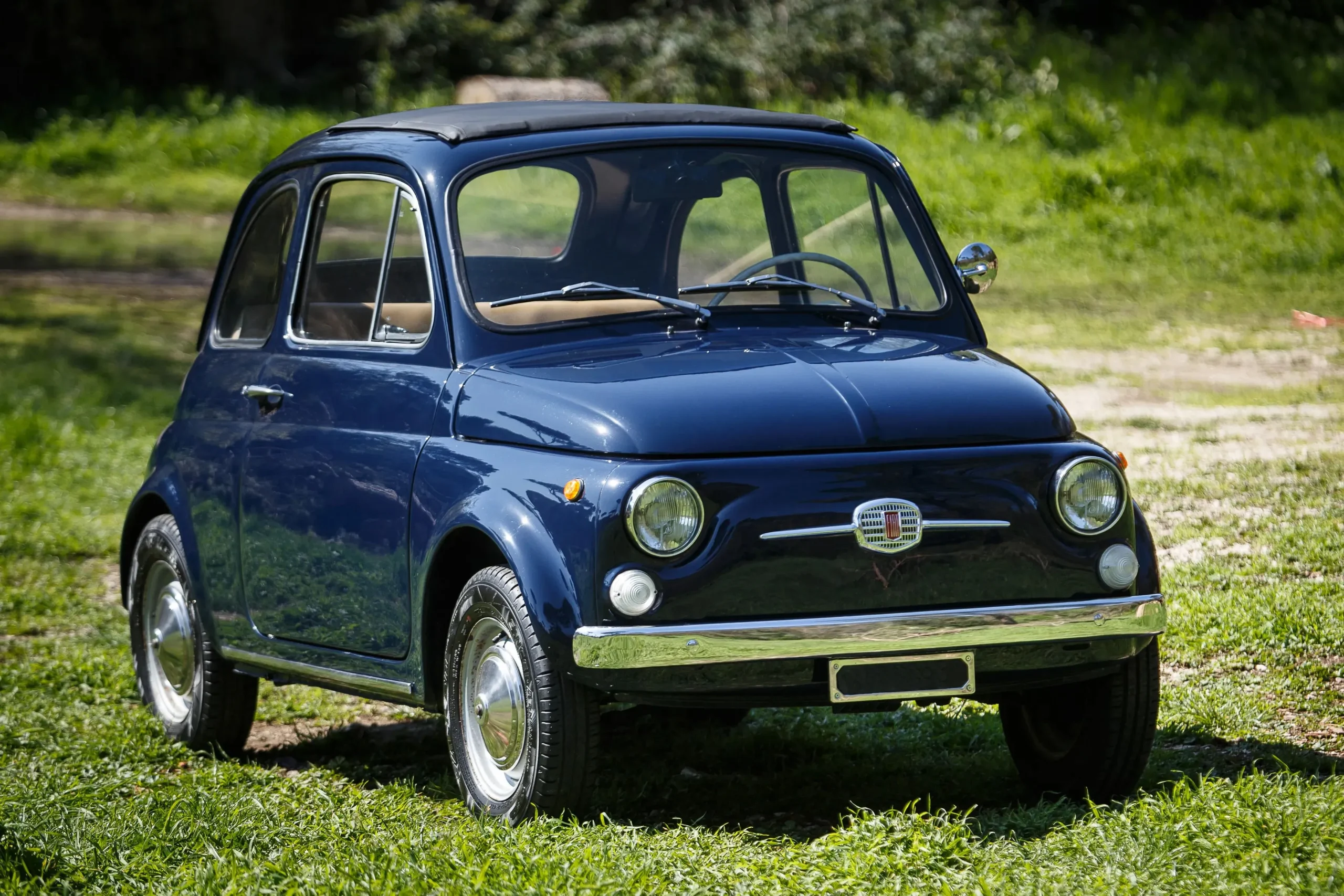
5. Fiat 500 F
Small dimensions rarely promise excitement, yet the Fiat 500 F delivers a driving experience that feels cheerful and engaging from the very first turn of the key. Built during a period when urban mobility demanded efficiency, this compact car uses its rear-mounted two-cylinder engine to create a balance that feels surprisingly lively.
Lightweight combines with modest power in a way that encourages drivers to focus less on speed and more on interaction with the road. City streets become its natural environment. Tight corners, narrow lanes, and limited parking spaces no longer present difficulty.
Steering responds quickly, allowing precise movements that feel almost intuitive. Because the engine sits at the rear, traction during low-speed acceleration remains dependable, giving the car a steady push forward without hesitation. This characteristic makes daily driving feel effortless, even in crowded conditions where larger vehicles might struggle.
Sound contributes to its personality. The air-cooled engine produces a distinct mechanical rhythm that feels authentic rather than intrusive. Drivers often grow attached to this characteristic, as it reinforces the car’s simple and honest nature.
Each rev carries a sense of connection, reminding the driver that this machine values mechanical purity over isolation. Acceleration may not impress by modern standards, yet the sensation of movement feels satisfying due to the car’s light structure and responsive nature.
Interior design reflects clarity of purpose. Controls remain minimal, reducing distraction and making the operation straightforward. Seating feels basic, though it provides enough comfort for daily use. Materials may appear modest, yet they contribute to the car’s charm by emphasizing function rather than decoration.
Visibility remains excellent, allowing drivers to feel fully aware of their surroundings at all times. Handling reveals a playful side that becomes more apparent with familiarity. The light front end changes direction with ease, while the rear weight distribution keeps the car planted during acceleration.
Drivers can guide the vehicle through corners with confidence, enjoying a sense of agility that larger cars rarely achieve. Even at moderate speeds, the experience feels engaging because the car communicates its behavior clearly.
Practicality adds another layer to its appeal. Fuel efficiency remains impressive, making it economical to run even by modern expectations. Maintenance tends to be straightforward due to its simple mechanical layout, which appeals to those who appreciate hands-on ownership.
These qualities ensure that the Fiat 500 F remains accessible to a wide range of enthusiasts. Owning a Fiat 500 F introduces a connection to an era that valued creativity within limitations. It proves that driving enjoyment can come from simplicity, balance, and character rather than sheer performance figures.
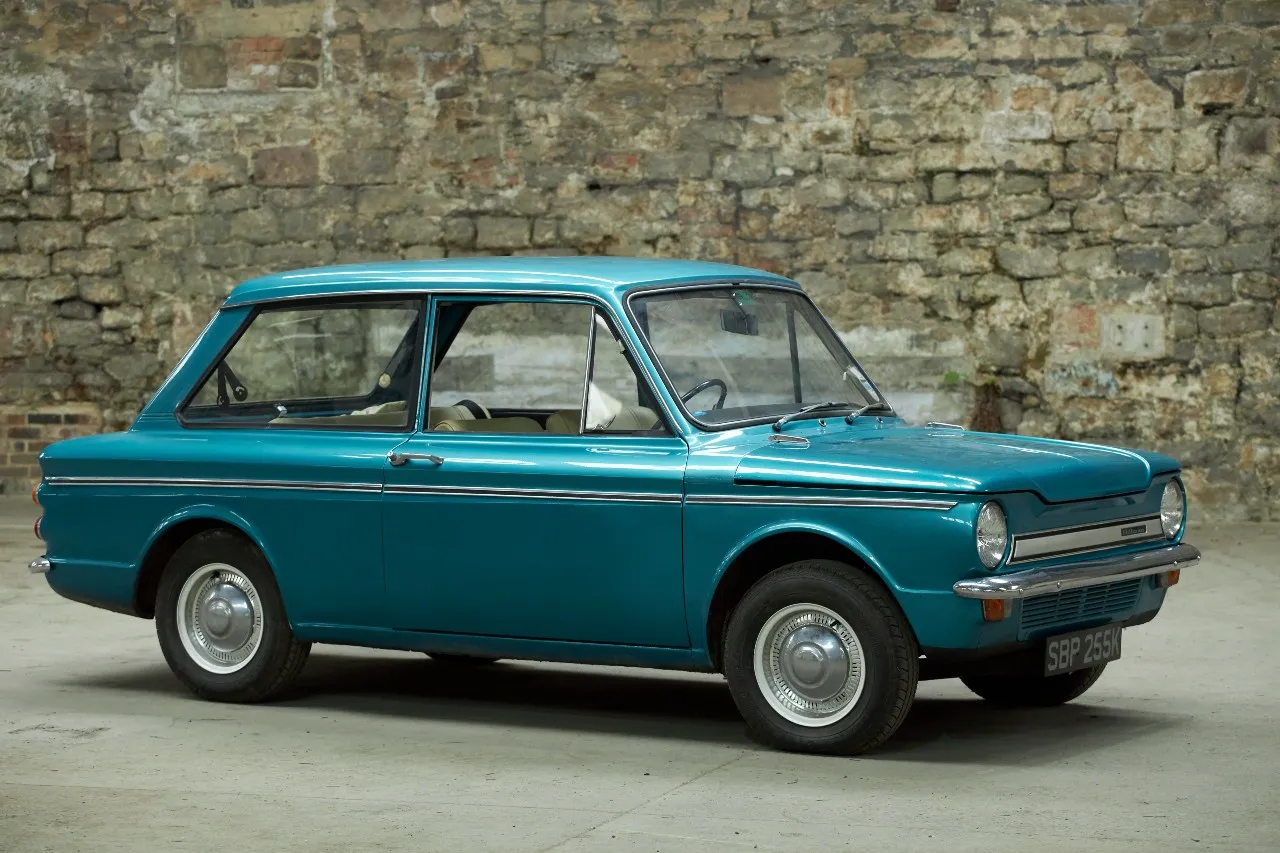
6. Hillman Imp
A distinct approach to small car engineering is clearly demonstrated in the Hillman Imp, a vehicle that combines everyday practicality with a driving character that proves unexpectedly engaging. British designers adopted a rear-mounted aluminum engine at a time when conventional layouts dominated the market, thereby introducing a configuration that set the Imp apart from its contemporaries.
This decision reflects a deliberate effort to pursue innovation while maintaining affordability and usability for a broad range of drivers. Initial impressions are often shaped by the engine’s smooth and refined operation. The overhead camshaft design allows the unit to rev freely, producing a responsive and lively performance that encourages active driver participation.
Placement of the engine at the rear enhances traction during acceleration, ensuring that the vehicle maintains composure even when driven with enthusiasm. This arrangement contributes to a balanced feel that becomes increasingly evident as familiarity with the car develops.
Handling qualities reveal a degree of precision that exceeds expectations for a vehicle within this category. Steering remains direct and accurate, allowing the driver to position the car confidently through bends and narrow passages.
Suspension tuning achieves a commendable balance between ride comfort and road holding ability, ensuring that the vehicle remains stable without compromising passenger comfort. Such characteristics make the Imp suitable for both daily commuting and more spirited driving occasions.
Exterior design adopts a clean and purposeful appearance. Compact proportions enable easy maneuverability in confined spaces, while restrained styling details add character without unnecessary embellishment. The absence of a front-mounted engine allows for improved forward visibility, thereby enhancing driver awareness and confidence in varied driving conditions.
Within the cabin, emphasis is placed on usability and clarity. Controls are arranged logically, allowing drivers of varying experience levels to operate the vehicle with ease. Interior space, though modest, remains adequate for routine use, providing a practical environment that supports both driver and passengers.
Operating the Hillman Imp offers a sense of discovery, as each journey reveals the thoughtful engineering behind its design. Its rear engine configuration introduces a level of individuality that transforms ordinary driving into an engaging experience.
For individuals who appreciate vintage vehicles that combine innovation with practicality, the Imp remains a commendable choice, demonstrating how unconventional design can yield lasting appeal.
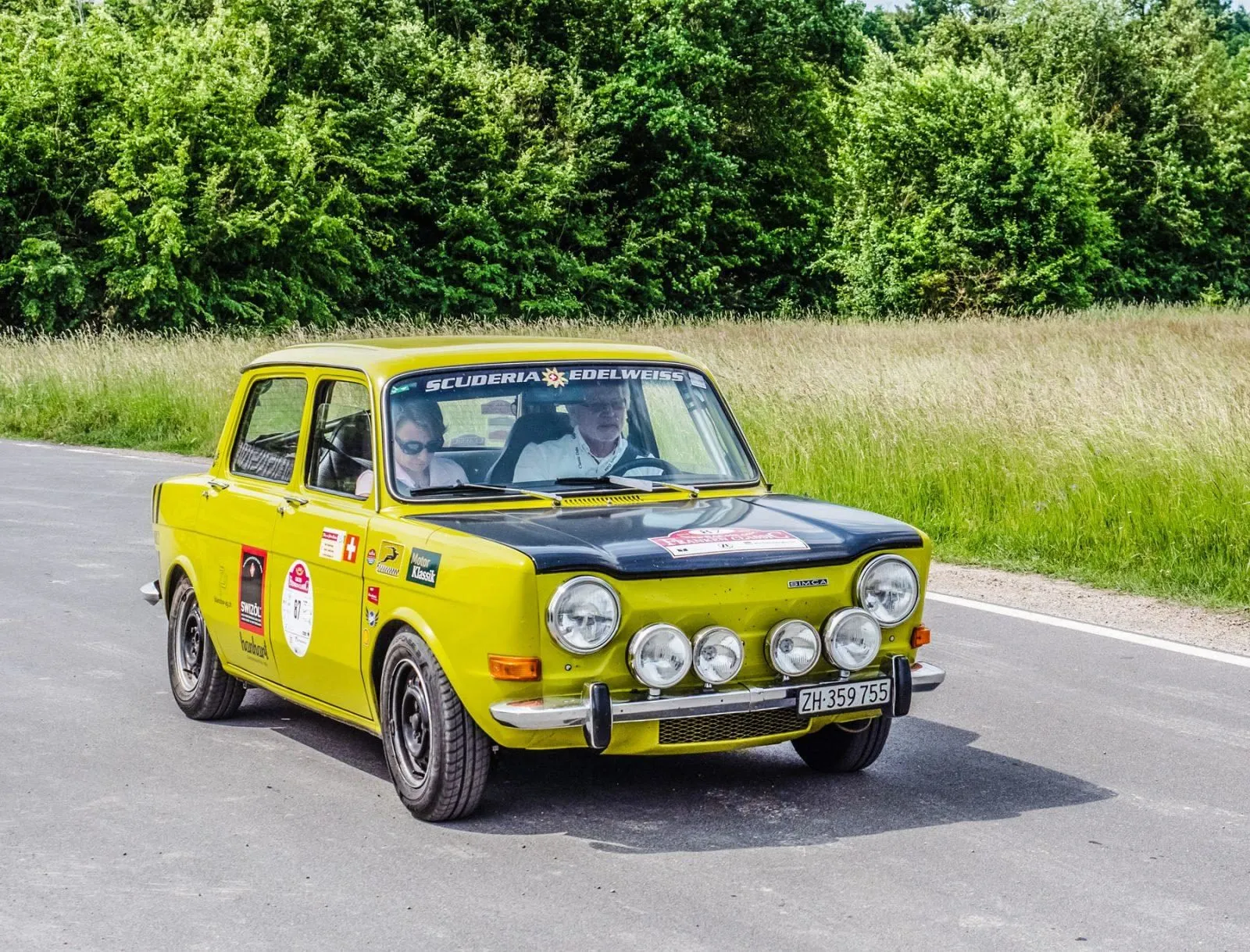
7. Simca 1000 Rallye
A lively expression of compact performance is found in the Simca 1000 Rallye, a vehicle that successfully transforms modest mechanical specifications into an engaging and spirited driving machine. Developed with clear performance intentions, this rear-engine model demonstrates how careful engineering can produce a rewarding experience without reliance on excessive power.
Its compact dimensions serve as an advantage, enabling the driver to fully appreciate its responsiveness and agility. Acceleration characteristics reflect the benefits of rear engine placement. With weight concentrated over the rear wheels, traction remains dependable, allowing the vehicle to move forward with assurance even under increased throttle input.
This quality becomes particularly evident during enthusiastic driving, where maintaining consistent momentum contributes greatly to the enjoyment of the experience. Cornering performance defines much of the Rallye’s character. The vehicle responds promptly to steering input, offering a sense of immediacy that encourages deliberate and confident control.
Weight distribution plays a crucial role in shaping this behavior, allowing experienced drivers to guide the car through bends with precision and fluidity. Such interaction fosters a strong connection between driver and machine, enhancing the sense of involvement behind the wheel.
Exterior presentation reinforces its performance orientation. Distinctive striping and carefully integrated styling elements differentiate the Rallye from standard versions, giving it a purposeful and energetic appearance. These features communicate intent clearly, reflecting the vehicle’s dynamic capabilities without unnecessary ornamentation.
Interior arrangement remains focused on functionality. Instruments are clearly displayed, ensuring that essential information is readily accessible during operation. Seating provides adequate support for spirited driving while maintaining a reasonable degree of comfort, allowing drivers to remain focused without distraction.
Driving the Simca 1000 Rallye delivers satisfaction through balance, responsiveness, and thoughtful design rather than reliance on high output figures. It demonstrates that a compact vehicle can provide genuine driving enjoyment when engineered with precision and care.
Enthusiasts continue to value this model for its distinctive character, which serves as a reminder that engaging performance can be achieved through intelligent design rather than sheer power alone.
Also Read: Top 10 Most Reliable Vintage Alternator Upgrades for Reliability
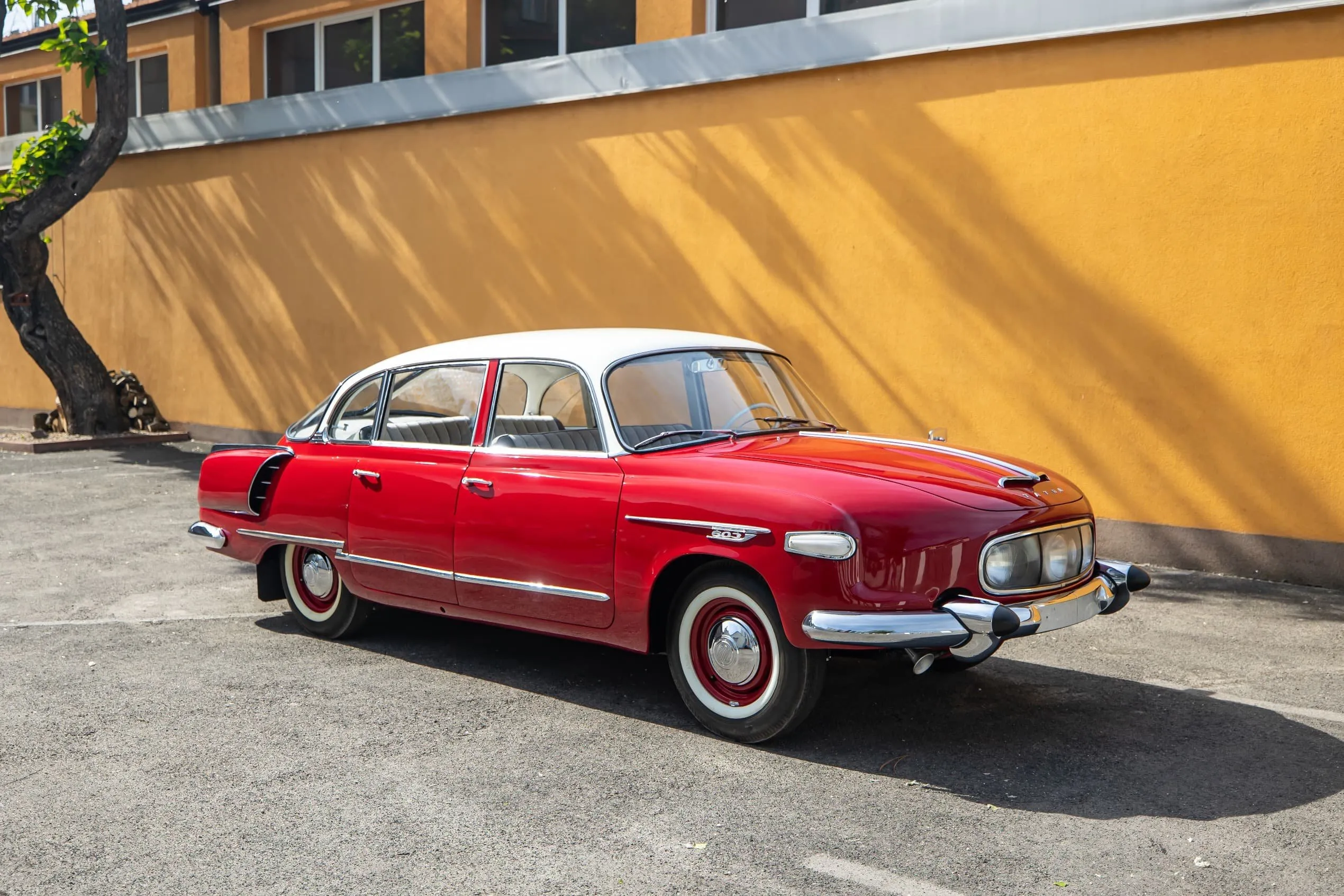
8. Tatra 603
Unconventional thinking defines the Tatra 603, a luxury sedan that approaches automotive design from a distinctly different perspective. Produced in Czechoslovakia, this rear-engine vehicle combines aerodynamic styling with a mechanical layout that challenges long-established conventions.
Its air-cooled V8 engine, positioned at the rear, creates a driving experience that differs markedly from traditional front-engine sedans, offering a character shaped by balance, engineering curiosity, and careful refinement. Acceleration develops in a smooth and progressive manner, making the car particularly well-suited to long-distance travel.
Power delivery feels consistent, allowing the driver to maintain a steady pace without strain. Rear engine placement contributes to dependable traction, especially at higher speeds, where the car maintains composure and directional stability. This quality reinforces its suitability as a touring vehicle designed for comfort rather than aggressive performance.
Handling requires a thoughtful and measured approach. Sudden inputs do not produce the best results; instead, the car responds more effectively to calm and deliberate control. Drivers who adapt to this requirement often discover a composed and predictable nature beneath the surface.
Steering inputs translate into gradual and controlled movements, encouraging a style of driving that prioritizes smoothness and anticipation. Exterior design commands attention through its rounded contours and streamlined profile.
Aerodynamic principles guided its development, resulting in a shape that reduces air resistance while establishing a distinctive visual identity. The flowing lines and integrated forms give the car a presence that remains memorable, even among other vehicles of its era.
Interior comfort receives careful consideration. Seating provides generous support, ensuring that extended journeys remain pleasant for both driver and passengers. Cabin layout emphasizes space and clarity, avoiding unnecessary complications while maintaining a refined atmosphere. Materials and finishes reflect a commitment to durability and comfort.
Driving the Tatra 603 reveals a character that becomes more appealing with familiarity. Its rear engine configuration introduces a sense of individuality that distinguishes it from more conventional designs. Collectors continue to value the model for its originality and engineering ambition, recognizing it as a vehicle that successfully combines comfort with a bold and unconventional vision.
