
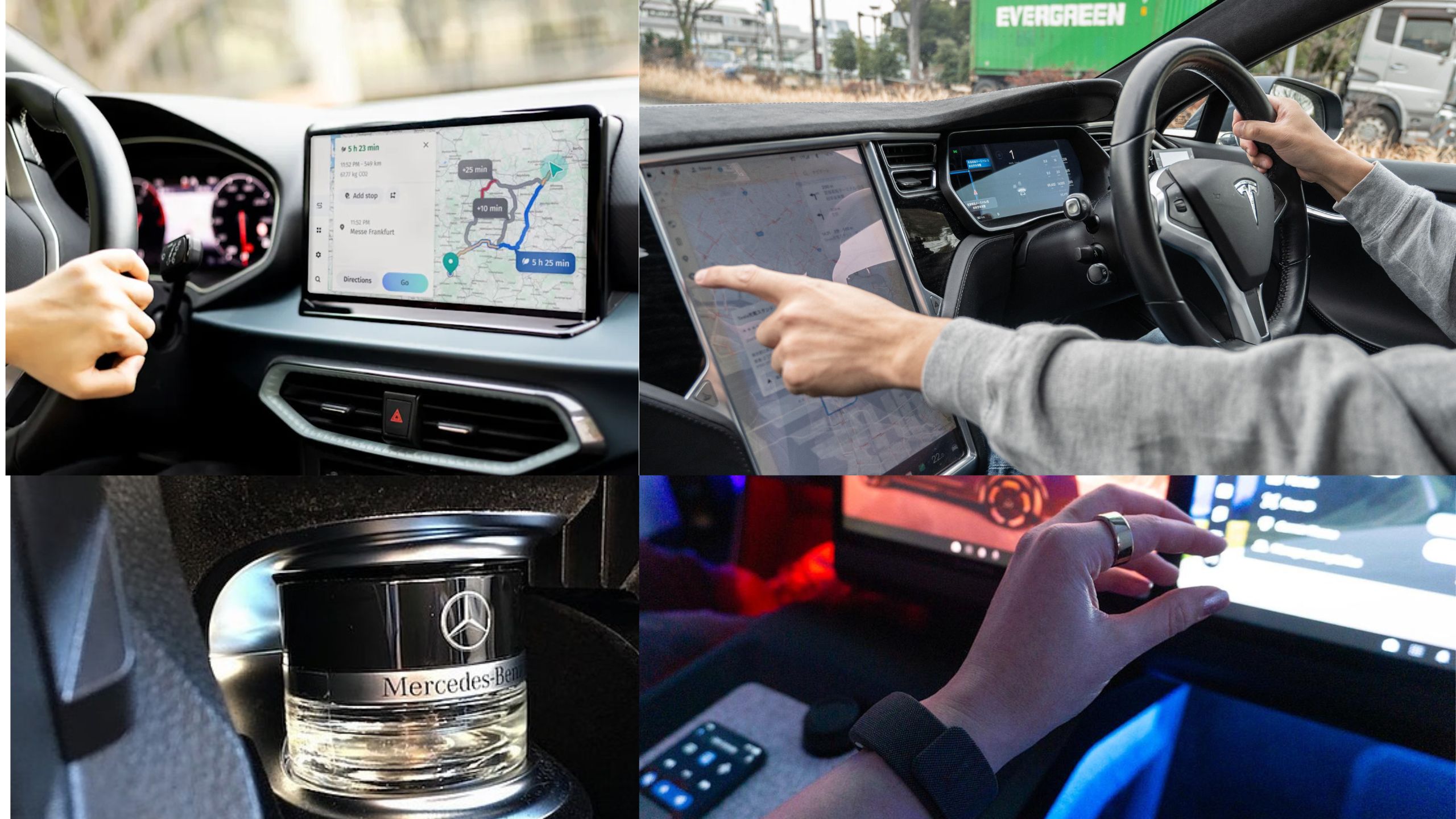
Every model year, car manufacturers roll out a fresh wave of technology dressed up in sleek marketing language. Words like “revolutionary,” “AI-powered,” and “next-generation” are plastered across brochures and press releases, promising that this year’s new features will fundamentally transform your relationship with the road.
And every model year, a good number of those features quietly fade into the background ignored, abandoned, or eventually removed altogether.
2026 is no different. Showrooms are packed with vehicles boasting impressive-sounding tech that looks fantastic on a spec sheet but crumbles the moment it meets real driving conditions.
These are features that cost you extra money at purchase, drain your battery or processing power, and often add layers of complexity to tasks that were perfectly fine before.
Automakers aren’t necessarily acting in bad faith sometimes these features are genuine experiments, proof-of-concept ideas that belong at a tech expo rather than your daily commute. But you, the buyer, are the one paying for the experiment.
This article takes an honest, no-nonsense look at 10 car features being actively marketed in 2026 that are, in practice, glorified gimmicks. Not myths, not exaggerations real features found in real cars, assessed for what they actually deliver versus what they promise.
1. In-Car Gesture Controls
There is something undeniably futuristic about the idea of waving your hand in the air to skip a song or adjust the volume. No buttons, no touchscreen taps just a casual flick of the wrist and your car obeys.
BMW pioneered this in the 7 Series, and the concept has been trickling down to other manufacturers ever since. In 2026, gesture control is still being marketed as an intuitive, distraction-reducing alternative to touchscreens, appearing in vehicles across multiple segments from luxury sedans to premium SUVs.
The reality is far less magical. The BMW 7 Series introduced hand gestures for controlling the infotainment system as a bold experiment, but what was marketed as genius innovation turned out in everyday use to be deeply awkward a party trick plagued by accidental inputs.
That is the fundamental problem with gesture controls in cars: the system cannot reliably distinguish between an intentional command and you simply adjusting your grip on the steering wheel, scratching your face, or reaching for your coffee.
The idea behind gesture controls is that they keep your eyes on the road. In theory, you should not need to glance at a touchscreen if you can just wave.
But in practice, gesture systems require you to move your hand to a specific zone in the car’s cabin, hold it there, and perform a motion precisely enough that the sensors interpret it correctly.
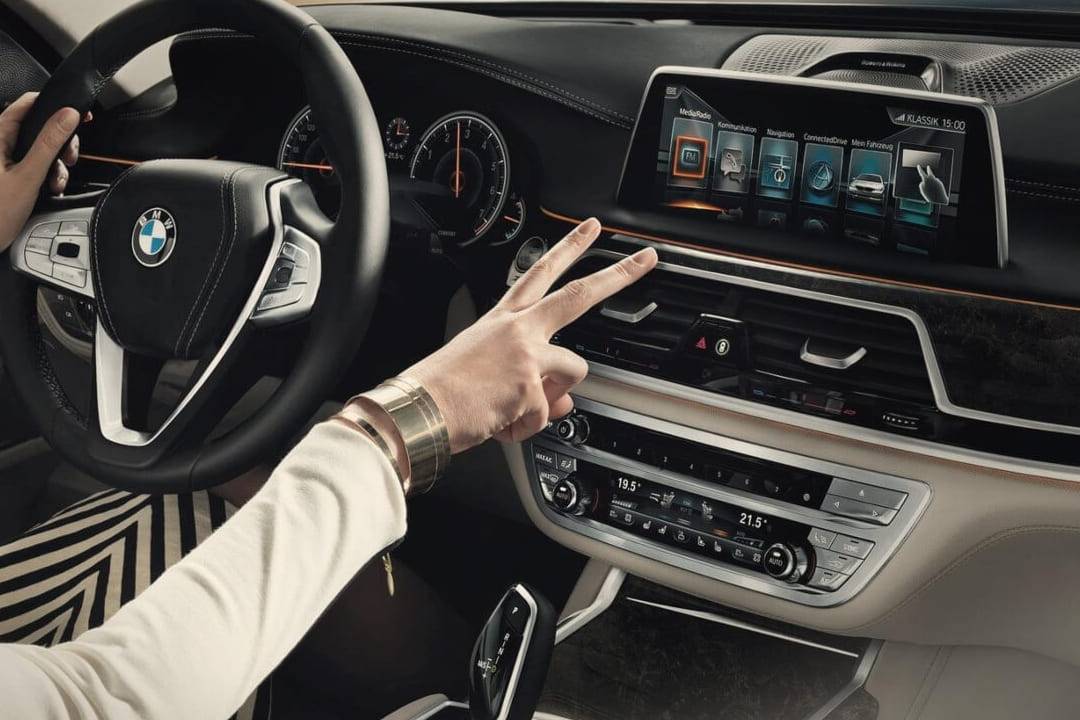
This is not less distracting it is arguably more distracting, because when the system misreads your gesture and the volume suddenly spikes or the wrong menu opens, you now have a new problem to fix while driving.
Consumer feedback across multiple model years has been consistent: gesture controls sound exciting in the showroom and get used enthusiastically for the first week of ownership.
After that, most drivers quietly revert to pressing buttons or using the touchscreen, where the outcome is predictable and reliable. Recognition is inconsistent across lighting conditions, and the system struggles particularly in bright sunlight when sensors are overwhelmed, or in dark cabins where hand position becomes harder to track.
The feature is also notably absent from the priority lists of any automotive safety organisation because the evidence that it reduces distraction simply does not exist.
Perhaps the clearest sign that gesture control is a gimmick is what is happening with the very brand that championed it. BMW itself has been stepping back from gesture controls as it simplifies its iDrive infotainment interface and evolves toward newer interaction design directions.
When the company that invented the feature begins walking it back, that says everything you need to know. Real innovation solves real problems. Gesture control in cars solves a problem nobody actually had.
2. Giant Panoramic Infotainment Screens Spanning the Full Dashboard
When Tesla introduced its large central touchscreen, it felt genuinely revolutionary. Since then, the industry has responded by making screens bigger and bigger, as though width and height are proxies for intelligence and innovation.
In 2026, several manufacturers are revealing dashboards with screens that stretch across the entire front fascia, some spanning 40, 48, or even 56 inches corner to corner.
Concept showcases at major auto shows have featured what reviewers breathlessly describe as “cinematic” dashboard experiences, headlined by wraparound displays that eliminate every physical button in sight.
But sheer screen size is not a feature it is a specification masquerading as one. The question is not how large the screen is. The question is whether a larger screen improves your driving experience in any meaningful way, and in most cases, the honest answer is no.
A display that wraps across your entire dashboard creates visual noise. When you are driving, your eyes need to quickly locate information your speed, navigation directions, the status of your climate controls.
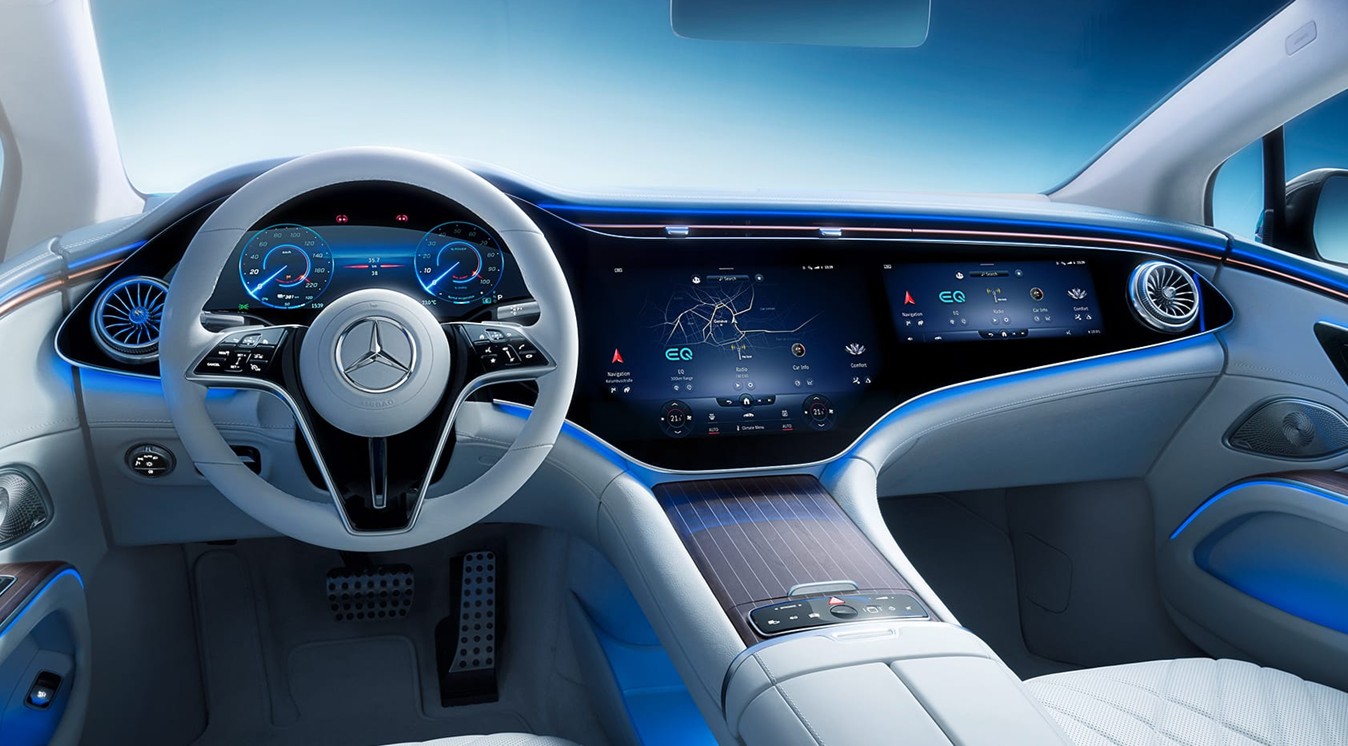
A well-designed compact display does this efficiently through careful information hierarchy. A massive screen spreads that same information across a vast canvas, making it harder to scan quickly during the split seconds you have available between watching the road.
In some implementations, the sheer brightness of a large screen causes glare issues, particularly at night or in low-sun conditions where reflections off the screen surface interfere with visibility.
There is also a mounting safety concern that regulators are taking increasingly seriously. New Euro NCAP safety-rating criteria introduced in 2026 penalise cars that rely on touchscreens for key driving functions, pushing automakers toward reintroducing physical controls at least for manufacturers that still want top safety scores. This is a remarkable development.
The world’s most respected vehicle safety organisation is effectively pushing back against the very trend that automakers are doubling down on in their marketing materials.
The logic is straightforward: touchscreens require visual attention and fine motor precision. A driver must look at the screen, locate the correct area, and tap accurately. Physical knobs and buttons can be operated entirely by feel, without removing your eyes from the road for even a fraction of a second.
Decades of ergonomic research support physical controls for frequently adjusted functions. The giant dashboard screen is a feature engineered to impress during a five-minute test drive and to generate spectacular press photography. For the actual daily business of driving, it is frequently more hindrance than help.
3. AI Voice Assistants That Cannot Handle Basic Requests
Every new 2026 car seems to come loaded with an AI voice assistant that promises to understand natural language, learn your preferences, and act as an intelligent co-pilot for your life on the road.
The pitch is seamless: just speak naturally, and your car will handle everything from finding parking to adjusting the cabin temperature to reading out your calendar appointments for the day.
The gap between this pitch and reality remains enormous. In-car voice assistants in 2026 despite all the “AI-powered” marketing still regularly misinterpret commands, struggle with regional accents, fail in noisy environments, and offer frustratingly narrow capabilities.
Ask your car assistant to play something relaxing and you might get an unexpected genre entirely. Ask it to find a good lunch spot nearby and it will mishear the request and search for something completely unrelated.
Ask it to call a contact with an unusual name and you will experience the very particular anguish of a voice assistant confidently dialling someone completely different.

The deeper problem is that these systems are trying to reinvent a wheel that smartphone assistants like Siri, Google Assistant, and Alexa have already been perfecting for years with massive dedicated engineering teams and billions of hours of training data.
The in-car versions are generally inferior, built on smaller datasets and far less sophisticated natural language models, yet marketed as breakthrough technology. When the car assistant fails, as it regularly does, drivers pick up their phone anyway defeating the entire stated purpose.
Automakers market these systems as capable of building routes around charging availability, planning stops based on real driving range, adapting cabin settings before you even think to touch a button, and adjusting energy use based on road conditions.
This sounds genuinely compelling as a vision of the future. But in 2026, most implementations remain a frustrating work in progress that requires constant internet connectivity, frequent software updates, and a tolerance for misunderstandings that most drivers simply do not have when they are trying to go through an unfamiliar city. The vision is real. The execution, in the vast majority of production vehicles, is not yet close to matching it.
4. Fake Engine Sounds in Electric Vehicles
This is perhaps the most philosophically interesting gimmick on this list. As the auto industry accelerates its transition toward electric vehicles, manufacturers face a genuine aesthetic challenge: EVs are quiet.
For many buyers, that is an advantage. But for a segment of enthusiasts who have spent their lives forming emotional connections with the sound of a high-revving engine, the silence of electrification can feel like a profound loss.
So some manufacturers have responded by engineering fake engine sounds synthesised audio pumped through speakers inside the cabin to simulate the growl, bark, or roar of an internal combustion engine.
In 2026, this trend is escalating into increasingly elaborate territory. Some electric performance vehicles now offer synthesised V8 sounds complete with artificial gear shift cues a simulated mechanical thunk as the car’s single-speed transmission is told to pretend it has shifted gears.
The car produces no V8 engine. There is no gearbox in any traditional sense. But the buyer will hear a carefully crafted imitation, designed by audio engineers who have studied real engine recordings and translated them into synthetic theatre.
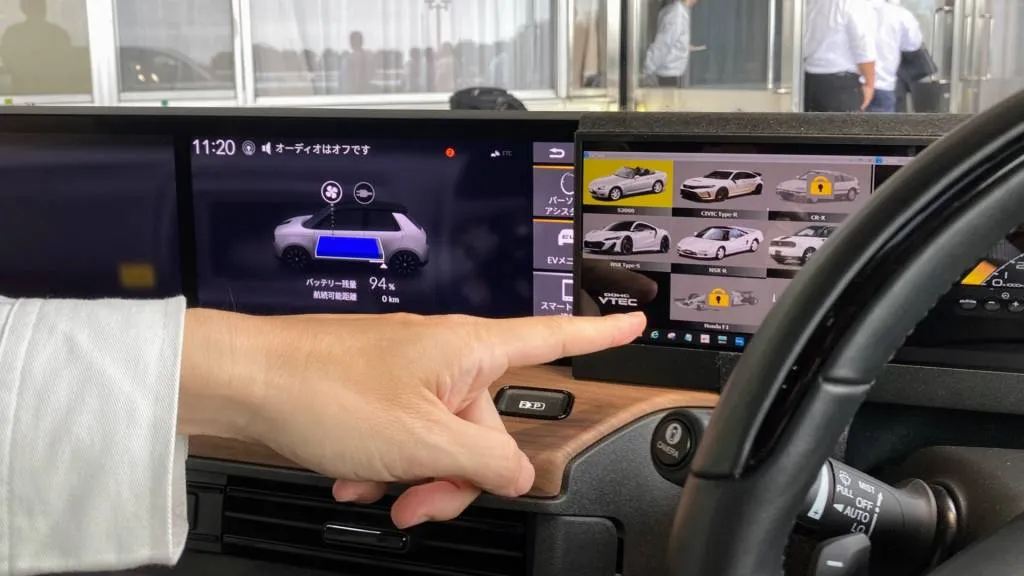
There is a word for this: theatre. It is the automotive equivalent of a gas fireplace with a digitally generated crackling sound effect. Like that fireplace, it has its fans there is genuine psychological comfort in familiarity, and if a synthesised sound makes the EV transition feel less jarring for certain buyers, that has some value for some people.
But it is not a functional feature in any meaningful sense. It does not improve performance, safety, range, efficiency, or driving dynamics. It is literally a sound effect added to a machine that is better without it.
The deeper irony is that one of the most genuinely compelling advantages of an electric vehicle is its whisper-quiet operation. Road noise becomes more audible and interesting. Conversations in the cabin are effortless.
The driving experience takes on a meditative calm that many owners describe as genuinely transformative. Manufacturers who install fake engine sounds are engineering against their product’s own best quality, and charging a premium for the privilege of doing so.
Alo Read: 5 Classic Convertibles With Manual Soft Tops vs 5 With Early Power Mechanisms
5. Built-In Navigation Systems
Standalone built-in navigation was genuinely groundbreaking when it arrived. Before smartphones, having a digital map and turn-by-turn voice guidance embedded in your car was transformative technology that changed road trips forever.
But that era ended roughly a decade ago, and in 2026, the built-in navigation system is one of the most perplexing features still being actively marketed by automakers and charged for, in some cases as an ongoing paid subscription that continues after the initial purchase price.
The core problem is that no automaker’s mapping team can compete with Google or Apple. Google Maps has real-time traffic data drawn from hundreds of millions of devices worldwide, live incident reporting, constantly updated business information, and satellite imagery refreshed on a continuous basis.
Built-in car navigation maps are typically updated quarterly at best, often require a paid subscription or a physical USB update procedure, and miss new roads, closed businesses, changed speed limits, and updated points of interest for months at a time.
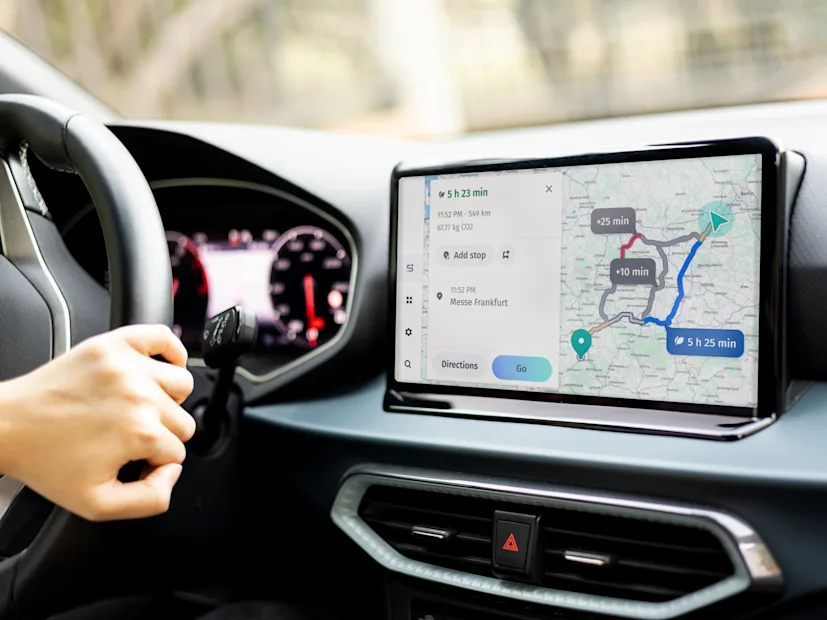
There is also a fundamental interface problem. Smartphone navigation apps have been refined by hundreds of millions of daily users providing feedback over more than a decade.
The user experience is deeply intuitive, the voice guidance sounds natural and conversational, and the apps integrate seamlessly with music streaming, incoming calls, and other smartphone functions.
Built-in navigation interfaces are typically slower to load, clunkier to operate, and designed by software engineers rather than dedicated UX specialists who have studied how real drivers interact with directions.
The market has delivered a clear verdict on this. The overwhelming majority of drivers who have both available simply plug in their phone and use Apple CarPlay or Android Auto, rendering the built-in system completely irrelevant from day one.
Yet automakers continue spending significant development resources building these systems, marketing them as premium features, and in some cases charging annual subscription fees for the privilege of keeping the maps current.
It is a gimmick dressed up as infrastructure, and the fact that CarPlay and Android Auto have become standard equipment across nearly every segment tells you exactly what consumers actually think.
6. Fully Touchscreen Climate Controls
The war on physical buttons in car interiors has reached its most frustrating and genuinely dangerous front: climate controls. In pursuit of the minimal, screen-dominated aesthetic pioneered by Tesla and rapidly copied by competitors, multiple manufacturers in 2026 are selling vehicles where the heating, ventilation, and air conditioning controls are buried entirely within touchscreen menus.
No dedicated temperature knob. No physical fan speed dial. No tactile button for the heated seat. Just a menu, a sub-menu, and several deliberate swipes to accomplish what previously took a half-second muscle memory interaction.
This is a functional regression wrapped in a design philosophy. Climate control is among the most frequently adjusted features during any drive. You raise the temperature as the morning commute warms up, you redirect airflow as the windscreen fogs, you turn the heated seat on and off as body temperature changes.
These are micro-adjustments that experienced drivers perform largely by feel, without removing their eyes from the road for even an instant. A physical dial positioned in a consistent location allows this. A touchscreen does not it requires you to look at the screen, go to the correct menu level, and tap with sufficient precision to register the correct input.
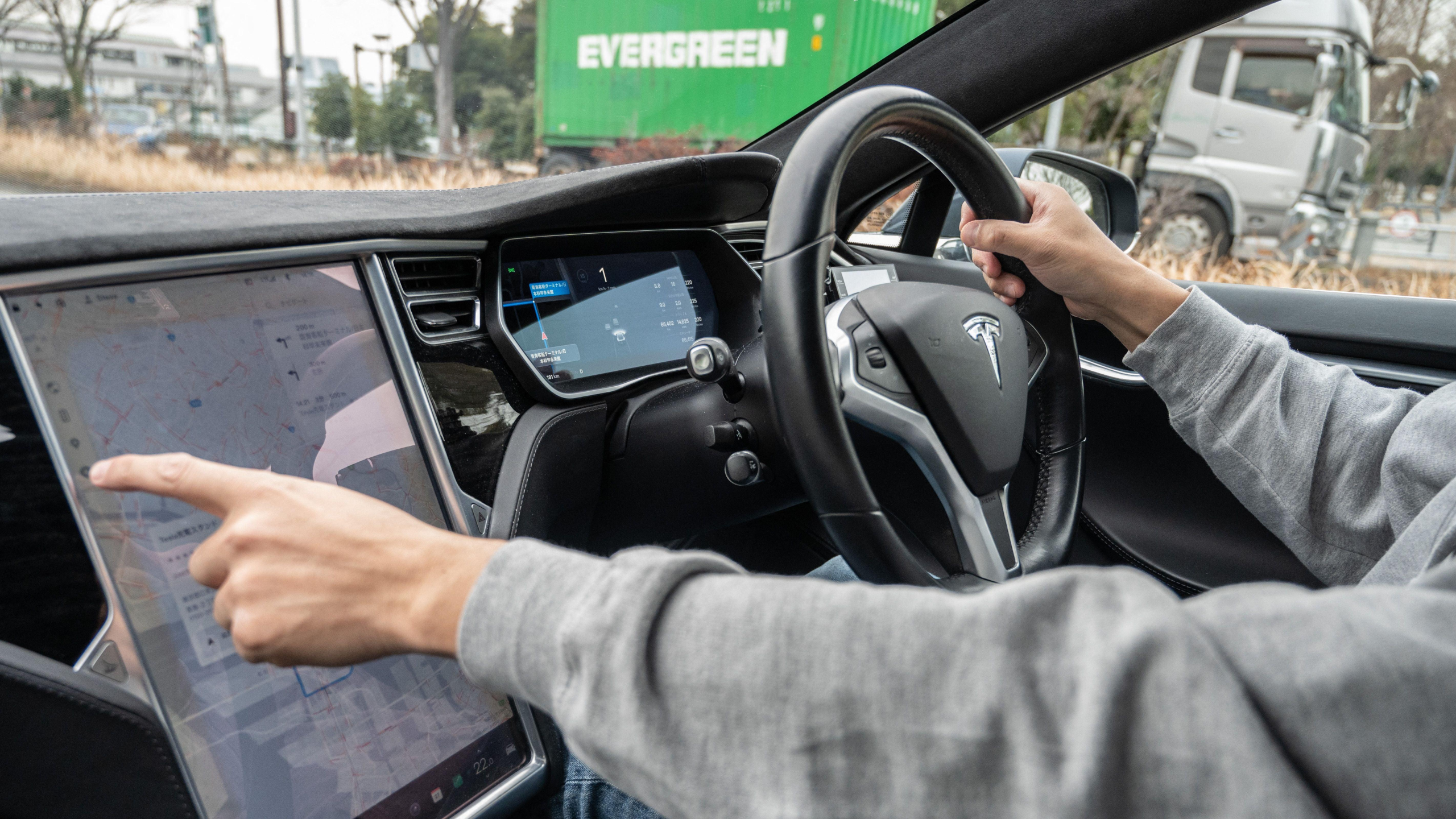
Safety researchers have measured this difference carefully, and the results are not flattering for touchscreen-based climate controls. Studies have found that touchscreen interactions require significantly longer eyes-off-road time than equivalent physical controls, measurable in seconds rather than fractions of seconds.
When adjusting fan speed becomes a driving hazard, something has gone seriously wrong with design priorities. European safety regulators in 2026 are actively penalising vehicles that route critical driver functions through touchscreens, a direct regulatory response to real crash data.
The reason this trend persists despite user resistance is not consumer demand. Surveys consistently show that drivers prefer physical climate controls. The trend persists because a clean, screen-dominated interior looks stunning in press photography, in auto show revealings, and in car review videos.
It photographs as futuristic and minimal. The consumer pays for an interior that markets well, and discovers months into ownership that adjusting airflow during a motorway overtake is now a task that requires their full visual attention.
7. Augmented Reality Head-Up Displays
Head-up displays which project speed and navigation information onto the windscreen so drivers can absorb data without looking down are genuinely useful technology with a solid track record. Basic HUDs have been available for years, and good implementations genuinely reduce the frequency and duration of eyes-off-road glances.
But in 2026, several manufacturers are going several steps further with Augmented Reality HUDs that overlay complex animated graphics directly onto the real-world view through the windscreen: arrows that appear to rest on the actual road surface, large floating markers that annotate upcoming junctions, and information boxes that populate across the driver’s entire field of vision.
The concept is visually seductive. Imagine a glowing arrow appearing to sit on the road itself, pointing you confidently through a complex multi-lane interchange.
In theory, this should be the clearest possible navigation cue the direction indicator appears to be part of the actual environment you are going through. In practice, AR HUDs introduce a range of technical and perceptual problems that undermine the very safety benefits they are marketed to deliver.
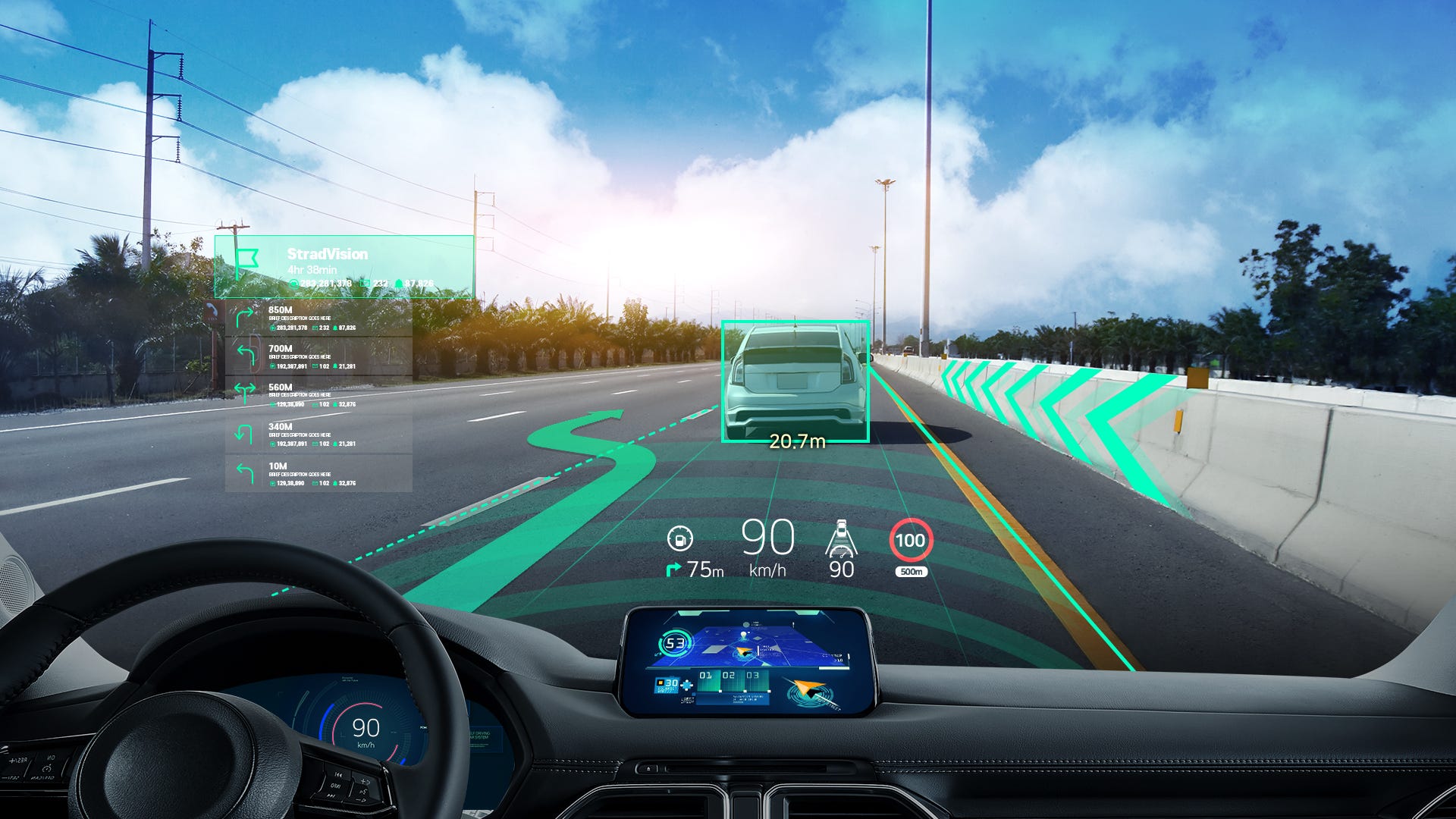
The overlays can obscure real-world hazards. A large animated directional arrow sitting prominently in your line of sight during a complex junction manoeuvre may visually mask a pedestrian stepping off a kerb, a cyclist filtering through traffic, or a vehicle braking unexpectedly ahead.
The human visual system struggles to simultaneously process real-world three-dimensional information and superimposed virtual graphics with equal fidelity one inevitably dominates attention at the expense of the other.
There is also a persistent calibration problem. AR HUDs depend on knowing your precise head position to project graphics in the correct apparent location on the road surface.
Adjust your seat slightly, change your posture during a long drive, or have a taller passenger drive the same car, and the AR overlays lose their alignment with the road they are meant to annotate.
What was designed as a precision navigational tool becomes a disorienting arrangement of floating graphics that bear no clear geometric relationship to the actual environment in front of you.
A clean, traditional HUD showing speed and the next turn direction remains more reliably useful in real-world conditions than any current AR implementation.
8. In-Car Fragrance Diffusion Systems
Luxury car manufacturers have always competed on sensory experience the specific smell of genuine leather sourced from particular tanneries, the precise weight of a perfectly balanced door, the carefully engineered silence of an acoustically isolated cabin.
In 2026, several premium brands are extending this sensory competition into olfaction by installing built-in fragrance diffusion systems that introduce branded scents into the cabin through the vehicle’s ventilation system.
These are not air fresheners clipped to a vent. They are engineered olfactory experiences, developed in collaboration with professional perfumers, controlled through a dedicated touchscreen menu with intensity settings, and marketed as a dimension of truly personalised luxury.
Mercedes-Benz, Rolls-Royce, and several Asian luxury manufacturers have offered or announced cabin fragrance systems. In 2026, the technology is being extended to a wider range of models, positioned as a signature feature in high-end trim levels and used as a key differentiator in competitive comparisons within the luxury segment.

The gimmick is fairly straightforward here. Unlike navigation systems, active safety features, or climate control, a fragrance diffuser has no interaction with the actual experience of driving.
It does not affect performance, handling, visibility, comfort in any ergonomic sense, or safety. The counterargument offered by manufacturers is that scent influences mood and emotional wellbeing, which can in turn influence driver alertness and stress levels.
The scientific literature on this in a driving context is thin, and no safety organisation has recommended ambient scenting as a meaningful countermeasure to driver fatigue.
The practical concern is that scent preference is one of the most deeply personal and variable of all human sensory experiences. A fragrance one driver finds calming and sophisticated another will find overwhelming or nauseating.
More significantly, if you purchase a vehicle new or used in which an integrated diffusion system has been operating a specific scent regularly, that fragrance may become embedded in the upholstery fibres, headlining, and ventilation ducts in ways that persist long after the system is switched off.
What is sold as a fully customisable luxury experience may turn out to be a permanent olfactory characteristic that cannot be reversed without professional intervention.
9. Automatic Parking Assistance on Every Trim Level
Automatic parking assistance where the vehicle steers itself into a parallel or perpendicular space while the driver manages the throttle and brakes has been available on premium and near-premium vehicles for well over a decade.
In 2026, automakers are aggressively pushing this feature down the trim ladder, making it standard or near-standard equipment on mid-range and entry-level vehicles and marketing it as an essential modern convenience.
Some evolved versions now include remote parking, where the driver exits the vehicle and manoeuvres it into a tight space from outside using a smartphone application.
The idea sounds genuinely practical, particularly for urban drivers who regularly face difficult parking scenarios in tight city streets. The reality is considerably more constrained. These systems perform reliably in textbook conditions a clearly marked, regulation-sized space on a flat surface, consistent lighting, good weather, and no moving obstacles appearing mid-manoeuvre.
Outside those conditions, performance degrades rapidly. Irregular spaces, sloped surfaces, faded road markings, and the unpredictable behaviour of other drivers, cyclists, and pedestrians all cause the system to hesitate, abort, or produce inputs that require immediate driver correction.
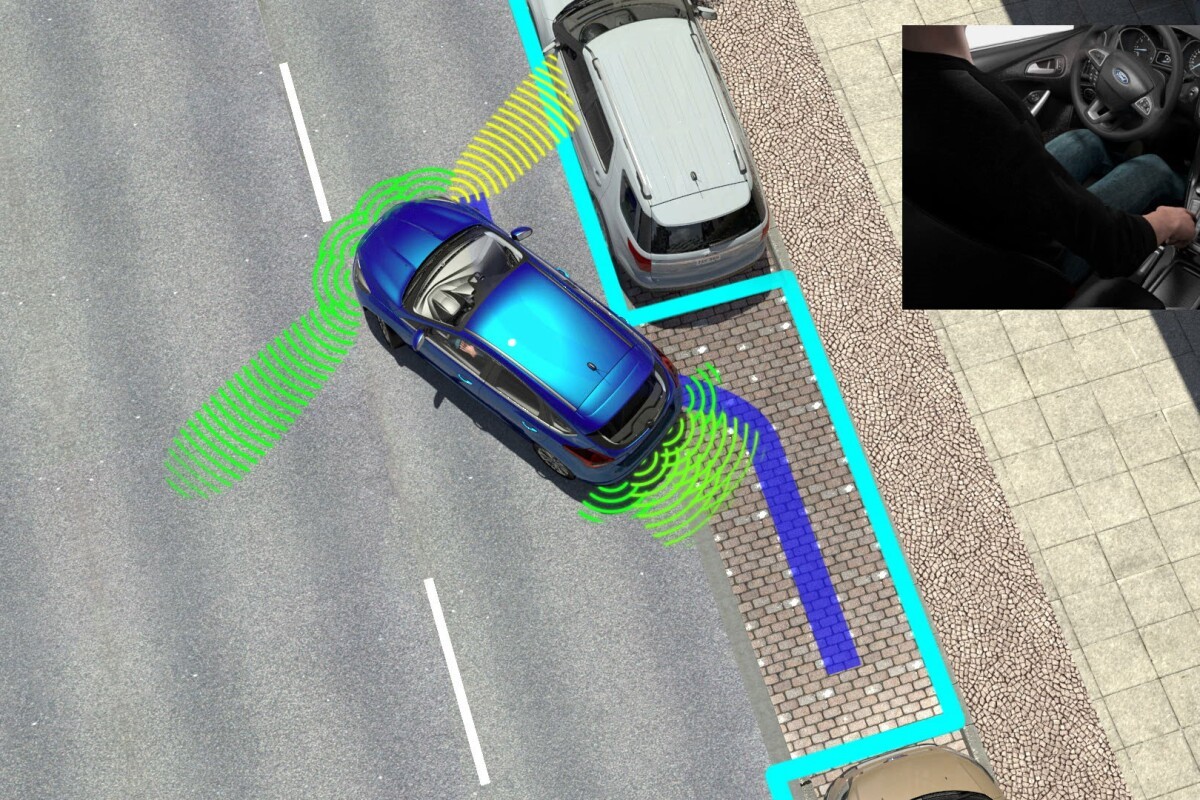
The systems also operate at a frustratingly conservative speed. A competent human driver executing a parallel park in a space with reasonable clearance will complete the manoeuvre in ten to fifteen seconds.
Automatic parking systems routinely take three to four times as long, checking and rechecking sensor data between each small steering adjustment. In busy urban environments, this extended manoeuvre time creates traffic disruption and social friction that manual parking simply does not.
The deeper issue worth considering is the skill development question. When drivers regularly use automatic parking systems from the early stages of their driving experience, they gain less practice with a core driving competency.
Parking accurately in confined spaces requires spatial reasoning, vehicle awareness, and fine motor control skills developed through repetition. Automakers expanding these systems to entry-level trims are implicitly designing vehicles around the expectation that basic spatial driving skills will atrophy. That is a significant philosophical choice about what we expect from drivers, not simply a helpful technology addition.
10. Wearable Neural Band and Biometric Car Control
The most ambitious gimmick of 2026 arrives directly from the boundary between innovation and science fiction, most visibly showcased at CES 2026, where automakers and technology companies compete to present the most forward-looking vision of the connected vehicle.
This year’s headline act in the gimmick category involves neural wristbands and biometric interfaces wearable devices that read electrical signals from the muscles and nerves in your wrist, translating subtle finger movements into touchscreen interactions performed entirely in mid-air.
The demonstration is genuinely impressive to watch. A driver wearing a slim wristband swipes and taps through infotainment menus without ever touching the screen, the device interpreting tiny finger gestures from a distance.
It is the kind of technology that generates enormous press coverage and social media engagement at auto shows. It is also, in 2026, nowhere near practical readiness for use by an active driver in real traffic conditions.
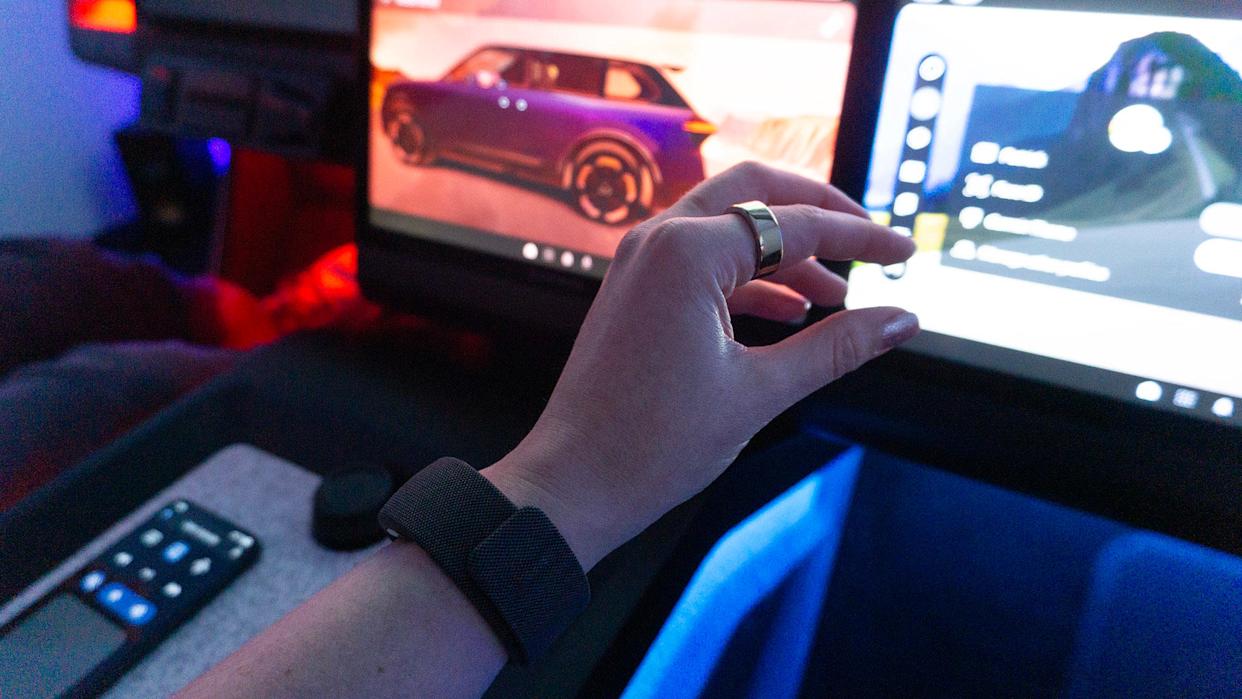
The precision required for reliable wristband-based gesture input while simultaneously steering a vehicle, monitoring surrounding traffic, managing speed through variable conditions, and performing the dozens of cognitive tasks that driving actually demands is simply not achievable with current technology.
The wristband works well when demonstrated in a controlled setting by someone whose only task is to operate the infotainment system. It does not work well as a secondary interface layer for someone whose primary task is going through a motorway interchange at speed.
Beyond the neural band, 2026 vehicles increasingly bundle biometric monitoring features, heart rate sensors embedded in the steering wheel rim, eye-tracking cameras that assess blink rate and gaze direction as a measure of driver alertness, grip pressure sensors that claim to detect stress or fatigue.
Some of these have theoretical safety applications, and in narrow use cases such as long-haul commercial driving, driver monitoring technology has genuine value. In passenger vehicles, the implementations available in 2026 generate frequent false alerts, create alert fatigue that causes drivers to dismiss warnings habitually, and raise substantial privacy concerns that are rarely communicated clearly at point of sale.
The honest and uncomfortable truth is this: the most impressive-sounding technology in a 2026 car brochure is often the least useful feature in a 2026 driveway.
Real automotive progress this year is happening in battery chemistry, structural crashworthiness, and driver assistance systems that actually function reliably in real conditions. Everything else on this list deserves careful scrutiny before you pay a premium to have it added to your vehicle.
Also Read: 5 Vintage SUVs With Removable Hardtops vs 5 With Fixed Steel Roofs
