
Owning a luxury car comes with an undeniable prestige and satisfaction, but it also carries responsibilities that are often overlooked. A minor parking lot bump, which might seem trivial, can result in substantial repair or replacement costs for high-end vehicles.
Modern cars are no longer just about metal and wheels; they are sophisticated machines with advanced technology, sensors, and materials that significantly raise repair costs. What may be a simple dent in a regular car could involve replacing entire panels, sensors, or even structural elements in a high-end model.
Owners of these vehicles need to understand that insurance premiums, spare parts, and labor costs can combine to produce repair bills that are far from minor. Moreover, the depreciation factor can also play a role. Even small cosmetic damages can lower a luxury car’s resale value, sometimes by tens of thousands of dollars. This makes preventive parking strategies and cautious driving crucial for those who invest in these elite machines.
Modern luxury vehicles often incorporate cutting-edge electronics such as autonomous driving sensors, lane assist cameras, and adaptive lighting systems. A small scratch or bump could interfere with these systems, requiring specialized repairs.
Manufacturers like Ferrari, Lamborghini, and McLaren use limited production parts that are costly to source. Additionally, the labor involved is highly specialized, often requiring certified technicians trained specifically for that brand.
Unlike standard vehicles, where panels and parts are mass-produced and easily replaced, luxury cars rely on bespoke components crafted for performance and aesthetics. Even a minor parking lot incident can necessitate ordering parts directly from the factory, with waiting times adding to the inconvenience.
Some of these vehicles also use exotic materials such as carbon fiber, titanium, and aluminum alloys. These materials are lightweight and strong but require advanced techniques for repairs. Unlike steel or regular aluminum, they cannot be simply hammered back into place.
Mishandling could compromise the integrity of the car, creating safety risks. For high-performance vehicles, even slight misalignments can affect aerodynamics and handling, leading to further performance issues down the road. This makes the repair process not only expensive but also technically demanding, increasing the potential downtime for the owner.
Insurance for these vehicles is another factor that contributes to the cost. While comprehensive insurance may cover collisions, deductibles for high-end cars can be steep. Some policies may require the use of specific repair centers approved by the manufacturer.
These centers ensure that the vehicle maintains its performance and aesthetic standards, but the cost is significantly higher than a standard body shop. Additionally, insurance claims might not fully cover depreciation losses or exotic part replacements. Owners must therefore prepare for unexpected expenses even in minor incidents, making a parking lot scratch or bump a potentially stressful event.
Given the combination of exotic materials, advanced electronics, specialized labor, and insurance considerations, it is clear why replacing or repairing a luxury vehicle after a minor parking lot incident is not a simple task. High-end cars are engineered with precision and care, which translates into higher replacement costs.
The following list highlights ten modern cars that exemplify this challenge. They represent some of the most expensive machines on the road today, where even small mishaps can result in extraordinary repair bills. Understanding these vehicles helps prospective buyers appreciate the hidden costs associated with owning such elite cars.

1. Bugatti Chiron
The Bugatti Chiron is a symbol of speed and exclusivity, designed for a clientele who expect nothing but perfection. A minor parking lot bump on this vehicle can quickly become a costly affair. Its body panels are made from lightweight carbon fiber, which does not respond well to standard dent repair techniques. Even a small scratch may require the replacement of an entire panel.
Every component of the Chiron is engineered for high performance, making even routine repairs complicated. Its quad-turbocharged W16 engine demands exact alignment of parts to maintain performance. Any disruption caused by a bump can affect sensors and engine calibration. Repairs therefore often go beyond aesthetics and into mechanical precision.
Sourcing parts for the Chiron is a long process. Bugatti produces a limited number of vehicles annually, and replacement panels or electronics must come directly from the factory in France. Shipping, taxes, and custom fitting add to the already high cost. Waiting times can extend to several months.
Labor is specialized and cannot be performed in a standard body shop. Technicians must undergo brand-specific training to handle the materials and mechanical intricacies. Any error can reduce performance or compromise safety. These experts are scarce, further increasing repair costs.
Insurance premiums for the Chiron are also extraordinary. A minor incident can trigger claims that run into six figures. Even minor cosmetic damages are enough to justify contacting the manufacturer-approved service center. Owners must recognize that small accidents have far-reaching financial consequences.
2. Lamborghini Aventador
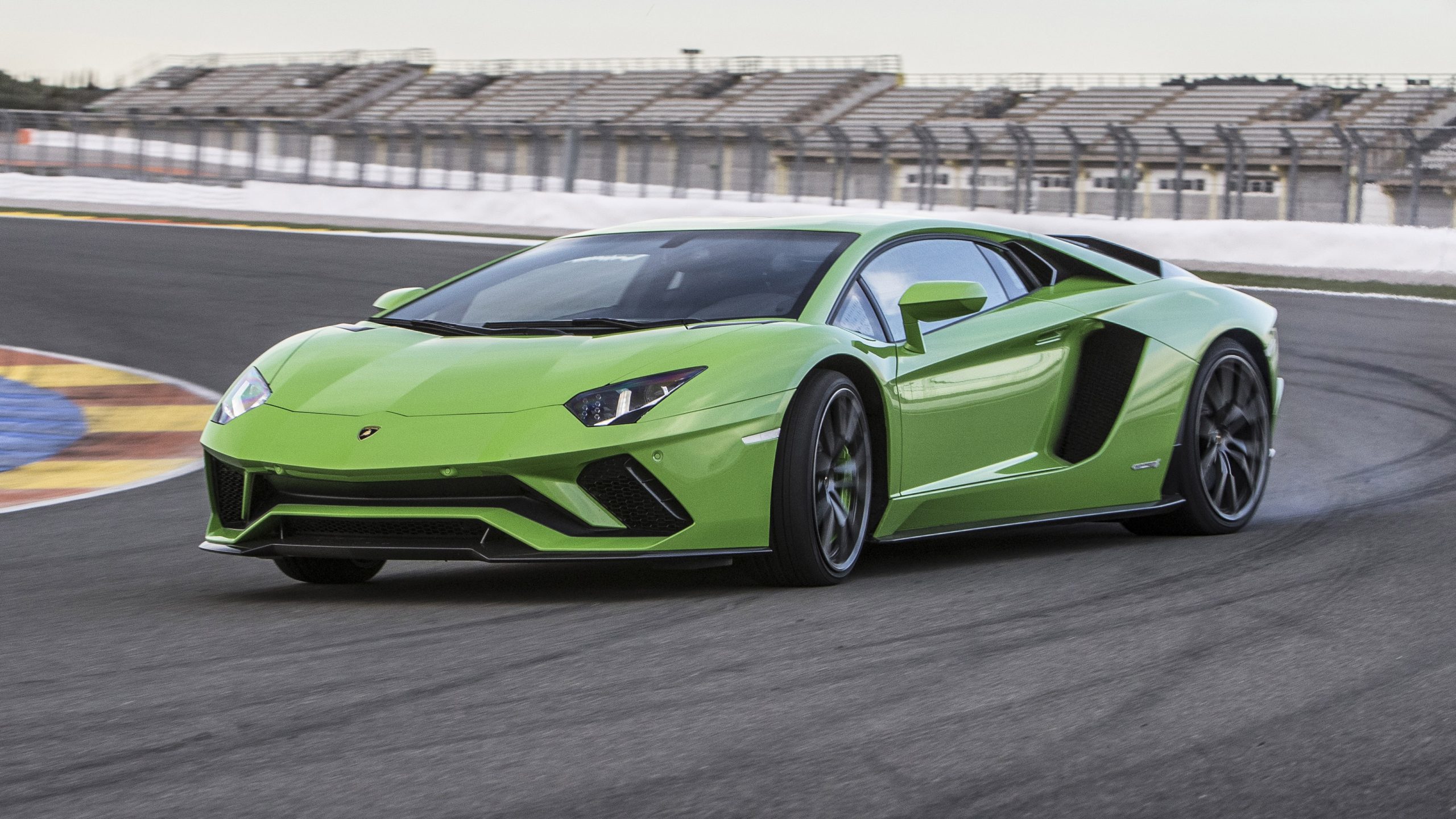
The Lamborghini Aventador is renowned for its aggressive styling and V12 performance. Its aluminum and carbon fiber structure makes repairing even a minor dent challenging. Panels are contoured for aerodynamics, and replacing a single section can take weeks. The cost can easily exceed the price of a standard luxury sedan.
Its advanced suspension and sensor systems mean that a bump in a parking lot might affect more than just the body. Alignment issues or sensor misreadings can result from small impacts. Repairs are therefore more complex and require a combination of bodywork and electronic recalibration.
Exotic parts are not widely available, and factory orders are often required. Limited production volumes mean that even minor replacement components may cost tens of thousands of dollars. Shipping from Italy and installation further increase expenses.
Lamborghini-certified technicians are necessary for most repairs. They possess specialized tools and expertise required to work on carbon fiber and aluminum alloys. Improper repairs can damage the car or void warranties, making professional intervention essential.
Insurance considerations add another layer of cost. High premiums reflect both the vehicle’s value and the difficulty of repairing it. Small parking lot accidents may still require significant out-of-pocket payments. Aventador owners must understand these factors when navigating everyday parking scenarios.
3. Ferrari SF90 Stradale
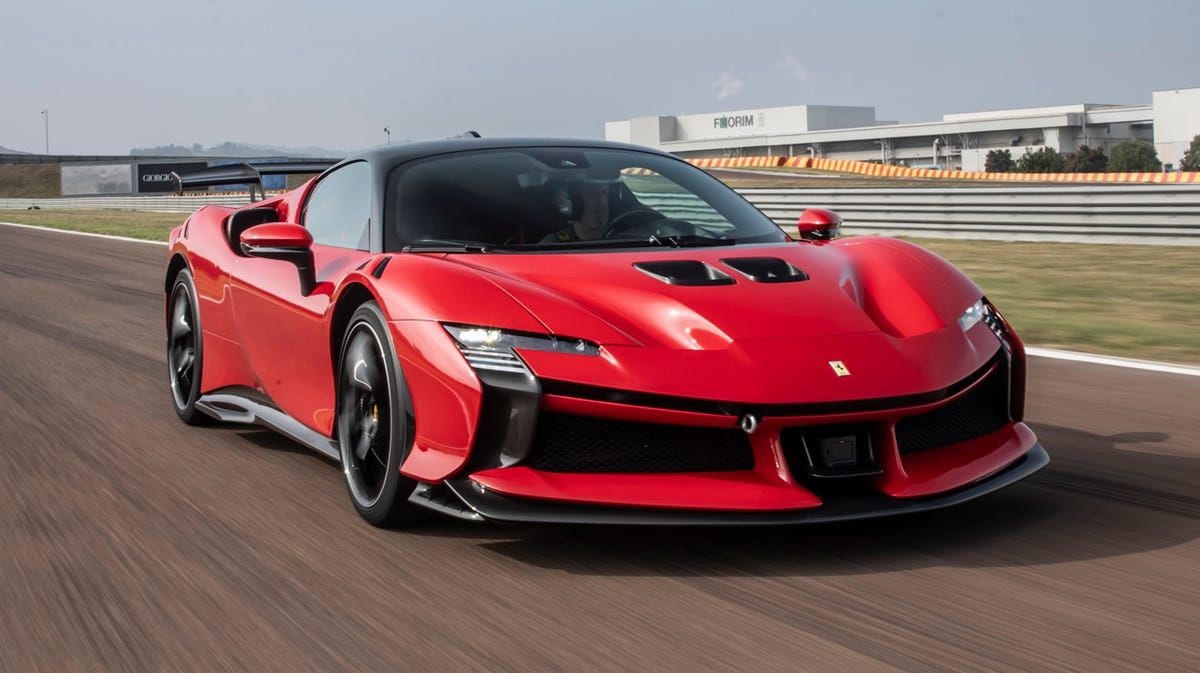
The Ferrari SF90 Stradale combines hybrid technology with Ferrari’s racing pedigree. Minor impacts can result in high costs due to its complex construction. Panels and composite materials require factory-standard replacement to maintain structural integrity. Even small scratches or dents may necessitate partial disassembly of surrounding components.
The car’s advanced electronics are sensitive to impacts. Parking lot bumps could misalign sensors or affect software-controlled driving modes. Proper recalibration by Ferrari-certified specialists is essential to avoid performance issues or safety concerns.
Replacement parts are extremely limited. Ferrari produces a select number of SF90s each year, and parts must often come directly from the factory. Costs for a single panel or sensor can run into tens of thousands of dollars. Delays in shipping further complicate the repair timeline.
Technicians must have specialized knowledge of carbon fiber construction and hybrid powertrains. Standard body shops cannot perform repairs to Ferrari standards. The precision required is one reason repair costs are so high.
Insurance policies reflect the car’s value and rarity. Even minor damage can increase premiums or require significant deductible payments. Owners are advised to park carefully and remain vigilant to avoid expensive repair scenarios.

4. McLaren 720S
The McLaren 720S is celebrated for its lightweight construction and aerodynamic performance. The extensive use of carbon fiber makes minor parking lot bumps extremely costly. Panels cannot simply be hammered back into place, and scratches often require full replacement. The intricate bodywork increases the complexity of repairs.
Carbon fiber repairs are highly technical. Technicians must layer the material correctly to preserve strength and performance. Any mistakes can compromise the vehicle’s safety or handling characteristics. For high-performance supercars, even slight imperfections matter.
Parts are not widely available. McLaren produces vehicles in limited quantities, and replacement panels often come from the UK factory. Shipping, import taxes, and specialized fitting contribute to significant costs. Repairs can extend over several weeks.
Labor is extremely specialized. Certified McLaren service centers are required for most work. General auto shops cannot meet the precision and safety standards necessary for carbon fiber vehicles. The scarcity of trained professionals further drives up costs.
Insurance premiums for the 720S reflect both replacement costs and specialized labor requirements. A minor scratch or dent can trigger claims that exceed the annual insurance of a standard luxury vehicle. Owners must weigh the risks of everyday parking situations.

5. Rolls-Royce Cullinan
The Rolls-Royce Cullinan is the luxury SUV, offering unmatched comfort and refinement. Its body panels are made from advanced alloys and reinforced structures to ensure quiet operation and ride quality. Minor parking lot bumps can require full panel replacement, given the precision fit of each section.
Rolls-Royce vehicles incorporate extensive electronics and sensors. Even a slight impact may affect parking assist, suspension calibration, or body alignment systems. Proper service requires both mechanical and software adjustments to restore the car to original specifications.
Parts are rarely available off the shelf. Rolls-Royce produces limited units, and the bespoke nature of components adds to the cost. Factory orders and shipping add weeks to repair timelines. Materials like polished aluminum and composite trims are expensive to replace.
Labor is extremely precise and requires certified Rolls-Royce technicians. Specialized tools, attention to detail, and strict brand standards make repairs costly. Even minor cosmetic work can exceed thousands of dollars.
Insurance costs are also elevated. High premiums, deductibles, and the requirement to use certified service centers make small accidents financially significant. Owners must recognize the combined impact of labor, parts, and insurance.

6. Porsche 918 Spyder
The Porsche 918 Spyder is a hybrid hypercar known for its engineering precision and groundbreaking performance. A minor bump in a parking lot can lead to unexpectedly high costs due to its complex structure. The body incorporates both aluminum and carbon fiber components, which are designed for lightness and rigidity. Repairing even a small dent may require removing entire sections to maintain structural integrity.
Its hybrid powertrain adds further complexity. Any impact may affect the integration of the electric motors with the combustion engine. Ensuring proper functionality requires specialized calibration and diagnostics, which only authorized Porsche service centers can provide. A misalignment or overlooked sensor can compromise both performance and safety.
Parts for the 918 Spyder are extremely limited. Porsche manufactured this model in small numbers, making replacement panels, electronics, and even interior components hard to source. Costs for individual components can range from several thousand to tens of thousands of dollars. Lead times for parts may extend for months, depending on availability and shipping.
Labor is equally expensive and specialized. Technicians must be certified to work on Porsche’s hybrid systems and carbon fiber bodywork. Standard auto repair shops lack the expertise to safely perform these repairs. Precision is paramount, as any misstep can affect the vehicle’s performance or value.
Insurance premiums for a Porsche 918 Spyder reflect the rarity and complexity of the car. Minor parking lot accidents can trigger high claims and significant deductibles. Even small cosmetic issues are enough to necessitate professional intervention. Owners must carefully consider parking strategies to avoid these financial burdens.

7. Aston Martin Valkyrie
The Aston Martin Valkyrie is a hypercar built with Formula One-inspired aerodynamics and extreme performance in mind. Its carbon fiber monocoque structure makes even minor scratches or dents incredibly costly to repair. Standard repair methods cannot be used, as the strength and lightweight properties of the chassis must remain intact. A seemingly small parking lot bump may require full section replacements.
Every aspect of the Valkyrie is precision-engineered. Even slight misalignments can affect airflow, downforce, and handling. Repairs go beyond cosmetic fixes and often require recalibrating aerodynamic elements to maintain performance. This makes simple collisions far more complex than they appear.
Replacement parts are scarce. Aston Martin produces the Valkyrie in very limited quantities, and parts must be manufactured and shipped from specialized facilities. A single carbon fiber panel may cost tens of thousands, and lead times are lengthy. There is no option for quick aftermarket fixes.
Labor is highly specialized. Technicians must be trained to work on the intricate composite materials and hypercar-specific systems. Even minor errors can compromise the vehicle’s safety, warranty, or resale value. Access to certified repair centers is limited, making scheduling repairs a challenge.
Insurance reflects these realities. The extreme value, rarity, and repair costs of the Valkyrie result in high premiums. A minor incident can generate claims that far exceed typical luxury car repair costs. Owners must exercise vigilance even in low-speed parking situations to avoid financial exposure.
8. Koenigsegg Jesko
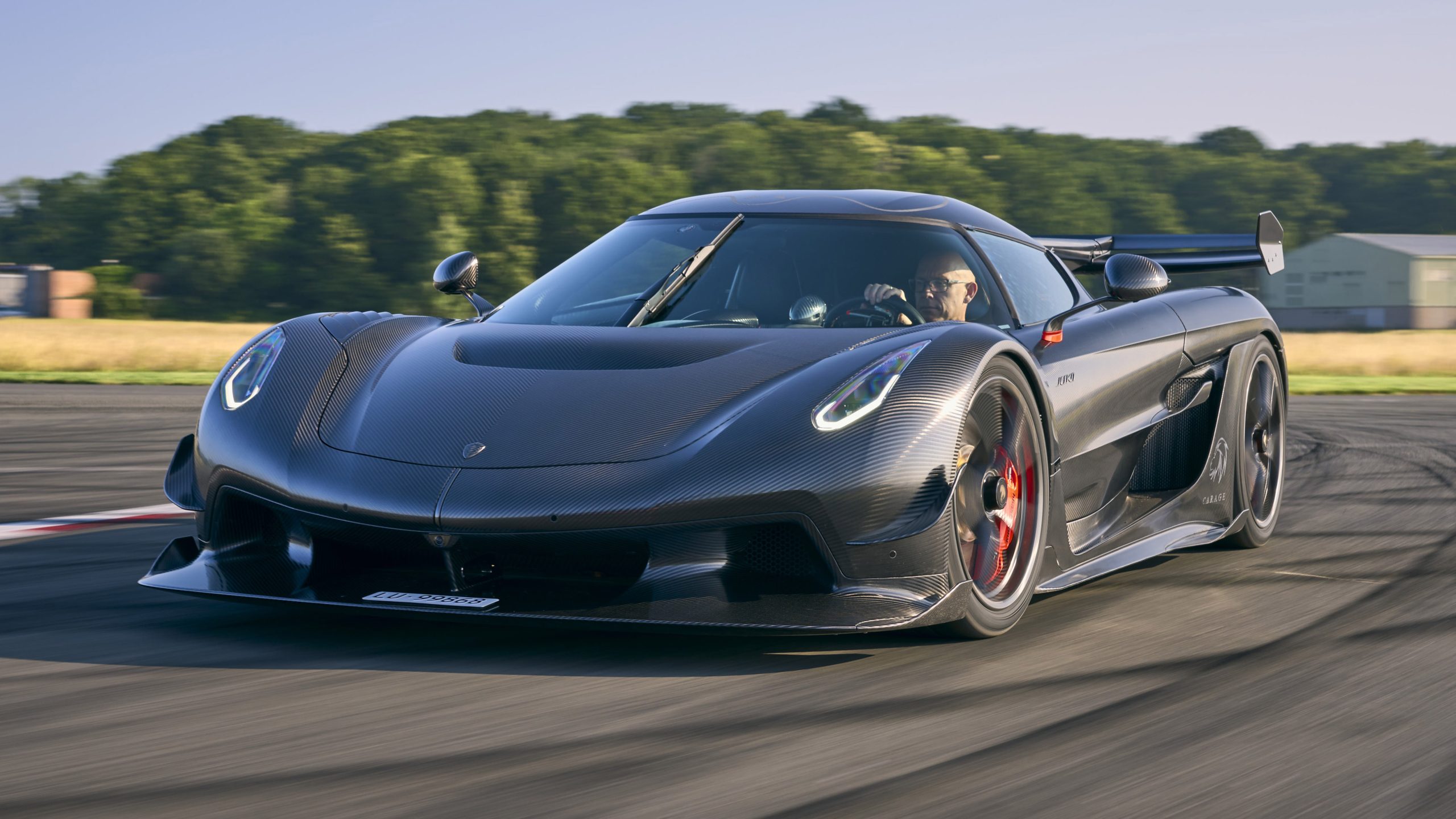
The Koenigsegg Jesko is designed for extreme speed and engineering perfection. Its body is composed largely of carbon fiber, with unique aerodynamic features that are sensitive to even minor impacts. A small parking lot bump may require replacing entire panels rather than repairing them. The complexity of the materials makes conventional bodywork impossible.
The Jesko is packed with high-end electronics and active aerodynamics. Impacts may disrupt these systems, affecting stability, downforce, and speed performance. Repairs must address both cosmetic and functional aspects, requiring sophisticated diagnostics and calibration tools.
Parts are almost entirely bespoke. Koenigsegg produces limited numbers, meaning that replacement components must often be custom-made. Even minor panels can cost tens of thousands, and lead times can be several weeks or months due to production constraints. The scarcity of parts drives up the expense of minor collisions.
Certified technicians are essential for repairs. General body shops cannot handle carbon fiber, active aerodynamics, or Koenigsegg-specific engineering standards. Repairs are labor-intensive and meticulous. Errors can compromise performance, safety, or long-term reliability, making professional service unavoidable.
Insurance premiums for the Jesko are among the highest in the world. The combination of extreme rarity, specialized repair needs, and exotic materials results in significant costs for even minor incidents. Owners are expected to take extraordinary care when parking or navigating tight spaces.

9. Bentley Continental GT Speed
The Bentley Continental GT Speed blends luxury and performance in a sophisticated package. Its body is made from a mix of aluminum and high-strength steel, making minor dents deceptively expensive. Even a slight parking lot collision may require multiple panels to be replaced to maintain the aesthetic and structural standards expected of the brand.
Bentley incorporates advanced electronic systems for suspension, steering, and driver assistance. Even a minor bump can cause sensor misalignment or suspension calibration issues. Repairs require precise diagnostics to restore the vehicle to factory performance and comfort standards.
Replacement parts are specialized. Bentley vehicles often use bespoke panels, trim, and interior components that are not widely available. Ordering parts from the factory and shipping them can take weeks and cost tens of thousands. This makes minor repairs time-consuming and costly.
Labor must be performed by certified Bentley technicians. Only these experts have the tools and knowledge to properly handle aluminum bodywork, interior finishes, and electronics without risking damage. Improper repairs can affect safety, warranty, or resale value.
Insurance premiums reflect these challenges. Even minor parking lot accidents can result in high claims due to labor, parts, and the complexity of restoring the vehicle. Bentley owners must account for these risks in everyday driving situations.

10. Mercedes-AMG One
The Mercedes-AMG One is a hypercar that brings Formula One technology to the streets. Its carbon fiber monocoque, hybrid powertrain, and aerodynamic design make it exceptionally difficult and expensive to repair. A minor parking lot bump can trigger a complex process involving bodywork, electronics, and powertrain checks.
Even small cosmetic damage may necessitate extensive disassembly to ensure structural integrity. The car’s advanced sensors and aerodynamic components require precise calibration. Any error can compromise handling, safety, or performance. Standard repair methods are not applicable.
Parts are nearly impossible to find outside manufacturer orders. Mercedes produces the AMG One in extremely limited numbers, and replacement components are highly specialized. Shipping, taxes, and factory installation contribute to extraordinary costs and long repair timelines.
Technicians must be certified to work on both carbon fiber and hybrid F1-derived systems. General auto shops cannot handle such precision engineering. Labor is meticulous, time-consuming, and costly, reflecting the vehicle’s extreme performance standards.
Insurance is similarly steep. Even minor parking lot bumps can trigger claims with costs reaching six or seven figures. Owners must exercise extreme caution in everyday situations, as repairs are neither quick nor inexpensive.