When it comes to owning a vehicle, many people focus on purchase price, fuel economy, and reliability, but one important cost that often gets overlooked is dealership labor rates. These rates can vary significantly from one car brand to another, making a big difference in how much you spend on maintenance and repairs throughout the life of your vehicle. Affordable dealership labor rates mean lower repair bills and less financial stress when unexpected issues occur, which is a key factor for many car buyers.
In the United States, dealership labor rates tend to be higher than independent shops, but some brands keep their dealer labor costs relatively reasonable. For owners who prefer official service centers, this can be a major advantage.
Lower labor rates not only improve the value of ownership, but they also encourage more people to return for recommended maintenance. This leads to better long‑term performance and helps preserve resale value.
Factors that influence dealership labor rates include regional market conditions, brand reputation, demand for service, and the complexity of the vehicles themselves. Some car companies are known for simpler designs and parts that are easy to work with, which keeps labor time down and lowers associated charges. Others may offer standardized rate structures across the country which help maintain consistency.
Understanding which brands have accessible labor costs can help you make smarter decisions when buying a new or used car. It can also guide you when budgeting for future maintenance bills. Many drivers do not think about dealership labor rates until they receive a surprise invoice, and by then, it’s too late to change course. Awareness before purchase empowers buyers to choose vehicles that fit their lifestyle and budget.
This article highlights ten car brands in the U.S. that are known for some of the most affordable dealership labor rates. Each section will explore what makes the brand a solid choice in terms of service cost, typical maintenance patterns, customer experiences, and ownership value. After reading this, you will have a clearer picture of how labor rates impact your total cost of vehicle ownership and what brands tend to help keep those costs in check.
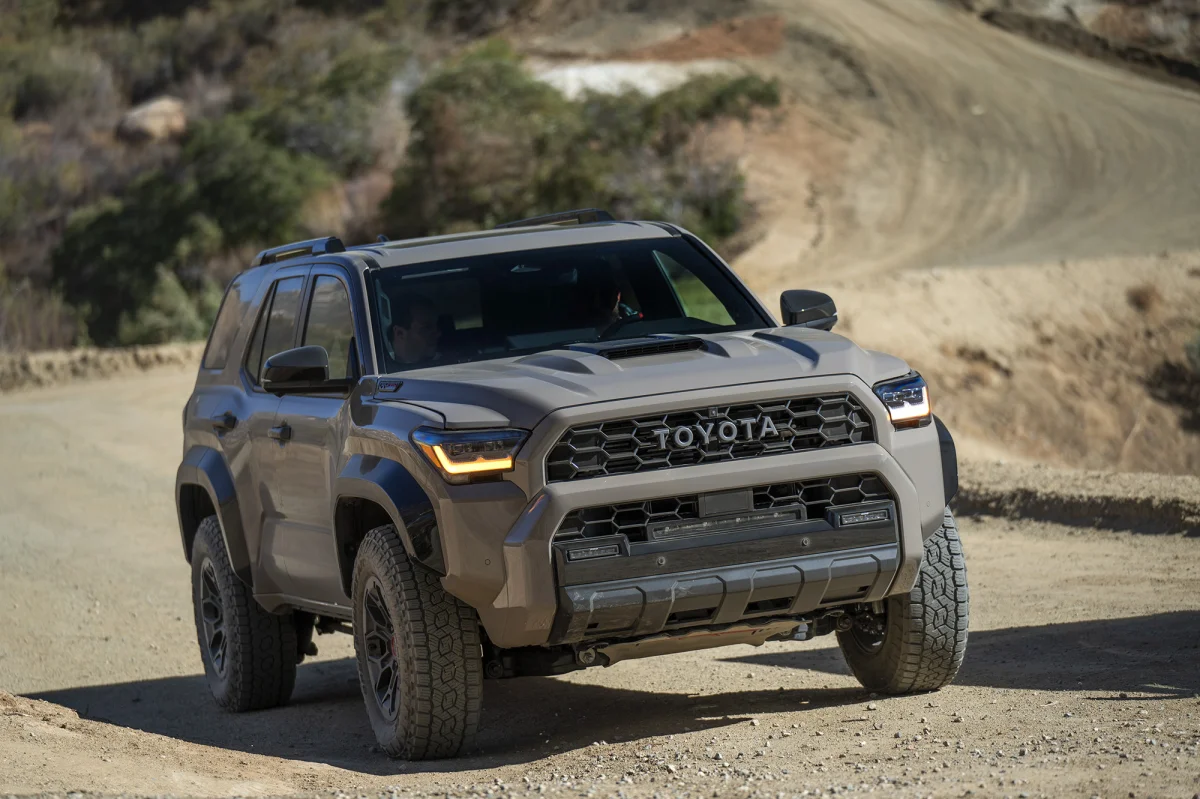
1. Toyota
Toyota vehicles have long been recognized for practical design and dependable service experiences. These cars are engineered to be relatively simple to service, reducing the amount of time technicians need to spend on routine tasks. This can translate into lower labor costs at dealerships, especially compared to luxury brands with more complex systems. Because Toyota parts are widely available and standardized, service centers often have good inventory without expensive markups that could drive up rates.
Drivers often praise Toyota dealers for transparent service pricing that doesn’t wildly fluctuate from one region to another. While labor rates are not the lowest nationwide, they are consistent and reasonable for the quality of work provided. Many owners report that regular maintenance at a Toyota dealership feels attainable, even when compared to independent shops. Fuel system checks, brake services, and oil changes rarely involve surprises in terms of labor charges.
The strength of Toyota’s reputation for reliability does more than just win new buyers, it also helps make servicing more predictable. Technicians are familiar with common issues and efficient at diagnosing and fixing them. This level of expertise cuts down on trial‑and‑error labor time, which can otherwise increase bills. When you visit a Toyota service center, you’re paying for practical experience more than unnecessary labor hours.
Because Toyota has one of the largest dealership networks in the U.S., competition among service centers helps keep their labor rates competitive. Even in larger metropolitan markets, many Toyota dealers offer special pricing for routine services to attract repeat maintenance business. This encourages owners to stick with authorized dealers, further strengthening relationships and cost predictability.
In addition, Toyota often provides service reminders and maintenance schedules that help owners plan ahead. Staying on top of routine work prevents major repairs later, which can be expensive in both parts and labor. For many drivers who value both reliability and budget‑friendly ownership, Toyota stands out as a brand with accessible dealership labor rates.
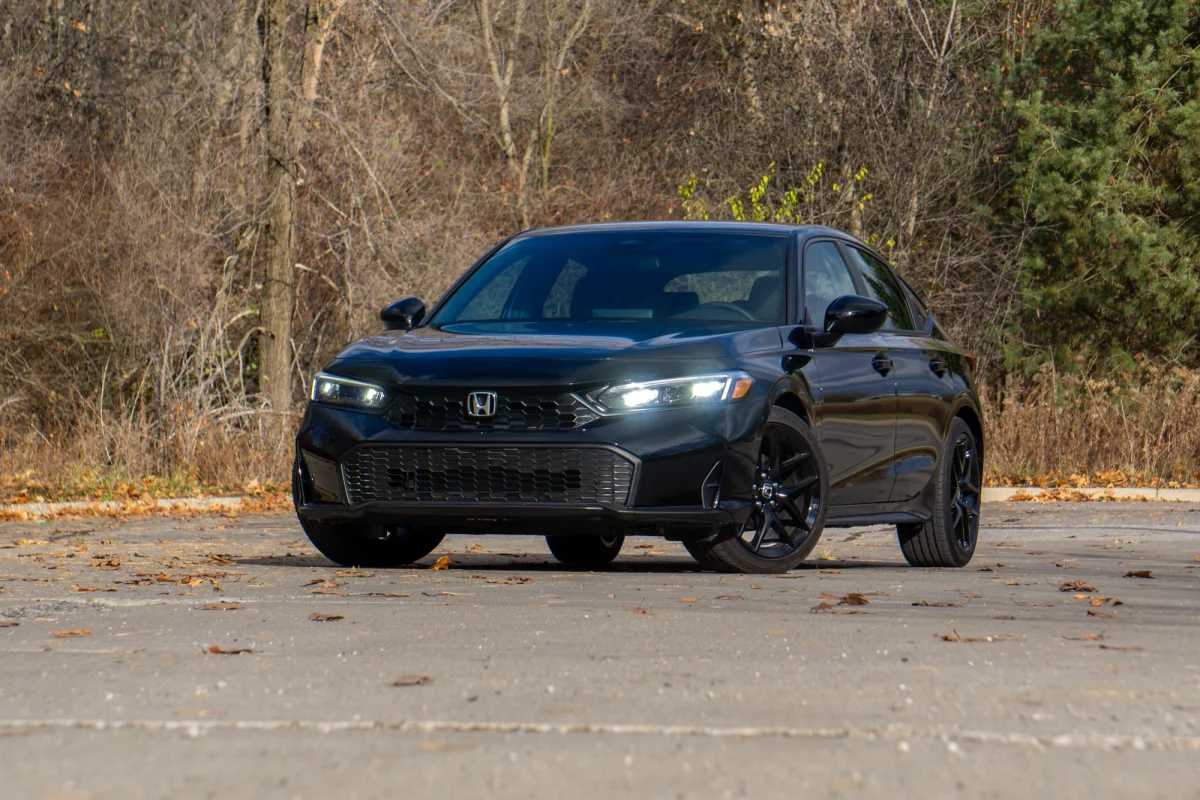
2. Honda
Honda has built a reputation for vehicles that are both fun to drive and practical to maintain. In terms of dealership labor rates, the brand has a track record of keeping service costs on the approachable side, especially when compared to European or performance‑oriented automakers.
Honda’s engineering philosophy emphasizes efficiency and simplicity, which extends to how the cars are serviced. This often keeps the time required for labor reasonable, which in turn helps control costs.
Dealerships that specialize in Honda vehicles tend to have well‑organized service departments. Because the layout and technology of Honda vehicles are familiar across models, technicians can perform tasks with steady speed and accuracy.
This expertise means that customers rarely encounter labor charges that feel inflated due to extended work times. Brake jobs, tire rotations, and engine inspections are typically scheduled and completed with minimal delays.
Customers frequently note that Honda dealers are competitive with other mainstream brands when it comes to labor rates. While you will still pay more at a dealership than at an independent shop in many cases, the gap is not as large as it is with some premium brands.
Many Honda owners appreciate that servicing at a dealership offers peace of mind without breaking the bank. It’s an appealing balance for buyers who want the assurance of certified technicians without exorbitant labor costs.
Another factor that helps keep Honda’s dealership rates accessible is the abundance of parts in the supply chain. Honda parts are manufactured in large volumes and distributed efficiently, which reduces delays and markups. When a dealership doesn’t have to wait for specialty parts, the labor time stays controlled. Waiting for parts or complicated diagnostics can otherwise add hours of labor charges.
Honda’s approach to service and labor keeps many owners satisfied. The brand’s focus on smart design and standardized maintenance procedures minimizes unnecessary labor expenses. For U.S. drivers who want a dependable vehicle backed by dealership service that stays affordable, Honda remains a top choice.
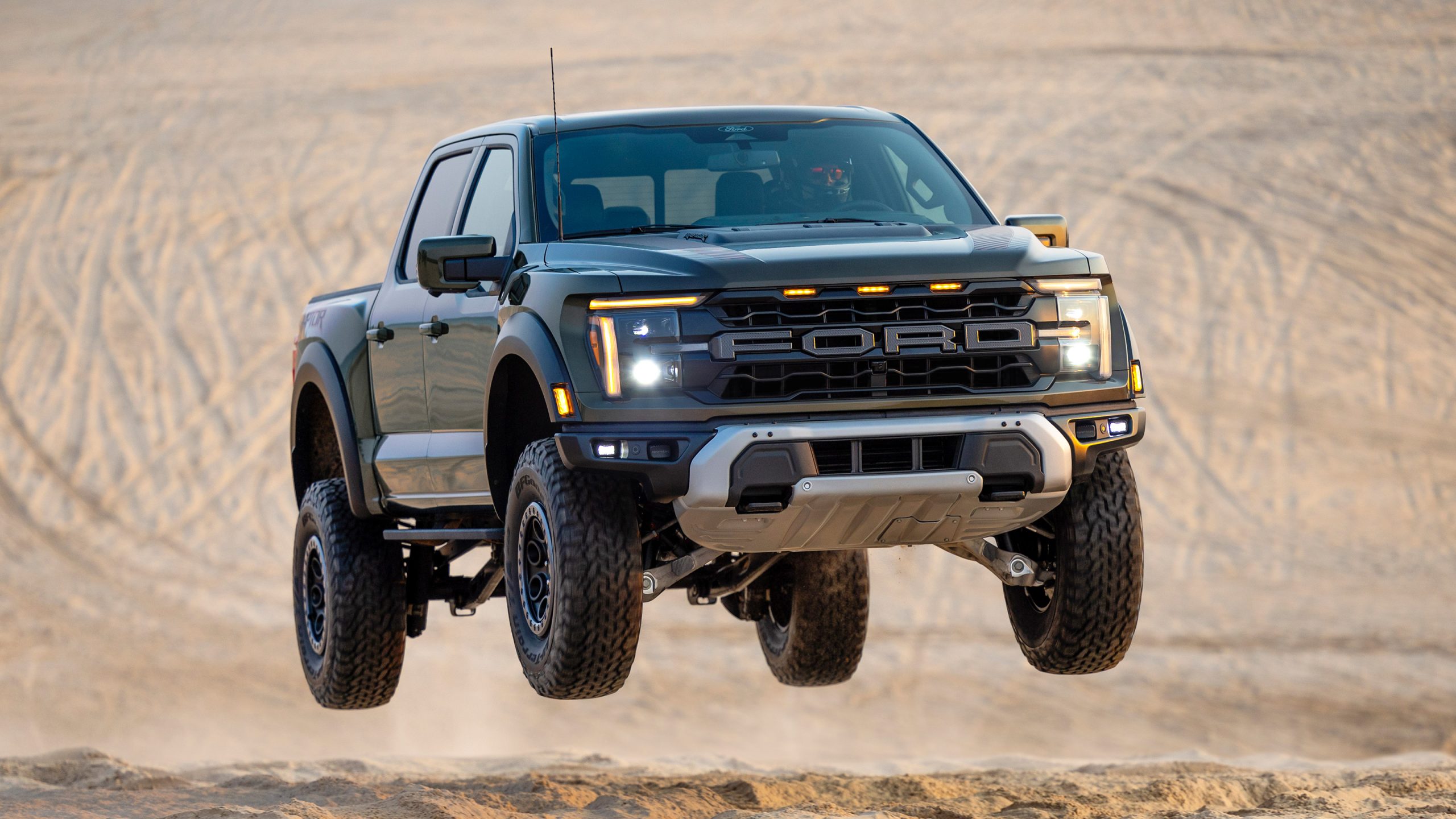
3. Ford
Ford’s widespread presence across the U.S. makes it one of the most accessible brands for dealership service. With thousands of authorized dealers nationwide, competition often drives labor rates down in many markets.
This broad network increases the likelihood of finding competitive pricing, even in areas with higher service costs. The familiarity of Ford’s core models also helps service departments work quickly and efficiently.
Many owners of Ford vehicles report positive experiences with dealership labor rates that align with or even undercut other major American brands. Routine maintenance tasks, such as oil changes and brake repairs, tend to be priced reasonably at Ford dealerships. While more complex repairs can still be expensive, the transparency of estimates and clear explanations of labor charges help owners feel confident about the value they’re receiving.
Ford dealers often run service specials and seasonal offers that can significantly lower labor charges for common procedures. These promotions not only make authorized service more affordable, but they also encourage owners to maintain factory‑recommended schedules. Staying on schedule helps prevent larger problems later, which can save both labor and parts costs down the road.
The familiarity of Ford vehicles among technicians also contributes to a smoother service experience. Because these cars and trucks are so widely sold, most dealership service centers have deep experience diagnosing and correcting common issues. This expertise cuts down on time spent on troubleshooting, which keeps labor costs from ballooning unnecessarily.
For drivers who value a combination of nationwide availability, brand strength, and competitive dealership rates, Ford presents a compelling option. While labor rates will always vary by location, the consistency of pricing and the size of the dealer base help make Ford’s service costs among the more approachable in the U.S. market.
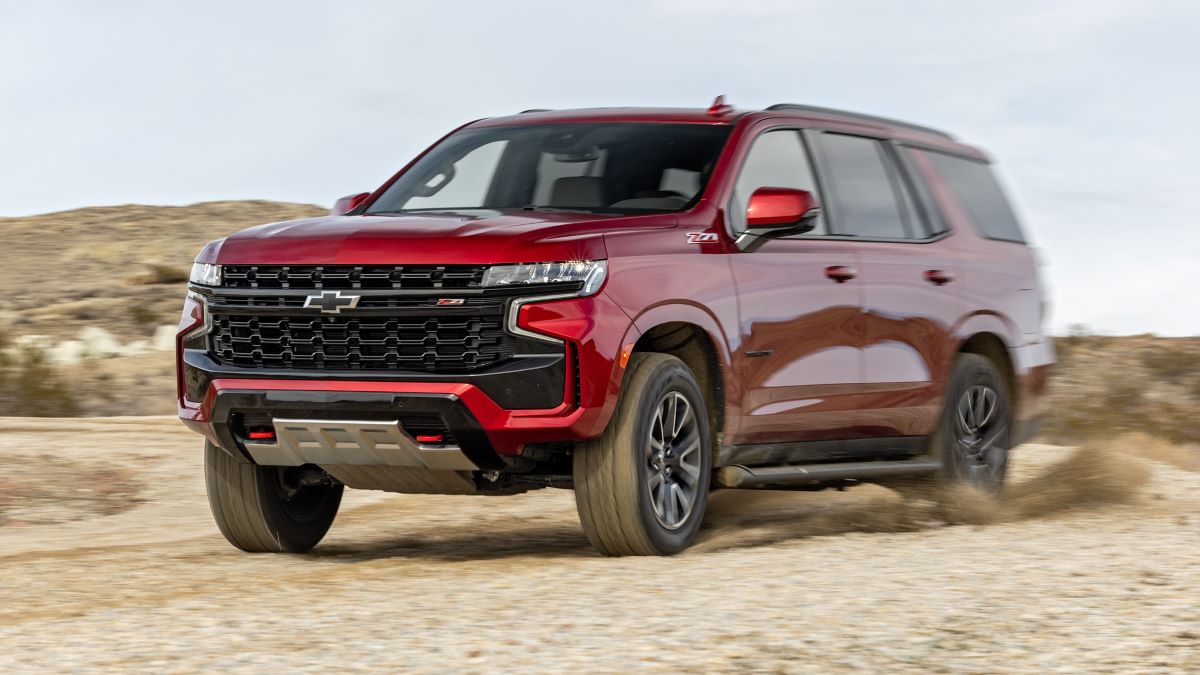
4. Chevrolet
Chevrolet is another American brand with a large dealership presence and generally competitive labor rates. Like other mainstream automakers, Chevrolet doesn’t command the same premium in service charges as luxury brands, making its dealerships appealing to drivers who want official maintenance without excessive costs.
The brand’s broad lineup includes everything from compact cars to full‑size trucks, and service departments are structured to handle this variety efficiently.
Chevrolet vehicles are engineered with practicality in mind, which often makes routine service more straightforward and less time‑intensive. When service procedures are clear and technicians are familiar with the platform, labor charges tend to stay reasonable. Many owners appreciate that Chevrolet dealerships are transparent about labor pricing and typically provide itemized estimates before work begins.
In many regions, Chevrolet dealers compete vigorously for service business, which can result in attractive pricing and special offers on common maintenance services. Seasonal deals on labor charges for oil changes, brake services, and inspections help offset the decision to stay with authorized service rather than independent shops. This competition benefits customers by keeping rate markups from becoming excessive.
Chevrolet’s extensive service network also means that parts are frequently in stock and readily accessible. When dealers can complete repairs without waiting for rare or costly components, the associated labor time remains sensible. Delays in parts availability often translate to waiting charges or increased labor costs, so Chevrolet’s supply strength improves cost efficiency.
Because of these factors, many drivers consider Chevrolet’s dealership labor rates to be among the more affordable among mainstream American brands. The combination of engineering clarity, competitive pricing, and broad dealer accessibility makes Chevrolet a solid choice for owners who want predictable service expenses.
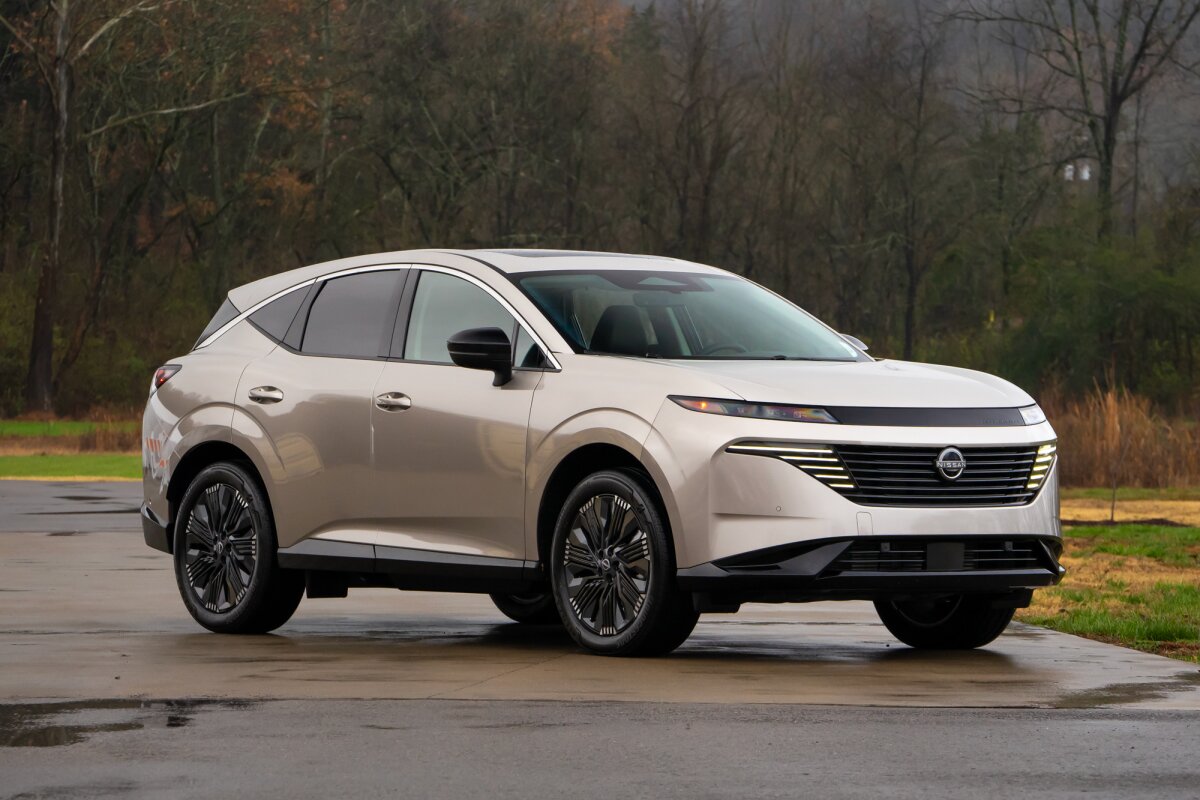
5. Nissan
Nissan’s lineup of cars and SUVs has long been recognized for practicality and accessible ownership costs. Dealership labor rates for Nissan vehicles tend to fall on the more affordable side, especially when compared to brands with more complex engineering or luxury positioning.
Nissan dealerships often focus on delivering efficient and timely service because many of their customers prioritize value and day‑to‑day reliability.
Routine services at Nissan dealers, such as oil changes, brake inspections, and tire rotations, are usually priced competitively within the mainstream market. Because Nissan vehicles share many common components and diagnostic procedures across models, technicians can complete work quickly and accurately. This familiarity cuts down on billable labor time and keeps charges reasonable.
In some parts of the U.S., Nissan dealers run service incentives that further reduce labor charges. These may include bundled pricing for standard maintenance or specials on diagnostic fees. Such promotions help make dealership service more inviting for owners who might otherwise consider independent shops solely for cost savings.
Parts availability plays a role as well. Nissan’s extensive production and parts distribution system means that most dealerships have a ready supply of necessary components. When parts are readily available, there is less downtime and fewer labor hours spent waiting or ordering, which keeps total service costs down.
Nissan’s approach to servicing tends to balance quality and affordability. For drivers who want the assurance of official dealership work without steep labor charges, Nissan represents a brand where dealership service can be both dependable and budget‑friendly.
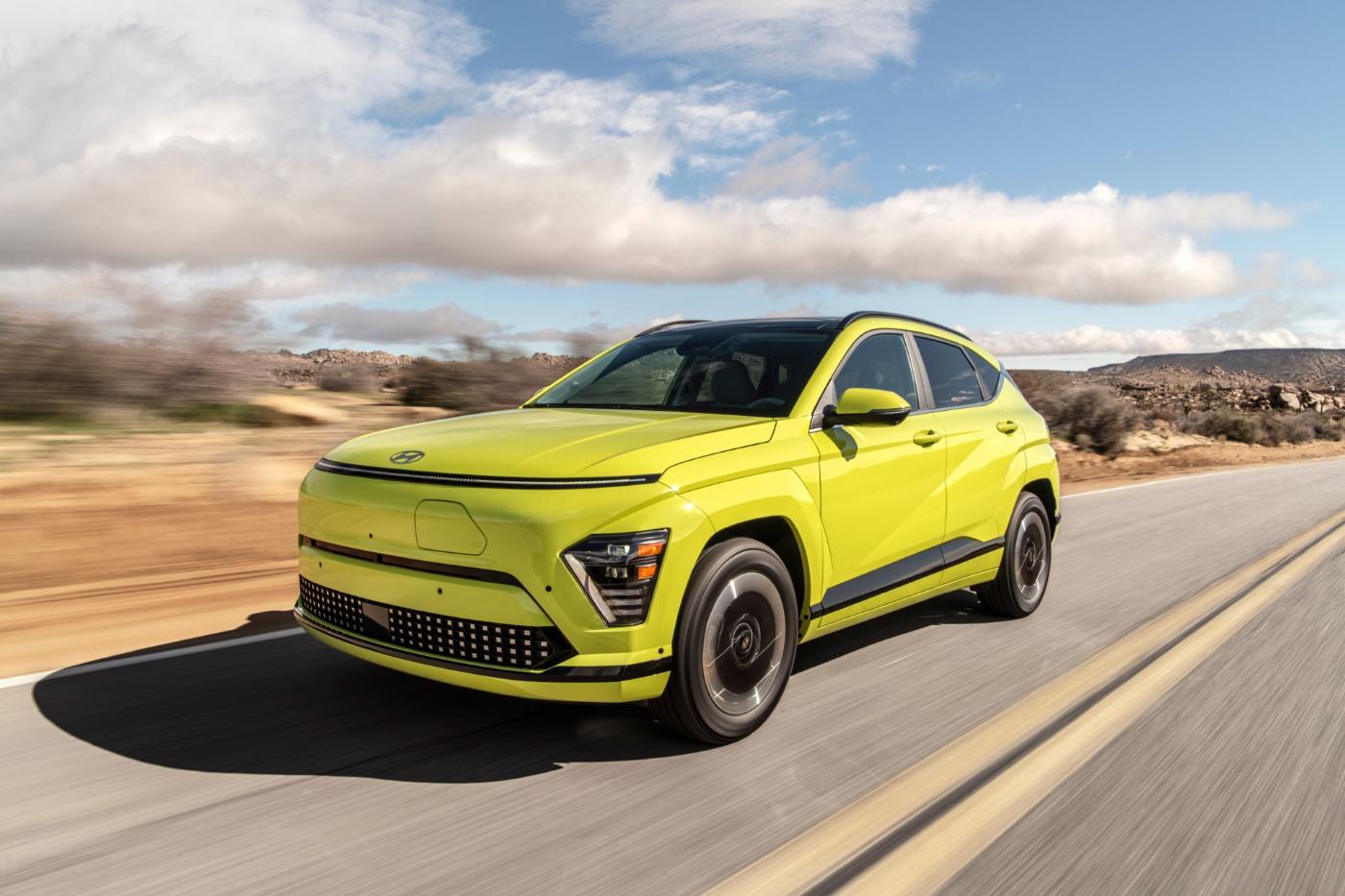
6. Hyundai
Hyundai has grown rapidly in popularity in the U.S., and part of this success comes from its focus on affordability and value. This philosophy extends into dealership labor rates, which many owners find to be accessible relative to the broader market. Hyundai dealers often provide competitive pricing and clear service procedures that help keep labor costs reasonable for routine and scheduled work.
Routine maintenance at Hyundai dealerships, like filter replacements, fluid checks, and brake services, is often priced with the average driver in mind. Because Hyundai vehicles are engineered with streamlined service procedures, technicians can complete tasks efficiently. This efficiency cuts down on labor hours billed and helps maintain equitable service pricing.
Hyundai also supports an extensive dealer network that encourages competitive labor rates in many areas. When multiple dealerships operate within a region, they often adjust pricing to stay appealing to customers. Combined with periodic service specials, this competitive environment benefits drivers who want authorized service without high labor costs.
Another benefit for Hyundai owners is the quality of training that technicians receive. Because Hyundai emphasizes standardized service protocols, dealerships are usually well‑prepared to complete work without unnecessary delays. Well‑trained technicians spend less time troubleshooting and more time efficiently completing tasks, which keeps labor charges from becoming inflated.
For many drivers who want a balance of affordable purchase price, comprehensive warranty coverage, and accessible dealership service costs, Hyundai stands out as an appealing brand. The relatively fair labor rates at dealerships add to the value proposition of owning one of these vehicles.
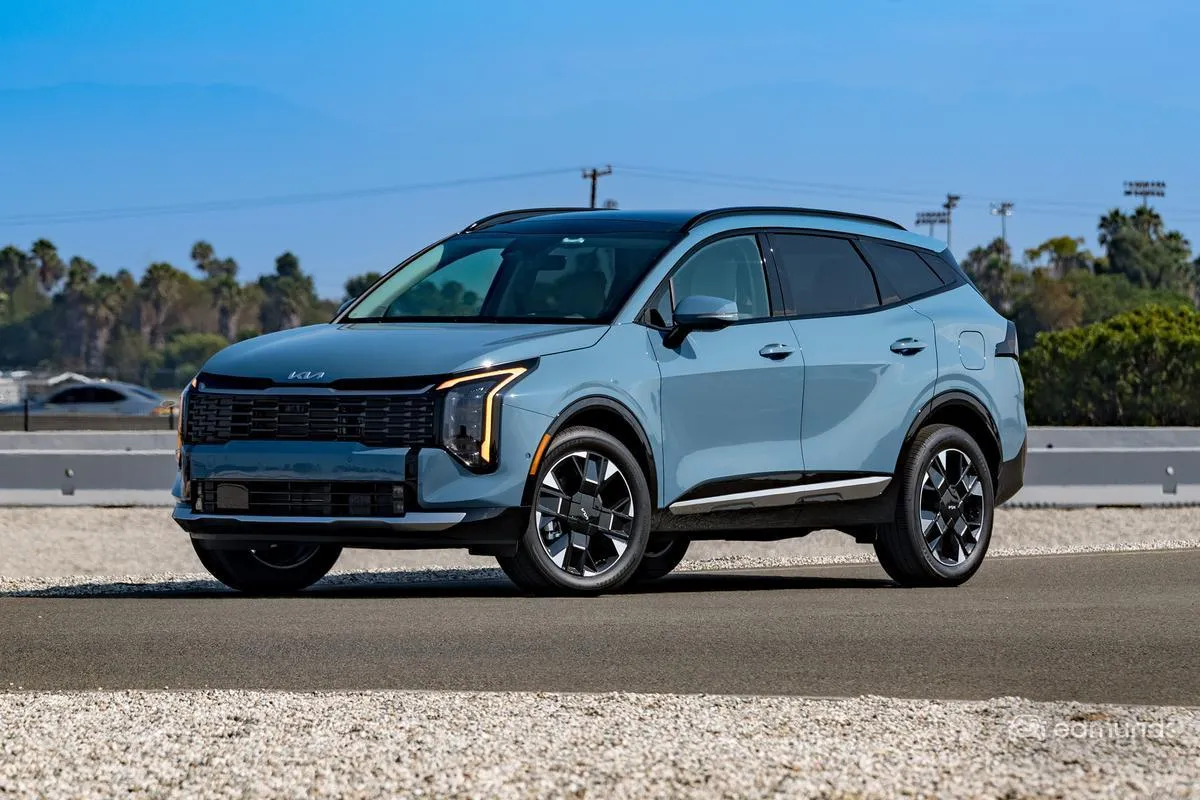
7. Kia
Kia, much like its corporate sibling Hyundai, has positioned itself as a brand that delivers strong value in every aspect of ownership. This includes dealership labor rates that tend to be reasonable for everyday services and common repairs. Kia dealers understand that owners often plan carefully for maintenance costs, and they structure their labor rates to be competitive with mainstream brands.
Many Kia owners report satisfaction with labor charges at authorized dealerships. Routine services are priced in a way that aligns with customer expectations for the segment, making maintenance planning easier. Kia’s service departments typically focus on efficiency and clear communication, which helps avoid surprises on invoices related to labor charges.
Because Kia vehicles share many components and designs across models, technicians can build experience quickly. Familiarity with the brand reduces unnecessary labor time, which helps keep costs down. When service procedures are predictable and well‑documented, labor charges are less likely to balloon due to elusive diagnostics.
Dealership specials and promotions also contribute to Kia’s appeal as a brand with accessible labor rates. Many dealers offer bundled pricing for common maintenance items, which can lower the effective labor cost per visit. Owners benefit from these offers when they schedule regular maintenance recommended by Kia’s service intervals.
Kia’s approach to service reinforces its broader identity as a brand focused on value. Affordable dealership labor rates help make ownership less stressful financially, allowing drivers to focus on enjoying their vehicle rather than worrying about service costs.
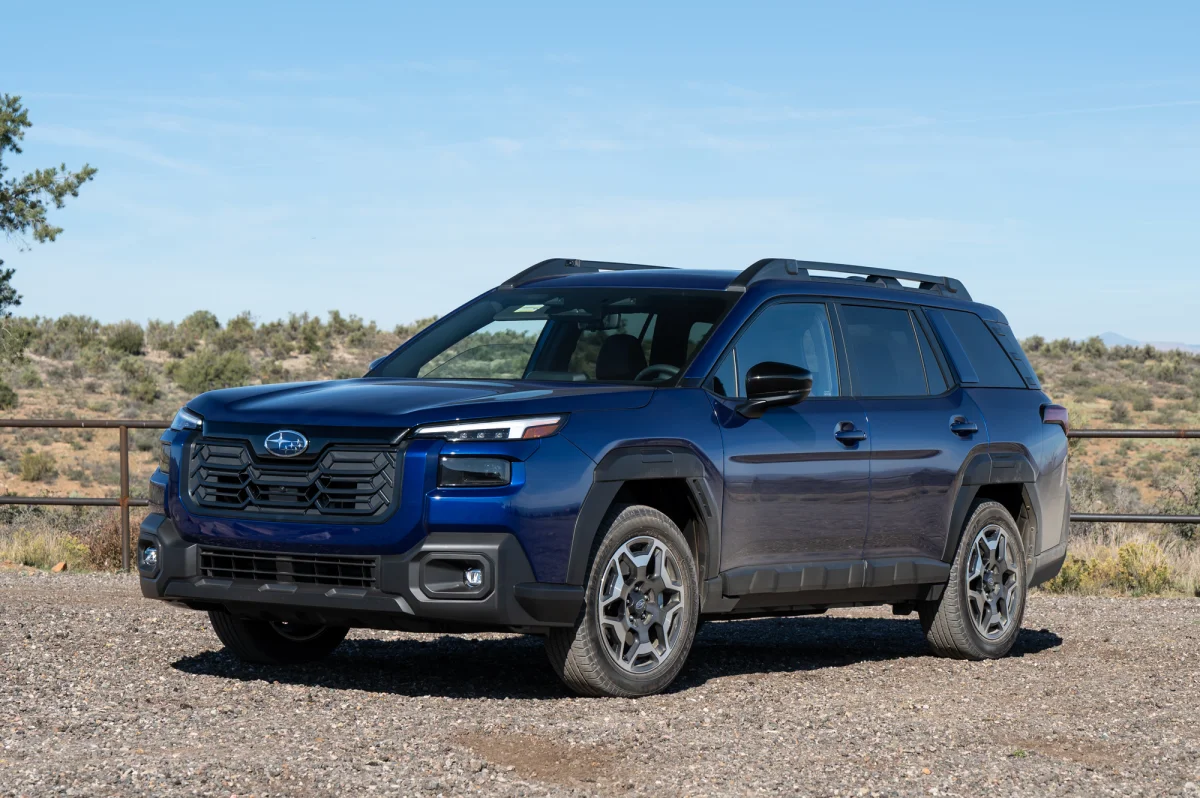
8. Subaru
Subaru’s lineup of all‑wheel‑drive vehicles has developed a dedicated following in the U.S. Many owners appreciate not only the brand’s capability but also the approachable cost structure for dealership service. While labor rates at Subaru dealerships vary by region, they are generally competitive with other mainstream brands and often feel fair to owners who require regular maintenance.
Dealership technicians become adept at working with Subaru’s flat‑four and flat‑six engines, which can simplify routine services such as tune‑ups and belt replacements. This expertise helps reduce billable labor hours because technicians spend less time becoming familiar with unique configurations. Predictable service tasks help keep labor costs in check.
Subaru owners also benefit from a robust parts distribution system. Having parts readily available prevents delays that can otherwise increase labor charges due to extended time spent waiting on shipments. Prompt access to parts allows service centers to complete jobs without unnecessary interruptions, which directly affects labor time and cost.
Many Subaru dealerships also offer service promotions and competitive pricing structures to attract repeat business. When owners return to authorized dealers regularly, they often build rapport with service staff, leading to smoother communication about labor charges and service needs. This relationship tends to reinforce owner satisfaction with labor pricing.
For drivers who value capability, longevity, and dependable service pricing, Subaru represents a brand where dealership labor rates are manageable. While service costs can fluctuate by market, Subaru’s approach helps maintain reasonable labor rates for most owners.
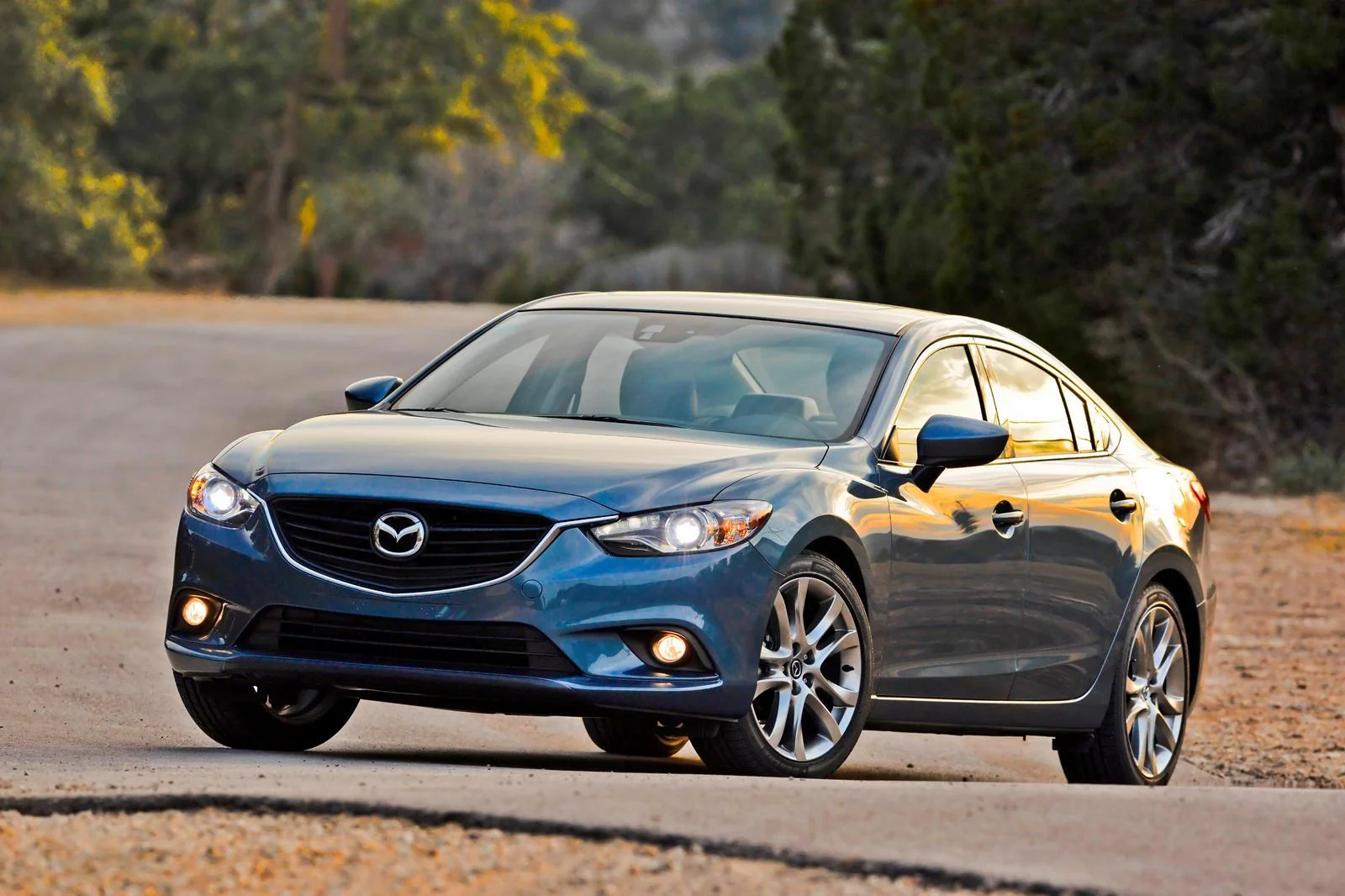
9. Mazda
Mazda’s reputation as a brand that combines driving enjoyment with practical ownership also extends to its dealership service experience. Mazda dealers typically offer labor rates that are competitive with other non‑luxury brands, making regular maintenance and repairs more accessible. The brand’s engineering focus on efficient design helps keep routine service tasks from becoming disproportionately time‑intensive.
Technicians at Mazda dealerships often find that common repairs and scheduled maintenance tasks can be performed with well‑established procedures. Because Mazda vehicles share many platform similarities across models, service departments quickly gain experience that reduces diagnostic and repair time. This expertise keeps labor costs reasonable and predictable.
Owners often report that Mazda dealership service departments provide clear estimates and explanations for labor charges. This transparency helps customers feel confident about what they are paying for and reduces anxiety over unexpected costs. When labor rates are communicated openly, owners can make informed choices about scheduling and prioritizing maintenance.
Regional competition among Mazda dealerships also helps regulate labor rates. In areas with multiple authorized dealers, pricing for routine services tends to remain competitive. Combined with occasional promotions or seasonal offers, this environment helps keep labor charges within a budget‑friendly range for many owners.
Because Mazda vehicles balance engaging performance with straightforward maintenance needs, dealership labor rates often reflect this equilibrium. Owners benefit from sensible labor costs that complement the brand’s appeal as a practical yet enjoyable choice for daily driving.
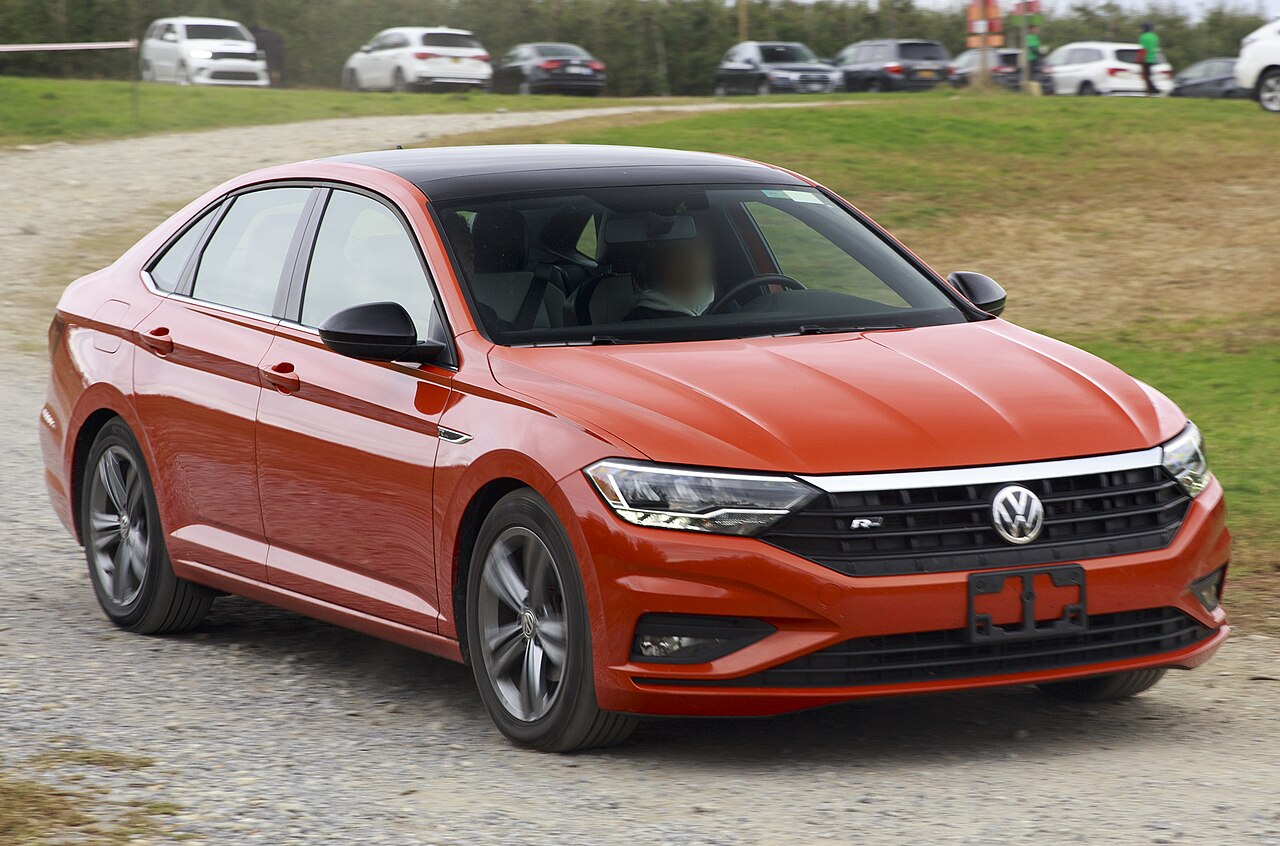
10. Volkswagen
Volkswagen in the U.S. has built a niche presence that blends European engineering with mainstream accessibility. Dealership labor rates for Volkswagen vehicles tend to be competitive with other brands in its segment. While not always the absolute lowest, Volkswagen dealers often provide thorough service at labor costs that many owners find reasonable for the quality of work performed.
Routine services at Volkswagen dealerships, from oil changes to brake pad replacements, are generally priced in line with industry norms. Technicians receive specialized training on Volkswagen systems, which helps reduce labor time by minimizing guesswork. This efficiency often reflects directly in labor charges that are fair and consistent.
Many Volkswagen dealers also offer service packages that bundle labor and parts for common maintenance intervals, which can help reduce service costs. When owners plan ahead and take advantage of these offerings, their dealership service experience feels more cost‑effective and straightforward. Clear pricing models help mitigate concerns about labor costs.
Parts availability for Volkswagen vehicles in the U.S. has improved over the years, thanks to better supply chains and dealer inventories. Having necessary parts on hand prevents delays that could otherwise add unnecessary labor time waiting for shipments. Prompt repairs mean that billed labor hours stay within reason.
For drivers who appreciate unique engineering but still want accessible dealership service costs, Volkswagen represents a balanced choice. Its labor rates may not always be the lowest, but they remain competitive and justifiable for the quality of authorized service delivered.