
Extreme heat is one of the most destructive environmental factors a vehicle can face. When temperatures climb past 110 degrees Fahrenheit, every part of a cooling system is pushed toward its limit.
Engine oil thins faster, coolant temperatures rise quickly in traffic, transmission temperatures increase under load, and air conditioning systems must work harder just to maintain cabin comfort.
Vehicles that are not engineered with strong thermal management often begin showing warning signs such as overheating, power loss, or premature component wear.
Desert regions like Arizona, Nevada, Texas, and parts of California provide some of the harshest real world testing grounds for automotive cooling systems.
Long highway stretches combined with steep grades, heavy towing, and stop and go urban traffic create situations where cooling systems must perform continuously rather than occasionally. In these environments, cooling system design becomes a survival factor rather than a convenience feature.
Some manufacturers respond to these challenges by engineering vehicles with larger radiators, higher capacity cooling fans, additional transmission coolers, and improved airflow management.
These improvements may not always be visible to buyers, yet they make a major difference when temperatures reach dangerous levels. Vehicles that receive these upgrades often develop strong reputations in hot climate states where reliability depends on thermal stability.
Another important factor is cooling system redundancy. Vehicles built for heat often include secondary cooling strategies such as oil coolers or heavy duty fan control programming. These measures prevent temperature spikes during extreme demand rather than reacting after overheating begins.
Long term reliability in extreme heat also depends on how well a vehicle manages airflow through the front fascia. Proper ducting, grille size, and fan shroud design determine whether hot air is removed efficiently or trapped around the engine. Good airflow engineering can sometimes matter more than radiator size alone.
The following vehicles are known for cooling systems designed with significant thermal margins.
Whether through heavy duty engineering, desert testing, or commercial duty expectations, these models demonstrate how proper cooling design can allow a vehicle to operate confidently even when temperatures become brutally high.
Also Read: 8 Tips for Buying a Used Performance Car Without Getting a Lemon
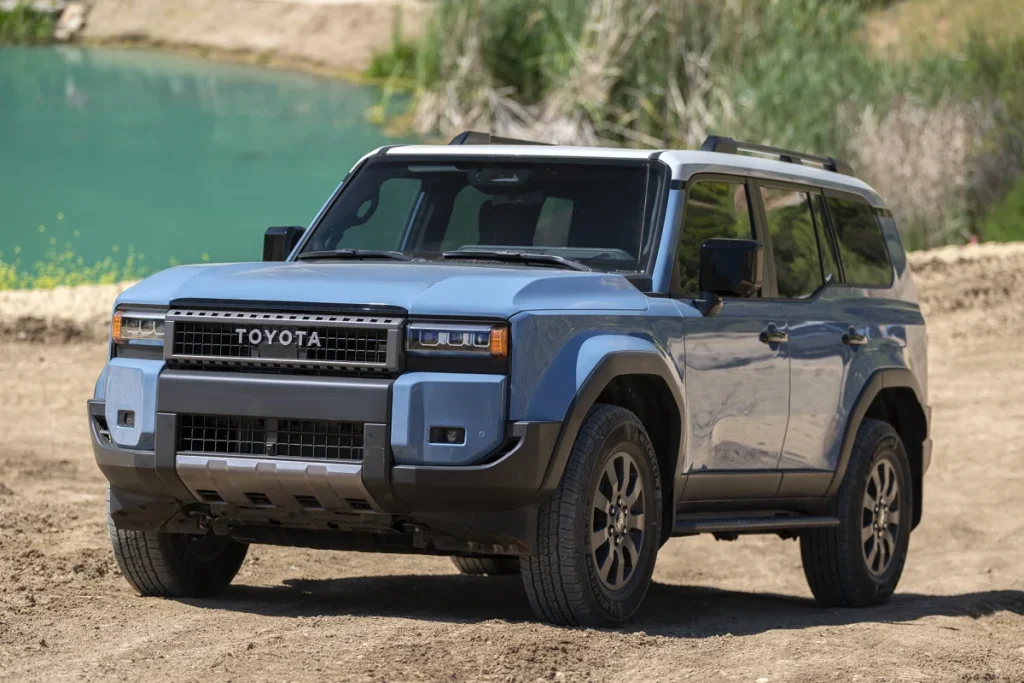
1. Toyota Land Cruiser
There are vehicles built for comfort, and then there are vehicles built for survival. The Toyota Land Cruiser clearly belongs to the second category.
For decades this SUV has been developed with the expectation that it may operate in some of the hottest environments on Earth, including Middle Eastern deserts and Australian outback regions where temperatures regularly exceed what most passenger vehicles ever experience.
Cooling system design in the Land Cruiser reflects this mission. Engineers did not simply design for occasional heat spikes but for continuous exposure.
This shows in the radiator capacity, which is intentionally oversized relative to engine output. Larger coolant volume allows heat to dissipate gradually instead of forcing the system to constantly operate at peak thermal limits.
Another strength comes from airflow engineering. The front fascia is shaped to maximize incoming air while maintaining protection against sand and debris. This careful balance allows cooling efficiency without exposing vital components to environmental damage.
Desert reliability testing has long been part of Land Cruiser development. Vehicles must idle in extreme heat, climb steep grades, and operate at low speeds where airflow is limited. These conditions expose weaknesses quickly. The Land Cruiser’s ability to pass such testing has built its reputation for thermal resilience.
Fan control strategy also plays a key role. Instead of relying only on passive airflow, the Land Cruiser uses aggressive fan engagement strategies when temperatures rise. This ensures cooling remains consistent even when the vehicle is crawling off road or stuck in slow traffic.
The transmission cooling system is also designed with heavy use in mind. Heat is one of the main causes of automatic transmission wear. By keeping transmission temperatures stable during towing and climbing, the vehicle protects both performance and longevity.
Another overlooked strength is coolant path design inside the engine. Efficient coolant circulation prevents localized hot spots, which are often more damaging than overall temperature increases. This internal thermal balance helps protect cylinder heads and gaskets over long operating periods.
Owners in desert states frequently report stable temperature gauges even during extreme summer conditions. This type of feedback is important because real world usage often reveals weaknesses not seen in controlled testing environments.
Rather than chasing minimal cost, the Land Cruiser reflects a philosophy of engineering confidence. It is built with the assumption that failure in remote environments is unacceptable. That approach naturally produces a cooling system capable of handling heat levels that would challenge most other vehicles.
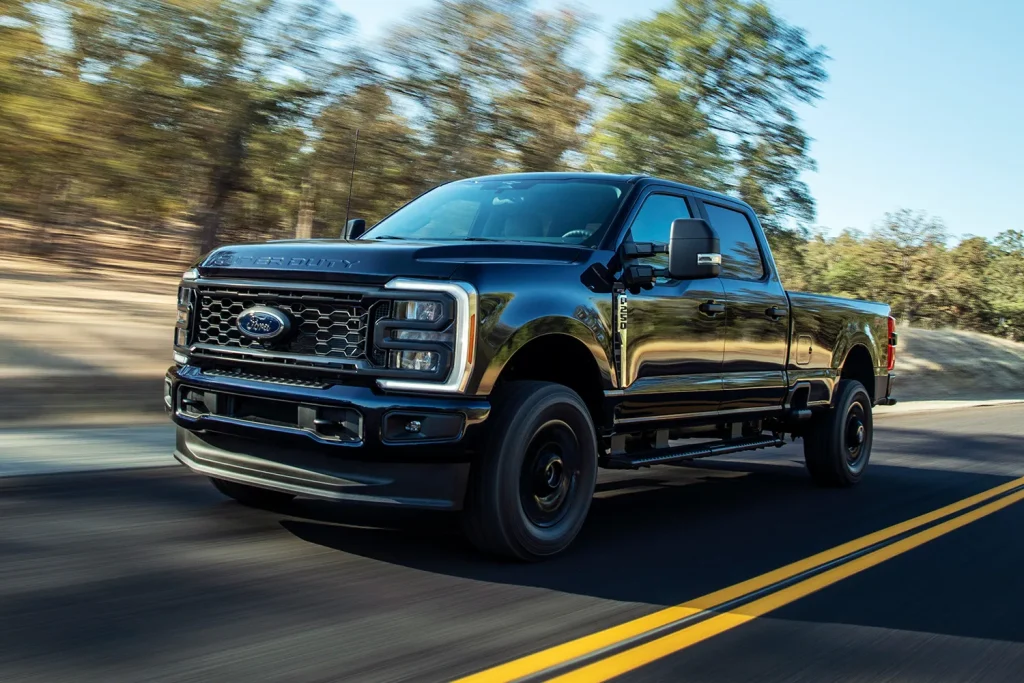
2. Ford Super Duty F250
Heavy duty trucks must manage a completely different category of heat stress compared to ordinary vehicles. The Ford Super Duty F250 is expected to tow massive trailers, haul equipment, and climb long grades in extreme temperatures.
These demands generate enormous thermal loads, which is why Ford equips this truck with a cooling system that resembles commercial equipment more than a typical consumer pickup.
The first thing that stands out is cooling stack size. Behind the grille sits a layered arrangement of heat exchangers that may include the main radiator, intercooler, transmission cooler, and sometimes auxiliary cooling units.
This layered structure allows the truck to manage multiple heat sources simultaneously instead of letting heat accumulate in one area.
Turbocharged diesel versions especially demonstrate how serious the cooling design is. Turbocharging increases power but also increases heat production. Ford compensates with intercooling systems designed to lower intake temperatures and maintain engine efficiency even when ambient heat is extreme.
Another factor is fan capability. The truck uses powerful fans capable of pulling significant airflow through the cooling stack even when the vehicle is stationary. This becomes critical when towing uphill in slow traffic where natural airflow would normally be insufficient.
The truck also benefits from high capacity coolant circulation. Strong water pumps maintain steady coolant movement, preventing stagnation and ensuring consistent heat transfer from the engine to the radiator. Consistent flow is essential during prolonged heavy load operation.
Commercial operators provide strong validation of this design. Construction fleets often operate these trucks in punishing heat while carrying heavy loads. Consistent cooling performance under these conditions has helped the truck develop a reputation for dependable temperature control.
Heat shielding also contributes to durability. By isolating heat sensitive components from exhaust and turbo temperatures, Ford reduces the risk of heat soak affecting nearby systems. This kind of thermal management detail often separates heavy duty engineering from basic design.
Driver confidence is another outcome. When a truck can climb steep grades in desert heat without temperature warnings, it allows operators to focus on the job instead of watching gauges constantly.
The Ford Super Duty F250 proves that when a vehicle is engineered for extreme workloads, cooling performance becomes a core design requirement. Its system is built not just to avoid overheating but to maintain stable operation under the most demanding temperature conditions.
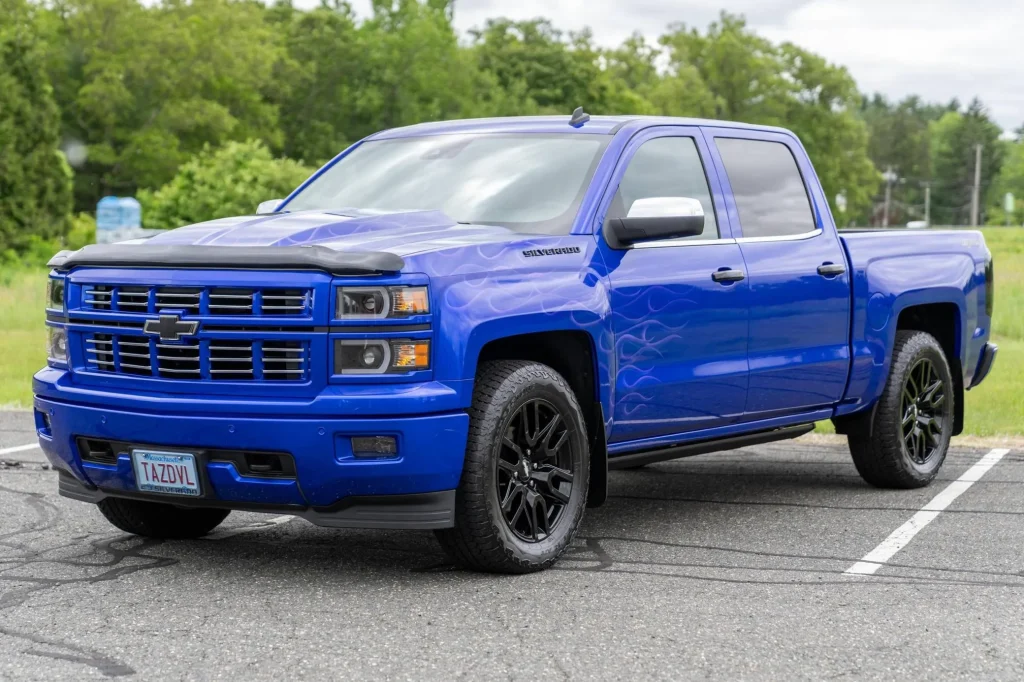
3. Chevrolet Silverado 1500
When engineers design a truck that may spend its life in places like Nevada construction sites or Texas oil fields, cooling becomes more than a supporting system.
In the Chevrolet Silverado 1500, thermal management is treated as part of the vehicle’s durability backbone. Instead of focusing only on peak horsepower numbers, Chevrolet invested heavily in ensuring the truck could maintain stable operating temperatures under prolonged heat stress.
One of the defining characteristics of the Silverado’s cooling system is its balance between efficiency and reserve capacity.
Rather than building a system that only works well under ideal airflow conditions, Chevrolet designed it to remain effective even when external conditions work against it. This becomes especially important when the truck is crawling through traffic with high outside temperatures and limited airflow.
Air path engineering deserves special attention. The Silverado uses carefully directed airflow channels that guide incoming air directly toward heat exchangers instead of allowing it to disperse randomly inside the engine bay.
By controlling the path of air, the truck improves cooling effectiveness without necessarily increasing radiator size dramatically.
Another strength appears in the way the truck handles temperature recovery. Some vehicles cool slowly after heavy load use, but the Silverado tends to bring temperatures back to normal ranges quickly once demand decreases. Fast recovery indicates strong airflow efficiency and good coolant circulation management.
The truck’s cylinder deactivation technology indirectly supports cooling stability. By reducing engine workload during light driving, heat generation drops. Lower heat production means the cooling system operates with more margin when heavy demand returns.
In regions where trucks idle for extended periods, such as work sites, the Silverado maintains stable temperatures due to strong fan response calibration. Instead of allowing temperature creep before fan engagement, the system responds early, preventing dangerous spikes.
Real world towing feedback also reinforces its reputation. Owners who regularly tow boats or campers through desert regions often report that the temperature gauge remains steady even on long uphill climbs. Maintaining this consistency requires careful integration between engine mapping and cooling hardware.
Another advantage comes from transmission cooling integration. Automatic transmissions can generate substantial heat under towing loads. By ensuring the transmission cooler works effectively with the main radiator system, Chevrolet prevents secondary heat buildup that could otherwise affect engine cooling.
The Silverado 1500 demonstrates that modern cooling strength is not only about size. Intelligent airflow management, responsive control systems, and thermal integration across drivetrain components allow the truck to maintain reliability when temperatures become extreme.
4. Nissan Armada
Some vehicles are engineered with specific geographic markets in mind, and the Nissan Armada is a strong example of this philosophy. Closely related to vehicles sold in extremely hot regions such as the Middle East, the Armada benefits from cooling system design influenced by some of the harshest automotive climates in the world.
Large displacement V8 engines naturally produce significant heat, especially when moving a large SUV. Nissan addresses this with a cooling layout that emphasizes stability under sustained load rather than just short bursts of performance.
This becomes particularly important during highway travel in desert heat where engines operate continuously under moderate stress.
The radiator configuration is built to maintain stable coolant flow even when ambient air temperatures are extremely high. When outside air is already hot, the temperature difference between coolant and air becomes smaller, making heat transfer more difficult.
Nissan compensates by ensuring strong coolant movement and effective radiator surface exposure.
Another interesting feature is how the Armada manages heat during extended idle situations. Large SUVs often serve family or shuttle roles where vehicles may idle with air conditioning running for long periods. The Armada’s cooling fans are calibrated to maintain airflow during these conditions without excessive noise or energy waste.
The vehicle’s grille design also contributes to temperature stability. Large intake openings allow greater airflow access compared to smaller crossover SUVs. This helps maintain steady cooling performance even when additional systems such as the air conditioning condenser are generating heat.
Durability in sandy environments also influenced the design. Fine dust can clog cooling fins and reduce efficiency. Nissan’s testing in desert environments helped ensure the cooling system could tolerate these conditions without rapid performance decline.

Drivers often notice that the Armada’s temperature gauge remains stable even when fully loaded with passengers and cargo in extreme heat. This consistency suggests that the cooling system was designed with realistic usage expectations rather than minimal design thresholds.
Another factor supporting thermal reliability is engine tuning. Conservative power tuning compared to high performance SUVs helps limit unnecessary heat generation. By avoiding excessive stress, Nissan ensures the cooling system operates comfortably within its capability range.
Service history from hot climate markets shows relatively low overheating complaints compared to many similarly sized SUVs. This track record reinforces the idea that the Armada’s cooling system was engineered with global heat challenges in mind rather than only moderate climates.
The Nissan Armada stands as proof that vehicles developed with desert survival expectations often deliver excellent reliability for everyday drivers facing intense summer temperatures.
5. Ram 1500
Cooling strength in the Ram 1500 does not come from one oversized component alone. Instead, it comes from a layered engineering approach where multiple smaller decisions combine to create strong heat resistance.
This truck was developed to operate across a wide temperature range, from freezing northern winters to punishing southern summers, and that flexibility demanded careful thermal planning.
One of the areas where the Ram stands apart is its active grille shutter system. At first this may seem like a fuel economy feature, but it also plays a role in temperature control. When engine heat rises, the shutters open to maximize airflow.
When cooling demand drops, they close to maintain aerodynamic efficiency. This ability to adjust airflow helps the system stay efficient in changing conditions.
Engine calibration also contributes to heat control. Rather than pushing maximum output constantly, the Ram’s power delivery is tuned to spread load gradually. Smooth torque delivery reduces sudden heat spikes, allowing the cooling system to keep pace without being overwhelmed.
A different benefit comes from how the truck manages under hood heat evacuation. Some vehicles trap heat inside the engine bay, raising temperatures even after driving stops. The Ram uses airflow pathways that allow hot air to exit efficiently, preventing heat soak that can damage hoses and electrical components over time.
Thermal stability during towing is another strength. Pulling trailers through high temperature environments creates a combination of engine strain and limited airflow due to slower speeds. Ram engineers addressed this by ensuring strong interaction between radiator cooling and transmission temperature control systems.
In daily commuting conditions, the truck rarely shows temperature fluctuation even during long traffic delays. This consistency is usually a sign of strong fan programming and effective coolant flow management rather than raw radiator size alone.
The truck’s eight speed transmission also helps indirectly. By keeping the engine operating in efficient ranges, it prevents unnecessary heat production. Lower heat generation always gives the cooling system a better chance of maintaining stability.

Drivers in Arizona and similar climates often describe how the truck’s temperature readings remain predictable regardless of outside conditions. That predictability builds owner trust, especially for those who depend on their trucks for daily work.
Another overlooked factor is component spacing. By avoiding crowded engine packaging, Ram engineers allow better airflow between heat producing components. This reduces thermal concentration points that can shorten component lifespan.
The Ram 1500 shows how modern cooling durability often comes from intelligent system integration. Instead of relying on brute size alone, the truck demonstrates how airflow management, calibration strategy, and thermal planning can work together to maintain stable operation in severe heat.
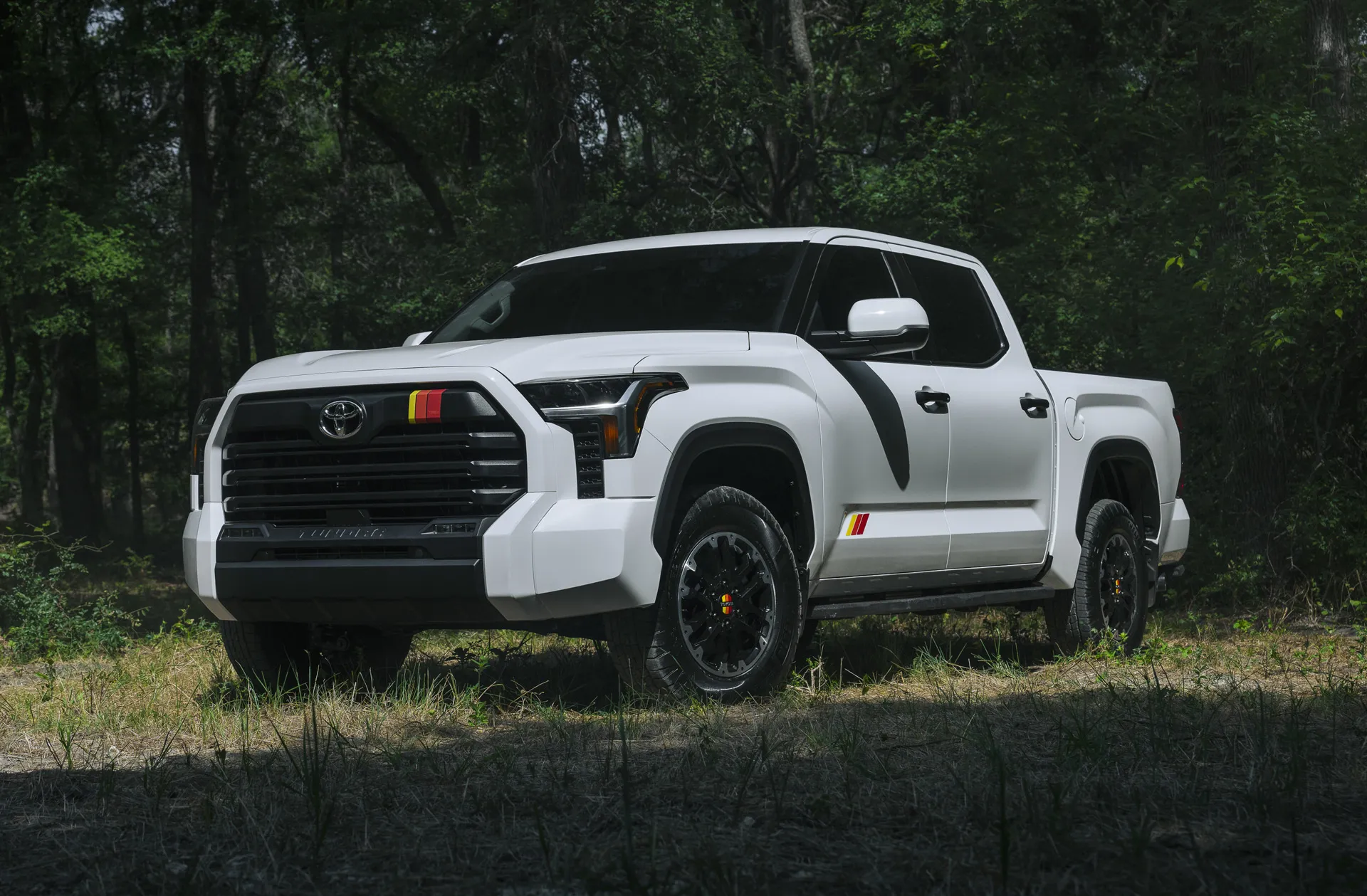
6. Toyota Tundra
When Toyota redesigned the Tundra for modern performance demands, cooling capacity remained a major priority. Full size trucks must survive towing, high speed highway use, and heavy payload work, all of which generate significant heat. Toyota approached this challenge by focusing on cooling efficiency as much as raw capacity.
One area where the Tundra stands out is heat exchanger integration. Instead of treating each cooling need separately, Toyota designed systems that work together. Engine cooling, turbo temperature management in newer engines, and transmission cooling operate as a coordinated thermal network.
Another interesting design choice is how Toyota prepared the truck for sustained towing in high temperatures. Towing packages often include upgraded radiators and additional coolers, ensuring the truck maintains safe operating temperatures during long uphill climbs.
Fan responsiveness is another strength. Instead of waiting until temperatures approach danger zones, the Tundra’s cooling strategy reacts early. Early response prevents large temperature swings, which is beneficial for engine longevity.
Toyota also paid attention to coolant routing efficiency. By designing internal passages that allow even heat distribution, the engine avoids localized overheating zones. Uniform temperature distribution is essential for preventing long term material fatigue.
Feedback from owners who tow recreational trailers across desert states often highlights how stable the truck remains during long summer drives. Consistent thermal behavior under these circumstances usually indicates generous design margins.
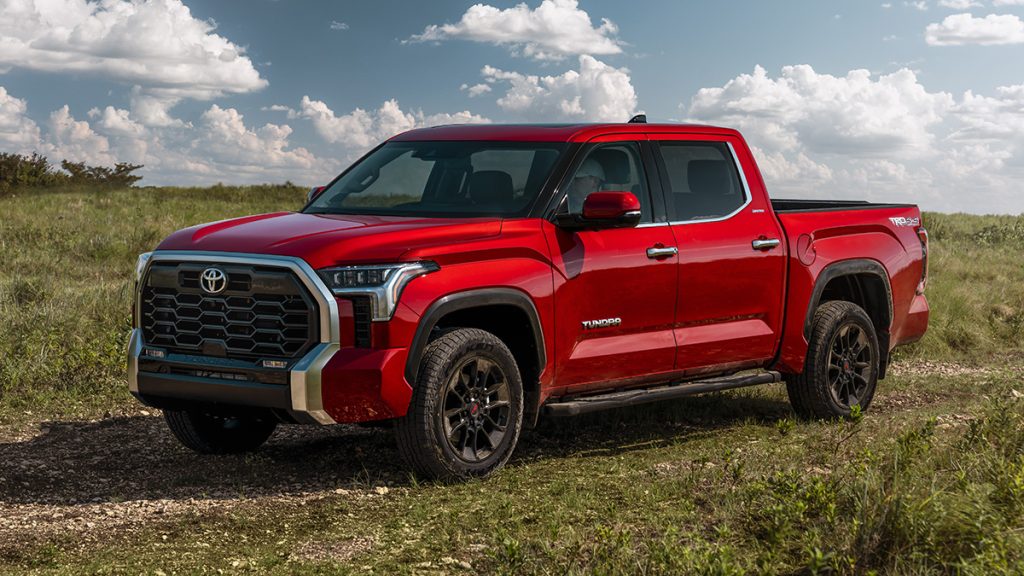
The truck’s durability reputation also benefits from Toyota’s conservative engineering culture. Rather than designing parts just strong enough, Toyota often builds additional tolerance into key systems. This philosophy is particularly important in cooling design because extreme heat rarely provides warning before causing damage.
Air conditioning performance is also tied closely to cooling efficiency. Vehicles with strong engine cooling often maintain better cabin cooling because condenser temperatures remain controlled. Tundra owners frequently note strong cabin cooling even during peak summer conditions.
The physical size of the truck also helps. A larger front profile allows greater airflow entry compared to smaller vehicles. Combined with proper ducting, this improves radiator effectiveness without complex solutions.
By focusing on thermal balance rather than only peak performance, Toyota ensured the Tundra could operate confidently in some of the hottest driving environments. It represents a design approach where reliability in extreme heat is treated as essential rather than optional.
7. Jeep Wrangler
Engineering a vehicle that may spend hours crawling across sun baked rocks requires a very different cooling philosophy compared to one designed mainly for highway commuting.
The Jeep Wrangler was built with this exact challenge in mind. Off road environments often combine extreme heat with low speed driving, which removes the natural airflow that most vehicles depend on for temperature control.
Instead of relying purely on speed generated airflow, the Wrangler depends heavily on active cooling. High capacity electric fans play a major role here. When the vehicle is moving slowly across trails or sand, these fans maintain air movement through the radiator, ensuring that heat continues to dissipate even when forward motion is minimal.
The Wrangler also benefits from simple and effective front end design. Its upright grille structure allows direct air entry without complicated aerodynamic shaping that might restrict cooling. This traditional layout may not win efficiency awards, but it supports strong thermal reliability.
Another unique advantage comes from how the vehicle is expected to operate. Jeep engineers assume owners may modify the vehicle with larger tires or additional equipment. Because of this expectation, cooling systems are designed with some tolerance for increased stress rather than being optimized only for factory specifications.
Heat management becomes especially critical during off road climbs. Climbing at low speed creates heavy engine load while producing little airflow. Wrangler cooling systems are tuned to handle these situations through aggressive fan engagement and steady coolant flow.
Real world desert trail use provides strong validation. Many Wranglers spend years operating in states such as Arizona, Nevada, and Utah where summer trail temperatures become extreme. Their ability to continue operating without frequent overheating complaints supports the vehicle’s thermal design credibility.

Another important factor is accessibility for maintenance. Radiator and cooling components are relatively easy to service compared to tightly packaged crossovers. This encourages proper upkeep, which indirectly supports long term cooling efficiency.
The engine tuning also avoids excessive heat output relative to vehicle purpose. Rather than focusing on maximum power, the Wrangler prioritizes usable torque. This approach limits unnecessary thermal stress during typical off road driving.
Drivers often trust the Wrangler in remote environments where overheating could create serious problems. That trust has been built through decades of proven field use rather than marketing claims.
The Jeep Wrangler shows that cooling durability sometimes comes from preparing a vehicle for worst case scenarios. When a system is built to survive slow speed desert use, it usually handles normal summer driving with ease.
8. Chevrolet Suburban
The Chevrolet Suburban earns a place in discussions about extreme heat durability because of the demanding roles it often fills. This large SUV is frequently used for long distance family travel, commercial transport, and towing duties, all of which create continuous heat loads that require strong thermal management.
One of the main advantages comes from the vehicle’s size. A large front surface area allows significant airflow entry, which improves radiator effectiveness. Combined with carefully designed ducting, this helps maintain steady cooling even when outside temperatures are very high.
Another factor is its ability to manage multiple heat sources at once. Large SUVs must cool the engine, transmission, and air conditioning system simultaneously. The Suburban’s cooling layout is built to prevent these systems from interfering with each other’s performance.
Long distance highway travel offers one of the clearest examples of its cooling capability. Many Suburbans spend hours crossing hot states during summer vacations. Stable operating temperatures during these trips demonstrate the effectiveness of its heat management design.
Fleet use again provides valuable insight. Airport transport vehicles often operate continuously in hot climates while carrying heavy passenger loads. The Suburban’s continued popularity in these roles suggests consistent cooling reliability under demanding schedules.
Another advantage lies in the calibration of its temperature management software. Modern vehicles rely heavily on electronic control strategies to balance performance and heat control. The Suburban uses programming that favors temperature stability during high demand instead of allowing performance priorities to dominate.
Cabin cooling performance also reflects overall system strength. Strong engine cooling helps maintain condenser efficiency, which in turn improves air conditioning output. This connection becomes especially noticeable during extreme summer travel.

Component durability also benefits from stable temperatures. Rubber hoses, seals, and wiring tend to last longer when exposed to controlled heat levels rather than constant spikes. By maintaining thermal balance, the Suburban protects not just the engine but surrounding systems as well.
Owners often note that even after years of service, the vehicle rarely shows signs of heat related stress when properly maintained. This kind of long term consistency usually reflects generous cooling design margins.
The Chevrolet Suburban concludes this list as a reminder that vehicles designed for continuous heavy use often receive stronger cooling systems by necessity. When engineers expect a vehicle to operate daily in extreme conditions, overbuilding the cooling system becomes the safest way to guarantee reliability.
Also Read: 8 Best Ways to Keep Your Classic Car Cool Without Modern AC
