
Driving 100 miles every day on the highway changes what matters in a used car. Instead of focusing on styling or acceleration, long distance commuters need reliability, fuel efficiency, comfort, and stability at sustained speeds. A vehicle that feels fine on short trips can become exhausting when used for several hours daily.
High mileage commuting also means maintenance costs become a major factor. Cars with proven durability records and widely available parts usually make better financial sense because they can accumulate miles without constant repair interruptions. This is why models known for long term reliability often dominate commuter recommendations.
Fuel economy becomes another major concern. Even a small difference in highway mileage can translate into significant yearly savings when driving hundreds of miles every week. Hybrid sedans and efficient gasoline engines are often preferred because they reduce operating costs while maintaining strong reliability reputations.
Comfort also plays a surprisingly important role. Supportive seats, quiet cabins, and smooth ride quality can reduce fatigue when spending multiple hours daily on the road. Mid size sedans often perform well here because they balance efficiency with interior space and ride refinement.
Another factor many drivers overlook is consistency. A good commuter car should feel the same every day. Predictable steering, stable highway tracking, and dependable starting behavior become more important than flashy technology when a car becomes part of a daily routine.
Many experienced commuters and car communities also tend to recommend proven Japanese sedans because they often combine durability with manageable maintenance costs.
Models such as Toyota and Honda sedans frequently appear in discussions about long distance daily drivers due to their ability to accumulate high mileage without major issues.
The following used cars stand out because they are known for handling long highway mileage without excessive ownership stress. Some excel through efficiency, others through comfort, and some through their reputation for surviving extremely high mileage use.
Each vehicle here represents a different type of commuter solution rather than repeating the same formula. Some focus on luxury comfort, some on simplicity, and others on long term durability.
Also Read: Top 10 Iconic Chrome Grilles That Defined the 1950s Aesthetic
1. Toyota Camry
There is a reason the Toyota Camry keeps appearing in conversations about long distance commuting. It built its reputation not through excitement but through predictability. For someone driving 100 miles daily, predictability becomes more valuable than performance.
The Camry works well as a highway commuter because it does many small things correctly rather than relying on one standout feature. The suspension tuning is designed to absorb expansion joints and uneven pavement without constant driver correction. Over long distances this reduces fatigue more than people expect.
Another strength is drivetrain simplicity. Many used Camry models use naturally aspirated four cylinder engines paired with conventional automatic transmissions. This matters because simpler powertrains often age better under heavy mileage compared to highly stressed turbo setups.
Ownership experience is also a major advantage. Because Camrys sell in huge numbers, parts are easy to find and repair knowledge is widespread. This reduces downtime when maintenance is needed. Large production numbers also help keep used prices reasonable.
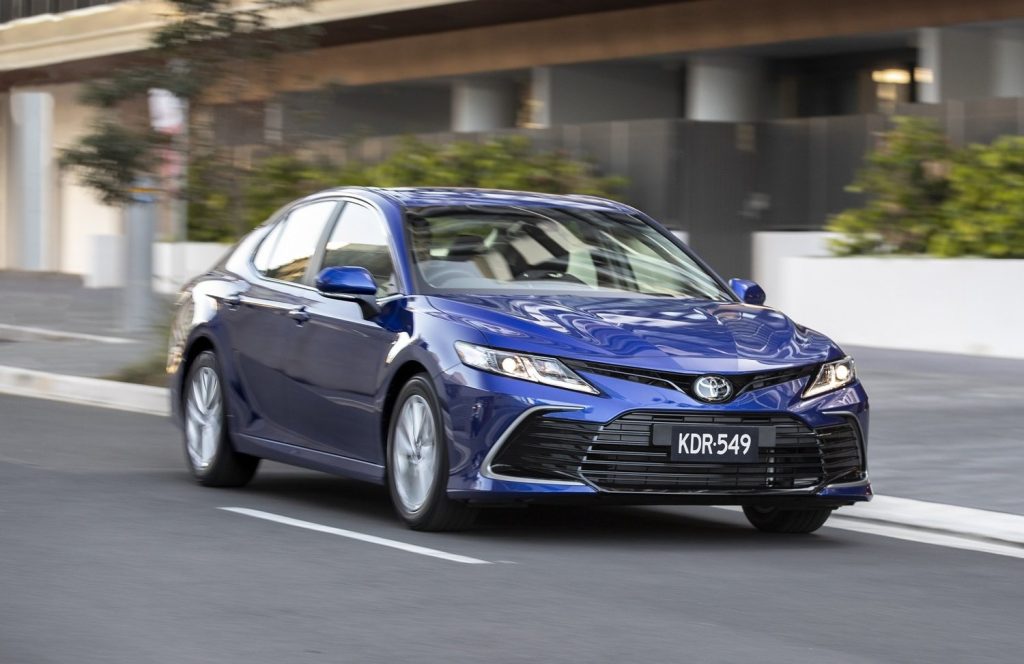
Highway refinement is another overlooked advantage. Wind noise is generally well controlled and the steering tends to track straight without constant corrections. These qualities may sound minor but become extremely valuable when driving several hours daily.
Instead of presenting this car through technical specifications, it makes more sense to understand its commuter strengths through practical outcomes:
You get a car that rarely surprises you with unexpected behavior. You get manageable service costs over long ownership periods. You get a platform known to cross very high mileage with routine maintenance.
Drivers often describe the Camry as transportation you stop thinking about. That is exactly what many long distance commuters want. Something that simply works every day without drama.
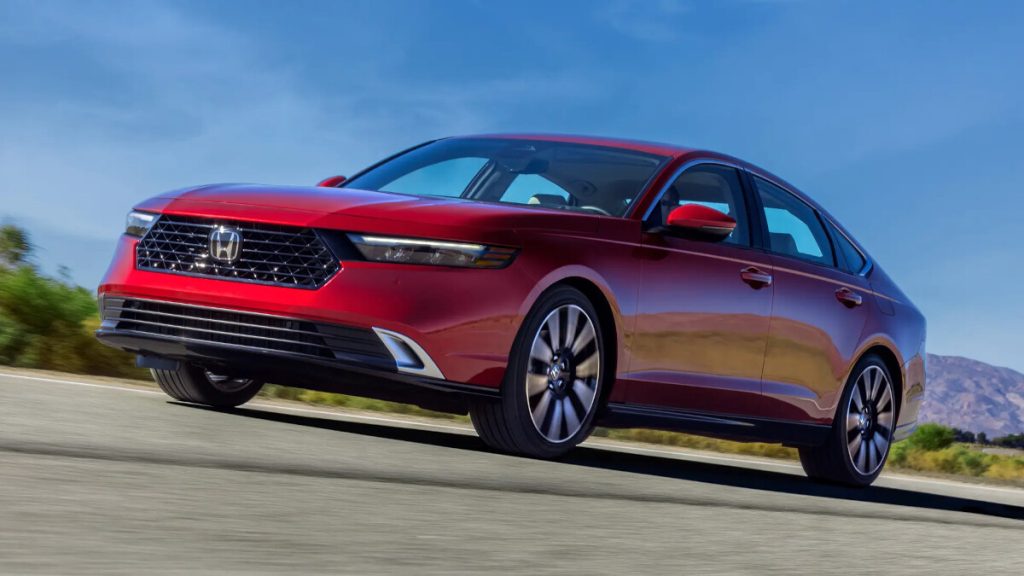
2. Honda Accord
If the Camry represents conservative dependability, the Honda Accord represents durability combined with driver engagement. It is often chosen by commuters who still want their daily drive to feel responsive instead of purely functional.
One major advantage of the Accord is seating ergonomics. Honda typically designs seats with long distance posture in mind, which helps reduce lower back strain during extended highway drives. This is something daily commuters quickly learn to appreciate.
The Accord also stands out because of its balanced driving dynamics. The steering usually feels more connected than many competitors, which can help drivers stay mentally engaged during long trips. This may sound subjective, but driver attention can be an important safety factor.
Fuel efficiency is another reason the Accord frequently appears on commuter lists. Both standard gasoline and hybrid versions are known for strong mileage, helping reduce the long term financial impact of daily highway travel.
Another interesting benefit is interior space usage. The Accord often feels larger inside than its exterior size suggests. This means drivers who spend hours daily in traffic get more legroom and better driving position flexibility.
Rather than describing this car in a traditional paragraph structure, its appeal becomes clearer when broken into commuter lifestyle benefits:
It suits drivers who want reliability without giving up road feel. It fits people who treat commuting as part of their day rather than wasted time. It works well for drivers who want efficiency without switching to a hybrid immediately.
There is also a cultural factor. The Accord has decades of reputation behind it, which gives buyers confidence when choosing a used example for heavy mileage use.
For someone driving 100 miles daily, the Accord often represents the middle ground choice. It is not the cheapest option, not the most luxurious, and not the most efficient. Instead, it succeeds by being good at everything without major weaknesses.
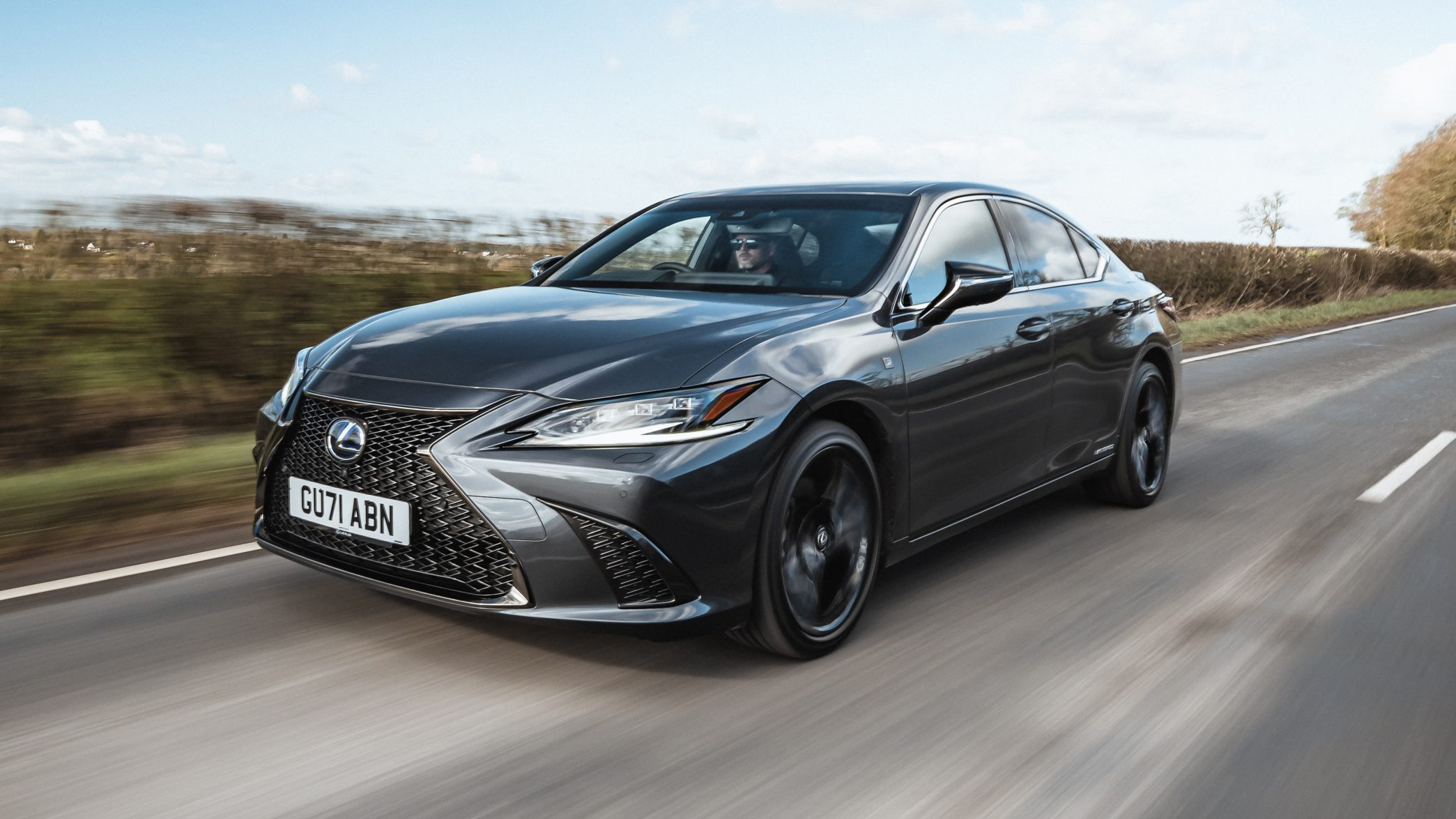
3. Lexus ES 300h
Some commuters reach a point where they realize fuel savings alone are not enough. When someone is spending multiple hours every day on the highway, reducing fatigue becomes just as important as reducing fuel costs. This is where the Lexus ES 300h becomes an interesting used car choice.
Unlike typical commuter cars that focus only on efficiency, this sedan approaches daily driving from a comfort first philosophy. The hybrid system delivers excellent highway mileage, but the real strength of the ES is how relaxed it feels at speed.
The ride quality deserves special attention. Lexus tuned the suspension to prioritize isolation rather than sportiness. Road imperfections that might feel sharp in smaller sedans tend to feel muted here. Over hundreds of miles per week this makes a noticeable difference in driver stress levels.
Noise control is another major factor. The cabin is heavily insulated and the hybrid drivetrain often runs quietly at cruising speed. Many drivers report arriving less tired compared to driving economy focused compact sedans.
To understand why this car works so well for heavy commuters, consider what daily long distance drivers usually start valuing after a few months:
A quiet cabin becomes more important than quick acceleration. Seat cushioning becomes more important than aggressive styling. Smooth braking becomes more important than sporty handling.
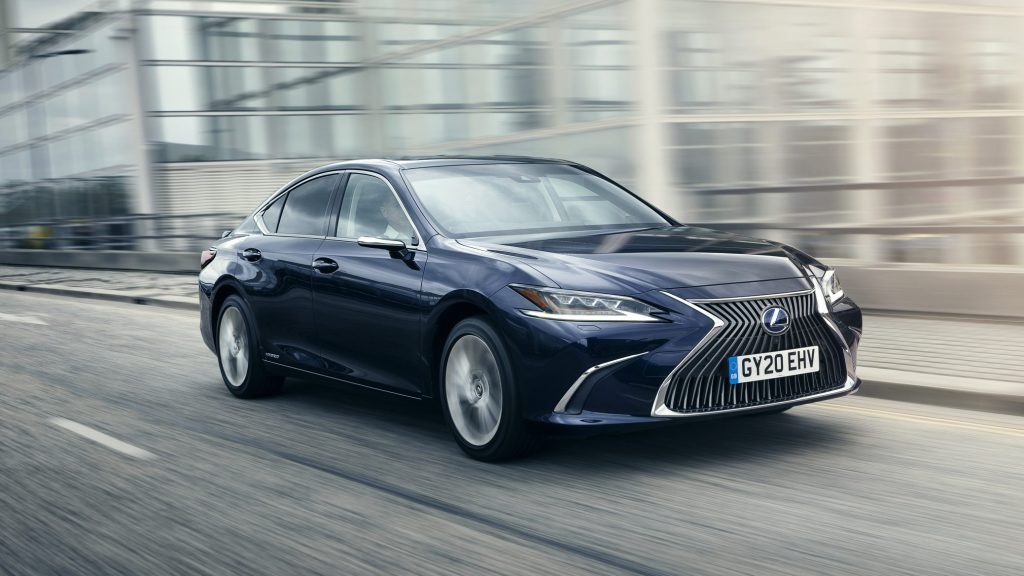
Another overlooked benefit is the proven Toyota hybrid system underneath the Lexus branding. The powertrain is known for long service life when maintained properly, which makes it attractive for drivers adding miles quickly.
This car is best suited for someone who has accepted that they will spend a large portion of their time driving and wants that time to feel less physically demanding. Instead of treating commuting like a chore, the ES tries to make it feel routine and calm.
For people measuring ownership in hundreds of thousands of miles rather than short term ownership cycles, this type of comfort focused engineering becomes extremely valuable.
4. Toyota Prius
Some vehicles are built for excitement. Others are built for efficiency. The Toyota Prius was built specifically for people who measure distance in fuel stops. For someone driving 100 miles daily, that design philosophy makes a lot of sense.
The Prius is not trying to impress anyone with speed or styling. Its purpose is very focused. Reduce fuel stops, reduce operating costs, and maintain mechanical simplicity. For long distance commuters, those priorities often match real world needs perfectly.
Instead of describing it traditionally, it helps to look at how it changes the ownership experience of a high mileage driver.
You stop visiting fuel stations as frequently compared to conventional sedans. Brake components often last longer because regenerative braking reduces wear. The hybrid system allows the engine to operate in efficient load ranges more often.
Another major benefit is drivetrain stress reduction. Hybrid systems often allow the gasoline engine to avoid constant high load operation. This can contribute to long term durability when compared to small engines constantly working at highway speeds.
Interior design also reflects commuter practicality. The hatchback layout allows extra cargo flexibility, which is useful for drivers who combine commuting with errands or work equipment transport.
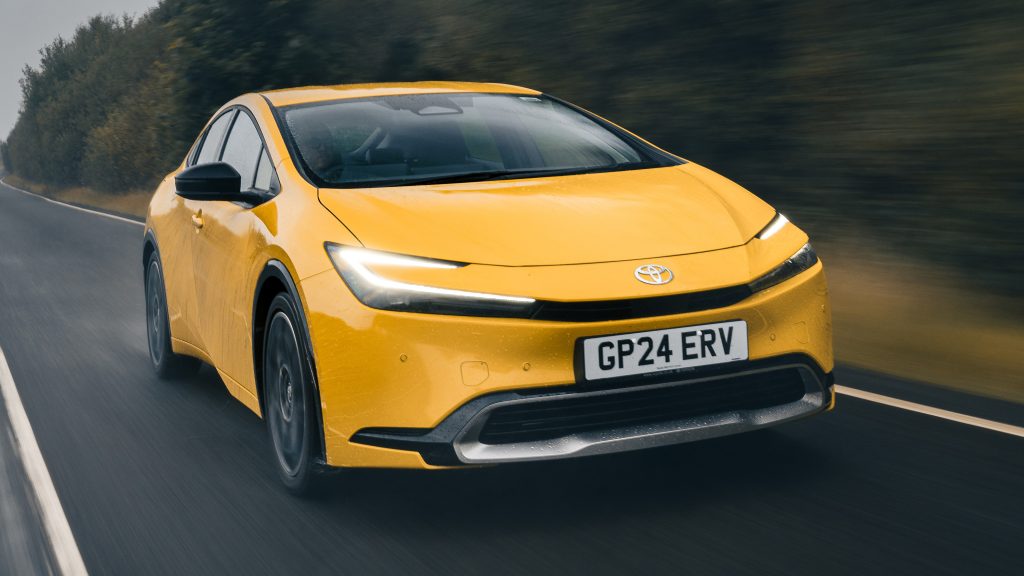
Some buyers initially hesitate because of the Prius image, but long distance drivers often become strong supporters after experiencing the ownership economics. Saving fuel every single day adds up quickly when driving thousands of miles monthly.
The Prius also tends to reward disciplined maintenance. Many examples have proven capable of extremely high mileage when serviced regularly, which is exactly what heavy commuters need.
This is not a car chosen with emotion. It is chosen with logic. And for someone covering major distance every day, logic often wins.
5. Mazda6
Not every commuter wants their daily drive to feel purely mechanical. Some drivers still want design quality and driving feel even if they spend most of their time on highways. The Mazda6 appeals to this group by offering a more refined driving experience without sacrificing reliability.
Mazda approached this sedan with a different mindset compared to typical commuter vehicles. Instead of building only for efficiency, the company tried to make routine driving feel more deliberate and controlled. This is noticeable in steering response and body stability at highway speeds.
One thing that stands out immediately is the driving position. The layout feels intentionally driver centered. Controls are easy to reach and the dashboard design avoids unnecessary clutter. This helps reduce distraction during long daily trips.
The Mazda6 also benefits from naturally aspirated engine options in many used models. These engines often avoid the long term complexity risks associated with some turbocharged commuter vehicles. Another way to understand this car is through how it treats the daily driving experience:
It tries to make routine travel feel more intentional. It gives drivers feedback instead of isolating them completely. It provides highway stability without feeling heavy or dull.
Material quality is another unexpected strength. Interior surfaces often feel more upscale than typical mid size commuter sedans. This matters more than people expect when you are inside the same cabin every day.
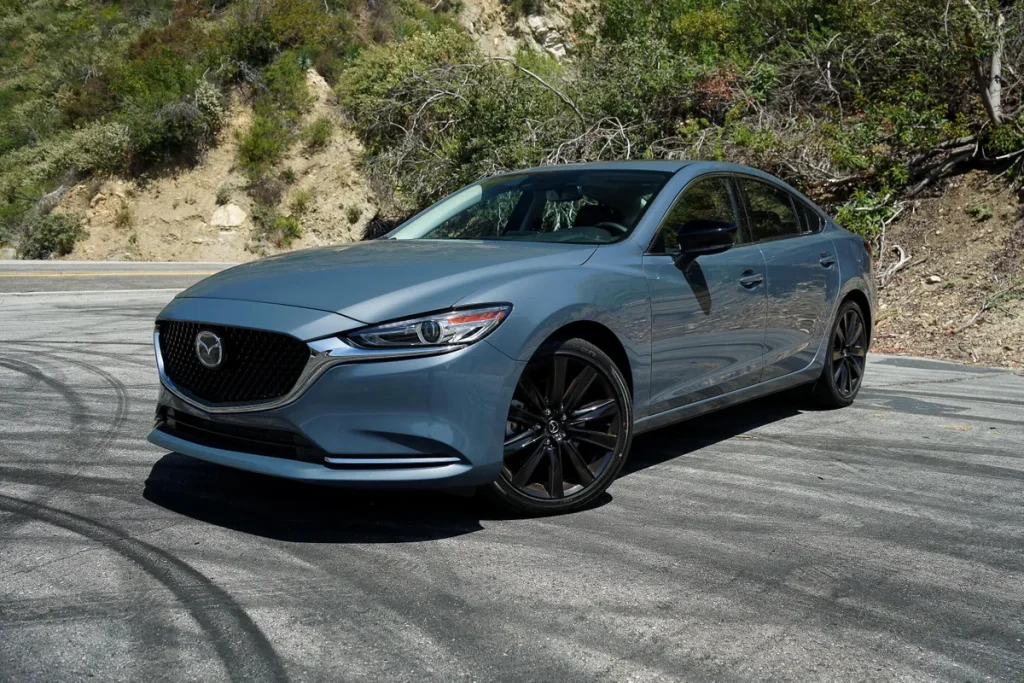
Mazda also invested effort into chassis balance. The car tends to remain composed during lane changes and crosswinds. Stability like this reduces small driving corrections that can mentally drain drivers over long distances.
This car works well for someone who wants their commute to feel structured rather than passive. It does not try to be luxurious or ultra economical. Instead it sits in a space where driving still feels intentional.
For someone who believes daily driving should still feel like driving rather than just transportation, the Mazda6 becomes a very compelling used option.
6. Hyundai Sonata Hybrid
Some commuters focus on total ownership cost rather than just purchase price. The Hyundai Sonata Hybrid fits well into this thinking because it often provides strong features for the money while delivering excellent highway efficiency.
Hyundai took a slightly different approach compared to Toyota hybrids. Instead of using a continuously variable transmission, many Sonata Hybrid models use a traditional automatic transmission design. Some drivers prefer this because it feels more natural during acceleration.
Fuel savings remain a major strength, but there are other reasons this car suits high mileage drivers.
Long highway travel benefits from driver assistance systems that reduce fatigue. Digital displays help drivers monitor efficiency habits. Smooth power delivery helps reduce stop and go stress during traffic transitions.
Another important factor is warranty history. Many used Hyundai vehicles originally came with long warranties, which can sometimes transfer partially to later owners depending on age and mileage. This can add peace of mind for buyers concerned about repair risk.
Cabin design also deserves mention. Hyundai focused on making interiors feel modern and open. For someone sitting inside daily for extended periods, a pleasant environment can make commuting feel less repetitive.
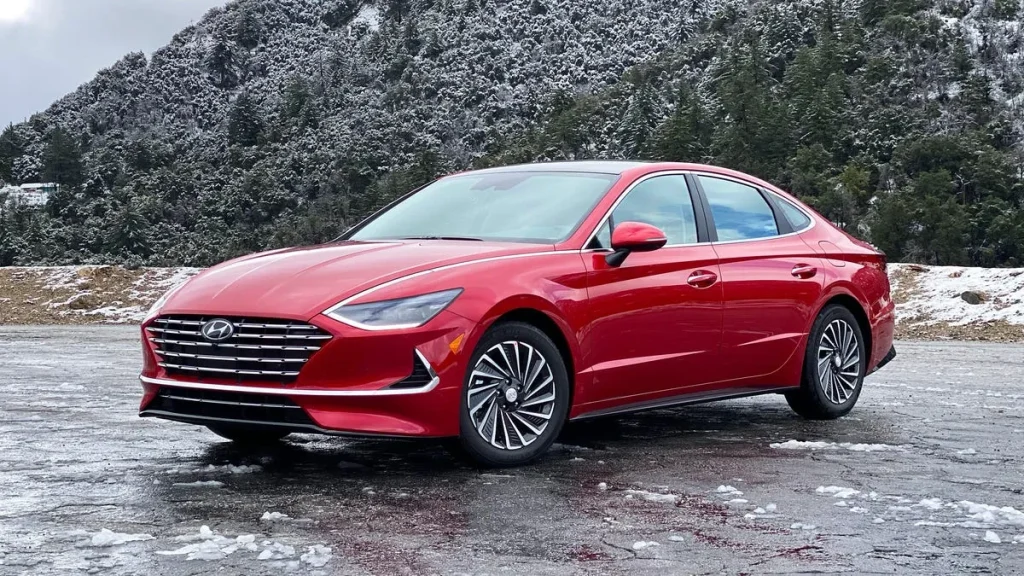
The Sonata Hybrid also performs well in steady speed fuel efficiency. Long uninterrupted highway driving often allows hybrid systems to perform near their best efficiency range.
Instead of appealing to tradition like some competitors, this car appeals to value focused buyers. People who want technology, efficiency, and comfort without paying premium brand pricing often find it attractive.
For drivers trying to balance financial logic with daily usability, this sedan often represents a practical middle path between economy cars and luxury hybrids.
7. Toyota Avalon
There comes a stage where frequent long distance drivers begin to prioritize space and ride softness over compact efficiency. The Toyota Avalon fits this stage perfectly. It is often chosen by commuters who want something larger than a Camry but without moving into luxury brand maintenance costs.
The Avalon focuses heavily on smoothness. It is the kind of car built for covering distance quietly rather than quickly. The longer wheelbase helps absorb highway imperfections, giving it a relaxed character that suits long daily trips.
One of its strongest advantages is seating comfort. The wider cabin allows more natural seating posture, which matters when someone is spending two to three hours daily behind the wheel. Shoulder room and legroom differences become noticeable over time.
Instead of presenting this vehicle through technical explanation, it helps to see how it improves daily driving habits:
Drivers tend to arrive less tense after long drives. Cabin space allows better posture adjustment during travel. The relaxed suspension tuning reduces constant body movement.
Another benefit is powertrain simplicity. Many Avalons use proven Toyota V6 or hybrid systems known for durability. These engines are typically understressed compared to smaller turbocharged alternatives.
Highway cruising is where this car feels most natural. It settles into steady speeds easily and rarely feels like it is working hard. That relaxed nature is exactly what makes it attractive to people driving extreme yearly mileage.
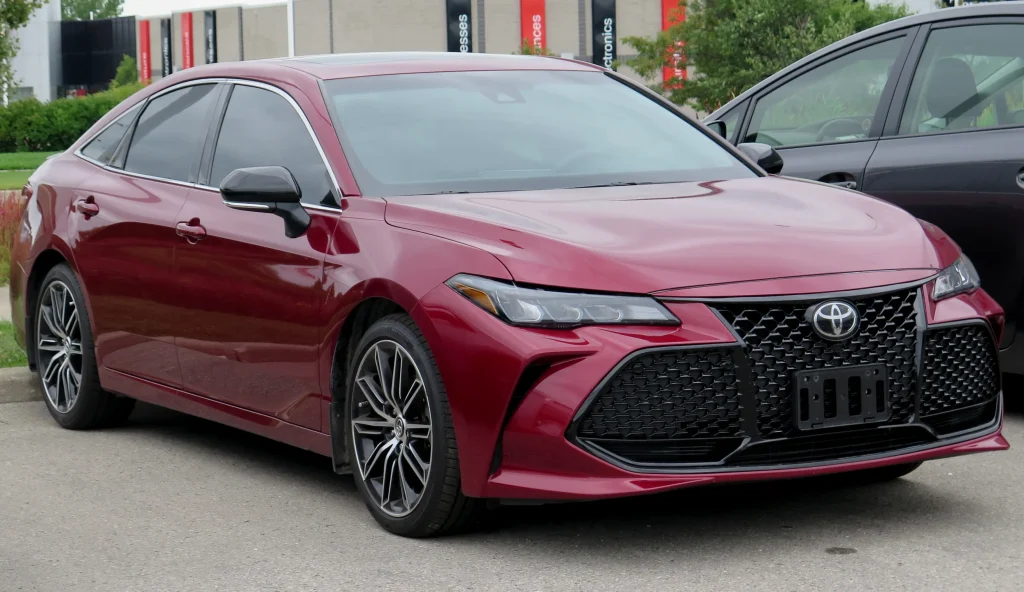
There is also a psychological factor. Larger sedans often feel more substantial on open highways. This sense of stability can make daily long distance travel feel more controlled and less tiring.
The Avalon suits drivers who have shifted their priorities from excitement to endurance. It is built for people who value consistency, comfort, and predictable operation more than anything else.
For someone whose daily routine includes hundreds of highway miles every week, this kind of calm engineering becomes more valuable than flashy features.
8. Honda Civic
While some commuters move toward larger sedans, others prefer smaller cars that reduce fuel costs and are easy to manage in traffic. The Honda Civic represents the efficiency focused approach to long distance commuting.
The Civic succeeds because it balances durability with simplicity. Many used examples are known for surviving high mileage with basic maintenance. This reputation alone makes it attractive to people who know they will accumulate miles quickly.
What makes the Civic interesting is how it manages to remain practical without feeling basic. Steering tends to be accurate and predictable, which helps reduce driver fatigue during constant highway corrections.
To understand why this car continues to attract commuters, it helps to view its benefits through everyday ownership advantages:
Lower fuel consumption compared to larger sedans. Lower tire replacement costs due to smaller wheel sizes. Easy maneuverability when traffic conditions change suddenly.
Another strength is mechanical familiarity. Because Civics are extremely common, most repair shops understand them well. This can reduce diagnostic time and unexpected service complications.
Interior layout is also worth noting. Despite its compact classification, the Civic often provides surprising usable space. Clever packaging allows comfortable driving positions even for taller drivers.
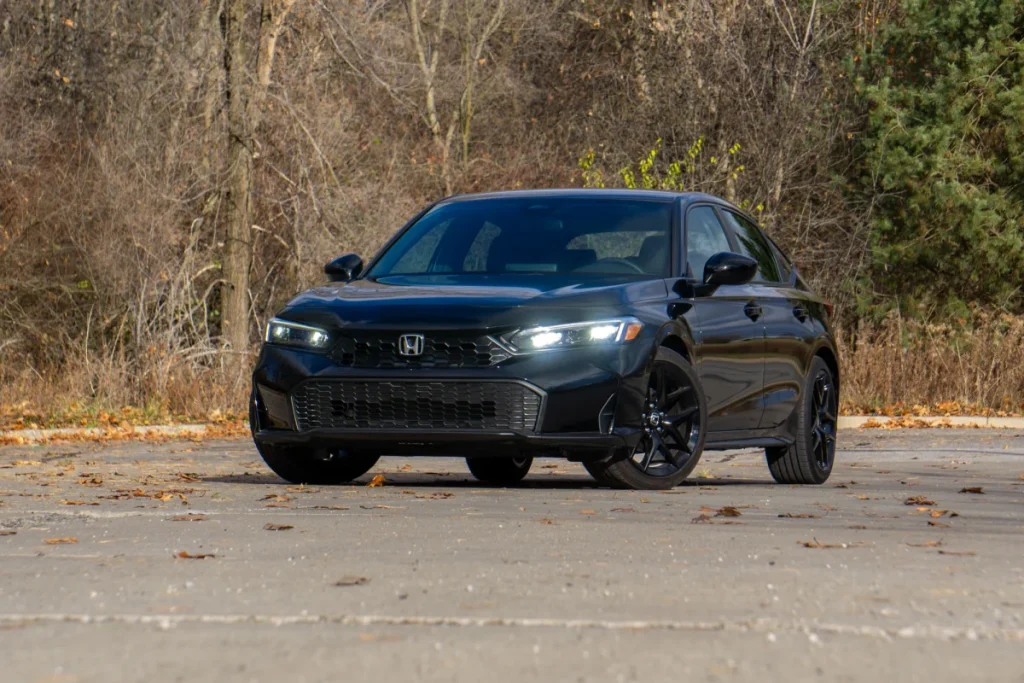
Instead of trying to dominate one category, the Civic succeeds through balance. It keeps costs reasonable, reliability strong, and driving behavior predictable. These qualities are exactly what long distance commuters typically need.
This car is ideal for someone who treats commuting as a financial equation. When fuel, maintenance, and reliability all matter equally, the Civic becomes a very logical solution.
9. Subaru Legacy
For drivers dealing with long highway distances in all weather conditions, stability can matter more than raw efficiency numbers. The Subaru Legacy stands out because it brings standard all wheel drive into the midsize sedan category, something uncommon among typical commuter cars.
This makes a difference for people who cannot skip driving due to rain, winter conditions, or poorly maintained highways. The added traction provides confidence during early morning or late night commutes when road conditions may not be ideal.
Subaru designed the Legacy with a focus on balance rather than excitement. The horizontally opposed engine layout keeps the center of gravity low, which helps the car feel planted during high speed cruising. That planted feeling reduces the small steering corrections that can slowly tire a driver during long trips.
Instead of listing specifications, it is more useful to examine how this car fits real commuter needs.
It helps drivers who travel through changing weather zones. It gives confidence on uneven pavement and expansion gaps. It supports drivers who value control more than aggressive styling.
Seat design also deserves attention. Subaru tends to build seats with a focus on long duration support rather than softness alone. This approach helps maintain posture instead of allowing the driver to sink into the seat, which can cause fatigue after extended driving.
Another advantage is visibility. The Legacy typically provides large windows and a clear outward view. This reduces mental strain because drivers do not need to constantly adjust position to maintain awareness of surrounding traffic.
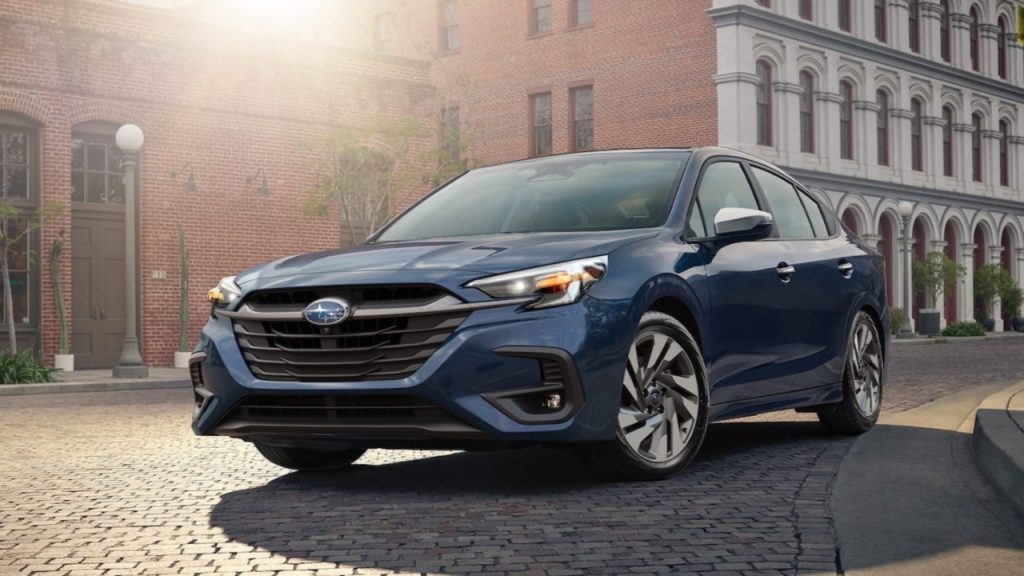
The Legacy also appeals to people who think long term about durability. Subaru engines, when maintained correctly, are known for lasting through high mileage ownership cycles. For someone adding thousands of miles monthly, this becomes an important consideration.
This is not the most fuel efficient choice on the list and it is not the most luxurious either. What it offers instead is reassurance. The kind of car that makes a driver feel prepared for whatever the commute brings.
For people whose daily travel cannot depend on perfect weather or perfect roads, the Legacy becomes less of a choice and more of a practical tool.
10. Chevrolet Malibu
Some commuters simply want a straightforward sedan that focuses on comfort and affordability without unnecessary complexity. The Chevrolet Malibu fits this role by offering a quiet ride and simple ownership experience at a reasonable used market price.
This car tends to attract buyers who want a newer feeling vehicle without paying premium brand costs. Many used examples offer modern safety features and infotainment systems while still remaining financially accessible.
Rather than presenting this vehicle through a traditional descriptive flow, its appeal can be understood by looking at how it fits daily life patterns.
Morning commutes feel less stressful due to smooth ride tuning. Highway cruising feels relaxed because of stable suspension behavior. Ownership costs remain manageable due to widely available parts.
The Malibu also benefits from highway focused suspension calibration. It tends to absorb long road waves well, which makes it suitable for extended interstate travel. Drivers often describe it as calm rather than sporty, which is exactly what many commuters prefer.
Cabin quietness is another advantage. At steady speeds the Malibu often maintains low noise levels, helping drivers listen to music or podcasts without needing high volume. Small details like this can make long routines feel less repetitive.
Another reason this car deserves consideration is accessibility. Because it is not always the first name mentioned in reliability discussions, used prices can be more attractive compared to some Japanese competitors. For budget conscious commuters this can mean getting a newer model year for the same money.
The Malibu works best for someone who wants balance. Not extreme fuel savings, not luxury level comfort, not sports sedan handling. Instead it provides usable comfort, reasonable efficiency, and predictable daily behavior.
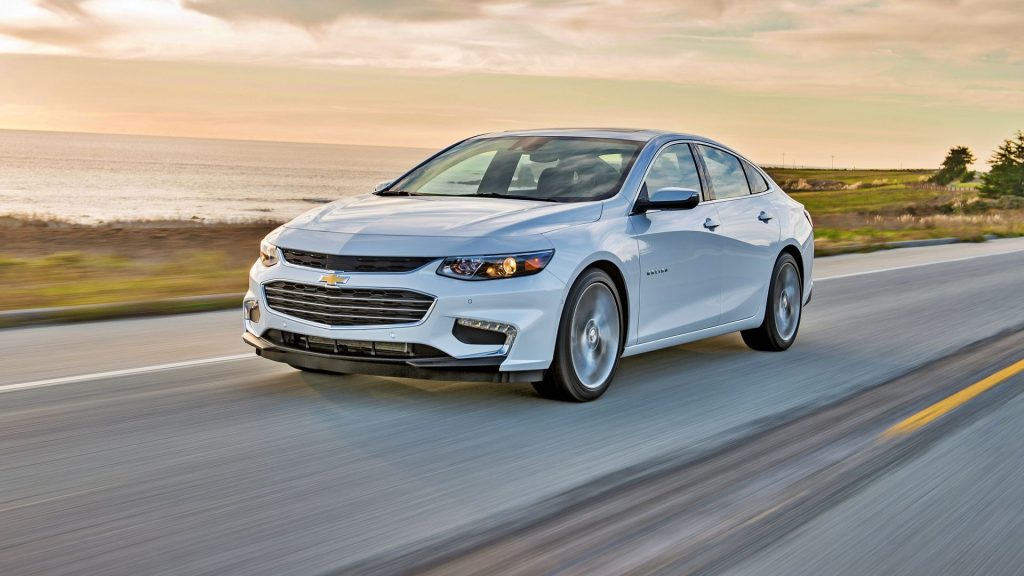
For drivers who see commuting as a long term routine rather than a short phase, choosing something simple and comfortable like this can often be the smartest decision.
Driving 100 miles daily is less about the car you want and more about the car you can depend on. Reliability, fuel economy, comfort, and predictable behavior become more important than styling or performance numbers when distance becomes part of everyday life.
The best commuter vehicles usually succeed because they reduce stress. Some do this through fuel savings. Others through ride comfort. Some through proven durability. What matters is choosing a vehicle that matches how a person experiences their daily drive.
A comfortable seat may matter more than horsepower. Stable highway tracking may matter more than cornering ability. Low operating costs may matter more than advanced features that add complexity.
Another important lesson is that different commuters need different solutions. Some prefer hybrids for efficiency. Some prefer larger sedans for comfort. Others prefer compact cars to control fuel spending. There is no universal answer, only the right match for the driver’s priorities.
What all these vehicles share is a reputation for handling mileage without becoming financial burdens. That is the real definition of a good commuter car. Not how fast it goes, but how consistently it shows up ready to go again tomorrow.
In the end, the best used car for a 100 mile daily commute is the one that turns a demanding routine into something manageable, predictable, and sustainable for years of driving.
Also Read: 10 Best Used Hatchbacks for Carrying Dorm Room Gear Every Semester
