
Stop start traffic is one of the harshest operating environments for a vehicle’s electrical and starting systems. While most drivers think about engines and transmissions when discussing durability, alternators and starter motors often experience just as much stress, especially in vehicles that operate in crowded urban environments or delivery routes.
Every time a vehicle starts, the starter motor must handle a sudden load while the alternator must quickly recover the battery charge lost during ignition.
In heavy traffic where a car may be turned on and off repeatedly or sit idling for long periods with electrical systems running, these components experience far more wear than they would during highway driving.
Modern vehicles with automatic stop start systems place even greater demands on these components. Manufacturers must design stronger starter motors, improved charging systems, and more durable electrical components to ensure reliability.
Vehicles that perform well in these conditions usually have heavy duty electrical designs, strong battery management systems, and alternators capable of maintaining stable voltage under constant load.
Fleet vehicles such as taxis, police cars, and delivery vehicles often provide the best real world examples of this type of durability. These vehicles may start hundreds of times per week and operate electrical systems continuously. Models that succeed in these environments usually develop reputations for dependable electrical performance.
Another factor that improves durability is conservative electrical engineering. Vehicles that avoid pushing their charging systems to the limit often experience fewer failures. Strong voltage regulators, high quality wiring, and proper heat management all contribute to longer component life.
This list highlights 10 vehicles known for durable starter motors and alternators that can withstand heavy stop-start use. These vehicles were chosen based on their reputation for high-mileage performance, fleet usage history, and engineering approaches that prioritise electrical system longevity.
Also Read: Top 10 Most Comfortable Velvet and Velour Car Interiors From the 1980s
1. Toyota Prius
Among modern vehicles, few experience more start cycles than the Toyota Prius. Its hybrid system constantly starts and stops the gasoline engine as part of normal operation. Because of this, Toyota had to rethink how starter and charging systems are designed completely.
Interestingly, the Prius does not use a traditional starter motor in the same way as most gasoline vehicles. Instead, it uses a motor generator system that performs both starting and charging duties.
This design reduces mechanical shock because the engine is spun smoothly to operating speed rather than being abruptly engaged by a conventional starter gear.
This design dramatically reduces wear. Instead of the typical engagement noise heard during starting, the Prius engine starts almost seamlessly. This smoother operation helps extend the life of associated components.
The charging system is also built differently. Rather than relying on a traditional alternator alone, the hybrid system manages electrical energy through a sophisticated control unit. This ensures the battery remains within safe operating limits even under constant use.
Taxi fleets have provided real world proof of this system’s durability. Many Prius vehicles used in commercial service have accumulated extremely high mileage while still using original electrical components. This kind of real world evidence says more than laboratory testing.
Another advantage is thermal management. Electrical components tend to fail faster when exposed to excessive heat. Toyota engineered cooling strategies that help maintain stable operating temperatures for critical electrical parts.
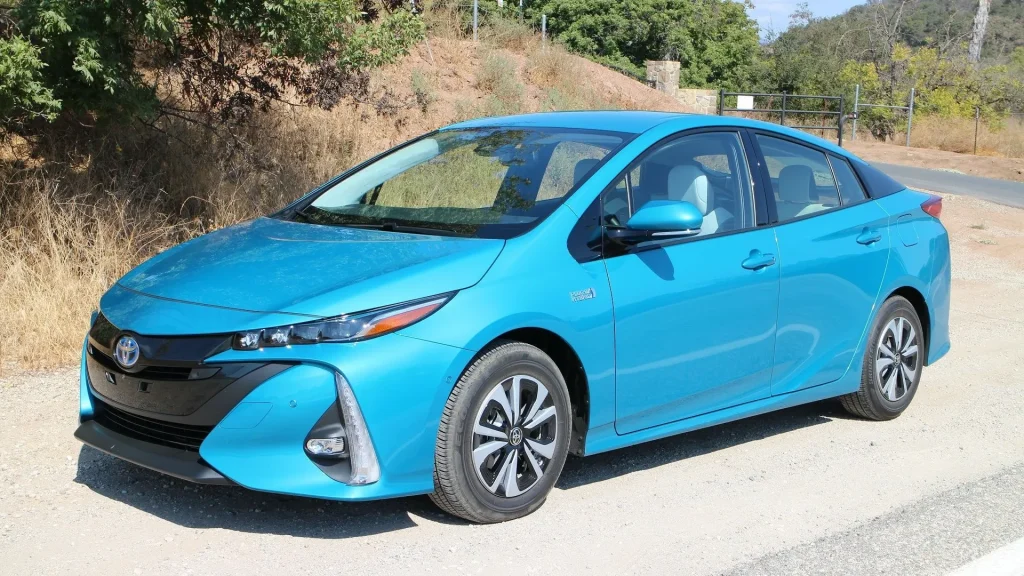
This vehicle shows that durability sometimes comes from redesigning systems rather than simply strengthening existing designs. By reducing mechanical shock and managing electrical load intelligently, the Prius demonstrates how engineering innovation can improve reliability in demanding environments.
2. Ford Crown Victoria
The Ford Crown Victoria represents durability through simplicity. Built for decades of police and taxi service, it had to survive environments where vehicles were started frequently and electrical systems operated continuously.
Unlike modern vehicles with complex electrical architectures, the Crown Victoria used straightforward charging systems that were easy to maintain and robust under heavy use. High output alternators were commonly installed in fleet versions to support radios, lighting, and other equipment.
Starter motors in these vehicles were also built with durability in mind. Because law enforcement vehicles often idle for long periods and restart frequently, Ford used components designed to tolerate repeated engagement cycles without premature failure.
Another reason for their durability is accessibility. Because the engine bay is large, heat buildup is less severe than in tightly packaged modern vehicles. Lower temperatures can significantly extend electrical component life.
Maintenance also plays a role. Fleet operators often followed strict service schedules. Because the Crown Victoria was designed with easy service access, routine replacement of wear items was straightforward, helping prevent cascading failures.
The car also benefited from conservative engineering margins. Components were often rated for more demand than typical civilian use required. This means that when used in normal conditions, they were operating well below their maximum stress levels.
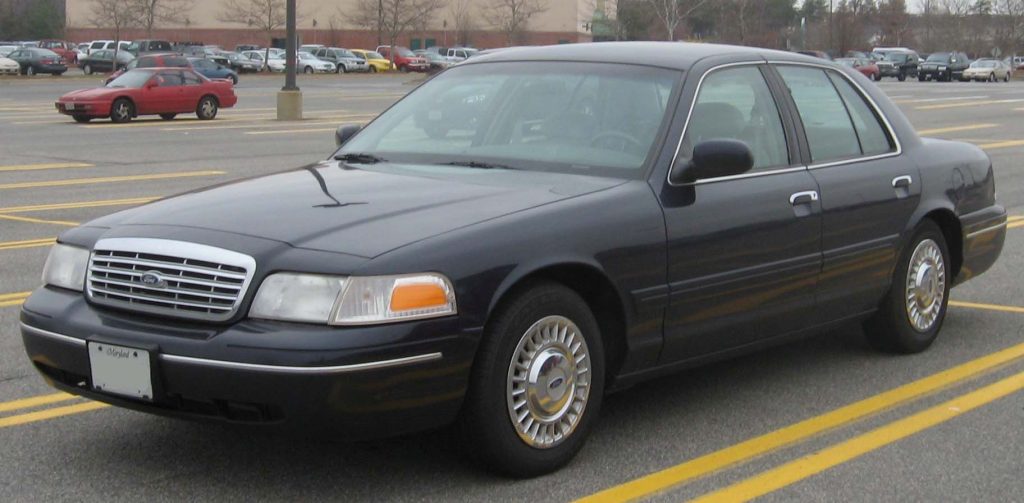
Even today, many retired fleet Crown Victorias remain on the road with original or long lasting replacement alternators and starters. Their continued operation reflects how designing a car for the harshest possible duty can result in exceptional reliability for everyday drivers.
3. Honda Accord
When discussing electrical durability in stop start driving, the Honda Accord deserves attention because of how Honda engineered electrical stability into everyday usability rather than just heavy duty applications. Instead of designing for extreme fleet punishment, Honda focused on consistency and predictable operation over long ownership periods.
One of the key strengths of the Accord lies in its balanced electrical demand. The vehicle does not overload its alternator with unnecessary power draws. This careful balance between power generation and consumption helps reduce long term stress on the charging system.
Honda also developed a reputation for producing starter motors that engage smoothly and consistently. Smooth engagement reduces the internal wear that often damages starter gears and solenoids. Over thousands of start cycles, this type of design can significantly extend service life.
Another factor often overlooked is voltage regulation. The Accord maintains stable voltage output, which protects sensitive electrical components while also preventing the alternator from working harder than necessary. Stable charging behavior often translates into fewer electrical surprises as the car ages.
The vehicle also benefits from thoughtful wiring design. Proper routing and insulation reduce the chances of electrical resistance increases that can cause alternators to work harder. These small engineering decisions can quietly improve durability.
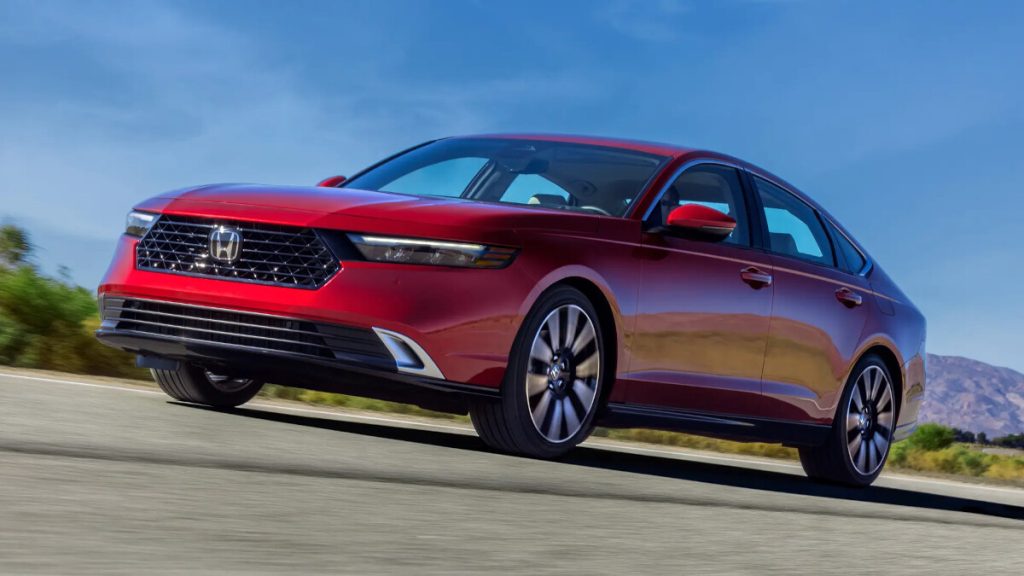
Real world ownership patterns also support its reputation. Many Accords are used by commuters who face daily congestion. Over time this creates a large sample of vehicles proving their electrical dependability under repeated start cycles.
Rather than being known for heavy duty electrical parts, the Accord is respected because its entire electrical ecosystem is well balanced. Nothing is excessively stressed, and this harmony often leads to fewer failures.
This approach shows that durability does not always require oversized components. Sometimes it comes from ensuring every part of the system operates within safe limits.
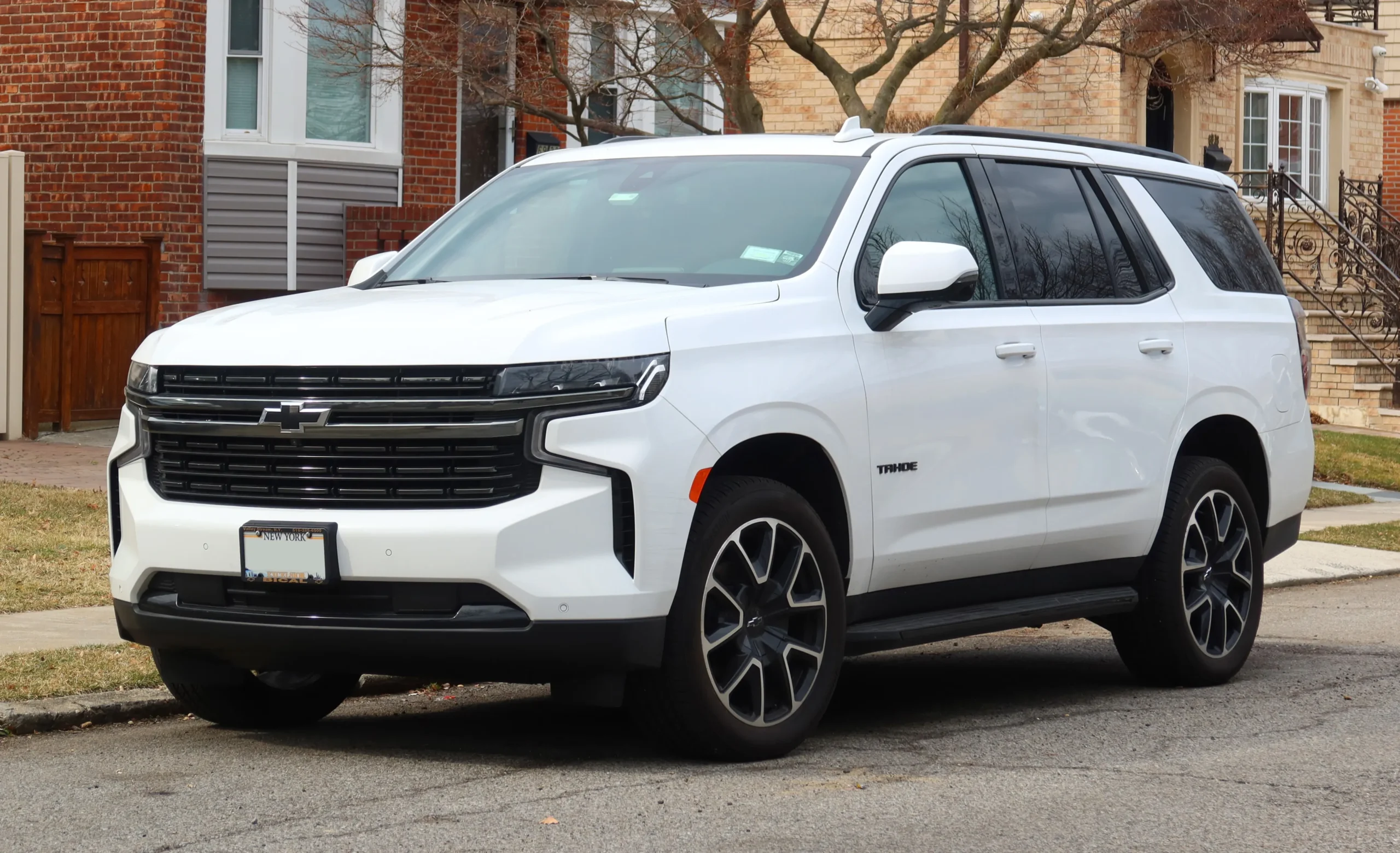
4. Chevrolet Tahoe
Large SUVs like the Chevrolet Tahoe face a different type of electrical challenge. Their size means they must support larger batteries, powerful climate systems, and numerous electronic features. To manage this, Chevrolet engineered strong alternators capable of maintaining consistent output under heavy demand.
One advantage of the Tahoe is its truck derived electrical philosophy. Because it shares engineering roots with pickup trucks, many of its charging components are designed with higher durability expectations compared to typical passenger cars.
Fleet usage again provides useful insight. Many Tahoes are used by law enforcement and municipal fleets. These vehicles often idle for long periods while powering communication equipment, emergency lighting, and onboard computers. Such usage would quickly expose weak alternators or starters.
Starter durability in the Tahoe also comes from torque capacity. Larger engines require stronger starters, but Chevrolet designed these units with strong internal components capable of repeated use. When such systems are used in civilian driving, they often last longer because they are not constantly pushed to their limits.
Heat resistance is another factor. Larger engine bays allow better airflow compared to tightly packaged compact cars. Reduced heat exposure helps preserve insulation in wiring and protects internal alternator components.

Battery management also plays a part. The Tahoe uses charging strategies that prevent overcharging and reduce unnecessary cycling. Protecting the battery indirectly protects the alternator because it avoids excessive charging loads.
The Tahoe shows how designing for high electrical demand environments can result in vehicles that easily tolerate normal stop start driving. Its durability comes not from one single component but from designing the entire system for heavy use from the beginning.
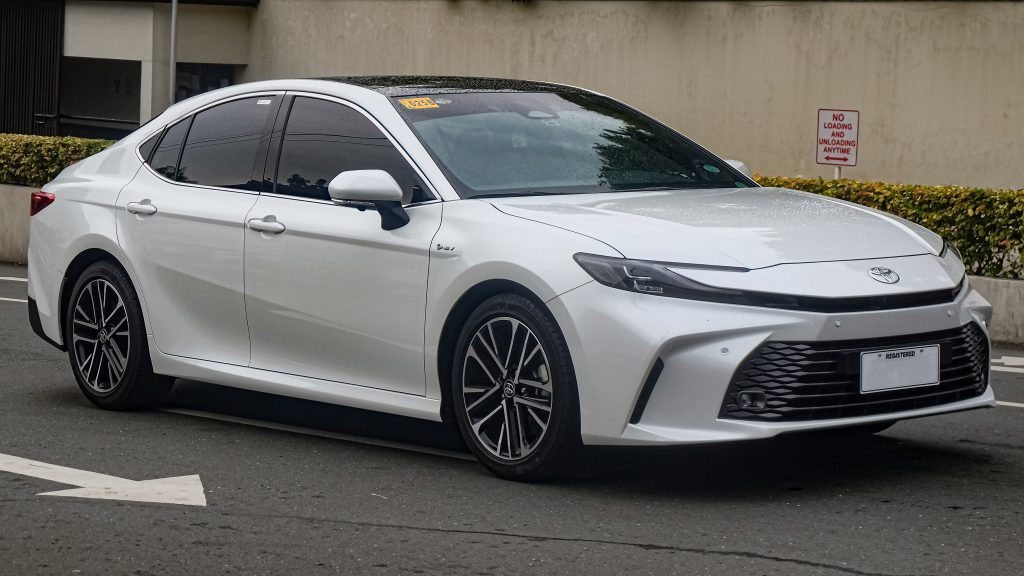
5. Toyota Camry
The Toyota Camry has built a long standing reputation for reliability not just because of its engine and transmission but also because of the quiet dependability of its electrical components.
While alternators and starter motors rarely get attention in marketing, they are part of the reason this car continues to be trusted by commuters who deal with daily traffic congestion.
One reason the Camry performs well in stop start environments is Toyota’s focus on component longevity instead of pushing parts to their limits.
The starter motors used in many Camry generations are designed for consistent engagement rather than aggressive high speed cranking. This reduces internal shock and helps maintain gear integrity over long periods.
Toyota also placed importance on electrical efficiency. When a vehicle uses electricity carefully, the alternator does not need to constantly operate at maximum output. The Camry benefits from balanced electrical loads that prevent the charging system from constantly operating under strain.
There is also a durability advantage in how Toyota approaches supplier quality. Components such as alternators often come from long term suppliers with strict testing standards. This consistency helps prevent the variation in part quality that sometimes affects long term ownership experience.
Urban commuters provide some of the best durability testing for the Camry. Many examples spend years in heavy traffic where the engine is started multiple times per day. Despite this, it is common to see these vehicles operating reliably for long periods without needing major electrical repairs.
Another practical benefit comes from accessibility. The layout of the engine bay allows relatively straightforward replacement if service is eventually required. This matters because easier maintenance often means repairs actually get done on time rather than postponed.
Toyota also tends to avoid unnecessary electrical complexity. By not overloading the car with excessive electronic systems, the vehicle reduces the background strain placed on the charging system. This design philosophy indirectly improves alternator lifespan.
Instead of excelling in one dramatic way, the Camry succeeds through consistency. It represents a vehicle designed to avoid problems rather than react to them.
For drivers who spend hours moving slowly through traffic every day, that kind of predictable electrical reliability becomes one of the most valuable traits a car can offer.
6. Honda CR V
The Honda CR V offers a different perspective on electrical durability because it combines SUV practicality with the reliability expectations usually associated with smaller Honda vehicles. This combination makes it popular among drivers who face frequent traffic but also want flexibility and cargo space.
One of the strengths of the CR V is how Honda engineered its starting system to feel smooth and controlled. Instead of abrupt starter engagement, many CR V models demonstrate consistent ignition behavior even after years of use. This reflects careful calibration of starter torque and engagement timing.
The alternator design also reflects practical thinking. Rather than using the smallest possible charging unit for efficiency, Honda often uses components capable of handling slightly higher loads than required. Operating below maximum capacity often allows these parts to last longer.
Another interesting factor is vibration control. Electrical components can suffer when exposed to constant vibration. Honda invested in engine mounting strategies that reduce vibration transfer into surrounding components. This indirectly protects wiring connections and charging system hardware.
Usage patterns also strengthen its case. Many CR V vehicles are used by families who spend years driving in crowded suburban conditions. This type of use creates thousands of start cycles, providing real world proof of electrical durability.

Practical ownership also helps. Because Honda vehicles often maintain strong resale value, owners tend to maintain them carefully. Regular battery replacement and proper servicing reduce the strain placed on alternators and starter motors.
The CR V also benefits from logical electrical architecture. Circuits are designed in a way that prevents unnecessary parasitic drain when the vehicle is off. Protecting the battery in this way reduces excessive charging demand when the engine restarts.
Cargo versatility also plays a small indirect role. Because the CR V can handle different roles from commuting to light hauling, it often avoids being overloaded with aftermarket electrical accessories that might strain the charging system.
For drivers dealing with constant traffic who also want the flexibility of a small SUV, the CR V shows how careful engineering can deliver electrical reliability without needing heavy duty commercial design.
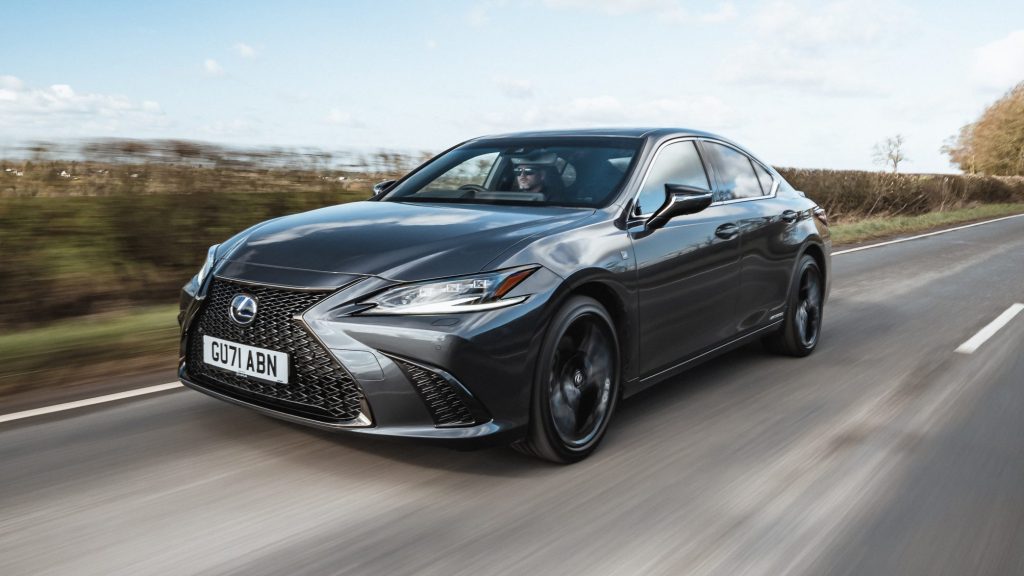
7. Lexus ES
The Lexus ES demonstrates how durability can come from refinement rather than heavy duty design. While it may not be used in police fleets or commercial duty cycles, its electrical reliability comes from precision engineering and strict quality standards rather than oversized components.
One of the biggest contributors to the ES electrical durability is manufacturing consistency. Lexus focuses heavily on component testing before production. Starter motors and alternators used in these vehicles must meet strict performance tolerances. This reduces the likelihood of early failures caused by inconsistent part quality.
Another strength comes from smooth engine operation. Engines that vibrate less tend to reduce stress on surrounding electrical parts. The ES is known for quiet and balanced engine performance, which helps protect wiring harnesses, connectors, and charging components from vibration related fatigue.
The vehicle also uses carefully managed electrical loads. Instead of allowing sudden spikes in demand, the electrical system distributes power smoothly across various systems. This controlled approach reduces stress on the alternator and prevents overheating during heavy electrical use.
Heat protection is another factor. Lexus invested in shielding and airflow strategies to prevent electrical components from being exposed to excessive engine heat. Temperature stability plays a large role in preventing premature alternator failure.
Ownership behavior also supports durability. Many Lexus ES vehicles are owned by drivers who follow recommended service schedules carefully. Proper battery replacement intervals and preventative maintenance can significantly extend alternator life.
Another detail worth noting is how quietly the starting process occurs. The starter motors in the ES are designed to operate with minimal noise and vibration. This reflects careful engagement design, which often translates into reduced mechanical wear.
Rather than being built for punishment, the ES is built to avoid stress entirely. By eliminating many of the small factors that cause wear, the vehicle achieves durability through refinement.
For drivers who experience constant stop start traffic but want a vehicle known for long term quality, the Lexus ES shows how careful engineering can produce electrical components that remain dependable for many years.
8. Ford F 150
The Ford F 150 approaches alternator and starter durability from the opposite direction. Instead of focusing on refinement, it is designed for demanding workloads. This pickup must operate in environments where engines are started repeatedly throughout the workday and electrical accessories are used constantly.
Because of this, Ford often equips the F 150 with high capacity alternators. Trucks frequently power job site lighting, tools, and towing electronics. This requires charging systems capable of sustained output. When such systems are used in normal driving, they often last longer because they are not constantly operating at their limit.
Starter motors in the F 150 are also designed with torque in mind. Truck engines require strong starting force, and Ford builds these systems with durable internal gears and solenoids. In everyday traffic conditions, this strength often results in long service life.
Another important durability factor is service accessibility. Trucks are often designed to be repaired quickly. The F 150 allows relatively easy access to electrical components, which encourages timely maintenance and proper repairs.
Environmental protection also plays a role. Trucks often operate in dusty or wet environments. Ford designs protective covers and sealing methods that help keep contaminants away from sensitive electrical components.
Fleet usage again provides useful real world data. Many F 150 trucks are used by contractors, utility companies, and delivery services. These vehicles often accumulate high start counts while still maintaining reliable electrical operation.
Battery management systems in newer models also help reduce stress. Smart charging systems adjust output depending on demand, preventing unnecessary alternator strain.
The F 150 proves that when a vehicle is designed to tolerate extreme workloads, it often performs effortlessly in everyday stop start traffic.

For drivers who want a vehicle whose electrical systems were designed with demanding use in mind, the F 150 stands as one of the strongest examples of durability through over engineering.
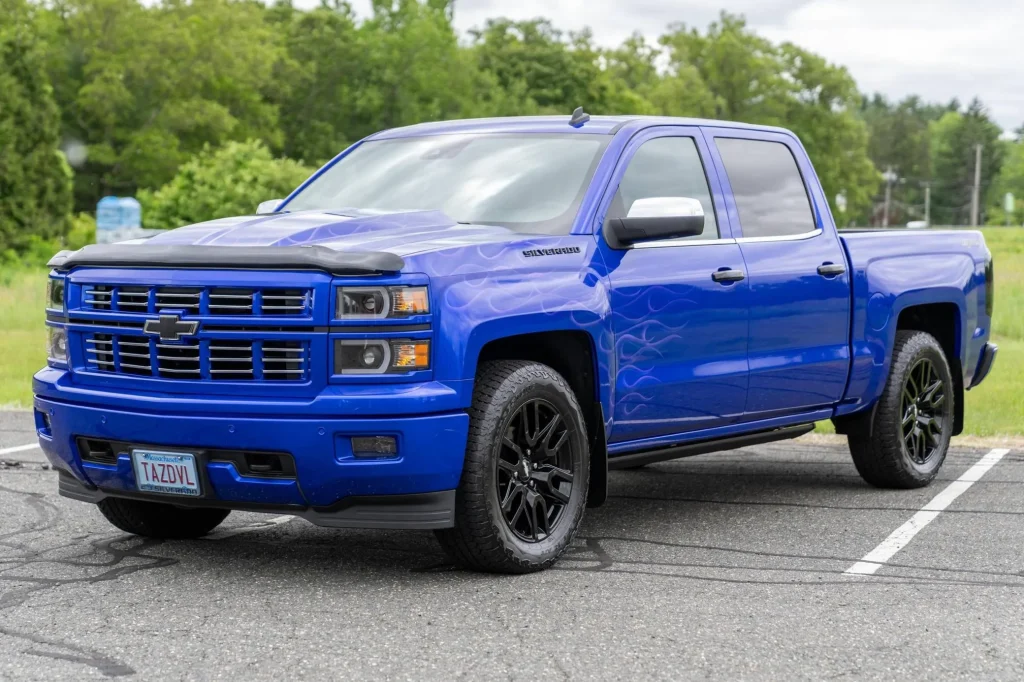
9. Chevrolet Silverado 1500
The Chevrolet Silverado 1500 represents durability through heavy duty electrical design that comes from its role as a full size work truck. Vehicles like this are expected to operate in environments where frequent starting, long idling periods, and high electrical loads are part of daily life rather than occasional stress.
One of the main reasons the Silverado performs well in stop start situations is its charging system capacity. Trucks like this are often equipped with alternators that produce significantly higher output than what is required for basic driving.
This is necessary because they may need to support trailer lighting, brake controllers, onboard electronics, and job site accessories.
When a high capacity alternator is used in regular driving conditions, it usually operates below its maximum capability. Components that work under lower stress levels typically experience slower wear. This is one of the hidden reasons why truck alternators often last longer than those in smaller vehicles.
The starter motors in the Silverado also benefit from this heavy duty mindset. Designed to crank large displacement engines, these starters are built with robust internal gears and strong engagement mechanisms. When used in normal conditions, they are often not pushed to their limits, which helps extend their operational life.
Electrical grounding is another important factor. Chevrolet invested effort in ensuring strong grounding connections throughout the truck. Good grounding prevents voltage irregularities and reduces the chances of electrical resistance that can damage alternators over time.
The Silverado also benefits from real world testing through commercial use. Many of these trucks operate in construction fleets where they are started and stopped repeatedly throughout the day. Their ability to survive this type of use strengthens their reputation for electrical durability.
Engine bay layout also helps. Larger spacing allows heat to dissipate more effectively. Because excessive heat is one of the leading causes of alternator failure, better airflow contributes directly to component longevity.
Rather than being designed for occasional driving stress, the Silverado is built with the expectation of daily workload pressure. This design philosophy results in electrical systems that remain dependable even when subjected to constant use.
For drivers who want electrical durability that comes from true work truck engineering, the Silverado demonstrates how designing for the toughest environments can result in long lasting reliability in everyday traffic.
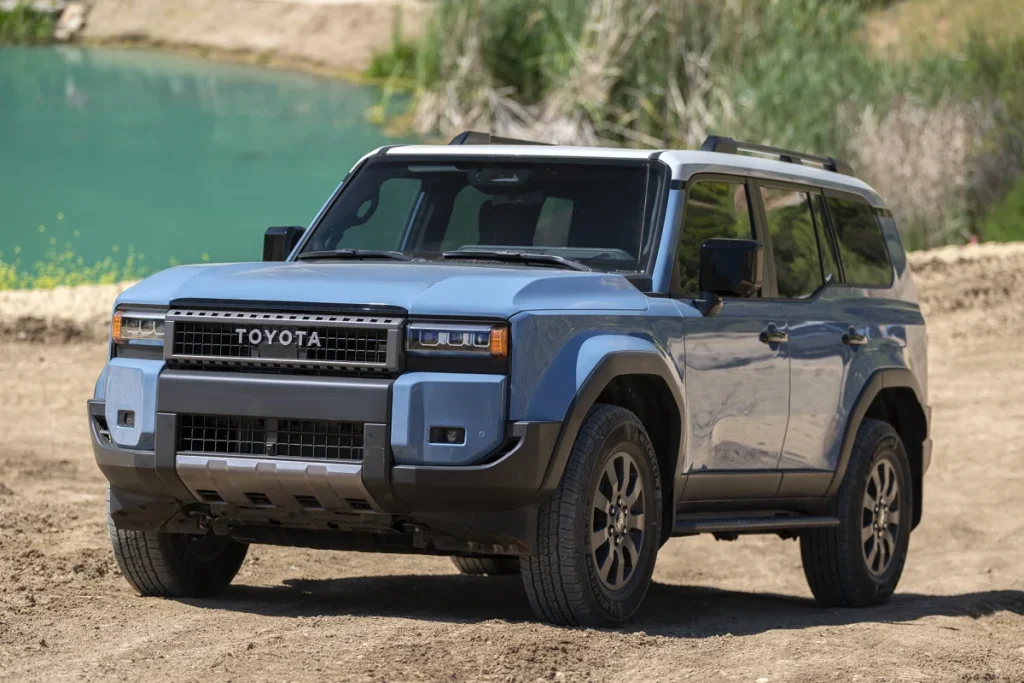
10. Toyota Land Cruiser
The Toyota Land Cruiser approaches electrical durability from a philosophy of extreme reliability. Built for some of the harshest environments in the world, this SUV is expected to operate far from service centers.
Because of this, every critical component, including the alternator and starter system, is engineered with long term dependability as a priority.
One of the biggest reasons for its electrical reliability is conservative engineering. Toyota avoids designing components that operate close to their failure limits. Instead, many systems are designed with safety margins so they can continue functioning even under difficult conditions.
Starter motors in the Land Cruiser are built to handle repeated use in extreme climates. Whether starting in cold mountain regions or hot desert environments, these components are expected to perform consistently. This type of engineering often translates into excellent durability in normal urban traffic.
The alternator design also reflects global expectations. The Land Cruiser may need to power additional lighting, navigation equipment, or communication systems in remote areas. Because of this, Toyota often equips it with charging systems capable of handling higher than average electrical demand.
Another durability factor is sealing and protection. Electrical components are better shielded against dust, moisture, and vibration compared to many standard passenger vehicles. Protection from environmental damage helps these parts last longer even when exposed to difficult conditions.
Long term ownership patterns also reinforce its reputation. Many Land Cruisers remain in service for decades. This kind of lifespan is only possible when core systems such as starting and charging components remain dependable.
Another factor is preventative design. Toyota engineers often focus on preventing failures rather than just making repairs easy. This mindset leads to wiring quality, connector durability, and component testing standards that reduce the chances of unexpected breakdowns.
The Land Cruiser represents a vehicle built on the idea that failure is unacceptable. While most owners may never push it to its limits, that level of engineering discipline results in electrical systems that easily tolerate stop start traffic for many years.
For drivers who want the highest level of electrical dependability based on a global reputation for toughness, the Land Cruiser remains one of the strongest examples of durability through careful engineering.
Also Read: 10 Boring Looking Sedans That Can Outrun a Mustang at a Traffic Light
