
Winter in the American Midwest is not just about cold mornings and light snow. It is a region known for whiteout conditions, deep snow accumulation, black ice, and powerful wind driven storms that can turn a normal commute into a survival situation within minutes.
In these conditions, the difference between reaching home safely and getting stranded often depends on what you are driving.
Blizzards in states like Minnesota, North Dakota, Wisconsin, and Michigan regularly dump heavy snow while temperatures fall well below freezing.
Roads may remain unplowed for hours, rural highways can become impassable, and even cities can see traffic halted by sudden accumulation. Vehicles that perform well in normal winter conditions are not always capable of handling these extreme situations.
The best vehicles for these conditions usually share certain characteristics. Ground clearance is critical because low vehicles can become high centered in deep snow. A strong all wheel drive or four wheel drive system helps maintain traction when one or more wheels lose grip.
Winter tuned traction management systems, locking differentials, and proper weight distribution also play major roles in keeping a vehicle moving forward instead of spinning helplessly.
Reliability also matters just as much as capability. A vehicle that starts consistently in sub zero temperatures, maintains stable engine temperatures, and has dependable electronics can make a major difference during extended winter exposure.
Heated components, strong battery systems, and durable drivetrains often separate true winter performers from vehicles that struggle.
This list focuses on ten vehicles known for their ability to handle extreme winter environments, whether through proven four wheel drive systems, excellent snow traction engineering, or long standing reputations in cold weather regions.
Each vehicle represents a different approach to winter capability, from rugged body on frame SUVs to advanced crossover designs built specifically for traction and control. These vehicles are not just good in snow. They are built to survive it.
Also Read: 5 Brands That Perfected the CVT in 2026 vs 5 That Are Still Struggling With Longevity
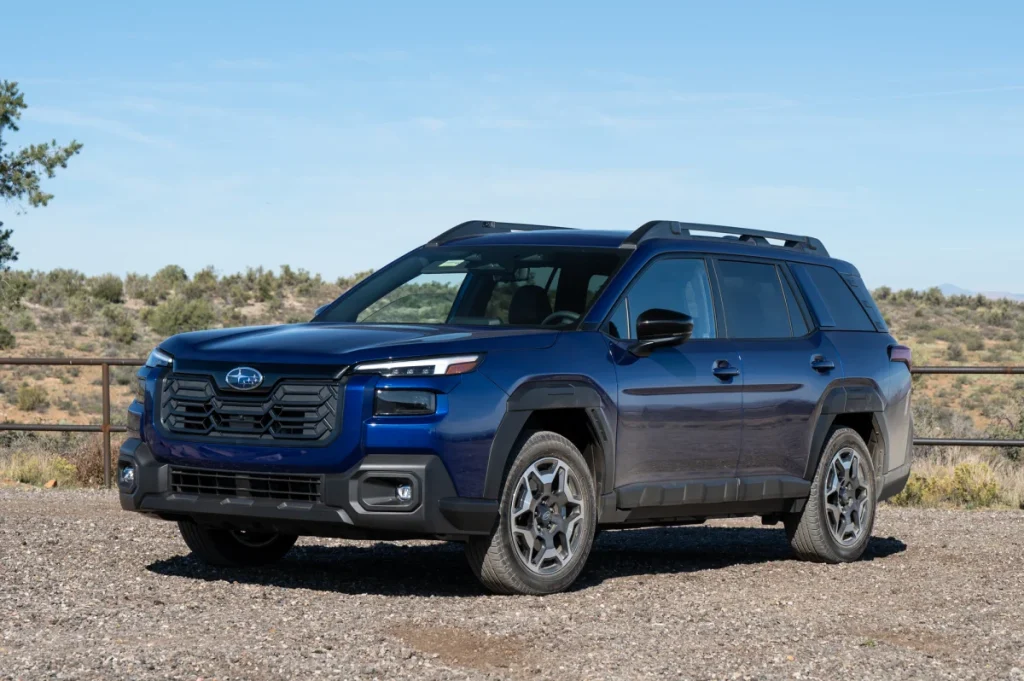
1. Subaru Outback
The Subaru Outback has built its entire reputation around all weather confidence, and nowhere is that more obvious than in heavy snow states. Unlike many crossovers that treat all wheel drive as an optional feature, Subaru engineered the Outback with standard Symmetrical All Wheel Drive as its core design philosophy.
This system constantly distributes power to all four wheels rather than waiting for slip to occur, which gives it an immediate traction advantage during sudden snow drifts.
One of the most important advantages of the Outback is balance. Because Subaru uses a boxer engine layout, the weight sits lower and more evenly across the chassis.
This improves stability on icy roads and reduces the feeling of top heaviness that can make some SUVs unpredictable during emergency maneuvers. When roads are covered in packed snow, predictable handling becomes just as important as raw traction.
Ground clearance also plays a major role in the Outback’s winter capability. With around 8.7 inches of clearance, it sits higher than most crossovers and even challenges some traditional SUVs.
This allows it to push through deeper snow without the underbody dragging and reducing forward progress. Many winter drivers underestimate how often vehicles get stuck simply because snow builds up under the frame.
Subaru also developed its X Mode traction management system to further improve winter performance. This system adjusts throttle response, transmission behavior, and braking distribution to maximize grip on slippery surfaces.
In practical terms, this helps the vehicle crawl through deep snow at controlled speeds without excessive wheel spin. The system also works with hill descent control, which helps maintain stability when descending icy slopes.
Cold weather dependability is another reason the Outback is commonly seen in northern states. Owners often report consistent cold starts and dependable heater performance even after overnight exposure to freezing temperatures.
These small reliability factors matter greatly during storms when a vehicle may sit outside for extended periods.
The Outback succeeds not because it is the biggest or most powerful winter vehicle, but because it is engineered from the ground up for traction, stability, and predictability. That philosophy makes it one of the safest choices when a Midwest blizzard hits.
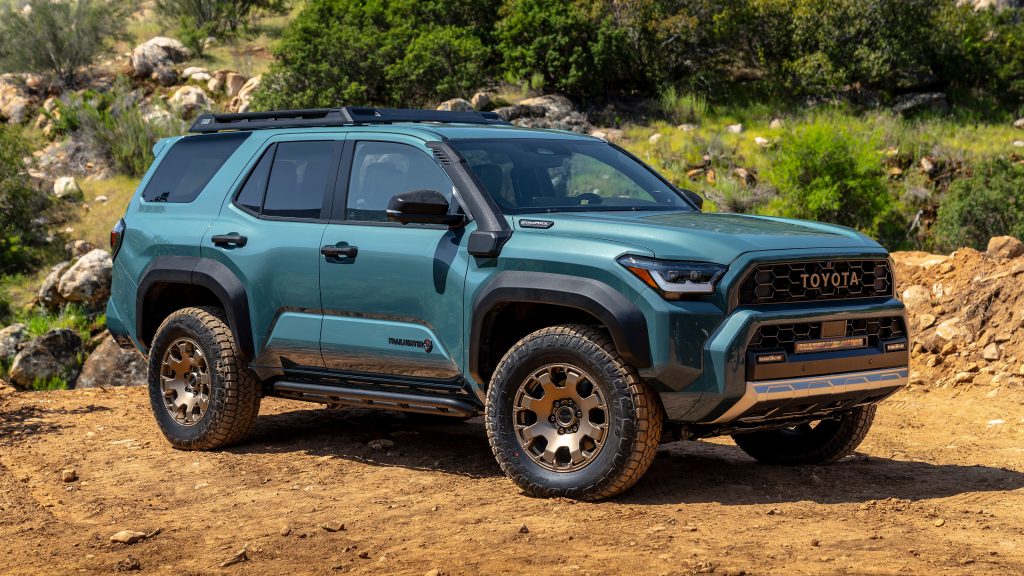
2. Toyota 4Runner
Some vehicles are designed primarily for comfort and later adapted for bad weather. The Toyota 4Runner comes from the opposite philosophy. It is built first as a durability focused off road machine, and that rugged construction naturally translates into exceptional snow performance when winter conditions become extreme.
Its body on frame construction is one of the biggest reasons it performs so well in blizzard conditions.
This type of design, similar to what heavy duty trucks use, gives the vehicle strong structural rigidity and allows it to tolerate harsh impacts from frozen snow chunks, hidden ice ridges, and unplowed rural roads. In severe winter regions, this toughness can matter just as much as traction.
The available part time four wheel drive system with a two speed transfer case gives the 4Runner serious capability when snow becomes deep and heavy.
Drivers can engage low range gearing when conditions get particularly bad, allowing controlled power delivery instead of excessive wheel spin. This feature is especially valuable when trying to move through thick snow left behind by plows.
Another major advantage is its high ground clearance, which sits around 9.6 inches. This allows the 4Runner to travel through snow depths that would stop most crossovers immediately. Combined with its upright shape and strong approach angles, it can often keep moving even when snow begins piling up on untreated roads.
Toyota also offers advanced traction aids like Multi Terrain Select and Crawl Control on certain trims. These systems may sound like off road tools, but they become extremely useful in snow. Crawl Control in particular can act almost like a low speed cruise control for deep snow, automatically adjusting throttle and braking to maintain forward motion.
Long term reliability is another reason the 4Runner remains popular in cold climates. Many owners in northern states trust it because of Toyota’s reputation for mechanical durability and simple naturally aspirated engine design, which avoids some of the complexity found in modern turbocharged systems.
The 4Runner is not the most modern SUV, but when winter becomes brutal, old school toughness can be exactly what survival requires.
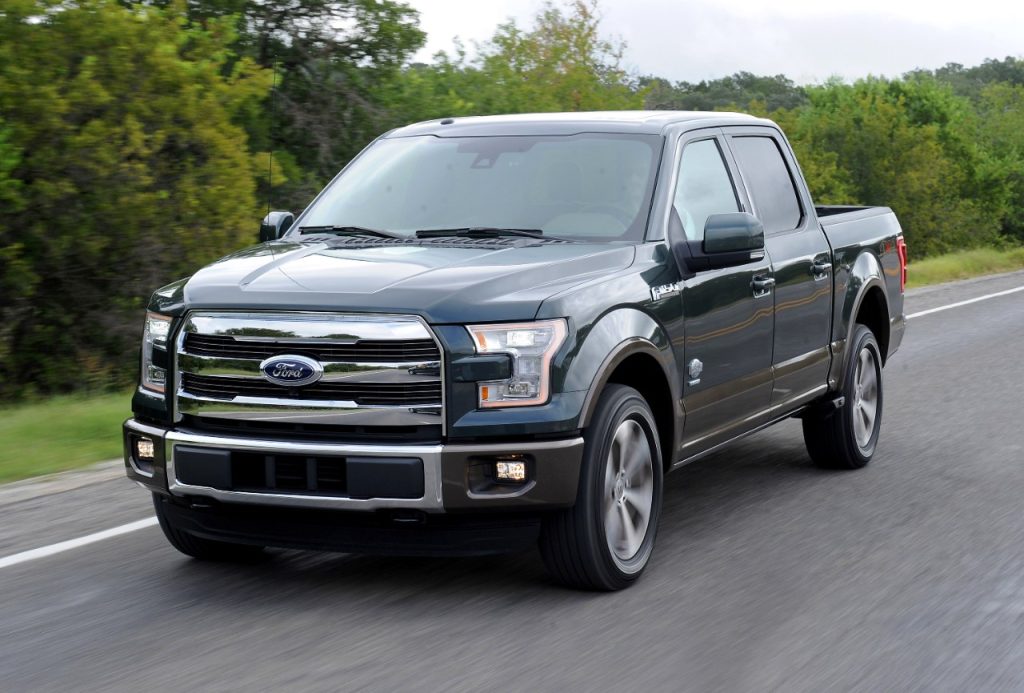
3. Ford F-150 (4×4)
Pickup trucks might not be the first thing everyone thinks about for blizzard survival, but the Ford F-150 with four wheel drive has long been a winter workhorse across the Midwest. From utility crews to rural homeowners, it is often chosen because it combines traction, power, and the ability to handle unmaintained roads.
One unique winter advantage of the F-150 comes from its configurable nature. Owners can add weight in the bed to improve rear traction, something that dramatically improves stability on snowy roads. This flexibility allows drivers to adapt the truck depending on how severe the winter season becomes.
Modern F-150 models also include selectable drive modes that include specific settings for slippery conditions. These modes adjust throttle sensitivity, shift patterns, and traction control behavior. Instead of aggressive acceleration that could cause slipping, the truck delivers smoother power designed to maintain grip.
The availability of electronic locking rear differentials is another important factor. When one wheel loses traction on ice, an open differential would normally send power to the slipping wheel. A locking differential forces both wheels to rotate together, helping the truck continue moving even when traction is uneven.
Ground clearance varies depending on configuration, but most 4×4 F-150 models sit high enough to handle significant snowfall. This height also gives better visibility during storms, allowing drivers to better read road conditions and drifting snow patterns ahead.
Another often overlooked advantage is the F-150’s widespread service network. In regions where winter can cause mechanical stress, having easy access to parts and service becomes a real advantage. A vehicle that can be repaired quickly during winter months reduces risk for owners who depend on it daily.
The F-150 succeeds in winter because it is adaptable. It can function as a daily driver, a storm response vehicle, or a rural access machine depending on how it is equipped. That versatility explains why it remains one of the most trusted vehicles in severe snow regions.
4. Jeep Grand Cherokee
Winter driving is not always about brute strength. Sometimes it is about intelligent traction management and confidence at highway speeds during unpredictable storms. The Jeep Grand Cherokee stands out because it blends traditional Jeep capability with refined road manners that become extremely valuable during long winter travel.
Jeep offers multiple four wheel drive systems in the Grand Cherokee, including the Quadra Trac and Quadra Drive systems. These are not basic part time systems.
They actively monitor wheel slip and can redirect torque where it is needed before the driver even notices traction loss. This proactive behavior is especially helpful when driving over mixed surfaces such as slush, ice patches, and partially cleared highways.
Another major strength comes from the available air suspension system. This feature allows the vehicle to raise its ride height when needed.
During deep snow situations, the ability to increase ground clearance can mean the difference between continuing forward or getting stuck on compacted snow. When driving returns to normal conditions, the suspension can lower again for better efficiency and handling.
The Grand Cherokee also performs well because of its balanced weight distribution. Unlike some large SUVs that feel bulky on icy roads, this vehicle maintains a controlled and planted driving feel. That stability becomes important when crosswinds combine with blowing snow, a common hazard in open Midwest highways.
Interior engineering also contributes to winter survival. Strong heating performance, heated seats, heated steering wheel options, and remote start systems allow drivers to prepare the cabin before entering harsh conditions.
While these may sound like comfort features, they also reduce driver fatigue, which is a real safety factor during long winter drives.
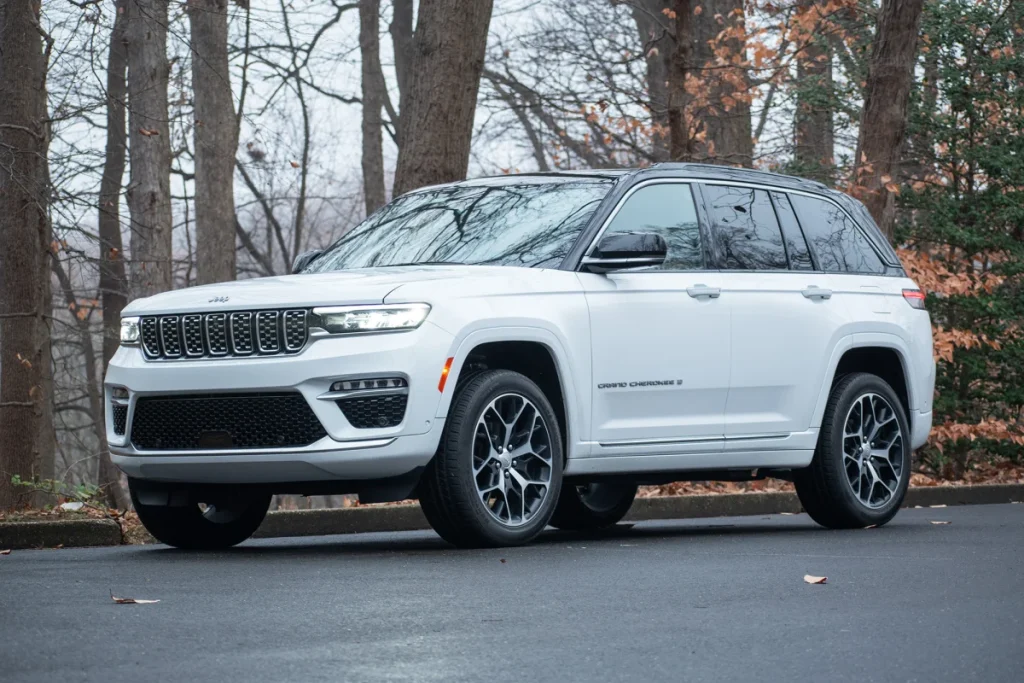
Jeep also designed the Selec Terrain system to allow drivers to choose snow specific traction programming. This adjusts torque delivery and braking behavior to reduce slip and maintain directional stability. Rather than reacting after losing grip, the system focuses on preventing loss of traction in the first place.
The Grand Cherokee proves winter capability does not have to come at the cost of refinement. It manages to combine serious snow performance with everyday usability, making it a strong choice for drivers who face both city storms and rural winter travel.
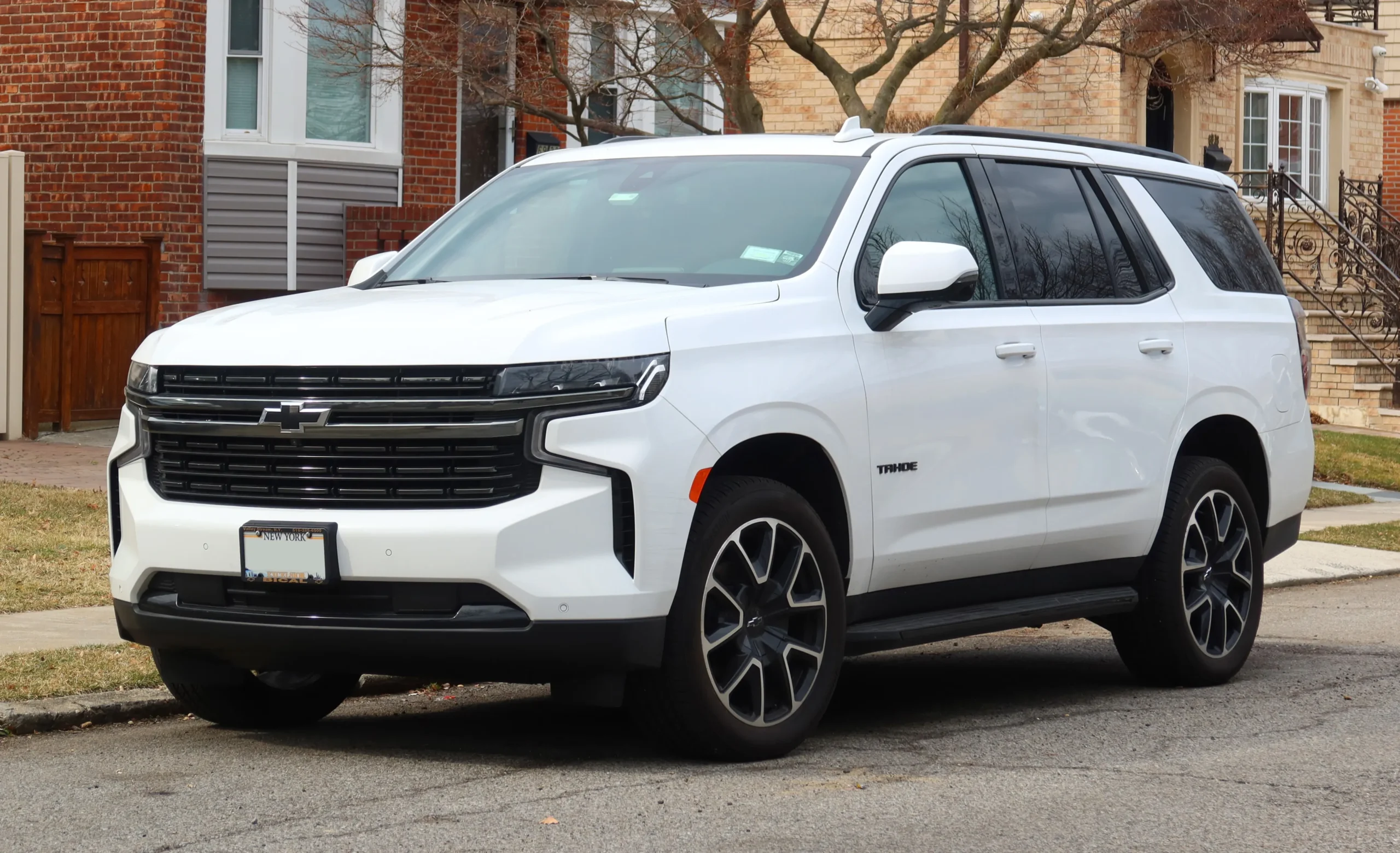
5. Chevrolet Tahoe
When a blizzard becomes severe enough to shut down smaller vehicles, full size SUVs like the Chevrolet Tahoe often continue moving simply because of their size, strength, and mechanical capability. Built on a truck based platform, the Tahoe brings heavy duty thinking into winter survival situations.
Mass plays a surprisingly important role in snow performance. The Tahoe’s substantial weight helps it maintain traction on packed snow where lighter vehicles might struggle to maintain grip. While excessive weight can be a disadvantage on ice, the Tahoe balances this with advanced stability systems that help keep the vehicle controlled.
Its available four wheel drive system includes a low range option, giving it the ability to apply controlled torque in difficult conditions.
This becomes useful when trying to move through thick roadside snow left by plows or when climbing steep snowy driveways. The system allows smooth progress rather than aggressive wheel spin that could dig the vehicle in.
Another major factor is wheel and tire flexibility. The Tahoe can accommodate serious winter tire setups due to its size and wheel well space.
Owners in extreme climates often install dedicated snow tires, transforming the SUV into a very capable winter machine. Tire choice often matters more than raw drivetrain capability, and the Tahoe allows drivers to maximize this advantage.
Visibility is another area where the Tahoe excels. Its tall seating position gives drivers a commanding view over snow banks and traffic. During heavy snowfall, being able to see developing hazards earlier can make a meaningful difference in reaction time.
Chevrolet also engineered the Tahoe with strong climate control capacity. Large SUVs heat up slower than compact vehicles, but once warm, they maintain cabin temperature very effectively. This is particularly useful during long trips or emergency situations where occupants may remain inside while waiting out severe weather.
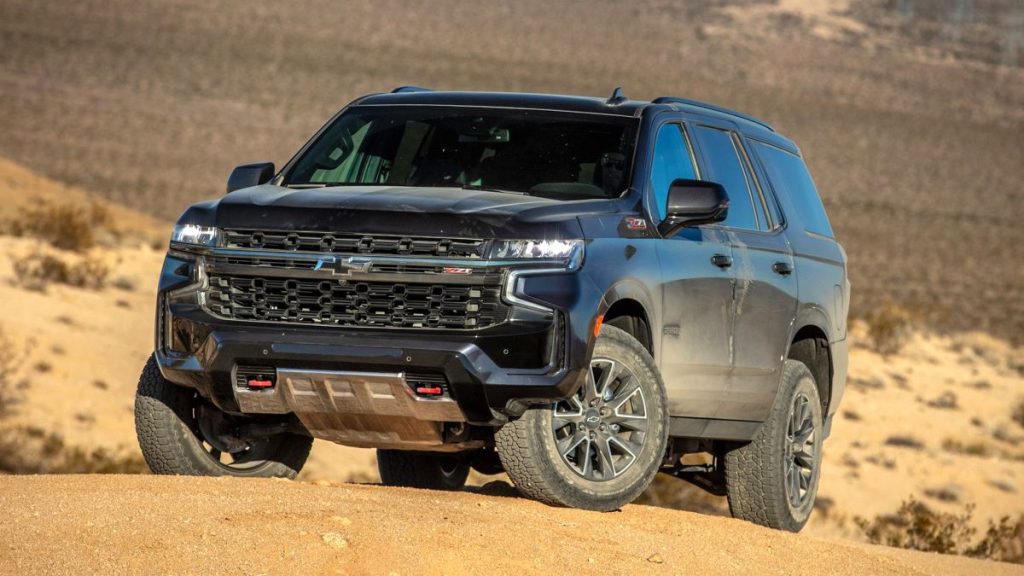
The Tahoe is not about finesse. It is about presence, durability, and the ability to keep moving when conditions become overwhelming. For families or drivers who want maximum winter security through size and capability, it remains a very logical choice.
6. Land Rover Defender
Some vehicles earn their winter credibility through decades of use in the harshest environments on earth. The Land Rover Defender is one of those machines. Originally shaped by the need to operate in remote and unforgiving terrain, its engineering naturally translates into serious capability when facing blizzard conditions and frozen landscapes.
A major part of the Defender’s winter strength comes from its Terrain Response system. Instead of relying on a single traction strategy, the vehicle allows different surface programs that recalibrate throttle response, differential behavior, and stability controls.
Snow mode in particular focuses on smooth torque delivery and minimal wheel slip, which helps preserve traction on icy surfaces.
The Defender also benefits from permanent all wheel drive combined with a sophisticated center differential. This allows torque to move seamlessly between the front and rear axles depending on which end has better grip.
In a blizzard where one side of the vehicle may be on ice while the other is on packed snow, this constant adjustment helps maintain forward motion.
Its suspension design also deserves attention. With available adaptive air suspension, the Defender can increase its ride height when snow becomes deep.
This helps protect the underbody from becoming packed with snow, which is a common reason vehicles lose momentum. Maintaining clearance allows the tires to do their job without the chassis acting like a snowplow.
Cabin insulation also plays a surprising role. The Defender is engineered to operate in remote cold regions, so it maintains interior warmth very effectively. Heated glass, strong defrosting performance, and rapid climate response help maintain visibility, which is critical when snow accumulation can quickly block sightlines.
Another aspect that strengthens the Defender’s winter credentials is its structural strength. The vehicle is designed to tolerate twisting terrain and harsh impacts, meaning frozen ruts and hidden ice chunks are less likely to cause damage compared to lighter crossovers.
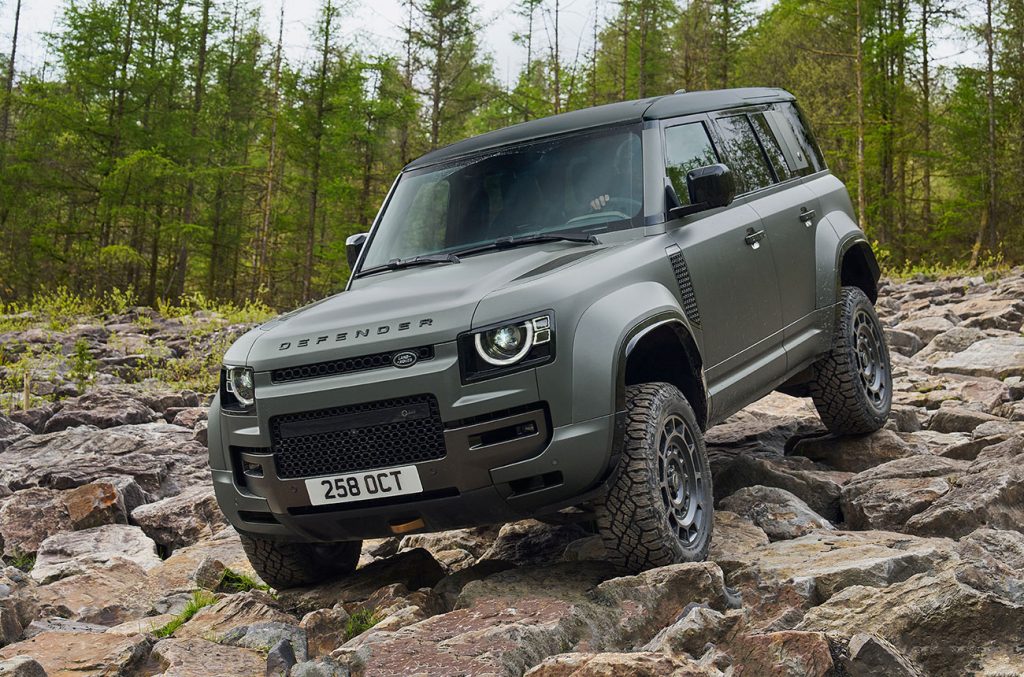
The Defender represents the idea that a vehicle designed for global extremes will naturally perform well in Midwest storms. Its combination of intelligent traction systems, structural durability, and environmental adaptability makes it one of the most confidence inspiring winter SUVs available.
7. Honda CR-V (AWD)
Not every winter capable vehicle needs to be large or aggressive looking. The Honda CR-V shows that intelligent engineering and consistency can sometimes outperform raw size. It has become a common sight in northern states because it delivers dependable winter traction without the cost or size of a traditional SUV.
Honda’s Real Time AWD system focuses on efficiency while still providing meaningful winter assistance. Under normal conditions it operates primarily as a front wheel drive vehicle, but the moment slip is detected it can quickly transfer torque to the rear wheels.
This helps maintain stability when accelerating from snowy intersections or merging onto icy highways.
One of the CR-V’s biggest strengths comes from predictability. The steering response and suspension tuning are designed to remain calm and controlled rather than sporty.
This makes the vehicle easier to manage for drivers who may not have advanced winter driving experience. A vehicle that behaves consistently is often safer than one that feels overly aggressive.
Fuel efficiency is another overlooked winter advantage. During long winters where engines run longer for heating and defrosting, efficient vehicles reduce fuel stops and operating costs. For commuters dealing with daily snow exposure, this can become an important ownership factor.
The CR-V also benefits from excellent cold start reliability. Honda’s conservative engine tuning and reputation for dependable electrical systems help ensure the vehicle starts consistently even after cold nights. Reliability in starting may sound basic, but in freezing conditions it becomes essential.
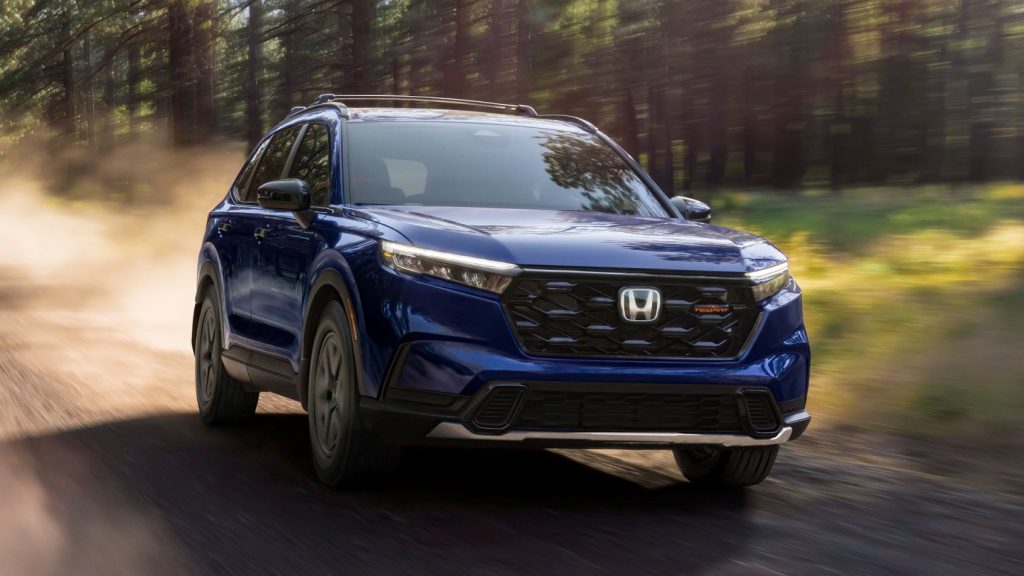
Interior packaging also contributes to winter practicality. The CR-V offers strong cargo space for emergency gear such as blankets, shovels, salt bags, and portable traction mats. Many experienced winter drivers carry survival supplies, and having usable cargo design makes that easier.
Rather than focusing on extreme off road capability, the CR-V succeeds by addressing the everyday realities of winter driving. It is designed for people who must drive regardless of weather, not those seeking adventure. That practical thinking makes it one of the most sensible winter vehicles on the market.
8. Toyota Land Cruiser
When talking about vehicles that can endure extreme environments, the Toyota Land Cruiser often comes up as one of the most trusted names ever built.
Its reputation was not created through marketing claims but through decades of proven durability in some of the harshest climates on earth. That same durability makes it exceptionally capable when facing severe winter storms.
The Land Cruiser uses a full time four wheel drive system designed for constant traction rather than occasional assistance. Power is always being distributed to all four wheels, which means the vehicle does not have to wait for slip before reacting. This constant readiness is valuable in blizzard conditions where traction can change every second.
Its heavy duty drivetrain components are another major advantage. Built to tolerate rough terrain and extreme loads, the Land Cruiser’s axles, transfer case, and suspension components are designed with longevity in mind.
When temperatures drop and materials contract, this overbuilt engineering helps maintain reliability where lighter vehicles might begin to show stress.
Another important factor is its advanced differential control systems. Many versions include locking center differentials that allow equal power distribution when traction becomes inconsistent. This can help maintain progress when one side of the vehicle encounters ice while the other remains on snow or pavement.
The Land Cruiser also performs strongly in winter because of its long term mechanical dependability. In remote cold regions, reliability is not just convenience but safety. Toyota designed this vehicle with a philosophy focused on function first, which is why many examples remain operational after decades of harsh use.
Driver confidence is also enhanced by the vehicle’s solid road feel. The steering weight and planted driving position help create a sense of control even when visibility drops and roads become unpredictable. Confidence behind the wheel often leads to smoother inputs, which directly improves traction outcomes.
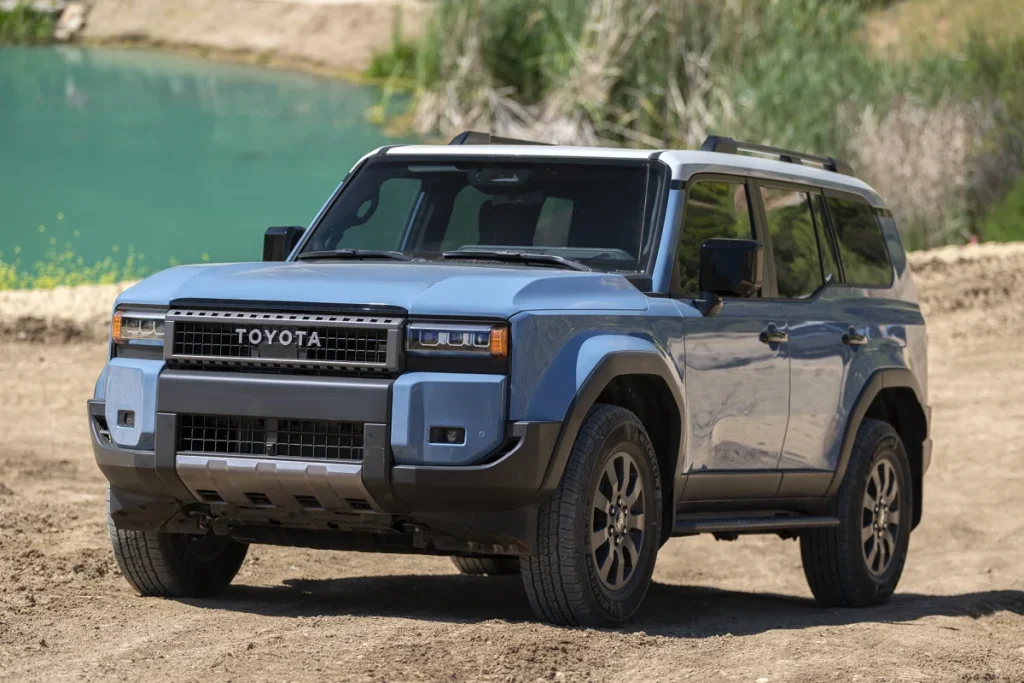
The Land Cruiser represents the idea of mechanical trust. When storms are severe and conditions become uncertain, drivers often value the peace of mind that comes from driving something engineered with extreme survival in mind.
9. Volvo XC90 (AWD)
Safety has always been the defining philosophy behind Volvo, and the XC90 demonstrates how that safety first mindset translates extremely well into winter driving. Instead of focusing only on mechanical strength, Volvo approaches winter mobility through stability, prevention, and driver assistance technologies.
The XC90 uses an intelligent all wheel drive system that constantly evaluates traction conditions. Rather than waiting for dramatic wheel spin, the system makes subtle torque adjustments to maintain composure.
This quiet intervention often prevents situations from becoming dangerous instead of reacting after control is already compromised.
One of the most impressive winter advantages of the XC90 comes from its electronic safety architecture.
Features like stability control calibration for slippery roads, collision avoidance support, and lane stability assistance can help reduce driver mistakes during low visibility conditions. In blizzard driving, avoiding sudden corrections is critical for maintaining control.
Volvo also focuses heavily on visibility engineering. Strong headlight performance, effective defogging systems, and well designed wiper coverage help maintain a clear forward view. Snow driving is often about what you can see rather than how fast you can go, and the XC90 supports that philosophy well.
Another area where the XC90 shines is occupant protection during worst case scenarios. In extreme winter travel, accidents sometimes become unavoidable due to outside factors. Volvo’s structural safety design and crash protection focus provide an additional layer of reassurance for families traveling in dangerous weather.
Comfort engineering also indirectly supports winter survival. Ergonomic seating reduces fatigue during stressful drives, while effective heating systems help drivers remain focused instead of distracted by discomfort. Long exposure to cold conditions can reduce reaction times, and a warm controlled cabin helps counter that effect.
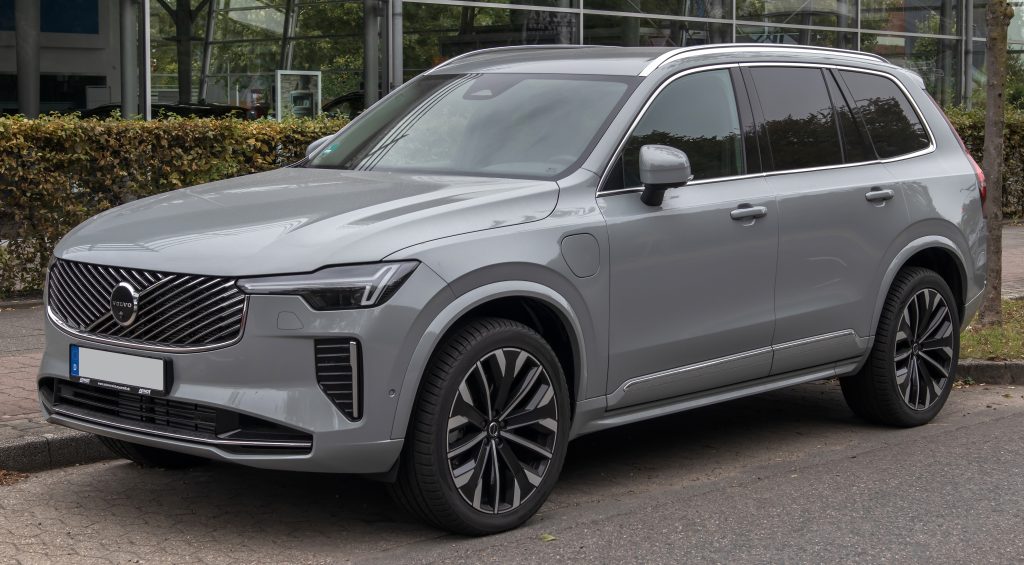
The XC90 proves that winter capability is not only about brute force. Careful engineering focused on stability, visibility, and accident prevention can be just as valuable as four wheel drive hardware when storms become dangerous.
10. Ram 2500 Power Wagon
There are winter vehicles designed to cope with snow, and then there are vehicles engineered to ignore it completely.
The Ram 2500 Power Wagon falls into the second category. Built from a heavy duty truck platform intended for demanding work environments, it brings extreme strength that can be very useful when winter conditions become overwhelming.
One of its biggest advantages comes from its heavy duty four wheel drive system combined with front and rear locking differentials.
While many vehicles only lock one axle, the Power Wagon can mechanically lock both. This allows all four wheels to rotate together when necessary, which can be extremely helpful when deep snow causes uneven traction across the vehicle.
Another key strength is its extremely robust suspension design. Heavy duty springs and off road tuned dampers allow the truck to absorb impacts from frozen snow ridges and ice chunks without losing composure. Where lighter vehicles might bounce and lose traction, the Power Wagon tends to stay planted and continue pushing forward.
The truck also benefits from significant ground clearance and large all terrain tire compatibility. This combination allows it to travel through snow depths that would stop normal SUVs. Drivers in rural snow states often value this type of capability when roads remain unplowed for long periods after storms.
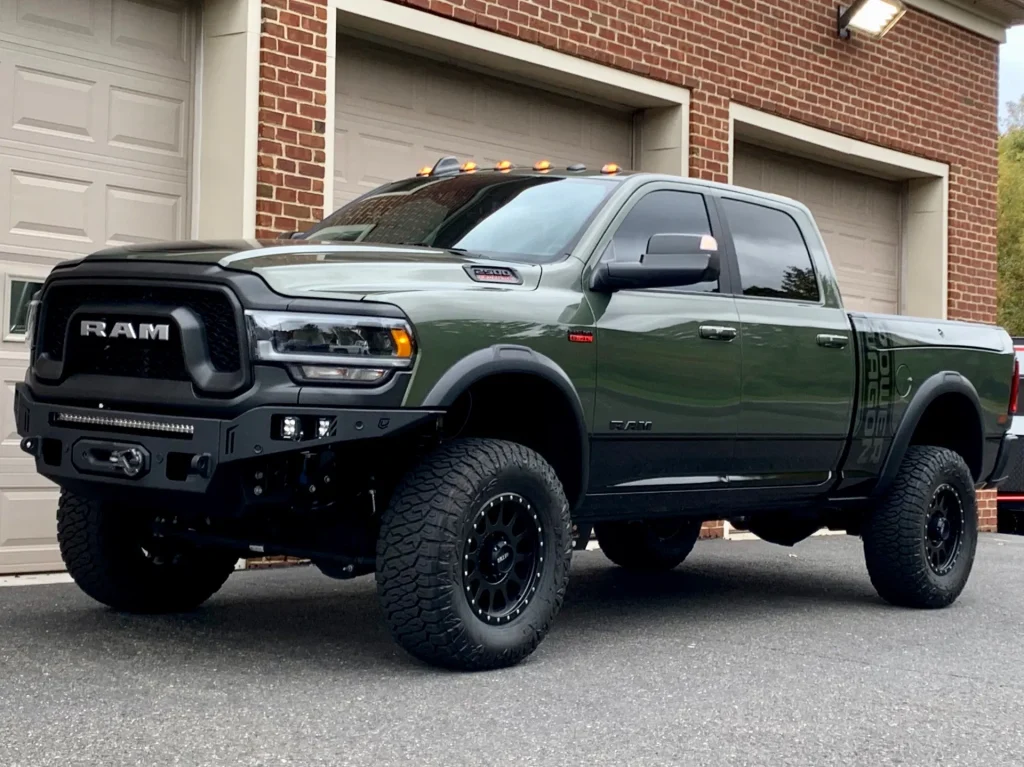
One interesting advantage comes from its integrated winch option. While not a feature most people expect to use, having self recovery capability can be valuable during extreme storms.
Even experienced winter drivers can become stuck in unpredictable conditions, and having recovery equipment built into the vehicle adds an extra safety layer.
Its large fuel tank and heavy duty cooling systems also make it suitable for extended operation in cold weather. Long idling periods during storms place stress on vehicles, and trucks designed for work duty tend to tolerate this better than lighter commuter vehicles.
The Power Wagon is not designed for efficiency or urban convenience. It is designed to keep moving when conditions become hostile. For drivers who prioritize maximum mechanical capability over refinement, it stands as one of the most extreme winter ready vehicles available.
Also Read: 5 Luxury Sedans With Bulletproof Transmissions vs 5 With Fragile Electronic Shifters
