
Driving through the Rocky Mountains is a completely different challenge compared to normal highway travel. The region is known for steep elevation changes, thin air at high altitudes, sharp switchbacks, long downhill grades, and unpredictable weather that can change within minutes.
Vehicles that perform well on flat terrain often struggle when faced with sustained climbs and descents that test both engine strength and braking stability.
Mountain driving demands a specific combination of engineering strengths. A capable four wheel drive system is essential for maintaining traction on gravel passes, snow covered inclines, and wet mountain pavement.
At the same time, strong torque delivery becomes critical because climbing steep grades requires consistent pulling power rather than just high horsepower numbers.
Cooling systems also play a major role in these environments. Long uphill climbs can stress engines and transmissions, especially during summer travel or when towing.
Likewise, controlled downhill performance is just as important. Vehicles must have strong engine braking capability and stable chassis control to avoid overheating brakes during long descents.
Ground clearance and suspension design also matter more in mountain environments than most drivers expect.
Uneven surfaces, rocky access roads, and seasonal damage from snow and erosion can make certain routes difficult for low vehicles. A well designed suspension helps maintain tire contact while also providing driver confidence on uneven terrain.
Another important factor is drivetrain durability. High elevation driving can expose weaknesses in transmissions and differentials because of constant load changes. Vehicles designed with strong gearing, low range capability, and proven transfer cases tend to perform better over long periods in these environments.
This list highlights ten 4×4 vehicles known for their ability to handle the demanding conditions of the Rocky Mountains.
Each one brings a different strength, whether it is torque focused climbing ability, downhill stability, off road durability, or high altitude reliability. Mountain driving is not about speed. It is about control, strength, and endurance.
Also Read: 5 Brands That Perfected the CVT in 2026 vs 5 That Are Still Struggling With Longevity
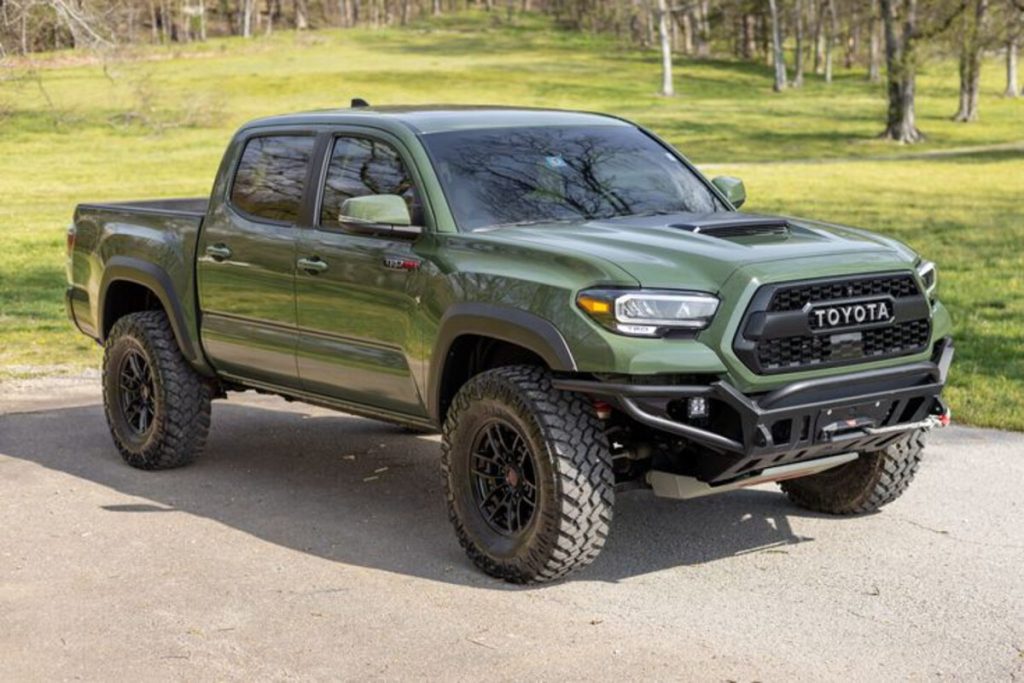
1. Toyota Tacoma TRD Pro
Mountain trails often reward vehicles that combine manageable size with serious mechanical capability. The Toyota Tacoma TRD Pro fits this role well because it offers strong climbing ability without the bulk that can make larger trucks difficult to place on narrow mountain routes.
One of the Tacoma’s biggest strengths comes from its torque delivery characteristics. Its gearing is tuned to allow steady climbing rather than requiring constant throttle input. When navigating long inclines, smooth power delivery prevents wheel spin and helps maintain traction on loose surfaces such as gravel or broken pavement.
The TRD Pro trim also benefits from specialized off road suspension tuning. With performance shocks designed to absorb rough surfaces, the truck maintains tire contact even when the road becomes uneven.
Maintaining contact is critical when climbing because losing grip even briefly can reduce momentum and force a difficult restart on a steep slope.
Another important factor is the available electronically controlled locking rear differential. On mountain trails where one rear wheel may lose traction due to uneven terrain, the locking differential ensures both wheels continue working together. This helps the truck maintain forward progress without relying purely on electronic traction control.
Its relatively shorter wheelbase compared to full size trucks also becomes an advantage in tight mountain switchbacks.
Drivers can position the vehicle more easily on narrow turns without requiring wide correction movements. This makes it especially suitable for older mountain roads that were not designed for modern oversized trucks.
The Tacoma also performs well because of its cooling durability. Toyota engineered this truck with the expectation of off road stress, which includes extended climbing situations. Reliable temperature control reduces the chances of overheating during long uphill drives.
Rather than relying on luxury or high output power, the Tacoma TRD Pro focuses on mechanical fundamentals. Strong gearing, proven durability, and practical size allow it to perform exceptionally well in mountain environments where control matters more than outright speed.
2. Ford Bronco Badlands
The Ford Bronco Badlands was developed with terrain diversity in mind, and that philosophy makes it particularly effective in mountainous regions where road conditions can change rapidly between pavement, dirt, rock, and snow within a single drive.
Its most defining advantage comes from its advanced terrain management system. The Bronco allows drivers to select different driving modes calibrated for specific conditions such as loose rock or slippery surfaces. In steep mountain environments, this adaptability allows the driver to optimize traction without needing extensive off road experience.
Another feature that makes the Bronco effective in the Rockies is its standard low range transfer case. Low range gearing allows the vehicle to climb steep grades slowly with better torque multiplication. This reduces strain on the transmission and allows more controlled throttle inputs when traction is limited.
The Badlands trim also includes front and rear locking differentials. This is a rare feature combination even among off road vehicles. When climbing uneven rocky paths where tire lift can occur, having both axles capable of locking dramatically improves climbing consistency.
Approach and departure angles also contribute to the Bronco’s mountain ability. Because the vehicle was designed with short overhangs, it can transition over sharp elevation changes without scraping. This becomes important when accessing trailheads or remote mountain routes with uneven entry points.

The Bronco’s removable sway bar feature is another interesting engineering choice. By allowing greater wheel articulation at lower speeds, the vehicle can maintain better contact with uneven ground. More tire contact directly improves available traction, which is critical on technical climbs.
Visibility is also strong due to its upright design and high seating position. Being able to clearly see the edges of narrow mountain trails can make a significant difference in driver confidence, especially on routes with steep drop offs.
The Bronco Badlands represents a modern interpretation of mountain mobility. It combines traditional mechanical tools with modern electronics, creating a vehicle that can confidently handle both technical climbs and unpredictable terrain changes.
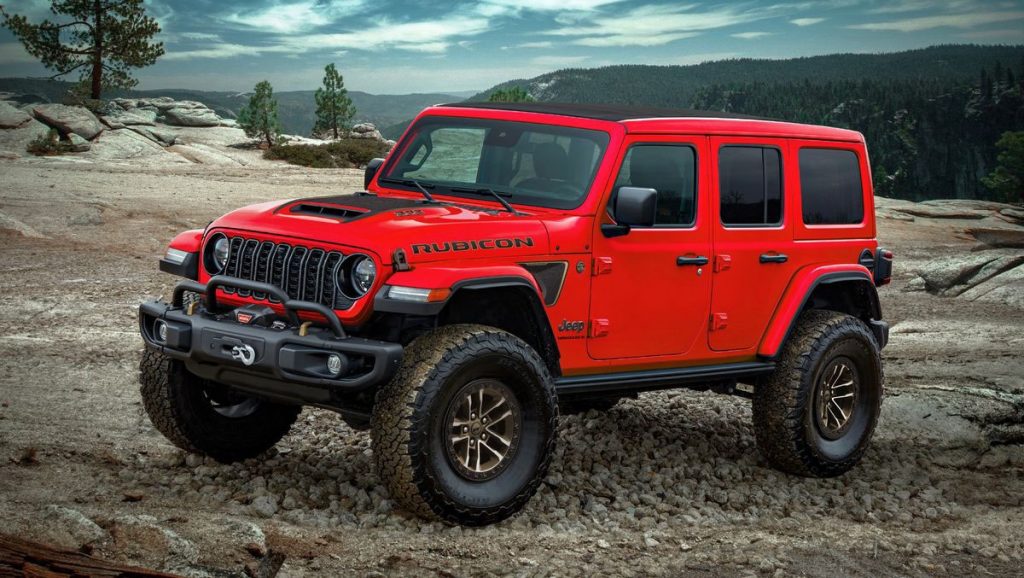
3. Jeep Wrangler Rubicon
If there is one vehicle that seems purpose built for steep and unforgiving terrain, it is the Jeep Wrangler Rubicon. While many SUVs claim off road ability, the Rubicon is engineered with mountain crawling as part of its core identity. Its mechanical design focuses on control at low speeds rather than speed on smooth surfaces.
The most important advantage of the Rubicon comes from its Rock Trac four wheel drive system. This setup provides an extremely low crawl ratio, allowing the vehicle to move forward slowly while maintaining strong torque at the wheels.
When climbing steep grades covered with loose rock, this allows careful movement instead of relying on momentum.
Solid front and rear axles also separate the Wrangler from most modern SUVs. While independent suspension systems improve comfort, solid axles provide better durability and articulation in extreme terrain. In mountain environments where one wheel may rise over a rock while another drops into a rut, this articulation helps maintain traction.
The Rubicon also includes electronically disconnecting sway bars. At low speeds, disconnecting the sway bar allows the wheels to move more independently. This increases ground contact and improves grip when navigating uneven surfaces. Once back on paved roads, the system reconnects to restore normal handling stability.
Another factor that supports its mountain ability is its compact and upright design. The short wheelbase helps with sharp switchbacks and narrow climbing paths. Drivers can position the Wrangler precisely, which is important when dealing with exposed edges and tight turns.
The availability of aggressive off road tires from the factory also gives it a traction advantage. Tire design often determines whether a vehicle climbs smoothly or struggles for grip. The Rubicon’s factory setup reflects its intended use in difficult terrain rather than basic commuting.
The Wrangler Rubicon is not focused on comfort or luxury first. It is designed for terrain that challenges ordinary vehicles. In the Rocky Mountains, where mechanical grip and low speed control often matter most, that focus makes it one of the most capable climbing vehicles available.
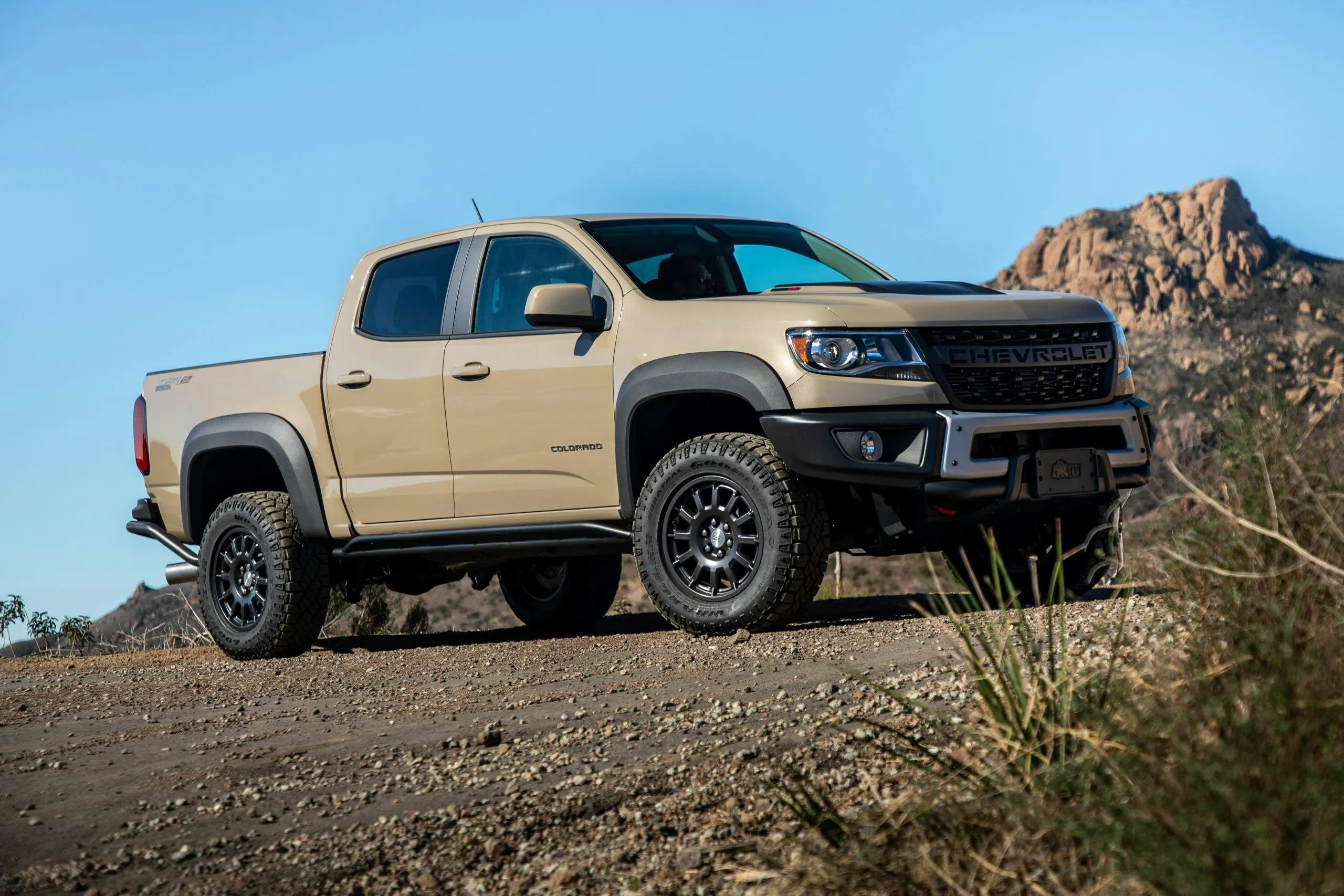
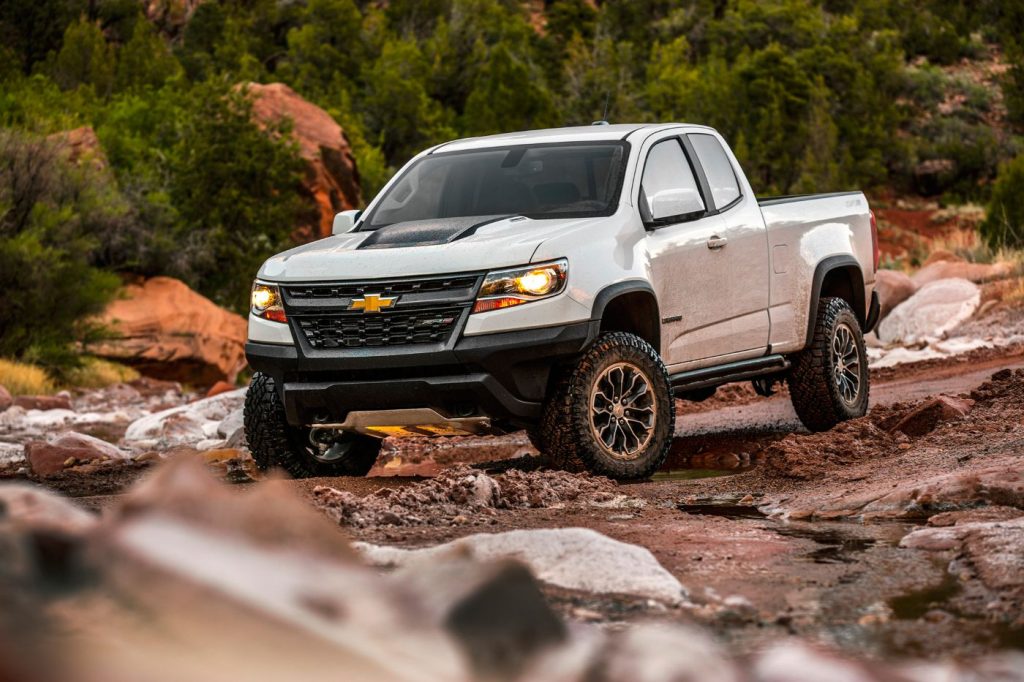
4. Chevrolet Colorado ZR2
The Chevrolet Colorado ZR2 takes a different approach to mountain performance. Instead of focusing purely on traditional off road hardware, it blends precision suspension engineering with practical truck capability. This makes it especially effective on mixed mountain terrain where both comfort and control are required.
A major highlight of the ZR2 is its Multimatic DSSV spool valve dampers. Unlike conventional shock absorbers, these are designed to provide consistent damping performance even under repeated impacts. On mountain roads filled with broken pavement or embedded rocks, this helps the truck remain stable rather than bouncing and losing traction.
Front and rear electronic locking differentials also give the ZR2 serious climbing ability. Having both axles capable of locking allows balanced traction distribution when surfaces become uneven. This is particularly helpful when climbing steep access roads leading to campsites or remote cabins.
The truck also benefits from a wider track compared to standard Colorado models. This added width improves lateral stability, which becomes useful on off camber mountain sections. A stable stance reduces the feeling of body roll and increases driver confidence on narrow routes.
Another notable design element is the ZR2’s protective underbody armor. Mountain trails often hide sharp rocks that can damage vulnerable components. Skid plates help protect the transfer case and other critical parts, allowing drivers to focus on navigation rather than worrying about mechanical damage.
The ZR2 also balances power delivery well. Its engine tuning provides steady mid range torque, which is exactly what is needed for climbing rather than high speed acceleration. Smooth power makes it easier to maintain traction and avoid unnecessary wheel spin.
Cabin ergonomics also contribute to driver effectiveness. Clear controls, supportive seating, and good outward visibility help reduce fatigue during long elevation climbs. Mountain driving often requires constant attention, so reducing driver strain becomes a hidden advantage.
The Colorado ZR2 shows that smart suspension engineering can be just as valuable as raw drivetrain strength. By focusing on stability, traction balance, and driver control, it becomes a very effective tool for navigating the complex terrain of the Rockies.
5. Land Rover Range Rover
Mountain travel is often associated with rugged and stripped down vehicles, but the Land Rover Range Rover proves that refinement and extreme capability can exist in the same machine. While it is known for luxury, its engineering depth makes it exceptionally capable when dealing with steep elevations and unpredictable mountain surfaces.
What separates the Range Rover from many competitors is its Terrain Response system. Instead of treating all off road conditions the same, the vehicle can adapt to rock, mud, snow, and incline conditions through calibrated drivetrain adjustments.
In mountain driving, this adaptability allows the vehicle to remain composed even as surface conditions change with elevation.
Another advantage comes from its advanced air suspension system. This allows the vehicle to raise its ride height when approaching rough or uneven climbs. Extra clearance helps prevent underbody contact when cresting steep transitions or navigating rocky access roads. Once the terrain improves, the suspension can lower again to improve stability and efficiency.
Hill ascent and descent management is another important strength. Climbing is only half of mountain driving. Coming down safely is just as important. The Range Rover’s downhill speed control systems allow the driver to focus on steering while the vehicle carefully manages braking input to maintain a controlled descent.
Power delivery is also carefully engineered. Instead of aggressive acceleration, the Range Rover focuses on smooth torque delivery. This makes it easier to maintain traction when climbing loose or dusty inclines where sudden throttle inputs could cause loss of grip.
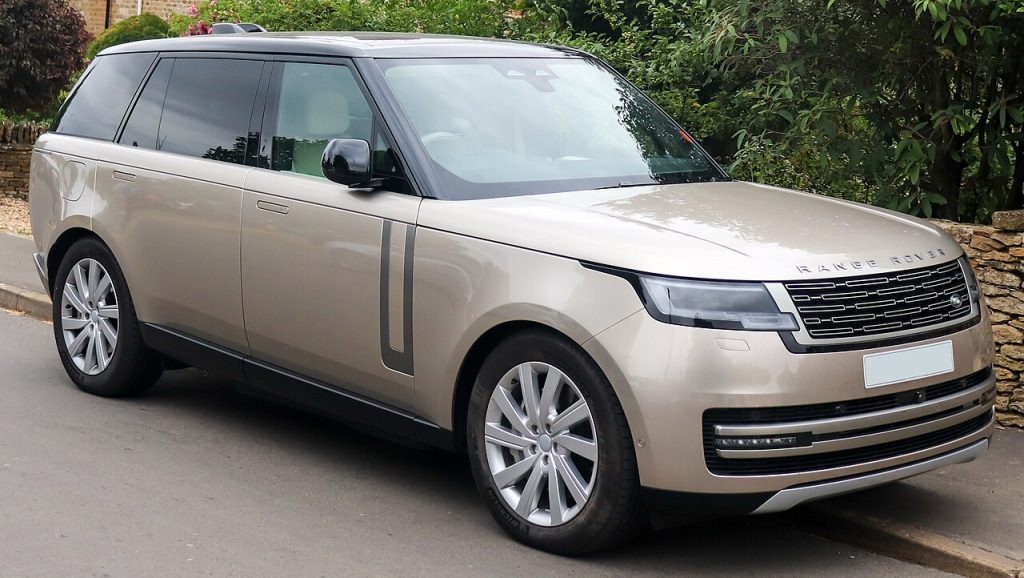
Cabin quietness also becomes a practical advantage during long mountain drives. Reduced noise and vibration allow the driver to stay mentally fresh. While this may sound like a comfort benefit, fatigue reduction plays a real role in maintaining safe decision making during extended high elevation travel.
The Range Rover succeeds because it approaches mountain driving with intelligence rather than brute force. It combines advanced electronics, adaptive suspension engineering, and controlled power delivery to create a vehicle that handles steep grades with calm precision rather than aggressive force.
6. Nissan Patrol
The Nissan Patrol represents a philosophy of over engineering for durability, which makes it extremely effective in high stress environments such as mountainous terrain. Although more commonly associated with global markets, its reputation for strength comes from decades of use in difficult environments ranging from deserts to high altitude regions.
A key strength of the Patrol lies in its strong ladder frame construction. This design provides the kind of rigidity needed when traveling across uneven mountain roads where chassis twisting can occur. Structural strength helps maintain suspension geometry, which directly affects traction consistency.
Its four wheel drive system is built with simplicity and durability in mind. Instead of overly complicated programming, the Patrol focuses on strong mechanical engagement that delivers predictable results. When climbing long grades, this type of straightforward torque delivery can be more reassuring than complex electronic intervention.
The Patrol also features a hydraulic body motion control system on some versions. This system helps reduce body roll while maintaining suspension flexibility. On winding mountain roads, reduced body movement helps maintain stability while still allowing enough suspension travel to handle rough surfaces.
Engine strength is another reason it performs well in high altitude environments. Larger displacement engines often cope better with reduced air density because they do not rely entirely on high boost pressure. This allows more consistent climbing performance as elevation increases.
The Patrol also benefits from generous approach angles and strong wheel travel. These characteristics help when navigating steep transitions where the road surface changes suddenly. Maintaining tire contact through these transitions is essential for continued forward movement.
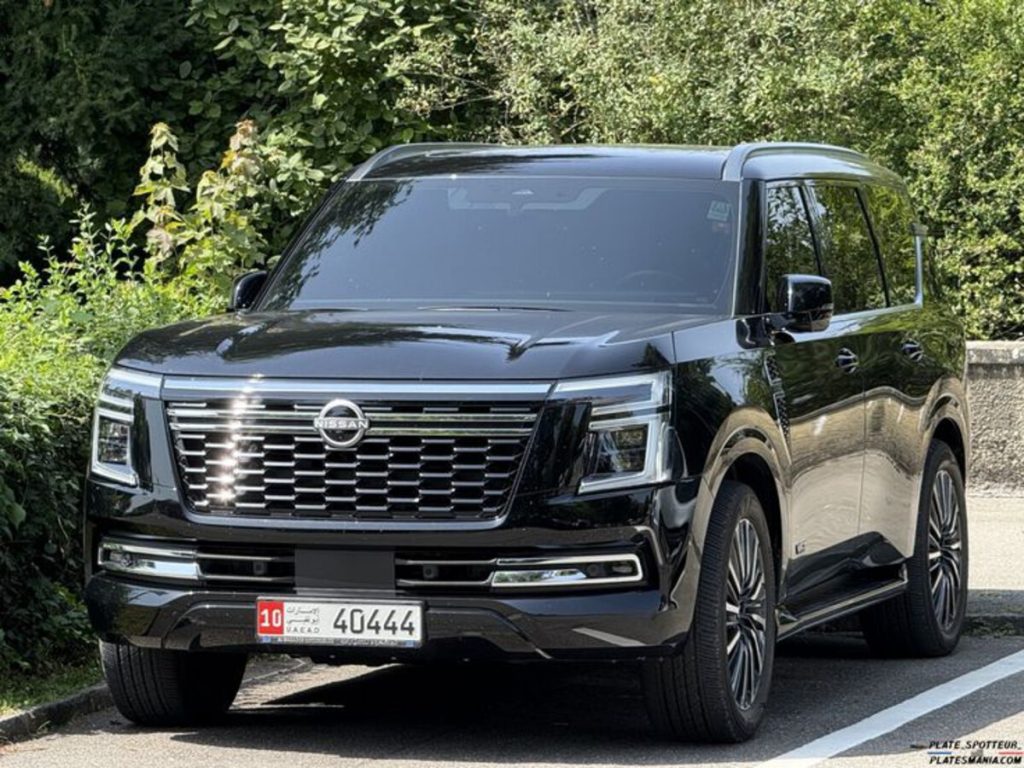
This vehicle represents a traditional approach to capability. Instead of focusing on trends, it focuses on mechanical strength and long term durability. For mountain environments where reliability and structure matter as much as traction, that philosophy gives it lasting credibility.
7. GMC Sierra AT4
Mountain driving often requires a combination of strength and composure rather than pure off road aggression. The GMC Sierra AT4 represents a version of a full size truck that has been specifically tuned to handle difficult terrain while still maintaining long distance comfort, something that becomes important when traveling across large mountain regions.
The AT4 package includes an off road tuned suspension with factory lift, which increases ground clearance compared to standard Sierra models.
This added height becomes useful when crossing damaged mountain roads or seasonal access routes that may not receive regular maintenance. Extra clearance also reduces the risk of underbody contact when cresting steep elevation changes.
Traction management is another strong area. The Sierra AT4 includes a two speed transfer case, allowing the driver to select low range when climbing particularly steep grades. Using low range reduces drivetrain strain and allows the engine to operate in an efficient torque band instead of constantly shifting under load.
The available automatic locking rear differential further improves climbing ability. Instead of allowing one wheel to spin freely when traction varies, the system automatically balances torque between both rear wheels. This becomes useful on uneven mountain paths where one side of the vehicle may encounter loose gravel while the other remains on solid ground.
Brake confidence is also important in mountain regions, and the Sierra benefits from strong braking hardware designed for towing loads. Larger brake components help resist heat buildup during long downhill descents. Maintaining braking effectiveness is essential when traveling down extended grades where smaller systems may begin to fade.
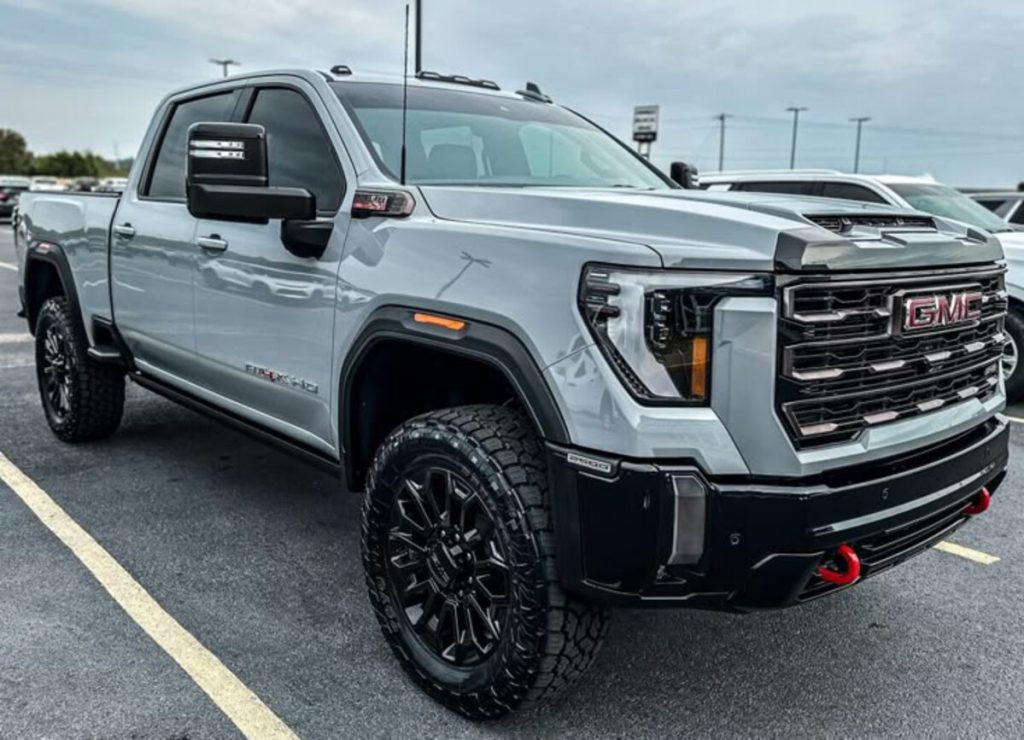
The AT4 also provides strong visibility through its elevated driving position and large mirrors. Seeing further ahead on winding mountain roads allows drivers to anticipate hazards earlier. Better anticipation leads to smoother inputs, which improves traction outcomes.
Rather than trying to be the most extreme off road truck, the Sierra AT4 focuses on balanced capability. It provides the tools needed for steep terrain while still remaining practical for long highway stretches between mountain destinations.
8. Mercedes Benz G-Class
The Mercedes Benz G Class stands as one of the few vehicles that has remained mechanically true to its original purpose while evolving technologically. Originally designed as a military and expedition vehicle, its core engineering still reflects a focus on climbing ability and terrain stability, which naturally translates into mountain strength.
One of the most defining features of the G Class is its use of three locking differentials. Few production vehicles offer this setup. With front, center, and rear differentials capable of locking, the vehicle can maintain traction even when multiple wheels lose grip. This becomes extremely valuable on steep rocky climbs where uneven contact is common.
Its box shaped design is not just for appearance. The upright body allows excellent visibility of the vehicle’s edges, which helps drivers place the wheels accurately on narrow mountain trails. Precision placement often determines whether a climb is smooth or difficult.
Another strength comes from its ladder frame construction combined with solid rear axle design. This combination prioritizes durability and predictable articulation. In mountain environments where surface changes can be abrupt, predictable suspension movement helps maintain traction consistency.
The G Class also uses permanent four wheel drive, ensuring constant torque distribution. This eliminates delays in traction engagement and provides steady climbing behavior. When dealing with steep grades, immediate torque availability can prevent momentum loss.
Despite its luxury reputation, the G Class maintains serious mechanical capability beneath its refined interior. High strength components, strong gearing, and proven drivetrain design allow it to handle difficult environments that many luxury vehicles would avoid.
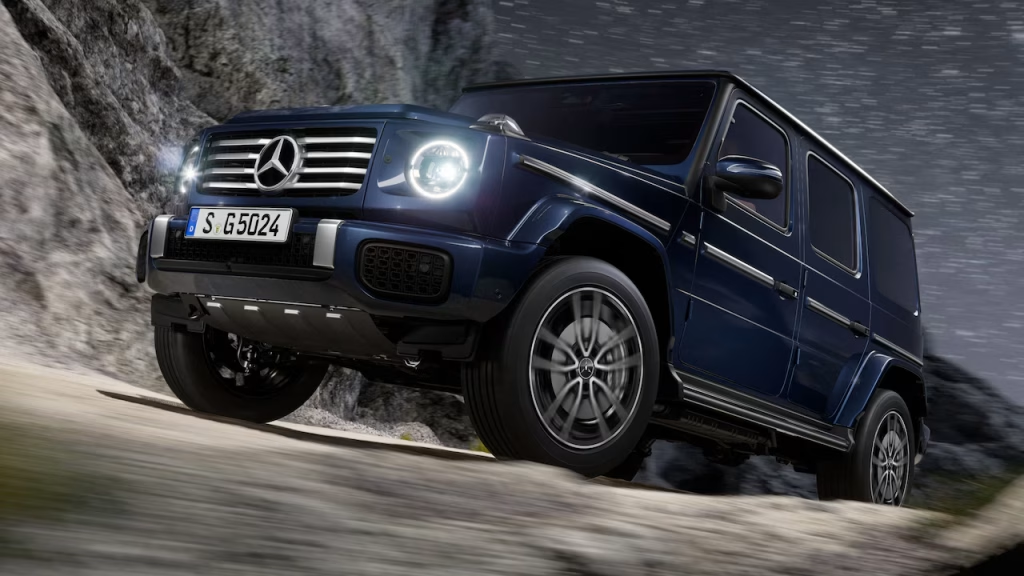
The G Class shows that true capability can coexist with premium engineering. Its heritage of durability combined with modern control systems makes it extremely effective on steep grades where traction consistency and structural strength determine success.
9. Ram 1500 Rebel
The Ram 1500 Rebel approaches mountain driving from the perspective of controlled strength rather than extreme specialization.
It is not designed as a dedicated rock crawler, yet its combination of torque delivery, suspension flexibility, and traction management makes it very effective on steep mountain grades where consistency matters more than outright aggression.
One of its biggest advantages comes from its rear coil spring suspension, which is uncommon in the full size truck category where leaf springs are more typical.
This design allows better wheel articulation and improved ride composure on uneven mountain pavement. When climbing rough grades, better suspension movement helps keep tires planted instead of skipping across the surface.
The Rebel also benefits from an available air suspension system. This allows ride height adjustment depending on terrain needs. Raising the vehicle for rough mountain access roads can help avoid scraping, while lowering it at highway speeds improves stability when traveling between elevation zones.
Engine torque characteristics also play a major role. The Rebel’s powertrains are tuned to provide strong mid range pulling ability, which is more useful in mountain driving than high peak horsepower. Steady pulling force allows smoother climbs and reduces the need for aggressive throttle corrections.
Another practical advantage comes from its integrated traction programming. The truck can adjust throttle mapping and stability control behavior depending on terrain conditions. This helps maintain control on loose inclines where sudden torque spikes could break traction.
Interior practicality also deserves mention. Mountain travel often involves carrying gear such as recovery tools, camping equipment, or emergency supplies. The Rebel’s cabin storage and bed utility make it suitable for extended trips where preparation is necessary.
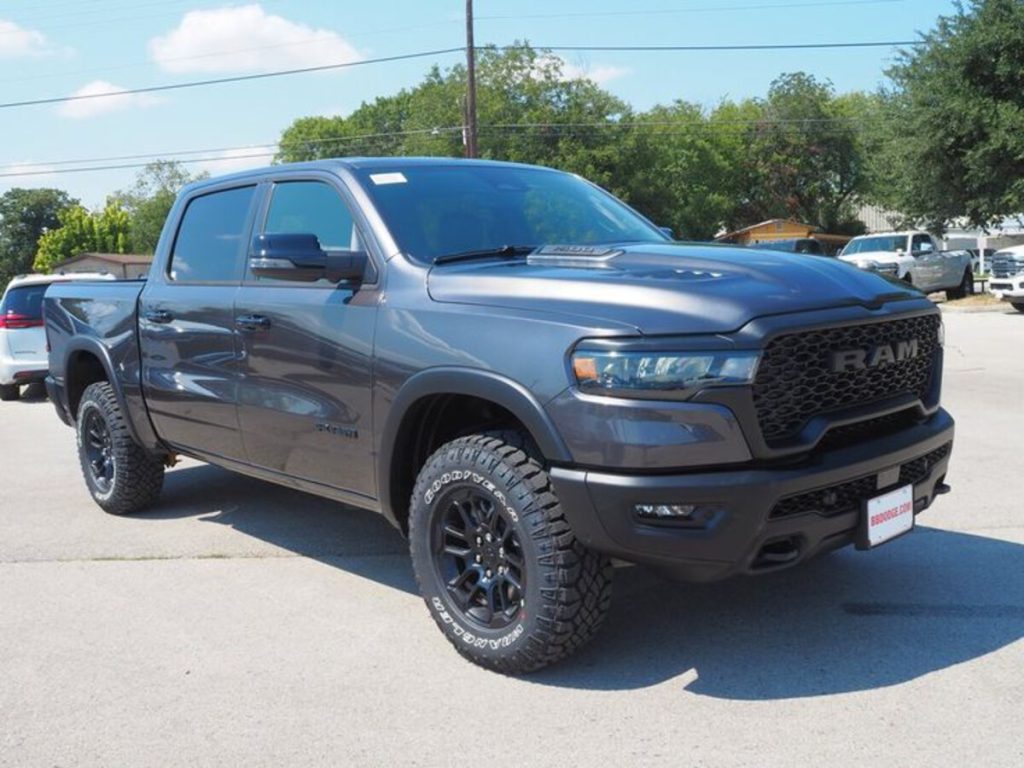
This truck succeeds because it focuses on usable capability. Instead of extreme hardware that many drivers may never use, it provides balanced engineering that helps drivers manage long grades, mixed terrain, and changing mountain conditions with confidence.
10. Lexus GX
The Lexus GX represents a quieter kind of capability. It does not advertise itself as aggressively as some off road focused vehicles, yet its engineering roots trace back to one of the most durable SUV platforms ever produced. This gives it a unique blend of long term reliability and mountain ready mechanical strength.
Built on a body on frame platform, the GX benefits from structural durability that supports consistent suspension performance. When traveling through mountain passes where road surfaces may be broken by winter damage, a rigid frame helps maintain alignment and traction stability.
Its full time four wheel drive system is designed to operate continuously rather than on demand. Constant torque distribution improves stability when road conditions suddenly change. In mountain regions where pavement may alternate between dry and wet within short distances, this constant engagement helps maintain composure.
The GX also includes a locking center differential, allowing equal power delivery when conditions require maximum traction. This becomes helpful when climbing loose or uneven grades where one axle might otherwise lose effectiveness.
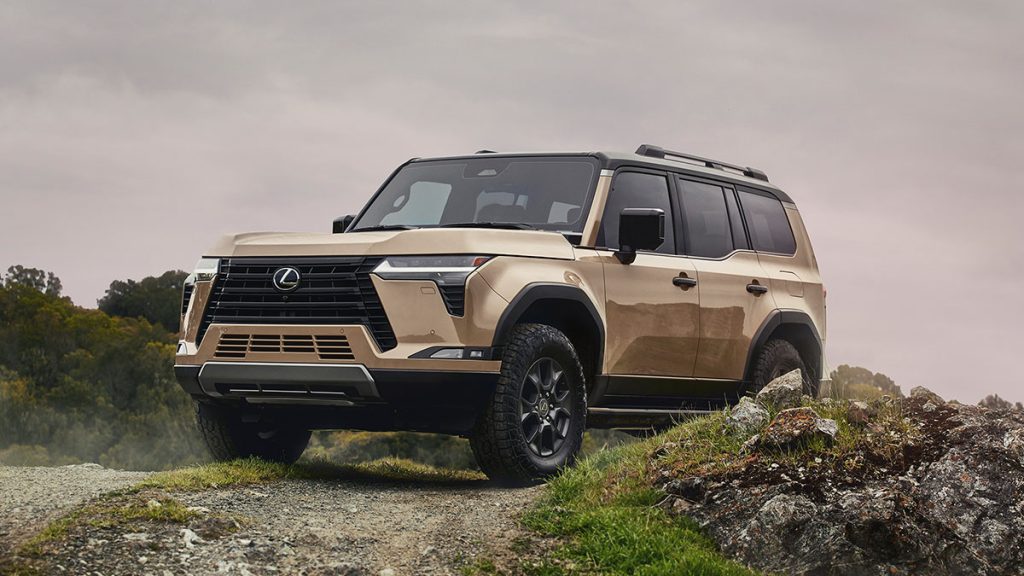
Another area where the GX performs well is braking control. Lexus engineered the vehicle with smooth brake modulation, allowing precise speed management on long descents. Controlled braking becomes extremely important when descending high elevation passes where overheating brakes can become a risk.
Reliability is another important factor. The GX uses proven naturally aspirated engine designs known for long service life. In mountain environments where help may be far away, mechanical dependability often matters more than advanced technology features.
The GX demonstrates that capability does not always need to be loud. Through a focus on proven engineering, structural strength, and predictable traction behavior, it becomes a strong option for drivers who want mountain confidence combined with long term ownership peace of mind.
Also Read: 10 Vehicles With Windshields That Cost 2000 Dollars to Replace Due to Sensors
