

Winter in extremely cold American states like North Dakota and Maine is not just uncomfortable for people, it is also extremely demanding on vehicles.
Temperatures in these regions can fall far below freezing for long periods, sometimes reaching levels where mechanical systems struggle to function normally. In such conditions, a vehicle is not simply parked overnight, it is exposed to an environment that actively works against its ability to start and operate efficiently.
Cold weather affects nearly every component of a vehicle. Engine oil thickens, batteries lose power, fuel systems become less efficient, and metal components contract.
When all these factors combine, starting a vehicle in deep winter becomes much harder than during moderate weather. This is why drivers in very cold regions often rely on additional equipment designed specifically for harsh climates.
A block heater is one of the most important winter tools for anyone living in these regions. This device warms the engine block before startup, helping maintain a safer operating temperature even when the outside air is extremely cold.
Instead of forcing a frozen engine to start under stress, a block heater allows the vehicle to begin operation in a more controlled and mechanically friendly condition.
Many drivers who move to cold states underestimate how much difference this small device can make. They often only realize its value after experiencing slow starts, warning lights, rough engine behavior, or even failure to start. Over time, repeated cold starts without protection can increase wear and shorten the life of critical components.
Understanding why block heaters matter is not just about convenience. It is about reducing long term repair costs, improving reliability, and protecting expensive mechanical systems from unnecessary strain.
For anyone regularly facing sub zero mornings, this simple heating solution can make the difference between a dependable winter vehicle and one that constantly struggles.
Below are eight important reasons why a block heater becomes almost essential in places where winter is not just a season, but a serious mechanical challenge.
Also Read: 5 Best Cars for Living in the Pacific Northwest Where It Always Rains
1. Prevents Thick Engine Oil From Damaging Internal Components
One of the biggest problems vehicles face in extremely cold climates is the behavior of engine oil. Oil is designed to lubricate moving parts, but when temperatures drop significantly, it becomes thicker and flows much more slowly.
This creates a dangerous situation during startup because the engine depends on immediate lubrication to prevent friction damage.
When a cold engine starts without a block heater, oil may take several extra seconds to circulate fully. During this time, metal components like pistons, crankshafts, and camshafts may operate with limited lubrication. Even a few seconds of poor lubrication repeated every winter morning can gradually increase wear.
A block heater helps solve this issue by warming the engine block and indirectly warming the oil. Warmer oil flows faster and reaches critical components more quickly. This reduces the period of dry friction that normally occurs during cold starts and helps maintain proper lubrication from the first moment of operation.
Another benefit is that smoother oil flow reduces resistance inside the engine. This means the starter motor does not have to work as hard to turn internal components. Less resistance also means less stress on the battery, which is already weakened by cold temperatures.
Drivers who skip this protection often notice engines sounding rougher during startup in winter. That harsh sound is often the result of delayed lubrication and increased friction. Over months or years, this can contribute to premature wear that could have been avoided.
In addition to protection, oil that flows properly also helps maintain better fuel efficiency during the first few minutes of driving. Engines warm up faster when lubrication is functioning correctly, which helps the vehicle reach optimal operating conditions sooner.
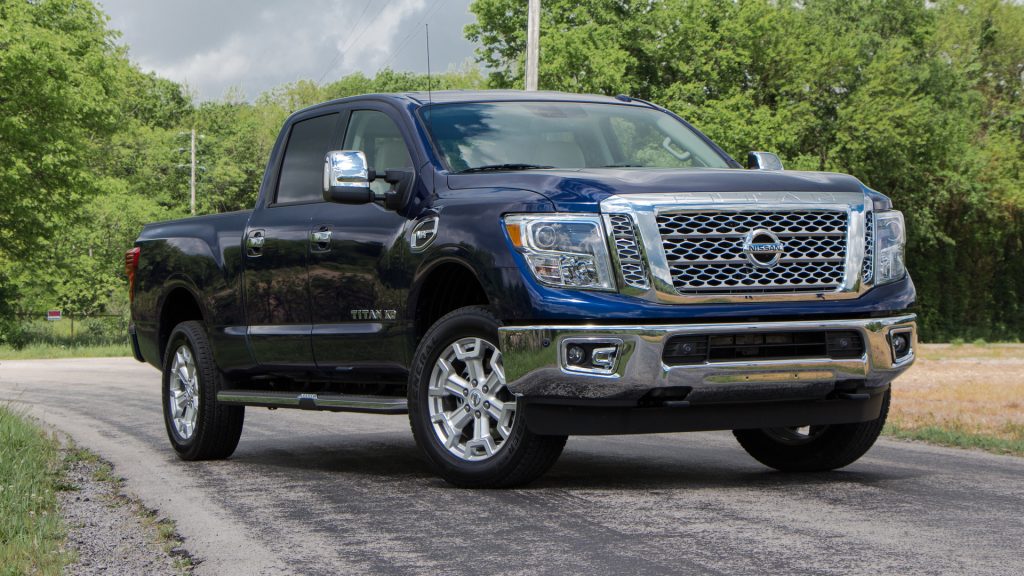
For anyone living in regions where temperatures regularly drop far below freezing, reducing oil thickening is not optional. A block heater acts like preventive maintenance that works every morning without requiring any mechanical skill.
Protecting engine lubrication is one of the simplest ways to extend engine life, and in extreme winter climates, preheating the engine becomes one of the smartest ways to accomplish that goal.
2. Makes Cold Starts Much Easier on Extremely Low Temperature Mornings
Starting a vehicle in extreme cold is very different from starting one in moderate weather. When temperatures drop below freezing, the engine faces multiple forms of resistance at the same time.
Metal contracts, oil thickens, fuel atomization becomes less efficient, and the battery produces less power. All these problems combine to make cold starts one of the most stressful moments in a vehicle’s daily operation.
A block heater changes this situation by raising the temperature of the engine before ignition even begins. Instead of forcing the starter motor to fight a completely frozen engine, the system allows internal components to operate in a slightly warmed condition. This makes the engine turn over faster and start more smoothly.
Drivers who rely only on remote start without a block heater often believe they are protecting their vehicle. In reality, remote start still forces a completely cold engine to fire up under stress. A block heater works differently because it prepares the engine before any mechanical movement begins.
Another advantage is consistency. Without preheating, some winter mornings may allow a vehicle to start normally while colder days may cause hesitation or extended cranking.
This unpredictability can be frustrating and sometimes dangerous if reliability is critical for commuting or emergencies. A warmed engine reduces this uncertainty and provides more dependable startup behavior.
Cold starts without preheating also increase strain on ignition components. Spark plugs, ignition coils, and fuel injectors must work harder when combustion conditions are poor. By slightly warming the engine, a block heater helps combustion occur more efficiently, which reduces misfires and rough running during the first minute after startup.
In very low temperatures, some vehicles may even trigger warning lights due to temporary sensor irregularities caused by extreme cold. Preheating helps stabilize engine conditions and reduces the chances of these temporary faults.
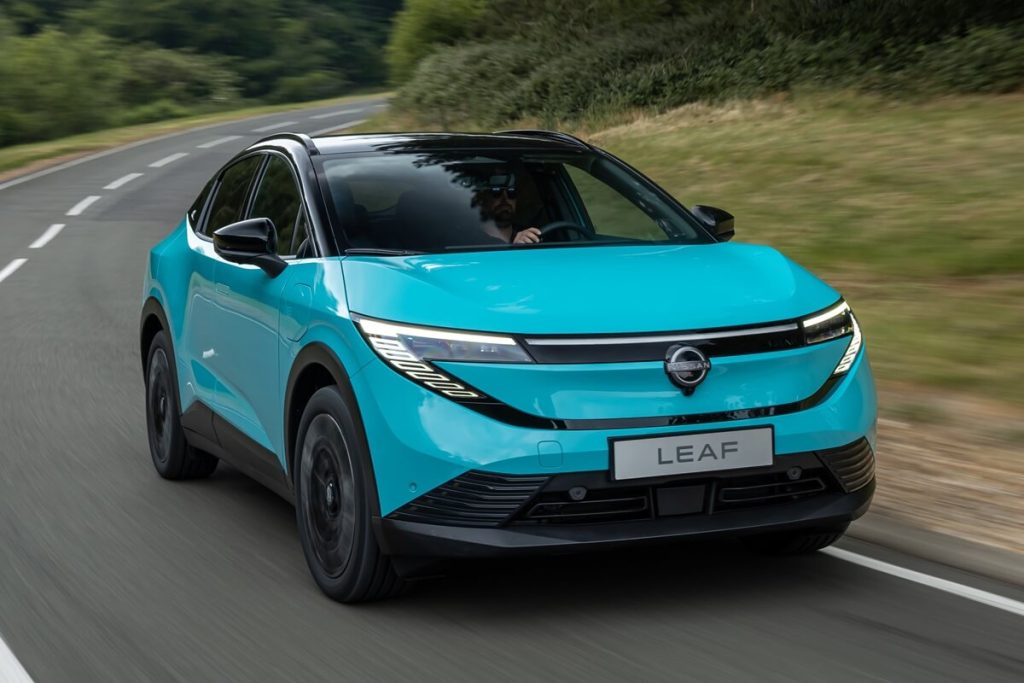
Over several winters, easier starts mean less cumulative stress on the starter motor, ignition system, and fuel delivery components. This translates into fewer unexpected failures and better long term reliability.
For people living in regions where winter mornings routinely test mechanical limits, improving startup reliability is not just about comfort. It is about ensuring that a vehicle remains dependable when it is needed most.
3. Reduces Battery Strain and Extends Battery Life
Car batteries lose a significant portion of their strength in cold weather. At freezing temperatures, a battery can lose a large percentage of its effective power.
When temperatures drop even further, the available starting power continues to decrease. At the same time, the engine requires more power to start because internal resistance increases.
This creates a difficult situation where the battery is weakest exactly when the engine demands the most power. Without any assistance, this imbalance forces the battery to operate under heavy stress every winter morning.
A block heater helps correct this imbalance by reducing how much effort is required to start the engine. Because the engine is already warmer, it turns more easily. This means the battery does not need to deliver maximum output just to get the engine running.
Lower strain during startup helps preserve battery health over time. Batteries that repeatedly experience deep stress during cold starts tend to degrade faster. Their ability to hold charge decreases, and they may fail earlier than expected. Reducing this repeated stress can add useful life to the battery.
Another overlooked benefit is charging recovery. After a difficult cold start, the alternator must work harder to restore the battery’s lost charge. If the startup was easier, the battery loses less energy, and recovery happens faster. This keeps the electrical system operating more efficiently during winter driving.
In very cold climates, battery replacement is a common winter expense. However, many early failures are not caused by manufacturing defects but by repeated exposure to severe cold starts. A block heater indirectly protects against this by reducing how much the battery is punished during ignition.
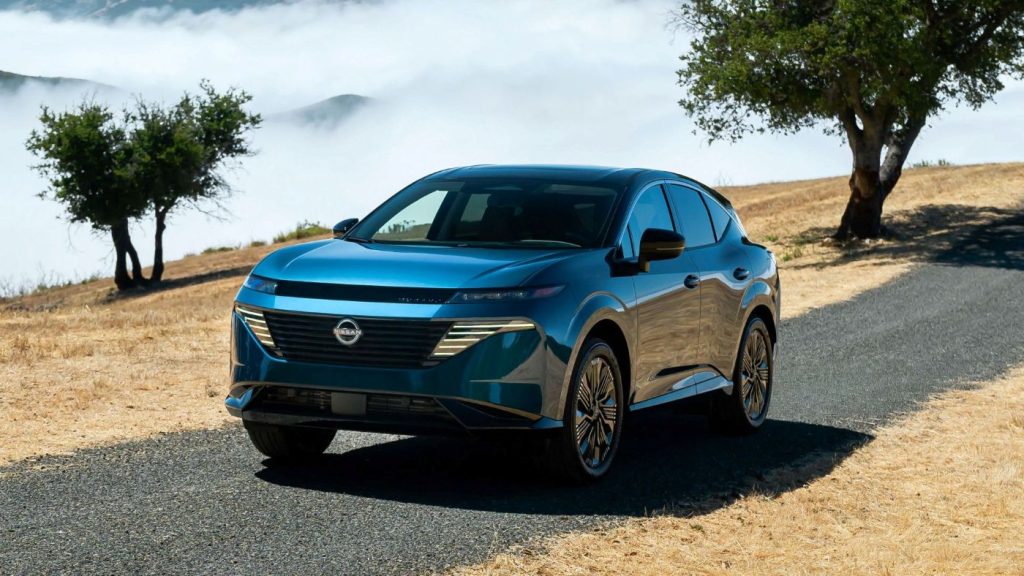
Electrical systems also benefit because stable battery voltage improves the performance of sensors and control modules. Modern vehicles rely heavily on electronics, and voltage stability helps prevent random electrical warnings caused by weak startup power.
When considering the cost of replacing batteries versus the relatively low operating cost of using a block heater, the preventive value becomes obvious. Protecting battery health is not just about avoiding inconvenience, it is about maintaining the reliability of the entire electrical system.
Reducing battery strain is one of the most practical financial and mechanical reasons why drivers in severe winter climates depend on engine preheating technology.
4. Reduces Engine Wear Caused by Repeated Freezing Temperature Starts
Engines are designed to operate within specific temperature ranges where metals expand to their intended clearances and lubrication works correctly. When temperatures drop far below freezing, these carefully engineered tolerances temporarily change.
Metal contracts, clearances increase, and lubrication becomes less effective. Starting an engine repeatedly in this condition slowly increases mechanical wear.
Cold starts are responsible for a large percentage of total engine wear over a vehicle’s lifetime. This is because components operate outside their ideal conditions for the first few minutes.
Pistons may not seal as efficiently, bearings may not receive full lubrication instantly, and combustion may not be perfectly balanced. When this happens every day for several months each year, the long term effects add up.
A block heater helps reduce this damage by bringing the engine closer to its intended operating environment before startup.
Even a moderate temperature increase can help metals expand slightly toward their normal tolerances. This reduces internal movement irregularities and improves mechanical harmony during the first rotations.
Another advantage is reduced piston slap. This phenomenon can occur when pistons move inside cold cylinders with extra clearance due to contraction.
It often produces a brief knocking sound during startup. While it may disappear once the engine warms, repeated exposure can increase internal wear. Preheating reduces this risk by narrowing the temperature gap.
Thermal stress is another factor many drivers never consider. When a completely frozen engine suddenly experiences combustion heat, the rapid temperature change creates expansion stress. Over many winters, this repeated expansion and contraction cycle can affect seals and gaskets. A warmer starting temperature reduces this shock.
Vehicles that regularly experience preheated starts often show smoother long term engine behavior compared to those exposed to harsh cold starts every day. While the difference may not be obvious in the short term, it becomes clear after years of use when engines maintain better compression and smoother performance.
Reducing internal wear is not only about avoiding breakdowns. It is also about maintaining efficiency and performance as the vehicle ages. Engines that suffer less cold start damage tend to retain smoother operation and more consistent fuel economy.
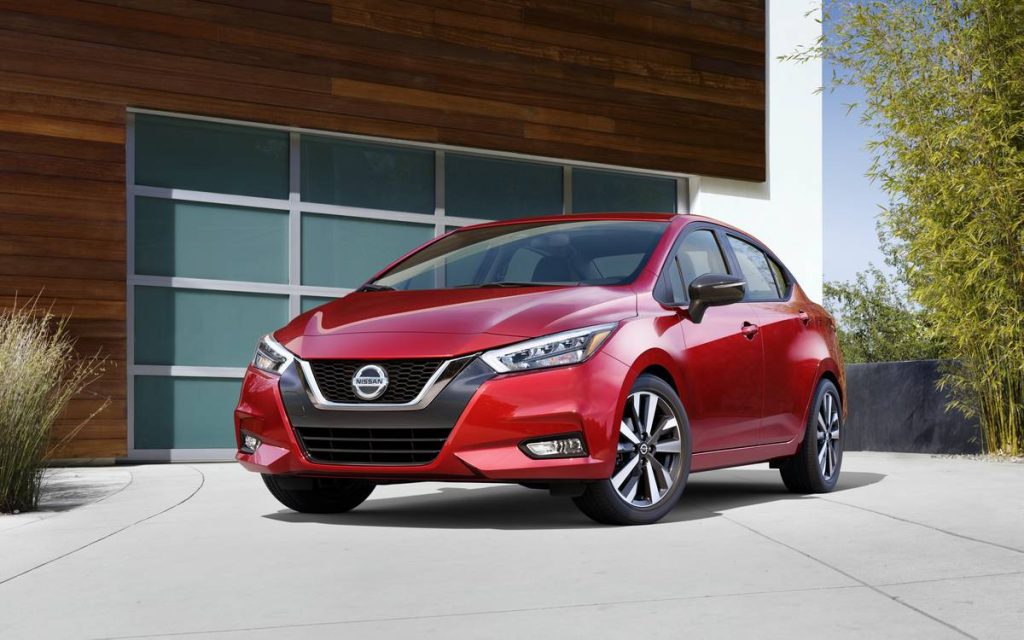
In climates where winter dominates a large part of the year, preventing cold start wear becomes one of the smartest ways to preserve mechanical longevity. A block heater works quietly in the background as a form of daily protection that reduces the invisible damage caused by extreme temperatures.
5. Improves Cabin Heating Performance During Winter Driving
Comfort inside the vehicle becomes a serious concern in places where winter temperatures can remain dangerously low. Without assistance, a vehicle’s heating system depends entirely on engine heat. When the engine starts from a frozen condition, it may take a long time before enough warmth is generated to heat the cabin effectively.
This delay can make early morning commutes uncomfortable and sometimes unsafe, especially when frost or ice must be cleared from windows. During this warm up period, drivers may also struggle with fogging glass, which reduces visibility until the heater begins working properly.
A block heater shortens this waiting period by starting the engine at a higher temperature. Because the engine is already partially warm, the heating system can begin producing warm air much sooner. This helps defrost windows faster and improves driving comfort within the first few minutes.
Faster cabin heating also improves safety. Clear windows are not just about comfort, they are essential for proper visibility. When frost melts faster and interior fog clears sooner, drivers can focus fully on the road instead of waiting for the climate system to catch up.
Another advantage is reduced idle time. Many drivers let their vehicles idle for long periods just to warm the cabin. This wastes fuel and increases emissions. When a block heater is used, the engine reaches heating efficiency faster, reducing the need for long idle warm ups.
Passengers also benefit from faster heating, especially children or elderly occupants who are more sensitive to extreme cold. Instead of enduring a long freezing drive, the interior becomes comfortable much sooner.

Mechanical systems also benefit because faster warm up means the engine reaches its ideal operating temperature quicker. This helps the vehicle transition into efficient operation without prolonged cold running conditions.
Drivers living in extremely cold states often describe the difference as noticeable after only a few uses. The vehicle simply feels more prepared for winter mornings instead of struggling through them.
While many people initially consider a block heater purely for mechanical protection, the comfort benefits quickly become just as important. Faster cabin warmth improves the daily driving experience while also contributing to safety and efficiency.
6. Helps Maintain Better Fuel Efficiency in Freezing Weather
Fuel efficiency drops noticeably during winter, especially in regions where temperatures remain below freezing for long periods. Many drivers assume this is unavoidable, but part of the loss comes from how hard an engine must work when it starts cold.
When an engine operates below its ideal temperature, it runs a richer fuel mixture to maintain stable combustion.
This extra fuel use continues until the engine warms up properly. If daily trips are short, the vehicle may spend a large portion of its running time in this inefficient phase. Over an entire winter season, this can significantly increase fuel consumption.
A block heater helps reduce this inefficiency by shortening the time the engine spends in cold operation. Because the engine starts at a higher temperature, it reaches efficient combustion conditions faster. This allows the fuel system to transition sooner to its normal operating mixture.
Another factor is friction losses. Cold engines experience higher internal resistance because oil flows more slowly and metal surfaces have not reached their intended expansion levels. This extra resistance requires more energy, which comes from burning more fuel. Preheating reduces this friction and helps the engine operate more freely from the beginning.
Cold weather also affects fuel vaporization. Gasoline does not atomize as effectively in freezing temperatures, which can reduce combustion efficiency during startup. A warmer engine environment improves this process and allows smoother burning of fuel.
Over weeks and months, these small improvements add up. Drivers may not notice the difference on a single day, but seasonal fuel usage often shows measurable improvement when cold start inefficiencies are reduced.
Another overlooked benefit is reduced unnecessary idling. Without preheating, many drivers idle their vehicles for extended periods just to bring the engine up to temperature. This burns fuel while the vehicle is not even moving. With a block heater, warm up time is reduced, making long idle periods less necessary.
Environmental impact also improves when fuel is burned more efficiently. Reduced cold start emissions mean fewer unburned hydrocarbons released during winter mornings. This is especially important in cold regions where many vehicles start at the same time each day.
Improving fuel efficiency in winter is not about dramatic changes but about reducing avoidable waste. A block heater works as a small but effective tool that helps engines avoid the worst inefficiencies caused by extreme cold.
7. Protects Coolant System Components From Extreme Thermal Stress
The cooling system in a vehicle is designed to manage engine temperature, but extreme cold presents a different type of challenge.
Instead of removing heat, the system must deal with rapid temperature changes when a frozen engine suddenly begins generating combustion heat. This quick transition from very cold to very hot can create stress within the cooling system.
Hoses, seals, and gaskets are especially sensitive to temperature shock. When materials rapidly expand after being exposed to deep cold, they can experience gradual weakening over repeated cycles. While modern materials are designed to handle temperature variation, reducing extreme swings can still improve longevity.
A block heater helps moderate this temperature transition. By warming the engine block and nearby coolant passages, it reduces the temperature gap that occurs when the engine starts. This allows the cooling system to experience a more gradual heat increase instead of a sudden spike.
Another advantage is improved coolant circulation. Extremely cold coolant may flow more slowly at startup, especially if the vehicle has been sitting for many hours in freezing air. Slight preheating helps restore better circulation characteristics sooner, allowing the cooling system to stabilize temperature more smoothly.
Thermostat operation also benefits from more stable starting conditions. When engines begin at extremely low temperatures, thermostats may remain closed longer while heat builds unevenly. Preheating supports a more balanced warm up process and helps temperature regulation begin earlier.
Radiators and heater cores also benefit indirectly. When thermal stress is reduced, the likelihood of small leaks forming over time may also decrease. Many cooling system failures in cold climates begin as minor stress related weaknesses that develop slowly.
Drivers often focus only on engine protection when thinking about block heaters, but supporting systems like coolant circulation also benefit from reduced temperature extremes. Protecting these components helps avoid inconvenient winter failures such as hose cracks or seal leaks.
Long term durability often depends on minimizing repeated stress cycles rather than reacting after damage appears. By reducing extreme temperature transitions, a block heater quietly contributes to the health of multiple interconnected systems.
For drivers in climates where winter temperatures remain severe for months, protecting the cooling system from repeated thermal shock is another strong reason why preheating equipment becomes a practical necessity.
8. Provides Long Term Reliability in Regions Where Winter Dominates the Driving Calendar
In places like North Dakota and Maine, winter is not a short inconvenience. It can dominate nearly half the year.
Vehicles in these environments are exposed to repeated freezing cycles, extended cold parking periods, and daily temperature extremes that drivers in milder climates rarely experience. Because of this, reliability becomes more about preparation than reaction.
A block heater contributes to long term reliability by reducing the cumulative damage that builds slowly over hundreds of cold starts.
Many mechanical problems do not appear suddenly. Instead, they develop gradually through repeated stress. Every easier startup and every reduced cold stress cycle helps delay this aging process.
One major reliability advantage is predictability. Vehicles exposed to severe cold without preparation sometimes behave inconsistently. One morning they start normally, another morning they struggle. This unpredictability can create serious inconvenience for people who depend on their vehicles daily for work or essential travel.
Preheating introduces consistency into this situation. When the engine begins each day in a more controlled condition, drivers experience fewer surprises. This stability becomes extremely valuable in regions where being stranded due to a starting failure is more than just an inconvenience.
Another long term advantage is reduced component fatigue. Starters, batteries, ignition systems, sensors, and seals all last longer when they operate under less extreme stress. Instead of replacing parts prematurely due to harsh winter use, drivers may experience more normal service intervals.
Resale value can also benefit from better winter care. Vehicles that have experienced less cold related strain often maintain smoother operation and better mechanical condition. Even if this is not immediately visible, maintenance records and consistent performance can reflect better care.
Peace of mind is another important factor. Knowing that a vehicle is better prepared for winter conditions reduces anxiety during severe weather periods. Instead of wondering whether the vehicle will start, drivers can feel more confident about daily operation.
Emergency readiness also improves. In extreme climates, vehicles are sometimes needed unexpectedly during storms or urgent situations. A vehicle that starts reliably without hesitation can make a real difference when time matters.
Long term reliability is not built from one major decision but from many small protective habits. Using a block heater is one of those habits that requires very little effort but delivers consistent mechanical protection year after year.
In regions where winter defines the driving experience, reliability is closely connected to preparation. A block heater becomes less of an optional accessory and more of a practical tool for ensuring that a vehicle continues to perform dependably despite harsh environmental conditions.
Also Read: 5 Vehicles With the Best Air Conditioning Systems for the Deep South
